

18 min readUpdated June 2026
You have one free day in Hakone. The autumn leaves are at their peak, the Romancecar from Shinjuku only took 85 minutes , and you are standing in front of a centuries-old inn with a garden you'd like to sit in for the rest of the afternoon. The only problem: a single night at this ryokan costs ¥40,000 ($255) per person, and your itinerary won't stretch that far.
This is exactly the situation that day use ryokan in Japan — called *higaeri* (日帰り) — were made for. For a fraction of the overnight cost, you can access an authentic ryokan: soak in a traditional onsen, change into a yukata, sit in a tatami room, and eat a multi-course kaiseki lunch. No overnight commitment required. This guide covers ten verified properties across eight regions — Hakone, Tokyo, Kyoto, Arima Onsen, Beppu, Yufuin, Kinosaki, and Kusatsu — with all prices re-verified in May 2026.
## What's New in 2026
- Price re-verification (May 2026): All prices below have been re-checked against official property websites. Gora Kadan's privately reserved open-air bath with kaiseki now runs ¥18,200 per person (updated from earlier estimates). - New addition — Yuen Bettei Daita, Tokyo: UDS Hotels opened the full day-trip onsen program to non-staying guests; tea salon plans from ¥4,350 and meal plans from ¥21,150. - Kinosaki tattoo policy: All seven soto-yu in Kinosaki Onsen now explicitly accept tattooed guests — a significant change from the historic blanket ban. - Kurokawa Onsen tegata pass: The nyuto tegata wooden pass price remains ¥1,500 for adults in 2026 (¥700 for children). - Hakone Free Pass price: The Romancecar + Hakone Free Pass from Shinjuku is now ¥6,500 — confirm current pricing at Odakyu's official site before purchase. - New comparison table added: See the quick-reference day-use table below for a side-by-side of 10 properties across regions.
This guide covers the concept in plain terms, gives specific picks by region (Hakone, Tokyo, Kyoto, Osaka, Beppu, Kinosaki, Kusatsu, and more), walks you through booking in English, and flags the honest caveats — tattoo policies, cash-only counters, and the fine print that other guides gloss over. Updated May 2026. If this is your first encounter with ryokan culture, our first-timer's ryokan guide is a useful starting point.
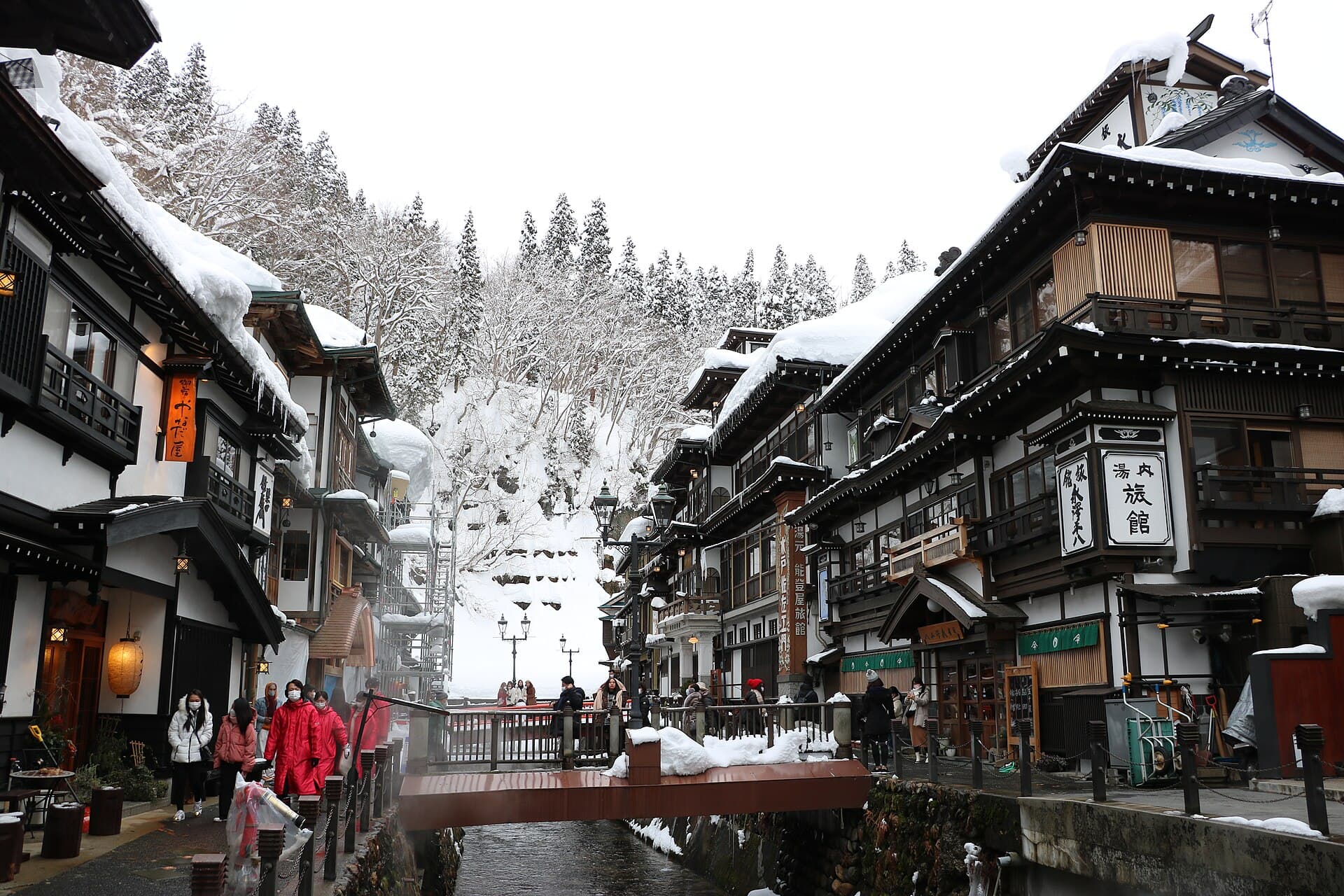
What Is a Day-Use Ryokan Plan (Higaeri)?
*Higaeri* (日帰り) literally means "day return" — a trip where you leave and come back the same day. Applied to ryokan, it refers to structured packages that let visitors enjoy the inn experience for a fixed window of time, typically two to four hours, without booking a room for the night.
This is distinct from what a regular spa offers. A higaeri ryokan plan gives you access to the inn's physical environment — the tatami floors, the lacquered corridors, the ceramic tableware, the sound of water in the garden. A hotel spa gives you a treatment room and a changing area. For more on what separates a ryokan stay from a standard hotel, see our ryokan vs hotel comparison.
There are two main tiers of day-use ryokan plan:
Tier 1 — Bath-only (tachiyori / 立ち寄り温泉): You pay an entrance fee to use the communal onsen baths, with no room or meal. Prices typically run ¥500–¥2,000 (~$3–$13) per person.
Tier 2 — Full day-use ryokan plan: A private tatami room is reserved for you for two to four hours. You change into a provided yukata, soak in the onsen, return to your room for a kaiseki or bento lunch, and have free time to rest or walk the garden before checkout. Prices range from ¥5,000–¥18,000 (~$32–$115) per person.
Tip
A full day-use ryokan plan at ¥8,000–¥12,000 per person compares favorably to a mid-range restaurant meal plus a spa day in any Western city — and provides something those can't: the specific texture of Japanese hospitality, in a building designed for it.
Day-Use Ryokan in Hakone (best for Tokyo day-trippers)
Hakone is the easiest onsen destination from Tokyo — 85 minutes from Shinjuku on the Romancecar express, with a dense concentration of traditional ryokan clustered around Gora, Miyanoshita, and Sengokuhara. For foreign visitors doing a Japan trip in one or two weeks, a Hakone day trip with a ryokan lunch stop is one of the most efficient cultural experiences available.

Tip
Buy the Hakone Free Pass (¥6,500 from Shinjuku) to cover the Romancecar fare and all local transport in the Hakone area. The pass pays for itself quickly and removes the need to buy individual tickets at each stop.
Matsuzakaya Honten (Kinnotake Resorts) — Private Onsen, No Meal: Located in Hakone's Miyanoshita area, this Meiji-era inn offers one of the most transparently priced private-onsen day-use plans in the region. Cost: ¥17,600 per room (~12 for two). Hours are 12:00–16:00 with last admission at 14:00. Bookings are same-day only by phone: call 0460-83-6511 between 9:00 AM and 1:30 PM. [verified 2026-05-22]
Gora Kadan — Premium Private Bath + Kaiseki: Gora Kadan occupies the grounds of a former Imperial Family summer villa. Their day-trip plan provides a privately reserved open-air bath (up to 3 guests) and kaiseki dining. Current price: ¥18,200 per person (tax and service charge included). Reservations must be made at least 3 days in advance; 50% cancellation fee applies after 8:00 PM the night before. Contact: reservation@gorakadan.com or +81-460-82-3331.
Tenzan Onsen (Tenzan Toji-Kyo) — Walk-In, Tattoo-Welcoming: In Tonosawa, a short bus or taxi from Hakone-Yumoto Station. Open daily 9:00–23:00. Adults pay ¥1,450 (~) at the entrance — or ¥1,350 with the Hakone Free Pass. Cash preferred. Tattoos are accepted throughout the facility, including the outdoor rotenburo and private baths; the property asks that heavily tattooed guests be considerate of other bathers.
For overnight context, our best ryokans in Hakone guide covers the full spectrum from mid-range to luxury.
Tip
Day-use traveler calculus for Hakone: Budget → Tenzan Onsen (¥1,450, walk-in, tattoo-welcoming). Mid-range → Matsuzakaya Honten (¥17,600/room, private bath, book same-day by phone). Premium → Gora Kadan (¥18,200/person, kaiseki + private bath, book 3 days ahead).
Day-Use Ryokan in Kyoto (for cultural immersion in the city)
Kyoto is a different proposition from Hakone. The city sits above a geological fault that doesn't produce the same volcanic hot spring activity, so traditional onsen are sparse within the city limits. What Kyoto offers instead is the country's deepest concentration of traditional architecture, kaiseki cuisine, and ryokan hospitality culture — and several properties have built day-use plans around lunch and tatami room access rather than onsen.
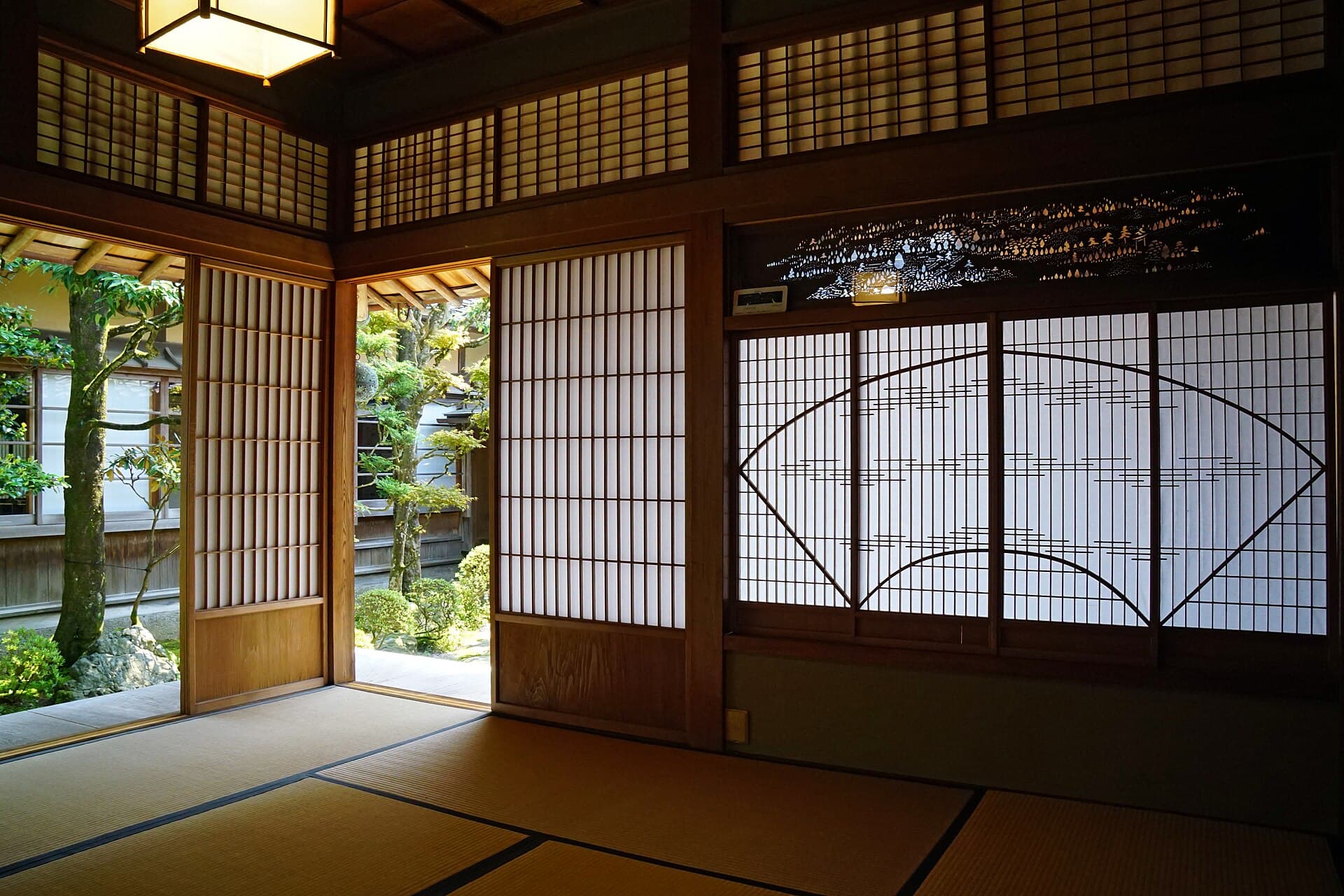
Ogoto Onsen Yumotokan — Best Verified Kyoto-Area Onsen Day Plan: 20 minutes from Kyoto Station on the JR Biwako Line. Two verified day plans: the Omi beef shabu-shabu plan from ¥8,400 per person (~$54); a premium kaiseki plan with A5 Omi beef from ¥13,900 per person (~$89) for two guests. Advance reservation required.
Kyoto Arashiyama Onsen Yubadokoro Fufu-no-Yu — Bath-Only in Arashiyama: Three minutes from Hankyu Arashiyama Station. Weekday admission ¥1,000 (~$6); weekends ¥1,200 (~$8). Hours 12:00–22:00. Note: tattooed guests are not permitted.
Kurama Onsen: 45 minutes north of Kyoto Station on the Eizan Railway, at the base of Kurama-dera. The open-air rotenburo accepts day visitors without an overnight reservation.
Tip
Suggested half-day itinerary: Arrive in Arashiyama by 9:00 AM for the bamboo grove and Tenryuji garden before the crowds build. At 11:00, take the Hankyu line to Ogoto Onsen for a full day-use plan. Return to Kyoto by 16:00 for an evening in Gion.
See All Kyoto Ryokans or read our best ryokans in Kyoto guide for overnight options.
Day-Use Ryokan in and Near Tokyo
Most Japan itineraries start and end in Tokyo, and many travelers don't realize they can access a genuine ryokan onsen experience without leaving the metro area — or, with 40 minutes on the Shinkansen, reach a coastal onsen town before lunch.
Onsen Ryokan Yuen Bettei Daita (Setagaya, Tokyo) — Urban Ryokan Day-Use: This UDS Hotels property in Setagaya-ku offers structured day-trip packages open to non-staying guests. Plans include: - Tea Salon (morning or afternoon): ¥4,350 — onsen access + tea service - SPA Plan: ¥9,350 and up — onsen + spa treatment - Meal Plan (dinner): ¥21,150 and up — onsen + kaiseki dinner
Operating hours for day guests: weekdays 06:00–13:00 (last entry 12:30) and 16:00–01:00; weekends 06:00–14:00 and 16:00–01:00. Reservations required online at least two days in advance by 15:00. Note: bath-only plans are not available — all day-trip packages include an additional element (meal, spa, or tea).
Atami day-use picks (45 minutes from Tokyo Station by Shinkansen) — Coastal Onsen Town: Atami is the fastest onsen-town escape from central Tokyo. The Shinkansen (Tokaido Line Kodama) covers the distance in 40–45 minutes for approximately ¥2,000–¥2,500. Several ryokan in Atami sell day-use plans with sea-view rotenburo; private bath (kashikiri) day plans typically run ¥5,000–¥12,000 per person. The Atami Spa Association's tourism site lists participating properties with day-use availability.
Kusatsu Onsen (2.5 hours from Tokyo) — Japan's Premier Spa Town: The JR Kusatsu limited express from Ueno Station reaches Nakanojo in around two hours (approximately ¥4,500). From there, buses run to Kusatsu in under 30 minutes. Several ryokan in Kusatsu sell tatami room + communal onsen day-use packages. The Yubatake open hot spring field is free to view and walk around at any time. Budget for ¥3,000–¥8,000 for a full mid-range day-use plan with a tatami room.
Tip
Tokyo-based traveler's quick guide: For a ryokan half-day without leaving the city — Yuen Bettei Daita (book online, 2 days ahead). For a genuine onsen town — Atami (45 min Shinkansen, book 2–3 weeks ahead). For Japan's best mineral water — Kusatsu (2.5 hours, plan a full day).
Day-Use Ryokan Near Osaka: Arima Onsen
For visitors based in Osaka or Kyoto, Arima Onsen in Kobe's northern hills is the natural day-use destination. Access from Osaka takes approximately one hour by a combination of the Hankyu and Kobe Dentetsu lines (cost: around ¥800–¥900). Arima is famous for its two hot spring types: Kinsen (gold spring, iron-rich, rust-colored) and Ginsen (silver spring, radium and carbonate, clear) .
Arima Grand Hotel — Walk-In and Meal Plans: One of the most accessible properties for non-staying visitors. - Kannai-Riyouken (day access ticket): ¥4,000 weekdays / ¥4,500 weekends and holidays per adult (includes a ¥2,000 facility voucher; no reservation needed — purchase at the 2F basement machine) - Shunsai-Jiki (lunch + bathing): ¥7,000 weekdays / ¥7,500 weekends per adult for standard Japanese cuisine; ¥11,000–¥11,500 with Kobe beef. Includes one visit to the 9th-floor panoramic bath and one visit to the basement public bath. Reservation required one day in advance.
Kin no Yu and Gin no Yu (public baths): These two town-operated baths accept all visitors. Kin no Yu: ¥800 per adult (¥600 on regular weekdays). Combination ticket (both baths): ¥1,200. No reservation required; the baths close one day per week — check the schedule before traveling.
Day-Use Ryokan in Beppu and Yufuin (Kyushu's onsen capital)
Beppu, on the eastern coast of Kyushu, pumps out more than 100 million liters of hot spring water daily — the highest volume of any city in Japan . That geological abundance translates directly into the widest variety of day-use plans at the most affordable prices you'll find anywhere in the country. Access from Fukuoka (Hakata Station): approximately 2 hours by JR Limited Express Sonic .
Suginoi Hotel — Large-Scale Onsen Day Spa: Sits on a hillside above central Beppu and operates one of the largest onsen complexes in the city, open to day visitors. Multiple indoor and outdoor baths spread across two dedicated floors. Pricing changes seasonally; contact the property directly or check their official site before visiting. [verified 2026-05-22]
Hyotan Onsen (Kannawa district) — Michelin 3-Star Walk-In Baths: The only onsen facility in Japan to be awarded three stars by the Michelin Green Guide Japon, located in the atmospheric Kannawa steam-vent district of northern Beppu . General admission: approximately ¥620–¥800 per adult. Private reserved bath sessions (kashikiri-buro): ¥1,500–¥3,000 for 40–60-minute slots. Cash only. Open daily; the steam rising from the surrounding streets makes the walk from the bus stop an experience in itself.
Yufuin (45 minutes from Beppu by JR Yufuin-no-Mori train): The Yufuin valley sits at higher elevation than Beppu, with a quieter, more refined onsen atmosphere. Several inns in Yufuin sell bath-only day plans (¥500–¥1,000) without requiring overnight stays. For overnight picks, see our best ryokans in Yufuin guide.
Tip
If you're basing yourself in Kyushu for more than a day, consider building in a visit to Kurokawa Onsen in Kumamoto Prefecture, two hours from Beppu. The ¥1,500 Nyuto Tegata wooden pass grants access to three outdoor rotenburo of your choice across participating ryokan in this forest-village town.
Day-Use Ryokan in Kinosaki and Kusatsu (classic onsen towns)
Kinosaki Onsen operates on a model unlike any other onsen town in Japan. Day visitors can purchase the Yumepa day pass for ¥1,500 per adult (~0) (¥750 for children), which gives unlimited access to all seven soto-yu for a calendar day. You put on a yukata, slip into wooden geta sandals, and walk between bathhouses through a neighborhood that looks much as it did a century ago.
Tattoo policy update 2026: All seven public bathhouses in Kinosaki Onsen now explicitly welcome tattooed guests — a meaningful change from the historic restrictions that many older guides still report incorrectly. Confirm the current policy at visitkinosaki.com before traveling, as individual ryokan private baths may maintain separate house rules.
One constraint remains: private ryokan baths (kashikiri) are not available to day visitors at any Kinosaki ryokan — reserved exclusively for overnight guests.
Kusatsu Onsen in Gunma Prefecture, 2.5 hours from Tokyo by highway bus or rail, is anchored by the Yubatake (湯畑) — a large open hot spring field that produces visibly steaming, faintly sulfuric mineral water all day long. Kusatsu's source water is highly acidic (pH around 2.1) and reaches temperatures between 51 and 94°C at the Yubatake . Several ryokan sell day-use plans with tatami room access and communal onsen in the ¥3,000–¥8,000 range.
Quick-Reference: Day-Use Plans by Property (2026)
| Property | Region | Day-Use Price (Per Person) | Lunch Included | Private Bath Option | Tattoo Policy | Advance Booking |
|---|---|---|---|---|---|---|
| Tenzan Onsen | Hakone | ¥1,450 (~$9) | No | Yes (kashikiri) | Accepted | Walk-in |
| Matsuzakaya Honten | Hakone | ¥17,600/room (~$114) | No | Yes (private) | Check directly | Same-day phone |
| Gora Kadan | Hakone | ¥18,200 (~$118) | Yes (kaiseki) | Yes (open-air) | Check directly | 3 days ahead |
| Yuen Bettei Daita | Tokyo | ¥4,350–¥21,150 | Plans available | Communal only | Check directly | 2 days ahead online |
| Ogoto Onsen Yumotokan | Kyoto area | ¥8,400–¥13,900 (~$55–$90) | Yes (shabu-shabu / kaiseki) | Communal | Not permitted | Advance required |
| Arima Grand Hotel | Osaka / Kobe | ¥4,000–¥11,500 | Plans available | Communal | Check directly | Walk-in or 1 day ahead |
| Kin no Yu (public bath) | Arima Onsen | ¥800 (~$5) | No | No | Not permitted | Walk-in |
| Hyotan Onsen | Beppu | ¥620–¥800 | No | Yes (kashikiri, 40–60 min) | Check directly | Walk-in |
| Yumepa Pass (7 baths) | Kinosaki | ¥1,500 (~$10) | No | No | Accepted (all 7 baths) | Walk-in |
| Kusatsu ryokan (varies) | Kusatsu | ¥3,000–¥8,000 | Plans available | Communal | Varies | Advance recommended |
Tip
Off-peak timing adds up: weekday day-use plans at Arima Grand Hotel run ¥500 cheaper than weekends, and Kin no Yu is ¥200 cheaper on regular weekdays. If your itinerary is flexible, a Tuesday or Wednesday visit to a popular onsen town saves money and gives you a quieter bath.
How to book a day-use ryokan plan in English
Step 1: Check the ryokan's official website. Look for "day use," "day trip plan," or "higaeri plan" in the navigation. On the Japanese version, search for 日帰りプラン.
Step 2: Use the right platforms. Ikkyu.com is the most useful English-accessible platform for premium day-use plans. Klook lists onsen day-pass tickets for several popular facilities in Hakone and Kyoto, which allows credit card payment and advance booking confirmation in English. Rakuten Travel lists day-use plans alongside overnight stays if you filter by 日帰り.
Step 3: Email directly. For premium properties where day-use plans aren't fully listed online, email works: *"Hello, we are two guests visiting on [date]. Do you offer a day-use plan for that day? We are interested in onsen access and lunch if available. Could you please share details and pricing? Thank you."*
Step 4: Confirm the cancellation policy before you book. Day-use cancellation fees can be severe — some Arima Onsen properties charge 100% on the day of cancellation.
Step 5: Bring cash. Many traditional ryokan do not accept foreign credit cards for day-use plan payment. Where Klook tickets are available, these can be purchased with a card in advance and scanned at the property. [verified 2026-05-22]
Tip
Book 3–4 weeks ahead for weekends and public holidays. Day-use slots sell out faster than overnight rooms because fewer are available.
For a deeper look at the full booking process, our how to book a ryokan guide walks through every platform and method in detail.
What to expect during a full day-use plan
The arrival at a ryokan is choreographed. You slide open the door, remove your shoes before stepping up into the entrance hall, and a staff member in kimono meets you at the genkan (entryway). They take your name, confirm your plan, and lead you through the inn to your tatami room.
The room is small by Western standards. A low lacquered table sits at the center, with flat cushions on either side. A folded yukata and belt are waiting on the table. Staff show you how to put it on if you need it — left side over right; the other way is the funeral convention .
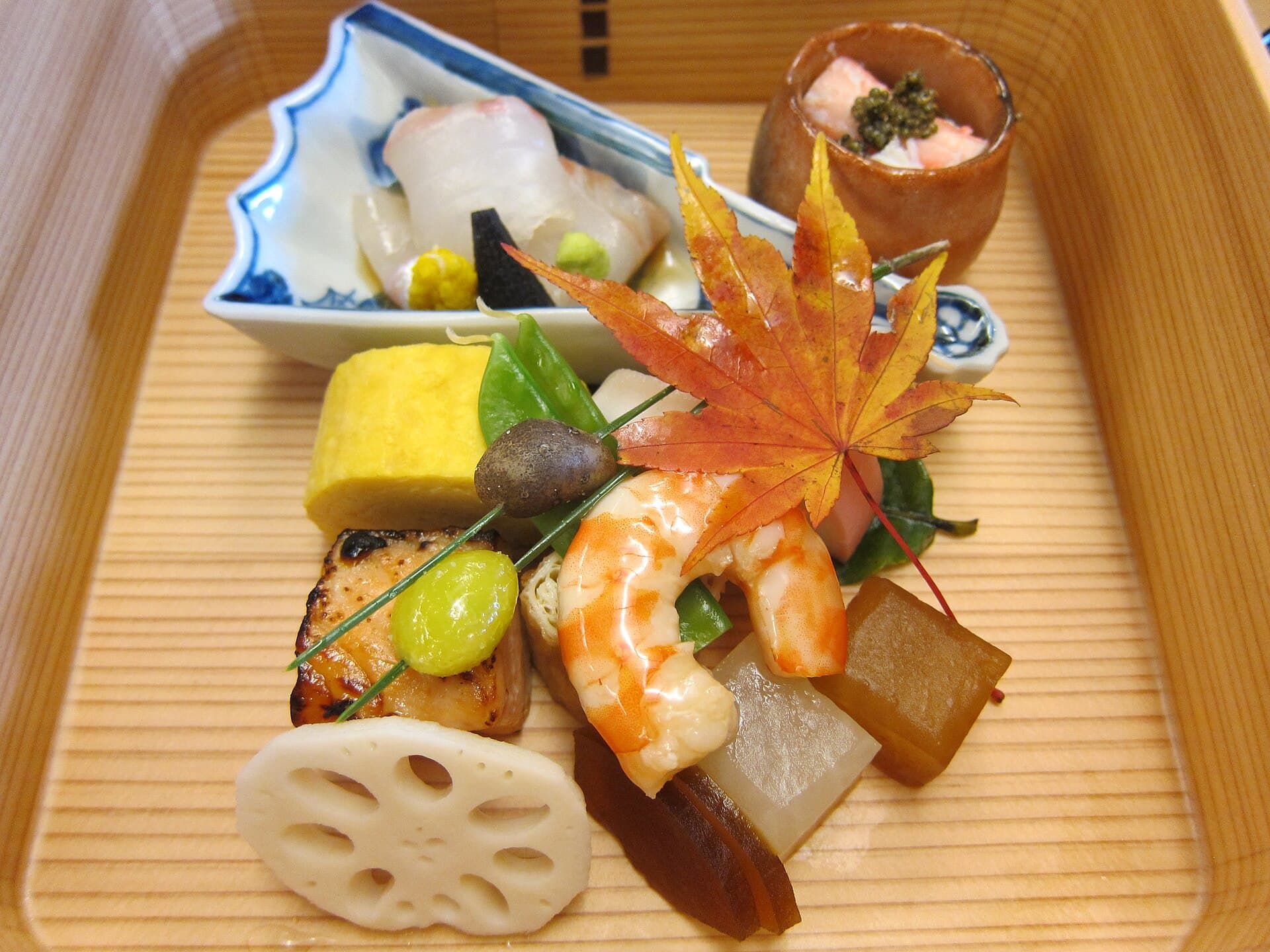
The bath comes next. Communal baths are separated by gender; private reserved baths (kashikiri) are booked as a unit. Our onsen etiquette for foreigners guide covers the essentials: shower first at the small stations around the bath perimeter, never bring your towel into the water, and speak quietly.
Towels and amenities: Most full day-use plans provide a small hand towel; a bath towel is usually supplied separately or for a small rental fee of ¥100–¥300. Shampoo, conditioner, and body soap are standard at the shower stations inside the bath area. If you forget anything, most ryokan sell small travel sets at the front desk. Properties offering SPA plans (like Yuen Bettei Daita) include towels, hair dryer, shampoo, conditioner, and body soap as standard.
On tattoos: If you have visible tattoos and have not specifically booked a property that accepts them, assume the communal bath is closed to you. Private reserved baths are the most practical workaround. Read our tattoo-friendly ryokans guide before booking.
Lunch is served in the tatami room after the bath. A kaiseki meal arrives in stages over 60 to 90 minutes, with a traditional progression including appetizer, sashimi, a simmered dish, a grilled dish, and a steamed course in addition to seasonal items chosen by the chef . Checkout is at the stated time — typically 14:00 or 15:00. Staff will let you know when the transition happens; a gentle knock on the shoji door is the standard cue.
Price guide: what does a day-use ryokan plan cost?
| Tier | Price Per Person (JPY) | Price Per Person (USD approx.) | What's Included | Best Regions |
|---|---|---|---|---|
| Budget (walk-in bath) | ¥500–¥2,000 | ~$3–$13 | Bath-only onsen access; no room, no meal | Beppu, Kusatsu, Kinosaki, Arima |
| Mid-range (tatami + onsen) | ¥3,000–¥8,000 | ~$19–$51 | Private tatami room (2–3 hrs) + communal onsen + simple bento or lunch | Most onsen towns; Atami, Kusatsu |
| Urban day-use (Tokyo) | ¥4,350–¥9,350 | ~$28–$60 | Onsen access + tea salon or spa service; tatami room not always included | Tokyo (Yuen Bettei Daita) |
| Premium (kaiseki + private bath) | ¥8,000–¥18,200+ | ~$51–$116+ | Private tatami room + private bath (kashikiri) + full kaiseki lunch + yukata | Hakone (Gora Kadan), Kyoto top-tier ryokan [verified 2026-05-22] |
Tips for making the most of your day-use visit
Arrive ten minutes early. Day-use windows are fixed. Late arrival comes directly out of your onsen time.
Book a private bath if you're traveling as a couple. A kashikiri-buro (貸切風呂) reserved bath puts you and your partner in a private rotenburo for 40–60 minutes at prices often comparable to the communal option. For the most romantic ryokan day-use options, see our best ryokans for couples guide.
Avoid peak Japanese holiday periods. Golden Week (late April to early May), Obon (mid-August), and New Year (January 1–3) see day-use slots disappear weeks in advance.
Structure your day around the ryokan as the midday anchor. The best pattern: sightseeing in the morning, ryokan from 11:00–14:00, afternoon sightseeing or travel. This makes the most use of a property's 2–3 hour window without rushing transport on either side.
Plan transport in advance. For Hakone, book the Romancecar seat reservation online — it sells out on weekends. For Arima from Osaka, the Hankyu + Kobe Dentetsu combination is fastest; avoid peak commute hours. For Atami from Tokyo, the Tokaido Shinkansen accepts IC cards for the base fare on local Kodama services.
Bring cash. Many traditional ryokan do not accept foreign credit cards for day-use plan payment. Where Klook tickets are available, these can be pre-purchased by card. Our ryokan packing list has a full prep checklist.
Frequently Asked Questions
What is a day-use ryokan plan in Japan?
A day-use (higaeri) plan lets you visit a ryokan for a fixed window — usually two to four hours — to use the onsen, relax in a tatami room, and enjoy a kaiseki lunch without staying overnight. Prices range from ¥3,000 to ¥18,000 per person depending on what is included. The term for bath-only drop-in access is tachiyori (立ち寄り温泉).
Can you visit a ryokan just for a bath without staying overnight?
Yes. Many ryokan sell bath-only day passes for ¥500–¥2,000 that give access to the communal onsen with no room or meal. Full day-use ryokan plans with a private room and lunch are also available at higher price points. Some bath-only facilities accept walk-ins; meal-inclusive plans almost always require advance reservation.
Which ryokans in Hakone offer day-use plans?
Three verified options as of May 2026: (1) Tenzan Onsen — walk-in, ¥1,450 per adult, open 9:00–23:00, tattoo-welcoming. (2) Matsuzakaya Honten (Kinnotake Resorts) — private-onsen plan at ¥17,600 per room, book same-day by phone before 1:30 PM. (3) Gora Kadan — premium private open-air bath + kaiseki at ¥18,200 per person; reserve at least 3 days in advance via reservation@gorakadan.com. [verified 2026-05-22]
How do I book a day-use ryokan plan in English?
Email the ryokan directly in plain English — most English-friendly properties will respond within one to three business days. Ikkyu.com lists some day-use plans with English titles for premium properties. Check the ryokan's official English website first; if no day-use page exists, try the Japanese version and look for 日帰りプラン. Book 3–4 weeks ahead for weekends and holiday periods.
How much does a ryokan day-use plan cost?
Bath-only walk-in passes start around ¥500–¥2,000 (~–3): Hyotan Onsen in Beppu is ¥620–¥800; Kin no Yu in Arima is ¥800 (¥600 on regular weekdays); Kinosaki Yumepa pass is ¥1,500 for all seven soto-yu. Urban day-use in Tokyo (Yuen Bettei Daita) starts at ¥4,350. A full day-use plan with a private tatami room, onsen access, yukata, and a kaiseki lunch typically costs ¥8,000–¥18,200 per person. Gora Kadan in Hakone is at the top of the range at ¥18,200 per person. All figures verified May 2026. [verified 2026-05-22]
Is a day-use ryokan plan worth it?
For most international travelers, yes — particularly the mid-range full plan at ¥6,000–¥8,000 per person. Several hours in an authentic ryokan setting, with a tatami room, yukata, onsen, and a multi-course lunch, costs less than a comparable experience at most Western hotel spas and provides something those don't: genuine architectural and cultural context.
Can I use a day-use plan if I have tattoos?
Many traditional ryokan prohibit tattoos in shared onsen areas — this applies to day-use visitors as much as overnight guests. Properties with private reserved baths (kashikiri) are the most practical workaround, as you are the only bather. Tenzan Onsen in Hakone is one verified tattoo-friendly walk-in option.
What is the difference between higaeri and visiting a public onsen?
A public onsen (sento) offers bath access only — no rooms, no meals. A higaeri ryokan plan includes the full inn experience: private tatami room, yukata, and usually a meal, compressed into a half-day window. The traditional inn setting — tatami floors, lacquered corridors, garden views — is what makes the difference. If the terminology still feels blurry, our guide to how a ryokan, an onsen, and a sento actually differ breaks down each one.
Are there day-use ryokan options in Tokyo itself?
Yes. Onsen Ryokan Yuen Bettei Daita in Setagaya-ku offers structured day-trip packages to non-staying guests, including a tea salon plan (¥4,350), a spa plan (¥9,350 and up), and a dinner meal plan (¥21,150 and up), all including onsen access. Reservations must be made online at least two days in advance. Bath-only plans are not available — all packages include an additional service element. Operating hours for day guests: weekdays 06:00–13:00 / 16:00–01:00; weekends 06:00–14:00 / 16:00–01:00.
What's the fastest onsen destination I can reach from Tokyo for a day trip?
Atami is the closest onsen town from Tokyo — 40 to 45 minutes by Tokaido Shinkansen from Tokyo Station (Kodama service, approximately ¥2,000–¥2,500) . Hakone takes 85 minutes by Romancecar from Shinjuku. For an in-city option, Onsen Ryokan Yuen Bettei Daita in Setagaya-ku requires no Shinkansen — local train to Shimokitazawa area, then a short walk. Kusatsu Onsen, known for Japan's best mineral water quality, is 2.5 hours by rail but worth building into a longer trip.
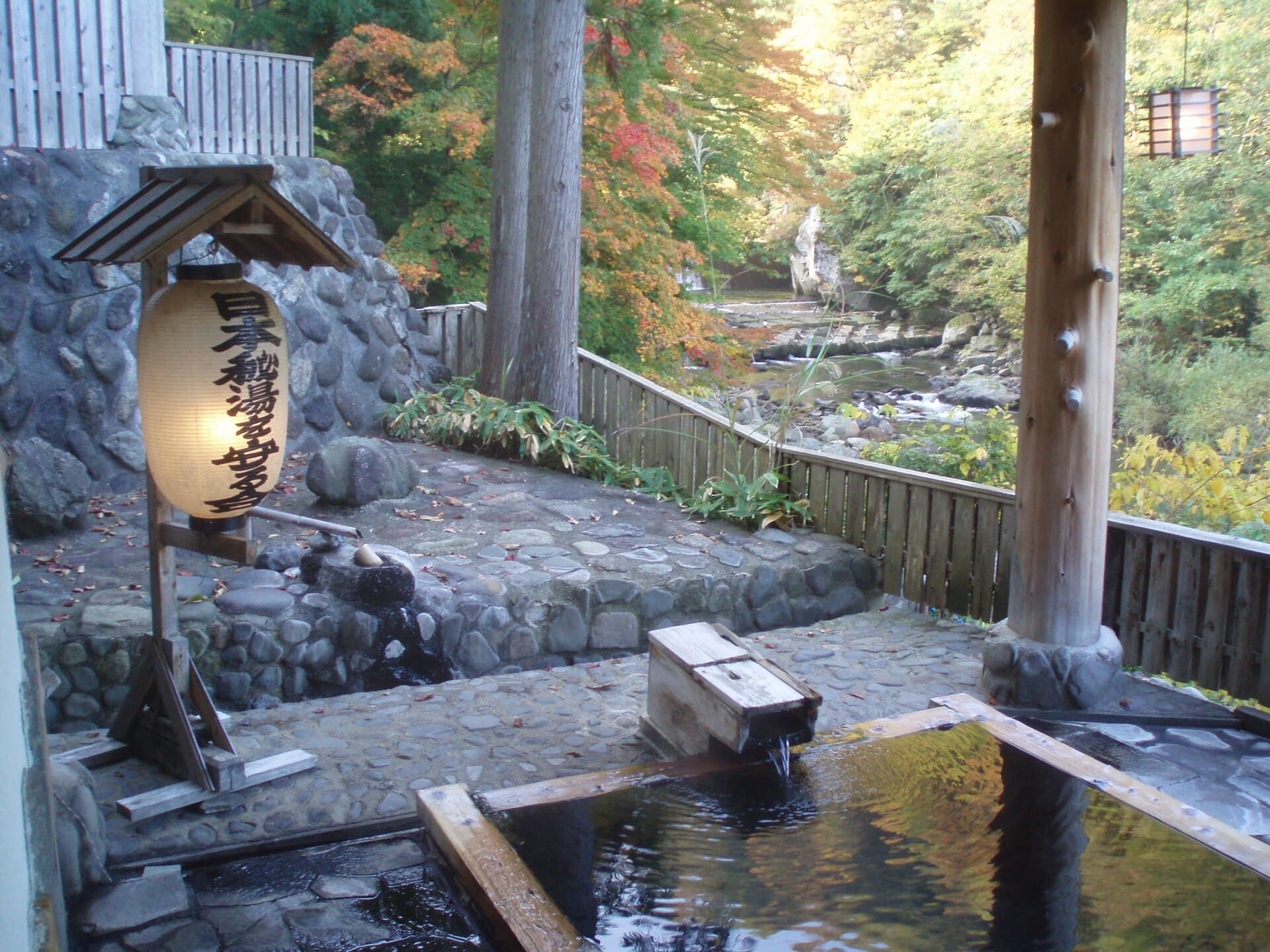
A day-use ryokan plan is one of the most cost-effective ways to experience authentic Japanese culture on a limited itinerary. Bath-only options start from a few hundred yen. A full meal-and-onsen plan runs ¥6,000–¥15,000 per person — less than a single restaurant dinner at many Tokyo venues, with a cultural depth that a dinner can't match.
No Japanese language skills are required to book at English-friendly properties. An email in plain English, sent three to four weeks before your visit, is enough to secure a slot at most of the ryokan we cover here. Our how to book a ryokan guide walks through every platform and booking method in detail.
If reading this has you reconsidering the overnight stay, our first-timer's ryokan guide covers everything you need to know before committing to a full night.
Browse Ryokans by Region — filter by area, price, and amenities to find a property that fits your dates and budget.
Ready to book?
Book one of these top picks
Compare live availability and prices across all three platforms.


Booking links may earn us a commission at no extra cost to you.
FAQ
Frequently asked questions
What is a day-use ryokan plan in Japan?+
A day-use (higaeri) plan lets you visit a ryokan for a fixed window — usually two to four hours — to use the onsen, relax in a tatami room, and enjoy a kaiseki lunch without staying overnight. Prices range from ¥3,000 to ¥18,000 per person depending on what is included. The term for bath-only drop-in access is tachiyori (立ち寄り温泉).
How much does a day-use ryokan plan cost in Japan?+
Bath-only passes start around ¥500–¥2,000 (~$3–$13). A full day-use plan with a private tatami room, onsen access, yukata, and a kaiseki lunch typically costs ¥5,000–¥18,000 (~$32–$115) per person. Beppu and Kusatsu are at the affordable end; Hakone and Kyoto premium ryokan are at the higher end.
Can I visit a ryokan for just a bath without staying overnight?+
Yes. Many ryokan sell bath-only day passes for ¥500–¥2,000 that give access to the communal onsen with no room or meal. Full day-use ryokan plans with a private room and lunch are also available at higher price points. Some bath-only facilities accept walk-ins; meal-inclusive plans almost always require advance reservation.
How do I book a day-use ryokan plan in English?+
Email the ryokan directly in plain English — most English-friendly properties will respond within one to three business days. Ikkyu.com lists some day-use plans with English titles for premium properties. Check the ryokan's official English website first; if no day-use page exists, try the Japanese version and look for 日帰りプラン. Book 3–4 weeks ahead for weekends and holiday periods.
Which ryokans in Hakone offer day-use plans?+
Matsuzakaya Honten offers a private-onsen day-use plan at ¥17,600 per room, bookable same-day by phone. Gora Kadan offers a premium private bath and kaiseki plan. Tenzan Onsen is a walk-in bath facility at ¥1,450 per person and is one of the few tattoo-friendly options in the area.
Can I use a day-use ryokan plan if I have tattoos?+
Many traditional ryokan prohibit tattoos in shared onsen areas — this applies to day-use visitors as much as overnight guests. Properties with private reserved baths (kashikiri) are the most practical workaround, as you are the only bather. Tenzan Onsen in Hakone is one verified tattoo-friendly walk-in option.


