約27分で読めます最終更新:2026年6月
クイック比較
5選| 旅館 | 料金 | 評価 | 特徴 | 予約 |
|---|---|---|---|---|
![]() Hakusuikan Ibusuki | $250〜 | 9.1 口コミ197件 | 英語OK貸切温泉 | Trip.comで予約 |
![]() Ibusuki Iwasaki Hotel Ibusuki | $80〜 | 7.3 口コミ40件 | 英語OK温泉 | Trip.comで予約 |
![]() Hotel Yoshimatsu Ibusuki | $200〜 | 9.6 口コミ56件 | 英語OK貸切温泉 | Trip.comで予約 |
![]() Ibusuki Seaside Hotel Ibusuki | $90〜 | 7.1 口コミ15件 | 英語OK温泉 | Trip.comで予約 |
![]() Kyukamura Ibusuki Ibusuki | $60〜 | 8.6 口コミ31件 | 温泉 | Trip.comで予約 |

Hakusuikan
Ibusuki

Ibusuki Iwasaki Hotel
Ibusuki

Hotel Yoshimatsu
Ibusuki

Ibusuki Seaside Hotel
Ibusuki

Kyukamura Ibusuki
Ibusuki
表示価格は1名1泊あたりの目安です。当サイト経由のご予約で手数料を受け取る場合があります。
On the southern tip of Kyushu's Satsuma Peninsula lies Ibusuki, a coastal onsen town with a wellness tradition unlike any other in Japan. For over 300 years, visitors have come not just for hot water, but for hot sand [verified JNTO 2026-06-05]. The Ibusuki sand baths (suna-mushi onsen) involve being buried up to your neck in naturally heated black sand on the shoreline, a practice both surreal and deeply therapeutic — a tradition documented in the area since the Edo period [verified JNTO 2026-06-05]. The town's semi-tropical climate, complete with palm trees lining the coast of Kinko Bay, gives the ryokan experience here a unique twist. Instead of disrobing completely, you'll don a yukata over your swimwear and head to the beach, where dedicated staff will expertly cover you with warm, detoxifying sand. This guide selects the best ryokans in Ibusuki to serve as your base for this remarkable experience, from grand resorts to intimate traditional inns.

Why Ibusuki, Kagoshima Prefecture, Kyushu (1 hour by JR Ibusuki Makurazaki Line from Kagoshima-Chuo) for ryokans
Ibusuki's global fame is built on the unique geothermal activity beneath its beaches. The sand on Surigahama Beach is heated by subterranean hot spring vents to a consistent 50-55°C (122-131°F) [verified Kyushu Tourism Organization 2026-06-05]. A typical session lasts just 10 to 15 minutes, but the effects are profound [verified JNTO 2026-06-05]. A Kagoshima University study referenced by JNTO has documented that inhaling the geothermal steam improves blood circulation compared to a standard hot-spring soak [verified JNTO 2026-06-05]. The experience is said to aid in detoxification, muscle relaxation, and improving circulation.
While many visitors head to the public Saraku Sand-Bath Hall [verified Discover Kagoshima 2026-06-05], staying at a local ryokan provides a more seamless and often more private way to enjoy this tradition. The best ryokans either operate their own private sand-bath facilities directly on the beach or offer convenient shuttle services. Choosing your ryokan in Ibusuki is about choosing your preferred way to experience The Ibusuki sand baths (suna-mushi onsen), the town's undeniable main attraction. For the full directory of hotels in Ibusuki — from sand-bath ryokans to seaside resorts with Mt. Kaimon views — see our Ibusuki accommodations guide.
1. Hakusuikan
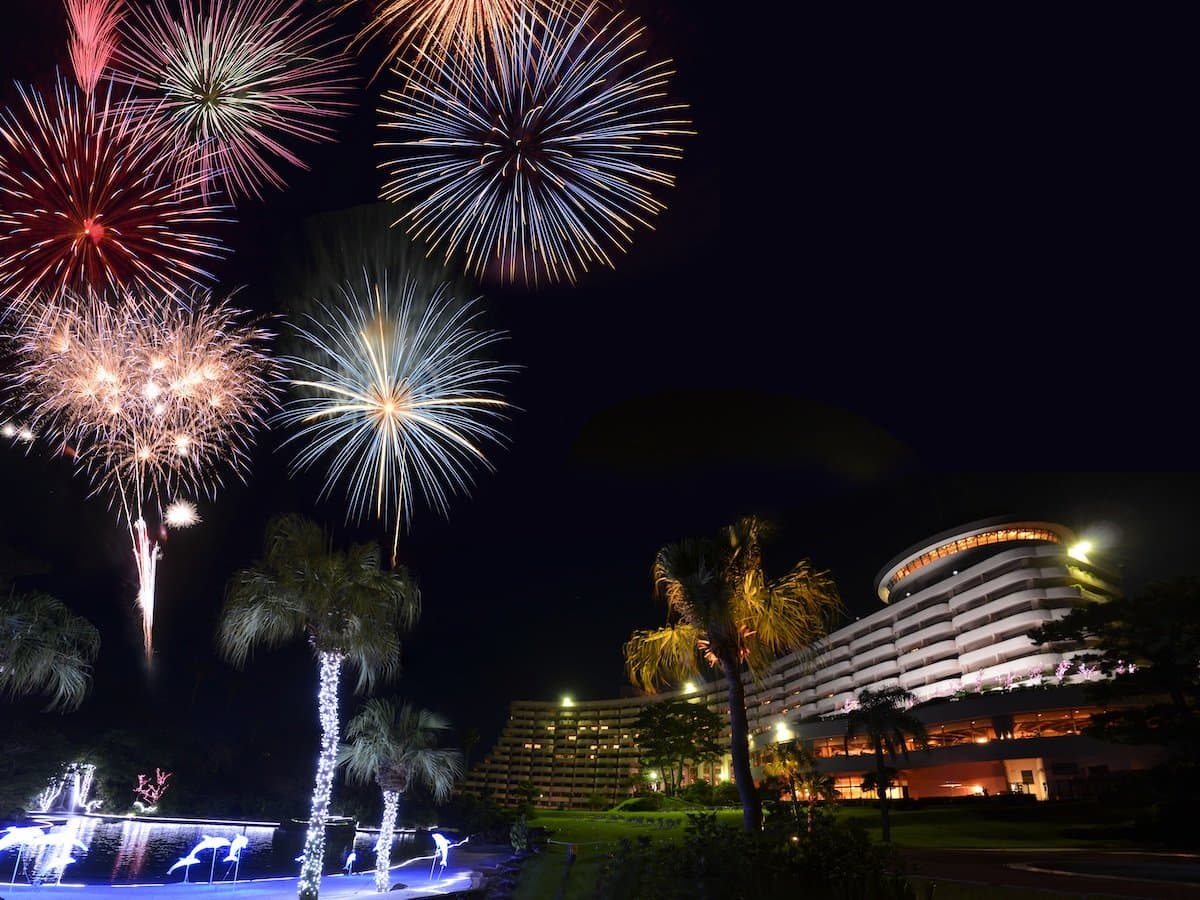
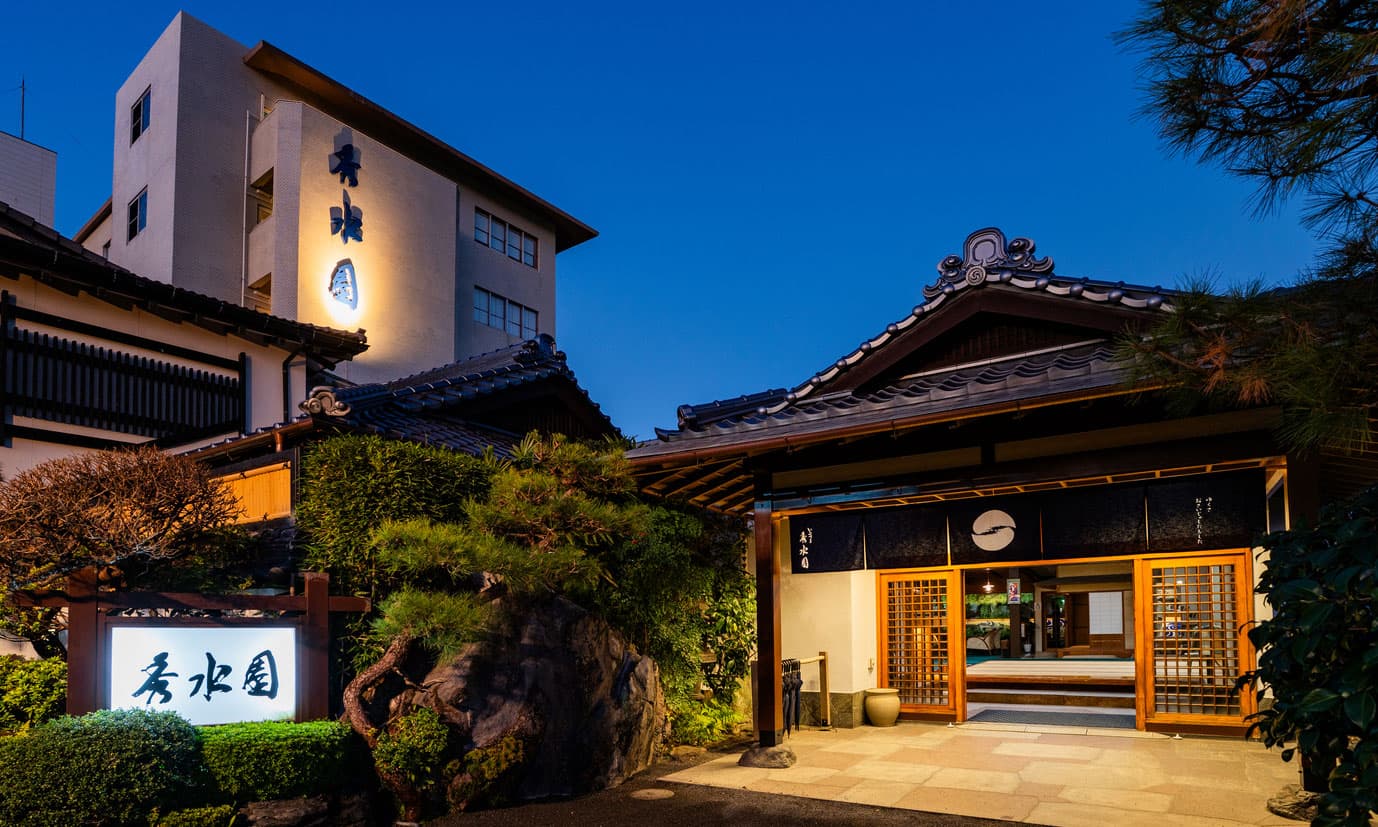
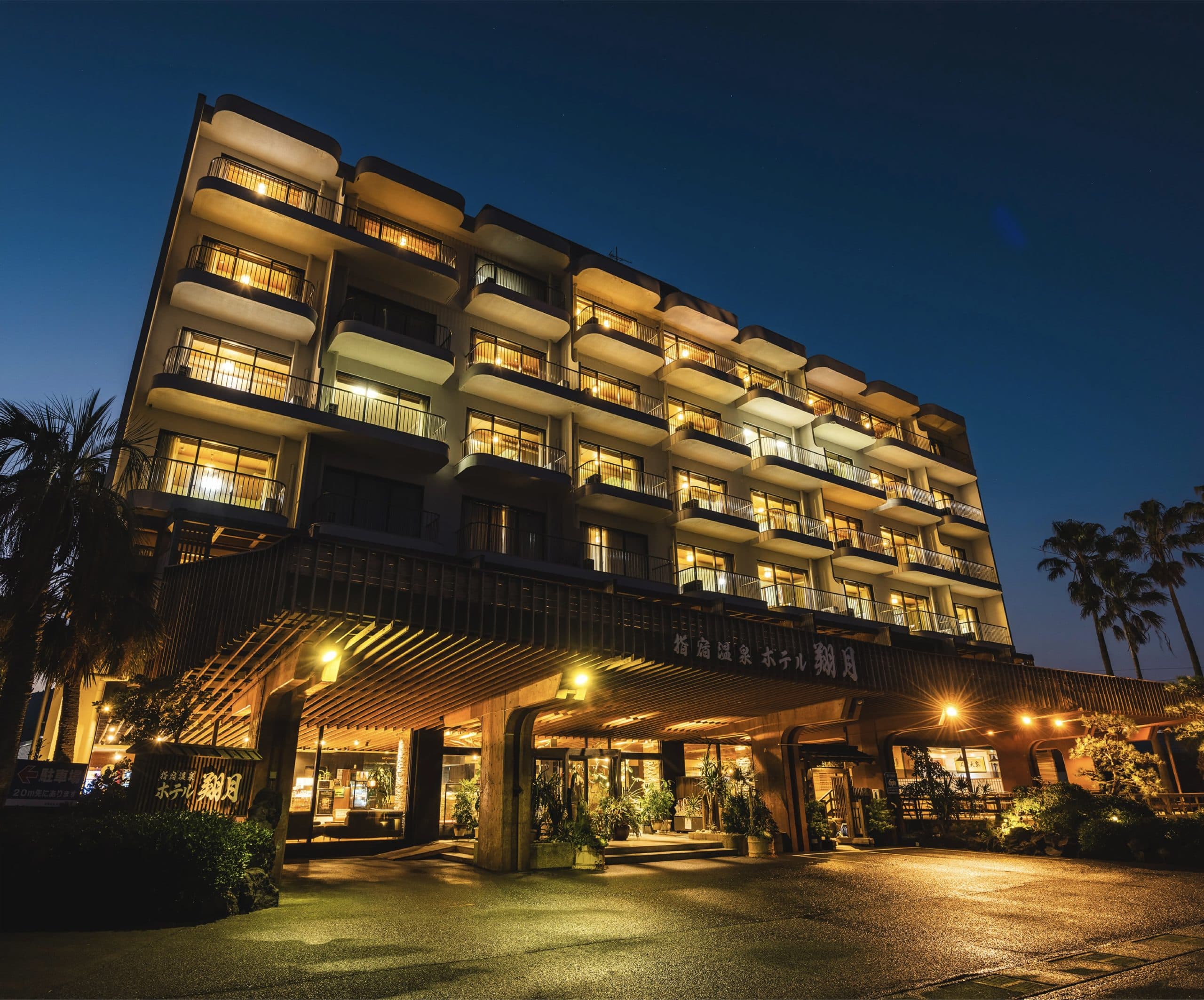
If you can book only one ryokan in Ibusuki, Hakusuikan is the definitive choice. This sprawling oceanfront resort with around 200 rooms combines scale, history, and direct access to the town's famous sand baths [verified Japan Ryokan Association 2026-06-05]. Its most striking feature is the Genroku-Buro, a vast and meticulously recreated bathhouse modeled on the public baths of the Edo period. Wandering through its various pools, steam rooms, and relaxation areas feels like stepping back in time. The ryokan also operates its own private section of Surigahama Beach for guests to experience The Ibusuki sand baths (suna-mushi onsen) without the crowds of the public facilities. After your sand burial, you can wash off in the on-site onsen before enjoying a multi-course kaiseki dinner. With its museum-quality Satsuma art collection and impeccable service, Hakusuikan transcends being just a place to stay; it's a destination in itself.
Price tier: Luxury (¥38,500–¥107,800/person)

2. Ibusuki Iwasaki Hotel
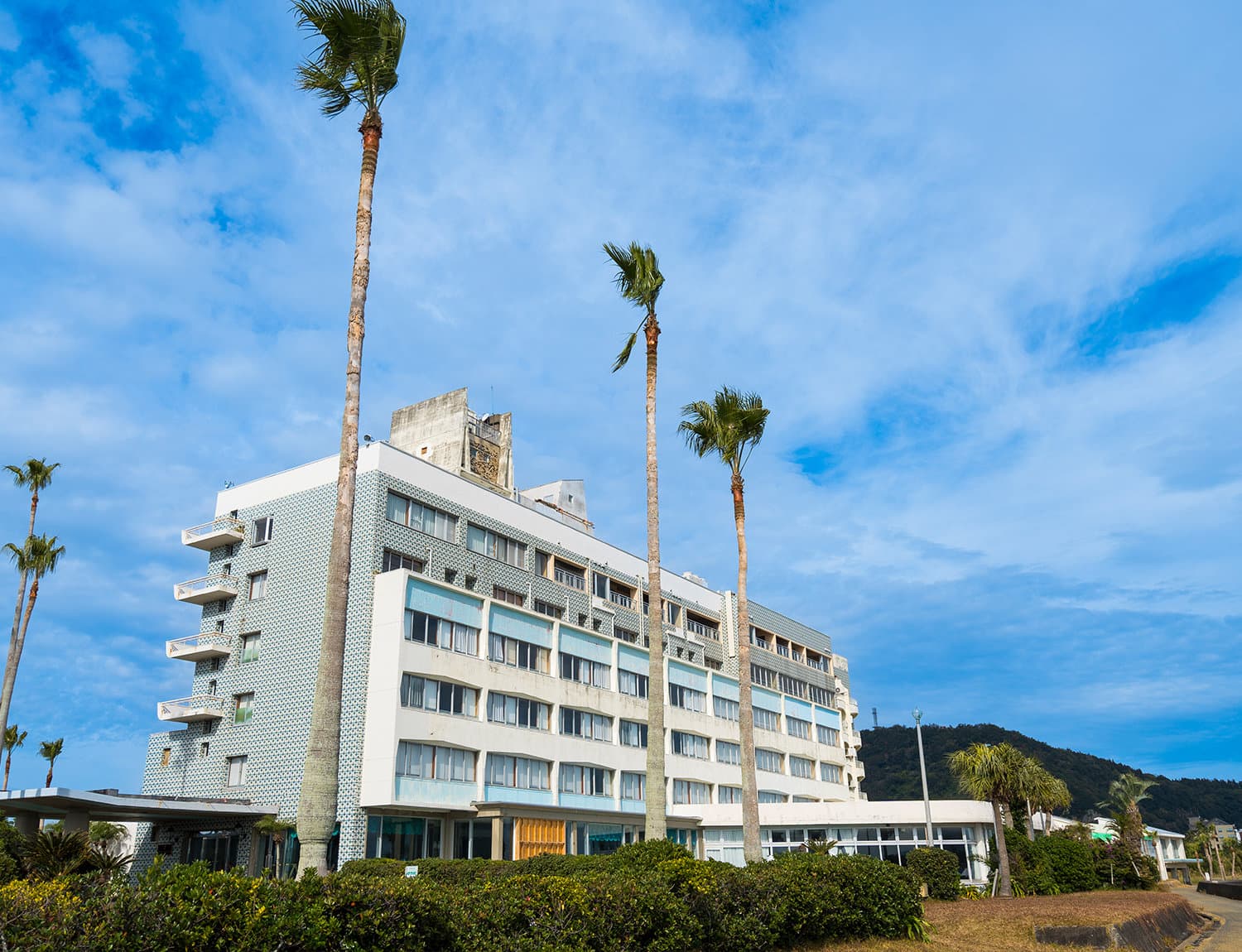
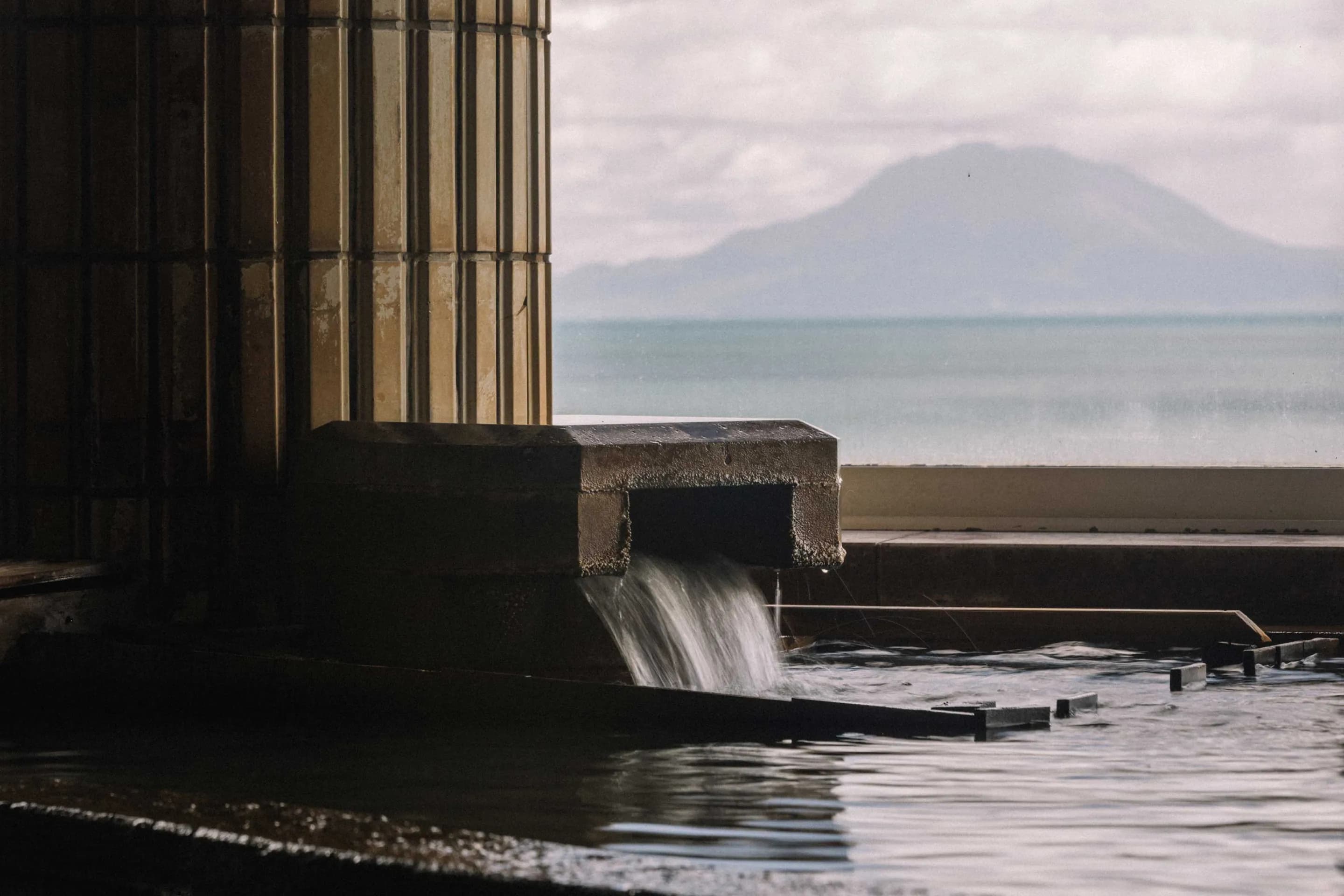
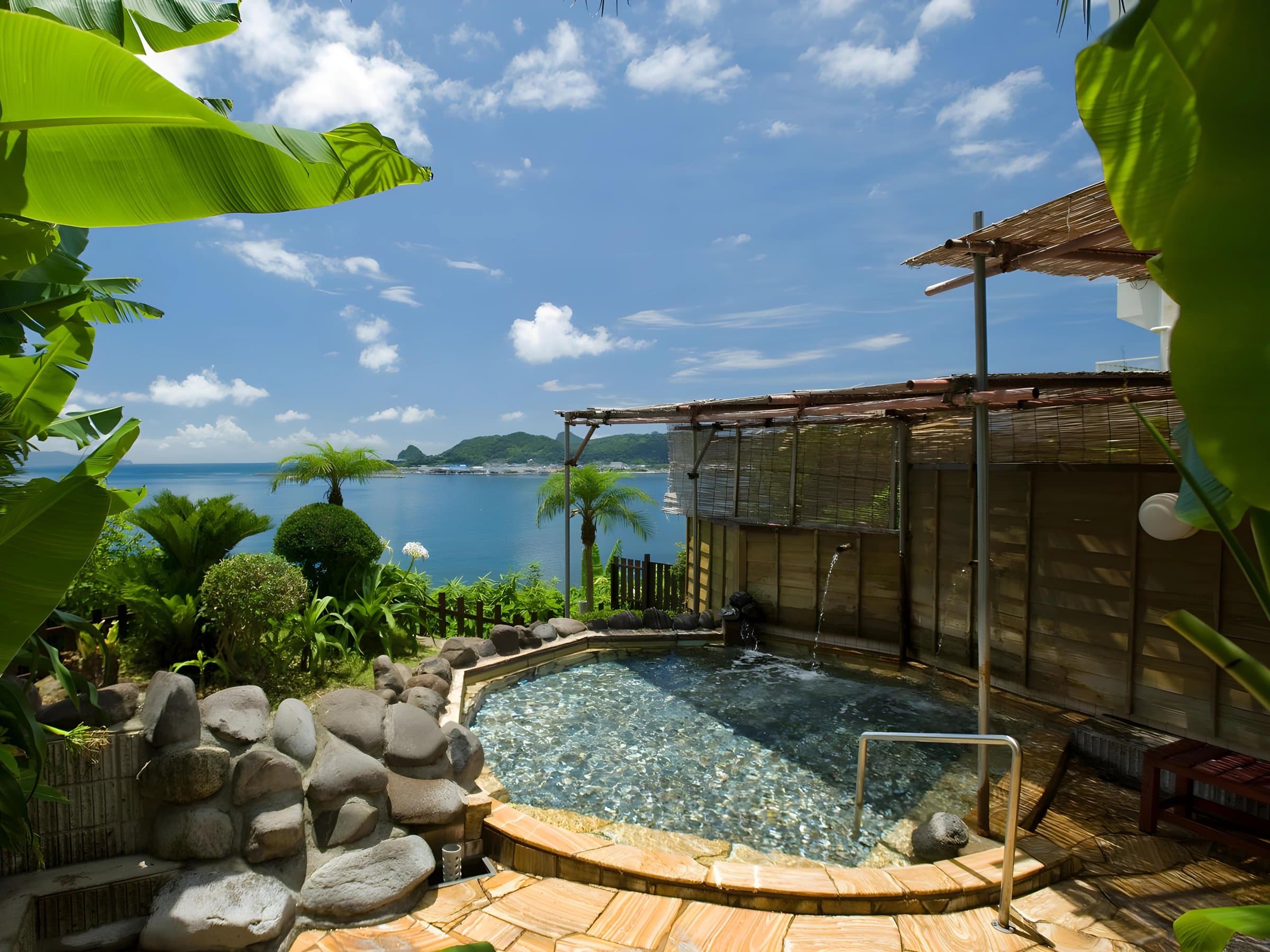
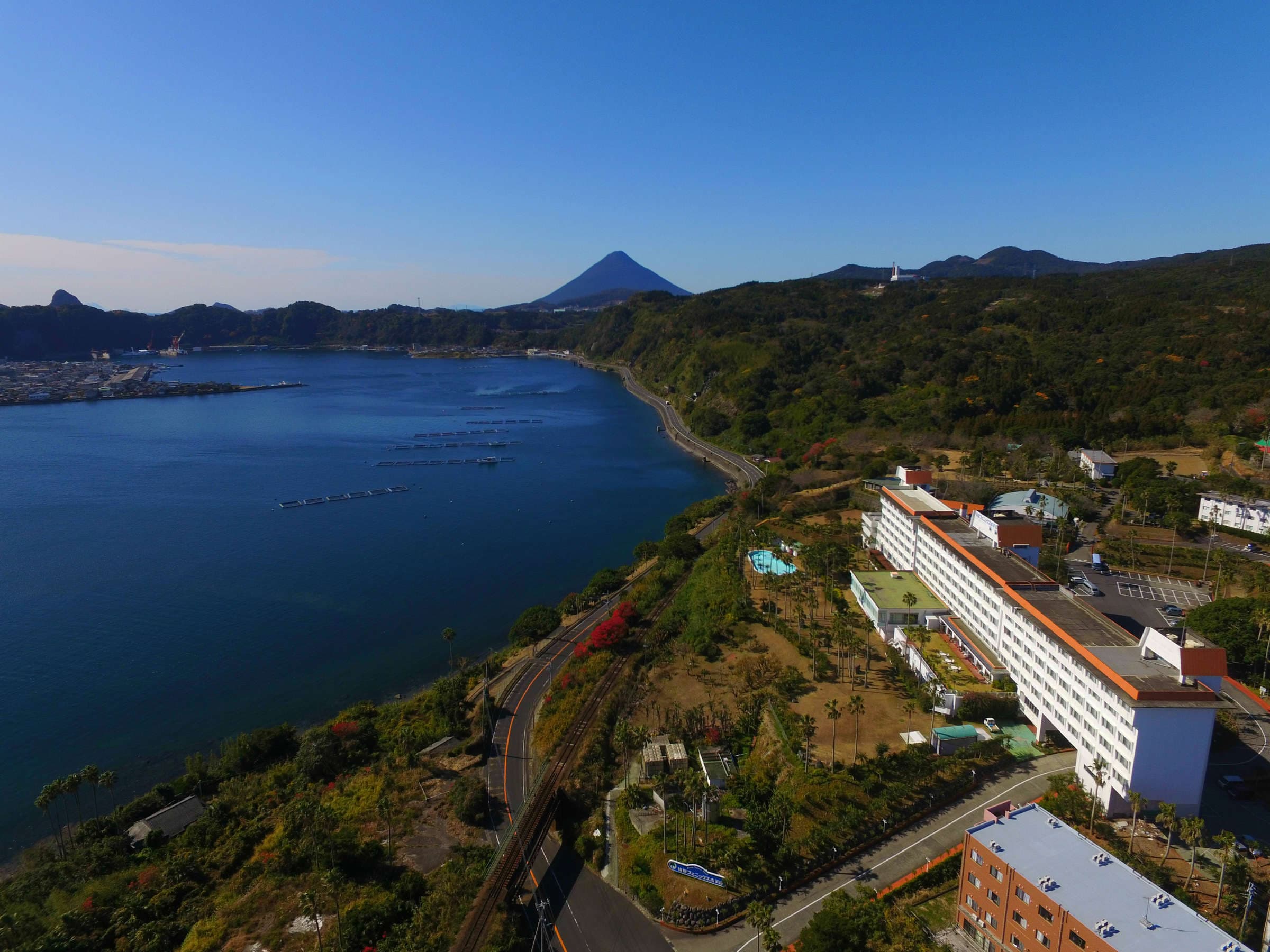
For travelers seeking a full-service resort experience, the Ibusuki Iwasaki Hotel is a formidable option. At 530 rooms, it is one of the largest properties in the region, offering an extensive list of amenities including a private beach, a golf course, and multiple restaurants. Its primary draw is the panoramic open-air bath, which offers sweeping views across Kinko Bay towards the recognizable silhouette of Mount Kaimondake. The hotel has its own dedicated sand-bath facility on the premises, making it easy for guests to partake in the signature Ibusuki ritual. While larger and less traditional than other ryokans on this list, its sheer range of facilities makes it an excellent choice for families or travelers who appreciate the convenience of a large-scale hotel combined with core Japanese wellness experiences.
Price tier: Mid-range to Luxury (¥12,320–¥38,500/person)
3. Yoshimatsu
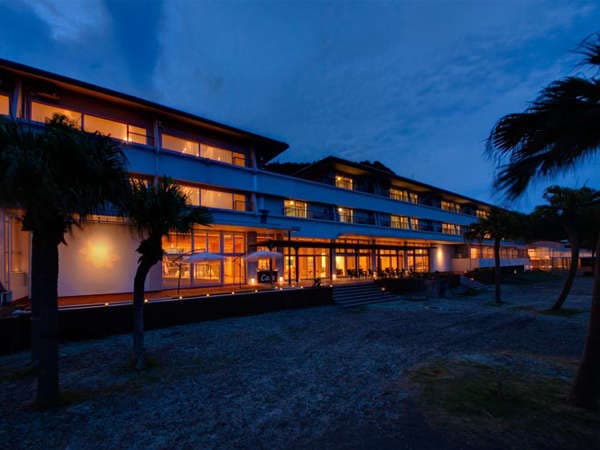
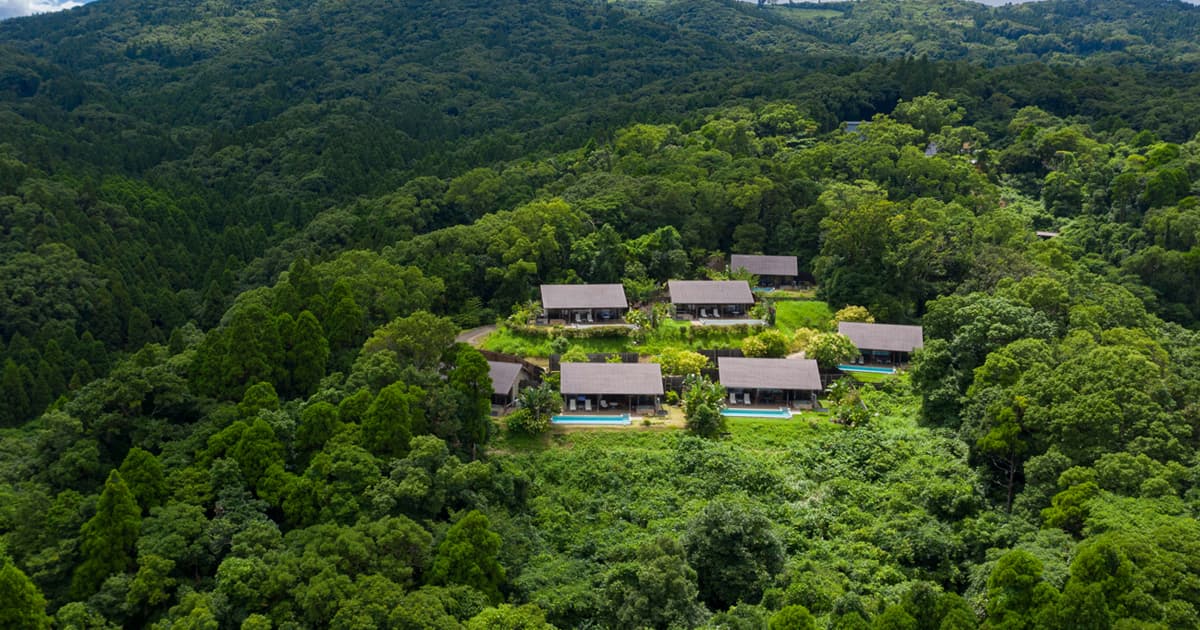
For those who prefer intimacy and tradition over resort-style scale, Yoshimatsu is the perfect sanctuary. With just 17 rooms, this ryokan offers a serene and personal experience rooted in classic Japanese hospitality. Each room is exquisitely designed in the traditional sukiya-zukuri style, looking out onto a beautifully manicured Japanese garden and koi pond. Yoshimatsu's standout feature is its private sand-bath option, a rare luxury that allows guests to enjoy the therapeutic burial in complete privacy. The attention to detail extends to its kaiseki cuisine, which highlights local Kagoshima ingredients. It is a 5-minute taxi ride to the main public sand baths, but the private on-site option is the real reason to book. Yoshimatsu is the premier choice for couples or solo travelers seeking quiet elegance.
Price tier: Luxury (¥30,800–¥77,000/person)
Tip
Book a room with a private open-air bath (rotenburo) at Yoshimatsu for the ultimate combination of water and sand-based relaxation.
4. Ibusuki Seaside Hotel
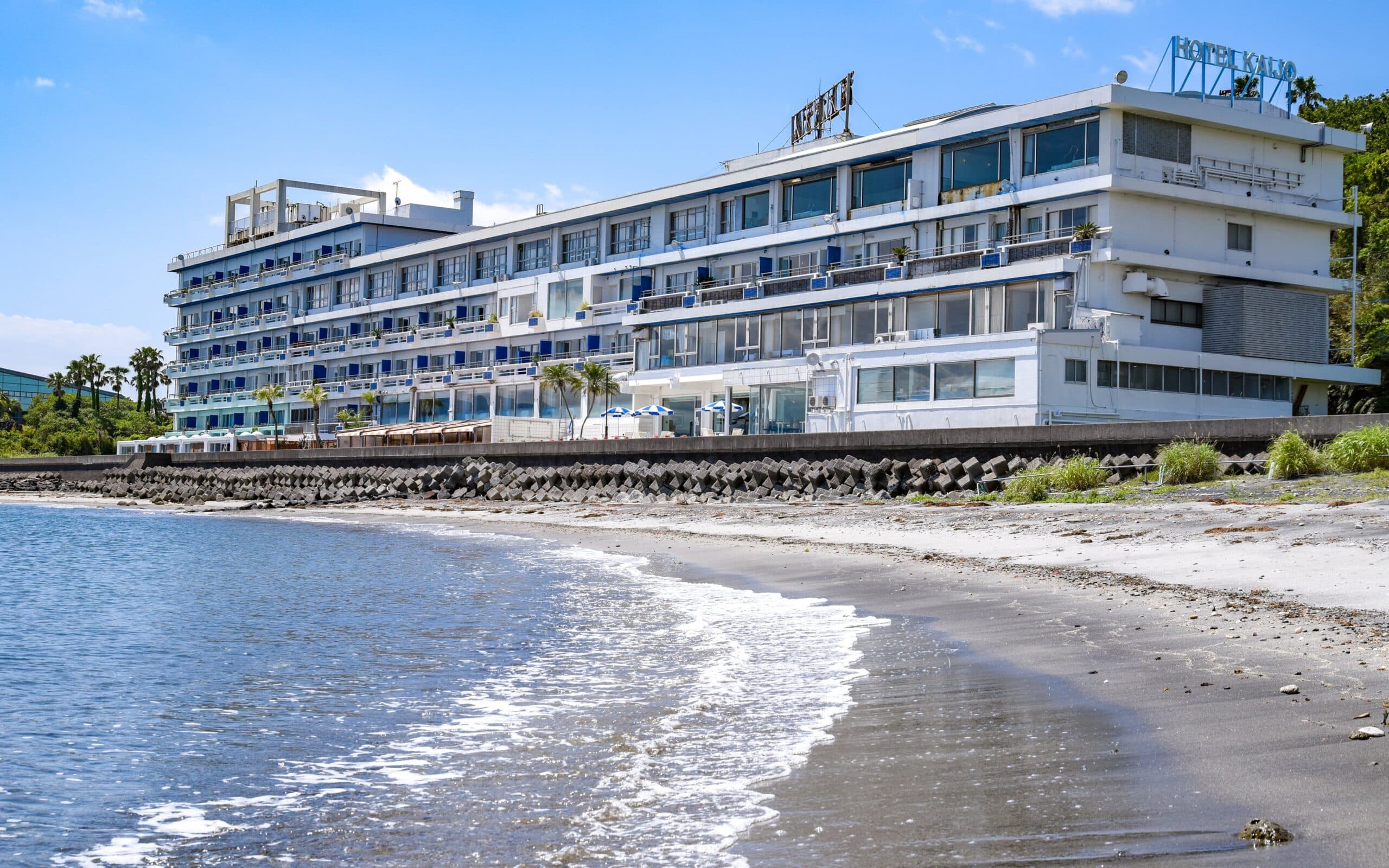
Offering excellent value without sacrificing a prime location, the Ibusuki Seaside Hotel is a fantastic mid-range choice. Situated directly on the oceanfront, many of its rooms provide clear views of Kinko Bay. The hotel is consistently praised for its friendly, welcoming service and clean, comfortable facilities. While it doesn't have its own sand bath, it's located just a 5-minute walk from the Saraku Sand-Bath Hall, making it exceptionally convenient for guests. The hotel's own large public onsen is a great place to relax after your sand-bath session. For travelers looking for a comfortable, affordable, and well-located base to explore Ibusuki's main attractions, the Seaside Hotel delivers reliable quality and a great price point.
Price tier: Mid-range (¥13,860–¥38,500/person)
5. Kyukamura Ibusuki
Part of the 'National Park Resort' chain, Kyukamura Ibusuki offers a unique blend of natural scenery and affordability. Located within a lush, park-like setting, it emphasizes connection with the outdoors. The hotel has its own sand-bath facility, available for a small extra fee, alongside a spacious onsen with views of the bay. What makes Kyukamura stand out in the budget category is that it still offers a full, high-quality kaiseki dinner experience, which is often simplified at lower price points. This makes it an exceptional value proposition for travelers who want the complete ryokan dinner and onsen experience without the luxury price tag. It's an ideal choice for nature lovers and budget-conscious families.
Price tier: Budget (¥9,240–¥23,100/person)
Practical Information for Your Ibusuki Trip
Access: Ibusuki is easily reached from Kagoshima's main transport hub. From Kagoshima-Chuo Station, the JR Ibusuki Makurazaki Line takes approximately 1 hour by limited express train such as the Ibusuki no Tamatebako [verified JR Kyushu 2026-06-05].
Best Season: Thanks to its semi-tropical climate, Ibusuki is a pleasant year-round destination. Spring (March-May) and Autumn (October-November) offer the most comfortable temperatures for exploring the area.
Budget: Ryokan prices in Ibusuki vary. Expect to pay ¥9,000–¥23,000 per person for budget-friendly options, ¥12,000–¥38,500 for mid-range, and ¥38,500 and up for luxury properties, especially those with private sand baths.
Tip
You will be provided a yukata for the sand bath, but you must wear your own swimwear or undergarments beneath it. Also, bring a small face towel to wipe away sweat as you relax in the sand.
When to Visit Ibusuki
Ibusuki sits on the southern tip of Kyushu and is one of the rare Japanese onsen towns where winter is mild — average January temperature around 8-10°C, no snow, palm trees in the public garden. November to March is the genuine peak season because the sand bath (sunamushi) feels its strongest in cool weather. Avoid July-August unless you specifically want the tropical-summer angle — humidity is 80%+ and the sand bath at 40°C+ air is harder on the body. Cherry blossom here peaks late March, two weeks earlier than Kyoto. Book 6-8 weeks ahead for weekends in foliage season (November here is mild but not dramatic — go for the sand bath, not the leaves).
What Ibusuki Does Best (And What It Does Not)
What Ibusuki does best is the steam sand bath (sunamushi-onsen). You wear a yukata, lie down on the beach, and the staff bury you in naturally hot volcanic sand for 10-15 minutes. It is the single most therapeutic onsen experience I have done and it exists almost nowhere else in Japan (Beppu has one but the Ibusuki version is older and on the actual beach). What Ibusuki does not do is dramatic mountain rotenburo views — the topography is coastal-volcanic, not alpine. If your priority is the steam sand bath plus a kaiseki dinner anchored by Kagoshima black pork and sweet potato shochu, Ibusuki is the right answer. If you want snow-and-rotenburo, go to Tohoku instead.
Tip
Book the sand bath at the public Saraku facility for ¥1,100 even if your ryokan has its own sunamushi — Saraku is right on the beach and the sand is hotter (50°C+ vs the indoor 42-45°C). The combination of the volcanic steam from below and the sea breeze from above is the actual Ibusuki memory.
Local Cuisine Worth Planning Your Meals Around
Ibusuki's kaiseki is anchored in two ingredients Kagoshima Prefecture made famous and nowhere else does as well: kurobuta (Berkshire black pork) and satsuma-imo (purple sweet potato). Kurobuta from Kagoshima is the only Berkshire breed in Japan with protected designation status — its marbling is finer than wagyu beef and its fat melts at a lower temperature, which is why the shabu-shabu course at every ryokan on this list uses paper-thin slices over a clear seaweed dashi rather than the standard sukiyaki preparation. The local twist worth noting: most Ibusuki ryokans serve a sweet-potato shochu course as part of the kaiseki, often a tasting flight of three distilleries from the Satsuma Peninsula. Mars Shinshu, Satsuma Shuzo, and Hamada Shuzo are the names to recognize on the menu; ask the okami (innkeeper) which one pairs with the black-pork course and you will get a 10-minute conversation about regional water sources that does not appear on any English-language travel site. One ingredient to seek out independently: *kibinago* (silver-stripe round herring), a small sashimi fish that arrives at Ibusuki port in season (April–June and October–November) and is gone the same morning. Few Tokyo or Kyoto kaiseki menus carry it because the fish does not survive transport. Ask your ryokan in advance whether kibinago will be on the menu the night you arrive — Hakusuikan and Yoshimatsu both confirm seasonal availability at booking time.
Tip
If your stay falls outside kibinago season, Ibusuki's tonkotsu (slow-braised pork rib) course is the secondary regional dish to request. It uses miso plus brown sugar plus shochu lees as the braising liquid — a Satsuma technique that does not exist in Hakata or Kumamoto tonkotsu traditions despite sharing the name.
A Typical Day at an Ibusuki Ryokan
3:00 pm — Arrival and welcome tea. Check-in at most Ibusuki ryokans includes a welcome cup of *bushukan* (Buddha's hand citrus) tea grown on the slopes above Lake Ikeda. A staff member will walk you through the sand-bath schedule — most ryokans batch sand-bath sessions into 30-minute blocks between 4:00 pm and 7:30 pm to coincide with the lowest beach humidity. Book your slot at check-in; same-day requests sometimes fill up.
4:30 pm — Sand bath (suna-mushi). You will be issued a yukata and a thin face towel. Wear swimwear underneath. The walk from the ryokan to the beach takes 3–8 minutes depending on the property. On the sand, you lie down, a staff member shovels 5–7 cm of geothermal-heated sand on top of you, leaving only your head exposed. The internal temperature climbs steadily for the first 7 minutes; at minute 10 you will sweat heavily and your heart rate rises noticeably. The recommended session length is 10–15 minutes — go past 20 and the body's thermoregulation cannot keep up.
5:30 pm — Rinse-off and in-ryokan onsen. Most ryokans have a dedicated rinse-off shower between the sand-bath beach and the main onsen building. The post-sand-bath onsen soak is the part visitors underestimate: the contrast between the dry geothermal heat of the sand and the wet 42°C onsen water triggers the same circulation effect as a Finnish sauna-cold-plunge cycle.
6:30 pm — Kaiseki dinner. Served in-room at the luxury properties (Hakusuikan, Yoshimatsu) and in a private dining room at the mid-range tier. Plan for 90–120 minutes; the kaiseki here runs 8–11 courses with two shochu pairings.
Next morning, 6:00 am — Pre-breakfast onsen. The Ibusuki morning onsen at sunrise faces Kinko Bay due east. Sunrise in November–February falls between 6:50 and 7:10 am, framed by Mount Kaimondake's perfect cone to the south. This is the single best 20 minutes of an Ibusuki stay and the most-skipped item on the itinerary.
7:30 am — Japanese-style breakfast. Ibusuki breakfast is heavier than the Kyoto-style washoku you may have seen elsewhere: grilled mackerel, miso soup with sweet potato, and an egg cooked in onsen water (*onsen tamago*) using the same geothermal source as the sand bath.
My Honest Take After Staying Here
I have stayed in Ibusuki twice — once in February (cool air, hot sand, perfect) and once in late August (humid, exhausting, would not repeat). My honest take: Ibusuki is a 1-night stop on a Kyushu loop (Kagoshima → Ibusuki → Yakushima), not a destination on its own. The sand bath is genuinely unique and worth the rail trip; the rotenburo cohort is mid-tier. Pair it with Kagoshima city the next day for the volcano view and the shochu distilleries — that combination is the actual reason to come south.
If historic grandeur of Hakusuikan is your goal, this list points there; if quiet refuge of Yoshimatsu is what you came for, the same picks apply, a stay in Ibusuki offers a truly distinct Japanese wellness journey. The singular experience of The Ibusuki sand baths (suna-mushi onsen), combined with the warm hospitality and exquisite cuisine of the region's ryokans, makes for a deeply restorative getaway. Browse our short list and book your stay in Japan's capital of sand bathing.
ご予約はこちら
人気の旅館から選んで予約
3つの予約サイトの空室・価格を見比べてください。
予約リンク経由で手数料が発生する場合がありますが、追加費用はかかりません。
九州の薩摩半島南端に位置する指宿は、日本でも他に類を見ないウェルネスの伝統を持つ海辺の温泉街です。300年以上にわたり、人々はただの温泉ではなく、熱い砂を求めてこの地を訪れてきました [verified JNTO 2026-06-05]。指宿の砂むし温泉は、海岸で首まで自然に温められた黒い砂に埋まるという、非日常的かつ深い癒やしをもたらす体験で、江戸時代からこの地で行われてきた伝統です [verified JNTO 2026-06-05]。錦江湾沿いにヤシの木が立ち並ぶこの町の亜熱帯気候は、ここでの旅館体験にユニークな趣を加えています。浴衣の下に水着を着用し、専門のスタッフが温かくデトックス効果のある砂で体を巧みに覆ってくれるビーチへと向かいます。このガイドでは、壮大なリゾートから趣ある伝統的な宿まで、この素晴らしい体験の拠点となる指宿のベスト旅館を厳選してご紹介します。

なぜ旅館の滞在先に指宿(鹿児島県、九州)が選ばれるのか(鹿児島中央駅からJR指宿枕崎線で1時間)
指宿が世界的に有名なのは、その砂浜の下にあるユニークな地熱活動のおかげです。摺ヶ浜の砂は地下の温泉の噴気孔によって摂氏50〜55度(華氏122〜131度)に保たれています [verified Kyushu Tourism Organization 2026-06-05]。一般的な入浴時間はわずか10分から15分ですが、その効果は絶大です [verified JNTO 2026-06-05]。JNTOが引用する鹿児島大学の研究によれば、地熱蒸気の吸入は通常の温泉入浴と比較して血行を改善することが記録されています [verified JNTO 2026-06-05]。この体験は、デトックス、筋肉の弛緩、血行促進に役立つと言われています。
多くの観光客は公営の「砂楽(さらく)」 [verified Discover Kagoshima 2026-06-05]に向かいますが、地元の旅館に滞在することで、この伝統をよりスムーズに、そして多くの場合よりプライベートに楽しむことができます。最高の旅館は、ビーチに直結した専用の砂むし施設を運営しているか、便利なシャトルサービスを提供しています。指宿で旅館を選ぶことは、この町の紛れもない一番の魅力である砂むし温泉を、どのように体験したいかを選ぶことなのです。
1. 白水館
もし指宿で一軒だけ旅館を予約するとしたら、白水館が決定的な選択肢です。この広大な約200室のオーシャンフロントリゾートは、スケール、歴史、そして町の有名な砂むし温泉への直接アクセスを兼ね備えています [verified Japan Ryokan Association 2026-06-05]。最も息をのむような特徴は、江戸時代の公衆浴場をモデルに広大かつ緻密に再現された「元禄風呂」です。様々な浴槽、蒸し風呂、休憩エリアを散策すると、まるで時を遡ったかのような感覚に陥ります。また、この旅館は摺ヶ浜に専用エリアを設けており、公営施設の混雑を避けて砂むし温泉を体験できます。砂に埋まった後は、館内の温泉で砂を洗い流し、多品目の懐石料理を堪能できます。美術館級の薩摩焼コレクションと非の打ちどころのないサービスを誇る白水館は、単なる宿泊施設を超えた、それ自体が目的地となる場所です。
価格帯: ラグジュアリー (お一人様 ¥38,500~¥107,800)

2. 指宿いわさきホテル
フルサービスのリゾート体験を求める旅行者にとって、指宿いわさきホテルは有力な選択肢です。530室を擁するこのホテルは、この地域で最大級の宿泊施設の一つであり、プライベートビーチ、ゴルフコース、複数のレストランなど、充実したアメニティを提供しています。最大の魅力は、錦江湾の向こうに象徴的な開聞岳のシルエットを望む、パノラマビューの露天風呂です。ホテル敷地内には専用の砂むし施設があり、指宿ならではの体験を気軽に楽しむことができます。このリストの他の旅館に比べて規模が大きく、伝統的な趣は薄れるかもしれませんが、その施設の多様性は、大規模ホテルの利便性と日本の中心的なウェルネス体験を両立させたい家族連れや旅行者にとって、優れた選択肢となるでしょう。
価格帯: ミッドレンジ~ラグジュアリー (お一人様 ¥12,320~¥38,500)
3. 旅館 吟松
リゾートスタイルの規模よりも、親密さと伝統を重んじる方には、旅館 吟松が最適な聖域です。わずか17室のこの旅館は、日本の伝統的なおもてなしに根ざした、静かでパーソナルな体験を提供します。各客室は伝統的な数寄屋造りで精巧にデザインされており、美しく手入れされた日本庭園と鯉が泳ぐ池を望むことができます。吟松の際立った特徴は、貸切砂むし温泉のオプションがあることです。これは、完全にプライベートな空間で砂むしを体験できるという稀有な贅沢です。そのこだわりは、地元の鹿児島の食材をふんだんに使用した懐石料理にも及んでいます。公営の砂むし場まではタクシーで5分ですが、ここを予約する本当の理由は、館内のプライベートオプションにあります。吟松は、静かな気品を求めるカップルや一人旅のお客様に最適な選択肢です。
価格帯: ラグジュアリー (お一人様 ¥30,800~¥77,000)
Tip
吟松で露天風呂付きの客室を予約すれば、温泉と砂むし温泉という、水と砂による最高のリラクゼーションの組み合わせを堪能できます。
4. 指宿シーサイドホテル
絶好のロケーションを妥協することなく、優れたコストパフォーマンスを提供する指宿シーサイドホテルは、素晴らしいミッドレンジの選択肢です。海辺に直接面しており、多くの客室から錦江湾のクリアな景色を望むことができます。フレンドリーで温かいサービスと、清潔で快適な施設は常に高く評価されています。ホテル独自の砂むし温泉はありませんが、砂むし会館「砂楽」から徒歩わずか5分の場所にあり、ゲストにとって非常に便利です。砂むし体験の後は、ホテル内の広々とした大浴場でリラックスするのもおすすめです。指宿の主要な観光スポットを巡るための快適で手頃な価格の拠点を探している旅行者にとって、シーサイドホテルは信頼できる品質と素晴らしい価格帯を提供します。
価格帯: ミッドレンジ (お一人様 ¥13,860~¥38,500)
5. 休暇村 指宿
「国立公園リゾート」チェーンの一部である休暇村 指宿は、豊かな自然の風景と手頃な価格を独自に融合させています。緑豊かな公園のような環境に位置し、屋外とのつながりを重視しています。ホテルには独自の砂むし施設があり、わずかな追加料金で利用できるほか、湾の景色を望む広々とした温泉もあります。休暇村がこの価格帯で際立っているのは、低価格帯では簡素化されがちな、本格的で質の高い懐石料理の夕食を提供している点です。これにより、ラグジュアリーな価格を支払うことなく、旅館の夕食と温泉の完全な体験をしたい旅行者にとって、非常に価値のある選択肢となっています。自然愛好家や予算を重視する家族連れに理想的な宿です。
価格帯: リーズナブル (お一人様 ¥9,240~¥23,100)
指宿旅行のための実用情報
アクセス: 指宿へは鹿児島の主要な交通拠点から簡単にアクセスできます。鹿児島中央駅からは、JR指宿枕崎線の特急「指宿のたまて箱」など特急列車で約1時間です [verified JR Kyushu 2026-06-05]。
ベストシーズン: 亜熱帯気候のおかげで、指宿は一年中快適な旅行先です。春(3月~5月)と秋(10月~11月)が、この地域を散策するのに最も快適な気温となります。
予算: 指宿の旅館の価格は様々です。リーズナブルな選択肢ではお一人様¥9,000~¥23,000、ミッドレンジでは¥12,000~¥38,500、そして特にプライベート砂むし風呂付きのラグジュアリー施設では¥38,500以上を見込むとよいでしょう。
Tip
砂むし温泉では浴衣が提供されますが、その下にはご自身の水着または下着を着用する必要があります。また、砂の中でリラックスしているときにかく汗を拭くために、小さなフェイスタオルを持参すると便利です。
白水館の歴史的な壮大さを求めるにせよ、吟松の静かな隠れ家を求めるにせよ、指宿での滞在は、真にユニークな日本のウェルネスの旅を提供してくれます。砂むし温泉という唯一無二の体験は、この地域の旅館が提供する温かいおもてなしや絶品の料理と相まって、心身ともに深く癒される休暇を約束します。私たちが厳選した宿をご覧いただき、日本の砂むし温泉の都での滞在をぜひご予約ください。
ご予約はこちら
人気の旅館から選んで予約
3つの予約サイトの空室・価格を見比べてください。
予約リンク経由で手数料が発生する場合がありますが、追加費用はかかりません。