
12 min de lectureMis à jour en juin 2026
Comparaison rapide
5 sélections| Ryokan | À partir de | Note | Caractéristiques | Réserver |
|---|---|---|---|---|
 | à partir de ≈219 € | 9.1 197 avis | Anglais OKOnsen privé | Réserver sur Booking.com |
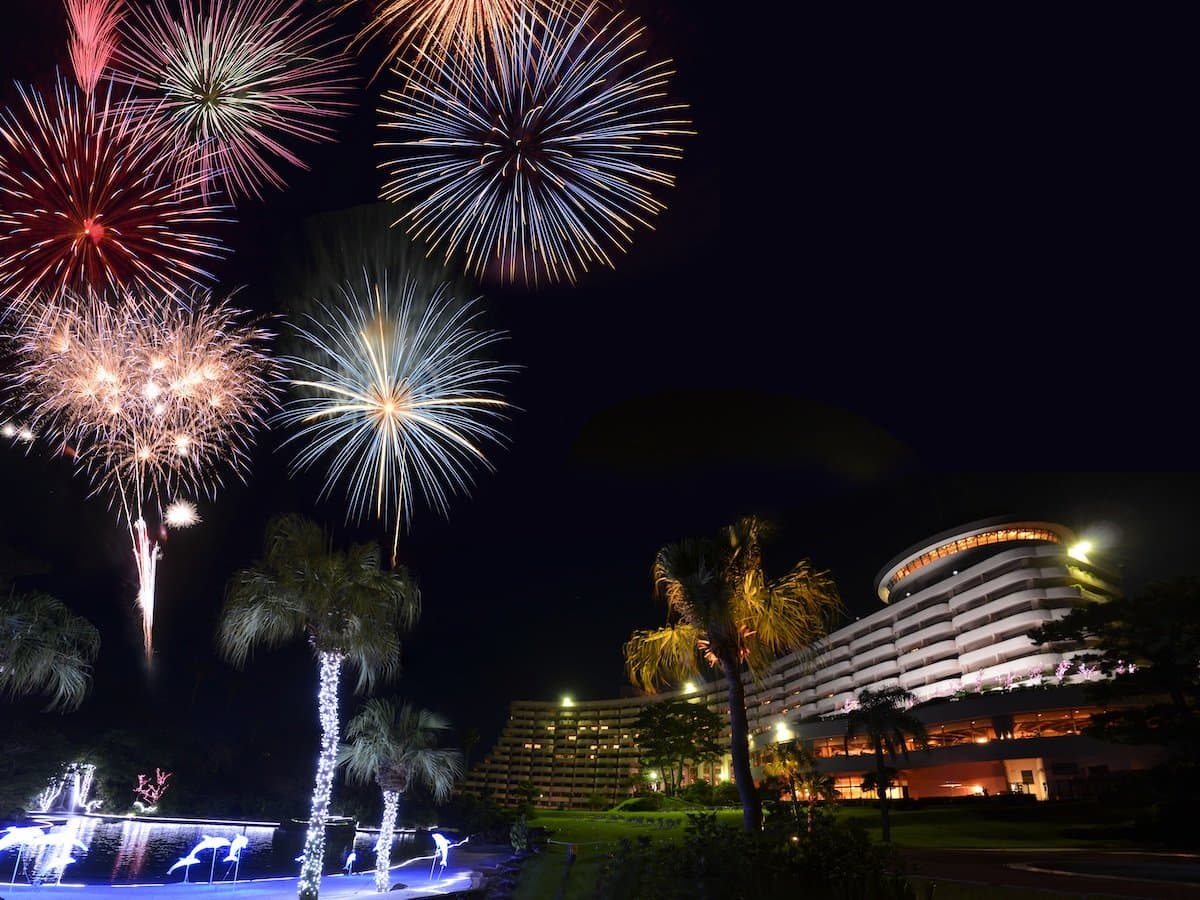 Ibusuki Iwasaki Hotel Ibusuki | à partir de ≈70 € | 7.3 40 avis | Anglais OKOnsen | Réserver sur Booking.com |
 | à partir de ≈176 € | 9.6 56 avis | Anglais OKOnsen privé | Réserver sur Booking.com |
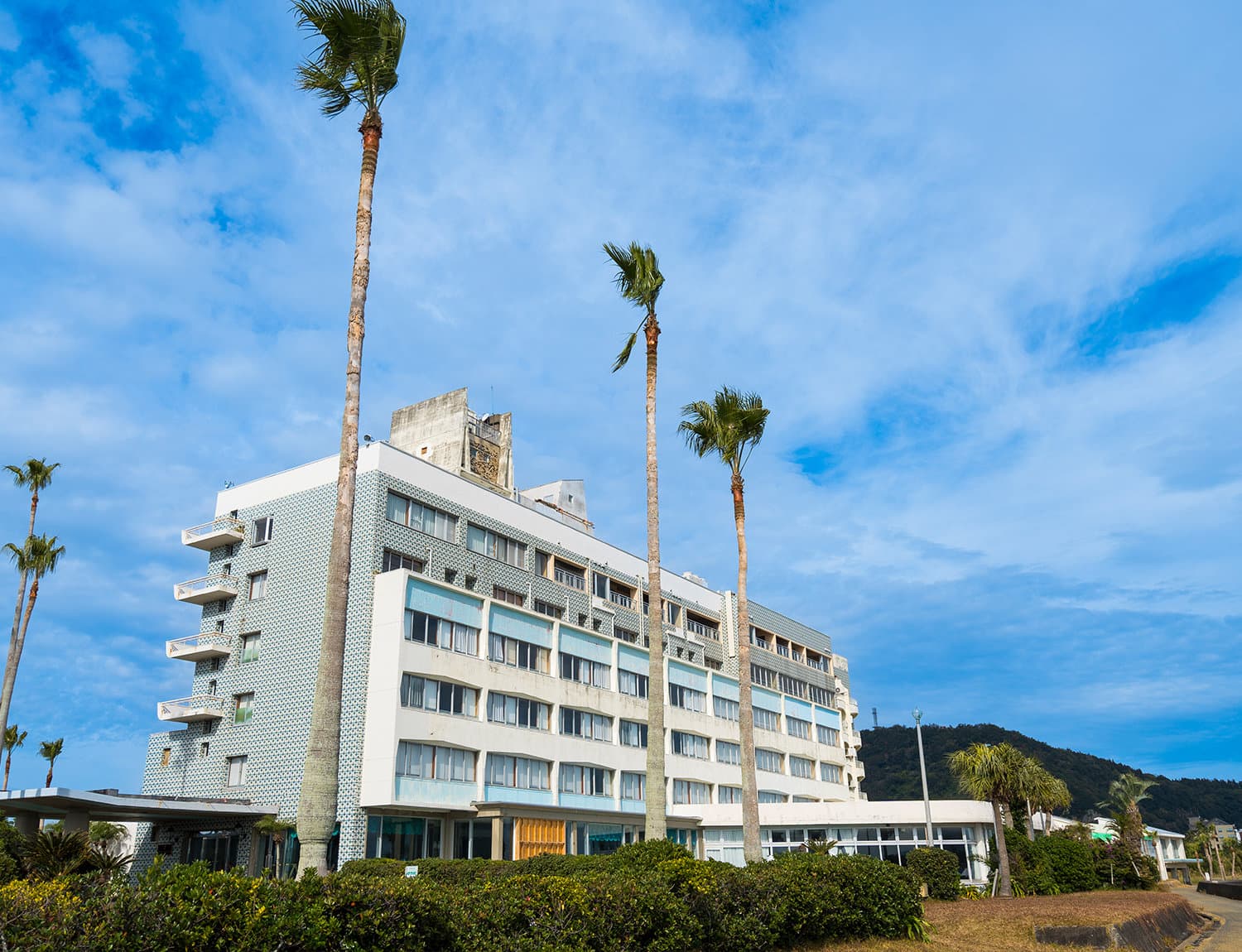 Ibusuki Seaside Hotel Ibusuki | à partir de ≈79 € | 7.1 15 avis | Anglais OKOnsen | Réserver sur Booking.com |
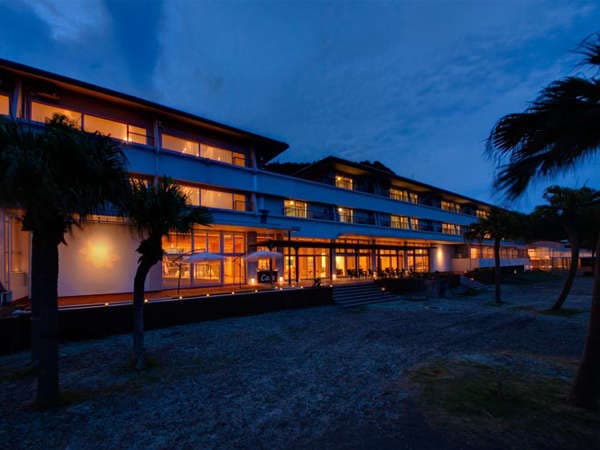 | à partir de ≈53 € | 8.6 31 avis | Onsen | Réserver sur Booking.com |
Ibusuki Iwasaki Hotel
Ibusuki
Ibusuki Seaside Hotel
Ibusuki
Les prix indiqués sont des tarifs de départ approximatifs par personne et par nuit. Nous pouvons percevoir une commission sur les réservations.
À la pointe sud de la péninsule de Satsuma, à Kyushu, se trouve Ibusuki, une station thermale côtière dotée d'une tradition de bien-être sans équivalent au Japon. Depuis plus de 300 ans, les visiteurs y viennent non seulement pour l'eau chaude, mais aussi pour le sable chaud source vérifiée JNTO 2026-06-05. Les bains de sable d'Ibusuki (suna-mushi onsen) consistent à se faire enterrer jusqu'au cou dans du sable noir naturellement chauffé sur le rivage, une pratique à la fois surréaliste et profondément thérapeutique — une tradition attestée dans la région depuis l'époque d'Edo source vérifiée JNTO 2026-06-05. Le climat semi-tropical de la ville, avec ses palmiers qui bordent la côte de la baie de Kinko, donne ici une touche singulière à l'expérience du ryokan. Au lieu de vous dévêtir entièrement, vous enfilez un yukata par-dessus votre maillot de bain et vous rendez sur la plage, où un personnel dédié vous recouvre avec habileté d'un sable chaud et détoxifiant. Ce guide sélectionne les meilleurs ryokans d'Ibusuki pour vous servir de base pour cette expérience remarquable, des grands complexes hôteliers aux auberges traditionnelles intimistes.
 Épingler sur Pinterest
Pourquoi Ibusuki, préfecture de Kagoshima, Kyushu (1 heure par la ligne JR Ibusuki Makurazaki depuis Kagoshima-Chuo) pour les ryokans
La renommée mondiale d'Ibusuki repose sur l'activité géothermique unique qui règne sous ses plages. Le sable de la plage de Surigahama est chauffé par des sources chaudes souterraines à une température constante de 50-55 °C (122-131 °F) source vérifiée Kyushu Tourism Organization 2026-06-05. Une séance type ne dure que 10 à 15 minutes, mais les effets sont profonds source vérifiée JNTO 2026-06-05. Une étude de l'université de Kagoshima citée par la JNTO a montré que l'inhalation de la vapeur géothermique améliore la circulation sanguine par rapport à un bain thermal classique source vérifiée JNTO 2026-06-05. On dit que l'expérience favorise la détoxification, la détente musculaire et l'amélioration de la circulation.
Si de nombreux visiteurs se rendent au bain de sable public Saraku (Saraku Sand-Bath Hall) source vérifiée Discover Kagoshima 2026-06-05, séjourner dans un ryokan local offre une manière plus fluide et souvent plus intime de profiter de cette tradition. Les meilleurs ryokans exploitent leurs propres installations de bains de sable privées directement sur la plage ou proposent des navettes pratiques. Choisir votre ryokan à Ibusuki, c'est choisir la façon dont vous préférez vivre les bains de sable d'Ibusuki (suna-mushi onsen), l'attraction phare incontestée de la ville. Pour la liste complète des hôtels à Ibusuki — des ryokans avec bains de sable aux complexes balnéaires avec vue sur le mont Kaimon — consultez notre guide des hébergements d'Ibusuki.
1. Hakusuikan
Si vous ne pouvez réserver qu'un seul ryokan à Ibusuki, Hakusuikan est le choix incontournable. Ce vaste complexe en bord de mer d'environ 200 chambres allie envergure, histoire et accès direct aux célèbres bains de sable de la ville source vérifiée Japan Ryokan Association 2026-06-05. Son atout le plus frappant est le Genroku-Buro, un immense établissement de bains méticuleusement reconstitué sur le modèle des bains publics de l'époque d'Edo. Déambuler entre ses différents bassins, salles de vapeur et espaces de détente donne l'impression de remonter le temps. Le ryokan exploite également sa propre section privée de la plage de Surigahama pour que ses hôtes puissent profiter des bains de sable d'Ibusuki (suna-mushi onsen) sans la foule des installations publiques. Après votre ensevelissement dans le sable, vous pouvez vous rincer dans l'onsen de l'établissement avant de savourer un dîner kaiseki en plusieurs services. Avec sa collection d'art de Satsuma digne d'un musée et son service irréprochable, Hakusuikan est bien plus qu'un simple lieu de séjour ; c'est une destination à part entière.
Gamme de prix : Luxe (38 500–107 800 ¥/personne)
 Épingler sur Pinterest
2. Ibusuki Iwasaki Hotel
Pour les voyageurs en quête d'un complexe hôtelier tout compris, l'Ibusuki Iwasaki Hotel est une option redoutable. Avec 530 chambres, c'est l'un des plus grands établissements de la région, offrant une longue liste d'équipements, dont une plage privée, un parcours de golf et plusieurs restaurants. Son principal attrait est son bain en plein air panoramique, qui offre une vue dégagée sur la baie de Kinko jusqu'à la silhouette reconnaissable du mont Kaimondake. L'hôtel dispose de sa propre installation de bains de sable sur place, ce qui permet facilement à ses hôtes de s'adonner au rituel emblématique d'Ibusuki. Plus grand et moins traditionnel que les autres ryokans de cette liste, il constitue néanmoins, par l'étendue de ses équipements, un excellent choix pour les familles ou les voyageurs qui apprécient le confort d'un grand hôtel associé aux expériences de bien-être japonaises essentielles.
Gamme de prix : Milieu de gamme à luxe (12 320–38 500 ¥/personne)
3. Yoshimatsu
Pour ceux qui préfèrent l'intimité et la tradition à l'envergure d'un complexe hôtelier, Yoshimatsu est le refuge idéal. Avec seulement 17 chambres, ce ryokan offre une expérience sereine et personnelle, ancrée dans l'hospitalité japonaise classique. Chaque chambre est aménagée avec raffinement dans le style traditionnel sukiya-zukuri, avec vue sur un jardin japonais soigneusement entretenu et un bassin de carpes koï. L'atout majeur de Yoshimatsu est son option de bain de sable privé, un luxe rare qui permet de profiter de l'ensevelissement thérapeutique en toute intimité. Le souci du détail s'étend à sa cuisine kaiseki, qui met en valeur les produits locaux de Kagoshima. Les principaux bains de sable publics sont à 5 minutes en taxi, mais c'est l'option privée sur place qui justifie vraiment la réservation. Yoshimatsu est le choix de prédilection des couples ou des voyageurs en solo en quête d'une élégance paisible.
Gamme de prix : Luxe (30 800–77 000 ¥/personne)
Tip
Réservez une chambre avec bain privé en plein air (rotenburo) à Yoshimatsu pour associer au mieux la détente par l'eau et par le sable.
4. Ibusuki Seaside Hotel
Offrant un excellent rapport qualité-prix sans sacrifier un emplacement de choix, l'Ibusuki Seaside Hotel est un formidable choix de milieu de gamme. Situé directement en bord de mer, il offre depuis nombre de ses chambres une vue dégagée sur la baie de Kinko. L'hôtel est régulièrement salué pour son service chaleureux et accueillant ainsi que pour ses installations propres et confortables. S'il ne possède pas son propre bain de sable, il se trouve à seulement 5 minutes à pied du bain de sable public Saraku, ce qui est particulièrement pratique pour ses hôtes. Le grand onsen commun de l'hôtel est idéal pour se détendre après votre séance de bain de sable. Pour les voyageurs qui cherchent une base confortable, abordable et bien située pour découvrir les principales attractions d'Ibusuki, le Seaside Hotel offre une qualité fiable à un excellent prix.
Gamme de prix : Milieu de gamme (13 860–38 500 ¥/personne)
5. Kyukamura Ibusuki
Membre de la chaîne « National Park Resort », Kyukamura Ibusuki offre un mélange unique de paysages naturels et de prix abordables. Situé dans un cadre verdoyant aux allures de parc, il met l'accent sur le lien avec la nature. L'hôtel dispose de sa propre installation de bains de sable, accessible moyennant un léger supplément, ainsi que d'un onsen spacieux avec vue sur la baie. Ce qui distingue Kyukamura dans la catégorie petit budget, c'est qu'il propose tout de même un dîner kaiseki complet et de grande qualité, souvent simplifié dans les gammes de prix inférieures. Cela en fait une offre au rapport qualité-prix exceptionnel pour les voyageurs qui veulent vivre pleinement le dîner et l'onsen d'un ryokan sans le prix du luxe. C'est un choix idéal pour les amoureux de la nature et les familles soucieuses de leur budget.
Gamme de prix : Petit budget (9 240–23 100 ¥/personne)
Informations pratiques pour votre voyage à Ibusuki
Accès : Ibusuki est facilement accessible depuis le principal nœud de transport de Kagoshima. Depuis la gare de Kagoshima-Chuo, la ligne JR Ibusuki Makurazaki met environ 1 heure en train express limité, comme l'Ibusuki no Tamatebako source vérifiée JR Kyushu 2026-06-05.
Meilleure saison : Grâce à son climat semi-tropical, Ibusuki est une destination agréable toute l'année. Le printemps (mars-mai) et l'automne (octobre-novembre) offrent les températures les plus confortables pour explorer la région.
Budget : Les prix des ryokans à Ibusuki varient. Comptez 9 000–23 000 ¥ par personne pour les options économiques, 12 000–38 500 ¥ pour le milieu de gamme, et 38 500 ¥ et plus pour les établissements de luxe, en particulier ceux dotés de bains de sable privés.
Tip
Un yukata vous sera fourni pour le bain de sable, mais vous devez porter votre propre maillot de bain ou vos sous-vêtements en dessous. Apportez aussi une petite serviette pour essuyer la transpiration pendant que vous vous détendez dans le sable.
Quand visiter Ibusuki
Ibusuki se trouve à la pointe sud de Kyushu et fait partie des rares stations thermales japonaises où l'hiver est doux — température moyenne en janvier d'environ 8-10 °C, pas de neige, des palmiers dans le jardin public. De novembre à mars, c'est la véritable haute saison, car le bain de sable (sunamushi) se ressent le plus intensément par temps frais. Évitez juillet-août, sauf si vous recherchez précisément l'ambiance d'été tropical — l'humidité dépasse 80 % et le bain de sable par plus de 40 °C d'air est plus éprouvant pour l'organisme. Les cerisiers en fleurs atteignent ici leur pic fin mars, deux semaines plus tôt qu'à Kyoto. Réservez 6-8 semaines à l'avance pour les week-ends de la saison des feuillages (novembre est doux ici mais pas spectaculaire — venez pour le bain de sable, pas pour les feuilles).
Ce qu'Ibusuki fait de mieux (et ce qu'il ne fait pas)
Ce qu'Ibusuki fait de mieux, c'est le bain de sable à la vapeur (sunamushi-onsen). Vous portez un yukata, vous vous allongez sur la plage, et le personnel vous enterre dans un sable volcanique naturellement chaud pendant 10-15 minutes. C'est l'expérience d'onsen la plus thérapeutique que j'aie jamais vécue, et elle n'existe pratiquement nulle part ailleurs au Japon (Beppu en a une, mais la version d'Ibusuki est plus ancienne et se trouve sur la plage même). Ce qu'Ibusuki ne fait pas, ce sont les vues spectaculaires sur la montagne depuis un rotenburo — la topographie est côtière et volcanique, pas alpine. Si votre priorité est le bain de sable à la vapeur accompagné d'un dîner kaiseki articulé autour du porc noir de Kagoshima et du shochu de patate douce, Ibusuki est la bonne réponse. Si vous voulez neige et rotenburo, allez plutôt dans le Tohoku.
Tip
Réservez le bain de sable à l'établissement public Saraku pour 1 100 ¥, même si votre ryokan possède son propre sunamushi — Saraku se trouve directement sur la plage et le sable y est plus chaud (plus de 50 °C contre 42-45 °C en intérieur). La combinaison de la vapeur volcanique par en dessous et de la brise marine par au-dessus, c'est cela, le vrai souvenir d'Ibusuki.
Une cuisine locale qui mérite d'organiser vos repas autour d'elle
Le kaiseki d'Ibusuki s'articule autour de deux produits qui ont fait la renommée de la préfecture de Kagoshima et que nulle part ailleurs on ne réussit aussi bien : le kurobuta (porc noir Berkshire) et la satsuma-imo (patate douce violette). Le kurobuta de Kagoshima est la seule race Berkshire du Japon bénéficiant d'un statut d'appellation protégée — son persillage est plus fin que celui du bœuf wagyu et son gras fond à plus basse température, ce qui explique que le plat de shabu-shabu de chaque ryokan de cette liste utilise des tranches fines comme du papier dans un dashi clair aux algues plutôt que la préparation sukiyaki habituelle. La particularité locale à noter : la plupart des ryokans d'Ibusuki servent un plat accompagné de shochu de patate douce dans le cadre du kaiseki, souvent sous forme de dégustation de trois distilleries de la péninsule de Satsuma. Mars Shinshu, Satsuma Shuzo et Hamada Shuzo sont les noms à repérer sur la carte ; demandez à l'okami (la propriétaire) lequel s'accorde avec le plat de porc noir et vous aurez droit à 10 minutes de conversation sur les sources d'eau régionales, qui ne figurent sur aucun site de voyage anglophone. Un produit à rechercher par vous-même : le *kibinago* (sprat à bande argentée), un petit poisson à sashimi qui arrive au port d'Ibusuki en saison (avril–juin et octobre–novembre) et disparaît le matin même. Rares sont les menus kaiseki de Tokyo ou de Kyoto qui le proposent, car ce poisson ne supporte pas le transport. Demandez à l'avance à votre ryokan si le kibinago figurera au menu le soir de votre arrivée — Hakusuikan et Yoshimatsu confirment tous deux sa disponibilité saisonnière au moment de la réservation.
Tip
Si votre séjour tombe en dehors de la saison du kibinago, le plat de tonkotsu (travers de porc mijotés longuement) d'Ibusuki est le second plat régional à demander. Le liquide de braisage associe miso, sucre roux et lie de shochu — une technique de Satsuma qui n'existe pas dans les traditions du tonkotsu de Hakata ou de Kumamoto, malgré le nom commun.
Une journée type dans un ryokan d'Ibusuki
15 h 00 — Arrivée et thé de bienvenue. L'enregistrement dans la plupart des ryokans d'Ibusuki comprend une tasse de bienvenue de thé de *bushukan* (cédrat main de Bouddha) cultivé sur les pentes qui dominent le lac Ikeda. Un membre du personnel vous présente le planning des bains de sable — la plupart des ryokans regroupent les séances en créneaux de 30 minutes entre 16 h 00 et 19 h 30, pour coïncider avec l'humidité la plus basse sur la plage. Réservez votre créneau à l'enregistrement ; les demandes le jour même sont parfois complètes.
16 h 30 — Bain de sable (suna-mushi). On vous remet un yukata et une fine serviette. Portez un maillot de bain en dessous. Le trajet à pied du ryokan à la plage prend 3–8 minutes selon l'établissement. Sur le sable, vous vous allongez, et un membre du personnel vous recouvre à la pelle de 5–7 cm de sable chauffé par la géothermie, en ne laissant dépasser que votre tête. La température interne monte régulièrement pendant les 7 premières minutes ; à la 10e minute, vous transpirez abondamment et votre rythme cardiaque augmente nettement. La durée de séance recommandée est de 10–15 minutes — au-delà de 20, la thermorégulation du corps ne suit plus.
17 h 30 — Rinçage et onsen du ryokan. La plupart des ryokans disposent d'une douche de rinçage dédiée entre la plage des bains de sable et le bâtiment principal de l'onsen. Le bain dans l'onsen après le bain de sable est l'étape que les visiteurs sous-estiment : le contraste entre la chaleur géothermique sèche du sable et l'eau humide de l'onsen à 42 °C déclenche le même effet sur la circulation qu'un cycle sauna finlandais-bain froid.
18 h 30 — Dîner kaiseki. Servi en chambre dans les établissements de luxe (Hakusuikan, Yoshimatsu) et dans un salon privé dans la catégorie milieu de gamme. Prévoyez 90–120 minutes ; le kaiseki compte ici 8–11 services avec deux accords de shochu.
Le lendemain matin, 6 h 00 — Onsen avant le petit-déjeuner. L'onsen matinal d'Ibusuki au lever du soleil fait face à la baie de Kinko, plein est. De novembre à février, le soleil se lève entre 6 h 50 et 7 h 10 du matin, encadré au sud par le cône parfait du mont Kaimondake. Ce sont les 20 meilleures minutes d'un séjour à Ibusuki, et l'étape du programme la plus souvent sautée.
7 h 30 du matin — Petit-déjeuner japonais. Le petit-déjeuner d'Ibusuki est plus copieux que le washoku à la mode de Kyoto que vous avez peut-être vu ailleurs : maquereau grillé, soupe miso à la patate douce et un œuf cuit dans l'eau de l'onsen (*onsen tamago*) grâce à la même source géothermique que le bain de sable.
Mon avis honnête après y avoir séjourné
J'ai séjourné deux fois à Ibusuki — une fois en février (air frais, sable chaud, parfait) et une fois fin août (humide, épuisant, je ne recommencerais pas). Mon avis honnête : Ibusuki est une étape de 1 nuit dans une boucle à Kyushu (Kagoshima → Ibusuki → Yakushima), pas une destination en soi. Le bain de sable est réellement unique et vaut le trajet en train ; l'offre de rotenburo est d'un niveau moyen. Associez-le le lendemain à la ville de Kagoshima pour la vue sur le volcan et les distilleries de shochu — c'est cette combinaison qui justifie vraiment de descendre si loin au sud.
Si la grandeur historique de Hakusuikan est votre objectif, cette liste vous y mène ; si c'est le refuge paisible de Yoshimatsu que vous êtes venu chercher, les mêmes choix s'appliquent : un séjour à Ibusuki offre un voyage de bien-être japonais véritablement singulier. L'expérience unique des bains de sable d'Ibusuki (suna-mushi onsen), alliée à l'hospitalité chaleureuse et à la cuisine raffinée des ryokans de la région, promet une escapade profondément ressourçante. Parcourez notre courte sélection et réservez votre séjour dans la capitale japonaise des bains de sable.
Tous les autres ryokans que nous répertorions ici
8 sélections| Ryokan | À partir de | Note | Caractéristiques | Réserver |
|---|---|---|---|---|
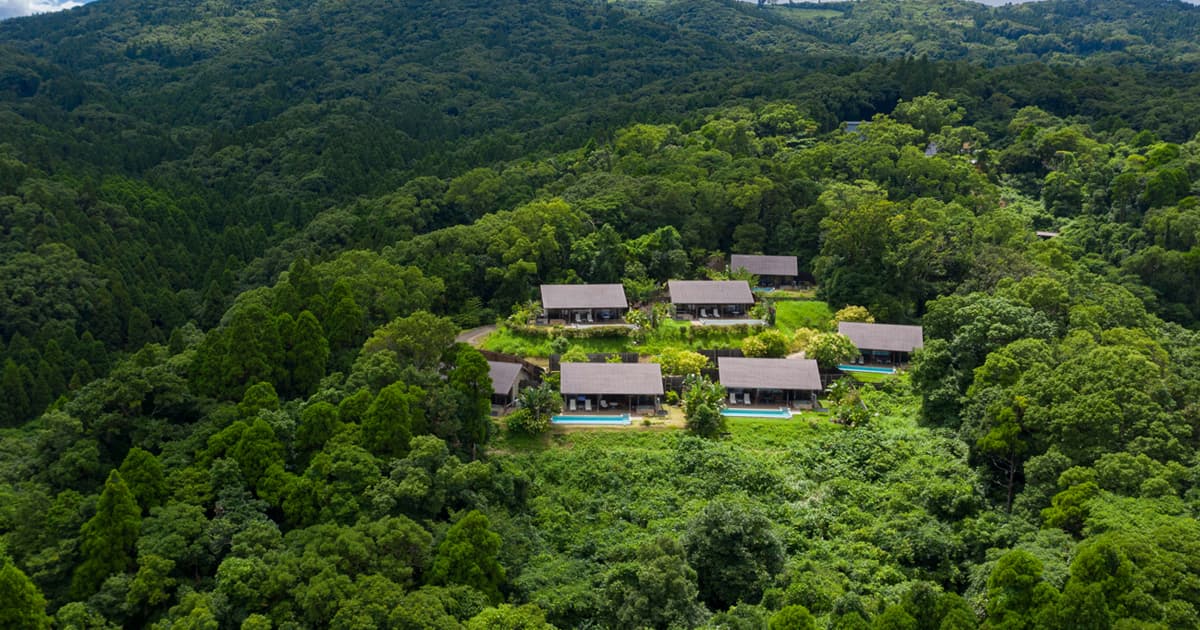
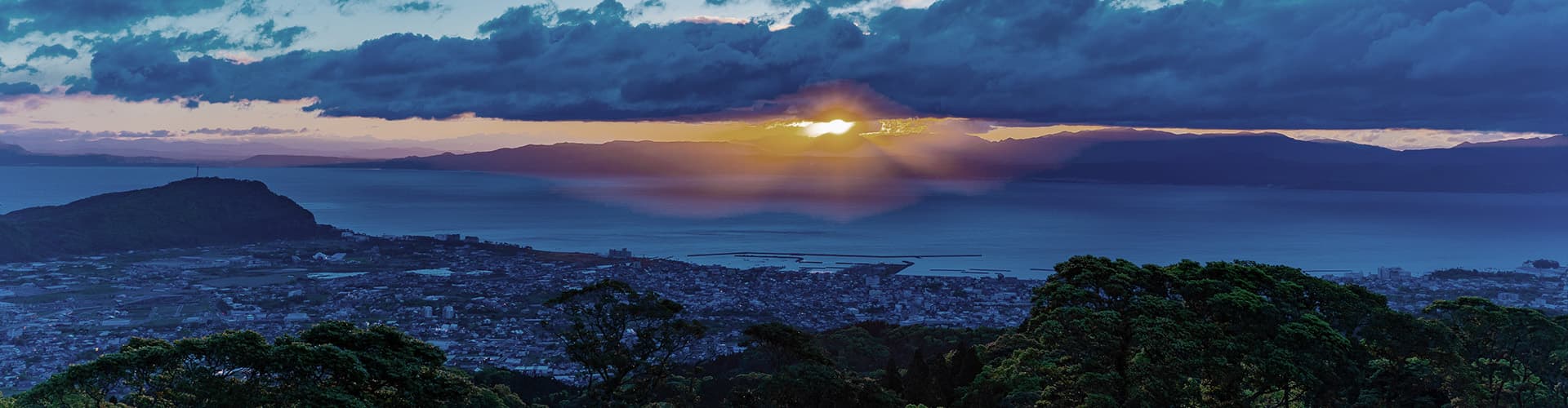 | à partir de ≈355 € | 9.7 84 avis | Anglais OKOnsen privé | Réserver sur Booking.com |
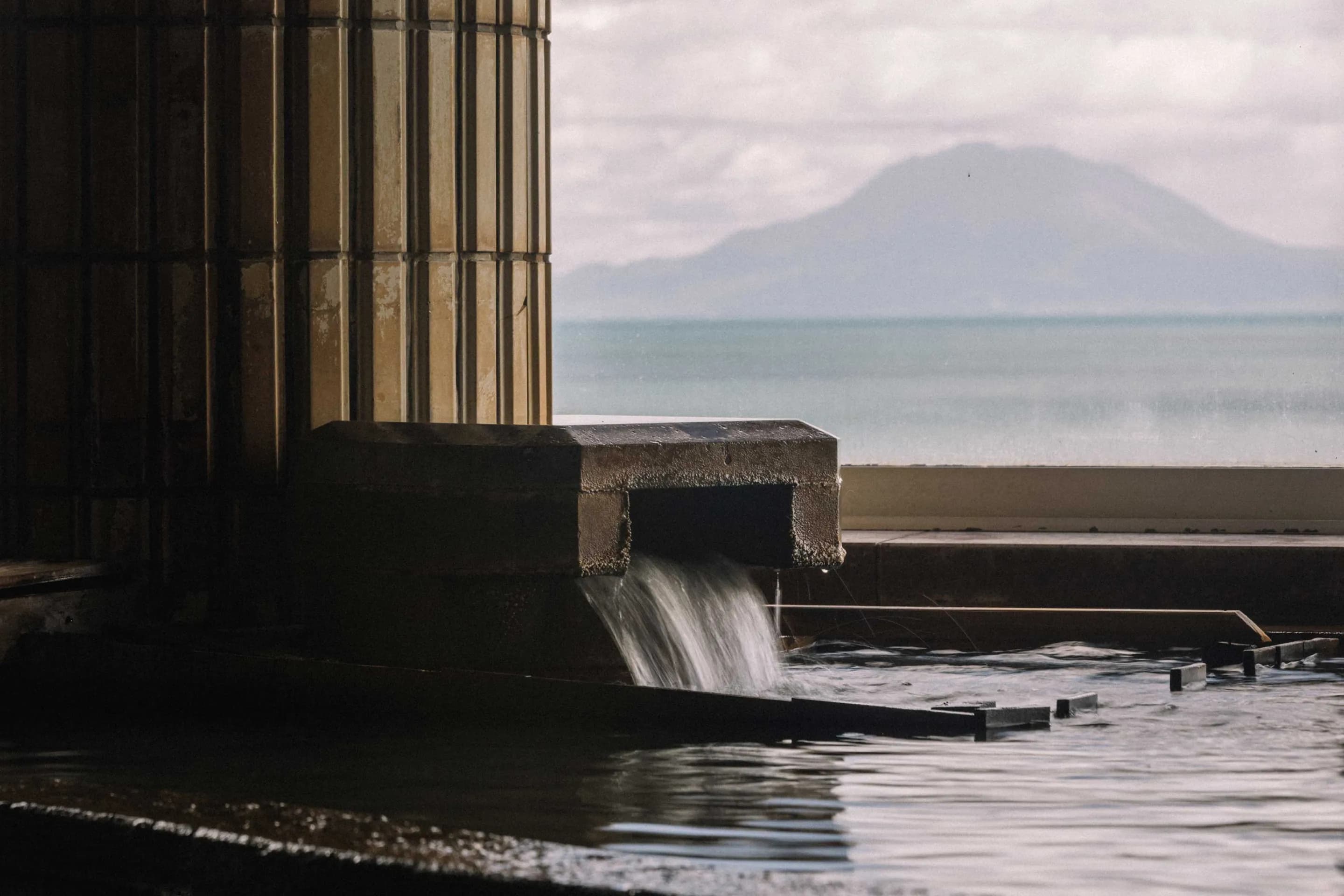
 Yurian Ibusuki | à partir de ≈246 € | 9.4 530 avis | Onsen privé | Réserver sur Booking.com |
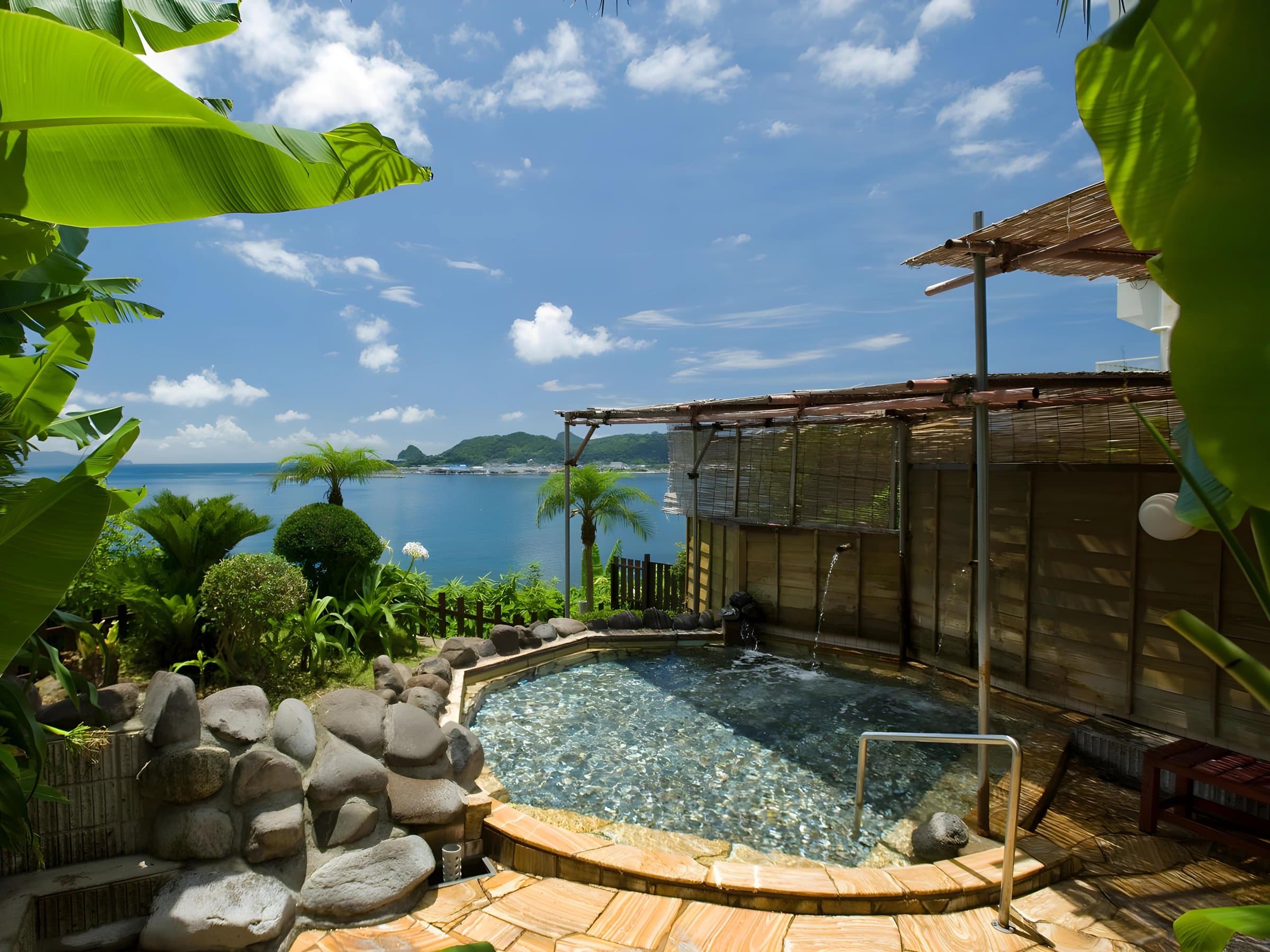
 Koran no Yu Kinkouroh Ibusuki | à partir de ≈88 € | 9.0 1 203 avis | Anglais OKOnsen privé | Réserver sur Booking.com |
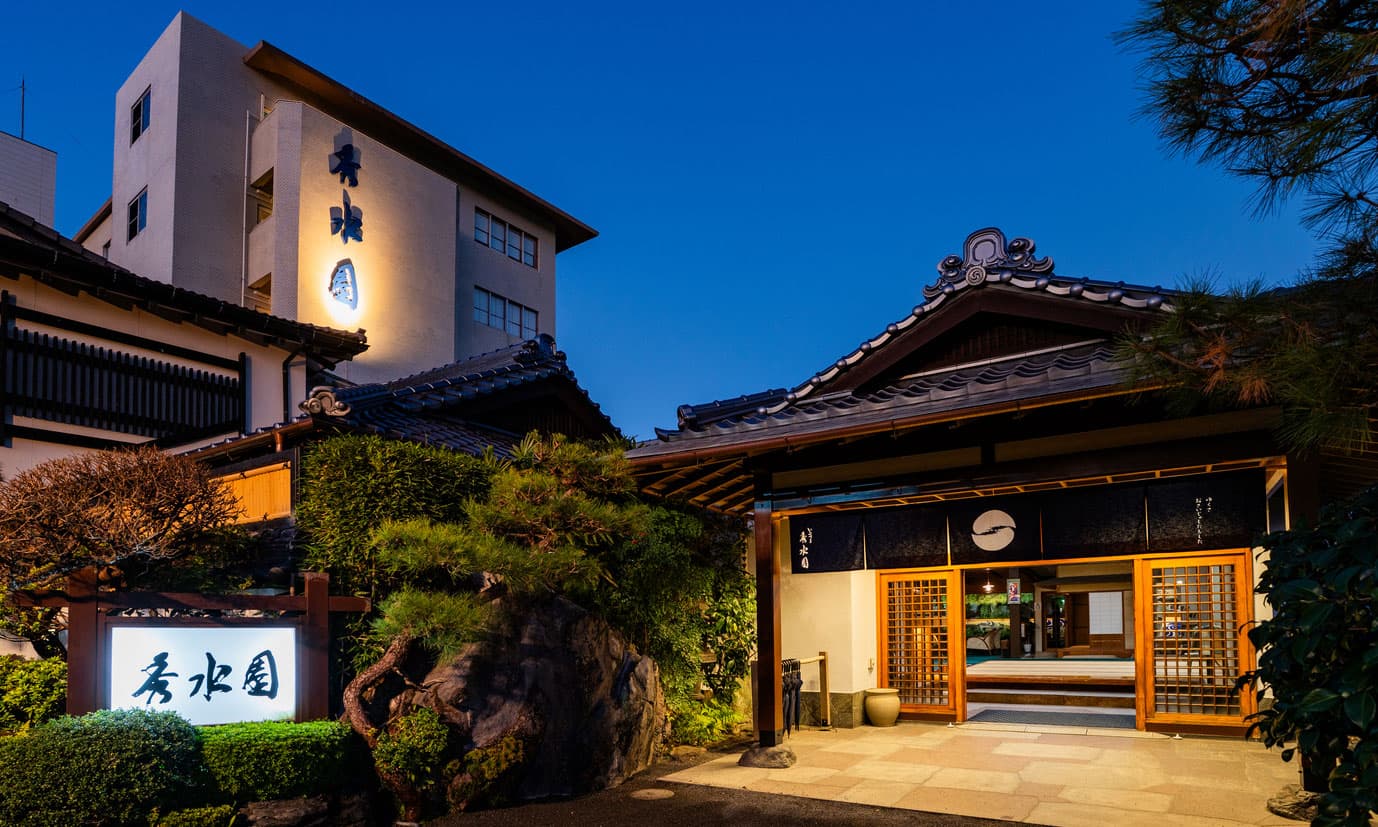
 Ibusuki Royal Hotel Ibusuki | à partir de ≈81 € | 8.9 402 avis | Anglais OKOnsen | Réserver sur Booking.com |
 Ibusuki Shusuien Ibusuki | à partir de ≈269 € | 8.9 68 avis | Anglais OKOnsen privé | Réserver sur Booking.com |
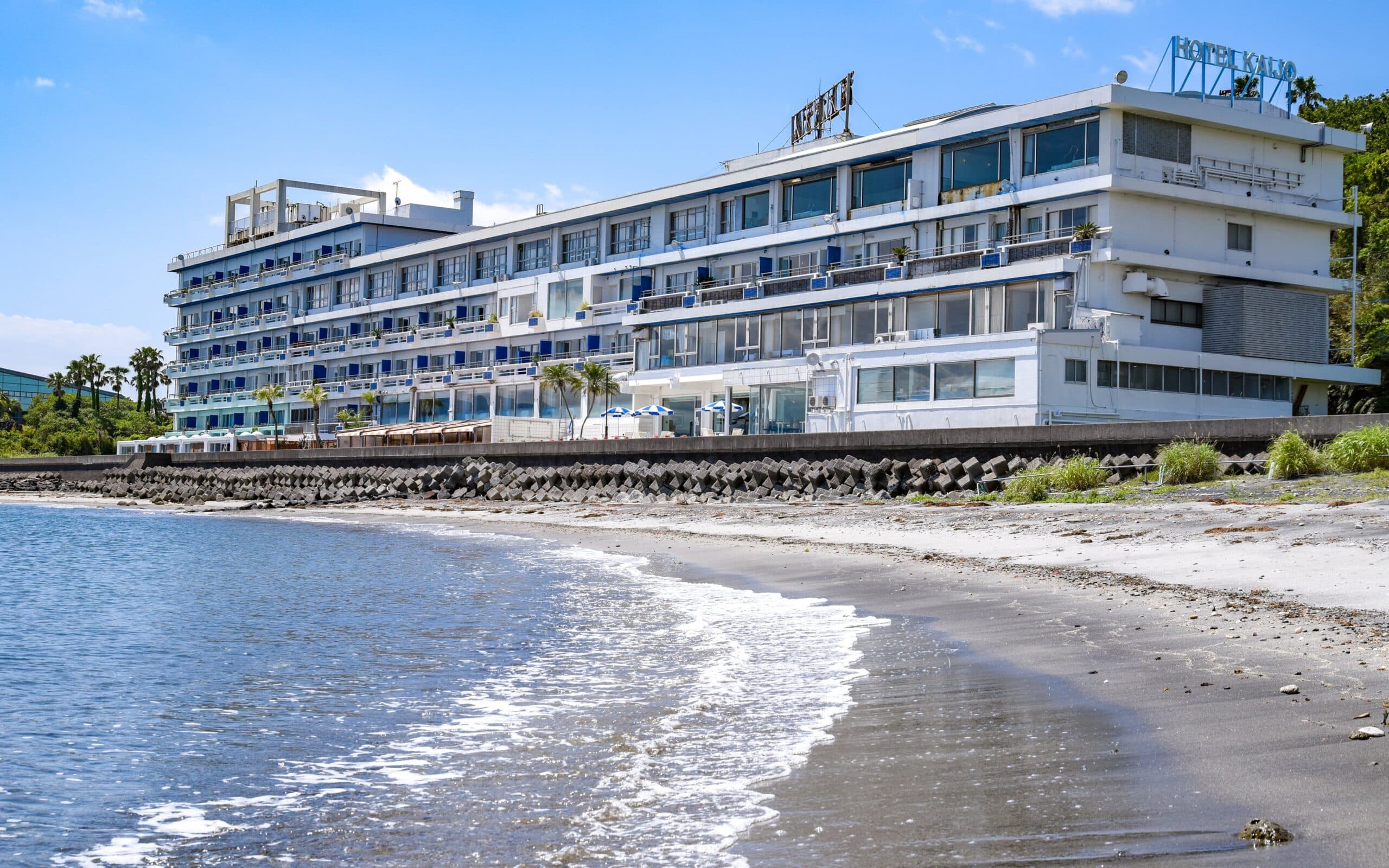 Ibusuki Kaijo Hotel Ibusuki | à partir de ≈54 € | 8.4 895 avis | Anglais OKOnsen privé | Réserver sur Booking.com |
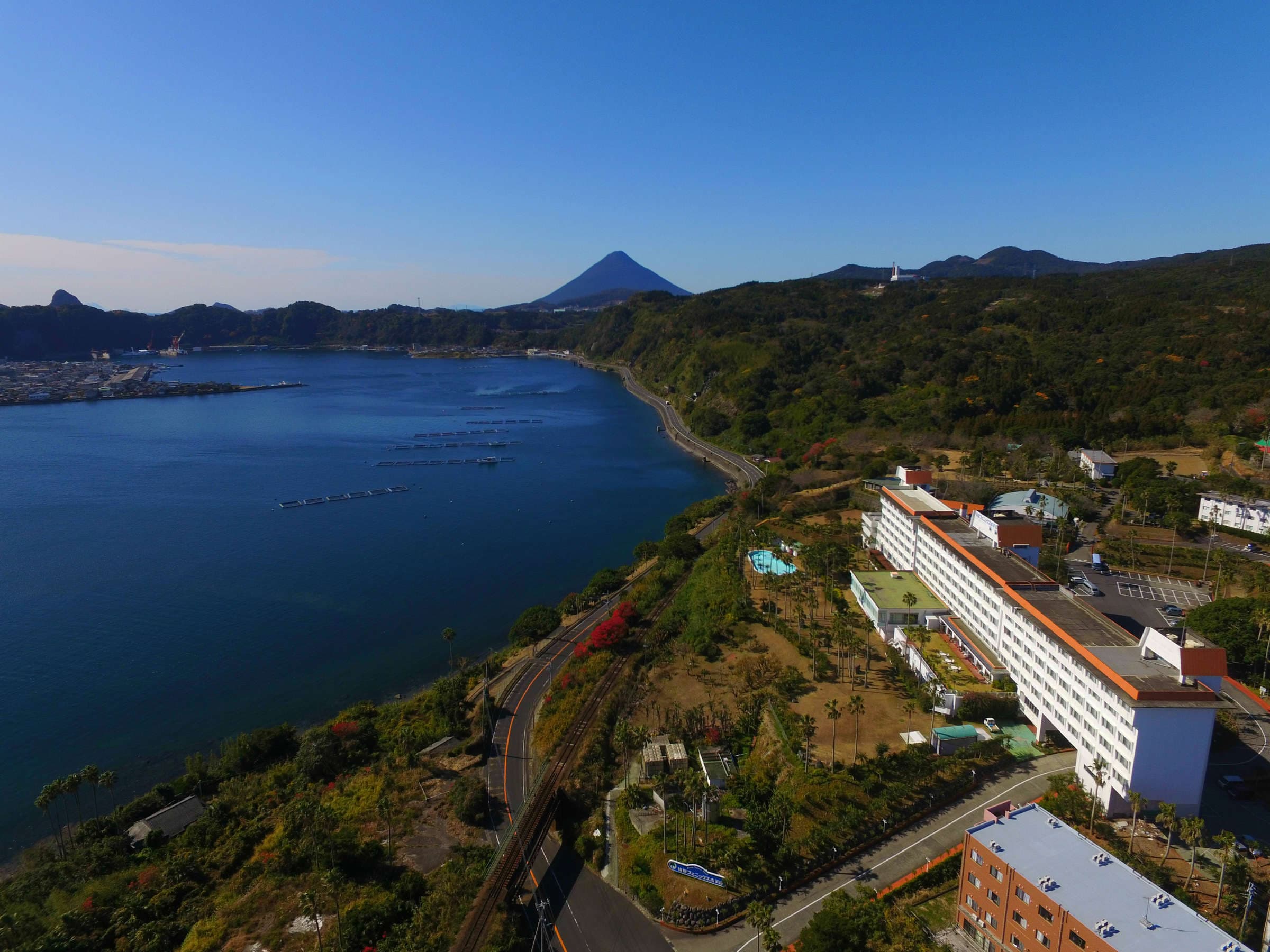 | à partir de ≈47 € | 8.4 394 avis | Anglais OKOnsen privé | Réserver sur Booking.com |
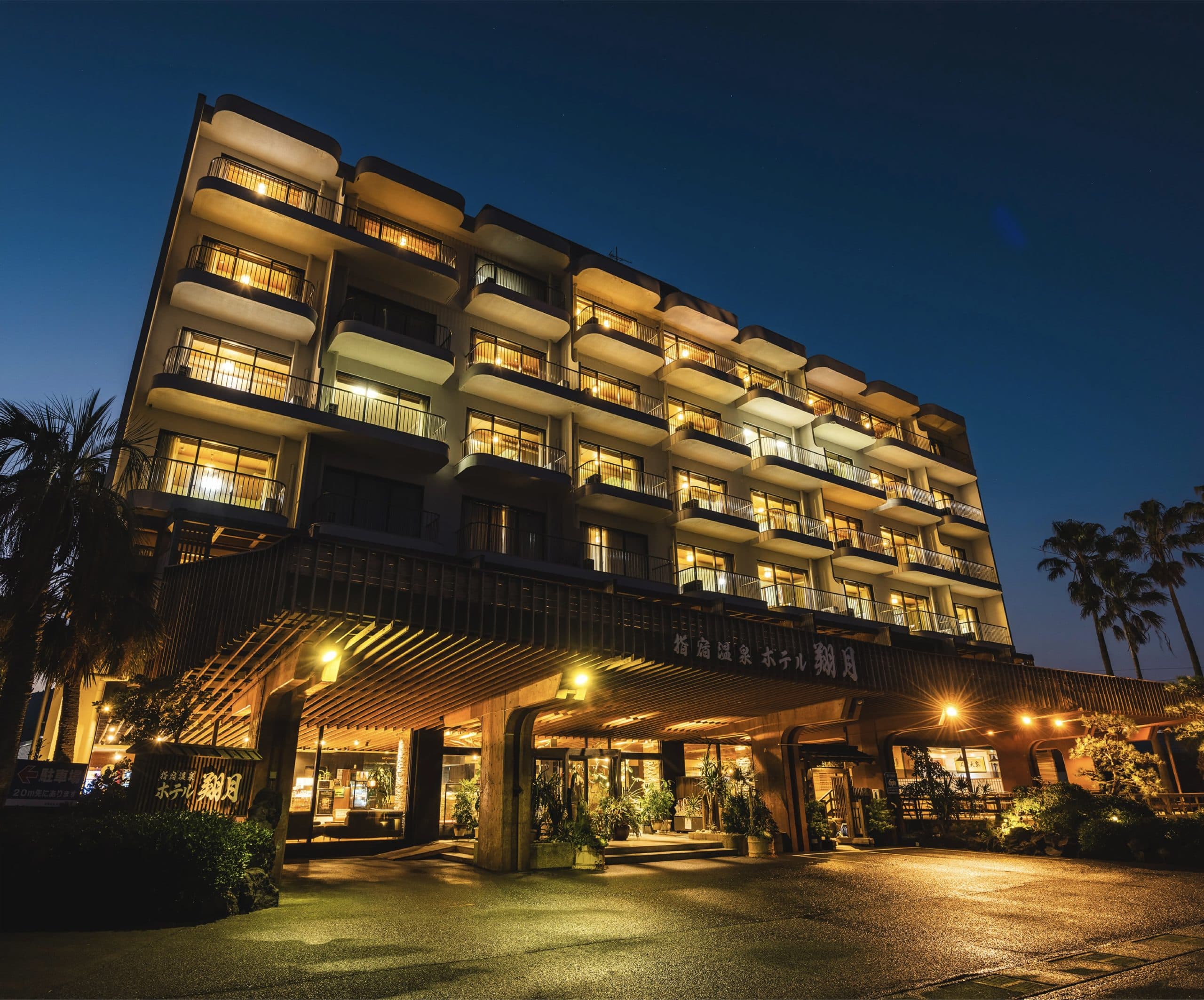
| à partir de ≈97 € | 8.2 613 avis | Anglais OKOnsen privé | Réserver sur Booking.com |
Yurian
Ibusuki
Koran no Yu Kinkouroh
Ibusuki
Ibusuki Royal Hotel
Ibusuki
Ibusuki Shusuien
Ibusuki
Ibusuki Kaijo Hotel
Ibusuki
Les prix indiqués sont des tarifs de départ approximatifs par personne et par nuit. Nous pouvons percevoir une commission sur les réservations.
Prêt à réserver ?
Réservez l'un de ces ryokans favoris
Comparez les disponibilités et les tarifs sur les trois plateformes.
Les liens de réservation peuvent générer une commission sans coût supplémentaire.
Notre guide des meilleurs ryokans de Kyushu replace les bains de sable d'Ibusuki dans leur contexte face à Kurokawa, Yufuin, Beppu et Unzen.
FAQ
Questions fréquentes
Comment se rendre à Ibusuki depuis Kagoshima ?+
Depuis la gare de Kagoshima-Chuo, la ligne JR Ibusuki Makurazaki rejoint Ibusuki en environ 1 heure en train express limité, comme le train touristique Ibusuki no Tamatebako. Ibusuki se trouve à la pointe sud de la péninsule de Satsuma, à Kyushu, et est facilement accessible depuis le principal nœud de transport de Kagoshima.
Le bain de sable d'Ibusuki vaut-il le détour ?+
Oui — le bain de sable suna-mushi est l'expérience emblématique d'Ibusuki et n'existe pratiquement nulle part ailleurs au Japon. Sur la plage de Surigahama, des sources géothermiques chauffent le sable volcanique noir à une température constante de 50–55 °C, et le personnel vous enterre jusqu'au cou pour une séance de 10–15 minutes qui favorise la circulation, la détoxification et la détente musculaire. C'est une tradition attestée dans la région depuis l'époque d'Edo, vieille de plus de 300 ans, pratiquée sur la plage même.
Quel est le meilleur ryokan d'Ibusuki ?+
Hakusuikan est le choix incontournable — un vaste complexe en bord de mer d'environ 200 chambres, doté de sa propre section privée de la plage de Surigahama pour des bains de sable à l'écart de la foule des installations publiques. Parmi ses points forts figurent l'établissement de bains Genroku-Buro, inspiré des bains publics de l'époque d'Edo, et une collection d'art de Satsuma digne d'un musée. Il se situe dans la gamme luxe, à 38 500–107 800 ¥ par personne.
Quel ryokan d'Ibusuki propose un bain de sable privé ?+
Yoshimatsu est le choix de l'intimité — avec seulement 17 chambres de style sukiya-zukuri classique donnant sur un jardin et un bassin de carpes koï, son atout majeur est une option de bain de sable privé qui vous permet de profiter de l'ensevelissement en toute intimité. Il se situe dans la gamme luxe, à 30 800–77 000 ¥ par personne, et c'est le choix de prédilection des couples ou des voyageurs en solo en quête d'une élégance paisible.
Que porter pour le bain de sable d'Ibusuki ?+
Un yukata vous sera fourni, mais vous devez porter votre propre maillot de bain ou vos sous-vêtements en dessous — vous ne vous dévêtez pas entièrement comme dans un onsen classique. Apportez une petite serviette pour essuyer la transpiration pendant que vous vous détendez dans le sable. Les séances se déroulent généralement par créneaux de 30 minutes en fin d'après-midi : réservez donc votre créneau à l'enregistrement.
Quel est le ryokan le moins cher d'Ibusuki ?+
Kyukamura Ibusuki est le choix petit budget à 9 240–23 100 ¥ par personne : membre de la chaîne National Park Resort dans un cadre aux allures de parc, il possède sa propre installation de bains de sable (léger supplément) et propose un dîner kaiseki complet, rare à ce prix. Autre option, l'Ibusuki Seaside Hotel (13 860–38 500 ¥) se trouve en bord de mer, à seulement 5 minutes à pied du bain de sable public Saraku, où une séance coûte 1 100 ¥.


