
26 min readUpdated June 2026
Quick Comparison
10 picks| Ryokan | From | Rating | Features | Book |
|---|---|---|---|---|
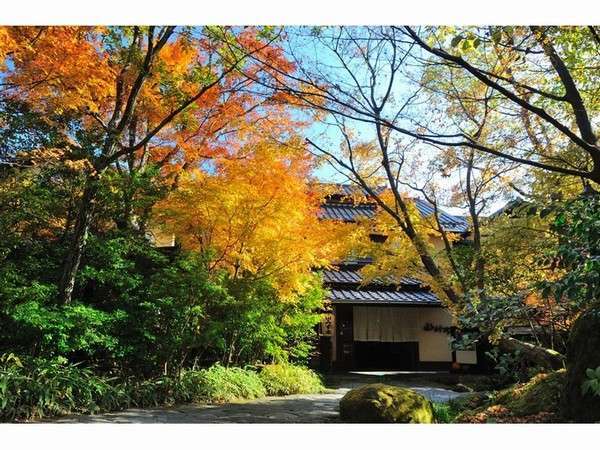 Yamamizuki Kurokawa | from $250 | 9.6 93 reviews | EN OKPrivate Onsen | Book on Booking.com |
 | from $600 | 9.5 47 reviews | EN OKPrivate Onsen | Book on Booking.com |
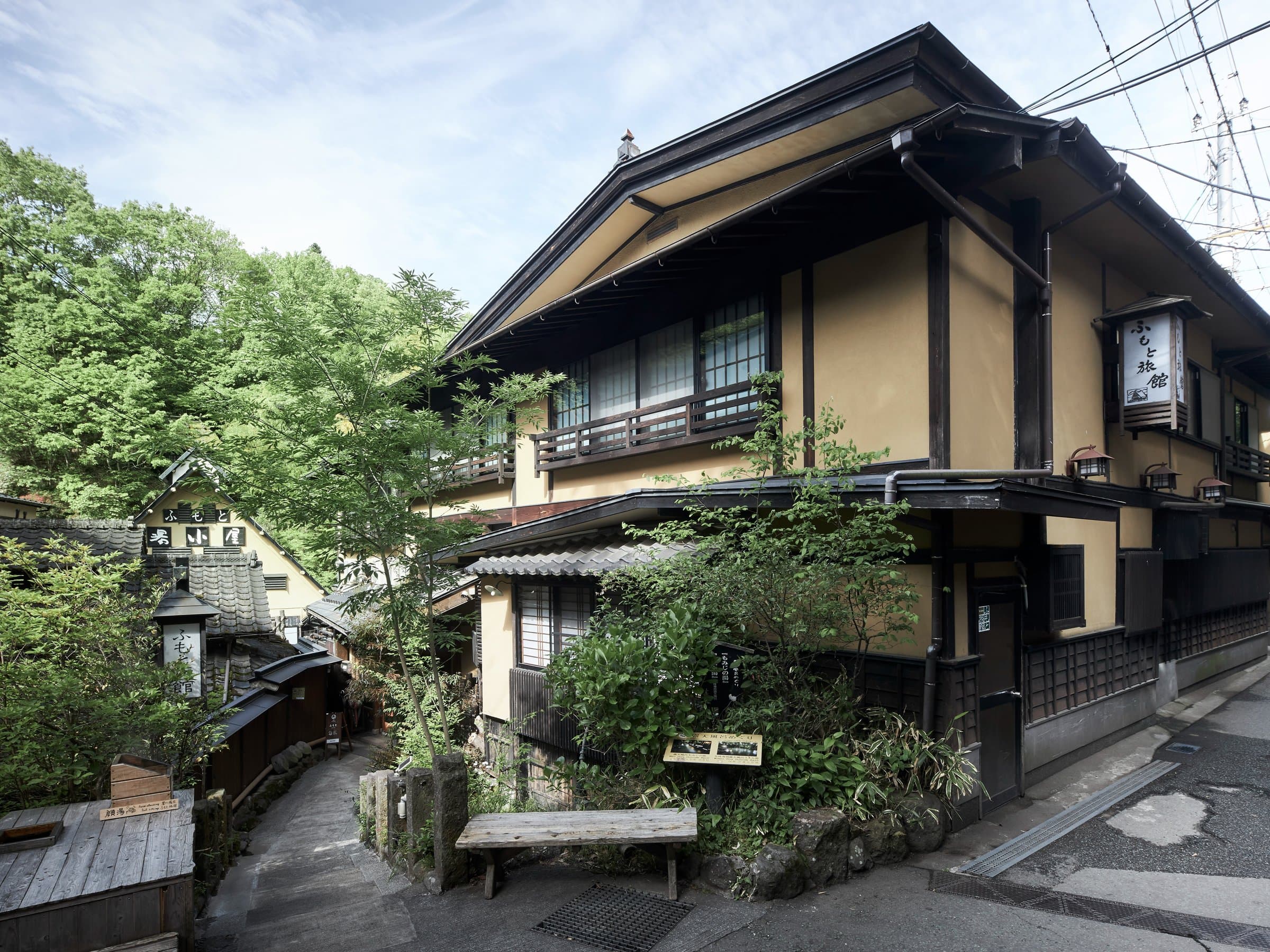 Fumoto Ryokan Kurokawa | from $250 | 9.3 249 reviews | EN OKPrivate Onsen | Book on Booking.com |
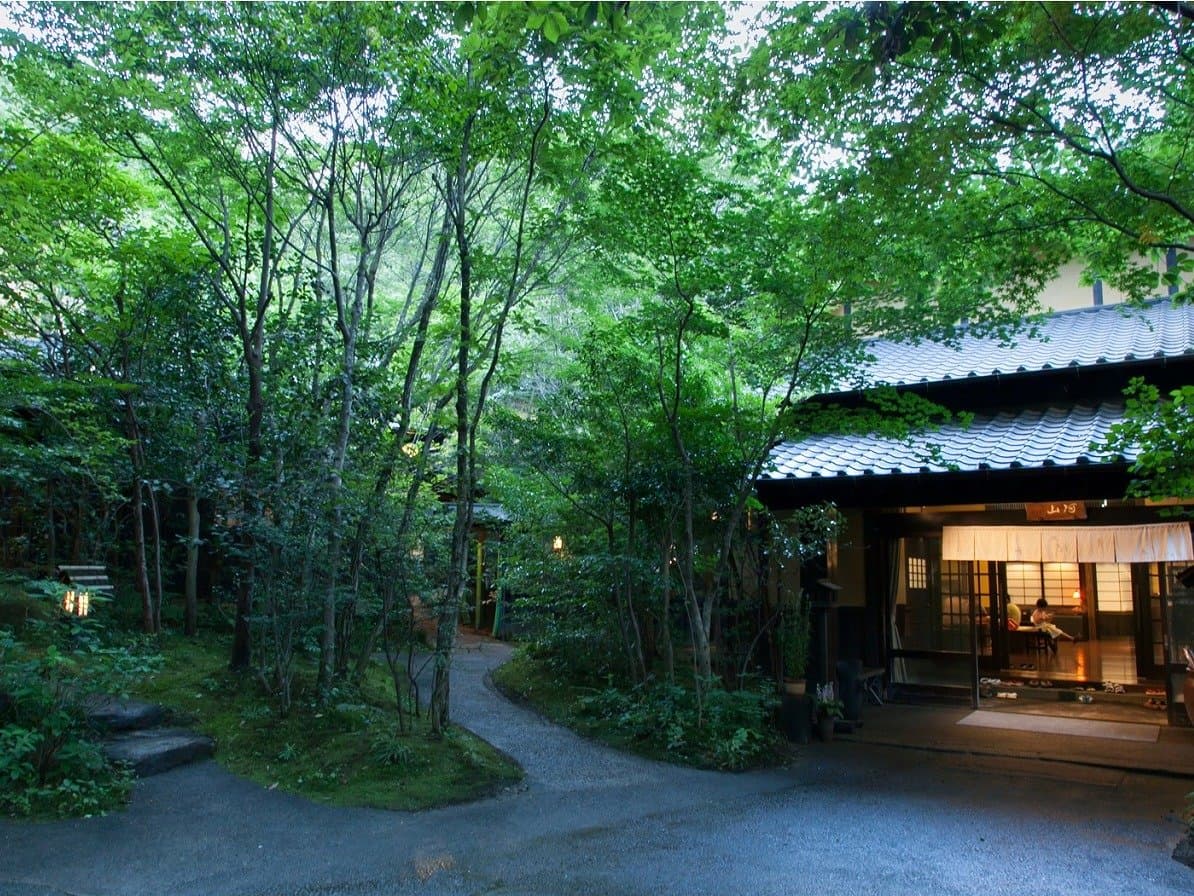 Ryokan Sanga Kurokawa | from $250 | 9.6 79 reviews | EN OKPrivate Onsen | Book on Booking.com |
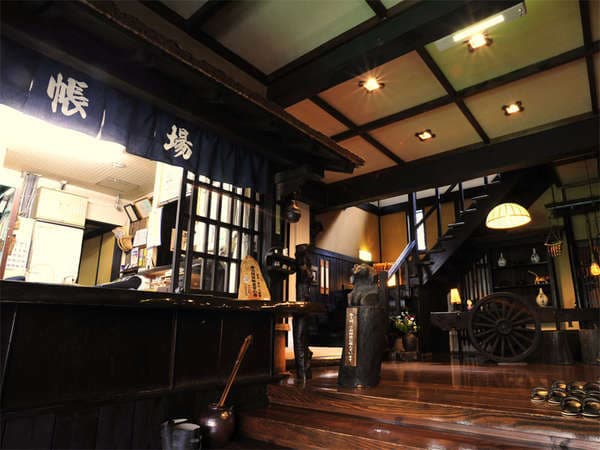 | from $150 | 8.8 48 reviews | EN OKOnsen | Book on Booking.com |
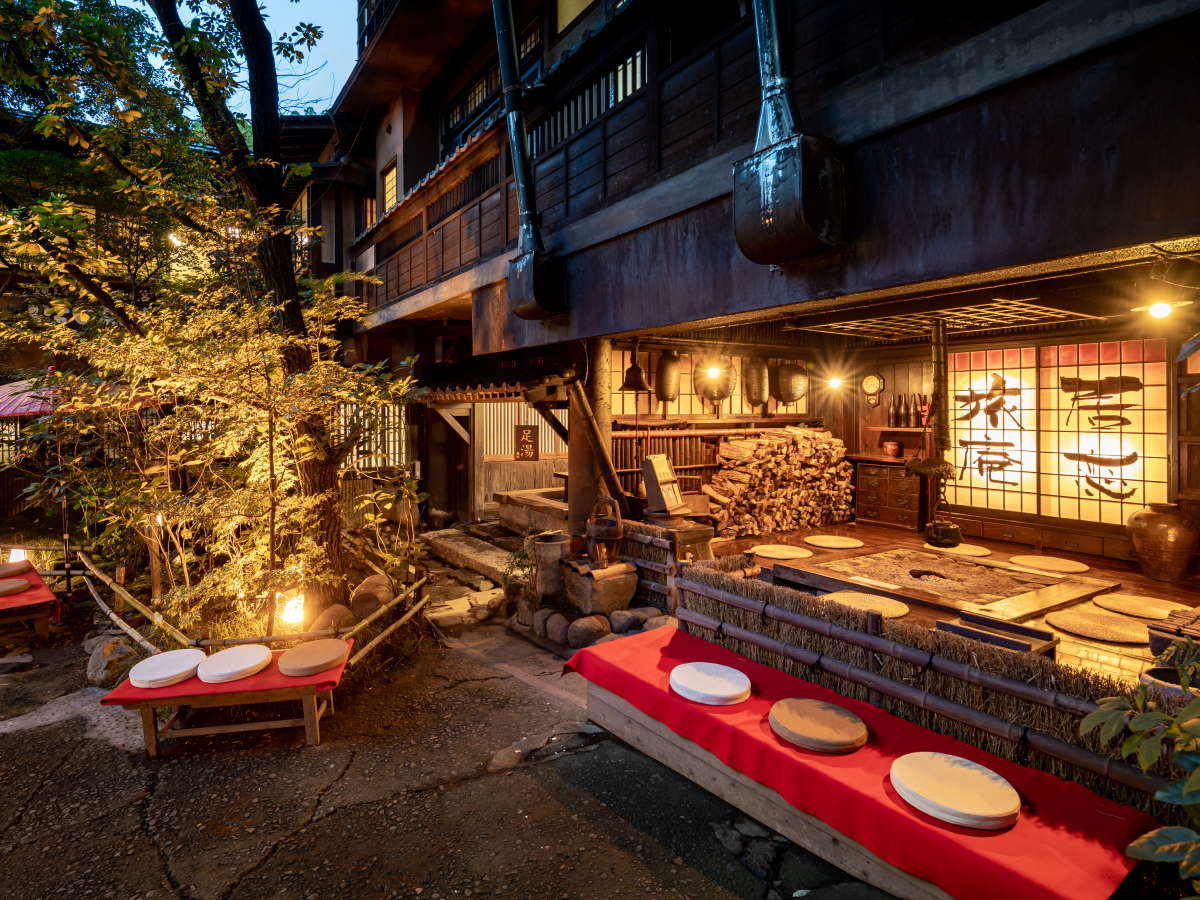 Ikoi Ryokan Kurokawa | from $180 | 8.5 8 reviews | Private Onsen | Book on Agoda |
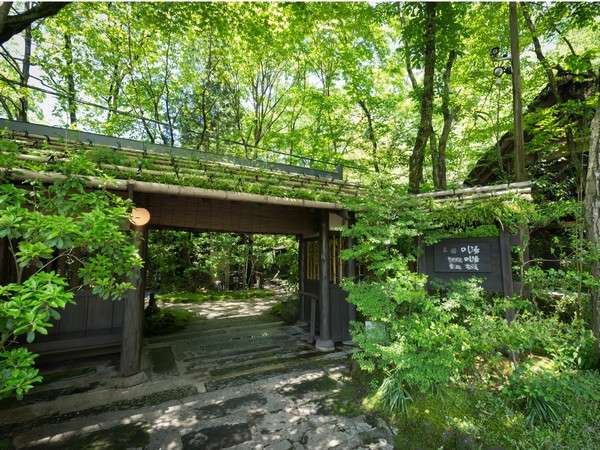 Oyado Noshiyu Kurokawa | from $280 | 9.6 54 reviews | EN OKPrivate Onsen | Book on Booking.com |
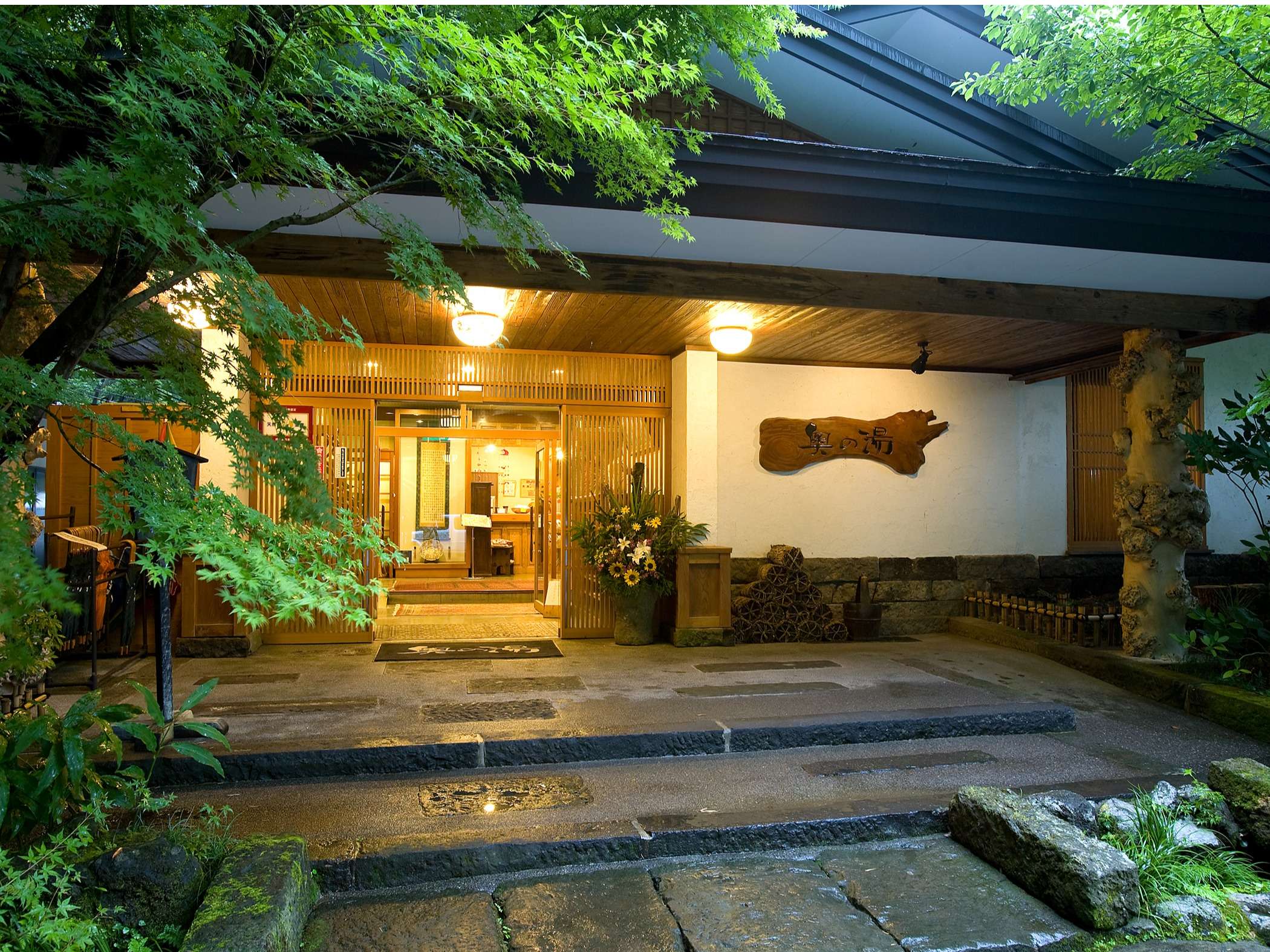 Oku no Yu Kurokawa | from $150 | 9.3 35 reviews | EN OKPrivate Onsen | Book on Booking.com |
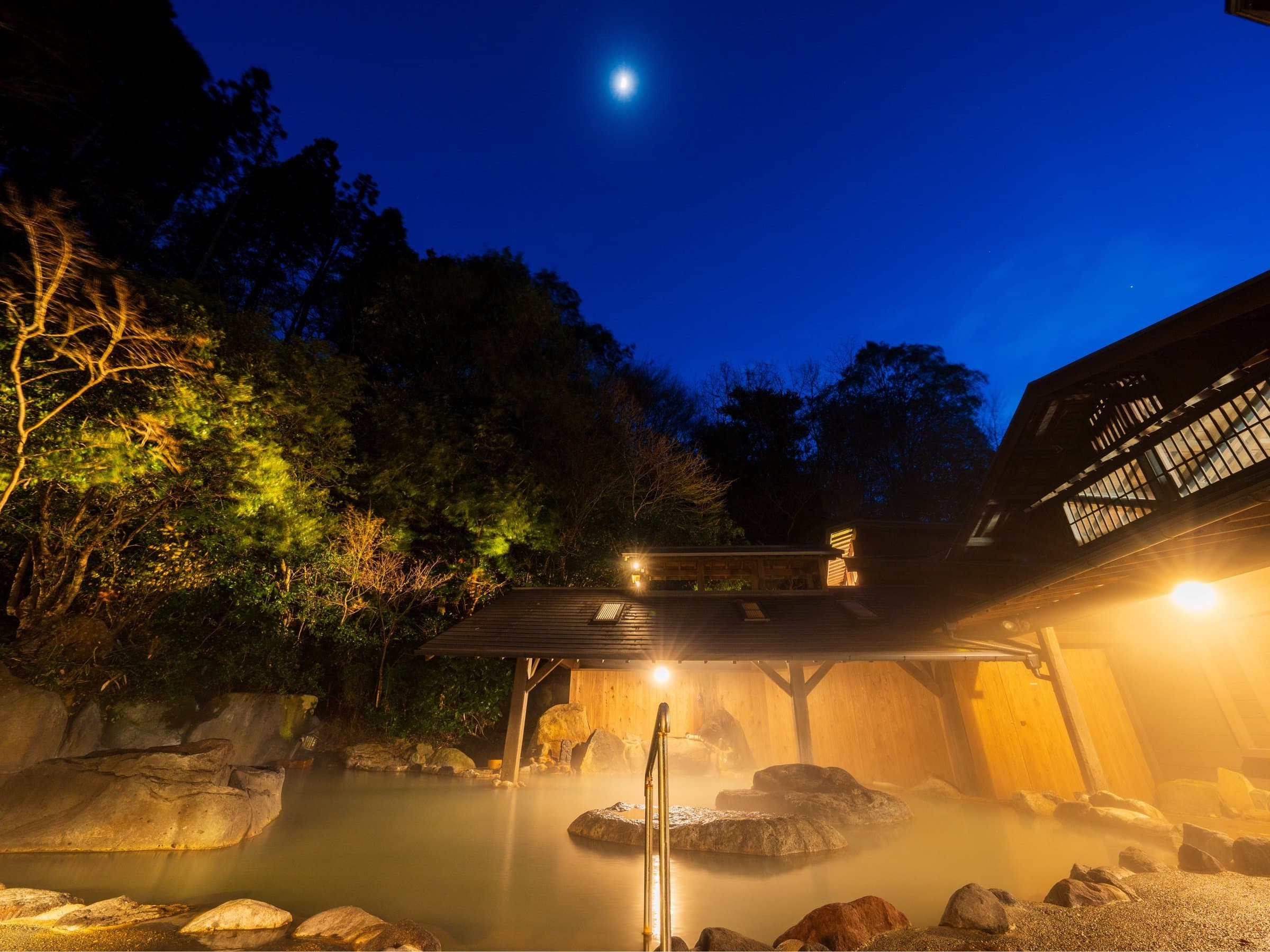 | from $150 | 9.8 47 reviews | EN OKPrivate Onsen | Book on Booking.com |
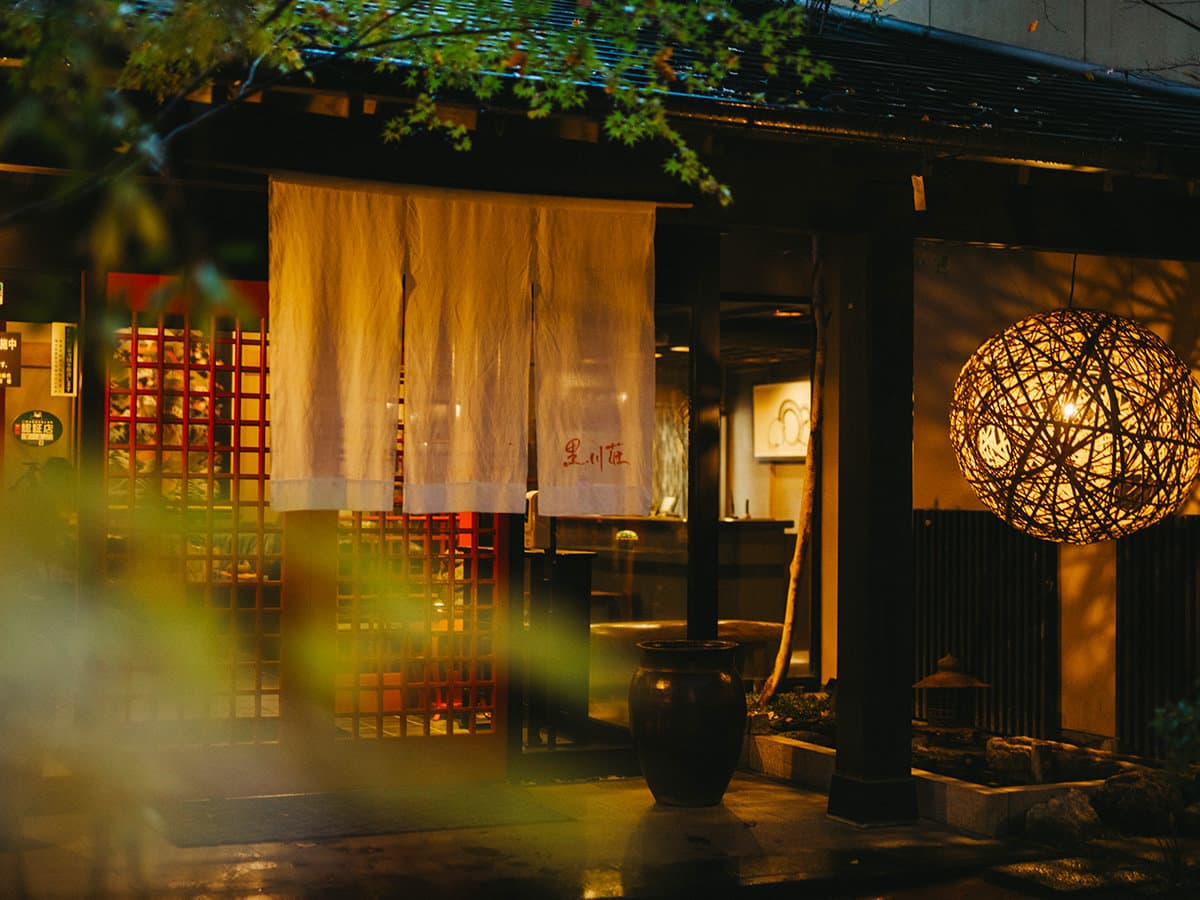 Kurokawa-So Kurokawa | from $200 | 9.7 72 reviews | EN OKPrivate Onsen | Book on Booking.com |
Yamamizuki
Kurokawa
Fumoto Ryokan
Kurokawa
Ryokan Sanga
Kurokawa
Ikoi Ryokan
Kurokawa
Oyado Noshiyu
Kurokawa
Oku no Yu
Kurokawa
Kurokawa-So
Kurokawa
Prices shown are approximate starting rates per person per night. We may earn a commission on bookings.
There is a mountain village in Kumamoto Prefecture with no convenience stores, no neon signs, and no chain hotels — by deliberate pact among the innkeepers. That village is Kurokawa Onsen, and the pact has held for more than 50 years. The result is 30 ryokans tucked along the Tanoharu River gorge, connected by stone-paved paths and cedar lanterns, functioning as a single living inn. Michelin gave it three green stars. We think that undersells it.
What makes Kurokawa genuinely unique among Japan's 3,000+ onsen towns is a small piece of wood: the Nyuto-Tegata pass. For ¥1,500 you receive a stamped wooden disc that unlocks three outdoor baths at 24 participating inns — baths you could never access without a key or an overnight stay anywhere else in Japan. Bath-hopping through candlelit forest paths at dusk is not a metaphor. It is Tuesday evening in Kurokawa.
This guide covers 15 hand-verified ryokans. Every price band has been checked against live booking data as of May 2026. Nyuto-Tegata eligibility is noted per pick. Transport, tattoo policies, and a village-layout primer are below.
 Pin to Pinterest
Methodology
Picks are drawn from the full roster of Kurokawa Onsen's 30 inns, filtered for properties that consistently appear in verified traveler reviews, are bookable via international platforms, and represent distinct traveler niches (pass-maximizer, private-onsen seeker, kaiseki focus, quiet solo retreat, budget). Prices are in USD at the ¥155/USD exchange rate current in May 2026. Nyuto-Tegata eligibility reflects the 2026 participation list published by the Kurokawa Onsen Tourism Association.
The Nyuto-Tegata Pass: Exactly How It Works
The Nyuto-Tegata (入湯手形) is Kurokawa's signature feature and its cleverest piece of tourism engineering. Here is the full mechanics:
What you get: A handcrafted wooden disc, roughly the size of a poker chip, with the Kurokawa crest. Each disc is stamped up to three times — one stamp per participating inn's outdoor bath.
Price: ¥1,500 per person. This buys three rotenburo (outdoor bath) admissions.
Where to buy: The visitor center at the top of the village main path, or at the front desk of any participating inn when you check in.
Validity: Six months from purchase. You are not required to use all three stamps in a single day.
Participating inns: 24 of Kurokawa's 30 ryokans participate as of 2026. Each displays a small wooden sign at the entrance gate. The six non-participating inns are typically those whose baths are reserved exclusively for overnight guests.
What's accessible: Only the outdoor bath (rotenburo). Indoor baths, private kashikiri baths, and indoor cave baths are not pass-accessible — those require an overnight stay or a separate day-use booking.
Optimal route: Start at the far end of the village (Yamamizuki side), walk upstream toward Shinmeikan, then circle back on the opposite bank past Kurokawa-So. Total walking time: 40-60 minutes between three baths. Evening routes (after 6pm) are quieter and the lanterns are lit.
When the pass is not worth it: If you stay at a ryokan with six or more in-house baths (Ikoi Ryokan has 13, Oku no Yu has nine), you may find you never feel compelled to leave the property. In that case, a pass is optional rather than essential.
Day-tripper note: You do not need to be an overnight guest anywhere to purchase and use the pass. Day-trippers from Fukuoka and Aso regularly come specifically for three-bath days.
The 15 Best Ryokans in Kurokawa Onsen
1. Yamamizuki — Best Overall Riverside Retreat
Price: $250–$385 per person per night (room + 2 meals) Nyuto-Tegata: Eligible — outdoor riverfront rotenburo participates Tattoo policy: Private baths only
- 21 individually designed rooms; 8 with private semi-open-air baths fed by natural hot spring - Signature riverside rotenburo 'Ufufu no Yu' sits literally at water level on the Tanoharu River - Second outdoor bath perched above forest canopy for panoramic valley views - Kaiseki dinner emphasizes Kumamoto wagyu and local mountain vegetables; presented in private dining alcoves - 5-minute shuttle from village center; scenic 25-minute walk along river path - No shared bath tattoo policy; private baths accept all guests
Yamamizuki is frequently cited as the single best address in Kurokawa — not because it is the most opulent, but because it gets the forest-and-river balance right in a way no other property does. The 'Ufufu no Yu' rotenburo places you within arm's reach of the Tanoharu current while soaking in 42°C mineral water. In autumn, maple leaves fall directly into the bath. The kaiseki here is among the most carefully sourced in Kumamoto — the wagyu comes from a named farm in Aso, and the seasonal vegetable courses shift week by week. Shuttle to the village runs every 30 minutes, keeping you connected without sacrificing the seclusion that makes Yamamizuki worth the price premium. If you are booking only one night in Kurokawa and want the complete picture — riverside nature, kaiseki craft, and pass-eligible outdoor bath — this is the answer.
2. Gekkoju — Best for Ultimate Privacy
Price: $385–$965 per person per night (room + 2 meals) Nyuto-Tegata: Not eligible — all 8 suites are villa-private; baths not open to pass visitors Tattoo policy: Private baths only; all rooms have private baths
- Only 8 villa-style suites; each with dedicated private indoor and outdoor onsen bath - Set on a hillside above the village; forest buffer provides complete visual privacy - Service ratio: roughly one staff member per room - Kaiseki served in-suite upon request; multicourse menu changes monthly - No communal bath — the onsen experience is entirely your own - Honeymoon and anniversary packages available with advance notice
Gekkoju operates on a logic entirely different from the rest of Kurokawa. Where other ryokans encourage communal bath-hopping and village wandering, Gekkoju is designed for guests who want a hot spring that belongs to no one but them. The eight suites are spaced far enough apart that you will likely not see another guest for the duration of your stay. The outdoor bath in each villa is fed by the same sodium bicarbonate spring as the rest of Kurokawa — the same silky, skin-softening water — but the experience feels almost illicitly private, steam rising through a forest canopy that sees maybe two other humans per week. The kaiseki served here leans toward a contemporary refinement rather than rustic heartiness: clean plating, smaller portions, more progression. It is the right choice for honeymoons, major anniversaries, and travelers for whom the idea of sharing a bathing space with strangers would diminish the experience rather than enrich it. The Nyuto-Tegata pass is irrelevant here — you will not need it.
3. Fumoto Ryokan — Best for Onsen Variety in the Village Center
Price: $160–$355 per person per night (room + 2 meals) Nyuto-Tegata: Eligible — outdoor riverside bath participates Tattoo policy: Private baths only
- Village-center location: 2-minute walk to visitor center and main street - Claims Japan's deepest standing bath (tachiyu): guests bathe upright, chest-deep in steaming water - Multiple bath types: riverside rotenburo, indoor hinoki cypress bath, private kashikiri baths - 100% kakehnagashi (free-flowing, undiluted) hot spring water across all baths - Rooms in separate buildings across the property; hillside rooms have open-air private baths - Kaiseki dinner features local Kumamoto soy and mountain herb preparations
Fumoto sits in the sweet spot of Kurokawa's value proposition: central location, genuine onsen variety, and a price band that undercuts the top-tier retreats by a meaningful margin. The tachiyu standing bath is a legitimately singular attraction — standing chest-deep in hot mineral water creates a pressure sensation that a normal soaking bath cannot replicate, and the mineral concentration at chest height is different from what you experience lying horizontal. It sounds gimmicky; it is not. The riverside rotenburo participates in the Nyuto-Tegata scheme, making Fumoto a natural anchor point on any bath-hopping route. The kaiseki is strong without reaching the refinement heights of Yamamizuki — this is honest, generous regional cooking. For first-time Kurokawa visitors who want to be in the center of the action and maximize pass use while staying at a quality inn, Fumoto is the pragmatic pick.
4. Ryokan Sanga — Best for Forest Atmosphere & Historic Pedigree
Price: $160–$355 per person per night (room + 2 meals) Nyuto-Tegata: Eligible — bamboo-grove rotenburo participates Tattoo policy: Private baths only
- Founded 1718; one of Kurokawa's oldest continuously operating inns - Two distinct spring sources: Yakushi no Yu (medicinal sulphur) and Bihada no Yu (skin-softening bicarbonate) - Bamboo-grove rotenburo: a large mixed-gender outdoor bath encircled by dense bamboo — one of Kurokawa's most photographed settings - Women-only outdoor bath available during morning hours - Separate guesthouse building offers additional privacy for groups - Irori charcoal hearth in the main building lobby — guests gather here after bathing
Sanga's bamboo-grove rotenburo is the photograph most likely to convince someone to book Kurokawa: a square pool of steaming teal water surrounded by towering green stalks, mist threading between them. The reality matches the image. The bath is large enough to be genuinely communal — you will share it — but the bamboo canopy creates acoustic separation that makes it feel private regardless of how many people are present. The dual spring chemistry is the kind of detail that onsen obsessives appreciate: the Yakushi spring has a faint sulphur signature and is historically associated with skin and joint relief, while the Bihada spring is the soft bicarbonate water that Kurokawa is famous for. Sanga's location, 15 minutes' walk into the forest from the village center, means you get to experience both the lively main path and the deep quiet of the surrounding mountains within the same stay.
5. Yama no Yado Shinmeikan — Best for Cave Bath & Village-Center Access
Price: $95–$225 per person per night (room + 2 meals) Nyuto-Tegata: Eligible — outdoor bath participates; cave bath requires overnight stay Tattoo policy: Cover-up policy at shared baths; private bath not available
- 120+ years of continuous operation in the village heart - Signature 30-meter cave bath (Dokutsu Buro) carved through natural riverbank rock - Five bath varieties total: cave, outdoor riverside, indoor, steam, and foot bath - Classic compact tatami rooms with in-room heating (no air conditioning in older wings) - Traditional irori charcoal-hearth dinners with Kumamoto mountain cuisine - Most central location of any ranked ryokan; 1-minute walk to the main onsen street
Shinmeikan's cave bath is the one experience in Kurokawa that feels genuinely impossible to have anywhere else. The 30-meter passage cuts through solid riverbank rock at the property edge; inside, the temperature climbs, the ceiling drops to shoulder height in places, and the steam is dense enough to obscure the far wall. It is primal in a way that outdoor baths are not — there is no sky above you, only stone and heat. Importantly, the cave bath is not accessible via the Nyuto-Tegata pass; it is reserved for overnight guests. This is one of Kurokawa's clearest examples of the overnight-guest advantage. Rooms here are on the smaller side and the building predates modern insulation, but the price reflects that honestly: at ¥15,000–¥35,000 per person including two meals, Shinmeikan is the most accessible full-ryokan experience in the village. For budget-conscious travelers who refuse to compromise on the core Kurokawa ritual, this is the answer.
6. Ikoi Ryokan — Best for Bath Count (13 Distinct Onsen)
Price: $115–$260 per person per night (room + 2 meals) Nyuto-Tegata: Eligible — Taki no Yu waterfall bath participates Tattoo policy: Cover-up required at shared baths
- 13 distinct onsen baths — the most of any inn in Kurokawa - Taki no Yu: a mixed-gender open-air bath beside a waterfall; one of Japan's Top 100 Secret Hot Springs - Bijin-yu: smooth sulphate spring historically valued for skin - Standing bath under a wooden shelter; cedar bath; hinoki tub; cave variation - Traditional thatched-roof over main outdoor bath — architectural centrepiece - Log-beam corridors and ash fireplace; charmingly labyrinthine layout
The logic of staying at Ikoi is simple: you never exhaust its bath options. Thirteen distinct onsen baths — differentiated by spring chemistry, indoor/outdoor setting, temperature, and architectural surround — means even a three-night stay will not exhaust every combination. The Taki no Yu waterfall bath is the anchor: fed by the same spring as the main village, the bath sits beside a working waterfall, the percussion of the water audible over the mineral hiss of the springs. It was listed as one of Japan's Top 100 Secret Hot Springs by a major domestic travel publication, which means it is no longer secret — but it remains genuinely beautiful. The Bijin-yu bath has a slightly different geochemistry from other Kurokawa springs: a higher sulphate concentration that gives the water a silkier texture and a faintly mineral smell. If you calculate the cost per bath at Ikoi against a property with only three baths, the value proposition becomes obvious.
7. Oyado Noshiyu — Best for Central Location + Treehouse Suite
Price: $180–$385 per person per night (room + 2 meals) Nyuto-Tegata: Eligible — outdoor bath participates Tattoo policy: Private baths only
- Prime village-center position; 2-minute walk to the main stone path and visitor center - Unique treehouse-style detached room (Konoha no Ie): elevated structure with private terrace and forest views - Multiple outdoor and indoor baths available for private kashikiri rental - Traditional teahouse on the grounds for matcha service after bathing - Japanese suites with semi-open-air baths; room styles range from compact standard to full-suite - Kaiseki dinner with Kumamoto-grown seasonal ingredients; serving times flexible
Noshiyu is the rare Kurokawa property that manages to be both perfectly central and genuinely unusual. The treehouse room (Konoha no Ie — 'House in the Leaves') is the hook: a separate wooden structure elevated into the hillside canopy, with a private terrace that hangs over the forest. It is not a gimmick suite with poor amenities; it is a well-appointed tatami room that happens to be accessible by a wooden walkway through the trees. Couples with a taste for the theatrical book this room months in advance. For everyone else, the standard and suite rooms offer a more conventional but equally comfortable Kurokawa experience. The in-house teahouse is a quiet luxury — after a morning bath circuit, sitting with a bowl of ceremonial matcha in a room with sliding shoji panels is the kind of atmospheric detail that makes Kurokawa stays feel complete rather than merely pleasant.
8. Oku no Yu — Best for Bath Variety + River Setting
Price: $95–$260 per person per night (room + 2 meals) Nyuto-Tegata: Eligible — main outdoor riverside bath participates Tattoo policy: Cover-up required at shared baths
- 9 distinct hot spring baths: cave, open-air riverside, indoor, steam, private kashikiri (3 rental) - Rare thermal-heated indoor swimming pool — one of only a handful in Kumamoto's onsen area - 26 rooms across main building, new building, and garden annexes - 8 rooms with private open-air baths; 3 additional kashikiri rental baths - Free shuttle from Kurokawa Onsen Bus Stop (essential: property is 10 min from village center) - Cave bath accessed through a rocky passage at the riverside — different character from Shinmeikan's version
Oku no Yu sits on the Tanoharu River downstream from the village center, which keeps prices more accessible than the central-location properties while delivering nine baths across dramatically different settings. The thermal swimming pool is a genuine oddity in this context — it is not a spa pool but a full-length hot-spring-fed pool, which is valuable for stretching and movement after extended soaking in smaller baths. The cave bath here is different in character from Shinmeikan's: shorter and wider, more grotto than tunnel, with natural rock formations overhead. The shuttle service is essential — without a car, you are dependent on it to access the village street for tegata pass use. Factor that into your itinerary when planning pass routes.
9. Yamabiko Ryokan — Best for Families & First-Time Ryokan Visitors
Price: $95–$225 per person per night (room + 2 meals) Nyuto-Tegata: Eligible — outdoor rotenburo participates Tattoo policy: Cover-up required at shared baths
- 19 rooms: traditional Japanese tatami, Japanese-Western hybrid, and the private Kura suite - Sennin-buro: large outdoor mixed-gender rotenburo — modesty towels permitted, rare in Japan - Dog-friendly (pre-approval required; limited pet-room allocation) - Central village location; 3-minute walk from bus stop and visitor center - Some rooms include kitchenettes for longer stays - Multi-course kaiseki dinner in communal dining hall; early seating available for families with children
Yamabiko is the most welcoming ryokan in Kurokawa for newcomers to the format. The Sennin-buro's modesty-towel permission is a practical detail that significantly reduces anxiety for Western guests unfamiliar with communal nude bathing — you can ease into the culture without full commitment. The large mixed-gender outdoor bath also makes it ideal for couples or families who want to experience the rotenburo together. The dog-friendly policy is unusual enough in Japan's ryokan sector to be a genuine differentiator for traveling pet owners. The Kura suite is a private, converted traditional warehouse with its own bath — a strong upgrade option for couples seeking more seclusion within the Yamabiko stay. Service is warm and genuinely bilingual English available at the front desk. See our full guide to ryokan etiquette for foreign guests before your first communal bath experience.
10. Kurokawa-So — Best for Cave Bath + Riverside Atmosphere
Price: $130–$290 per person per night (room + 2 meals) Nyuto-Tegata: Eligible — outdoor rotenburo participates Tattoo policy: Cover-up required at shared baths
- 6 distinct hot spring baths: open-air rotenburo, cave grotto, indoor hinoki, private outdoor, riverside pool - Private two-story riverside house with outdoor onsen directly above the Tanoharu River — premium room type - Classic futon tatami rooms with views of the forested valley - Kaiseki features Kumamoto-sourced ingredients; mountain vegetables prominent in autumn - Serene valley position; 10-minute walk from village center through cedar forest path - Cave bath is a grotto style — natural rock ceiling, warm steam, direct river proximity
Kurokawa-So represents the well-known Kurokawa visual: a low wooden inn pressed against a forest gorge, smoke rising from the bath house, river audible below. The riverside two-story house room is the most requested room type at the property — it is a private structure with floor-to-ceiling windows overlooking the water and an outdoor onsen bath on the lower level that drains directly over the riverbank. The kaiseki here runs traditional and generous: multiple courses of mountain vegetables, fresh river fish, and marbled Kumamoto beef, served over two hours in a lantern-lit dining room. The cave grotto bath has a different atmosphere from Shinmeikan's corridor cave — wider, with a natural ceiling formed by overhanging rock rather than carved stone. For the emblematic Kurokawa experience at a price point below the flagship retreats, Kurokawa-So is the clearest recommendation.
11. Yumerindo — Best Boutique Pick for Solo Travelers
Price: $100–$230 per person per night (room + 2 meals) Nyuto-Tegata: Eligible — outdoor bath participates Tattoo policy: Cover-up required at shared baths
- 10 rooms in a small, owner-operated inn — intimate scale that suits solo travelers - Single-occupancy rooms available at fair single supplement (lower than industry average) - Outdoor rotenburo set in a cedar garden; women-only morning hours - Irori hearth common area — natural gathering point for solo guests to meet - Homestyle kaiseki with emphasis on local mountain vegetables and river fish; smaller portion sizes on request - Walking distance to the village center tegata pass route
Yumerindo flies under the radar in most Kurokawa rankings because it lacks a standout architectural feature. What it has instead is the atmosphere of a family-run mountain inn at a scale where the owner knows your name by dinner. Solo travelers consistently flag this: at larger properties, a single guest is often seated alone in a corner of a large dining hall, which can feel isolating. At Yumerindo's irori hearth, solo guests naturally share the low table around the central fire, and conversation happens without forcing it. The single-supplement rate is kept deliberately fair — around 20% above half the twin rate, rather than the 50–80% penalty common at larger inns. For solo ryokan travelers who want a genuine village experience without the corporate-scale formality of a larger property, Yumerindo is the recommendation.
12. Fuji-ya Ryokan — Best Mid-Range Value with Private Onsen
Price: $110–$250 per person per night (room + 2 meals) Nyuto-Tegata: Eligible — outdoor bath participates Tattoo policy: Cover-up required at shared baths; tattooed guests may use private kashikiri bath
- Private kashikiri onsen available for guests regardless of tattoo policy - Mix of tatami and Western-style beds; flexible for guests who find floor sleeping difficult - Outdoor rotenburo with seasonal cedar branch decorations - Village-adjacent location: 5-minute walk to the main stone path - Breakfast-only option available for guests who prefer to eat in the village - Reasonable single supplement; good fit for solo travelers at mid-range price
Fuji-ya occupies the productive middle ground in Kurokawa's price landscape — genuinely mid-range, with private bath access, without pushing into luxury territory. The kashikiri (reserved private bath) booking system here is one of the more generous in the village: guests can reserve a 45-minute slot at no additional charge once per stay, with extensions available for a modest hourly fee. This makes Fuji-ya one of the better options for tattoo-friendly ryokan seekers in Kurokawa, where private access largely solves the policy barrier. The breakfast-only option is worth noting — Kurokawa's village street has several small cafes that do excellent morning sets, and some guests prefer the flexibility of eating lightly in the village rather than committing to a full kaiseki breakfast.
13. Iyashi no Sato Kanaya — Best for Quiet Countryside Immersion
Price: $120–$280 per person per night (room + 2 meals) Nyuto-Tegata: Eligible — outdoor bath participates Tattoo policy: Cover-up required at shared baths
- Located at the rural edge of the Kurokawa area; farmland views replace the gorge setting - Thatched-roof main building; traditional farmhouse (minka) architectural style - Private kashikiri outdoor bath available by 1-hour reservation - In-house organic vegetable garden; produce used directly in kaiseki preparation - Seasonal events: mushroom gathering in autumn, firefly watching in early summer - Quiet and unhurried pace; best suited to guests who want rest rather than activity
Kanaya occupies a farmhouse at the quiet periphery of the Kurokawa area, which gives it a completely different sensibility from the gorge-and-lantern aesthetic of the main village. The thatched roof and organic garden define the experience: this is a place where the connection between the food on your plate and the land visible from your window is explicit and immediate. The autumn mushroom-gathering event is genuinely excellent — guests forage in the surrounding forest with staff guidance, and the collected mushrooms appear as a course in that evening's kaiseki. The distance from the main village path means Kanaya guests who want to complete a three-stamp tegata route will need a car or a taxi; factor this into planning. Best for travelers who specifically want to decompress from city pace rather than for those optimizing their bath-hopping circuit.
14. Ryokan Wakaba — Best Budget Full-Ryokan Experience
Price: $80–$160 per person per night (room + 2 meals) Nyuto-Tegata: Eligible — outdoor bath participates Tattoo policy: Cover-up required at shared baths
- Lowest verified price point with full kaiseki dinner and breakfast included - 8 small but clean tatami rooms; compact and functional rather than spacious - Outdoor rotenburo with natural stone surround; women's outdoor bath with cedar screen - Family-run since the 1970s; owner-operated with personal service character - Village-center location; ideal starting point for tegata pass route - No private baths available; fully shared bath facility
Wakaba is the honest answer to the question every budget traveler asks about Kurokawa: can you actually experience this town without spending ¥40,000+ per person? Yes — at around ¥12,000–¥25,000 per person including both meals, Wakaba delivers the essential Kurokawa sequence: tatami room, outdoor mineral bath, kaiseki dinner, village walking path, tegata pass. The rooms are small but not cramped, the bath is properly maintained, and the family-run character means you will occasionally have breakfast conversation with the owner rather than a uniformed server. The trade-off is obvious — no private bath, no suite, no river view. But the tegata pass compensates: Wakaba guests can use their ¥1,500 wooden disc at three neighboring inns that have significantly more elaborate outdoor baths, effectively accessing a wider bathing range than their accommodation rate implies. For budget ryokan travelers, this is the model to understand.
15. Senomotokan — Best for Onsen Chemistry Enthusiasts
Price: $140–$320 per person per night (room + 2 meals) Nyuto-Tegata: Eligible — rotenburo participates Tattoo policy: Cover-up required at shared baths
- Draws from a separate spring source in the Senomoto highland plateau, above the main village - Spring chemistry: higher sodium chloride concentration than core Kurokawa springs — noticeably warmer on skin - Multiple outdoor baths with highland meadow views rather than gorge views - Plateau setting at higher elevation: cooler in summer, heavier snowfall in winter - 18 rooms ranging from standard tatami to larger suites with in-room baths - Access requires a car or taxi from the main village (20 minutes)
Senomotokan pulls from a different geological layer than the core Kurokawa inns. The Senomoto Plateau sits at a higher elevation than the Tanoharu gorge, and the spring that feeds the baths here has a measurably different mineral profile — higher in sodium chloride, which gives the water a slightly brackish quality and a warmer sensation on skin at the same temperature as the village baths. Onsen hobbyists who track spring chemistry across Japan treat Senomotokan as a necessary addendum to any Kurokawa trip. The highland meadow views from the outdoor baths are a visual departure from the forested gorge aesthetic — on clear autumn days, the Aso volcanic peaks appear directly above the steam. The distance from the village center means this property works best as either a dedicated one-night standalone or as an add-on night for travelers already spending two nights in the main village.
Village Layout Primer: Kurokawa's 24-Bath Geography
Kurokawa Onsen occupies a steep-sided gorge carved by the Tanoharu River. The village is roughly 600 meters long and 200 meters wide at its widest point. Understanding the physical layout matters for planning your tegata pass route.
The Main Path (Nakamachi-dori): A stone-paved pedestrian street that descends from the visitor center at the top of the village to the river bridge at the bottom. Both sides of this path are lined with ryokans, craft shops, and small cafes. Most of the tegata-participating inns have entrances on or directly adjacent to this path.
The River Level: Below the main path, several ryokans have rotenburo that descend directly to river level. Kurokawa-So, Fumoto, and Oku no Yu have the closest river proximity. These riverside baths are accessible via wooden staircases cut into the gorge walls.
The Hillside Tier: Above the main path, properties like Gekkoju and Yamamizuki sit on the forested slopes. These inns tend to have longer approach paths and a quieter character than the center inns.
Upstream (West side): Sanga and Yamamizuki are in this direction — 15-25 minutes' walk from the visitor center on the forest path that runs alongside the river upstream.
Downstream (East side, toward Senomoto): Oku no Yu, Senomotokan. Shuttle service from the bus stop connects these properties.
Optimal tegata route for day visitors: Visitor center → purchase pass → walk downstream to Kurokawa-So (bath 1) → walk upstream on opposite bank to Ikoi (bath 2) → continue upstream to Sanga or Yamamizuki (bath 3). Total walking: 45-60 minutes. Best done late afternoon when day crowds thin.
Evening lanterns: After 5pm, the stone paths are lit by small cedar lanterns placed outside each inn entrance. This is when the village achieves its peak visual quality. Plan at least one bath session after dark.
Prefer soaking without the rotemburo-pass crowds? Our collection of Kurokawa inns with a private rotenburo filters the village down to in-room bathing.
How to Choose Your Kurokawa Ryokan
If you want to maximize Nyuto-Tegata pass value: Stay at a property with 1-3 in-house baths and use the pass to explore three others. Best picks: Shinmeikan, Yamabiko, Wakaba. Pair with a strategic tegata route (see village layout above).
If you want private onsen above all else: Book Gekkoju or Yamamizuki. Both offer in-room or villa private outdoor baths. Gekkoju requires no communal access; Yamamizuki combines private rooms with a spectacular communal riverside bath.
If kaiseki quality is the priority: Yamamizuki and Sanga both operate at the top tier for food. Yamamizuki's sourcing is more farm-specific and seasonally precise. Sanga's is more traditional and heartier.
If you are a solo traveler: Yumerindo is the warmth-optimized pick. Shinmeikan and Yamabiko work well for budget solos. Read the full best ryokans for solo travelers guide for additional context.
If you are a couple on a budget: Kurokawa-So's riverside house room at the lower end of its range, or Yamabiko's Kura suite, offer romantic character without Gekkoju prices. The tegata pass functions as a de facto upgrade — you access three additional inns' outdoor baths on the same ¥1,500 pass.
If bath variety matters more than luxury: Ikoi Ryokan (13 baths) or Oku no Yu (9 baths). Both cover-up tattoo policy, both Nyuto-Tegata eligible.
Getting to Kurokawa Onsen
Kurokawa has no direct train connection — the nearest shinkansen stop is Kumamoto or Hakata. This is not an accident. The innkeepers' association has historically resisted rail access to preserve the village character. Budget extra travel time accordingly.
From Fukuoka (Hakata): Kyushu Sanko Bus operates the Nishitetsu Kurokawa Onsen Line from Hakata Bus Terminal (Kōtsū Center). Journey time: approximately 3 hours. Two to three departures per day; advance reservation recommended, especially on weekends.
From Fukuoka Airport: Take the Fukuoka Subway to Tenjin (14 minutes), then Nishitetsu Rail to Kumamoto, then bus. Or take the airport bus directly to Kumamoto Station and connect. Total: 3.5 hours.
From Kumamoto City: Kyushu Sanko Bus from Kumamoto Station Bus Terminal. Journey: approximately 2.5 hours.
From Aso (Mount Aso): By car or taxi: approximately 1 hour 30 minutes on Route 57 and 212 through the Kuju volcanic highlands. By bus: the Kyushu Sanko bus connects Aso Station to Kurokawa in approximately 1 hour 45 minutes. This is the most scenic approach — the road passes through the caldera rim with Nakadake crater visible to the south.
Rental car note: Having a car significantly expands Kurokawa access. Senomotokan and Oku no Yu become easy day-extensions, and Nabegataki Falls (a popular 30-minute detour) is accessible without a tour. Kumamoto Airport has all major rental agencies. Reserve in advance for autumn foliage season (late October–November).
Within the village: The 600-meter main path is pedestrian-only. Ryokan shuttle buses connect outlying properties to the visitor center. Taxis are available from the main ryokan entrances.
Kurokawa + Yufuin + Beppu: The Kyushu Onsen Circuit
Kurokawa sits within a 90-minute drive of Yufuin and approximately 2.5 hours from Beppu — Japan's highest-volume onsen city. Many visitors combine two or three of these destinations into a single Kyushu trip. Here is how the three compare:
Kurokawa is village-scale, curated, and pass-centric. The tegata ritual is the experience. Best for travelers who want a single cohesive onsen environment rather than a city.
Yufuin (full guide: best ryokans in Yufuin) is a small resort town with stronger artisan shopping, better restaurant density, and a more accessible atmosphere. Less exclusively onsen-focused than Kurokawa. Best combined with Kurokawa as a two-night circuit (Kurokawa night 1, Yufuin night 2) using the connecting highway bus.
Beppu (full guide: best ryokans in Beppu) operates on a completely different scale — a city of 100,000 people with eight distinct onsen districts (the Hatto), jigoku-mushi steam cooking, and a public bath density unlike anywhere else in Japan. Beppu is best as a third night if you want to complete the Kyushu trifecta. See the Japan onsen by region guide for a full Kyushu onsen itinerary.
Suggested circuit: Fukuoka → Kurokawa (2 nights, tegata pass) → Yufuin (1 night) → Beppu (1-2 nights) → Fukuoka. Total: 4-5 nights, all connected by Kyushu Sanko Bus network.
For the full island picture — including Ibusuki's sand baths and Unzen's hell-valley springs — see our 12 best ryokan picks across Kyushu.
Planning the circuit as a splurge? Compare Kurokawa's luxury tier before deciding where to spend your biggest night.
Frequently Asked Questions
What is the Nyuto-Tegata pass and how do I use it? The Nyuto-Tegata is a wooden bathing pass costing ¥1,500 per person. It grants access to the outdoor bath (rotenburo) at three of the 24 participating Kurokawa inns. Buy it at the visitor center or at your inn on check-in. Present it at the reception of participating inns; staff will stamp it. Valid for six months — you do not need to use all three stamps in one day.
Which Kurokawa ryokan gives the best pass-maximization value? Shinmeikan, Yamabiko, and Wakaba are the strongest choices for pass maximizers. Each has a limited in-house bath count, making the three external baths you access via the tegata proportionally more valuable. Pair your stay with a tegata route that includes Ikoi Ryokan (waterfall bath) and Sanga (bamboo-grove bath) for maximum variety.
Kurokawa vs Yufuin — which should I choose? Choose Kurokawa if the onsen ritual itself — the village aesthetic, the wooden pass, the path lanterns — is the primary draw. Choose Yufuin if you want more dining variety, better daytime shopping, and a slightly more accessible pace. Ideally, do both: two nights in Kurokawa, one night in Yufuin.
Are tattoos accepted at Kurokawa ryokans? No Kurokawa ryokan currently has an open tattoo policy for shared baths. The majority operate a cover-up policy at communal onsen. The consistent solution is private kashikiri baths, available at Fumoto, Noshiyu, Oku no Yu, Fuji-ya, and several others. See the full tattoo-friendly ryokan guide for Japan-wide options.
Can I day-trip to Kurokawa from Fukuoka? Yes — the 3-hour direct bus from Hakata Terminal, a three-stamp tegata pass circuit (approximately 3-4 hours in the village), and the return bus fits into a long day. However, it is a demanding schedule and you will not experience the lantern-lit evening atmosphere that defines overnight stays. A single overnight is strongly recommended.
What is the cheapest Kurokawa ryokan with private onsen access? Fuji-ya Ryokan offers kashikiri (reserved private bath) access at approximately $110–$160 per person including meals. Oku no Yu also has private rental baths at the lower end of its price range. Both are mid-range properties with meaningful private bath access.
How long should I stay in Kurokawa? Two nights is the sweet spot. Night one: settle in, use the tegata pass for three baths, evening village walk. Night two: morning bath at your inn, visit Nabegataki Falls (30 min by car), afternoon second tegata circuit at different inns. One night is sufficient for the core experience; three nights suits slow travelers or those combining a mountain hike toward Kuju.
Is Kurokawa accessible without a car? Yes — the bus connections from Fukuoka and Kumamoto are reliable and the village itself is pedestrian-only. The outlying properties (Oku no Yu, Senomotokan) operate shuttle services from the main bus stop. You cannot easily access Nabegataki Falls without a car, but the core Kurokawa experience — village walk, tegata baths, ryokan stay — is fully car-free accessible.
*Verified May 2026. Prices in USD based on ¥155/USD exchange rate, per person per night including breakfast and dinner unless noted. Nyuto-Tegata participation list verified against Kurokawa Onsen Tourism Association 2026 roster. Tattoo policies confirmed via direct property contact or current booking platform listings. For the full Kyushu onsen picture, see Japan onsen destinations by region.*
Every other ryokan we list here
11 listed| Ryokan | From | Rating | Features | Book |
|---|---|---|---|---|
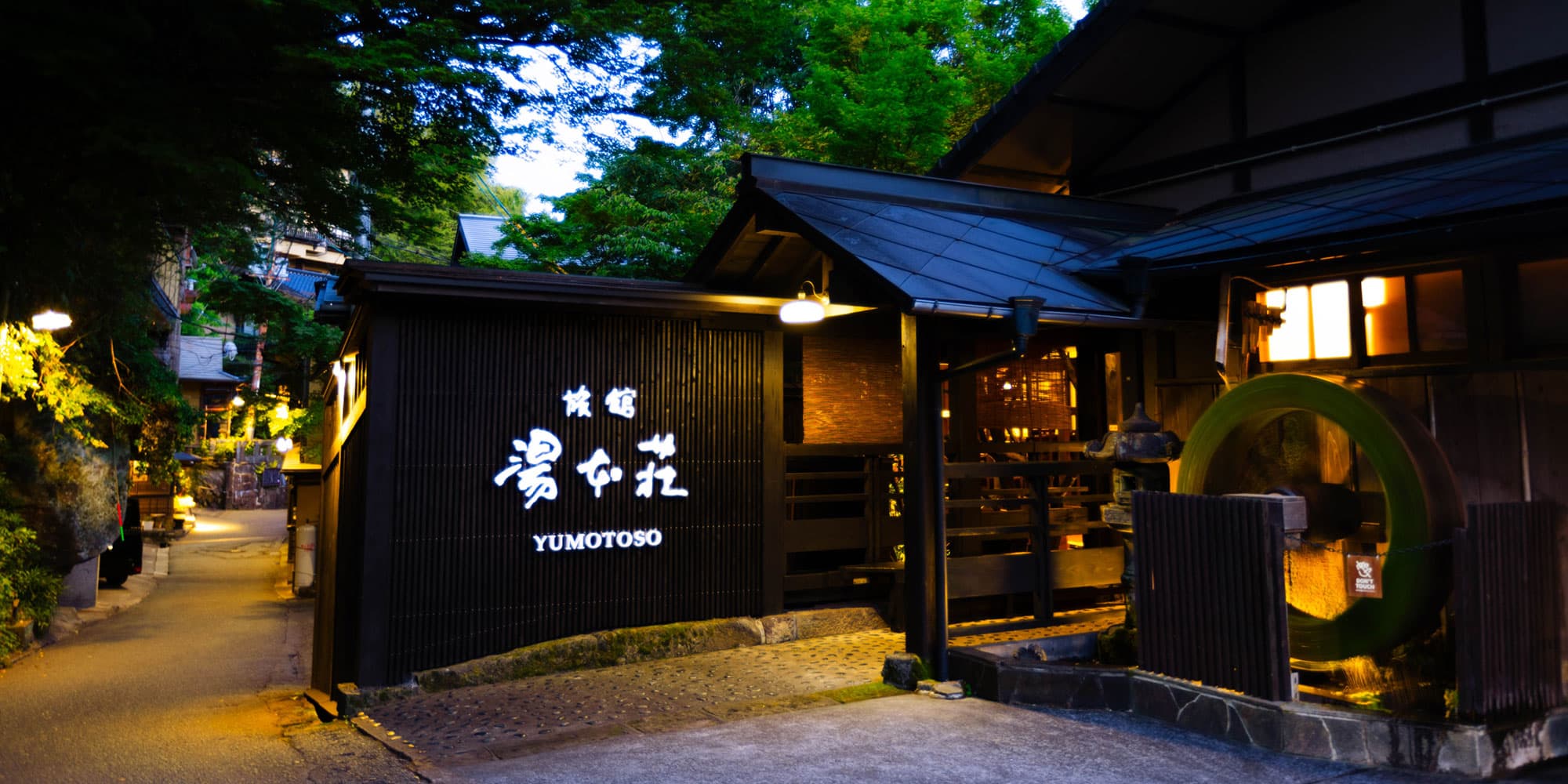 | from $182 | 9.5 113 reviews | EN OKPrivate Onsen | Book on Agoda |
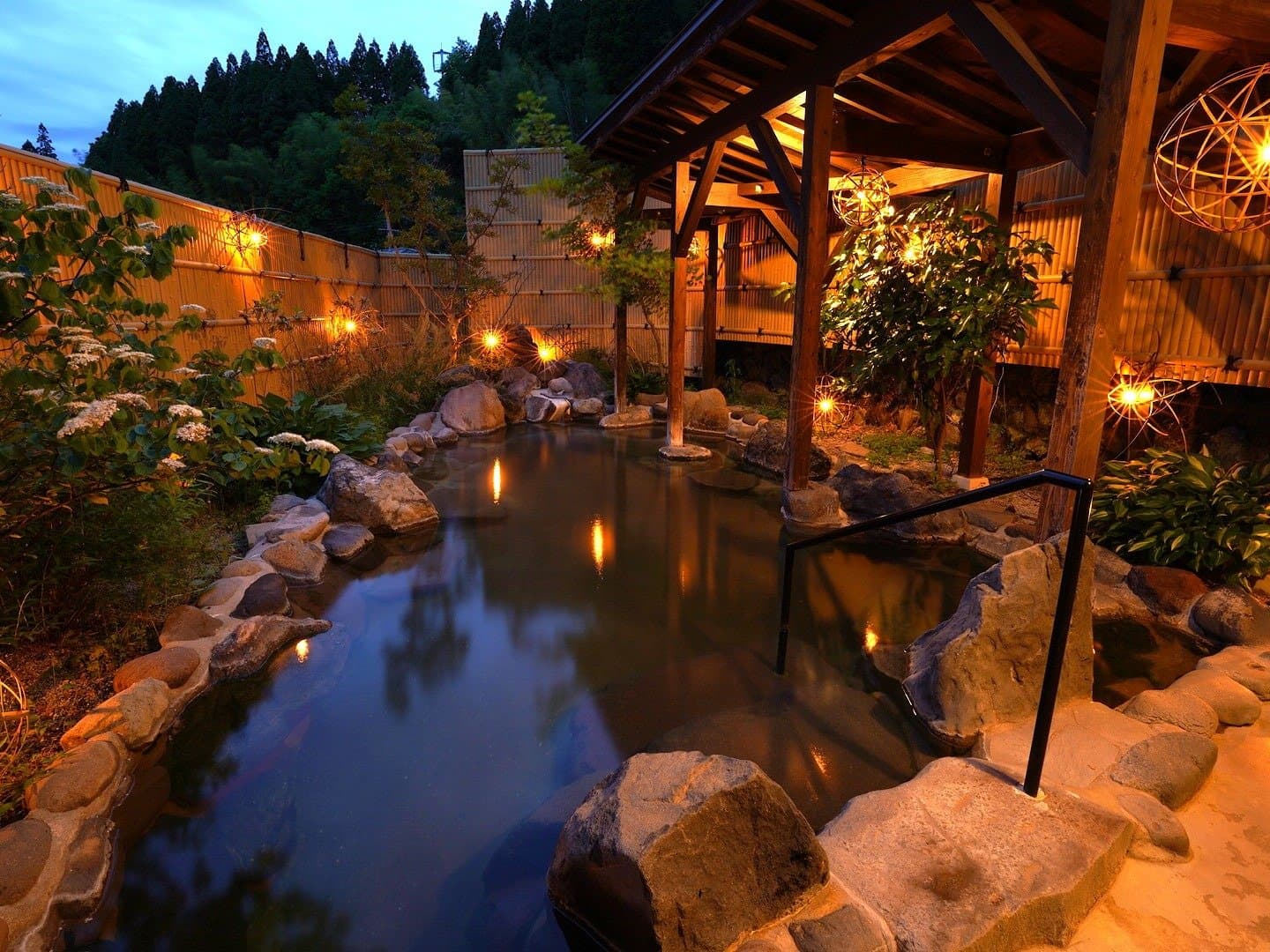 Wafu Ryokan Misato Kurokawa | from $116 | 9.4 42 reviews | EN OKPrivate Onsen | Book on Booking.com |
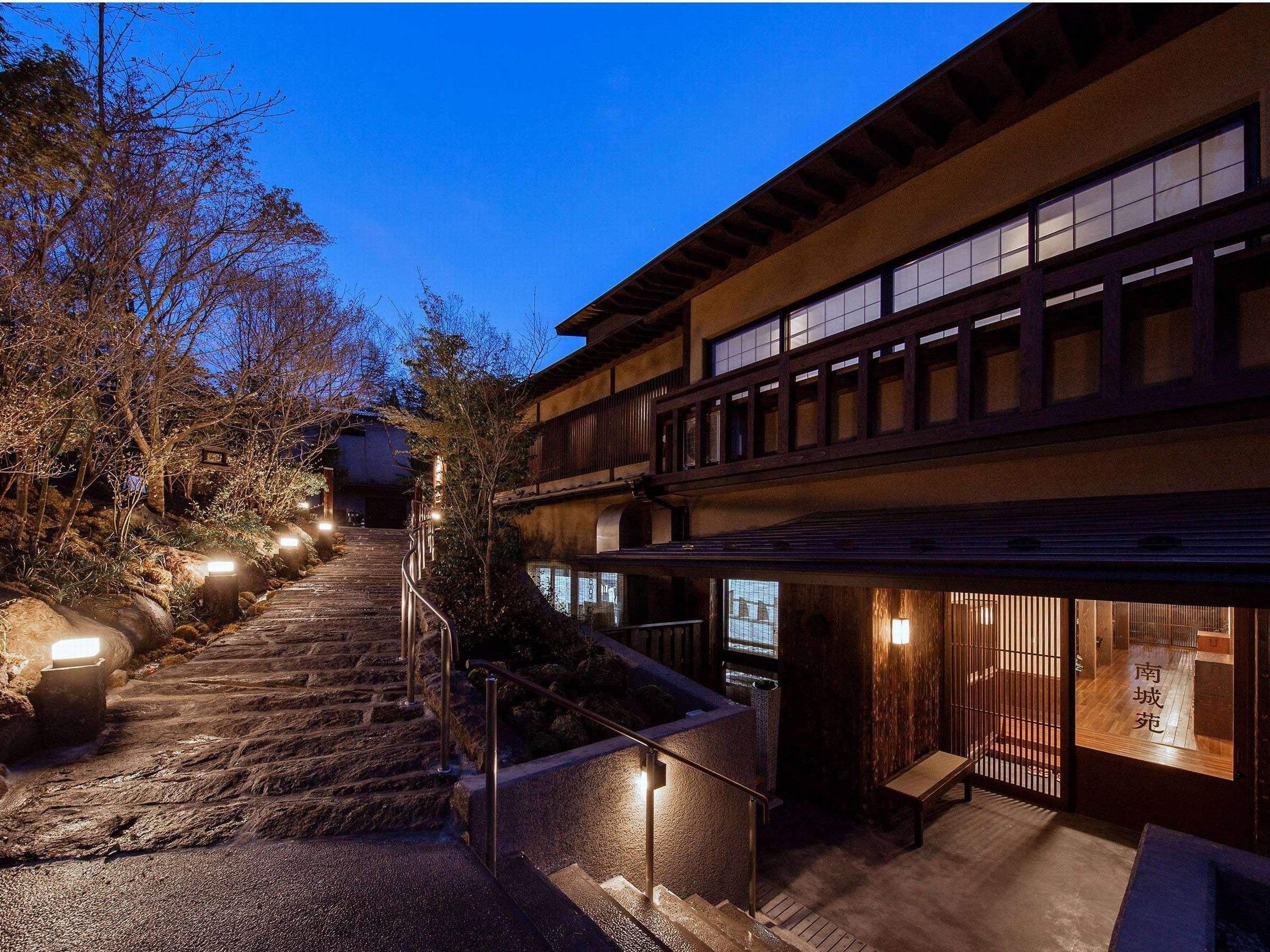 Ryokan Nanjoen Kurokawa | from $169 | 9.3 696 reviews | EN OKPrivate Onsen | Book on Booking.com |
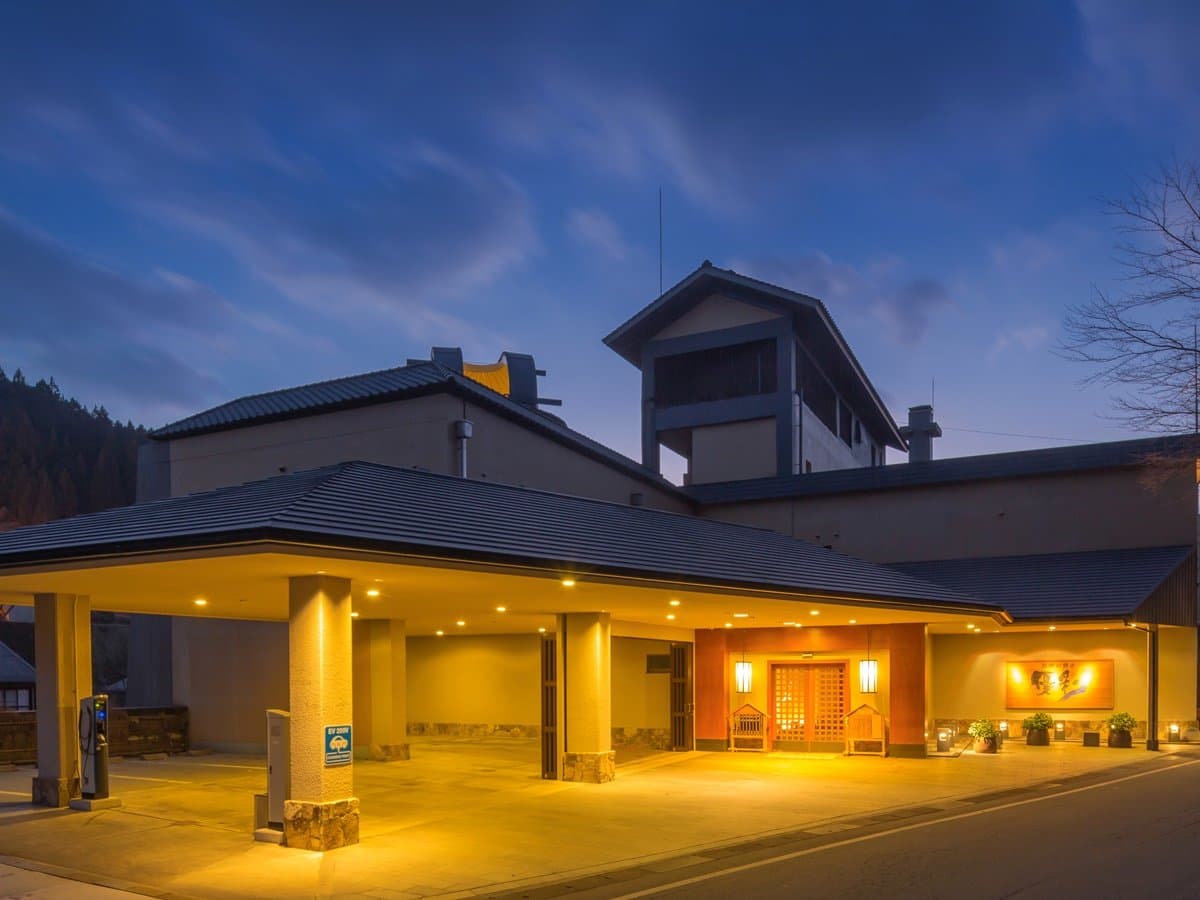 Yukyo no Hibiki Yusai Kurokawa | from $143 | 9.3 178 reviews | EN OKPrivate Onsen | Book on Booking.com |
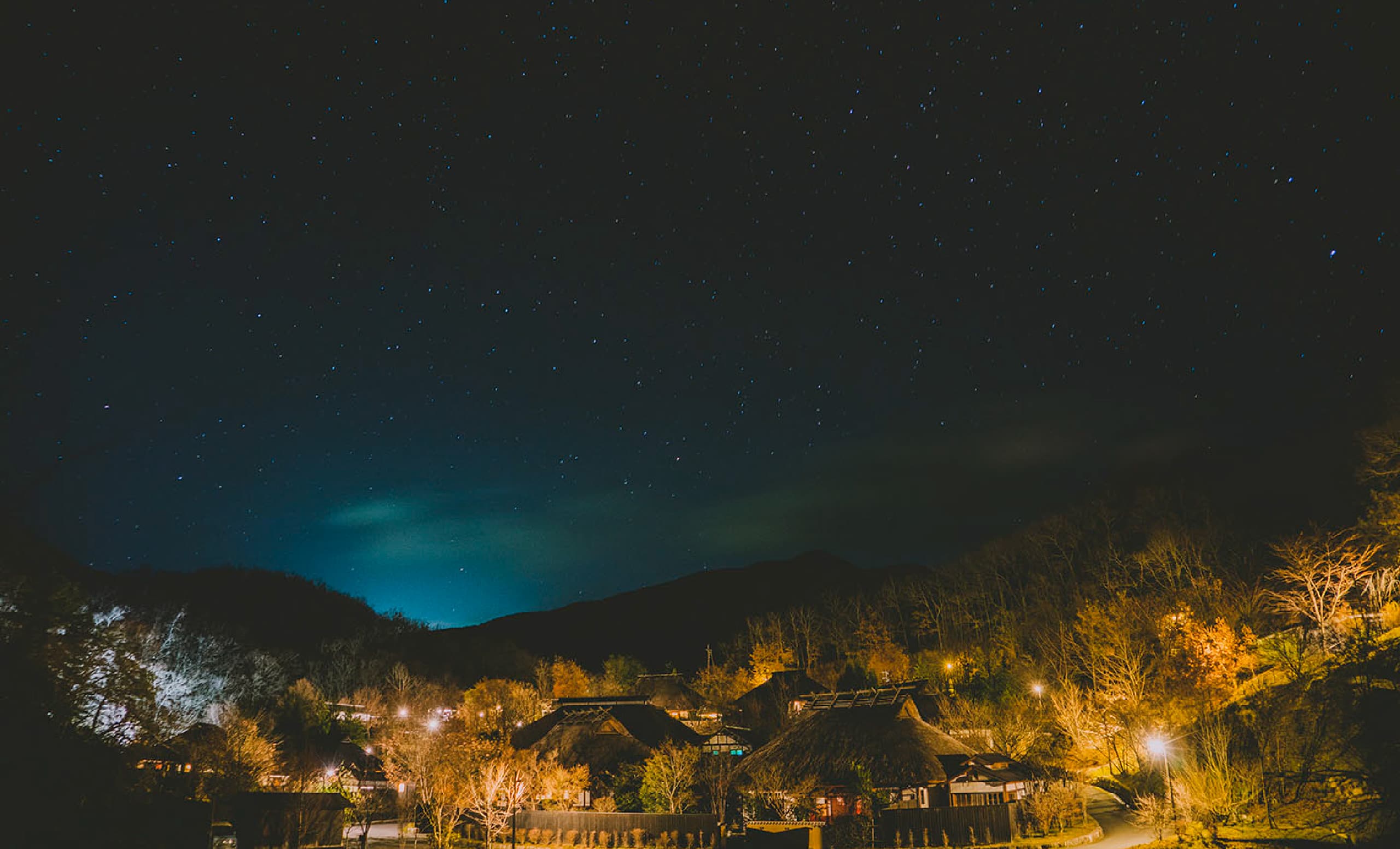 Yamamizuki Bettei Miyama Sansou Kurokawa | from $230 | 9.3 43 reviews | Private Onsen | Book on Booking.com |
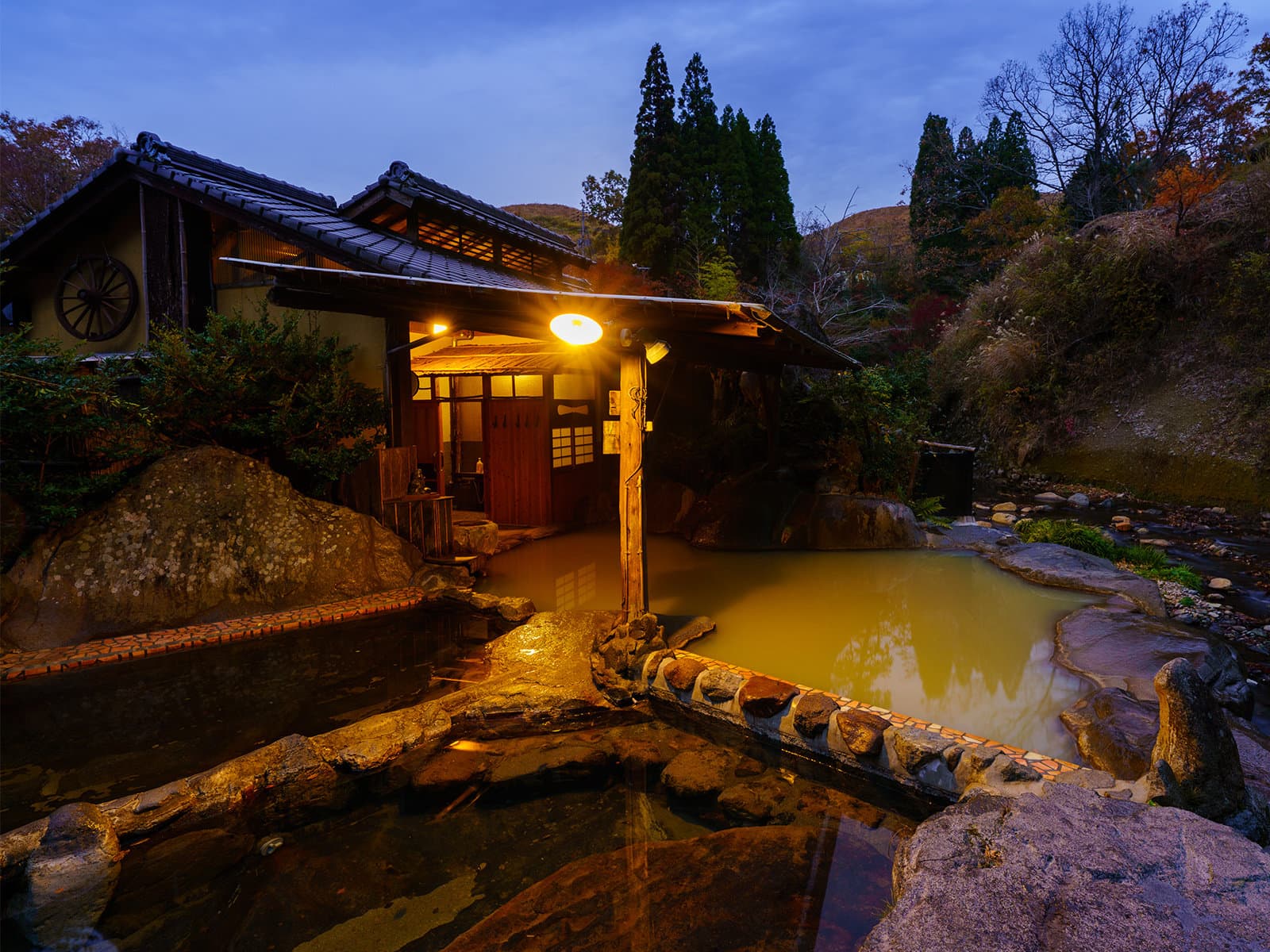 | from $383 | 9.2 103 reviews | EN OKPrivate Onsen | Book on Booking.com |
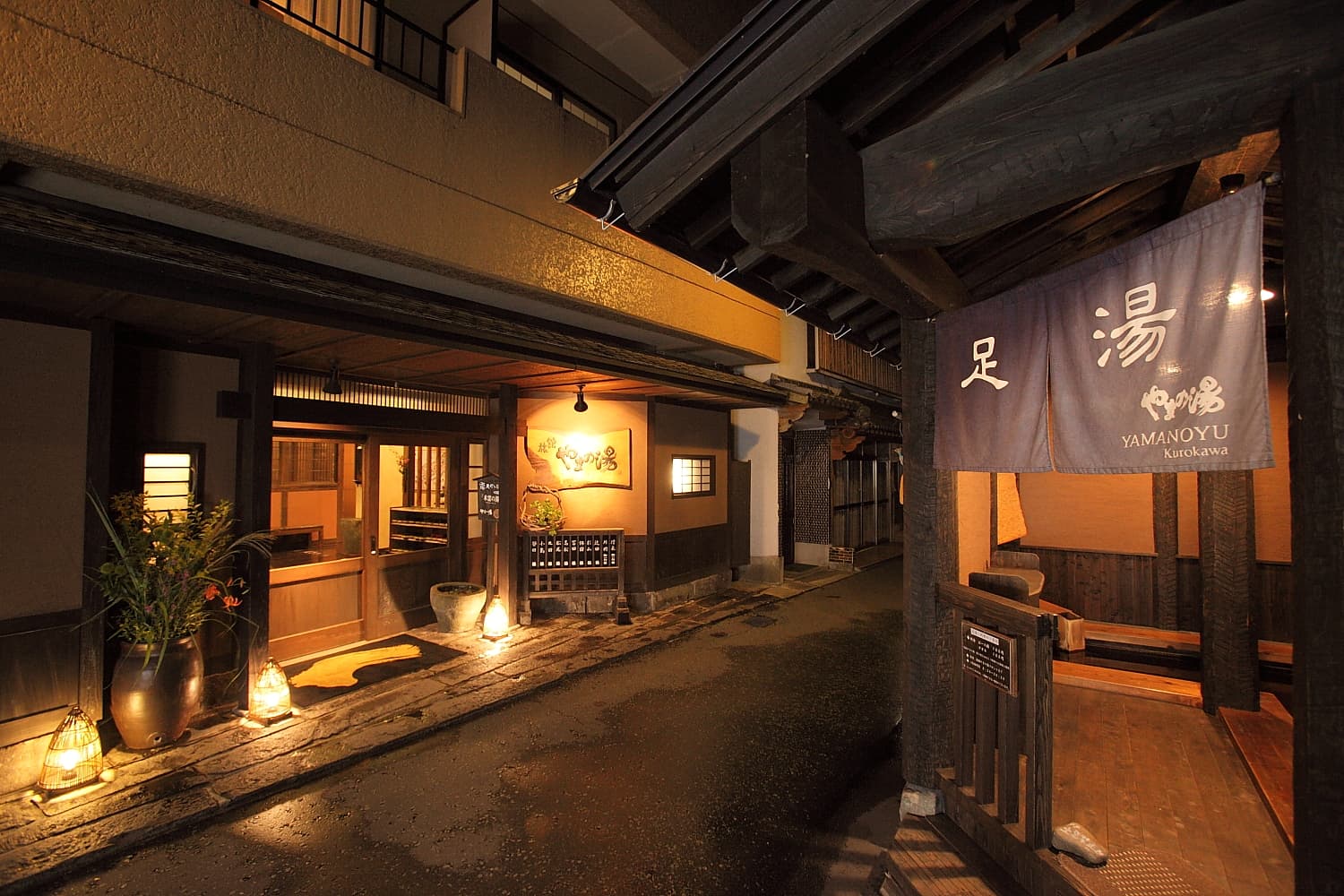 Ryokan Yamanoyu Kurokawa | from $109 | 9.0 318 reviews | EN OKPrivate Onsen | Book on Booking.com |
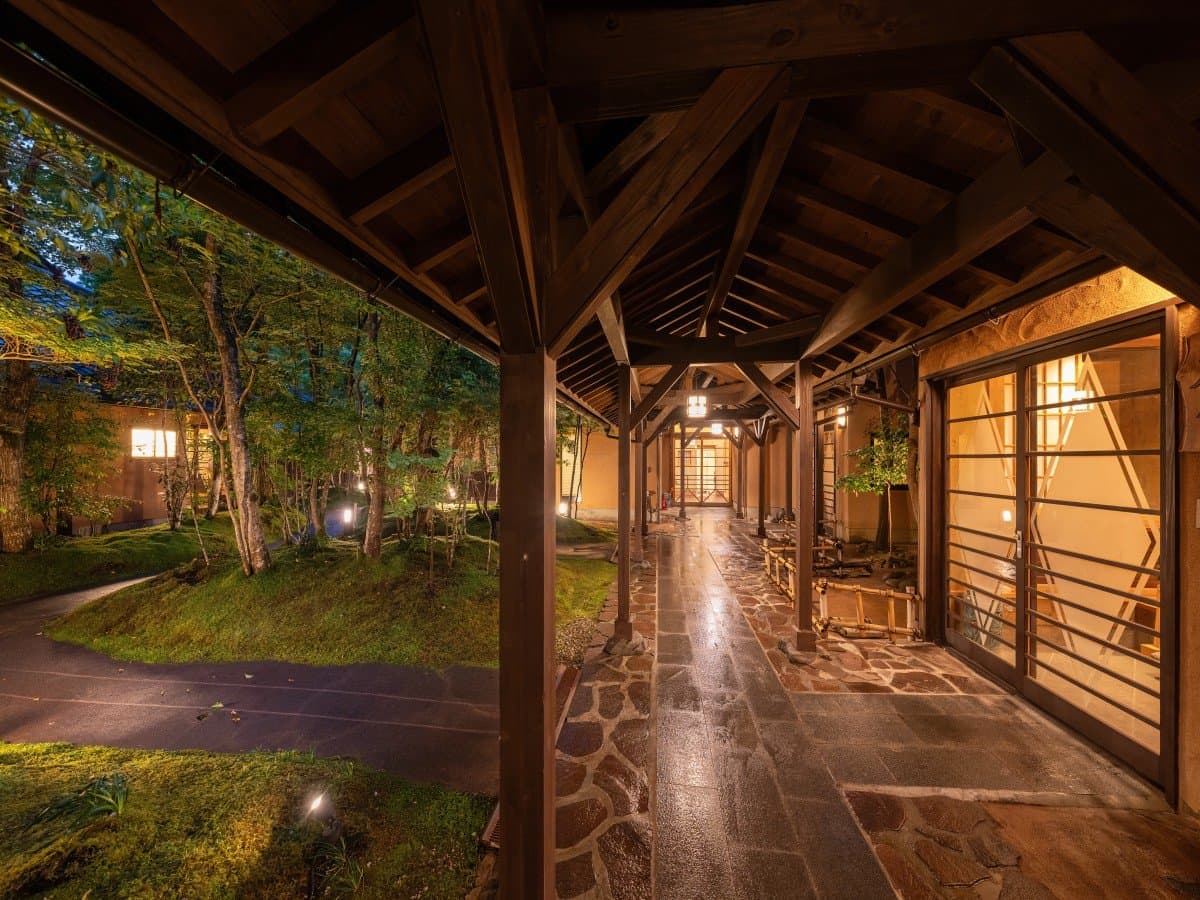 Oyado Nonohana Kurokawa | from $191 | 9.0 84 reviews | EN OKPrivate Onsen | Book on Agoda |
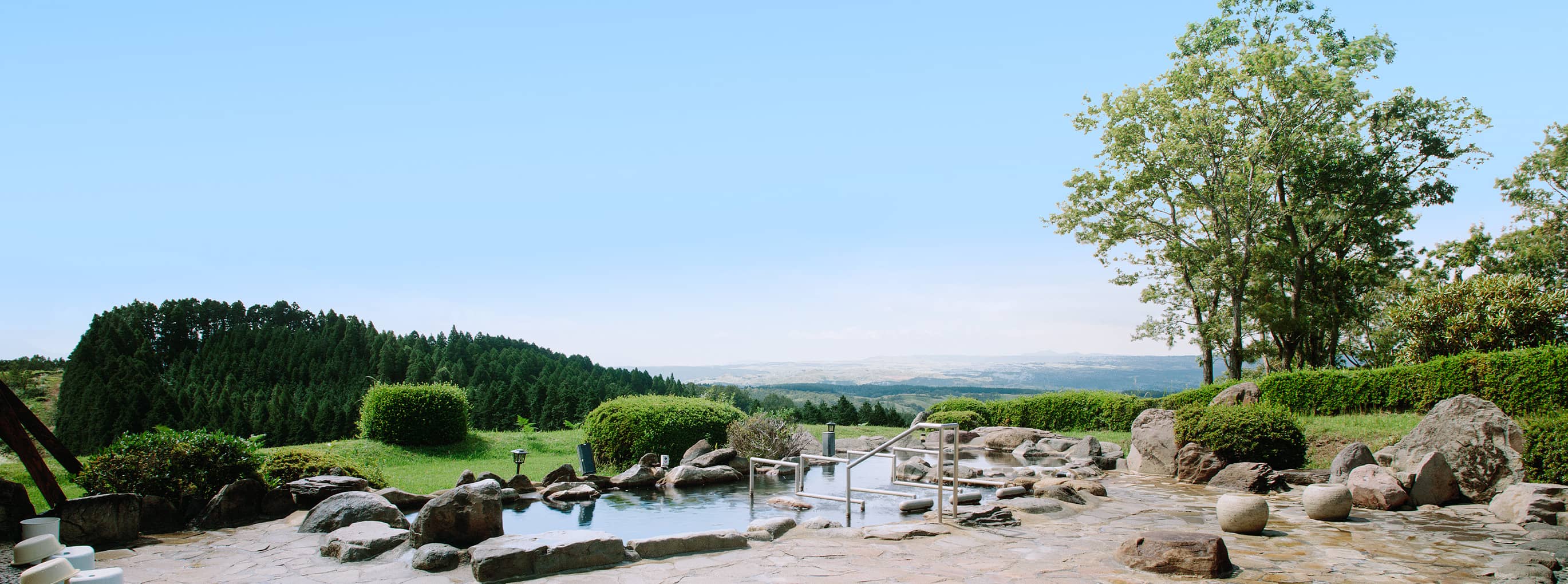 Senomoto Highland's Hotel Kurokawa | from $133 | 8.9 39 reviews | EN OKPrivate Onsen | Book on Booking.com |
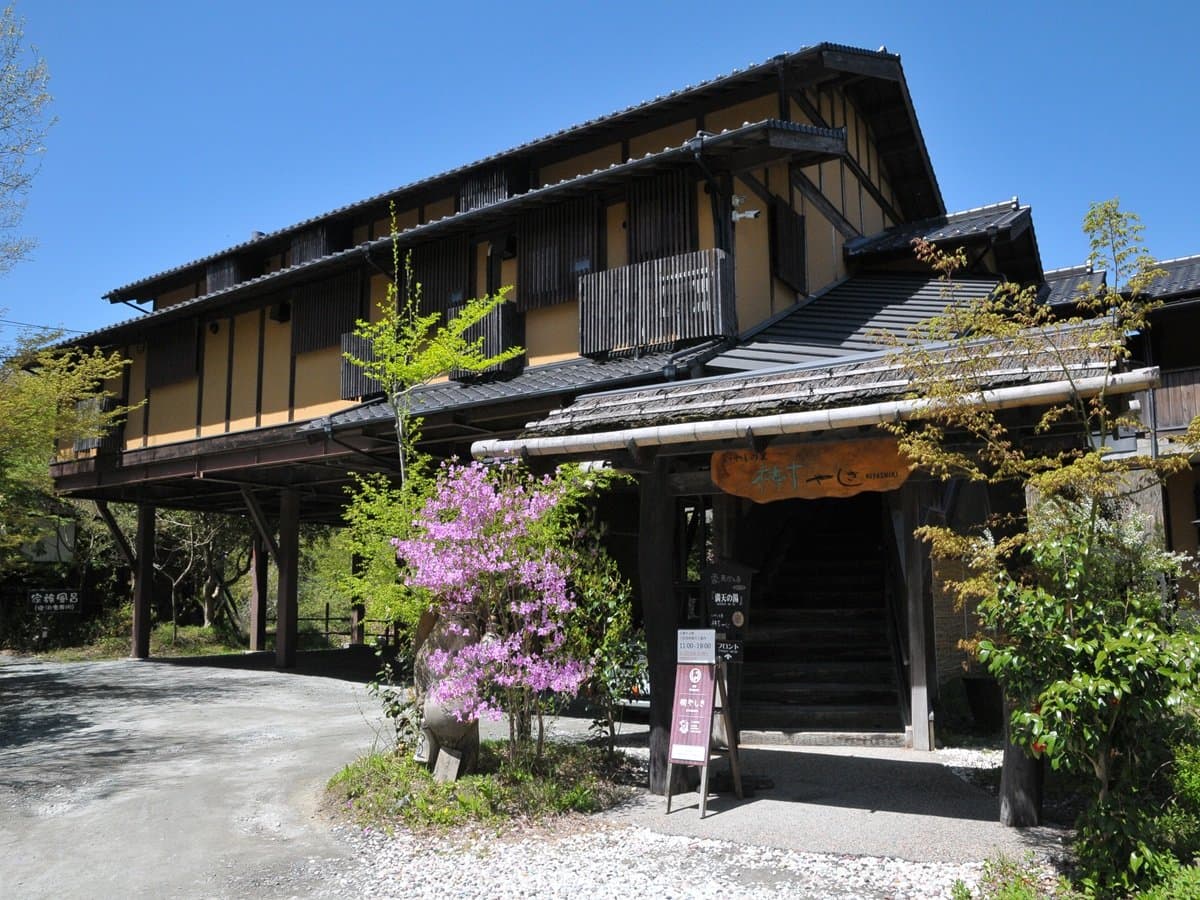 Iyashi-no-Sato Kiyashiki Kurokawa | from $248 | 8.8 8 reviews | EN OKPrivate Onsen | Book on Booking.com |
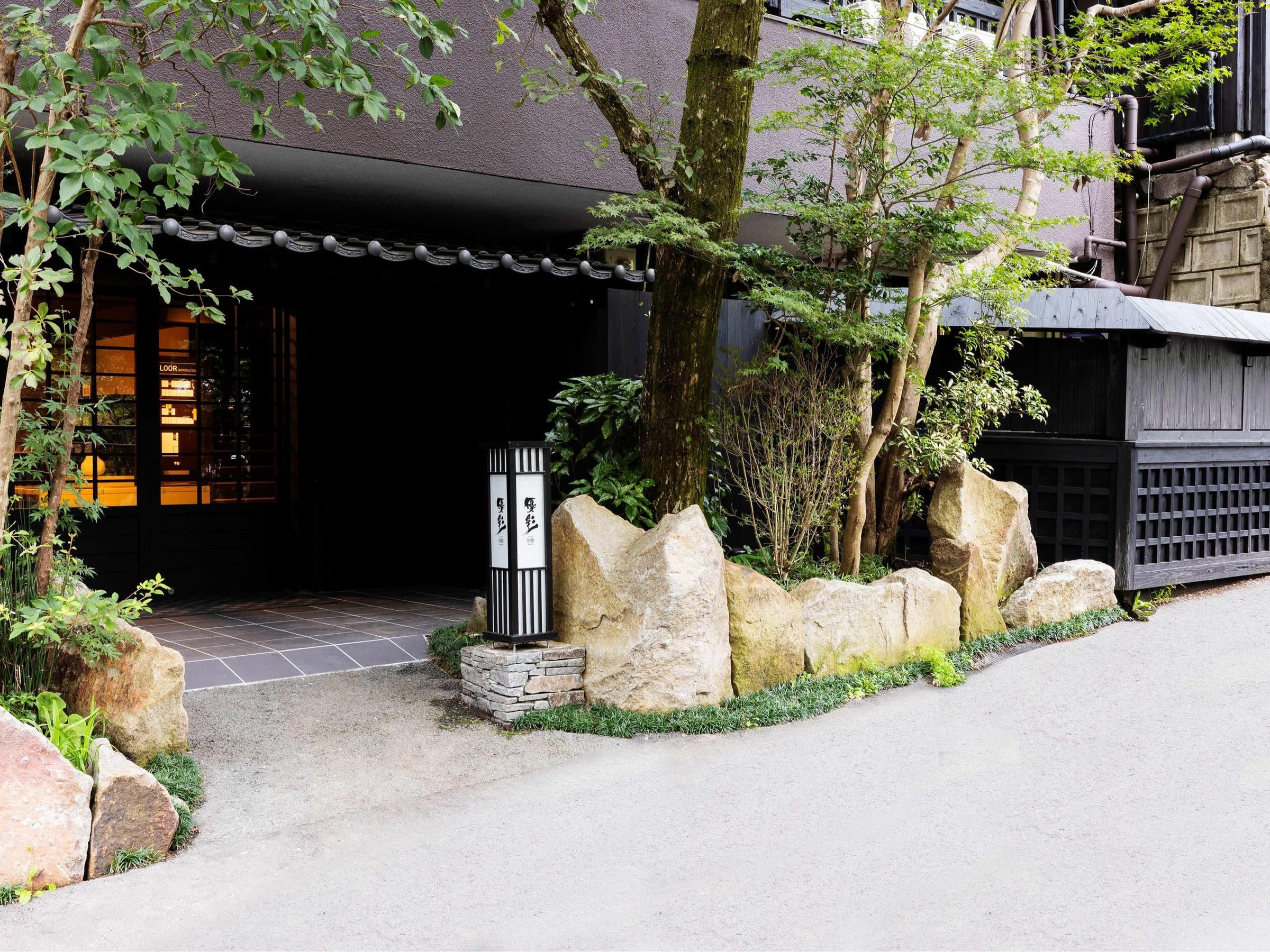 | from $62 | 8.5 41 reviews | EN OKOnsen | Book on Booking.com |
Wafu Ryokan Misato
Kurokawa
Ryokan Nanjoen
Kurokawa
Yukyo no Hibiki Yusai
Kurokawa
Yamamizuki Bettei Miyama Sansou
Kurokawa
Ryokan Yamanoyu
Kurokawa
Oyado Nonohana
Kurokawa
Senomoto Highland's Hotel
Kurokawa
Iyashi-no-Sato Kiyashiki
Kurokawa
Prices shown are approximate starting rates per person per night. We may earn a commission on bookings.
Ready to book?
Book one of these top picks
Compare live availability and prices across all three platforms.
Booking links may earn us a commission at no extra cost to you.
FAQ
Frequently asked questions
What is the Nyuto-Tegata pass in Kurokawa Onsen?+
The Nyuto-Tegata is a handcrafted wooden pass costing ¥1,500 per person. It grants the holder access to the outdoor bath (rotenburo) at three of the 24 participating ryokans in Kurokawa Onsen. Each participating inn stamps the disc once. The pass is valid for six months and can be purchased at the village visitor center or at most participating ryokan front desks. It does not cover indoor baths or private kashikiri baths — only outdoor shared baths.
Which Kurokawa ryokan is best for maximizing the Nyuto-Tegata pass?+
Shinmeikan, Yamabiko Ryokan, and Ryokan Wakaba are the best choices for pass maximizers, as each has a limited number of in-house baths (making the three external tegata baths proportionally more valuable). A recommended route pairs any of these stays with tegata stamps at Ikoi Ryokan (waterfall bath) and Ryokan Sanga (bamboo-grove bath) for maximum variety.
Kurokawa Onsen vs Yufuin: which is better?+
Kurokawa is the better choice if the onsen ritual — the village atmosphere, the wooden pass, the lantern-lit paths — is the primary draw. Yufuin offers more restaurant variety, better artisan shopping, and a slightly more accessible pace. Both destinations are 90 minutes apart by highway bus, making a two-night Kurokawa plus one-night Yufuin circuit practical and popular.
Are tattoos allowed at Kurokawa Onsen ryokans?+
No Kurokawa ryokan currently offers an open tattoo policy for shared outdoor baths. Most operate a cover-up policy at communal onsen. The practical solution is booking a private kashikiri bath, available at Fumoto Ryokan, Oyado Noshiyu, Oku no Yu, Fuji-ya Ryokan, and several others. Gekkoju guests are unaffected as all baths are private villa baths.
Can I day-trip to Kurokawa Onsen from Fukuoka?+
Yes — the direct Kyushu Sanko bus from Hakata Bus Terminal takes approximately 3 hours each way, and a full three-stamp tegata circuit takes 3-4 hours in the village. It is a long day but entirely feasible. However, the lantern-lit evening atmosphere and the kaiseki dinner experience are the most memorable elements of Kurokawa, both of which require an overnight stay.
What is the cheapest Kurokawa ryokan with private onsen access?+
Fuji-ya Ryokan is the most accessible option, with private kashikiri bath reservations included at approximately $110–$160 per person per night including two meals. Oku no Yu also offers private bath rentals at the lower end of its mid-range pricing. Both are fully bookable via international platforms.
How long should I stay in Kurokawa Onsen?+
Two nights is the ideal stay. The first night covers settling in, the tegata pass circuit, and the evening village walk. The second day allows a morning bath at your inn, a half-day excursion to Nabegataki Falls (30 minutes by car), and a second tegata round at different inns. One night is sufficient for the core experience; three nights suits slower travelers or those adding a Kuju highland hike.
How do I get from Aso to Kurokawa Onsen?+
By car or taxi from Aso Station area: approximately 1 hour 30 minutes via Route 57 and 212, passing through the Kuju volcanic highland. This is the most scenic approach, with Aso caldera views en route. By bus: the Kyushu Sanko network connects Aso Station to Kurokawa in approximately 1 hour 45 minutes. This is one of Japan's most dramatic mountain bus routes.


