
12 min de lectureMis à jour en juin 2026
Comparaison rapide
6 sélections| Ryokan | À partir de | Note | Caractéristiques | Réserver |
|---|---|---|---|---|
 | à partir de ≈219 € | 9.3 83 avis | Anglais OKOnsen privé | Réserver sur Agoda |
 | à partir de ≈219 € | 8.7 15 avis | Anglais OKOnsen privé | Réserver sur Agoda |
 | à partir de ≈88 € | 8.7 50 avis | Anglais OKOnsen | Réserver sur Booking.com |
 Ryotei Yamanoi Tamatsukuri | à partir de ≈88 € | 7.6 16 avis | Anglais OKOnsen | Réserver sur Booking.com |
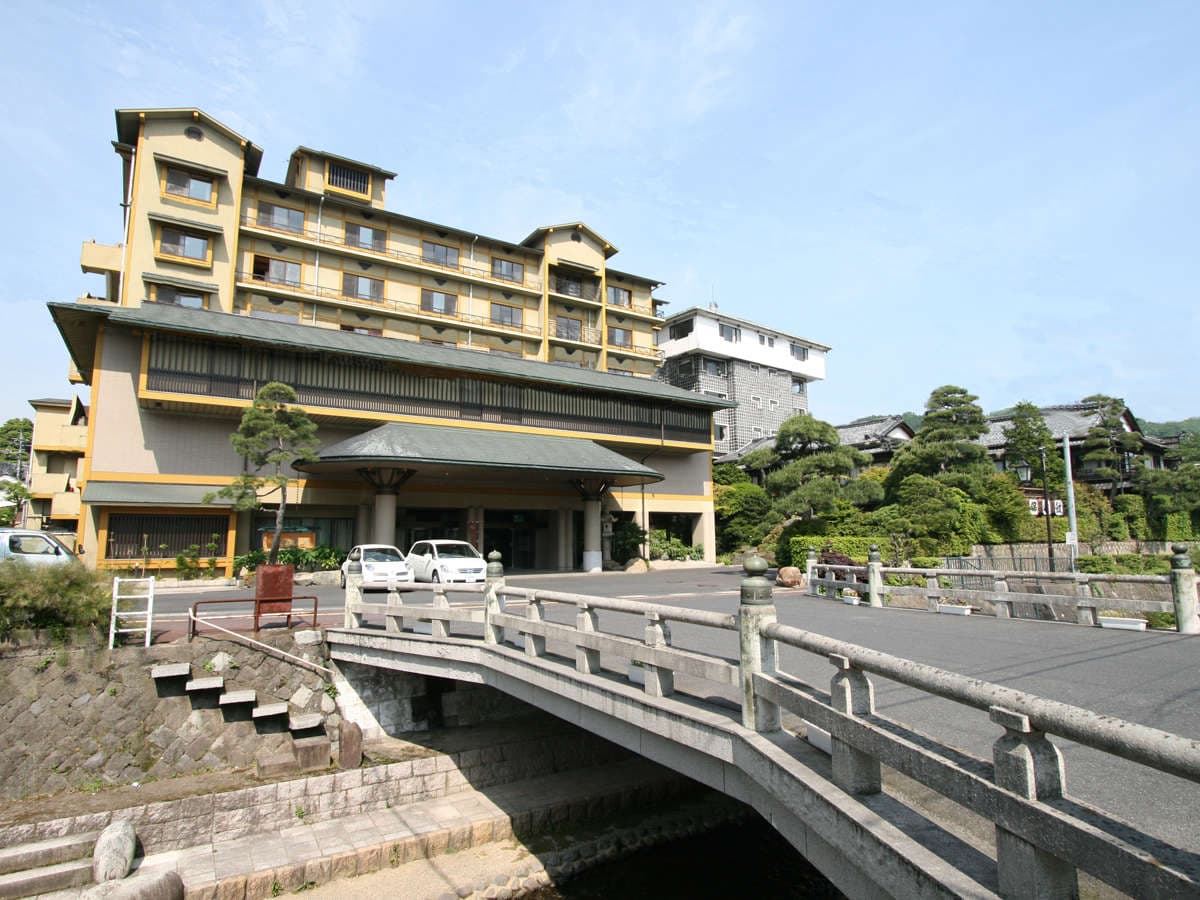 Hoseikan Tamatsukuri | à partir de ≈105 € | 7.9 18 avis | Anglais OKOnsen privé | Réserver sur Booking.com |
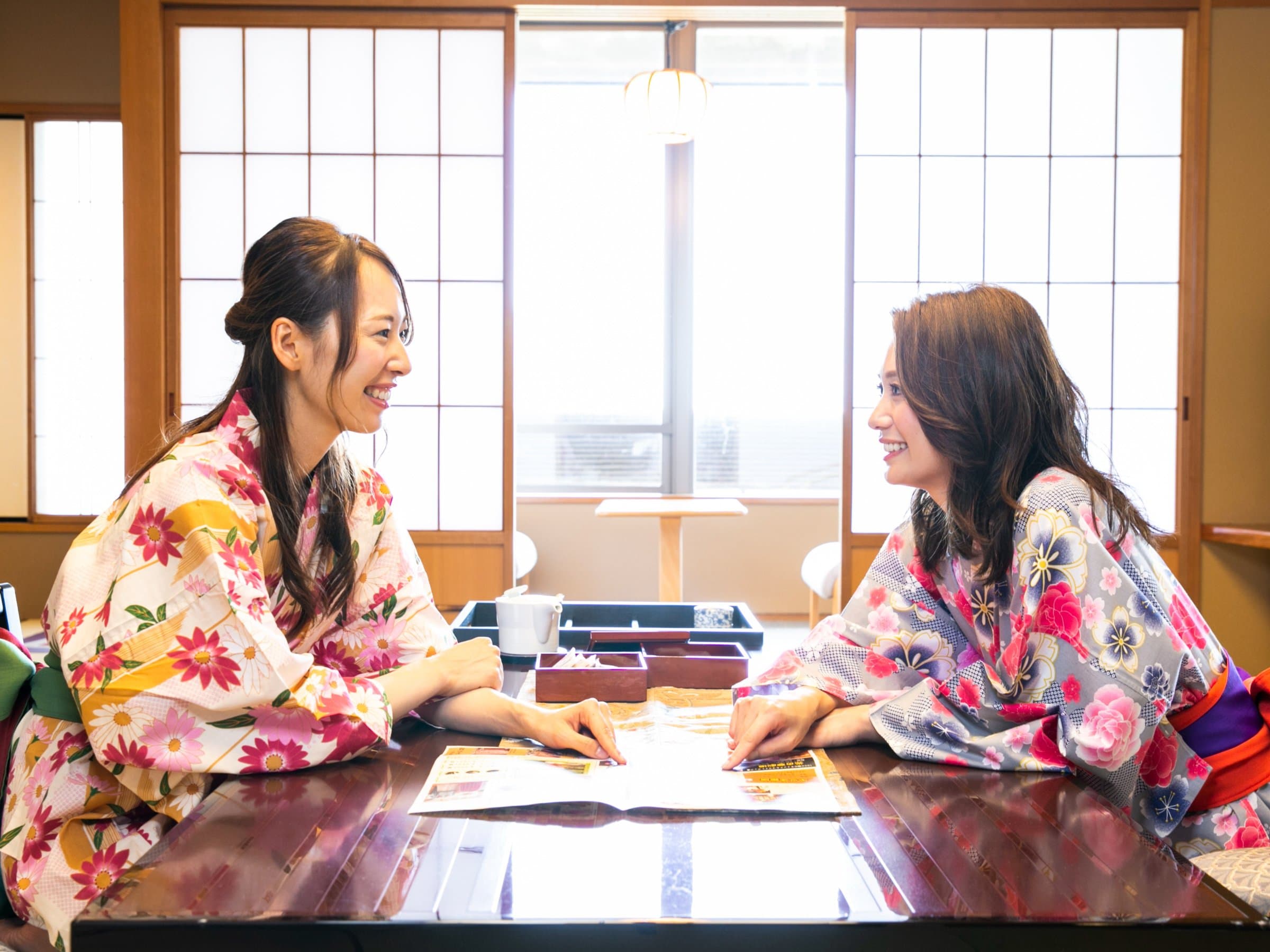 Kasuien Minami Tamatsukuri | à partir de ≈176 € | 8.7 34 avis | Anglais OKOnsen privé | Réserver sur Booking.com |
Ryotei Yamanoi
Tamatsukuri
Hoseikan
Tamatsukuri
Kasuien Minami
Tamatsukuri
Les prix indiqués sont des tarifs de départ approximatifs par personne et par nuit. Nous pouvons percevoir une commission sur les réservations.
À seulement 30 minutes de Matsue, porte d'entrée du grand sanctuaire d'Izumo Taisha, se trouve une ville thermale au pedigree sans égal dans la littérature japonaise classique. Tamatsukuri Onsen est célèbre pour figurer dans l'Izumo Fudoki du 8e siècle — la source y est mentionnée dès 733 dans cette ancienne chronique régionale source vérifiée Wikipedia 2026-05-12 — comme le foyer de « l'eau de beauté des dieux ». Ce texte ancien, description détaillée de la province, fait deux fois l'éloge de l'eau de la source locale : une première fois pour ses vertus curatives, puis en affirmant que « la femme qui s'y baigne devient aussi belle qu'une déesse ». L'eau elle-même est classée comme source sulfatée à la chimie légèrement alcaline, ce qui fonde sa réputation traditionnelle de bijin-no-yu (eau de beauté) source vérifiée Shimane Prefectural Tourism 2026-04-20, et la ville s'étend entre Matsue et Izumo, le long de la petite rivière Tamayu qui s'écoule vers le lac Shinji source vérifiée JNTO 2026-03-18. Choisir un ryokan ici, ce n'est pas seulement réserver une chambre : c'est prendre part à un rituel de régénération vieux de 1 300 ans.
 Épingler sur Pinterest
Pourquoi choisir Tamatsukuri Onsen pour votre séjour en ryokan ?
Séjourner à Tamatsukuri est la manière canonique d'achever un pèlerinage à Izumo Taisha, largement considéré comme l'un des plus anciens sanctuaires shinto du Japon et déjà existant au début des années 700 source vérifiée Wikipedia 2026-05-22, situé à seulement 25 minutes en voiture. L'itinéraire type consiste à visiter le sanctuaire l'après-midi, puis à se retirer pour la nuit dans la ville thermale afin d'effacer la fatigue du voyage. La ville a pleinement embrassé son héritage d'« eau de beauté ». Le long de la rivière Tamayu, vous trouverez des bains de pieds publics gratuits (*ashiyu*), des vasques en pierre où remplir des bouteilles d'eau de source à emporter, et même des distributeurs automatiques vendant des cosmétiques à base d'eau thermale. Ce lien profond avec le mythe de l'Izumo Fudoki confère au lieu une forte identité. Contrairement aux stations thermales plus étendues, Tamatsukuri est un village compact, qui se parcourt à pied, bâti autour de sa source légendaire. Il offre une expérience à la fois profondément reposante et riche de sens culturel, qui relie directement votre séjour à l'histoire sacrée de la région d'Izumo.
1. Chorakuen
Pour l'expérience Tamatsukuri par excellence, ne cherchez pas plus loin que Chorakuen. Fondé en 1868 par les descendants de Yunosuke, gérant de la source chaude de Tamatsukuri à l'époque d'Edo source vérifiée Chorakuen Official 2026-04-08, ce ryokan emblématique est la grande dame du village et s'étire le long de la rive. Son atout le plus célèbre est le bain extérieur mixte (*rotenburo*) Ryugu-no-Yu — d'une superficie de 395 m², présenté par le ryokan comme le plus grand bain mixte de source chaude en plein air du Japon source vérifiée Chorakuen Official 2026-04-08. Une tenue de bain pudique (*yuami-gi*) est fournie, ce qui le rend accessible et confortable pour les voyageurs étrangers. L'échelle est immense : cascades, formations rocheuses et jardins luxuriants composent un monde à part entière. Pour une baignade plus classique, le ryokan propose aussi des bains non mixtes, dont le « Sora-no-Yu » (bain du ciel) sur le toit au 4e étage, avec une vue panoramique sur la ville. Établissement phare, Chorakuen offre une expérience complète et chargée d'histoire, qui capture parfaitement l'esprit de Tamatsukuri. Si vous ne pouvez séjourner que dans un seul ryokan ici, choisissez celui-ci.
Gamme de prix : milieu de gamme à luxe (35 000–70 000 ¥/personne)
Tip
Ne manquez pas les représentations de kagura en soirée ni l'impressionnant jardin japonais, magnifiquement illuminé à la nuit tombée.
2. KAI Tamatsukuri by Hoshino Resorts
Si vous penchez pour le design contemporain et un luxe soigneusement pensé, KAI Tamatsukuri est le premier choix. Exploité par le prestigieux groupe Hoshino Resorts — et récemment rebaptisé et rouvert le 16 novembre 2022 (anciennement KAI Izumo) source vérifiée Hoshino Resorts 2026-03-02 — ce ryokan-boutique réinterprète la tradition avec une élégance moderne. Tout l'établissement est conçu autour du concept d'« eau de beauté ». À votre arrivée, vous êtes accueilli dans le « salon de l'eau de beauté » avec un thé local et pouvez participer à un atelier pour confectionner votre propre masque facial à base d'eau thermale. Chaque chambre dispose de son propre bain extérieur privé, alimenté par la légendaire eau de source, pour une intimité et une détente absolues. Les repas kaiseki sont une célébration raffinée des produits locaux de Shimane, en particulier des produits de la mer. KAI Tamatsukuri mise moins sur l'ampleur historique que sur une expérience soignée, intime et hautement raffinée. C'est le contrepoint moderne idéal à la grandeur classique de Chorakuen.
Gamme de prix : luxe (50 000–90 000 ¥/personne)
 Épingler sur Pinterest
3. Yumeitei Choseikaku
Offrant le meilleur des deux mondes, Yumeitei Choseikaku est l'aile moderne et haut de gamme du Chorakuen historique. Si les clients ont pleinement accès aux célèbres grands bains de Chorakuen, le principal attrait de Choseikaku est l'accent mis sur le luxe privé, en chambre. Un nombre important de ses chambres sont équipées de bains extérieurs privés (*rotenburo*), qui vous permettent de profiter de la célèbre eau de beauté de Tamatsukuri en toute intimité. C'est donc un choix idéal pour les couples, les jeunes mariés ou tout voyageur en quête d'intimité sans renoncer aux équipements d'un grand ryokan. Les chambres sont plus spacieuses et d'un design plus contemporain que celles du bâtiment principal de Chorakuen. Voyez-le comme un hôtel dans l'hôtel, offrant une expérience plus exclusive et plus actuelle tout en restant relié au cœur de l'institution la plus emblématique de Tamatsukuri.
Gamme de prix : luxe (45 000–80 000 ¥/personne)
4. Ryotei Yamanoi
Pour le voyageur exigeant qui donne la priorité à la table, Ryotei Yamanoi l'emporte nettement. Comme son nom l'indique — *ryotei* désignant un restaurant japonais traditionnel haut de gamme —, l'expérience s'articule ici autour du dîner kaiseki en plusieurs services. Les chefs de Yamanoi sont des maîtres de leur art et présentent des plats exquis qui mettent en valeur le meilleur des ingrédients de saison de la région du San'in, du bœuf wagyu de Shimane aux produits de la mer frais de la mer du Japon. Le ryokan lui-même est plus intime que ses grands voisins, ce qui favorise une atmosphère calme et sereine. Avec seulement une poignée de chambres, le service est personnel et attentionné. Les bains, s'ils ne sont pas aussi vastes que ceux de Chorakuen, sont magnifiquement conçus et alimentés par la même eau de source de grande qualité. Réservez Ryotei Yamanoi si votre escapade japonaise idéale se compose d'un repas mémorable suivi d'un bain paisible.
Gamme de prix : milieu de gamme à luxe (30 000–60 000 ¥/personne)
5. Hoseikan
Établissement frère de Chorakuen — l'exploitant principal, Chorakuen, fait remonter sa tradition d'hospitalité à 1868 source vérifiée Chorakuen Official 2026-04-08 —, Hoseikan propose une expérience patrimoniale plus raffinée et plus discrète. Là où Chorakuen impressionne par son ampleur, Hoseikan séduit par son élégance et ses détails architecturaux classiques de l'ère Showa. Il est réputé pour son hospitalité chaleureuse et personnelle, et donne l'impression de remonter à une époque plus distinguée du voyage au Japon. Le ryokan dispose de beaux bains intérieurs et extérieurs, dont un bain debout (*tachi-yu*) original, plus profond que d'habitude. C'est un excellent choix pour les voyageurs qui apprécient l'histoire et une atmosphère plus calme, tout en voulant un ryokan bien établi et réputé. Il offre une expérience classique de Tamatsukuri Onsen à un prix un peu plus abordable que son célèbre aîné, ce qui en fait un choix très avantageux pour les amateurs d'auberges traditionnelles.
Gamme de prix : milieu de gamme (25 000–50 000 ¥/personne)
6. Kasuien Minami
Positionné comme un ryokan-boutique moderne composé uniquement de suites, Kasuien Minami propose une forme de luxe bien à lui. Chaque chambre est une suite spacieuse, dont beaucoup disposent de bains en plein air avec vue sur le jardin japonais ou la rivière. L'esthétique relève d'un design japonais contemporain épuré, axé sur le confort et l'espace. C'est un excellent choix pour les longs séjours ou pour les voyageurs qui apprécient d'avoir un salon séparé dans leur chambre. Le ryokan possède également un grand et impressionnant jardin japonais, parfait pour une promenade le matin ou le soir. Malgré son caractère moderne, il ne néglige pas l'essentiel de l'expérience du ryokan et propose des repas kaiseki de grande qualité et un service attentionné. Kasuien Minami s'adresse au voyageur qui recherche l'espace et le confort d'une suite moderne, associés aux traditions thermales et culinaires d'un ryokan classique.
Gamme de prix : luxe (50 000–85 000 ¥/personne)
Infos pratiques
Accès : le plus simple pour rejoindre Tamatsukuri Onsen est de passer par l'aéroport d'Izumo (IZO) ou l'aéroport de Yonago (YGJ), tous deux reliés par des vols fréquents à l'aéroport de Haneda à Tokyo (HND). Depuis l'aéroport d'Izumo, comptez 30 minutes en navette. En train, prenez le Shinkansen jusqu'à Okayama puis changez pour l'express limité JR Yakumo, en descendant à la gare de Tamatsukuri Onsen — à environ 9 minutes de Matsue et 17 minutes de la gare d'Izumoshi, le quartier thermal se trouvant à 5 minutes en taxi ou 20 minutes à pied le long de la rivière depuis la gare source vérifiée JNTO 2026-03-18.
Meilleure saison : la station se savoure toute l'année. Le printemps apporte les cerisiers en fleurs le long de la rivière, tandis que l'automne offre un temps agréable pour explorer la région d'Izumo. L'hiver est sans doute la meilleure saison pour les onsen, car se prélasser dans l'eau chaude au milieu de l'air froid est particulièrement réconfortant.
Budget : prévoyez entre 25 000 ¥ et 50 000 ¥ par personne et par nuit pour un ryokan de milieu de gamme de qualité. Les établissements de luxe comme KAI Tamatsukuri peuvent dépasser 80 000 ¥ par personne.
Tip
Emportez une petite serviette lorsque vous flânez en ville. Elle vous servira à vous sécher les pieds après avoir profité des bains de pieds publics gratuits le long de la rivière.
Quand visiter Tamatsukuri
Tamatsukuri Onsen se trouve sur la rive sud du lac Shinji, dans la préfecture de Shimane — une région que la plupart des voyageurs étrangers délaissent, ce qui est justement la vraie raison d'y venir. De fin avril à début mai pour la haute saison du sanctuaire d'Izumo Taisha (le grand sanctuaire de la déesse du Soleil, l'un des plus anciens du Japon, à 45 minutes en voiture). De septembre à novembre pour la période du kaiseki aux champignons matsutake et l'air plus frais sur le lac. Évitez juillet-août — chaleur humide et foule des vacanciers japonais d'été. La mi-janvier est douce ici (Shimane donne sur la mer du Japon, mais le lac tempère les températures) et c'est une période de tarifs bas. Réservez 4 à 6 semaines à l'avance pour la saison printanière du sanctuaire.
Ce que Tamatsukuri fait le mieux (et ce qu'il ne fait pas)
Tamatsukuri, c'est une eau thermale sulfatée sodique à forte concentration — l'eau a un toucher nettement doux, presque soyeux, et le marketing local (Tamatsukuri Beauty Water) n'est pas que du marketing : la chimie est réellement douce pour la peau. Ce que Tamatsukuri fait de mieux, c'est l'excursion d'une journée à Izumo Taisha et le musée d'art Adachi (à 40 minutes — le jardin du musée est régulièrement élu meilleur jardin du Japon). Ce qu'il ne fait pas, ce sont les vues spectaculaires depuis le rotenburo — le cadre au bord du lac est paisible, pas alpin. Associez Tamatsukuri à Matsue (15 minutes) pour le château et le quartier des samouraïs. C'est le circuit de Shimane, et presque aucun contenu de voyage en anglais ne le couvre correctement.
Tip
La boucle en 1 journée Izumo Taisha → musée Adachi → château de Matsue est l'excursion idéale depuis votre ryokan de Tamatsukuri, et impossible sans voiture (ou sans taxi privé pour la journée, environ 35 000 ¥ pour 8 heures). Réservez le taxi auprès de votre ryokan la veille — la plupart des établissements ont un accord permanent avec des chauffeurs locaux.
Associer Tamatsukuri à Izumo Taisha et à la boucle du San'in
Le meilleur argument d'itinéraire pour Tamatsukuri est d'en faire une base d'une nuit sur la route de pèlerinage de la côte du San'in : Tamatsukuri Onsen → grand sanctuaire d'Izumo Taisha (45 minutes en voiture ou 70 minutes en JR + Ichibata Railway) → phare de Hinomisaki sur la mer du Japon (encore 25 minutes en bus depuis Izumo Taisha). Izumo Taisha est l'un des deux plus anciens sanctuaires shinto du Japon (à égalité avec Ise) et le seul grand sanctuaire où le rythme de prière prescrit est *deux inclinaisons, quatre battements de mains, une inclinaison* au lieu du standard *deux inclinaisons, deux battements de mains, une inclinaison*. La plupart des visiteurs arrivent sans le savoir ; demandez à la réception de votre ryokan la carte imprimée de l'étiquette de prière d'Izumo avant de partir.
Un deuxième duo à prévoir : le château de Matsue (l'un des 12 donjons d'origine encore debout au Japon, à 20 minutes en voiture de Tamatsukuri) et le musée commémoratif Lafcadio Hearn attenant. Hearn — l'écrivain gréco-irlandais arrivé à Matsue en 1890 et naturalisé sous le nom de Koizumi Yakumo — est la raison pour laquelle le San'in pèse autant dans la littérature japonaise ; sa maison préservée à Matsue est l'un des musées littéraires les plus propices à la contemplation de l'ouest du Japon et s'accorde naturellement avec un bain thermal le soir, de retour à Tamatsukuri.
L'accord gastronomique local du San'in : les *Izumo soba*, servies dans un format de bols empilés à trois étages, le *waridi*, propre à cette région. Le port de pêche de Naka-ura aux 8 ports, à 15 minutes au nord de Tamatsukuri, débarque du *nodoguro* (perche de mer rosée) et de l'*aji* (chinchard) qui apparaissent sur la plupart des menus kaiseki de Tamatsukuri le soir même de leur débarquement. Si votre kaiseki comporte du nodoguro sur la carte, prévoyez de commander en supplément le nodoguro grillé — le reste du Japon voit rarement du nodoguro d'une telle fraîcheur.
Tip
Associez Tamatsukuri à un itinéraire Japan Rail Pass dans la région du San'in : Hiroshima → Miyajima → ferry JR à travers la mer intérieure de Seto → Matsue → Tamatsukuri (nuit en onsen) → Izumo Taisha → Hagi → Yamaguchi. La boucle complète dure 5 nuits et relie quatre sites UNESCO avec un minimum de retours en arrière. Tamatsukuri se situe à peu près à mi-parcours et c'est la seule étape en ville thermale de la boucle, ce qui en fait la nuit de récupération toute trouvée.
Mon avis sincère après y avoir séjourné
J'ai séjourné une fois à Tamatsukuri en octobre, combiné à la visite du jardin du musée Adachi. Mon avis sincère : c'est l'une des régions de ryokans les plus sous-estimées du Japon, car Shimane est réellement hors des radars des touristes étrangers. La chimie de l'eau est bien réelle, les sites alentour (Izumo, Adachi, Matsue) sont de classe mondiale, et les ryokans sont remplis de voyageurs japonais sur le circuit sanctuaire-et-château. Le hic, c'est l'accès — l'aéroport de Yonago-Kitaro est petit et le trajet en train depuis Tokyo dure plus de 6 heures. Si vous préparez un voyage au Japon de 14 jours ou plus, faites-y une place pour Shimane. Si vous avez 7 à 10 jours, Hakone ou Hakone est le choix le plus simple.
Si la grandeur historique de Chorakuen est votre objectif, cette liste vous y mène ; si c'est le raffinement moderne de KAI Tamatsukuri qui vous attire, les mêmes choix s'appliquent : cet ancien village thermal propose un ryokan à votre mesure. Un séjour à Tamatsukuri va au-delà de la simple escapade détente ; c'est l'occasion de renouer avec une histoire de beauté et de régénération vieille de 1 300 ans, à portée du sanctuaire le plus sacré du Japon. Parcourez notre courte sélection et réservez votre immersion dans « l'eau de beauté des dieux ».
Tous les autres ryokans que nous référençons ici
4 sélections| Ryokan | À partir de | Note | Caractéristiques | Réserver |
|---|---|---|---|---|
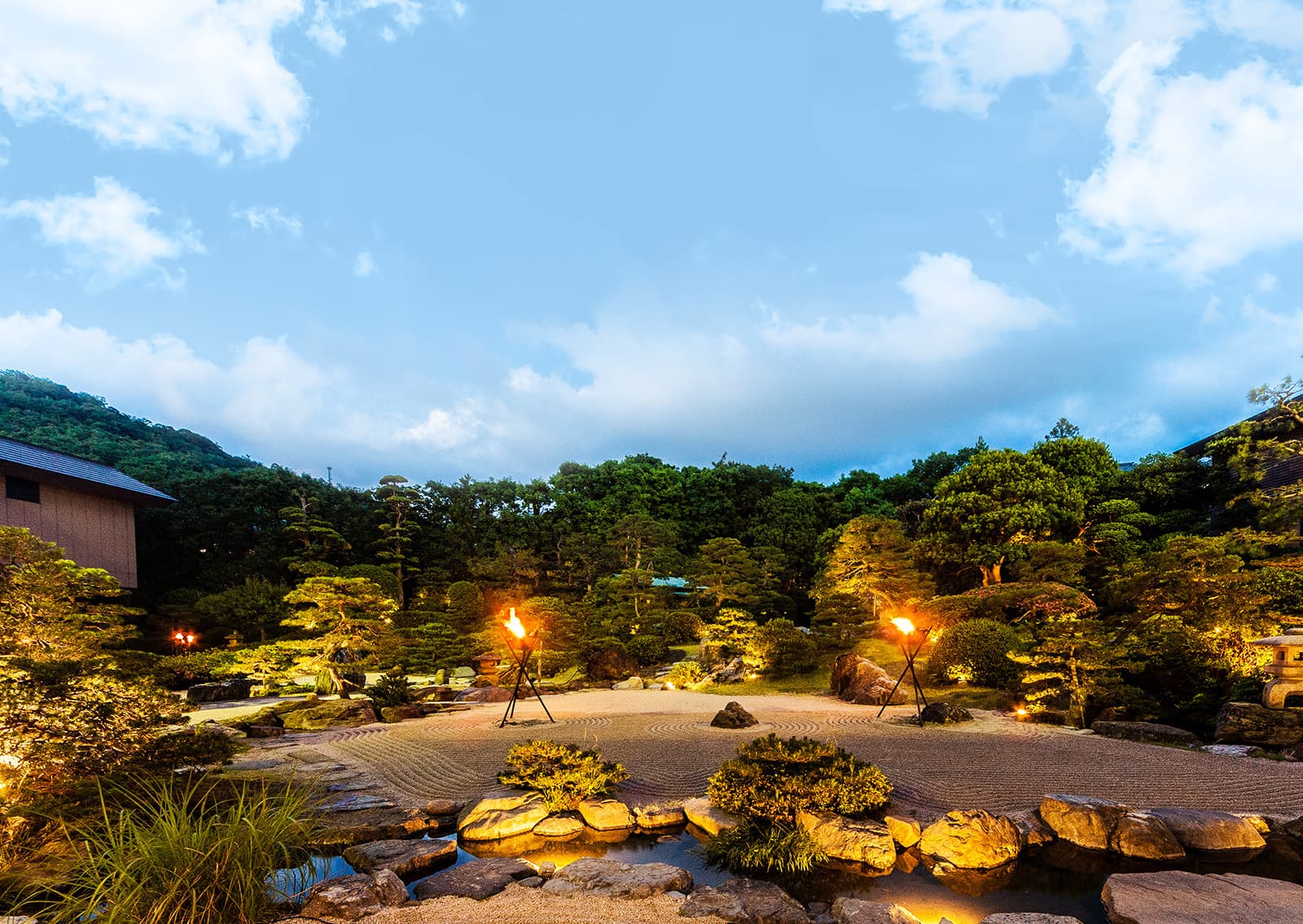 | à partir de ≈70 € | 8.9 78 avis | Anglais OKOnsen | Réserver sur Booking.com |
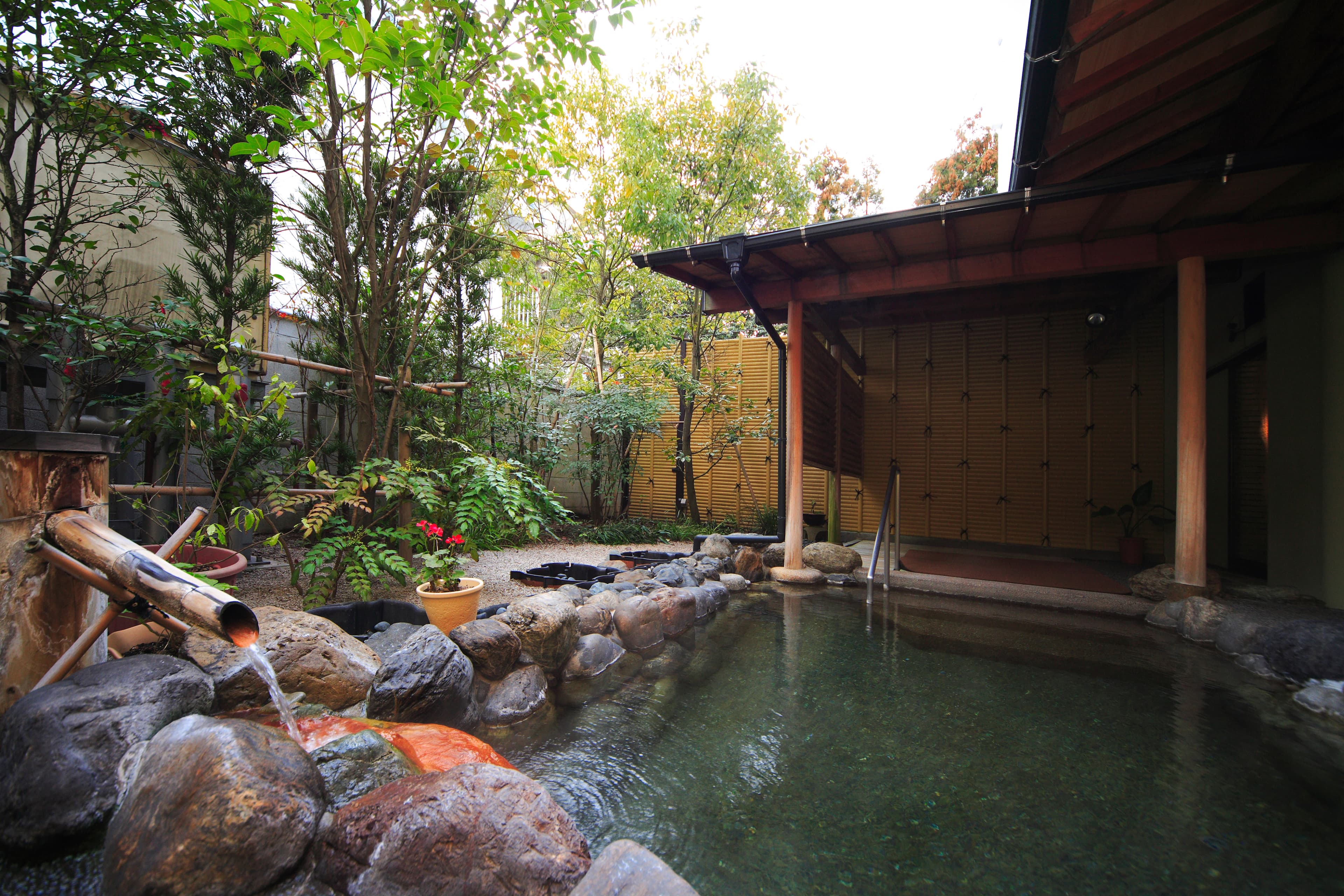 Yujin Chiyonoyu Tamatsukuri | à partir de ≈97 € | 8.8 87 avis | Anglais OKOnsen privé | Réserver sur Agoda |
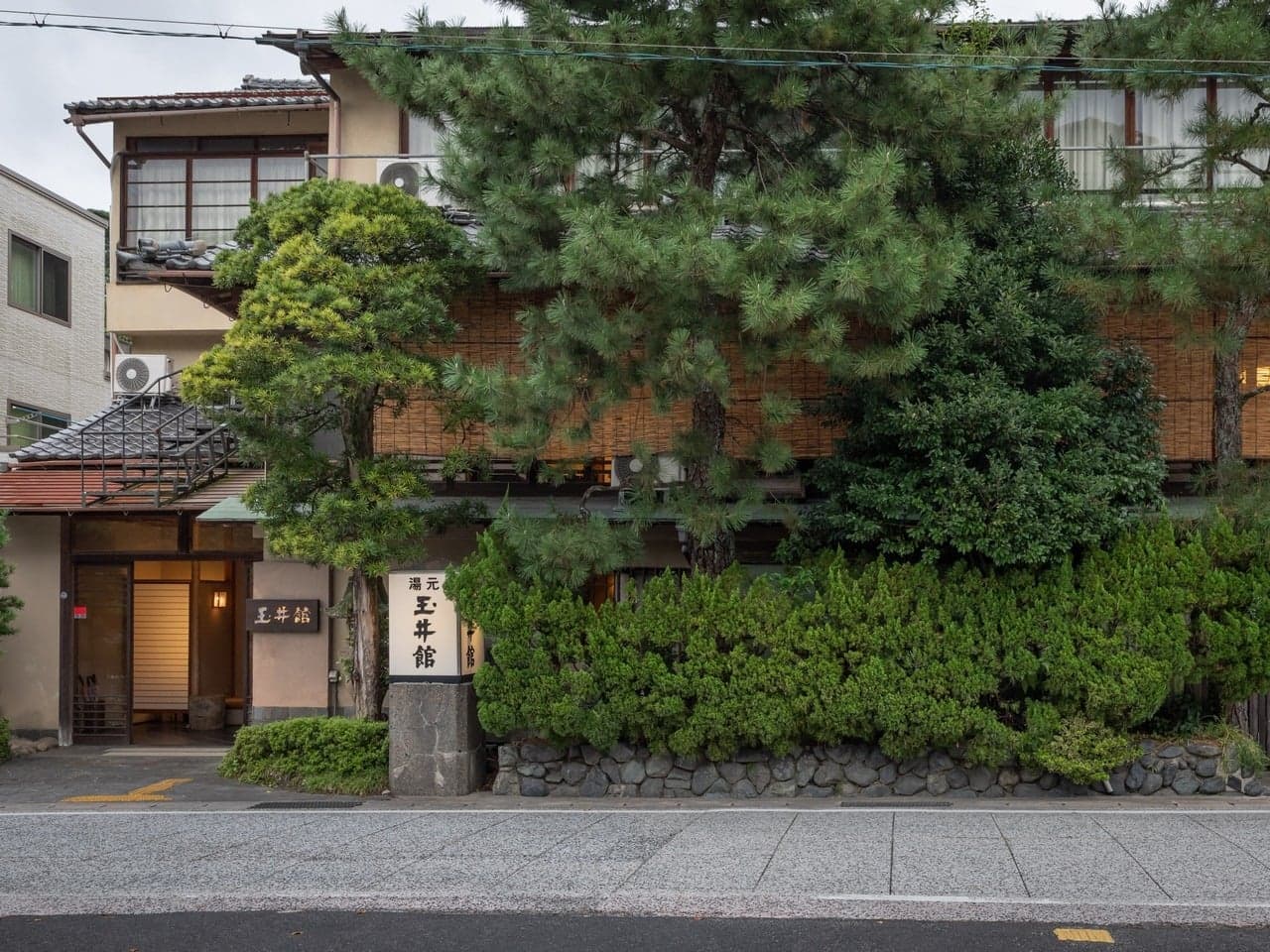 | à partir de ≈253 € | 8.7 84 avis | Anglais OKOnsen privé | Réserver sur Agoda |
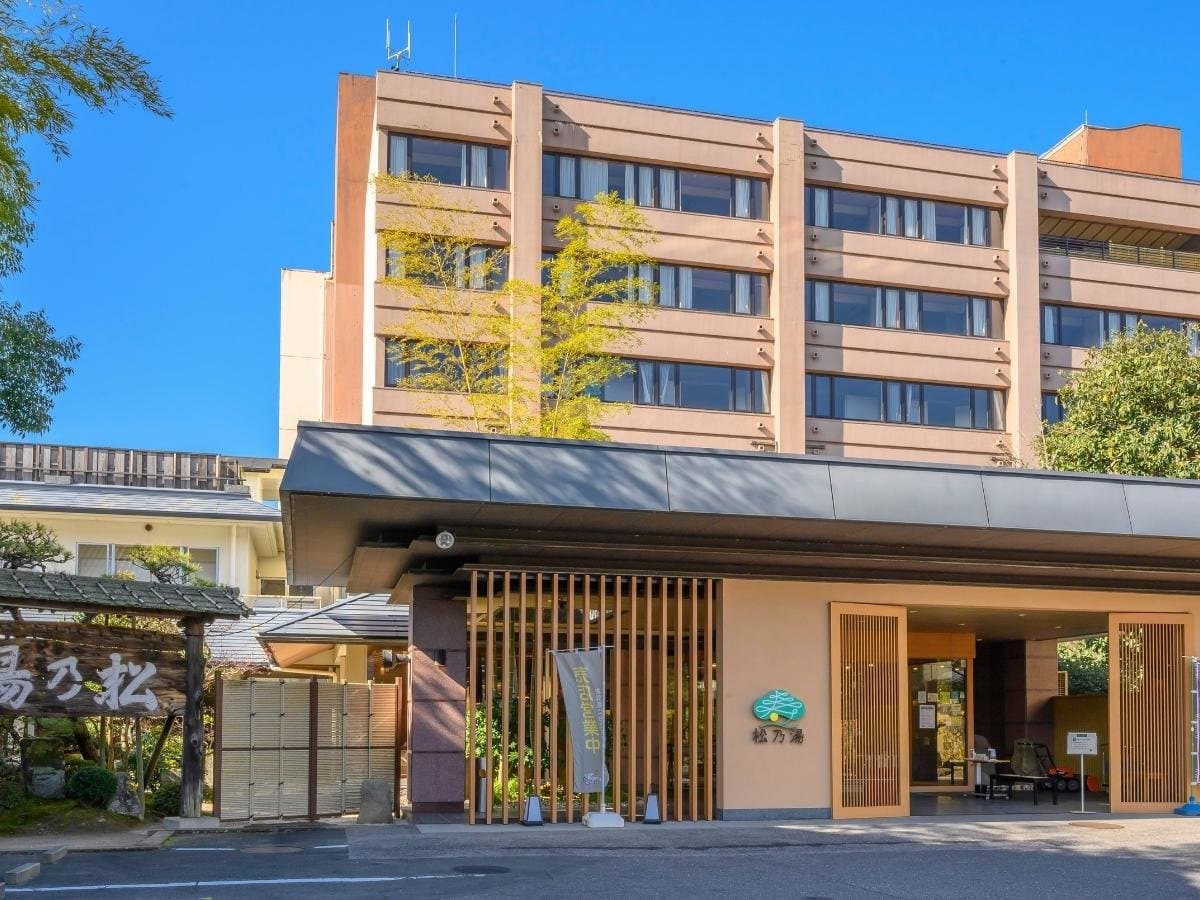 Matsunoyu Tamatsukuri | à partir de ≈158 € | 8.3 32 avis | Anglais OKOnsen privé | Réserver sur Booking.com |
Yujin Chiyonoyu
Tamatsukuri
Matsunoyu
Tamatsukuri
Les prix indiqués sont des tarifs de départ approximatifs par personne et par nuit. Nous pouvons percevoir une commission sur les réservations.
Prêt à réserver ?
Réservez l'un de ces ryokans favoris
Comparez les disponibilités et les tarifs sur les trois plateformes.
Tamatsukuri Grand Hotel Choseikaku
玉造グランドホテル長生閣
Tamatsukuri·$$
à partir de ≈88 € · par personne
Les liens de réservation peuvent générer une commission sans coût supplémentaire.
FAQ
Questions fréquentes
Pourquoi appelle-t-on Tamatsukuri Onsen l'eau de beauté des dieux ?+
Tamatsukuri est mentionné dans l'Izumo Fudoki du 8e siècle, l'une des plus anciennes chroniques régionales du Japon, qui évoque la source dès 733 et affirme que « la femme qui s'y baigne devient aussi belle qu'une déesse ». L'eau est une source sulfatée à la chimie légèrement alcaline (pH 8,8, le plus élevé parmi les zones thermales couvertes par le guide), ce qui lui donne un toucher nettement doux et soyeux et sa réputation traditionnelle de bijin-no-yu (eau de beauté). Choisir un ryokan ici, c'est prendre part à un rituel de régénération vieux de 1 300 ans.
Comment se rendre à Tamatsukuri Onsen depuis Matsue et Izumo ?+
Tamatsukuri est à 30 minutes de Matsue par la ligne principale JR San'in et à environ 25 minutes en voiture du grand sanctuaire d'Izumo Taisha. La gare de Tamatsukuri Onsen se trouve à environ 9 minutes de Matsue et 17 minutes de la gare d'Izumoshi par l'express limité JR Yakumo, le quartier thermal étant à 5 minutes en taxi ou 20 minutes à pied le long de la rivière depuis la gare. Vous pouvez aussi prendre l'avion jusqu'à l'aéroport d'Izumo, d'où le trajet dure 30 minutes en navette.
Quel ryokan de Tamatsukuri possède le gigantesque bain extérieur mixte ?+
Chorakuen, fondé en 1868, est le pilier de la ville avec son bain extérieur mixte Ryugu-no-Yu — d'une superficie de 395 m², présenté par le ryokan comme le plus grand bain mixte de source chaude en plein air du Japon. Une tenue de bain pudique (yuami-gi) est fournie, ce qui le rend accessible aux voyageurs étrangers peu familiers du bain commun nu. Chorakuen dispose aussi de bains non mixtes, dont le bain du ciel « Sora-no-Yu » sur le toit au 4e étage. À 35 000–70 000 ¥ par personne, c'est le choix phare si vous ne pouvez séjourner que dans un seul ryokan ici.
Quel ryokan de Tamatsukuri propose des bains onsen privés en chambre ?+
KAI Tamatsukuri by Hoshino Resorts offre à chaque chambre son propre bain extérieur privé alimenté par la source d'eau de beauté, et a construit tout son programme autour de la chimie au pH 8,8 — y compris un atelier à l'arrivée où vous confectionnez votre propre masque facial à base d'eau thermale, à 50 000–90 000 ¥ par personne. Yumeitei Choseikaku, l'aile moderne et haut de gamme de Chorakuen, compte aussi de nombreuses chambres avec rotenburo privé (45 000–80 000 ¥), tandis que Kasuien Minami est un établissement composé uniquement de suites, avec de nombreux bains en plein air.
Tamatsukuri Onsen est-il une bonne base pour visiter Izumo Taisha ?+
Oui — une nuit à Tamatsukuri est la manière canonique d'achever un pèlerinage à Izumo Taisha, l'un des plus anciens sanctuaires shinto du Japon, situé à environ 25 minutes en voiture. L'itinéraire type consiste à passer l'après-midi au sanctuaire, puis la nuit dans un onsen. Notez qu'Izumo Taisha suit un rythme de prière inhabituel — deux inclinaisons, quatre battements de mains, une inclinaison —, alors demandez à la réception de votre ryokan la carte imprimée de l'étiquette de prière d'Izumo avant de partir.
Quel est un bon ryokan de milieu de gamme à Tamatsukuri Onsen ?+
Hoseikan est le meilleur choix qualité-prix — établissement frère de Chorakuen, également fondé en 1868, il propose une expérience patrimoniale discrète dans une architecture classique de l'ère Showa, à 25 000–50 000 ¥ par personne. Il dispose de bains intérieurs et extérieurs, dont un bain debout (tachi-yu) exceptionnellement profond, et offre une alternative plus calme et moins photographiée à son célèbre aîné. Ryotei Yamanoi (30 000–60 000 ¥) est un autre choix solide, entre milieu de gamme et luxe, pour les voyageurs qui privilégient la cuisine kaiseki.


