約27分で読めます最終更新:2026年6月
クイック比較
6選| 旅館 | 料金 | 評価 | 特徴 | 予約 |
|---|---|---|---|---|
![]() Yunosuke no Yado Chorakuen Tamatsukuri | $250〜 | 9.3 口コミ83件 | 英語OK貸切温泉 | Trip.comで予約 |
![]() Hoshino Resorts KAI Tamatsukuri Tamatsukuri | $250〜 | 8.7 口コミ15件 | 英語OK貸切温泉 | Trip.comで予約 |
![]() Tamatsukuri Grand Hotel Choseikaku Tamatsukuri | $100〜 | 8.7 口コミ50件 | 英語OK温泉 | Trip.comで予約 |
![]() Ryotei Yamanoi Tamatsukuri | $100〜 | 7.6 口コミ16件 | 英語OK温泉 | Trip.comで予約 |
![]() Hoseikan Tamatsukuri | $120〜 | 7.9 口コミ18件 | 英語OK貸切温泉 | Trip.comで予約 |
![]() Kasuien Minami Tamatsukuri | $200〜 | 8.7 口コミ34件 | 英語OK貸切温泉 | Trip.comで予約 |

Yunosuke no Yado Chorakuen
Tamatsukuri

Hoshino Resorts KAI Tamatsukuri
Tamatsukuri

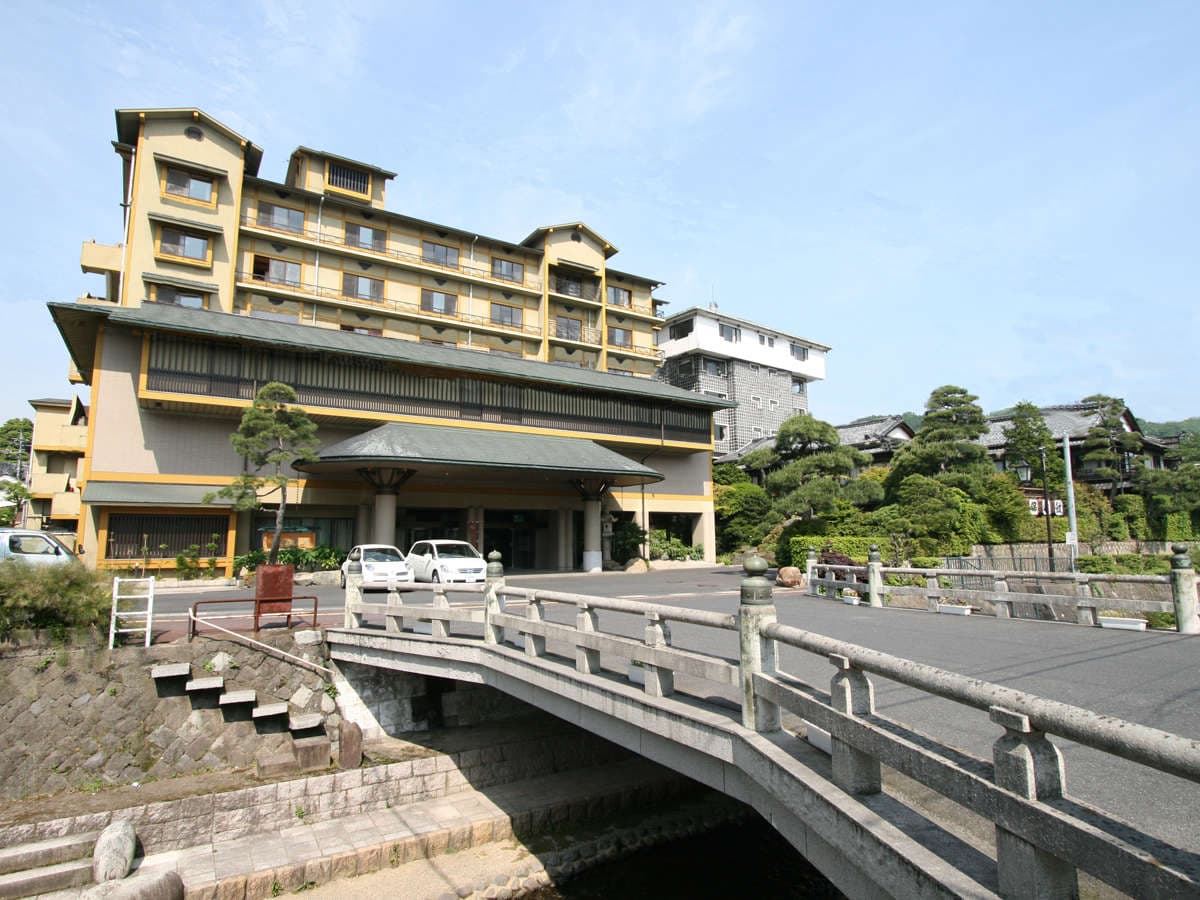
Tamatsukuri Grand Hotel Choseikaku
Tamatsukuri

Ryotei Yamanoi
Tamatsukuri

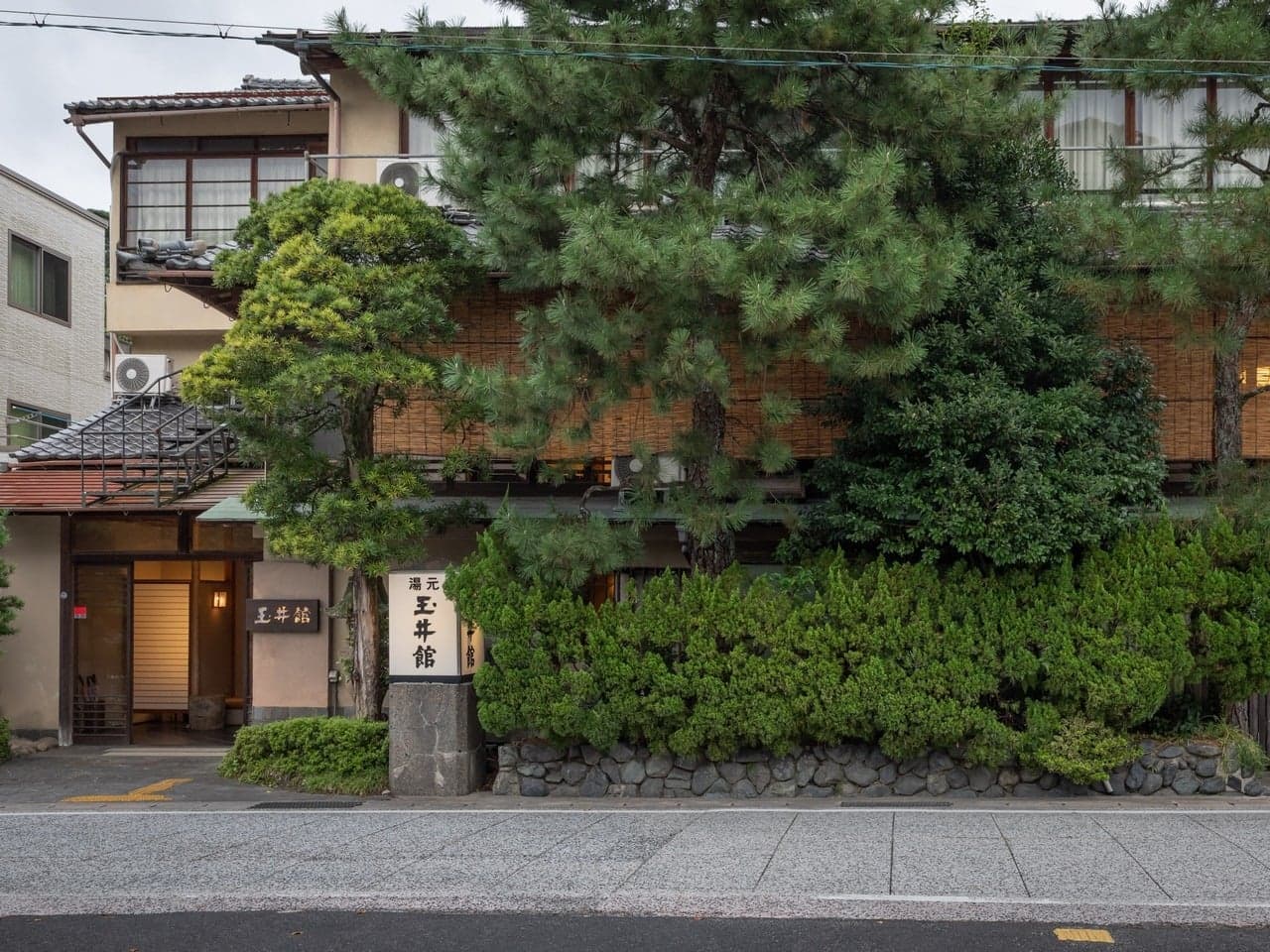
Hoseikan
Tamatsukuri

Kasuien Minami
Tamatsukuri
表示価格は1名1泊あたりの目安です。当サイト経由のご予約で手数料を受け取る場合があります。
Just 30 minutes from Matsue, the gateway to Izumo Taisha Grand Shrine, lies an onsen town with a pedigree unmatched in classical Japanese literature. Tamatsukuri Onsen is famously documented in the 8th-century Izumo Fudoki — the spring is referenced as early as 733 in this ancient regional gazetteer [verified Wikipedia 2026-05-12] — as home to the "beauty water of the gods." This ancient text, a detailed record of the province, praises the local spring water twice: once for its healing properties and again with the claim that "the woman who bathes here becomes as beautiful as a goddess." The water itself is classified as a sulfate spring with mildly alkaline chemistry, which is the basis of its traditional bijin-no-yu (beauty water) reputation [verified Shimane Prefectural Tourism 2026-04-20], and the town sits between Matsue and Izumo along the small Tamayu River flowing toward Lake Shinji [verified JNTO 2026-03-18]. Choosing a ryokan here isn't just booking a room; it's participating in a 1,300-year-old ritual of rejuvenation.

Why Tamatsukuri Onsen for Your Ryokan Stay?
A stay in Tamatsukuri is the canonical way to complete a pilgrimage to Izumo Taisha, widely regarded as one of Japan's oldest Shinto shrines and already in existence by the early 700s [verified Wikipedia 2026-05-22], located just a 25-minute drive away. The typical itinerary involves an afternoon visit to the shrine, followed by an overnight retreat to the onsen town to soak away the day's travels. The town has fully embraced its "beauty water" heritage. Along the Tamayu River, you'll find free public footbaths (*ashiyu*), stone basins where you can bottle the spring water to take home, and even vending machines selling cosmetics made with the onsen water. This deep-rooted connection to the Izumo Fudoki myth provides a powerful sense of place. Unlike more sprawling onsen resorts, Tamatsukuri is a compact, walkable village built around its legendary water source. It offers an experience that is both deeply relaxing and culturally resonant, tying your stay directly to the sacred history of the Izumo region.
1. Chorakuen
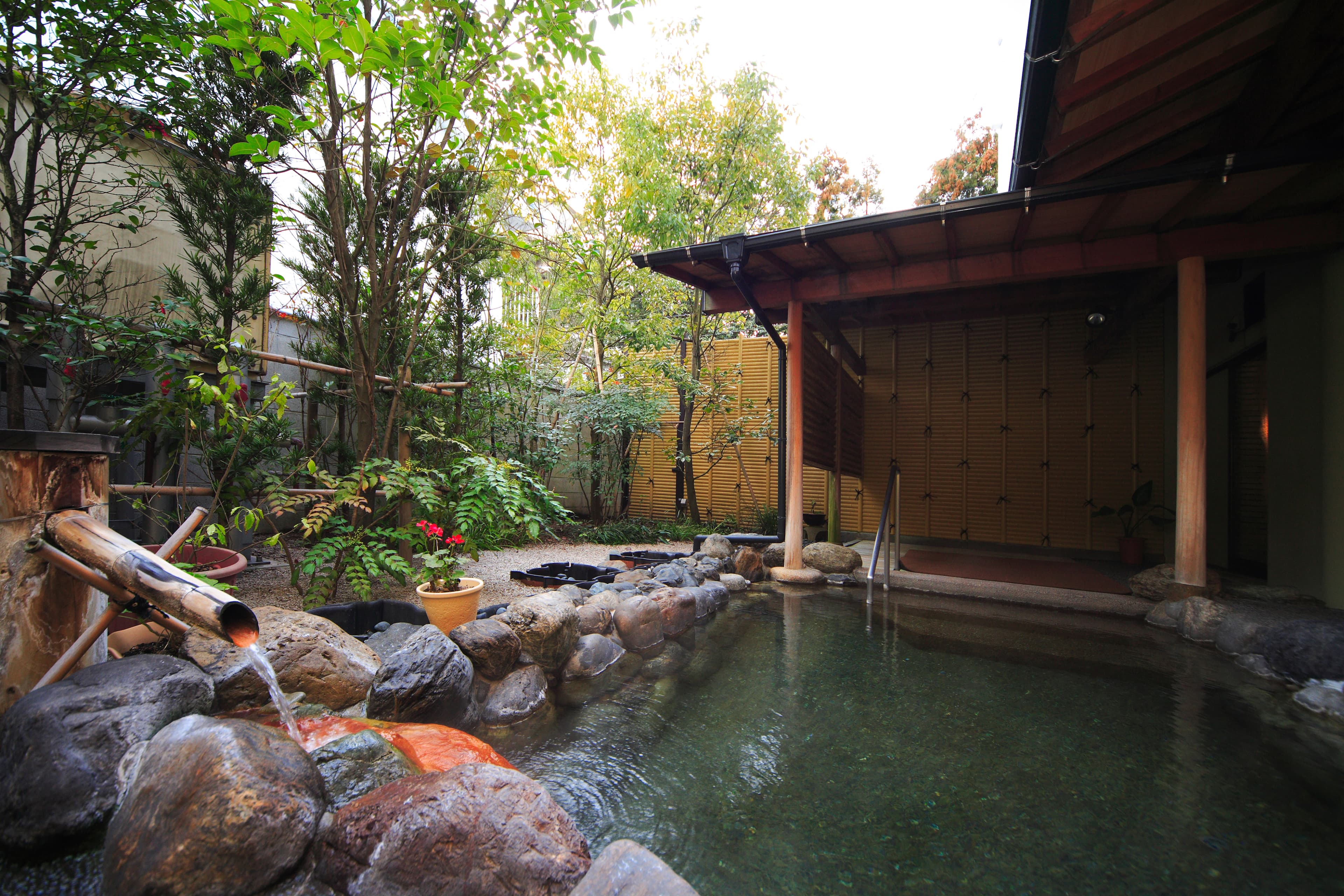
For the definitive Tamatsukuri experience, look no further than Chorakuen. Founded in 1868 by descendants of Yunosuke, an Edo-period manager of the Tamatsukuri hot spring [verified Chorakuen Official 2026-04-08], this landmark ryokan is the village's grand dame, sprawling along the riverbank. Its most famous feature is the Ryugu-no-Yu mixed-gender outdoor bath (*rotenburo*) — at a 395 m² floor area, billed by the ryokan as the largest open-air mixed-gender hot-spring bath in Japan [verified Chorakuen Official 2026-04-08]. Modest bathing attire (*yuami-gi*) is provided, making it accessible and comfortable for international guests. The scale is immense, with waterfalls, rock formations, and lush gardens creating a world unto itself. For more conventional bathing, the ryokan also offers gender-separated baths, including the 4th-floor rooftop "Sora-no-Yu" (Sky Bath) with panoramic views over the town. As the flagship property, Chorakuen offers a complete, history-rich experience that perfectly captures the spirit of Tamatsukuri. If you can only stay at one ryokan here, make it this one.
Price tier: Mid-range to Luxury (¥35,000–¥70,000/person)
Tip
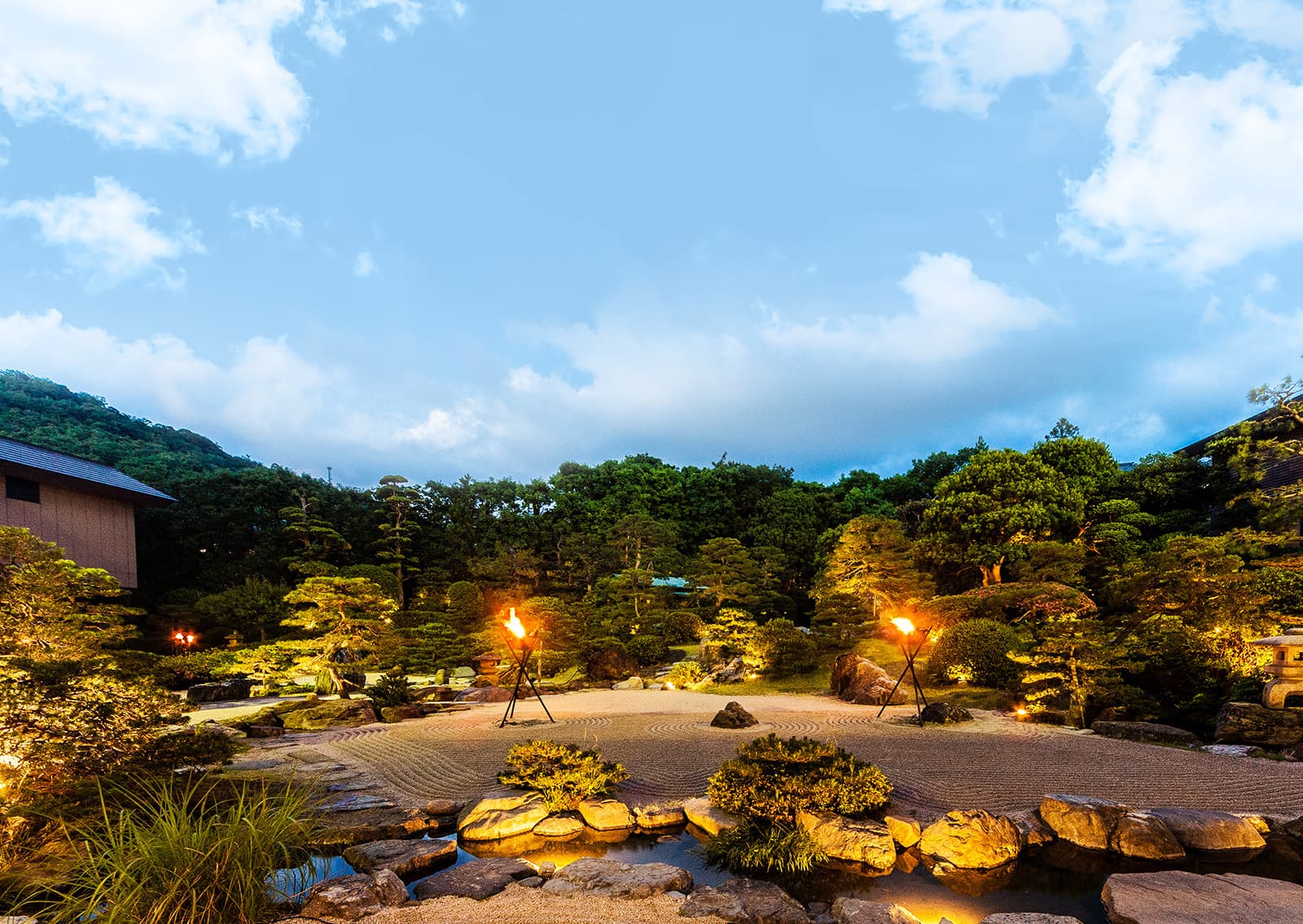
Don't miss the evening kagura performances or the impressive Japanese garden, which is beautifully illuminated after dark.
2. KAI Tamatsukuri by Hoshino Resorts
If your preference leans towards contemporary design and curated luxury, KAI Tamatsukuri is the premier choice. Operated by the prestigious Hoshino Resorts group — and recently rebranded and re-opened on November 16, 2022 (formerly KAI Izumo) [verified Hoshino Resorts 2026-03-02] — this boutique ryokan reinterprets tradition with modern elegance. The entire property is built around the "beauty water" concept. Upon arrival, you're welcomed at the "beauty water lounge" with local tea and can participate in a workshop on creating your own face mask using the onsen water. Every room features its own private outdoor bath filled with the legendary spring water, offering ultimate privacy and relaxation. The kaiseki meals are a sophisticated celebration of Shimane's local produce, particularly its seafood. KAI Tamatsukuri is less about sprawling, historic scale and more about a polished, intimate, and highly refined experience. It's the perfect modern counterpoint to Chorakuen's classic grandeur.
Price tier: Luxury (¥50,000–¥90,000/person)

3. Yumeitei Choseikaku
Offering the best of both worlds, Yumeitei Choseikaku is the modern, premium wing of the historic Chorakuen. While guests have full access to Chorakuen's famous large baths, the primary draw of Choseikaku is its focus on private, in-room luxury. A significant number of its rooms are equipped with private outdoor baths (*rotenburo*), allowing you to enjoy Tamatsukuri's famed beauty water in complete seclusion. This makes it an ideal choice for couples, honeymooners, or any traveler seeking privacy without sacrificing access to the amenities of a large-scale ryokan. The rooms are more spacious and contemporary in design compared to the main Chorakuen building. Think of it as a hotel-within-a-hotel concept, providing a more exclusive and updated experience while still being connected to the heart of Tamatsukuri's most landmark institution.
Price tier: Luxury (¥45,000–¥80,000/person)
4. Ryotei Yamanoi
For the discerning traveler who prioritizes cuisine, Ryotei Yamanoi is the clear winner. As the name suggests—*ryotei* signifying a high-end traditional Japanese restaurant—the experience here is centered on the multi-course kaiseki dinner. The chefs at Yamanoi are masters of their craft, presenting exquisite dishes that showcase the best of San'in region's seasonal ingredients, from Shimane wagyu beef to fresh seafood from the Sea of Japan. The ryokan itself is more intimate than its larger neighbors, fostering a quiet and serene atmosphere. With only a handful of rooms, service is personal and attentive. The baths, while not as vast as Chorakuen's, are beautifully designed and filled with the same high-quality spring water. Book Ryotei Yamanoi if your ideal Japanese escape involves an lasting meal followed by a peaceful soak.
Price tier: Mid-range to Luxury (¥30,000–¥60,000/person)
5. Hoseikan
A sister property to Chorakuen — the parent operator Chorakuen traces its hospitality lineage to 1868 [verified Chorakuen Official 2026-04-08] — Hoseikan offers a more refined and understated heritage experience. While Chorakuen impresses with its scale, Hoseikan charms with its elegance and classic Showa-era architectural details. It has a reputation for its warm, personal hospitality and feels like a step back into a more genteel era of Japanese travel. The ryokan features beautiful indoor and outdoor baths, including a unique standing bath (*tachi-yu*) that is deeper than usual. It's a wonderful choice for travelers who appreciate history and a quieter atmosphere but still want a well-established, reputable ryokan. It provides a classic Tamatsukuri Onsen experience at a slightly more accessible price point than its more famous sibling, making it a high-value pick for lovers of traditional inns.
Price tier: Mid-range (¥25,000–¥50,000/person)
6. Kasuien Minami
Positioned as a modern, all-suite boutique ryokan, Kasuien Minami offers a distinct flavor of luxury. Every room is a spacious suite, many featuring open-air baths with views of the Japanese garden or the river. The aesthetic is clean, contemporary Japanese design, with a focus on comfort and space. It's an excellent choice for longer stays or for travelers who value having a separate living area within their room. The ryokan also has a large, impressive Japanese garden that is perfect for a morning or evening stroll. While it has a modern feel, it doesn't neglect the core ryokan experience, offering high-quality kaiseki meals and attentive service. Kasuien Minami is for the traveler seeking the space and comfort of a modern suite combined with the onsen and dining traditions of a classic ryokan.
Price tier: Luxury (¥50,000–¥85,000/person)
Practical Info
Access: Tamatsukuri Onsen is most easily reached via Izumo Airport (IZO) or Yonago Airport (YGJ), both with frequent flights from Tokyo's Haneda Airport (HND). From Izumo Airport, it's a 30-minute shuttle bus ride. By train, take the Shinkansen to Okayama and transfer to the JR Yakumo Limited Express, alighting at Tamatsukuri Onsen Station — about 9 minutes from Matsue and 17 minutes from Izumoshi Station, with the onsen district a 5-minute taxi or 20-minute riverside walk from the station [verified JNTO 2026-03-18].
Best Season: The onsen is enjoyable year-round. Spring brings cherry blossoms along the river, while autumn offers pleasant weather for exploring the Izumo region. Winter is arguably the best season for onsen, as soaking in the hot water amidst the cold air is especially comforting.
Budget: Expect to pay between ¥25,000 and ¥50,000 per person per night for a quality mid-range ryokan. Luxury properties like KAI Tamatsukuri can exceed ¥80,000 per person.
Tip
Bring a small hand towel when strolling through town. You can use it to dry your feet after enjoying the free public footbaths along the river.
When to Visit Tamatsukuri
Tamatsukuri Onsen sits on the southern shore of Lake Shinji in Shimane Prefecture — a region most foreign travelers skip, which is the actual reason to come. Late April to early May for the Izumo Taisha shrine peak (the Grand Shrine of the Sun Goddess, one of the oldest in Japan, 45 minutes by car). September-November for the matsutake-mushroom kaiseki window and the cooler air on the lake. Avoid July-August — humid and crowded with domestic summer travel. Mid-January here is mild (Shimane is on the Sea of Japan but the lake moderates temperature) and a low-rate window. Book 4-6 weeks ahead for the spring shrine season.
What Tamatsukuri Does Best (And What It Does Not)
Tamatsukuri does sodium-sulfate hot spring water at a high concentration — the water has a noticeably soft, almost silky feel and the local marketing (Tamatsukuri Beauty Water) is not pure marketing; the chemistry genuinely is mild on skin. What Tamatsukuri does best is the Izumo Taisha day trip plus the Adachi Museum of Art (40 minutes away — the museum garden is regularly voted Japan's best). What it does not do is dramatic rotenburo views — the lake-shore setting is gentle, not alpine. Pair Tamatsukuri with Matsue (15 minutes) for the castle and the samurai district. This is the Shimane circuit, and almost no English-language travel content covers it well.
Tip
The 1-day Izumo Taisha → Adachi Museum → Matsue Castle loop is the perfect ryokan side trip from Tamatsukuri and impossible without a car (or a private taxi for the day, around ¥35,000 for 8 hours). Book the taxi via your ryokan the night before — most properties have a standing arrangement with local drivers.
Pairing Tamatsukuri With Izumo Taisha and the San'in Loop
Tamatsukuri's strongest itinerary case is as a one-night base for the San'in coast pilgrimage route: Tamatsukuri Onsen → Izumo Taisha Grand Shrine (45 minutes by car or 70 minutes by JR + Ichibata Railway) → Hinomisaki Lighthouse on the Japan Sea (a further 25 minutes by bus from Izumo Taisha). Izumo Taisha is one of the two oldest Shinto shrines in Japan (tied with Ise) and the only major shrine where the prescribed prayer rhythm is *two bows, four claps, one bow* rather than the standard *two bows, two claps, one bow*. Most visitors arrive without knowing this; ask your ryokan's front desk for the printed Izumo prayer-etiquette card before you go.
A second pairing worth planning: Matsue Castle (one of Japan's 12 original surviving castle keeps, 20 minutes by car from Tamatsukuri) and the adjoining Lafcadio Hearn Memorial Museum. Hearn — the Greek-Irish writer who arrived in Matsue in 1890 and naturalized as Koizumi Yakumo — is the reason San'in carries such cultural weight in Japanese literature; his house preserved in Matsue is one of the more contemplative literary museums in western Japan and pairs naturally with an evening onsen soak back at Tamatsukuri.
The local San'in food pairing: *Izumo soba*, served in a three-tier *waridi* stacked-bowl format unique to this region. The 8-port Naka-ura fishing harbor 15 minutes north of Tamatsukuri brings in *nodoguro* (rosy seabass) and *aji* (horse mackerel) that appear on most Tamatsukuri kaiseki menus the same night they land. If your kaiseki includes nodoguro on the menu card, plan to order the additional grilled nodoguro side dish — the rest of Japan rarely sees nodoguro of this freshness.
Tip
Pair Tamatsukuri with a JR Pass San'in-region itinerary: Hiroshima → Miyajima → JR ferry across the Inland Sea → Matsue → Tamatsukuri (onsen night) → Izumo Taisha → Hagi → Yamaguchi. The full loop runs 5 nights and connects four UNESCO sites with minimal backtracking. Tamatsukuri sits roughly at the midpoint and is the only onsen-town stop on the loop, making it the natural recovery night.
My Honest Take After Staying Here
I stayed at Tamatsukuri once in October, paired with the Adachi Museum garden tour. My honest take: this is one of the most underrated ryokan regions in Japan because Shimane is genuinely off the foreign-tourist map. The water chemistry is real, the surrounding sights (Izumo, Adachi, Matsue) are world-class, and the ryokans are full of Japanese travelers on the Shrine-and-Castle circuit. The catch is access — Yonago-Kitaro Airport is small and the rail journey from Tokyo is 6+ hours. If you are building a 14+ day Japan trip, slot Shimane in. If you have 7-10 days, Hakone or Hakone is the easier call.
If historic grandeur of Chorakuen is your goal, this list points there; if modern polish of KAI Tamatsukuri is what you came for, the same picks apply, this ancient onsen village offers a ryokan to match. A stay in Tamatsukuri goes beyond relaxing getaway; it's a chance to connect with a 1,300-year-old story of beauty and rejuvenation, all within reach of Japan's most sacred shrine. Browse our short list and book your immersion in the 'beauty water of the gods'.
ご予約はこちら
人気の旅館から選んで予約
3つの予約サイトの空室・価格を見比べてください。

Tamatsukuri Grand Hotel Choseikaku
玉造グランドホテル長生閣
Tamatsukuri·$$
〜から ¥15,400 · 1名様
予約リンク経由で手数料が発生する場合がありますが、追加費用はかかりません。
出雲大社の玄関口である松江からわずか30分。日本の古典文学にその名を刻む、比類なき歴史を持つ温泉街があります。玉造温泉です。8世紀に編纂された『出雲国風土記』——西暦733年に既に源泉として記録されている古代地誌 [verified Wikipedia 2026-05-12] ——には、この地の湯が「神の湯」として記されています。この古代の文献は、玉造の湯を二度にわたり称賛しています。一度はその治癒力について、そしてもう一度は「一度入浴すれば女神のように美しくなる」と。肌を滑らかにする効果で知られるこの伝説的な弱アルカリ性の硫酸塩泉が、伝統的な「美人の湯」としての評価の根拠です [verified Shimane Prefectural Tourism 2026-04-20]。温泉街は松江と出雲の間、宍道湖へ流れ込む玉湯川沿いに位置します [verified JNTO 2026-03-18]。ここで旅館を選ぶことは、単に部屋を予約することではありません。それは1300年の歴史を持つ若返りの儀式に参加することなのです。

なぜ旅館の滞在先に玉造温泉を選ぶのか?
玉造温泉での滞在は、車でわずか25分の距離にある日本最古の神社の一つに数えられ、8世紀初頭には既に存在していた出雲大社への参拝を締めくくる王道と言えるでしょう [verified Wikipedia 2026-05-22]。午後に神社を参拝し、その後温泉街の宿で旅の疲れを癒すのが一般的な過ごし方です。温泉街は「美肌の湯」の伝統を全面的に打ち出しています。玉湯川沿いには無料の足湯(ashiyu)があり、温泉水を持ち帰るための石の器や、温泉水を使った化粧品の自動販売機まであります。この出雲国風土記の神話との深いつながりが、この土地ならではの強い魅力を生み出しています。広大な温泉リゾートとは異なり、玉造は伝説的な源泉を中心に形成された、歩いて散策できるコンパクトな村です。心からのリラクゼーションと文化的な共鳴の両方を体験でき、出雲地方の神聖な歴史と滞在を直接結びつけてくれます。
1. 長楽園
玉造温泉の決定版ともいえる体験を求めるなら、長楽園をおいて他にありません。1868年、江戸時代に玉造温泉を管理していた湯之介の子孫により創業されたこの旅館は [verified Chorakuen Official 2026-04-08]、玉湯川のほとりに広がる、温泉街の象徴的な存在です。最も有名なのは、混浴露天風呂「龍宮の湯」で、面積395㎡——旅館自ら日本最大級の混浴露天風呂を謳います [verified Chorakuen Official 2026-04-08]。専用の湯浴み着(yuami-gi)が用意されているため、海外からのお客様も気兼ねなく利用できます。滝や岩、そして豊かな緑が配されたそのスケールは、まるでひとつの世界のようです。より一般的な入浴をご希望の方には、男女別の浴場も完備。4階にある展望露天風呂「天の湯」からは、温泉街を一望できます。玉造を代表する旅館として、長楽園は歴史と風格に満ちた、この地の精神を完璧に体現する滞在を約束します。もし一泊しかできないのであれば、ここを選ぶべきでしょう。
価格帯: 中級〜高級(¥35,000〜¥70,000 お一人様)
Tip
夜には神楽の上演が行われるほか、ライトアップされた見事な日本庭園も必見です。
2. 界 玉造 by 星野リゾート
現代的なデザインと洗練された贅沢を好むなら、「界 玉造」が最良の選択肢です。名高い星野リゾートが運営し、2022年11月16日にリブランド・再開業した(旧・界 出雲)このブティック旅館は [verified Hoshino Resorts 2026-03-02]、伝統をモダンなエレガンスで再解釈しています。館全体が「美肌の湯」のコンセプトで統一されています。到着すると「美肌ラウンジ」で地のお茶と共にもてなされ、温泉水を使ったフェイスマスク作りのワークショップに参加することもできます。全客室に伝説の温泉を満たした専用露天風呂が備え付けられており、究極のプライバシーとリラクゼーションを提供します。懐石料理は、島根の海の幸をはじめとする地元の食材を巧みに使った洗練された逸品です。「界 玉造」は、歴史ある旅館の壮大さよりも、磨き上げられた親密で極めて上質な体験を重視しています。長楽園のクラシックな壮麗さとは対照的な、完璧なモダンさを持つ旅館です。
価格帯: 高級(¥50,000〜¥90,000 お一人様)

3. 夢亭 長生閣
伝統と現代性の両方の長所を兼ね備えた「夢亭 長生閣」は、歴史ある長楽園のモダンでプレミアムな別館です。宿泊客は長楽園の名高い大浴場をすべて利用できますが、長生閣の主な魅力は、客室でのプライベートな贅沢にあります。多くの客室に専用の露天風呂(rotenburo)が備え付けられており、玉造の名湯「美肌の湯」を完全にプライベートな空間で楽しむことができます。このため、カップルやハネムーナー、あるいは大規模旅館の充実した設備を利用しつつプライバシーを重視する旅行者に最適です。客室は長楽園本館に比べてより広く、現代的なデザインが施されています。ホテル・イン・ホテルのようなコンセプトで、玉造で最も象徴的な旅館の中心部にありながら、より高級で洗練された滞在を提供します。
価格帯: 高級(¥45,000〜¥80,000 お一人様)
4. 料亭 山井
食を最優先する舌の肥えた旅人にとって、「料亭 山井」は間違いなく最良の選択です。その名が示す通り(「料亭」は高級な伝統日本料理店を意味します)、ここでの体験は会席料理の夕食を中心に据えられています。山井の料理人たちはその道の達人であり、しまね和牛から日本海の新鮮な魚介類まで、山陰地方の旬の食材を最大限に活かした極上の料理を提供します。旅館自体は近隣の大規模な宿よりもこぢんまりとしており、静かで落ち着いた雰囲気が漂います。客室数が少ないため、サービスはきめ細やかでパーソナルです。お風呂は長楽園ほど広大ではありませんが、美しく設計されており、同じく質の高い温泉で満たされています。忘れられない食事と、その後の静かな湯浴み。そんな日本での理想的な休日を求めるなら、料亭 山井を予約すべきです。
価格帯: 中級〜高級(¥30,000〜¥60,000 お一人様)
5. 保性館
長楽園の姉妹館——運営母体の長楽園は1868年からの「おもてなしの系譜」を受け継ぎます [verified Chorakuen Official 2026-04-08] ——である保性館は、より洗練され、控えめな伝統的体験を提供します。長楽園がその規模で圧倒するのに対し、保性館は優雅さと古典的な昭和時代の建築のディテールで魅了します。温かく、心のこもったおもてなしで定評があり、まるで古き良き日本の旅の時代にタイムスリップしたかのような感覚を味わえます。館内には美しい内湯と露天風呂があり、通常より深いユニークな立ち湯(tachi-yu)も楽しめます。歴史と静かな雰囲気を大切にし、かつ定評のある老舗旅館に泊まりたいと考える旅行者に最適な選択です。より有名な姉妹館よりも少し手頃な価格で、玉造温泉のクラシックな体験を提供しており、伝統的な宿を愛する人にとって価値の高い選択肢と言えるでしょう。
価格帯: 中級(¥25,000〜¥50,000 お一人様)
6. 佳翠苑 皆美
モダンな全室スイートのブティック旅館として位置づけられる佳翠苑 皆美は、他とは一線を画す贅沢を提供します。全室が広々としたスイートルームで、その多くには日本庭園や川を望む露天風呂が備わっています。快適さと空間を重視した、清潔感のある現代的な和のデザインが特徴です。長期滞在や、客室内に独立したリビングスペースを重視する旅行者には最適な選択肢です。また、朝夕の散策に最適な、広大で見事な日本庭園も誇ります。モダンな雰囲気でありながら、質の高い懐石料理と行き届いたサービスを提供し、旅館の核となる体験をおろそかにしていません。佳翠苑 皆美は、現代的なスイートの空間と快適さに、伝統的な旅館の温泉と食の文化を融合させた滞在を求める旅行者のための宿です。
価格帯: 高級(¥50,000〜¥85,000 お一人様)
基本情報
アクセス: 玉造温泉への最も簡単なアクセスは、出雲縁結び空港(IZO)または米子鬼太郎空港(YGJ)を利用する方法です。どちらの空港へも東京の羽田空港(HND)から多数の便が運航しています。出雲空港からはシャトルバスで約30分です。電車の場合、新幹線で岡山駅まで行き、JR特急やくもに乗り換えて玉造温泉駅で下車します(松江から約9分、出雲市駅から約17分)。駅から温泉街の中心部まではタクシーで5分、川沿いを歩いて約20分です [verified JNTO 2026-03-18]。
ベストシーズン: 温泉は一年を通して楽しめます。春には川沿いに桜が咲き誇り、秋は出雲地方の散策に最適な過ごしやすい気候です。しかし、寒い空気の中で熱いお湯に浸かる心地よさは格別で、冬こそが温泉の最高の季節と言えるかもしれません。
予算: 中級クラスの質の高い旅館で、一泊一人あたり¥25,000から¥50,000が目安です。「界 玉造」のような高級旅館では、一人あたり¥80,000を超えることもあります。
Tip
温泉街を散策する際は、小さなハンドタオルを持参することをおすすめします。川沿いにある無料の足湯を楽しんだ後、足を拭くのに便利です。
長楽園の歴史的な壮大さを求めるにせよ、「界 玉造」のモダンな洗練を好むにせよ、この古からの温泉郷にはあなたの好みに合う旅館が必ず見つかります。玉造での滞在は、単なるリラックスした休暇以上のものです。それは、日本で最も神聖な神社のすぐ近くで、1300年の歴史を持つ美と若返りの物語に触れる機会です。私たちが厳選した旅館のリストを参考に、神々の「美肌の湯」に浸る旅を計画してみてはいかがでしょうか。
ご予約はこちら
人気の旅館から選んで予約
3つの予約サイトの空室・価格を見比べてください。

Tamatsukuri Grand Hotel Choseikaku
玉造グランドホテル長生閣
Tamatsukuri·$$
〜から ¥15,400 · 1名様
予約リンク経由で手数料が発生する場合がありますが、追加費用はかかりません。