
12 min de lectureMis à jour en juin 2026
Comparaison rapide
5 sélections| Ryokan | À partir de | Note | Caractéristiques | Réserver |
|---|---|---|---|---|
 | à partir de ≈219 € | 9.7 71 avis | Anglais OKOnsen | Réserver sur Booking.com |
 Unzen Kanko Hotel Unzen | à partir de ≈105 € | 8.9 6 avis | Anglais OKOnsen privé | Réserver sur Booking.com |
 | à partir de ≈88 € | 9.5 43 avis | Onsen | Réserver sur Booking.com |
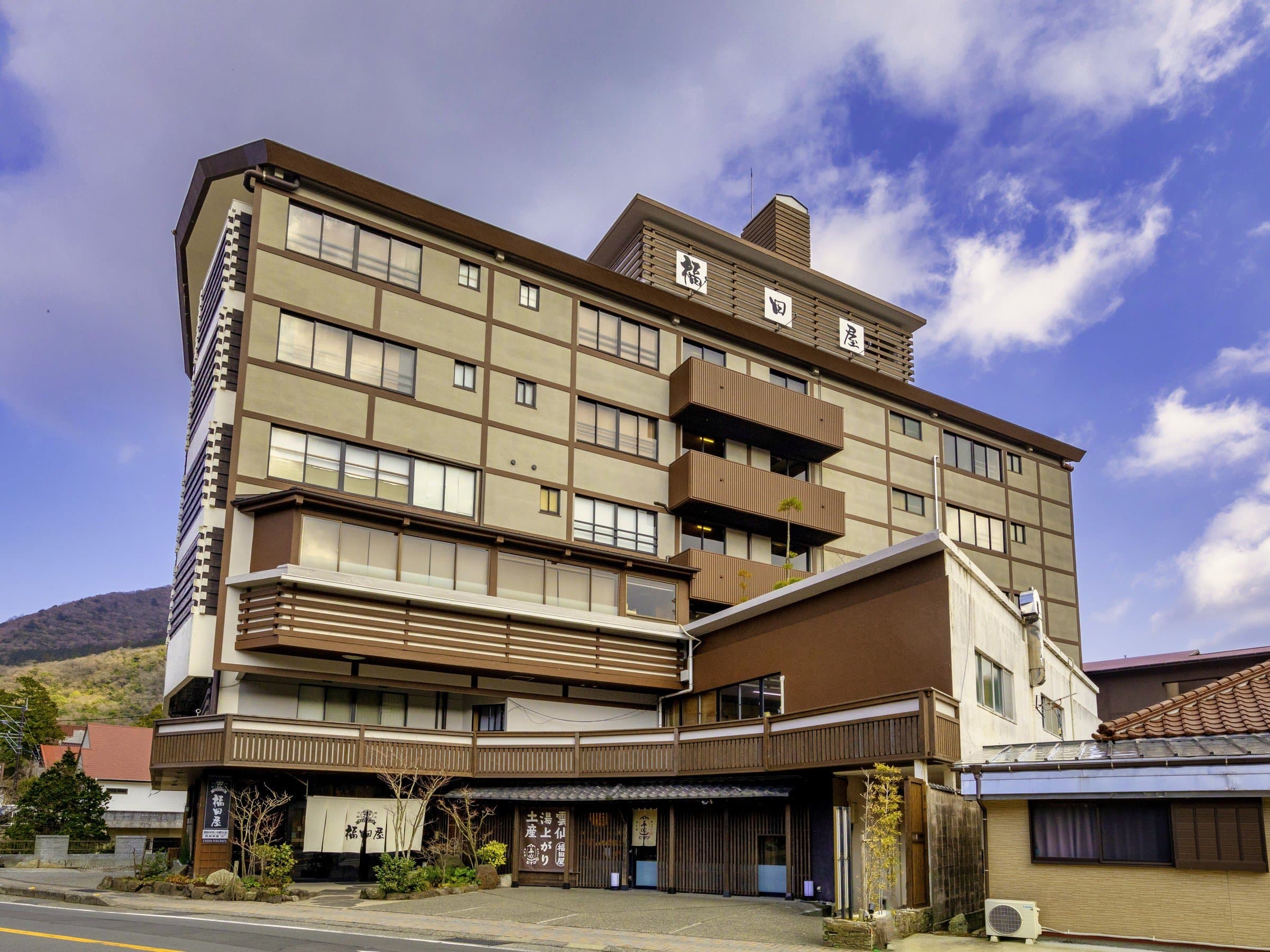 Fukudaya Unzen | à partir de ≈176 € | 9.1 22 avis | Anglais OKOnsen privé | Réserver sur Booking.com |
 Yusen no Yado Unzen Unzen | à partir de ≈88 € | 9.0 1 772 avis | Anglais OKOnsen | Réserver sur Booking.com |
Unzen Kanko Hotel
Unzen
Fukudaya
Unzen
Yusen no Yado Unzen
Unzen
Les prix indiqués sont des tarifs de départ approximatifs par personne et par nuit. Nous pouvons percevoir une commission sur les réservations.
Perché à 700 mètres d'altitude sur la péninsule de Shimabara source vérifiée GOOD LUCK TRIP 2026-06-05, à deux heures de bus de Nagasaki, Unzen Onsen offre l'une des expériences thermales les plus spectaculaires de Kyushu. La ville s'est bâtie autour de l'Unzen Jigoku (les enfers d'Unzen), un paysage de fumerolles sifflantes et de bassins bouillonnants riches en soufre, désigné premier parc national du Japon le 16 mars 1934 source vérifiée Ministry of the Environment 2026-06-05. Ce n'est pas une ville thermale discrète : l'air est chargé d'une odeur de soufre, et les eaux laiteuses et acides sont si puissantes qu'elles peuvent noircir l'argent au moindre contact. C'est justement cette intensité qui rend un séjour ici si mémorable. Les ryokans d'Unzen ne sont pas de simples endroits où dormir : ce sont des portes d'entrée pour comprendre la géologie singulière de la ville, son histoire poignante et sa culture thérapeutique. Des pavillons historiques aux retraites contemporaines, chaque auberge offre un regard différent sur ce puissant paysage volcanique.
 Épingler sur Pinterest
Pourquoi choisir Unzen Onsen pour votre séjour en ryokan
Séjourner à Unzen, c'est plonger à la fois dans la puissance de la nature et dans une histoire profonde. L'eau thermale de la ville est un rare mélange sulfaté-chloruré, très acide et réputé pour ses vertus thérapeutiques. Cette activité géothermique est le cœur battant de la ville : elle chauffe les bains de chaque ryokan. Mais le paysage recèle un passé plus sombre. Le premier martyre recensé aux enfers d'Unzen eut lieu le 28 février 1627 source vérifiée Kirishtan.com 2026-06-05, lorsque les autorités de l'époque Tokugawa inaugurèrent l'usage de l'eau bouillante des sources comme méthode de torture. Un monument près de l'entrée de l'Unzen Jigoku (les enfers d'Unzen) commémore les 33 chrétiens martyrisés entre 1627 et 1631 source vérifiée Unzen Tourist Association 2026-06-05, ce qui ajoute une gravité historique aux sentiers de promenade pittoresques.
Choisir un ryokan à Unzen, c'est choisir votre fenêtre sur ce monde. Voulez-vous une vue directe sur les « enfers » fumants depuis votre chambre ? Ou peut-être une chambre dans un bâtiment historique qui accueillait des dignitaires étrangers dans les années 1930 ? La ville étant compacte, les sentiers du Jigoku ne sont jamais qu'à quelques pas, ce qui vous permet d'explorer ce terrain d'un autre monde en journée, puis de retrouver le confort de votre auberge pour une soirée de dîner kaiseki et de bains réparateurs.
1. Kyushu Hotel
Pour le voyageur en quête de luxe contemporain sans renoncer à un lien authentique avec le paysage, le Kyushu Hotel est le choix incontournable. Repensé comme le fleuron moderne d'Unzen, ce ryokan marie harmonieusement esthétique japonaise et confort occidental. Sa signature ne fait aucun compromis : chaque chambre sans exception dispose d'un bain privé en plein air (rotenburo), dont beaucoup offrent une vue directe et cinématographique sur l'Unzen Jigoku (les enfers d'Unzen). Le design, raffiné et apaisant, fait appel au bois naturel et à la pierre pour créer un sanctuaire à la fois moderne et profondément ancré dans son environnement. La table est un point fort, avec une cuisine fusion nippo-occidentale créative qui met en valeur les produits locaux de la péninsule de Shimabara. S'il se situe dans le haut de la fourchette de prix, la combinaison d'intimité, de design et d'emplacement privilégié — à seulement 3 minutes à pied de l'entrée du Jigoku — en fait une folie qui vaut la peine. Si vous voulez la meilleure expérience de ryokan moderne à Unzen, c'est ici.
Gamme de prix : Luxe (50 000–100 000 ¥/personne)
2. Unzen Kanko Hotel
Véritable morceau d'histoire vivante, l'Unzen Kanko Hotel est un monument architectural et une destination en soi. Fondé en 1935 pour accueillir les visiteurs internationaux et inscrit comme Bien culturel matériel national en 2003 source vérifiée GOOD LUCK TRIP 2026-06-05, l'hôtel dégage un charme unique de l'ère Showa, avec son architecture de pavillon alpin anglo-japonais inspirée des chalets suisses. Parcourir ses couloirs lambrissés, avec leur bar d'époque et leur bibliothèque dotée d'une cheminée, donne l'impression de remonter le temps. Les chambres ont conservé leur caractère d'origine, modernisées avec le confort actuel. Si toutes les chambres n'ont pas de bain privé, les onsen communs sont superbes et puisent dans les puissantes sources soufrées de la ville. Le restaurant de l'hôtel sert une cuisine française réputée, clin d'œil à ses origines cosmopolites. Pour les passionnés d'histoire et les amateurs d'architecture, il n'y a pas d'autre choix. Il offre une expérience totalement différente des ryokans modernes, mais tout aussi captivante, à 10 minutes d'une agréable promenade de la zone principale du Jigoku. C'est ici qu'il faut séjourner pour ressentir l'histoire d'Unzen.
Gamme de prix : Luxe (50 000–100 000 ¥/personne)
 Épingler sur Pinterest
3. Miyazaki Ryokan
Avec des racines qui remontent à 1900, le Miyazaki Ryokan incarne la grande expérience du ryokan traditionnel. C'est un lieu d'hospitalité japonaise raffinée, connu pour ses vastes chambres en tatami et surtout pour son exceptionnel kaiseki-ryori (repas en plusieurs services). Les chefs mettent un point d'honneur à composer des repas élaborés qui régalent les yeux autant que le palais, avec des produits de saison venus de la montagne et de la mer toute proche. Le ryokan possède certains des bains publics les plus grands et les plus variés d'Unzen, dont un vaste rotenburo où l'on se prélasse en contemplant la nature environnante. Son emplacement de choix, juste à côté de l'Unzen Jigoku (les enfers d'Unzen), fait que de nombreuses chambres offrent une excellente vue sur la vapeur. Si votre idée d'un séjour en ryokan privilégie l'excellence culinaire et une atmosphère classique et intemporelle, le Miyazaki Ryokan est un choix remarquable. Il offre un équilibre parfait entre patrimoine, confort et emplacement.
Gamme de prix : Milieu de gamme à luxe (35 000–60 000 ¥/personne)
4. Fukudaya
Le Fukudaya trouve le juste équilibre entre charme traditionnel, confort moderne et prix abordables. Cette élégante auberge de milieu de gamme offre une atmosphère chaleureuse et accueillante, avec un beau mélange d'art populaire japonais (mingei) et de design contemporain. Elle propose différents types de chambres, dont certaines avec bain privé en plein air, ce qui en fait une option polyvalente pour les couples comme pour les familles. L'auberge est particulièrement fière de ses bains, parmi lesquels des onsen privés réservables (kashikiri) et un bain « onbara-yu » original où l'on s'allonge sur des dalles de pierre chauffées. Un peu à l'écart de l'agitation principale du Jigoku, à environ 12 minutes à pied, elle dégage une ambiance plus paisible et retirée. Le Fukudaya offre une expérience de ryokan authentique et de grande qualité sans le prix fort des établissements de grand luxe, ce qui en fait l'un des meilleurs rapports qualité-prix d'Unzen.
Gamme de prix : Milieu de gamme (25 000–50 000 ¥/personne)
5. Yusen-no-Yado
Comme son nom — qui signifie « l'auberge des fontaines de vapeur » — le laisse entendre, le Yusen-no-Yado mise tout sur la vue. Ce ryokan moderne est construit à flanc de colline, directement au-dessus de l'Unzen Jigoku, et offre des places inégalées au premier rang du spectacle géothermique. Nombre de ses chambres, et surtout ses bains publics, sont conçus pour tirer le meilleur parti de ces panoramas spectaculaires. Se réveiller en voyant la vapeur monter de la vallée en contrebas, c'est l'essence même de l'expérience ici. L'intérieur du ryokan est net et contemporain, avec des chambres confortables de style japonais et occidental. Si la table et le service sont solides, la raison principale de choisir le Yusen-no-Yado reste son lien visuel direct avec le Jigoku. Pour les voyageurs qui veulent avoir constamment sous les yeux la puissance de la nature d'Unzen, cette auberge est un choix excellent et bien situé, à seulement 5 minutes à pied des principaux sentiers.
Gamme de prix : Milieu de gamme (30 000–50 000 ¥/personne)
Infos pratiques
Accès : le plus simple pour rejoindre Unzen Onsen est de prendre un bus express direct depuis le Nagasaki Ekimae Bus Terminal, qui met environ 1 h 40 source vérifiée JNTO 2026-06-05. Des bus partent aussi de la gare d'Isahaya (desservie par la ligne JR et le Nishikyushu Shinkansen), pour un trajet d'environ 80–90 minutes.
Meilleure saison : l'automne (octobre-novembre) est spectaculaire, avec des couleurs vives qui contrastent avec la vapeur blanche. L'hiver est aussi excellent pour profiter des sources chaudes dans l'air froid. Le printemps offre un temps agréable, tandis que l'été peut être chaud et humide, même si l'altitude d'Unzen apporte un peu de fraîcheur.
Budget : comptez 15 000–25 000 ¥ par personne pour les ryokans économiques, 25 000–50 000 ¥ pour le milieu de gamme et 50 000 ¥ et plus pour les options de luxe, en particulier celles avec onsen privé et repas kaiseki complets.
Tip
L'eau soufrée d'Unzen est très acide et noircit les bijoux en argent presque instantanément. Tenez compte des panneaux d'avertissement présents dans chaque salle de bain et retirez bagues, colliers et boucles d'oreilles en argent avant d'entrer dans l'onsen.
Quand visiter Unzen
Unzen se trouve sur la péninsule volcanique de Shimabara, à Nagasaki, à 700 m d'altitude : le calendrier des saisons y est donc inhabituel pour Kyushu. De novembre à mars, c'est la haute saison — la vapeur soufrée qui s'élève du parcours de promenade des enfers d'Unzen (Jigoku) ressort de façon spectaculaire dans l'air frais. La neige tombe 4-8 jours par hiver, assez brièvement pour que les habitants parlent d'une semaine spéciale. Les azalées d'avril-mai (miyama-kirishima) attirent les visiteurs de toute la région — les pentes volcaniques virent au rose-violet pendant 10 jours fin avril. Évitez août — l'humidité de Kyushu reste oppressante même à 700 m, et la promenade du Jigoku est pénible sous la chaleur. Réservez 6 semaines à l'avance pour la période des azalées ; le reste de l'année, 2-3 semaines suffisent.
Ce qu'Unzen fait de mieux (et ce qu'il ne fait pas)
Unzen offre une chimie thermale soufrée parmi les plus concentrées du Japon — l'eau acide d'un blanc laiteux est réellement forte (pH 2-3), bénéfique pour la peau et les articulations raides, mais agressive pour les bijoux en argent (retirez-les avant le bain, sinon ils noircissent). La promenade du Jigoku, le long des fumerolles, est une boucle libre de 30 minutes, gratuite. Ce qu'Unzen ne propose pas, c'est la variété — la plupart des quelque 20 ryokans sont de milieu de gamme, et il n'existe pas d'offre de luxe comparable à celle de Hakone ou de Kyoto. Associez Unzen à la ville de Nagasaki (90 minutes en bus) pour le mémorial de la Seconde Guerre mondiale et l'histoire du commerce avec les Hollandais ; cette combinaison constitue le véritable itinéraire de la côte ouest de Kyushu.
Tip
Apportez un vieux t-shirt ou un yukata pour le premier bain — l'eau très soufrée imprègne durablement tout tissu pendant plusieurs lavages, et le yukata fourni par le ryokan en absorbe l'odeur dès le premier bain. La plupart des habitués gardent un « yukata d'Unzen » réservé à ces séjours.
Cuisine locale et tradition de la cuisson à la vapeur thermale d'Unzen
La technique culinaire emblématique d'Unzen est le jigoku-mushi (cuisson à la vapeur des sources chaudes) — légumes, fruits de mer et poulet cuits à la vapeur directement au-dessus des fumerolles soufrées de l'Unzen Jigoku. Cette technique utilise la vapeur minérale naturelle qui monte du sol volcanique pour cuire les aliments sans les plonger dans l'eau, ce qui préserve la structure cellulaire des légumes et apporte une note minérale soufrée qu'aucun cuiseur vapeur de cuisine ne peut reproduire. La plupart des ryokans de cette liste organisent une demi-journée d'atelier de jigoku-mushi avec l'office de tourisme local d'Unzen Onsen — votre dîner kaiseki du soir même comprendra du poulet de Saikai (Nagasaki) cuit au jigoku-mushi en plus de la séquence kaiseki habituelle. Deux produits régionaux à repérer : les *shimabara somen* (nouilles de blé faites à la main à Shimabara, une péninsule à 40 minutes en contrebas d'Unzen) et le *jambon d'Unzen*, un porc salé à froid préparé par une seule maison familiale centenaire à Obama (l'Obama d'origine, ville japonaise, pas l'Américain). Tous deux figurent sur les menus kaiseki selon la saison — les somen uniquement en été (juin–septembre), le jambon toute l'année mais surtout dans les menus d'hiver.
La boisson à prévoir : les sakés *Kazumasa* et *Yokoyama-gold* de la préfecture de Nagasaki sont produits à 90 minutes d'Unzen et ne sont pas exportés. Tous deux s'accordent particulièrement avec les notes minérales soufrées de la cuisson jigoku-mushi — demandez à l'okami (propriétaire) de vous en servir un avec le plat de poulet plutôt que de vous rabattre sur les sakés plus célèbres de Kyoto ou de Niigata que le menu peut suggérer.
Tip
Unzen Onsen propose aussi une *fondue champon de saison* (une adaptation régionale des célèbres nouilles champon de Nagasaki en fondue façon kaiseki) dans trois des cinq ryokans de cette liste. C'est le seul endroit du Japon où le champon apparaît dans une séquence kaiseki plutôt que comme plat de rue servi dans un seul bol — cela vaut la peine de le demander à la réservation.
Une journée type dans un ryokan d'Unzen
15 h 00 — Arrivée et promenade dans l'Unzen Jigoku. La plupart des ryokans se trouvent à 5–10 minutes à pied des fumerolles volcaniques de l'Unzen Jigoku (l'enfer) — un réseau de fumerolles et de bassins de boue bouillante entouré d'un caillebotis en bois. Dans trois des cinq ryokans de cette liste, l'attention de bienvenue à l'enregistrement est un billet gratuit pour la promenade du Jigoku et un petit sachet d'œufs jigoku-mushi cuits dans les fissures de vapeur. La promenade prend 30–45 minutes à un rythme tranquille.
16 h 30 — Détour cerisiers en fleurs ou feuillages d'automne. Unzen se trouve à 700 m d'altitude dans un parc national ; la forêt de cèdres environnante offre des feuillages d'automne spectaculaires de mi à fin octobre (un bon mois plus tôt qu'à Kyoto) et des cerisiers en fleurs de début à mi-avril (deux semaines plus tard qu'à Tokyo en raison de l'altitude). Votre ryokan aura une carte imprimée (1 page) des boucles de promenade panoramiques de 15 minutes les plus proches.
17 h 30 — Onsen soufré. Les sources chaudes d'Unzen sont exceptionnellement riches en soufre et exceptionnellement acides (pH 2,0–2,5) : l'eau sent distinctement l'œuf, laisse la peau légèrement picotante et soigne réellement les affections cutanées — les dermatologues japonais prescrivent les onsen d'Unzen depuis l'époque d'Edo. Prévoyez un bain de 20 minutes plutôt que les 10 habituelles ; c'est ce temps d'immersion plus long qui active la biodisponibilité du soufre.
18 h 30 — Dîner kaiseki. Le kaiseki d'Unzen compte 9–12 plats, dont 2–3 mettent en vedette des fruits de mer jigoku-mushi. Prévoyez 100–120 minutes. La salle à manger est souvent un peu plus fraîche que le bâtiment des bains, car la vapeur thermale se concentre dans l'aile des bains — emportez un gilet léger si vous dînez en salle plutôt qu'en chambre.
21 h 00 — Onsen nocturne et observation des étoiles. L'altitude d'Unzen et l'absence de pollution lumineuse urbaine en font l'un des meilleurs onsen pour observer les étoiles dans l'ouest de Kyushu. Les rotenburo extérieurs du Kyushu Hotel et du Yusen-no-Yado sont tous deux orientés plein sud — en hiver, Orion se lève au-dessus de la vapeur du Jigoku vers 21 h 30 de décembre à février.
Le lendemain, 7 h 00 — Petit-déjeuner. Le plat phare du petit-déjeuner est l'*Unzen tamago* — des œufs cuits dans l'eau thermale, à la coquille teintée de gris-brun par le soufre. La texture est plus ferme que celle d'un œuf mollet et la saveur porte une légère note minérale. Accompagnez-les de la bouillie de riz (okayu) servie dans de nombreux ryokans locaux plutôt que du riz vapeur habituel.
Mon avis honnête après y avoir séjourné
J'ai séjourné à Unzen une fois, fin novembre, pendant ce que les habitants appelaient une « vague de fraîcheur » à 6 °C la nuit, et c'était le bon choix — la vapeur soufrée dans l'air froid a été le choc sensoriel le plus fort de mon voyage à Kyushu. Mon avis honnête : Unzen est une étape d'1 nuit, pas une destination de 2 nuits, idéale au milieu d'une boucle Nagasaki → Unzen → Kumamoto. La promenade du Jigoku occupe un après-midi, le kaiseki ici penche vers le local et le saisonnier (nouilles champon au petit-déjeuner dans certains établissements — spécialité de Nagasaki), et l'offre de rotenburo est de milieu de gamme, mais la chimie de l'eau compense. Venez pour le bain et le Jigoku, pas pour la chambre.
Si c'est la grandeur historique de l'Unzen Kanko Hotel que vous recherchez, cette liste vous y mène ; si c'est le luxe moderne du Kyushu Hotel qui vous attire, les mêmes choix s'appliquent : cette ville thermale unique a un ryokan à votre mesure. Au cœur du puissant paysage du premier parc national du Japon, un séjour à Unzen est une immersion profonde dans la culture onsen de la région. Parcourez notre courte sélection et réservez dès aujourd'hui votre expérience authentique à Unzen.
Tous les autres ryokans que nous référençons ici
7 sélections| Ryokan | À partir de | Note | Caractéristiques | Réserver |
|---|---|---|---|---|
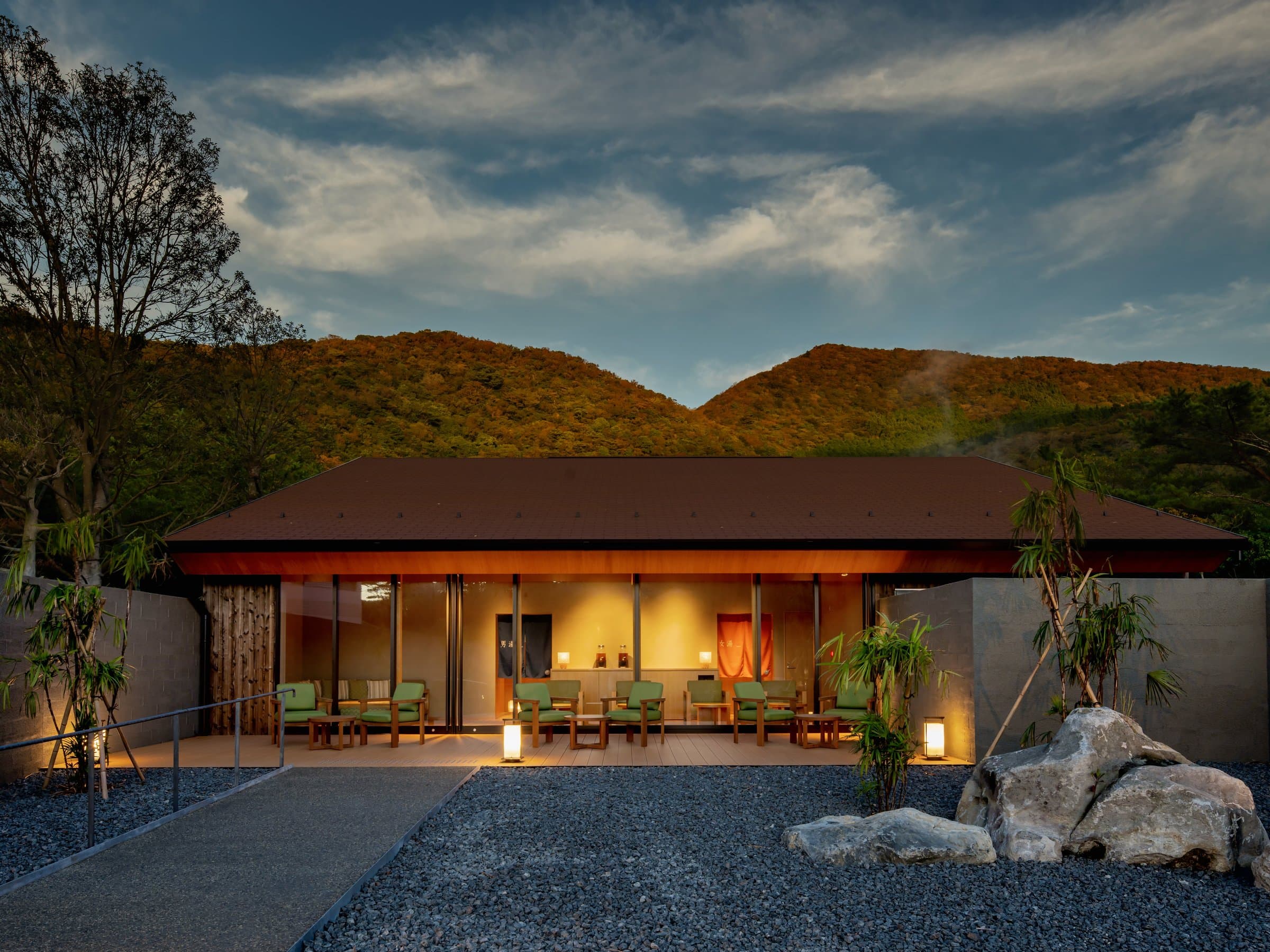 | à partir de ≈237 € | 9.6 359 avis | Anglais OKOnsen privé | Réserver sur Agoda |
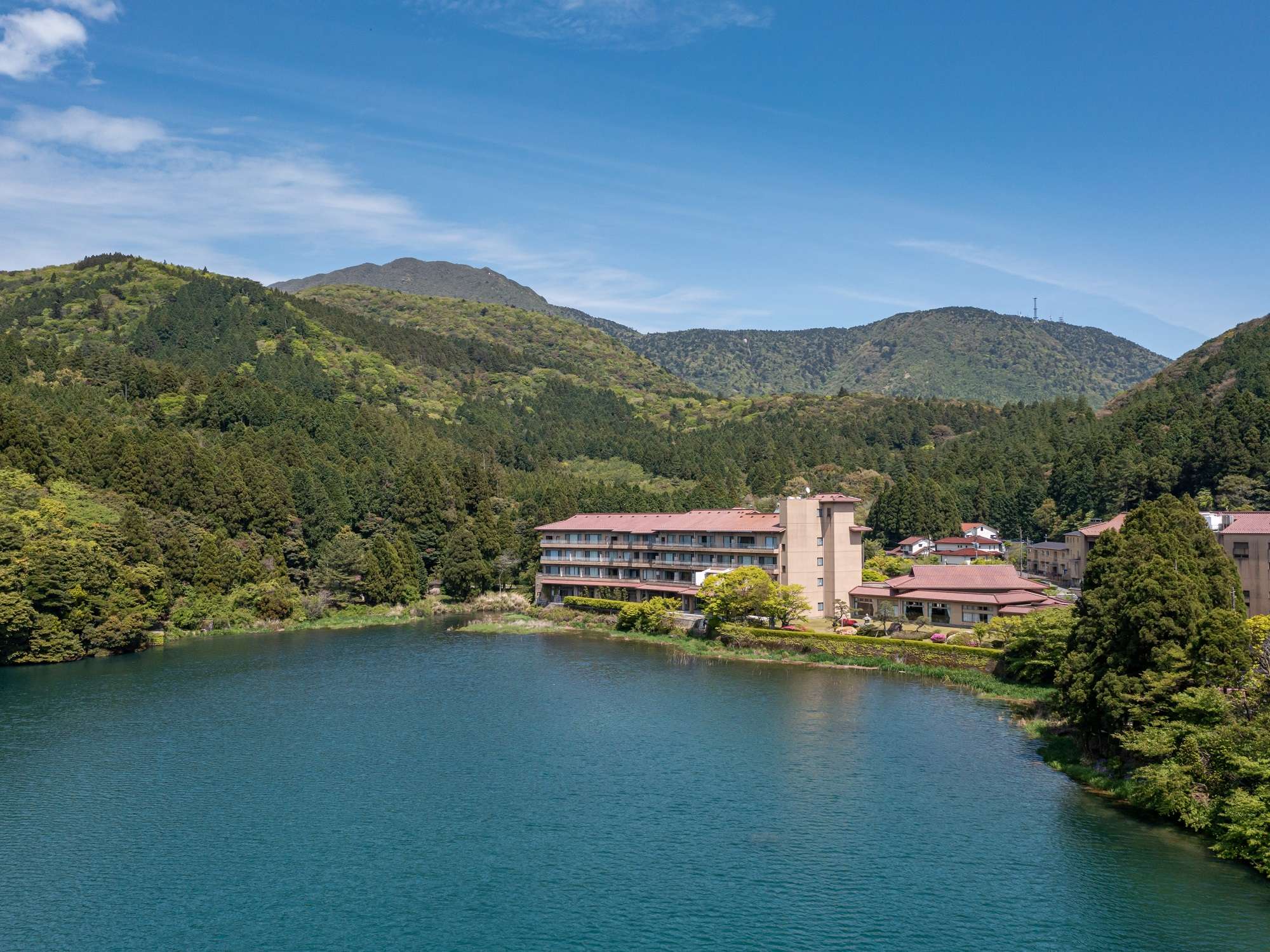 Azumaen Unzen | à partir de ≈120 € | 9.2 543 avis | Onsen privé | Réserver sur Booking.com |
Yusen no Yado Unzen Unzen | à partir de ≈88 € | 9.0 1 772 avis | Anglais OKOnsen | Réserver sur Booking.com |
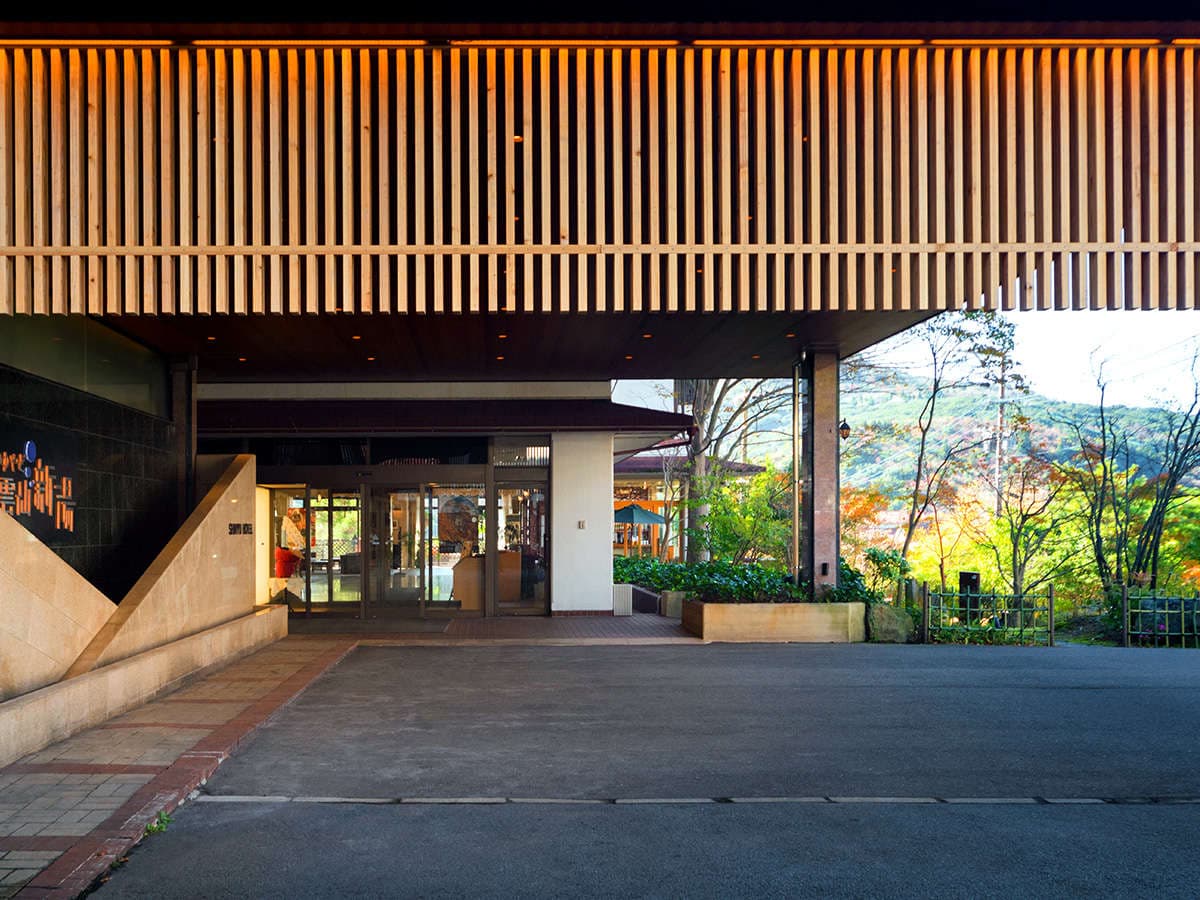 Unzen Shinyu Unzen | à partir de ≈132 € | 8.9 18 avis | Anglais OKOnsen privé | Réserver sur Booking.com |
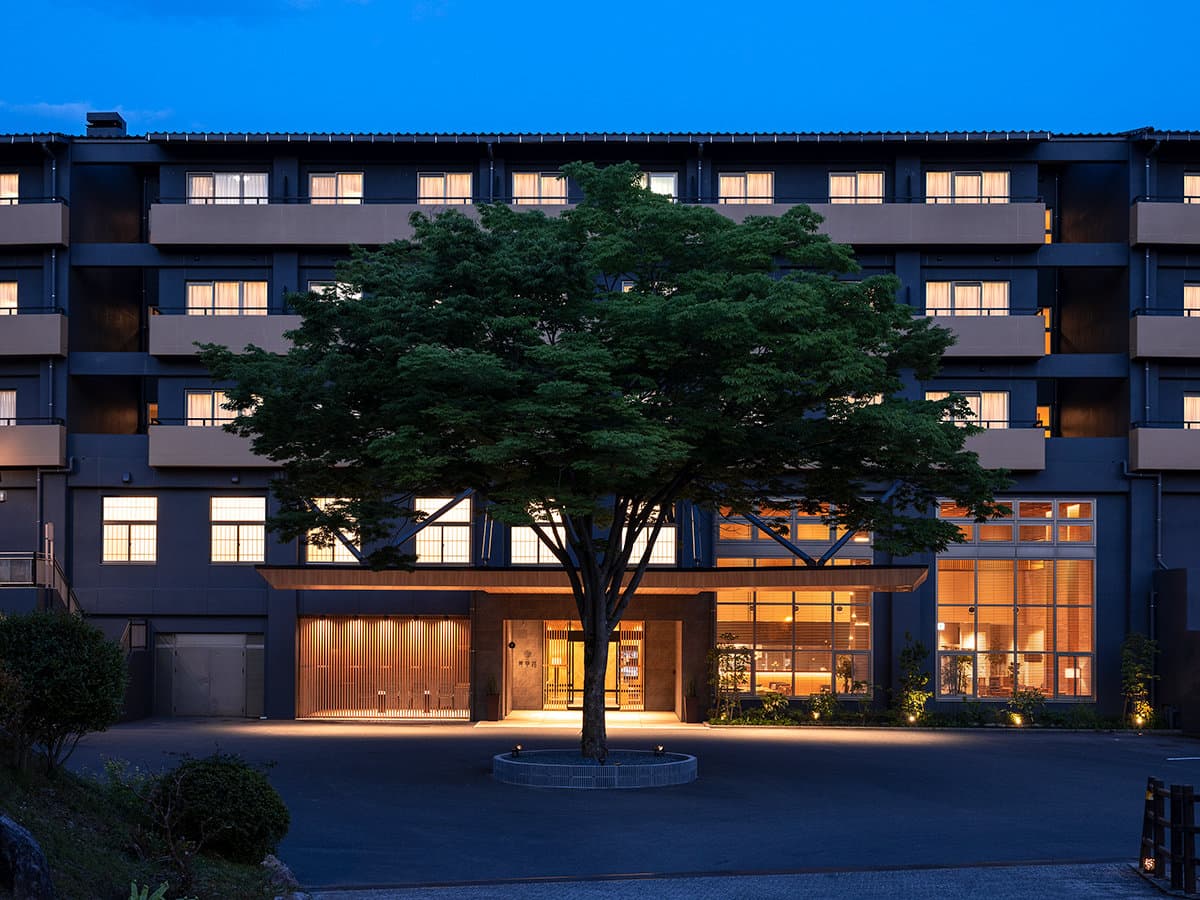 Seiunso Unzen | à partir de ≈107 € | 8.6 611 avis | Anglais OKOnsen privé | Réserver sur Booking.com |
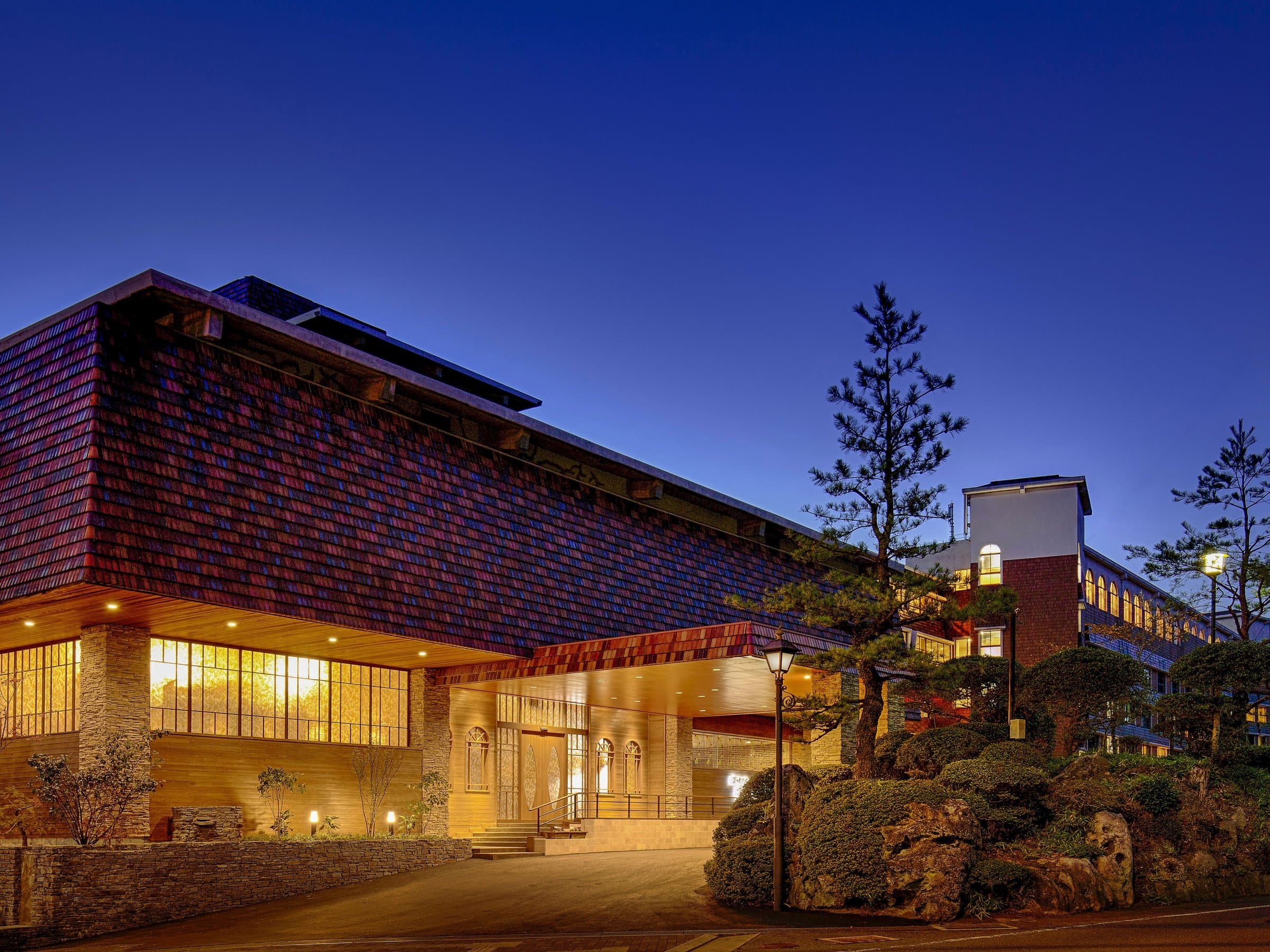 | à partir de ≈70 € | 8.4 103 avis | Onsen | Réserver sur Booking.com |
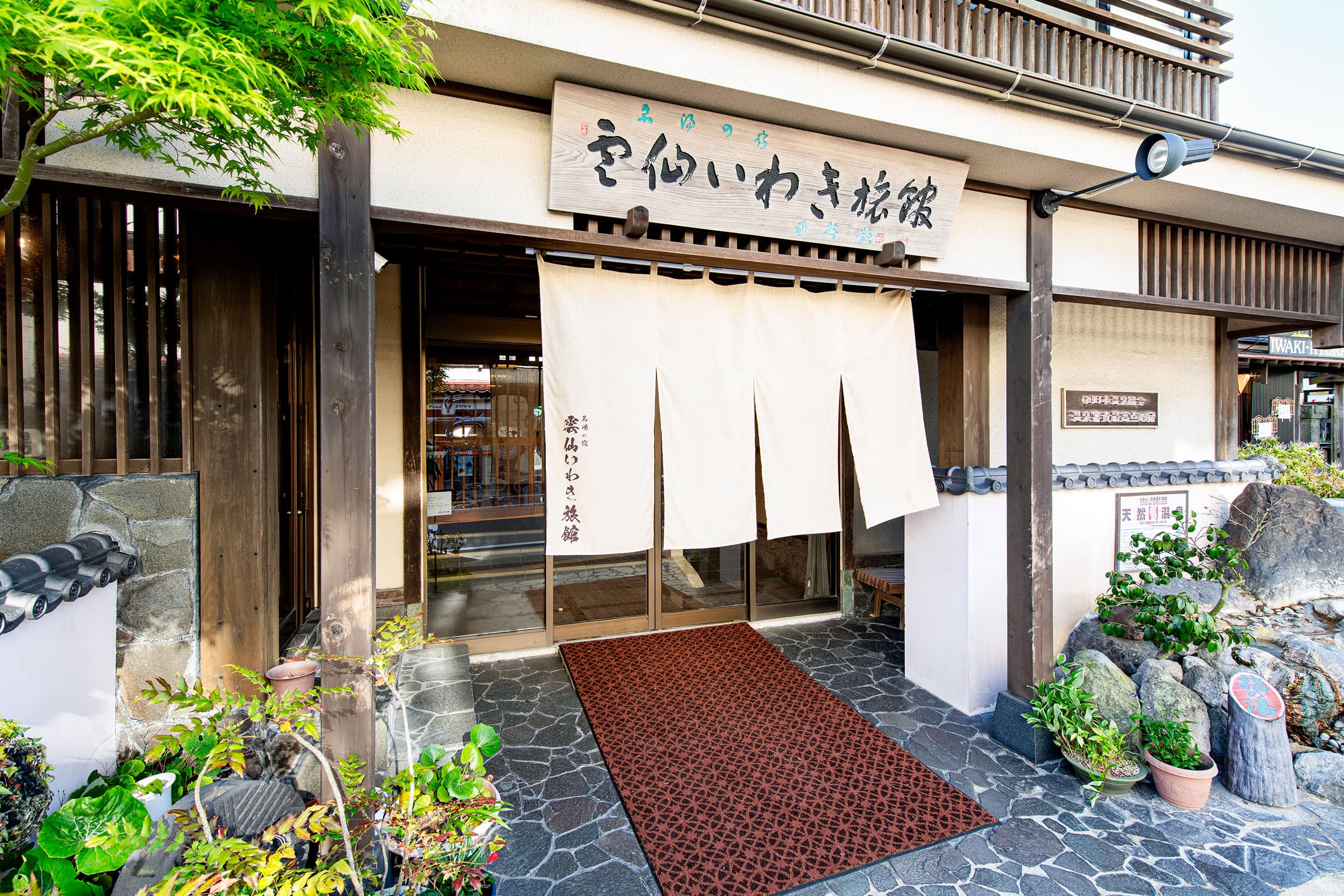 Unzen Iwaki Ryokan Unzen | à partir de ≈99 € | 8.1 41 avis | Anglais OKOnsen privé | Réserver sur Booking.com |
Azumaen
Unzen
Yusen no Yado Unzen
Unzen
Unzen Shinyu
Unzen
Seiunso
Unzen
Unzen Iwaki Ryokan
Unzen
Les prix indiqués sont des tarifs de départ approximatifs par personne et par nuit. Nous pouvons percevoir une commission sur les réservations.
Prêt à réserver ?
Réservez l'un de ces ryokans favoris
Comparez les disponibilités et les tarifs sur les trois plateformes.
Les liens de réservation peuvent générer une commission sans coût supplémentaire.
FAQ
Questions fréquentes
Comment se rendre à Unzen Onsen depuis Nagasaki ?+
Prenez un bus express direct depuis le Nagasaki Ekimae Bus Terminal, qui rejoint Unzen Onsen en 1 h 40 environ. Vous pouvez aussi passer par la gare d'Isahaya sur la ligne JR/Shinkansen, à environ 90 minutes de là. Unzen se trouve à 700 mètres d'altitude sur la péninsule de Shimabara, dans la préfecture de Nagasaki.
Comment est l'eau thermale d'Unzen Onsen ?+
L'eau d'Unzen est un rare mélange sulfaté-chloruré, d'un blanc laiteux, très acide (pH 2-3 environ) et parmi les plus concentrées en soufre du Japon. Elle est appréciée pour la peau et les articulations raides, mais assez corrosive pour noircir les bijoux en argent presque instantanément. Retirez bagues, colliers et boucles d'oreilles en argent avant d'entrer dans un bain.
Quel ryokan d'Unzen offre la meilleure vue sur le Jigoku ?+
Le Kyushu Hotel est le fleuron moderne d'Unzen, à environ 3 minutes à pied de l'entrée principale du Jigoku, avec un rotenburo privé dans chaque chambre et de nombreuses chambres donnant directement sur les fumerolles. Le Yusen-no-Yado (« l'auberge des fontaines de vapeur ») est lui aussi construit à flanc de colline au-dessus de l'Unzen Jigoku, avec une vue aux premières loges sur le spectacle géothermique.
Qu'est-ce que l'Unzen Kanko Hotel ?+
L'Unzen Kanko Hotel est un monument historique fondé en 1935 pour accueillir les visiteurs internationaux et inscrit comme Bien culturel matériel national en 2003. Il est construit dans un style de pavillon alpin anglo-japonais inspiré des chalets suisses, avec un restaurant français et une bibliothèque lambrissée intacts, pour 50 000–100 000 ¥ par personne. C'est le seul hôtel historique d'avant-guerre du premier parc national du Japon.
Que sont les enfers d'Unzen (Jigoku) ?+
L'Unzen Jigoku est un paysage de fumerolles jaunies par le soufre et de bassins acides bouillonnants, entouré d'un parcours de promenade sur caillebotis en bois et accessible en 5–10 minutes depuis la plupart des ryokans. Au-delà de la géologie, il porte une histoire sombre : dans les années 1620, les bassins bouillants servaient à torturer les chrétiens, et un monument près de l'entrée commémore 33 martyrs. Les habitants utilisent aussi les fumerolles pour le jigoku-mushi, la cuisson à la vapeur de légumes, de fruits de mer et de poulet au-dessus du soufre.
Quelle est la meilleure période pour visiter Unzen Onsen ?+
De novembre à mars, c'est la haute saison : la vapeur soufrée du Jigoku ressort de façon la plus spectaculaire dans l'air frais, à 700 m d'altitude. L'automne (octobre–novembre) est la saison la plus souvent citée, lorsque les couleurs des érables contrastent avec la vapeur soufrée blanche pour offrir le paysage le plus photographié de la ville. Unzen se prête mieux à une étape d'une nuit qu'à une destination de deux nuits.


