約27分で読めます最終更新:2026年6月
クイック比較
5選| 旅館 | 料金 | 評価 | 特徴 | 予約 |
|---|---|---|---|---|
![]() Unzen Kyushu Hotel Unzen | $250〜 | 9.7 口コミ71件 | 英語OK温泉 | Trip.comで予約 |
![]() Unzen Kanko Hotel Unzen | $120〜 | 8.9 口コミ6件 | 英語OK貸切温泉 | Trip.comで予約 |
| $100〜 | 9.5 口コミ43件 | 温泉 | Trip.comで予約 | |
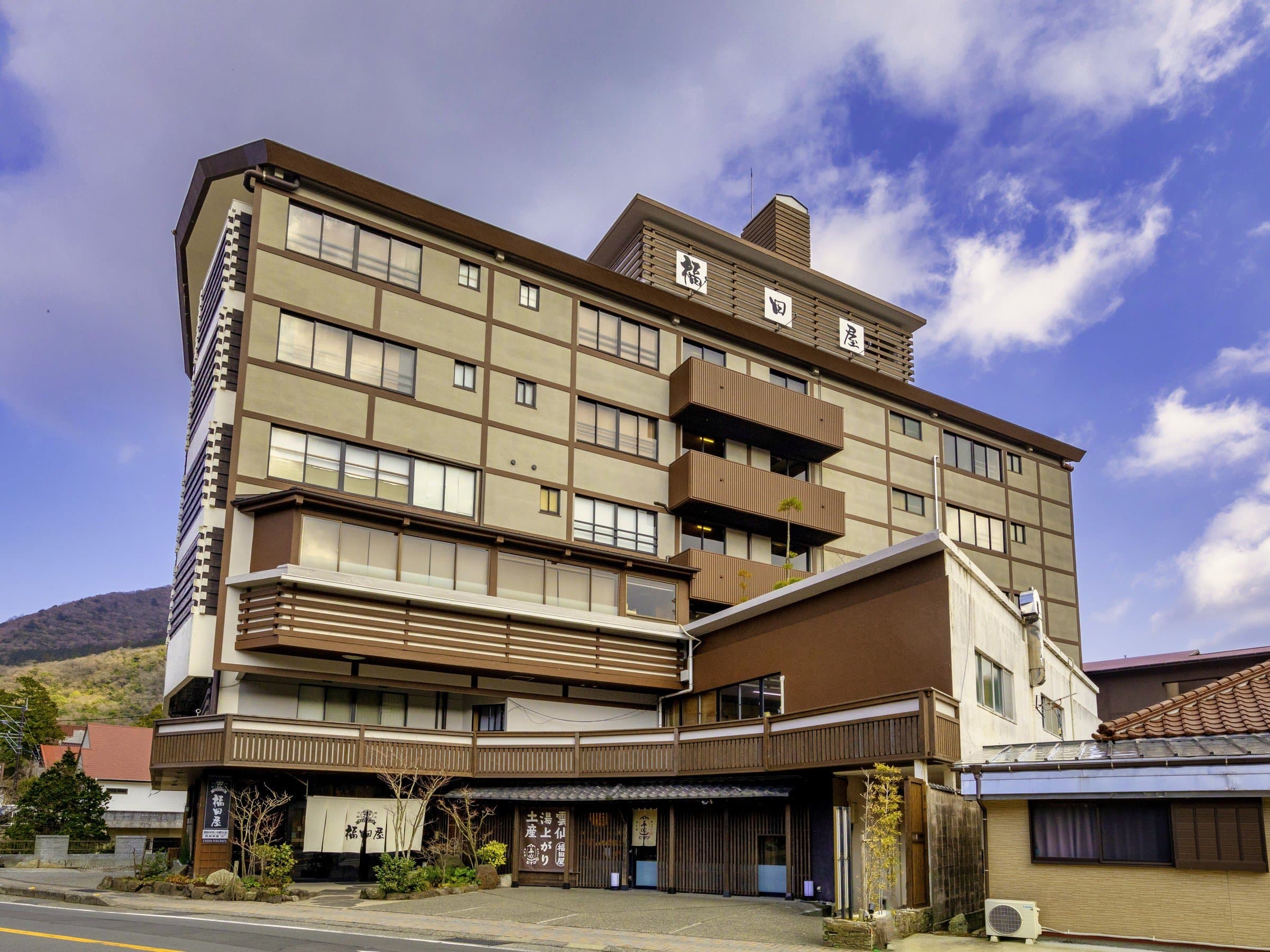
![]() Fukudaya Unzen | $200〜 | 9.1 口コミ22件 | 英語OK貸切温泉 | Trip.comで予約 |
![]() Yusen no Yado Unzen Unzen | $100〜 | — | 英語OK温泉 | Trip.comで予約 |

Unzen Kyushu Hotel
Unzen

Unzen Kanko Hotel
Unzen

Fukudaya
Unzen

Yusen no Yado Unzen
Unzen
表示価格は1名1泊あたりの目安です。当サイト経由のご予約で手数料を受け取る場合があります。
Perched at 700 meters on the Shimabara Peninsula [verified GOOD LUCK TRIP 2026-06-05], a two-hour bus ride from Nagasaki, Unzen Onsen offers one of Kyushu’s most dramatic hot spring experiences. The town is built around the Unzen Jigoku (Unzen Hells), a landscape of hissing steam vents and bubbling, sulphur-rich pools that was designated as Japan's first national park on March 16, 1934 [verified Ministry of the Environment 2026-06-05]. This is not a subtle onsen town; the air is thick with the smell of sulphur, and the milky, acidic waters are so potent they can tarnish silver on contact. It’s this very intensity that makes a stay here so memorable. The ryokans in Unzen are not just places to sleep — they are gateways to understanding the town's unique geology, poignant history, and therapeutic culture. From historic lodges to contemporary retreats, each inn offers a distinct perspective on this powerful volcanic landscape.

Why Unzen Onsen for Your Ryokan Stay
Staying in Unzen is an immersion in both natural power and profound history. The town's hot spring water is a rare sulphate-chloride blend, highly acidic and prized for its therapeutic properties. This geothermal activity is the town's lifeblood, heating the baths of every ryokan. But the landscape holds a darker past. The first recorded martyrdom at the Unzen Hells took place on February 28, 1627 [verified Kirishtan.com 2026-06-05], when Tokugawa-era authorities pioneered the use of boiling spring water as a torture method. A monument near the entrance to the Unzen Jigoku (Unzen Hells) commemorates the 33 Christians martyred between 1627 and 1631 [verified Unzen Tourist Association 2026-06-05], adding a layer of historical gravity to the scenic walking trails.
Choosing a ryokan in Unzen means selecting your window onto this world. Do you want a direct view of the steaming 'hells' from your room? Or perhaps a room in a heritage building that hosted foreign dignitaries in the 1930s? The town's compact nature means the Jigoku trails are always a short walk away, allowing you to explore the otherworldly terrain by day and retreat to the comfort of your inn for an evening of kaiseki dining and restorative bathing.
1. Kyushu Hotel
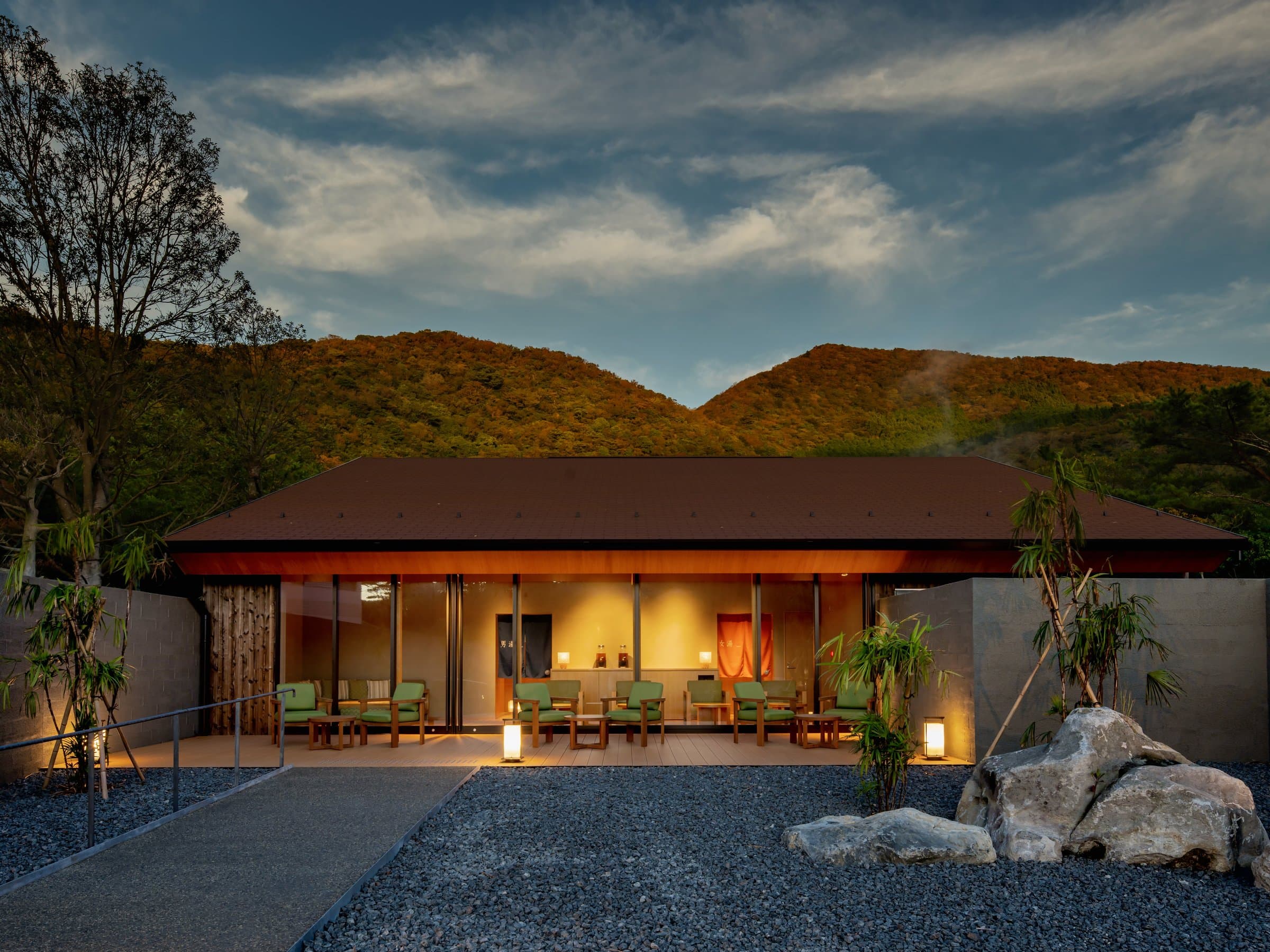
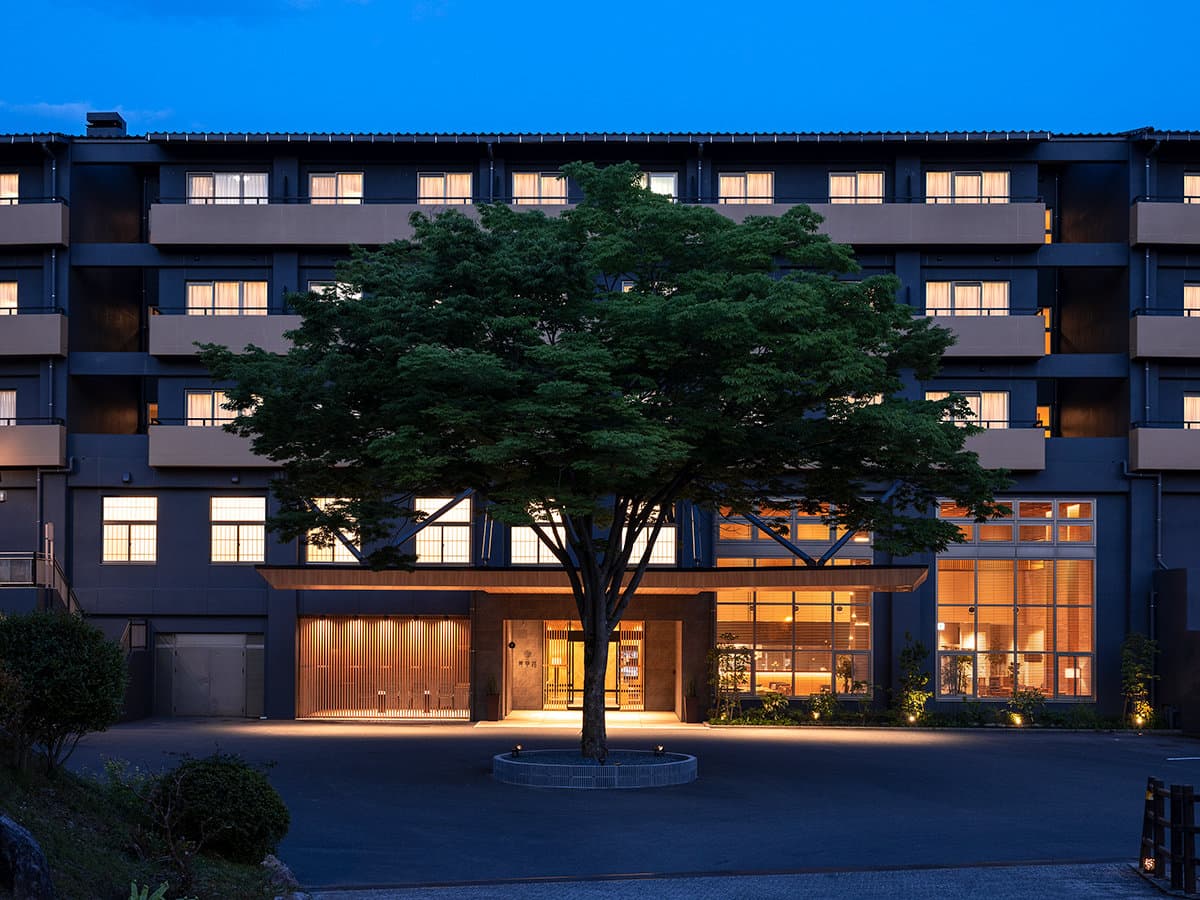
For the traveler seeking contemporary luxury without sacrificing an authentic connection to the landscape, Kyushu Hotel is the definitive choice. Reimagined as Unzen's modern flagship, this ryokan offers a seamless blend of Japanese aesthetics and Western comfort. Its signature feature is uncompromising: every single guest room is equipped with a private open-air bath (rotenburo), many offering direct, cinematic views of the Unzen Jigoku (Unzen Hells). The design is sophisticated and calming, utilizing natural wood and stone to create a sanctuary that feels both modern and deeply rooted in its environment. The dining experience is a highlight, featuring creative Japanese-Western fusion cuisine that showcases local Shimabara Peninsula ingredients. While it sits at the higher end of the price spectrum, the combination of privacy, design, and prime location—just a 3-minute walk to the Jigoku entrance—makes it a worthwhile indulgence. If you want the premier modern ryokan experience in Unzen, this is it.
Price tier: Luxury (¥50,000–¥100,000/person)
2. Unzen Kanko Hotel
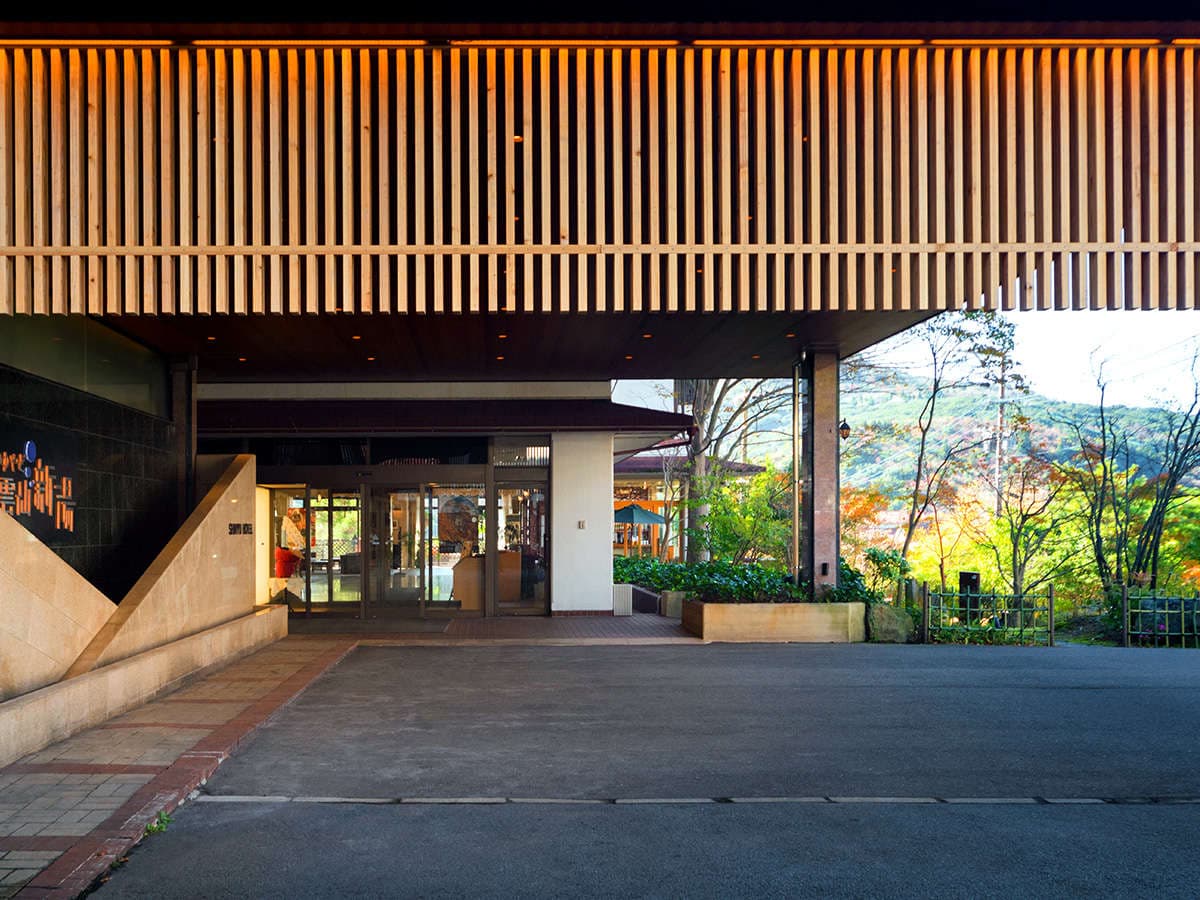
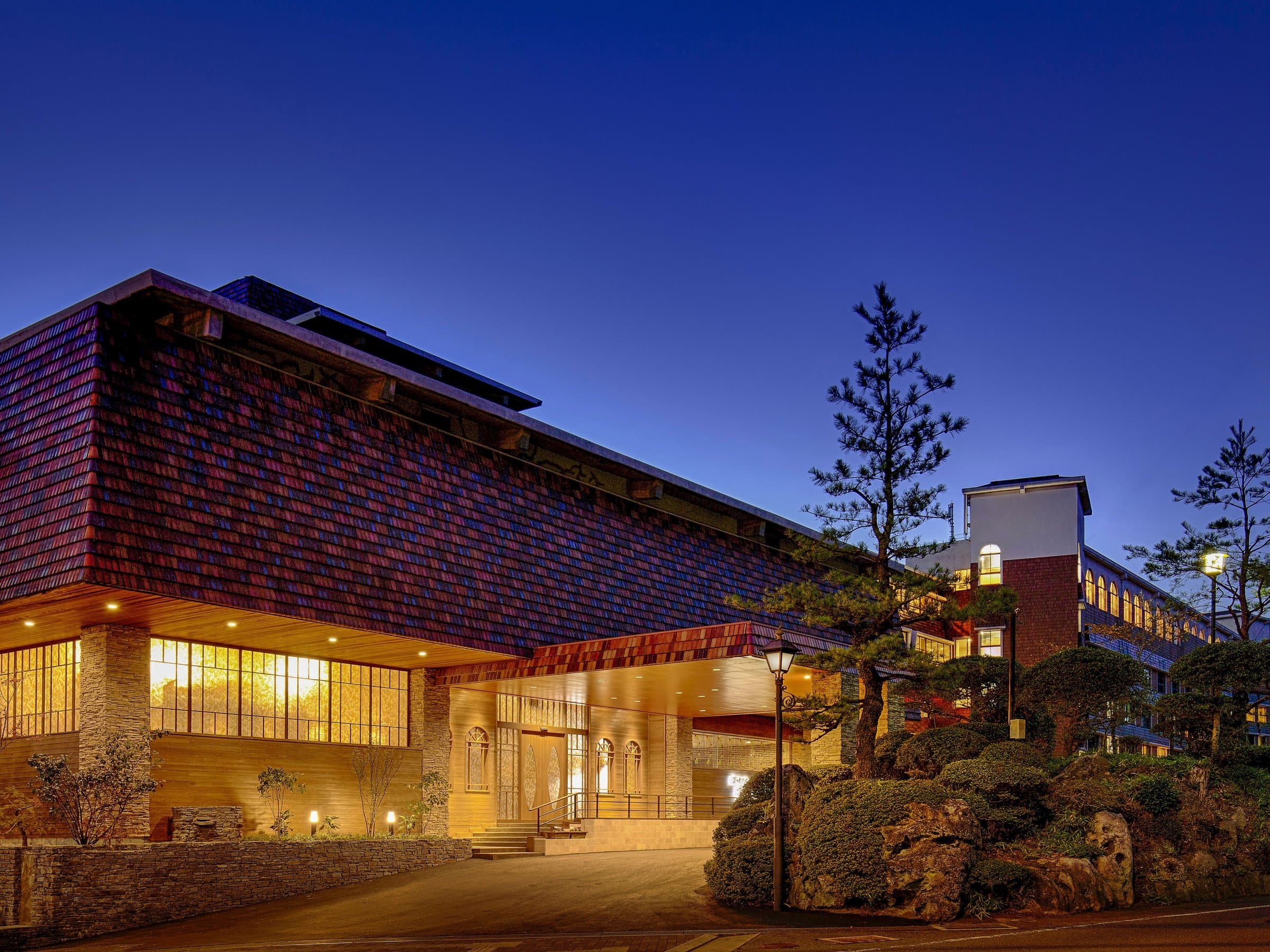
A living piece of history, the Unzen Kanko Hotel is an architectural landmark and a destination in itself. Founded in 1935 to cater to international visitors and registered as a National Tangible Cultural Property in 2003 [verified GOOD LUCK TRIP 2026-06-05], the hotel exudes a unique Showa-era charm, with its Swiss chalet-inspired, Anglo-Japanese alpine lodge design. Walking through its wood-paneled halls, complete with a vintage bar and library with a fireplace, feels like stepping back in time. The rooms retain their classic character, updated with modern comforts. While not every room has a private bath, the communal onsen are superb, drawing on the town's potent sulphur springs. The hotel's restaurant serves acclaimed French cuisine, a nod to its cosmopolitan origins. For history buffs and architecture lovers, there is no other choice. It offers a completely different, yet equally compelling, experience to the modern ryokans, located a pleasant 10-minute walk from the main Jigoku area. This is the place to stay to feel Unzen's history.
Price tier: Luxury (¥50,000–¥100,000/person)

3. Miyazaki Ryokan
With roots stretching back to 1900, Miyazaki Ryokan represents the grand, traditional ryokan experience. This is a place of refined Japanese hospitality, known for its spacious tatami rooms and, most notably, its exceptional kaiseki-ryori (multi-course dining). The chefs here take great pride in crafting elaborate meals that are a feast for the eyes and the palate, using seasonal delicacies from the mountains and nearby sea. The ryokan has some of the largest and most varied public baths in Unzen, including a sprawling rotenburo that allows you to soak while gazing at the surrounding nature. Its prime location, directly adjacent to the Unzen Jigoku (Unzen Hells), means many rooms have excellent views of the steam. If your vision of a ryokan stay prioritizes culinary excellence and a classic, time-honored atmosphere, Miyazaki Ryokan is an outstanding choice. It offers a perfect balance of heritage, comfort, and location.
Price tier: Mid-range to Luxury (¥35,000–¥60,000/person)
4. Fukudaya
Fukudaya hits the sweet spot between traditional charm, modern comfort, and accessible pricing. This stylish mid-range inn has a warm, welcoming atmosphere, with a beautiful blend of Japanese folk art (mingei) and contemporary design. It offers a variety of room types, including some with private open-air baths, making it a versatile option for couples and families. The inn is particularly proud of its baths, which include private reservable onsen (kashikiri) and a unique 'onbara-yu' bath where guests lie on heated stone slabs. Its location is slightly removed from the main Jigoku bustle, about a 12-minute walk, which lends it a more peaceful, secluded feel. Fukudaya provides a high-quality, authentic ryokan experience without the premium price tag of the top luxury properties, making it one of the best all-around values in Unzen.
Price tier: Mid-range (¥25,000–¥50,000/person)
5. Yusen-no-Yado
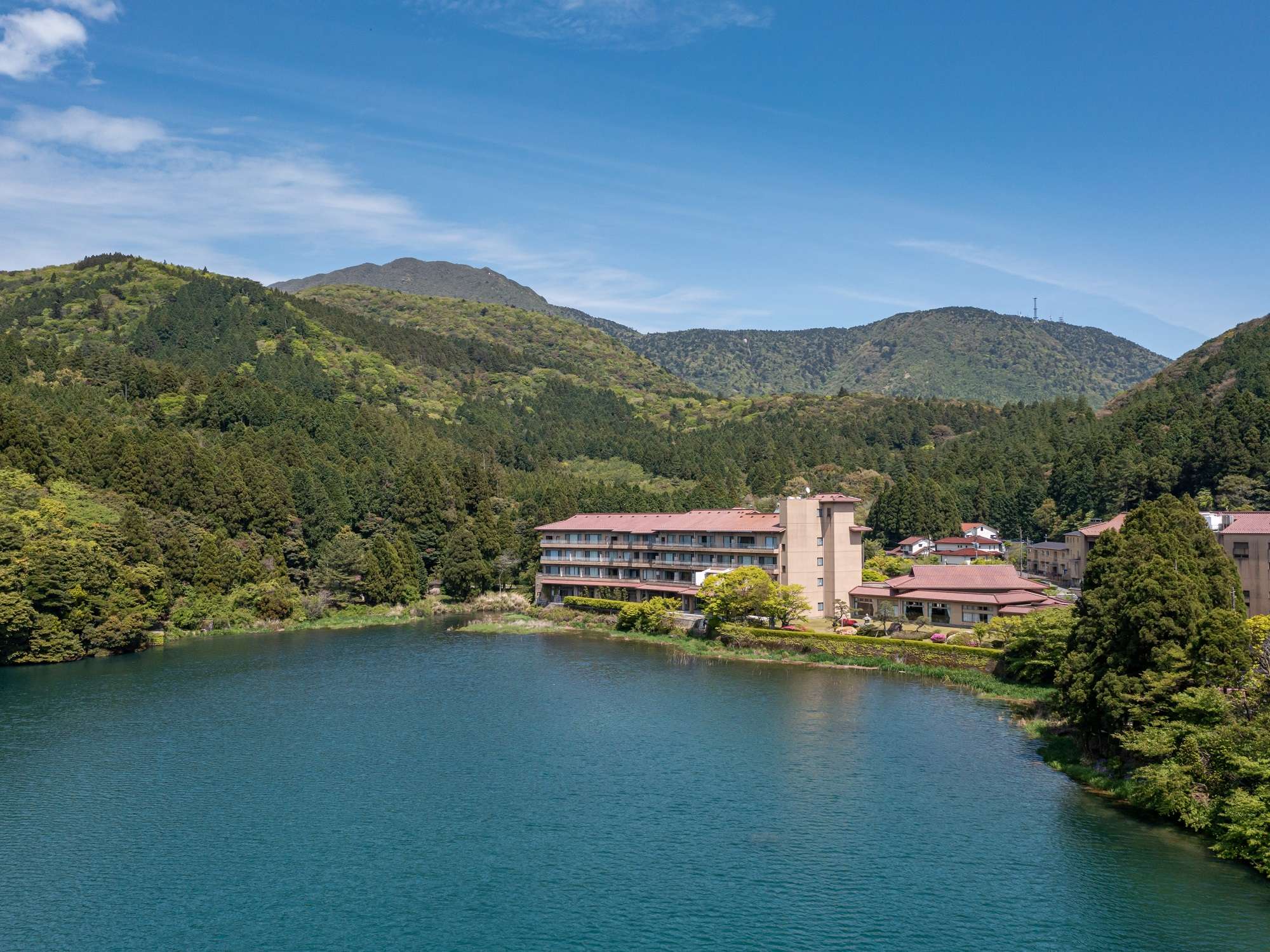
As its name—which translates to 'Inn of the Steam Fountains'—suggests, Yusen-no-Yado is all about the views. This modern ryokan is built on a hillside directly overlooking the Unzen Jigoku, offering unparalleled, front-row seats to the geothermal spectacle. Many of its rooms, and especially its public baths, are designed to maximize these dramatic vistas. Waking up and seeing the steam rising from the valley below is the core experience here. The ryokan's interior is clean and contemporary, with comfortable Japanese and Western-style rooms. While the dining and service are solid, the primary reason to choose Yusen-no-Yado is for its direct visual connection to the Jigoku. For travelers who want to be constantly reminded of Unzen's powerful nature, this inn is an excellent and well-positioned choice, located just a 5-minute walk from the main trails.
Price tier: Mid-range (¥30,000–¥50,000/person)
Practical Info
Access: Unzen Onsen is most easily reached via a direct express bus from the Nagasaki Ekimae Bus Terminal, which takes approximately 1 hour 40 minutes [verified JNTO 2026-06-05]. Alternatively, buses run from Isahaya Station (a stop on the JR line and Nishikyushu Shinkansen route), taking about 80–90 minutes.
Best Season: Autumn (October-November) is spectacular, with vibrant fall colors contrasting against the white steam. Winter is also excellent for enjoying the hot springs in the cold air. Spring offers pleasant weather, while summer can be hot and humid, though Unzen's higher elevation provides some relief.
Budget: Expect to pay ¥15,000–¥25,000 per person for budget ryokans, ¥25,000–¥50,000 for mid-range, and ¥50,000+ for luxury options, especially those with private onsen and extensive kaiseki meals.
Tip
The sulphur-rich water in Unzen is highly acidic and will turn silver jewellery black almost instantly. Heed the warning signs in every bathroom and remove all silver rings, necklaces, and earrings before entering the onsen.
When to Visit Unzen
Unzen sits on Nagasaki's volcanic Shimabara Peninsula at 700m altitude, so the seasonal math is unusual for Kyushu. November to March is the peak — the sulfur steam rising from the Unzen Hells (Jigoku) walking course shows up dramatically against cool air. Snow happens 4-8 days per winter, briefly enough that locals call it a special week. April-May azaleas (miyama-kirishima) are a regional draw — the volcanic slopes turn pink-purple for 10 days late April. Avoid August — Kyushu humidity at 700m is still oppressive and the Jigoku walk is unpleasant in the heat. Book 6 weeks ahead for the azalea window; rest of year 2-3 weeks is fine.
What Unzen Does Best (And What It Does Not)
Unzen does sulfur hot-spring chemistry at one of the highest concentrations in Japan — the milky-white acidic water is genuinely strong (pH 2-3), beneficial for skin and stiff joints, but harsh on silver jewelry (remove before bathing or it tarnishes). The Jigoku ground walk past the steam vents is a 30-minute self-guided loop and free. What Unzen does not do is variety — most of the 20-odd ryokans are mid-tier and there is no luxury cohort comparable to Hakone or Kyoto. Pair Unzen with Nagasaki city (90 minutes by bus) for the WWII memorial and the Dutch-trade history; that combination is the actual Kyushu west-coast itinerary.
Tip
Bring an old t-shirt or yukata for the first soak — the high-sulfur water will permanently scent any fabric for several washes, and the ryokan-supplied yukata absorbs it within one bath. Most regular visitors keep a dedicated 'Unzen yukata' for these trips.
Local Cuisine and the Unzen Hot-Spring Steam Tradition
Unzen's signature culinary technique is jigoku-mushi (hot-spring steam cooking) — vegetables, seafood, and chicken steamed directly over the sulfur vents of Unzen Jigoku. The technique uses the natural mineral steam rising from the volcanic ground to cook ingredients without water immersion, which preserves the cellular structure of the vegetables and delivers a sulfur-mineral note that no kitchen-based steamer can replicate. Most ryokans on this list arrange a half-day jigoku-mushi cooking session with the local Unzen Onsen Tourism Association — your kaiseki dinner the same evening will feature jigoku-mushi-cooked Nagasaki saikai chicken alongside the standard kaiseki sequence. Two regional ingredients to look for: *shimabara somen* (handmade wheat noodles from Shimabara, a peninsula 40 minutes downhill from Unzen) and *Unzen ham*, a cold-cured pork prepared by a single century-old family operation in Obama (the original Obama, Japanese town, not the American one). Both appear on kaiseki menus seasonally — somen is summer-only (June–September), ham is year-round but featured most heavily in winter sets.
Drink to plan around: Nagasaki Prefecture's *Kazumasa* and *Yokoyama-gold* sake brands are produced 90 minutes from Unzen and do not export. Both pair specifically with the sulfur-mineral notes of jigoku-mushi cooking — ask the okami to pair one with the chicken course rather than defaulting to the more famous Kyoto or Niigata sakes that the menu may suggest.
Tip
Unzen Onsen also serves a *seasonal champon hot-pot* (a regional adaptation of Nagasaki's famous champon noodles into a kaiseki-style hot pot) at three of the five ryokans on this list. It is the only place in Japan where champon appears in a kaiseki sequence rather than as a single-bowl street dish — worth requesting at booking.
A Typical Day at an Unzen Ryokan
3:00 pm — Arrival and Unzen Jigoku walk. Most ryokans are within 5–10 minutes' walk of the Unzen Jigoku (hell) volcanic vents — a network of fumaroles and boiling-mud pools surrounded by a wooden boardwalk. Your check-in welcome amenity at three of the five ryokans on this list is a free ticket to the Jigoku walk and a small bag of jigoku-mushi eggs cooked in the steam fissures. The walk takes 30–45 minutes at a relaxed pace.
4:30 pm — Cherry-blossom or autumn-leaf detour. Unzen sits at 700 m elevation in a national park; the surrounding cedar forest delivers spectacular autumn foliage in mid-to-late October (a full month earlier than Kyoto) and cherry blossoms in early-to-mid April (two weeks later than Tokyo because of the elevation). Your ryokan will have a 1-page printed map of the closest 15-minute scenic walk loops.
5:30 pm — Sulfur onsen. Unzen's hot springs are unusually high in sulfur and unusually acidic (pH 2.0–2.5), which means the water smells distinctly of egg, leaves your skin slightly tingling, and is genuinely curative for skin conditions — Japanese dermatologists have prescribed Unzen onsen since the Edo period. Plan a 20-minute soak rather than the standard 10; the longer dwell time is what activates the sulfur's bioavailability.
6:30 pm — Kaiseki dinner. Unzen kaiseki runs 9–12 courses with jigoku-mushi seafood featuring in 2–3 of them. Plan 100–120 minutes. The dinner room temperature is often slightly cooler than the onsen building because the hot-spring steam is concentrated in the bath wing — bring a light cardigan if you eat in a dining room rather than in-room.
9:00 pm — Night onsen and stargazing. Unzen's altitude plus the absence of city light pollution makes it one of the better stargazing onsen in western Kyushu. The outdoor rotenburo at Kyushu Hotel and Yusen-no-Yado are both due south-facing — winter Orion rises over the Jigoku steam at around 9:30 pm in December–February.
Next morning, 7:00 am — Breakfast. The signature breakfast item is *Unzen tamago* — onsen-water-boiled eggs with shells stained gray-brown by the sulfur. The texture is firmer than a soft-boiled egg and the flavor carries a faint mineral note. Pair with the rice porridge (okayu) served in many of the local ryokans rather than the standard steamed rice.
My Honest Take After Staying Here
I have stayed at Unzen once in late November, during what locals called a 'cool spell' at 6°C overnight, and it was the right call — the sulfur steam against cold air was the strongest sensory hit of the Kyushu trip. My honest take: Unzen is a 1-night stop, not a 2-night destination, and best as the middle of a Nagasaki → Unzen → Kumamoto loop. The Jigoku walk takes one afternoon, the kaiseki here leans local-seasonal (champon noodles for breakfast at some properties — Nagasaki specialty), and the rotenburo cohort is mid-tier but the water chemistry compensates. Go for the soak and the Jigoku, not the room.
If historic grandeur of the Unzen Kanko Hotel is your goal, this list points there; if modern luxury of Kyushu Hotel is what you came for, the same picks apply, this unique onsen town offers a ryokan to match. Immersed in the powerful landscape of Japan's first national park, a stay in Unzen is a deep dive into the region's onsen culture. Browse our short list and book your authentic Unzen experience today.
ご予約はこちら
人気の旅館から選んで予約
3つの予約サイトの空室・価格を見比べてください。
予約リンク経由で手数料が発生する場合がありますが、追加費用はかかりません。
長崎からバスで2時間、島原半島の標高700メートルに位置する [verified GOOD LUCK TRIP 2026-06-05] 雲仙温泉は、九州で最もドラマチックな温泉体験ができる場所の一つです。この町は、もうもうと湯けむりが立ち上り、硫黄を豊富に含んだ温泉が湧き出す「雲仙地獄」を中心に形成されており、1934年3月16日には日本初の国立公園に指定されました [verified Ministry of the Environment 2026-06-05]。ここは、ありふれた温泉街ではありません。空気は硫黄の香りで満たされ、白濁した酸性の湯は、銀製品に触れると変色させてしまうほど強力です。しかし、この強烈さこそが、ここでの滞在を忘れられないものにするのです。雲仙の旅館は単なる宿泊施設ではなく、この町のユニークな地質、心に響く歴史、そして湯治文化を理解するための入り口です。歴史的な宿から現代的なリトリートまで、それぞれの旅館がこの力強い火山の風景に対する独自の視点を提供してくれます。

旅館での滞在に雲仙温泉が選ばれる理由
雲仙での滞在は、大自然の力と奥深い歴史の両方に浸る体験です。この町の温泉は、希少な含硫化水素・酸性硫化塩泉で、強い酸性を持ち、その効能が高く評価されています。この地熱活動が町の生命線であり、すべての旅館の風呂を温めています。しかし、この風景には暗い過去も秘められています。1620年代、徳川幕府によるキリシタン弾圧の時代には、この熱湯が拷問に使われました。雲仙地獄での最初の殉教は1627年2月28日に記録されています [verified Kirishtan.com 2026-06-05]。「雲仙地獄」の入り口近くにある記念碑は、1627年から1631年の間にここで命を落とした33人の殉教者を追悼するもので [verified Unzen Tourist Association 2026-06-05]、風光明媚な散策路に歴史的な重みを加えています。
雲仙で旅館を選ぶということは、この世界をどの窓から眺めるかを選ぶことに他なりません。客室からもうもうと湯気が立ち上る「地獄」を直接眺めたいですか?それとも、1930年代に海外からの要人を迎えた歴史的建造物の一室に泊まりたいですか?町はコンパクトにまとまっているため、地獄の散策路へは常に歩いてすぐ。昼間は別世界のような地形を探索し、夜は宿の快適な空間に戻って懐石料理と癒しの湯に浸る、そんな贅沢な時間を過ごすことができます。
1. 九州ホテル
土地との本物のつながりを失うことなく、現代的なラグジュアリーを求める旅行者にとって、九州ホテルは決定的な選択肢です。雲仙の新たな旗艦として生まれ変わったこの旅館は、日本の美学と西洋の快適さを見事に融合させています。その最大の特徴は、全客室にプライベートな露天風呂が完備されていること。その多くから、「雲仙地獄」を望む映画のワンシーンのような眺めが広がります。デザインは洗練され落ち着きがあり、天然の木や石を使い、モダンでありながら深くその土地に根差した聖域のような空間を創り出しています。食事も素晴らしく、地元の島原半島の食材を活かした和洋折衷の創作料理が楽しめます。価格帯は高めですが、プライバシー、デザイン、そして地獄の入り口まで徒歩3分という絶好のロケーションを考えれば、贅沢する価値のある体験と言えるでしょう。雲仙で最高のモダンな旅館体験を求めるなら、ここしかありません。
価格帯:ラグジュアリー(¥50,000〜¥100,000/お一人様)
2. 雲仙観光ホテル
生きた歴史そのものである雲仙観光ホテルは、建築のランドマークであり、それ自体が目的地となる存在です。1935年に外国人観光客を迎えるために創業され、2003年に国の登録有形文化財として登録されたこの宿は [verified GOOD LUCK TRIP 2026-06-05]、スイスのシャレーを思わせる和洋折衷の山小屋風デザインで、独特の昭和時代の魅力を放っています。暖炉のある図書室やヴィンテージなバーを備えた木のパネル張りの館内を歩けば、まるでタイムスリップしたかのような気分になります。客室はクラシックな趣を保ちつつ、現代的な快適さも備えています。全室にプライベートバスがあるわけではありませんが、町の強力な硫黄泉を引いた共同の温泉は格別です。レストランでは、その国際的な起源を物語る、高い評価を受けるフランス料理が提供されます。歴史ファンや建築愛好家にとっては、これ以上の選択肢はありません。主要な地獄エリアから徒歩10分という心地よい距離にあり、モダンな旅館とは全く異なる、しかし同様に魅力的な体験を提供してくれます。雲仙の歴史を感じるために泊まるべき場所です。
価格帯:ラグジュアリー(¥50,000〜¥100,000/お一人様)

3. 宮崎旅館
1900年にまで遡る歴史を持つ宮崎旅館は、壮大で伝統的な旅館体験を象徴する宿です。洗練された日本のおもてなし、広々とした畳の客室、そして何よりも卓越した懐石料理で知られています。ここの料理人たちは、山海の旬の幸を使い、目と舌で味わうご馳走として、手の込んだ料理を創り出すことに大きな誇りを持っています。この旅館は雲仙で最大級かつ多様な大浴場を誇り、広大な露天風呂では周囲の自然を眺めながら湯浴みを楽しめます。「雲仙地獄」に隣接する絶好のロケーションのため、多くの客室から湯けむりの素晴らしい景色を望むことができます。もしあなたの旅館滞在の理想が、美食と、時を超えて受け継がれるクラシックな雰囲気を最優先するものであるなら、宮崎旅館は傑出した選択肢です。歴史、快適さ、そして立地の完璧なバランスを提供してくれます。
価格帯:ミドルレンジ〜ラグジュアリー(¥35,000〜¥60,000/お一人様)
4. 福田屋
福田屋は、伝統的な魅力、モダンな快適さ、そして手頃な価格帯という絶妙なバランスを実現しています。このスタイリッシュなミドルレンジの旅館は、日本の民芸と現代的なデザインが美しく融合した、温かく居心地の良い雰囲気が魅力です。プライベートな露天風呂付きの客室を含む様々なタイプの部屋を提供しており、カップルから家族連れまで幅広く対応できます。特に自慢の温泉には、貸切風呂や、温められた岩盤の上に横たわるユニークな「おん宿りの湯」などがあります。地獄の喧騒から少し離れた徒歩約12分の場所に位置しており、より静かで隠れ家的な雰囲気を醸し出しています。福田屋は、最高級旅館のような高額な料金を支払うことなく、質の高い本物の旅館体験を提供しており、雲仙で最も総合的に価値の高い宿の一つと言えるでしょう。
価格帯:ミドルレンジ(¥25,000〜¥50,000/お一人様)
5. 湯せいの宿
基本情報
アクセス:雲仙温泉への最も簡単なアクセス方法は、長崎駅前バスターミナルからの直通バスで、所要時間は約1時間40分です [verified JNTO 2026-06-05]。または、JR線と西九州新幹線の停車駅である諫早駅からもバスが運行しており、所要時間は約80〜90分です。
ベストシーズン:秋(10月〜11月)は、白い湯けむりと鮮やかな紅葉のコントラストが壮観です。冬もまた、寒い空気の中で温泉を楽しむのに最適な季節です。春は気候が良く、夏は蒸し暑いこともありますが、標高が高い雲仙では多少過ごしやすいでしょう。
予算:リーズナブルな旅館で1人あたり¥15,000〜¥25,000、ミドルレンジで¥25,000〜¥50,000、プライベート温泉付きや豪華な懐石料理が付くラグジュアリーな旅館では¥50,000以上が目安です。
Tip
雲仙の硫黄分を豊富に含んだお湯は強い酸性で、銀製品は瞬時に黒く変色してしまいます。浴室にある注意書きをよく読み、温泉に入る前には必ず指輪やネックレス、ピアスなどの銀製品をすべて外してください。
歴史の風格が漂う雲仙観光ホテル、あるいはモダンでラグジュアリーな九州ホテル。どちらを求めても、このユニークな温泉街にはあなたの旅にふさわしい旅館が必ず見つかります。日本初の国立公園という力強い自然に抱かれた雲仙での滞在は、九州の火山の魂に触れる旅となるでしょう。私たちが厳選した旅館リストを参考に、本物の雲仙体験をぜひご予約ください。
ご予約はこちら
人気の旅館から選んで予約
3つの予約サイトの空室・価格を見比べてください。
予約リンク経由で手数料が発生する場合がありますが、追加費用はかかりません。