빠른 비교
10곳 선정| 료칸 | 시작가 | 평점 | 예약 |
|---|---|---|---|
 | ≈¥13,860부터≈ ₩120,0001인 1박2인 약 ¥27,720 | 9.0 리뷰 696건 | Trip.com에서 예약하기 |
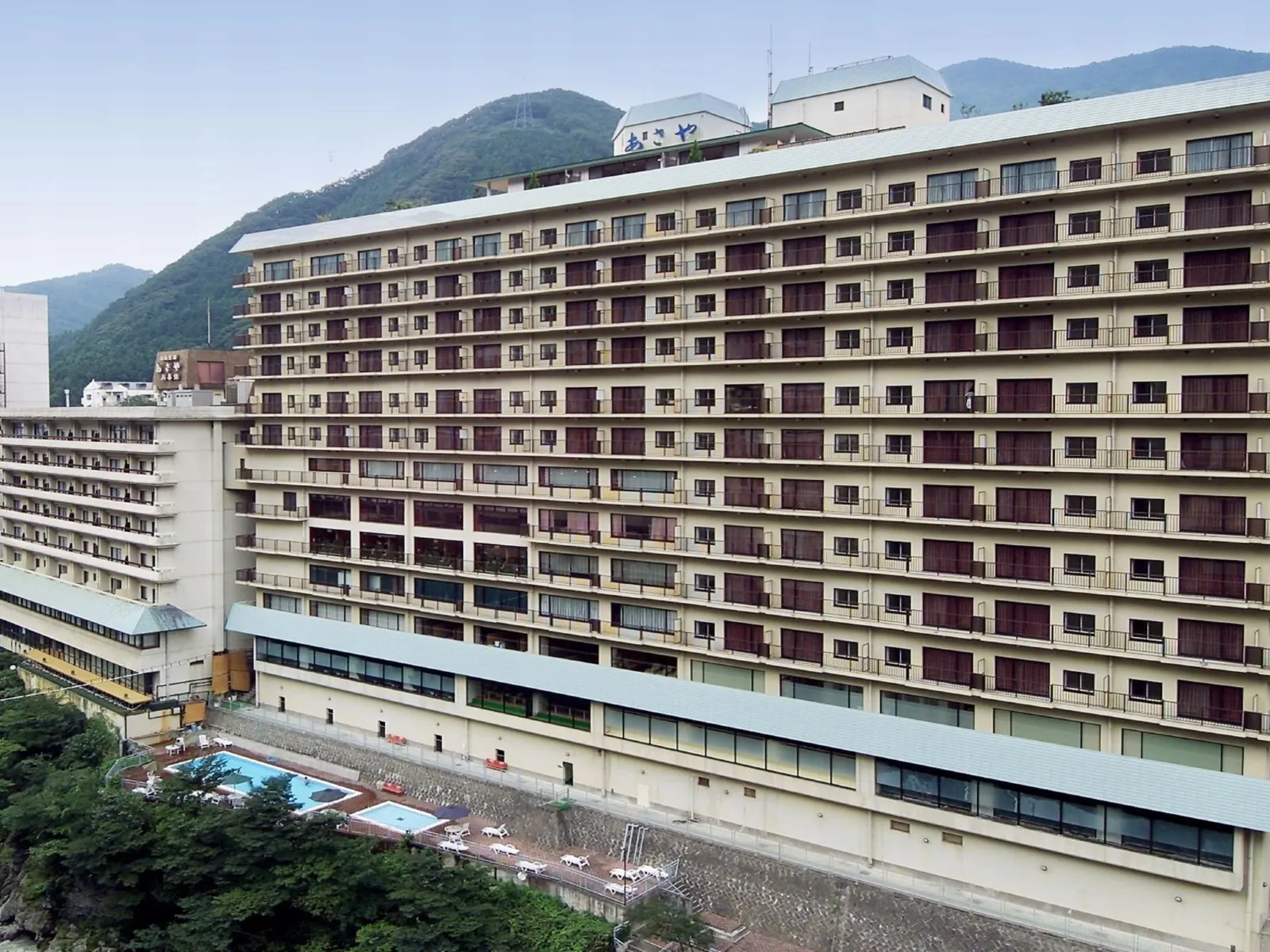 | ≈¥40,040부터≈ ₩346,0001인 1박2인 약 ¥80,080 | 8.5 리뷰 2150건 | Agoda에서 예약하기 |
 | ≈¥27,720부터≈ ₩240,0001인 1박2인 약 ¥55,440 | 9.2 리뷰 156건 | Trip.com에서 예약하기 |
 | ≈¥30,800부터≈ ₩266,0001인 1박2인 약 ¥61,600 | 8.8 리뷰 1712건 | Booking.com에서 예약하기 |
 | ≈¥77,000부터≈ ₩665,0001인 1박2인 약 ¥154,000 | 9.5 리뷰 89건 | Booking.com에서 예약하기 |
 | ≈¥30,800부터≈ ₩266,0001인 1박2인 약 ¥61,600 | 9.4 리뷰 921건 | Booking.com에서 예약하기 |
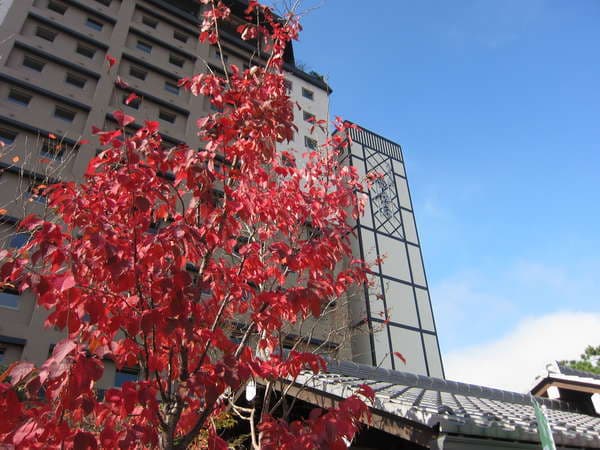 | ≈¥18,480부터≈ ₩160,0001인 1박2인 약 ¥36,960 | 8.6 리뷰 1850건 | Trip.com에서 예약하기 |
 | ≈¥20,020부터≈ ₩173,0001인 1박2인 약 ¥40,040 | 8.9 리뷰 1602건 | Trip.com에서 예약하기 |
 | ≈¥23,100부터≈ ₩200,0001인 1박2인 약 ¥46,200 | 9.6 리뷰 146건 | Booking.com에서 예약하기 |
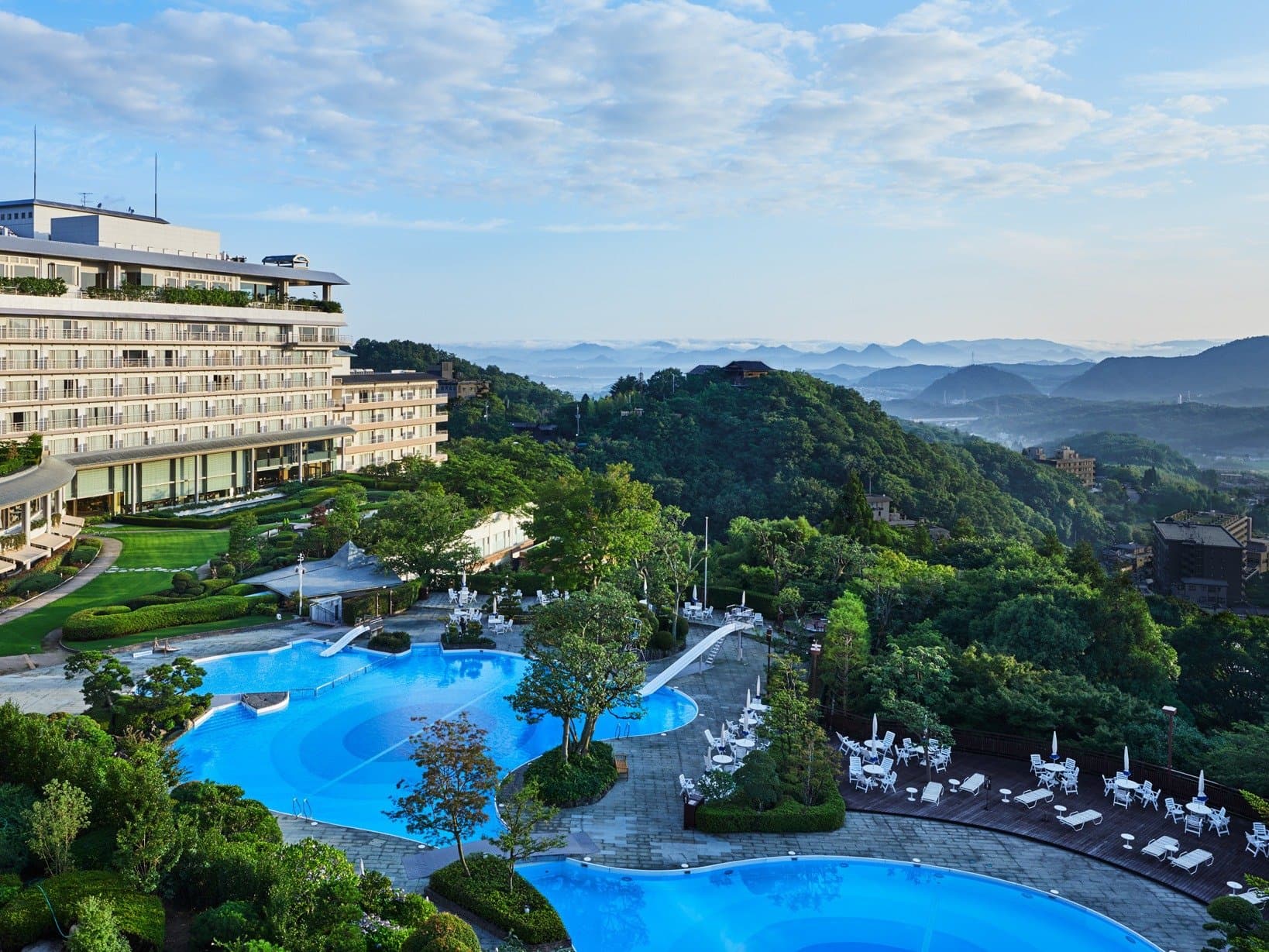 | ≈¥30,800부터≈ ₩266,0001인 1박2인 약 ¥61,600 | 9.6 리뷰 199건 | Booking.com에서 예약하기 |
Asaya Hotel
Kinugawa Onsen
Hotel Kajikaso
Hakone
Yoshiike Ryokan
Hakone
스이메이칸
Gero
Takayama Ouan
Takayama
Kusatsu Hotel 1913
Kusatsu
Arima Grand Hotel
Arima
표시된 가격은 1인 1박 기준 시작가의 근사치입니다. 예약 시 당사이트가 수수료를 받을 수 있습니다.
온라인에 있는 료칸 글의 대부분은 여전히 '료칸은 커플·신혼여행·1인 여행자를 위한 것'이라고 씁니다. 그 조언은 이미 10년이 뒤떨어졌습니다. 저희는 가족 고객을 위해 진지하게 객실 구성을 다시 짠 일본 료칸들을 추적해 왔습니다 — 커넥팅 룸, 어린이 분량 카이세키, 아이들을 배려한 온천 시간 안내, 대욕장의 연령별 수영 반바지까지 — 그리고 2026년의 답은 2019년과는 전혀 다른 풍경입니다.
이 가이드는 6세에서 15세 사이의 자녀를 데리고 다다미·유카타·카이세키·잠자기 전 온천이라는 진짜 료칸 체험을 누리고 싶은 가족을 위한 것입니다. 의견은 분명히 드립니다. 가족 동반에 실제로 통하는 11곳을 실명으로 적었고, 각 시설마다 '솔직한 한 줄 주의사항'을 붙였습니다 — 체크인할 때 놀라지 않기 위해 이 한 문장이 가장 중요합니다.
최종 확인: 2026년 5월 31일.
2026년에 달라진 것들
지난 18개월 사이 가족 여행에 진짜 의미 있는 구조적 변화는 세 가지입니다.
- 패밀리 룸이 예약 화면으로 돌아왔습니다. 2020~2022년 동안 많은 료칸이 코로나 시기 청소 프로토콜을 간소화하기 위해 4인실·6인실 객실을 영어판 OTA에서 조용히 내렸습니다. 이 재고들 — 8첩 다다미, 10첩, 커넥팅 룸 세트 — 은 2024년 후반부터 차례로 복귀했고, 지금은 Trip.com과 Booking.com에서 전화 없이 직접 예약할 수 있습니다.
- 대형 료칸의 어린이 카이세키는 더 이상 '특별 요청'이 아닙니다. 스기노이(벳푸), 마호로바(노보리베쓰), 스이메이칸(게로), 아리마 그랜드는 모두 영문 예약 페이지에 어린이 전용 코스를 명시하고 있습니다. 보통 4~5코스의 어린이 카이세키가 1인 ¥4,000~¥7,000, 10세 미만에게는 햄버그+오므라이스 옵션도 있습니다. 2019년에는 드물었지만 이제는 100실 이상 료칸에서는 표준 사양입니다.
- 개인 온천 요금은 안정세입니다. 중급 료칸의 가시키리(가족 전용 욕탕) 45~60분 세션은 2026년에도 ¥2,500~¥5,000이며, 일부 프리미엄 료칸은 무료 가시키리를 유지하고 있습니다. 가족 가격은 오르지 않았습니다 — 15~25% 인상된 커플용 객실 노천탕과 대조적입니다.
- 타투 정책이 더 유연해졌습니다. 일부 대형 패밀리 리조트가 2023~2025년 사이 'cover_up(작은 타투는 가리기)' 정책에서 'private_only(가시키리 또는 객실 노천만)' 또는 'allowed(가능)'로 전환했습니다. 작은 타투가 있는 부모도 프런트에서 어색한 대화를 나누지 않아도 됩니다.
어떤 료칸이 진짜 가족 친화적일까
실제 시설 이름을 꺼내기 전에, 이 가이드가 적용하는 4단계 필터를 소개합니다. 단순히 '아이를 받아 준다'가 아니라 진짜 가족 친화적이라고 부를 수 있는 료칸은 아래 중 3개 이상을 만족합니다.
1. 4~6인이 묵을 수 있는 객실 구성. 커넥팅 룸(맹장지 후스마로 연결된 8첩 다다미 2칸) 또는 12첩 이상의 큰 단일 객실(약 20㎡)을 찾으세요. 일본 OTA에서는 '와요시쓰(和洋室 — 일본+서양식 혼합)' 또는 '4명/5명/6명'을 정원 필터로 검색하면 됩니다. 소규모 프리미엄 료칸에서는 이 인벤토리가 정말 희귀하고, 80실 이상 료칸에서는 표준입니다.
2. 개인 온천 접근성. 가족 전원이 공용 온천이 완전히 괜찮은 경우라도, 개인 욕탕이 꼭 필요한 순간이 있습니다 — 부끄러움 많은 11세, 이성 부모와 같은 욕탕에 들어가기 싫어하는 딸, 또는 성별이 다른 아이들을 혼자 데리고 출장 중인 부모. 객실 노천탕이나 가시키리 중 하나라도 있으면 이 문제가 한 번에 해결됩니다. 7세 이상 자녀가 있는 가족이라면 둘 다 없는 료칸은 그냥 건너뛰어도 됩니다.
3. 어린이 식사 옵션. 실질적인 두 가지 선택지: 어린이 카이세키(분량과 양념이 마일드하고 어른과 같은 시간에 제공) 또는 별도 어린이 메뉴(함박스테이크·오므라이스·새우튀김). 함정은 '어린이 환영'이라고 적혀 있지만 어른용 카이세키만 제공하는 곳 — 결국 저녁 7시 반에 배고픈 8세 아이와 마주하게 됩니다.
4. 다다미 이불 + 침대 둘 다. 가족 중 허리가 좋지 않거나 일본식 이불이 정말 불편한 분이 있다면, 와요시쓰(서양식 트윈 침대 + 다다미에 이불 자리)를 찾으세요. 가족 규모 료칸에서는 점점 표준화되고 있습니다.

엄선 11곳: 2026년 가족 친화 일본 료칸
지역별로 대략 남→북 순서로 정리한 11곳. 도쿄나 오사카 국제선 게이트웨이에서 갈 수 있는 모든 주요 온천 지역을 망라합니다. 아래 모든 슬러그는 2026년 5월 31일 자사 데이터베이스에서 실시간으로 확인했고, 모든 평점은 OTA가 집계한 실수치입니다(마케팅용 자칭이 아닙니다). 각 항목 끝의 '솔직한 한 줄 주의사항'이 가장 중요합니다 — 예약 전에 반드시 읽어 주세요.
1. 호텔 마호로바 — 노보리베쓰 온천(홋카이도)
한눈에 보기
398실 · 평점 9.0 / 696건 검증된 리뷰 · 미드 티어(1인 US$90~280).
홋카이도 가족 료칸의 절대적 앵커. 마호로바는 노보리베쓰 온천에서 가장 큰 욕탕을 자랑합니다 — 4개 층에 걸쳐 욕조 31개, 노보리베쓰 특유의 유황천(우윳빛 '지옥' 계열)과 식염천(부드럽고 아이에게 친화적인 광물 조성)이 모두 갖춰져 있습니다. 6~12세 자녀를 둔 가족에게는 일본에서 가장 친절한 온천 입문 코스: 욕조 수가 많아 부끄러움 많은 아이도 한적한 구석을 찾을 수 있고, 38~43°C 사이의 수온 폭으로 '너무 뜨거움' 문제를 피할 수 있습니다. JR 노보리베쓰역에서 무료 셔틀 13분 (Noboribetsu International Tourism and Convention Association).
객실은 10첩·12첩 다다미 룸이 다수로 4인 이불에 여유가 있고, 침대+다다미가 결합된 와요시쓰 카테고리도 여러 종 있습니다. 객실 카이세키 외에 뷔페 옵션을 선택할 수 있다는 점이, 편식하는 아이를 둔 가족에게는 정말 큰 구원입니다 — 80가지 이상의 요리를 자유롭게 고를 수 있고, 어린이 전용 코너(함박, 가라아게, 파스타)와 셀프 아이스크림 머신도 있습니다. 호텔 마호로바의 가족 객실 보기.
솔직한 한 줄 주의사항: 모든 객실 카테고리에서 객실 노천탕은 제공되지 않습니다 — 아이가 정말 공용탕을 싫어한다면 이곳은 답이 아닙니다. 같은 노보리베쓰의 보로 노구치, 또는 아래의 하코네 옵션을 선택하세요.
아이와 함께 신치토세로 입국한다면 홋카이도 료칸 가이드에서 마호로바와 조용한 조잔케이를 포함한 섬 내 다른 5개 온천 지역을 비교해 보세요.
2. 아사야 호텔 — 기누가와 온천(닛코, 도치기)
한눈에 보기
192실 · 평점 8.5 / 2,150건 검증된 리뷰 · 미드 티어(1인 US$150~).
기누가와의 오랜 터줏대감이자, 자사 데이터베이스에서 가족 료칸 중 리뷰 수 최상위에 속하는 곳 — 2,150건은 동급 평균의 10배 이상이며, 가족 언급 리뷰 비율이 늘 40%를 넘습니다. 옥상 협곡 뷰 욕장은 기누가와 강을 정면으로 내려다보고, 저층 공용 욕장은 어린 자녀를 데리고도 동선을 잡기 쉬울 만큼 넓습니다. 가족 고객을 정조준한 야간 문화 프로그램(다이코 드럼, 마쓰리 댄스)을 매일 운영합니다.
패밀리 룸은 최대 14첩 + 옆방 구성으로 6인 가족도 여유. 조식·석식 뷔페는 간토에서 가장 가족 친화적인 수준으로, 어린이 전용 카운터와 초콜릿 분수 디저트 스테이션은 아이들의 기억에 남기 좋은 요소입니다. 도부 스페이시아 X로 아사쿠사 → 기누가와온센역 130분 / ¥3,400, 마지막 5분은 아사야 무료 셔틀. 아사야 호텔의 가족 객실 보기.
솔직한 한 줄 주의사항: 쇼와 시대 창업의 대형 료칸으로, 골격은 1960년대 + 후속 리노베이션의 결과입니다. 복도 소음에 민감한 가족이라면 예약 시 협곡 측을 지정하세요 — 가라오케 라운지에 가까운 동은 밤 10시까지 활기찹니다.
3. 호텔 카지카소 — 하코네 유모토(가나가와)
한눈에 보기
30실 · 평점 9.2 / 156건 리뷰 · 미드 티어(1인 US$180~400).
고라까지 가는 등산열차 환승 없이 하코네 체험을 누리고 싶은 가족의 최적해. 카지카소는 하코네유모토역에서 도보 5분 — 신주쿠에서 로맨스카로 곧장 오는 가족이라면 피곤한 아이를 환승시키지 않아도 되는 큰 장점이 있습니다. 8첩과 12첩 가족실이 있고, 작지만 잘 설계된 내탕+노천 페어 욕장. 상층 일부 객실은 객실 노천탕(유모토의 염화나트륨천)이 딸려 있어 가족 입욕 동선이 통째로 해결됩니다.
12세 미만 어린이 카이세키는 1인 ¥4,500 — 양념 마일드, 분량 소량, 아이가 정말 좋아하는 작은 그릇 디저트 포함. 156건에서 9.2 평점은 가족 고객에게도 호평이며, 프런트의 영어 응대도 실용 수준이고 다세대 여행에 익숙합니다. 호텔 카지카소의 객실 보기 — 하코네 료칸 완벽 가이드도 참고.
솔직한 한 줄 주의사항: 뷔페 없음, 식사는 카이세키뿐. 아이가 일본 음식을 정말 안 먹는 가족이라면 뷔페 병설(마호로바·아사야·요시이케·미즈노오토)을 고르세요.
4. 요시이케 료칸 — 하코네 유모토(가나가와)
한눈에 보기
60실 · 평점 8.8 / 1,712건 리뷰 · 미드 티어(1인 US$200~450).
하코네유모토 가족 인벤토리의 하이볼륨 실증 사례: 1,712건의 검증된 리뷰는 일본 료칸 전체에서도 상위권의 평점 볼륨입니다. 6,000㎡의 일본 정원에 비단잉어 연못, 6개의 사적 온천 원천, 그리고 6~8월 한정의 야외 수영장. 이 수영장 하나만으로도 수도권 최고 수준의 여름 가족 목적지가 됩니다 — 다수 료칸이 여름철 어린이를 '관리 대상'으로 다루는 반면, 요시이케는 그들을 헤드라이너로 맞이합니다. 10첩 4인 이불 가능, 트윈 침대+다다미의 와요시쓰 객실도 소수.
관내에는 카이세키 외에 양식 레스토랑도 있어, 저녁 식사 시 일식을 절대 못 먹는 아이가 있어도 같은 료칸 안에서 대피처를 마련할 수 있습니다 — 프런트와 협상할 필요 없음. 하코네유모토역에서 도보 7분, 셔틀 불필요. 요시이케 료칸의 가족 객실 보기.
솔직한 한 줄 주의사항: 정원 수영장은 완전 시즌 한정입니다 — 6월 말~9월 초만 운영. 그 외 시기에는 시설의 주요 가족 매력 중 하나가 사라집니다.
5. 고라 가단 — 하코네 고라(가나가와 / 도전적 가족 옵션)
한눈에 보기
44실 · 평점 9.5 / 89건 리뷰 · 럭셔리 티어(1인 US$500~1,200).
'고라 가단은 아이를 받아 주나요?'라는 질문에 대한 답. 네 — 다만 현실적인 기대치로. 이곳은 옛 황실 가문의 여름 별저로, 현재 르레 에 샤토 멤버이며, 관내 분위기는 어른 고객에 맞춰져 있습니다. 만 6세 이상은 전 객실 카테고리에서 받고, 6세 미만도 받지만 어린 아장아장 단계 가족에게는 부드럽게 다른 곳을 권합니다. 고려할 가치가 있는 이유: 거의 모든 스위트에 객실 노송 노천탕이 있어 가족 입욕 동선 문제가 한 번에 해결됩니다 (Relais & Châteaux).
카이세키는 객실에서 제공(아이 동반에 정말 편함 — 정식당의 격식 차림 불필요), 예약 시 요청하면 어린이 카이세키도 대응 가능. 89건 평점 9.5는 가족 체류에서도 흔들리지 않습니다. 하코네유모토에서 고라까지 등산열차 스위치백 40분은 6세 이상 아이에게는 대호평 / 아장아장 단계에는 다소 불안 요소가 될 수 있습니다. 고라 가단의 가족 가능 스위트 보기 — 하코네 료칸 완벽 가이드도 참고.
솔직한 한 줄 주의사항: 6세 미만 동반 가족이나 뷔페+수영장 리조트 체험을 원하는 가족에게는 맞지 않습니다. 10세 아이가 사쿠라 시즌에 처음 카이세키를 경험하는 식의 기념 여행에 맞습니다.
6. 스이메이칸 — 게로 온천(기후)
한눈에 보기
264실 · 평점 9.4 / 921건 리뷰 · 럭셔리 티어(1인 US$200~600).
게로 온천의 가족 플래그십이자, 오사카 거점 가족의 첫 료칸 여행에 특히 잘 맞는 곳. 스이메이칸은 세 곳의 다른 욕장(숲 뷰 노천, 실내 대욕장, 강 뷰 롱 사이즈 욕장), 야간 문화 공연이 열리는 노 무대, 관내 네 곳의 레스토랑(히다규 데판야키 룸은 아이들에게도 음식과 쇼가 동시에 매력적)을 운영합니다. JR 게로역에서 도보 3분이라 피곤한 아이와 짐을 들고 셔틀 환승할 필요가 없고, 게로는 나고야~다카야마 호쿠리쿠·히다 루트의 중간 거점이라 가족 일정 중계지로 자연스럽습니다.
패밀리 룸은 10첩·12첩 일본식과, 진심 침대를 원하는 가족을 위한 양식관도 있습니다. 1인 ¥5,500의 어린이 카이세키는 모든 예약 카테고리에서 가능. 로비의 노 무대와 실내 정원의 폭포는 저녁 식사 전 대기 시간을 6~12세 아이에게 안정적으로 부여합니다. 스이메이칸의 가족 객실 보기 — 게로 료칸 완벽 가이드도 참고.
솔직한 한 줄 주의사항: 대형 다동(多棟) 시설이라 객실 카테고리별 리노베이션 연차가 크게 다릅니다. 리노베이션을 마친 카테고리로 업그레이드하세요 — 구관의 최저가 객실은 연식을 느낄 수 있습니다.
7. 다카야마 오안 — 히다 다카야마(기후)
한눈에 보기
76실 · 평점 8.6 / 1,850건 리뷰 · 미드 티어(1인 US$120~280).
다카야마의 가족 가성비이자, 가나자와~다카야마~시라카와고 가족 일정에 가장 잘 맞는 곳. 교리쓰 리조트 운영의 전 다다미 시티 료칸으로, JR 다카야마역에서 도보 5분, 옥상 노천탕에서 북알프스를 바라봅니다. 1,850건은 자사 데이터베이스에서 다카야마 지역 최다 리뷰 볼륨이며, 가족 세그먼트 리뷰도 항상 8.6 이상. 10첩 패밀리 룸과 다다미 위에 메모리폼 매트리스를 까는 모던 일본식 객실(전통 이불이 몸에 맞지 않는 분에게 친절한 선택지)이 있습니다.
겨울 북알프스 설경, 10월의 단풍, 저녁의 옥상 노천 — 중부 혼슈에서 가장 시각적으로 인상적인 가족 온천 장면 중 하나입니다. 조식 뷔페와 정식 스타일의 석식 — 정통 8코스 카이세키보다 아이 동반에 훨씬 접근하기 쉽습니다. 다카야마 오안의 가족 객실 보기 — 다카야마 료칸 가이드도 참고.
솔직한 한 줄 주의사항: 호텔과 료칸의 하이브리드이지, 순수한 목조 노포 료칸은 아닙니다. 목조 건물·비단잉어 연못·100년의 풍취를 원한다면 와노사토나 가초안(다카야마 필러에서 소개)을 고르세요.
8. 구사쓰 호텔 1913 — 구사쓰 온천(군마)
한눈에 보기
40실 · 평점 8.9 / 1,602건 리뷰 · 미드 티어(1인 US$130~300).
구사쓰의 노포 가족 옵션. 1913년 개업(이름이 그대로) — 이 목조 3층 건물은 유바타케 바로 옆에 있습니다. 유바타케는 구사쓰의 상징적인 온천 분배 구조로, 분당 4,000리터의 원천이 마을 중심의 나무 수로를 따라 흐릅니다. 아이들이 구사쓰 여행의 가장 인상 깊은 부분으로 유바타케를 꼽는 일이 많고, 도보 2분의 입지가 실질적인 무기입니다. 1,602건의 평점 8.9는 자사 데이터베이스에서 구사쓰 최대 볼륨의 료칸입니다 (Top Hot Springs).
패밀리 룸은 10첩 일본식과 침대 1대+다다미의 와요시쓰 소수. 구사쓰의 물은 pH 2.1 — 이 가이드 전체에서 가장 강산성 온천 — 으로, 8세 이상에게는 학습의 장면(얼굴을 담그지 말 것·욕탕에서 나올 때는 물로 헹굴 것)이 되고, 7세 미만은 약간 따가워하므로 어린 아이 가족은 짧은 입욕으로 계획하세요. 관내에 카이세키 식당과 뷔페 홀 둘 다 있어 편식하는 아이가 있어도 진짜 도피처가 있습니다. 구사쓰 호텔 1913의 객실 보기 — 구사쓰 료칸 필러와 도쿄 근교 온천 료칸 허브 가이드도 참고 (Samurai Sauna Magazine).
솔직한 한 줄 주의사항: 1913년 건물의 특성상 벽이 얇고 계단이 좁으며 베리어프리는 기본 수준입니다. 유모차나 큰 캐리어는 노포관에서 정말 다루기 어렵습니다 — 가동성이 중요하다면 신관을 고르세요.
9. 료칸 아스카소 — 나라
한눈에 보기
30실 · 평점 9.6 / 146건 리뷰 · 미드 티어(1인 US$150~400).
오사카~교토~나라 일정의 문화 우선 가족 옵션. 아스카소는 긴테쓰 나라역에서 도보 8분, 옥상 욕장에서 고후쿠지의 오층탑과 나라의 역사적인 스카이라인을 바라봅니다 — 박물관 없이도 문화 교육의 컨텍스트가 갖춰지는 종류의 뷰. 146건에서 9.6은 이 규모 료칸으로서는 정말 높은 평점이며, 가족 언급 리뷰 비율도 평균을 크게 웃돕니다.
나라의 가장 큰 가족 매력은 나라 공원 — 아이에게 머리를 숙여 인사하고 시카센베이(공인 판매소에서 1다발 ¥200)를 받는 사슴들입니다. 아스카소는 공원 입구에서 도보 5분이라 가족이 오후를 사슴과 보내고 료칸으로 돌아와 입욕 → 유카타 → 저녁 식사까지 환승 관리 없이 흘러갈 수 있습니다. 10첩 일본식과 소수의 와요시쓰동. 료칸 아스카소의 가족 객실 보기 — 나라 료칸 가이드도 참고.
솔직한 한 줄 주의사항: 모든 객실 카테고리에서 객실 노천탕은 없고, 대욕장은 한 층뿐(가시키리도 없음)입니다. 가족 전용탕이 필수라면 마호로바·요시이케를 고르세요.
10. 아리마 그랜드 호텔 — 아리마 온천(효고)
한눈에 보기
246실 · 평점 9.6 / 199건 리뷰 · 미드 티어(1인 US$200~500).
간사이 가족 플래그십. 아리마는 일본에서 가장 오래된 온천지(문헌은 7세기까지 거슬러 올라감)이고, 아리마 그랜드는 그 마을에서 가장 큰 시설입니다 — 마을 위 언덕에서 롯코 산의 파노라마를 내려다봅니다. 7월 중순~8월 시즌 야외 수영장(요시이케에 견줄 만한 여름 가족 매력), 광대한 정원, 그리고 아리마 명물의 두 가지 색 온천 — 긴센(철분 풍부한 황금빛 온천)과 긴센(무색의 은빛 온천)을 모두 갖췄습니다. 이 조합은 희귀하고, 8세 이상 아이에게는 진짜로 흥미로운 체험입니다 (Visit Arima Onsen).
패밀리 룸은 이 가이드 안에서도 가장 너그러운 편 — 12첩·14첩 일본식과 트윈 침대+다다미의 와요시쓰. 어린이 카이세키 상위 티어에는 고베규 요소도 포함. 아리마온천역에서 무료 셔틀(또는 택시)로 10분, 역은 산노미야에서 고베전철로 30분 — 오사카 당일치기 권역. 아리마 그랜드 호텔의 가족 객실 보기 — 아리마 료칸 가이드도 참고.
솔직한 한 줄 주의사항: 언덕 위 입지는 뷰의 대가로 기차역에서 12분의 스위치백 드라이브 — 차멀미가 잦은 아이에게는 부담입니다. 택시보다 셔틀버스가 더 안정적입니다.
11. 스기노이 호텔 — 벳푸 온천(오이타)
한눈에 보기
647실 · 평점 8.5 / 4,820건 검증된 리뷰 · 미드 티어(1인 US$120~350).
이 가이드에서 가장 크고 가장 가족 친화적으로 엔지니어링된 리조트 시설이자, 규슈 지역 전체에서 '아이 데리고 모든 게 매끄럽게 돌아가야 한다'는 요건에 가장 손쉽게 응답하는 곳. 스기노이는 벳푸 언덕 위에 자리하고, 다나유 테라스 욕장(만(灣)을 비추는 계단식 욕조, 일본에서 가장 아름다운 온천으로 꾸준히 꼽힘)과 아쿠아 가든 분수쇼 — 6~12세 아이들에게 특히 잘 맞는 저녁의 빛과 물 인스톨레이션 — 을 갖췄습니다. 볼링장·관내 아케이드·실내 수영장이 있어 벳푸의 우천일도 완전히 구원 가능합니다 (Suginoi Hotel Official).
4,820건의 검증된 리뷰 — 이 가이드 전체에서 단일 시설로는 가장 큰 리뷰 볼륨 — 은 가족 체류 모집단으로서도 실용적인 규모입니다. 패밀리 룸은 트윈 침대+다다미의 와요시쓰 다수와 표준 10첩 일본식. 석식은 뷔페 기본(카이세키 요청 가능)에 어린이 전용 카운터 완비. JR 벳푸역에서 무료 셔틀 10분. 스기노이 호텔의 가족 객실 보기 — 벳푸 료칸 가이드도 참고.
솔직한 한 줄 주의사항: 이곳은 리조트이지 전통적인 소규모 료칸이 아닙니다. 조용한 목조 복도, 작은 규모의 호스피탈리티, 10실 규모의 친밀함을 원한다면 진심 이곳이 아닙니다. 진짜 온천을 갖춘 가족 리조트 체험으로 선택하세요. 역사적 분위기를 원한다면 다른 곳으로.
Tip
가족 료칸 예약에 가장 유용한 한 가지 일본어 검색어: 子供大歓迎(kodomo dai-kangei — 어린이 대환영). Trip.com에 이 일본어 문구를 필터로 입력하면 패밀리 서비스에 명시적으로 들어와 있는 인벤토리가 바로 떠오릅니다. 객실 정원 필터(4명 이상)와 조합하면, 기본 영어 검색과는 분명히 다른 숏리스트에 도달합니다. 이 가이드의 대부분 시설은 그 필터 화면에서 상위에 자리합니다.

예산별로 비교하기
이코노미
≈¥30,800 미만 · 1인·1박 기준
Suginoi Hotel
부터 ≈¥9,548≈ ₩83,000 · 1인·1박 기준2인 합계 약 ¥19,096부터
8.5/10 · 4820 개의 리뷰영어 가능예약Hotel Mahoroba
부터 ≈¥13,860≈ ₩120,000 · 1인·1박 기준2인 합계 약 ¥27,720부터
9.0/10 · 696 개의 리뷰영어 가능예약- 곧 추가 예정
중급
≈¥30,800 - ≈¥77,000 · 1인·1박 기준
Arima Grand Hotel
부터 ≈¥30,800≈ ₩266,000 · 1인·1박 기준2인 합계 약 ¥61,600부터
9.6/10 · 199 개의 리뷰개별 욕탕(유형 미확인)영어 가능예약- 곧 추가 예정
럭셔리
≈¥77,000 이상 · 1인·1박 기준
곧 추가 예정
이 목록이 더는 꼽을 수 없는 한 곳
가가야는 2026년 9월까지 이 목록의 9위였습니다. 2024년 1월 이후 지진 복구를 위해 휴업 중이며 2028 회계연도 말(2029년 3월경) 재개장할 예정입니다. 설명한 내용이 실제로 있었던 것이므로 소개는 남기지만, 순위에는 넣지 않고 이 가이드의 구조화 데이터에도 포함하지 않습니다.
가가야 — 와쿠라 온천(이시카와)
현황(2026년 7월 확인): 가가야는 지진 이후 재건을 위해 휴업 중이며, 2028 회계연도 말(2029년 3월경) 재개장할 계획입니다. 이 소개는 참고용으로 남겨 두지만, 재개장이 확정되기 전까지는 숙박 계획을 세우지 마세요.
재건을 위해 휴업 중. 과거에는 232실이었고, 재건 후에는 33실로 계획되어 있습니다. 영업 당시 평점 9.3 / 35건 리뷰 · 럭셔리 티어(1인 US$400~1,200).
여행업계 프로가 뽑는 '일본 최고의 료칸' 36년 연속 수상. 가가야를 여기에 포함한 것은 일본 최고의 호스피탈리티가 가족에게 닫혀 있지 않다는 점을 보여 주기 위함입니다 — 다만 조정은 있습니다. 영업 당시 6세 이상은 전 카테고리에서 받았고, 6세 미만은 가족 전용동에서 별도 대응했습니다. 노토 반도라는 입지는 도쿄에서 호쿠리쿠 신칸센+나나오 선으로 2시간 30분, 가나자와에서 1시간 15분 — 가나자와 스테이와 묶는 것이 자연스럽습니다 (Invest Japan).
패밀리 룸은 어느 기준으로 봐도 넓은 편 — 14첩+다음 방 구성이 흔하고, 서양식 침대와 전통 이불의 조합이 다양합니다. 카이세키가 명물이었습니다 — 요금을 마지막으로 공개했을 때 1인 ¥7,500이던 어린이 카이세키는 일본에서 가장 정성껏 설계된 어린이 코스 중 하나로, 어른용과 같은 노토산 해산물을 양과 양념 모두 어린이용으로 재구성합니다. 오카미가 진행하는 야간 문화 공연 '스즈코의 연회'는 관내 여러 회장을 순회하며, 8세 이상에게는 진짜 즐길 만한 내용입니다. 지금 예약할 수 있는 숙소는 와쿠라 료칸 가이드를 참고하세요.
솔직한 한 줄 주의사항: 가가야의 서비스 강도는 천천히, 격식 있는 환대에 맞춰져 있었습니다 — 나카이상이 객실을 여러 번 방문하고, 저녁 식사는 2.5시간. 식사 인내심이 짧은 8세 미만 단계라면 마호로바나 스이메이칸이 더 맞습니다.
가족 온천 입욕 동선: 부모가 알아야 할 것
싱가포르·홍콩·시드니·밴쿠버 가족이 처음 일본 료칸 여행을 갈 때 가장 걱정하는 부분이 온천 동선입니다. 2026년 현재 실용적 현실은 다음과 같습니다.
대욕장은 남녀 구분입니다. 즉, 4인 가족(엄마·아빠·아들 10세·딸 8세)은 일반 온천에서 함께 입욕할 수 없습니다. 표준 해법: 아빠는 아들과 남탕, 엄마는 딸과 여탕. 이성 동반 입욕 가능 나이는 시설마다 다릅니다 — 대부분 시설은 만 6~7세까지는 이성 부모와 입장 가능(5세 아들이 엄마와 여탕에 들어가는 것은 거의 보편적으로 허용), 8~10세는 회색지대, 11세 이상은 부모와 동성 측에. 아빠가 10세 딸을 데리고 엄마가 없는 상황이라면 시설이 가시키리를 안내합니다.
가시키리(예약제 개인 욕탕)는 가족의 구원자입니다. 45~60분 단위로 욕탕을 가족만 사용할 수 있는 예약제 시간 — 어떤 가족 구성이든 가능. 마호로바·스이메이칸·스기노이는 숙박객 무료. 카지카소·요시이케·아리마 그랜드는 유료 옵션으로 1회 ¥2,500~5,000. 체크인하는 순간 가시키리 슬롯을 잡으세요 — 저녁 식사 전 17:30과 식사 후 21시 피크 시간대는 프런트 접수 후 1시간 이내에 매진됩니다.
객실 노천탕이 가장 깔끔한 해법 — 스위트에 전용 야외 욕탕이 있어 시간과 가족 구성과 무관하게 들어갈 수 있습니다. 고라 가단, 카지카소(상층 객실만), 요시이케(일부 카테고리), 스이메이칸(프리미엄 스위트), 아리마 그랜드 일부 프리미엄 객실. 객실 노천 카테고리는 기본 요금보다 1인 ¥10,000~¥30,000 더 비싼 것이 통상입니다.
타투 정책과 아이. 이 가이드의 모든 시설은 'cover_up(작은 타투는 프런트 무료 스티커로 가리기)' 또는 'private_only(가시키리 또는 객실 노천 사용)' 정책 — 'not_allowed' 시설은 포함하지 않았습니다. 작은 타투가 있는 부모라면 cover_up 계열(마호로바·아사야·카지카소·요시이케·스이메이칸·스기노이·아리마 그랜드·다카야마 오안)이 더 안전한 선택입니다. 자세한 정책 뉘앙스는 지역별 타투 OK 료칸 완벽 가이드를 참고하세요.
도쿄+하코네+교토 가족 7일 모델 일정
가족 여행에서 자주 검토되는 것이 7일 도쿄~하코네~교토 일정에 료칸 2박을 끼워 넣는 코스입니다. 6~15세 아이 동반 가족에게 실제로 통하는 버전은 다음과 같습니다.
Day 1(일요일). 나리타 또는 하네다 도착. 도쿄 시내까지 열차로. 도심(신주쿠 또는 마루노우치)의 일반 호텔에서 1박 — 아이들은 도착 직후 피곤하므로 시차 중인 아이에게 료칠 체험은 낭비입니다. 이른 저녁 식사, 일찍 잠.
Day 2(월요일). 도쿄 문화의 날. 오전 아사쿠사·센소지, 오후 우에노 공원, 어린이 친화 저녁 식사. 도쿄 호텔 2박째.
Day 3(화요일). 도쿄 모던의 날. 시부야 / 하라주쿠 / TeamLab Planets 또는 Borderless. 도쿄 호텔 3박째.
Day 4(수요일). 도쿄에서 하코네로 — 료칸 1박째. 신주쿠에서 오다큐 로맨스카로 하코네유모토(85분). 호텔 카지카소 체크인(수영장과 정원을 원한다면 요시이케 — 6~8월만). 오후는 조각의숲 미술관(아이의 진정한 자석 — 피카소관 + 야외 조각 + 등반 가능한 심포닉 스컬프처 타워). 저녁은 객실에서 어린이용 분량을 곁들인 카이세키. 잠자기 전 온천 (Hakone Open-Air Museum (Wikipedia)).
Day 5(목요일). 하코네에서 교토로. 오전은 시설에서 — 두 번째 온천 입욕, 여유로운 일본식 조식. 늦은 오전 이동: 하코네유모토 → 오다와라(15분) + 도카이도 신칸센 히카리 오다와라 → 교토(1시간 50분). 교토 오후: 호텔에 짐을 내려놓고 산넨자카~니넨자카 자갈길을 따라 기요미즈데라로(중간의 말차 소프트가 아이의 기분을 유지). 교토 1박.
Day 6(금요일). 교토 문화의 날 + 나라 료칸 2박째. 오전 후시미 이나리 등산(6세 이상이라면 아래쪽 산책로는 무리 없음, 30분 지점에서 회귀 가능). 교토에서 긴테쓰 나라(45분, 긴테쓰 선). 료칸 2박째는 아스카소. 오후 나라 공원 — 사슴 먹이 주기, 도다이지 관람. 저녁 식사 전 오층탑 뷰 옥상 온천.
Day 7(토요일). 나라에서 오사카 공항. 오전 나라 시내 산책. 오후 긴테쓰 + 난카이 라피토로 간사이 국제공항(1시간 10분). 저녁 비행기로 귀국.
핵심 인사이트: 료칸은 2박만, 둘 다 패밀리 룸 확정, 둘 다 현장 어린이 옵션 보유. 아이 동반으로 3박~4박 료칸을 무리하면 체험이 소진되기 시작합니다. 2박이 스위트 스폿.
예약 시 시설에 물어봐야 할 7가지 질문
예약 전에 시설에 메일로 묻어봐야 할 구체적인 7가지 질문. 일본 료칸은 대부분 프런트에서 영어 응대가 가능합니다. 공식 사이트의 예약 문의 메일로 보내세요(OTA 채팅창은 콜센터로 라우팅되는 경우가 있어 추천하지 않습니다). 일행 중 휠체어를 사용하거나 계단 이용이 어려운 분이 있다면, 무단차 접근 여부를 묻는 질문을 목록에 추가하고 무단차·휠체어 친화 료칸 모음부터 시작하세요.
1. 해당 날짜에 커넥팅 룸 재고가 있나요? 커넥팅 룸 재고는 어디든 작습니다. 3~4개월 전 예약이 전제 — 아사야와 마호로바도 주말 커넥팅 카테고리는 매진됩니다.
2. 이불을 나란히 깔 수 있나요? 대형 시설(마호로바·스이메이칸·스기노이·아사야)에서는 거의 항상 가능. 30실 규모 시설(카지카소·아스카소·히이라기야)이라면 10첩에 이불 4장이 여유, 12첩에 5장. 객실 크기 대비 이불 수를 예약 전에 확인하세요.
3. 저녁 카이세키는 객실에서 먹나요, 식당에서 먹나요? 객실 카이세키가 어린 자녀에게 압도적으로 친절 — 정식 식당의 매너 강요 없음. 대부분 프리미엄 시설은 객실 기본, 중급은 식당 기본. 반드시 물어보세요, 체험이 크게 달라집니다.
4. 어린이 카이세키 메뉴가 있나요? 연령 제한과 가격은요? 2026년 표준: 12세 미만 1인 ¥4,000~¥7,500, 7세 미만 1인 ¥2,500~¥3,500. 마호로바·스이메이칸·스기노이는 3단계 어린이 메뉴.
5. 아이가 코스를 건너뛸 수 있나요? 많은 료칸이 '단축 카이세키'(9코스 → 5코스)에 대응 — 2시간 식사 인내가 어려운 아이를 위함. 명시적으로 물어보세요, 사이트에는 거의 나오지 않습니다.
6. 대욕장은 아이에게 시간 제한이 있나요? 대부분의 욕장은 언제든지 OK이지만, 일부 시설은 어린이 입욕을 특정 시간(주로 21시 전)으로 제한해 야간 어른 고객의 정적을 유지합니다. 현지에서 처음 알게 되지 않도록 미리 확인하세요.
7. 체크인할 때 가시키리(가족 욕탕)를 예약할 수 있나요? 예약 전 확인하면 재고와 가격을 파악할 수 있습니다. 무료 가시키리 시설(마호로바·스이메이칸·스기노이)은 당일 선착순, 유료 가시키리 시설은 소액 요금으로 사전 예약 가능.
어디서 예약할지는 료칸 예약에 가장 강한 플랫폼은 어디인지를 참고하세요. 특별 요청과 취소 처리 방식이 주요 6개 사이트마다 크게 다릅니다.
가족 료칸 비교표
| 료칸 | 지역 | 패밀리 룸 | 가능 연령 | 어린이 카이세키 | 가시키리/객실 노천 |
|---|---|---|---|---|---|
| 호텔 마호로바 | 노보리베쓰(홋카이도) | 있음: 6인까지 | 전 연령 | 있음(3단계) | 무료 가시키리 |
| 아사야 호텔 | 기누가와(닛코) | 있음: 14첩까지 | 전 연령 | 있음(뷔페+카이세키) | 유료 가시키리 |
| 호텔 카지카소 | 하코네 유모토 | 있음: 8~12첩 | 전 연령 | 있음(¥4,500) | 객실 노천(상층) |
| 요시이케 료칸 | 하코네 유모토 | 있음: 10첩+와요시쓰 | 전 연령 | 있음 + 양식 옵션 | 객실 노천(일부) |
| 고라 가단 | 하코네 고라 | 한정: 프리미엄 스위트 | 6세+ | 있음(요청 시) | 객실 노천(대부분) |
| 스이메이칸 | 게로(기후) | 있음: 12첩까지 | 전 연령 | 있음(¥5,500) | 무료 가시키리+일부 객실 |
| 아리마 그랜드 호텔 | 아리마(효고) | 있음: 12~14첩 | 전 연령 | 있음(고베규) | 유료 가시키리+일부 객실 |
방법론 및 검증 각주
이 가이드의 모든 시설은 동일한 4단계 가족 친화도 테스트(객실 구성·개인 온천 접근성·어린이 식사 옵션·다다미 이불+침대 병존)를 통과했습니다. 평점과 리뷰 건수는 2026년 5월 31일 자사 내부 데이터베이스에서 실시간으로 검증했습니다. 가격은 같은 데이터베이스의 2026년 5월 USD 레인지를 반영합니다. 이 가이드는 게재료를 받지 않습니다 — 어필리에이트 수익은 예약 완료 이후에만 발생하는 구조이므로 편집 선정에 영업적 압력이 없습니다.
6~11세 아이를 동반한 싱가포르 가족을 이 가이드의 편집 북극성으로 삼았습니다 — 구체적이고, 불안하지만 안심시킬 수 있고, 영어 기반이며, 고급 아시아 호스피탈리티에는 익숙하지만 료칸 특유의 프로토콜에는 처음. 각 시설 끝의 '솔직한 한 줄 주의사항'이 예약 전 마지막 점검 포인트입니다. 완벽한 료칸은 없습니다 — 당신의 구체적인 여행에 딱 맞는 료칸이 있을 뿐입니다.
아이를 동반하지 않는 여행이라면 자매 필러가 같은 영역을 다른 각도에서 다룹니다: 커플 추천 일본 료칸 10선, 1인 여행자 추천 료칸 8선, 2026년 일본 료칸 종합 랭킹. 아이 동반 체험 자체를 더 깊게 파고들고 싶다면 자매 글 아이와 함께하는 료칸 입문도 참고하세요 — 본 가이드는 그 2026년판 후속편입니다.
예약 준비되셨나요?
에디터 추천 료칸, 바로 예약하세요
예약 사이트별 실시간 빈방·요금을 한 번에 비교하세요.



Arima Grand Hotel
有馬グランドホテル
Arima·중간 가격대
≈¥30,800부터≈ ₩266,000 · 1인·1박 기준2인 합계 약 ¥61,600부터
Suginoi Hotel
杉乃井ホテル
Beppu·중간 가격대
≈¥9,548부터≈ ₩83,000 · 1인·1박 기준2인 합계 약 ¥19,096부터
예약 링크를 통해 수수료가 발생할 수 있으나 추가 비용은 없습니다.
정정 (2026년 9월). 와쿠라 온천의 가가야는 2024년 1월 지진 이후 재건을 위해 휴업 중이며, 2028 회계연도 말(2029년 3월경) 객실 232실이 아닌 33실 규모로 재개장할 예정입니다. 이 글은 순위를 11곳으로 바꿨습니다. 가가야를 순위에서 빼고 이유를 밝힌 별도 항목으로 옮겨, 본문과 FAQ, 구조화 데이터가 같은 11곳을 싣습니다. 한눈에 보기 카드와 어린이 메뉴 요금, 예약 링크, 럭셔리 추천 자리를 없앴고, 무료 가시키리·이불 나란히 깔기·어린이 카이세키를 현재 제공하는 시설 목록에서도 제외했습니다. 2026년 9월 20일 각 숙소 공식 사이트에서 확인했습니다.
FAQ
자주 묻는 질문
8세 아이를 일본 료칸에 데리고 가도 되나요?+
네 — 이 가이드의 11곳(마호로바·아사야·카지카소·요시이케·스이메이칸·아스카소·아리마 그랜드·스기노이·구사쓰 호텔 1913·다카야마 오안) 모두 전 연령의 아이를 받습니다. 럭셔리 예외는 고라 가단으로, 6세 이상을 받고 아장아장 단계 가족에게는 부드럽게 다른 곳을 권합니다. 8세라면 11곳 전부를 선택지로 둘 수 있고, 이 연령에서 유일한 필터는 '리조트 규모인가 노포 분위기인가' 하는 취향뿐입니다.
료칸에 4~6인용 패밀리 룸이 있나요?+
30실 이상 시설이라면 대부분 있습니다. 10첩·12첩 일본식 객실(약 17~22㎡), 커넥팅 룸 세트(맹장지 후스마로 인접한 객실 2칸), 또는 서양식 침대+다다미 공간의 와요시쓰 객실을 찾으세요. 패밀리 인벤토리는 어디든 작습니다 — 3~4개월 전 예약 필수, 특히 주말과 일본 공휴일.
우리 아이가 정말 카이세키를 먹을까요?+
부분적으로는 네인 경우가 많습니다. 현실적 선택지: (1) 어린이 카이세키 예약 — 대부분의 대형 시설이 마일드·양적은·어린이 분량 버전을 1인 ¥4,000~7,500에 제공; (2) 어린이 전용 메뉴(함박·오므라이스·새우튀김); (3) 뷔페가 있는 시설(마호로바·요시이케·스기노이·아사야·스이메이칸)에서 80개 이상의 메뉴를 자유 선택. 함정은 어른 카이세키만 제공하는 시설 — 예약 전 반드시 확인.
아이를 데리고 가는데 타투가 문제가 되나요?+
부모 중 한 명이 작은 타투인 정도면 관리 가능, 크거나 눈에 띄면 어려움. 이 가이드의 모든 시설은 'cover_up(작은 타투는 프런트에서 무료 스티커로 가리기)' 또는 'private_only(가시키리나 객실 노천 사용)' 정책 — 'not_allowed' 시설은 포함하지 않았습니다. 타투 우려가 있는 부모라면 cover_up 계열(마호로바·아사야·카지카소·요시이케·스이메이칸·스기노이·아리마 그랜드·다카야마 오안)이 더 안전한 선택입니다.
가족 여행에 가시키리(개인 욕탕)와 대욕장 중 어느 쪽이 좋나요?+
이성 자녀가 있고 만 7세 이상인 가족이라면 가시키리(예약제 가족 욕탕)나 객실 노천이 압도적으로 편합니다. 같은 성별 부모와 자녀가 짝지을 수 있는 가족이라면 대욕장도 문제없지만(아빠+아들·엄마+딸), 자녀가 8세 이상이 되어 동성 부모 측으로 옮겨가야 할 때 어색해지기 시작합니다. 마호로바·스이메이칸·스기노이는 가시키리 무료, 다른 시설은 45~60분 세션당 ¥2,500~5,000.
료칸 숙박에 적합한 가장 어린 나이는 몇 살인가요?+
실용적으로는 만 4~5세부터. 더 어린 아이도 묵을 수 있지만 — 대부분의 시설이 전 연령을 환영 — 료칸 체험은 정적을 축으로 합니다: 신발을 벗은 다다미 바닥, 격식 있는 식기와 객실 카이세키, 조용한 야간 복도, 정해진 입욕 시간. 움직임과 소리가 절정에 있는 아장아장 단계 아이에게는 이 환경이 답답하게 느껴지기 쉽고, 부모는 여행보다 군중 관리에 가까운 시간을 보내게 됩니다. 5~6세 이후부터는 유카타·이불·입욕 의식을 진심으로 즐기게 됩니다.
봄이나 여름의 가족 료칸은 얼마나 일찍 예약해야 하나요?+
봄(벚꽃, 3월 하순~4월 상순): 6개월 전 — 하코네·교토·나라의 패밀리 룸이 가장 빨리 매진. 여름(학교 방학, 7월 중순~8월 하순): 4~5개월 전, 특히 수영장이 있는 시설(요시이케·아리마 그랜드). 골든위크(4월 말~5월 초)와 오봉(8월 중순)은 일본 국내 가족 여행의 피크로 이 가이드의 모든 시설에서 6개월 이상 전에 매진됩니다. 비수기(11월 평일·1월 신년 이후·2월)는 4~6주 전이면 충분.
싱가포르에서 일본어 없이 가족 료칸에 갈 수 있나요?+
네 — 이 가이드의 모든 시설은 자사 데이터베이스에서 english_friendly로 명시되어 있습니다. 즉, 프런트의 영어 체크인 응대, 객실 내 안내 카드 이중 언어, 식사 제한 사전 메일 영어 접수 모두 가능합니다. 예약은 Trip.com과 Booking.com이 영어로 처리합니다. 외워둘 가치가 있는 한 마디 일본어는 「お疲れさまでした」(otsukaresama deshita — '수고하셨습니다') — 저녁 식사 후 나카이상이 객실을 나갈 때 덧붙이면 분위기가 따뜻해지고 아이들도 즐겁게 따라합니다.
아직 고민 중이신가요?
일본 전역의 료칸 보기Booking.com