Quick Comparison
8 picks| Ryokan | From | Rating | Book |
|---|---|---|---|
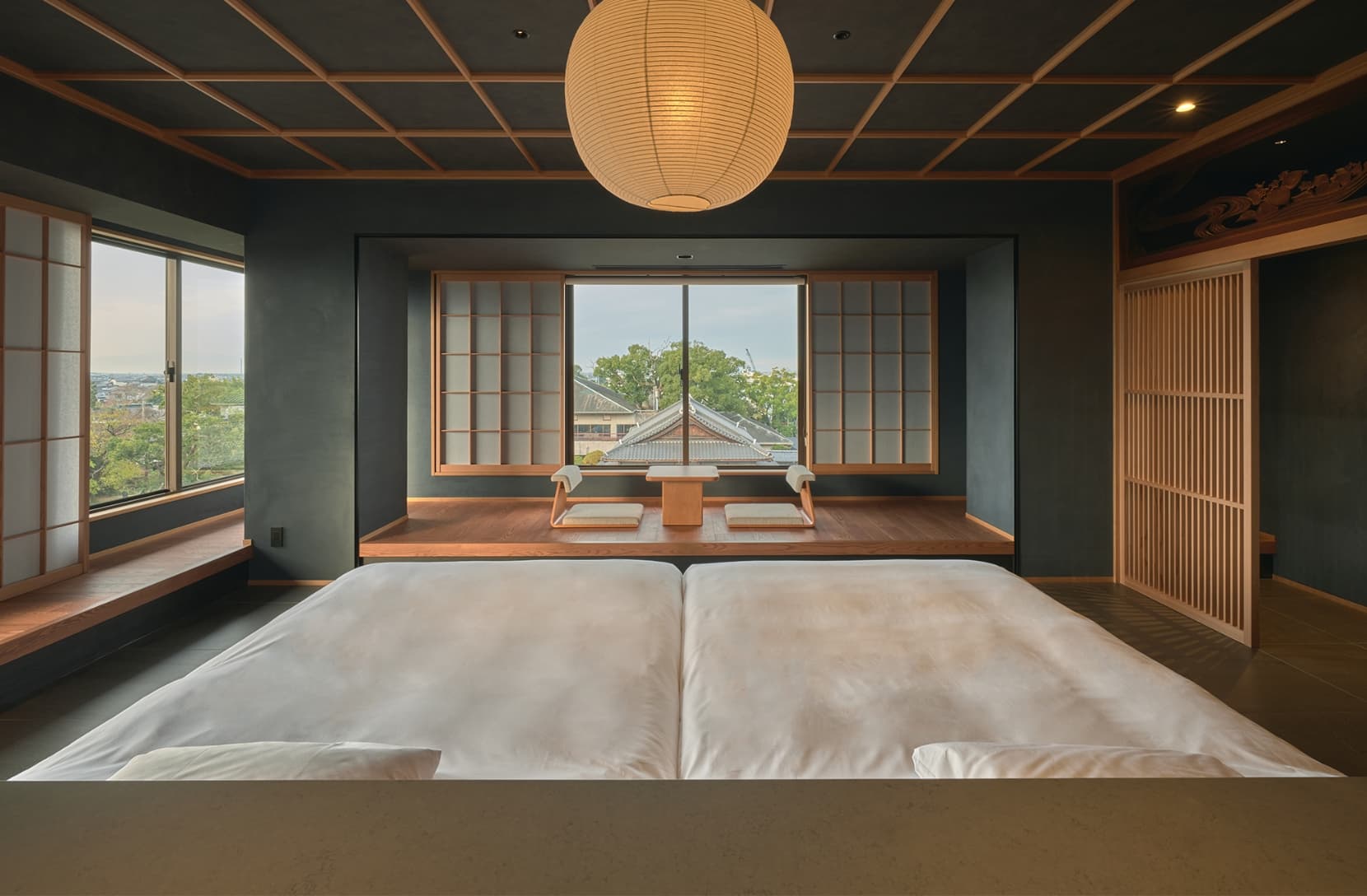
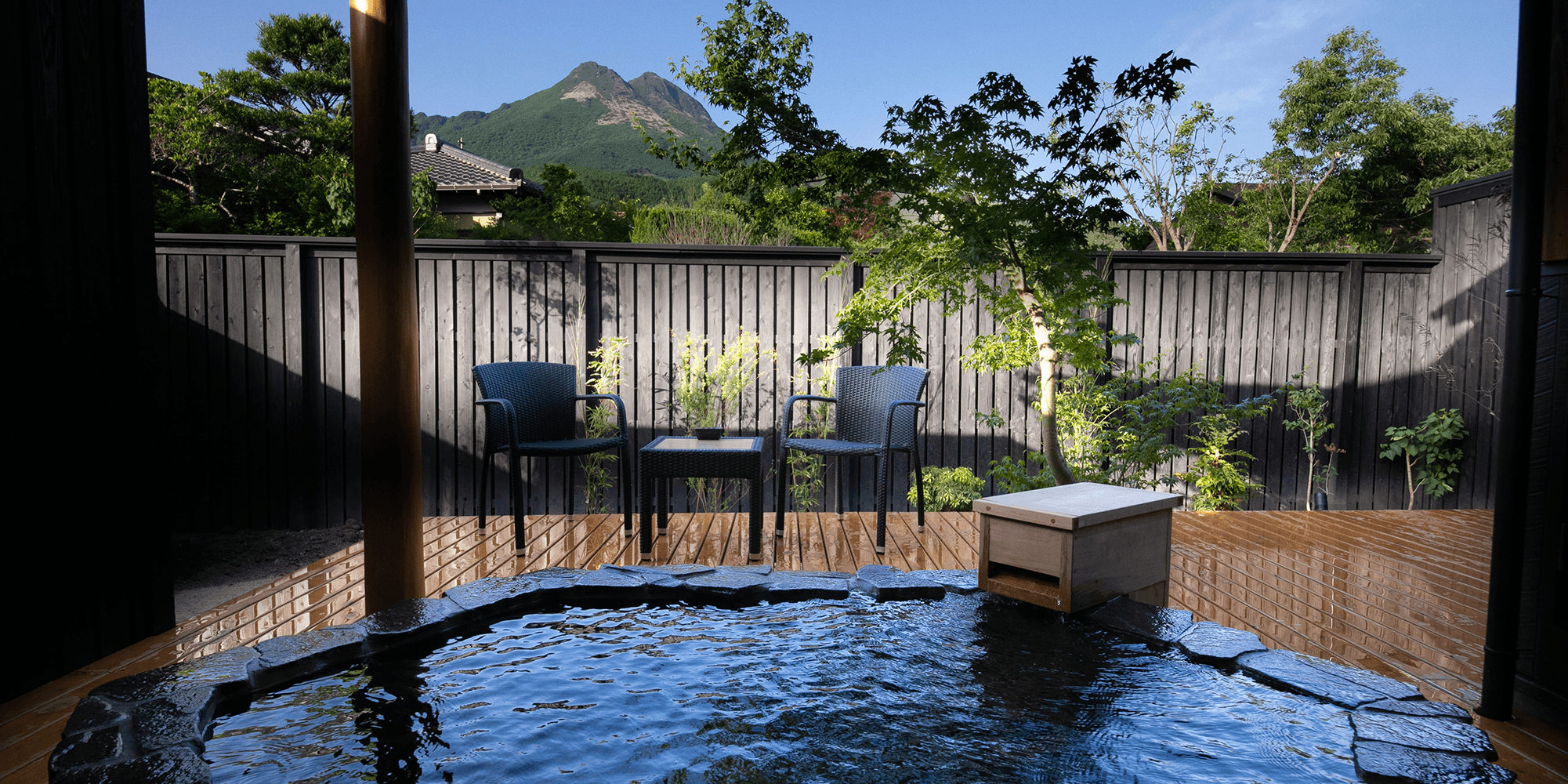 | from US$245/person/night≈ US$490 for 2 | 9.8 127 reviews | Book on Agoda |
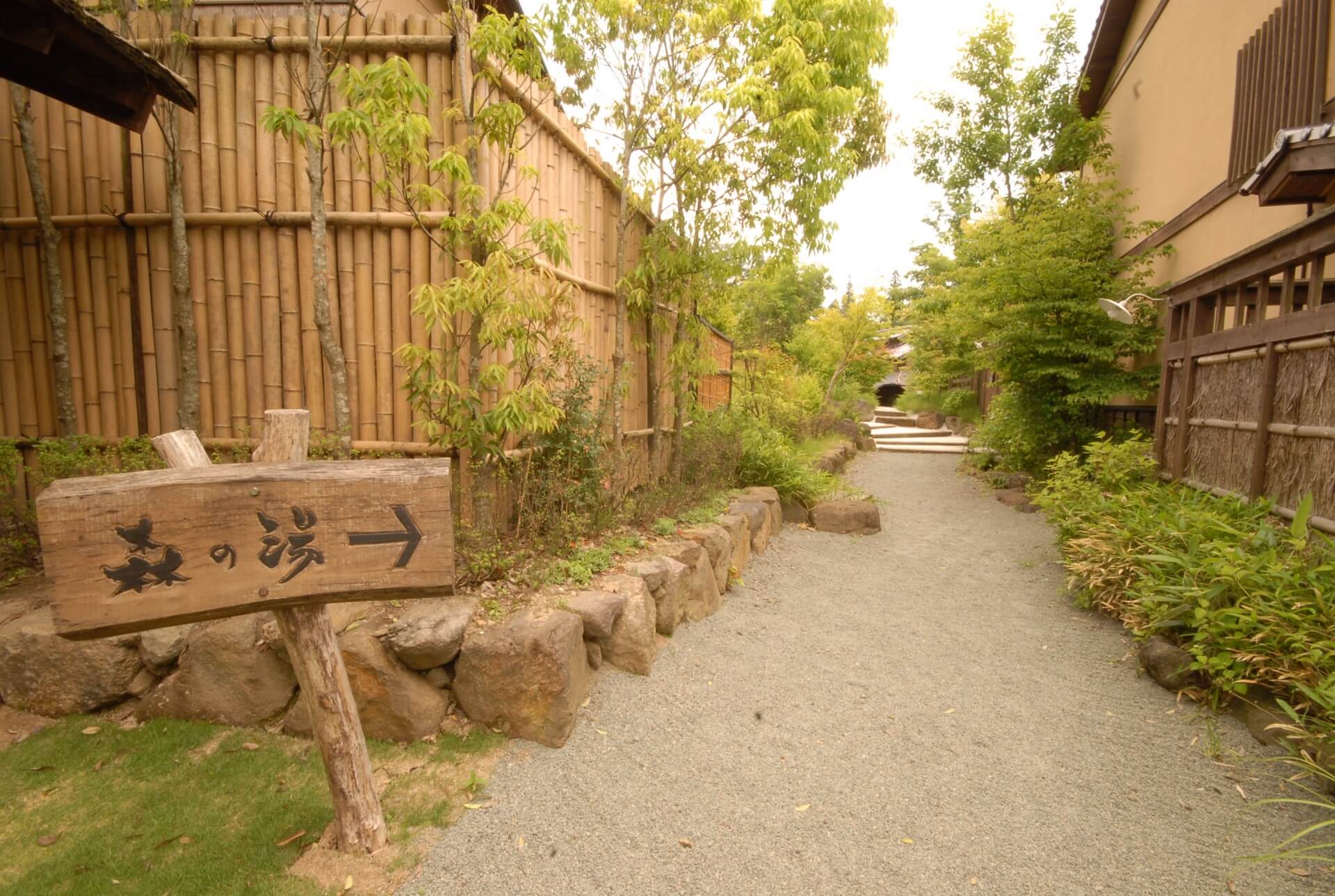
 | from US$200/person/night≈ US$400 for 2 | 9.7 106 reviews | Book on Agoda |
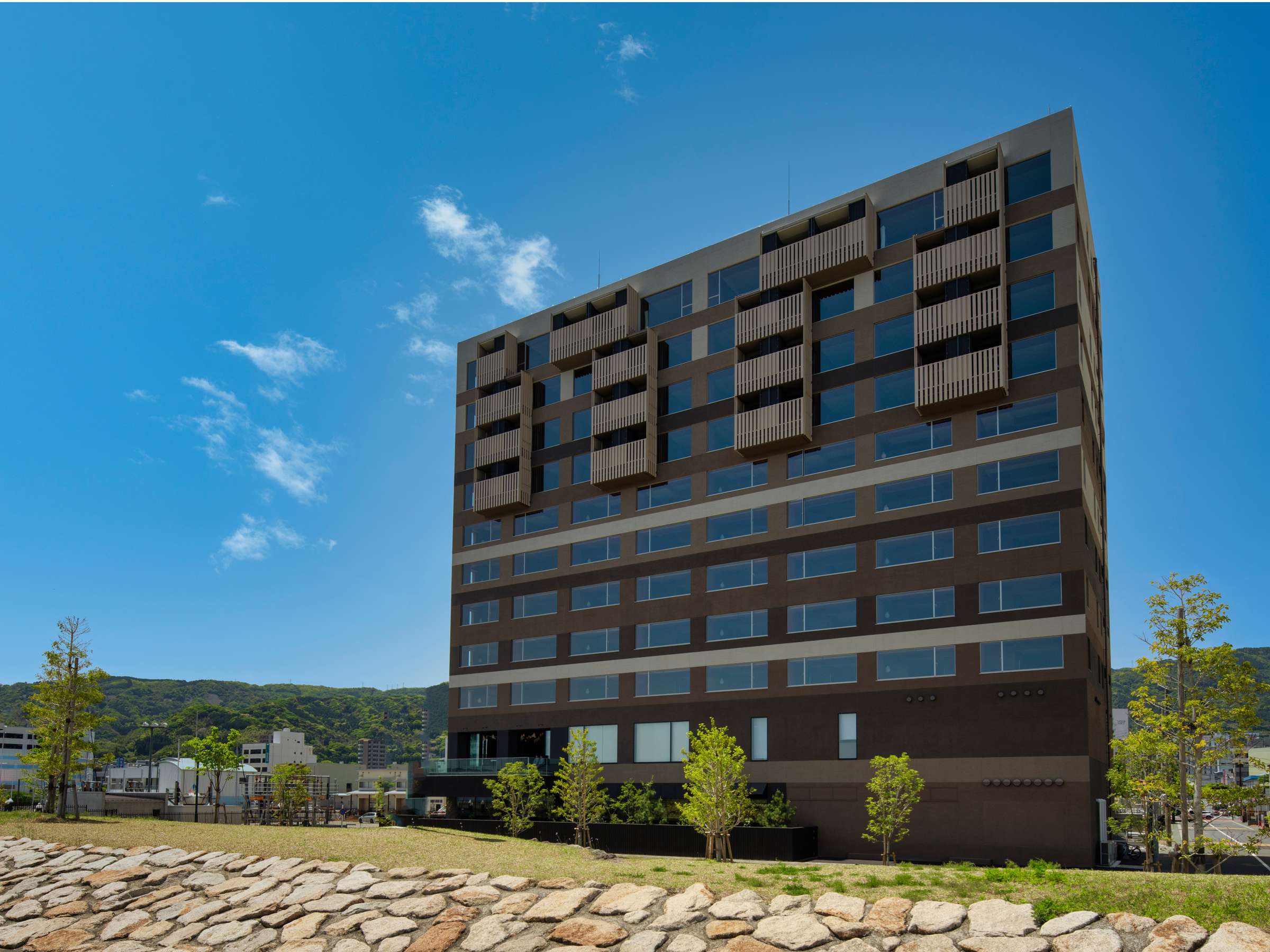 | from US$300/person/night≈ US$600 for 2 | 9.1 350 reviews | Book on Booking.com |
 | from US$250/person/night≈ US$500 for 2 | 9.0 680 reviews | Book on Booking.com |
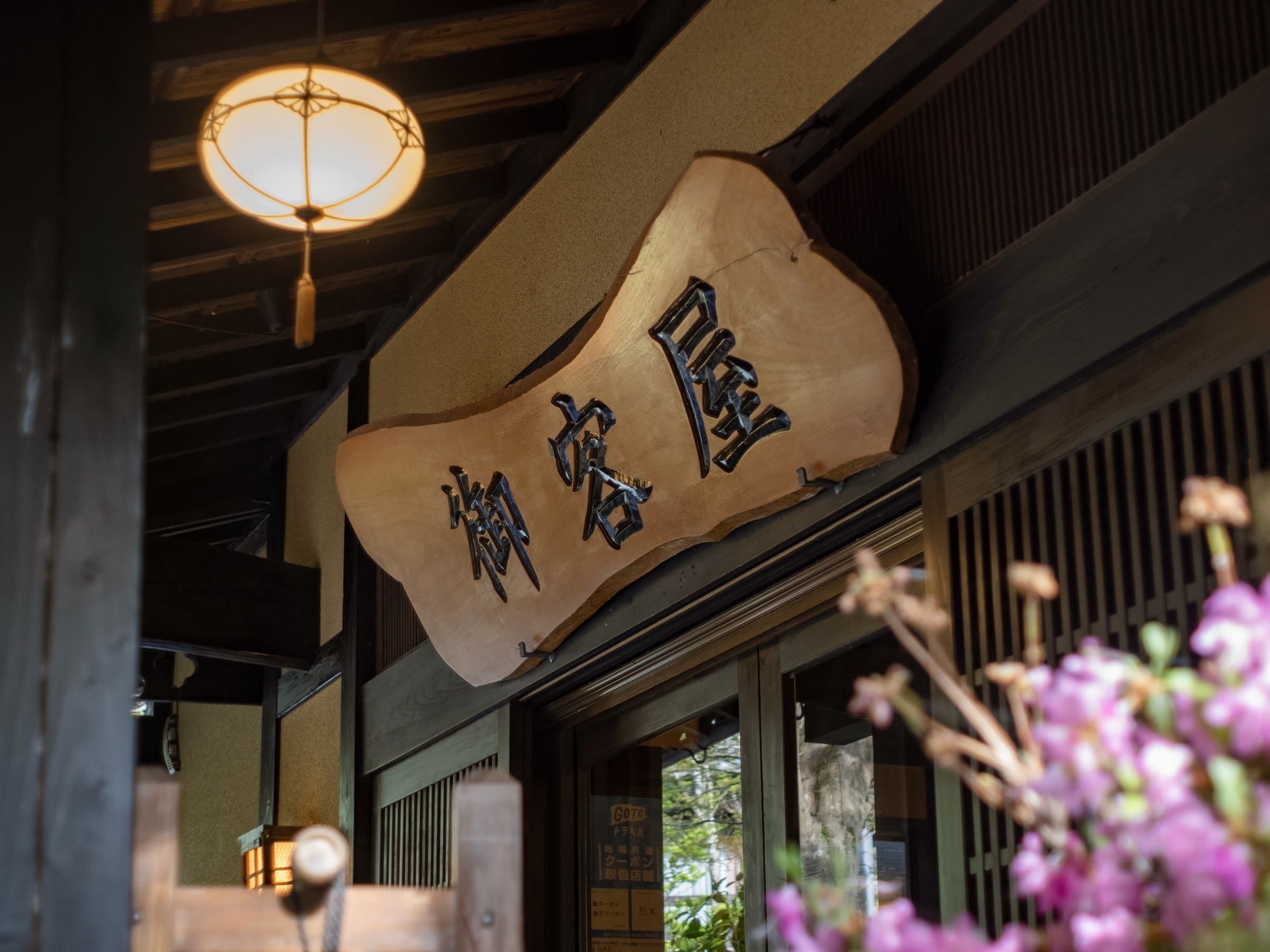 | from US$95/person/night≈ US$190 for 2 | 9.8 2,589 reviews | Book on Agoda |
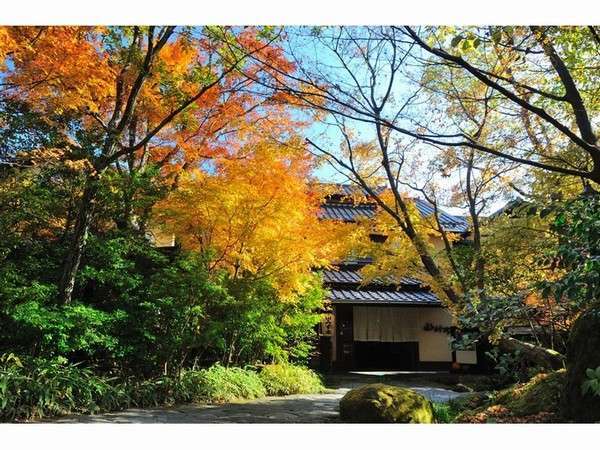 | from US$150/person/night≈ US$300 for 2 | 9.6 93 reviews | Book on Agoda |
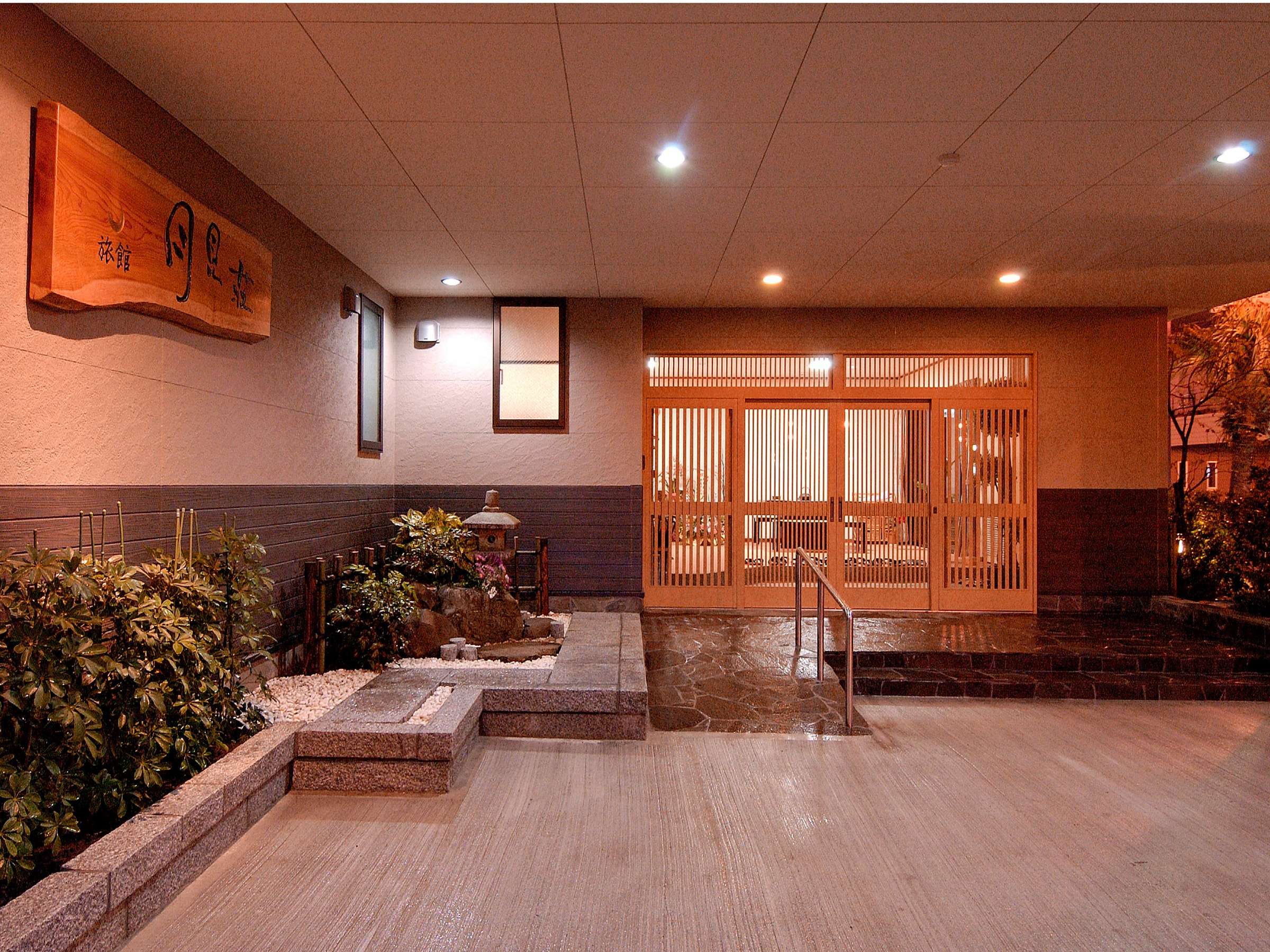 | from US$218/person/night≈ US$436 for 2 | 10.0 840 reviews | Book on Trip.com |
 | from US$250/person/night≈ US$500 for 2 | 9.7 71 reviews | Book on Booking.com |
Oyado Den Rikyu
Yufuin
Hinoharu Ryokan
Yufuin
Amane Resort Seikai
Beppu
Yamamizuki
Kurokawa
Unzen Kyushu Hotel
Unzen
Prices shown are approximate starting rates per person per night. We may earn a commission on bookings.
Kyushu is Japan's onsen heartland — the southern island where volcanic geology has produced a denser concentration of great hot-spring towns than anywhere else in the country, and where a single airport, Fukuoka, connects you to all of them. If you're flying in from Korea, this is the closest slice of Japan to home: Seoul and Busan are both roughly an hour away, and the onsen are waiting a short train ride beyond arrivals. These are the twelve ryokans worth booking, sorted by region — with real prices, honest access notes, and a weekend plan that works from Seoul or Busan.
This is a hub guide: a fast overview of Kyushu's five great onsen regions and the standout ryokan in each. For the deep breakdown of any one town — every district, more properties, and the full access detail — we've linked the dedicated area guides throughout. Prices are per person per night with two meals unless noted, and ratings are from verified guest reviews.
Why Kyushu is Japan's onsen heartland
Kyushu sits on one of the most geothermally active stretches of the Japanese archipelago, and the numbers make the case on their own. Beppu alone discharges roughly 130,000 tonnes of hot-spring water per day across more than 2,300 sources — the highest geothermal water output of any city in Japan, and second globally only to Yellowstone. That density isn't limited to one town: within a few hours' radius you get the design-ryokan elegance of Yufuin, the steaming eight-district spectacle of Beppu, the thatched-roof riverside hamlet of Kurokawa, the volcanic sand baths of Ibusuki, and the sulfur 'hells' of Unzen. It's the variety, not just the volume, that makes Kyushu the country's onsen heartland.
What ties it together for a traveler is geography. These regions are close enough to combine on one trip, yet different enough that each night feels like a new country. You can go from a walkable galleries-and-cafes onsen town to a landscape of boiling acid pools in the same weekend — and it all threads back to a single gateway city.
Getting to Kyushu's onsen — arriving via Fukuoka
For most international arrivals, and especially for travelers from Korea, the trip begins at Fukuoka. Seoul (Incheon or Gimpo) and Busan are both roughly a 1-hour flight to Fukuoka Airport — shorter than many domestic flights within Japan — which is why Kyushu has become Korea's weekend onsen backyard. Fukuoka Airport is unusually central: it's just two subway stops on the Kuko Line to Hakata Station, the rail hub every onsen region below connects from. You can land, ride two stops, and board a limited express toward the mountains within the hour.
From Hakata, two of the regions have direct limited-express trains, one runs via the Kyushu Shinkansen, and two are reached by bus. Here's how each region connects from Fukuoka. Rail routes to Yufuin and Beppu are covered by the JR Kyushu Pass and Japan Rail Pass, so if you're pairing them a regional pass pays off quickly.
| Onsen region | From Fukuoka | Time | How |
|---|---|---|---|
| Yufuin | Hakata Station | ~2 hr 15 min | JR Yufuin no Mori limited express (~¥5,690 one-way, reserved) |
| Beppu | Hakata Station | ~2 hr | JR Sonic limited express (~¥6,000 reserved) |
| Kurokawa | Fukuoka | ~3 hr | Highway bus or car via Aso — no railway to the hamlet |
| Ibusuki | Hakata Station | ~2 hr 20 min total | Kyushu Shinkansen to Kagoshima-Chuo (~1 hr 20 min), then JR Ibusuki Makurazaki Line (~1 hr) |
| Unzen | via Nagasaki | ~2 hr from Nagasaki | Direct bus from Nagasaki Bus Terminal, or ~90 min from Isahaya |
Tip
If you're combining Yufuin and Beppu — the most popular two-region pairing and an easy first trip — buy a JR Kyushu rail pass rather than individual tickets. The two towns are only about 40 minutes apart by limited express, so a Fukuoka → Yufuin → Beppu → Fukuoka loop on one pass is both cheaper and simpler than point-to-point fares.
Yufuin — design ryokans under Mt Yufu
Yufuin is the gentlest introduction to Kyushu onsen: a flat agricultural basin at about 450 meters, ringed by the twin peaks of Mt Yufu (1,583 meters), with a dense cluster of kominka-modern (farmhouse-style) ryokans within a 25-minute walk of the station. It suits travelers who want a slow, walkable, photogenic town — cafes, galleries, and Lake Kinrin between soaks — rather than a big working hot-spring city. It's the region that established Kyushu's design-ryokan identity, and it books out early on weekends, so reserve ahead.
Oyado Den Rikyu (9.8, 127 reviews, around $245) is the luxury benchmark — private baths and the polished creative-kaiseki dining Yufuin is known for. Hinoharu Ryokan (9.7, around $200) is the sweet-spot mid-tier, and for value, Ryoso Makibanoie (9.7, around $140) delivers the town's design sensibility at a budget price. Read the full Yufuin ryokan guide.
Beppu — eight steaming hot-spring districts
Beppu is the dramatic opposite of Yufuin — a working hot-spring city of eight distinct bathing districts (the Beppu Hatto), each with its own water chemistry, plus the famous jigoku 'hells': steaming, cobalt-blue and blood-red pools you tour rather than bathe in. It suits travelers who want the full geothermal spectacle and the widest range of onsen types in one place. The seven-hell combination ticket is a good half-day, and steam-cooked jigoku-mushi cuisine is a local signature.
KAI Beppu (9.1, 350 reviews, around $300) is the top first-timer luxury pick — a Hoshino Resorts property with an on-site introduction to the eight districts' water chemistry and nightly Bungo-Kagura performances. Amane Resort Seikai (9.0, 680 reviews, around $250) is the ocean-front choice, with baths facing the bay. For a well-reviewed mid-tier, Hotel Shiragiku (8.9, 1,580 reviews, around $150) is a reliable, central base. Read the full Beppu ryokan guide.
Kurokawa — thatched-roof hamlet with a 3-bath pass
Kurokawa Onsen is many people's favorite onsen town in Japan, and for good reason. In the 1980s its ryokan owners cooperated to revive a dying hamlet with a unified thatched-roof aesthetic and a shared bath-hopping system — a rural revitalization model now cited by the Japan Tourism Agency. The result is an intimate riverside village where several inns have cave baths cut into the cliffs above the Chikugo River. It suits travelers who want atmosphere and value over big-resort polish, and it's the best-value region on the island.
Tip
Kurokawa's signature is the nyuto-tegata (nyuyoku tegata) bath-hopping pass — a wooden token, ¥1,500 per adult in 2026, that lets you soak in any three outdoor baths across the participating inns even if you're not staying there. Buy it at your ryokan or the tourist office and spend an afternoon walking the hamlet bath to bath; it's the single best way to experience Kurokawa.
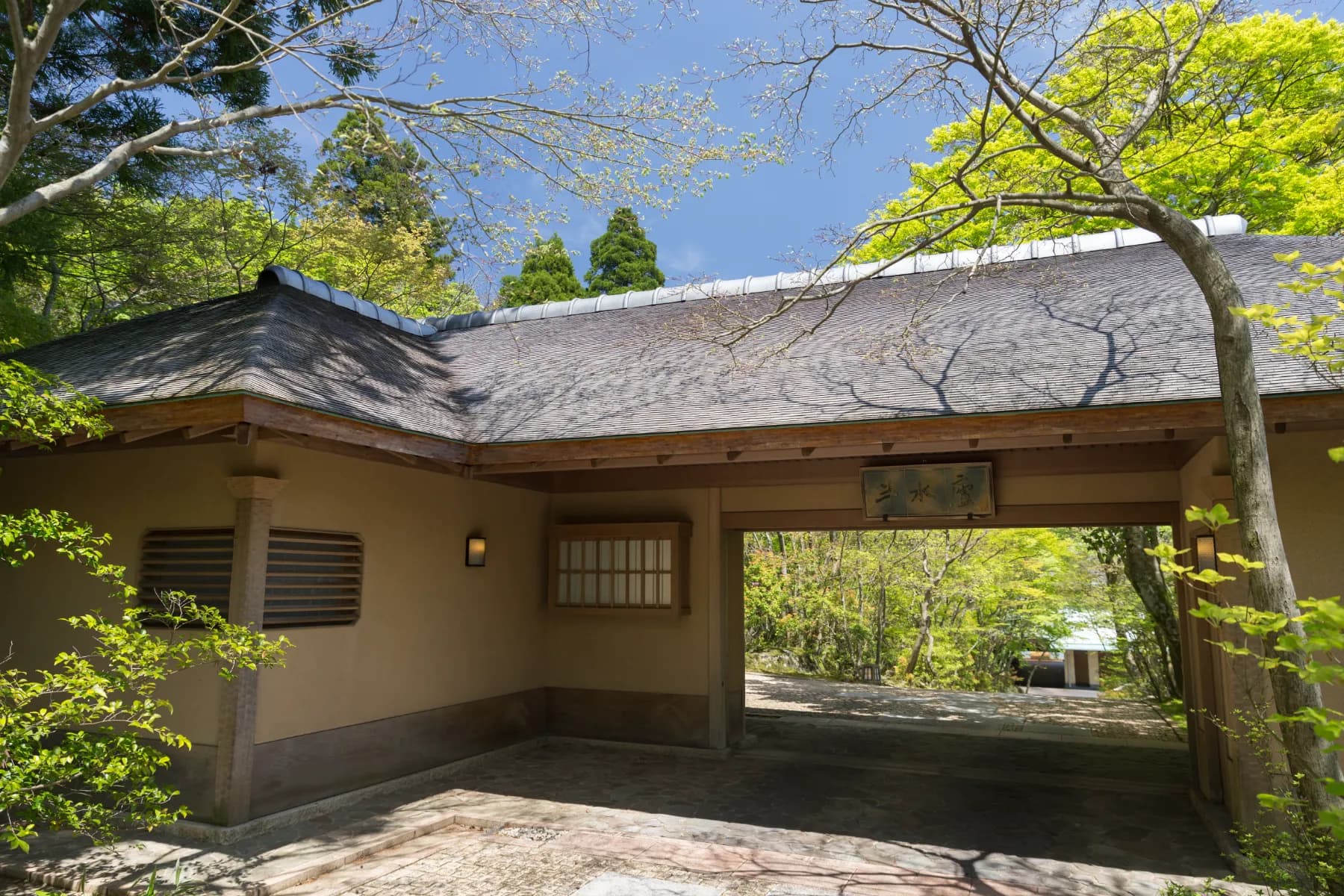
Okyakuya (9.8, 2,589 reviews, around $95) is the value hero — a near-perfect rating over a huge review count at a mid-budget price, and our top pick for anyone prioritizing value on this whole list. Yamamizuki (9.6, around $250) is the luxury, riverside choice with private baths, and Ryokan Kounoyu (9.8, around $160) is a superb mid-upper option. Read the full Kurokawa ryokan guide.
Ibusuki — volcanic sand baths on the Kagoshima coast
Ibusuki, on the coast south of Kagoshima, offers something no other region here does: the suna-mushi onsen, or sand bath. You're buried up to the neck in black volcanic sand heated by geothermal vents to around 50–55°C, and a 10–15 minute session is documented to boost circulation well beyond a standard hot-water soak. It suits travelers who want a genuinely distinctive onsen experience and a semi-tropical, year-round climate. It's the furthest region from Fukuoka but the most novel.
Tip
Book the sand bath through your ryokan if you can. Hakusuikan runs its own private sand-bath section on the beach for guests, which lets you skip the queues at the public Saraku Sand-Bath Hall. Bring a hair tie and be ready to shower afterward — the sand gets everywhere, and that's part of the fun.
Ryokan Tsukimiso (a perfect 10.0, 840 reviews, around $218) is the standout — an intimate, highly rated stay. Hakusuikan (9.1, around $250) is the historic flagship, the largest property in town, with its own private sand-bath facility. Read the full Ibusuki ryokan guide.
Unzen — sulfur 'hells' in Japan's first national park
Unzen Onsen sits at 700 meters on the Shimabara Peninsula in Nagasaki Prefecture, built around the Unzen Jigoku — a landscape of sulfur-yellow steam vents and boiling pools set inside Japan's first-designated national park (1934). The water is a sulfate-chloride blend so mineral-rich it turns silver jewelry black, so remove rings and necklaces before bathing. It suits travelers who want dramatic scenery, heritage atmosphere, and a pairing with Nagasaki's history. Autumn, when maple color contrasts against the white steam, is the most photographed season.
Unzen Kyushu Hotel (9.7, around $250) is the modern flagship — private rotenburo in the rooms, many with direct Jigoku views, minutes from the main steam vents for dawn viewing. Miyazaki Ryokan (9.5, around $100) is the strong mid-tier value pick. Read the full Unzen ryokan guide.
Kyushu ryokan compared
Here are four properties that map the spread — the value hero, the Yufuin design benchmark, the Beppu luxury first-timer pick, and the Ibusuki sand-bath standout — side by side.
Quick Comparison
4 picks| Ryokan | From | Rating | Book |
|---|---|---|---|
| from US$95/person/night≈ US$190 for 2 | 9.8 2,589 reviews | Book on Agoda |
| from US$245/person/night≈ US$490 for 2 | 9.8 127 reviews | Book on Agoda |
| from US$300/person/night≈ US$600 for 2 | 9.1 350 reviews | Book on Booking.com |
| from US$218/person/night≈ US$436 for 2 | 10.0 840 reviews | Book on Trip.com |
Oyado Den Rikyu
Yufuin
Prices shown are approximate starting rates per person per night. We may earn a commission on bookings.
A weekend from Korea: 2–3 day Kyushu onsen itinerary
Because the regions are close and the flight from Korea is so short, a Kyushu onsen weekend is genuinely realistic. Here's the routing we'd recommend for a first trip. Day 1: fly Seoul or Busan to Fukuoka (about 1 hour), ride two subway stops to Hakata, and take the JR limited express to either Yufuin (~2 hr 15 min) or Beppu (~2 hr) — you'll be soaking by the afternoon. If you're torn, Yufuin for a calmer first night, Beppu if you want the hells and eight districts. Day 2: move to Kurokawa (the two-region hop is easy by bus or car via Aso) for the thatched-roof hamlet and the 3-bath pass — this is the atmospheric heart of the trip. Day 3: return to Fukuoka for your flight home, with time for a bowl of Hakata ramen before departure.
If you have only two days, do a single region well — Yufuin or Beppu — rather than rushing between towns. If you have four, add Ibusuki (via Kagoshima-Chuo) or Unzen (via Nagasaki) for the sand baths or the sulfur hells. The Aso volcano loop pairs naturally with a Kurokawa leg if you're driving.
Tip
Weekend trains from Hakata to Yufuin and Beppu sell out — the Yufuin no Mori reserved seats can go up to a week ahead in April and around New Year. Book your limited-express seats when you book your ryokan, not at the station on arrival.
When to go & what it costs
Onsen towns are year-round, but each region has a best window. Autumn (October–November) is the classic choice across Kyushu — cool air makes outdoor rotenburo more pleasant, and Unzen and Kurokawa are at their most photogenic with maple color. Spring (March–May) is comfortable everywhere and lovely in Yufuin's basin. Winter is quietly excellent for onsen — snow on the baths, fewer crowds — while Ibusuki's semi-tropical climate keeps its sand baths comfortable even in the cooler months. Summer is fine but humid; aim for higher-elevation Kurokawa or Unzen if you go then.
On price, the spread is wide and the value is excellent. The budget end starts around $95 per person at Okyakuya in Kurokawa; mid-tier stays like Hotel Shiragiku, Miyazaki Ryokan, and Ryoso Makibanoie run roughly $100–$150; and the luxury end tops out around $300 at KAI Beppu — remarkably reasonable for the quality, and a big reason Kyushu is such a strong-value onsen destination compared with Honshu's marquee towns.
| Tier | Example | Region | Approx. price/person |
|---|---|---|---|
| Value hero | Okyakuya | Kurokawa | $95 |
| Mid-range | Ryoso Makibanoie | Yufuin | $140 |
| Mid-range | Hotel Shiragiku | Beppu | $150 |
| Upper-mid | Ryokan Tsukimiso | Ibusuki | $218 |
| Luxury | Oyado Den Rikyu | Yufuin | $245 |
| Luxury | KAI Beppu | Beppu | $300 |
Kyushu is the rare place where great onsen, short distances, and genuine value line up — and from Korea, it's closer than most domestic Japanese trips. Whichever region you start with, you're an hour from home and a train ride from one of the best baths in Japan.
Ready to book?
Book one of these top picks
Compare live availability and prices across booking sites.
Okyakuya
歴史の宿 御客屋
Kurokawa·Mid-Range
from US$95 · per person · per nightfrom ≈ US$190 total for 2 guests



Oyado Den Rikyu
御宿 田 離宮
Yufuin·Luxury
from US$245 · per person · per nightfrom ≈ US$490 total for 2 guests
Kai Beppu
界 別府
Beppu·Luxury
from US$300 · per person · per nightfrom ≈ US$600 total for 2 guests
Booking links may earn us a commission at no extra cost to you.
FAQ
Frequently asked questions
How long does it take to reach each onsen region from Fukuoka?+
Yufuin is roughly 2 hours 15 minutes on the JR Yufuin no Mori limited express from Hakata (about ¥5,690 one-way, reserved). Beppu is about 2 hours on the JR Sonic limited express (around ¥6,000 reserved). Kurokawa has no train — plan on roughly 3 hours by highway bus or car via Aso. Ibusuki is reached via Kagoshima-Chuo (about 1 hour 20 minutes by Kyushu Shinkansen from Hakata, then about 1 hour on the JR Ibusuki Makurazaki Line). Unzen is via Nagasaki, roughly 2 hours by direct bus from the Nagasaki Bus Terminal, or about 90 minutes from Isahaya.
Do I need a JR Pass or a rental car for a Kyushu onsen trip?+
For Yufuin and Beppu, no car is needed — the JR limited expresses run directly from Hakata and are covered by the JR Kyushu Pass and Japan Rail Pass, so a regional pass pays off fast if you're doing both. Ibusuki is also fully doable by train via Kagoshima-Chuo. Kurokawa is the exception: there's no railway, so you either take a highway bus or drive. If your trip centers on Kurokawa or you want to combine it with the Aso volcano loop, a rental car is the most flexible option.
What is the cheapest good ryokan in Kyushu?+
Okyakuya in Kurokawa Onsen is the value hero — a 9.8 rating across 2,589 reviews at roughly $95 per person, which is remarkable for a full-service ryokan with two meals and onsen bathing. Budget-tier Kurokawa inns start from around ¥12,700–¥14,500 per person with two meals midweek, making the hamlet one of the most accessible onsen-town destinations in Kyushu. In Yufuin, Ryoso Makibanoie (9.7, around $140) is the standout budget pick.
Which Kyushu onsen region is best for first-timers?+
Yufuin is the gentlest introduction — a flat, walkable agricultural basin with kominka-modern ryokans, Mt Yufu framing the town, and cafes and galleries along Yunotsubo Kaido. It's a slow, photogenic first onsen town. Beppu is the more dramatic choice if you want the full geothermal spectacle — eight bathing districts and the steaming jigoku 'hells' — and KAI Beppu runs an on-property introduction to the eight-district water chemistry, which is ideal for first-timers who want context.
Can I do a Kyushu onsen trip as a weekend from Seoul?+
Yes — this is exactly why Kyushu is Korea's onsen backyard. Fly Seoul (Incheon or Gimpo) to Fukuoka in about an hour, land Friday evening or Saturday morning, and you can be soaking in Yufuin or Beppu the same afternoon (both about 2 hours by JR limited express). A comfortable version is one night in Yufuin or Beppu, a night in Kurokawa, and fly home Sunday. It's tight but genuinely restful because the distances between regions are short.
Are there tattoo-friendly ryokans in Kyushu?+
Yes, and options are broadest at ryokans with private baths, since a private rotenburo removes the policy question entirely. Many upper-tier properties here — such as Yamamizuki in Kurokawa (riverside private baths) and rooms with in-room rotenburo in Beppu and Unzen — let you bathe without entering a shared pool. Kurokawa's bath-hopping culture is more mixed on communal baths, so if you have tattoos, book a room with a private bath or confirm the individual inn's policy before you go.
Still deciding?
Browse ryokans across JapanBooking.com