
11 min readUpdated June 2026
Quick Comparison
9 picks| Ryokan | From | Rating | Features | Book |
|---|---|---|---|---|
 Gora Kadan Hakone | $500+ | 9.5 89 reviews | EN OKPrivate Onsen | Book on Booking.com |
 Hakone Ginyu Hakone | $400+ | 9.3 124 reviews | EN OKPrivate Onsen | Book on Booking.com |
| $500+ | 9.5 26 reviews | EN OKPrivate Onsen | Book on Booking.com | |
 | $250+ | 8.9 512 reviews | EN OKPrivate Onsen | Book on Booking.com |
 | $500+ | 9.6 67 reviews | EN OKPrivate Onsen | Book on Booking.com |
 Gekkoju Kurokawa | $600+ | 9.5 47 reviews | EN OKPrivate Onsen | Book on Booking.com |
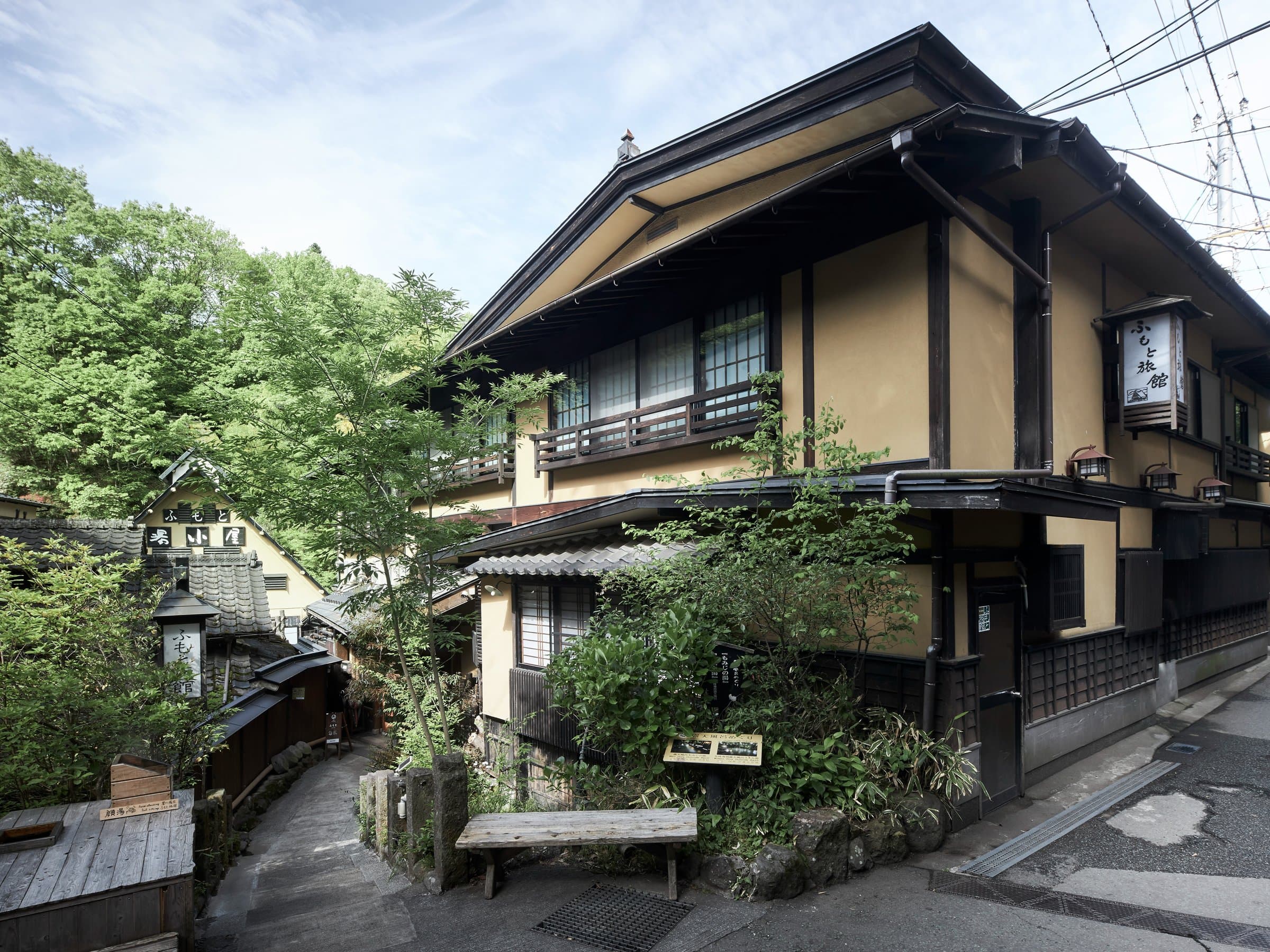 Fumoto Ryokan Kurokawa | $250+ | 9.3 249 reviews | EN OKPrivate Onsen | Book on Booking.com |
 | $739+ | 8.6 8 reviews | EN OKPrivate Onsen | Book on Booking.com |
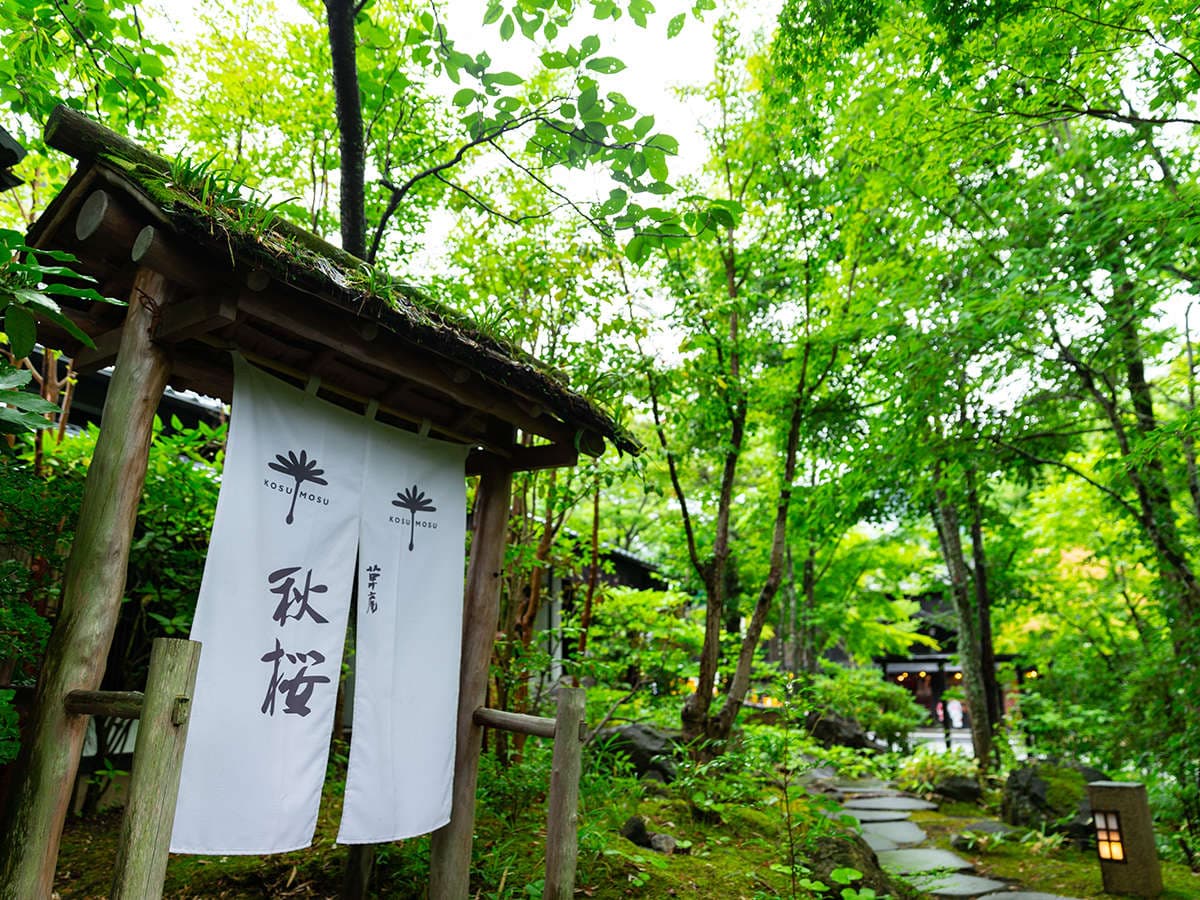 Yufuin Souan Kosumosu Yufuin | $300+ | 9.6 120 reviews | EN OKPrivate Onsen | Book on Booking.com |
Gora Kadan
Hakone
Hakone Ginyu
Hakone
Gekkoju
Kurokawa
Fumoto Ryokan
Kurokawa
Yufuin Souan Kosumosu
Yufuin
Prices shown are approximate starting rates per person per night. We may earn a commission on bookings.
Here is the part of the ryokan with private onsen for couples search that almost no one explains upfront: Japan's onsen baths are gender-segregated. At virtually every traditional ryokan, the communal baths divide into men's and women's sides. Romantic? Not exactly — you soak in separate rooms while your partner does the same thing 20 metres away. This is standard Japanese public-bath culture, not a flaw, and most guests don't realise it until they're already standing in the changing room.
The fix is specific. You need either an in-room rotenburo — a hot spring bath physically attached to your guest room that no one else enters — or a kashikiri (貸切) bath, a private facility you can reserve for a time slot and use as a couple. These are different things, and knowing which one your room has matters before you book.
I've spent time at ryokans across Japan's main romantic onsen areas and pulled together eight verified picks — from Hakone's cedar-forested hills to Yufuin's misty valley floor — where private soaking for two is actually built into the room, not just a footnote on the website. For couples planning a honeymoon stay, also see our honeymoon guide.
Why a private onsen is the couples answer
Most ryokans with excellent communal baths — and there are many — are not set up for couples to bathe together. The communal experience is designed for individual relaxation, not intimacy. The gender division isn't negotiable at a public bath, so the romantic onsen fantasy requires a private one.
Two options exist. In-room rotenburo (露天風呂付き客室): an open-air or semi-enclosed hot spring bath on your balcony or terrace, fed by the same natural spring water as the communal baths but exclusively yours. You can use it at 2am, at dawn, or any time during your stay without booking anything. The better ryokans fill these tubs continuously with flowing spring water (*kake-nagashi*), so the water is always fresh.
Kashikiri (貸切風呂): a private bath in a separate building that guests reserve for a set time slot — typically 45 to 60 minutes. It's shared infrastructure you're temporarily monopolising. Advantages: kashikiri rooms are often more architecturally impressive than in-room baths, sometimes with larger tubs, better views, or distinctive materials like stone or hinoki cypress. Disadvantage: you have a window, and if you miss it or the slot is taken, you wait. At busy ryokans on weekends, all slots are gone before check-in.
For a truly private soaking experience with no scheduling, an in-room rotenburo is the better choice for couples. For something with more ceremony, a well-maintained kashikiri room is worth it — if you book the slot immediately after check-in.
Tip
When booking, search specifically for '露天風呂付き客室' (rotenburo-tsuki kyakushitsu — room with open-air hot spring bath) or ask the ryokan whether the private bath is in-room or kashikiri-style. These are different products. Many properties offer both; confirm which one applies to your specific room category.
Compare the 8 picks at a glance
Quick Comparison
9 picks| Ryokan | From | Rating | Features | Book |
|---|---|---|---|---|
Gora Kadan Hakone | $500+ | 9.5 89 reviews | EN OKPrivate Onsen | Book on Booking.com |
Hakone Ginyu Hakone | $400+ | 9.3 124 reviews | EN OKPrivate Onsen | Book on Booking.com |
| $500+ | 9.5 26 reviews | EN OKPrivate Onsen | Book on Booking.com | |
| $250+ | 8.9 512 reviews | EN OKPrivate Onsen | Book on Booking.com |
| $500+ | 9.6 67 reviews | EN OKPrivate Onsen | Book on Booking.com |
Gekkoju Kurokawa | $600+ | 9.5 47 reviews | EN OKPrivate Onsen | Book on Booking.com |
Fumoto Ryokan Kurokawa | $250+ | 9.3 249 reviews | EN OKPrivate Onsen | Book on Booking.com |
| $739+ | 8.6 8 reviews | EN OKPrivate Onsen | Book on Booking.com |
Yufuin Souan Kosumosu Yufuin | $300+ | 9.6 120 reviews | EN OKPrivate Onsen | Book on Booking.com |
Gora Kadan
Hakone
Hakone Ginyu
Hakone
Gekkoju
Kurokawa
Fumoto Ryokan
Kurokawa
Yufuin Souan Kosumosu
Yufuin
Prices shown are approximate starting rates per person per night. We may earn a commission on bookings.
The verified picks
These eight ryokans were chosen for area variety and confirmed private-onsen access. Each property has either in-room rotenburo or reservable kashikiri baths (or both). The areas — Hakone, Izu, Kinosaki, Kyoto, Kurokawa, Atami, Yufuin — each have a distinct character beyond the bath, which matters for a multi-day stay.
Hakone — Gora Kadan
At a glance
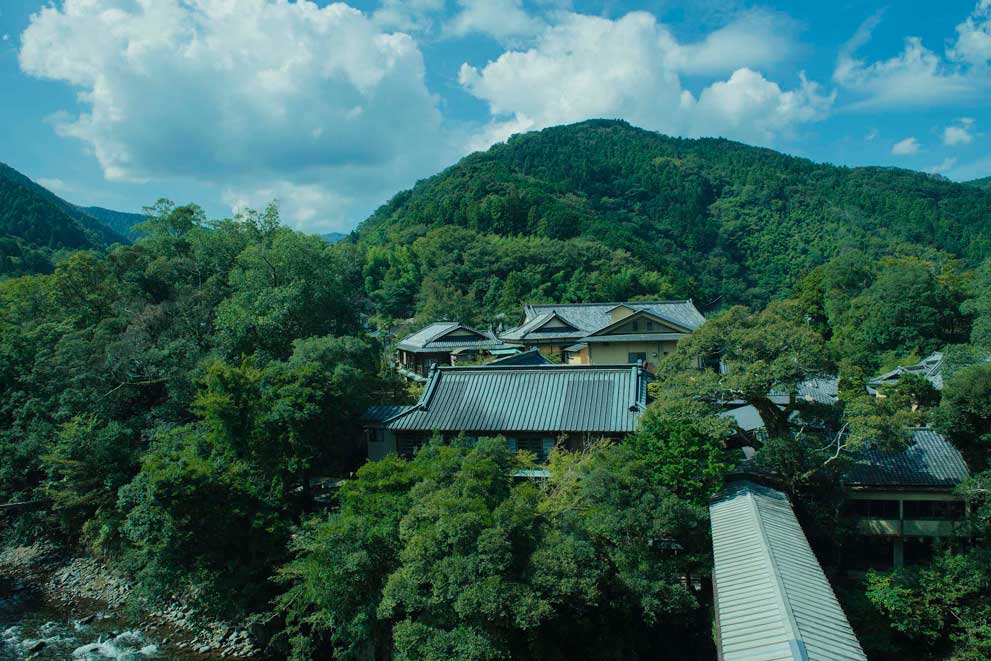
Gora Kadan sits on the terraced hillside of Gora, built on the former summer villa of a member of the imperial family. That heritage shows in the property's proportions: wide corridors, outdoor gardens designed for walking rather than just viewing, and guest rooms where the in-room private onsen feels like an extension of the landscape rather than a bathroom addition. Most rooms have both an in-room open-air bath and access to the communal baths, which means couples get the private rotenburo without giving up the larger soaking variety of the shared facilities.
The kaiseki here is Kyoto-inflected — lighter, more visually considered than the seafood-heavy kaiseki of Atami or the mountain-ingredient kaiseki of Kurokawa. What I noticed on my visit was how the pacing of dinner slowed us down even before we reached the bath: by the time you're done with the final course, you've already shifted into a different tempo. The private rotenburo after that dinner is particularly effective at 10pm when the garden outside has gone quiet.
Honest limitation: Gora Kadan is in the upper tier of Hakone pricing, and the rooms with the most impressive private rotenburo are the highest-category suites. Mid-tier rooms have access to kashikiri baths rather than in-room units — worthwhile, but different. Confirm at booking which category you're reserving.
Hakone — Hakone Ginyu
At a glance
Hakone Ginyu occupies a quieter position than most Hakone ryokans — further from the Gora cluster, with rooms designed around outdoor bathing as the primary activity rather than a secondary feature. Most guest rooms have private outdoor baths, and the property keeps guest numbers deliberately low, which means the communal baths and the kashikiri baths are rarely busy even on weekends.
The setting is forest-heavy — cedar and cypress pressing in close enough that the private rotenburo feels embedded in the hillside rather than perched above it. For couples who want somewhere that genuinely disappears from view once you've checked in, this is one of the better options in Hakone. The kaiseki leans toward local mountain ingredients and seasonal fish from Sagami Bay, and the staff-to-guest ratio is high enough that service feels unhurried.
Where Ginyu is less strong is accessibility for guests without a car: it's not walkable from Gora Station the way some properties are. The ryokan arranges pick-up from the station, but the sense of transport reliance is real. If you're planning to combine the ryokan with the Hakone sightseeing circuit — Open Air Museum, Owakudani, Ashinoko — factor in the logistics before booking.
Izu — Izu Ochiairo
At a glance
Of all the properties in this guide, Izu Ochiairo makes the most committed case for architecture as part of the romantic experience. The ryokan is built into a river gorge in the Nishiizu highlands — rooms are staggered across the cliff face, connected by covered walkways, and most have in-room rotenburo where you can hear the river below while you soak. The building's design is internationally recognised, and it shows in how deliberately each room orients your view toward the gorge rather than toward other rooms.
The private onsen situation here is straightforward: the rooms with gorge-facing rotenburo are the ones to book. Not every room has an outdoor bath — the property offers a mix — so specify when booking. The communal baths are also exceptional, but for couples, the in-room bath at dusk with the Ose River audible below is the experience that makes this place distinct from everything else in the Izu peninsula.
Ochiairo books up quickly, particularly the gorge-view rooms with rotenburo. Weekend availability three or four months out is often limited. If you have a specific date, check early.
Kinosaki — Nishimuraya Shogetsutei
At a glance
Kinosaki Onsen is structured differently from most onsen towns: guests buy a *yumepa* pass and walk the willow-lined canal to visit all seven of the public sotoyu (town baths). It's a communal experience by design — and a genuinely lovely one — but it doesn't solve the couples-bathing problem. Nishimuraya Shogetsutei does, with private kashikiri baths that can be reserved for exclusive use.
The Shogetsutei property is the more intimate of Nishimuraya's two Kinosaki addresses, with fewer rooms and a quieter atmosphere than the main Honkan building. The material focus here is Tajima beef (one of the sources for Kobe beef) in the kaiseki, and the quality of the dinner at this property is as significant a part of the stay as the bath. What surprises first-time Kinosaki visitors is how much the town itself adds to the evening: walking the canal in yukata between the ryokan and the sotoyu is a distinct atmosphere that doesn't exist anywhere else in Japan.
For couples who want the Kinosaki canal experience but also need time together in a private bath, this combination — the town's public baths for the atmospheric circuit, the kashikiri for private soaking — is the practical answer. Book the kashikiri slot immediately after check-in.
Tip
At ryokans with kashikiri baths (Kinosaki, Kurokawa), book your private bath slot at check-in or call ahead — not the morning you want to use it. Busy weekends in both towns see all slots taken within an hour of check-in time. Some ryokans allow advance reservation when you book the room; always ask.
Kyoto — Hiiragiya
At a glance
Hiiragiya was founded in 1818 and sits a few minutes' walk from Nijo Castle in central Kyoto. It's one of the oldest operating ryokans in Japan, and the original honkan building has hosted guests including Charlie Chaplin and various heads of state — useful context for what the property represents, but not the main reason to stay here as a couple.
The private onsen situation at Hiiragiya is worth understanding clearly. Kyoto does not sit above a natural hot spring — the city's geology doesn't support it. What Hiiragiya offers is artificially heated mineral water baths (not natural onsen in the volcanic sense), with kashikiri private baths reservable by guests. This is standard for Kyoto ryokans and not something most properties disclose prominently. The bathing experience is excellent — private, quiet, traditional — but it's not the volcanic mineral onsen you get in Hakone or Kurokawa.
What Hiiragiya offers couples that nowhere else in this guide matches is location. A Hiiragiya stay is also a Kyoto evening: kaiseki dinner, then a walk through Nakagyo to Nishiki Market or a taxi to Gion, then back to a room that hasn't changed its fundamental design in two centuries. The romance here is cultural as much as physical. For couples whose trip centres on Kyoto and who want a private bath alongside it, this is the right answer.
Kurokawa — Ryokan Gekkoju
At a glance
Kurokawa Onsen in Kumamoto is built into a forested gorge, and the atmosphere — particularly in the evening when the stone-paved lanes light up and the cedar smoke from the bathhouses drifts through the trees — is unlike anything else in Japan's onsen towns. Gekkoju is a smaller property within the Kurokawa cluster, positioned on the edge of the gorge with rooms that feel genuinely embedded in the landscape.
Private onsen access here follows Kurokawa's typical pattern: in-room baths in some room categories, plus the Nyuto-Tegata wooden pass that covers admission to multiple bathhouses around the village (including communal baths at neighbouring ryokans). For couples, the in-room rotenburo rooms are the priority. The baths at Gekkoju draw from Kurokawa's shared sulfurous spring source — slightly milky, warm, with the faint egg-sulfur smell that signals genuine volcanic water.
Kurokawa is worth a two-night stay rather than one. The first evening you're orienting; the second evening you understand the rhythm of the village and the bath rotation. Getting there requires a car or the limited bus service from Aso or Fukuoka — factor this into planning if you're coming from Tokyo.
Kurokawa — Ryokan Fumoto
At a glance
Fumoto sits at the lower end of the Kurokawa gorge, close to the central lane but set back enough to feel separate from it. It's a smaller, quieter property than some of the more prominent Kurokawa ryokans, which is part of its appeal for couples who want the atmosphere without feeling like they're in a shared space with many other guests.
The reason to consider both Gekkoju and Fumoto in the same guide is that they serve slightly different preferences: Gekkoju has more dramatic gorge positioning, while Fumoto offers more intimate scale and a slightly lower price tier. Both have access to private bathing, and both participate in the Nyuto-Tegata pass system, which lets you extend the bath experience across Kurokawa's communal facilities.
For a single Kurokawa night, choosing between the two comes down to whether you prioritise views or scale. For two nights — which I'd recommend — you could in principle stay one night at each, though that's logistically complicated. Most couples pick one and use the Tegata pass to experience the others' communal baths.
Atami — Fufu Atami
At a glance
Atami has a reputation as a honeymooner's onsen town that dates back to the 1950s and '60s — the Shinkansen made it the closest hot spring destination from Tokyo (under an hour on the Kodama), and it became the default romantic weekend escape for urban Japan. That reputation faded for decades, but the town has been quietly revitalising, and Fufu Atami represents the contemporary version of what made it appealing in the first place.
The property is adults-only and built around the concept of couples' stays, with in-room private onsen baths as the default rather than an upgrade. The design is more contemporary than the cedar-and-tatami aesthetic of traditional ryokans, which either appeals to you or doesn't — the tatami rooms are here, but the visual language is quieter and more modern. The onsen water is Atami's sodium bicarbonate-chloride spring, which has a notably silky texture on skin often described as *bijin-no-yu* (beauty water).
From Tokyo's Shinjuku, Atami is just over an hour by Shinkansen (Kodama on the Tokaido line to Atami station). For couples doing a long weekend from Tokyo who want a private onsen stay without a complex journey, this is the most accessible option in this guide.
Yufuin — Souan Kosumosu
At a glance
Yufuin sits in a broad valley between Beppu and Mt. Yufu, and the atmosphere is softer and more pastoral than most onsen towns — morning mist over the rice paddies, the volcano outlined against the sky, a high street with independent galleries and cafes that actually merit wandering. Souan Kosumosu is a small property in this valley with detached cottages rather than corridors of rooms, each with private onsen baths.
The detached cottage format changes the private onsen experience more than I expected. When your bath is in a freestanding structure surrounded by its own garden rather than on a balcony attached to a building, the sense of seclusion is complete. There's no sound from neighbouring rooms because there's nothing neighbouring. This is the most private bathing option in this guide in the literal sense: you are alone in a structure.
Yufuin is accessible by the Yufuin no Mori limited express from Hakata (Fukuoka), which takes about 1 hour 20 minutes — one of the most scenic train rides in Kyushu. The limited express is popular and books up on weekends; reserve it at the same time as the ryokan. Combining a Yufuin stay with a night in Kurokawa (about 1.5 hours by car or taxi) makes for a strong two-area Kyushu onsen itinerary.
Tip
For in-room rotenburo rooms, the water is always there — but the best soak is typically at dusk or pre-dawn, when the light and temperature make the outdoor bath feel most distinct from indoors. Plan your dinner timing around this: most ryokans serve dinner between 6pm and 8pm, which means the 9–10pm window after dinner and before sleep is often the peak private-bath slot.
More private-onsen ryokans we list
20 listed| Ryokan | From | Rating | Features | Book |
|---|---|---|---|---|
 | $429+ | 10.0 44 reviews | EN OKPrivate Onsen | Book on Agoda |
 Akane-an Nasu | $220+ | 10.0 | Private Onsen | Book on Agoda |
 Konansou Fuji Kawaguchiko | $200+ | 9.9 17 reviews | EN OKPrivate Onsen | Book on Booking.com |
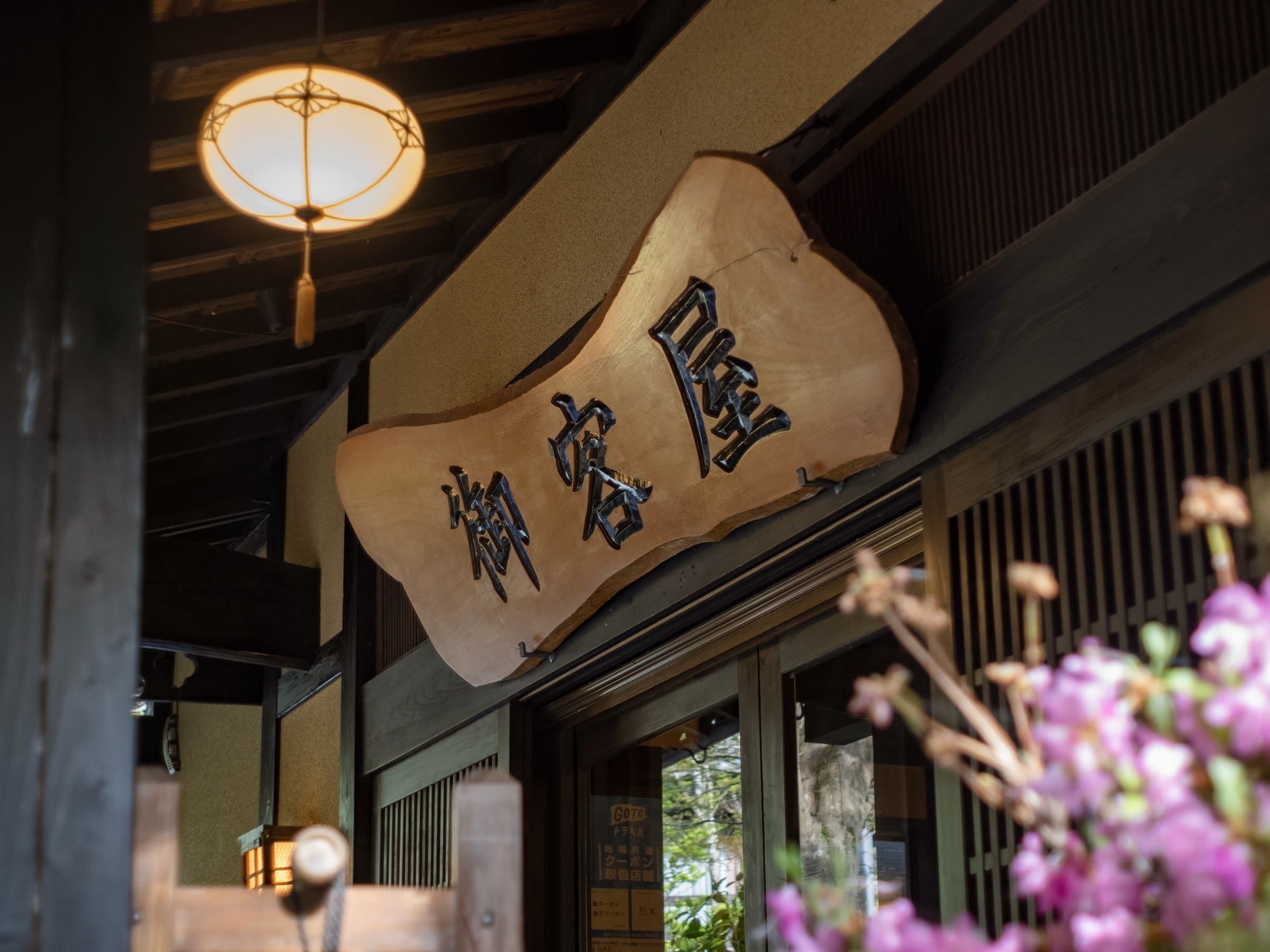 Okyakuya Kurokawa | $95+ | 9.8 2,589 reviews | EN OKPrivate Onsen | Book on Booking.com |
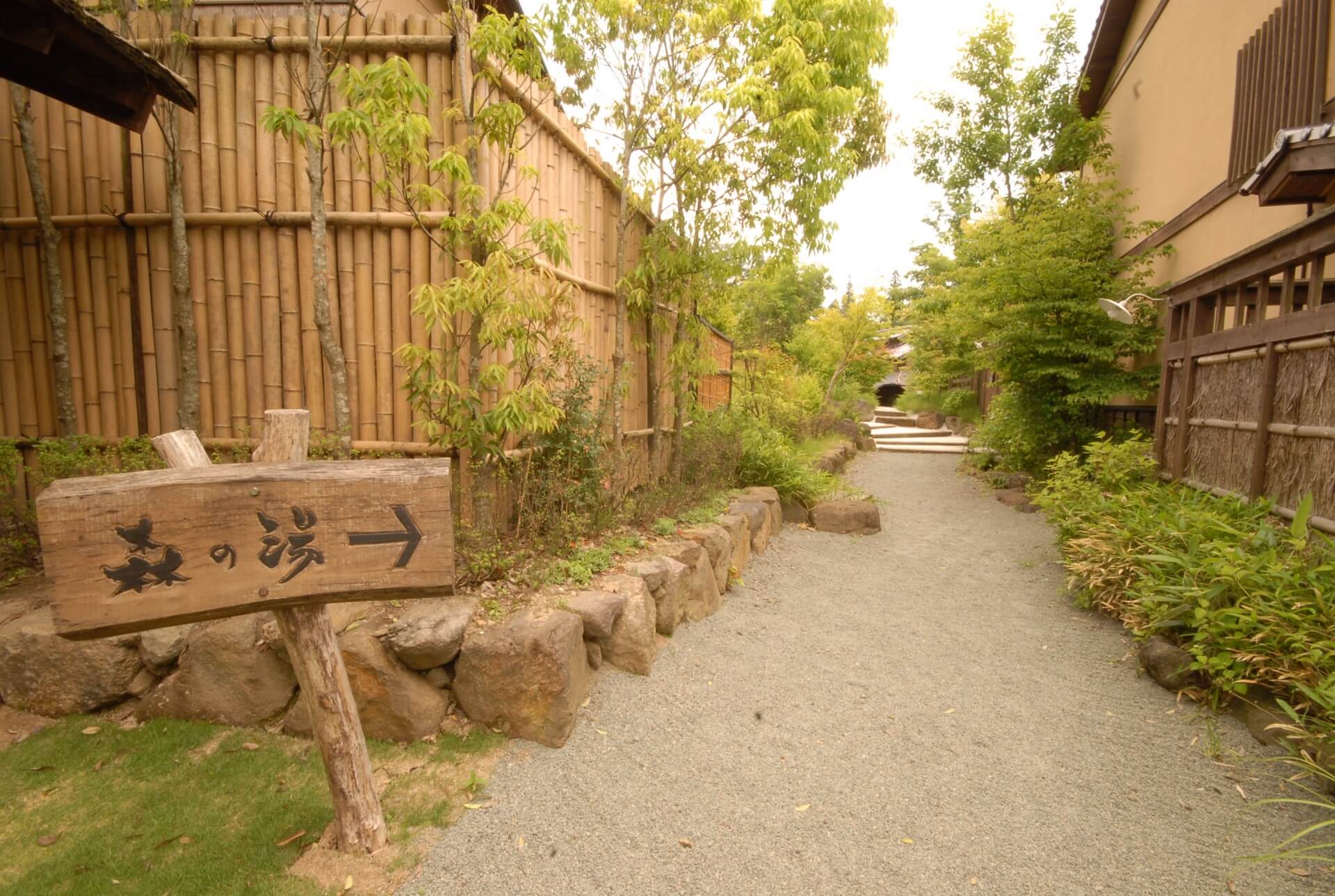 Ryokan Kounoyu Kurokawa | $160+ | 9.8 871 reviews | EN OKPrivate Onsen | Book on Booking.com |
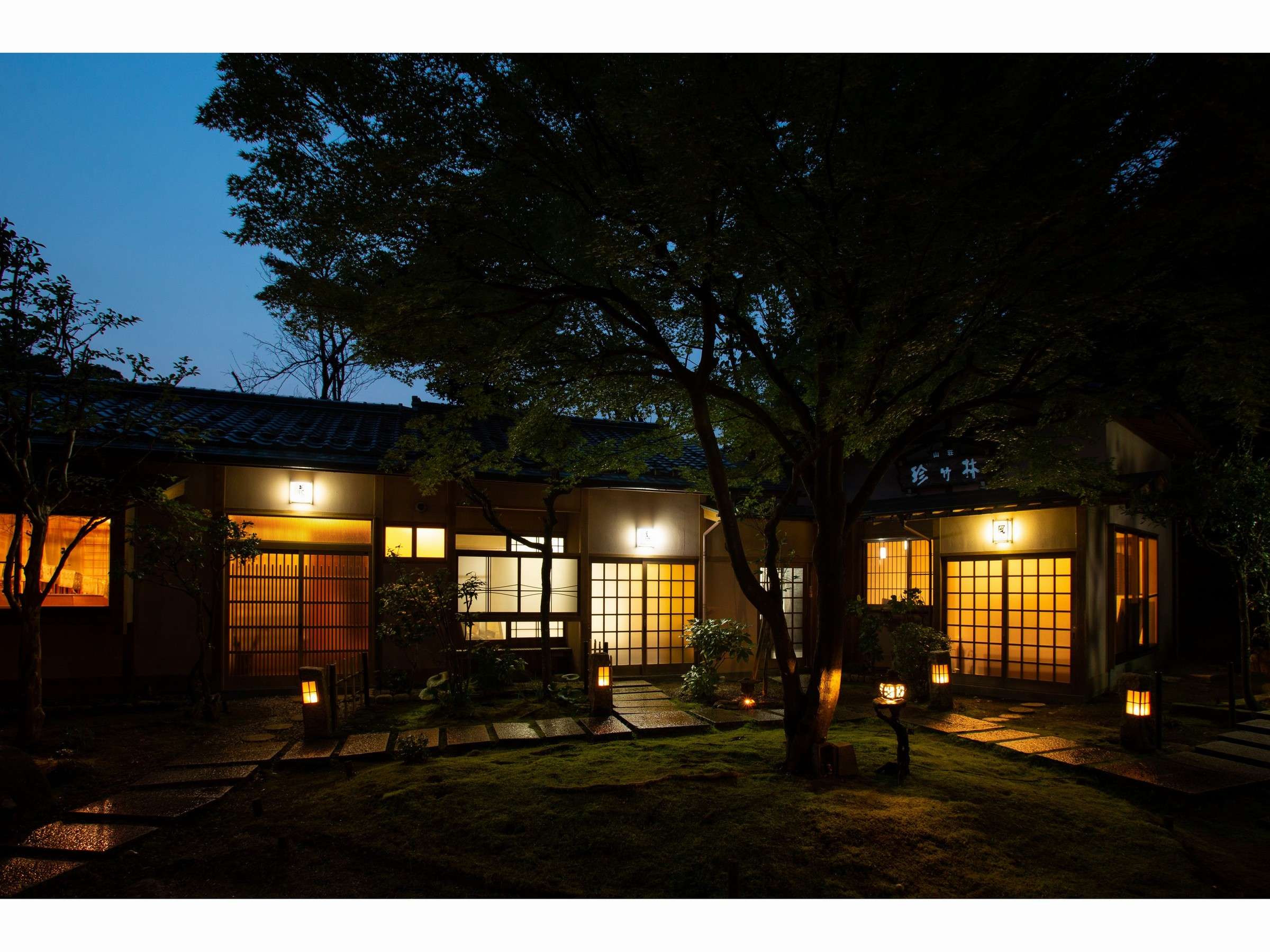 | $51+ | 9.8 154 reviews | Private Onsen | Book on Booking.com |
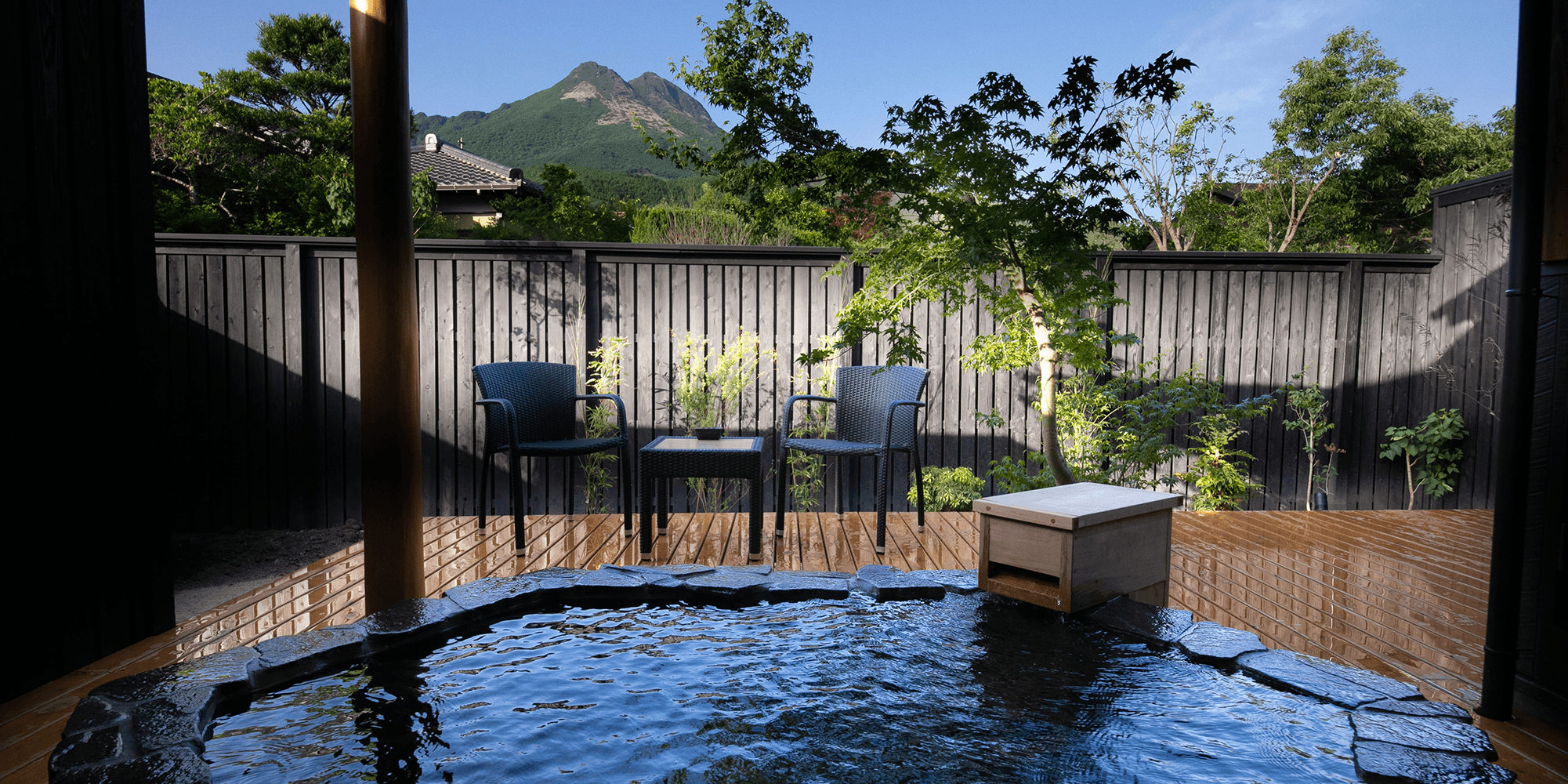 Oyado Den Rikyu Yufuin | $245+ | 9.8 127 reviews | EN OKPrivate Onsen | Book on Booking.com |
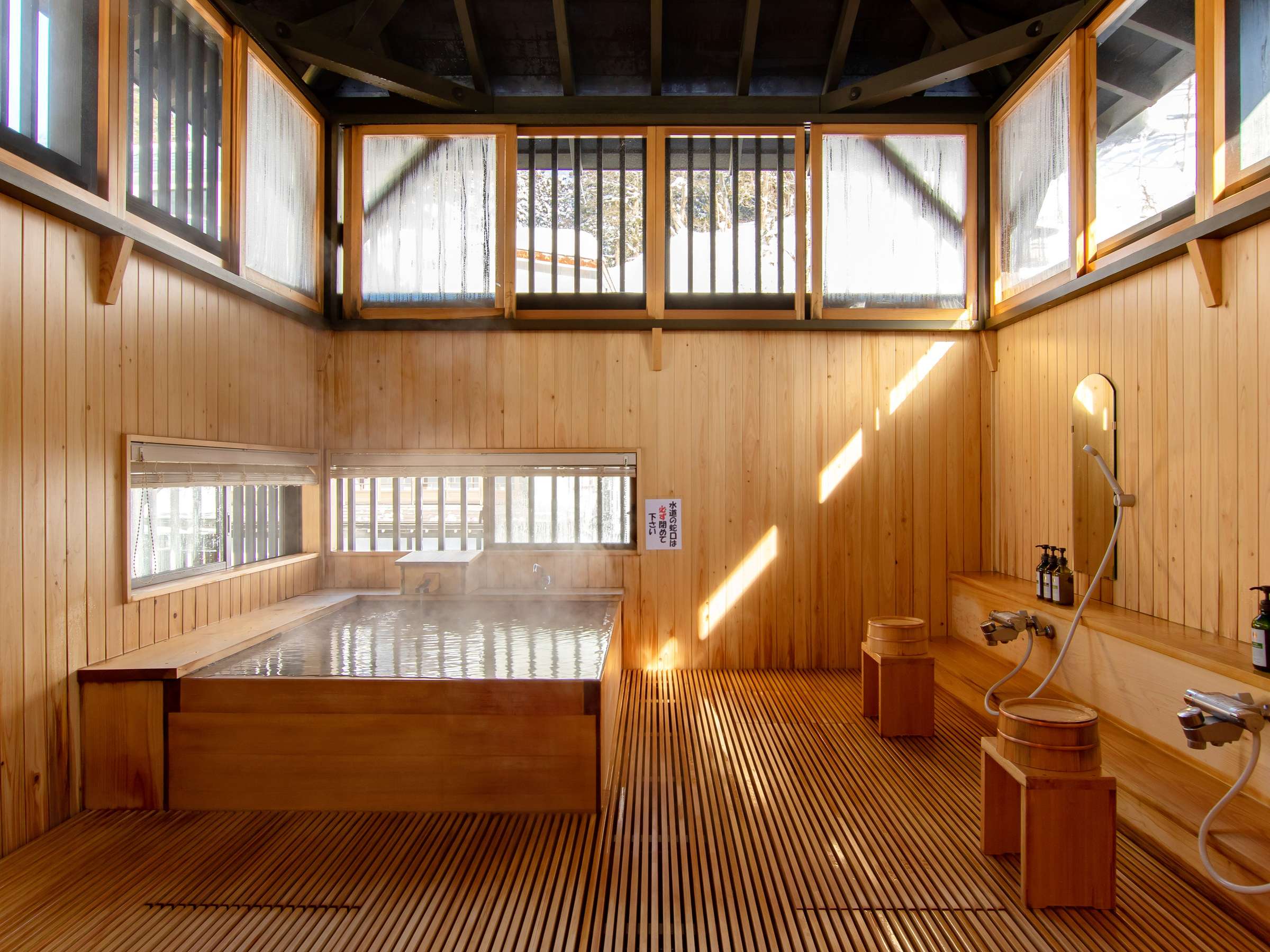 Nagasawa Heihachi Ginzan | $200+ | 9.8 81 reviews | EN OKPrivate Onsen | Book on Agoda |
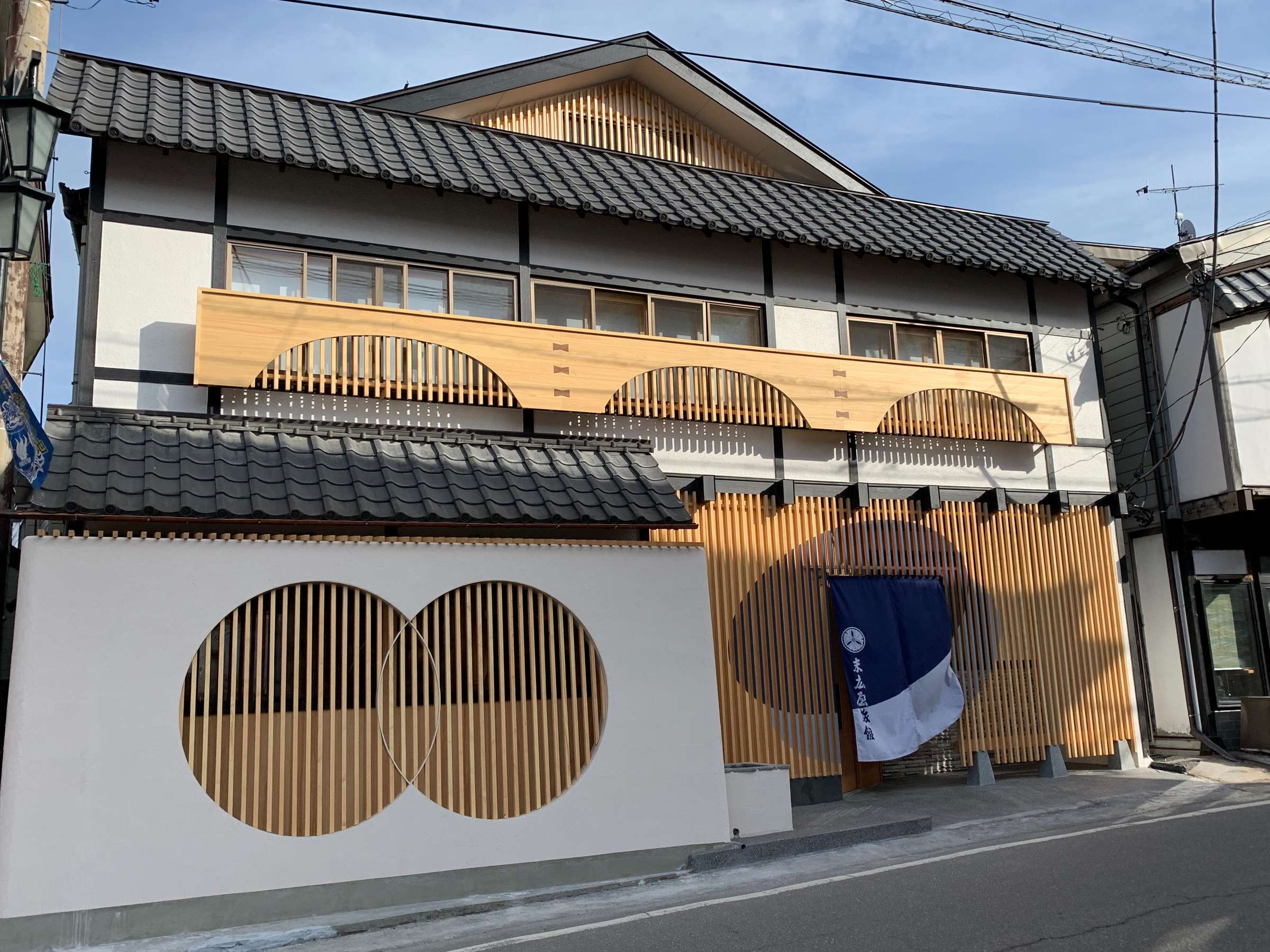 Suehiroya Ryokan Kusatsu | $158+ | 9.8 61 reviews | Private Onsen | Book on Agoda |
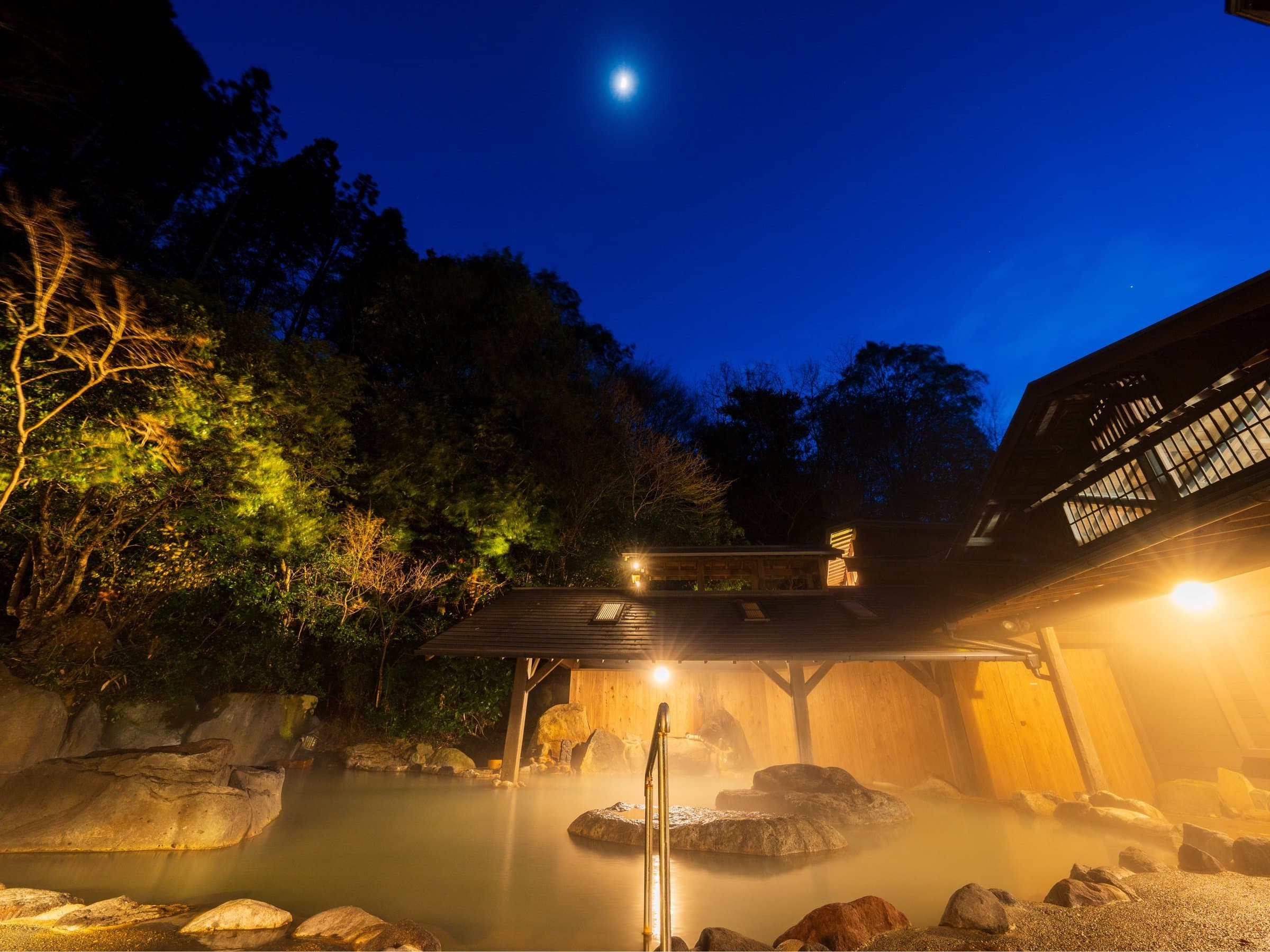 Yamabiko Ryokan Kurokawa | $150+ | 9.8 47 reviews | EN OKPrivate Onsen | Book on Booking.com |
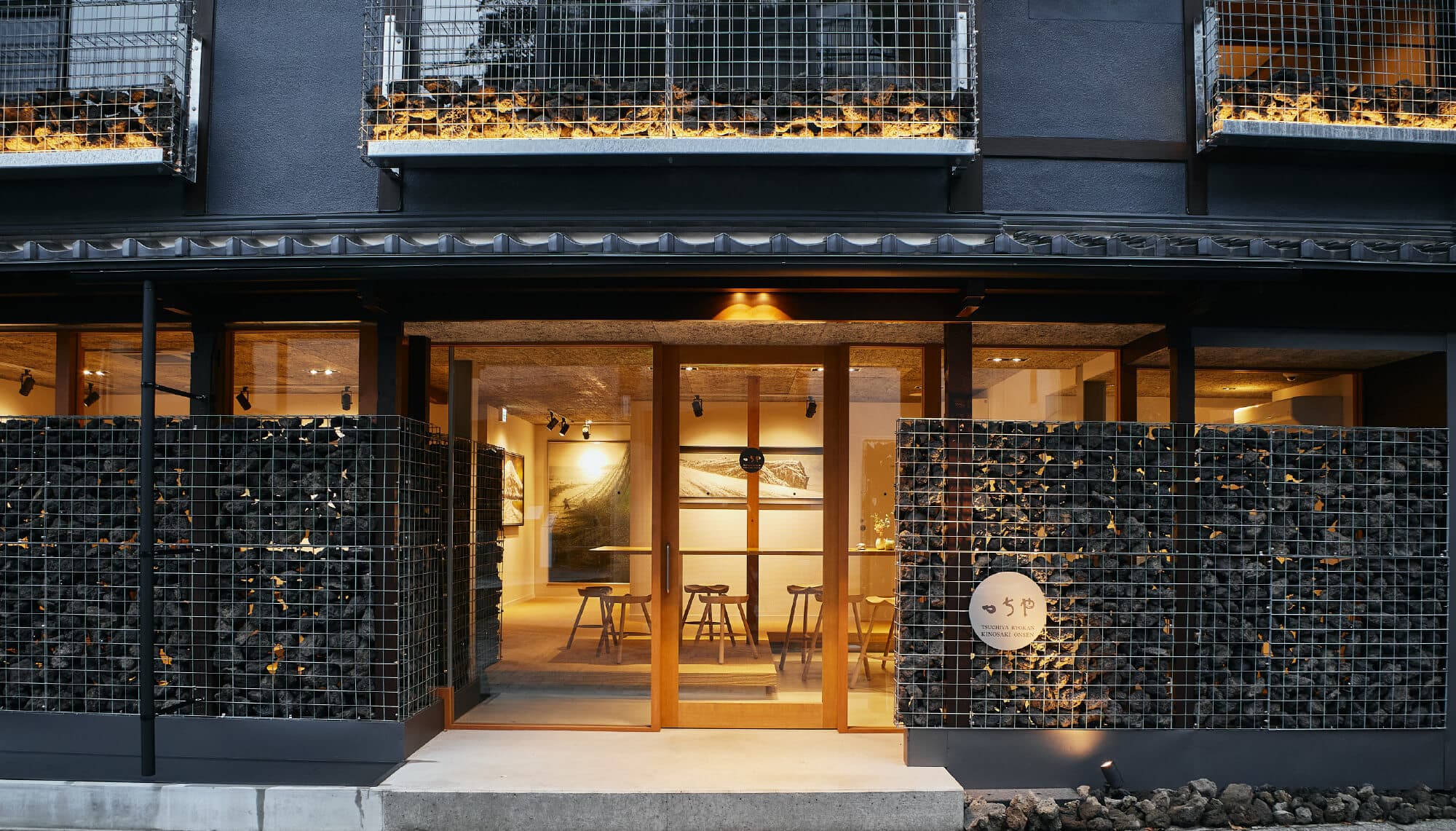 Tsuchiya Ryokan Kinosaki | $279+ | 9.8 24 reviews | EN OKPrivate Onsen | Book on Booking.com |
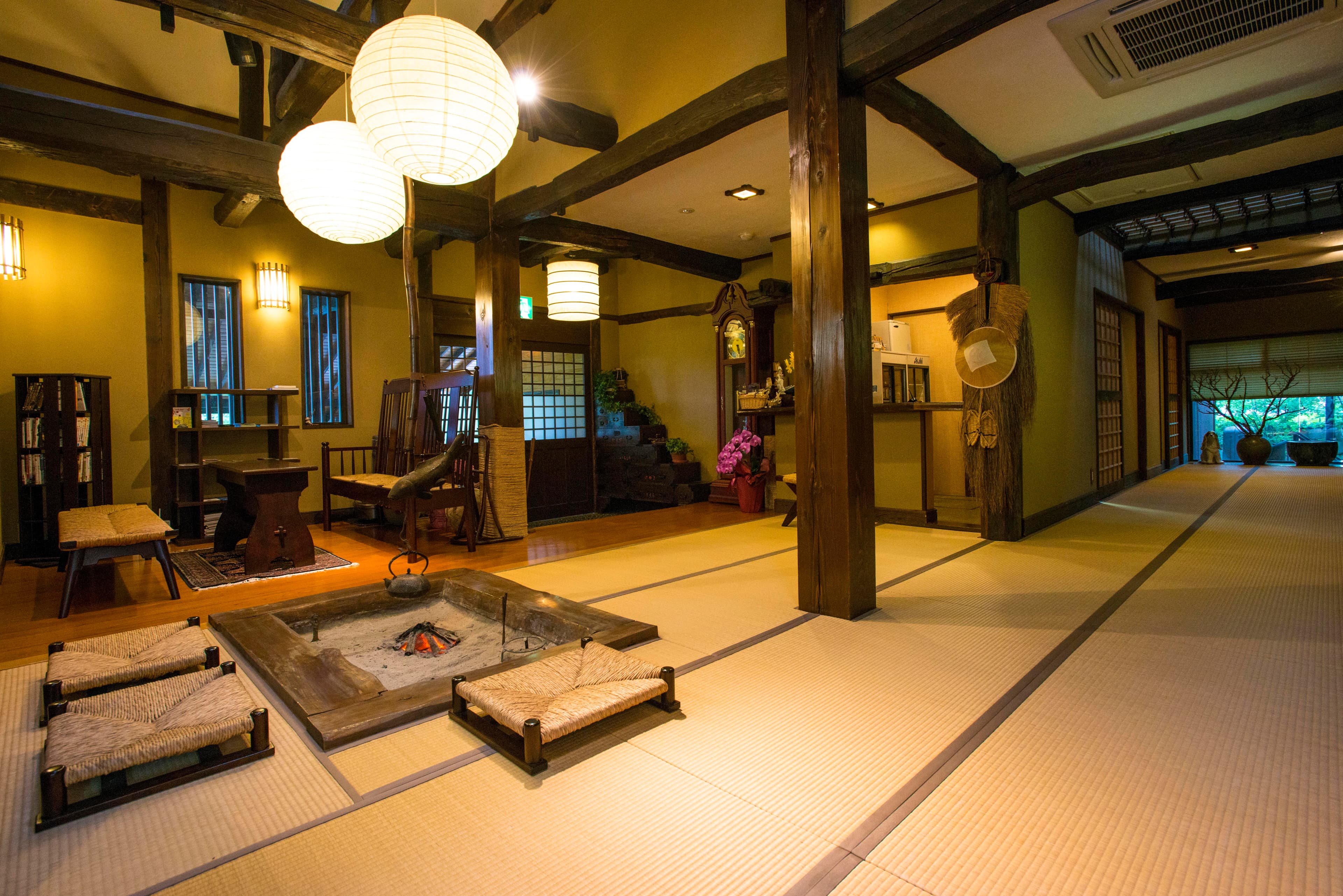 Onyado Nakada Nasu | $450+ | 9.8 | Private Onsen | Book on Agoda |
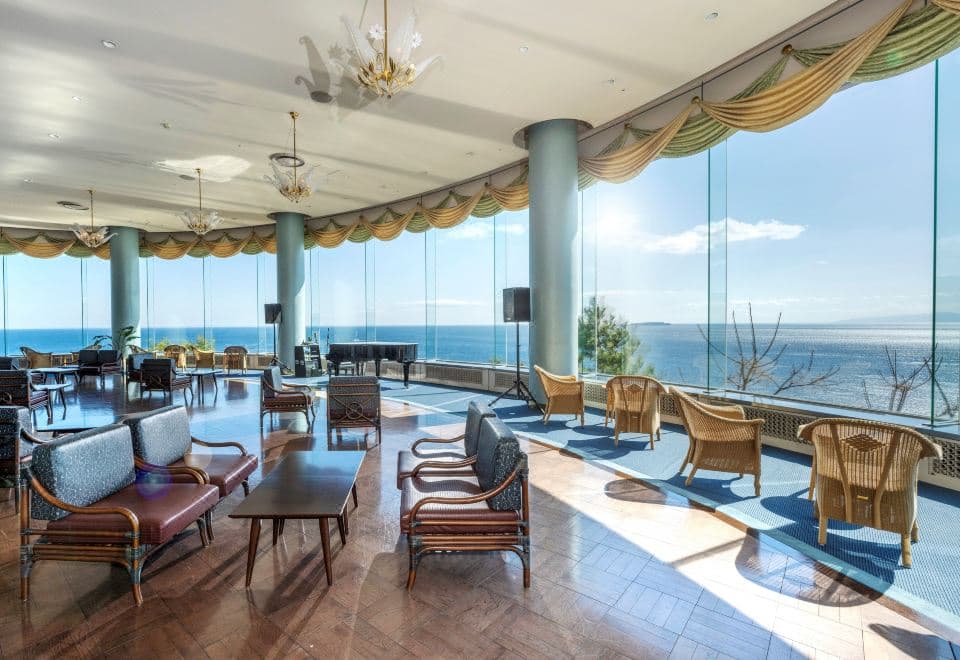 Atami Kakurezato Atami | $157+ | 9.7 237 reviews | EN OKPrivate Onsen | Book on Booking.com |
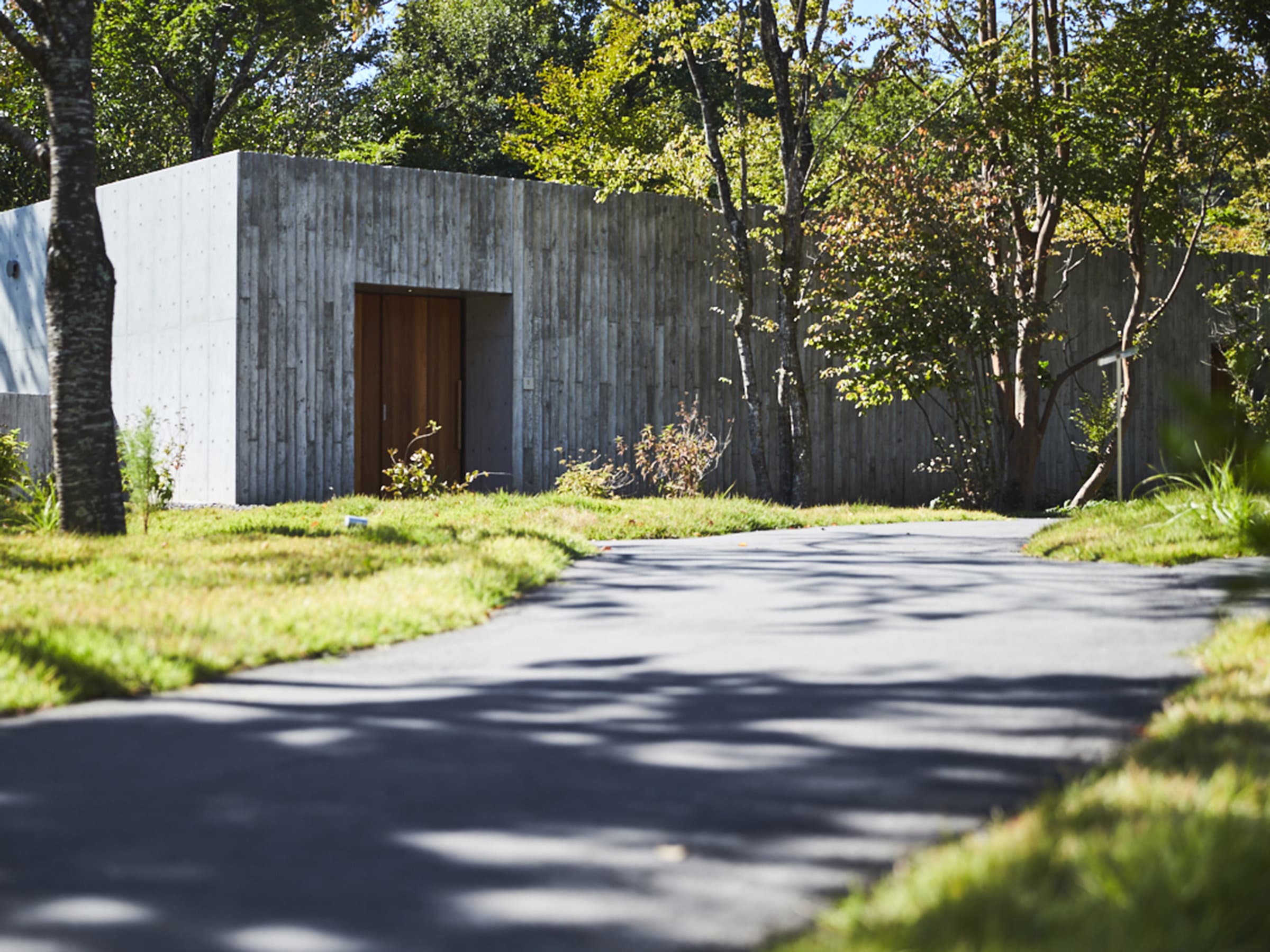 Sanso Warabino Yufuin | $270+ | 9.7 201 reviews | EN OKPrivate Onsen | Book on Agoda |
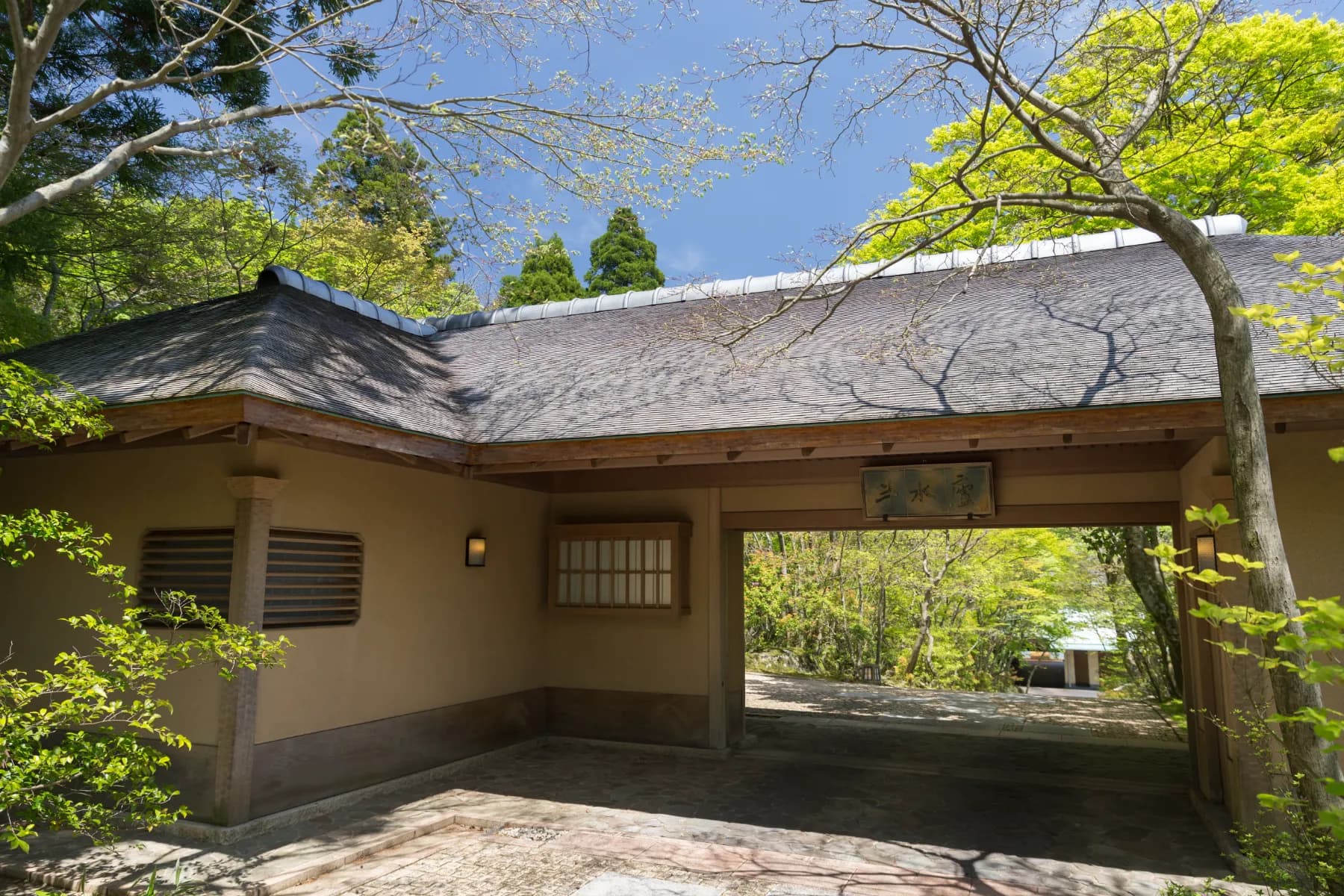 | $598+ | 9.7 136 reviews | EN OKPrivate Onsen | Book on Booking.com |
 Hinoharu Ryokan Yufuin | $200+ | 9.7 106 reviews | EN OKPrivate Onsen | Book on Booking.com |
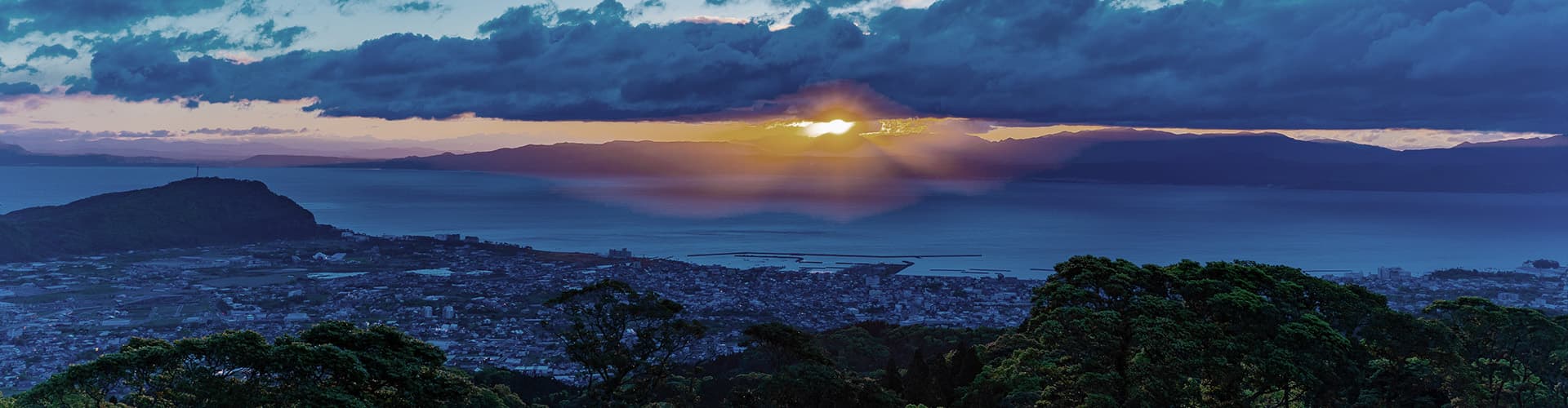 Bettei Amafuru Oka Ibusuki | $405+ | 9.7 84 reviews | EN OKPrivate Onsen | Book on Booking.com |
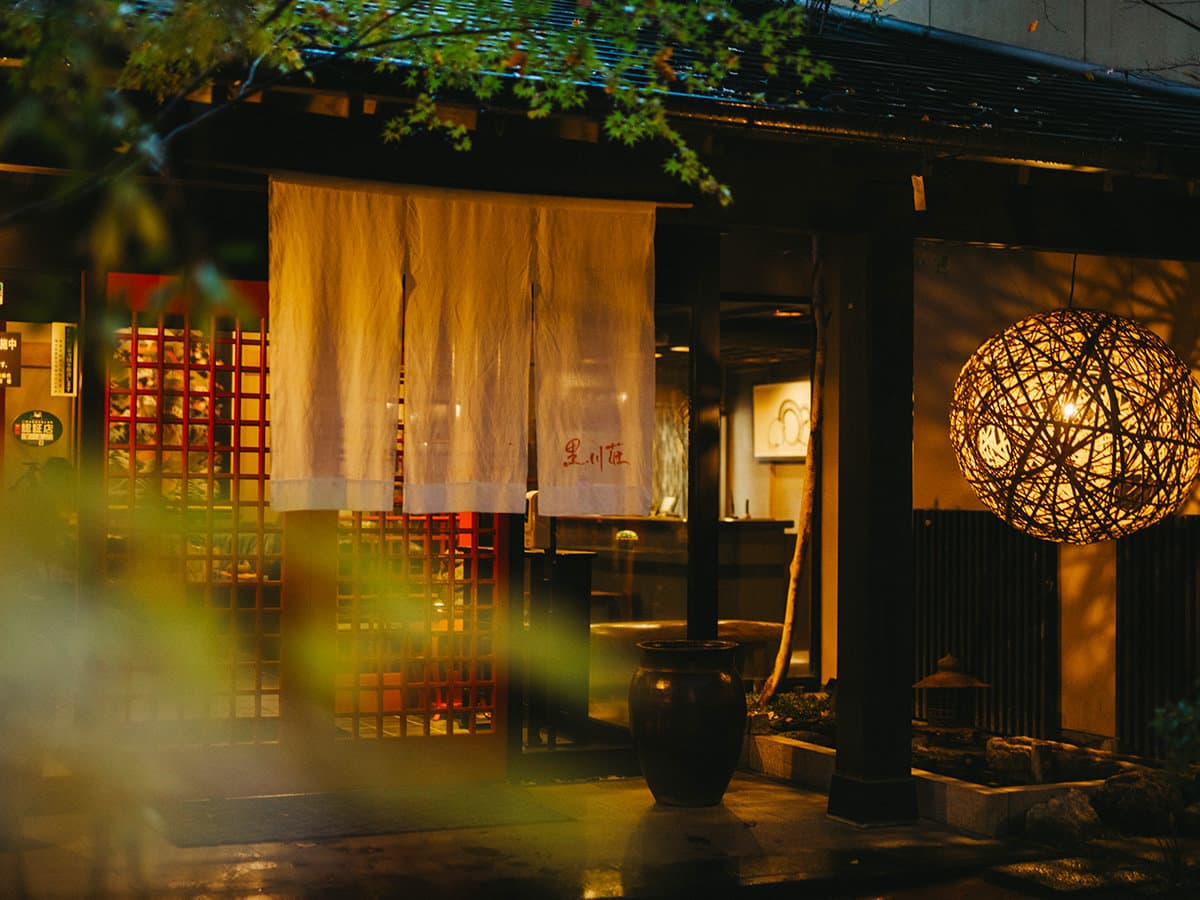 Kurokawa-So Kurokawa | $200+ | 9.7 72 reviews | EN OKPrivate Onsen | Book on Booking.com |
| $176+ | 9.7 71 reviews | EN OKPrivate Onsen | Book on Booking.com | |
| $460+ | 9.7 51 reviews | EN OKPrivate Onsen | Book on Booking.com |
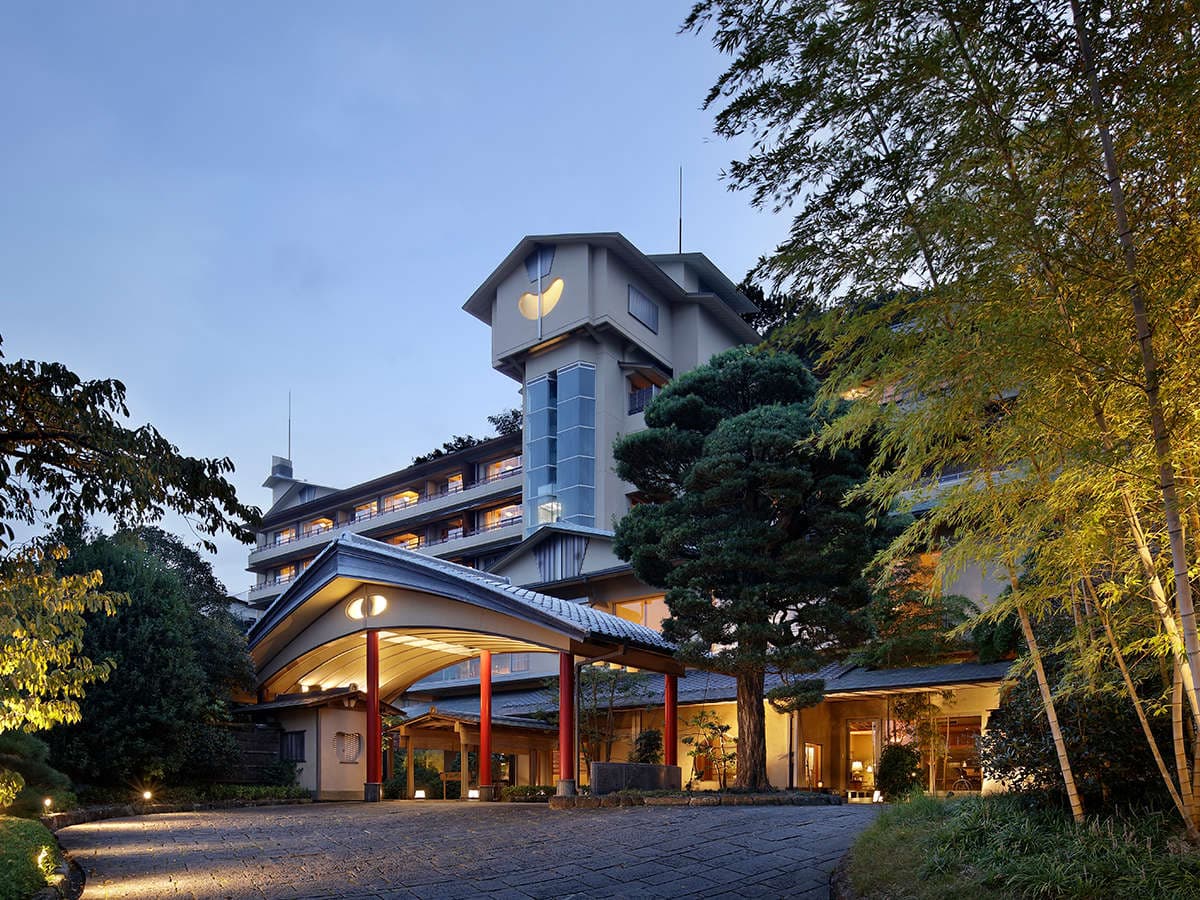
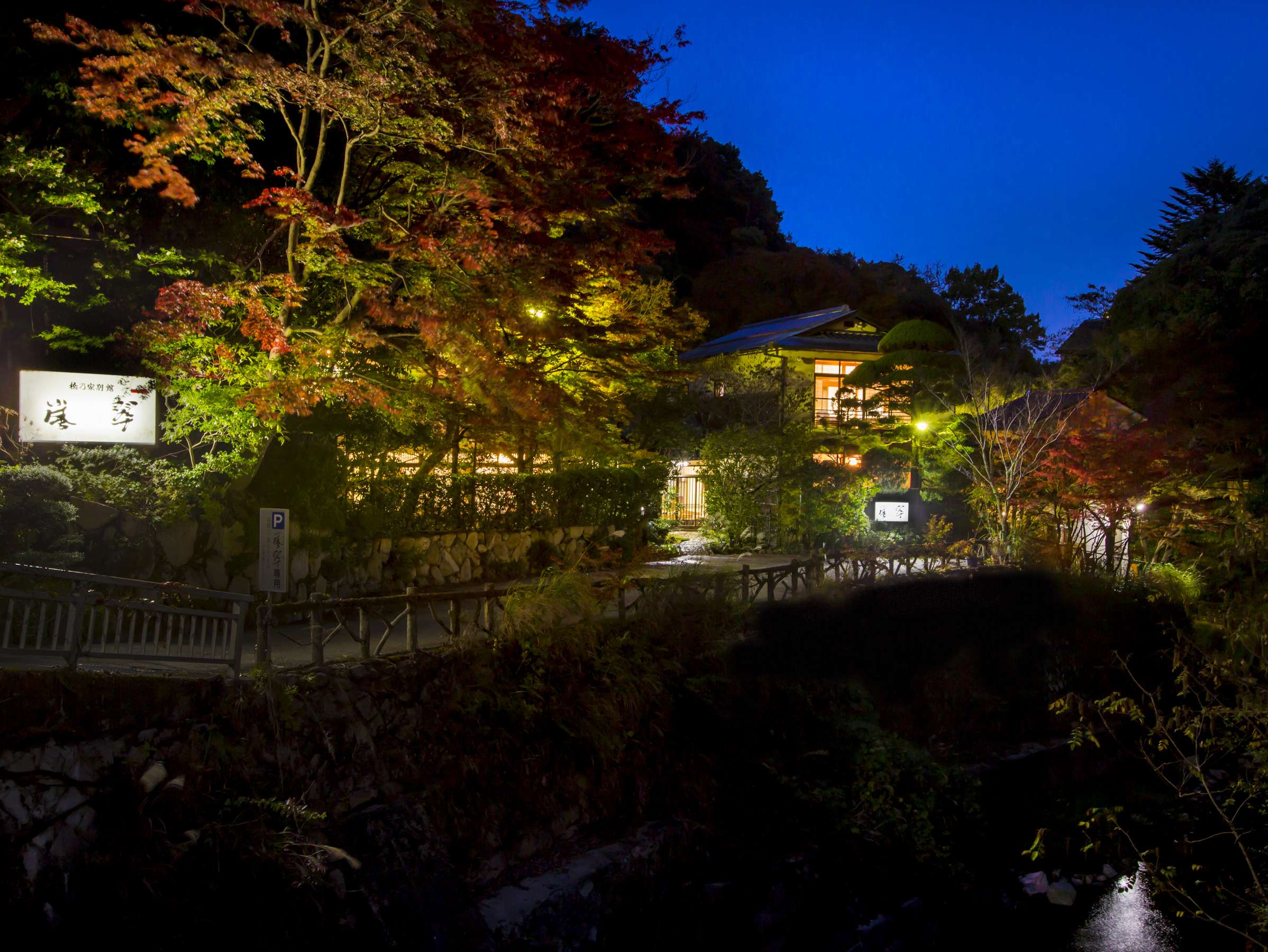
Akane-an
Nasu
Konansou
Fuji Kawaguchiko
Okyakuya
Kurokawa
Ryokan Kounoyu
Kurokawa
Oyado Den Rikyu
Yufuin
Nagasawa Heihachi
Ginzan
Suehiroya Ryokan
Kusatsu
Yamabiko Ryokan
Kurokawa
Tsuchiya Ryokan
Kinosaki
Onyado Nakada
Nasu
Atami Kakurezato
Atami
Sanso Warabino
Yufuin
Hinoharu Ryokan
Yufuin
Bettei Amafuru Oka
Ibusuki
Kurokawa-So
Kurokawa
Prices shown are approximate starting rates per person per night. We may earn a commission on bookings.
Ready to book?
Book one of these top picks
Compare live availability and prices across all three platforms.
Booking links may earn us a commission at no extra cost to you.
Prefer a Fuji view from your private bath? Our Kawaguchiko ryokan guide ranks the lakeside couples' favorites, including several with in-room rotenburo.
FAQ
Frequently asked questions
Can couples bathe together at an onsen ryokan?+
Not in the communal baths — Japan's ryokan onsen are gender-segregated by law and tradition. To soak together, you need a private onsen: either an in-room rotenburo attached to your guest room, or a kashikiri (reserved private bath). Confirm which option your specific room includes before booking.
What is the difference between in-room rotenburo and kashikiri for couples?+
An in-room rotenburo is an open-air or covered hot spring bath attached directly to your guest room — yours exclusively for the duration of your stay, day or night. A kashikiri is a shared facility you reserve for a time slot (typically 45–60 minutes). In-room is more convenient and more private; kashikiri means you may need to book the slot in advance and coordinate timing.
What does 'private onsen ryokan for couples' actually mean?+
It means the ryokan has at least one of two things: rooms with attached in-room hot spring baths (rotenburo or hinoki baths), or a reservable kashikiri private bath that couples can use together outside of communal hours. Not all 'private onsen' rooms are outdoor — some are indoor cypress-wood baths.
How much does a private onsen room cost at a romantic ryokan in Japan?+
Rooms with private rotenburo typically start at ¥35,000–¥50,000 per person per night including dinner and breakfast. Mid-range picks with kashikiri access start lower — around ¥25,000 per person. Top-tier properties like Gora Kadan or Izu Ochiairo run ¥60,000–¥100,000+ per person. Prices quoted here are per person with two meals unless noted otherwise.
When should couples book a kashikiri private bath slot?+
Book the kashikiri slot at the same time you book your room — or call the ryokan immediately after confirming your reservation. Popular ryokans in Kinosaki and Kurokawa can fill all kashikiri slots weeks in advance, especially on weekends and holidays. Do not assume availability on arrival.


