


大阪屋
Reviewed by Sora Matsuda·Founding Editor & Ryokan Correspondent·How we verify
Sora's verified pickA 1-minute walk from Yubatake — drawing water directly from the precious hot-water field source.
Just 1 minute from Yubatake — the shortest distance preserves mineral quality
A unique doukutsu-buro (cave-style bath) alongside indoor and outdoor baths
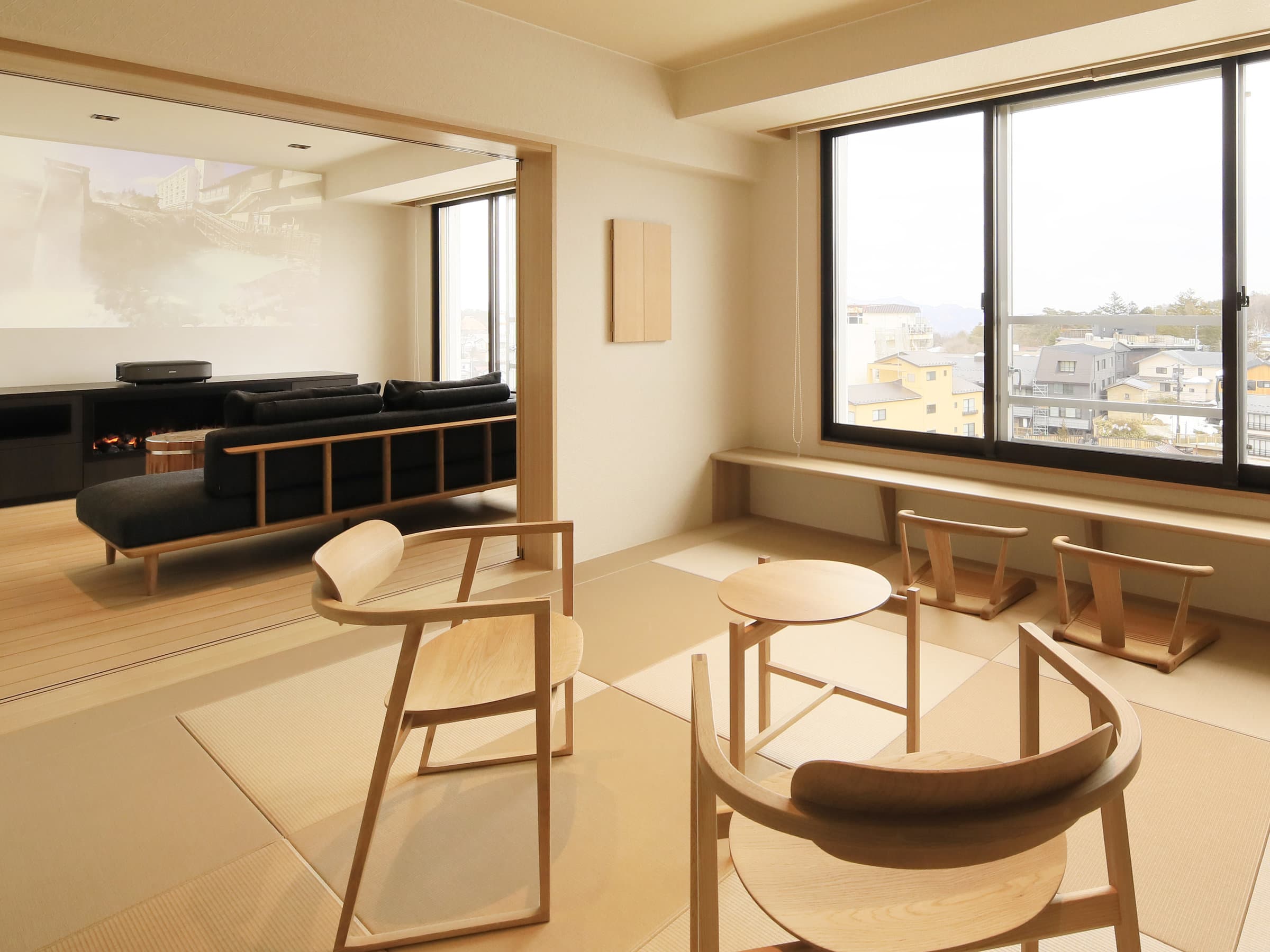
Refined traditional architecture with garden and street-view rooms
Kaiseki dinner and Japanese breakfast are usually included at this mid-tier ryokan. Sudomari (room-only) plans may be offered as a cheaper alternative — verify the meal plan when booking. Dining is most often served in a communal dining hall.
Dietary requests (vegetarian, halal, gluten-free, allergies) should be communicated at booking, not on arrival — the kitchen pre-orders ingredients several days ahead.
13 questions about Osakaya
Plan your Japan trip
Booked your ryokan? Lock in the basics for a smooth trip — stay connected from arrival, ride unlimited Shinkansen, and skip the rush hour crowds.
Unlimited Shinkansen + JR trains for 7/14/21 days. Pays for itself in 2-3 long-distance trips.
View on KlookStay connected from the moment you land — instant activation, no physical SIM swap.
View on Klook4G unlimited data. Great for groups — airport pickup, return at any major station.
View on KlookAffiliate disclosure: we earn a small commission when you book through these links — at no extra cost to you. This helps keep our ryokan guides free.
Other strong picks in Kusatsu at this price point or below — keep your search short and on this guide.

草津ホテル
A Taisho-era wooden masterpiece built in 1913, blending historic charm with natural hot spring luxury.
from $130 // per night
ホテル一井
A 300-year-old institution right on the Yubatake — 23 rooms look directly over Kusatsu's steaming heart.
from $120 // per night

湯畑草菴
A Meiji-era wooden building converted into a stylish room-only inn, steps from the Yubatake with a popular foot-bath cafe.
from $90 // per night
More in Kusatsu

湯宿 季の庭
An all-suite onsen retreat where every room has a private open-air bath, plus 23 communal bathing options.
from $300 // per night

つつじ亭
An ultra-exclusive 10-room retreat hidden within 5,000 tsubo of private woodland, with full-course kaiseki in private dining rooms.
from $400 // per night

望雲
A storied ryokan founded in 1598, with six free-flowing onsen baths fed by two natural spring sources.
from $250 // per night
Nearby experiences


Booking links may earn us a commission at no extra cost to you.
