Quick Comparison
9 picks| Ryokan | From | Rating | Book |
|---|---|---|---|
 | from US$400/person/night≈ US$800 for 2 | 9.3 45 reviews | Book on Trip.com |
 | from US$300/person/night≈ US$600 for 2 | 8.9 377 reviews | Book on Trip.com |
 | from US$107/person/night≈ US$214 for 2 | 8.4 247 reviews | Book on Agoda |
 | from US$350/person/night≈ US$700 for 2 | 9.0 310 reviews | Book on Agoda |
 | from US$120/person/night≈ US$240 for 2 | 8.2 770 reviews | Book on Trip.com |
 | from US$150/person/night≈ US$300 for 2 | 8.8 195 reviews | Book on Trip.com |
 | from US$130/person/night≈ US$260 for 2 | 8.9 1,602 reviews | Book on Trip.com |
 | from US$180/person/night≈ US$360 for 2 | 8.7 1,033 reviews | Book on Trip.com |
 | from US$90/person/night≈ US$180 for 2 | 8.5 120 reviews | Book on Booking.com |
Yuyado Tokinoniwa
Kusatsu
Kusatsu Onsen Boun
Kusatsu
Naraya
Kusatsu
Hotel Ichii
Kusatsu
Osakaya
Kusatsu
Kusatsu Hotel 1913
Kusatsu
Oyado Konoha
Kusatsu
Prices shown are approximate starting rates per person per night. We may earn a commission on bookings.
On the Route 292 switchbacks above 1,000 metres, the sulfur reaches you before the bus pulls into the town. The cabin air shifts somewhere on the climb — see our Kusatsu Onsen area page — and by the time you drag a suitcase out at Kusatsu Bus Terminal it is unmistakable — a clean, mineral, slightly burnt-match note that locals stop noticing by day two. The smell signals that you have arrived in one of the most acidic of Japan's major onsen towns, and that the ryokan you have booked will be your shelter from a hot spring strong enough to corrode an iron nail in nine days.
In the year ending March 2025, Kusatsu welcomed a record 4,019,418 visitors — its first time over four million . That number tells you the town is busy, but not how to choose between a 1598-founded heritage inn, an all-suite retreat with private open-air baths in every room, and a Meiji-era townhouse converted into a budget room-only stay. Last verified: May 2026.
This is the sixth installment of our best-ryokans-by-area series after Hakone, Kyoto, Takayama, Yufuin and Miyajima.
This guide ranks nine Kusatsu ryokans across luxury, mid-range and budget tiers — with honest weaknesses for each, the post-5pm sotoyu window most guides miss, and the silver-jewellery warning that no English content explains in full. If you are new to ryokan culture, our first-time ryokan guide covers the basics so this article can focus on what makes Kusatsu specifically different.
Best Ryokans in Kusatsu Onsen: the 50-word answer
The best ryokan in Kusatsu Onsen overall is Tsutsujitei — a 10-room ultra-luxury retreat hidden within 5,000 tsubo of private woodland, with kaiseki served in private dining rooms. For all-suite stays with a private open-air bath in every room, Yuyado Tokinoniwa; for heritage luxury, the 1598-founded Kusatsu Onsen Boun; for the original Kusatsu source water, Naraya; for Yubatake-front mid-range, Hotel Ichii; for the cheapest stylish budget pick, Yubatake Souan.
For travellers booking 1–3 days out — the smart pick is Kusatsu Hotel 1913 at around $130 per night. It is the highest-reviewed mid-range property in town (1,600+ verified reviews), holds Taisho-era cultural-property status, and tends to release same-day inventory more reliably than the luxury tier. Oyado Konoha at $180 is the runner-up — hillside, 23-bath access via the Tokinoniwa shuttle, with a December–March ski combo. See our Kusatsu last-minute page for three editor picks for short-notice stays.
Tip
Disclosure: Japan Ryokan Guide earns a commission when you book through partner links. We do not accept payment from ryokans for inclusion or placement — every property here was selected on merit. The commission keeps the directory free in six languages.
Tip
Pack tip: Leave silver, brass and pearl-mounted jewelry in your hotel safe in Tokyo. Kusatsu's pH 2.0 sulfur water tarnishes silver in a single soak, and even walking past a steam plume on the village street exposes any silver you are wearing to trace hydrogen sulfide. Stainless steel, gold, platinum and titanium are the safe bets.
Tip
Same-day check-in? Kusatsu mid-range inventory (Kusatsu Hotel 1913, Hotel Ichii, Osakaya, Konoha) typically releases same-day rooms until around 18:00 JST, especially mid-week and outside the late-December–early-March ski peak. The Kusatsu last-minute page gathers three editor picks for short-notice stays. For broader context see our last-minute ryokan booking guide.
| # | Ryokan | Tier | From (USD) | Min to Yubatake | Best For |
|---|---|---|---|---|---|
| 1 | Tsutsujitei | Luxury | $400 | Shuttle | Couples wanting ultra-private 10-room seclusion |
| 2 | Yuyado Tokinoniwa | Luxury | $300 | Shuttle | Suite stays with in-room private open-air bath |
| 3 | Kusatsu Onsen Boun | Luxury | $250 | 3 min | Heritage seekers — founded 1598, two source waters |
| 4 | Naraya | Luxury | $350 | 1 min | Connoisseurs of Kusatsu's oldest source (Shirahata) |
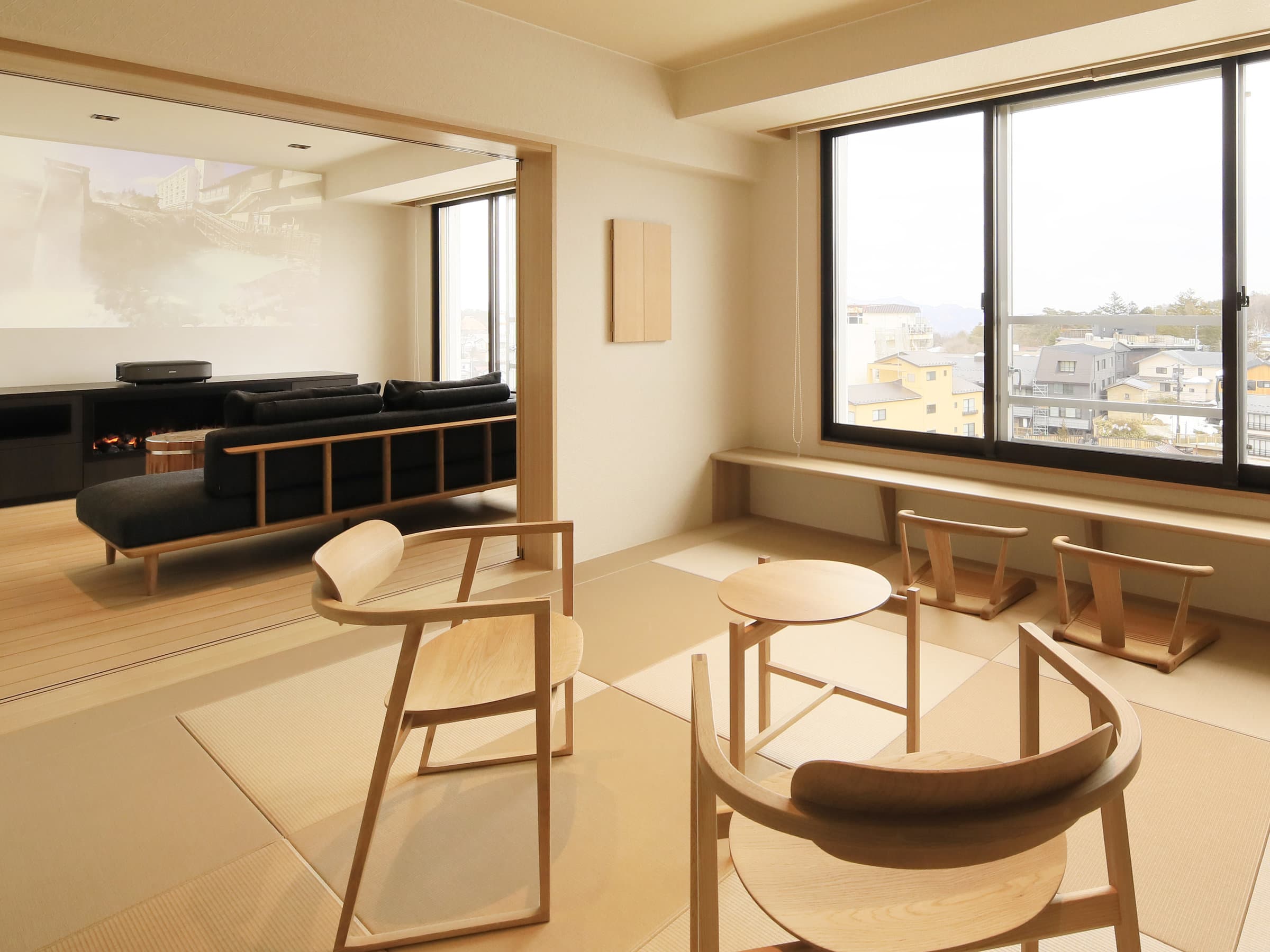
| 5 | Hotel Ichii | Mid | $120 | 0 min | Yubatake-front rooms with illumination views |
| 6 | Osakaya | Mid | $150 | 1 min | Yubatake-source water at mid-range price |
| 7 | Kusatsu Hotel 1913 | Mid | $130 | 5 min | Taisho-era wooden architecture lovers |
| 8 | Oyado Konoha | Mid | $180 | Shuttle | Ski combo and 23-bath access via Tokinoniwa |
| 9 | Yubatake Souan | Budget | $90 | 1 min | Boutique room-only Meiji townhouse stays |
Why stay overnight in Kusatsu Onsen
Yes — staying overnight in Kusatsu is the single biggest upgrade you can make to a Gunma trip. The three free sotoyu close to non-guests around 5pm, the last bus to Naganohara leaves at roughly 4:50pm, and the Yubatake illumination only switches on at sunset and runs until midnight. A day-tripper literally cannot see the landmark Kusatsu photo, and cannot enter the sotoyu after the local shift change.
Kusatsu sits at 1,200 metres at the eastern foot of Mount Kusatsu-Shirane, an active volcano whose hydrothermal system produces the most prolific natural hot-spring flow in Japan — over 32,300 litres per minute across six named sources . The Yubatake (湯畑) at the centre of town is not a pond as most photos suggest; it is a 60-metre wooden sluice cooling source water from roughly 70°C down to bath temperature. The sound is constant — like a small rapids — and the steam rolls northeast on most evenings because of the prevailing katabatic flow off the mountain.
The structural difference between sleeping in Kusatsu and day-tripping is the night Yubatake at 11:30pm — illuminated, half-empty and audibly alive — which exists only for guests who already have a futon waiting somewhere in town.
How we picked these 9 ryokans
We screened every operating ryokan in Kusatsu against five criteria: walking minutes to Yubatake, source-water access (which of Kusatsu's six springs feeds the bath), private-bath availability, kaiseki centred on Joshu wagyu and Gunma mountain produce, and English-readable booking. Nine properties cleared the bar — four luxury, four mid-range and one budget — and these are the nine we recommend without hedging.
No ryokan on this list paid to be included. Properties are drawn from our database of vetted ryokans, ranked by amenity data. For broader context, our full Kusatsu directory lists every open ryokan in town, and how a ryokan compares to a hotel covers the dinner-included pricing model that confuses most first-timers.
A quick orientation on the price tiers below. Kusatsu ryokans range from about $90 per night for a stylish room-only Meiji townhouse at Yubatake Souan to roughly $800 per night for the top suites at Tsutsujitei. Mid-range traditional ryokans with kaiseki and onsen typically cost $150–$350 per person per night with two meals included. For a deeper breakdown of how much a ryokan costs per night across Japan, our pricing guide has the full picture.
1. Tsutsujitei — Best ultra-luxury hideaway
Best for: Couples on a milestone trip who want 10 rooms, 5,000 tsubo of private forest, and zero crossover with day-tripper Kusatsu.
At a glance: 10 rooms · ~$400–$800 USD · Private woodland a short shuttle from Yubatake.
The onsen: Source water piped privately into communal stone baths and in-room private open-air rotenburo on the higher-tier suites. Sulfur intensity is full Kusatsu strength (pH 1.6–2.1) , softened slightly by the awase-yu cooling pattern.
The kaiseki: Full-course kaiseki served in private dining rooms — never a communal hall. Joshu wagyu features prominently, alongside Agatsuma river fish, mountain vegetables foraged seasonally and Gunma rice. Breakfast is a multi-tray Japanese spread served the same way.
Standout detail: This is the only Kusatsu ryokan that puts genuine physical distance between you and the town. Walk five minutes from your room and you are in cedar forest, not in a yukata stroll past souvenir shops. Our nationwide luxury ryokan rankings and the national best-ryokans list for 2026 make a natural companion read.
Honest trade-off: You give up Yubatake walking access. The shuttle solves most evenings, but if yukata-strolling under the illumination at 11pm is the priority, Naraya or Hotel Ichii will fit better. Rates run $400–$800 per person per night with two meals [approximate; verify current availability]. You can book a room at Tsutsujitei on our directory.
2. Yuyado Tokinoniwa — Best all-suite with private open-air bath
Best for: Couples and tattooed travellers who want a private rotenburo in every single room — no kashikiri reservation, no public-bath anxiety.
At a glance: 56 rooms · ~$300–$600 USD · Hillside, shuttle to Yubatake · Sister property to Oyado Konoha (shared 23-bath complex).
The onsen: Every guest room has a private open-air bath fed by the property's own source. On top of that, the 23 communal bath types (rotenburo, indoor stone, cypress, awase-yu cooling tubs and themed baths) form one of the largest onsen complexes in Kusatsu.
The kaiseki: Half-board kaiseki centred on Joshu wagyu, river trout (yamame) and mountain vegetable hassun courses. Dining is in private alcoves rather than guest rooms — slightly less intimate than Tsutsujitei but still well above hotel standards.
Standout detail: With 23 communal baths plus an in-room rotenburo, a two-night stay rotates without repeating a single bath. For tattooed travellers this is the most frictionless property in town — your private bath is genuinely yours, not a queue-managed kashikiri slot.
Honest trade-off: You are not on the Yubatake. The shuttle solves most evenings, but you will not stumble down to the illumination in slippers. If yukata walks under the lamps is the trip's headline image, book Naraya or Ichii instead. Rates run $300–$600 per person per night with two meals [approximate; verify current availability]. You can see Yuyado Tokinoniwa's all-suite floor plan on our directory.
Tip
Booking tip: Tokinoniwa and its sister property Oyado Konoha share the same 23-bath complex via a free internal shuttle. Booking the cheaper Konoha and using the shuttle gives you the same bath access for roughly 40% less per night — a tactic the front desk will confirm but that no English review surfaces.
3. Kusatsu Onsen Boun — Best heritage luxury (founded 1598)
Best for: Repeat Japan travellers who want the oldest continuously operating ryokan on this list, alternating between two named source waters.
At a glance: 42 rooms · ~$250–$550 USD · 3-minute walk from Yubatake · Founded 1598 — over 425 years of continuous operation.
The onsen: Six free-flowing kakenagashi baths fed by two named natural spring sources (Bandaiko and Wataya). Indoor and outdoor sections, plus reservable family kashikiri baths. No in-room private rotenburo — the bath story here is the heritage of the source.
The kaiseki: Honest Joshu kaiseki centred on Gunma beef, Agatsuma river fish and seasonal mountain vegetables. Breakfast is a proper multi-tray Japanese set in the dining hall. Service is the unhurried, deeply trained welcome only properties that have been doing this for four centuries deliver.
Standout detail: Two distinct sources mean two distinct bathing experiences in one stay — Bandaiko is the more characterful, slightly hotter source; Wataya is softer and easier on first-time bathers.
Honest trade-off: Not a modern boutique. Some corridors show their age, and rooms vary widely by wing — specify a refurbished room at booking if interior aesthetics matter. Rates run $250–$550 per person per night with two meals [approximate; verify current availability]. You can check rates at Kusatsu Onsen Boun on our directory.
4. Naraya — Best for the original Kusatsu source water
Best for: Onsen connoisseurs who came to Kusatsu for the water chemistry — Naraya draws Shirahata-no-yu, the oldest of Kusatsu's six sources.
At a glance: 36 rooms · ~$350–$700 USD · 1-minute walk from Yubatake · Established 1877.
The onsen: Three indoor and three outdoor baths fed by Shirahata source — the most acidic of the six Kusatsu springs and the one Tokugawa-era visitors travelled here for. The water is full pH 1.6–1.8 strength, antibacterial, and stings if you have shaved in the past 12 hours. Reservable in-room private baths are available on higher tiers.
The kaiseki: Refined Joshu kaiseki in private dining rooms — Joshu wagyu shabu-shabu, Agatsuma yamame trout, seasonal hassun and a sake list curated specifically against the local water. Breakfast is one of the best on this list.
Standout detail: Remove silver jewellery before soaking — water this acidic can tarnish it quickly.
Honest trade-off: The price step from Boun is real, and the 'oldest source' premium is partly intangible — if you cannot taste a pH difference, the spend is hard to rationalise. Rates run $350–$700 per person per night with two meals [approximate; verify current availability]. The full breakdown lives on Naraya's Shirahata-no-Yu page.
Tip
Source tip: Naraya draws from Shirahata-no-yu, the oldest of Kusatsu's six named sources. Ask the front desk for the gensen-meguri (源泉巡り) map — it shows which named source feeds each bath in town. Boun draws Bandaiko and Wataya; Osakaya draws Yubatake-gen-sen; Hotel Ichii draws directly from the Yubatake itself. Treat it like wine terroir.
5. Hotel Ichii — Best right on Yubatake
Best for: First-time visitors and photographers who want their bedroom window to look directly over the steaming Yubatake.
At a glance: 110 rooms · ~$120–$300 USD · 0-minute walk — the property faces Yubatake directly · 300-year-old institution.
The onsen: A large indoor and outdoor public bath complex fed directly from the Yubatake source, plus reservable kashikiri family baths. No in-room private rotenburo, but the public baths are the largest of any mid-range Kusatsu property.
The kaiseki: Half-board kaiseki served in private dining rooms (premium tiers) or a communal hall (standard tiers). Joshu wagyu, river fish, seasonal vegetables. Breakfast is a multi-dish Japanese set with a small Western corner for kids who refuse rice in the morning.
Standout detail: Of the 110 rooms, 23 face Yubatake directly. Booking one means you wake to the steam columns at sunrise and watch the illumination from your window at 9pm. From the southwest-facing rooms you can shoot at f/2.8 in the 30 minutes after sunset and frame the steam against the lamps — the angle most well-known Kusatsu photos use.
Same-day booking note: With 110 rooms, Hotel Ichii is the largest inventory in central Kusatsu and one of the few luxury-adjacent properties that frequently releases same-day rooms until 18:00 JST, especially mid-week. If you are arriving from Tokyo on the afternoon Limited Express Kusatsu and have not pre-booked, this is the first property to check on the Kusatsu last-minute page.
Honest trade-off: The 110-room scale shows. Service is professional rather than personal, and check-in can queue at peak hours. Specify a yubatake-gawa (湯畑側) room at booking — without that explicit request, you may end up back-facing at the same rate. Rates run $120–$300 per person per night with two meals [approximate; verify current availability]. You can see Hotel Ichii's Yubatake-view rooms on our directory.
6. Osakaya — Best mid-range one minute from Yubatake
Best for: Mid-range travellers who want Yubatake-source water at half the Naraya price, plus reservable in-room private baths on upper tiers.
At a glance: 31 rooms · ~$150–$350 USD · 1-minute walk from Yubatake · Draws water from Yubatake-gen-sen.
The onsen: Two public baths plus reservable kashikiri private baths, all fed from the Yubatake source — the same headline water that runs through the wooden sluice at the centre of town. Some upper-tier rooms have a private open-air bath.
The kaiseki: Half-board Joshu kaiseki in a communal dining hall — quality is consistent rather than spectacular, with Joshu wagyu and river fish on the standard course. Breakfast follows the multi-tray Japanese template.
Standout detail: Osakaya's price-to-water ratio is the most aggressive on the list. You are paying mid-range rates for the same headline source that feeds the most-photographed feature in town — the most efficient pick for first-timers on a budget who still want real Kusatsu water.
Honest trade-off: Rooms are functional rather than design-led — clean, comfortable, not photogenic. Communal dining at standard tiers is fine for solo travellers but reduces the romance for couples; pay up to a private-dining tier if that matters. Rates run $150–$350 per person per night with two meals [approximate; verify current availability]. You can browse Osakaya's Yubatake-source bath on our directory.
Tip
Yubatake-front tip: The illumination runs from sunset until midnight. The best viewing window from a guest room is 8:30pm to 9:30pm — late enough that the dinner crowds have dispersed, early enough that lighting is still in full swing. Request 'yubatake-gawa' (湯畑側) explicitly when booking Osakaya, Hotel Ichii or Yubatake Souan.
7. Kusatsu Hotel 1913 — Best Taisho-era charm at mid-range
Best for: Architecture lovers who want a wooden, creaking, heritage building over a renovated modern interior.
At a glance: 40 rooms · ~$130–$300 USD · 5-minute walk from Yubatake · Built 1913 (Taisho era).
The onsen: Indoor and outdoor public baths fed by a kakenagashi free-flowing system, plus a reservable kashikiri family bath. Some rooms have a private bath. The bath buildings are wooden, period-appropriate and a working part of the architectural story.
The kaiseki: Kaiseki dinner is included in the two-meal rate. For more on the morning meal, see our Japanese ryokan breakfast guide.
Standout detail: The 1913 Taisho-era Kusatsu Hotel is registered as a Tangible Cultural Property of Japan, and the wooden facade — white plaster offset by dark cedar trim — is genuinely from the original 1913 construction. You are sleeping in heritage architecture, not a heritage-themed renovation.
Why it punches above its tier: With 1,600+ verified reviews — the highest count of any mid-range property in town — Kusatsu Hotel 1913 carries more social-proof weight than most luxury picks. The starting rate ($130 with kaiseki + two meals) is essentially room-only money at properties of equivalent design quality elsewhere in Japan. For travellers who care about heritage architecture but not about chasing the four luxury heritage names above, this is the highest-confidence value pick in Kusatsu. It also tends to hold same-day inventory more reliably than the luxury tier.
Honest trade-off: Heritage means heritage. Floors creak, soundproofing is what it was in 1913, and a few older rooms run cold in deep winter despite supplemental heating. Ask for a renovated wing room if either point matters. Rates run $130–$300 per person per night with two meals [approximate; verify current availability].
8. Oyado Konoha — Best hillside mid-range with 23-bath access
Best for: Skiers and bath-hoppers who want sister-property access to Tokinoniwa's 23-bath complex at mid-range pricing.
At a glance: 48 rooms · ~$180–$350 USD · Hillside, shuttle to Yubatake · Sister property to Yuyado Tokinoniwa.
The onsen: On-property indoor and outdoor public baths plus full shared access to Tokinoniwa's 23-bath complex via a free internal shuttle. No in-room private rotenburo at this tier — that is the trade-off versus Tokinoniwa itself.
The kaiseki: Half-board Joshu kaiseki featuring Gunma beef, river fish and a generous seasonal hassun. The property is famous for complimentary late-night ramen service after dinner — a touch that sounds gimmicky until you have soaked for two hours and need the carbohydrates.
Standout detail: Oyado Konoha (sister property to Tokinoniwa) is the cheapest way into Tokinoniwa's 23-bath system. If you spend a stay rotating baths rather than sitting in your room, this is the most cost-efficient property on the list. The free Kusatsu Onsen Ski Resort shuttle from December through March makes it the strongest ski-combo pick.
Honest trade-off: Hillside means a shuttle ride to Yubatake. The shuttle runs every 30 minutes most evenings, but late-night returns can require a taxi. If you are doing nightly Yubatake walks, factor the shuttle gap in. Rates run $180–$350 per person per night with two meals [approximate; verify current availability].
Tip
Ski-combo tip: The Kusatsu Onsen Ski Resort 2025–26 season runs late December through early April, and the resort is roughly 10 minutes by shuttle from Konoha and most luxury Kusatsu ryokans . Confirm the shuttle schedule when booking — most properties run fixed morning departures and afternoon returns rather than on-demand service. See our winter onsen towns ranking for the wider snow-onsen context.
9. Yubatake Souan — Best budget room-only Meiji townhouse
Best for: Solo travellers, budget couples and bath-hoppers who plan to eat at local izakaya rather than commit to kaiseki.
At a glance: 16 rooms · ~$90–$200 USD · Steps from Yubatake · Meiji-era wooden building converted into a stylish room-only inn.
The onsen: A small but characterful onsen bath fed from the Yubatake area. Some upper-tier rooms have a private bath. The on-site foot-bath cafe is open to the public and often busy — a feature, not a bug, if you want to feel embedded in town life.
The kaiseki: None. Souan is an explicit room-only operation. The trade-off is freedom — you eat where you want, when you want, for what you want to spend. Local izakaya, ramen and the foot-bath cafe itself cover most evening meals. For more tactics, see our budget ryokan tips guide.
Standout detail: The building is a converted Meiji-era wooden townhouse — exposed beams, narrow corridors, period sliding doors — restyled with a contemporary boutique sensibility. For the price, the design quality is genuinely above tier; this is the rare budget pick that does not feel like a budget pick.
Honest trade-off: No kaiseki means no in-room dinner experience. If the romance of yukata-and-kaiseki-by-low-table is the reason you are coming to a ryokan, Souan is the wrong choice. The 16-room scale also means it books out three to four months ahead for spring and autumn weekends. Rates run $90–$200 per person per night, room-only [approximate; verify current availability]. You can see Yubatake Souan room-only details on our directory page.
Yubatake and the three sotoyu: the Kusatsu primer
Almost every English guide says 'three free public baths for ryokan guests', and almost every English guide gets the mechanism wrong. Here is the correct version.
The three sotoyu (外湯) — Shirahata-no-yu, Chinoiri-no-yu and Jizo-no-yu — are local-managed public baths in the Kusatsu village core. Most participating ryokans hand you a 入湯手形 (Nyuto-Tegata) on check-in, a small wooden or paper token granting entry. Walk-in tourists without a participating ryokan reservation cannot enter these three. Naraya, Boun, Tsutsujitei and Tokinoniwa all participate; budget room-only inns may not — confirm at booking.
The three paid public baths — Otakinoyu, Gozanoyu and Sainokawara — are different. They are open to everyone, ryokan guest or not, and charge ¥800 to ¥900 per entry . Sainokawara is the famous outdoor bath in a riverside park, with seasonal hours — 7am–8pm April through November, 9am–8pm December through March . Otakinoyu is the place to learn the awase-yu method — four tubs at 38°C, 40°C, 42°C and 44–46°C arranged as a step ladder.
The angle for the famous Yubatake photograph is from the southwest side of the channel, facing northeast, in the 30 minutes after sunset — that is when the steam columns frame the lamps cleanly.
Yumomi: the water-cooling performance at Netsu-no-yu
Yumomi (湯もみ) is a traditional cooling ritual in which performers stir Kusatsu's scalding source water with 180-centimetre cedar paddles while singing the local folk song Kusatsu Yoi Toko. The performance runs six times daily at Netsu-no-yu on the edge of Yubatake — at 9:30am, 10:00am, 10:30am, 3:30pm, 4:00pm and 4:30pm — for about ¥600 per adult . On weekends and holidays between 11:30am and 2pm, audience members can pay ¥250 to try the paddle themselves.
Every guide tells you about the six daily shows; almost none tells you which is best. The 4:00pm performance is the most photographed — tour buses cluster between 3:30 and 4:30. The 9:30am show is half-empty, you can sit centre-front, and the morning light through Netsu-no-yu's upper windows hits the steam at the angle that makes every photo look like a 1960s NHK documentary. Go at 9:30am.
Sulfur, skin and silver: how to bathe in Kusatsu without surprises
Kusatsu's water is the most acidic of any major onsen town in Japan — pH 1.6 to 2.1 across the named sources, classified as a hydrogen-sulfide / acidic spring . That chemistry is the reason a single soak feels like skin treatment rather than a warm bath, and the reason Kusatsu requires a few specific precautions other onsen towns do not.
Skin response. Acidic water is bactericidal. Most bathers feel a mild tingle across the shoulders and behind the knees. Sensitive-skin guests should soak no more than 10 minutes per session, rinse with the agari-yu (finishing fresh-water tap, not the spring) before exiting, and alternate sulfur and non-sulfur days. If you have shaved within the past 12 hours, do not splash water on your face.
Silver and brass. Hydrogen sulfide aerosolises. Silver sulfide forms within minutes of contact, and walking past Yubatake or standing in a steam plume is enough to tarnish a silver chain under your collar. Toothpaste will not fix the patina once it is deep. Leave silver, brass and pearl-mounted jewellery in your safe. Stainless steel, gold, platinum and titanium are unaffected.
Two nights, not one. Single-night Kusatsu trips waste the water. The town's ancient Yu-Mawari (湯廻り) ritual — visiting all sotoyu in sequence over multiple days — exists because one rotation is not the dose. On a one-night stay you get the experience; on a two-night stay your skin texture changes, mild sinus clearing kicks in, and sleep depth shifts noticeably.
Tip
Sensitive-skin tip: Soak for a maximum of 10 minutes per session. Rinse with agari-yu fresh-water tap (not the spring) before exiting. Alternate sulfur and non-sulfur days where possible — a non-sulfur option is a private bath fed by a different source on the property. Read our first-timer onsen etiquette guide before your first soak.
How to choose your Kusatsu ryokan by trip type
Kusatsu is small enough that no ryokan is meaningfully far from town centre — the Yubatake is the gravitational point and almost everything is a 1- to 5-minute walk or short shuttle away. The trip-type decision matrix below resolves the most common reader questions in one place.
First-time couples on a milestone trip: Tsutsujitei for ultra-private 10-room seclusion, or Naraya for oldest-source water with Yubatake walking access.
Tattooed travellers: Tokinoniwa is the frictionless choice — every room has a private rotenburo, no kashikiri reservation needed. The three sotoyu are also explicitly tattoo-welcoming. See our tattoo-friendly ryokans cross-reference.
Families with young kids: Hotel Ichii at the standard tier — large rooms, communal dining, a bath complex big enough that nobody feels crowded, and Yubatake-front rooms for the illumination. Our ryokans with kids guide covers the broader logistics.
Skiers in the December–March window: Konoha for the resort shuttle and 23-bath complex access. Tokinoniwa for the upgrade option from the same family.
Budget travellers and bath-hoppers: Yubatake Souan room-only at the centre of town, eating at local izakaya and rotating sotoyu and paid public baths across two days.
Sensitive-skin guests: Boun is the gentlest of the heritage luxury options — Wataya is the softer of its two springs and the staff brief you on bathing rhythm at check-in.
Last-minute / same-day arrival travellers: Kusatsu Hotel 1913 ($130, 1,600+ reviews, 5-min walk to Yubatake) is the highest-confidence same-day mid-range pick. Hotel Ichii ($120, Yubatake-front) is the runner-up with the larger room inventory. Check our Kusatsu last-minute page for three editor picks for short-notice stays.
Getting to Kusatsu: train, bus and the Karuizawa combo
The route from Tokyo to Kusatsu is straightforward but does not involve a shinkansen — that is the most common first-timer surprise.
Four steps, in order:
1. From Ueno or Shinjuku, take the Limited Express Kusatsu (JR) to Naganohara-Kusatsuguchi — about 2.5 hours, JR Pass valid . This is the fastest rail option. 2. From Naganohara-Kusatsuguchi, board the JR Kanto bus to Kusatsu Onsen Bus Terminal — about 25 minutes, around ¥710. Most ryokans are within 5 to 10 minutes of the terminal on foot. 3. Alternative: the Shinjuku highway bus runs about 4 hours non-stop directly to Kusatsu Onsen Bus Terminal, bypassing Naganohara. JR Pass does not cover it. 4. Karuizawa combo: the JR Kanto bus runs between Kusatsu Onsen and Karuizawa Station in roughly 80 minutes. Two nights in Kusatsu plus one in Karuizawa, then the Hokuriku Shinkansen back to Tokyo, is one of the most efficient itinerary loops in the region.
Luggage tip: send the big suitcase via Yamato Takkyubin from your Tokyo hotel direct to your ryokan (about ¥2,000 per bag, next-day delivery). Arriving in Kusatsu with only an overnight bag is the cleaner solution.
Best time of year for a Kusatsu ryokan stay
The four-season picture, in priority order for an overnight stay.
Mid-December through March for snow and skiing. The Kusatsu Onsen Ski Resort is 10 minutes by shuttle and runs a long season; the steam-versus-snow contrast at Yubatake is the strongest visual the town offers. Sainokawara outdoor baths are open 9am–8pm in this window — one of the few places in Japan where you can soak in pH 1.8 sulfur water with snow falling on your hair. Book ski-combo properties — Konoha or Tokinoniwa — at least two months before the ski season opens.
Late October through early November for autumn foliage. Joshinetsu Kogen National Park surrounds Kusatsu, and the larch and maple turnover at 1,200 metres elevation is spectacular. Mid-week stays in this window have far better availability than the foliage peak weekends.
Early August for the Kusatsu Onsen Festival. Three days of mikoshi processions, fireworks and special yumomi shows. Rates spike 20–30% across the festival window; book three months ahead.
Avoid late April through early May (Golden Week surcharges). Late January through early March offers the best mid-week availability across the luxury tier.
If Kusatsu is one stop on a wider trip, our guide to Japan's best onsen towns maps out where to head next, and our winter onsen ranking covers the snow side of the calendar.
Kusatsu ryokan FAQ
Which is the best ryokan in Kusatsu Onsen?
For ultra-luxury seclusion, Tsutsujitei — 10 rooms inside 5,000 tsubo of private woodland. For oldest-source heritage one minute from Yubatake, Naraya (established 1877, Shirahata source). For Yubatake-front mid-range with illumination views from the room, Hotel Ichii. For boutique room-only stays under $200, Yubatake Souan.
How many days should I stay in Kusatsu?
Two days and one night is the standard Kusatsu trip — but two nights is the better one. One night gives you the dusk Yubatake, dinner, one onsen rotation and breakfast. Two nights add the second-day skin response, the half-empty 9:30am yumomi, the full Yu-Mawari sotoyu rotation, and time for a Mount Shirane day trip or a Karuizawa side combo.
Are Kusatsu ryokans walking distance from Yubatake?
Most are within 1 to 5 minutes on foot. Hotel Ichii sits directly on Yubatake; Naraya, Osakaya and Yubatake Souan are 1 minute away; Boun and Kusatsu Hotel 1913 are 3 to 5 minutes. Tsutsujitei, Tokinoniwa and Konoha are hillside or out-of-town and run shuttles.
Is Kusatsu's sulfur water safe for sensitive skin?
Kusatsu's pH 1.6–2.1 water is among the most acidic of any major onsen town in Japan. It is bactericidal but can irritate sensitive skin and tarnishes silver jewellery. Most ryokans recommend a 10-minute maximum soak, rinsing with the agari-yu fresh-water tap before exiting, and alternating sulfur and non-sulfur days . For a comparison of all major Japanese onsen towns across eight regions, see our Japan onsen by region overview.
How do I get to Kusatsu Onsen from Tokyo?
Take the Limited Express Kusatsu (JR) from Ueno or Shinjuku to Naganohara-Kusatsuguchi — about 2.5 hours, JR Pass valid — then a 25-minute JR Kanto bus to Kusatsu Onsen Bus Terminal. There is no direct shinkansen. The Shinjuku highway bus runs about 4 hours non-stop direct.
Can I combine Kusatsu Onsen with skiing?
Yes. Kusatsu Onsen Ski Resort is 10 minutes by shuttle, with a December-through-early-April season. Konoha and Tokinoniwa run dedicated ski shuttles; most luxury ryokans offer lift-discount packages.
How is Kusatsu different from Hakone?
Kusatsu is sulfur-acidic alpine onsen at 1,200 metres with the strongest water in Japan, no Tokyo day-trip option, and a winter ski combo. Hakone is varied spring chemistry at lower elevation, Mt Fuji views, and easy 90-minute access from Tokyo. See our Japan-wide onsen comparison, and how a ryokan compares to a hotel.
Are Kusatsu ryokans tattoo-friendly?
Kusatsu is unusually welcoming for a major onsen town — all three free sotoyu accept tattoos officially, and the paid public baths follow similar policy. For ryokan baths, Tokinoniwa is the frictionless pick because every room has a private rotenburo. See our tattoo-friendly ryokans directory.
Final thoughts: bathing in some of Japan's most acidic water
The case for an overnight in Kusatsu is structural, not aspirational. The town runs on day-tripper time during the day and ryokan-guest time at night, and choosing where to sleep is how you choose which version of Kusatsu you see — the busy daytime Yubatake or the half-empty, fully illuminated midnight one. Tsutsujitei for ultra-private 10-room seclusion. Tokinoniwa for an in-room private rotenburo in every suite. Boun for 425 years of heritage and two source waters. Naraya for the original Shirahata source one minute from Yubatake. Hotel Ichii for Yubatake-front rooms at mid-range pricing. Osakaya for Yubatake-source water at the most efficient price. Kusatsu Hotel 1913 for genuine Taisho-era architecture and the highest review count of any mid-range pick. Konoha for ski combo and 23-bath access. Yubatake Souan for boutique budget room-only.
If you are reading this within three days of arrival, skip the luxury tier and book Kusatsu Hotel 1913 or Hotel Ichii directly from the Kusatsu last-minute page. The four luxury heritage names above book out 8–12 weeks ahead for ski-season weekends; the mid-tier picks reliably hold same-day inventory until evening, deliver the same Yubatake source water, and convert the saved budget into a second night — which is what actually changes the trip.
Dates matter as much as property. A late-January night at Naraya with snow falling on Sainokawara is a different trip from a late-October stay at Konoha during the larch turn. Cross-check the ski calendar and your own tolerance for pH 1.8 water before you commit.
When you are ready, jump to the individual ryokan pages linked above, or browse our full Kusatsu directory. If Kusatsu is one stop in a longer trip, our Miyajima ryokan picks round out the route. Kusatsu is also the most acidic vertex of Japan's Nihon Sandai Meisen (three great celebrated springs) — to compare all three chemistries in a single tour, our Gero Onsen ryokan guide covers the alkaline counterpart and our Arima Onsen ryokan guide covers the twin-spring Kansai leg.
Every other ryokan we list here
28 listed| Ryokan | From | Rating | Book |
|---|---|---|---|
 | from US$70/person/night≈ US$140 for 2 | 9.6 348 reviews | Book on Booking.com |
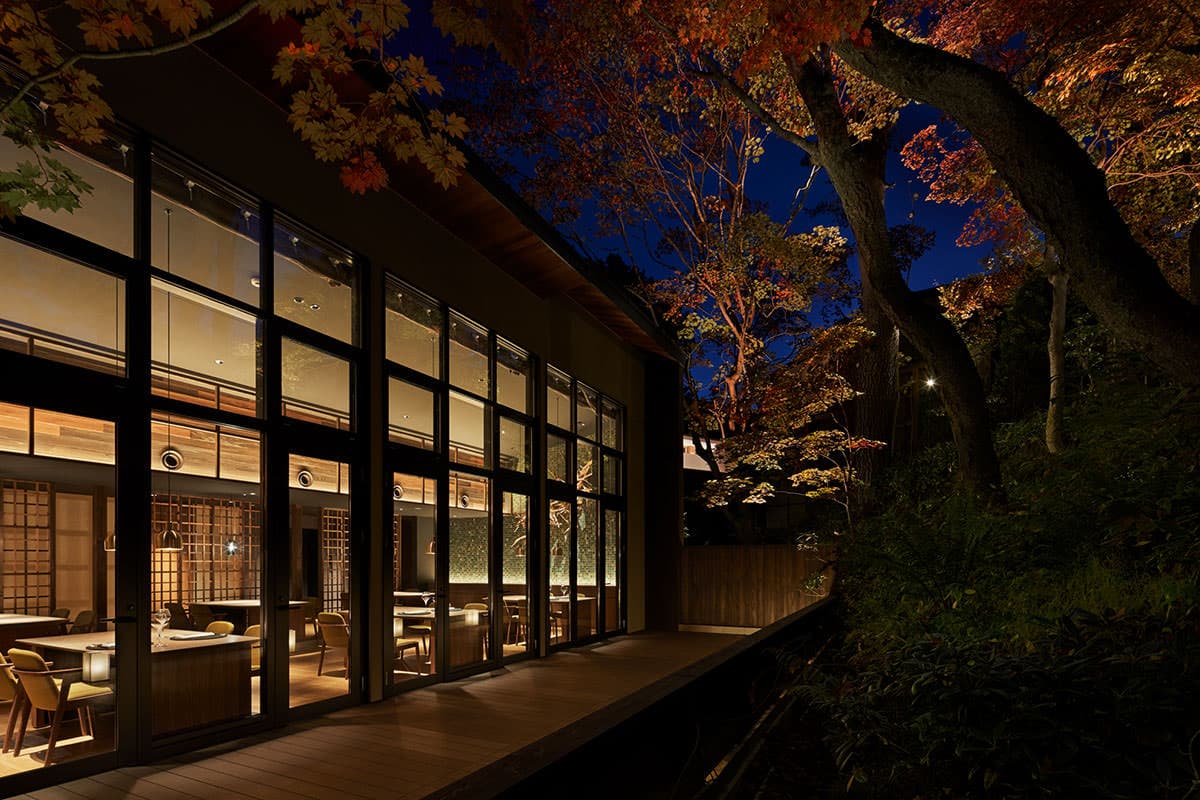 | from US$460/person/night≈ US$920 for 2 | 9.5 77 reviews | Book on Trip.com |
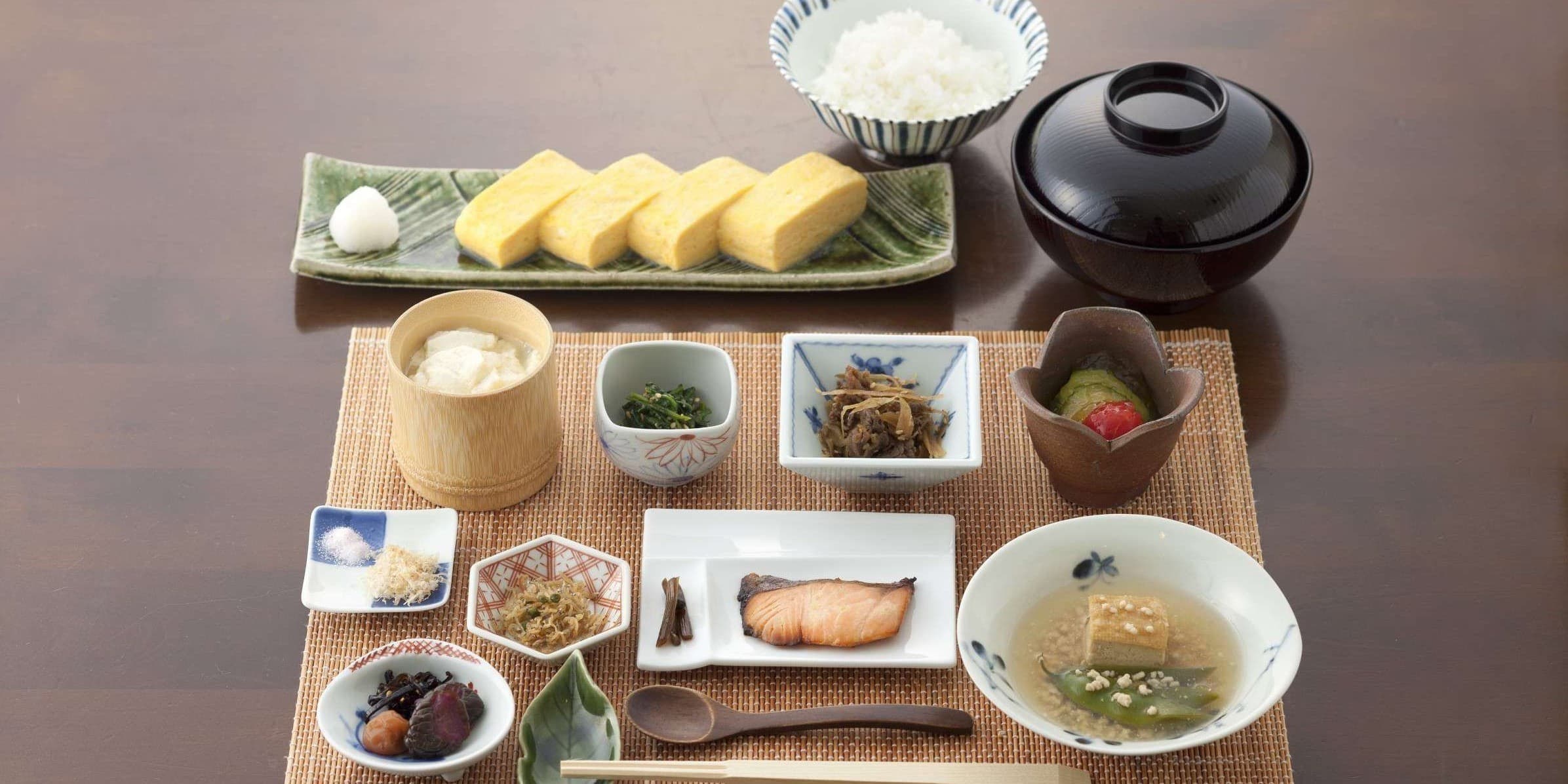 | from US$184/person/night≈ US$368 for 2 | 9.5 43 reviews | Book on Booking.com |
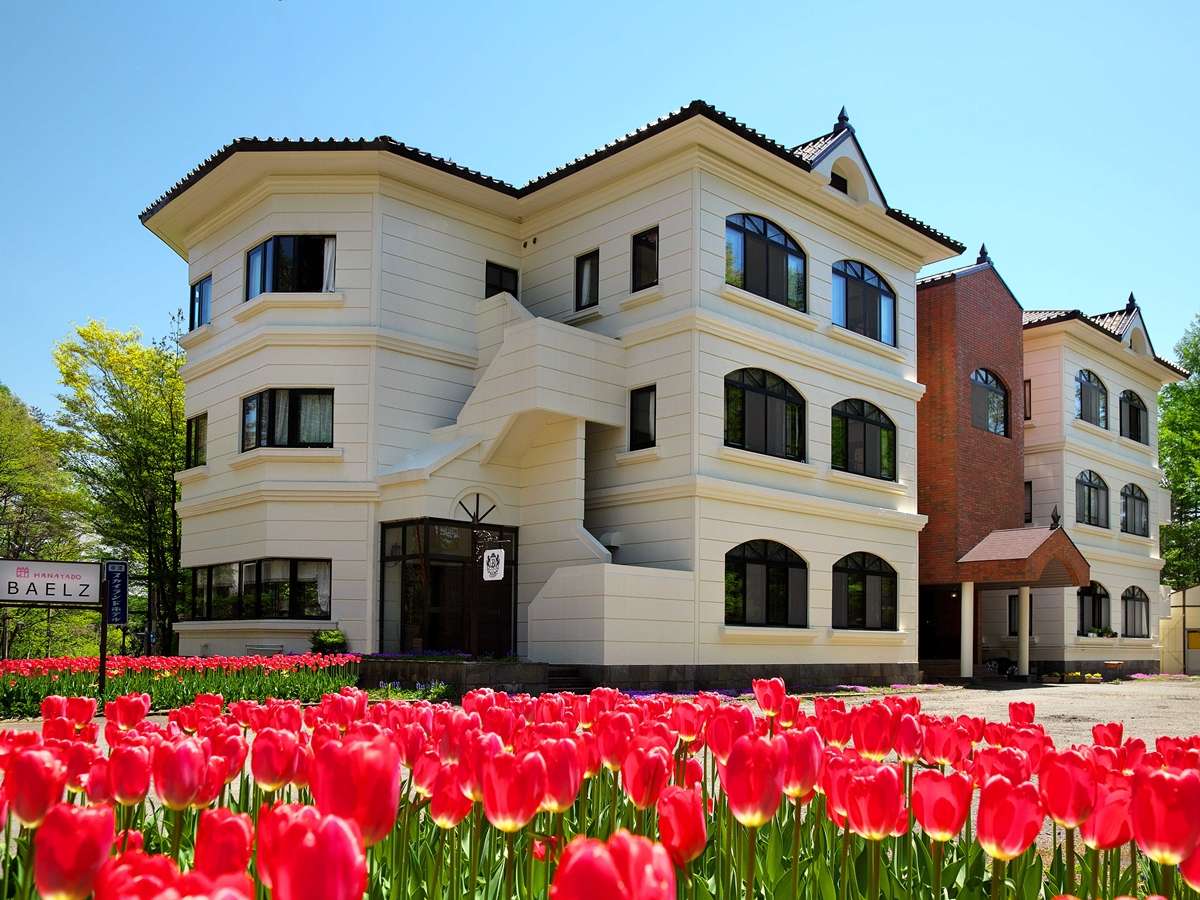 | from US$130/person/night≈ US$260 for 2 | 9.4 678 reviews | Book on Trip.com |
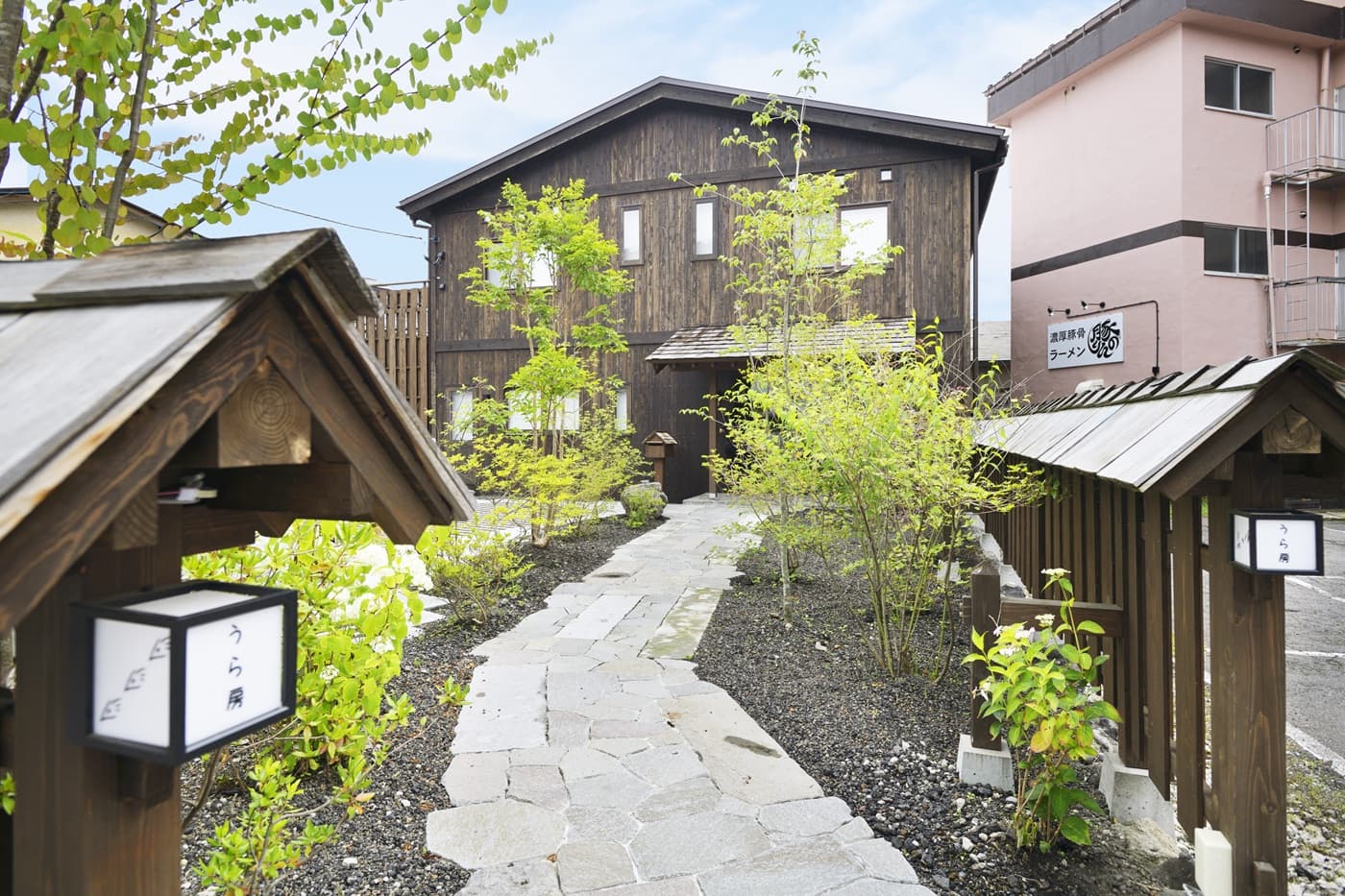 | from US$115/person/night≈ US$230 for 2 | 9.3 84 reviews | Book on Booking.com |
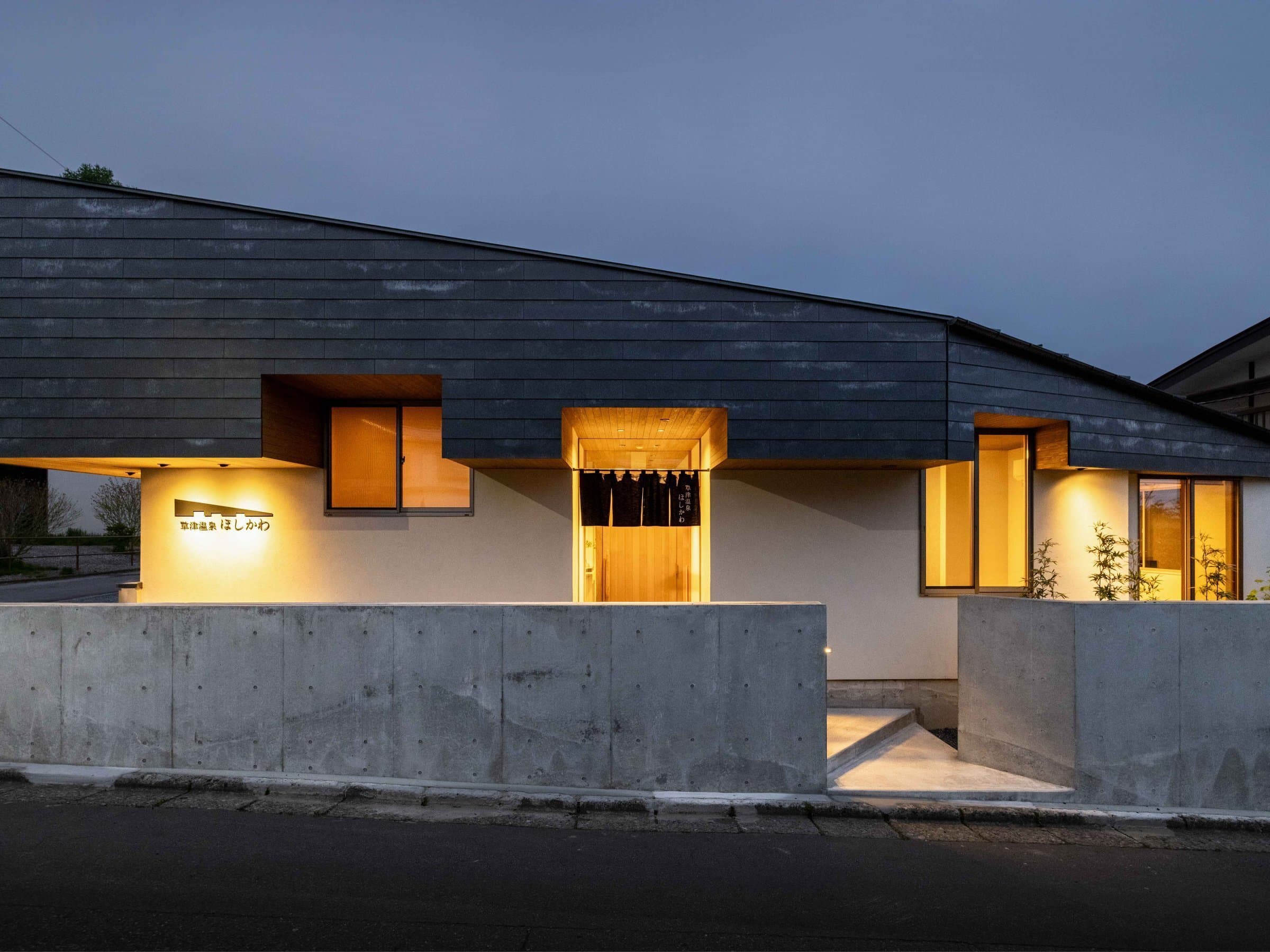 | from US$90/person/night≈ US$180 for 2 | 9.3 24 reviews | Book on Agoda |
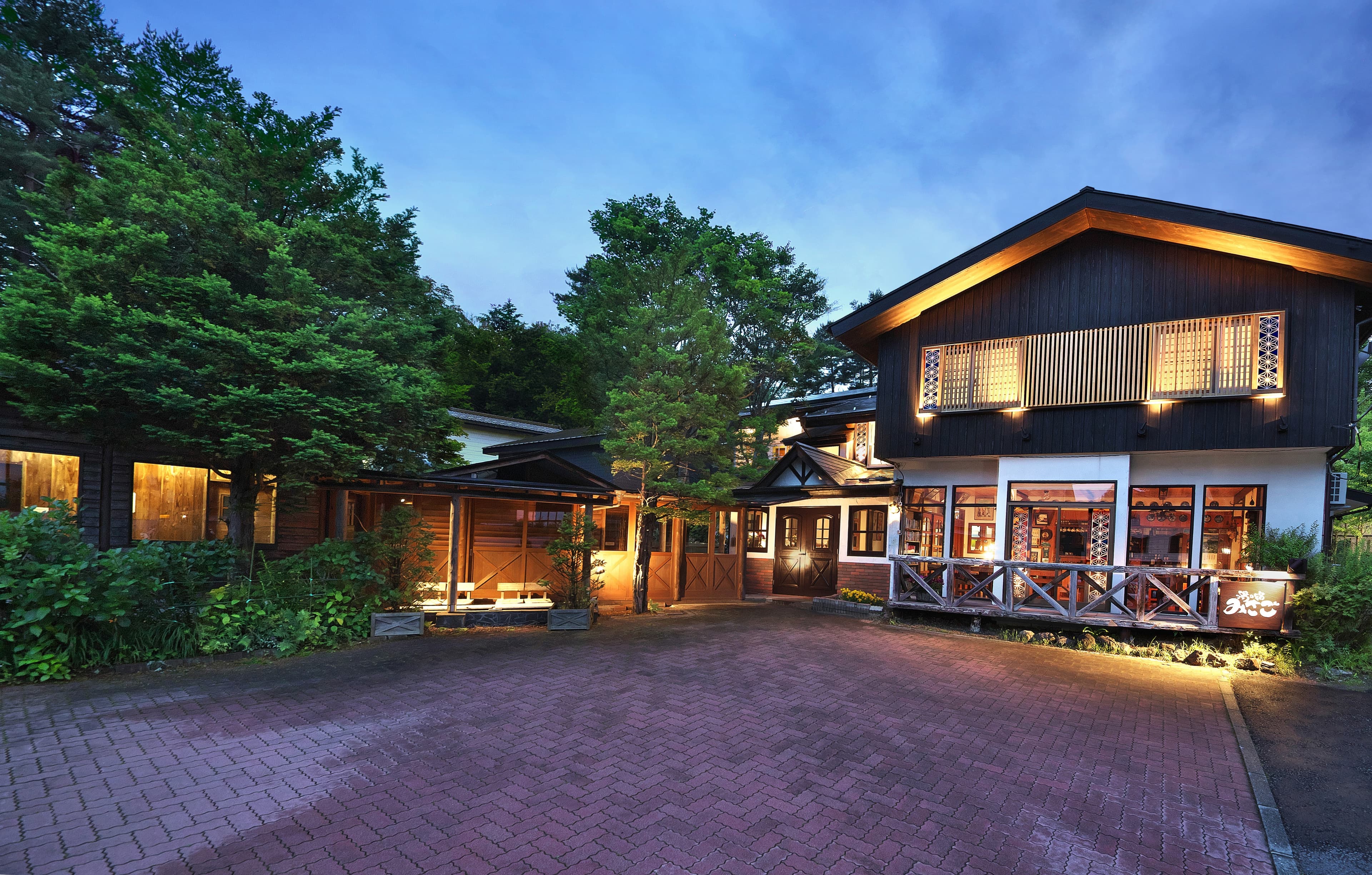 | from US$72/person/night≈ US$144 for 2 | 9.2 449 reviews | Book on Agoda |
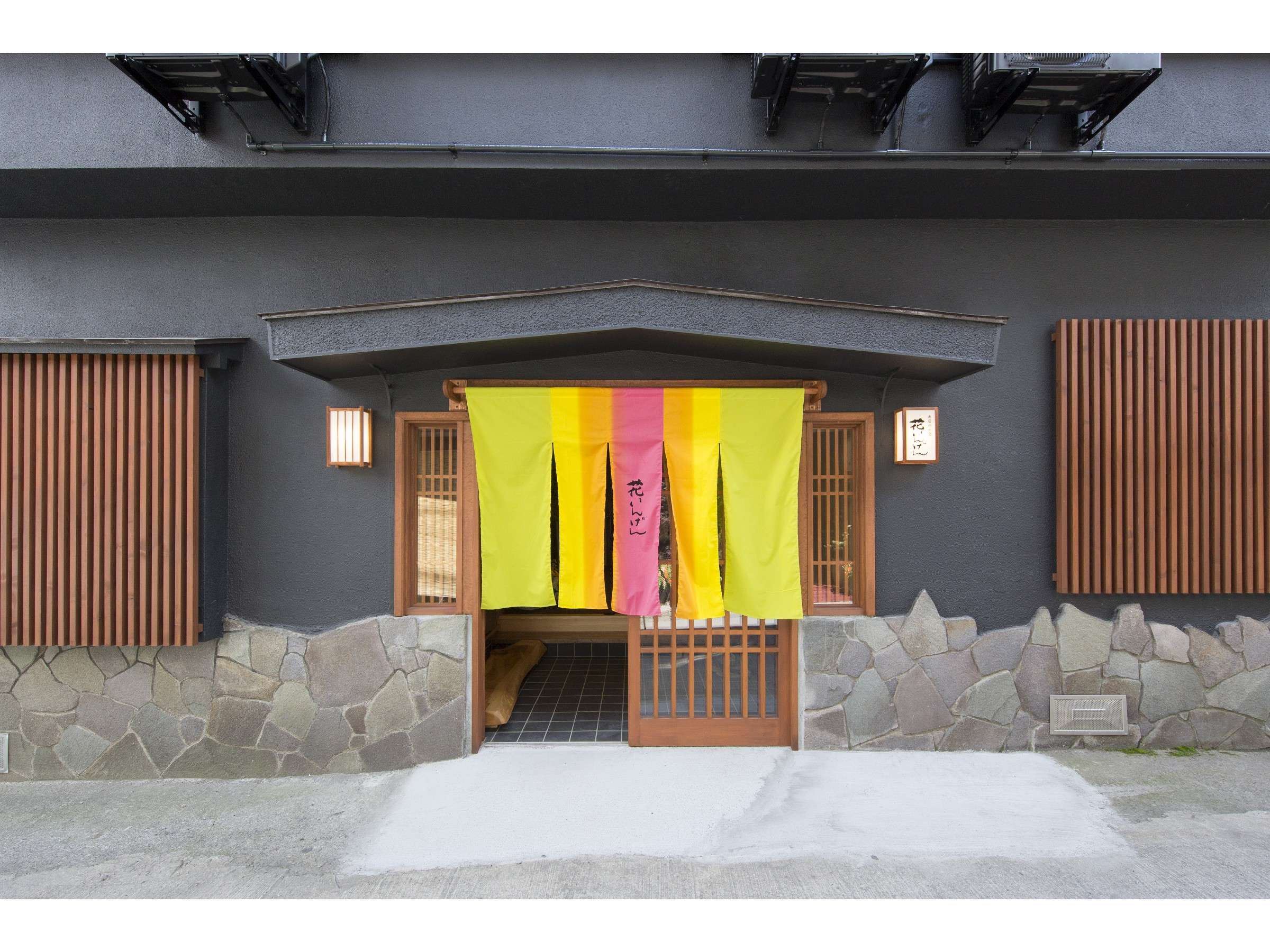 | from US$165/person/night≈ US$330 for 2 | 9.1 340 reviews | Book on Booking.com |
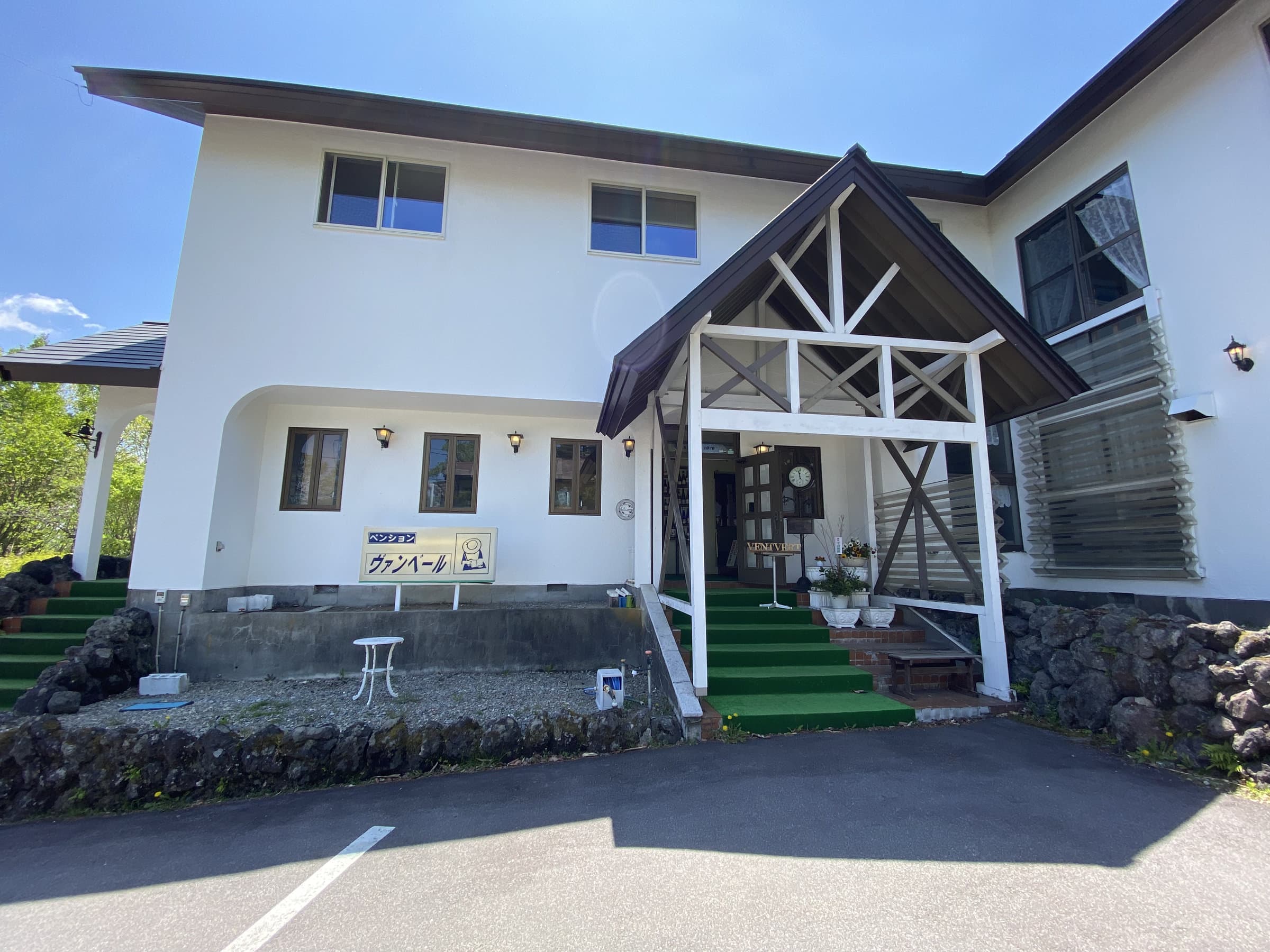 | from US$106/person/night≈ US$212 for 2 | 9.1 166 reviews | Book on Trip.com |
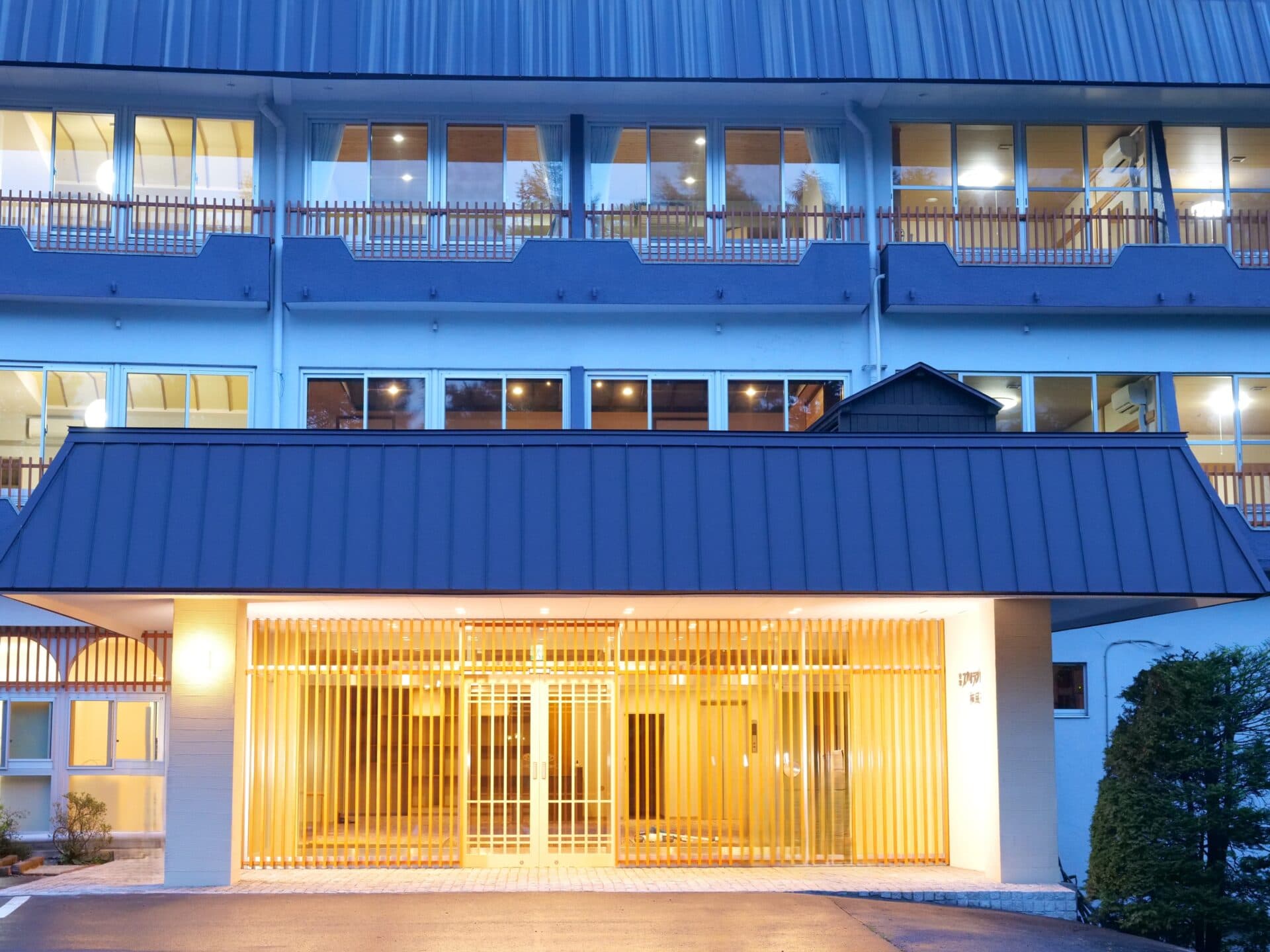 | from US$98/person/night≈ US$196 for 2 | 9.0 880 reviews | Book on Agoda |
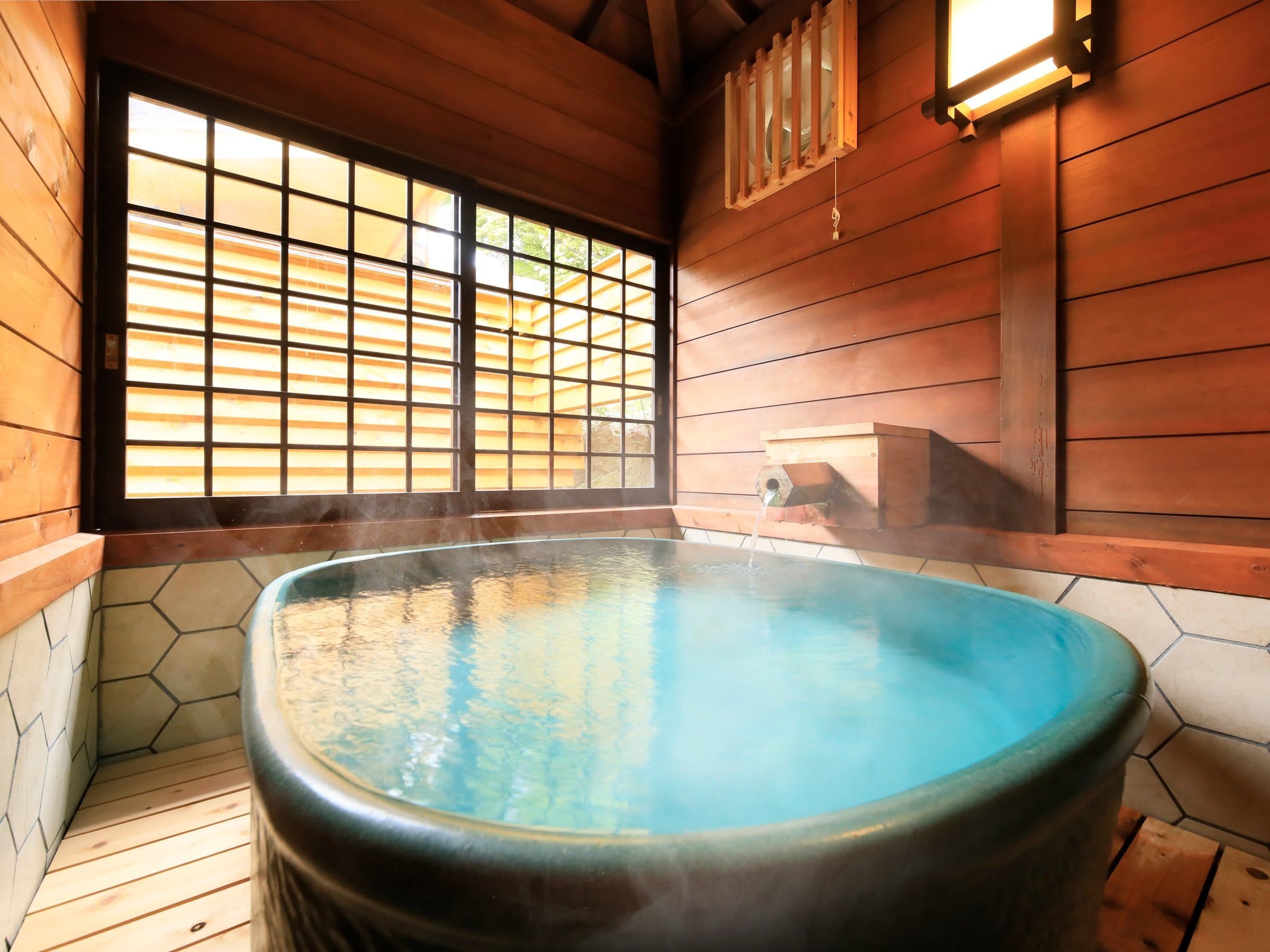 | from US$139/person/night≈ US$278 for 2 | 9.0 606 reviews | Book on Agoda |
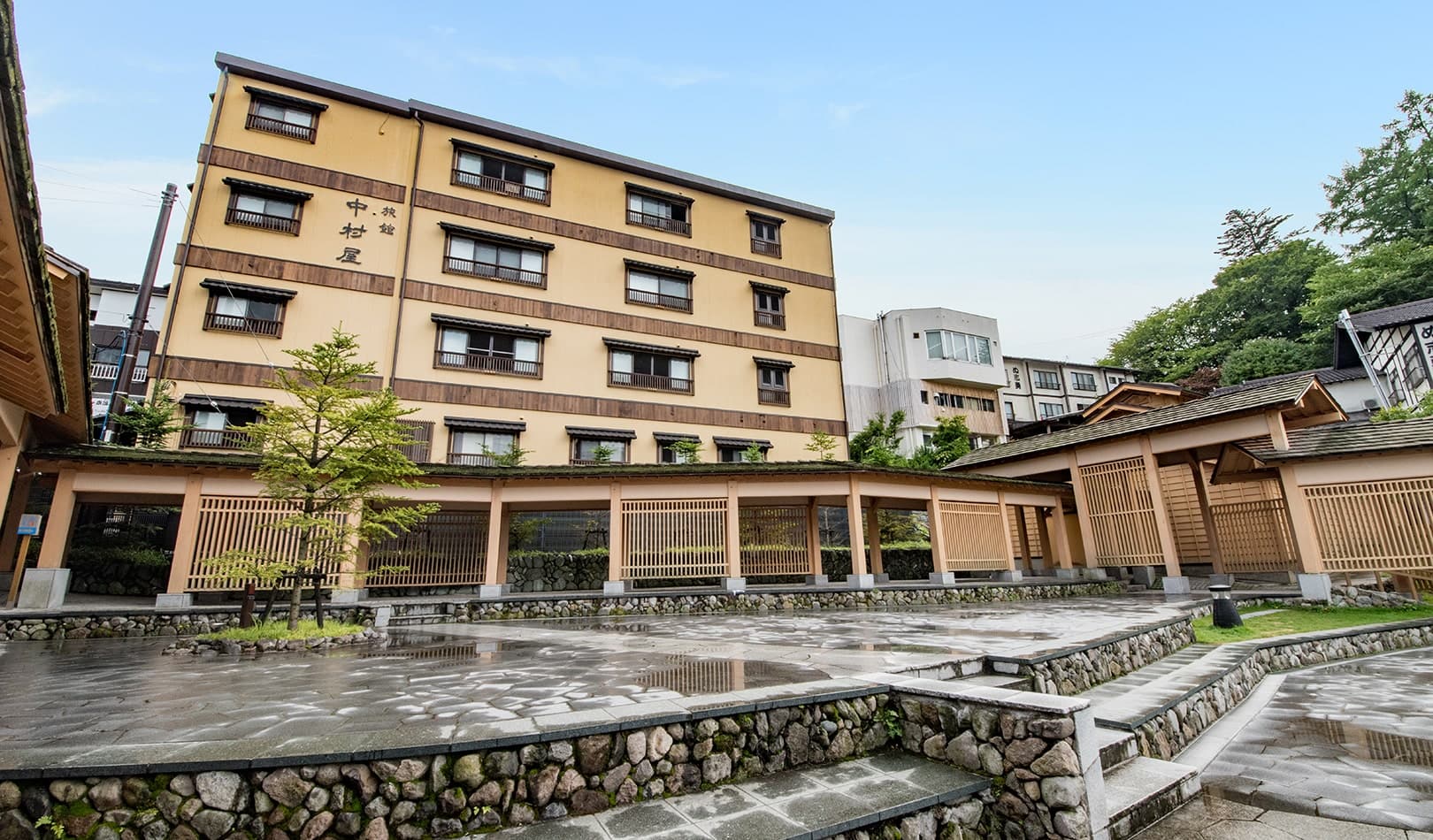 | from US$63/person/night≈ US$126 for 2 | 9.0 478 reviews | Book on Trip.com |
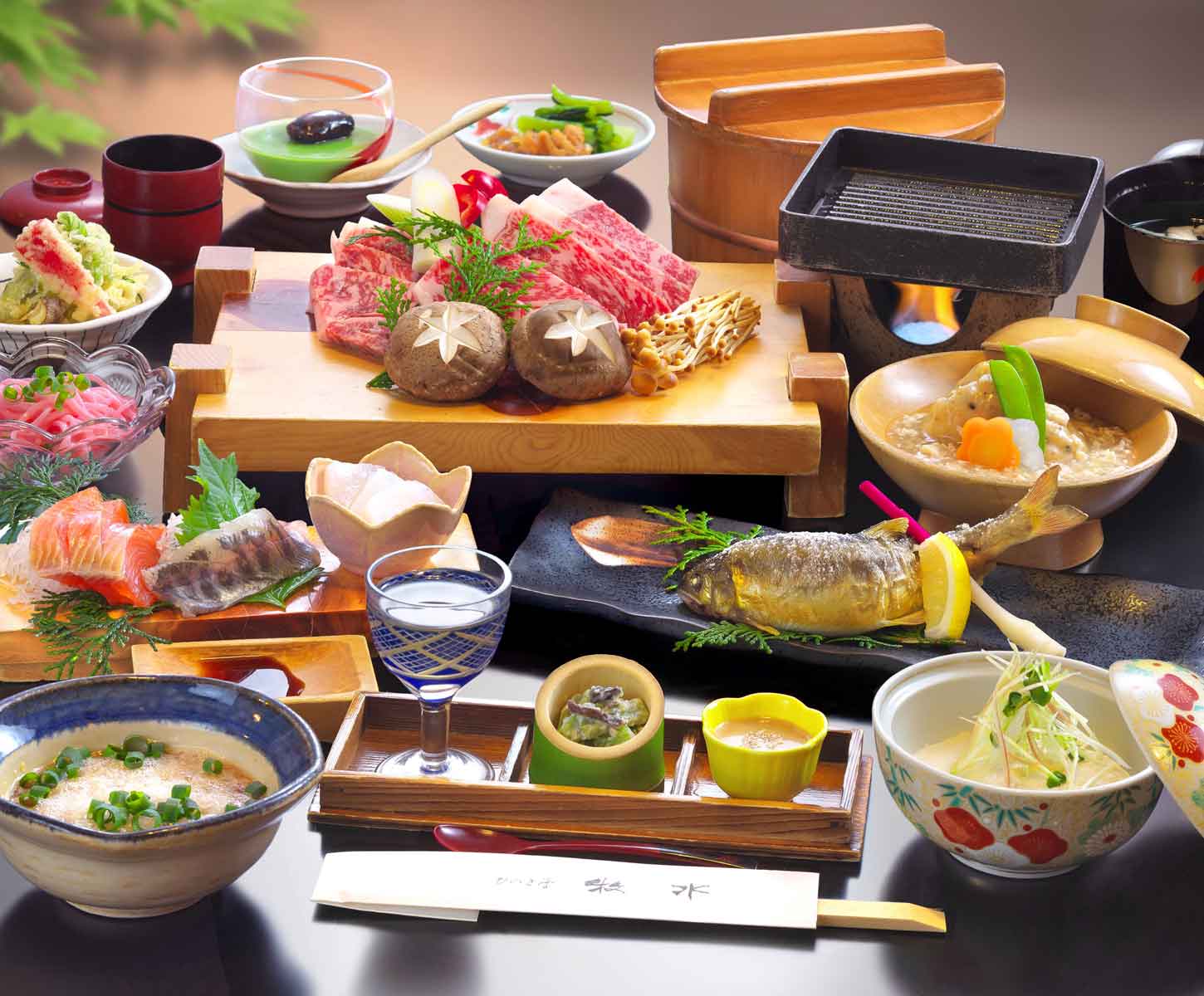 | from US$140/person/night≈ US$280 for 2 | 9.0 222 reviews | Book on Trip.com |
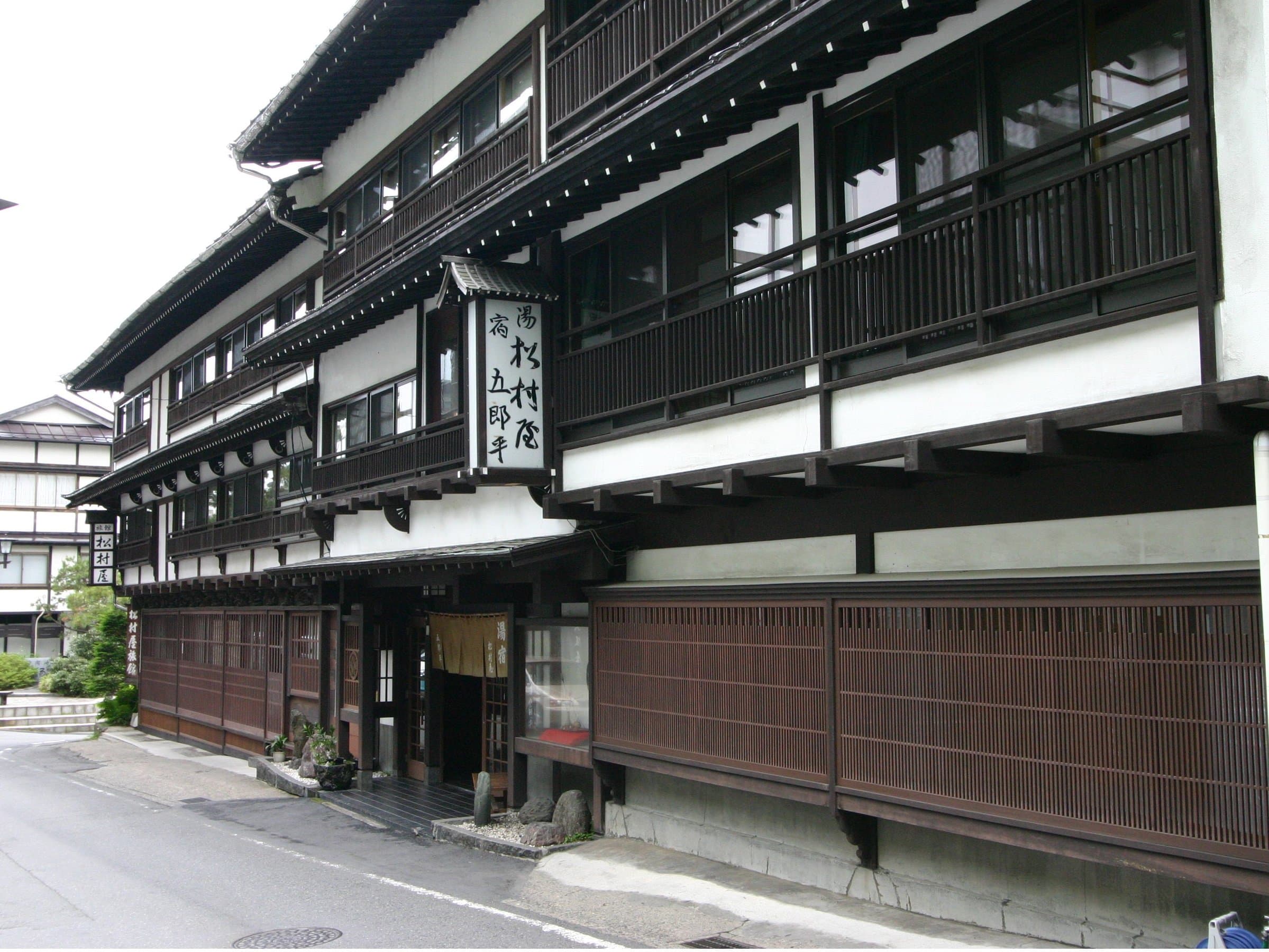 | from US$139/person/night≈ US$278 for 2 | 9.0 64 reviews | Book on Trip.com |
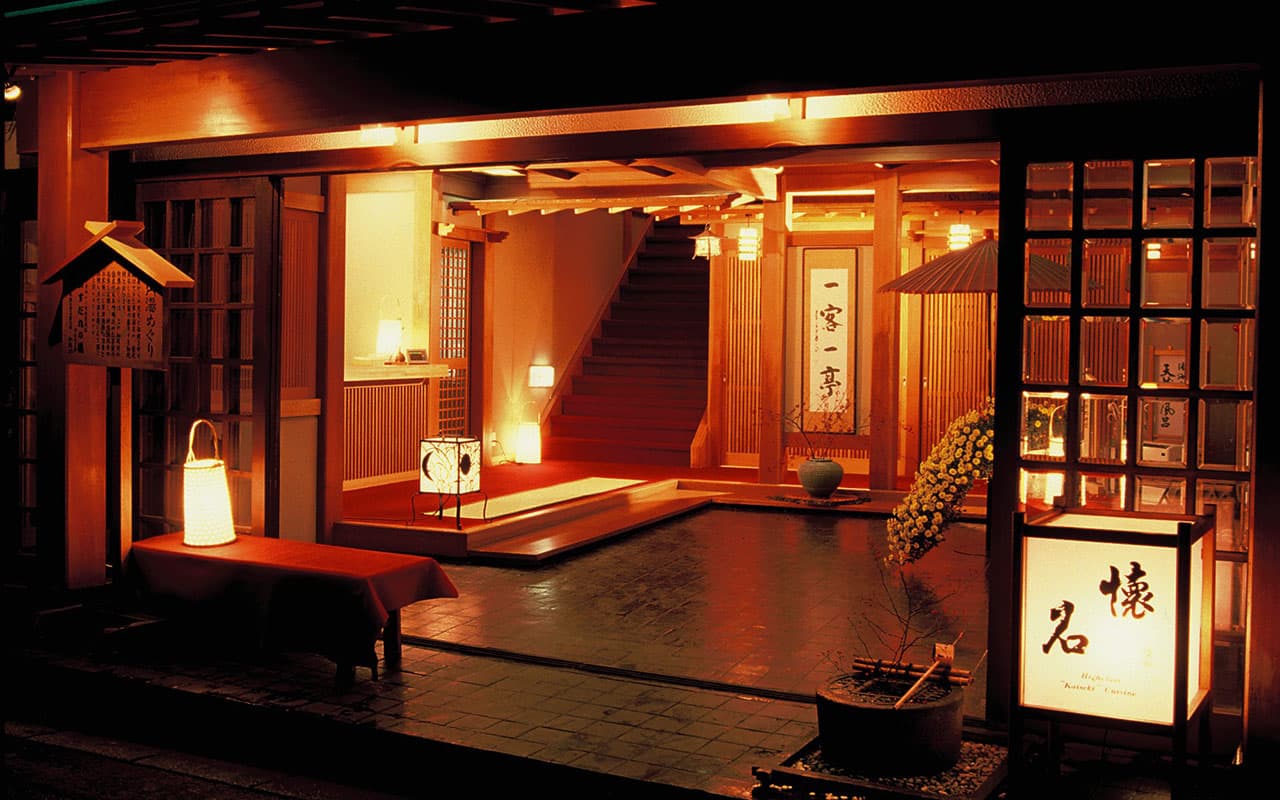 | from US$445/person/night≈ US$890 for 2 | 9.0 51 reviews | Book on Trip.com |
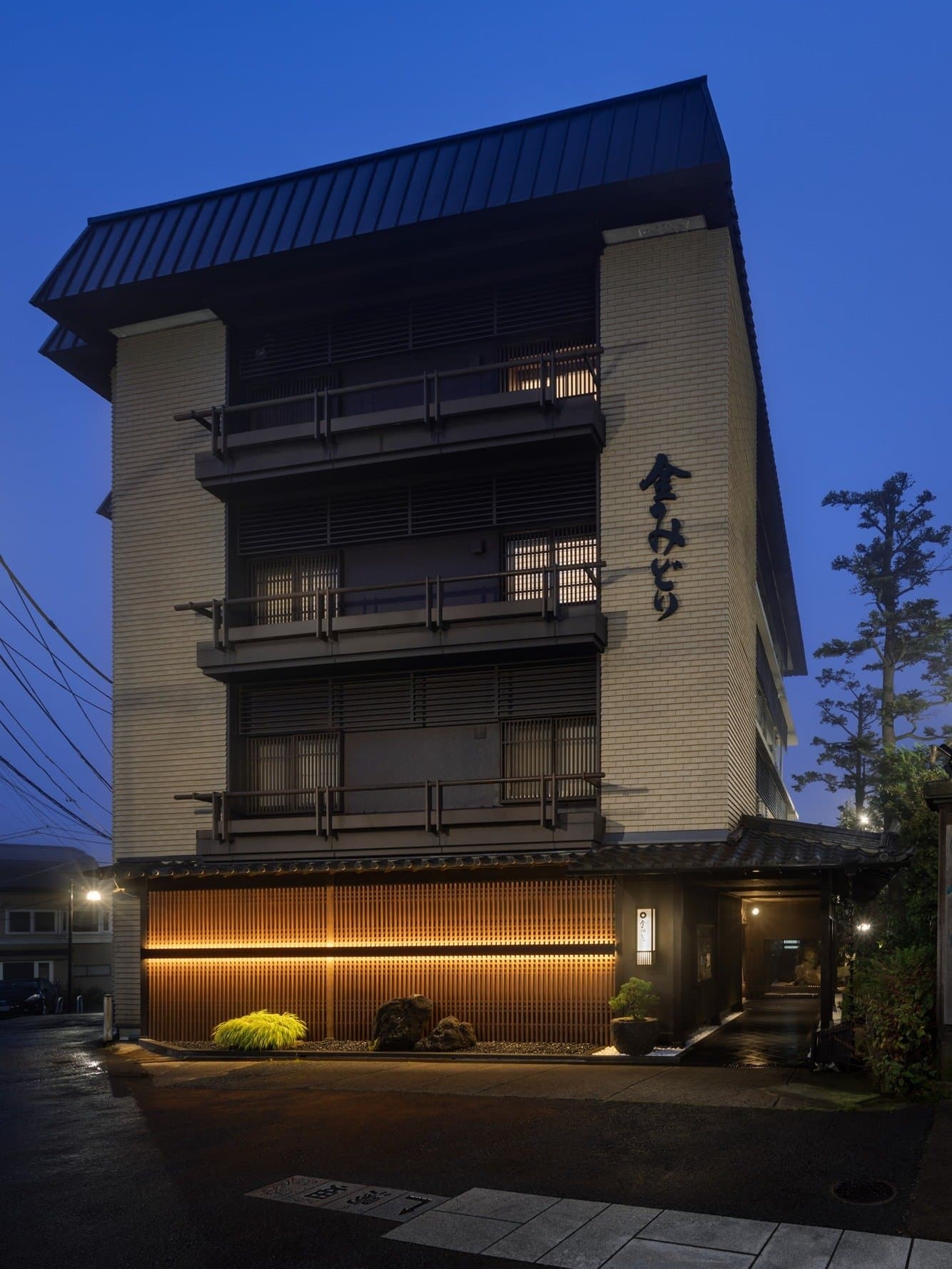 | from US$132/person/night≈ US$264 for 2 | 8.9 842 reviews | Book on Booking.com |
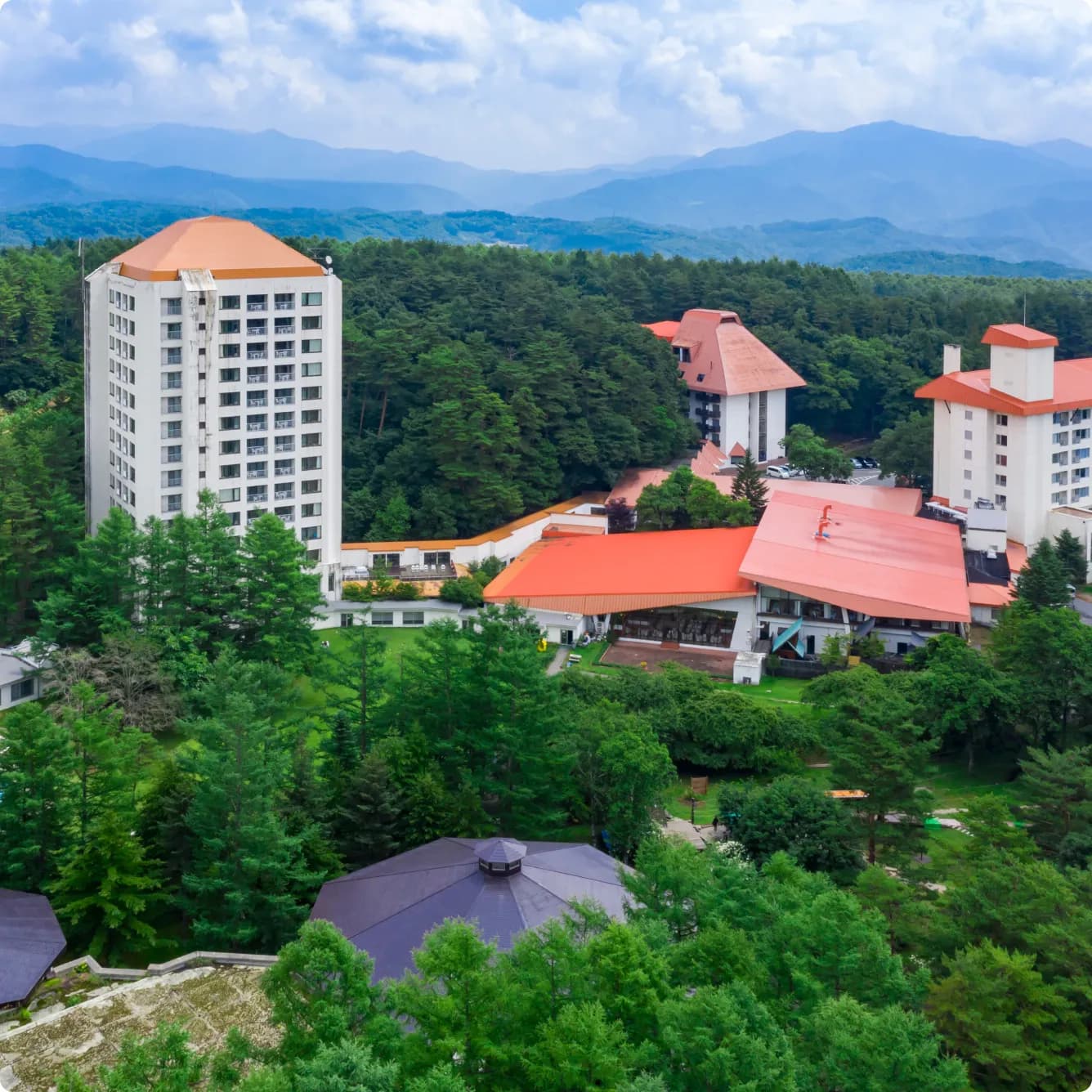 | from US$102/person/night≈ US$204 for 2 | 8.8 3,792 reviews | Book on Trip.com |
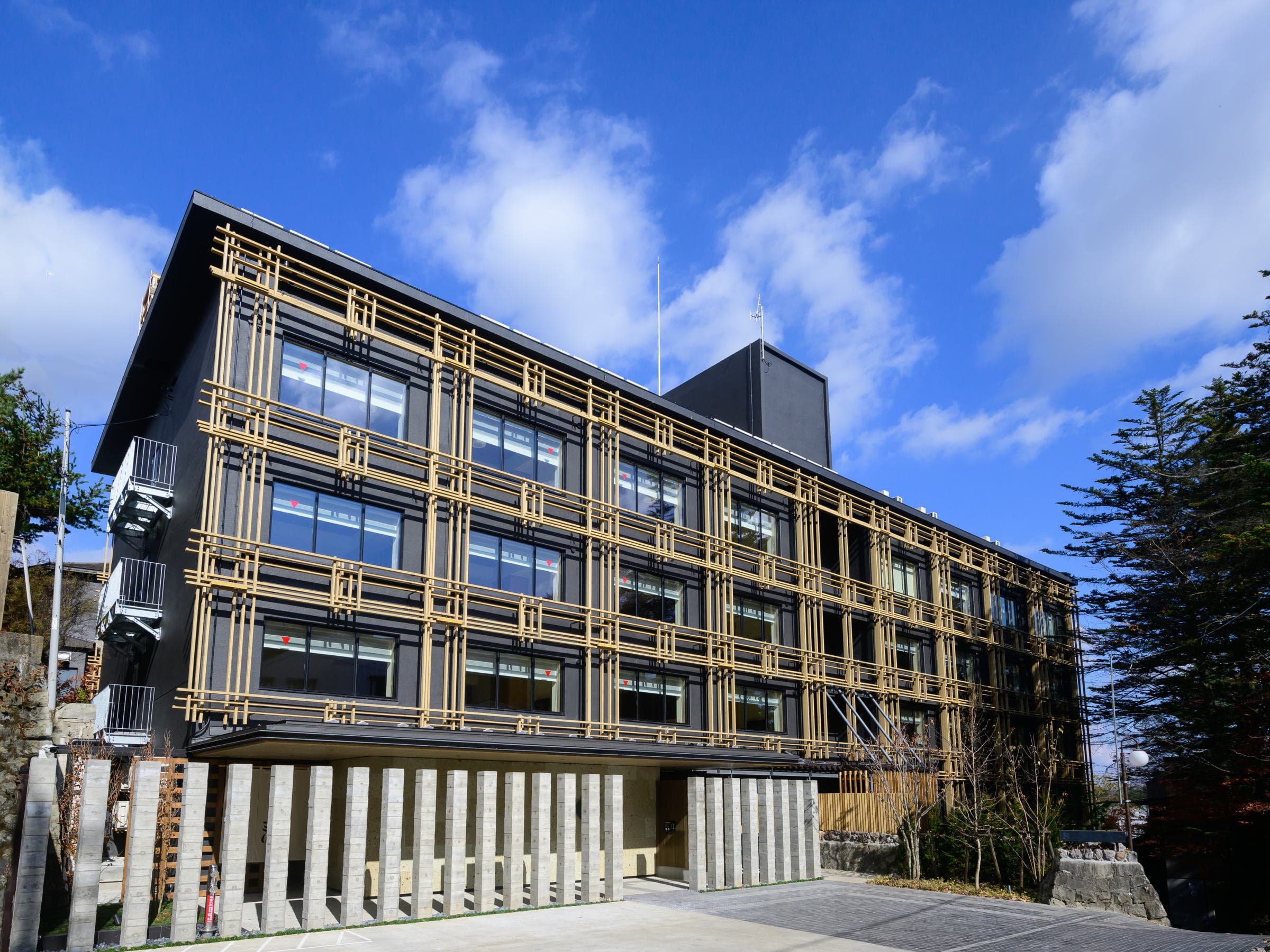 | from US$150/person/night≈ US$300 for 2 | 8.8 202 reviews | Book on Trip.com |
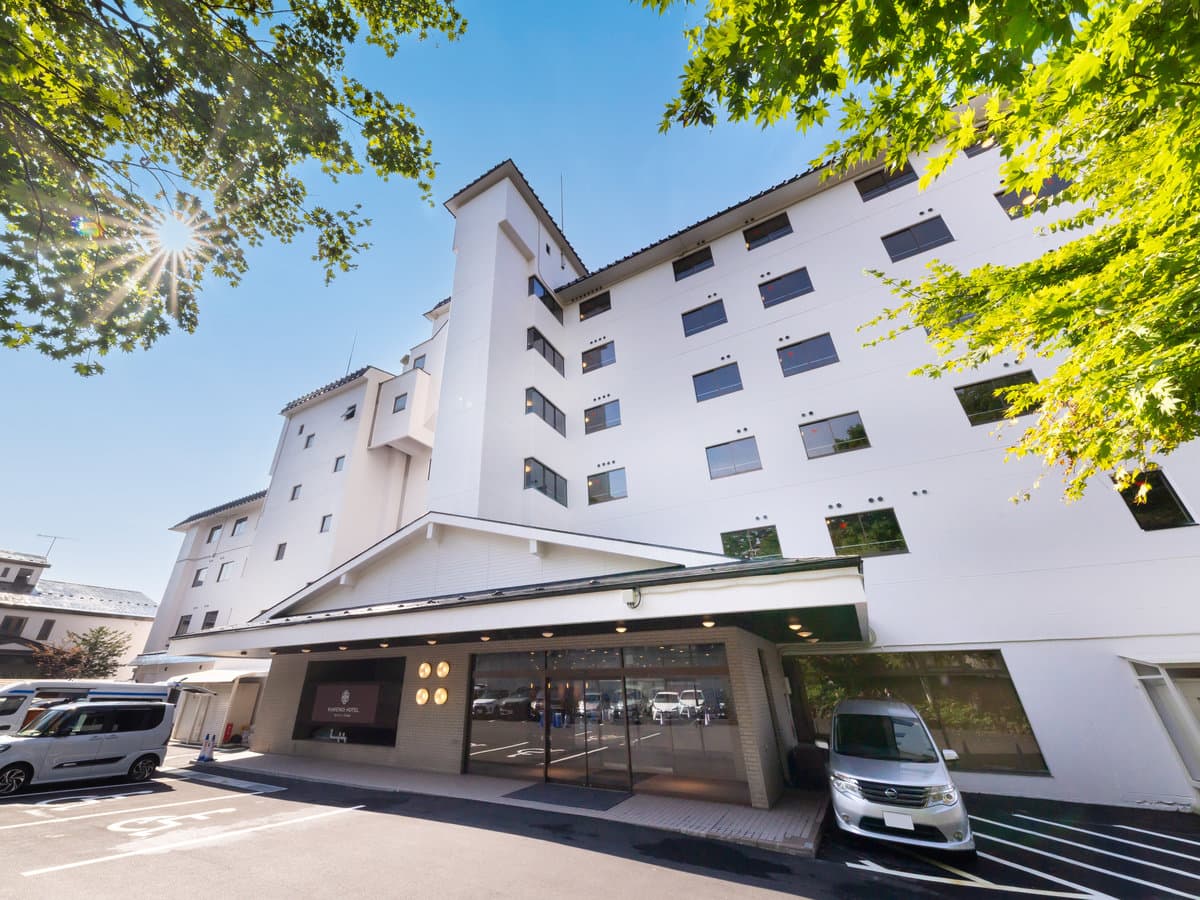 | from US$97/person/night≈ US$194 for 2 | 8.8 158 reviews | Book on Agoda |
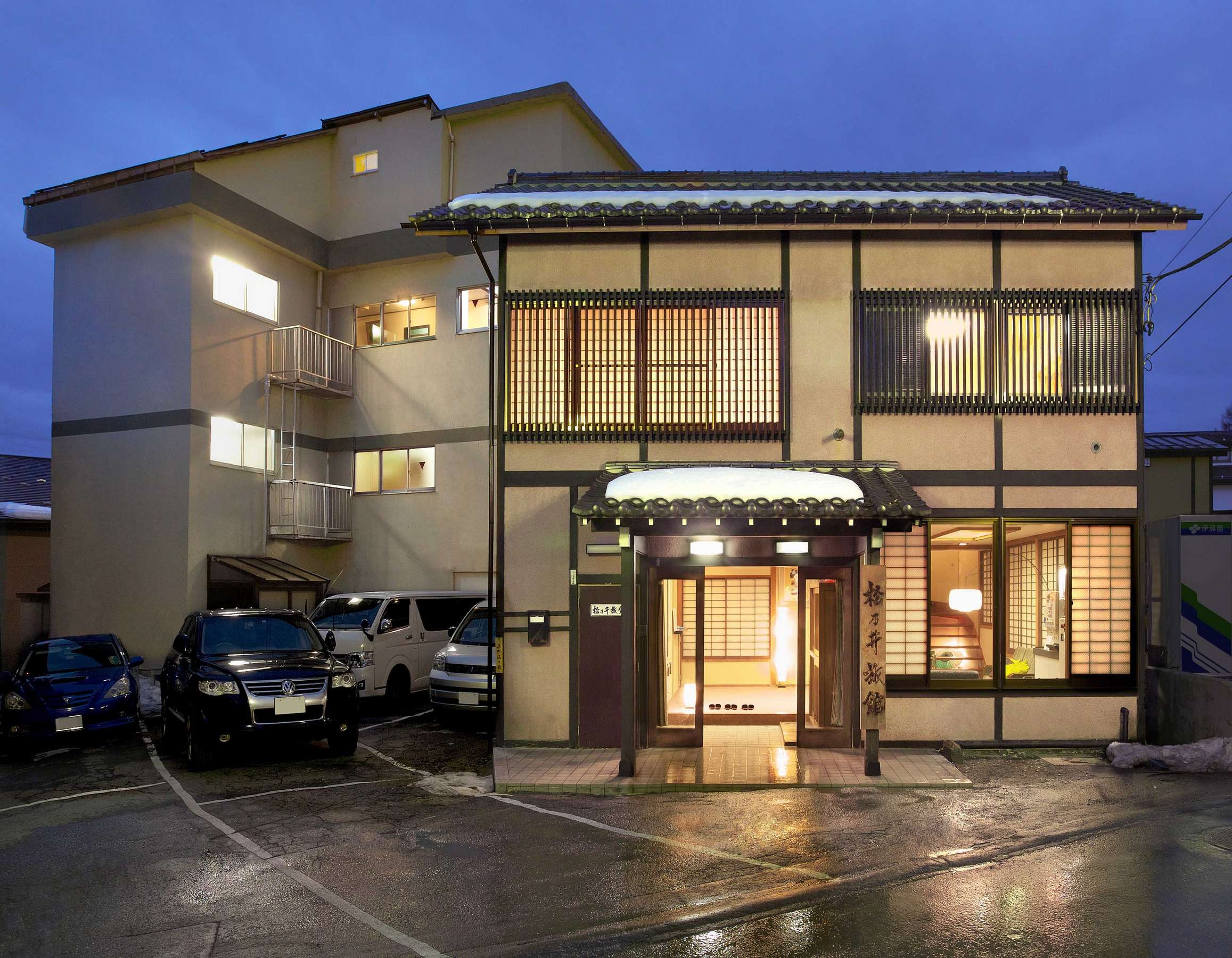 | from US$75/person/night≈ US$150 for 2 | 8.8 51 reviews | Book on Agoda |
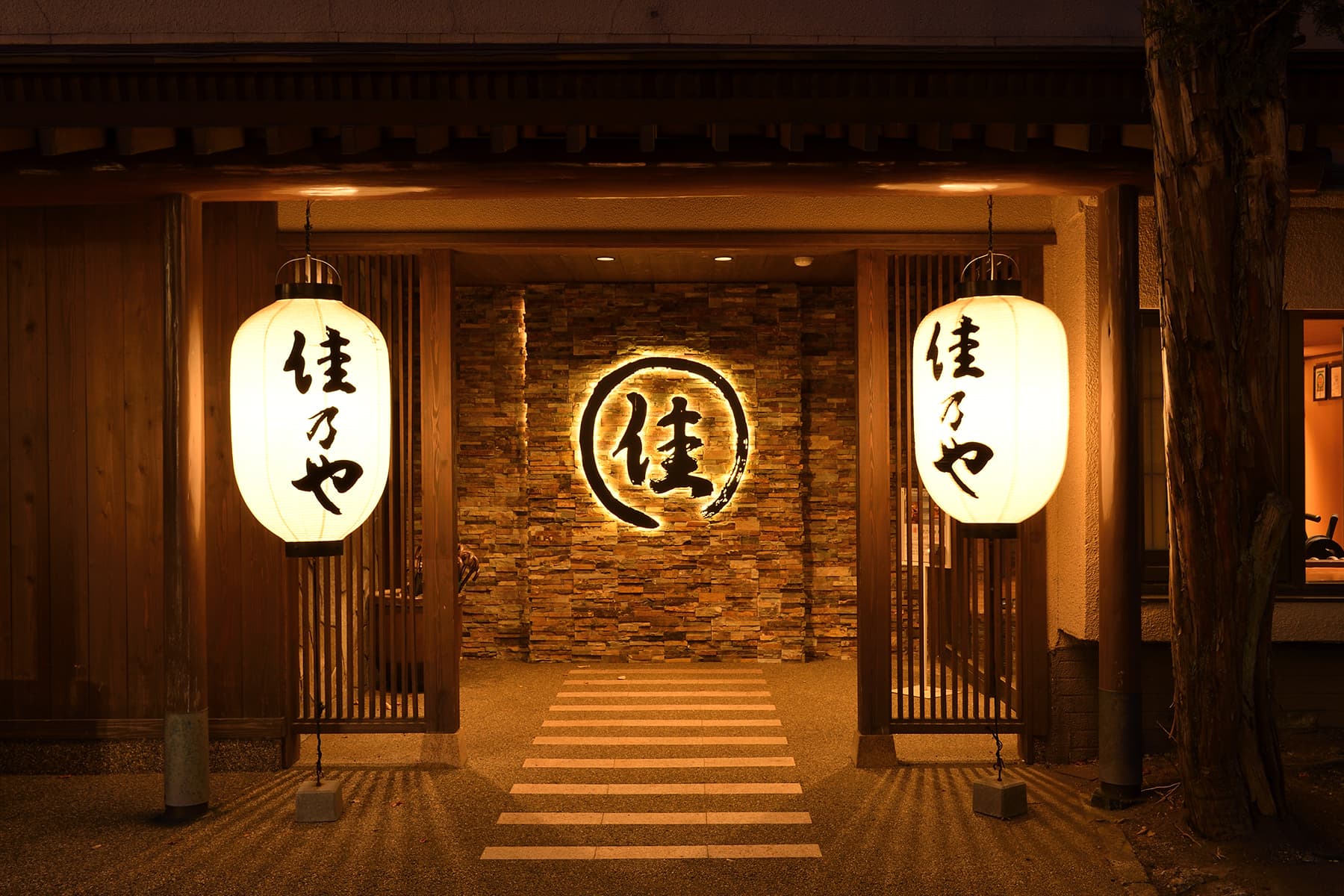 | from US$81/person/night≈ US$162 for 2 | 8.7 390 reviews | Book on Agoda |
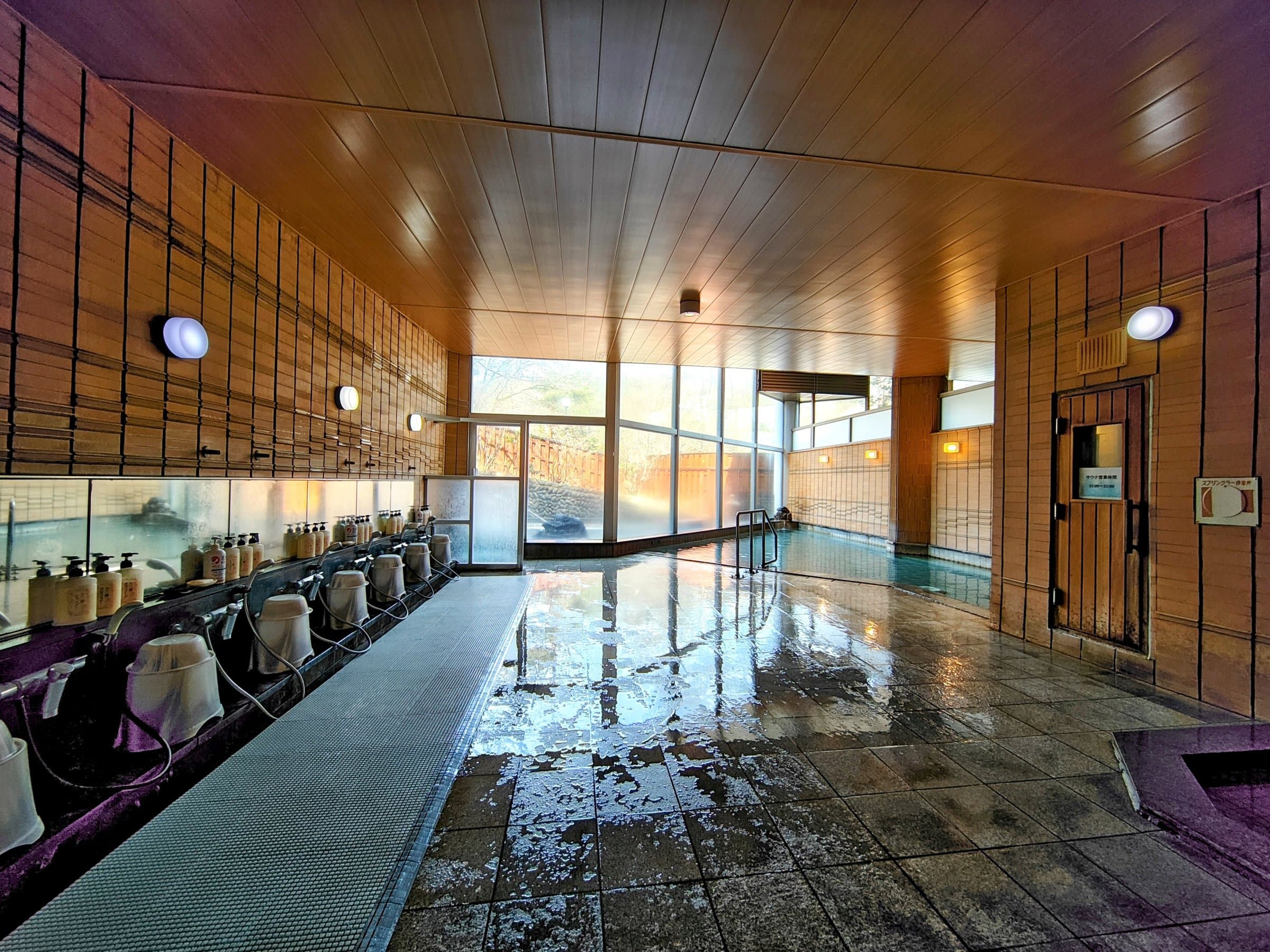 | from US$88/person/night≈ US$176 for 2 | 8.6 1,598 reviews | Book on Booking.com |
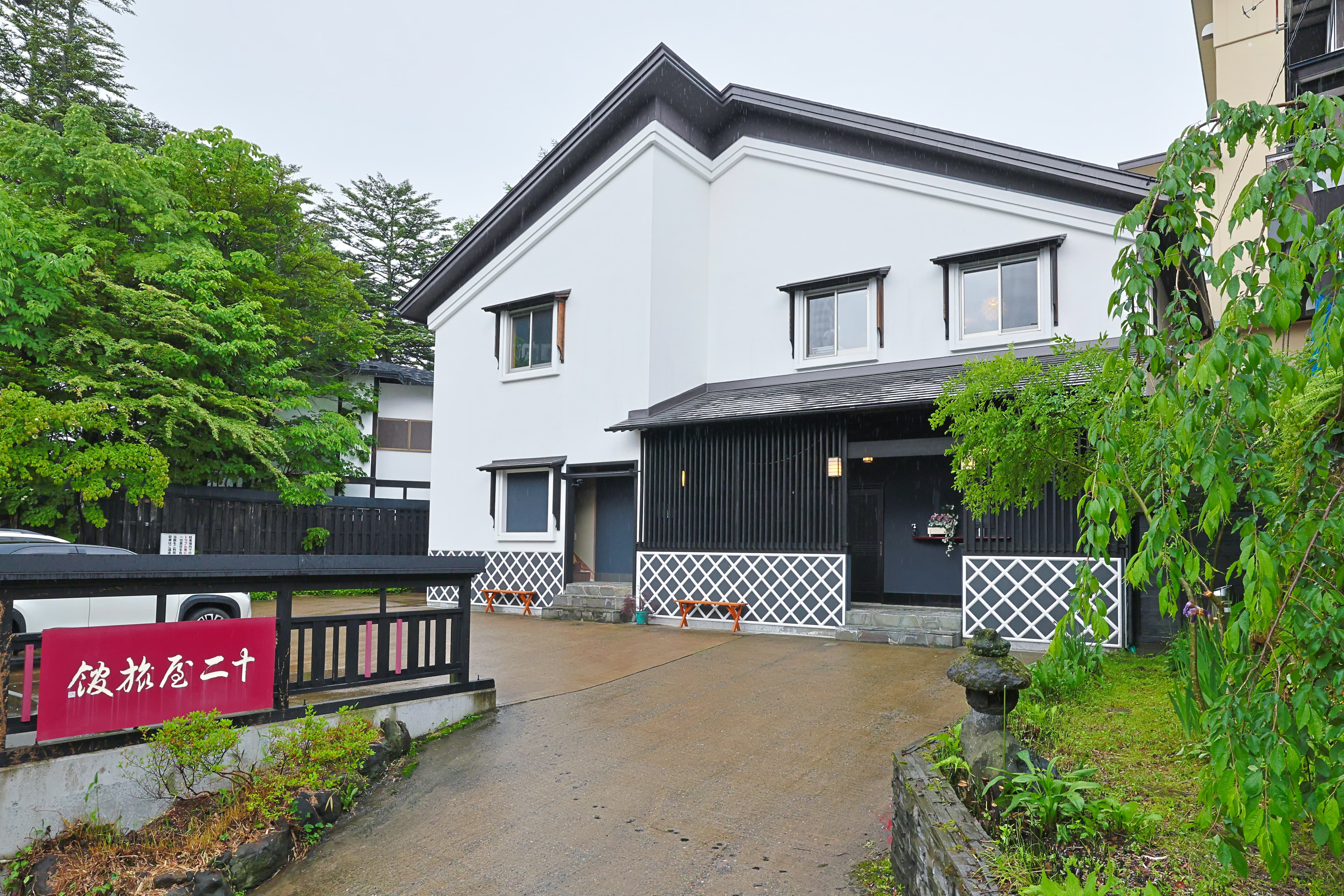 | from US$95/person/night≈ US$190 for 2 | 8.6 265 reviews | Book on Agoda |
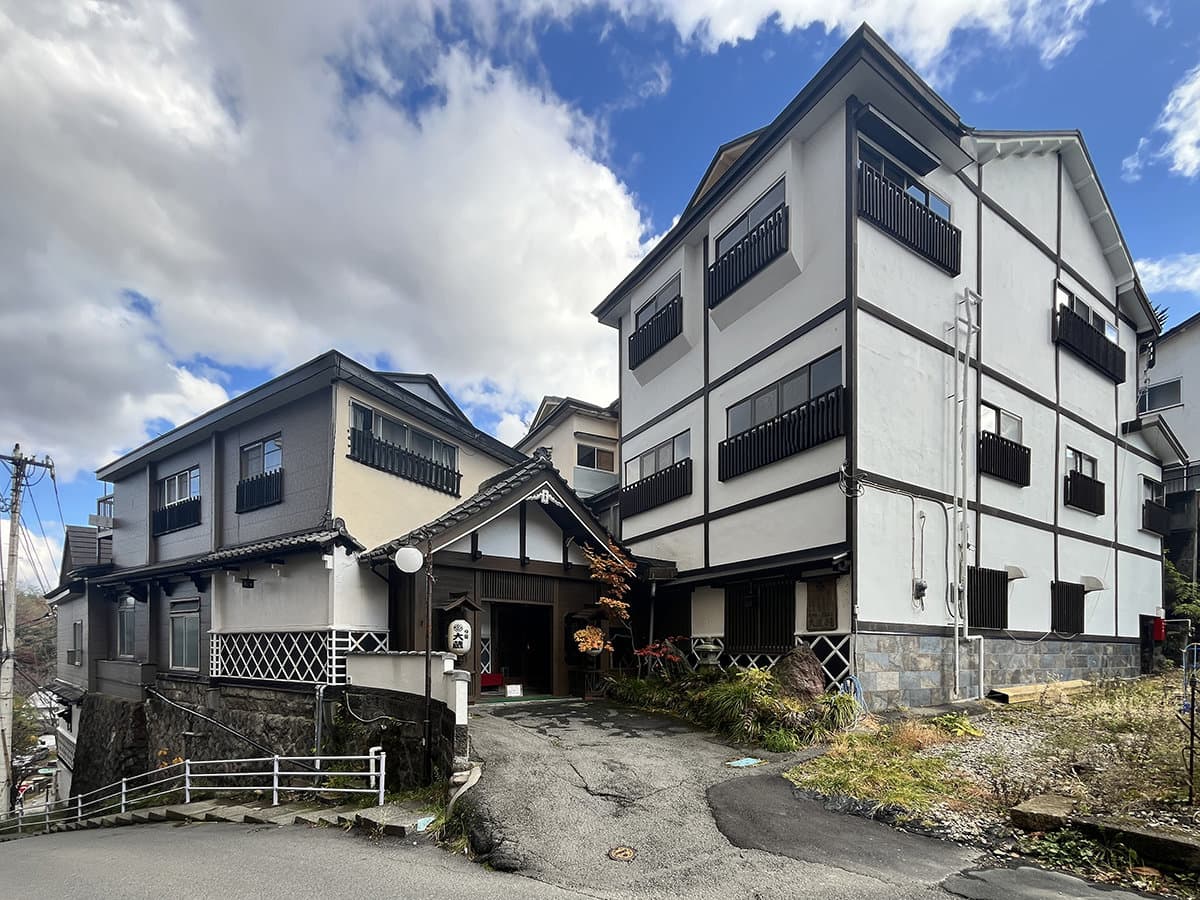 | from US$60/person/night≈ US$120 for 2 | 8.6 73 reviews | Book on Agoda |
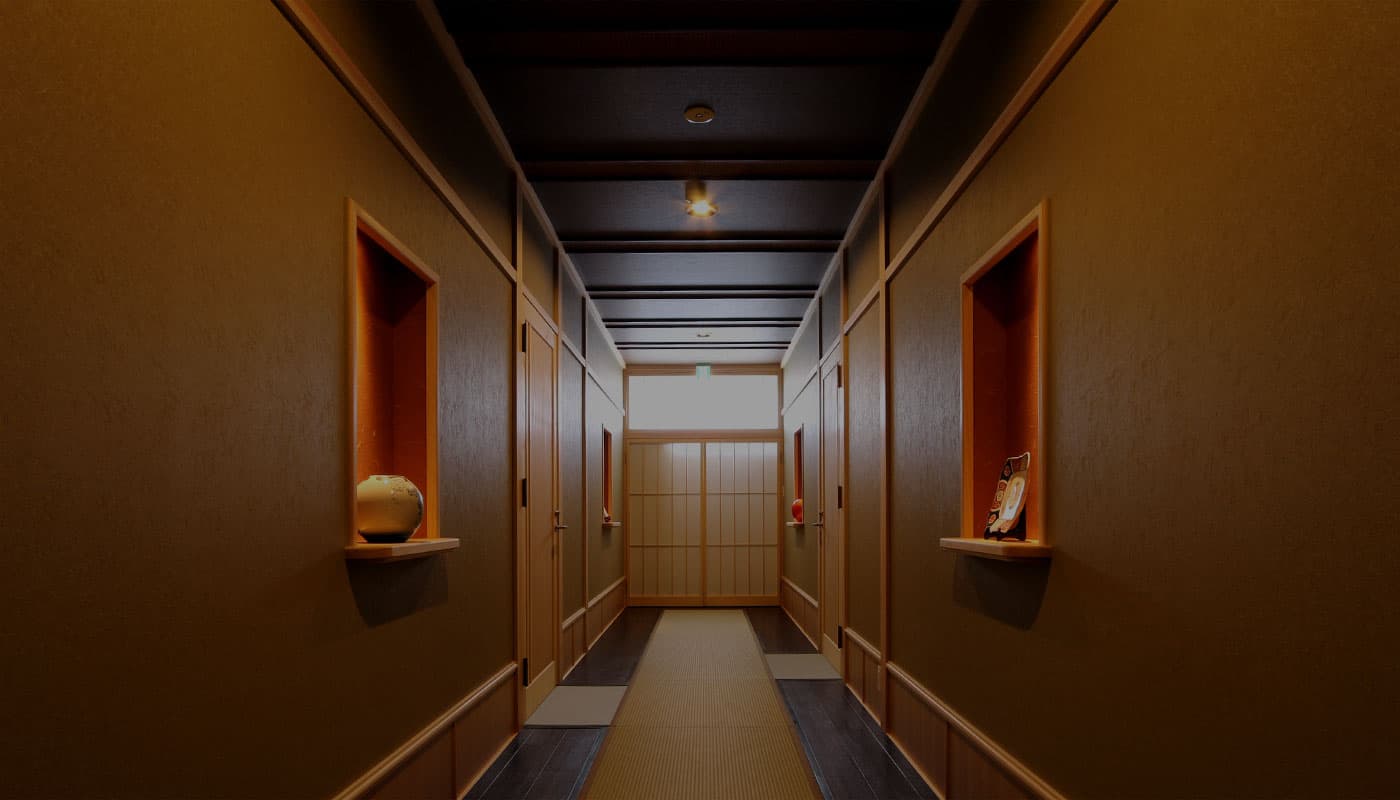 | from US$200/person/night≈ US$400 for 2 | 8.5 179 reviews | Book on Trip.com |
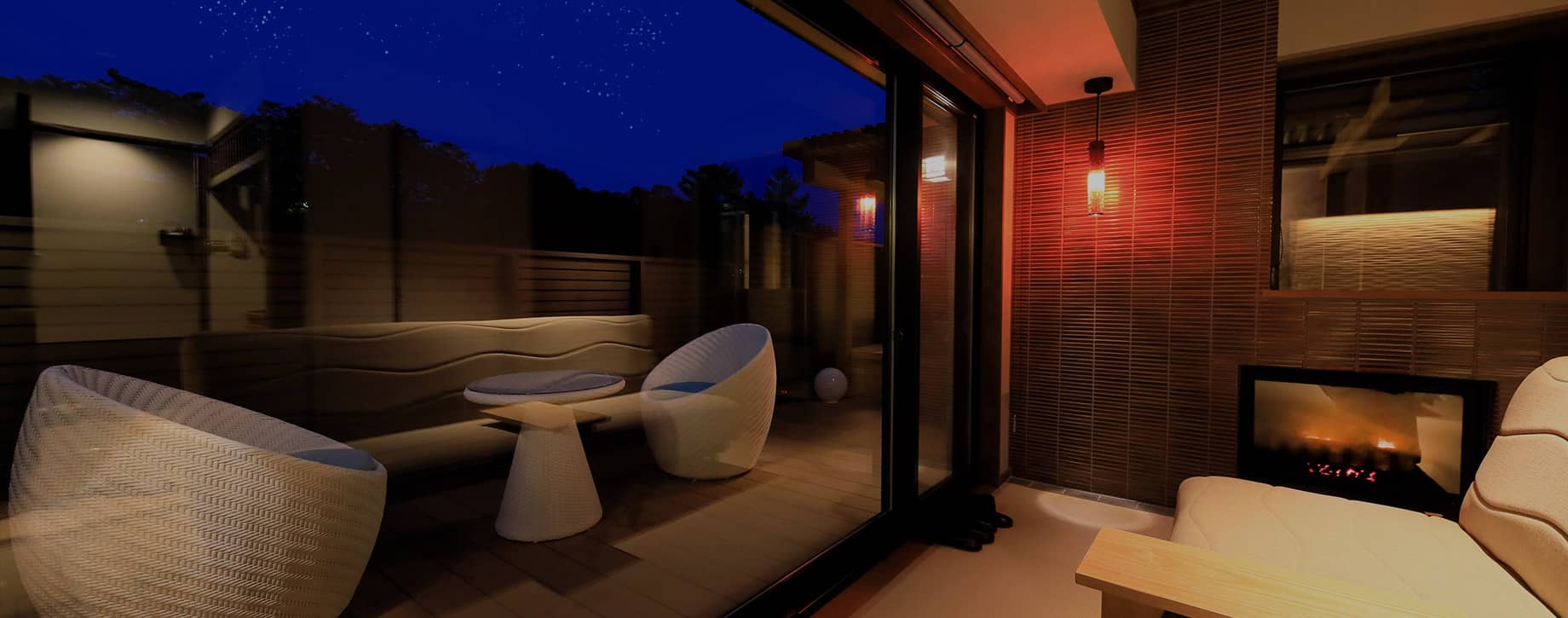 | from US$112/person/night≈ US$224 for 2 | 8.4 522 reviews | Book on Trip.com |
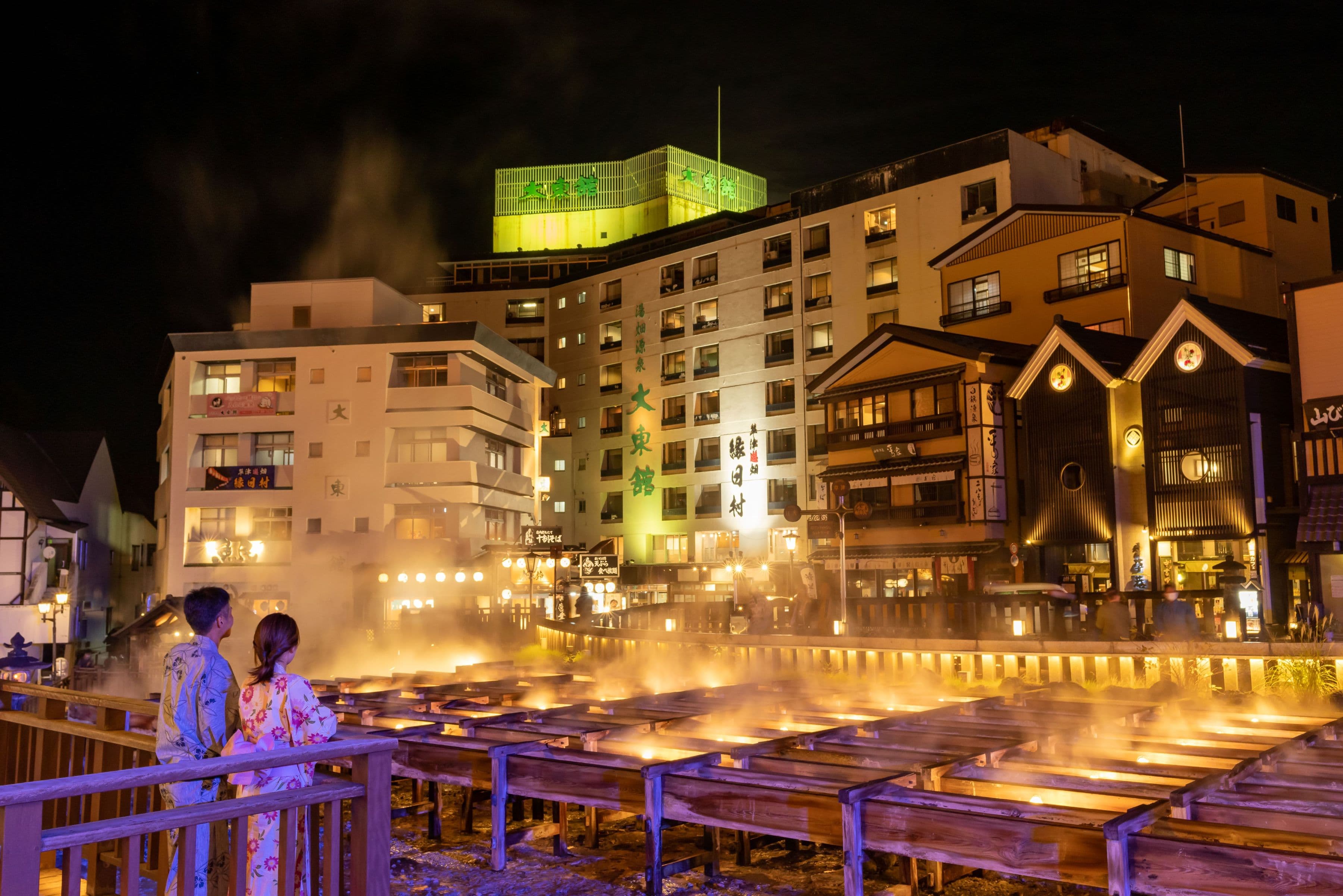 | from US$70/person/night≈ US$140 for 2 | 8.1 367 reviews | Book on Booking.com |
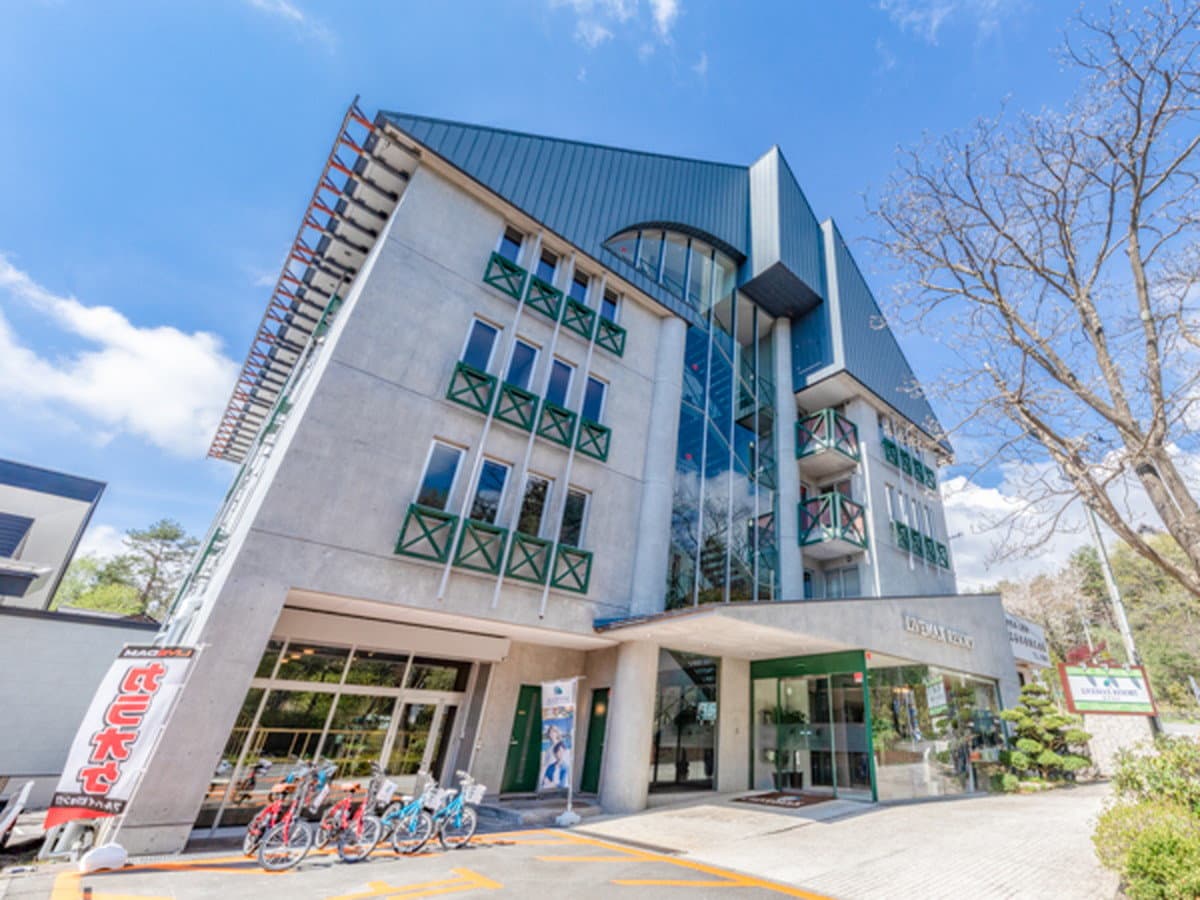 | from US$56/person/night≈ US$112 for 2 | 8.0 562 reviews | Book on Booking.com |
Hanayado Baelz
Kusatsu
Kusatsu Onsen Hoshikawa
Kusatsu
Yu-no-Yado Misago
Kusatsu
Hanaingen
Kusatsu
Kusatsu Onsen Vent Vert
Kusatsu
Kusatsu Skyland Hotel
Kusatsu
Yuyado Miyuki Honkan
Kusatsu
Nakamuraya Ryokan
Kusatsu
Hinokitei Bokusui
Kusatsu
Matsumuraya Ryokan
Kusatsu
Tenojiya
Kusatsu
Kusatsu Onsen Hotel Village
Kusatsu
Urakusatsu Tou
Kusatsu
Matsunoi Ryokan
Kusatsu
Yubatake no Yado Yoshinoya
Kusatsu
Hotel Spax Kusatsu
Kusatsu
Juniya Ryokan
Kusatsu
Yuyado Okura
Kusatsu
Kusatsu Onsen Ideyuso
Kusatsu
Aeru Yado Takamatsu
Kusatsu
Kusatsu Onsen Daitokan
Kusatsu
Prices shown are approximate starting rates per person per night. We may earn a commission on bookings.
Ready to book?
Book one of these top picks
Compare live availability and prices across booking sites.
Tsutsujitei
つつじ亭
Kusatsu·Luxury
from US$400 · per person · per nightfrom ≈ US$800 total for 2 guests



Yuyado Tokinoniwa
湯宿 季の庭
Kusatsu·Luxury
from US$300 · per person · per nightfrom ≈ US$600 total for 2 guests
Kusatsu Onsen Boun
望雲
Kusatsu·Luxury
from US$107 · per person · per nightfrom ≈ US$214 total for 2 guests
Booking links may earn us a commission at no extra cost to you.
Want the acidic Yubatake water without sharing? Browse our full list of Kusatsu ryokans with private onsen.
FAQ
Frequently asked questions
Which is the best ryokan in Kusatsu Onsen?+
For ultra-luxury seclusion, Tsutsujitei offers 10 rooms inside 5,000 tsubo of private woodland. Naraya is best for the oldest Shirahata source water, one minute from Yubatake. Hotel Ichii provides Yubatake-front rooms with illumination views at a mid-range price, while Yubatake Souan is ideal for stylish room-only stays under $200.
How many days should I stay in Kusatsu Onsen?+
While two days and one night is standard, a two-night stay is recommended for a richer experience. This allows for the second-day skin response, a half-empty 9:30 am yumomi performance, a full Yu-Mawari sotoyu rotation, and time for a Mount Shirane day trip or Karuizawa side combo.
Are Kusatsu ryokans walking distance from Yubatake?+
Most Kusatsu ryokans are within 1 to 5 minutes on foot from Yubatake. Hotel Ichii is directly on Yubatake, while Naraya, Osakaya, and Yubatake Souan are 1 minute away. Some luxury properties like Tsutsujitei, Tokinoniwa, and Konoha are hillside and provide shuttles.
Is Kusatsu's sulfur water safe for sensitive skin?+
Kusatsu's pH 1.6–2.1 water is among the most acidic of any major onsen town in Japan, making it bactericidal but potentially irritating for sensitive skin. Ryokans advise a maximum 10-minute soak, rinsing with fresh agari-yu water before exiting, and alternating sulfur and non-sulfur bathing days to prevent irritation. It also tarnishes silver jewelry.
How do I get to Kusatsu Onsen from Tokyo?+
From Tokyo, take the Limited Express Kusatsu (JR) from Ueno or Shinjuku to Naganohara-Kusatsuguchi (approx. 2.5 hours, JR Pass valid). Then, board a 25-minute JR Kanto bus to Kusatsu Onsen Bus Terminal. Alternatively, a 4-hour non-stop Shinjuku highway bus goes directly to Kusatsu.
Are Kusatsu ryokans tattoo-friendly?+
Kusatsu is notably welcoming for a major onsen town. All three free sotoyu officially accept tattoos, and paid public baths have similar policies. For ryokan baths, Tokinoniwa is ideal as every room features a private rotenburo, eliminating public bath concerns for tattooed guests.
Still deciding?
Browse ryokans across JapanBooking.com