Destination
Fukuoka
Fukuoka is Kyushu's largest city and the most natural gateway to Japan for travellers arriving from Korea — Fukuoka Airport sits just 3 km east of Hakata Station and is one of the very few Japanese airports with a direct subway link into the city centre, while the Camellia Line ferry runs nightly between Busan and Hakata Port. Hakata-ku, the historic core, anchors a compact downtown where Shinkansen platforms, tonkotsu-ramen counters and the famous yatai food stalls along the Naka River are all walkable from one another. Day trips fan out easily: Dazaifu Tenmangu, the great Tenjin shrine dedicated to Sugawara no Michizane and surrounded by some 6,000 plum trees, is a short Nishitetsu ride south; the Yanagawa canal town's donkobune punting boats are 50 km down the same line; and the Chikugo River onsen towns of Harazuru and Chikugogawa offer a real hot-spring night within an hour of Hakata. Fukuoka is the rare big Japanese city you can use as a single base for ramen, shrines, hot springs, and a Korea hop.
Fukuoka Ryokan Guide
Browse Fukuoka stays on Trip.com
Our editorial picks for Fukuoka are coming soon. In the meantime, see live availability and prices for ryokans and hotels in Fukuoka directly on Trip.com.
Browse Fukuoka hotels on Trip.comComing Soon
We're curating ryokans for Fukuoka. Check back soon.
Blog
Related Articles
Frequently Asked Questions
8 questions about Fukuoka
There are two routes. By air, Fukuoka Airport is roughly an hour from Busan (Gimhae) on multiple daily flights, and it sits just 3 km east of Fukuoka's Hakata Station — one of the very few Japanese airports directly connected to the city by subway. By sea, the Camellia Line's "New Camellia" ferry runs daily between Busan and Hakata Port, departing Hakata during the day and Busan in the evening, with cabin accommodation and car/cargo capacity on board.
Korean passport holders travelling for short-term tourism qualify for visa-free entry to Japan (up to 90 days), so a Busan-Fukuoka ferry weekend or a flight-in stay needs no separate visa application. Carry a return ticket and proof of accommodation in case of inspection at Hakata Port or Fukuoka Airport immigration. Stays longer than 90 days, study, or work require a separate visa.
Most international visitors base themselves around Hakata Station or Tenjin. Hakata is the transit hub — Shinkansen, the airport subway, buses to Yanagawa/Dazaifu, and the port shuttles to Hakata Pier all radiate from it. Tenjin, two subway stops west, is the shopping and dining core. For a traditional ryokan night, plan a day trip out to Harazuru Onsen (Asakura) or Chikugogawa Onsen (Ukiha) — both within an hour of Hakata along the Chikugo River.
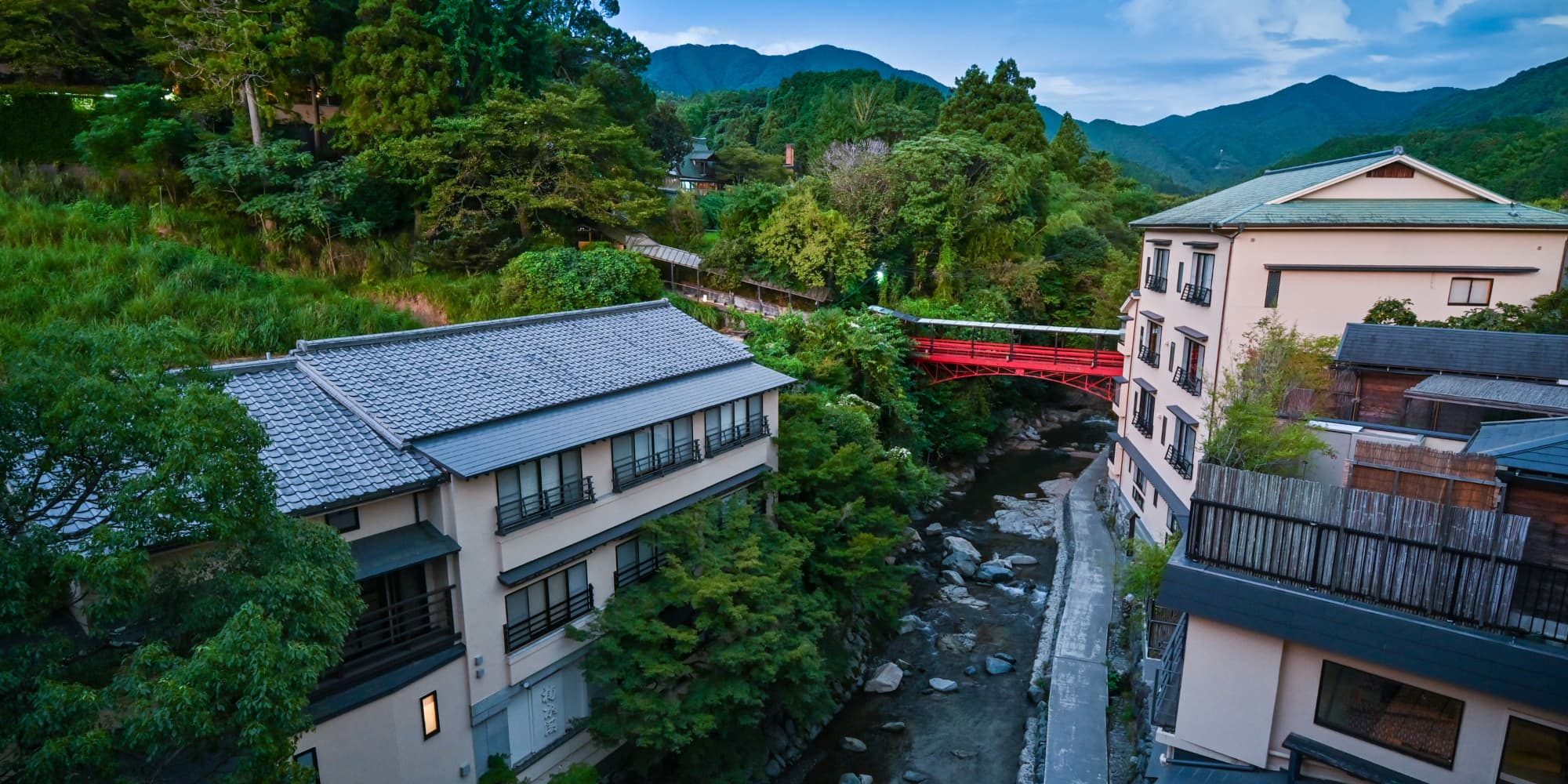
Yes — Fukuoka itself doesn't sit on a famous spring, but the Chikugo River onsen belt is within easy reach. Harazuru Onsen in Asakura City has roughly 23 ryokans clustered on a sandbar in the river, with alkaline simple springs marketed as "美人の湯" (beauty water). Chikugogawa Onsen in neighbouring Ukiha City is smaller and quieter, with about six inns. Both are reachable in around an hour from Hakata by JR Kyudai Line plus a short taxi, or by car via the Oita Expressway to Haki IC.
Fukuoka is the home of Hakata tonkotsu ramen — milky pork-bone broth eaten at counter shops and at the yatai food stalls that set up each evening along the Naka River and around Tenjin. The other big-three local specialities are mentaiko (spicy cod roe, born in Hakata), motsunabe (offal hot pot), and fresh Genkai Sea seafood. Many ryokans and hotels include mentaiko on their breakfast set.
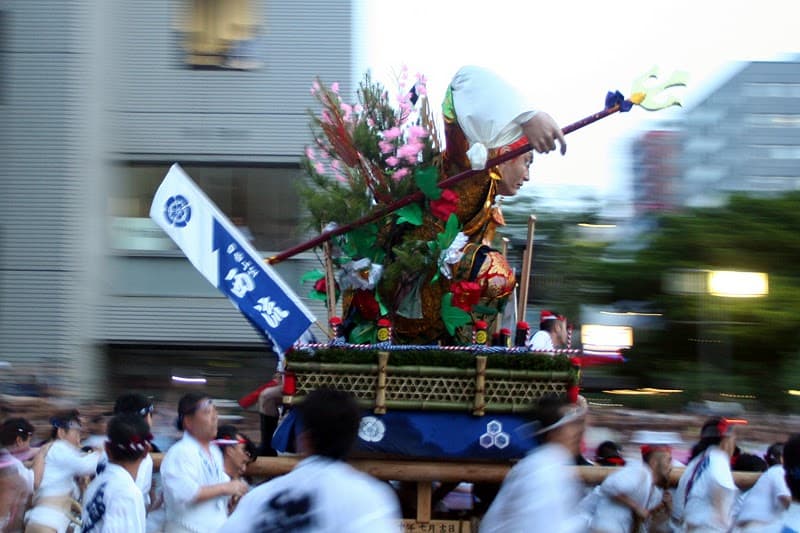
Fukuoka's peak window is plum-blossom season at Dazaifu Tenmangu (late January to early March, when the shrine's roughly 6,000 plum trees are in flower), followed by cherry blossoms in late March to early April. Mid-July brings the Hakata Gion Yamakasa festival, a 700-year-old UNESCO-recognised tradition of decorated floats racing through the streets at dawn on July 15. Autumn (October-November) is mild and the cheapest international flight window.
Three quick wins. Dazaifu — the Tenjin shrine dedicated to Sugawara no Michizane, with roughly 6,000 plum trees in the precincts — is about 30 minutes south on the Nishitetsu line. Yanagawa, 50 km further down the same line, is famous for its donkobune (flat-bottomed canal boats) poled through a 470 km network of waterways. And by Shinkansen, Kokura (Kitakyushu) is 20 minutes north for the castle, and Kumamoto and its castle are around 50 minutes south.
Yes — Tenjin and Hakata Station are the two main tax-free shopping zones, with Hakata Hankyu, Daimaru Fukuoka Tenjin, and JR Hakata City all running consumption tax exemption counters for non-resident travellers spending 5,000 yen and up on the same day. Bring your passport (a digital "Visit Japan Web" tax-free record now replaces the paper sticker on the receipt at most stores).