



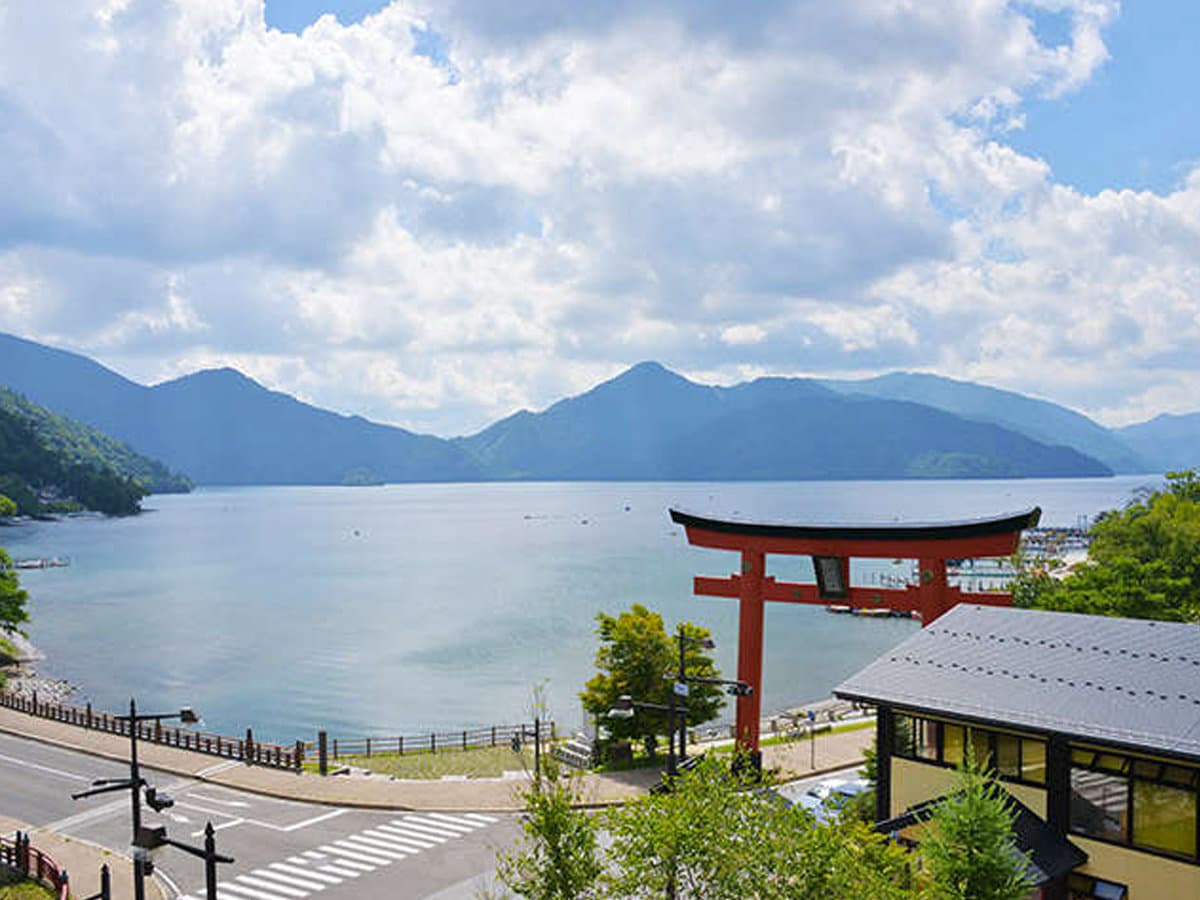
from US$247 · per person · per nightfrom ≈ US$494 total for 2 guests
9.61,653 reviews
EN OKPrivate bath (type unconfirmed)
Book on Trip.com


中禅寺金谷ホテル
Reviewed by Japan Ryokan Guide editorial team·Independent publication·How we verify
Checked against the official site · Sep 2026A lakeside log-house retreat at Lake Chuzenji, with natural hot springs piped from the 1,200-year-old Yumoto source.
Answers taken from the inn’s or its operator’s official website, with the exact wording. We only show what the site states.
Not clearly stated on the official site — ask the inn before booking.
Not clearly stated on the official site — ask the inn before booking.
Not clearly stated on the official site — ask the inn before booking.
お一人様でご利用いただける宿泊プランもご用意しております。Check availability and prices on Agoda, Booking.com, and Trip.com.
Chuzenji Kanaya Hotel
Check prices on 3 sites — each opens with your dates
Check-in — Check-out
Booking links may earn us a commission at no extra cost to you.
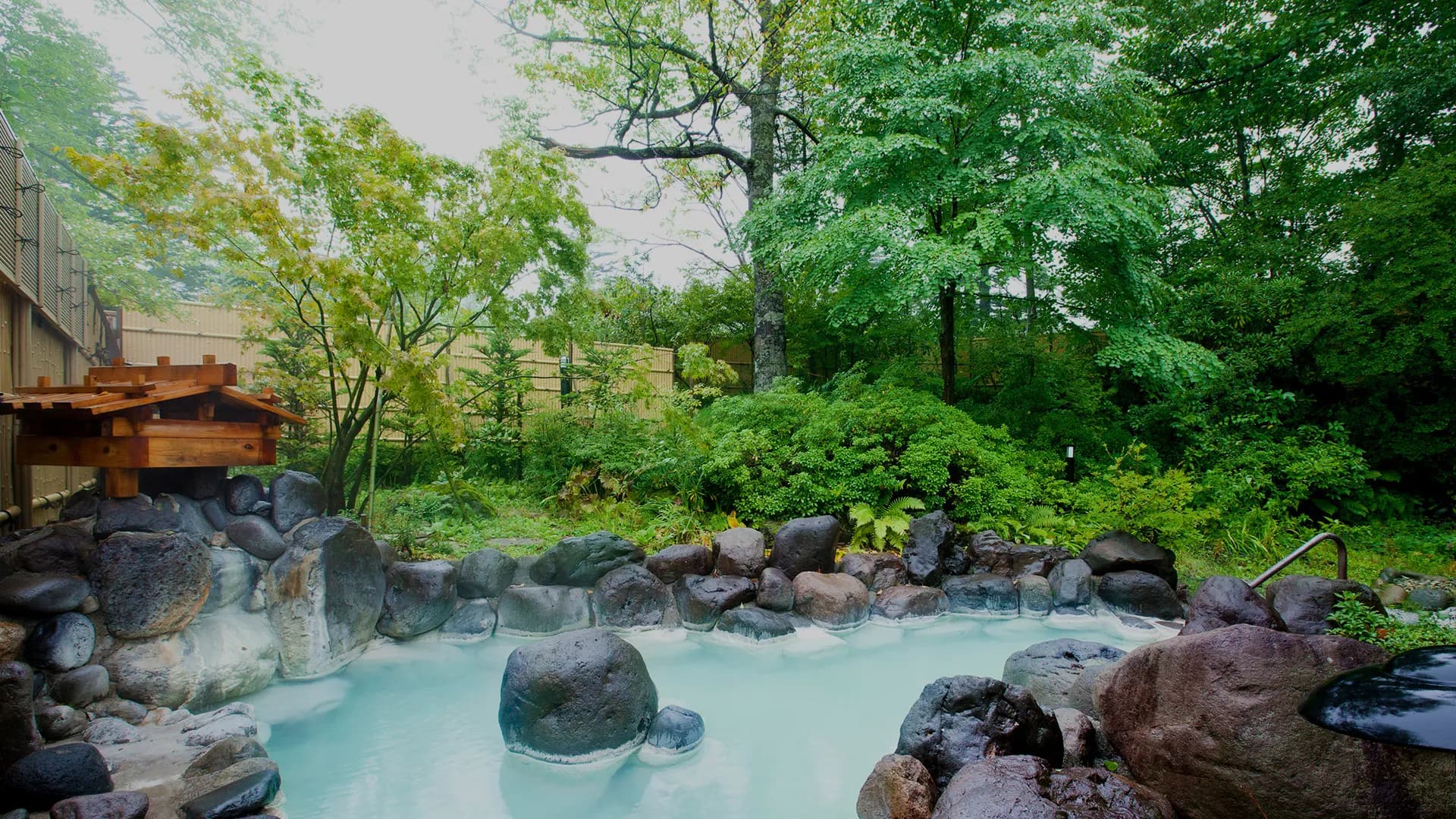
Hot spring water piped from the ancient Yumoto Onsen source
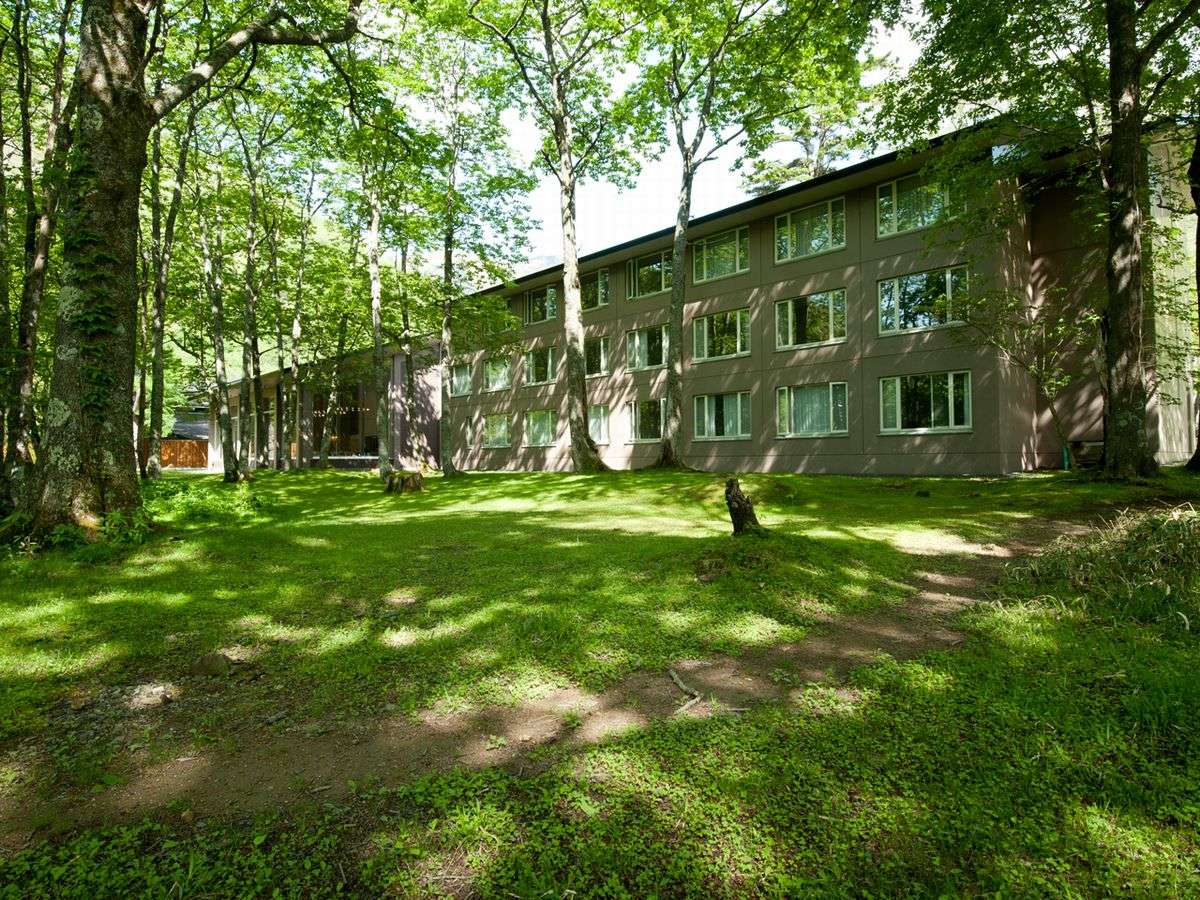
Nestled in forests beside Lake Chuzenji at 1,269m elevation
Traditional French dining with seasonal Tochigi ingredients
Multi-course kaiseki dinner and traditional Japanese breakfast are typically included in the nightly rate at this luxury ryokan. Premium kaiseki tiers, in-room dining (heya-shoku), and private dining rooms (koshitsu) may be available — request these preferences when booking through Trip.com or Booking.com.
Dietary requests (vegetarian, halal, gluten-free, allergies) should be communicated at booking, not on arrival — the kitchen pre-orders ingredients several days ahead.
11 questions about Chuzenji Kanaya Hotel
Plan your Japan trip
Booked your ryokan? Lock in the basics for a smooth trip — stay connected from arrival, ride unlimited Shinkansen, and skip the rush hour crowds.
Unlimited Shinkansen + JR trains for 7/14/21 days. Pays for itself in 2-3 long-distance trips.
View on KlookStay connected from the moment you land — instant activation, no physical SIM swap.
View on Airalo4G unlimited data. Great for groups — airport pickup, return at any major station.
View on KlookAffiliate disclosure: we earn a small commission when you book through these links — at no extra cost to you. This helps keep our ryokan guides free.
These Nikko ryokan offer a similar onsen-town experience at a meaningfully lower price — ranked by traveler review count.
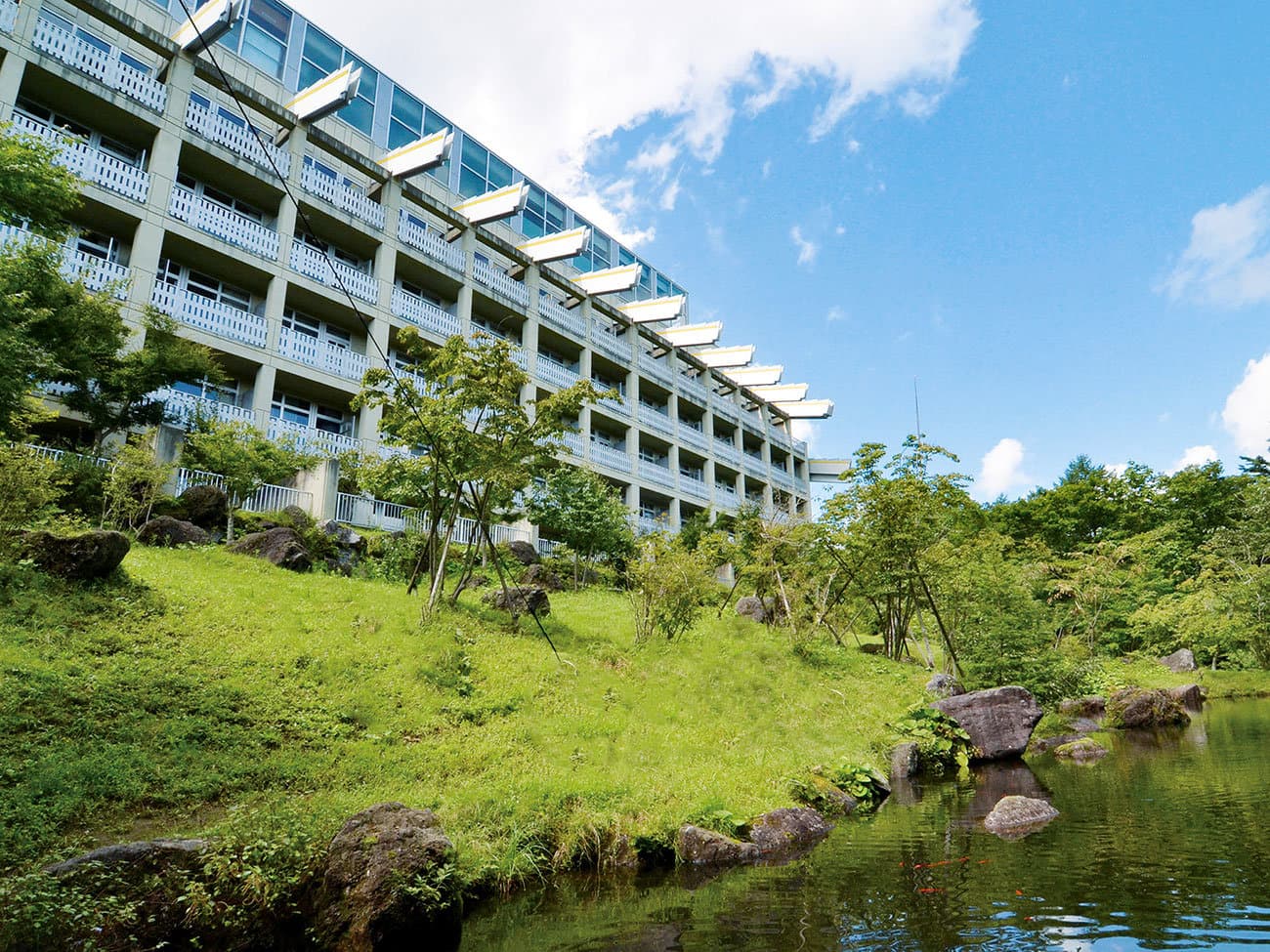
TAOYA日光霧降
All-inclusive onsen resort at 1,000m in Nikko's Kirifuri Highland, with buffet dining, free drinks, private baths, and a mountain-view rooftop open-air bath.
from US$155 · per person · per nightfrom ≈ US$310 total for 2 guests
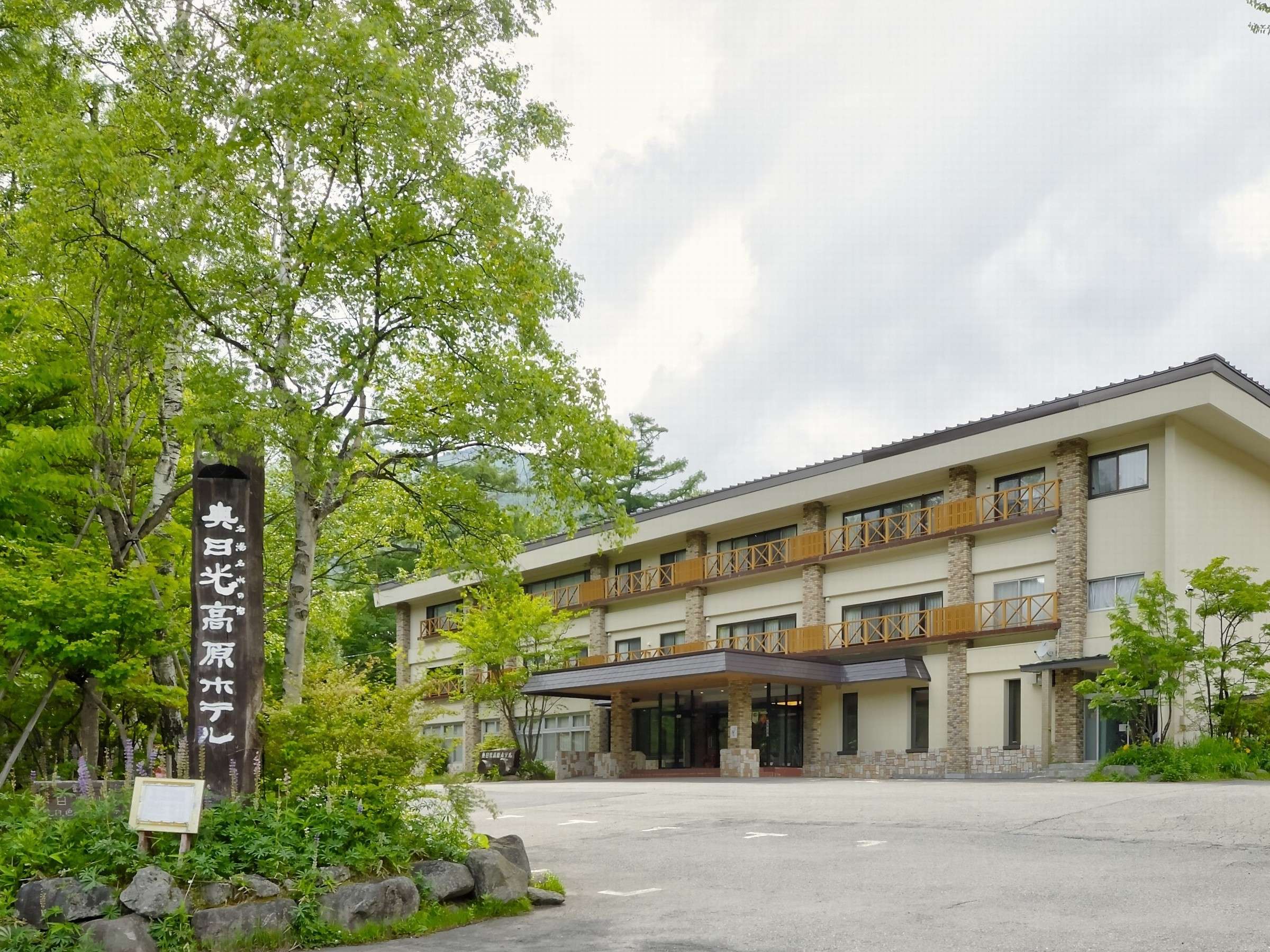
奥日光高原ホテル
60-room highland hotel in Okunikko Yumoto Onsen with milky-white sulfur hot springs, indoor and outdoor baths, and English-speaking staff.
from US$153 · per person · per nightfrom ≈ US$306 total for 2 guests

鬼怒川プラザホテル
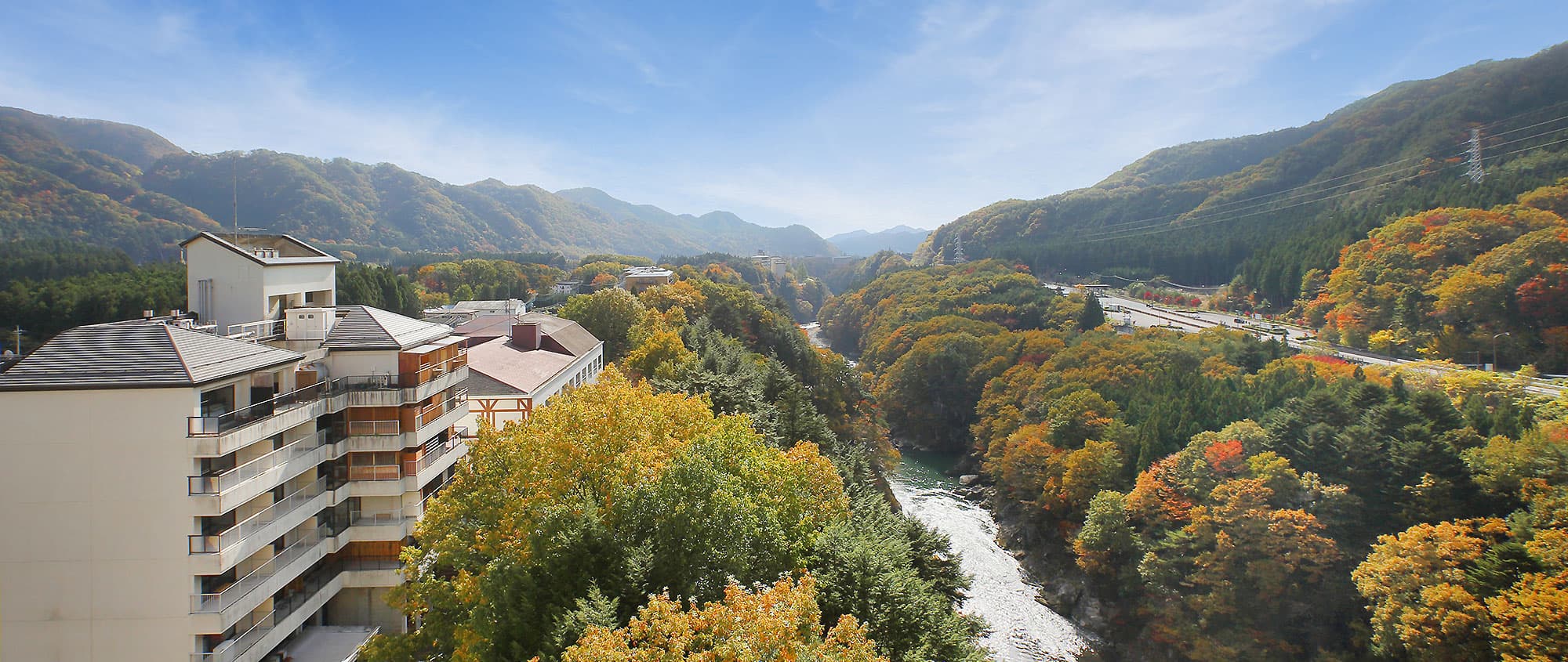
A gorge-side hotel with marble public baths and cypress open-air baths, plus four dining venues.
from US$100 · per person · per nightfrom ≈ US$200 total for 2 guests
More in Nikko

ふふ 日光
An all-suite luxury retreat where every room has a private hot spring bath — adjacent to Tamozawa Imperial Villa.
from US$400 · per person · per nightfrom ≈ US$800 total for 2 guests

日光金谷ホテル
Japan's oldest resort hotel, established in 1873 — a living monument of Meiji-era elegance near Toshogu Shrine.
from US$200 · per person · per nightfrom ≈ US$400 total for 2 guests

別邸笹音
An intimate 11-room retreat where every room faces the Kinugawa River gorge, each with a semi-open-air bath.
from US$350 · per person · per nightfrom ≈ US$700 total for 2 guests
| Ryokan | From | Rating | Book |
|---|---|---|---|
| from US$247/person/night≈ US$494 for 2 | 9.6 1,653 reviews | Book on Trip.com |
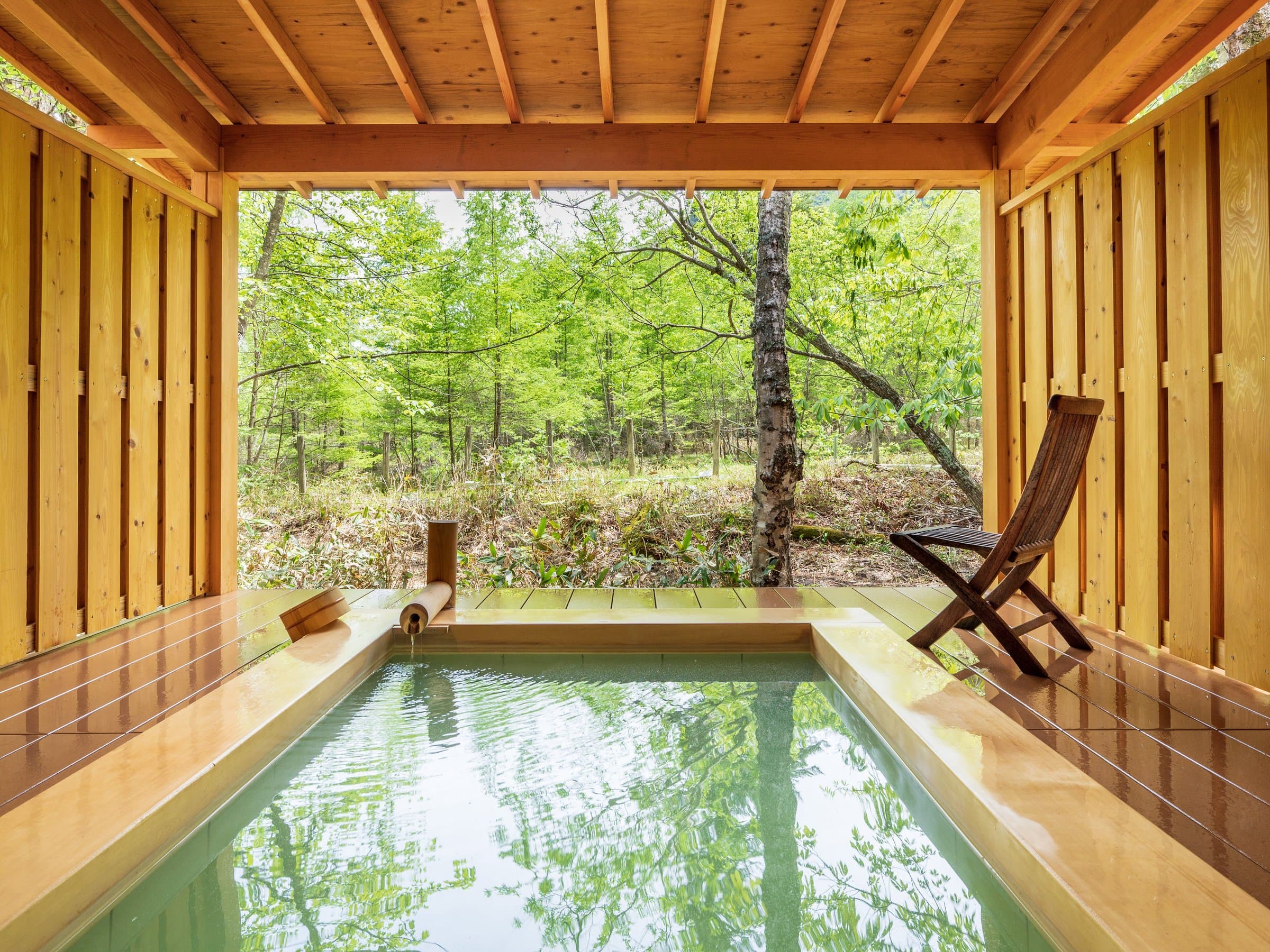 | from US$264/person/night≈ US$528 for 2 | 9.6 106 reviews | Book on Trip.com |
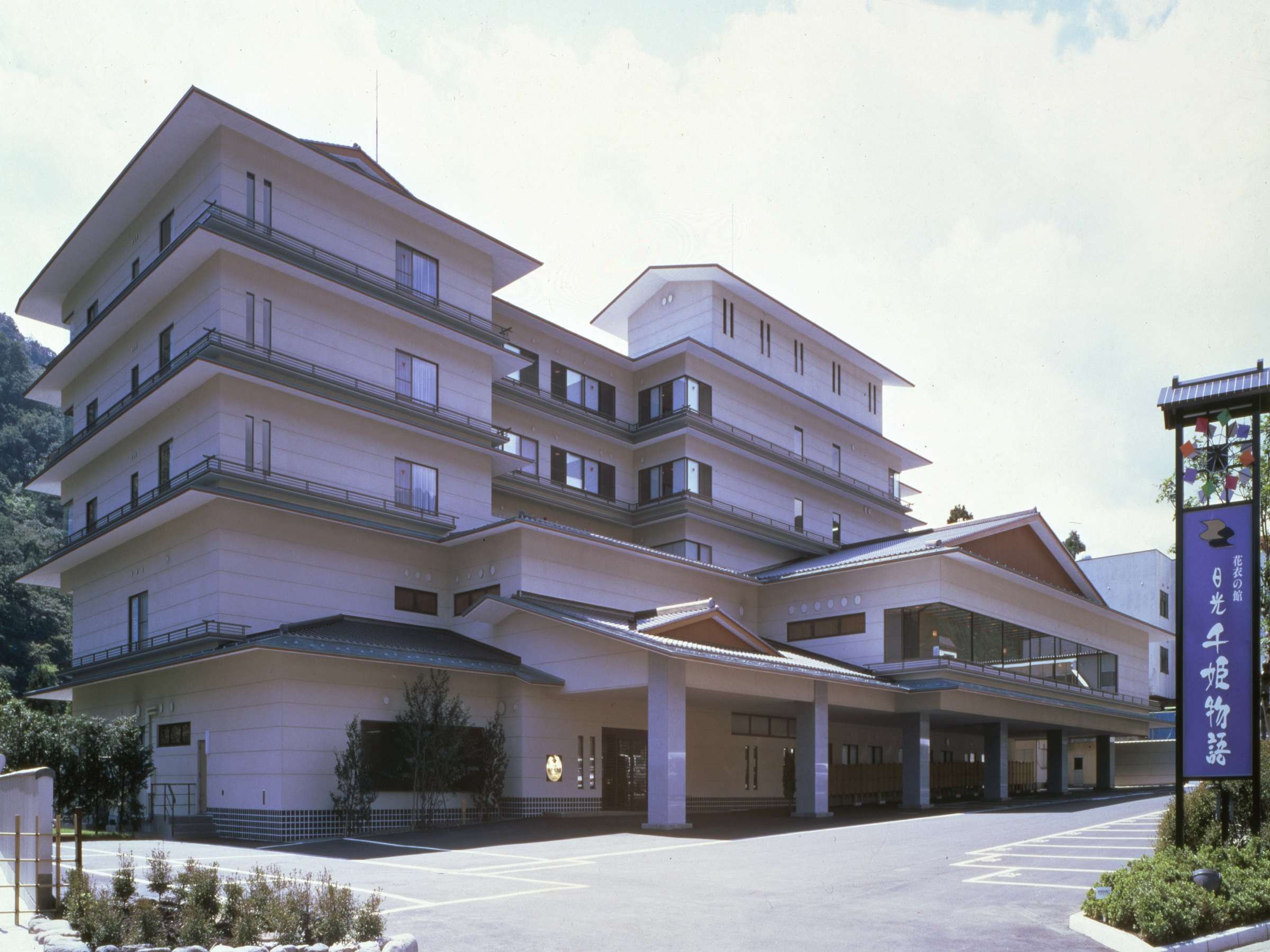
 | from US$142/person/night≈ US$284 for 2 | 9.2 1,465 reviews | Book on Booking.com |
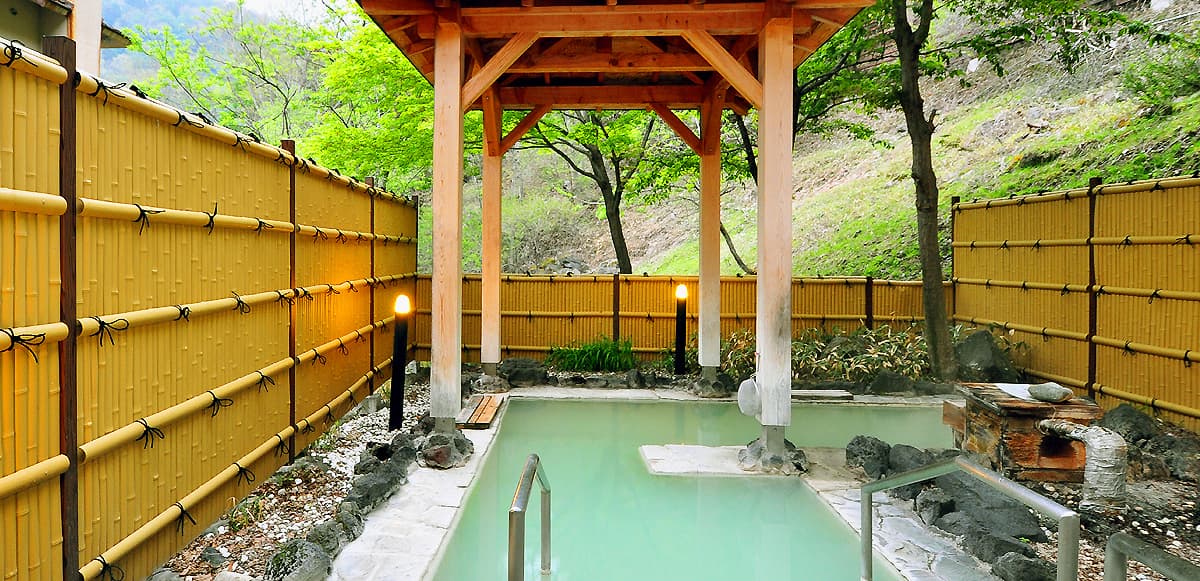
 | from US$165/person/night≈ US$330 for 2 | 9.2 788 reviews | Book on Trip.com |
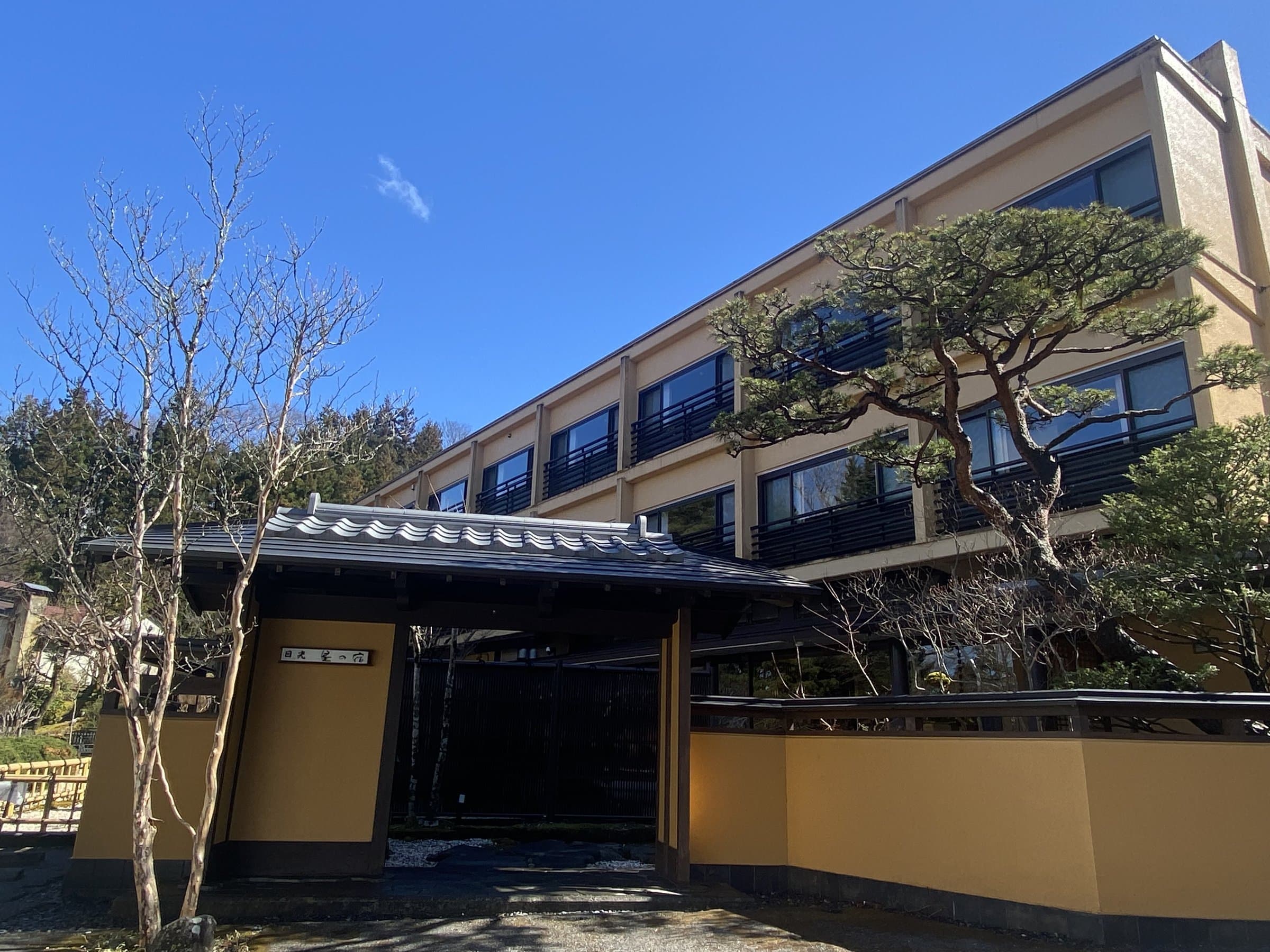
 | from US$163/person/night≈ US$326 for 2 | 9.2 392 reviews | Book on Trip.com |
| from US$350/person/night≈ US$700 for 2 | 9.2 85 reviews | Book on Booking.com |
| from US$400/person/night≈ US$800 for 2 | 9.1 310 reviews | Book on Trip.com |
| from US$153/person/night≈ US$306 for 2 | 9.0 1,053 reviews | Book on Trip.com |
 | from US$170/person/night≈ US$340 for 2 | 8.9 367 reviews | Book on Agoda |
| from US$155/person/night≈ US$310 for 2 | 8.8 3,577 reviews | Book on Agoda |
 | from US$158/person/night≈ US$316 for 2 | 8.8 818 reviews | Book on Trip.com |
 | from US$163/person/night≈ US$326 for 2 | 8.8 114 reviews | Book on Trip.com |
Nikko
Nikko
Nikko
Nikko
Nikko
Nikko
Prices shown are approximate starting rates per person per night. We may earn a commission on bookings.
Nearby experiences


Booking links may earn us a commission at no extra cost to you.
Related Articles
Explore