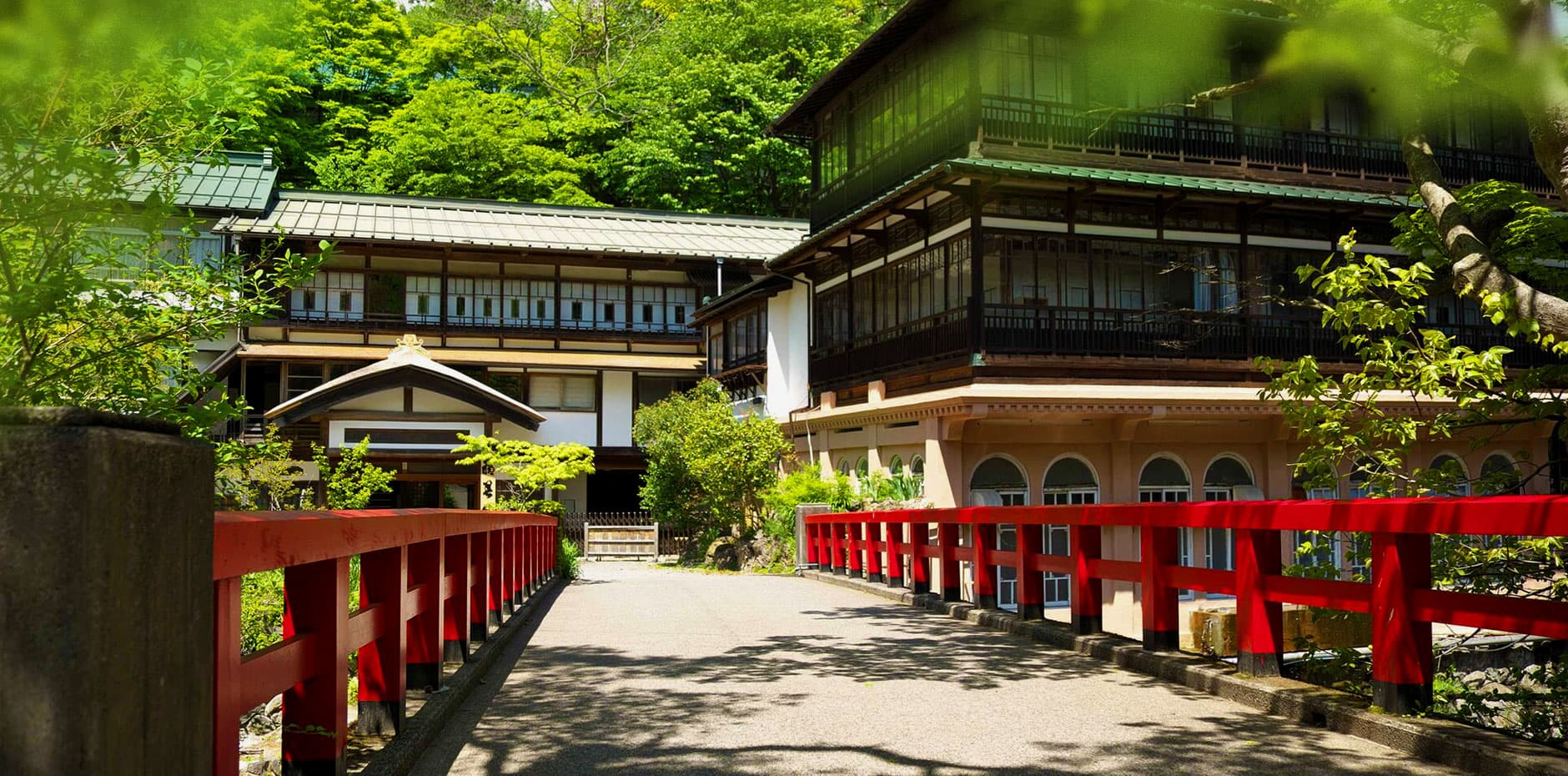
Arrive after the genkan is locked — a late shinkansen, a misread bus timetable — and you may be ringing the after-hours bell at an inn like Naraya in Kusatsu while a night clerk unbolts the front door. Most of the mistakes on this list are like that: common and recoverable. Last verified: May 7, 2026.
This is the rescue kit. It is built from cross-checks against the Japan National Tourism Organization, the Japan Ryokan & Hotel Association and the complete first-time ryokan guide we maintain as our hub. If you have a booking on the calendar and are spiralling slightly, breathe out. The staff at any decent inn are trained to coach gracefully — most of these mistakes are signals, not catastrophes, and most have a thirty-second recovery line in Japanese that resets the room.
Tip
TL;DR — the 5 mistakes that genuinely jolt the staff. (1) Yukata wrapped right-over-left (funeral fold). (2) Cash tipped to the nakai-san. (3) Photos in the bath area (criminal in some prefectures). (4) Toilet slippers on tatami. (5) Arriving after the 22:00 door curfew without phoning. None are unfixable — every one has a thirty-second recovery line in Japanese below. Skip to the Recovery scripts section if you have already made one.
Tip
Disclosure: Japan Ryokan Guide earns a commission when you book through partner links. We do not accept payment from ryokans for inclusion or placement — every property mentioned was selected on merit. The commission keeps the directory free in six languages.
How the Cringe Meter works
Every mistake below is rated on a 1-to-5 Cringe Meter, because not all faux pas are equal. The yukata wrap and the toilet-slippers-on-tatami misstep are at the funeral-taboo end; bringing your own konbini onigiri is closer to a polite cough.
- ★☆☆☆☆ Minor — staff smile, you laugh it off
- ★★☆☆☆ Awkward — brief silent correction, no harm done
- ★★★☆☆ Notable — visible discomfort from staff or other guests
- ★★★★☆ Serious — disrupts other guests or kitchen operations
- ★★★★★ Severe — funeral-level taboo, contractually banned, or legally grey
Staff at every JRHA member property are trained to handle these gracefully ; the okami's job, in effect, is to keep you from finding out you have made a mistake at all. Your job is to notice anyway, and recover.
Where these rules come from
The eight properties name-checked below are Hoshino Resorts KAI Kinugawa in Nikko, Takamiya Ryokan Miyamaso in Zao, Seikoro and Motonago in Kyoto, Tsukihitei in Nara, Dai-ichi Takimotokan in Noboribetsu, Naraya in Kusatsu, and 14-generation Asaba in Izu.
The rules below are cross-checked against three primary sources: the Japan National Tourism Organization onsen and bath etiquette guidelines ; the Japan Ryokan & Hotel Association member operating conventions, including the standard 22:00–23:00 front-door lockup window ; and Nippon.com's cultural explainers on the funeral-rite yukata reverse and slipper choreography . Where the internet contradicts the sources, we debunk it.
Quick-compare: all 13 mistakes ranked
| Rank | Mistake | Cringe | Easiest fix |
|---|---|---|---|
| #1 | Yukata wrapped right-over-left | ★★★★★ | Fold left lapel over right; check the V at chest |
| #2 | Tipping cash to the nakai-san | ★★★★★ | Words and a small bow; never cash |
| #3 | Photography in the bath area | ★★★★★ | Phone stays in the room basket |
| #4 | Forgetting to swap toilet slippers back | ★★★★☆ | Look down at the door — kanji 便所 means toilet |
| #5 | Phone in the onsen changing room | ★★★★★ | Leave it behind the curtain |
| #6 | Yukata outside the designated zone | ★★★☆☆ | Read the lobby cue: geta on a rack means yes |
| #7 | Soaping up inside the onsen tub | ★★★★☆ | Wash sitting at the wall stations first |
| #8 | Talking loudly in the bath | ★★★☆☆ | Whisper or stay silent below the shoulders |
| #9 | Skipping pre-stay dietary disclosure | ★★★★☆ | Email the ryokan 7 days before arrival |
| #10 | Konbini food and outside sake in-room | ★★★☆☆ | Use the lobby shop or sake list |
| #11 | Bathing after kaiseki, not before | ★★☆☆☆ | Bath at 16:00–17:30, then dinner |
| #12 | Arriving after the 22:00 door curfew | ★★★★☆ | Call ahead the moment you'll be late |
| #13 | Treating the ryokan like a hotel | ★★★☆☆ | Read the welcome card; it is a script |
The rank is the order they hurt in, not the order they happen. We lay them out as a countdown — #13 first, #1 last — because the funeral-yukata story is the one your friends will repeat, and you should arrive at it warmed up.
#13 — Treating the ryokan like a hotel
Mistake: Wheeling a suitcase through the genkan, asking for a late checkout, ordering room service, and skipping dinner because you grabbed ramen at the station.
Why it matters: A ryokan is a sequence the staff rehearses for you — kaiseki at 18:00, futons laid while you bathe, breakfast at 07:30 — and skipping any leg tells the okami the production she scheduled was unwanted. None of the other twelve mistakes make sense without this one. See ryokan vs hotel for the structural difference.
What to do instead: Read the welcome card the nakai-san leaves on the table. It is your call sheet, not a brochure. Be in the room at the agreed time and let the staff drive. The step-by-step ryokan walkthrough is worth printing.
Cringe Meter: ★★★☆☆ — staff are unfazed but visibly relieved when you stop trying to optimise.
Recovery script: "Sumimasen, hajimete desu — yoroshiku onegai shimasu." (Sorry, first time — please guide me.) This sentence saves you from twelve of the next thirteen mistakes.
#12 — Arriving after the 22:00 door curfew
Mistake: Assuming the front desk is staffed twenty-four hours and rolling up at 23:30 from a delayed shinkansen with a hopeful face.
Why it matters: Most JRHA member ryokan physically lock the genkan between 22:00 and 23:00 — not as punishment, but because reception is one or two staff who are also the breakfast cooks at 06:00 . A handful of larger properties — Dai-ichi Takimotokan in Noboribetsu among them — keep a 24-hour front desk; most do not.
What to do instead: As soon as you know you will be later than 21:00, telephone (do not email — many ryokan check email twice a day). For smart ryokan booking, build a 30-minute buffer into the train you book to your check-in town.
Cringe Meter: ★★★★☆ — the staff member who comes to unlock the door at 23:00 has been off-shift for three hours.
Recovery script: "Sumimasen, okuremasu — [arrival time] ni tsukimasu." (Sorry, I'm running late — I'll arrive at [time].) Phone it in the moment you know.
Tip
The 21:00 phone-call rule. If your ETA slips past 21:00 for any reason — a delayed Narita Express, a missed bus, a changed itinerary — call the ryokan immediately. A two-minute call resets the entire night for the okami; a 22:30 surprise resets her sleep. Save the front-desk number in your phone as a contact, not just a row in your booking confirmation.
#11 — Bathing after kaiseki instead of before
Mistake: Sitting down to a 17-course kaiseki at 18:00, then waddling to the onsen at 21:00 wondering why the tempura course was lukewarm.
Why it matters: Kaiseki is plated to be eaten. Each course leaves the kitchen at the moment it is supposed to be on your plate, which is why the ryokan day runs arrive → tea → bath → kaiseki → second bath → futon. Foreigners often reverse it because hotel logic says shower-before-bed; the kaiseki and breakfast guide recommends the inverse.
What to do instead: Aim for a 16:00–17:30 first bath. A second pre-bed soak is normal. If your check-in is after 18:00, ask at the genkan whether dinner can be served thirty minutes later — most ryokan accommodate a single delay.
Cringe Meter: ★★☆☆☆ — nobody else will know, but you will eat cold tempura.
Recovery script: "Yushoku no mae ni, ofuro ni hairitai desu." (I'd like to bathe before dinner.) Say it at check-in, not after.
#10 — Bringing konbini food and outside sake into the room
Mistake: Smuggling a Lawson onigiri or a bottle of Niigata Junmai Daiginjo into your room because you think you are saving money.
Why it matters: Most ryokan run on the ippaku-nishoku (one night, two meals) revenue model — kaiseki and breakfast are the business, not the amenities. Outside food or alcohol is, at best, the equivalent of uncorking your own wine in a Michelin restaurant; at worst a contractual breach .
What to do instead: Drinks from the room fridge, sake from the dinner cart, snacks from the lobby shop — all welcome. For a special-occasion bottle, ask whether the front desk will uncork it as a mochikomi for a corkage fee; many will.
Cringe Meter: ★★★☆☆ — the nakai-san spots it during turndown and her face does not move.
Recovery script: "Mochikomi wa daijobu desu ka? Mochikomi-ryo o oharai shimasu." (Is bring-your-own okay? I'll pay the corkage.)
#9 — Skipping the pre-stay dietary disclosure
Mistake: Mentioning at the check-in desk — not on the booking form — that you are vegetarian, or that your partner cannot eat shellfish.
Why it matters: A kaiseki menu is a sequence the chef begins assembling two to three days before you arrive, with seasonal ingredients pre-ordered from specific suppliers. The booking form, or the vegetarian ryokan options negotiation, is where this conversation belongs.
What to do instead: Email the ryokan at booking, again 14 days out, and again 7 days out — three confirmations. Use Japanese terms: bejitarian (vegetarian), vigan (vegan), kai/koukakurui (shellfish), ebi/kani-arerugi (shrimp/crab allergy). Carry a printed allergen card for the dinner table.
Cringe Meter: ★★★★☆ — the kitchen will accommodate, but at real cost to staff already mid-prep.
Recovery script: "Yoyaku no toki ni tsutaeru no o wasuremashita. Hontou ni moushiwake arimasen." (I forgot to tell you at the booking. I'm truly sorry.)
Tip
The 7-day diet email. Send a written confirmation seven days before arrival. Include diet type (vegan / lacto-ovo / pescatarian / halal), excluded ingredients in Japanese kanji (動物性 dairy, 魚介類 seafood, 鰹だし bonito dashi), and a request that breakfast be confirmed separately — kitchen shifts change between dinner and breakfast and the morning team frequently misses the dinner-side memo.
#8 — Talking loudly in the onsen
Mistake: Holding a normal-volume conversation across the bath, or laughing at a joke that bounces off the tile walls.
Why it matters: An onsen is a communal silent space — closer to a Quaker meeting than a Western spa. Steam, water and tile amplify sound, and the older Japanese gentleman two metres away is trying to think about nothing. Ryokan in onsen towns like Kusatsu — see best ryokans in Kusatsu — are particularly strict, because the local culture treats bathing as restorative meditation, not social hour. Our broader onsen rules for foreigners breakdown covers the full bathing protocol.
What to do instead: Whisper if you must talk. Default to silence. If you are with children, set the rule before you walk in: bath voices are inside voices, smaller. Phones stay outside the changing room (see Mistake #5).
Cringe Meter: ★★★☆☆ — the silent glares are unmistakable, and other guests will leave the bath rather than confront you.
Recovery script: A small bow toward the room, a quiet "shitsurei shimashita" (my apology), and a switch to whisper. The room resets in ten seconds.
#7 — Soaping up inside the onsen tub
Mistake: Climbing into the communal tub with shampoo or soap on your body, or — worse — lathering up while submerged.
Why it matters: The bath is for soaking clean, not for getting clean. Wash stations along the wall — low stools, handheld shower wands, soap and shampoo bottles — are where the cleaning happens . The tub is shared; the water is not chemically treated like a swimming pool.
What to do instead: Sit on the stool. Wet yourself with the shower wand. Soap up, shampoo, rinse twice — until no foam runs off — and only then walk to the tub. Hair stays out of the water; the small towel goes on your head, not in the bath. See the Noboribetsu onsen area bath halls for what a textbook wash zone looks like.
Cringe Meter: ★★★★☆ — the cardinal onsen sin. Other guests will physically leave the bath.
Recovery script: Climb out, walk to the wash station, wash properly, return. Do not apologise verbally — the silent correction is the apology.
#6 — Wearing yukata outside the designated zone
Mistake: Wandering into central Kyoto in your inn-issued yukata because the guidebook said yukata-walking is part of the experience.
Why it matters: Yukata-on-the-street is very much a thing in onsen towns — Kinosaki, Kusatsu, Kurokawa, Beppu's eight hatto districts — where the geta clack on stone is the soundtrack of the evening. It is not a thing in city ryokans like Seikoro in Kyoto, where wearing your room yukata to the konbini is the equivalent of doing the same in pajamas. The cue is structural: if the lobby has a rack of geta and a town map of public bathhouses, the town wants you in yukata. If it has a glass door onto a taxi rank and salarymen, it doesn't. See Kinosaki yukata towns for the canonical yes-zone.
What to do instead: Read the room. At urban ryokan, yukata stays inside the building. At onsen-town ryokan, yukata is the dress code from check-in to checkout — the ryokan packing checklist accordingly tells you to bring less than you think.
Cringe Meter: ★★★☆☆ — embarrassing in the wrong town, expected in the right one. The penalty is social, not staff-driven.
Recovery script: None needed. Change clothes, walk back out, do not refer to it again.
#5 — Taking your phone into the onsen changing room
Mistake: Bringing your phone into the changing room "just to leave it in the locker" or — astonishingly common — taking a quick selfie of the empty bath at 04:00 before any other guests are up.
Why it matters: Phones in the changing room and bath area are prohibited at every JRHA member property . In several prefectures, unauthorised photography in a bathing facility is a criminal nuisance offence, not just a rule. The risk is not a stern look — it is a police report. Ryokan signage spells this out in three languages at every bath entrance.
What to do instead: Phone goes in the basket at the bath entrance, or stays in your room. Cameras of any kind — including a GoPro on a wrist strap — do not enter the changing curtain. If you want photos of the bath, the ryokan's official website almost certainly has better ones than you could take.
Cringe Meter: ★★★★★ — this is the rule that gets people removed and refunds refused.
Recovery script: Apologise once, walk the phone back to the room, and do not return to the bath that day. Drawing further attention is worse than the violation itself.
Ready to book?
Book one of these top picks
Compare live availability and prices across booking sites.

from US$500 · per person · per nightfrom ≈ US$1,000 total for 2 guests




Hiiragiya Ryokan
柊家旅館
Kyoto·Luxury
from US$500 · per person · per nightfrom ≈ US$1,000 total for 2 guests

Asaba
あさば
Izu·Luxury
from US$600 · per person · per nightfrom ≈ US$1,200 total for 2 guests
Booking links may earn us a commission at no extra cost to you.
Tip
The phone-basket rule. Every onsen has a basket or shelf at the entrance to the changing area. Phones, cameras, smart watches with cameras, GoPros — all go there before the curtain. If you cannot find a basket, ask the nakai-san: "Sumimasen, denwa wa doko ni okimasu ka?" (Excuse me, where do I leave my phone?) The answer is never "in your hand."
#4 — Forgetting to swap toilet slippers back
Mistake: Walking out of the toilet in the bright red plastic toire-yo slippers — clearly marked 便所 — and clomping down the corridor or onto the tatami.
Why it matters: The slipper choreography is a four-zone dance: shoes off at the genkan, hallway slippers on wood floor, slippers OFF on tatami (socks or bare feet only), and a separate pair of toilet slippers that come OFF the moment you cross the bathroom threshold back. Wearing toilet slippers anywhere else is the one mistake every Japanese person notices instantly, because it visibly tracks the bathroom into the rest of the room.
What to do instead: Look down at the toilet door, every single time, on the way back out. The kanji 便所 (benjo) or the slipper colour mismatch is your cue.
Cringe Meter: ★★★★☆ — staff and guests both notice within two seconds.
Recovery script: Walk back to the toilet door, swap the slippers, return. "Shitsurei shimashita" (my apology) with a small bow if a staff member is in earshot is enough.
#3 — Photography in the bath area itself
Mistake: Taking a photo of the bath — even when it is empty, even when you are alone — to send to a friend or post on Instagram.
Why it matters: This is Mistake #5's harder cousin and deserves its own H2 because the legal stakes are higher. The same JRHA-property phone ban that covers the changing room covers the bath itself, and the criminal-nuisance ordinance that applies in some prefectures kicks in the second a camera comes out near a bathing area. Photographing food is fine at most ryokan; photographing the bath area is where the line moves.
What to do instead: Phones in the room, basket, or pocket of your folded clothes. If you want a portrait of yourself in yukata against the garden, ask the nakai-san to take it on the lawn — most staff are happy to oblige.
Cringe Meter: ★★★★★ — banned at every JRHA property; criminal in some prefectures; the most likely mistake to end your stay early.
Recovery script: Delete the photo in front of the staff member who flagged it. Apologise once. Do not negotiate.
#2 — Tipping cash to the nakai-san
Mistake: Pressing a 5,000-yen note into the nakai-san's hand at checkout, or leaving cash under the lacquer tea tray as a thank-you.
Why it matters: Tipping is not part of Japanese hospitality; the service charge is built into the room rate, and omotenashi positions service as an unconditional gift. Cash inverts that gift into a fee. Both the U.S. Embassy in Tokyo and the U.K. Foreign Office advise that tipping is not customary in Japan and may cause offence . There is one narrow exception: kokorozuke, a 1,000–3,000 yen note in a pochibukuro envelope handed at check-in (not checkout) at very high-end traditional ryokan — uncommon for foreign guests and never required.
What to do instead: Words and a bow. "Hontou ni osewa ni narimashita, arigatou gozaimashita" (I was truly looked after, thank you) is worth more than any envelope. If you must give something, a small wrapped omiyage from your home country is a more comfortable register.
Cringe Meter: ★★★★★ — visible discomfort, refused gifts, occasional chase down the corridor to return the cash.
Recovery script: Take the envelope back, bow, say "shitsurei shimashita" (my apology), and switch to verbal thanks. Do not press it again.
#1 — Wrapping the yukata right-over-left
Mistake: Tying the yukata so the right side wraps over the left at the chest — the V of the collar pointing toward your left hand instead of your right.
Why it matters: Right-over-left is shinishouzoku, the specific way Japanese funeral attendants dress the deceased for cremation . The living wrap left over right, every yukata, every kimono, every locale, every time. There is no regional variation, no gender variation, no "casual" exception.
What to do instead: Stand at the mirror. Pull the right side across your body first. Fold the left side over the top, so the V at your collar points toward your right hand. Tie the obi at the waist. Look down: the V should be a clean line angled toward your right shoulder. A simple mnemonic: "Left lapel over right = living. Right over left = dead."
Cringe Meter: ★★★★★ — the most photographed mistake on the internet, and the one that genuinely paralyses Japanese staff.
Recovery script: "Sumimasen, hajimete desu — naoshite kudasai." (Sorry, this is my first time — please fix it.) Every nakai-san on earth has a hand on your obi within seconds, and the moment passes.
Tip
The mirror check, every time. Before you leave the room in yukata, stop at the mirror. Look at the V of the collar at chest height. The V should point toward your right hand. If it points toward your left hand, you are dressed for your own funeral. Untie, swap sides, retie. Sixty seconds, every time. This single habit removes the worst mistake on this list.
Myths the internet got wrong
Half the panic attacks on r/JapanTravel are caused by rules that are not real, while the actual rules above go unmentioned. Four of the loudest myths, with the receipts.
Myth 1 — "All ryokan ban tattoos." False in 2026. JNTO maintains a public database of tattoo-friendly onsen and ryokan that has grown past 600 entries since the 2019 Rugby World Cup , and most modern ryokan in Hakone, Kusatsu, Nikko, Beppu and Kinosaki either permit tattoos outright, offer cover stickers, or provide private bath options. Older Kyoto and remote countryside houses are still likely to refuse. Filter the tattoo-friendly ryokan directory, or book a property with a private kashikiri-buro.
Myth 2 — "Wear a swimsuit if you're shy." False. Communal onsen are nude. Swimsuits are prohibited at every JRHA member property because they introduce detergent, dye and fibre into water that is not chemically treated. The only exceptions are kon'yoku (mixed bathing) properties that issue a thin yu-tagi wrap, and onsen water parks like Hakone Yunessun, which are not ryokan. If nudity is a non-starter, book a room with a private in-suite bath; the bathing protocol explained covers the alternatives.
Myth 3 — "A discreet photo of the empty bath at 04:00 is fine." Not just rude — banned, sometimes criminal. See Mistake #3.
Myth 4 — "You must speak Japanese." False. Gestures, an English breakfast menu, and three Japanese phrases (sumimasen, hajimete desu, arigatou gozaimasu) cover ninety per cent of every stay. Saying "hajimete desu" (it's my first time) unlocks active coaching.
The unsung fifth myth — "Staff will be angry if I mess up." They will not. Ryokan staff are trained to coach gracefully — that is the omotenashi job description. Saying "hajimete desu" at check-in pre-empts the emotional risk; from that point you are a guest being looked after, not a foreigner being judged.
Recovery scripts: what to say when you mess up
Reddit and TripAdvisor threads describe the moment of being silently corrected — a maid wordlessly retying a yukata, a manager handing back a tip envelope — as more traumatic than the rule violation itself. The fix is verbal. Memorise these five lines and you have an emotional safety net for every scenario above.
1. "Sumimasen, hajimete desu." (Excuse me, this is my first time.) — The master script. Say it once at check-in and the entire stay re-orients around helping you. 2. "Yoroshiku onegai shimasu." (I look forward to your guidance.) — The pairing line; use it after any "first time" admission. 3. "Shitsurei shimashita." (My apology / pardon me.) — The recovery line for any mistake already made. A small bow with this line resets the room. 4. "Sumimasen, okuremasu." (Sorry, I'll be late.) — The phone-call line for late arrivals. Pair with a specific arrival time. 5. "Mochikomi wa daijoubu desu ka?" (Is bring-your-own okay?) — The polite version of the konbini-and-sake mistake.
Delivery matters as much as wording. Say each line at normal volume, with a small eshaku (15-degree torso bow), and do not over-bow — Westerners tend to overdo bow depth, and a small nod is more accurate than a deep stoop.
How to behave at a ryokan: the 5-step etiquette flow
If you want to compress the entire list into a single workable sequence, this is the five-step flow from check-in to checkout.
1. Remove your shoes at the genkan. Step out of outdoor shoes onto the raised floor, point them outward, and put on indoor slippers. Slippers stay on hallway wood; they come off the moment you step onto tatami. Toilet slippers live in the toilet only. 2. Wrap the yukata left-over-right. Right side first across the body, then left side over the top. The V of the collar points to your right hand at chest level. Tie the obi. Mirror check before you leave. 3. Bathe before dinner, wash before the bath. Aim for a 16:00–17:30 first bath. Sit at the wall stations, soap up, rinse twice, then enter the tub. No phones in the changing room. No swimsuits. No talking above a whisper. 4. Arrive on time for kaiseki. Be in the room or dining hall at the agreed time (usually 18:00–19:30). Eat what is brought; pre-disclosed dietary needs are already in the kitchen plan from seven days earlier. 5. Check out with words, not cash. Fold the futon corners back, leave a tidy room, settle the bill, and thank the staff verbally with a small bow. Do not tip. "Hontou ni osewa ni narimashita" closes the loop.
Memorise this skeleton and the thirteen mistakes above become impossible to make in serious form.
Frequently asked questions
Is tipping rude at a ryokan in Japan?
Yes — tipping is not part of Japanese hospitality and can feel transactional or insulting. Service charge is built into the room rate. The traditional kokorozuke (a small wrapped gift in a pochibukuro envelope at check-in) exists at very high-end ryokan but is optional and uncommon for foreign guests. Verbal thanks and a small bow are more appreciated than cash.
Can you go to an onsen with tattoos?
Increasingly yes, especially at modern, foreign-friendly, and luxury ryokan. Many ryokan in our database accommodate tattooed guests, and many others allow tattoos if covered with a sticker. Filter the ryokans that welcome ink directory before you book.
Are you allowed to take photos at a ryokan?
Rooms and gardens generally yes; bath area never. Phones in the changing room are banned at every JRHA member property and unauthorised photography in a bathing facility is a criminal nuisance offence in some prefectures.
Do you wear underwear under a yukata?
No — bare skin or a thin undershirt only. The Western bra-and-pants combo will show through a single-layer cotton yukata and the obi is designed for a flat torso line. Children's yukata over kid underwear is fine — see family-friendly ryokan tips.
What time should I arrive at a ryokan?
15:00 to 18:00 is the standard window. Many properties bolt the genkan between 22:00 and 23:00 and reception is rarely staffed twenty-four hours. If you plan a late arrival, call ahead.
Can I shower with a swimsuit on in the onsen?
No — naked is mandatory, and swimsuits are a Western myth. If nudity is a dealbreaker, book a room with a private in-suite bath (kashikiri-buro) or a kazoku-buro family bath.
Do I need to speak Japanese to stay at a ryokan?
No. Gestures, an English breakfast menu, and three phrases — sumimasen, hajimete desu, arigatou gozaimasu — cover ninety per cent of every stay. Saying "hajimete desu" at check-in unlocks active help.
What if I have dietary restrictions?
Disclose at booking — ideally seven days before arrival. Kaiseki menus are planned days ahead with seasonal ingredients pre-ordered. Last-minute requests often cannot be accommodated; the smart ryokan booking workflow has the email template.
Tip
3 ryokans mentioned in this guide. Seikoro Ryokan in Kyoto, Ryokan Motonago in Kyoto's Higashiyama, and Dai-ichi Takimotokan in Noboribetsu, which keeps a 24-hour front desk for late arrivals.
Final word: etiquette is hospitality in reverse
The thirteen mistakes above all collapse into one principle. A ryokan is a sequence the okami builds for you — yukata at check-in, bath at 16:30, kaiseki at 18:00, futon laid while you bathe again, breakfast at 07:30, words and a bow at the genkan. Every mistake on this list is some version of stepping out of the sequence: arriving after she's locked the door, wearing the wrong garment for the wrong moment, putting cash where words belong, taking a phone where eyes belong. Omotenashi is the gift she is making you; etiquette is the same gift in reverse, made back to her by you.
If you only read one other article on this site, make it the complete first-time ryokan guide — the hub piece that maps the timeline this article assumes. Then browse the luxury ryokan picks in Nikko where Hoshino Resorts KAI Kinugawa walks first-timers through every step, or read about Seikoro Ryokan in Kyoto for what 200-year-old machiya hospitality looks like when you arrive ready. The point of this guide is not to scare you out of a ryokan; the point is to land you at the genkan ready to bow back.
About this guide — Compiled by the Japan Ryokan Guide editorial team from JNTO's official etiquette materials and the Japan Ryokan & Hotel Association's member guidance. Spotted something out of date? Email editor@japanryokanguide.com — refreshed quarterly. All etiquette claims and operational rules verified May 7, 2026 against JNTO, JRHA and Nippon.com.
Tip
The single most useful sentence in this guide. Walk up to the front desk at check-in, bow slightly, and say: "Sumimasen, hajimete desu — yoroshiku onegai shimasu." (Excuse me, this is my first time — please guide me.) Every nakai-san, every okami, every front-desk attendant from Hokkaido to Kyushu has been waiting their entire shift to hear that line. The thirteen mistakes above stop being your problem the moment you say it.
Ready to book?
Book one of these top picks
Compare live availability and prices across booking sites.
from US$500 · per person · per nightfrom ≈ US$1,000 total for 2 guests
Hiiragiya Ryokan
柊家旅館
Kyoto·Luxury
from US$500 · per person · per nightfrom ≈ US$1,000 total for 2 guests
Asaba
あさば
Izu·Luxury
from US$600 · per person · per nightfrom ≈ US$1,200 total for 2 guests
Booking links may earn us a commission at no extra cost to you.
FAQ
Frequently asked questions
Is tipping appropriate at a ryokan in Japan?+
No — tipping is not part of Japanese hospitality and can cause genuine awkwardness. Service charge is built into the room rate, and omotenashi positions service as unconditional rather than performance-based. Pressing cash into a nakai-san's hand ranks as one of the most cringeworthy mistakes in this guide. The one exception is the historical kokorozuke — a small wrapped gift in a pochibukuro envelope left on the table at check-in before the nakai-san arrives. This is declining in practice and never cash handed person-to-person.
Can you take photos inside a ryokan onsen?+
No — phones and cameras are prohibited in the bath and changing area at every JRHA member property. Taking photos in the changing area (even when empty, even at 4 am before other guests wake) is a violation that can result in removal from the property. In some prefectures, photography in a bath area is a criminal offense under anti-voyeurism law regardless of intent. The rule is absolute: phone goes in the basket at the entrance to the changing area before the curtain, without exception.
What is the correct way to wear a yukata at a ryokan?+
Left side over right — the left lapel crosses on top of the right, so the V of the collar at chest height points toward your right hand. Right-over-left is shinishouzoku, the way the deceased are dressed for cremation in Japanese Buddhist tradition, and wearing it that way in a ryokan is a serious cultural mistake. Before leaving your room in yukata, check in the mirror: the V should point toward your right hand. If it points left, rewrap. Staff will quietly correct you if you get it wrong, but the embarrassment is avoidable.
What are the toilet slipper rules at a ryokan?+
Ryokans typically have four footwear zones: shoes removed at the genkan (entrance), corridor slippers on wood floors, slippers off on tatami, and separate toilet slippers inside the bathroom only. The bright-red plastic toire-yo slippers labeled 便所 stay inside the toilet room and must be swapped back before re-entering the corridor. Walking the hallway in toilet slippers is one of the most common mistakes foreign guests make — a mistake visible to all other guests and staff.
When should you bathe at a ryokan — before or after kaiseki dinner?+
Before dinner, not after. Each course of kaiseki leaves the kitchen at the precise moment it is supposed to arrive at your table — the chef designs the sequence assuming your 18:00 dinner reservation is firm. Arriving late because you bathed post-dinner means lukewarm tempura and a kitchen scrambling out of sequence. The standard ryokan rhythm is: arrive, bathe at 16:00–17:30, attend kaiseki at 18:00, bathe again at 21:00–22:00 after the meal settles. This is the sequence the okami builds for your stay.
How far in advance should you notify a ryokan of dietary restrictions?+
Seven days minimum, in writing, before arrival — not verbally at check-in. A kaiseki menu is assembled two to three days before you arrive, with seasonal ingredients pre-ordered from specialist suppliers. Last-minute dietary disclosure forces the kitchen into emergency substitutions with inferior ingredients. Send a written email specifying your exact diet type in Japanese kanji (ヴィーガン for vegan, ベジタリアン for vegetarian) and list excluded ingredients. Never rely solely on the OTA booking platform's free-text 'special requests' field — it frequently fails to reach the kitchen.
Can you wear a ryokan yukata outside in the streets?+
It depends entirely on the town. Yukata-on-the-street is a celebrated tradition in designated onsen towns: Kinosaki, Kusatsu, Kurokawa, and Beppu's eight hatto districts welcome guests who stroll between baths in yukata and wooden geta clogs. In urban ryokans in central Kyoto or Tokyo, wandering outside in ryokan-issue yukata is inappropriate — the streets are not part of the onsen-town tradition. Check with your ryokan whether the surrounding area has a yukata-walking culture before heading out.
What happens if you arrive late at a ryokan after the door closes?+
Most JRHA member ryokans physically lock the genkan (entrance) between 22:00 and 23:00. This is not a hotel with 24-hour staffing — the night crew is typically one or two people managing emergencies, not front desk check-ins. If your arrival will be later than 21:00 for any reason (delayed Shinkansen, missed bus, changed itinerary), call the ryokan immediately. A two-minute call before the lockout resets the entire situation — staff will wait, leave an access code, or arrange an alternative. Arriving unannounced after 23:00 may mean ringing the emergency bell and waking sleeping staff.
Still deciding?
Browse ryokans across JapanBooking.com