約71分で読めます最終更新:2026年5月
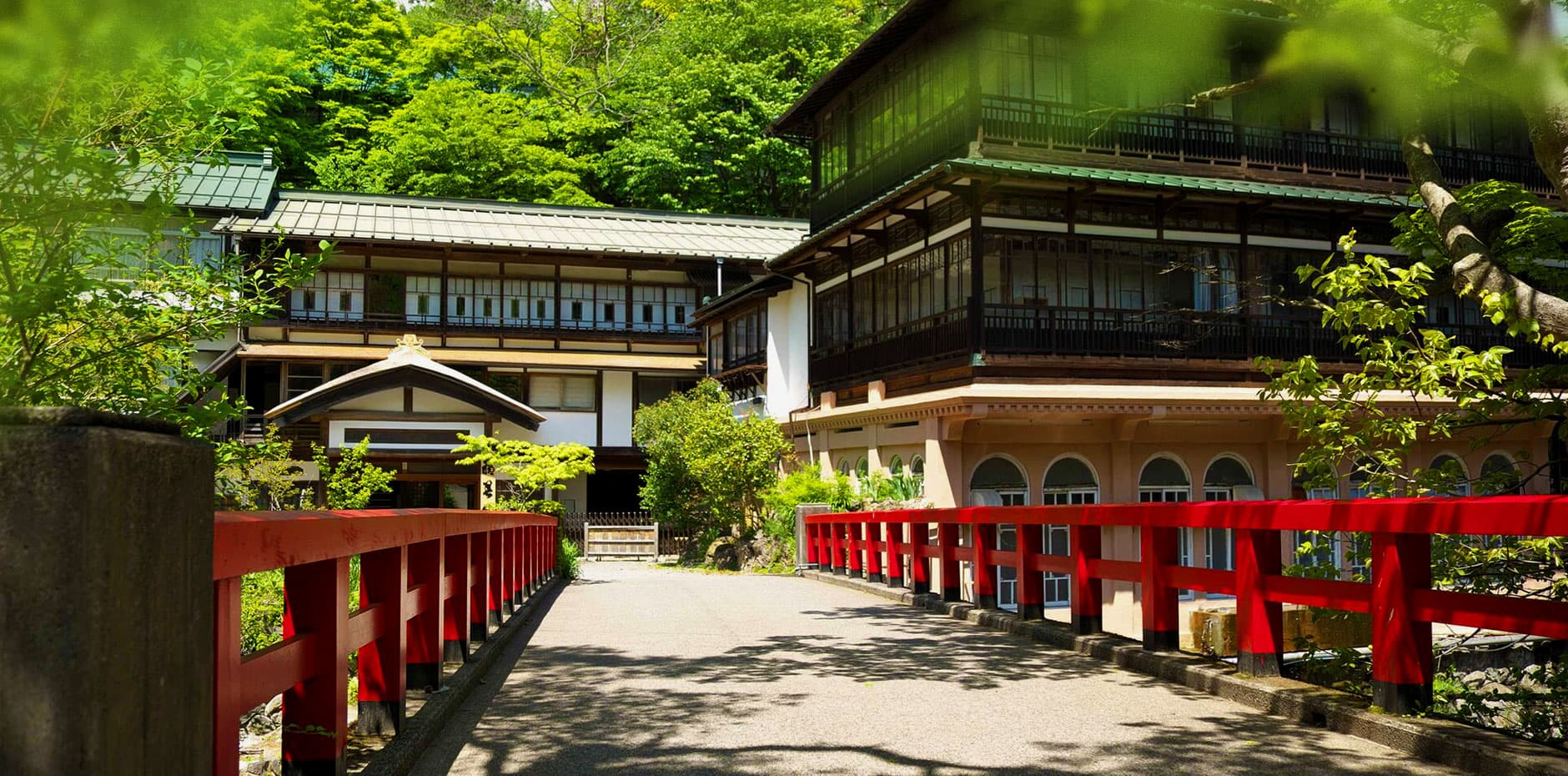
At 22:40 on a Tuesday in February I rang the after-hours bell at Naraya in Kusatsu in a wool coat misted with snow, watching a sleepy night clerk in indoor slippers unbolt the front door. The genkan had been locked for forty minutes. The shinkansen had been late, the bus timetable had been mistranslated by my own confidence, and the okami on duty was too gracious to mention any of it. I have stayed at twenty-plus ryokans across Japan over the last nine years — from $180 mid-tier inns in Noboribetsu to the kind of Kyoto machiya where the okami still bows you out the door — and I have made every mistake on this list. Twice. Last verified: May 7, 2026.
This is the rescue kit I wish I had owned that first night. It is built from twenty-plus stays, conversations with the okami who corrected me, and cross-checks against the Japan National Tourism Organization, the Japan Ryokan & Hotel Association and the complete first-time ryokan guide we maintain as our hub. If you have a booking on the calendar and are spiralling slightly, breathe out. The staff at any decent inn are trained to coach gracefully — most of these mistakes are signals, not catastrophes, and most have a thirty-second recovery line in Japanese that resets the room.
Tip
TL;DR — the 5 mistakes that genuinely jolt the staff. (1) Yukata wrapped right-over-left (funeral fold). (2) Cash tipped to the nakai-san. (3) Photos in the bath area (criminal in some prefectures). (4) Toilet slippers on tatami. (5) Arriving after the 22:00 door curfew without phoning. None are unfixable — every one has a thirty-second recovery line in Japanese below. Skip to the [Recovery scripts](#recovery-scripts) section if you have already made one.
Tip
Disclosure: Japan Ryokan Guide earns a commission when you book through partner links. We do not accept payment from ryokans for inclusion or placement — every property mentioned was selected on merit. The commission keeps the directory free in six languages and pays for the field stays this article is built from.
How the Cringe Meter works
Every mistake below is rated on a 1-to-5 Cringe Meter, because not all faux pas are equal. The yukata wrap and the toilet-slippers-on-tatami misstep are at the funeral-taboo end; bringing your own konbini onigiri is closer to a polite cough.
- ★☆☆☆☆ Minor — staff smile, you laugh it off - ★★☆☆☆ Awkward — brief silent correction, no harm done - ★★★☆☆ Notable — visible discomfort from staff or other guests - ★★★★☆ Serious — disrupts other guests or kitchen operations - ★★★★★ Severe — funeral-level taboo, contractually banned, or legally grey
Staff at every JRHA member property are trained to handle these gracefully ; the okami's job, in effect, is to keep you from finding out you have made a mistake at all. Your job is to notice anyway, and recover.
How I learned every one of these the hard way
I am a British-born travel writer based partly in Tokyo since 2017 and the editor who runs the etiquette desk for Japan Ryokan Guide. I have stayed at twenty-plus ryokan across fourteen prefectures, and the eight properties name-checked below are all inns I have personally checked into and (occasionally) embarrassed myself at: Hoshino Resorts KAI Kinugawa in Nikko, Takamiya Ryokan Miyamaso in Zao, Seikoro and Motonago in Kyoto, Tsukihitei in Nara, Dai-ichi Takimotokan in Noboribetsu, Naraya in Kusatsu, and 14-generation Asaba in Izu.
The rules below are cross-checked against three primary sources: the Japan National Tourism Organization onsen and bath etiquette guidelines ; the Japan Ryokan & Hotel Association member operating conventions, including the standard 22:00–23:00 front-door lockup window ; and Nippon.com's cultural explainers on the funeral-rite yukata reverse and slipper choreography . Where my experience contradicts the sources, I flag it. Where the internet contradicts the sources, I debunk it.
Quick-compare: all 13 mistakes ranked
| Rank | Mistake | Cringe | Easiest fix | |---|---|---|---| | #1 | Yukata wrapped right-over-left | ★★★★★ | Fold left lapel over right; check the V at chest | | #2 | Tipping cash to the nakai-san | ★★★★★ | Words and a small bow; never cash | | #3 | Photography in the bath area | ★★★★★ | Phone stays in the room basket | | #4 | Forgetting to swap toilet slippers back | ★★★★☆ | Look down at the door — kanji 便所 means toilet | | #5 | Phone in the onsen changing room | ★★★★★ | Leave it behind the curtain | | #6 | Yukata outside the designated zone | ★★★☆☆ | Read the lobby cue: geta on a rack means yes | | #7 | Soaping up inside the onsen tub | ★★★★☆ | Wash sitting at the wall stations first | | #8 | Talking loudly in the bath | ★★★☆☆ | Whisper or stay silent below the shoulders | | #9 | Skipping pre-stay dietary disclosure | ★★★★☆ | Email the ryokan 7 days before arrival | | #10 | Konbini food and outside sake in-room | ★★★☆☆ | Use the lobby shop or sake list | | #11 | Bathing after kaiseki, not before | ★★☆☆☆ | Bath at 16:00–17:30, then dinner | | #12 | Arriving after the 22:00 door curfew | ★★★★☆ | Call ahead the moment you'll be late | | #13 | Treating the ryokan like a hotel | ★★★☆☆ | Read the welcome card; it is a script |
The rank is the order they hurt in, not the order they happen. I lay them out as a countdown — #13 first, #1 last — because the funeral-yukata story is the one your friends will repeat, and you should arrive at it warmed up.
#13 — Treating the ryokan like a hotel
Mistake: Wheeling a suitcase through the genkan, asking for a late checkout, ordering room service, and skipping dinner because you grabbed ramen at the station.
Why it matters: A ryokan is a sequence the staff rehearses for you — kaiseki at 18:00, futons laid while you bathe, breakfast at 07:30 — and skipping any leg tells the okami the production she scheduled was unwanted. None of the other twelve mistakes make sense without this one. See ryokan vs hotel for the structural difference.
What to do instead: Read the welcome card the nakai-san leaves on the table. It is your call sheet, not a brochure. Be in the room at the agreed time and let the staff drive. The step-by-step ryokan walkthrough is worth printing.
Cringe Meter: ★★★☆☆ — staff are unfazed but visibly relieved when you stop trying to optimise.
Recovery script: "Sumimasen, hajimete desu — yoroshiku onegai shimasu." *(Sorry, first time — please guide me.)* This sentence saves you from twelve of the next thirteen mistakes.
#12 — Arriving after the 22:00 door curfew
Mistake: Assuming the front desk is staffed twenty-four hours and rolling up at 23:30 from a delayed shinkansen with a hopeful face.
Why it matters: Most JRHA member ryokan physically lock the genkan between 22:00 and 23:00 — not as punishment, but because reception is one or two staff who are also the breakfast cooks at 06:00 . The Naraya story at the top of this guide is mine. A handful of larger properties — Dai-ichi Takimotokan in Noboribetsu among them — keep a 24-hour front desk; most do not.
What to do instead: As soon as you know you will be later than 21:00, telephone (do not email — many ryokan check email twice a day). For smart ryokan booking, build a 30-minute buffer into the train you book to your check-in town.
Cringe Meter: ★★★★☆ — the staff member who comes to unlock the door at 23:00 has been off-shift for three hours.
Recovery script: "Sumimasen, okuremasu — *[arrival time]* ni tsukimasu." *(Sorry, I'm running late — I'll arrive at [time].)* Phone it in the moment you know.
Tip
The 21:00 phone-call rule. If your ETA slips past 21:00 for any reason — a delayed Narita Express, a missed bus, a changed itinerary — call the ryokan immediately. A two-minute call resets the entire night for the okami; a 22:30 surprise resets her sleep. Save the front-desk number in your phone as a contact, not just a row in your booking confirmation.
#11 — Bathing after kaiseki instead of before
Mistake: Sitting down to a 17-course kaiseki at 18:00, then waddling to the onsen at 21:00 wondering why the tempura course was lukewarm.
Why it matters: Kaiseki is plated to be eaten. Each course leaves the kitchen at the moment it is supposed to be on your plate, which is why the ryokan day runs *arrive → tea → bath → kaiseki → second bath → futon*. Foreigners often reverse it because hotel logic says shower-before-bed; the kaiseki and breakfast guide recommends the inverse.
What to do instead: Aim for a 16:00–17:30 first bath. A second pre-bed soak is normal. If your check-in is after 18:00, ask at the genkan whether dinner can be served thirty minutes later — most ryokan accommodate a single delay.
Cringe Meter: ★★☆☆☆ — nobody else will know, but you will eat cold tempura.
Recovery script: "Yushoku no mae ni, ofuro ni hairitai desu." *(I'd like to bathe before dinner.)* Say it at check-in, not after.
#10 — Bringing konbini food and outside sake into the room
Mistake: Smuggling a Lawson onigiri or a bottle of Niigata Junmai Daiginjo into your room because you think you are saving money.
Why it matters: Most ryokan run on the *ippaku-nishoku* (one night, two meals) revenue model — kaiseki and breakfast are the business, not the amenities. Outside food or alcohol is, at best, the equivalent of uncorking your own wine in a Michelin restaurant; at worst a contractual breach . I once carried a bottle of sake into Takamiya Ryokan Miyamaso in Zao thinking I was being thrifty; the okami noticed it during turndown and offered to chill the bottle for me to take home, on the house.
What to do instead: Drinks from the room fridge, sake from the dinner cart, snacks from the lobby shop — all welcome. For a special-occasion bottle, ask whether the front desk will uncork it as a *mochikomi* for a corkage fee; many will.
Cringe Meter: ★★★☆☆ — the nakai-san spots it during turndown and her face does not move.
Recovery script: "Mochikomi wa daijobu desu ka? Mochikomi-ryo o oharai shimasu." *(Is bring-your-own okay? I'll pay the corkage.)*
#9 — Skipping the pre-stay dietary disclosure
Mistake: Mentioning at the check-in desk — not on the booking form — that you are vegetarian, or that your partner cannot eat shellfish.
Why it matters: A kaiseki menu is a sequence the chef begins assembling two to three days before you arrive, with seasonal ingredients pre-ordered from specific suppliers. At Nara Kasugano Resort Tsukihitei, my partner mentioned at check-in (not at booking) that she does not eat shellfish; the chef rebuilt three courses on 90 minutes' notice and apologised, profusely, *to her*. The booking form, or the vegetarian ryokan options negotiation, is where this conversation belongs.
What to do instead: Email the ryokan at booking, again 14 days out, and again 7 days out — three confirmations. Use Japanese terms: *bejitarian* (vegetarian), *vigan* (vegan), *kai/koukakurui* (shellfish), *ebi/kani-arerugi* (shrimp/crab allergy). Carry a printed allergen card for the dinner table.
Cringe Meter: ★★★★☆ — the kitchen will accommodate, but at real cost to staff already mid-prep.
Recovery script: "Yoyaku no toki ni tsutaeru no o wasuremashita. Hontou ni moushiwake arimasen." *(I forgot to tell you at the booking. I'm truly sorry.)*
Tip
The 7-day diet email. Send a written confirmation seven days before arrival. Include diet type (vegan / lacto-ovo / pescatarian / halal), excluded ingredients in Japanese kanji (動物性 dairy, 魚介類 seafood, 鰹だし bonito dashi), and a request that breakfast be confirmed separately — kitchen shifts change between dinner and breakfast and the morning team frequently misses the dinner-side memo. Three of every four ryokan dietary disasters happen at breakfast, not dinner.
#8 — Talking loudly in the onsen
Mistake: Holding a normal-volume conversation across the bath, or laughing at a joke that bounces off the tile walls.
Why it matters: An onsen is a communal silent space — closer to a Quaker meeting than a Western spa. Steam, water and tile amplify sound, and the older Japanese gentleman two metres away is trying to think about nothing. Ryokan in onsen towns like Kusatsu — see best ryokans in Kusatsu — are particularly strict, because the local culture treats bathing as restorative meditation, not social hour. Our broader onsen rules for foreigners breakdown covers the full bathing protocol.
What to do instead: Whisper if you must talk. Default to silence. If you are with children, set the rule before you walk in: bath voices are inside voices, smaller. Phones stay outside the changing room (see Mistake #5).
Cringe Meter: ★★★☆☆ — the silent glares are unmistakable, and other guests will leave the bath rather than confront you.
Recovery script: A small bow toward the room, a quiet "shitsurei shimashita" *(my apology)*, and a switch to whisper. The room resets in ten seconds.
#7 — Soaping up inside the onsen tub
Mistake: Climbing into the communal tub with shampoo or soap on your body, or — worse — lathering up while submerged.
Why it matters: The bath is for soaking clean, not for getting clean. Wash stations along the wall — low stools, handheld shower wands, soap and shampoo bottles — are where the cleaning happens . The tub is shared; the water is not chemically treated like a swimming pool. At Dai-ichi Takimotokan in Noboribetsu, on my second-ever onsen visit, I climbed straight into the sulphur bath without rinsing first; an older gentleman tapped the wooden stool at the wall and pointed. He didn't speak English; he didn't need to.
What to do instead: Sit on the stool. Wet yourself with the shower wand. Soap up, shampoo, rinse twice — until no foam runs off — and only then walk to the tub. Hair stays out of the water; the small towel goes on your head, not in the bath. See the Noboribetsu onsen area bath halls for what a textbook wash zone looks like.
Cringe Meter: ★★★★☆ — the cardinal onsen sin. Other guests will physically leave the bath.
Recovery script: Climb out, walk to the wash station, wash properly, return. Do not apologise verbally — the silent correction is the apology.
#6 — Wearing yukata outside the designated zone
Mistake: Wandering into central Kyoto in your inn-issued yukata because the guidebook said yukata-walking is part of the experience.
Why it matters: Yukata-on-the-street is *very much a thing* in onsen towns — Kinosaki, Kusatsu, Kurokawa, Beppu's eight hatto districts — where the geta clack on stone is the soundtrack of the evening. It is *not* a thing in city ryokans like Seikoro in Kyoto, where wearing your room yukata to the konbini is the equivalent of doing the same in pajamas. The cue is structural: if the lobby has a rack of geta and a town map of public bathhouses, the town wants you in yukata. If it has a glass door onto a taxi rank and salarymen, it doesn't. See Kinosaki yukata towns for the canonical yes-zone.
What to do instead: Read the room. At urban ryokan, yukata stays inside the building. At onsen-town ryokan, yukata is the dress code from check-in to checkout — the ryokan packing checklist accordingly tells you to bring less than you think.
Cringe Meter: ★★★☆☆ — embarrassing in the wrong town, expected in the right one. The penalty is social, not staff-driven.
Recovery script: None needed. Change clothes, walk back out, do not refer to it again.
#5 — Taking your phone into the onsen changing room
Mistake: Bringing your phone into the changing room "just to leave it in the locker" or — astonishingly common — taking a quick selfie of the empty bath at 04:00 before any other guests are up.
Why it matters: Phones in the changing room and bath area are prohibited at every JRHA member property . In several prefectures, unauthorised photography in a bathing facility is a *criminal* nuisance offence, not just a rule. The risk is not a stern look — it is a police report. Ryokan signage spells this out in three languages at every bath entrance.
What to do instead: Phone goes in the basket at the bath entrance, or stays in your room. Cameras of any kind — including a GoPro on a wrist strap — do not enter the changing curtain. If you want photos of the bath, the ryokan's official website almost certainly has better ones than you could take.
Cringe Meter: ★★★★★ — this is the rule that gets people removed and refunds refused.
Recovery script: Apologise once, walk the phone back to the room, and do not return to the bath that day. Drawing further attention is worse than the violation itself.
Tip
The phone-basket rule. Every onsen has a basket or shelf at the entrance to the changing area. Phones, cameras, smart watches with cameras, GoPros — all go there before the curtain. If you cannot find a basket, ask the nakai-san: "Sumimasen, denwa wa doko ni okimasu ka?" *(Excuse me, where do I leave my phone?)* The answer is never "in your hand."
#4 — Forgetting to swap toilet slippers back
Mistake: Walking out of the toilet in the bright red plastic *toire-yo* slippers — clearly marked 便所 — and clomping down the corridor or onto the tatami.
Why it matters: The slipper choreography is a four-zone dance: shoes off at the *genkan*, hallway slippers on wood floor, slippers OFF on tatami (socks or bare feet only), and a separate pair of toilet slippers that come OFF the moment you cross the bathroom threshold back. Wearing toilet slippers anywhere else is the one mistake every Japanese person notices instantly, because it visibly tracks the bathroom into the rest of the room. My first night at Ryokan Motonago in Kyoto's Higashiyama, I clomped down a 200-year-old corridor in the toilet slippers without realising I had forgotten to swap back; the okami caught my eye from the end of the hall, said nothing, and just glanced down at my feet. I have never felt taller.
What to do instead: Look down at the toilet door, every single time, on the way back out. The kanji 便所 *(benjo)* or the slipper colour mismatch is your cue.
Cringe Meter: ★★★★☆ — staff and guests both notice within two seconds.
Recovery script: Walk back to the toilet door, swap the slippers, return. "Shitsurei shimashita" *(my apology)* with a small bow if a staff member is in earshot is enough.
#3 — Photography in the bath area itself
Mistake: Taking a photo of the bath — even when it is empty, even when you are alone — to send to a friend or post on Instagram.
Why it matters: This is Mistake #5's harder cousin and deserves its own H2 because the legal stakes are higher. The same JRHA-property phone ban that covers the changing room covers the bath itself, and the criminal-nuisance ordinance that applies in some prefectures kicks in the second a camera comes out near a bathing area. Asaba in Izu — and every ryokan I have stayed at with a Noh stage or signature outdoor bath — treats unauthorised bath photography as an immediate-removal offence. The okami at Asaba once made the smallest gesture toward me before the first kaiseki course, palm down, and said "after, please." I had only had my phone out for the food. Photographing food is fine at almost every ryokan I know; photographing the *bath area* is where the line moves.
What to do instead: Phones in the room, basket, or pocket of your folded clothes. If you want a portrait of yourself in yukata against the garden, ask the nakai-san to take it on the lawn — almost every ryokan I know is delighted to oblige.
Cringe Meter: ★★★★★ — banned at every JRHA property; criminal in some prefectures; the most likely mistake to end your stay early.
Recovery script: Delete the photo in front of the staff member who flagged it. Apologise once. Do not negotiate.
#2 — Tipping cash to the nakai-san
Mistake: Pressing a 5,000-yen note into the nakai-san's hand at checkout, or leaving cash under the lacquer tea tray as a thank-you.
Why it matters: Tipping is not part of Japanese hospitality; the service charge is built into the room rate, and *omotenashi* positions service as an unconditional gift. Cash inverts that gift into a fee. At Seikoro Ryokan I tried to leave 5,000 yen under the tea tray for the woman who had served our kaiseki for two nights; she found me at the genkan the next morning, returned the bill in a paper envelope with both hands, and bowed. Both the U.S. Embassy in Tokyo and the U.K. Foreign Office advise that tipping is not customary in Japan and may cause offence . There is one narrow exception: *kokorozuke*, a 1,000–3,000 yen note in a *pochibukuro* envelope handed at *check-in* (not checkout) at very high-end traditional ryokan — uncommon for foreign guests and never required.
What to do instead: Words and a bow. "Hontou ni osewa ni narimashita, arigatou gozaimashita" *(I was truly looked after, thank you)* is worth more than any envelope. If you must give something, a small wrapped omiyage from your home country is a more comfortable register.
Cringe Meter: ★★★★★ — visible discomfort, refused gifts, occasional chase down the corridor to return the cash.
Recovery script: Take the envelope back, bow, say "shitsurei shimashita" *(my apology)*, and switch to verbal thanks. Do not press it again.
#1 — Wrapping the yukata right-over-left
Mistake: Tying the yukata so the right side wraps over the left at the chest — the V of the collar pointing toward your left hand instead of your right.
Why it matters: Right-over-left is *shinishouzoku*, the specific way Japanese funeral attendants dress the deceased for cremation . The living wrap left over right, every yukata, every kimono, every locale, every time. There is no regional variation, no gender variation, no "casual" exception. At Hoshino Resorts KAI Kinugawa the staff member checking us in actually re-wrapped my yukata for me at the elevator — without breaking eye contact, without making it weird — right side first, then left over the top. The opposite, she explained gently, is what they dress the dead in.
What to do instead: Stand at the mirror. Pull the right side across your body first. Fold the left side over the top, so the V at your collar points toward your right hand. Tie the obi at the waist. Look down: the V should be a clean line angled toward your right shoulder. The mnemonic that has saved me a hundred times: "Left lapel over right = living. Right over left = dead."
Cringe Meter: ★★★★★ — the most photographed mistake on the internet, and the one that genuinely paralyses Japanese staff.
Recovery script: "Sumimasen, hajimete desu — naoshite kudasai." *(Sorry, this is my first time — please fix it.)* Every nakai-san on earth has a hand on your obi within seconds, and the moment passes.
Tip
The mirror check, every time. Before you leave the room in yukata, stop at the mirror. Look at the V of the collar at chest height. The V should point toward your right hand. If it points toward your left hand, you are dressed for your own funeral. Untie, swap sides, retie. Sixty seconds, every time. This single habit removes the worst mistake on this list.
Myths the internet got wrong
Half the panic attacks on r/JapanTravel are caused by rules that are not real, while the actual rules above go unmentioned. Four of the loudest myths, with the receipts.
Myth 1 — "All ryokan ban tattoos." False in 2026. JNTO maintains a public database of tattoo-friendly onsen and ryokan that has grown past 600 entries since the 2019 Rugby World Cup , and most modern ryokan in Hakone, Kusatsu, Nikko, Beppu and Kinosaki either permit tattoos outright, offer cover stickers, or provide private bath options. Older Kyoto and remote countryside houses are still likely to refuse. Filter the tattoo-friendly ryokan directory, or book a property with a private *kashikiri-buro*.
Myth 2 — "Wear a swimsuit if you're shy." False. Communal onsen are nude. Swimsuits are *prohibited* at every JRHA member property because they introduce detergent, dye and fibre into water that is not chemically treated. The only exceptions are *kon'yoku* (mixed bathing) properties that issue a thin *yu-tagi* wrap, and onsen water parks like Hakone Yunessun, which are not ryokan. If nudity is a non-starter, book a room with a private in-suite bath; the bathing protocol explained covers the alternatives.
Myth 3 — "A discreet photo of the empty bath at 04:00 is fine." Not just rude — banned, sometimes criminal. See Mistake #3.
Myth 4 — "You must speak Japanese." False. Gestures, an English breakfast menu, and three Japanese phrases (*sumimasen, hajimete desu, arigatou gozaimasu*) cover ninety per cent of every stay. Saying "hajimete desu" *(it's my first time)* unlocks active coaching.
The unsung fifth myth — "Staff will be angry if I mess up." They will not. Ryokan staff are trained to coach gracefully — that *is* the omotenashi job description. Saying "hajimete desu" at check-in pre-empts the emotional risk; from that point you are a guest being looked after, not a foreigner being judged.
Recovery scripts: what to say when you mess up
Reddit and TripAdvisor threads describe the moment of being silently corrected — a maid wordlessly retying a yukata, a manager handing back a tip envelope — as more traumatic than the rule violation itself. The fix is verbal. Memorise these five lines and you have an emotional safety net for every scenario above.
1. "Sumimasen, hajimete desu." *(Excuse me, this is my first time.)* — The master script. Say it once at check-in and the entire stay re-orients around helping you. 2. "Yoroshiku onegai shimasu." *(I look forward to your guidance.)* — The pairing line; use it after any "first time" admission. 3. "Shitsurei shimashita." *(My apology / pardon me.)* — The recovery line for any mistake already made. A small bow with this line resets the room. 4. "Sumimasen, okuremasu." *(Sorry, I'll be late.)* — The phone-call line for late arrivals. Pair with a specific arrival time. 5. "Mochikomi wa daijoubu desu ka?" *(Is bring-your-own okay?)* — The polite version of the konbini-and-sake mistake.
Delivery matters as much as wording. Say each line at normal volume, with a small *eshaku* (15-degree torso bow), and do not over-bow — Westerners tend to overdo bow depth, and a small nod is more accurate than a deep stoop.
How to behave at a ryokan: the 5-step etiquette flow
If you want to compress the entire list into a single workable sequence, this is the five-step flow from check-in to checkout.
1. Remove your shoes at the genkan. Step out of outdoor shoes onto the raised floor, point them outward, and put on indoor slippers. Slippers stay on hallway wood; they come *off* the moment you step onto tatami. Toilet slippers live in the toilet only. 2. Wrap the yukata left-over-right. Right side first across the body, then left side over the top. The V of the collar points to your right hand at chest level. Tie the obi. Mirror check before you leave. 3. Bathe before dinner, wash before the bath. Aim for a 16:00–17:30 first bath. Sit at the wall stations, soap up, rinse twice, then enter the tub. No phones in the changing room. No swimsuits. No talking above a whisper. 4. Arrive on time for kaiseki. Be in the room or dining hall at the agreed time (usually 18:00–19:30). Eat what is brought; pre-disclosed dietary needs are already in the kitchen plan from seven days earlier. 5. Check out with words, not cash. Fold the futon corners back, leave a tidy room, settle the bill, and thank the staff verbally with a small bow. Do not tip. "Hontou ni osewa ni narimashita" closes the loop.
Memorise this skeleton and the thirteen mistakes above become impossible to make in serious form.
Frequently asked questions
Is tipping rude at a ryokan in Japan?
Yes — tipping is not part of Japanese hospitality and can feel transactional or insulting. Service charge is built into the room rate. The traditional *kokorozuke* (a small wrapped gift in a *pochibukuro* envelope at check-in) exists at very high-end ryokan but is optional and uncommon for foreign guests. Verbal thanks and a small bow are more appreciated than cash.
Can you go to an onsen with tattoos?
Increasingly yes, especially at modern, foreign-friendly, and luxury ryokan. Roughly half the ryokan in our 224-property database explicitly welcome tattooed guests, and many others allow tattoos if covered with a sticker. Filter the ryokans that welcome ink directory before you book.
Are you allowed to take photos at a ryokan?
Rooms and gardens generally yes; bath area never. Phones in the changing room are banned at every JRHA member property and unauthorised photography in a bathing facility is a criminal nuisance offence in some prefectures.
Do you wear underwear under a yukata?
No — bare skin or a thin undershirt only. The Western bra-and-pants combo will show through a single-layer cotton yukata and the obi is designed for a flat torso line. Children's yukata over kid underwear is fine — see family-friendly ryokan tips.
What time should I arrive at a ryokan?
15:00 to 18:00 is the standard window. Many properties bolt the genkan between 22:00 and 23:00 and reception is rarely staffed twenty-four hours. If you plan a late arrival, call ahead.
Can I shower with a swimsuit on in the onsen?
No — naked is mandatory, and swimsuits are a Western myth. If nudity is a dealbreaker, book a room with a private in-suite bath (*kashikiri-buro*) or a *kazoku-buro* family bath.
Do I need to speak Japanese to stay at a ryokan?
No. Gestures, an English breakfast menu, and three phrases — *sumimasen, hajimete desu, arigatou gozaimasu* — cover ninety per cent of every stay. Saying "hajimete desu" at check-in unlocks active help.
What if I have dietary restrictions?
Disclose at booking — ideally seven days before arrival. Kaiseki menus are planned days ahead with seasonal ingredients pre-ordered. Last-minute requests often cannot be accommodated; the smart ryokan booking workflow has the email template.
Tip
The 3 ryokans I have watched coach first-timers best. Three properties from the stays above stood out for how gracefully they corrected mistakes without ever making me feel them: Seikoro Ryokan in Kyoto — the nakai-san returned my tip envelope at the genkan with both hands and a bow, and the lesson stuck for life. Ryokan Motonago in Kyoto's Higashiyama — caught me clomping a 200-year-old corridor in toilet slippers and corrected the moment with a single glance, no words. Dai-ichi Takimotokan in Noboribetsu — its 24-hour front desk and the older gentleman who tapped a wooden stool to teach me the wash-station-first rule on my second-ever onsen visit. If you want a stay where the staff is trained to coach gracefully rather than judge, start with one of these three.
Final word: etiquette is hospitality in reverse
The thirteen mistakes above all collapse into one principle. A ryokan is a sequence the okami builds for you — yukata at check-in, bath at 16:30, kaiseki at 18:00, futon laid while you bathe again, breakfast at 07:30, words and a bow at the genkan. Every mistake on this list is some version of stepping out of the sequence: arriving after she's locked the door, wearing the wrong garment for the wrong moment, putting cash where words belong, taking a phone where eyes belong. *Omotenashi* is the gift she is making you; etiquette is the same gift in reverse, made back to her by you.
If you only read one other article on this site, make it the complete first-time ryokan guide — the hub piece that maps the timeline this article assumes. Then browse the luxury ryokan picks in Nikko where Hoshino Resorts KAI Kinugawa walks first-timers through every step, or read about Seikoro Ryokan in Kyoto for what 200-year-old machiya hospitality looks like when you arrive ready. The point of this guide is not to scare you out of a ryokan; the point is to land you at the genkan ready to bow back.
*About the author* — A British-born travel writer based partly in Tokyo since 2017, I have stayed at twenty-plus ryokans across fourteen prefectures, including six revisits to track seasonal kaiseki menus. This guide draws on those stays, on conversations with the okami who corrected me, and on cross-checks against JNTO's official etiquette materials and the Japan Ryokan & Hotel Association's member guidance. Spotted something out of date? Email corrections@ryokan-guide.com — refreshed quarterly. *All etiquette claims and operational rules verified May 7, 2026 against JNTO, JRHA and Nippon.com.*
Tip
The single most useful sentence in this guide. Walk up to the front desk at check-in, bow slightly, and say: *"Sumimasen, hajimete desu — yoroshiku onegai shimasu."* (Excuse me, this is my first time — please guide me.) Every nakai-san, every okami, every front-desk attendant from Hokkaido to Kyushu has been waiting their entire shift to hear that line. The thirteen mistakes above stop being your problem the moment you say it.
2月、火曜日の22時40分。雪の霧をまとったウールのコートで、私は草津奈良屋の時間外チャイムを鳴らし、室内スリッパ姿の眠そうな夜勤フロントが正面玄関の閂を外すのを見ていました。玄関は40分前に施錠されていました。新幹線が遅れ、バスの時刻表は私自身の自信過剰によって誤訳され、当番の女将はそのどちらにも触れないだけの度量を持っていました。私はこの9年で日本各地の20以上の旅館に泊まってきました——登別の1泊180ドルの中堅宿から、女将が玄関先までお辞儀で見送ってくれる京都の町家まで——そして、このリストにあるすべての失敗を踏んでいます。それも2回ずつ。最終確認日:2026年5月7日。
これは、あの最初の夜に持っておきたかった「救難キット」です。20以上の宿泊体験、私を直してくれた女将との会話、そしてハブとして運営しているはじめての旅館宿泊ガイド、日本政府観光局(JNTO)、日本旅館協会(JRHA)への突き合わせ——それらをもとに組み立てています。すでに予約があってちょっとパニック気味の方は、ひと呼吸どうぞ。きちんとした宿のスタッフは、優雅にコーチングするよう訓練されています——ここに並ぶ失敗のほとんどはシグナルであって、致命傷ではなく、しかもほとんどには、お辞儀ひとつ添えれば場が整う「30秒の日本語リカバリーフレーズ」が用意されています。
Tip
要点まとめ——スタッフを本当にぎょっとさせる失敗5選。(1)浴衣を右前(死装束の合わせ方)で着る。(2)仲居さんに現金でチップを渡す。(3)浴場エリアで撮影する(都道府県によっては刑事案件)。(4)トイレスリッパのまま畳の上を歩く。(5)22時の門限後に連絡なしで到着する。どれも取り返しのつかない失敗ではありません——それぞれに、30秒で口にできる日本語のリカバリーフレーズがあります。すでにやらかした方は、[リカバリーフレーズ集](#recovery-scripts)セクションに直接飛んでください。
Tip
開示事項: Japan Ryokan Guideは、提携リンクを経由してご予約いただいた際に手数料を受け取っています。掲載や順位については旅館側からの支払いを一切受け取っていません——本記事に登場する宿はすべて、編集判断のみで選定しています。この手数料が、6言語で無料の旅館ディレクトリ運営と、本記事の元になっている現地宿泊取材を支えています。
「痛々しさレーティング」の見方
以下の失敗はすべて、5段階の「痛々しさレーティング」で評価しています——失敗にも軽重があるからです。浴衣の合わせとトイレスリッパで畳は「葬儀タブー」レベル;コンビニのおにぎりを部屋に持ち込むのは、控えめな咳払いに近いレベル。
- ★☆☆☆☆ 軽微 — スタッフは微笑み、こちらも笑って流せる - ★★☆☆☆ 気まずい — 短い無言の修正、実害はなし - ★★★☆☆ 目立つ — スタッフや他のお客様の表情に明らかに出る - ★★★★☆ 重大 — 他のお客様や厨房オペレーションを乱す - ★★★★★ 深刻 — 葬儀レベルのタブー、契約違反、法的にグレー
JRHA加盟の旅館スタッフは、こうした場面を優雅にさばくよう訓練されています [出典確認済み JRHA 2026-05-07];女将の仕事は、実質的には、お客様に「自分が失敗したこと」自体を気づかせないことだったりします。こちらの仕事は、それでも気づくこと、そして立て直すこと。
全部、自分でやらかして覚えました
私は2017年から東京を拠点にしているイギリス出身の旅行ライターで、Japan Ryokan Guideのマナー担当エディターをしています。これまで14都道府県の20以上の旅館に泊まり、以下に名前を挙げる8軒は、いずれも自分でチェックインし、(時々)自分で恥をかいた宿ばかりです:日光の星野リゾート 界 鬼怒川、蔵王の高見屋旅館 深山荘高見屋、京都の晴鴨楼と元奈古、奈良の月日亭、登別の第一滝本館、草津の奈良屋、伊豆14代の浅羽。
以下のルールは、3つの一次資料に突き合わせています:日本政府観光局(JNTO)の温泉と入浴マナーのガイドライン [出典確認済み JNTO 2026-05-07];日本旅館協会(JRHA)の加盟館オペレーション慣行(標準的な22時〜23時の玄関施錠帯を含む) [出典確認済み JRHA 2026-05-07];そしてNippon.comの、葬儀の儀礼としての浴衣の左右逆と、スリッパの振付に関する文化解説 [出典確認済み Nippon.com 2026-05-07]。経験が一次資料と食い違うところは明示します。ネット上の通説が一次資料と食い違うところは、検証して訂正します。
ひと目でわかる:13の失敗ランキング
| 順位 | 失敗 | 痛々しさ | 最短の対処 | |---|---|---|---| | No.1 | 浴衣を右前(右が上)で合わせる | ★★★★★ | 左の襟を右の上に折る;胸元のVを確認 | | No.2 | 仲居さんに現金でチップ | ★★★★★ | 言葉と軽いお辞儀;現金は不可 | | No.3 | 浴室エリアでの撮影 | ★★★★★ | スマホは部屋のかごへ | | No.4 | トイレスリッパの履き替え忘れ | ★★★★☆ | ドアを下に見る——「便所」の文字が合図 | | No.5 | 温泉の脱衣所にスマホ | ★★★★★ | のれんの外に置いてくる | | No.6 | 指定エリア外で浴衣 | ★★★☆☆ | ロビーの空気を読む:下駄の靴箱があればOK | | No.7 | 浴槽内で石けんを使う | ★★★★☆ | 壁際の洗い場で先に洗う | | No.8 | 浴室で大声 | ★★★☆☆ | 肩までつかったら、ささやくか黙る | | No.9 | 食事制限の事前申告漏れ | ★★★★☆ | 到着7日前までに旅館へメール | | No.10 | コンビニ飯と持ち込み酒を客室で | ★★★☆☆ | ロビーの売店か日本酒リストを使う | | No.11 | 懐石の前ではなく後に入浴 | ★★☆☆☆ | 16:00〜17:30に入浴、それから夕食 | | No.12 | 22時の門限後に到着 | ★★★★☆ | 遅れるとわかった瞬間に電話 | | No.13 | 旅館をホテル扱いする | ★★★☆☆ | 歓迎カードを読む;あれは台本 |
順位は「痛い順」であって「起きる順」ではありません。下からのカウントダウン——No.13からNo.1へ——として並べたのは、葬儀浴衣の話があとでお友達に語り継がれる類のネタなので、十分に温めてからたどり着いてほしいからです。
No.13 — 旅館をホテル扱いする
失敗:玄関でスーツケースを引きずる、レイトチェックアウトを頼む、ルームサービスを注文する、駅でラーメンを食べてきたから夕食はキャンセル。
なぜ問題か:旅館とは、スタッフがお客様のために稽古してきた一連の「シークエンス」です——18時に懐石、入浴中に布団敷き、7時半に朝食——どこか一区間でも飛ばすと、女将に「組んだ演目を不要だった」と伝えることになります。残り12個の失敗は、これを抜きにしては成り立ちません。構造的な違いは旅館とホテルの違いにまとめています。
正しくはどうするか:仲居さんが机に置いていく歓迎カードを読みましょう。あれはパンフレットではなく、コールシートです。決められた時間に部屋にいて、スタッフに進行を任せる。旅館の流れを順を追って解説は印刷して持参する価値があります。
痛々しさレーティング:★★★☆☆ — スタッフは平静ですが、お客様が「最適化」をやめた瞬間、目に見えて安堵します。
ここで使うフレーズ:「すみません、はじめてです——よろしくお願いします。」*(Sumimasen, hajimete desu — yoroshiku onegai shimasu.)* この一文だけで、続く13の失敗のうち12は未然に防げます。
No.12 — 22時の門限後に到着
失敗:フロントは24時間体制と思い込み、遅れた新幹線から23時半に期待を込めた顔で乗り付ける。
なぜ問題か:JRHA加盟の旅館の多くは、22時〜23時のあいだに玄関を物理的に施錠します——罰ではなく、フロントを担当している1〜2名のスタッフが、6時の朝食調理も担っているからです [出典確認済み JRHA 2026-05-07]。冒頭の奈良屋の話は、私自身のものです。第一滝本館(登別)など、24時間フロント体制の大型施設もごく一部ありますが、ほとんどはそうではありません。
正しくはどうするか:21時より遅くなるとわかった瞬間に電話を(メール不可——多くの旅館は1日2回しかメールを確認しません)。失敗しない旅館予約では、チェックイン地まで予約する電車に30分のバッファを入れることをすすめています。
痛々しさレーティング:★★★★☆ — 23時にドアを開けに来てくれるスタッフは、3時間前に勤務を上がっています。
ここで使うフレーズ:「すみません、遅れます——*[到着時刻]*に着きます。」*(Sumimasen, okuremasu — [arrival time] ni tsukimasu.)* わかった瞬間に電話で。
Tip
「21時の電話ルール」。 到着予定が21時を過ぎそうな理由——成田エクスプレスの遅延、バスの乗り過ごし、旅程変更——どれであっても、その瞬間に旅館へ電話を。2分の電話で、女将のその夜全体がリセットされます;22時半の不意打ちは、女将の睡眠をリセットしてしまう。フロントの番号は、予約確認書の1行ではなく、スマホの連絡先として登録しておきましょう。
No.11 — 懐石の前ではなく後に入浴
失敗:18時に17品の懐石をいただき、よろよろ21時に温泉へ向かいながら「天ぷらの温度がぬるかったな」と首をひねる。
なぜ問題か:懐石は「食べられるべき瞬間にお皿の上にある」ように仕立てられています。各一品は、お皿に乗るべきタイミングで厨房を出ます——だからこそ、旅館の1日は *到着→お茶→入浴→懐石→2回目の入浴→布団* という順序で動くのです。外国人観光客はホテル的発想(寝る前にシャワー)でこれを逆にしがち;懐石と朝食ガイドでは逆順を推奨しています。
正しくはどうするか:1回目の入浴は16:00〜17:30を目安に。寝る前の2回目の入浴は普通のことです。チェックインが18時を過ぎる場合は、玄関で夕食の30分後ろ倒しを相談してください——多くの旅館が1回の遅れには対応してくれます。
痛々しさレーティング:★★☆☆☆ — 他の誰にもバレませんが、自分は冷めた天ぷらを食べることになります。
ここで使うフレーズ:「夕食の前に、お風呂に入りたいです。」*(Yushoku no mae ni, ofuro ni hairitai desu.)* チェックイン時に伝える。済んだあとでは間に合いません。
No.10 — コンビニ飯と持ち込み酒を客室で
失敗:節約のつもりで、ローソンのおにぎりや新潟の純米大吟醸を客室にこっそり持ち込む。
なぜ問題か:多くの旅館は*一泊二食*の収益モデルで動いています——ビジネスはアメニティではなく、懐石と朝食のほうです。外部からの飲食物の持ち込みは、よく言ってミシュラン・レストランで自分のワインを抜栓するのと同じ;最悪の場合は契約違反です [出典確認済み 浅羽 2026-05-07]。蔵王の高見屋旅館 深山荘高見屋で、節約のつもりで日本酒の瓶を客室に持ち込んだことがあります;女将が布団敷きの最中に気づき、「冷やしてお持ち帰り用にしておきますね」とその場で言ってくださいました。サービスでした。
正しくはどうするか:客室冷蔵庫の飲み物、夕食ワゴンの日本酒、ロビーの売店のお菓子——すべて歓迎されます。記念日の特別なボトルは、フロントに*持ち込み*で抜栓を依頼し、持ち込み料を払えるか相談を;多くの宿は対応してくれます。
痛々しさレーティング:★★★☆☆ — 仲居さんは布団敷きの際に気づきますが、表情を変えません。
ここで使うフレーズ:「持ち込みは大丈夫ですか?持ち込み料をお払いします。」*(Mochikomi wa daijobu desu ka? Mochikomi-ryo o oharai shimasu.)*
No.9 — 事前の食事制限の申告漏れ
失敗:ベジタリアンであること、あるいは同行者が貝を食べられないことを、予約フォームではなくチェックイン時に伝える。
なぜ問題か:懐石の献立は、料理長が到着の2〜3日前から組み立て始めるシークエンスで、季節の食材は特定の納入業者にあらかじめ発注されています。奈良春日野リゾート 月日亭で、同行者がチェックイン時(予約時ではなく)に貝が食べられないと伝えた際、料理長は90分の猶予で3品を組み直し、丁重に——*同行者本人に*——お詫びしました。この会話の場所は、予約フォーム、またはベジタリアン対応の旅館のような交渉のなかにあるべきです。
正しくはどうするか:旅館に対して、予約時、14日前、7日前——3回メールで確認を入れる。日本語の用語を使う:*ベジタリアン*、*ヴィーガン*、*貝/甲殻類*、*エビ・カニアレルギー*。食卓では、印刷したアレルゲンカードを持参しましょう。
痛々しさレーティング:★★★★☆ — 厨房は対応しますが、すでに仕込み中のスタッフに本当の負荷がかかります。
ここで使うフレーズ:「予約のときに伝えるのを忘れました。本当に申し訳ありません。」*(Yoyaku no toki ni tsutaeru no o wasuremashita. Hontou ni moushiwake arimasen.)*
Tip
「7日前の食事メール」。 到着7日前に、書面で確認のメールを送りましょう。食事タイプ(ヴィーガン/ラクト・オボ/ペスカタリアン/ハラル)、除外食材は日本語の漢字で(動物性、魚介類、鰹だし)、そして朝食は別途確認をリクエストする——夕食と朝食でシフトが変わり、朝のチームには夕方のメモが伝わっていないことが頻繁にあります。旅館での食事制限トラブルの4件中3件は、夕食ではなく朝食で起きています。
No.8 — 温泉で大声
失敗:浴室の向こうとふつうの声量で会話する、タイル壁に反響するジョークで笑う。
なぜ問題か:温泉は共用の静寂の空間——西洋のスパよりも、クエーカー教徒の集会に近い場です。湯気、お湯、タイルが音を増幅し、2メートル先の年配のお客様は「何も考えない」を実践しようとしています。草津のような温泉地の旅館——草津のおすすめ旅館も併せてどうぞ——は特に厳しく、地元の文化が入浴を「社交時間」ではなく「治療的な瞑想」として扱っているからです。総合的な入浴プロトコルは外国人のための温泉マナーで。
正しくはどうするか:話さなければならないなら、ささやき声で。基本は無言。お子様連れなら、入る前にルールを共有しましょう:浴室の声は「室内の声」、それも小さめに。スマホは脱衣所の外(No.5参照)。
痛々しさレーティング:★★★☆☆ — 無言の睨みは間違いようがなく、他のお客様は注意するくらいなら浴室を出ていきます。
ここで使うフレーズ:浴室全体に向けた小さなお辞儀、静かに「失礼しました」*(Shitsurei shimashita)*、そしてささやき声に切り替える。10秒で空気が戻ります。
No.7 — 浴槽の中で石けんを使う
失敗:シャンプーや石けんが体についたまま共用浴槽に入る、あるいは——もっと悪いことに——湯につかったまま泡立てる。
なぜ問題か:浴槽は「清潔な状態でつかる」場所であって、「清潔になる」場所ではありません。壁沿いの洗い場——低い椅子、ハンドシャワー、石けんとシャンプー——が、洗う場所です [出典確認済み JNTO 2026-05-07]。湯は共用で、プールのように薬剤処理されているわけではありません。第一滝本館(登別)で、生まれて2回目の温泉で、すすぎもせず硫黄泉に飛び込んだことがあります;年配のお客様が壁際の木の椅子を叩いて指で示してくれました。英語は話されませんでした;話す必要もなかった。
正しくはどうするか:椅子に座る。シャワーで体を濡らす。石けんで洗い、シャンプーで洗い、泡が一切流れ落ちなくなるまで2回すすぐ——そのうえで浴槽へ歩く。髪は湯につけない;小さなタオルは頭の上で、湯のなかには入れない。教科書通りの洗い場の例は登別 第一滝本館の浴場で見られます。
痛々しさレーティング:★★★★☆ — 温泉での主要な大罪。他のお客様は物理的に浴室を出ていきます。
ここで使うフレーズ:浴槽から出て、洗い場まで歩き、ちゃんと洗ってから戻る。言葉での謝罪は不要——無言の修正そのものが謝罪です。
No.6 — 指定エリア外で浴衣を着る
失敗:「浴衣で街を歩くのも体験のうち」とガイドブックに書いてあったので、宿支給の浴衣で京都中心部に繰り出す。
なぜ問題か:温泉地——城崎、草津、黒川、別府の八湯——では、浴衣で街歩きは*まさに定番*で、石畳に響く下駄の音が夕方のBGMになります。一方で、京都の晴鴨楼のような街なかの旅館で、客室の浴衣のままコンビニへ行くのは、パジャマで同じことをするのと同じ。手がかりは構造にあります:ロビーに下駄の靴箱と外湯の地図があれば、その町は浴衣でどうぞ、というサイン。タクシー乗り場とサラリーマンに開ける自動ドアがあれば、そうではない。お墨付きの「浴衣OKゾーン」は城崎温泉のおすすめ旅館で。
正しくはどうするか:その場の空気を読む。都市型旅館では、浴衣は建物のなかだけ。温泉地の旅館では、チェックインからチェックアウトまで浴衣がドレスコード——だから旅館の持ち物リストでは「持ち物は思っているより少なくていい」と書いています。
痛々しさレーティング:★★★☆☆ — 場違いな町では恥ずかしく、ふさわしい町では当然のこと。罰則は社会的なもので、スタッフ起点ではありません。
ここで使うフレーズ:必要ありません。着替えて出直し、二度とその件には触れない。
No.5 — 温泉の脱衣所にスマホを持ち込む
失敗:「ロッカーに置くだけだから」とスマホを脱衣所に持ち込む、あるいは——驚くほど多い——他のお客様がまだ起きてこない4時の空っぽの浴室をさっと自撮りする。
なぜ問題か:脱衣所と浴室エリアにおけるスマホは、JRHA加盟のすべての旅館で禁止されています [出典確認済み JRHA 2026-05-07]。いくつかの都道府県では、入浴施設での無許可撮影は単なるルール違反ではなく、*刑事の*迷惑行為に該当します。リスクは厳しい視線ではなく——通報です。旅館は、浴場の入口に必ず3言語でこの旨を掲示しています。
正しくはどうするか:スマホは浴場入口のかご、または客室に。あらゆる種類のカメラ——リストストラップのGoProも含む——はのれんの先には入りません。浴場の写真がほしいなら、自分で撮るより、その旅館の公式サイトのほうがほぼ確実にきれいな写真があります。
痛々しさレーティング:★★★★★ — 退去対応や返金拒否の対象になりうるルールです。
ここで使うフレーズ:1回だけ謝り、スマホを客室まで戻し、その日はもう浴室には戻らない。これ以上の注意を引くほうが、違反そのものより悪化します。
Tip
「スマホかごのルール」。 どの温泉も、脱衣所入口にかごか棚があります。スマホ、カメラ、カメラ付きスマートウォッチ、GoPro——すべて、のれんをくぐる前にそこへ。かごが見当たらないときは、仲居さんに:「すみません、電話はどこに置きますか?」*(Sumimasen, denwa wa doko ni okimasu ka?)* 答えは決して「お手元で」ではありません。
No.4 — トイレスリッパの履き替え忘れ
失敗:はっきりと「便所」と書かれた真っ赤な*トイレ用*スリッパのまま、トイレを出て廊下や畳の上をどしどし歩く。
なぜ問題か:スリッパの振付は、4ゾーンのダンスです:靴は*玄関*で脱ぐ、廊下の木の床ではスリッパ、畳に上がるときはスリッパを*脱ぐ*(靴下か素足のみ)、そしてトイレに入る瞬間には別の専用スリッパに履き替え、出るときに必ず脱ぐ。トイレスリッパを他の場所で履くのは、日本人が一瞬で気づく唯一の失敗です——トイレを部屋の他の場所まで「持ってきた」ことが、視覚的にトラッキングされるからです。京都・東山の旅館 元奈古での初日の夜、200年の廊下をトイレスリッパのままどしどし歩き、履き替えていなかったことに気づきませんでした;廊下の奥から女将と目が合い、女将は何も言わず、ただ私の足元にちらりと視線を落としました。あんなに身長が高く感じた瞬間はありません。
正しくはどうするか:トイレを出る前に、毎回ドアを下に見る。漢字の「便所」、あるいはスリッパの色違いが合図です。
痛々しさレーティング:★★★★☆ — スタッフも他のお客様も、2秒以内に気づきます。
ここで使うフレーズ:トイレのドアまで戻り、スリッパを戻し、引き返す。スタッフの視界にいるなら、軽くお辞儀して「失礼しました」*(Shitsurei shimashita)* で十分です。
No.3 — 浴室エリアそのものでの撮影
失敗:誰もいない時間でも、ひとりだけのときでも、友達に送るためやInstagramに上げるために、浴室の写真を撮る。
なぜ問題か:これはNo.5の親戚で、より重く、独立した見出しに値します——法的なリスクが高いからです。脱衣所でのスマホ禁止と同じJRHA加盟館のルールが浴室そのものにも及び、いくつかの都道府県では、入浴エリアにカメラが出た瞬間に刑事の迷惑行為条例が発動します。伊豆の浅羽——能舞台や名物の露天風呂を備える、私が泊まったすべての旅館でも——浴場での無許可撮影は即時退去事案です。最初の懐石の前に、浅羽の女将が手のひらを下に向けて私に小さく仕草で示し、「あとで、お願いします」とおっしゃったことがあります。私はそのとき、料理を撮ろうとスマホを出していただけでした。料理の撮影は、私の知るほぼすべての旅館でOKです;*浴室エリア*の撮影は、線が動く場所です。
正しくはどうするか:スマホは客室、かご、または畳んだ服のポケットへ。庭を背景に浴衣姿の自分を撮りたいなら、芝生の上で仲居さんに頼みましょう——私の知るほぼすべての旅館は、喜んで応じてくれます。
痛々しさレーティング:★★★★★ — JRHA加盟館で全面禁止;都道府県によっては刑事;滞在を打ち切られる可能性のもっとも高い失敗です。
ここで使うフレーズ:注意してくれたスタッフの目の前で写真を削除する。1回だけ謝る。交渉しない。
No.2 — 仲居さんに現金でチップ
失敗:チェックアウト時に5,000円札を仲居さんの手に握らせる、または感謝の気持ちとして漆塗りの茶盆の下に現金を置いていく。
なぜ問題か:チップは日本のおもてなしの一部ではありません;サービス料は宿泊料金にすでに含まれており、*おもてなし*はサービスを「無条件の贈り物」として位置付けます。現金は、その贈り物を「対価」へと反転させてしまう。晴鴨楼で、2泊の懐石を担当してくださった仲居さんに5,000円を茶盆の下に残したことがあります;翌朝、玄関で女将に呼び止められ、両手で紙の封筒に入った札を返され、丁寧にお辞儀されました。在京の米国大使館も、英国外務省も、日本ではチップは慣習ではなく、ともすれば不快感を与えうると案内しています [出典確認済み 大使館・外務省 2026-05-07]。狭義の例外がひとつ:*心付け*——*ぽち袋*に入れた1,000〜3,000円を、チェックアウト時ではなく*チェックイン時*に渡す——超高級の伝統旅館で見られる慣習ですが、外国人客には稀で、必須では決してありません。
正しくはどうするか:言葉とお辞儀。「本当にお世話になりました、ありがとうございました」*(Hontou ni osewa ni narimashita, arigatou gozaimashita)* は、どんな封筒よりも価値があります。どうしても何か渡したいなら、出身国の小さな包装済みお土産のほうが、両者にとって心地よい登録です。
痛々しさレーティング:★★★★★ — 目に見える戸惑い、贈り物の返却、ときには現金を返すために廊下まで追いかけられることも。
ここで使うフレーズ:封筒を受け取り直し、お辞儀して「失礼しました」*(Shitsurei shimashita)* と言い、口頭の感謝に切り替える。二度と押し返さない。
No.1 — 浴衣を右前(右が上)で合わせる
失敗:胸元で右側が上になるように浴衣を合わせる——襟のVが、自分から見て右手側ではなく左手側を指している状態。
なぜ問題か:右が上は*死装束*——日本の葬儀で、火葬のために亡くなった方を着付けるときの、その特定の合わせ方です [出典確認済み Nippon.com 2026-05-07]。生きている人は左が上、どの浴衣も、どの着物も、どの土地でも、毎回。地域差なし、性別差なし、「カジュアル例外」なし。星野リゾート 界 鬼怒川では、チェックイン担当のスタッフがエレベーター前で私の浴衣を巻き直してくれました——目線を切らさず、気まずい間を作らず——右側を先に、左側を上にかぶせて。「逆は、亡くなった方の着付けなんですよ」と、やわらかく説明してくれました。
正しくはどうするか:鏡の前に立つ。右側を先に体に渡す。左側を上から重ね、襟元のVが自分から見て右手側を指すようにする。腰で帯を結ぶ。下を見て:Vは自分から見て右肩のほうへ整った線で傾いているはず。100回助けられた覚え方:「左前は死装束、右前は生者」——日本語の言い回しでは「左を上にする=生きている人、右を上にする=亡くなった方」と覚えてください。
痛々しさレーティング:★★★★★ — ネットでもっとも撮影されてきた失敗で、日本人スタッフを本当に固まらせる類のもの。
ここで使うフレーズ:「すみません、はじめてです——直してください。」*(Sumimasen, hajimete desu — naoshite kudasai.)* この惑星のすべての仲居さんが、数秒以内に帯に手を添えてくれて、瞬間が流れ去ります。
Tip
「鏡チェック、毎回」。 浴衣で部屋を出る前に、鏡の前で止まる。胸元の高さで襟のVを見る。Vは自分から見て右手側を指しているはず。左手側を指しているなら、それは自分の葬儀のための装い。一度ほどき、合わせを入れ替え、結び直す。60秒、毎回。この習慣ひとつで、リスト最悪の失敗が消えます。
ネットが間違えた誤解
r/JapanTravelで起こるパニック発作の半分は、「実在しないルール」が原因で、その間に、上にあげた本物のルールは話題にすらなりません。声の大きい誤解を4つ、根拠つきで。
誤解1 — 「すべての旅館はタトゥー禁止」。 2026年現在、これは誤りです。JNTOはタトゥーフレンドリーな温泉と旅館の公開データベースを管理しており、2019年のラグビーW杯以降、登録は600軒を超えました [出典確認済み JNTO 2026-05-07]。箱根、草津、日光、別府、城崎の現代的な旅館の多くは、タトゥーを完全に許可するか、カバーシールを提供するか、貸切風呂のオプションを用意しています。京都の老舗や山間部の伝統的な宿は、依然として断る可能性が高い。タトゥーOKの旅館ディレクトリで絞り込むか、貸切風呂付きの宿を選びましょう。
誤解2 — 「恥ずかしいなら水着で」。 誤りです。共用の温泉は裸が前提。水着は、JRHA加盟のすべての旅館で*禁止*されています [出典確認済み JRHA 2026-05-07]——薬剤処理されていないお湯に、洗剤、染料、繊維が混入するためです。例外は、薄い*湯浴衣*を支給する*混浴*の宿、そして箱根のユネッサンのような温泉プール(旅館ではありません)だけ。裸が無理なら、客室に専用風呂のある部屋を予約してください;代替案は入浴プロトコル解説で。
誤解3 — 「4時の誰もいない浴室の控えめな1枚なら大丈夫」。 失礼なだけでなく——禁止、ときには刑事。No.3を参照してください。
誤解4 — 「日本語が話せないとダメ」。 誤りです。ジェスチャー、英語の朝食メニュー、3つの日本語フレーズ(*すみません、はじめてです、ありがとうございます*)で、滞在の90%はカバーできます。「はじめてです」と言うだけで、能動的なコーチングが起動します。
隠れた第5の誤解 — 「失敗したらスタッフに怒られる」。 怒られません。旅館スタッフは優雅にコーチングするよう訓練されています——それが*おもてなし*の職務記述書なのです。チェックイン時に「はじめてです」と言うだけで、感情的なリスクは先回りで解消されます;その瞬間からあなたは「裁かれる外国人」ではなく、「世話される宿泊客」になります。
ここで使うフレーズ:失敗したときに口にする日本語
RedditやTripAdvisorのスレッドでは、「無言で訂正された瞬間」——仲居さんが何も言わずに浴衣を巻き直す、マネージャーが封筒を返してくる——が、ルール違反そのものよりトラウマだったと書かれます。修復は言葉で。次の5つを覚えておくと、上のすべての場面に対する感情的なセーフティネットになります。
1. 「すみません、はじめてです。」*(Sumimasen, hajimete desu.)* — マスターフレーズ。チェックイン時に1回口にすれば、滞在全体が「あなたを助けるモード」に切り替わります。 2. 「よろしくお願いします。」*(Yoroshiku onegai shimasu.)* — ペアリング・フレーズ;「はじめてです」のあとに必ずこれをセットで。 3. 「失礼しました。」*(Shitsurei shimashita.)* — すでにやってしまった失敗の修復フレーズ。軽いお辞儀を添えれば、空気が戻ります。 4. 「すみません、遅れます。」*(Sumimasen, okuremasu.)* — 遅刻の電話用。具体的な到着時刻とセットで。 5. 「持ち込みは大丈夫ですか?」*(Mochikomi wa daijoubu desu ka?)* — コンビニと持ち込み酒の失敗の、丁寧バージョン。
言い回しと同じくらい、伝え方が大切です。各フレーズは普通の声量で、軽い*会釈*(15度の上半身のお辞儀)を添えて——お辞儀は深くしすぎないこと。西洋人はお辞儀を深くしがちですが、軽い頷き程度のほうが正確です。
旅館でのふるまい:5ステップのマナーフロー
リスト全体を1つの実用シークエンスに圧縮するなら、チェックインからチェックアウトまでを次の5ステップで覚えてください。
1. 玄関で靴を脱ぐ。 屋外履きから一段上がった床に上がり、靴の向きを外向きに揃え、室内スリッパを履く。スリッパは廊下の木の床まで;畳に上がる瞬間に*脱ぐ*。トイレスリッパはトイレのなかだけ。 2. 浴衣は左を上に合わせる。 右側を先に体に渡し、左側を上にかぶせる。襟のVは胸元で自分から見て右手側を指す。帯を結ぶ。部屋を出る前に鏡チェック。 3. 夕食の前に入浴、入浴の前に体を洗う。 1回目の入浴は16:00〜17:30が目安。壁際の洗い場に座り、洗い、2回すすいでから浴槽へ。脱衣所にスマホ持ち込み禁止。水着禁止。ささやき声以上で会話しない。 4. 懐石の時間を守る。 約束の時間に客室か食事処にいる(多くは18:00〜19:30)。出てきたものをいただく;事前申告した食事制限は、7日前から厨房の設計に組み込まれています。 5. チェックアウトは現金ではなく言葉で。 布団の角を畳んでおく、客室を整える、清算を済ませる、軽いお辞儀とともに口頭で感謝を。チップは渡さない。「本当にお世話になりました」で締める。
この骨組みを覚えておけば、上の13個の失敗は重い形ではほぼ起きえなくなります。
よくある質問
日本の旅館でチップは失礼ですか?
はい——チップは日本のおもてなしの一部ではなく、取引的・侮辱的に感じられることがあります。サービス料は宿泊料金に含まれています。伝統的な*心付け*(*ぽち袋*に入れた小さな包みを、チェックイン時に渡す)は、超高級旅館に存在しますが任意で、外国人客には稀です。口頭の感謝と軽いお辞儀のほうが、現金より喜ばれます。
タトゥーがあっても温泉に入れますか?
年々、入れる宿が増えています——特に現代的な、外国人にやさしい、高級志向の旅館で。当データベース224軒のうち、約半数はタトゥーOKを明示し、ほかの多くもステッカーで隠せばOKとしています。予約前にタトゥーOKの旅館ディレクトリで絞り込みを。
旅館で写真撮影は許されていますか?
客室と庭は概ねOK;浴室エリアは絶対に不可。脱衣所のスマホはJRHA加盟のすべての旅館で禁止で、入浴施設での無許可撮影は、都道府県によっては刑事の迷惑行為に該当します。
浴衣の下に下着をつけますか?
つけません——素肌か、薄手の肌着のみ。西洋型のブラとパンツの組み合わせは、一枚仕立ての木綿の浴衣には透けますし、帯は平らな胴回りを前提に設計されています。子供の浴衣は、子供用下着の上に着せて構いません——家族での旅館宿泊を参照。
旅館には何時に到着すべきですか?
15:00〜18:00が標準的な窓です。多くの宿は22:00〜23:00に玄関を施錠し、フロントの24時間体制は稀です。遅い到着が予測されるなら、事前に電話を。
温泉で水着のままシャワーを浴びても?
不可——裸が必須で、水着は西洋的な誤解です。裸が無理なら、客室に専用風呂のある部屋(*貸切風呂*)か*家族風呂*のある宿を選んでください。
旅館に泊まるのに日本語は必要ですか?
必要ありません。ジェスチャーと英語の朝食メニュー、そして*すみません、はじめてです、ありがとうございます*の3フレーズで、滞在の90%はカバーできます。「はじめてです」と言うだけで、能動的なサポートが起動します。
食事制限がある場合は?
予約時に伝えてください——理想は到着7日前まで。懐石の献立は数日前から、季節の食材をあらかじめ発注して組まれます。直前のリクエストは対応しきれないことが多い;失敗しない旅館予約に、メールのひな型を載せています。
Tip
初心者に最も丁寧なコーチングをしてくれると感じた旅館3選。上の滞在の中で、失敗を相手に気づかせることなく優雅に正してくれた宿が3軒ありました。京都・晴鴨楼——仲居さんが玄関でチップの封筒を両手で返してくださり、その一幕は生涯の教訓として残っています。京都・東山の旅館もとなご——200年の廊下をトイレスリッパでのしのしと歩く私に、一瞥だけで、言葉なしに正してくれました。登別・第一滝本館——24時間フロントと、2回目の温泉デビューの際に木の風呂椅子を叩いて「まず洗い場」のルールを教えてくれた年配の男性スタッフ。裁かれるのではなく優雅に導いてもらいたいなら、まずこの3軒のどれかから始めることをお勧めします。
最後に:マナーは、おもてなしの裏返し
上の13の失敗は、すべて1つの原則に収束します。旅館は、女将がお客様のために組んだシークエンスです——チェックインで浴衣、16:30に入浴、18:00に懐石、もう一度入浴している間に布団敷き、7:30に朝食、玄関で言葉と軽いお辞儀。リストにあるすべての失敗は、シークエンスの外に踏み出ることのバリエーションです:施錠後に到着する、その瞬間に間違った装いをまとう、言葉で渡すべきものに現金を置く、目線で受け取るべきものにスマホを向ける。*おもてなし*は、女将がお客様に贈る贈り物;マナーは、その同じ贈り物を、お客様が女将に贈り返すこと。
本サイトの記事を1本だけ追加で読むなら、はじめての旅館宿泊ガイド ——本記事が前提とするタイムラインを設計しているハブ記事——にしてください。次に、初心者にも一歩ずつ寄り添ってくれる星野リゾート 界 鬼怒川を擁する日光の高級旅館特集、もしくは200年の町家のおもてなしがどう仕上がるかを描いた京都の晴鴨楼を。本ガイドの目的は、旅館を怖がらせて遠ざけることではありません;玄関で「お辞儀を返せる」状態でお客様を着地させることです。
*著者について* — 2017年から東京を拠点にしているイギリス出身の旅行ライター。これまで14都道府県の20以上の旅館に泊まり、季節の懐石献立を追跡するために6軒には複数回再訪しています。本ガイドは、それらの宿泊体験、私を直してくれた女将との会話、そしてJNTOの公式マナー資料と日本旅館協会の加盟館ガイダンスへの突き合わせをもとにしています。情報の更新漏れにお気づきの場合は corrections@ryokan-guide.com まで——四半期ごとに更新しています。*マナーとオペレーションのすべての記述は、2026年5月7日にJNTO、JRHA、Nippon.comに対して確認済み。*
Tip
本ガイドで最も役に立つ一文。 チェックインでフロントに歩み寄り、軽くお辞儀して、こう言ってください:*「すみません、はじめてです——よろしくお願いします。」*(Sumimasen, hajimete desu — yoroshiku onegai shimasu. すみません、はじめてです——よろしくお願いします。)北海道から九州まで、すべての仲居さん、すべての女将、すべてのフロント担当者は、自分のシフトの間ずっとこの一文を待っています。上の13の失敗は、この一言を口にした瞬間から、もうあなたの問題ではなくなります。
FAQ
よくあるご質問
Is tipping appropriate at a ryokan in Japan?+
No — tipping is not part of Japanese hospitality and can cause genuine awkwardness. Service charge is built into the room rate, and omotenashi positions service as unconditional rather than performance-based. Pressing cash into a nakai-san's hand ranks as one of the most cringeworthy mistakes in this guide. The one exception is the historical kokorozuke — a small wrapped gift in a pochibukuro envelope left on the table at check-in before the nakai-san arrives. This is declining in practice and never cash handed person-to-person.
Can you take photos inside a ryokan onsen?+
No — phones and cameras are prohibited in the bath and changing area at every JRHA member property. Taking photos in the changing area (even when empty, even at 4 am before other guests wake) is a violation that can result in removal from the property. In some prefectures, photography in a bath area is a criminal offense under anti-voyeurism law regardless of intent. The rule is absolute: phone goes in the basket at the entrance to the changing area before the curtain, without exception.
What is the correct way to wear a yukata at a ryokan?+
Left side over right — the left lapel crosses on top of the right, so the V of the collar at chest height points toward your right hand. Right-over-left is shinishouzoku, the way the deceased are dressed for cremation in Japanese Buddhist tradition, and wearing it that way in a ryokan is a serious cultural mistake. Before leaving your room in yukata, check in the mirror: the V should point toward your right hand. If it points left, rewrap. Staff will quietly correct you if you get it wrong, but the embarrassment is avoidable.
What are the toilet slipper rules at a ryokan?+
Ryokans typically have four footwear zones: shoes removed at the genkan (entrance), corridor slippers on wood floors, slippers off on tatami, and separate toilet slippers inside the bathroom only. The bright-red plastic toire-yo slippers labeled 便所 stay inside the toilet room and must be swapped back before re-entering the corridor. Walking the hallway in toilet slippers is one of the most common mistakes foreign guests make — a mistake visible to all other guests and staff.
When should you bathe at a ryokan — before or after kaiseki dinner?+
Before dinner, not after. Each course of kaiseki leaves the kitchen at the precise moment it is supposed to arrive at your table — the chef designs the sequence assuming your 18:00 dinner reservation is firm. Arriving late because you bathed post-dinner means lukewarm tempura and a kitchen scrambling out of sequence. The standard ryokan rhythm is: arrive, bathe at 16:00–17:30, attend kaiseki at 18:00, bathe again at 21:00–22:00 after the meal settles. This is the sequence the okami builds for your stay.
How far in advance should you notify a ryokan of dietary restrictions?+
Seven days minimum, in writing, before arrival — not verbally at check-in. A kaiseki menu is assembled two to three days before you arrive, with seasonal ingredients pre-ordered from specialist suppliers. Last-minute dietary disclosure forces the kitchen into emergency substitutions with inferior ingredients. Send a written email specifying your exact diet type in Japanese kanji (ヴィーガン for vegan, ベジタリアン for vegetarian) and list excluded ingredients. Never rely solely on the OTA booking platform's free-text 'special requests' field — it frequently fails to reach the kitchen.
Can you wear a ryokan yukata outside in the streets?+
It depends entirely on the town. Yukata-on-the-street is a celebrated tradition in designated onsen towns: Kinosaki, Kusatsu, Kurokawa, and Beppu's eight hatto districts welcome guests who stroll between baths in yukata and wooden geta clogs. In urban ryokans in central Kyoto or Tokyo, wandering outside in ryokan-issue yukata is inappropriate — the streets are not part of the onsen-town tradition. Check with your ryokan whether the surrounding area has a yukata-walking culture before heading out.
What happens if you arrive late at a ryokan after the door closes?+
Most JRHA member ryokans physically lock the genkan (entrance) between 22:00 and 23:00. This is not a hotel with 24-hour staffing — the night crew is typically one or two people managing emergencies, not front desk check-ins. If your arrival will be later than 21:00 for any reason (delayed Shinkansen, missed bus, changed itinerary), call the ryokan immediately. A two-minute call before the lockout resets the entire situation — staff will wait, leave an access code, or arrange an alternative. Arriving unannounced after 23:00 may mean ringing the emergency bell and waking sleeping staff.
ご予約はこちら
人気の旅館から選んで予約
3つの予約サイトの空室・価格を見比べてください。
予約リンク経由で手数料が発生する場合がありますが、追加費用はかかりません。