Quick Comparison
10 picks| Ryokan | From | Rating | Book |
|---|---|---|---|
 | from US$365/person/night≈ US$730 for 2 | 9.6 2,216 reviews | Book on Booking.com |
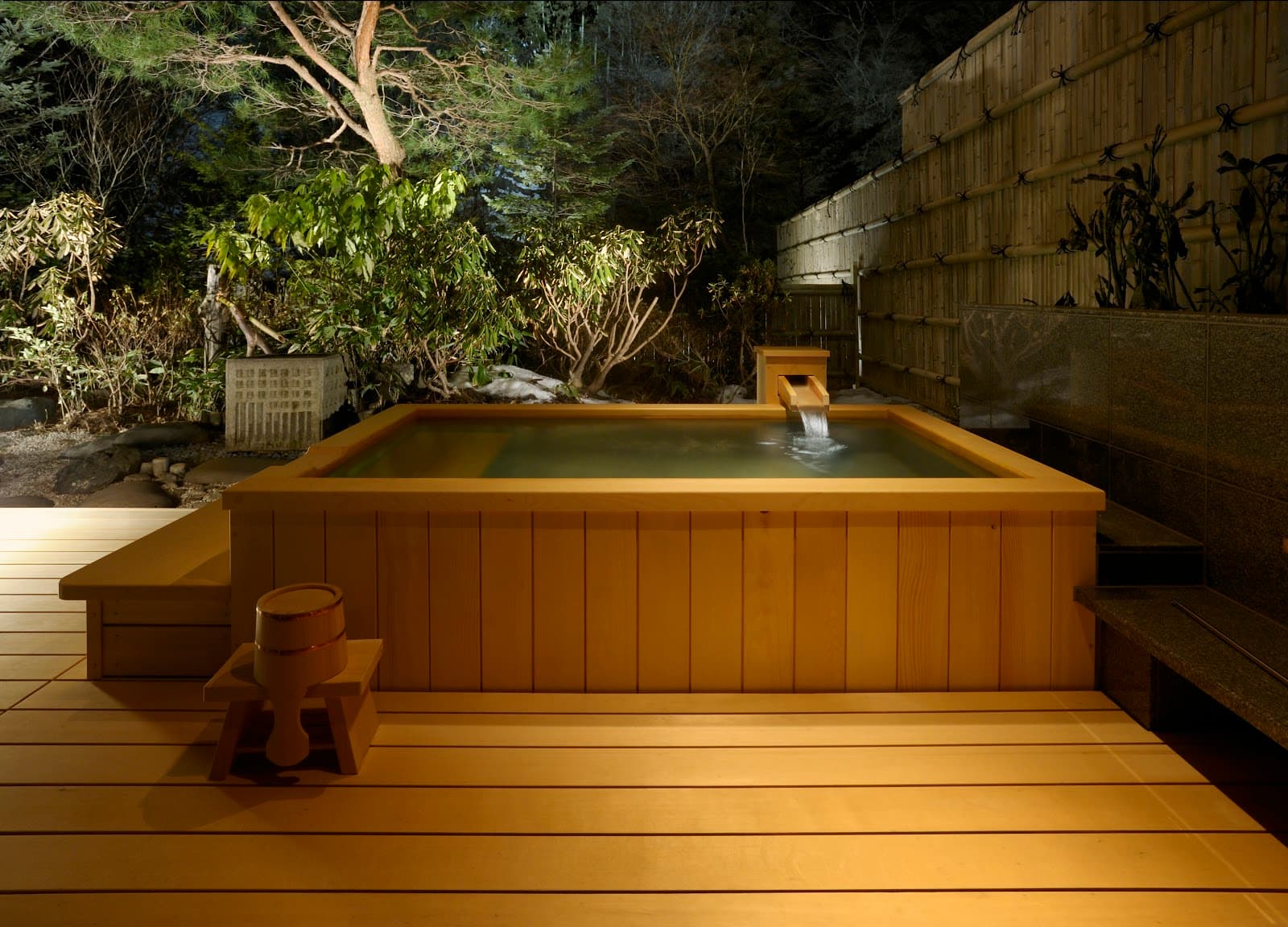 | from US$526/person/night≈ US$1,052 for 2 | 9.2 103 reviews | Book on Trip.com |
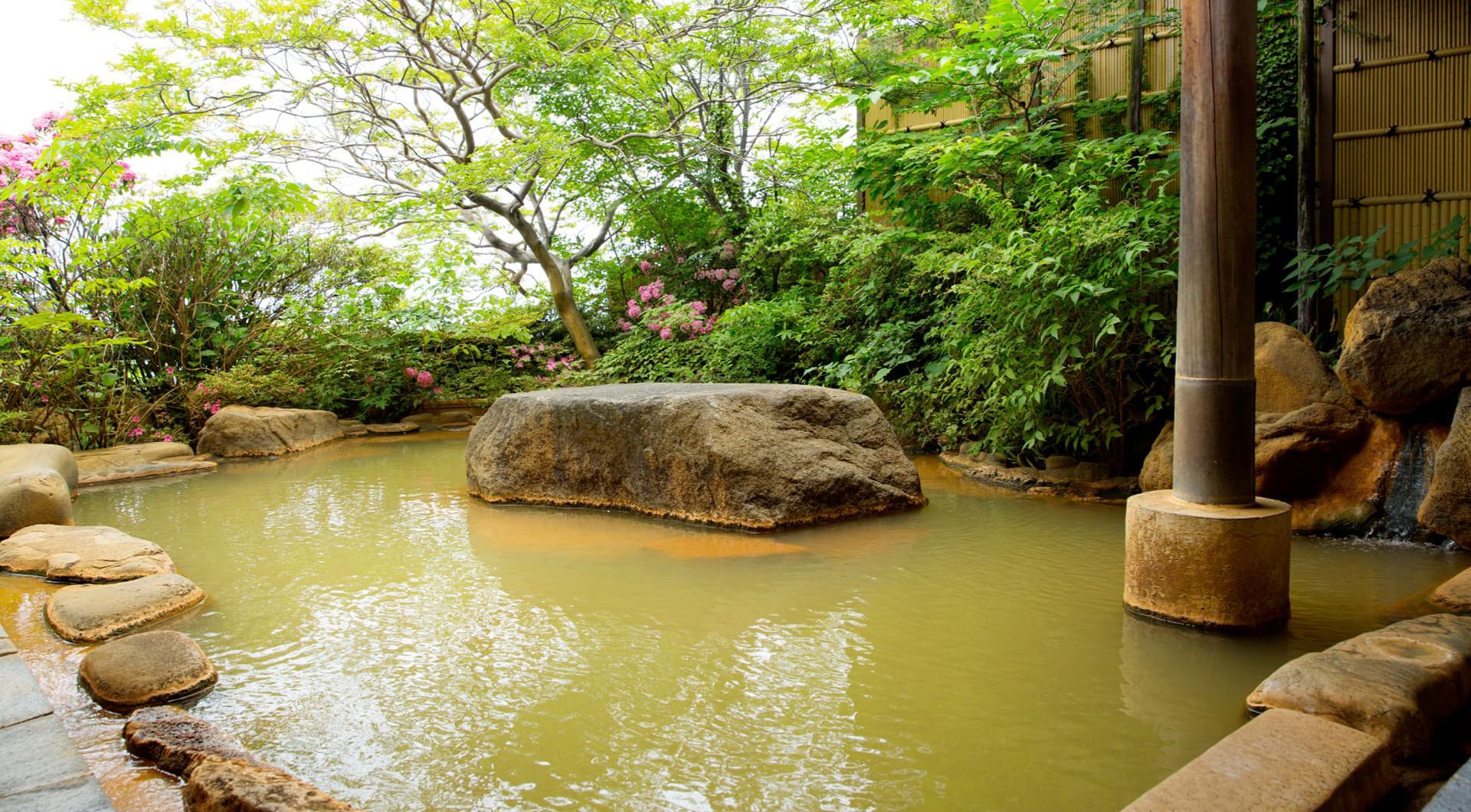 | from US$210/person/night≈ US$420 for 2 | 9.2 507 reviews | Book on Trip.com |
 | from US$270/person/night≈ US$540 for 2 | 9.0 247 reviews | Book on Agoda |
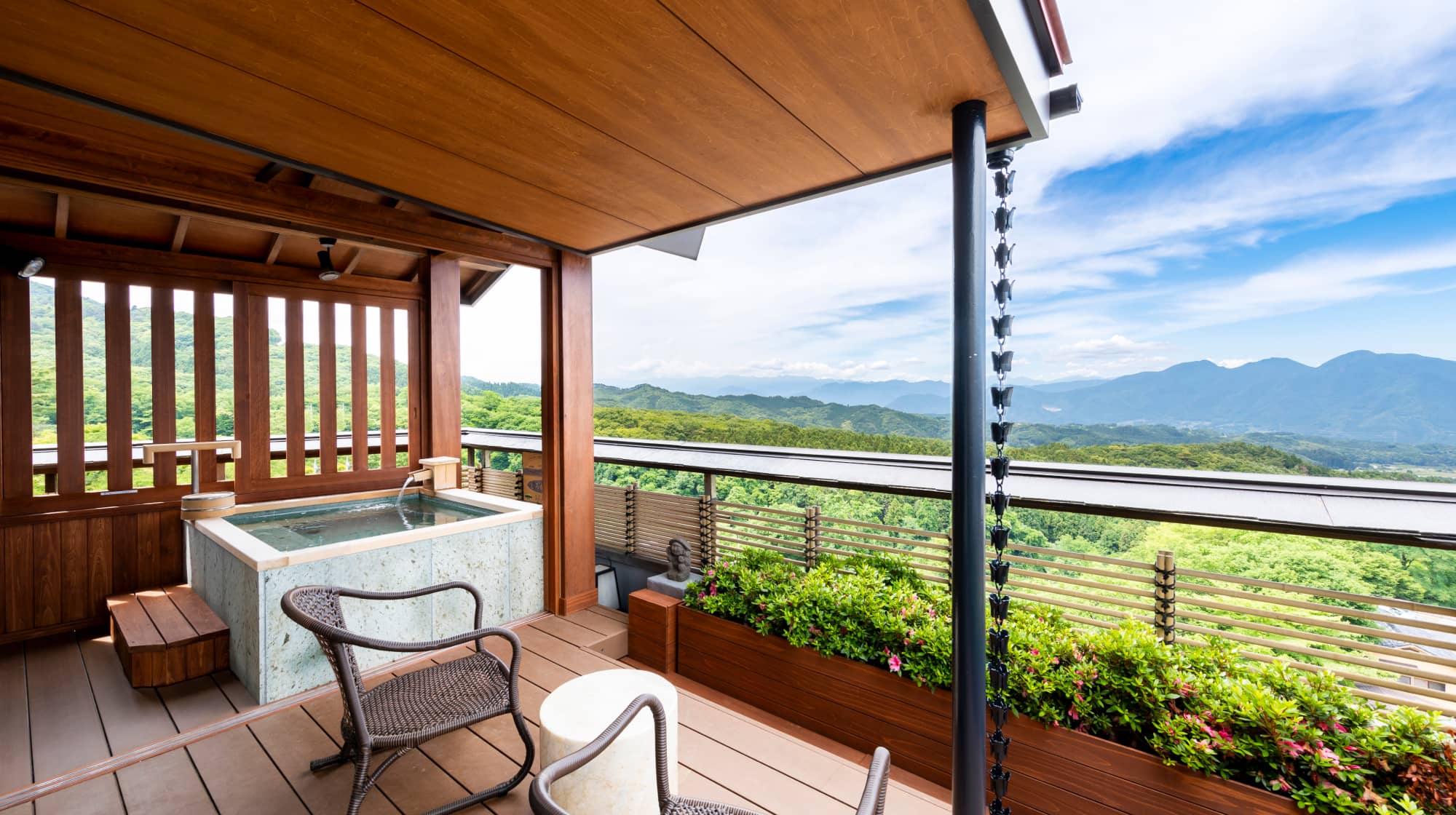 | from US$293/person/night≈ US$586 for 2 | 8.9 121 reviews | Book on Trip.com |
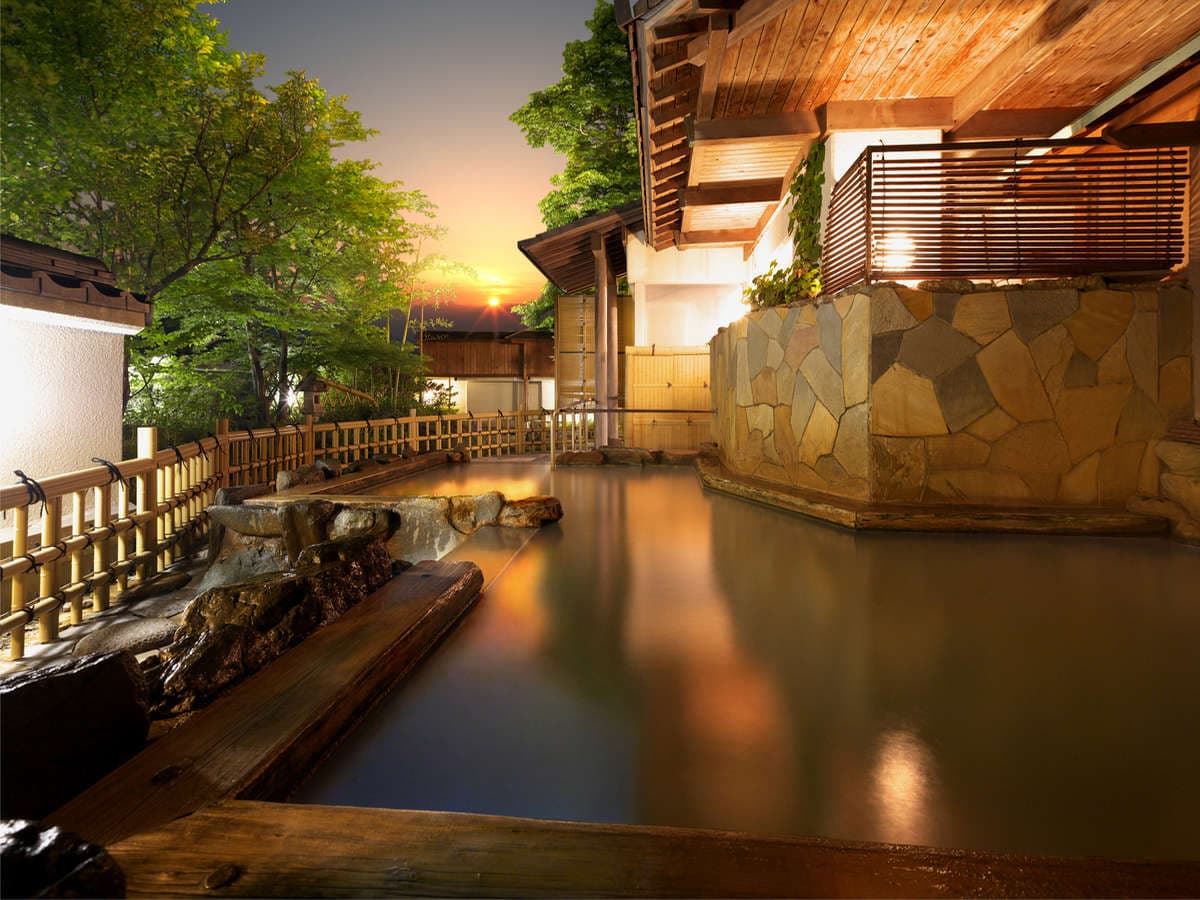 | from US$203/person/night≈ US$406 for 2 | 8.8 4,925 reviews | Book on Trip.com |
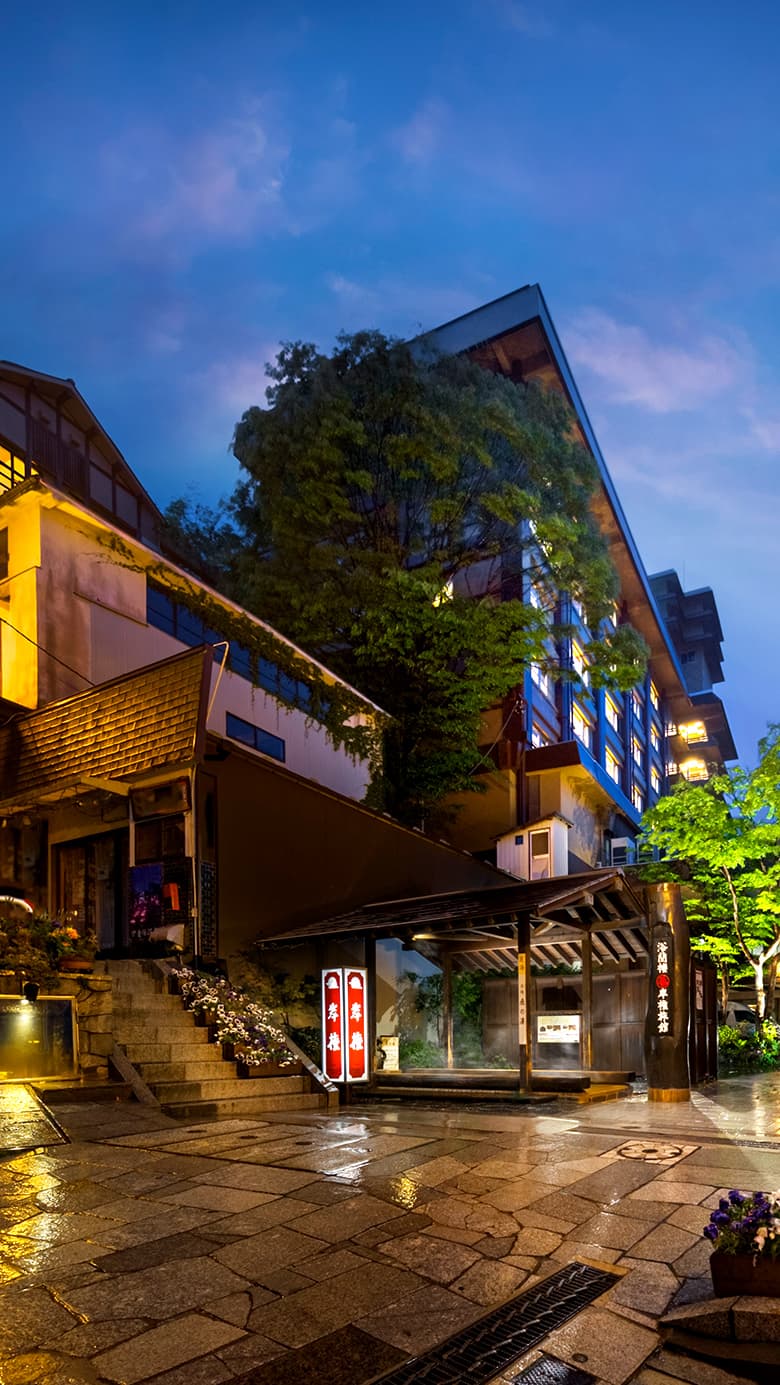 | from US$200/person/night≈ US$400 for 2 | 8.6 318 reviews | Book on Trip.com |
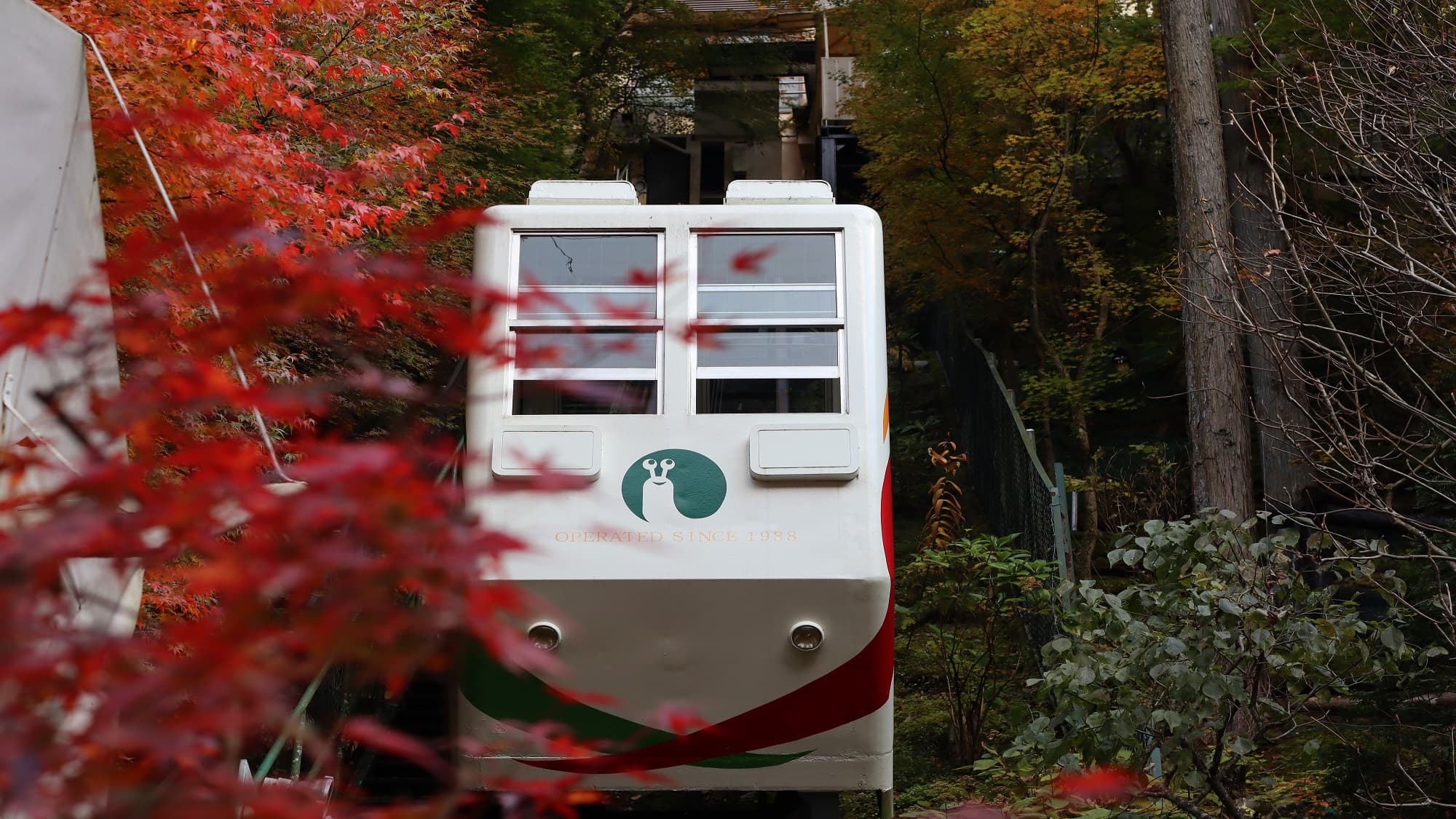 | from US$108/person/night≈ US$216 for 2 | 8.8 30 reviews | Book on Agoda |
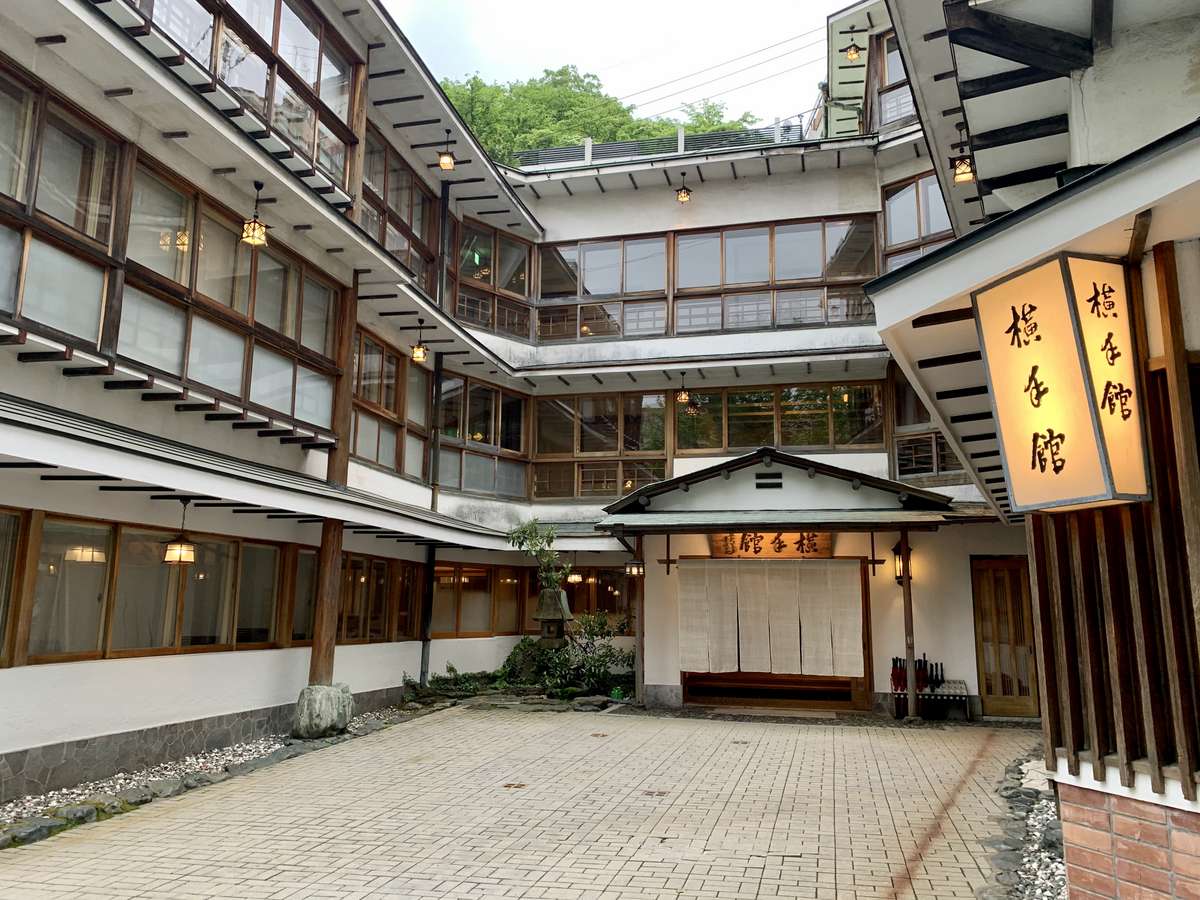 | from US$136/person/night≈ US$272 for 2 | — | Book on Trip.com |
 | from US$110/person/night≈ US$220 for 2 | 8.4 17 reviews | Book on Agoda |
Chigira Jinsentei
Ikaho
Kouunkan
Ikaho
Oyado Tamaki
Ikaho
Moriaki Ryokan
Ikaho
Kishigon Ryokan
Ikaho
Yokotekan
Ikaho
Fukuichi
Ikaho
Prices shown are approximate starting rates per person per night. We may earn a commission on bookings.
The image most people carry of Ikaho is a staircase. Three hundred and sixty-five stone steps climb straight up a mountainside in northern Gunma, lined with wooden ryokans, shooting-gallery arcades, and manju shops, and beneath them runs a channel of iron-brown water — the kogane no yu, the "golden spring," piped to the inns that have held water rights here for four centuries. Ikaho is not a quiet valley town like Shima or a sprawling resort like Kusatsu. It is a vertical onsen village built around one staircase and one remarkable spring, ninety minutes from Tokyo, and the ryokan you choose largely determines which of its two waters you soak in.
There are thirteen published ryokans in Ikaho, and they split cleanly: the old inns clustered on the stone stairway that draw the historic gold spring, and the newer luxury retreats up in Oku-Ikaho with private garden baths. This guide ranks all thirteen with real USD prices, private-bath flags, and tattoo policies pulled straight from the database — no filler, no inns we can't actually book.
Why Ikaho Onsen is worth it in 2026
Ikaho's draw is the kogane no yu — a rare iron-bearing spring that runs clear underground and oxidizes to a cloudy reddish-gold the moment it meets air. Only eight inns in town hold historic rights to it, and soaking in it is the single reason to come. The town layered a second, clear "silver spring" (shirogane no yu) on top in the 1990s to supply the newer hotels, so where you stay decides your water: the stairway inns for the storied gold, the modern annexes for gentler silver.
The other reason is proximity. Ikaho sits roughly 90 minutes from Tokyo by train-plus-bus, close enough for a single overnight, yet it pairs naturally with Kusatsu — Japan's most famous hot spring — an hour and a half away in the same prefecture. That makes Ikaho either an easy solo onsen night or the softer half of a two-onsen Gunma circuit. Add the 365-step Ishidan-gai stairway, the Haruna highlands above town, and autumn foliage that arrives early at this altitude, and it earns its overnight.
Tip
Getting there fast: Tokyo Station → Joetsu/Hokuriku Shinkansen to Takasaki (~50 min) → JR Agatsuma Line to Shibukawa (~25 min) → Kan-etsu Kotsu bus to Ikaho Onsen (~25 min). Total roughly 2 to 2.5 hours. Most stairway ryokans run a pickup shuttle from the bus terminal or Shibukawa Station if you tell them your arrival time — confirm when you book, because the stairway itself is steep with luggage.
How to get to Ikaho Onsen from Tokyo
The standard route is Shinkansen to Takasaki, then the local JR Agatsuma Line to Shibukawa, then a bus. Shibukawa is Ikaho's gateway station — every ryokan lists its distance from it (about 20–30 minutes by road), and the Kan-etsu Kotsu bus from Shibukawa Station climbs to the Ikaho Onsen terminal near the top of the stairway. If you're carrying luggage, ask your ryokan about a shuttle rather than dragging a suitcase up 365 stone steps; several inns, including the larger ones like Hotel Kogure and Moriaki, meet guests at Shibukawa or the terminal.
Drivers have it easiest — Ikaho is a short hop off the Kan-etsu Expressway at the Shibukawa-Ikaho interchange, and the mountain inns in Oku-Ikaho are far simpler to reach by car than by bus. There are also direct highway buses from Tokyo during peak seasons that skip the transfers entirely. Coming from Kusatsu or Shima, connect via Nakanojo or Shibukawa; the whole northern-Gunma onsen belt links through these two hubs.
Quick comparison: 13 Ikaho Onsen ryokans at a glance
Every published Ikaho ryokan, sorted by guest rating. Prices are the lowest nightly rate we see in USD and move with season and occupancy; ratings are out of 10. "Spring" notes which of Ikaho's two waters the inn primarily draws — the historic gold or the newer silver — where it's known. Use this to narrow by budget and bath type, then read the write-ups below.
| Property | Price (USD/night) | Rating (/10) | Reviews | Private Bath | Tattoo Policy |
|---|---|---|---|---|---|
| Hotel Kogure | from $365 | 9.6 | 2,216 | Yes | Unknown |
| Kaichoro (adults-only) | from $526 | 9.2 | 103 | Yes (in-room) | Unknown |
| Chigira Jinsentei | from $210 | 9.2 | 507 | Yes (free) | Unknown |
| Kouunkan | from $270 | 9.0 | 247 | Yes (in-room) | Unknown |
| Oyado Tamaki | from $293 | 8.9 | 121 | Yes | Unknown |
| Moriaki Ryokan | from $203 | 8.8 | 4,925 | Yes | Unknown |
| Kanouya | from $108 | 8.8 | 30 | Yes | Unknown |
| Tsukagoshiya Shichibee | from — | 8.8 | 1,493 | No | Unknown |
| Kishigon Ryokan | from $200 | 8.6 | 318 | Yes | Unknown |
| Fukuichi | from $110 | 8.4 | 17 | Yes | Unknown |
| Ishizaka Ryokan | from $67 | 8.2 | 1,515 | Yes | Unknown |
| Yokotekan | from $136 | — | — | Yes | Unknown |
| Kindayu | from — | 7.4 | 195 | Yes (6 free) | Not allowed |
Two things stand out in that table. First, Ikaho rewards mid-budget travelers unusually well: Moriaki at $203 and Ishizaka at $67 both carry huge, high review counts, which is the clearest signal of consistency you get. Second, tattoo policy is "unknown" for almost every inn — Ikaho's public gold-spring baths are traditional, so if you have tattoos, book an inn with a reservable private bath and confirm directly. More on that below.
Top-rated ryokans in Ikaho Onsen
The four highest-rated inns in Ikaho span the full price range, from a $210 historic inn on the stairway to a $526 adults-only retreat in the hills. What unites them is water pedigree and consistency — three draw the gold spring directly, and every one scores 9.0 or above.
Tip
Which of the top four? Want the storied gold spring and history? Chigira Jinsentei (founded 1502, free private baths, from $210) is the value standout. Want a large hotel with the town's biggest bathhouse and English support? Hotel Kogure. Want a private in-room open-air bath and no children around? Kaichoro or Kouunkan.
Hotel Kogure (9.6/10, from $365) is the giant of Ikaho and, at 2,216 reviews, the most-vetted top-tier inn in town. It holds roughly a quarter of Ikaho's total gold-spring output and channels it into one of North Kanto's largest bathhouses — the kind of sprawling bath floor where you can move between indoor and open-air pools of the iron-rich water for an hour. With 111 rooms it runs like a full onsen hotel rather than an intimate ryokan, which means reliable English support, multiple restaurants, and easy logistics from Shibukawa. If it's your first time in Ikaho and you want the gold spring at scale with no friction, this is the safe, high-scoring pick.
Kaichoro (9.2/10, from $526) is the opposite experience — an adults-only luxury retreat up in Oku-Ikaho with just eight suites, each around 100 square metres and each with its own private open-air bath in a walled garden. This is the room-with-private-onsen format at its most complete: you barely need to leave your suite, and the absence of children and day-trippers makes it the quietest stay in the area. It is the most expensive inn in Ikaho by a wide margin, and it earns that positioning through space, seclusion, and service rather than through the historic gold spring. Book it for an anniversary, not a first look at the town.
Chigira Jinsentei (9.2/10, from $210) is, in our view, the best-value stay in Ikaho. It is the town's oldest inn — founded in 1502 — and it pours 100% free-flowing gold-spring water through private baths that guests can reserve for free. You are soaking in the exact water that made Ikaho famous, in the inn that has been doing it longest, for a mid-range rate. Thirty-three rooms keep it personal without feeling like a boutique gimmick. If you want the essential Ikaho experience — real gold spring, real history, a private bath you don't pay extra for — start here.
Kouunkan (9.0/10, from $270) is a ten-room luxury annex where every individually themed room has both a cypress indoor bath and its own private open-air bath. It's the intimate, design-led counterpart to Kaichoro at a gentler price: fewer rooms than most inns in town, a quiet position, and the private-bath format built into every room rather than reserved separately. For couples who want in-room soaking and a hushed, contemporary ryokan feel without Kaichoro's price tag, Kouunkan is the sweet spot.
Mid-range ryokans in Ikaho Onsen ($200–293/night)
The middle band is where Ikaho's stairway heritage lives. These three are larger, older, gold-spring inns with deep guest histories — the kind of ryokan that has been refined over a century of hosting rather than built for a luxury brief.
Oyado Tamaki (8.9/10, from $293) sits at the foot of the stone stairway and draws both of Ikaho's springs, with open-air-bath rooms available. Its position is the selling point: you step out the door and you're at the base of the Ishidan-gai, ready to climb through the shops and arcades in a yukata. Twenty-six rooms make it mid-sized and personal, and the dual-spring access means you can compare the gold and silver waters without leaving the inn.
Moriaki Ryokan (8.8/10, from $203) has the deepest review history in Ikaho — 4,925 guest reviews, an order of magnitude more than most inns here — which for a Meiji-era ryokan founded in 1868 is the strongest possible consistency signal. It pours the town's gold spring, runs 74 rooms, and lands at a genuinely mid-range price. When an inn this old has satisfied that many guests and still rates 8.8, you are buying proven reliability. This is the value-conscious traveler's default in Ikaho.
Kishigon Ryokan (8.6/10, from $200) is a 450-year-old inn on the stone stairway that draws the rare gold "Kogan no Yu" spring across thirteen flow-through baths. Thirteen baths in one ryokan is exceptional — it means you can move between different pools of the same historic water throughout your stay — and the stairway location puts you in the heart of old Ikaho. At $200 with that bath count and that lineage, it's a strong pick for soakers who want variety and history over polish.
Character & value picks in Ikaho Onsen ($67–136/night)
Below the mid-range, Ikaho holds some of its most characterful inns — a ryokan reached by private cable car, a Taisho-era wooden landmark, two 400-plus-year-old inns with both springs, and the cheapest well-reviewed onsen bed in town. Ratings dip a little here, but so do prices, and each of these has a specific reason to exist.
Kanouya (8.8/10, from $108) is reached by its own private cable car that climbs a wooded gorge to the inn — a genuinely unusual arrival that sets the tone for a 120-year-old ryokan drawing the silver spring. At $108 with a rating of 8.8, it's one of the best value-to-experience ratios in Ikaho, though the silver water is the gentler, less storied of the two springs. Come for the setting and the approach; it feels removed from the stairway bustle in a way few Ikaho inns manage.
Yokotekan (from $136) is architecture first. Its 1920 four-story all-cypress building is one of the most striking pieces of Taisho-era construction on the stairway — the kind of timber ryokan facade that photographs beautifully and increasingly rarely survives. It carries no aggregate rating in our data yet, so treat the score as unproven, but if you care about staying inside a genuine period wooden building at a fair price, Yokotekan is the one to look at.
Fukuichi (8.4/10, from $110) sits at the top of the stone steps and is one of the few inns in Ikaho with access to both the gold and silver springs — a two-water stay for the price of a value inn. It's a large 430-year-old ryokan (83 rooms) with the scale to run multiple baths, and its position at the head of the stairway means the whole descent through Ikaho's shops is right outside. Good for travelers who want to sample both springs without paying premium rates.
Ishizaka Ryokan (8.2/10, from $67) is the value headline: the cheapest well-reviewed onsen stay in Ikaho, a minute from the stone stairway, pouring free-flowing gold-spring water, and carrying 1,515 reviews to back up the 8.2 rating. At $67 a night you are getting the authentic gold spring and a stairway-adjacent location for less than a business hotel in Tokyo. Rooms are simple, but the water and the location are the real Ikaho — this is where budget travelers should start.
Tsukagoshiya Shichibee (8.8/10) is an 1863 inn holding one of just eight gold-spring water rights in Ikaho, and it's known specifically for its free-flowing source baths. That water right is the whole story: only a handful of inns can legally draw the historic gold spring, and this is one of them, delivering it in undiluted source-bath form. It doesn't offer private baths, so it suits soakers comfortable with the public gold-spring baths rather than travelers who need a reservable private tub.
Kindayu (7.4/10) is the value-focused, bath-heavy option — seven bathing choices including six free private baths and a rooftop rotenburo, which is an unusual amount of soaking variety at the budget end. It's also the one inn in Ikaho with a clearly stated tattoo policy in our data, and that policy is not allowed, including in the shared baths. The 7.4 rating is the lowest among the published inns, so set expectations on rooms and service accordingly — but for the sheer number of private baths at a low price, it has a niche.
Ikaho's gold spring and the 365-step stone stairway
The kogane no yu — literally "golden hot water" — is Ikaho's identity. It emerges clear from deep underground, but the moment it contacts air the dissolved iron oxidizes and the water turns a cloudy reddish-brown, the color of weak tea or rust. That transformation is why the springhead and the channels running under the stone stairway look bronze. The water is a calcium-sodium-sulfate type long associated in local tradition with warming the body and supporting circulation and women's health, and the town has piped it to inns holding historic water rights for roughly four hundred years.
The stairway itself — the Ishidan-gai — is the physical spine of all this. Three hundred and sixty-five stone steps (one for each day of the year, as the town rebuilt it to symbolize year-round prosperity) climb from the lower town to Ikaho Shrine at the top, lined with ryokans, game arcades, souvenir shops, and small cafés. Staying on or near the stairway means stepping out in a yukata and geta and climbing through the whole scene at dusk, when the lanterns come on and the bronze water glints in the channel. It is the single most Ikaho thing you can do, and it's free.
Private onsen and tattoo access: the honest breakdown
Here's the honest data picture: for twelve of Ikaho's thirteen published inns, our database lists the tattoo policy as "unknown," and the one inn with a stated policy — Kindayu — does not allow tattoos, including in shared baths. That means you should not assume any Ikaho public bath is tattoo-friendly. The town's baths are traditional gold-spring facilities, and the safe assumption is that visible tattoos are not welcome in the communal pools.
The workable solution is private baths, and Ikaho has good options. Chigira Jinsentei offers free-to-reserve private gold-spring baths; Kindayu has six free private baths (useful precisely because its shared baths are off-limits to tattooed guests); and the luxury tier — Kaichoro and Kouunkan — puts a private open-air bath in every room, which sidesteps the issue entirely. If you have tattoos, book one of these and confirm the private-bath arrangement directly with the inn before you arrive.
Tip
Tattooed travelers: target Kaichoro or Kouunkan (private bath in every room), or Chigira Jinsentei and Kindayu (multiple free reservable private baths). Avoid relying on the public gold-spring baths, and always message the ryokan to confirm — policies aren't standardized across Ikaho.
Budget spectrum and meal formats
Ikaho's price range is wide and unusually forgiving at the bottom. Ishizaka Ryokan starts at $67, Kanouya at $108, and Fukuichi at $110 — three inns under about $110 that still put you in real gold- or silver-spring water near the stairway. The mid-band runs roughly $200–293 (Moriaki, Kishigon, Oyado Tamaki), and the top climbs to Hotel Kogure at $365 and Kaichoro at $526. Because Ikaho skews toward larger, older inns, mid-range money here buys more history and bath variety than the same budget would at a boutique-heavy town.
On meals, expect the standard ryokan format: a multi-course kaiseki-style dinner featuring Gunma produce — the prefecture is known for its konnyaku, mountain vegetables, and Joshu wagyu — and a Japanese breakfast, typically served in-room or in a dining hall depending on the inn's size. The database does not flag dedicated vegetarian or halal meal programs at Ikaho inns, so travelers with dietary needs should arrange them directly with the ryokan well ahead of arrival rather than assuming availability.
Combining Ikaho with Kusatsu: the Gunma two-night circuit
Ikaho works beautifully as half of a two-onsen Gunma trip, and the natural pairing is Kusatsu — Japan's most famous hot spring, about 90 minutes away in the same prefecture. The two towns are a study in contrast: Kusatsu is a large, theatrical resort built around the steaming Yubatake field with strongly acidic sulfur water, while Ikaho is a compact, vertical village of iron-gold water and a single storied stairway. Doing both in two nights gives you the full spectrum of Gunma onsen — acid and iron, resort and village, big and intimate.
Shima Onsen is the other North Gunma option, quieter still and closer to Kusatsu, if you'd rather trade Ikaho's stairway energy for a forested dead-end valley. However you route it, Shibukawa and Nakanojo are the transfer hubs that stitch the region together, and a Gunma onsen circuit is one of the easiest multi-town hot-spring trips to run from Tokyo.
Best time to visit Ikaho Onsen
Ikaho sits at altitude on the flank of Mount Haruna, so its seasons run a step cooler and earlier than the lowlands. Autumn is the standout: foliage on the Haruna highlands above town typically colors from mid- to late October, earlier than Tokyo, and the combination of red maples and the bronze stairway is Ikaho at its best. Winter brings cold, occasional snow on the steps, and the strongest case for the warming iron water — the gold spring feels purpose-built for a January soak. Spring is mild and quiet, with cherry blossom later than the city, and summer offers a cool highland escape from the Kanto heat, with the Haruna area and its lake a short drive above the onsen.
Avoid assuming the stairway is easy in deep winter — those 365 stone steps can ice over — and if foliage season is your target, book well ahead, because October weekends are Ikaho's busiest. Midweek stays in any season are noticeably calmer and often cheaper.
Tip
Season snapshot: Autumn (mid-to-late Oct) for Haruna foliage and the bronze stairway; winter for the warming gold spring (watch for icy steps); summer as a cool highland retreat. Midweek is quieter and cheaper year-round; October weekends book out first.
Frequently asked questions about Ikaho Onsen
Ikaho rewards a specific kind of traveler: someone who wants a genuine, historic hot spring within easy reach of Tokyo, doesn't need a pristine hidden-valley silence, and is charmed rather than put off by a town built around a staircase and its two waters. If that's you, the gold spring alone justifies the trip — and at Ishizaka's $67 or Chigira's $210, the barrier to trying it is low. Pick your inn by which spring and which bath format you want, confirm private-bath and tattoo details directly, and let the stairway do the rest.
Ready to book?
Book one of these top picks
Compare live availability and prices across booking sites.
Hotel Kogure
ホテル木暮
Ikaho·Mid-Range
from US$365 · per person · per nightfrom ≈ US$730 total for 2 guests



Chigira Jinsentei
千明仁泉亭
Ikaho·Mid-Range
from US$210 · per person · per nightfrom ≈ US$420 total for 2 guests
Kouunkan
香雲館
Ikaho·Luxury
from US$270 · per person · per nightfrom ≈ US$540 total for 2 guests
Moriaki Ryokan
森秋旅館
Ikaho·Mid-Range
from US$203 · per person · per nightfrom ≈ US$406 total for 2 guests
Ishizaka Ryokan
石坂旅館
Ikaho·Budget
from US$67 · per person · per nightfrom ≈ US$134 total for 2 guests
Booking links may earn us a commission at no extra cost to you.
FAQ
Frequently asked questions
What is Ikaho Onsen known for?+
Ikaho is known for two things: its 365-step stone stairway (the Ishidan-gai), lined with wooden ryokans and shops climbing to Ikaho Shrine, and its rare iron-rich "gold spring" (kogane no yu), which runs clear underground and oxidizes to a cloudy reddish-brown in air. Only eight inns hold historic rights to the gold spring; a newer clear "silver spring" supplies the modern hotels. It's in Gunma Prefecture, about 90 minutes from Tokyo.
Which is the best ryokan in Ikaho Onsen?+
Hotel Kogure (9.6/10, from $365) is the highest-rated and most-reviewed, holding about a quarter of Ikaho's gold-spring output and one of North Kanto's largest bathhouses. For value, Chigira Jinsentei (9.2/10, from $210) — the town's oldest inn, founded 1502, with free-to-reserve gold-spring private baths — is the standout. For adults-only luxury, Kaichoro (9.2/10, from $526) has a private garden bath in every suite.
How much does an Ikaho Onsen ryokan cost?+
Published Ikaho ryokans range from about $67/night (Ishizaka Ryokan, well-reviewed, gold spring near the stairway) to $526/night (Kaichoro, adults-only luxury with in-room private baths). The mid-range runs roughly $200–293 (Moriaki, Kishigon, Oyado Tamaki), with Hotel Kogure at $365. Prices are lowest nightly rates in USD and vary with season and occupancy; kaiseki dinner and breakfast are typically included.
How do I get to Ikaho Onsen from Tokyo?+
Take the Joetsu or Hokuriku Shinkansen from Tokyo to Takasaki (~50 min), transfer to the JR Agatsuma Line to Shibukawa (~25 min), then take the Kan-etsu Kotsu bus to the Ikaho Onsen terminal (~25 min) — about 2 to 2.5 hours total. Many ryokans offer a shuttle from Shibukawa Station or the bus terminal; ask when booking, since the stone stairway is steep with luggage. Driving via the Kan-etsu Expressway (Shibukawa-Ikaho IC) is easiest, especially for the Oku-Ikaho mountain inns.
Can you visit Ikaho Onsen with tattoos?+
Cautiously. The tattoo policy is "unknown" for 12 of Ikaho's 13 published inns, and Kindayu explicitly does not allow tattoos, including in shared baths — so don't assume the public gold-spring baths are tattoo-friendly. The reliable route is a private bath: Chigira Jinsentei offers free reservable private gold-spring baths, Kindayu has six free private baths, and Kaichoro and Kouunkan put a private open-air bath in every room. Always confirm with the inn directly.
What's the difference between Ikaho's gold and silver springs?+
The gold spring (kogane no yu) is the historic water — iron-rich, clear underground but turning cloudy reddish-brown on contact with air, traditionally linked to warming and circulation. Only about eight inns hold rights to it, mostly the older stairway ryokans. The silver spring (shirogane no yu) is a newer, clear, gentler water added in the 1990s to supply the modern hotels. Where you stay largely determines which you soak in; a few inns like Fukuichi and Oyado Tamaki offer both.
Is Ikaho Onsen worth visiting, or should I go to Kusatsu?+
Do both if you can — they're about 90 minutes apart in Gunma and complement each other. Kusatsu is a large, theatrical resort with strongly acidic sulfur water around the Yubatake field; Ikaho is a compact, vertical village of iron-gold water and a single storied stairway. A two-night circuit gives you the full range of Gunma onsen. If you only have one night and want an easy, historic soak close to Tokyo, Ikaho alone is well worth it.
When is the best time to visit Ikaho Onsen?+
Autumn (mid-to-late October) is the highlight, when foliage on the Haruna highlands above town colors earlier than Tokyo and pairs with the bronze stairway. Winter makes the strongest case for the warming iron gold spring, though the stone steps can ice over. Summer is a cool highland escape from the Kanto heat. Midweek stays are quieter and cheaper in every season; October weekends are the busiest and book out first.
How many ryokans are there in Ikaho Onsen?+
There are 13 published ryokans in Ikaho on this guide, ranging from the 111-room Hotel Kogure and Meiji-era Moriaki (74 rooms, nearly 5,000 reviews) to intimate luxury inns like the eight-suite Kaichoro and ten-room Kouunkan. They split between the historic gold-spring inns clustered on the stone stairway and the newer luxury retreats up in Oku-Ikaho with private garden baths.
Do Ikaho ryokans have private open-air baths?+
Many do. Kaichoro and Kouunkan include a private open-air bath in every room; Chigira Jinsentei and Kindayu offer free reservable private baths; and most mid-range inns list private-bath availability. Only Tsukagoshiya Shichibee among the published inns has no private bath in our data. If an in-room or reservable private bath matters to you — for tattoos, privacy, or a couple's stay — Ikaho has strong options across the price range.
Still deciding?
Browse ryokans across JapanBooking.com