Quick Comparison
5 picks| Ryokan | From | Rating | Book |
|---|---|---|---|
 | from US$250/person/night≈ US$500 for 2 | 9.1 197 reviews | Book on Booking.com |
 | from US$80/person/night≈ US$160 for 2 | 7.3 40 reviews | Book on Trip.com |
 | from US$200/person/night≈ US$400 for 2 | 9.6 56 reviews | Book on Agoda |
 | from US$90/person/night≈ US$180 for 2 | 7.1 15 reviews | Book on Booking.com |
 | from US$60/person/night≈ US$120 for 2 | 8.6 31 reviews | Book on Booking.com |
Ibusuki Iwasaki Hotel
Ibusuki
Ibusuki Seaside Hotel
Ibusuki
Prices shown are approximate starting rates per person per night. We may earn a commission on bookings.
On the southern tip of Kyushu's Satsuma Peninsula lies Ibusuki, a coastal onsen town with a wellness tradition unlike any other in Japan. For over 300 years, visitors have come not just for hot water, but for hot sand (JNTO). The Ibusuki sand baths (suna-mushi onsen) involve being buried up to your neck in naturally heated black sand on the shoreline, a practice both surreal and deeply therapeutic — a tradition documented in the area since the Edo period (JNTO). The town's semi-tropical climate, complete with palm trees lining the coast of Kinko Bay, gives the ryokan experience here a unique twist. Instead of disrobing completely, you'll don a yukata over your swimwear and head to the beach, where dedicated staff will expertly cover you with warm, detoxifying sand. This guide selects the best ryokans in Ibusuki to serve as your base for this remarkable experience, from grand resorts to intimate traditional inns.
 Pin to Pinterest
Why Ibusuki, Kagoshima Prefecture, Kyushu (1 hour by JR Ibusuki Makurazaki Line from Kagoshima-Chuo) for ryokans
Ibusuki's global fame is built on the unique geothermal activity beneath its beaches. The sand on Surigahama Beach is heated by subterranean hot spring vents to a consistent 50-55°C (122-131°F) (Kyushu Tourism Organization). A typical session lasts just 10 to 15 minutes, but the effects are profound (JNTO). A Kagoshima University study referenced by JNTO has documented that inhaling the geothermal steam improves blood circulation compared to a standard hot-spring soak (JNTO). The experience is said to aid in detoxification, muscle relaxation, and improving circulation.
While many visitors head to the public Saraku Sand-Bath Hall (Discover Kagoshima), staying at a local ryokan provides a more seamless and often more private way to enjoy this tradition. The best ryokans either operate their own private sand-bath facilities directly on the beach or offer convenient shuttle services. Choosing your ryokan in Ibusuki is about choosing your preferred way to experience The Ibusuki sand baths (suna-mushi onsen), the town's undeniable main attraction. For the full directory of hotels in Ibusuki — from sand-bath ryokans to seaside resorts with Mt. Kaimon views — see our Ibusuki accommodations guide.
1. Hakusuikan
If you can book only one ryokan in Ibusuki, Hakusuikan is our first pick. This sprawling oceanfront resort with around 200 rooms combines scale, history, and direct access to the town's famous sand baths (Japan Ryokan Association). Its most striking feature is the Genroku-Buro, a vast and meticulously recreated bathhouse modeled on the public baths of the Edo period. Wandering through its various pools, steam rooms, and relaxation areas feels like stepping back in time. The ryokan also operates its own private section of Surigahama Beach for guests to experience The Ibusuki sand baths (suna-mushi onsen) without the crowds of the public facilities. After your sand burial, you can wash off in the on-site onsen before enjoying a multi-course kaiseki dinner. With its museum-quality Satsuma art collection and impeccable service, Hakusuikan transcends being just a place to stay; it's a destination in itself.
Price tier: Luxury (¥38,500–¥107,800/person)
 Pin to Pinterest
2. Ibusuki Iwasaki Hotel
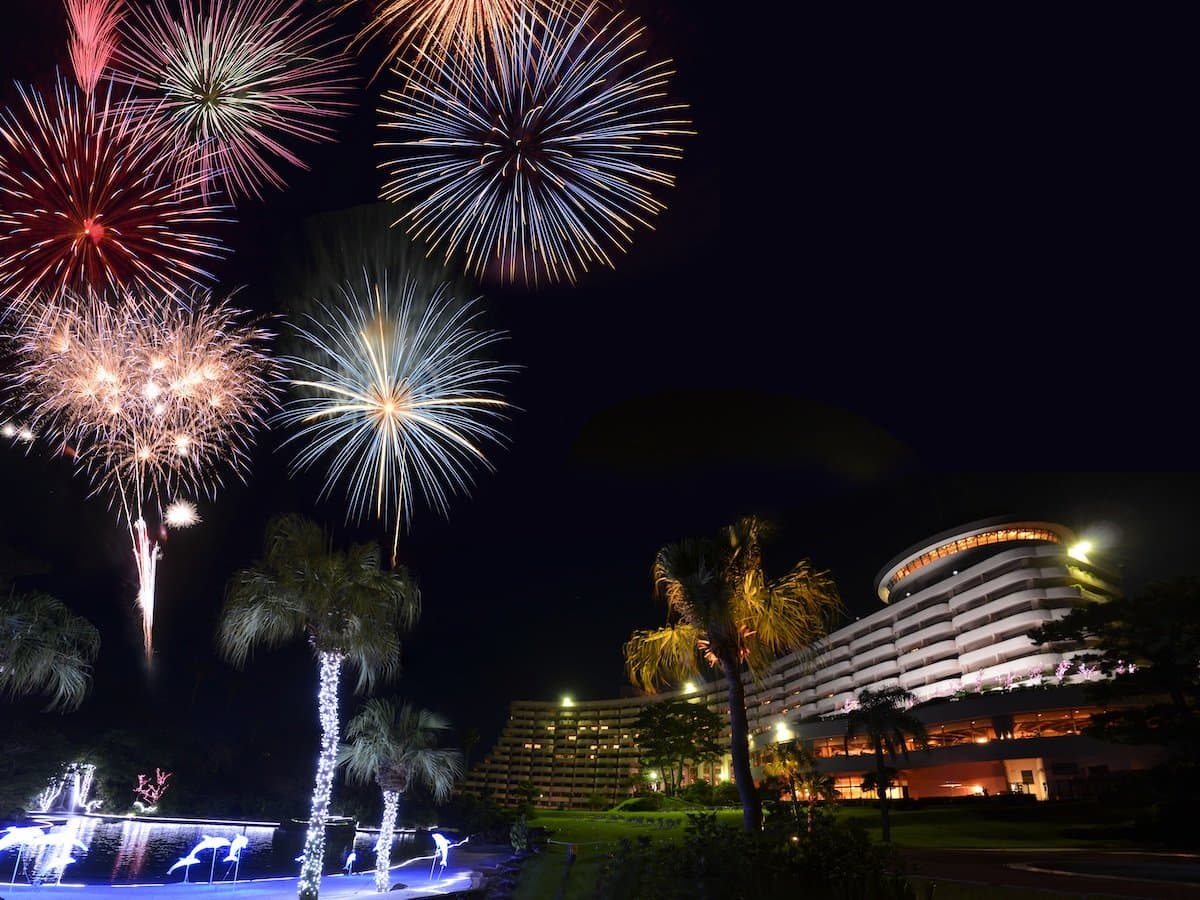
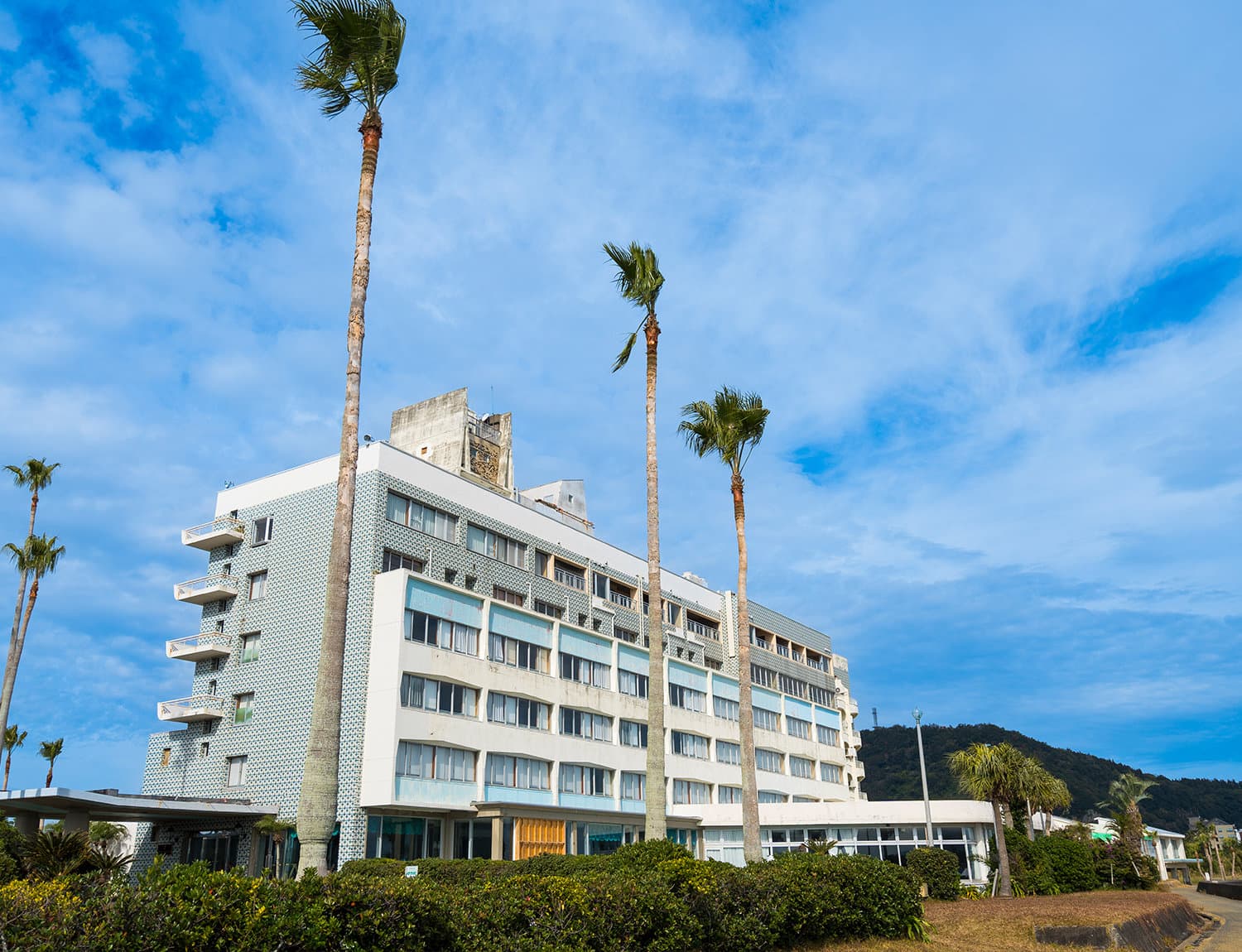
For travelers seeking a full-service resort experience, the Ibusuki Iwasaki Hotel is a formidable option. At 530 rooms, it is one of the largest properties in the region, offering an extensive list of amenities including a private beach, a golf course, and multiple restaurants. Its primary draw is the panoramic open-air bath, which offers sweeping views across Kinko Bay towards the recognizable silhouette of Mount Kaimondake. The hotel has its own dedicated sand-bath facility on the premises, making it easy for guests to partake in the signature Ibusuki ritual. While larger and less traditional than other ryokans on this list, its sheer range of facilities makes it an excellent choice for families or travelers who appreciate the convenience of a large-scale hotel combined with core Japanese wellness experiences.
Price tier: Mid-range to Luxury (¥12,320–¥38,500/person)
3. Yoshimatsu
For those who prefer intimacy and tradition over resort-style scale, Yoshimatsu is the perfect sanctuary. With just 17 rooms, this ryokan offers a serene and personal experience rooted in classic Japanese hospitality. Each room is exquisitely designed in the traditional sukiya-zukuri style, looking out onto a beautifully manicured Japanese garden and koi pond. Yoshimatsu's standout feature is its private sand-bath option, a rare luxury that allows guests to enjoy the therapeutic burial in complete privacy. The attention to detail extends to its kaiseki cuisine, which highlights local Kagoshima ingredients. It is a 5-minute taxi ride to the main public sand baths, but the private on-site option is the real reason to book. Yoshimatsu is the premier choice for couples or solo travelers seeking quiet elegance.
Price tier: Luxury (¥30,800–¥77,000/person)
Tip
Book a room with a private open-air bath (rotenburo) at Yoshimatsu for the ultimate combination of water and sand-based relaxation.
4. Ibusuki Seaside Hotel
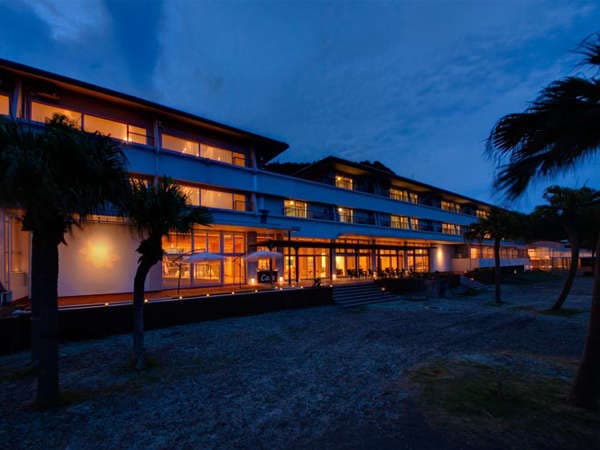
Offering excellent value without sacrificing a prime location, the Ibusuki Seaside Hotel is a fantastic mid-range choice. Situated directly on the oceanfront, many of its rooms provide clear views of Kinko Bay. The hotel is consistently praised for its friendly, welcoming service and clean, comfortable facilities. While it doesn't have its own sand bath, it's located just a 5-minute walk from the Saraku Sand-Bath Hall, making it exceptionally convenient for guests. The hotel's own large public onsen is a great place to relax after your sand-bath session. For travelers looking for a comfortable, affordable, and well-located base to explore Ibusuki's main attractions, the Seaside Hotel delivers reliable quality and a great price point.
Price tier: Mid-range (¥13,860–¥38,500/person)
5. Kyukamura Ibusuki
Part of the 'National Park Resort' chain, Kyukamura Ibusuki offers a unique blend of natural scenery and affordability. Located within a lush, park-like setting, it emphasizes connection with the outdoors. The hotel has its own sand-bath facility, available for a small extra fee, alongside a spacious onsen with views of the bay. What makes Kyukamura stand out in the budget category is that it still offers a full, high-quality kaiseki dinner experience, which is often simplified at lower price points. This makes it an exceptional value proposition for travelers who want the complete ryokan dinner and onsen experience without the luxury price tag. It's an ideal choice for nature lovers and budget-conscious families.
Price tier: Budget (¥9,240–¥23,100/person)
Practical Information for Your Ibusuki Trip
Access: Ibusuki is easily reached from Kagoshima's main transport hub. From Kagoshima-Chuo Station, the JR Ibusuki Makurazaki Line takes approximately 1 hour by limited express train such as the Ibusuki no Tamatebako (JR Kyushu).
Best Season: Thanks to its semi-tropical climate, Ibusuki is a pleasant year-round destination. Spring (March-May) and Autumn (October-November) offer the most comfortable temperatures for exploring the area.
Budget: Ryokan prices in Ibusuki vary. Expect to pay ¥9,000–¥23,000 per person for budget-friendly options, ¥12,000–¥38,500 for mid-range, and ¥38,500 and up for luxury properties, especially those with private sand baths.
Tip
You will be provided a yukata for the sand bath, but you must wear your own swimwear or undergarments beneath it. Also, bring a small face towel to wipe away sweat as you relax in the sand.
When to Visit Ibusuki
Ibusuki sits on the southern tip of Kyushu and is one of the rare Japanese onsen towns where winter is mild — average January temperature around 8-10°C, no snow, palm trees in the public garden. November to March is the genuine peak season because the sand bath (sunamushi) feels its strongest in cool weather. Avoid July-August unless you specifically want the tropical-summer angle — humidity is 80%+ and the sand bath at 40°C+ air is harder on the body. Cherry blossom here peaks late March, two weeks earlier than Kyoto. Book 6-8 weeks ahead for weekends in foliage season (November here is mild but not dramatic — go for the sand bath, not the leaves).
What Ibusuki Does Best (And What It Does Not)
What Ibusuki does best is the steam sand bath (sunamushi-onsen). You wear a yukata, lie down on the beach, and the staff bury you in naturally hot volcanic sand for 10-15 minutes. It exists almost nowhere else in Japan (Beppu has one but the Ibusuki version is older and on the actual beach). What Ibusuki does not do is dramatic mountain rotenburo views — the topography is coastal-volcanic, not alpine. If your priority is the steam sand bath plus a kaiseki dinner anchored by Kagoshima black pork and sweet potato shochu, Ibusuki is the right answer. If you want snow-and-rotenburo, go to Tohoku instead.
Tip
Book the sand bath at the public Saraku facility for ¥1,100 even if your ryokan has its own sunamushi — Saraku is right on the beach and the sand is hotter (50°C+ vs the indoor 42-45°C). The combination of the volcanic steam from below and the sea breeze from above is the actual Ibusuki memory.
Local Cuisine Worth Planning Your Meals Around
Ibusuki's kaiseki is anchored in two ingredients Kagoshima Prefecture made famous and nowhere else does as well: kurobuta (Berkshire black pork) and satsuma-imo (purple sweet potato). Kagoshima kurobuta is prized for its sweet, quick-melting fat, which is why the shabu-shabu course at every ryokan on this list uses paper-thin slices over a clear seaweed dashi rather than the standard sukiyaki preparation. The local twist worth noting: most Ibusuki ryokans serve a sweet-potato shochu course as part of the kaiseki, often a tasting flight of three distilleries from the Satsuma Peninsula. Mars Shinshu, Satsuma Shuzo, and Hamada Shuzo are the names to recognize on the menu; ask the okami (innkeeper) which one pairs with the black-pork course. One ingredient to seek out independently: kibinago (silver-stripe round herring), a small sashimi fish that arrives at Ibusuki port in season (April–June and October–November) and is gone the same morning. Few Tokyo or Kyoto kaiseki menus carry it because the fish does not survive transport. Ask your ryokan in advance whether kibinago will be on the menu the night you arrive — Hakusuikan and Yoshimatsu both confirm seasonal availability at booking time.
Tip
If your stay falls outside kibinago season, Ibusuki's tonkotsu (slow-braised pork rib) course is the secondary regional dish to request. It uses miso plus brown sugar plus shochu lees as the braising liquid — a Satsuma technique that does not exist in Hakata or Kumamoto tonkotsu traditions despite sharing the name.
A Typical Day at an Ibusuki Ryokan
3:00 pm — Arrival and welcome tea. Check-in at most Ibusuki ryokans includes a welcome cup of bushukan (Buddha's hand citrus) tea grown on the slopes above Lake Ikeda. A staff member will walk you through the sand-bath schedule — most ryokans batch sand-bath sessions into 30-minute blocks between 4:00 pm and 7:30 pm to coincide with the lowest beach humidity. Book your slot at check-in; same-day requests sometimes fill up.
4:30 pm — Sand bath (suna-mushi). You will be issued a yukata and a thin face towel. Wear swimwear underneath. The walk from the ryokan to the beach takes 3–8 minutes depending on the property. On the sand, you lie down, a staff member shovels 5–7 cm of geothermal-heated sand on top of you, leaving only your head exposed. The internal temperature climbs steadily for the first 7 minutes; at minute 10 you will sweat heavily and your heart rate rises noticeably. The recommended session length is 10–15 minutes — go past 20 and the body's thermoregulation cannot keep up.
5:30 pm — Rinse-off and in-ryokan onsen. Most ryokans have a dedicated rinse-off shower between the sand-bath beach and the main onsen building. The post-sand-bath onsen soak is the part visitors underestimate: the contrast between the dry geothermal heat of the sand and the wet 42°C onsen water triggers the same circulation effect as a Finnish sauna-cold-plunge cycle.
6:30 pm — Kaiseki dinner. Served in-room at the luxury properties (Hakusuikan, Yoshimatsu) and in a private dining room at the mid-range tier. Plan for 90–120 minutes; the kaiseki here runs 8–11 courses with two shochu pairings.
Next morning, 6:00 am — Pre-breakfast onsen. The Ibusuki morning onsen at sunrise faces Kinko Bay due east. Sunrise in November–February falls between 6:50 and 7:10 am, framed by Mount Kaimondake's perfect cone to the south. This is the single best 20 minutes of an Ibusuki stay and the most-skipped item on the itinerary.
7:30 am — Japanese-style breakfast. Ibusuki breakfast is heavier than the Kyoto-style washoku you may have seen elsewhere: grilled mackerel, miso soup with sweet potato, and an egg cooked in onsen water (onsen tamago) using the same geothermal source as the sand bath.
Our Honest Take
Cool February air suits the hot sand far better than humid late August. Our take: Ibusuki is a 1-night stop on a Kyushu loop (Kagoshima → Ibusuki → Yakushima), not a destination on its own. The sand bath is genuinely unique and worth the rail trip; the rotenburo cohort is mid-tier. Pair it with Kagoshima city the next day for the volcano view and the shochu distilleries — that combination is the actual reason to come south.
Every other ryokan we list here
8 listed| Ryokan | From | Rating | Book |
|---|---|---|---|
 | from US$405/person/night≈ US$810 for 2 | 9.7 84 reviews | Book on Booking.com |
 | from US$280/person/night≈ US$560 for 2 | 9.4 530 reviews | Book on Agoda |
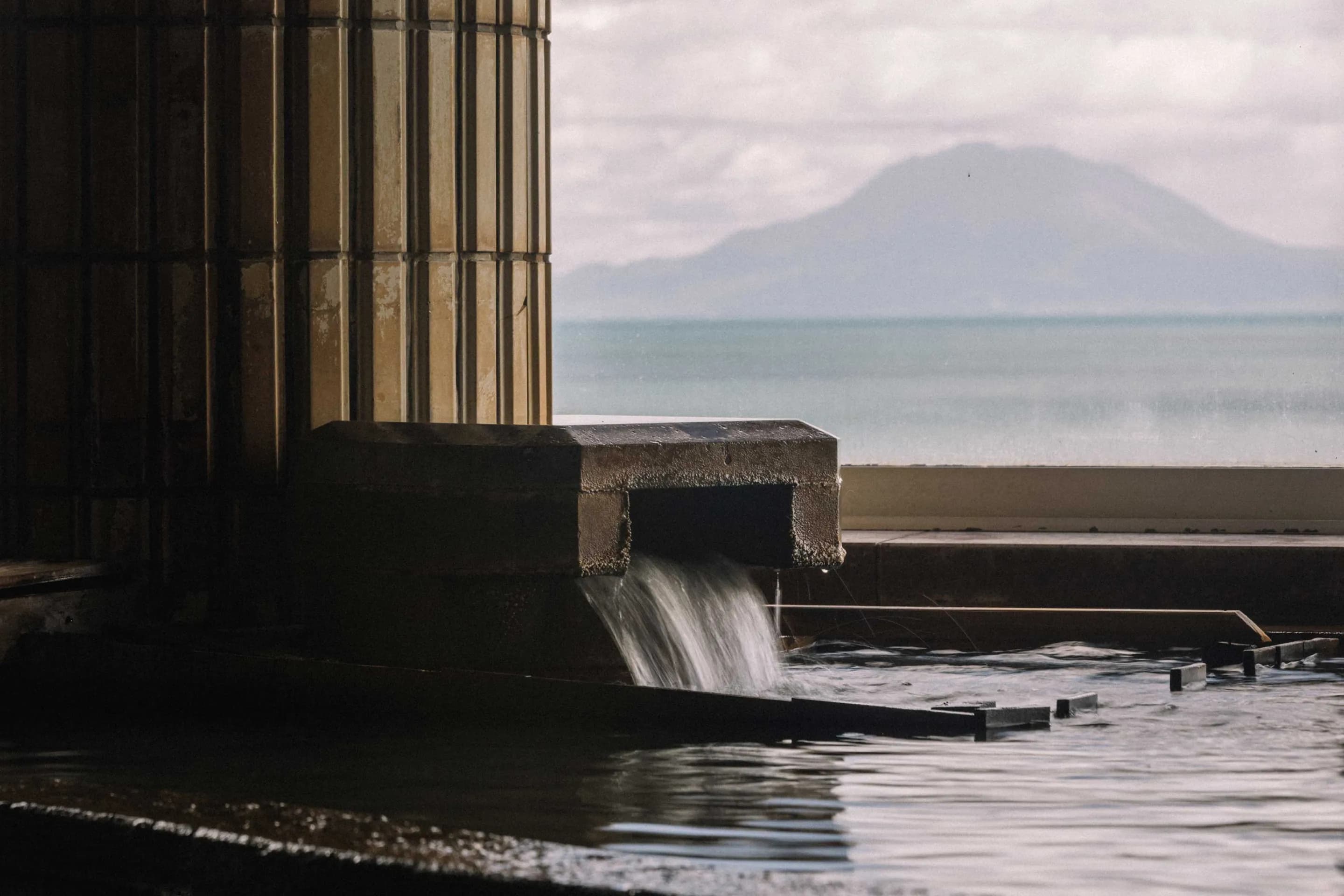 | from US$100/person/night≈ US$200 for 2 | 9.0 1,203 reviews | Book on Agoda |
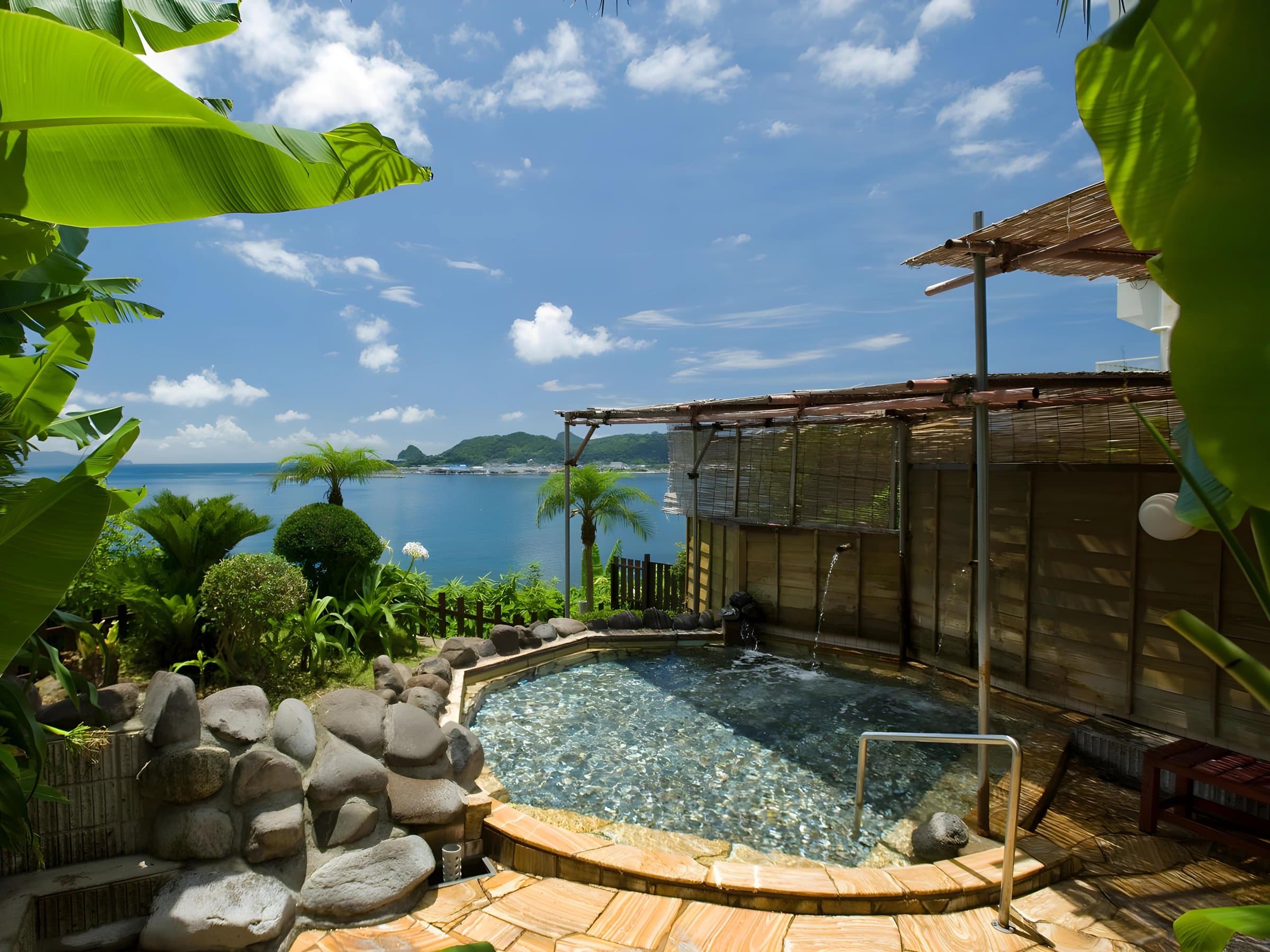 | from US$92/person/night≈ US$184 for 2 | 8.9 402 reviews | Book on Agoda |
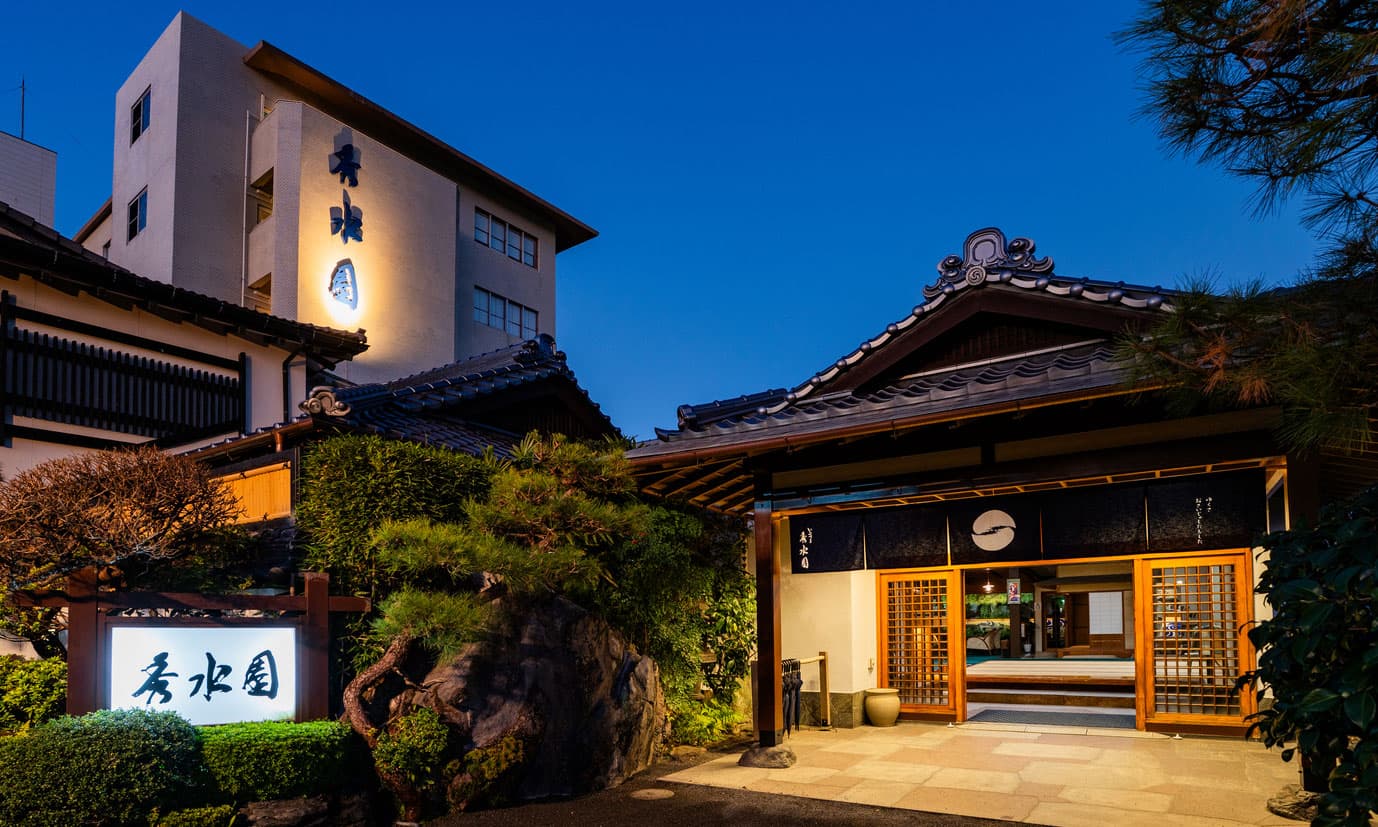 | from US$306/person/night≈ US$612 for 2 | 8.9 68 reviews | Book on Booking.com |
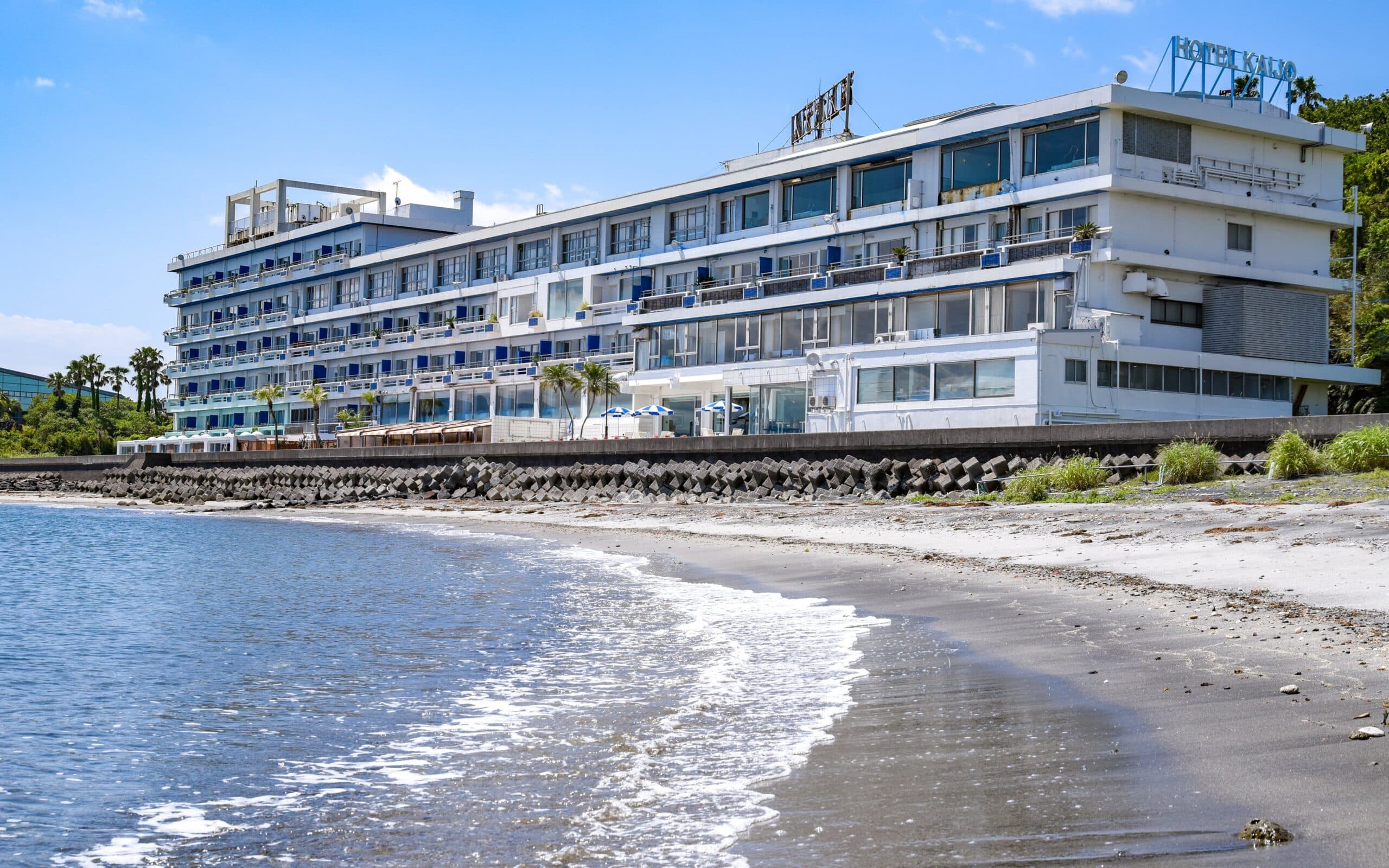 | from US$61/person/night≈ US$122 for 2 | 8.4 895 reviews | Book on Booking.com |
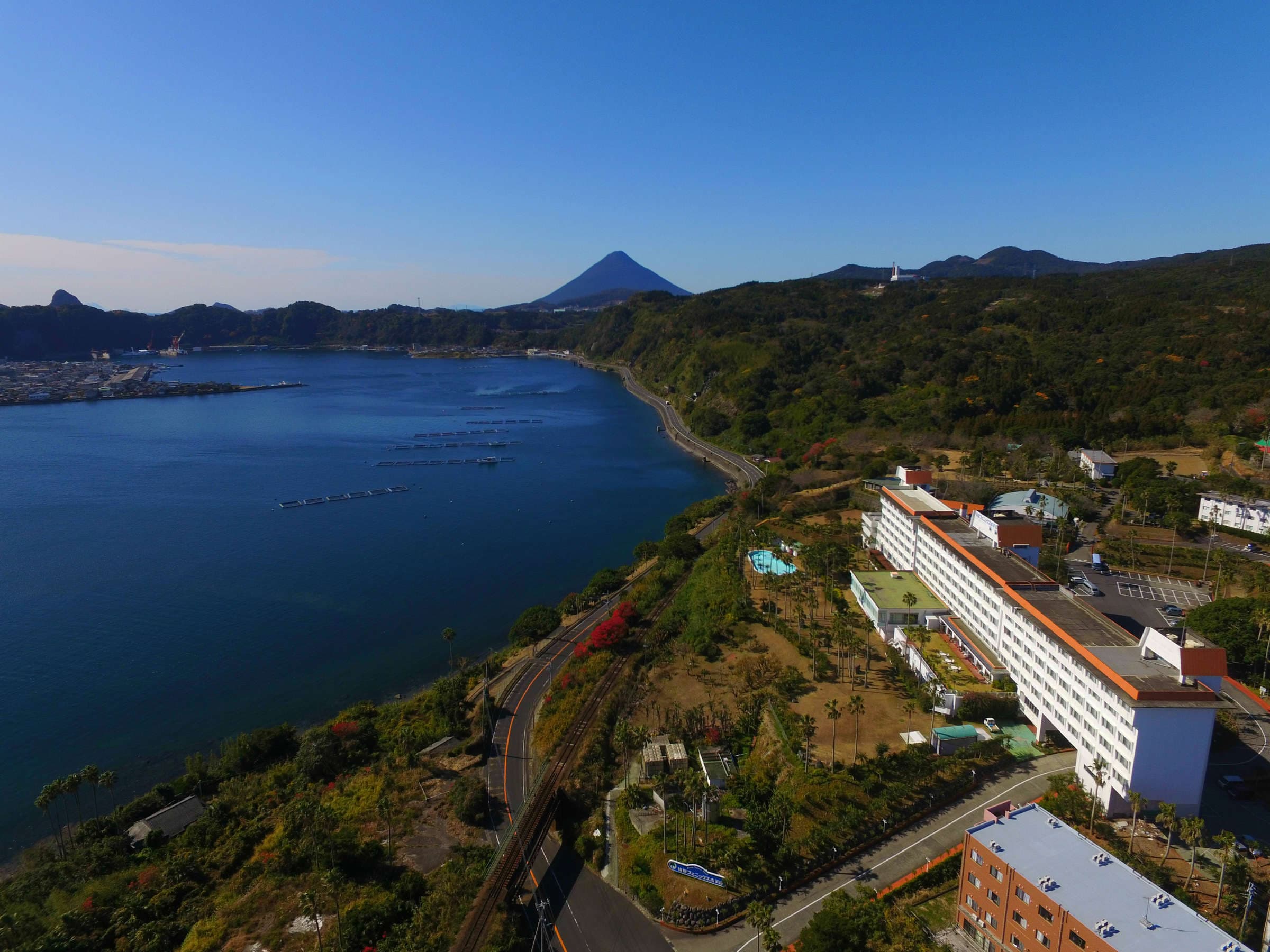 | from US$54/person/night≈ US$108 for 2 | 8.4 394 reviews | Book on Trip.com |
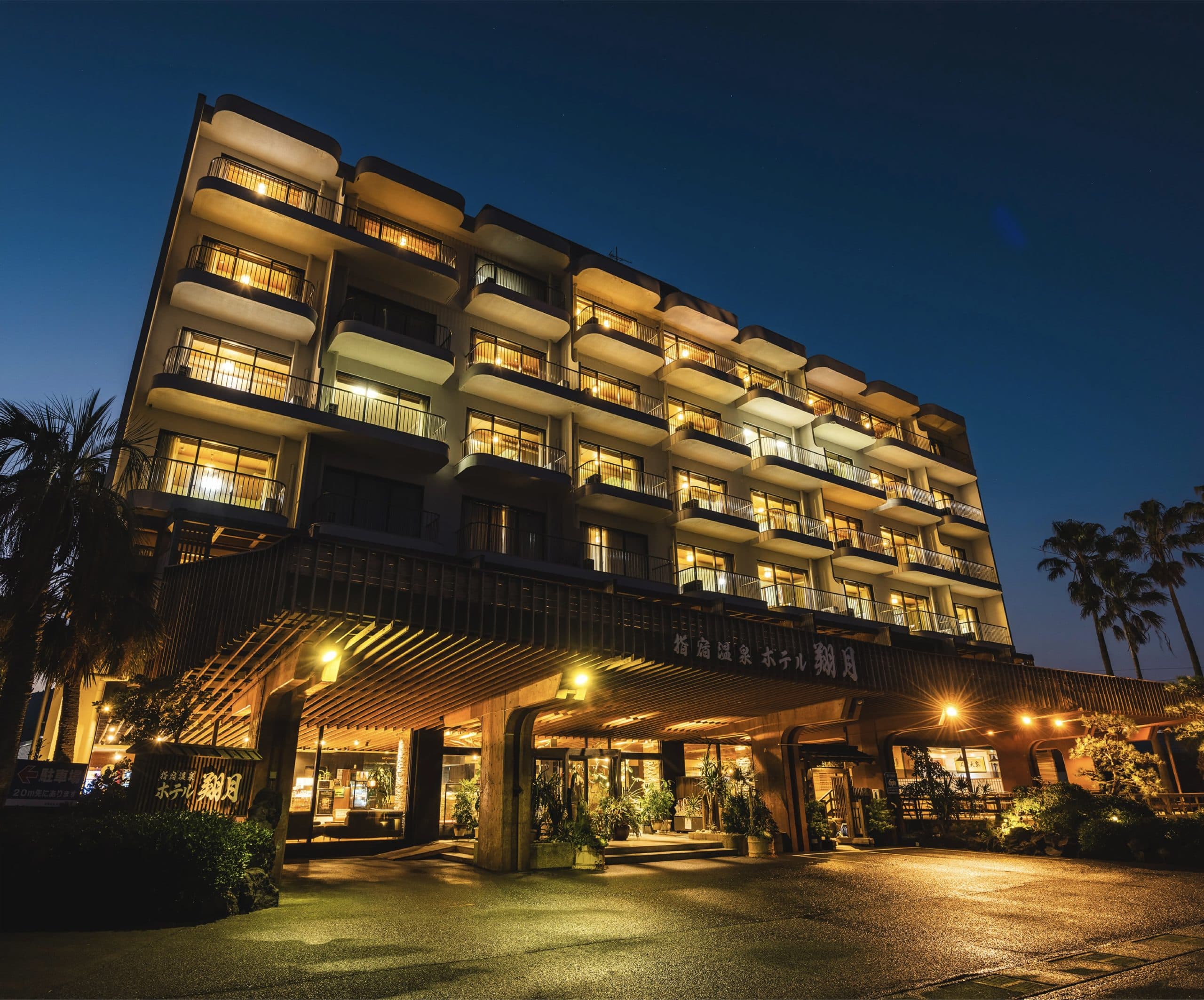 | from US$110/person/night≈ US$220 for 2 | 8.2 613 reviews | Book on Booking.com |
Yurian
Ibusuki
Koran no Yu Kinkouroh
Ibusuki
Ibusuki Royal Hotel
Ibusuki
Ibusuki Shusuien
Ibusuki
Ibusuki Kaijo Hotel
Ibusuki
Prices shown are approximate starting rates per person per night. We may earn a commission on bookings.
Ready to book?
Book one of these top picks
Compare live availability and prices across booking sites.
Hakusuikan
白水館
Ibusuki·Luxury
from US$250 · per person · per nightfrom ≈ US$500 total for 2 guests



Ibusuki Iwasaki Hotel
指宿いわさきホテル
Ibusuki·Mid-Range
from US$80 · per person · per nightfrom ≈ US$160 total for 2 guests
Hotel Yoshimatsu
ホテル吟松
Ibusuki·Luxury
from US$200 · per person · per nightfrom ≈ US$400 total for 2 guests
Booking links may earn us a commission at no extra cost to you.
Our guide to the best ryokans in Kyushu puts Ibusuki's sand baths in context against Kurokawa, Yufuin, Beppu, and Unzen.
FAQ
Frequently asked questions
How do I get to Ibusuki from Kagoshima?+
From Kagoshima-Chuo Station, the JR Ibusuki Makurazaki Line reaches Ibusuki in approximately 1 hour by limited express train, such as the sightseeing Ibusuki no Tamatebako. Ibusuki sits on the southern tip of Kyushu's Satsuma Peninsula and is easily reached from Kagoshima's main transport hub.
Is the Ibusuki sand bath worth it?+
Yes — the suna-mushi sand bath is Ibusuki's signature experience and exists almost nowhere else in Japan. On Surigahama Beach, geothermal vents heat the black volcanic sand to a consistent 50–55°C, and staff bury you up to the neck for a 10–15 minute session that aids circulation, detoxification, and muscle relaxation. It's a tradition documented in the area since the Edo period, over 300 years old, and done on the actual beach.
Which is the best ryokan in Ibusuki?+
Hakusuikan is our first pick — a sprawling oceanfront resort of around 200 rooms with its own private section of Surigahama Beach for sand baths away from the public crowds. Highlights include the Genroku-Buro bathhouse modeled on Edo-period public baths and a museum-quality Satsuma art collection. It's a luxury tier at ¥38,500–¥107,800 per person.
Which Ibusuki ryokan has a private sand bath?+
Yoshimatsu is the pick for privacy — with just 17 rooms in classic sukiya-zukuri style overlooking a garden and koi pond, its standout feature is a private sand-bath option that lets you enjoy the burial in complete privacy. It's a luxury tier at ¥30,800–¥77,000 per person, and the premier choice for couples or solo travelers seeking quiet elegance.
What should I wear for the Ibusuki sand bath?+
You'll be provided a yukata, but you must wear your own swimwear or undergarments beneath it — you don't disrobe completely like a normal onsen. Bring a small face towel to wipe away sweat while you relax in the sand. Sessions typically run in 30-minute blocks in the late afternoon, so book your slot at check-in.
What is the cheapest ryokan in Ibusuki?+
Kyukamura Ibusuki is the budget pick at ¥9,240–¥23,100 per person, part of the National Park Resort chain in a park-like setting with its own sand-bath facility (small extra fee) and a full kaiseki dinner rarely found at that price. Alternatively, the Ibusuki Seaside Hotel (¥13,860–¥38,500) sits oceanfront just a 5-minute walk from the public Saraku Sand-Bath Hall, where a sand-bath session costs ¥1,100.
Still deciding?
Browse ryokans across JapanBooking.com