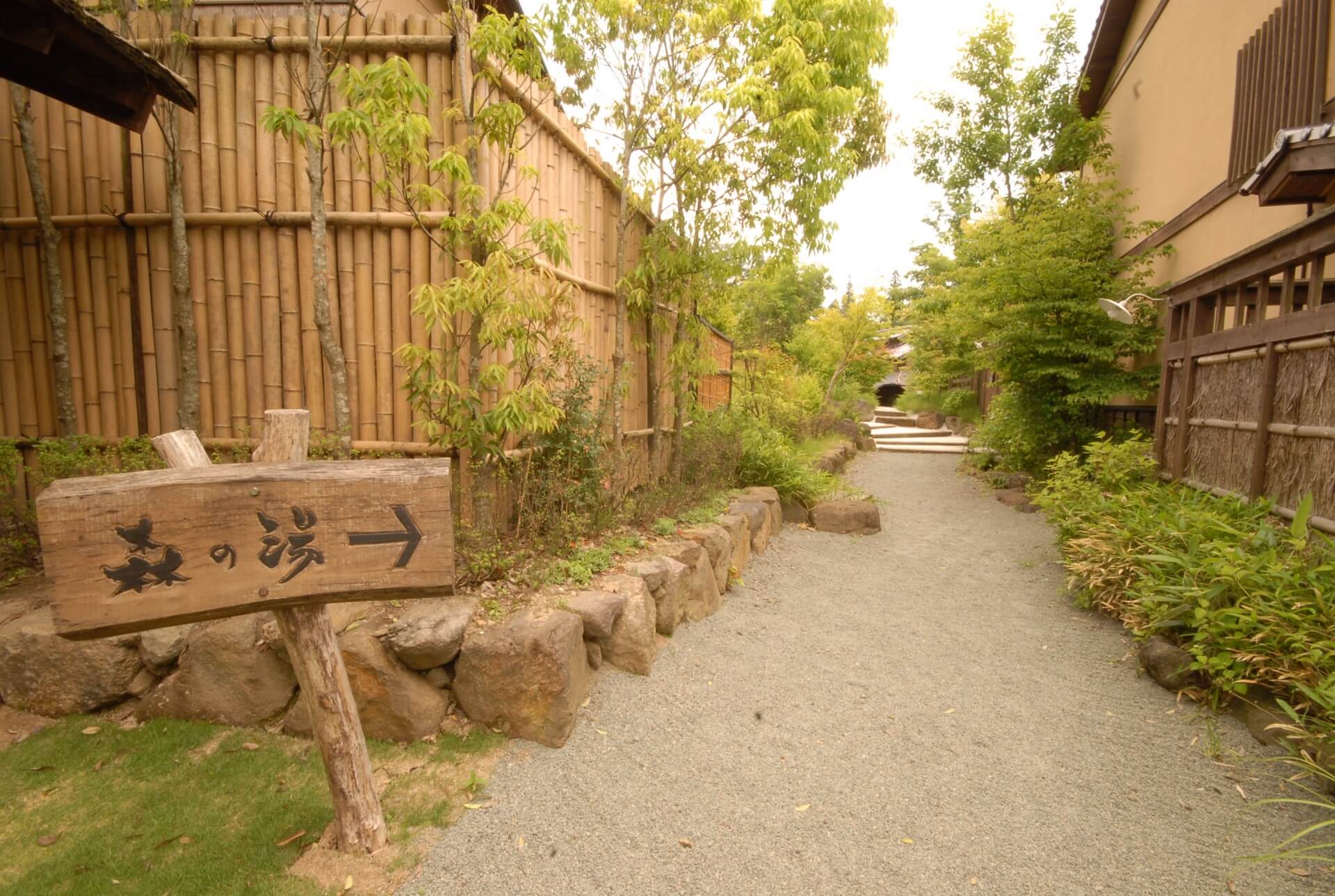
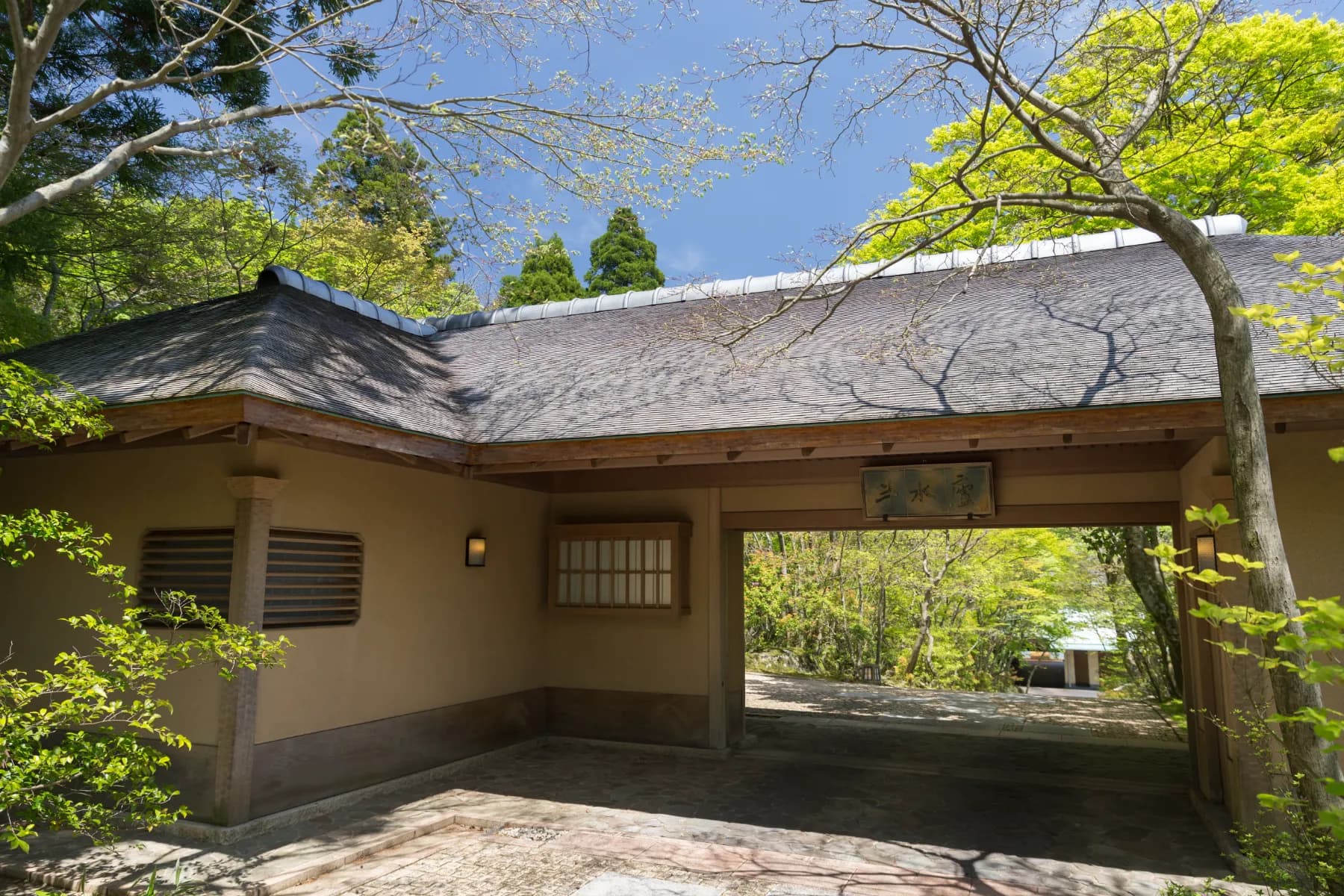
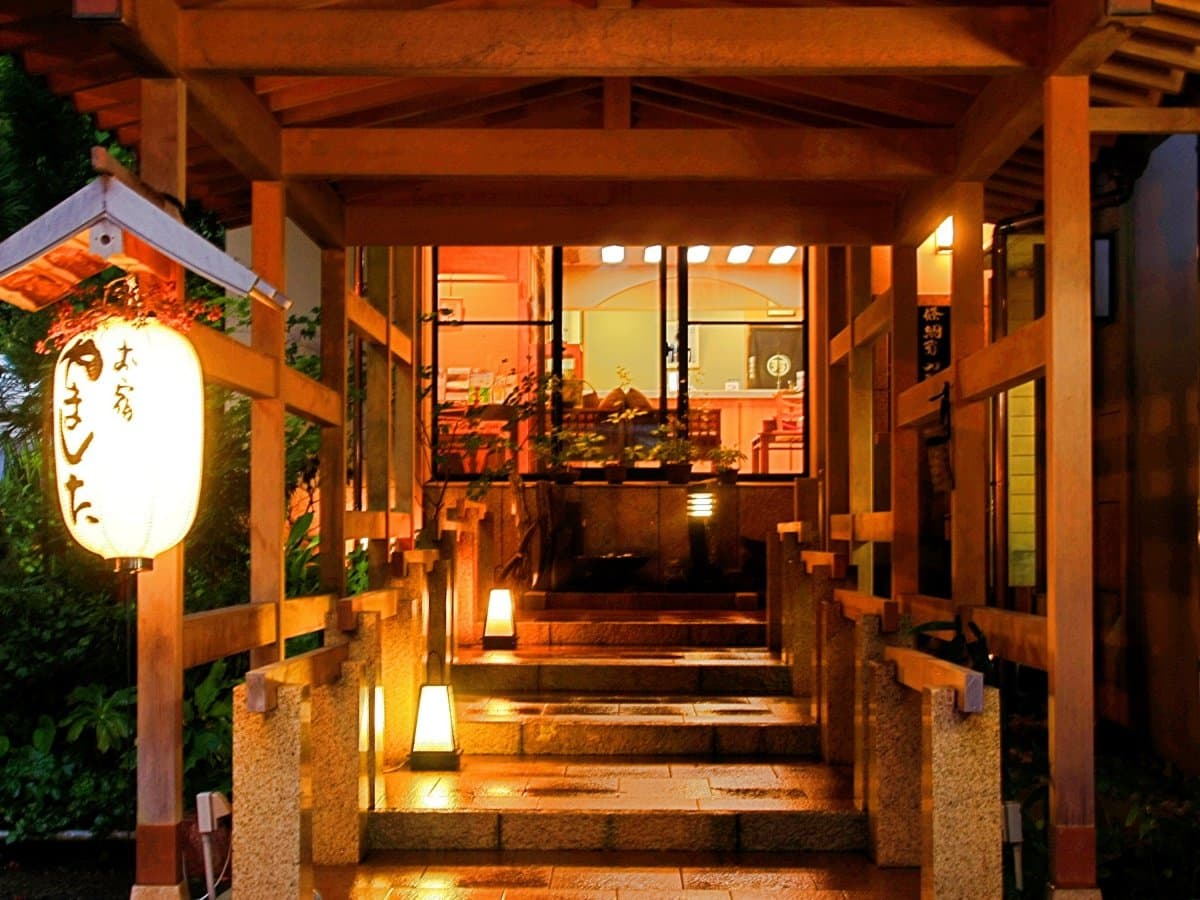
Quick Comparison
6 picks| Ryokan | From | Rating | Book |
|---|---|---|---|
 | from US$250/person/night≈ US$500 for 2 | 9.3 83 reviews | Book on Agoda |
 | from US$250/person/night≈ US$500 for 2 | 8.7 15 reviews | Book on Trip.com |
 | from US$100/person/night≈ US$200 for 2 | 8.7 50 reviews | Book on Agoda |
 | from US$100/person/night≈ US$200 for 2 | 7.6 16 reviews | Book on Agoda |
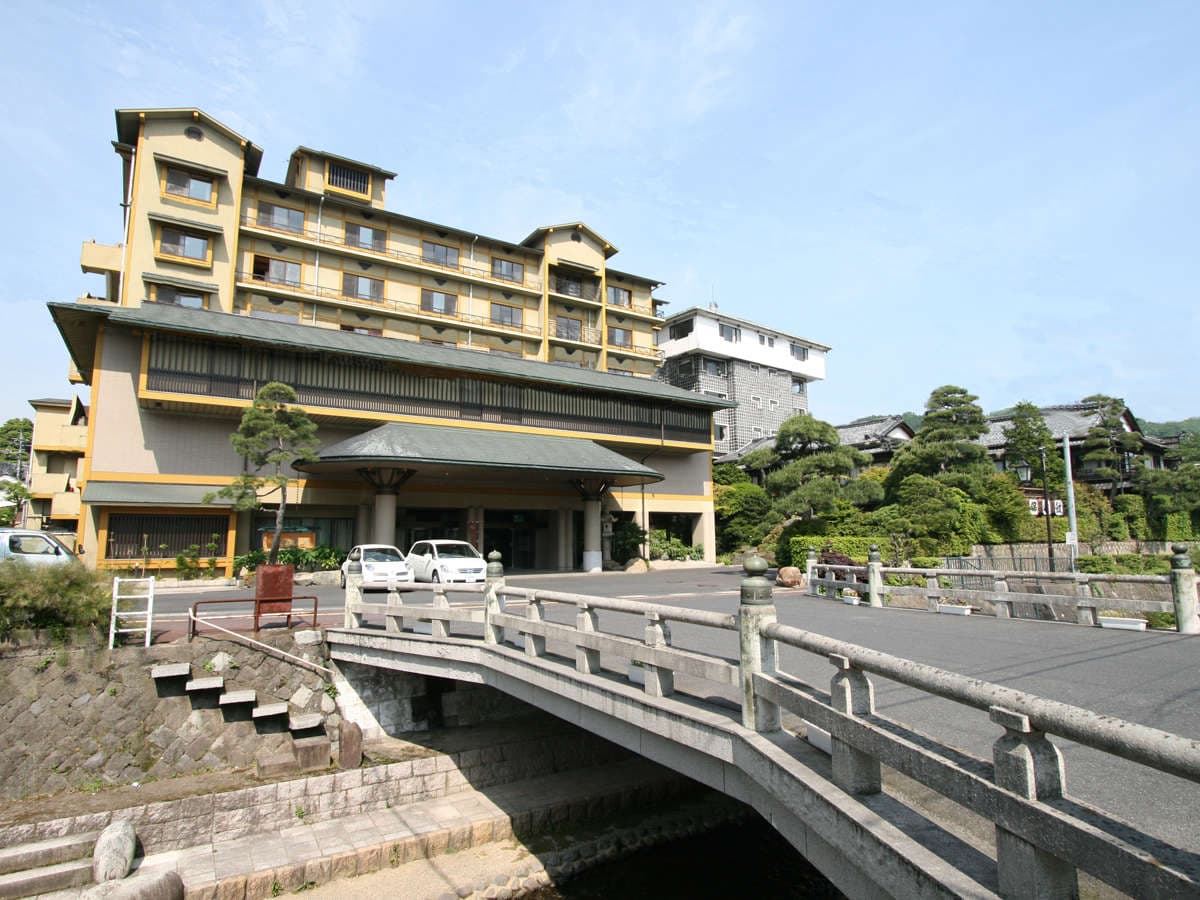 | from US$120/person/night≈ US$240 for 2 | 7.9 18 reviews | Book on Booking.com |
 | from US$200/person/night≈ US$400 for 2 | 8.7 34 reviews | Book on Booking.com |
Ryotei Yamanoi
Tamatsukuri
Hoseikan
Tamatsukuri
Kasuien Minami
Tamatsukuri
Prices shown are approximate starting rates per person per night. We may earn a commission on bookings.
Just 30 minutes from Matsue, the gateway to Izumo Taisha Grand Shrine, lies an onsen town with a pedigree unmatched in classical Japanese literature. Tamatsukuri Onsen is famously documented in the 8th-century Izumo Fudoki — the spring is referenced as early as 733 in this ancient regional gazetteer (Wikipedia) — as home to the "beauty water of the gods." This ancient text, a detailed record of the province, praises the local spring water twice: once for its healing properties and again with the claim that "the woman who bathes here becomes as beautiful as a goddess." The water itself is classified as a sulfate spring with mildly alkaline chemistry, which is the basis of its traditional bijin-no-yu (beauty water) reputation (Shimane Prefectural Tourism), and the town sits between Matsue and Izumo along the small Tamayu River flowing toward Lake Shinji (JNTO). Choosing a ryokan here isn't just booking a room; it's participating in a 1,300-year-old ritual of rejuvenation.
 Pin to Pinterest
Why Tamatsukuri Onsen for Your Ryokan Stay?
A stay in Tamatsukuri is the canonical way to complete a pilgrimage to Izumo Taisha, widely regarded as one of Japan's oldest Shinto shrines and already in existence by the early 700s (Wikipedia), located just a 25-minute drive away. The typical itinerary involves an afternoon visit to the shrine, followed by an overnight retreat to the onsen town to soak away the day's travels. The town has fully embraced its "beauty water" heritage. Along the Tamayu River, you'll find free public footbaths (ashiyu), stone basins where you can bottle the spring water to take home, and even vending machines selling cosmetics made with the onsen water. This deep-rooted connection to the Izumo Fudoki myth provides a powerful sense of place. Unlike more sprawling onsen resorts, Tamatsukuri is a compact, walkable village built around its legendary water source. It offers an experience that is both deeply relaxing and culturally resonant, tying your stay directly to the sacred history of the Izumo region.
1. Chorakuen
For a classic Tamatsukuri stay, Chorakuen is our first pick. Founded in 1868 by descendants of Yunosuke, an Edo-period manager of the Tamatsukuri hot spring (Chorakuen Official), this landmark ryokan is the village's grand dame, sprawling along the riverbank. Its most famous feature is the Ryugu-no-Yu mixed-gender outdoor bath (rotenburo) — at a 395 m² floor area, billed by the ryokan as the largest open-air mixed-gender hot-spring bath in Japan (Chorakuen Official). Modest bathing attire (yuami-gi) is provided, making it accessible and comfortable for international guests. The scale is immense, with waterfalls, rock formations, and lush gardens creating a world unto itself. For more conventional bathing, the ryokan also offers gender-separated baths, including the 4th-floor rooftop "Sora-no-Yu" (Sky Bath) with panoramic views over the town. As the flagship property, Chorakuen offers a complete, history-rich experience that perfectly captures the spirit of Tamatsukuri. If you can only stay at one ryokan here, make it this one.
Price tier: Mid-range to Luxury (¥35,000–¥70,000/person)
Tip
Don't miss the evening kagura performances or the impressive Japanese garden, which is beautifully illuminated after dark.
2. KAI Tamatsukuri by Hoshino Resorts
If your preference leans towards contemporary design and curated luxury, KAI Tamatsukuri is the premier choice. Operated by the prestigious Hoshino Resorts group — and recently rebranded and re-opened on November 16, 2022 (formerly KAI Izumo) (Hoshino Resorts) — this boutique ryokan reinterprets tradition with modern elegance. The entire property is built around the "beauty water" concept. Upon arrival, you're welcomed at the "beauty water lounge" with local tea and can participate in a workshop on creating your own face mask using the onsen water. Every room features its own private outdoor bath filled with the legendary spring water, offering ultimate privacy and relaxation. The kaiseki meals are a sophisticated celebration of Shimane's local produce, particularly its seafood. KAI Tamatsukuri is less about sprawling, historic scale and more about a polished, intimate, and highly refined experience. It's the perfect modern counterpoint to Chorakuen's classic grandeur.
Price tier: Luxury (¥50,000–¥90,000/person)
 Pin to Pinterest
3. Yumeitei Choseikaku
Offering the best of both worlds, Yumeitei Choseikaku is the modern, premium wing of the historic Chorakuen. While guests have full access to Chorakuen's famous large baths, the primary draw of Choseikaku is its focus on private, in-room luxury. A significant number of its rooms are equipped with private outdoor baths (rotenburo), allowing you to enjoy Tamatsukuri's famed beauty water in complete seclusion. This makes it an ideal choice for couples, honeymooners, or any traveler seeking privacy without sacrificing access to the amenities of a large-scale ryokan. The rooms are more spacious and contemporary in design compared to the main Chorakuen building. Think of it as a hotel-within-a-hotel concept, providing a more exclusive and updated experience while still being connected to the heart of Tamatsukuri's most landmark institution.
Price tier: Luxury (¥45,000–¥80,000/person)
4. Ryotei Yamanoi
For the discerning traveler who prioritizes cuisine, Ryotei Yamanoi is the clear winner. The experience here is centered on the multi-course kaiseki dinner. The chefs at Yamanoi are masters of their craft, presenting exquisite dishes that showcase the best of San'in region's seasonal ingredients, from Shimane wagyu beef to fresh seafood from the Sea of Japan. The ryokan itself is more intimate than its larger neighbors, fostering a quiet and serene atmosphere. With only a handful of rooms, service is personal and attentive. The baths, while not as vast as Chorakuen's, are beautifully designed and filled with the same high-quality spring water. Book Ryotei Yamanoi if your ideal Japanese escape involves an lasting meal followed by a peaceful soak.
Price tier: Mid-range to Luxury (¥30,000–¥60,000/person)
5. Hoseikan
A sister property to Chorakuen — the parent operator Chorakuen traces its hospitality lineage to 1868 (Chorakuen Official) — Hoseikan offers a more refined and understated heritage experience. While Chorakuen impresses with its scale, Hoseikan charms with its elegance and classic Showa-era architectural details. It has a reputation for its warm, personal hospitality and feels like a step back into a more genteel era of Japanese travel. The ryokan features beautiful indoor and outdoor baths, including a unique standing bath (tachi-yu) that is deeper than usual. It's a wonderful choice for travelers who appreciate history and a quieter atmosphere but still want a well-established, reputable ryokan. It provides a classic Tamatsukuri Onsen experience at a slightly more accessible price point than its more famous sibling, making it a high-value pick for lovers of traditional inns.
Price tier: Mid-range (¥25,000–¥50,000/person)
6. Kasuien Minami
Positioned as a modern, all-suite boutique ryokan, Kasuien Minami offers a distinct flavor of luxury. Every room is a spacious suite, many featuring open-air baths with views of the Japanese garden or the river. The aesthetic is clean, contemporary Japanese design, with a focus on comfort and space. It's an excellent choice for longer stays or for travelers who value having a separate living area within their room. The ryokan also has a large, impressive Japanese garden that is perfect for a morning or evening stroll. While it has a modern feel, it doesn't neglect the core ryokan experience, offering high-quality kaiseki meals and attentive service. Kasuien Minami is for the traveler seeking the space and comfort of a modern suite combined with the onsen and dining traditions of a classic ryokan.
Price tier: Luxury (¥50,000–¥85,000/person)
Practical Info
Access: Tamatsukuri Onsen is most easily reached via Izumo Airport (IZO) or Yonago Airport (YGJ), both with frequent flights from Tokyo's Haneda Airport (HND). From Izumo Airport, it's a 30-minute shuttle bus ride. By train, take the Shinkansen to Okayama and transfer to the JR Yakumo Limited Express, alighting at Tamatsukuri Onsen Station — about 9 minutes from Matsue and 17 minutes from Izumoshi Station, with the onsen district a 5-minute taxi or 20-minute riverside walk from the station (JNTO).
Best Season: The onsen is enjoyable year-round. Spring brings cherry blossoms along the river, while autumn offers pleasant weather for exploring the Izumo region. Winter is arguably the best season for onsen, as soaking in the hot water amidst the cold air is especially comforting.
Budget: Expect to pay between ¥25,000 and ¥50,000 per person per night for a quality mid-range ryokan. Luxury properties like KAI Tamatsukuri can exceed ¥80,000 per person.
Tip
Bring a small hand towel when strolling through town. You can use it to dry your feet after enjoying the free public footbaths along the river.
When to Visit Tamatsukuri
Tamatsukuri Onsen sits on the southern shore of Lake Shinji in Shimane Prefecture — a region most foreign travelers skip, which is the actual reason to come. Late April to early May for the Izumo Taisha shrine peak (the Grand Shrine of the Sun Goddess, one of the oldest in Japan, 45 minutes by car). September-November for the matsutake-mushroom kaiseki window and the cooler air on the lake. Avoid July-August — humid and crowded with domestic summer travel. Mid-January here is mild (Shimane is on the Sea of Japan but the lake moderates temperature) and a low-rate window. Book 4-6 weeks ahead for the spring shrine season.
What Tamatsukuri Does Best (And What It Does Not)
Tamatsukuri does sodium-sulfate hot spring water at a high concentration — the water has a noticeably soft, almost silky feel and the local marketing (Tamatsukuri Beauty Water) is not pure marketing; the chemistry genuinely is mild on skin. What Tamatsukuri does best is the Izumo Taisha day trip plus the Adachi Museum of Art (40 minutes away — the museum garden is regularly voted Japan's best). What it does not do is dramatic rotenburo views — the lake-shore setting is gentle, not alpine. Pair Tamatsukuri with Matsue (15 minutes) for the castle and the samurai district. This is the Shimane circuit, and almost no English-language travel content covers it well.
Tip
The 1-day Izumo Taisha → Adachi Museum → Matsue Castle loop is the perfect ryokan side trip from Tamatsukuri and impossible without a car (or a private taxi for the day, around ¥35,000 for 8 hours). Book the taxi via your ryokan the night before — most properties have a standing arrangement with local drivers.
Pairing Tamatsukuri With Izumo Taisha and the San'in Loop
Tamatsukuri's strongest itinerary case is as a one-night base for the San'in coast pilgrimage route: Tamatsukuri Onsen → Izumo Taisha Grand Shrine (45 minutes by car or 70 minutes by JR + Ichibata Railway) → Hinomisaki Lighthouse on the Japan Sea (a further 25 minutes by bus from Izumo Taisha). Izumo Taisha is one of the two oldest Shinto shrines in Japan (tied with Ise) and one of the few shrines where the prescribed prayer rhythm is two bows, four claps, one bow rather than the standard two bows, two claps, one bow. Most visitors arrive without knowing this; ask your ryokan's front desk for the printed Izumo prayer-etiquette card before you go.
A second pairing worth planning: Matsue Castle (one of Japan's 12 original surviving castle keeps, 20 minutes by car from Tamatsukuri) and the adjoining Lafcadio Hearn Memorial Museum. Hearn — the Greek-Irish writer who arrived in Matsue in 1890 and naturalized as Koizumi Yakumo — is the reason San'in carries such cultural weight in Japanese literature; his house preserved in Matsue is one of the more contemplative literary museums in western Japan and pairs naturally with an evening onsen soak back at Tamatsukuri.
The local San'in food pairing: Izumo soba, served in a three-tier waridi stacked-bowl format unique to this region. The 8-port Naka-ura fishing harbor 15 minutes north of Tamatsukuri brings in nodoguro (rosy seabass) and aji (horse mackerel) that appear on most Tamatsukuri kaiseki menus the same night they land. If your kaiseki includes nodoguro on the menu card, plan to order the additional grilled nodoguro side dish — the rest of Japan rarely sees nodoguro of this freshness.
Tip
Pair Tamatsukuri with a JR Pass San'in-region itinerary: Hiroshima → Miyajima → JR ferry across the Inland Sea → Matsue → Tamatsukuri (onsen night) → Izumo Taisha → Hagi → Yamaguchi. The full loop runs 5 nights and connects four UNESCO sites with minimal backtracking. Tamatsukuri sits roughly at the midpoint and is the only onsen-town stop on the loop, making it the natural recovery night.
Our Take
Our take: this is one of the most underrated ryokan regions in Japan because Shimane is genuinely off the foreign-tourist map. The water chemistry is real, the surrounding sights (Izumo, Adachi, Matsue) are world-class, and the ryokans are full of Japanese travelers on the Shrine-and-Castle circuit. The catch is access — Yonago-Kitaro Airport is small and the rail journey from Tokyo is 6+ hours. If you are building a 14+ day Japan trip, slot Shimane in. If you have 7-10 days, Hakone is the easier call.
Every other ryokan we list here
4 listed| Ryokan | From | Rating | Book |
|---|---|---|---|
 | from US$80/person/night≈ US$160 for 2 | 8.9 78 reviews | Book on Trip.com |
 | from US$110/person/night≈ US$220 for 2 | 8.8 87 reviews | Book on Trip.com |
 | from US$288/person/night≈ US$576 for 2 | 8.7 84 reviews | Book on Agoda |
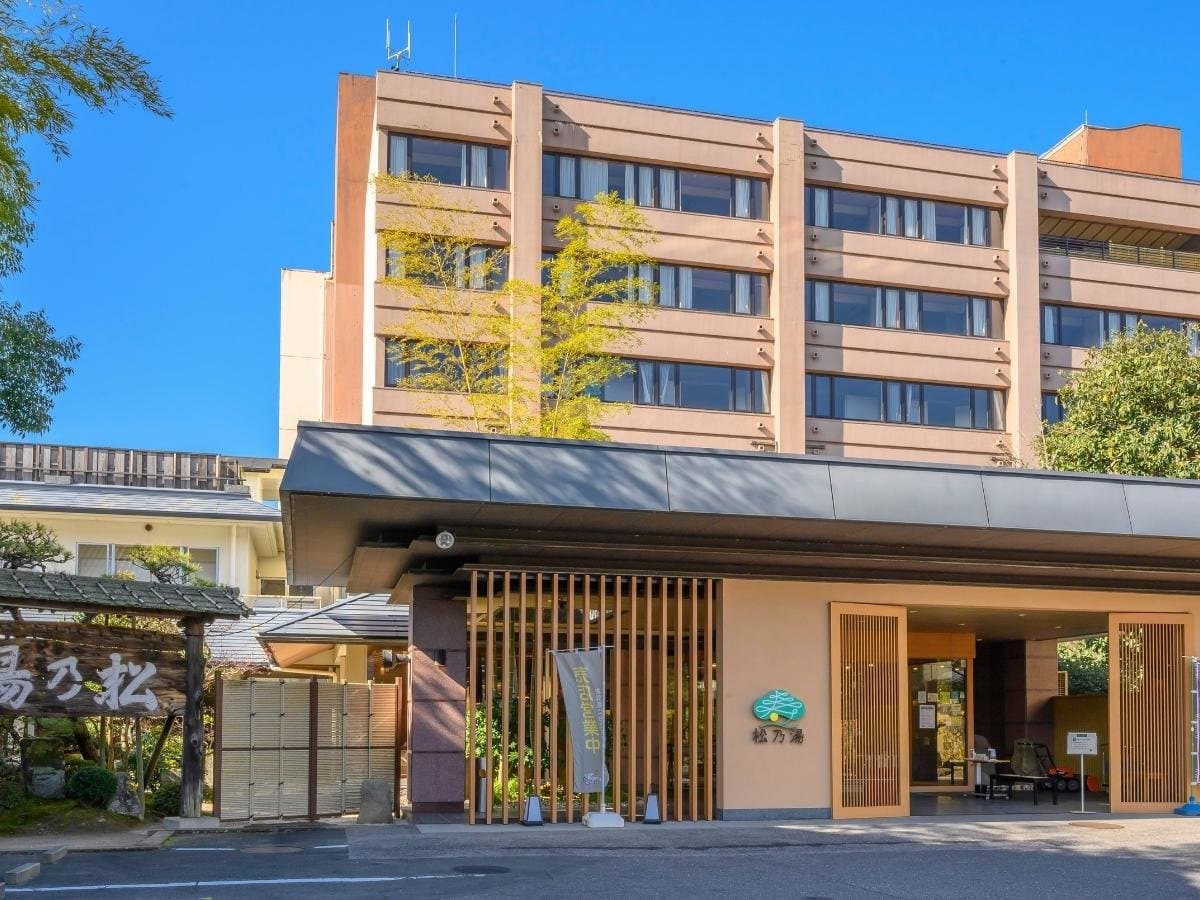 | from US$180/person/night≈ US$360 for 2 | 8.3 32 reviews | Book on Agoda |
Yujin Chiyonoyu
Tamatsukuri
Matsunoyu
Tamatsukuri
Prices shown are approximate starting rates per person per night. We may earn a commission on bookings.
Ready to book?
Book one of these top picks
Compare live availability and prices across booking sites.
Yunosuke no Yado Chorakuen
湯之助の宿 長楽園
Tamatsukuri·Luxury
from US$250 · per person · per nightfrom ≈ US$500 total for 2 guests


Tamatsukuri Grand Hotel Choseikaku
玉造グランドホテル長生閣
Tamatsukuri·Mid-Range
from US$100 · per person · per nightfrom ≈ US$200 total for 2 guests

Ryotei Yamanoi
旅亭 山の井
Tamatsukuri·Mid-Range
from US$100 · per person · per nightfrom ≈ US$200 total for 2 guests
Booking links may earn us a commission at no extra cost to you.
FAQ
Frequently asked questions
Why is Tamatsukuri Onsen called the gods' beauty water?+
Tamatsukuri is documented in the 8th-century Izumo Fudoki, one of Japan's oldest regional gazetteers, which references the spring as early as 733 and claims that 'the woman who bathes here becomes as beautiful as a goddess.' The water is a sulfate spring with mildly alkaline chemistry (pH 8.8, the highest in the guide's covered onsen areas), which gives it a noticeably soft, silky feel and its traditional bijin-no-yu (beauty water) reputation. Choosing a ryokan here means joining a 1,300-year-old ritual of rejuvenation.
How do I get to Tamatsukuri Onsen from Matsue and Izumo?+
Tamatsukuri is 30 minutes from Matsue by the JR San'in Main Line and about a 25-minute drive from Izumo Taisha Grand Shrine. Tamatsukuri Onsen Station is roughly 9 minutes from Matsue and 17 minutes from Izumoshi Station on the JR Yakumo Limited Express, with the onsen district a 5-minute taxi or 20-minute riverside walk from the station. You can also fly into Izumo Airport, from which it is a 30-minute shuttle bus ride.
Which Tamatsukuri ryokan has the giant mixed-gender outdoor bath?+
Chorakuen, founded in 1868, anchors the town with its Ryugu-no-Yu mixed-gender outdoor bath — at 395 m², billed by the ryokan as the largest open-air mixed-gender hot-spring bath in Japan. Modest bathing attire (yuami-gi) is provided, making it accessible for international guests unfamiliar with nude communal bathing. Chorakuen also has gender-separated baths, including the 4th-floor rooftop 'Sora-no-Yu' sky bath. At ¥35,000–¥70,000 per person, it is the flagship pick if you can only stay at one ryokan here.
Which Tamatsukuri ryokan has private in-room onsen baths?+
KAI Tamatsukuri by Hoshino Resorts gives every room its own private outdoor bath fed by the beauty-water spring, and it built its entire guest programme around the pH 8.8 chemistry — including a check-in workshop where you make your own face mask using the onsen water, at ¥50,000–¥90,000 per person. Yumeitei Choseikaku, the modern premium wing of Chorakuen, also has many rooms with private outdoor rotenburo (¥45,000–¥80,000), while Kasuien Minami is an all-suite property with many open-air baths.
Is Tamatsukuri Onsen a good base for visiting Izumo Taisha?+
Yes — a one-night stay in Tamatsukuri is the canonical way to complete a pilgrimage to Izumo Taisha, one of Japan's oldest Shinto shrines, located about a 25-minute drive away. The typical itinerary is an afternoon at the shrine followed by an overnight onsen retreat. Note that Izumo Taisha uses an unusual prayer rhythm — two bows, four claps, one bow — so ask your ryokan's front desk for the printed Izumo prayer-etiquette card before you go.
What is a good mid-range ryokan in Tamatsukuri Onsen?+
Hoseikan is the standout value pick — a sister property of Chorakuen, also founded in 1868, offering an understated heritage experience with classic Showa-era architecture at ¥25,000–¥50,000 per person. It features indoor and outdoor baths including an unusually deep standing bath (tachi-yu), and delivers a quieter, less photographed alternative to its more famous sibling. Ryotei Yamanoi (¥30,000–¥60,000) is another strong mid-to-luxury choice for travelers who prioritize kaiseki cuisine.
Still deciding?
Browse ryokans across JapanBooking.com