Quick Comparison
4 picks| Ryokan | From | Rating | Book |
|---|---|---|---|
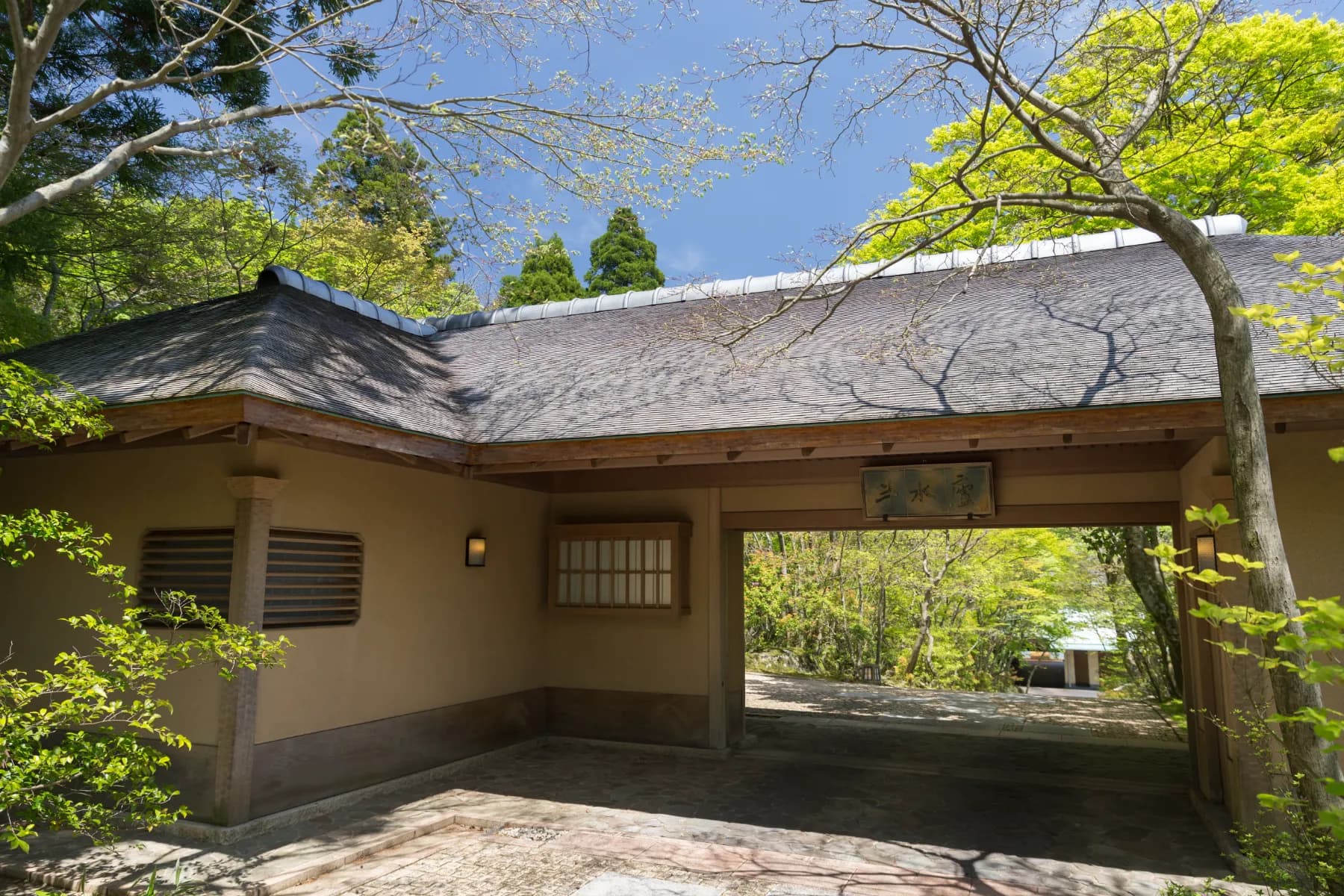
 | from US$250/person/night≈ US$500 for 2 | 9.7 71 reviews | Book on Booking.com |
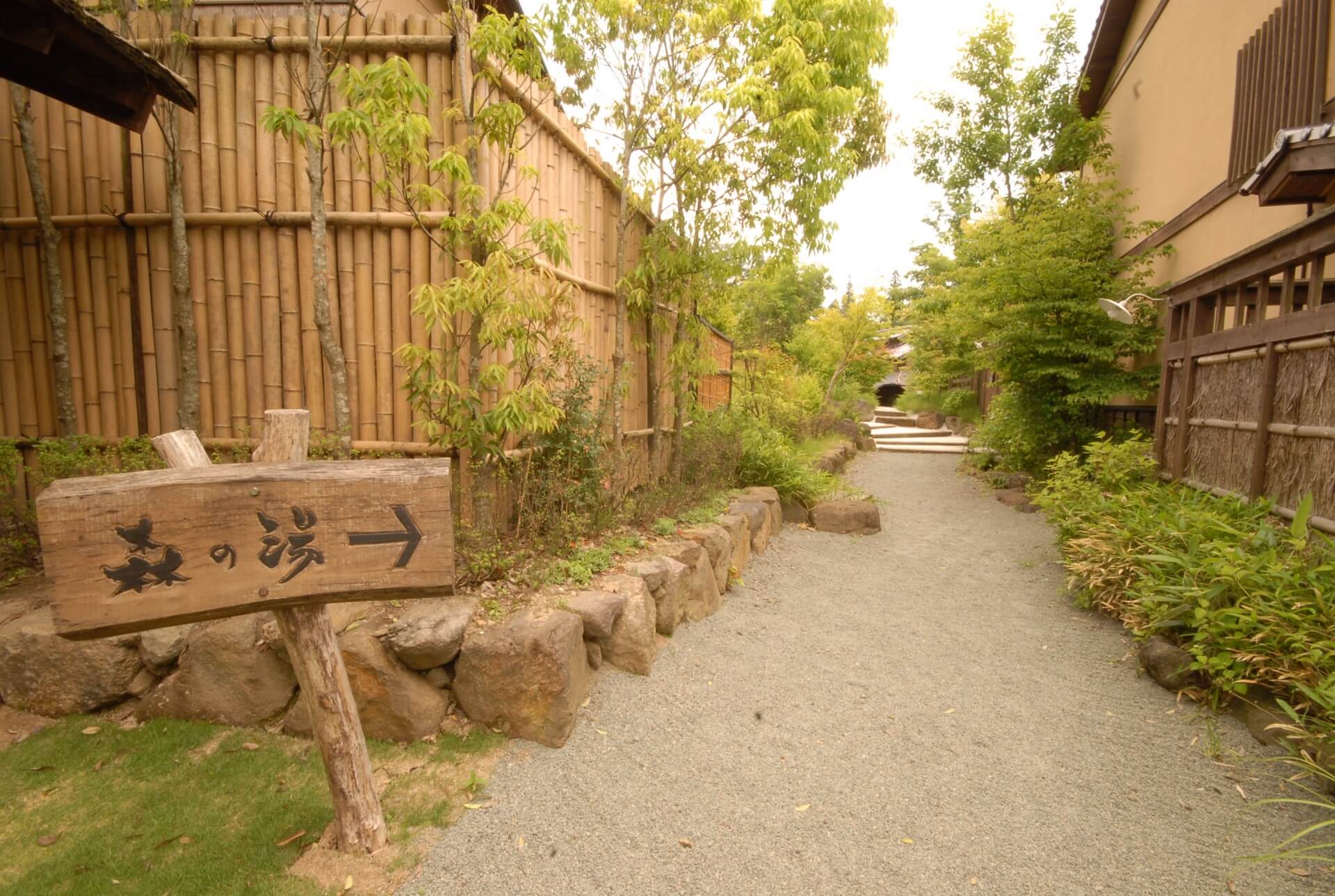
 | from US$120/person/night≈ US$240 for 2 | 8.9 6 reviews | Book on Agoda |
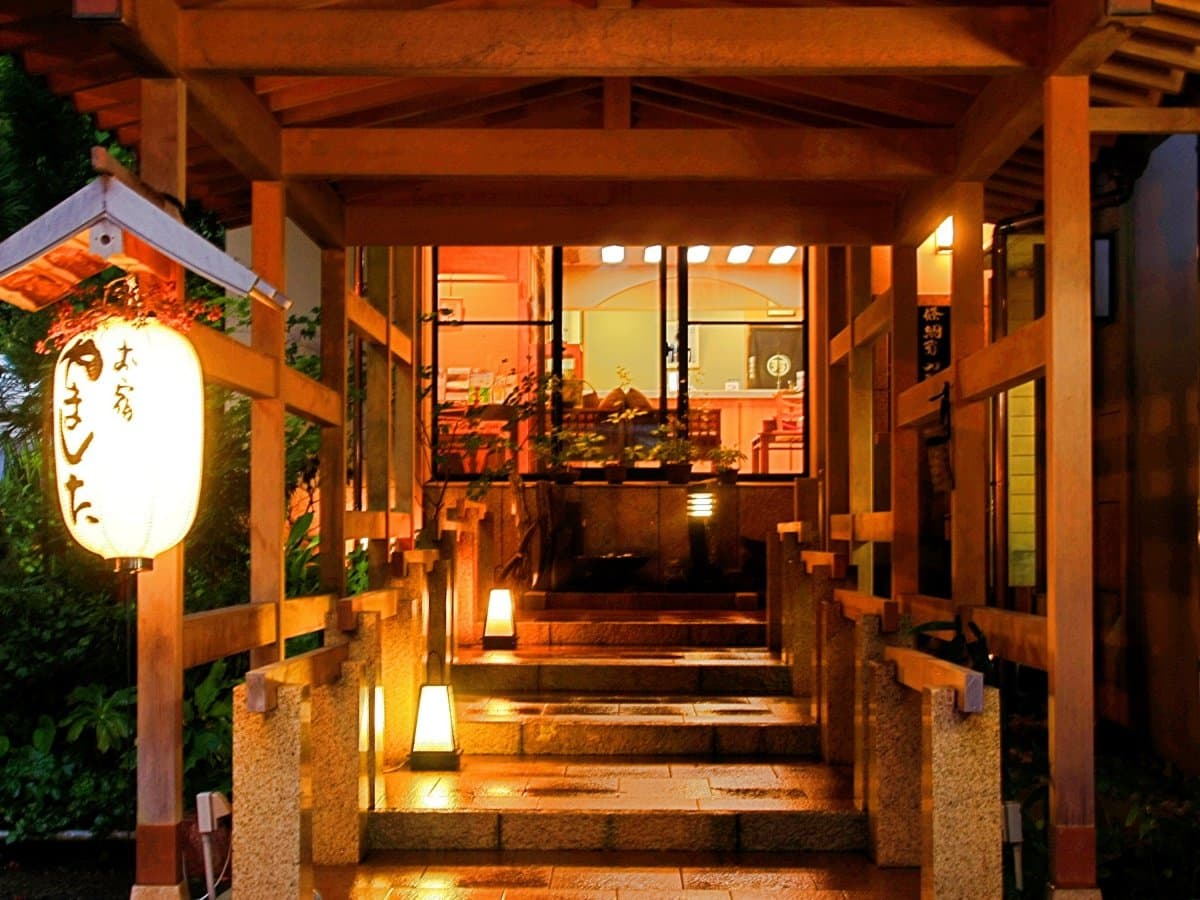
 | from US$100/person/night≈ US$200 for 2 | 9.5 43 reviews | Book on Booking.com |
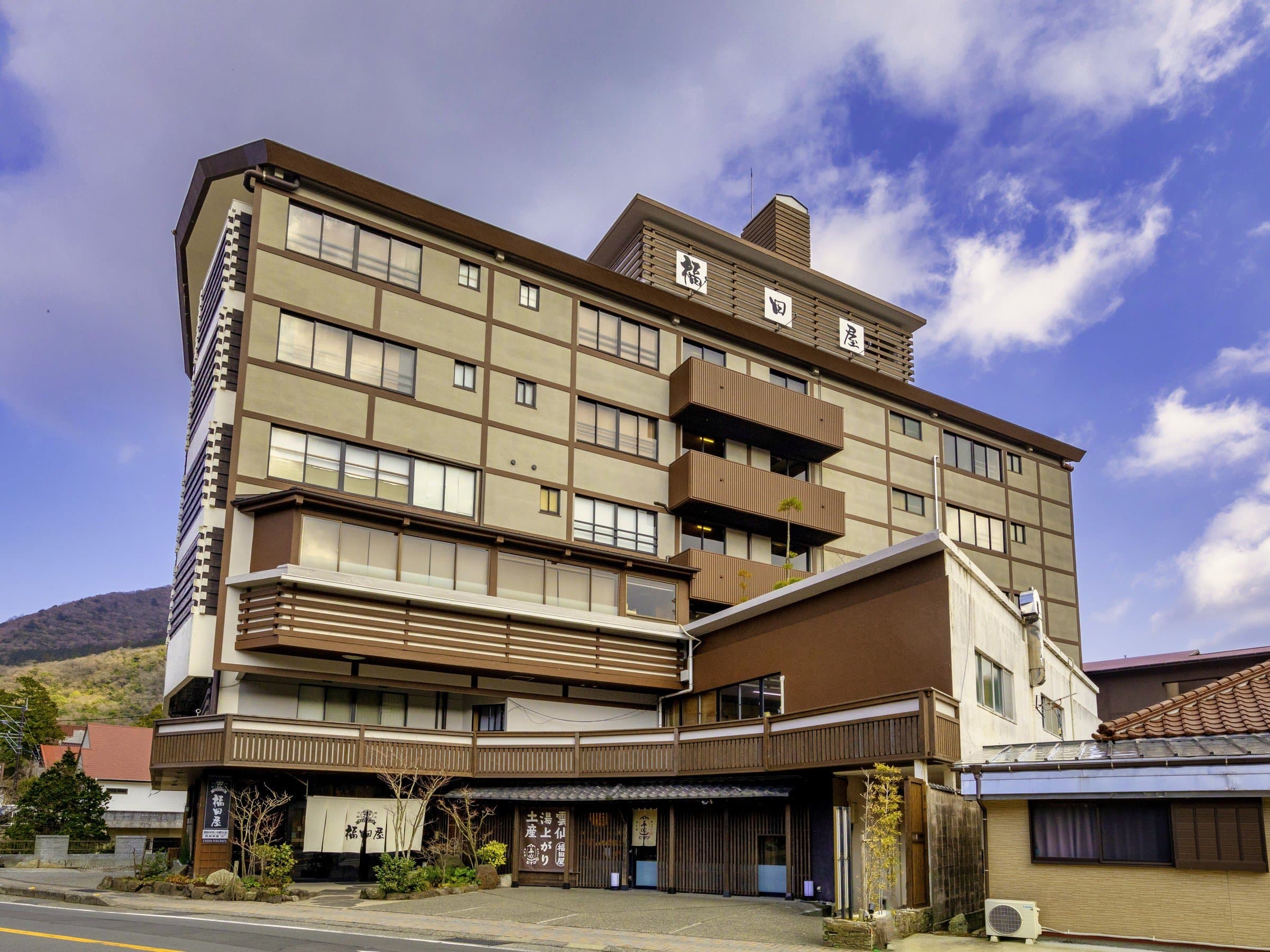 | from US$200/person/night≈ US$400 for 2 | 9.1 22 reviews | Book on Booking.com |
Unzen Kanko Hotel
Unzen
Fukudaya
Unzen
Prices shown are approximate starting rates per person per night. We may earn a commission on bookings.
Perched at 700 meters on the Shimabara Peninsula (GOOD LUCK TRIP), a two-hour bus ride from Nagasaki, Unzen Onsen offers one of Kyushu’s most dramatic hot spring experiences. The town is built around the Unzen Jigoku (Unzen Hells), a landscape of hissing steam vents and bubbling, sulphur-rich pools that was designated as Japan's first national park on March 16, 1934 (Ministry of the Environment). This is not a subtle onsen town; the air is thick with the smell of sulphur, and the milky, acidic waters are so potent they can tarnish silver on contact. It’s this very intensity that makes a stay here so memorable. The ryokans in Unzen are not just places to sleep — they are gateways to understanding the town's unique geology, poignant history, and therapeutic culture. From historic lodges to contemporary retreats, each inn offers a distinct perspective on this powerful volcanic landscape.
 Pin to Pinterest
Why Unzen Onsen for Your Ryokan Stay
Staying in Unzen is an immersion in both natural power and profound history. The town's hot spring water is a rare sulphate-chloride blend, highly acidic and prized for its therapeutic properties. This geothermal activity is the town's lifeblood, heating the baths of every ryokan. But the landscape holds a darker past. The first recorded martyrdom at the Unzen Hells took place on February 28, 1627 (Kirishtan.com), when Tokugawa-era authorities pioneered the use of boiling spring water as a torture method. A monument near the entrance to the Unzen Jigoku (Unzen Hells) commemorates the 33 Christians martyred between 1627 and 1631 (Unzen Tourist Association), adding a layer of historical gravity to the scenic walking trails.
Choosing a ryokan in Unzen means selecting your window onto this world. Do you want a direct view of the steaming 'hells' from your room? Or perhaps a room in a heritage building that hosted foreign dignitaries in the 1930s? The town's compact nature means the Jigoku trails are always a short walk away, allowing you to explore the otherworldly terrain by day and retreat to the comfort of your inn for an evening of kaiseki dining and restorative bathing.
1. Kyushu Hotel
For the traveler seeking contemporary luxury without sacrificing an authentic connection to the landscape, Kyushu Hotel is our first pick. Reimagined as Unzen's modern flagship, this ryokan offers a seamless blend of Japanese aesthetics and Western comfort. Its signature feature is uncompromising: every single guest room is equipped with a private open-air bath (rotenburo), many offering direct, cinematic views of the Unzen Jigoku (Unzen Hells). The design is sophisticated and calming, utilizing natural wood and stone to create a sanctuary that feels both modern and deeply rooted in its environment. The dining experience is a highlight, featuring creative Japanese-Western fusion cuisine that showcases local Shimabara Peninsula ingredients. While it sits at the higher end of the price spectrum, the combination of privacy, design, and prime location—just a 3-minute walk to the Jigoku entrance—makes it a worthwhile indulgence. If you want the premier modern ryokan experience in Unzen, this is it.
Price tier: Luxury (¥50,000–¥100,000/person)
2. Unzen Kanko Hotel
A living piece of history, the Unzen Kanko Hotel is an architectural landmark and a destination in itself. Founded in 1935 to cater to international visitors and registered as a National Tangible Cultural Property in 2003 (GOOD LUCK TRIP), the hotel exudes a unique Showa-era charm, with its Swiss chalet-inspired, Anglo-Japanese alpine lodge design. Walking through its wood-paneled halls, complete with a vintage bar and library with a fireplace, feels like stepping back in time. The rooms retain their classic character, updated with modern comforts. While not every room has a private bath, the communal onsen are superb, drawing on the town's potent sulphur springs. The hotel's restaurant serves acclaimed French cuisine, a nod to its cosmopolitan origins. For history buffs and architecture lovers, there is no other choice. It offers a completely different, yet equally compelling, experience to the modern ryokans, located a pleasant 10-minute walk from the main Jigoku area. This is the place to stay to feel Unzen's history.
Price tier: Luxury (¥50,000–¥100,000/person)
 Pin to Pinterest
3. Miyazaki Ryokan
With roots stretching back to 1900, Miyazaki Ryokan represents the grand, traditional ryokan experience. This is a place of refined Japanese hospitality, known for its spacious tatami rooms and, most notably, its exceptional kaiseki-ryori (multi-course dining). The chefs here take great pride in crafting elaborate meals that are a feast for the eyes and the palate, using seasonal delicacies from the mountains and nearby sea. The ryokan has some of the largest and most varied public baths in Unzen, including a sprawling rotenburo that allows you to soak while gazing at the surrounding nature. Its prime location, directly adjacent to the Unzen Jigoku (Unzen Hells), means many rooms have excellent views of the steam. If your vision of a ryokan stay prioritizes culinary excellence and a classic, time-honored atmosphere, Miyazaki Ryokan is an outstanding choice. It offers a perfect balance of heritage, comfort, and location.
Price tier: Mid-range to Luxury (¥35,000–¥60,000/person)
4. Fukudaya
Fukudaya hits the sweet spot between traditional charm, modern comfort, and accessible pricing. This stylish mid-range inn has a warm, welcoming atmosphere, with a beautiful blend of Japanese folk art (mingei) and contemporary design. It offers a variety of room types, including some with private open-air baths, making it a versatile option for couples and families. The inn is particularly proud of its baths, which include private reservable onsen (kashikiri) and a unique 'onbara-yu' bath where guests lie on heated stone slabs. Its location is slightly removed from the main Jigoku bustle, about a 12-minute walk, which lends it a more peaceful, secluded feel. Fukudaya provides a high-quality, authentic ryokan experience without the premium price tag of the top luxury properties, making it one of the best all-around values in Unzen.
Price tier: Mid-range (¥25,000–¥50,000/person)
Practical Info
Access: Unzen Onsen is most easily reached via a direct express bus from the Nagasaki Ekimae Bus Terminal, which takes approximately 1 hour 40 minutes (JNTO). Alternatively, buses run from Isahaya Station (a stop on the JR line and Nishikyushu Shinkansen route), taking about 80–90 minutes.
Best Season: Autumn (October-November) is spectacular, with vibrant fall colors contrasting against the white steam. Winter is also excellent for enjoying the hot springs in the cold air. Spring offers pleasant weather, while summer can be hot and humid, though Unzen's higher elevation provides some relief.
Budget: Expect to pay ¥15,000–¥25,000 per person for budget ryokans, ¥25,000–¥50,000 for mid-range, and ¥50,000+ for luxury options, especially those with private onsen and extensive kaiseki meals.
Tip
The sulphur-rich water in Unzen is highly acidic and will turn silver jewellery black almost instantly. Heed the warning signs in every bathroom and remove all silver rings, necklaces, and earrings before entering the onsen.
When to Visit Unzen
Unzen sits on Nagasaki's volcanic Shimabara Peninsula at 700m altitude, so the seasonal math is unusual for Kyushu. November to March is the peak — the sulfur steam rising from the Unzen Hells (Jigoku) walking course shows up dramatically against cool air. Snow happens 4-8 days per winter, briefly enough that locals call it a special week. April-May azaleas (miyama-kirishima) are a regional draw — the volcanic slopes turn pink-purple for 10 days late April. Avoid August — Kyushu humidity at 700m is still oppressive and the Jigoku walk is unpleasant in the heat. Book 6 weeks ahead for the azalea window; rest of year 2-3 weeks is fine.
What Unzen Does Best (And What It Does Not)
Unzen does sulfur hot-spring chemistry at one of the highest concentrations in Japan — the milky-white acidic water is genuinely strong (pH 2-3), beneficial for skin and stiff joints, but harsh on silver jewelry (remove before bathing or it tarnishes). The Jigoku ground walk past the steam vents is a 30-minute self-guided loop and free. What Unzen does not do is variety — most of the 20-odd ryokans are mid-tier and there is no luxury cohort comparable to Hakone or Kyoto. Pair Unzen with Nagasaki city (90 minutes by bus) for the WWII memorial and the Dutch-trade history; that combination is the actual Kyushu west-coast itinerary.
Tip
Bring an old t-shirt or yukata for the first soak — the high-sulfur water will permanently scent any fabric for several washes, and the ryokan-supplied yukata absorbs it within one bath. Most regular visitors keep a dedicated 'Unzen yukata' for these trips.
Local Cuisine and the Unzen Hot-Spring Steam Tradition
Unzen's signature culinary technique is jigoku-mushi (hot-spring steam cooking) — vegetables, seafood, and chicken steamed directly over the sulfur vents of Unzen Jigoku. The technique uses the natural mineral steam rising from the volcanic ground to cook ingredients without water immersion, which preserves the cellular structure of the vegetables and delivers a sulfur-mineral note that no kitchen-based steamer can replicate. Most ryokans on this list arrange a half-day jigoku-mushi cooking session with the local Unzen Onsen Tourism Association — your kaiseki dinner the same evening will feature jigoku-mushi-cooked Nagasaki saikai chicken alongside the standard kaiseki sequence. Two regional ingredients to look for: shimabara somen (handmade wheat noodles from Shimabara, a peninsula 40 minutes downhill from Unzen) and Unzen ham, a cold-cured pork prepared by a single century-old family operation in Obama (the original Obama, Japanese town, not the American one). Both appear on kaiseki menus seasonally — somen is summer-only (June–September), ham is year-round but featured most heavily in winter sets.
Drink to plan around: Nagasaki Prefecture's Kazumasa and Yokoyama-gold sake brands are produced 90 minutes from Unzen and do not export. Both pair specifically with the sulfur-mineral notes of jigoku-mushi cooking — ask the okami to pair one with the chicken course rather than defaulting to the more famous Kyoto or Niigata sakes that the menu may suggest.
Tip
Unzen Onsen also serves a seasonal champon hot-pot (a regional adaptation of Nagasaki's famous champon noodles into a kaiseki-style hot pot) at several of the ryokans on this list. Ask when booking whether it is on the menu.
A Typical Day at an Unzen Ryokan
3:00 pm — Arrival and Unzen Jigoku walk. Most ryokans are within 5–10 minutes' walk of the Unzen Jigoku (hell) volcanic vents — a network of fumaroles and boiling-mud pools surrounded by a wooden boardwalk. At several of the ryokans on this list, the check-in welcome amenity is a free ticket to the Jigoku walk and a small bag of jigoku-mushi eggs cooked in the steam fissures. The walk takes 30–45 minutes at a relaxed pace.
4:30 pm — Cherry-blossom or autumn-leaf detour. Unzen sits at 700 m elevation in a national park; the surrounding cedar forest delivers spectacular autumn foliage in mid-to-late October (a full month earlier than Kyoto) and cherry blossoms in early-to-mid April (two weeks later than Tokyo because of the elevation). Your ryokan will have a 1-page printed map of the closest 15-minute scenic walk loops.
5:30 pm — Sulfur onsen. Unzen's hot springs are unusually high in sulfur and unusually acidic (pH 2.0–2.5), which means the water smells distinctly of egg, leaves your skin slightly tingling, and is genuinely curative for skin conditions — Japanese dermatologists have prescribed Unzen onsen since the Edo period. Plan a 20-minute soak rather than the standard 10; the longer dwell time is what activates the sulfur's bioavailability.
6:30 pm — Kaiseki dinner. Unzen kaiseki runs 9–12 courses with jigoku-mushi seafood featuring in 2–3 of them. Plan 100–120 minutes. The dinner room temperature is often slightly cooler than the onsen building because the hot-spring steam is concentrated in the bath wing — bring a light cardigan if you eat in a dining room rather than in-room.
9:00 pm — Night onsen and stargazing. Unzen's altitude plus the absence of city light pollution makes it one of the better stargazing onsen in western Kyushu. Kyushu Hotel's outdoor rotenburo is due south-facing — winter Orion rises over the Jigoku steam at around 9:30 pm in December–February.
Next morning, 7:00 am — Breakfast. The signature breakfast item is Unzen tamago — onsen-water-boiled eggs with shells stained gray-brown by the sulfur. The texture is firmer than a soft-boiled egg and the flavor carries a faint mineral note. Pair with the rice porridge (okayu) served in many of the local ryokans rather than the standard steamed rice.
Our Honest Take
Late autumn suits Unzen: the sulfur steam is most dramatic against cold air. Our take: Unzen is a 1-night stop, not a 2-night destination, and best as the middle of a Nagasaki → Unzen → Kumamoto loop. The Jigoku walk takes one afternoon, the kaiseki here leans local-seasonal (champon noodles for breakfast at some properties — Nagasaki specialty), and the rotenburo cohort is mid-tier but the water chemistry compensates. Go for the soak and the Jigoku, not the room.
Every other ryokan we list here
6 listed| Ryokan | From | Rating | Book |
|---|---|---|---|
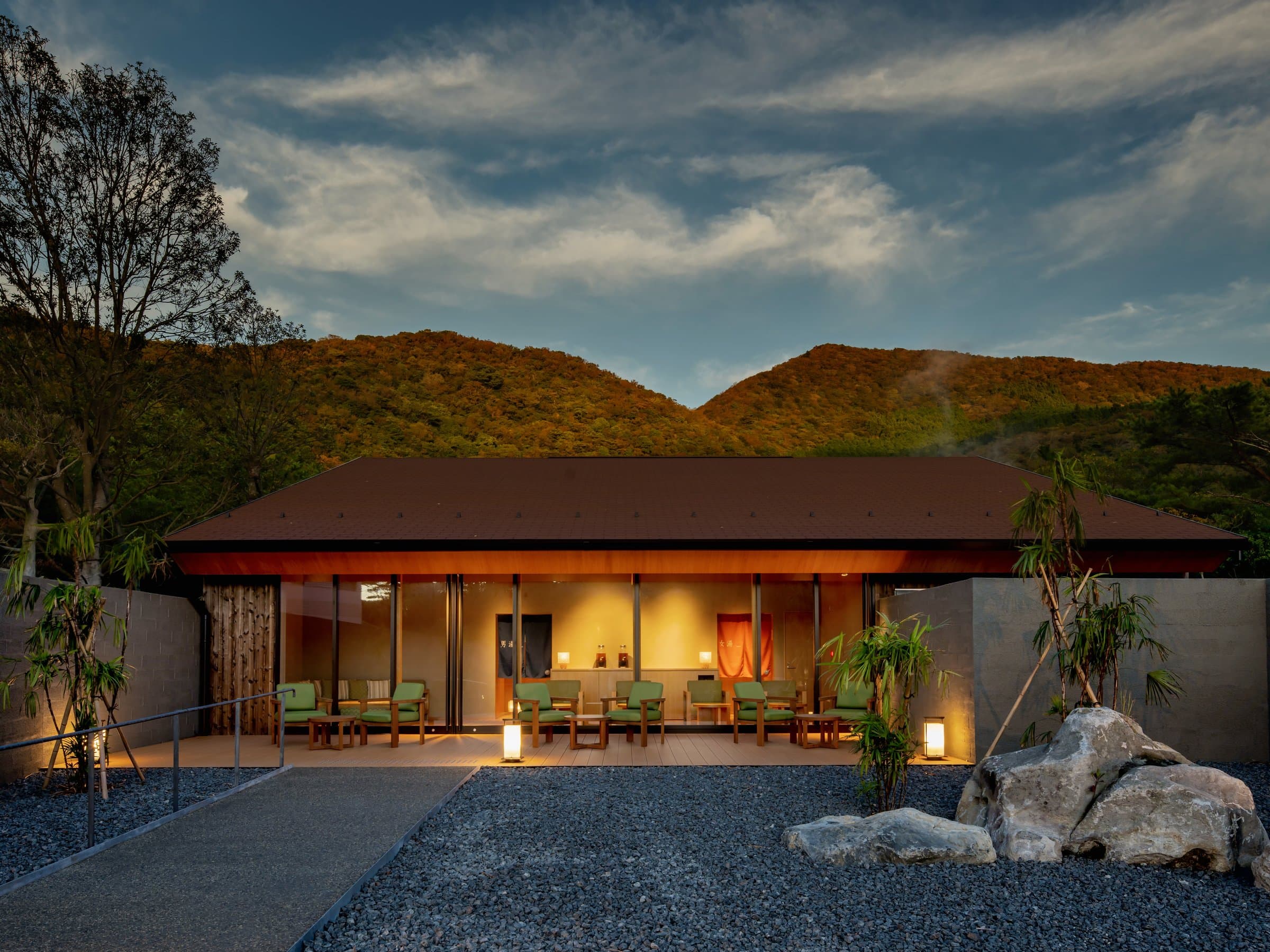 | from US$270/person/night≈ US$540 for 2 | 9.6 359 reviews | Book on Trip.com |
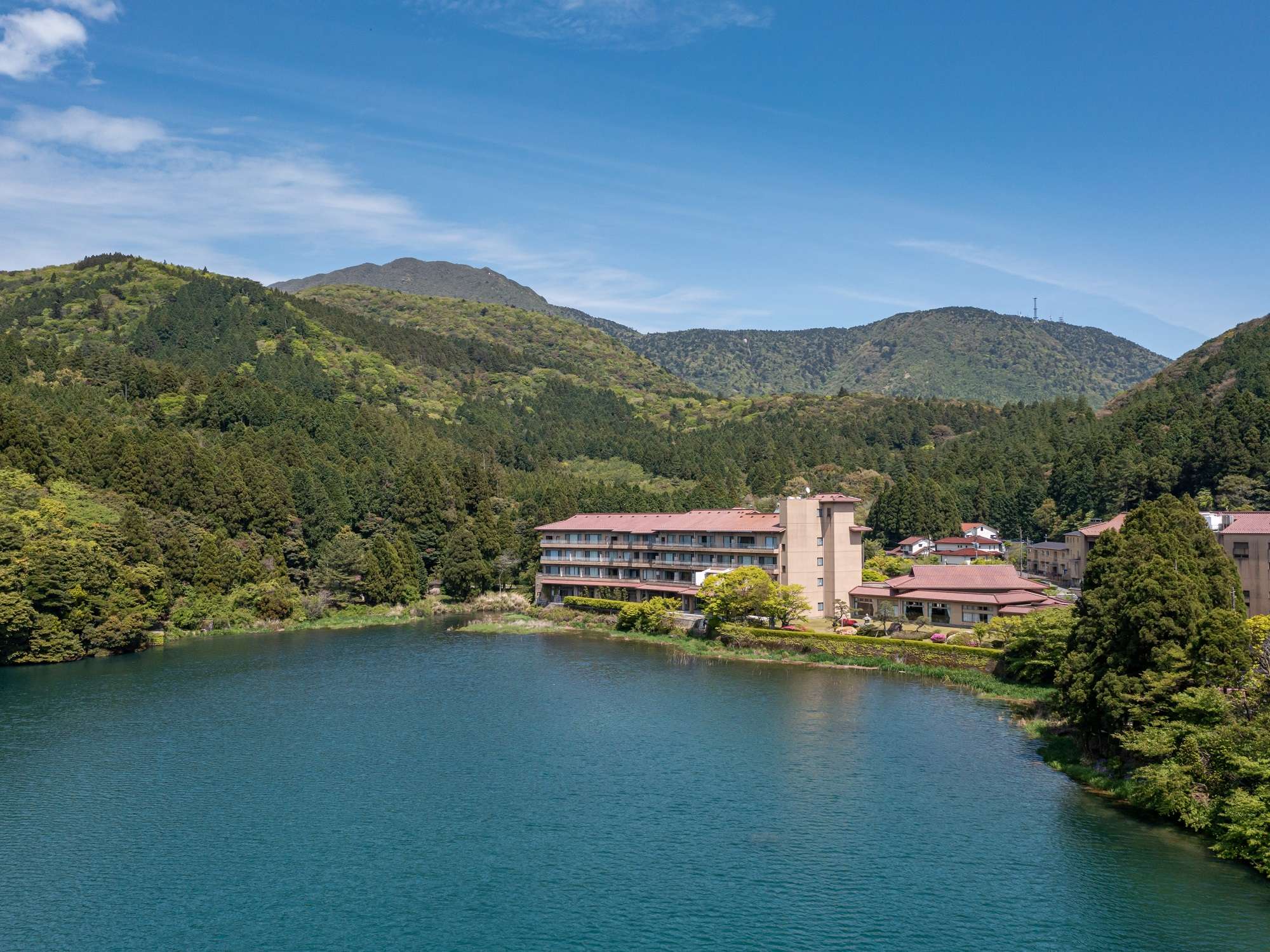 | from US$137/person/night≈ US$274 for 2 | 9.2 543 reviews | Book on Booking.com |
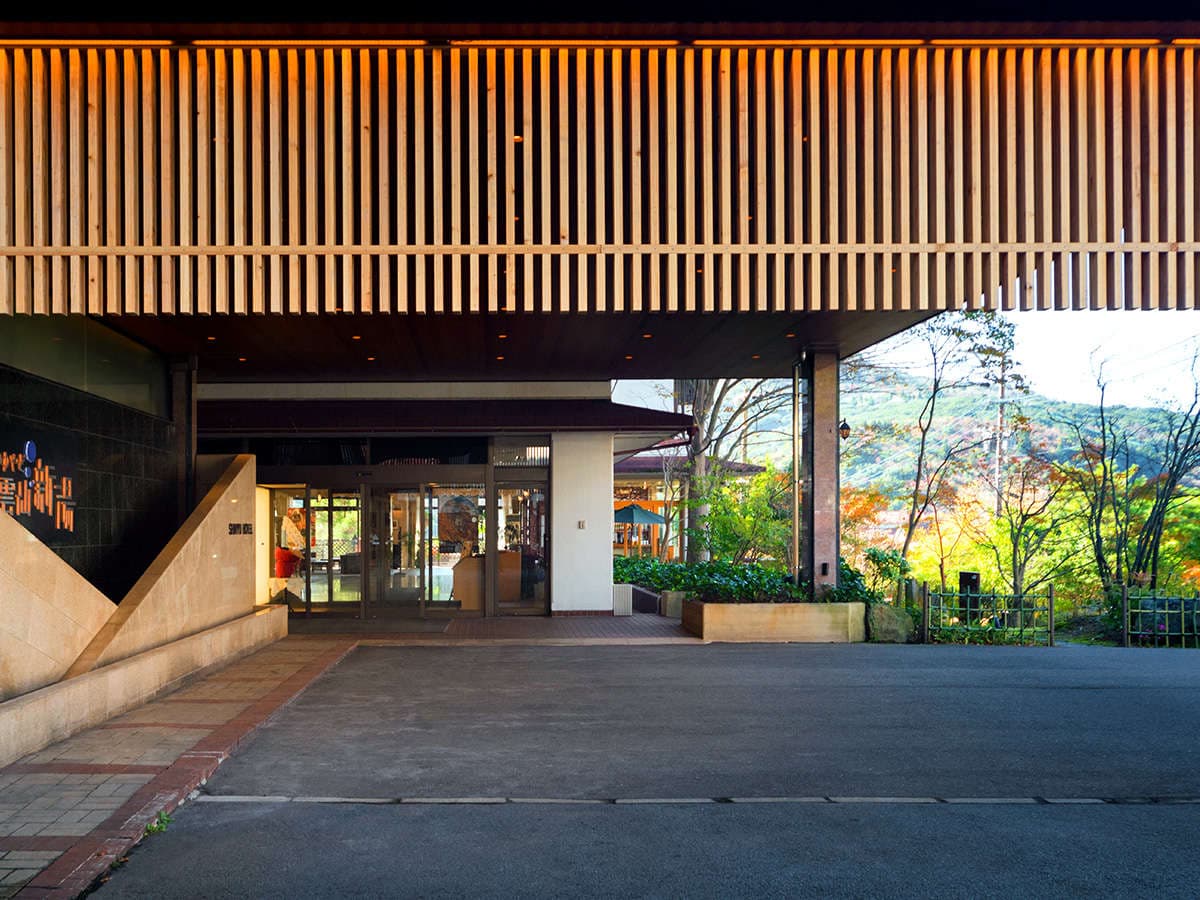 | from US$150/person/night≈ US$300 for 2 | 8.9 18 reviews | Book on Booking.com |
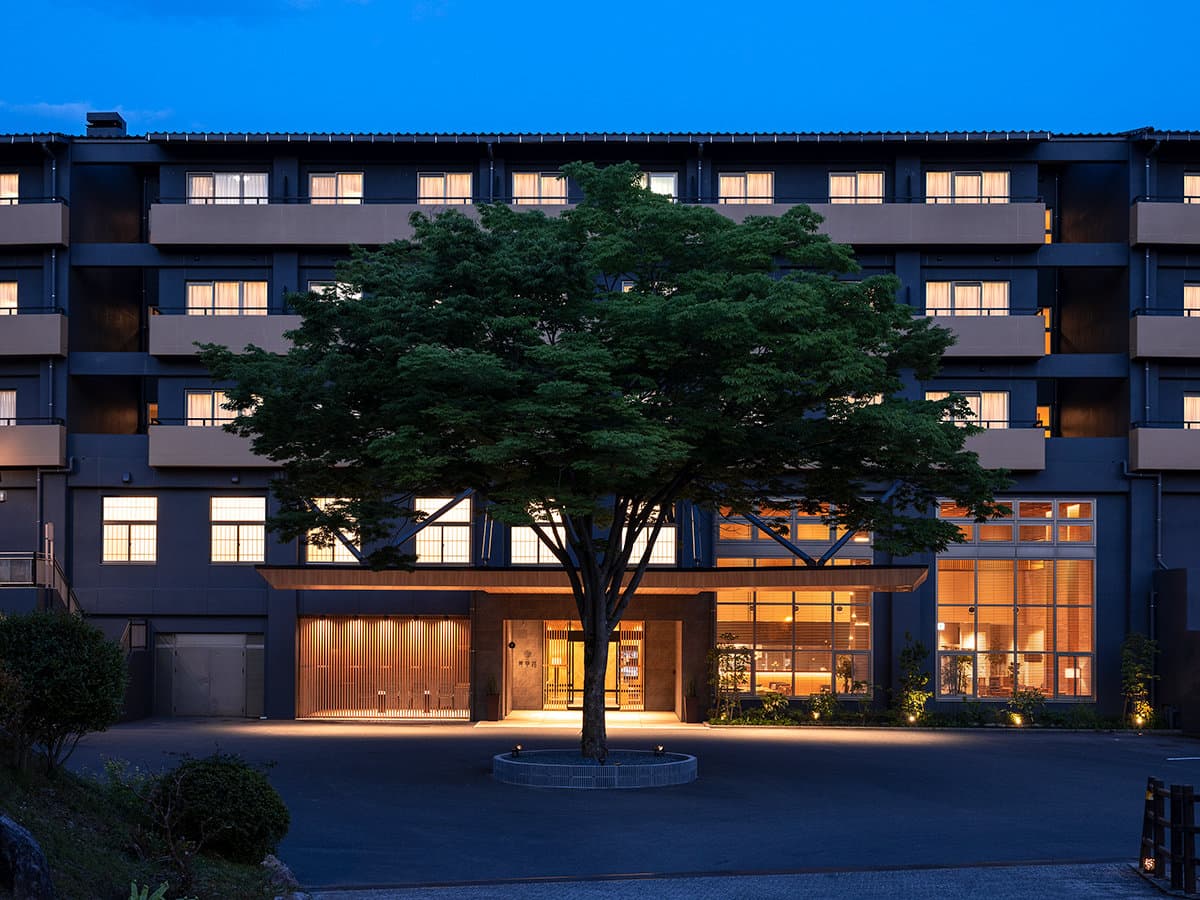 | from US$122/person/night≈ US$244 for 2 | 8.6 611 reviews | Book on Agoda |
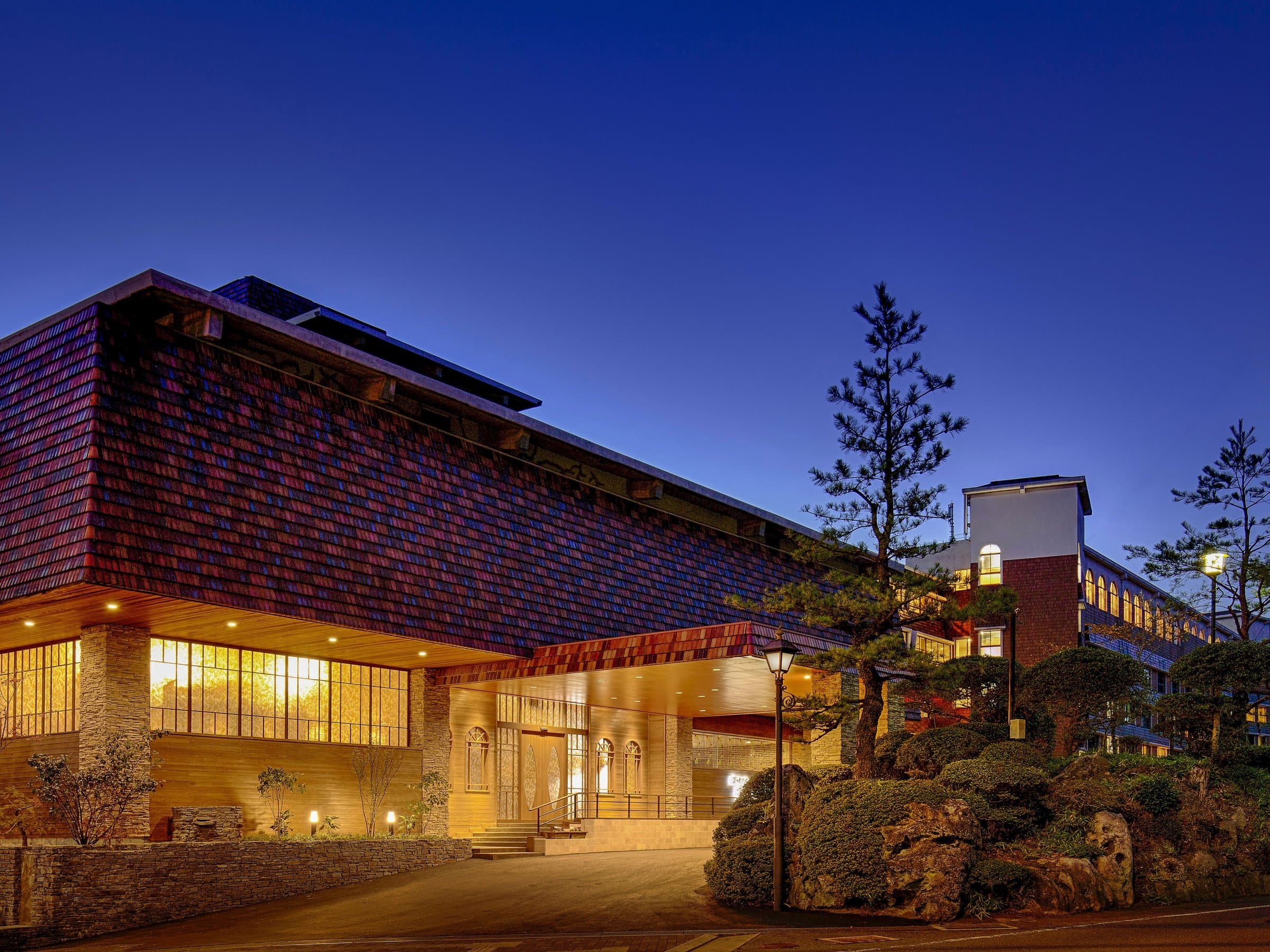 | from US$80/person/night≈ US$160 for 2 | 8.4 103 reviews | Book on Agoda |
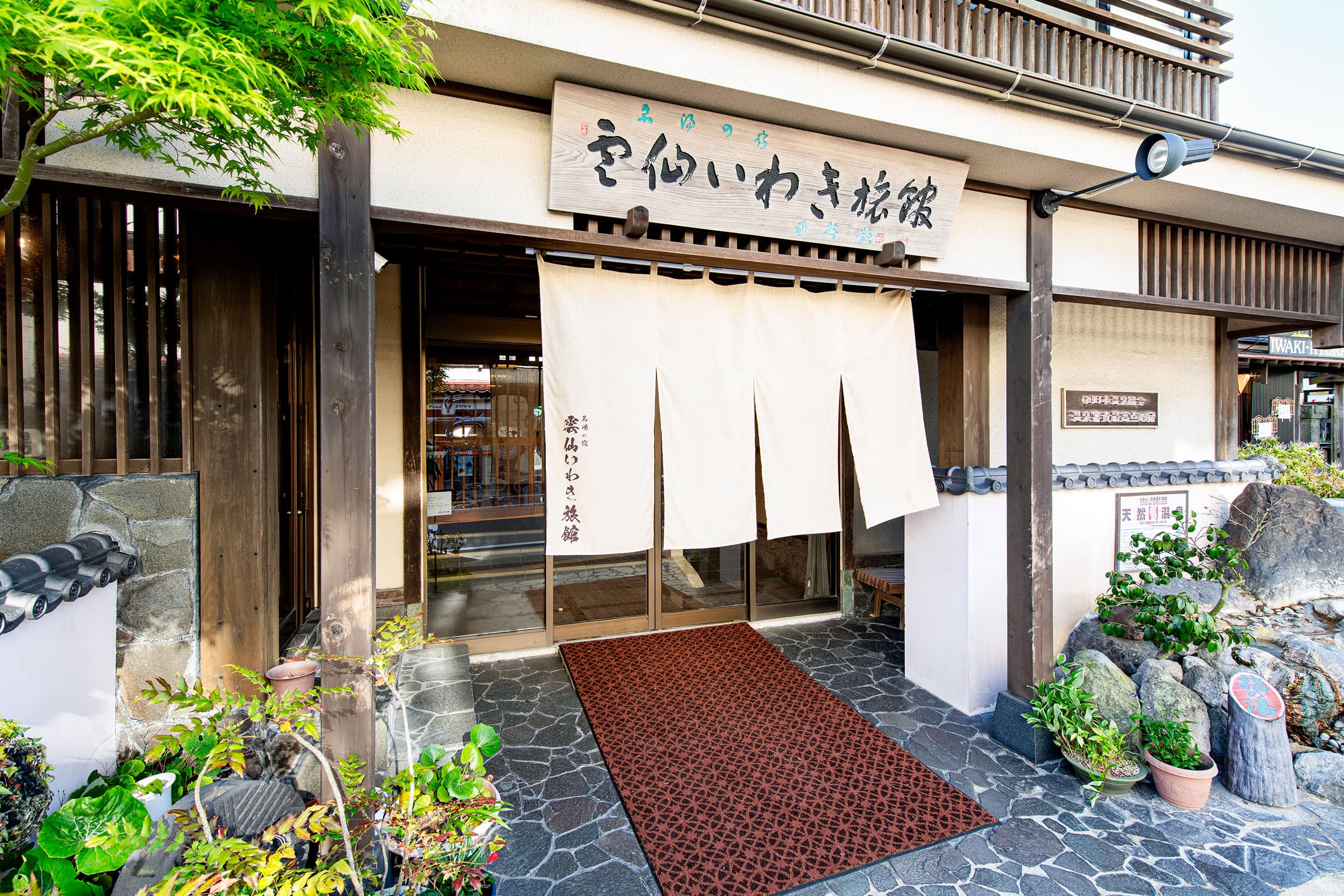 | from US$113/person/night≈ US$226 for 2 | 8.1 41 reviews | Book on Booking.com |
Azumaen
Unzen
Unzen Shinyu
Unzen
Seiunso
Unzen
Unzen Iwaki Ryokan
Unzen
Prices shown are approximate starting rates per person per night. We may earn a commission on bookings.
Ready to book?
Book one of these top picks
Compare live availability and prices across booking sites.
Unzen Kyushu Hotel
雲仙九州ホテル
Unzen·Luxury
from US$250 · per person · per nightfrom ≈ US$500 total for 2 guests



Unzen Kanko Hotel
雲仙観光ホテル
Unzen·Mid-Range
from US$120 · per person · per nightfrom ≈ US$240 total for 2 guests
Unzen Miyazaki Ryokan
雲仙宮崎旅館
Unzen·Mid-Range
from US$100 · per person · per nightfrom ≈ US$200 total for 2 guests
Booking links may earn us a commission at no extra cost to you.
FAQ
Frequently asked questions
How do you get to Unzen Onsen from Nagasaki?+
Take a direct express bus from the Nagasaki Ekimae Bus Terminal, which reaches Unzen Onsen in about 1 hour 40 minutes. Alternatively, you can travel via Isahaya Station on the JR/Shinkansen route, about 90 minutes from there. Unzen sits at 700 meters on the Shimabara Peninsula in Nagasaki Prefecture.
What is Unzen Onsen's hot spring water like?+
Unzen's water is a rare sulphate-chloride blend, milky-white, highly acidic (around pH 2-3), and one of the highest sulfur concentrations in Japan. It's prized for skin and stiff joints but corrosive enough to turn silver jewelry black almost instantly. Remove all silver rings, necklaces, and earrings before entering any bath.
Which ryokan in Unzen has the best Jigoku views?+
Kyushu Hotel is Unzen's modern flagship, located about 3 minutes' walk from the main Jigoku entrance, with private rotenburo in every room and many rooms facing the steam vents directly.
What is the Unzen Kanko Hotel?+
The Unzen Kanko Hotel is a heritage landmark founded in 1935 to welcome international visitors and registered as a National Tangible Cultural Property in 2003. It's built in a Swiss chalet-inspired Anglo-Japanese alpine-lodge style, with an intact French restaurant and wood-paneled library, priced at ¥50,000–¥100,000 per person.
What are the Unzen Hells (Jigoku)?+
The Unzen Jigoku is a landscape of sulfur-yellow steam vents and boiling acid pools, circled by a wooden boardwalk walking course and reachable within 5–10 minutes of most ryokans. Beyond geology, it carries dark history: in the 1620s the boiling pools were used to torture Christians, and a monument near the entrance commemorates 33 martyrs. Locals also use the vents for jigoku-mushi, steam-cooking vegetables, seafood, and chicken over the sulfur.
What is the best time of year to visit Unzen Onsen?+
November to March is the peak, when sulfur steam from the Jigoku shows up most dramatically against the cool air at 700m altitude. Autumn (October–November) is the most-cited season, when maple foliage contrasts against the white sulfur steam for the town's most photographed landscape. Unzen works best as a one-night stop rather than a two-night destination.
Still deciding?
Browse ryokans across JapanBooking.com