You've just spent six hours on a ridge. Your boots are caked. Your knees know about it. You need to check in somewhere, soak in an outdoor hot spring, and eat a real meal — and somehow all of that has to happen after 7pm, which is exactly when most ryokan kitchens close.
Finding the best ryokan for hikers in Japan means scoring for logistics, not luxury. That's exactly what this guide does: we assessed every property on a Hiker Compatibility Index (HCI), a six-factor framework built specifically around trail-return logistics. Only ryokans scoring 4 out of 6 or higher made the cut.
The result is 10 picks across 8 areas — Hakone, Nikko, Kusatsu, Zao, Ginzan, Noboribetsu, Yufuin, and Miyajima — each paired with a named trail and real transport times from trailhead to front desk. Autumn foliage window runs October through November; if you're reading this in July or August, your booking window for the best dates is already narrowing.
The Hiker Compatibility Index (HCI): How We Scored These Ryokans
We curate hundreds of ryokans across Japan's onsen areas on this site. When building this guide, we ran each candidate through six factors that matter specifically to hikers — not to leisure travellers. Here's what each factor measures and why it exists:
| Factor | What It Measures | Why Hikers Care |
|---|---|---|
| F1 — Trail Proximity | Trailhead reachable within 30 min on foot, bus, or taxi | Arriving exhausted at 5pm and walking 45 minutes to the ryokan isn't recovery |
| F2 — Rotenburo | Outdoor hot spring bath confirmed on-site | Indoor baths are fine; outdoor baths after trail time are a different category of restorative |
| F3 — Late Check-In Window | Accepts arrivals at 9pm or later, or posts an early check-in start (14:00–15:00) that signals operational flexibility | Trail days run late. 7pm hard cutoffs eliminate half the properties in Japan |
| F4 — Laundry / Gear Drying | Coin laundry or gear-drying room available | Multi-night hikers can't rewear soaked base layers |
| F5 — Dinner Flexibility | Can accommodate dinner at 7:30pm or later, or arrange a box meal for late arrivals | Standard kaiseki service begins at 6–6:30pm — that's before many hikers return from the trail |
| F6 — Early Breakfast | Breakfast available by 7am or earlier | Alpine starts need fuel before 8am; standard ryokan breakfast is often 7:30–8:30am |
Max score: 6 points. We only included properties scoring 4 or higher. Factors F4, F5, and F6 are based on published policies and standard property research — confirm directly when booking, as dinner times and laundry access can vary by season and occupancy. HCI is a JapanRyokanGuide.com proprietary framework.
At a Glance: All 10 Picks
| Rank | Property | Area | HCI | F1 | F2 | F3 | F4 | F5 | F6 | Price (from) |
|---|---|---|---|---|---|---|---|---|---|---|
| 1 | Okunikko Yuno-mori | Nikko | 6/6 | ✓ | ✓ | ✓ | ✓ | ✓ | ✓ | $264 |
| 2 | Zao Shiki no Hotel | Zao | 5/6 | ✓ | ✓ | ✓ | ✓ | ✓ | — | $120 |
| 3 | Takinoya | Noboribetsu | 5/6 | ✓ | ✓ | ✓ | ✓ | ✓ | — | $350 |
| 4 | Nagasawa Heihachi | Ginzan | 5/6 | ✓ | ✓ | ✓ | — | ✓ | ✓ | $200 |
| 5 | Hinoharu Ryokan | Yufuin | 5/6 | ✓ | ✓ | ✓ | ✓ | ✓ | — | $200 |
| 6 | Iwaso | Miyajima | 5/6 | ✓ | ✓ | ✓ | ✓ | ✓ | — | $350 |
| 7 | Kusatsu Onsen Gensen Ichinoyu | Kusatsu | 4/6 | ✓\* | ✓ | ✓ | — | — | ✓ | $97 |
| 8 | Ichinoyu Honkan | Hakone | 4/6 | ✓ | ✓ | ✓ | ✓ | — | — | $70 |
| 9 | Hotel Kajikaso | Hakone | 4/6 | ✓ | ✓ | ✓ | — | ✓ | — | $180 |
| 10 | Yumoto Itaya | Nikko | 4/6 | ✓ | ✓ | ✓ | — | ✓ | — | $163 |
Prices verified from JapanRyokanGuide.com database. F4/F5/F6 flags are directional — reconfirm when booking.
*Kusatsu's F1 reflects the volcanic-landscape walks reachable from town (Sainokawara Park and the roadside viewpoints) — the Mt. Shirane/Yugama crater rim trail itself remains closed as of July 2026; see the Kusatsu section for details.
The 3 Things That Make a Ryokan Genuinely Hiker-Friendly (And Most Miss Two of Them)
Before the picks, the problems. Understanding what goes wrong on a hiking-ryokan trip helps you choose the right property — and communicate with it correctly.

Pain Point 1: Kaiseki Dinner Starts at 6pm. Your Trail Doesn't End Until 5pm.
Standard kaiseki dinner at a Japanese ryokan begins at 6:00–6:30pm, with a second seating at 7:00–7:30pm at larger properties. If you summit at 4pm, need 45 minutes to descend, and 30–45 minutes by bus to reach the ryokan, you're arriving at 6:15pm — which on many trails is optimistic.
The solution isn't to rush the descent. It's to contact the ryokan on the morning of your hike and ask for a later dinner or a boxed meal — the exact script is in the tip box below. Most English-friendly properties in this guide will accommodate the request if it comes in before you're on the ridge with no signal.
See our kaiseki guide for what to expect from a full ryokan dinner when you do make it in time.
Tip
What to Say When You Call Ahead: On the morning of your hike, phone or email the ryokan: "I expect to arrive around [8pm]. Is it possible to arrange dinner at that time, or can you prepare an o-bento box?" Do not leave this until you're on the trail without phone signal.
Pain Point 2: Where Do the Boots Go?
Muddy boots come off at the genkan (entry foyer) — this is an absolute rule at every ryokan in Japan, not a request. Most onsen ryokan in hiking and ski areas provide a dedicated boot storage rack near the entrance; your boots will be waiting there in the morning. Bring a small dry bag for wet socks and gaiters so they don't soak through your pack. If you're staying multiple nights, ask the front desk for newspaper to stuff inside wet boots overnight — it works.
Trekking poles are typically stored at reception. No ryokan in this guide has flagged any restriction on them.
Pain Point 3: "9pm Last Check-In" Does Not Mean Dinner is Saved
There is a specific misunderstanding that trips up hikers every autumn. "9pm last check-in" means the front door is staffed or unlocked until 9pm. It does not mean your kaiseki dinner will be waiting. Late check-in and late dinner are two separate conversations that require two separate communications — ideally made the evening before your hike, not the morning of.
Properties with a 14:00 check-in time (Zao Shiki no Hotel, Takinoya in this guide) tend to run a more flexible operation than those with 15:00 or 16:00 cutoffs. It's a soft proxy, not a guarantee — but it's consistent with what our data shows across the ryokans we track.
Tip
Booking Tip: The Autumn Foliage Window. Nikko's Senjogahara peaks mid-October — ryokan availability drops sharply by early September. If you're planning a foliage hiking trip, booking in July or August isn't excessive. Trip.com allows free cancellation on most properties up to 7 days before arrival.
Best Ryokans for Day-Hikers Adding a Trail to Their Japan Trip
This section covers the majority of readers: you're on a 10–14 day Japan trip, the hike is one or two days of your itinerary, and the ryokan needs to be forgiving rather than demanding. English-friendly booking matters most. Early breakfast is less critical — you'll be doing a half-day trail, not a full alpine start. Ranks #5 through #10 sit in this group, ordered roughly east to west — the Tokyo-side bases first (Nikko, Hakone, Kusatsu), then the western picks (Miyajima, Yufuin) — so you can slot them against your route. All six picks here are confirmed English-friendly; trail proximity and late check-in are the factors that matter most for your trip.
#10 Yumoto Itaya, Nikko — Lake Yunoko Circuit (HCI: 4/6)
Rating: 9.2 (392 reviews) | Price: from $163/night | Tattoo policy: unknown (confirm when booking) | Check-in: 15:00
Yumoto Itaya sits right at the edge of Lake Yunoko, which puts the lakeside circuit trailhead roughly five minutes on foot from the front door. The Lake Yunoko loop is 3.5km of flat lakeside path — a 30–60 minute circuit at whatever pace you set — with the Yudaki Falls at the lake's southern outlet marking the start of the longer Senjogahara marshland trail if you want to extend the day. Lake Yunoko sits at 1,478m elevation, which means autumn colour here arrives early: typically first week of October, before the rest of Nikko's lower areas turn.
The trail pairing here is honest about what it is. This isn't a summit push — it's a recovery walk or a rest-day amble between more demanding days in the Okunikko area. The value is the position: Yumoto Onsen is the trailhead hub for both the Yunoko loop and the Senjogahara marshland, so guests at Yumoto Itaya can tackle either route without any transport at all.
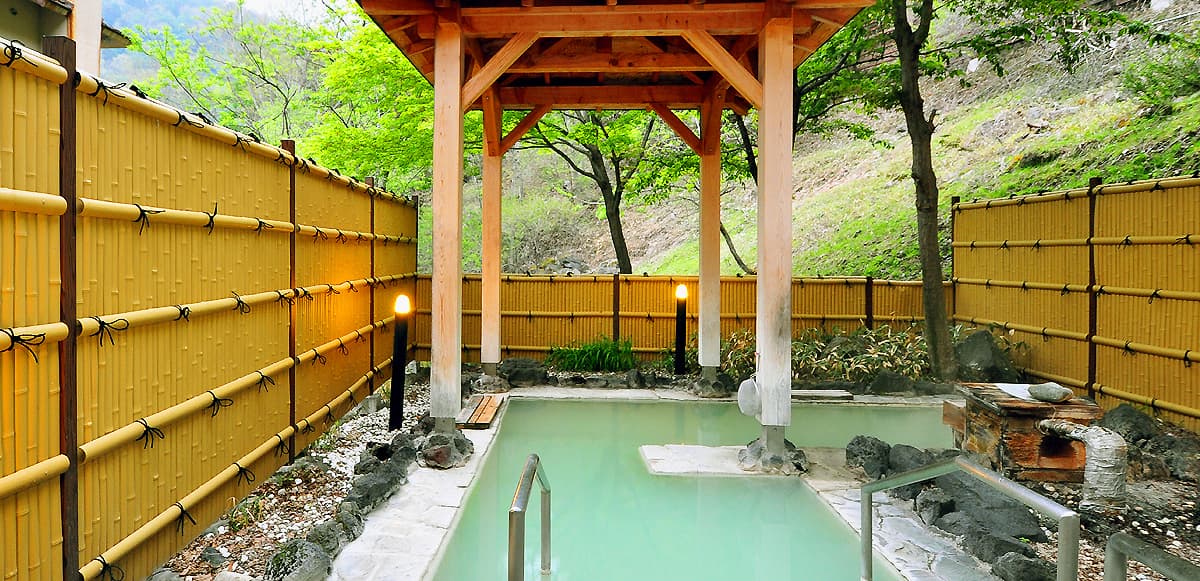
No private onsen here — the communal outdoor baths are the main soaking option, and tattoo policy is unknown, so confirm directly if that matters for your stay. Gear-drying is not confirmed (F4=0), but for a single-night stop between hiking days, the $163 price point and the direct lakeside access make Yumoto Itaya the most practical budget pick in the Nikko onsen zone.
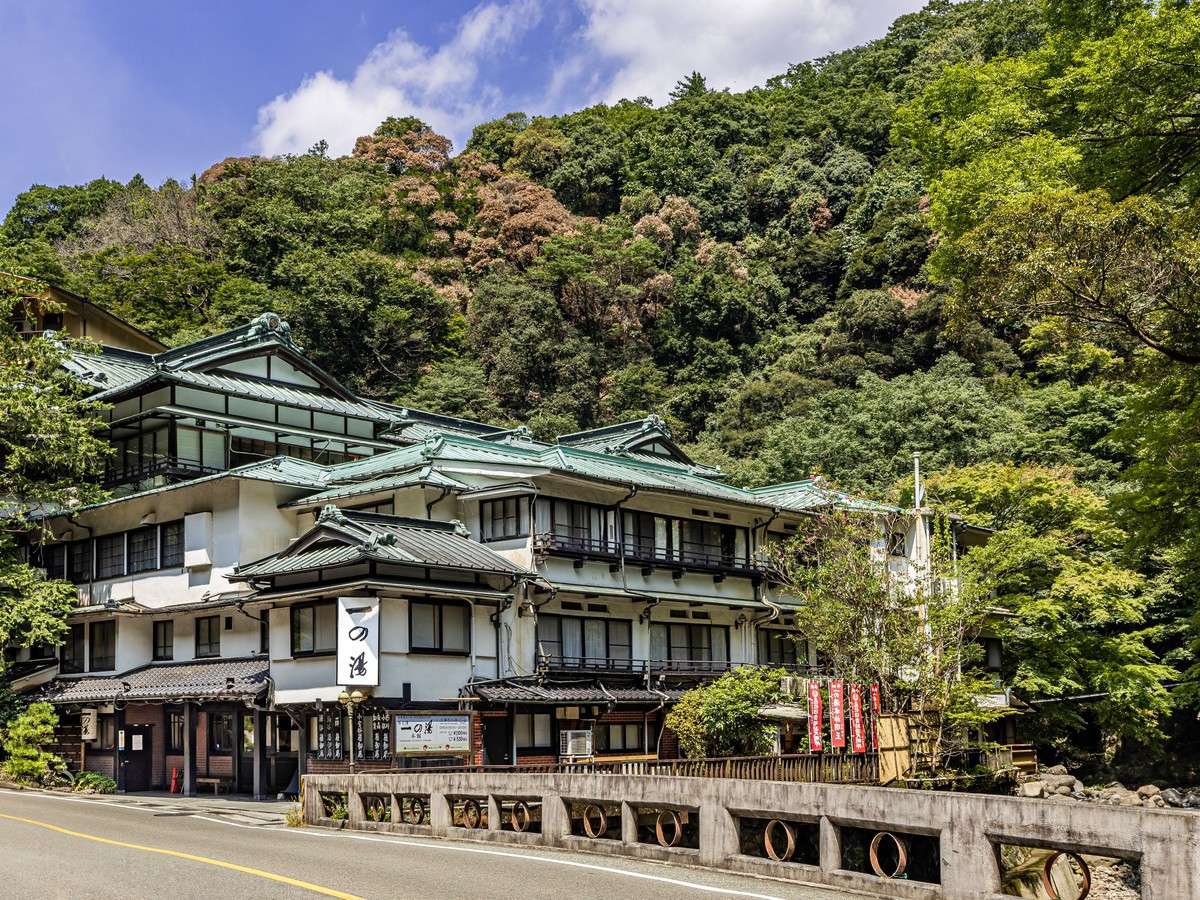
#8 Ichinoyu Honkan, Hakone — Hakone Old Tokaido Trail (HCI: 4/6)
Rating: 9.1 (187 reviews) | Price: $70–$160/night | Tattoo policy: cover_up (shared baths accessible with coverings) | Check-in: 15:00
The paired trail is the Hakone Old Tokaido — 6–8km depending on your start point, along the original Edo-period highway from Amazake-chaya teahouse down to Hatajuku. The cedar trees lining this route were planted in 1618 by Shogun Tokugawa Hidetada; approximately 420 of them still stand, and they're tall enough that the path stays cool well into afternoon. The Amazake-chaya teahouse, run by the same Yamamoto family for 13 consecutive generations, marks the midpoint with a 400-year-old sweet rice drink recipe. Wooden waymarker stones (sekido) along the route mark the original Edo boundaries.
Three minutes on foot from Hakone-Yumoto Station, Ichinoyu Honkan is the easiest property in this guide to reach by train. The bus to Amazake-chaya departs from the same station and takes 15–20 minutes. The trail back to Hatajuku involves gentle undulation — 463m elevation gain over the full section, no technical terrain — which makes it the most accessible walk in this section for first-time hikers in Japan.
What you're giving up: no confirmed gear-drying room (F4=0) and dinner flexibility isn't confirmed (F5=0). At $70, it's the cheapest genuine ryokan-onsen combination in Hakone, and for a half-day trail that ends by 3pm, the dinner window is achievable without special arrangements.
#9 Hotel Kajikaso, Hakone — Hayakawa Gorge Riverside Walk (HCI: 4/6)
Rating: 9.2 (156 reviews) | Price: $180–$400/night | Tattoo policy: cover_up | Check-in: 15:00

Kajikaso is 5 minutes from Hakone-Yumoto Station, which puts the Hayakawa River gorge area roughly 10 minutes on foot from the front door. Note: this is a riverside walking route in an established scenic area rather than an officially named, mapped trail — verify the specific route with the Hakone Tourism Association before your trip. What's consistent and confirmed: the Hayakawa gorge area is well-established as a day-walk setting, following the river before gaining elevation toward ridge viewpoints above Kowakudani.
The key differentiator over Ichinoyu Honkan is the private onsen room option. For hikers who have tattoos, Kajikaso's cover_up policy applies to the shared communal baths; private onsen rooms sidestep that limitation entirely. The jump from $70 to $180+ is real, but so is the difference in space, privacy, and overall inn quality.
Gear-drying access is not confirmed for Kajikaso (F4=0). For a one-night Hakone stop with a half-day walk, that's a minor gap. If you're doing multiple hiking days with wet gear accumulating, consider whether the private onsen justifies the price premium over a longer stay in Nikko's onsen zone, where the trails run deeper.
#7 Kusatsu Onsen Gensen Ichinoyu, Kusatsu — Kusatsu Volcanic Landscape (HCI: 4/6)
Rating: 9.6 (924 reviews) | Price: from $97/night | Tattoo policy: private_only | Check-in: 15:00
Tip
Important safety note: As of July 2026, hiking trails to the Yugama crater rim on Mt. Kusatsu-Shirane remain closed. The Japan Meteorological Agency lowered the volcanic alert to Level 1 on May 15, 2026, and the road around Shirane reopened May 29 — but trail access to the crater is not restored. Check current conditions at the JMA volcanic alert system before planning any visit to the Shirane area. The Motoshirane cone erupted January 23, 2018, and the area remains under active monitoring.
The volcanic landscape is still worth experiencing — the Shirane area is accessible by road and bus, and the geological drama (steam venting from the hillsides, the colour of the distant caldera visible from the road) is striking even without trail access. The situation may change between publication and your visit; JMA's alert page is the authoritative source.
What isn't closed and isn't in any doubt: Kusatsu Onsen itself, and Gensen Ichinoyu's position within it. The sulphur reaches your nose before the yubatake (hot spring field) reaches your eyes — a terraced wooden field in the town centre where Kusatsu's strongly acidic water (pH approximately 1.6–2.0, among the most acidic hot springs in Japan) flows visibly through the town. For the walking fix while the crater trail stays shut, Sainokawara Park is about 10 minutes on foot west of the yubatake: a steaming valley of hot streams and vents that ends at the vast open-air Sainokawara Rotenburo.
Gensen Ichinoyu sits central to the yubatake, is English-friendly, and offers private onsen — the relevant workaround for tattooed hikers, since the private_only policy means communal baths are excluded. At $97, it's the strongest value-per-quality pick in this guide for solo hikers who want a private soaking option. Autumn foliage in Kusatsu's high-altitude surroundings (approximately 1,200m) typically peaks early to mid-October — the yubatake framed by autumn colour is the visual hook to book toward.
See our guide to tattoo-friendly ryokans with private onsen for a deeper look at navigating onsen policies with ink.
#6 Miyajima Iwaso, Miyajima — Mt. Misen Summit Trail (HCI: 5/6)
Rating: 9.3 (61 reviews) | Price: $350–$900/night | Tattoo policy: private_only | Check-in: 15:00
Of all the picks in this guide, Iwaso has the shortest walk from front door to trail start. It's the only quality onsen ryokan on Miyajima island sitting at the mouth of Momijidani valley — approximately 5 minutes on foot to the Momijidani Course trailhead.
The Momijidani Course is 2.3km one-way to the summit of Mt. Misen (535m), with 183m of elevation gain — steep enough to feel like a proper hike, short enough that it doesn't dominate your day. The ancient cedar forest thickens in the upper sections, and Reikado Hall near the summit houses a flame that, according to historical record, has burned continuously since Kobo Daishi lit it approximately 1,200 years ago. Descending via the Daisho-in route adds a temple circuit through one of Shikoku's oldest pilgrimage complexes.
The practical reason to stay on Miyajima overnight: the last JR ferry from Miyajima to the mainland departs at 22:14. Day visitors cluster during the morning and midday; by late afternoon, the island belongs to overnight guests. Iwaso charges for that privilege — $350 is the entry price, and it climbs steeply — but the positioning and the private onsen options for tattooed guests make it defensible for a special-occasion night.
Autumn foliage at Momijidani peaks November 15–28, 2026, during the official Miyajima Autumn Leaves event (November 10–30). This is the latest major foliage peak in the guide — useful for visitors who miss the earlier Tohoku and Kanto windows.
#5 Hinoharu Ryokan, Yufuin — Mt. Yufu Summit Trail (HCI: 5/6)
Rating: 9.7 (106 reviews) | Price: $200–$500/night | Tattoo policy: cover_up | Check-in: 15:00
Mt. Yufu (Yufudake) tops out at 1,583m, and the round trip from the Makinoto Pass trailhead is approximately 8km with 750m of elevation gain. It starts gentle through open meadow and becomes rocky and steep with some light scrambling near the East Peak — plan for 3–4 hours return, or up to 5–6 hours if you take it slowly. Summit views take in the Yufuin basin and much of Oita Prefecture on a clear day.
Getting to the trailhead: the Makinoto Pass is 15–20 minutes by taxi from Yufuin Station, or approximately 30 minutes by Kamenoi Bus Route 36 to the Yufutozan Guchi stop. Car parking fills fast on autumn weekends. Taxi is the cleaner option.
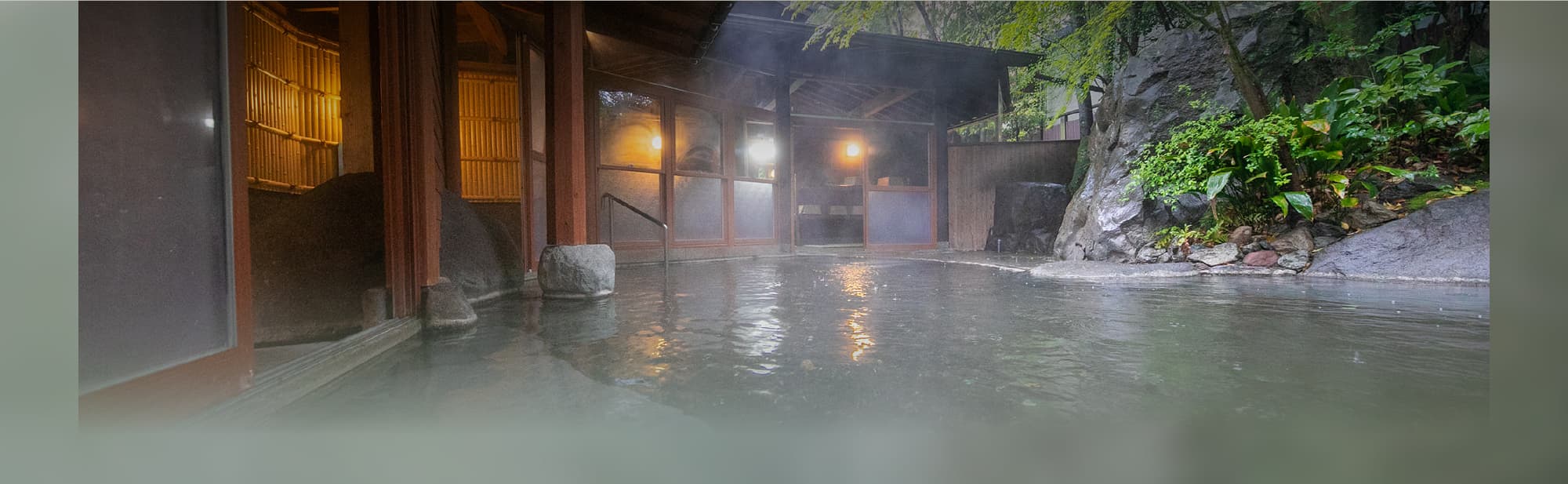
Hinoharu's outdoor rotenburo looks out toward Mt. Yufu — confirm the exact view angle against the property's photos when booking. The cover_up tattoo policy means the shared communal baths are accessible with coverings; private onsen options are available for complete privacy.
Best months for Mt. Yufu: May–June for clear summit visibility and moderate temperatures; October for foliage colour at 1,400–1,500m elevation. Yufuin autumn foliage peaks mid-November to early December — one of the later peaks in the guide.
Best Ryokans for Multi-Day Trekkers Using Japan as a Trail Base
This section is for the other reader: you've planned a trail-focused 3–7 day trip, you need confirmed early breakfast, you want to know what happens to your wet gear overnight, and you're booking 8–16 weeks out because good availability at these properties during autumn foliage season is not a given. All four picks here score 5/6 or above on HCI. They're the properties we'd build a multi-day trekking itinerary around.
#4 Nagasawa Heihachi, Ginzan — Silver Mine Walk & Yamagata Trekking Base (HCI: 5/6)
Rating: 9.8 (81 reviews) | Price: $200–$450/night | Tattoo policy: private_only | Check-in: 15:00
Ginzan Onsen takes its name from the Enzawa Silver Mine, which operated during the early Edo period from approximately 1617 onward. Mine workers discovered the hot spring while working the site. A 22m waterfall (Shiroganotaki) still marks the start of a roughly 1.5km nature walk behind the town to the old mine entrance — a 15-minute return amble rather than a demanding trail, and it's best understood as a cultural warm-up or evening walk rather than the day's main event.
At 9.8 across 81 reviews, Nagasawa Heihachi carries the highest quality score among the picks. The property sits directly on the famous lantern-lit Taisho-era riverfront streetscape in the main Ginzan Onsen cluster. Private rotenburo and private onsen are confirmed — ideal recovery after days that work harder than the local mine walk.
The serious hiking connection from Ginzan is Dewa Sanzan, the ancient three-mountain pilgrimage range including Mt. Gassan (1,984m). But this is not a day trip from Ginzan — the logistics require returning to Oishida Station and connecting to Yamagata or Tsuruoka, then onward to the Gassan trailhead — figure three to four hours of transit each way. Plan Dewa Sanzan as a 2–3 day extension from the wider Yamagata region, not an add-on from Ginzan itself. Mt. Gassan's official hiking season runs July 1 through early October; snowfields may linger into July, and trekking poles are recommended.
Use Ginzan as your evening base — arrive by the 40-minute bus from Oishida Station, walk the silver mine trail before dinner, soak in the private rotenburo, then build your Yamagata trekking itinerary around day trips from here or as a starting point before heading south. For the full area breakdown, see our guide to the best ryokans in Yamagata.
#3 Takinoya, Noboribetsu — Jigokudani Hell Valley Trail (HCI: 5/6)
Rating: 9.6 (276 reviews) | Price: $350–$800/night | Tattoo policy: private_only | Check-in: 14:00
Jigokudani — Hell Valley — is one of Japan's most literally descriptive place names. The main boardwalk loop is 4.7km through active volcanic steam vents, boiling mud pools, and sulphur-encrusted rock formations in Noboribetsu's geothermal zone. The circuit extends from the Jigokudani lookout through Tessen Pond and Haridashi Lookout to the Oyunuma natural foot bath, where you can soak your feet in warm spring water while watching steam vent from the earth around you. The full extended route runs 2–3 hours.
What makes Noboribetsu stand out logistically: the main boardwalk is accessible year-round, making it Japan's only genuinely viable winter hiking option in this article. Upper hill trails above Jigokudani may close in winter, but the core boardwalk runs with handrails through the cold months. Noboribetsu Jigokudani is also one of Japan's designated 100 Best Red Foliage Spots (Nihon Koyo Hyakasen), with autumn colour peaking late October to early November.
Takinoya's 14:00 check-in is the earliest in this guide and signals the property's operational flexibility. Multiple outdoor rotenburo — including natural sulphurous baths — are confirmed; the private onsen option is available for tattooed guests (private_only policy means communal baths are excluded). JR Noboribetsu Station is 15 minutes away by shuttle or taxi, and Jigokudani is a 5–10 minute walk from the main onsen village cluster.
The honest limitation: $350 is the entry price and it rises steeply. Takinoya is a large luxury property, and you're paying for that scale. If budget is a constraint, the trail itself is worth visiting from cheaper accommodation in the area — but no other Noboribetsu property in our database matches Takinoya's combination of early check-in, outdoor rotenburo, and confirmed English service.
#2 Zao Shiki no Hotel, Zao — Okama Crater Rim Walk (HCI: 5/6)
Rating: 9.3 (49 reviews) | Price: $120–$300/night | Tattoo policy: cover_up | Check-in: 14:00

The sensory contrast at Zao is sharper than anywhere else in this guide: you look down into an emerald-green caldera lake from the crater rim, then twenty minutes later you're shoulder-deep in milky-white sulphurous water at one of Japan's most distinctive outdoor rotenburo. Those two colours don't exist in nature that close together anywhere else we know.
The Okama crater walk is reached via the Zao Ropeway from the onsen village — the lower station is a 5–10 minute walk from the main village cluster, and Zao Shiki no Hotel's 14:00 check-in means you can arrive mid-morning, drop your bags, and be on the ropeway before noon. The upper station runs 08:45–16:45 (last uphill departure approximately 16:00); the ropeway operates late April through November. From the top station, it's a 45-minute to 1.5-hour walk to the crater viewpoint, with the option to circuit the rim for a total of around 9.9km and 2.5–3.5 hours with the ropeway ride included.
Zao's sulphur onsen turns the water a milky white that stains light-coloured yukatas a faint yellow — this is not a defect, it's the water. The cover_up tattoo policy means inked guests can use the shared baths with coverings, which is a more inclusive approach than several other properties in this guide.
At $120–$300, Zao Shiki no Hotel is the best-value Tohoku pick in this list. Zao's colour peaks mid-October at altitude — running 2–3 weeks after Nikko's Senjogahara and 4–5 weeks before Miyajima's Momijidani. Book by early September for mid-October stays. For more context on the area, see our guide to the best ryokans in Zao.
#1 Okunikko Yuno-mori, Nikko — Senjogahara Marshland Trail (HCI: 6/6)
Rating: 9.6 (106 reviews) | Price: from $264/night | Tattoo policy: unknown (confirm when booking) | Check-in: 15:00
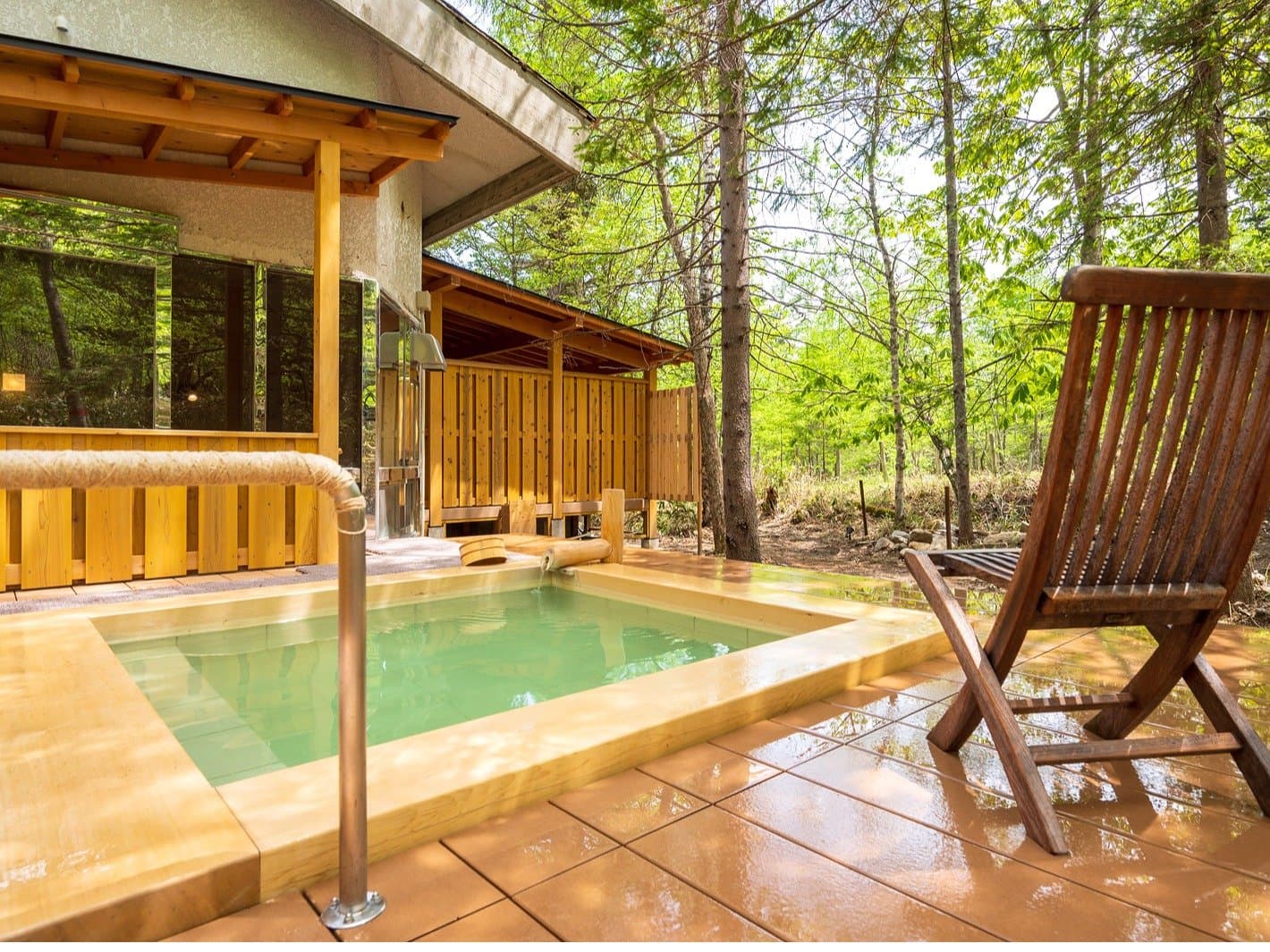
This is the only property in this guide to score 6 out of 6 on the HCI. Every factor is confirmed — trail proximity, outdoor rotenburo, late check-in, laundry, dinner flexibility, early breakfast. There are no asterisks. If you're building a hiking-focused Japan trip and you need one property where the logistics work completely, this is it.
The trail is Senjogahara Marshland — 400 hectares of alpine wetland inside Nikko National Park, and a Ramsar-designated conservation site, which means no dogs and stay on the boardwalk. The main route is approximately 6km from Yudaki Falls to Akanuma Junction; the full Yudaki-to-Ryuzu Falls extension reaches about 8km. This is not a loop — it's a one-way linear trail, and you return by bus from Ryuzu Falls or Akanuma. The boardwalk passes through tall reed beds and volcanic rock outcrops at 1,400m elevation, exposed to the sky in a way that most mountain trails aren't. The marsh grasses turn golden and red from late September; based on recent forecasts, the 2026 colour window is approximately October 5–15 for the Senjogahara plateau, before the lower Nikko slopes (Lake Chuzenji, Irohazaka) peak around October 25. See the Nikko National Park trail map for current access and route conditions.
Okunikko Yuno-mori is in the Yumoto Onsen area, a 10–15 minute bus ride from the Sanbonmatsu or Akanuma trailheads. The property has private onsen, and the English desk can help arrange a bento meal if your trail runs long. The private onsen confirmed in our database means you can soak without sharing a communal bath — useful regardless of tattoo policy, which remains unknown in our data and should be confirmed directly.
Mid-October weekends in this area sell out 8–10 weeks ahead. Book at least ten weeks out for any October date. For the full area breakdown, see best ryokans in Nikko.
Autumn Foliage Booking Calendar: When Each Area Peaks and When to Book

The autumn foliage hiking window is why most people reading this article are planning a trip. Peak timing varies significantly by area — Senjogahara at 1,400m peaks a full month before Miyajima's low-elevation Momijidani. Getting the timing right is the difference between a transformative trail and brown leaves.
| Area | Paired Trail | Peak Foliage 2026 | Book By |
|---|---|---|---|
| Nikko / Senjogahara (1,400m) | Senjogahara Marshland | Early Oct (5–15 Oct est.) | Mid-August |
| Zao | Okama Crater Walk | Mid-Oct (altitude); Late Oct (base) | Early September |
| Kusatsu | Volcanic landscape by road | Early–Mid October | Early September |
| Ginzan Onsen | Silver Mine Walk | Late Oct–Early Nov | Early September |
| Noboribetsu | Jigokudani Hell Valley | Late Oct–Early Nov | Early September |
| Yufuin | Mt. Yufu | Mid-Nov–Early Dec | Early October |
| Hakone (Yumoto area) | Old Tokaido | Mid-Late November | Early October |
| Miyajima (Momijidani) | Mt. Misen | 15–28 November (peak) | Mid-October |
Foliage forecasts are estimates based on elevation and historical patterns; 2026 official forecasts are published in September. A warmer-than-average summer may push peaks 3–5 days later than historical norms.
Tip
If you're targeting mid-October Nikko — the peak demand window — check availability early; autumn-foliage weekends at the small Okunikko properties are the first dates to fill.
For a comprehensive look at timing across Japan, see best ryokans for autumn foliage.
Hiker Logistics: Onsen After a Long Trail (And the Science Behind It)
There's a physiological reason the post-hike onsen feels the way it does, and it's not entirely placebo.
A 2025 study published in The Journal of Physiology (Dablainville et al.) found that hot water immersion at 42°C applied after muscle exertion was associated with lower perceived soreness, reduced circulating creatine kinase, increased heat shock proteins, and elevated anti-inflammatory markers. The researchers concluded that hot water immersion "appears more beneficial than cold water immersion in improving muscle regeneration after a muscle injury." [Source: PMC12666504, 2025]
A few important caveats: the study protocol involved 60-minute daily immersion over 10 days — more intensive than a single onsen soak. A separate 2025 RCT found no significant recovery acceleration in female participants. The evidence is promising, not conclusive. Research suggests that hot water immersion in the 40–43°C range — consistent with typical onsen temperatures — may support muscle recovery by reducing inflammation markers and perceived soreness; a 25–30 minute post-hike rotenburo soak is supported by the temperature evidence, even if precise duration recommendations vary.
What the science doesn't need to tell you: Kusatsu (pH ~1.6–2.0) and Noboribetsu's sulphurous baths feel sharply different from the sodium chloride waters at Hakone or Ginzan. Both water types offer the thermal and hydrostatic benefit. The mineral profiles are different; the muscle relaxation mechanism — heat plus buoyancy plus sensory shift from trail to still water — is consistent.
One universal etiquette note: showering at the kake-yu station before entering any communal onsen bath is mandatory, not optional. This applies after hiking the same as any other activity — it removes trail dust, sweat, and sunscreen. Sports tape must come off before entering. And wait at least 15–20 minutes after stopping vigorous exercise before immersing in hot water; blood pressure takes time to normalise after hard effort, and orthostatic dizziness in a hot bath is an unnecessary risk.
Gear Logistics and What to Pack for a Ryokan Hiking Trip
The standard ryokan packing list covers the basics — yukata etiquette, room slippers, no street shoes beyond the genkan. Here's what hikers need on top of that:
Trail-specific additions:
- Waterproof hiking boots (stored at the genkan boot rack, never in the tatami room)
- A packable microfibre towel for the trail — ryokan provide towels for the onsen, but not for trail sweat
- A small dry bag for wet socks and gaiters so they don't soak through your pack
- 2–3 nights' worth of moisture-wicking base layers — most traditional ryokan in this guide do not have coin laundry; contact properties directly to confirm before your trip
- Trekking poles are fine; store them at the reception desk on arrival
On laundry: Some ryokan have coin-operated machines; most smaller traditional properties don't. All 10 picks in this guide should be contacted directly before your stay to confirm laundry availability. As a backup, every major onsen town in this guide has a coin laundromat within 10–15 minutes of the main ryokan cluster.
Tip
Trekker's Tip: Use Luggage Forwarding Between Ryokan. Japan's Yamato TA-Q-BIN (takkyubin) service is the multi-day trekker's most underused tool. Drop your main bag at any FamilyMart or 7-Eleven the evening before, pay approximately ¥2,000–¥3,000, and it arrives at your next ryokan the following day. Hike with a daypack only — your knees and pace will both improve.
How to Book Without Speaking Japanese: Platforms and Tips
All 10 ryokans in this guide are confirmed English-friendly — front desk staff handle English communication for standard requests. But knowing which platform to use and how to communicate special requirements makes the difference between a booking that works and one that creates problems on arrival.
Trip.com is the primary recommendation for all 10 picks here. English UI, English confirmation emails, English customer service, and all 10 properties confirmed available on the platform. For English-speaking ryokans in Japan more broadly, Trip.com is also the most consistent booking experience across our database.
Direct email works well for special requests — and for hikers, special requests matter more than for standard guests. If you're arriving late from a trail, need early breakfast, or want to ask about gear-drying options, send a brief email to the property 2–3 days before arrival. A template that works:
"I will be hiking [Trail Name] and expect to arrive around [time]. Please hold my kaiseki dinner if possible, or can you arrange an o-bento box?"
All English-friendly properties in this guide will respond in English.
Avoid booking on Japanese-language platforms (Jalan, Rakuten Travel) unless you read Japanese — confirmation emails, room instructions, and cancellation policies arrive in Japanese only.
That's the honest read on the best ryokans for hikers in Japan this season: match the property to the trail, confirm the three logistics that matter (dinner, check-in, boots), and book the autumn window before it closes. Not sure which area to start with? Read our complete Japan onsen area guide for a broader look at where to base yourself.
Ready to book?
Book one of these top picks
Compare live availability and prices across booking sites.
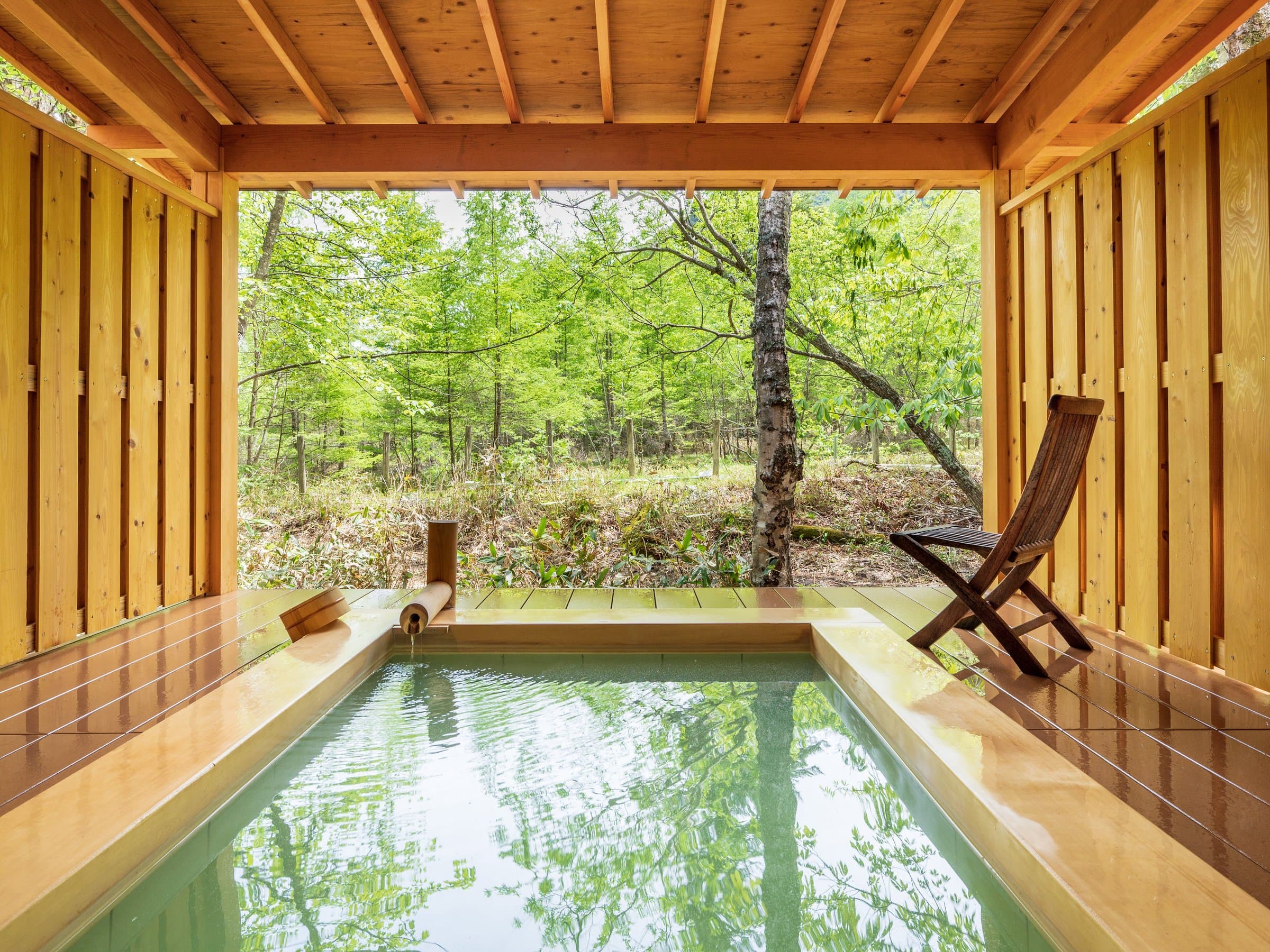
Okunikko Yuno-mori
奥日光ゆの森
Nikko·Luxury
from US$264 · per person · per nightfrom ≈ US$528 total for 2 guests



Zao Shiki no Hotel
蔵王四季のホテル
Zao·Mid-Range
from US$120 · per person · per nightfrom ≈ US$240 total for 2 guests

Takinoya
滝乃家
Noboribetsu·Luxury
from US$350 · per person · per nightfrom ≈ US$700 total for 2 guests
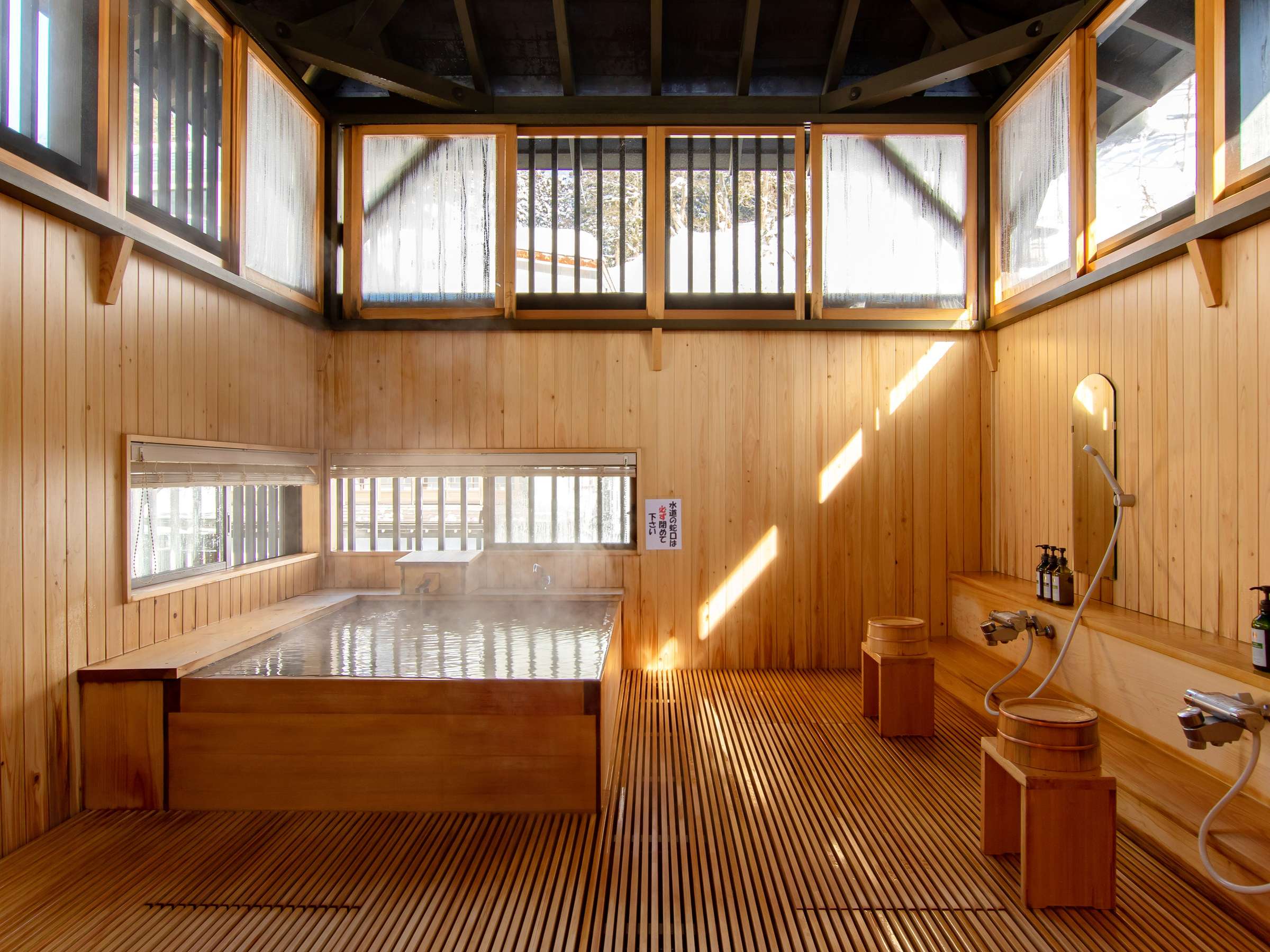
Nagasawa Heihachi
永澤平八
Ginzan·Mid-Range
from US$200 · per person · per nightfrom ≈ US$400 total for 2 guests

Hinoharu Ryokan
日の春旅館
Yufuin·Mid-Range
from US$200 · per person · per nightfrom ≈ US$400 total for 2 guests

Iwaso
岩惣
Miyajima·Luxury
from US$350 · per person · per nightfrom ≈ US$700 total for 2 guests
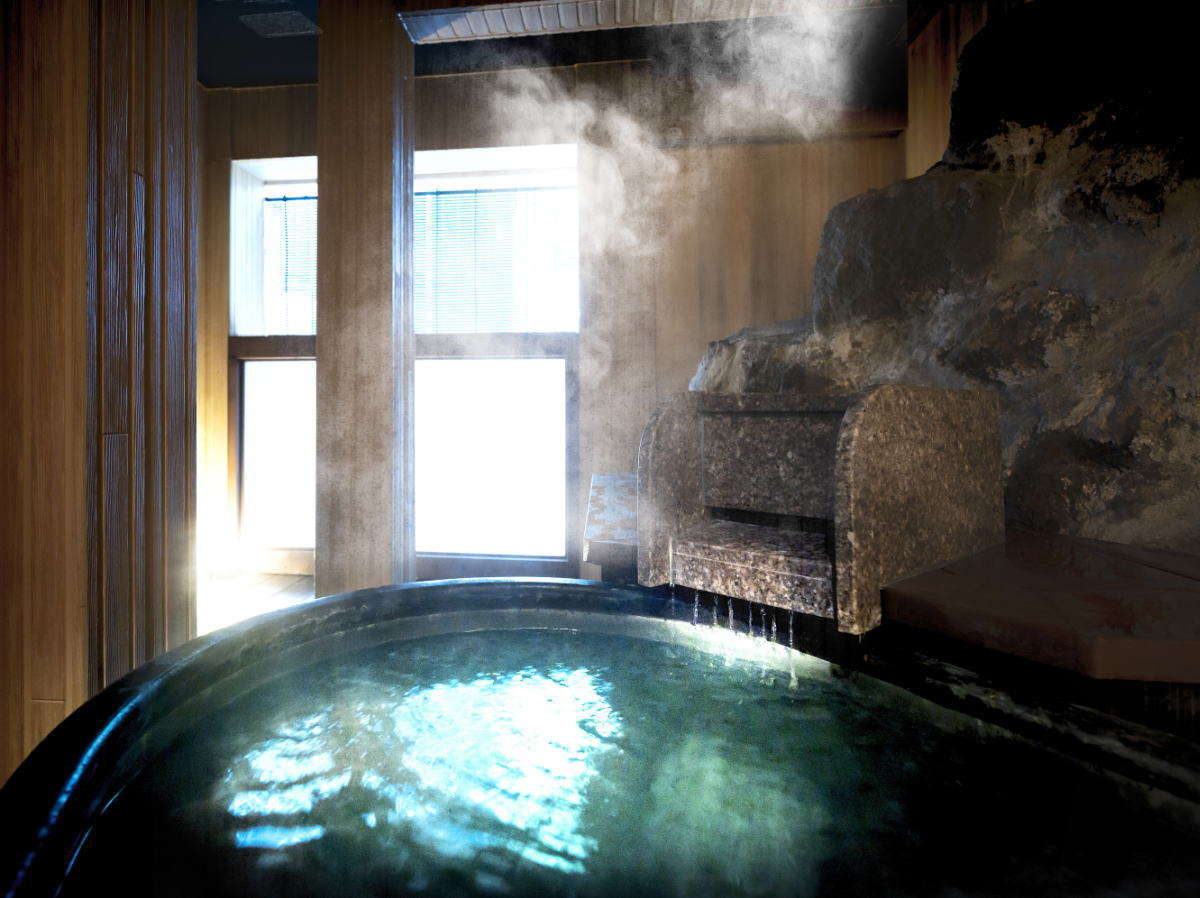
Kusatsu Onsen Gensen Ichinoyu
源泉一乃湯
Kusatsu·Budget
from US$97 · per person · per nightfrom ≈ US$194 total for 2 guests
Ichinoyu Honkan
一の湯 本館
Hakone·Budget
from US$70 · per person · per nightfrom ≈ US$140 total for 2 guests

Hotel Kajikaso
かじかそう
Hakone·Mid-Range
from US$180 · per person · per nightfrom ≈ US$360 total for 2 guests
Yumoto Itaya
湯元板屋
Nikko·Mid-Range
from US$163 · per person · per nightfrom ≈ US$326 total for 2 guests
Booking links may earn us a commission at no extra cost to you.
FAQ
Frequently asked questions
Can you hike to a ryokan in Japan?+
Yes, though very few ryokan are directly reachable on foot from a trailhead — most require a short bus or taxi leg after the trail ends. The closest walk-in option in this guide is Iwaso on Miyajima, where the Mt. Misen Momijidani trail ends approximately 5 minutes from the ryokan entrance. For all other picks, plan for 10–30 minutes of transport from the trail terminus to your ryokan.
What is the best onsen town for hiking in Japan?+
Nikko (Okunikko) is the strongest combination: the Senjogahara Marshland trail is an 8km alpine boardwalk, and the ryokan cluster at Yumoto Onsen is a 10–15 minute bus ride from the trailheads. For volcanic drama, Kusatsu and Noboribetsu both sit inside active geothermal zones where the onsen is a direct product of the same geology you're walking through. Zao combines the most visually distinctive onsen (milky-white sulphur water) with the Okama crater walk and the best value of any Tohoku pick in this list.
Do ryokans allow late check-in?+
Most traditional ryokan accept check-in until 9pm, and some until 10pm — but this varies by property and must be confirmed in advance. Late arrival does not automatically mean your dinner is saved: you must call or email ahead on the day of your hike, not at 7pm from a bus stop. Properties with 14:00 check-in times (Takinoya, Zao Shiki no Hotel in this guide) tend to be operationally more flexible about late-evening arrangements.
What should I pack for a ryokan hiking trip in Japan?+
Beyond the standard ryokan packing list, hikers specifically need: waterproof hiking boots (stored at the ryokan genkan, never in the tatami room), a packable microfibre towel for the trail, a small dry bag for wet gear, and 2–3 nights' worth of moisture-wicking base layers — most ryokan have no laundry. If multi-day trekking, use Japan's Yamato TA-Q-BIN luggage forwarding service (available at convenience stores, approximately ¥2,000–¥3,000 per bag) to ship your main pack between ryokan and hike with a daypack only.
Is it rude to use the onsen after hiking?+
No — it is expected and entirely culturally appropriate. Onsen-town ryokan near hiking areas are specifically accustomed to trail-tired guests. The etiquette requirements: rinse thoroughly at the shower station before entering the communal bath, remove sports tape, and wait at least 15–20 minutes after stopping vigorous exercise before immersing. No special permission or apology is needed.
Can I do laundry at a ryokan?+
Some ryokan have coin-operated laundry machines; traditional smaller properties often don't. None of the 10 picks in this guide guarantee laundry availability in our database — contact each property directly before your stay to confirm. As a backup, every major onsen town in this guide (Hakone, Nikko, Kusatsu, Ginzan, Zao, Noboribetsu) has a coin laundromat within 10–15 minutes of the main ryokan cluster.
Which is better for hiking — Hakone or Nikko?+
For hiking quality, Nikko (Okunikko / Senjogahara) is the stronger choice: the terrain is genuinely alpine, the trails are longer and more varied, and the Yumoto Onsen village is calmer than Hakone's tourist corridor. Hakone's Old Tokaido is more accessible and historically atmospheric — better for Japan first-timers adding one walk to a broader itinerary. Hakone is also significantly closer to Tokyo: 90 minutes via Romancecar versus 2+ hours to Okunikko.
Are there ryokans near the Japan Alps?+
Yes. Shirahone Onsen is the closest onsen ryokan cluster to the Northern Japan Alps; Hakuba Onsen offers access to Happo-one ridge trails. Neither area appears in this specific guide — most Shirahone properties have limited English-friendliness, and neither matches the direct trail-to-ryokan HCI scores of the picks above. See our best-ryokans-nagano-japan article for Matsumoto and Alps-adjacent options.
What time is dinner at a ryokan and what if I arrive late?+
Standard kaiseki dinner at a Japanese ryokan is served at 6:00–6:30pm, with a second seating often at 7:00–7:30pm at larger properties. If you expect to arrive after 7pm due to hiking, contact the ryokan by phone or email on the morning of your hike to request a later dinner slot or a box meal alternative. Do not assume they will hold dinner without prior notice — arriving at 8pm unannounced risks an empty stomach.
Can you book a ryokan without speaking Japanese?+
Yes — all 10 ryokan in this guide are confirmed English-friendly, meaning front desk staff handle English communication. Trip.com provides a full English booking flow, English confirmation emails, and English customer service. For special requests (late check-in, dinner timing, gear storage), send a brief email in English to the property at least 2–3 days before your stay; all properties in this guide will respond.
Still deciding?
Browse ryokans across JapanBooking.com