Quick Comparison
8 picks| Ryokan | From | Rating | Book |
|---|---|---|---|
 | from US$260/person/night≈ US$520 for 2 | 9.6 133 reviews | Book on Agoda |
 | from US$242/person/night≈ US$484 for 2 | 9.2 517 reviews | Book on Booking.com |
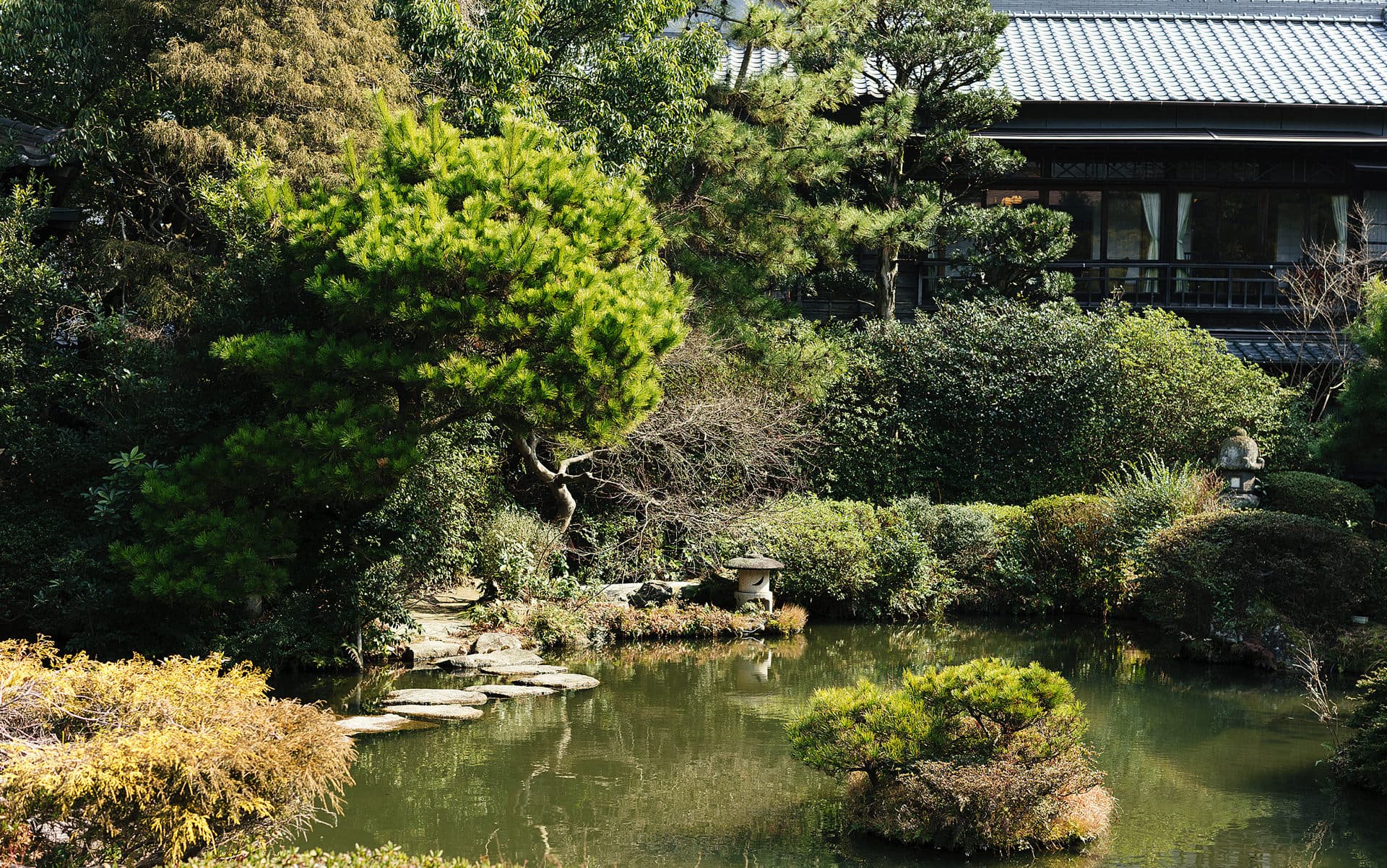 | from US$175/person/night≈ US$350 for 2 | 8.8 31 reviews | Book on Trip.com |
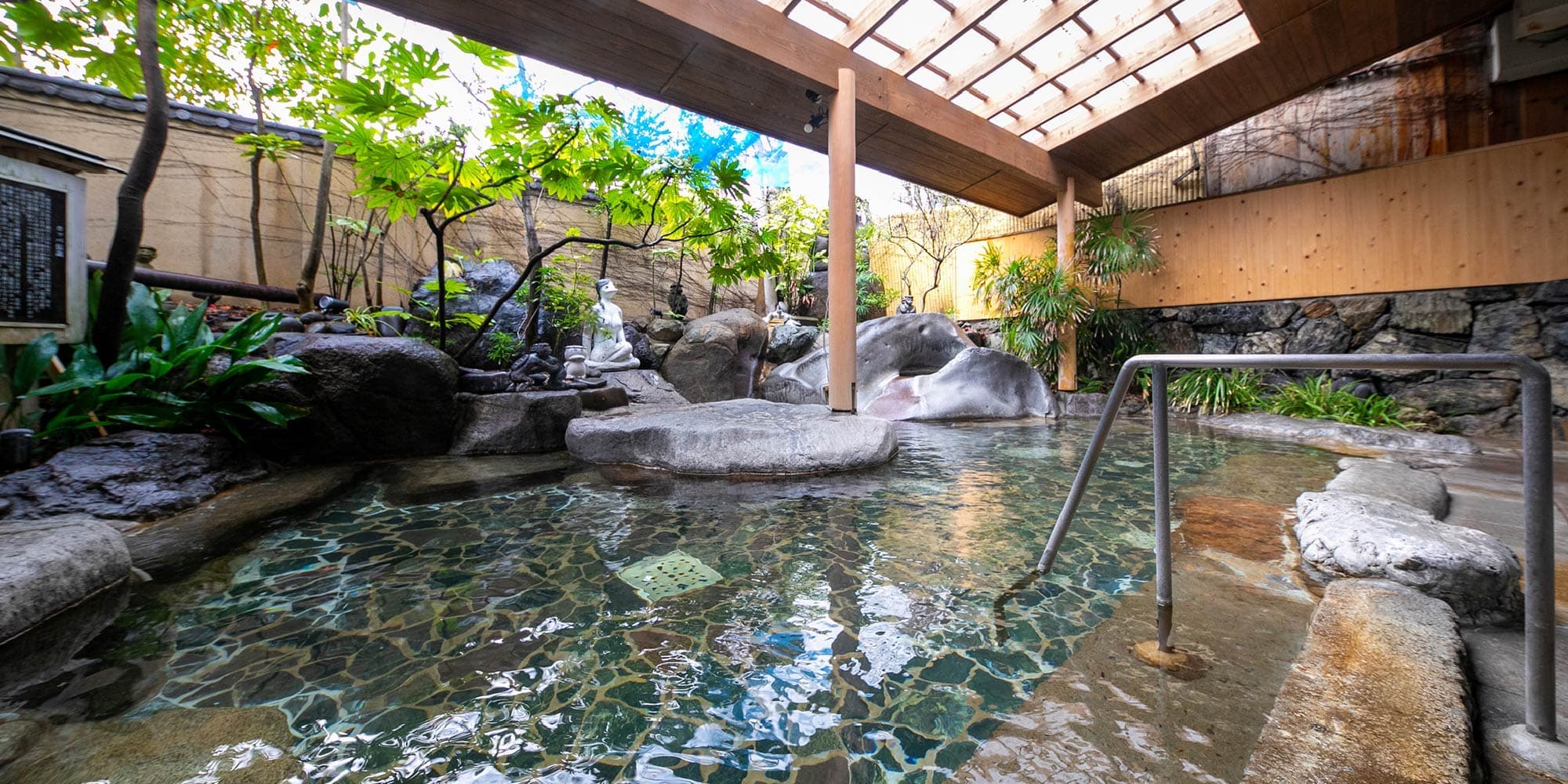 | from US$90/person/night≈ US$180 for 2 | 8.6 1,150 reviews | Book on Trip.com |
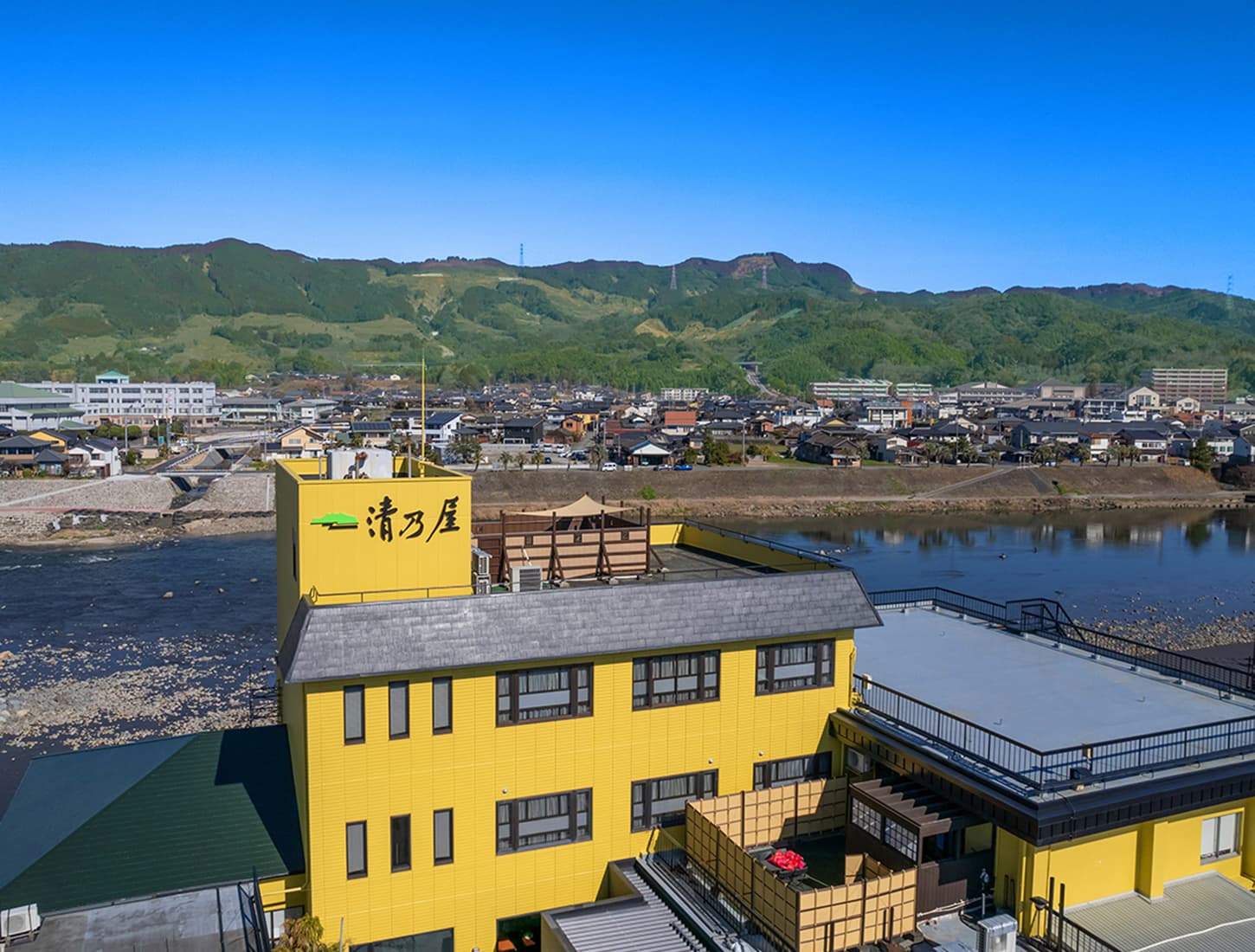 | from US$90/person/night≈ US$180 for 2 | 8.6 1,057 reviews | Book on Trip.com |
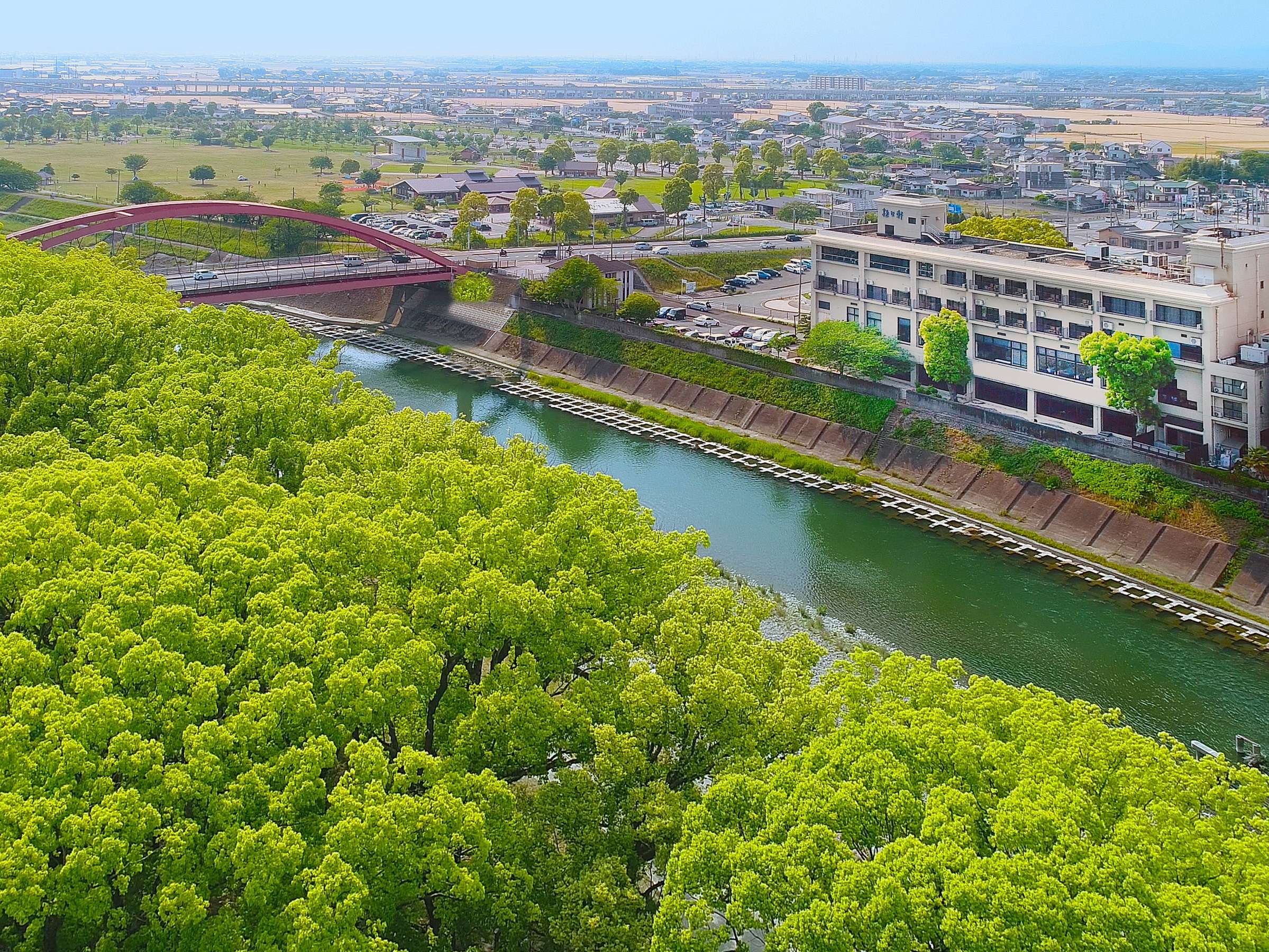 | from US$120/person/night≈ US$240 for 2 | 8.8 724 reviews | Book on Agoda |
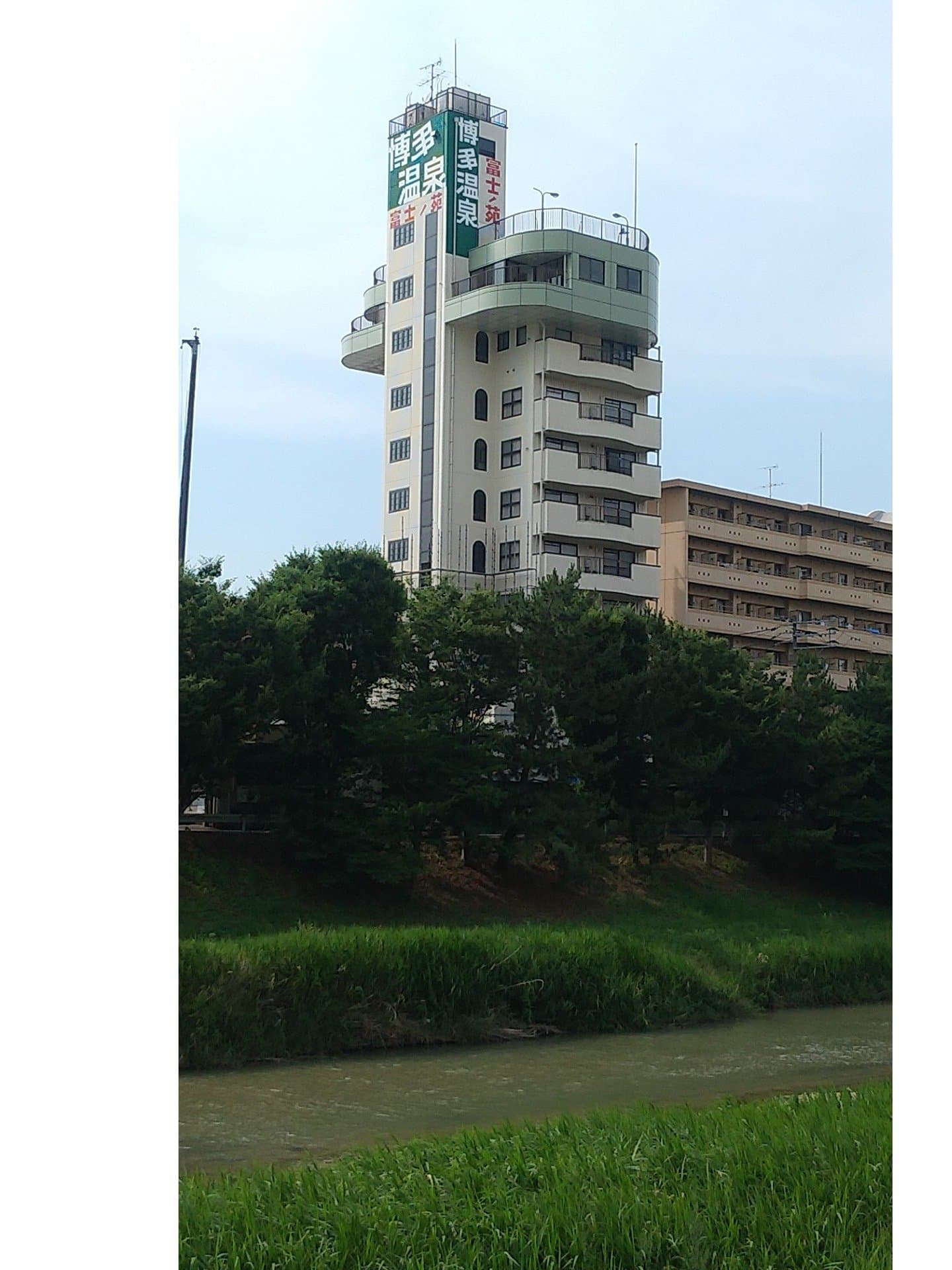 | from US$77/person/night≈ US$154 for 2 | 8.8 156 reviews | Book on Trip.com |
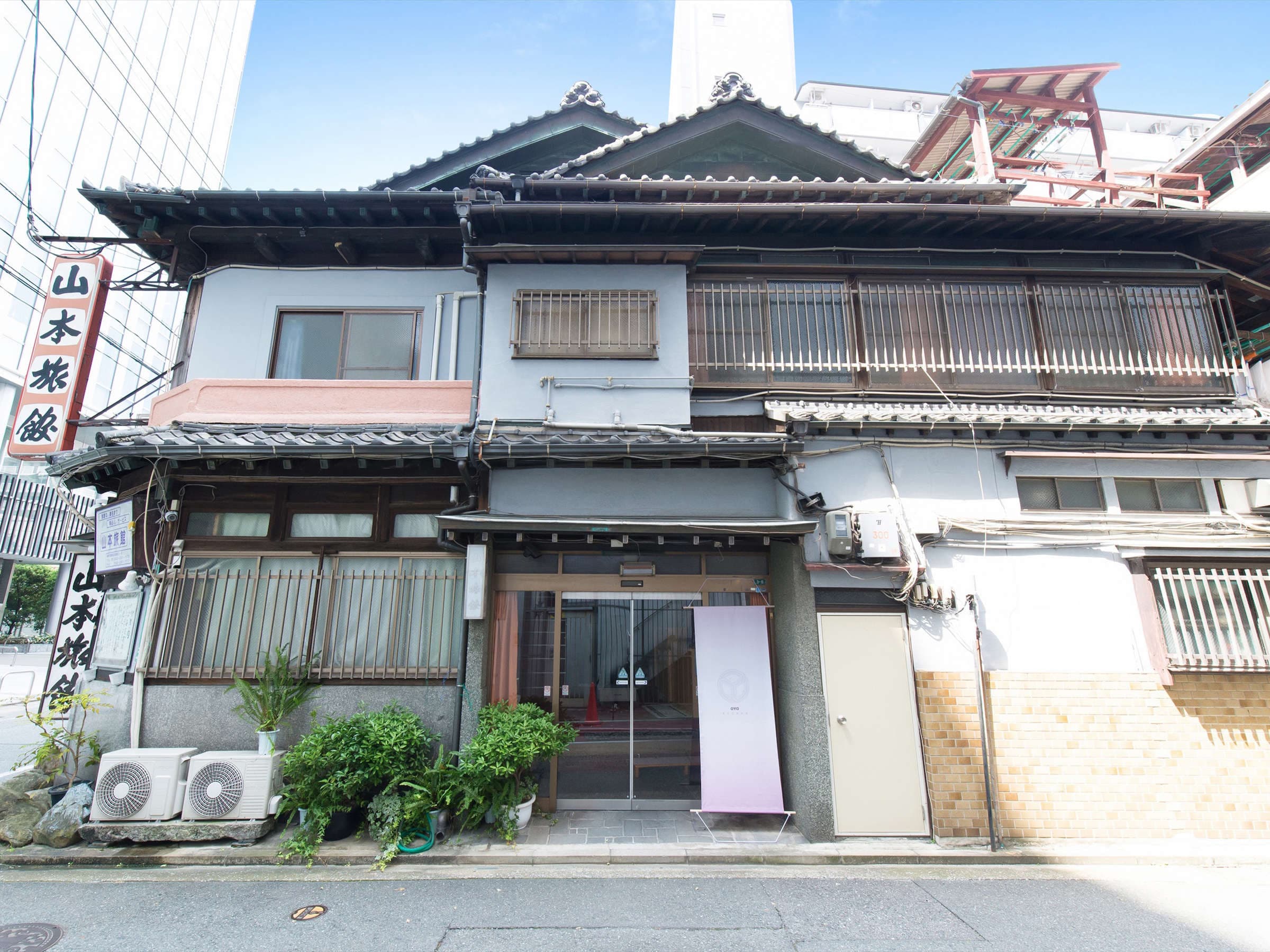 | from US$36/person/night≈ US$72 for 2 | 7.2 137 reviews | Book on Trip.com |
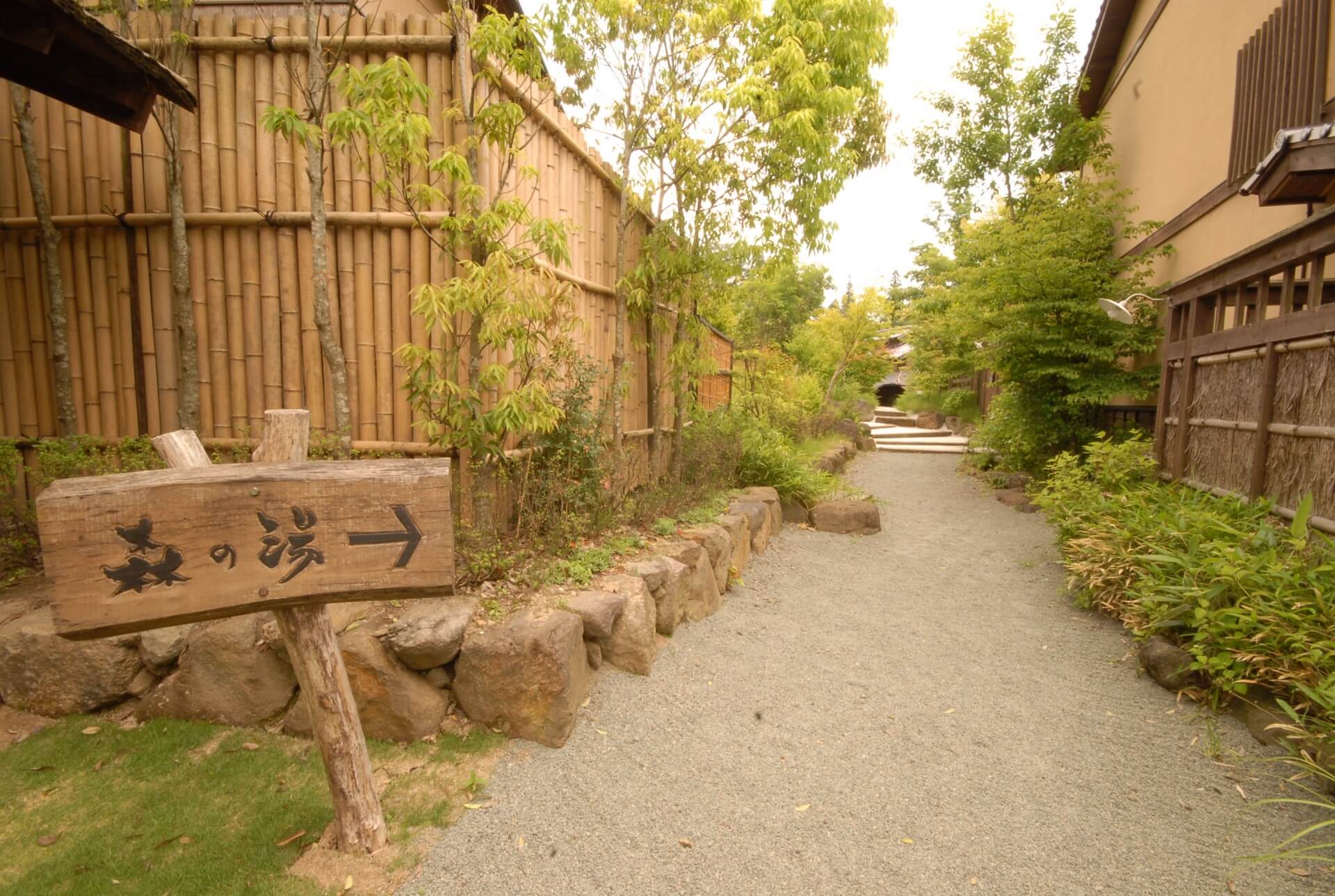
Wakita Onsen Nansuikaku
Fukuoka
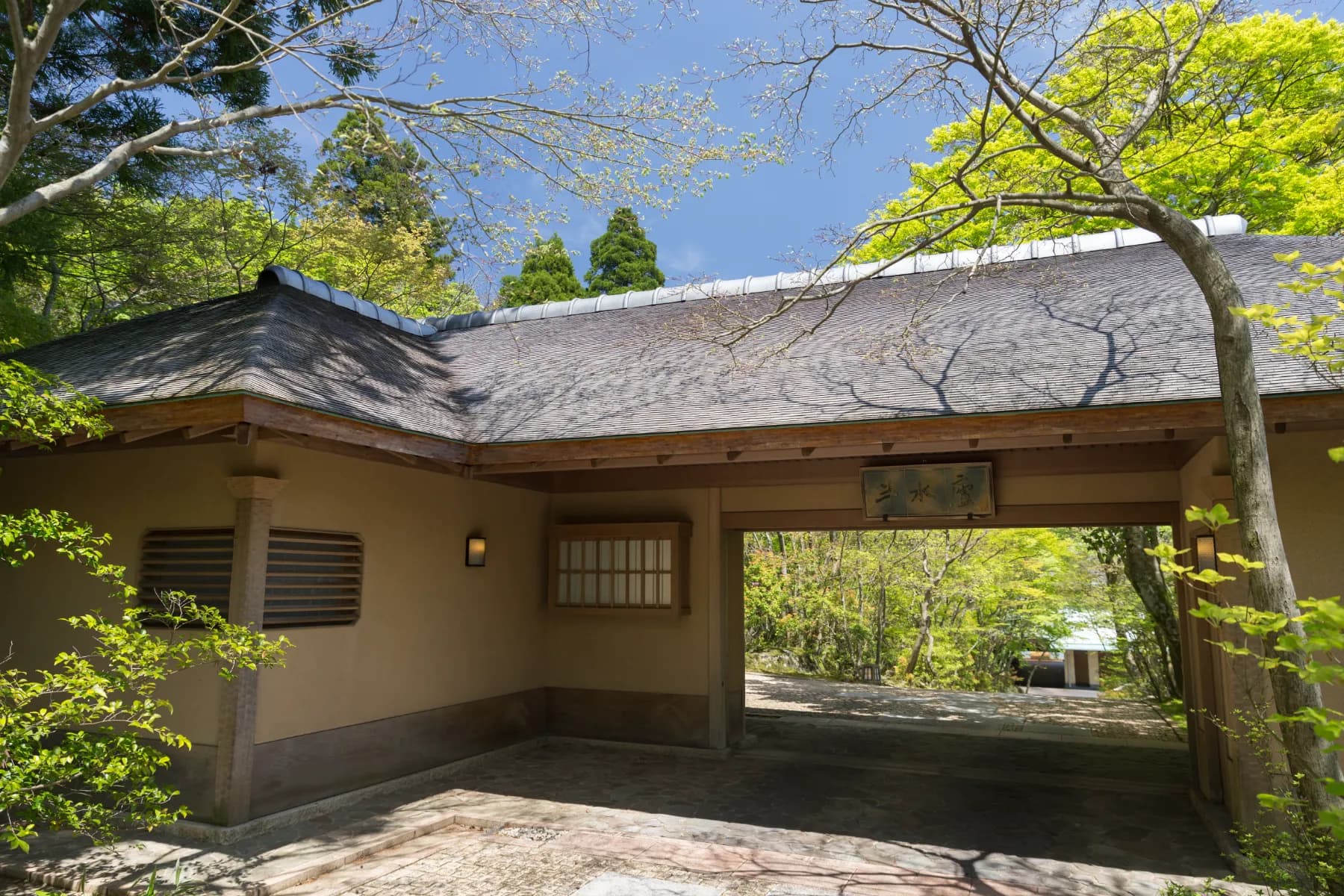
Harazuru Onsen Taisenkaku
Fukuoka
Chikugogawa Onsen Kiyonoya
Fukuoka
Prices shown are approximate starting rates per person per night. We may earn a commission on bookings.
Most people arrive in Fukuoka for the food and the flights — Hakata ramen, the yatai street stalls, and Kyushu's busiest airport sitting a subway stop from downtown. Almost nobody arrives for a ryokan. That's the quiet opportunity here: Fukuoka Prefecture isn't a single onsen town, it's a scatter of them — a 500-year-old daimyo residence in the canal town of Yanagawa, riverside hot-spring inns strung along the Chikugo River, and the oldest onsen in the prefecture at Futsukaichi, just fifteen minutes from Hakata by train. If you're using Fukuoka as your Kyushu gateway, you can fold a genuine ryokan night into the trip without backtracking.
There are eight published ryokans across Fukuoka Prefecture, and they don't cluster in one village the way Ikaho or Kinosaki inns do. They range from a national scenic-beauty site where you sleep inside a feudal lord's estate to a $36 tatami room two minutes from a Hakata subway stop. This guide ranks all eight with real USD prices, private-bath flags, and tattoo policies from the database, and tells you which onsen belt each one belongs to.
Why stay in a Fukuoka ryokan in 2026
The case for a Fukuoka ryokan is convenience layered onto genuine variety. Fukuoka is the transport hub of Kyushu — Hakata Station is the Shinkansen and rail nexus for the whole island, and the airport is famously central — so a ryokan here bookends a Kyushu trip cleanly, whether you're heading on to Yufuin and Beppu in Oita or flying home. And unlike a single-spring town, Fukuoka gives you distinct choices: the canal-town heritage of Yanagawa, the Chikugo River onsen belt (Harazuru, Chikugogawa, Funagoya), the historic Futsukaichi spring near Dazaifu, and simple city stays near Hakata for travelers who want tatami without leaving town.
What you won't find is a picturesque steaming onsen village to stroll through in a yukata — that's not what Fukuoka is. What you get instead is a well-connected base with a few genuinely special inns, the standout being Ohana in Yanagawa, one of the only places in Japan where you can spend the night inside a designated national place of scenic beauty.
Tip
Fukuoka orientation: Hakata Station is your hub. City ryokans (Yamamoto, Fuji-no-en) are 5–15 minutes out by subway. The onsen villages are day-trip distances: Futsukaichi ~15 min by JR, the Chikugo River belt (Harazuru/Chikugogawa/Funagoya) 40–70 min, Yanagawa ~50 min by Nishitetsu, and Wakita Onsen ~60 min by bus. Pick by whether you want city convenience or a proper hot-spring night.
Getting around Fukuoka Prefecture from Hakata
Everything keys off Hakata Station and the connected Tenjin district. For the city ryokans, it's a short subway ride: Yamamoto Ryokan is two minutes from Gion station, and Fuji-no-en is near the Nanakuma line. For the onsen inns, you'll take JR or the Nishitetsu line out of the city. Futsukaichi Onsen (Daimaru Besso) is about fifteen minutes south by JR, in the same direction as the Dazaifu shrine. The Chikugo River belt — Harazuru's Taisenkaku and Chikugogawa's Kiyonoya near Chikugo-Yoshii Station, and Funagoya's Higuchiken near Chikugofunagoya — sits roughly 40–70 minutes out toward the Oita border.
Yanagawa, home to the top-rated Ohana, is about 50 minutes from Nishitetsu-Fukuoka (Tenjin) Station on the Nishitetsu Omuta line — an easy, scenic run to the canal town famous for its donkobune punts. Wakita Onsen's Nansuikaku is the outlier: roughly an hour by bus from Hakata into Miyawaka City, and it runs a shuttle. If you're combining a ryokan night with sightseeing, the natural pairings are Yanagawa (canals) with Ohana, and Futsukaichi (Dazaifu shrine and plum blossoms) with Daimaru Besso.
Quick comparison: 8 Fukuoka ryokans at a glance
Every published Fukuoka Prefecture ryokan, sorted by guest rating. Prices are the lowest nightly USD rate we see and shift with season; ratings are out of 10. "Area" tells you which part of the prefecture the inn sits in, because in Fukuoka that matters more than in a single-town onsen guide — it decides whether you're a subway ride or an hour's train from Hakata.
| Property | Area | Price (USD/night) | Rating (/10) | Private Bath | Tattoo Policy |
|---|---|---|---|---|---|
| Ryokan Ohana | Yanagawa | from $260 | 9.6 | No | Unknown |
| Wakita Onsen Nansuikaku | Miyawaka | from $242 | 9.2 | Yes (6 family) | Unknown |
| Futsukaichi Onsen Daimaru Besso | Futsukaichi | from $175 | 8.8 | No | Unknown |
| Hakata Onsen Fuji-no-en | Hakata city | from $77 | 8.8 | No | Not allowed |
| Funagoya Onsen Higuchiken | Funagoya | from $120 | 8.8 | Yes | Unknown |
| Harazuru Onsen Taisenkaku | Harazuru | from $90 | 8.6 | Yes | Unknown |
| Chikugogawa Onsen Kiyonoya | Ukiha | from $90 | 8.6 | Yes (in-room) | Unknown |
| Yamamoto Ryokan | Hakata Gion | from $36 | 7.2 | No | Unknown |
The table makes Fukuoka's split obvious. The two highest-value onsen stays — Taisenkaku and Kiyonoya, both from $90 — are out on the Chikugo River and both carry over a thousand reviews, the mark of proven riverside inns. The city options sit at the low end: Fuji-no-en at $77 for a genuine hot spring inside the city, and Yamamoto at $36 for a bare-bones tatami room by the subway. And Ohana, at $260, is in a category of its own — you're paying to sleep inside a feudal estate, not for a hot spring.
Top-rated ryokans in Fukuoka
The two highest-rated inns in the prefecture are a study in what Fukuoka does well: heritage (Ohana) and a proper onsen resort within reach of Hakata (Nansuikaku). Both score 9.2 or above and each answers a different reason for staying.
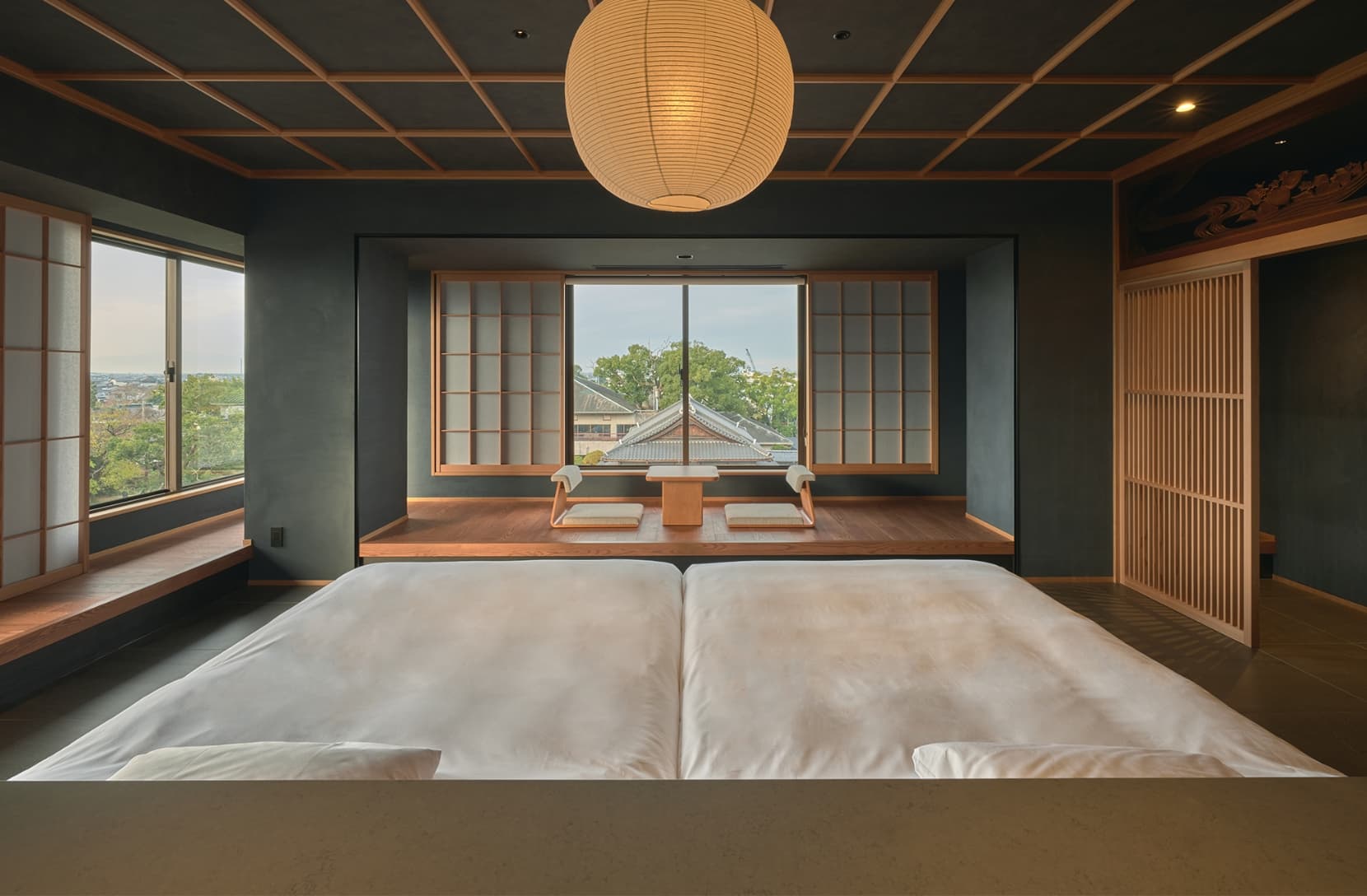
Ryokan Ohana (9.6/10, from $260) is the reason to seek out a Fukuoka ryokan at all. It is the former residence of the Tachibana family, the daimyo lords of the Yanagawa domain, and the grounds — including the celebrated Shoto-en pine garden — are a designated national place of scenic beauty. Crucially, it is the only such nationally-designated site in Japan where overnight guests can actually stay. You dine on kaiseki cuisine inside a preserved feudal estate, wake to the garden, and step out into Yanagawa's canal town with its willow-lined waterways and flat-bottomed donkobune boats. Twenty rooms keep it intimate. There's no onsen here — the draw is history and setting — but at 9.6 it's the highest-rated inn in the guide and a genuine one-of-a-kind stay.
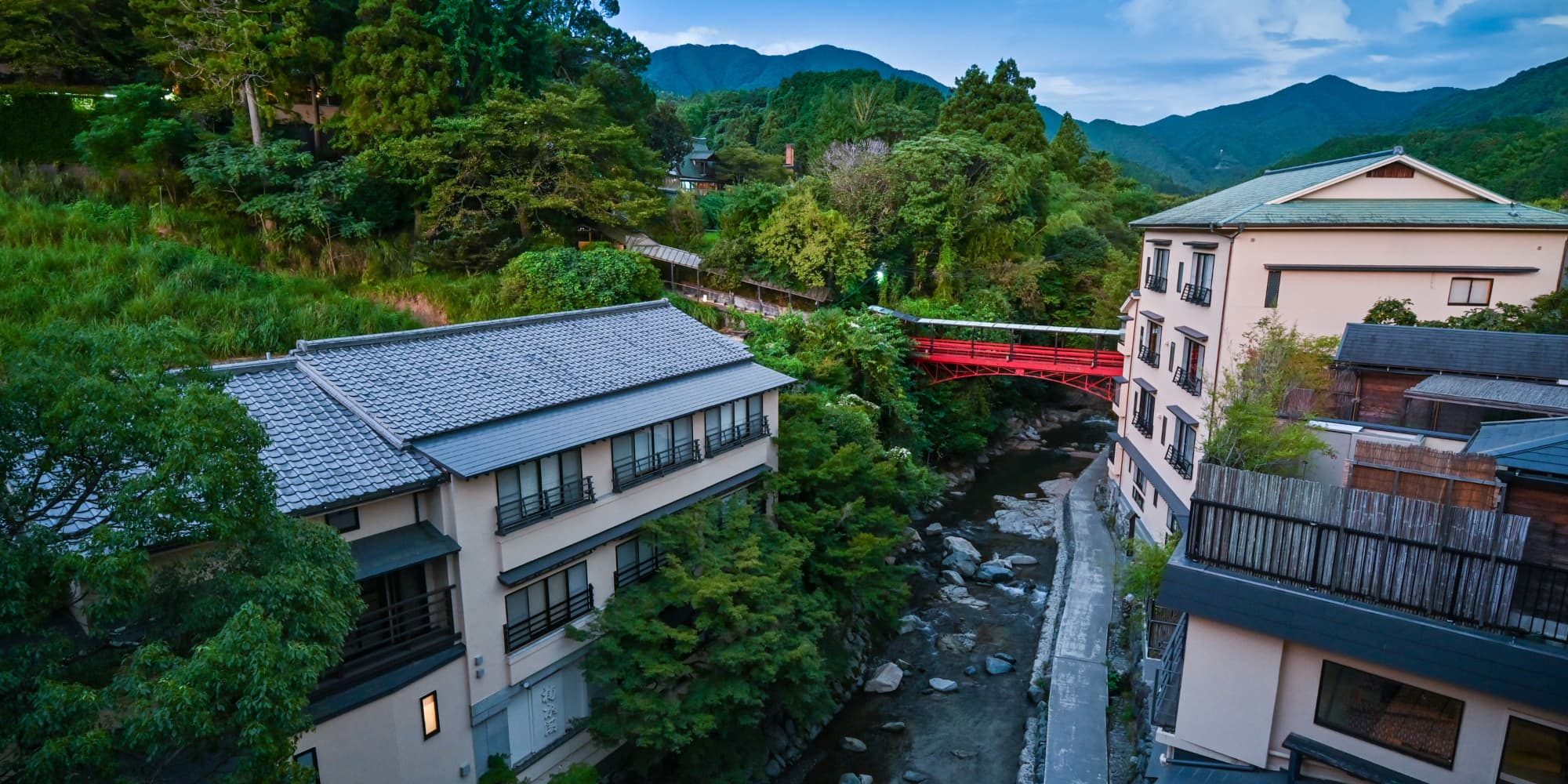
Wakita Onsen Nansuikaku (9.2/10, from $242) is Fukuoka's proper onsen resort — a 29-room inn in Miyawaka City's Wakita Onsen, about an hour by bus (with shuttle) from Hakata. It runs ten public open-air baths and six private rentable family baths, with river-view rooms, which makes it the strongest all-round bathing experience in the prefecture and the best option for tattooed travelers or families who want a private tub. The trade-off is that it doesn't advertise English-direct service, so booking may need a little more care. If your priority is soaking rather than sightseeing, this is the Fukuoka inn to book.
Onsen-village ryokans along the Chikugo River belt
Fukuoka's real hot-spring country runs along the Chikugo River toward the Oita border — a string of historic riverside onsen (Futsukaichi, Harazuru, Chikugogawa, Funagoya) with inns that have hosted travelers, and in several cases emperors, for over a century. These four are where you go for an authentic Kyushu onsen night at honest prices.
Futsukaichi Onsen Daimaru Besso (8.8/10, from $175) stands in Fukuoka's oldest hot spring — Futsukaichi, with over 1,300 years of recorded history — on a sprawling 6,500-tsubo estate, and the inn itself dates to 1865 with an imperial visit on the record. Forty-one rooms spread across three named wings, and its position near Dazaifu makes it the natural pairing with the famous Tenmangu shrine, a fifteen-minute train from Hakata. It's the choice for travelers who want the prefecture's deepest onsen heritage with easy access to Fukuoka's top sightseeing.
Harazuru Onsen Taisenkaku (8.6/10, from $90) is the flagship of the Harazuru hot-spring village on the Chikugo River — a 110-year-old inn with 68 rooms, alkaline-plus-sulfur "double skin-beautifying" waters, and a landmark jungle bath that's drawn generations of regional guests. At $90 with over 1,150 reviews, it's one of the best value-to-scale onsen stays in Kyushu's north: a large, established riverside ryokan with distinctive beauty-water baths for a mid-budget rate. Good for travelers who want a substantial, traditional onsen resort without a luxury price.
Chikugogawa Onsen Kiyonoya (8.6/10, from $90) is the traveler-friendly onsen pick — a source-water ryokan on the Chikugo River in Ukiha that is explicitly multilingual and the strongest English-direct booking option in the smaller Chikugogawa cluster. It offers public, private, and even in-room onsen options across seventeen rooms, so you can secure a private or in-room bath without the language friction that trips up some rural inns. For an English-speaking traveler who wants a real riverside onsen at $90 and a smooth booking, Kiyonoya is the low-stress choice on the belt.
Funagoya Onsen Higuchiken (8.8/10, from $120) is a riverside inn founded in 1886 in the small Funagoya onsen, where all seventeen rooms face the Yabe River and the water is a distinctive iron-rich carbonated spring. Its guest book includes Emperor Showa — the kind of provenance that signals a serious historic ryokan — and the all-river-facing rooms make it the most scenic of the belt's mid-priced inns. At $120 with 724 reviews it's a well-vetted, character-rich choice for travelers who want rarer carbonated waters and a quiet river setting.
Budget and city stays near Hakata
If you want tatami and a bath without leaving Fukuoka city — or you're simply after the cheapest ryokan bed near Hakata — two inns cover the low end, one with a genuine hot spring inside the city limits.
Hakata Onsen Fuji-no-en (8.8/10, from $77) is a small 1972-founded onsen ryokan in Fukuoka's Minami-ku that pours 100% natural calcium/sodium-chloride spring water, free-flowing, through indoor and open-air public baths — a real hot spring inside the city, which is rare. Ten rooms with futon bedding keep it simple and cheap at $77. Note that its tattoo policy is explicitly not allowed, so tattooed travelers should look elsewhere. But for a genuine urban onsen soak on a budget, with an 8.8 rating behind it, Fuji-no-en punches above its price.
Yamamoto Ryokan (7.2/10, from $36) is the budget city-center option — a family-run Showa-era inn in Hakata's Gion district, two minutes from Gion subway station and ten minutes from Hakata Station, with simple tatami rooms and shared baths. At $36 a night it's priced like a hostel but gives you a traditional tatami room and a central location for exploring the yatai stalls and Canal City. The 7.2 rating and shared baths set expectations: this is practical, no-frills lodging for budget travelers who value location and tatami over amenities, not an onsen experience.
Yanagawa and Ohana: sleeping inside a daimyo's estate
Yanagawa is a canal town about fifty minutes south of Fukuoka city, laced with willow-lined waterways that were once the moats of the Tachibana clan's castle town. Today the signature experience is the donkobune — a flat-bottomed punt poled slowly through the canals by a boatman who often sings — and the anchor of the town is Ohana, the former Tachibana residence. To stay at Ohana is to sleep on the estate of the domain's ruling family: the Shoto-en garden, with its ancient pines and pond, is a nationally designated place of scenic beauty, and Ohana is the singular case where that designation coexists with an inn you can actually book.
This is what makes a Fukuoka ryokan trip worth planning around. Elsewhere in Japan you visit gardens like this; in Yanagawa you can wake up inside one, eat kaiseki in the lord's residence, and drift the canals the family once controlled. Pair it with a Dazaifu shrine visit on the way in or out, and you have a heritage day that no amount of Hakata ramen can match — and a reason to give Fukuoka more than an airport layover.
Private onsen and tattoo access: the honest breakdown
The tattoo picture in Fukuoka mirrors most of rural Japan: seven of the eight published inns list their policy as "unknown," and one — Hakata Onsen Fuji-no-en — explicitly does not allow tattoos. So don't assume any public bath here is tattoo-friendly, and specifically avoid Fuji-no-en if you have visible ink. As always, the reliable path is a private bath, and Fukuoka's onsen inns offer decent options.
Wakita Onsen Nansuikaku is the standout, with six private rentable family baths alongside its ten public open-air baths — the best private-bath capacity in the prefecture. Chikugogawa Kiyonoya offers private and even in-room onsen (and is multilingual, so confirming details is easy), and Higuchiken and Taisenkaku both carry private-bath availability in our data. Note that the highest-rated inn, Ohana, is not an onsen ryokan at all — it has no hot spring — so if soaking is your priority, focus on the Chikugo River belt and Wakita rather than the heritage top pick.
Tip
Tattooed or want a private tub? Book Wakita Onsen Nansuikaku (6 private family baths) or Chikugogawa Kiyonoya (private and in-room onsen, English-friendly). Higuchiken and Taisenkaku also offer private baths. Avoid Fuji-no-en (tattoos not allowed), and remember Ohana isn't an onsen inn. Always confirm private-bath details with the ryokan directly.
Meals: Kyushu flavors and regional cuisine
Fukuoka is one of Japan's great eating regions, and its ryokans lean into it. Expect kaiseki and regional Kyushu cuisine built around local specialties — Yanagawa is famous for unagi no seiromushi (steamed eel over rice, and Ohana serves the town's signature style), the Chikugo plain supplies river fish and produce, and the coast brings the fresh seafood Fukuoka is known for. The heritage inn, Ohana, makes the meal a centerpiece; the onsen-belt inns pair honest multi-course dinners with their baths.
The database does not flag dedicated vegetarian or halal meal programs at Fukuoka's ryokans, and several of the smaller onsen inns don't advertise English-direct service, so travelers with dietary needs or language concerns should arrange meals directly and well ahead. Kiyonoya's multilingual setup makes it the easiest of the onsen inns to coordinate special requests with.
Combining Fukuoka with a wider Kyushu trip
Fukuoka's greatest strength is as a Kyushu launchpad, and a ryokan night here slots naturally into a longer island itinerary. From Hakata you're a short hop by limited express to Yufuin and Beppu in Oita — Kyushu's onsen heavyweights — so a common route is a heritage or city night in Fukuoka (Ohana in Yanagawa, or Fuji-no-en or Yamamoto in the city) bookending an onsen stretch in Oita. Alternatively, stay on the Chikugo River belt (Taisenkaku or Kiyonoya) as you move east toward Oita, since these inns sit in that direction anyway.
For sightseeing anchors, Dazaifu Tenmangu shrine pairs with a Futsukaichi stay at Daimaru Besso, and Yanagawa's canals pair with Ohana — both are easy half-days from Hakata. If Fukuoka is your arrival or departure city, building in one ryokan night turns an airport transit into an actual experience, whether that's a feudal estate, a riverside onsen, or a hot spring inside the city.
Best time to visit Fukuoka
Fukuoka has a mild, temperate climate that makes it a comfortable year-round base, with a few seasonal highlights worth timing. Late February brings the plum blossoms at Dazaifu Tenmangu — an easy pairing with a Futsukaichi onsen night — and spring cherry blossom follows in late March. Yanagawa's canals are loveliest in spring and autumn, when the willows and clear light suit the donkobune rides. Summer is warm and humid, but the Chikugo River onsen belt and its riverside rooms make a cooling base, and Fukuoka's Hakata Gion Yamakasa festival in July is a major draw for the city.
Autumn is reliably pleasant for both sightseeing and onsen, without the crowds of Japan's marquee foliage destinations. Winter is cool but rarely severe, and the calcium-chloride and sulfur waters of the region's inns are at their most welcome. As elsewhere, midweek stays are quieter and cheaper; if you're targeting Dazaifu plum season or cherry blossom, book ahead, as those are the prefecture's busiest windows.
Frequently asked questions about Fukuoka ryokans
Fukuoka isn't a hot-spring town, and that's the point of understanding it correctly: it's a well-connected prefecture with a handful of distinctive inns rather than one onsen village to wander. If you want a singular heritage stay, Ohana in Yanagawa is unmatched. If you want a real onsen night, head to the Chikugo River belt (Taisenkaku, Kiyonoya) or Wakita's Nansuikaku. If you just want tatami near Hakata, Fuji-no-en or Yamamoto cover the range. Choose by area first — city, heritage, or onsen belt — then by price, confirm private-bath and dietary details directly, and use Fukuoka as the Kyushu gateway it is.
Ready to book?
Book one of these top picks
Compare live availability and prices across booking sites.
Ryokan Ohana
柳川藩主立花邸 御花
Fukuoka·Luxury
from US$260 · per person · per nightfrom ≈ US$520 total for 2 guests



Wakita Onsen Nansuikaku
脇田温泉 楠水閣
Fukuoka·Luxury
from US$242 · per person · per nightfrom ≈ US$484 total for 2 guests
Harazuru Onsen Taisenkaku
原鶴温泉 泰泉閣
Fukuoka·Mid-Range
from US$90 · per person · per nightfrom ≈ US$180 total for 2 guests
Futsukaichi Onsen Daimaru Besso
二日市温泉 大丸別荘
Fukuoka·Luxury
from US$175 · per person · per nightfrom ≈ US$350 total for 2 guests
Booking links may earn us a commission at no extra cost to you.
FAQ
Frequently asked questions
Does Fukuoka have ryokans and onsen?+
Yes, though Fukuoka isn't a single onsen town — it's a prefecture with scattered hot-spring inns. There's a Chikugo River onsen belt in the south (Harazuru, Chikugogawa, Funagoya), the historic Futsukaichi Onsen near Dazaifu (Fukuoka's oldest, 1,300+ years), Wakita Onsen in Miyawaka, and even a genuine hot spring inside the city at Hakata Onsen. There are 8 published ryokans across the prefecture, from onsen resorts to a former daimyo residence in Yanagawa.
Which is the best ryokan in Fukuoka?+
Ryokan Ohana (9.6/10, from $260) in Yanagawa is the highest-rated and most distinctive — the former residence of the Tachibana daimyo family and the only nationally designated place of scenic beauty in Japan where overnight guests can stay. For a proper onsen resort, Wakita Onsen Nansuikaku (9.2/10, from $242) with six private family baths.
How much does a Fukuoka ryokan cost?+
Published Fukuoka ryokans range from about $36/night (Yamamoto Ryokan, a simple tatami inn by Gion subway) to $260/night (Ryokan Ohana, the daimyo estate in Yanagawa). Real onsen stays on the Chikugo River belt (Taisenkaku, Kiyonoya) start from $90, Daimaru Besso at Futsukaichi from $175, and Hakata Onsen Fuji-no-en, a hot spring inside the city, from $77. Prices are lowest nightly rates in USD and vary with season.
Where should I stay near Hakata Station for a ryokan?+
For a ryokan feel inside the city, Hakata Onsen Fuji-no-en (from $77) is a genuine city hot spring in Minami-ku. On a budget, Yamamoto Ryokan (from $36) is two minutes from Gion subway and ten from Hakata Station. For a proper onsen, you'll want to travel out to Futsukaichi (~15 min) or the Chikugo River belt (40–70 min).
What is Ryokan Ohana in Yanagawa?+
Ohana is the former residence of the Tachibana family, the daimyo lords of the Yanagawa domain, now a ryokan. Its grounds — including the Shoto-en pine garden — are a designated national place of scenic beauty, and Ohana is the only such nationally-designated site in Japan where overnight guests can stay. You dine on kaiseki (including Yanagawa's signature steamed eel) inside the feudal estate and explore the canal town's willow-lined waterways by donkobune punt. It rates 9.6/10 and starts from $260.
Can you visit Fukuoka ryokans with tattoos?+
Cautiously. Seven of Fukuoka's eight published inns list tattoo policy as "unknown," and Hakata Onsen Fuji-no-en explicitly does not allow tattoos — so don't assume the public baths are tattoo-friendly, and avoid Fuji-no-en if you have visible ink. The reliable route is a private bath: Wakita Onsen Nansuikaku has six private family baths, and Chikugogawa Kiyonoya offers private and in-room onsen (and is multilingual). Always confirm with the inn directly.
Is Fukuoka a good base for a Kyushu onsen trip?+
Excellent. Hakata Station is Kyushu's rail hub, so Fukuoka bookends an island trip cleanly — you're a short limited-express ride from Yufuin and Beppu in Oita. A common route is a heritage or city ryokan night in Fukuoka (Ohana in Yanagawa, or Fuji-no-en or Yamamoto in the city) paired with an onsen stretch in Oita, or staying on the Chikugo River belt as you move east. One ryokan night turns a Fukuoka arrival or departure into a real experience.
What's the best onsen ryokan in Fukuoka?+
For the best all-round bathing, Wakita Onsen Nansuikaku (9.2/10, from $242) with ten public open-air baths and six private family baths. For value onsen, the Chikugo River belt: Harazuru Taisenkaku (8.6/10, from $90) with alkaline-sulfur beauty waters and a landmark jungle bath, and Chikugogawa Kiyonoya (8.6/10, from $90), a multilingual source-water inn with in-room onsen. Funagoya's Higuchiken (8.8/10, from $120) has rare iron-rich carbonated waters and all-river-facing rooms.
How do I get to Yanagawa from Fukuoka?+
Take the Nishitetsu Omuta line from Nishitetsu-Fukuoka (Tenjin) Station to Nishitetsu Yanagawa Station — about 50 minutes. Yanagawa is famous for its canals and donkobune punt rides through the willow-lined former castle-town moats, and Ryokan Ohana (the daimyo estate) is the anchor stay. It pairs well with a Dazaifu Tenmangu shrine visit, which is on the same side of the city.
When is the best time to visit Fukuoka?+
Fukuoka is a comfortable year-round base with a mild climate. Late February brings plum blossoms at Dazaifu (pair with a Futsukaichi onsen night), and cherry blossom follows in late March. Yanagawa's canals are best in spring and autumn. Summer is warm and humid but the Chikugo River onsen belt makes a cool riverside base, and July brings the Hakata Gion Yamakasa festival. Autumn is reliably pleasant with fewer crowds than Japan's marquee foliage spots.
Still deciding?
Browse ryokans across JapanBooking.com