

27 min de lectureMis à jour en juin 2026
Comparaison rapide
10 sélections| Ryokan | À partir de | Note | Caractéristiques | Réserver |
|---|---|---|---|---|
 | à partir de ≈527 € | 9.2 312 avis | Anglais OKOnsen | Réserver sur Booking.com |
| à partir de ≈176 € | 9.0 856 avis | Anglais OKOnsen privé | Réserver sur Booking.com | |
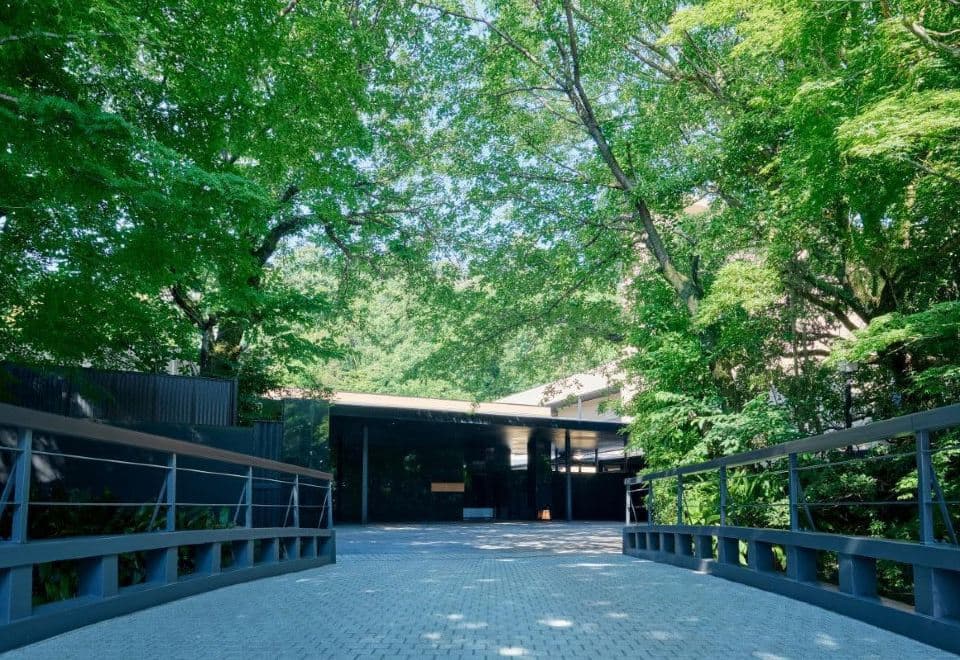 | à partir de ≈649 € | 8.6 8 avis | Anglais OKOnsen privé | Réserver sur Booking.com |
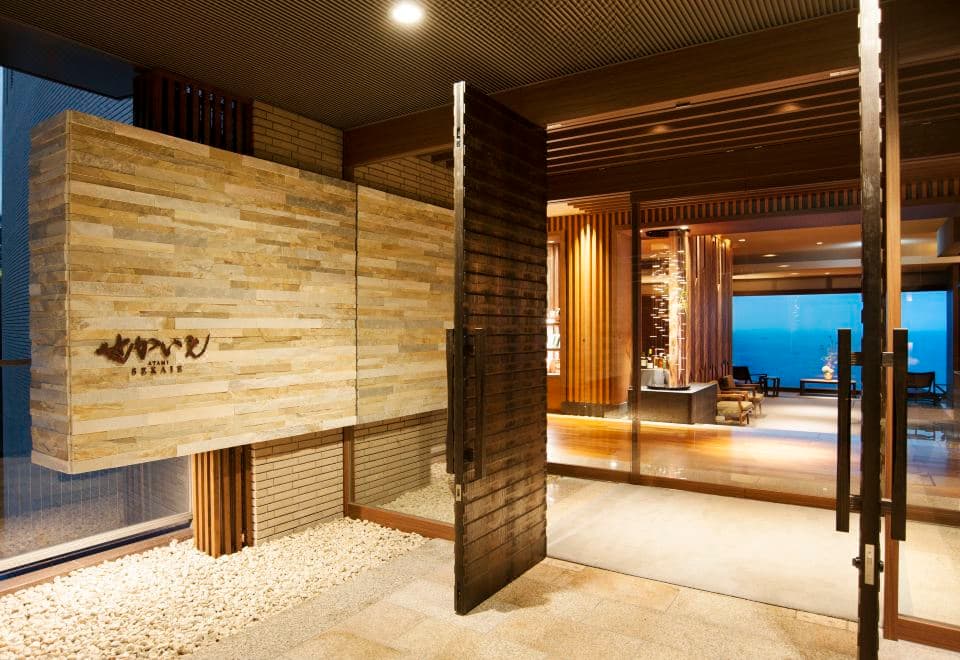 Atami Sekaie Atami | à partir de ≈478 € | 9.4 130 avis | Anglais OKOnsen privé | Réserver sur Booking.com |
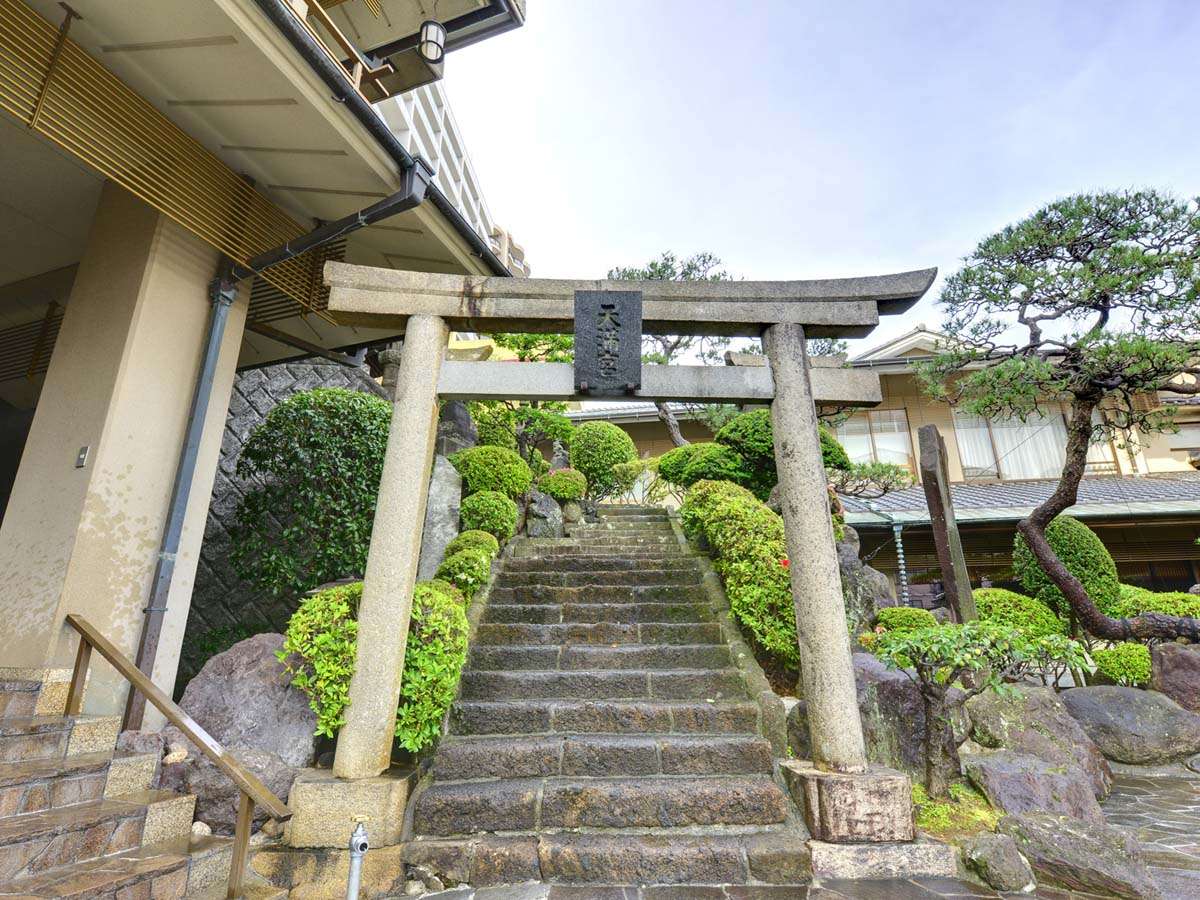 Furuya Ryokan Atami | à partir de ≈395 € | 9.1 29 avis | Anglais OKOnsen privé | Réserver sur Booking.com |
 | à partir de ≈263 € | 9.7 29 avis | Anglais OKOnsen privé | Réserver sur Booking.com |
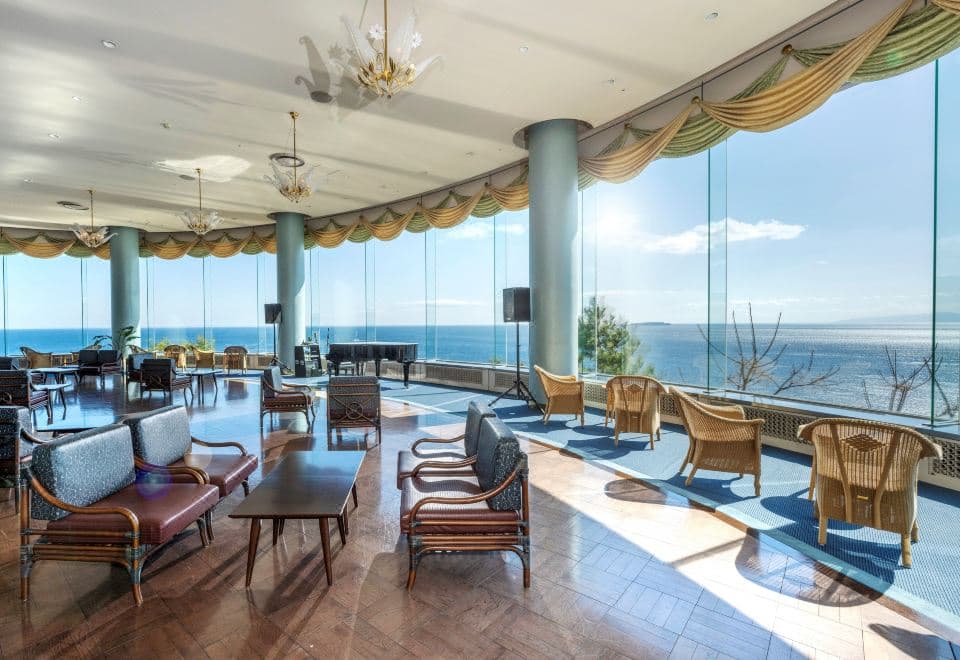 Atami Kakurezato Atami | à partir de ≈138 € | 9.7 237 avis | Anglais OKOnsen privé | Réserver sur Booking.com |
 Hakone Ginyu Hakone | à partir de ≈351 € | 9.3 124 avis | Anglais OKOnsen privé | Réserver sur Booking.com |
 Hotel Kajikaso Hakone | à partir de ≈158 € | 9.2 156 avis | Anglais OKOnsen privé | Réserver sur Booking.com |
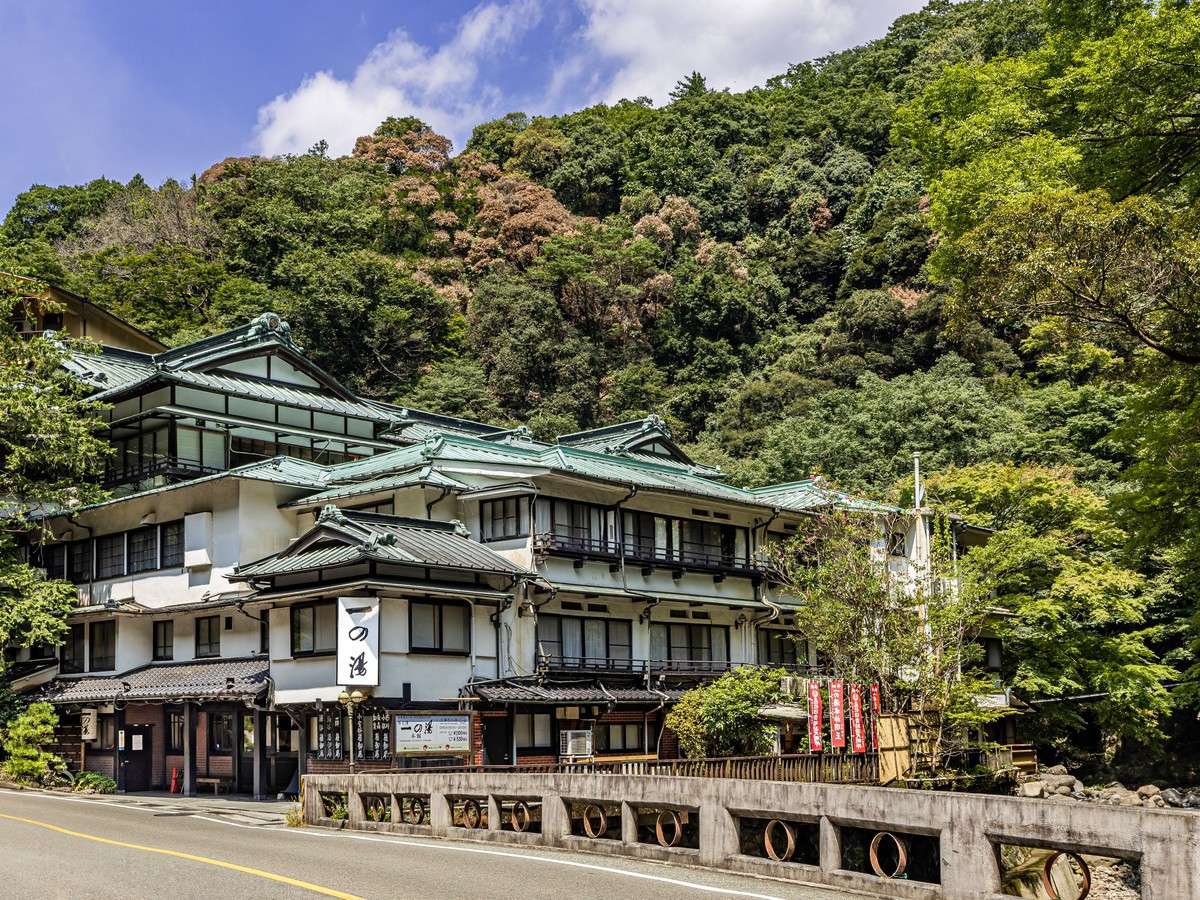 | à partir de ≈61 € | 9.1 187 avis | Anglais OKOnsen privé | Réserver sur Booking.com |

Atami Sekaie
Atami
Furuya Ryokan
Atami
Atami Kakurezato
Atami
Hakone Ginyu
Hakone
Hotel Kajikaso
Hakone
Les prix indiqués sont des tarifs de départ approximatifs par personne et par nuit. Nous pouvons percevoir une commission sur les réservations.
J'ai fait le trajet Tokyo → onsen → Tokyo plus de fois que je ne saurais compter — généralement avec des hôtes anglophones sur un itinéraire de 4 à 7 jours, parfois seul un samedi pour décompresser. La contrainte qui plombe la plupart des séjours « onsen près de Tokyo », c'est le temps de trajet depuis la gare de Tokyo, et presque aucun classement ne le prend en compte. Les 30 *ryokans* ci-dessous sont classés en minutes porte-à-*rotenburo* (vérifiées avec mes propres carnets de voyage), pas par gamme de prix. Si vous avez une nuit onsen à ajouter à un séjour à Tokyo, c'est là que je commence la conversation.
 Épingler sur Pinterest
Choisissez d'abord votre niveau, puis votre ryokan
Tout onsen dans le rayon de Tokyo entre dans l'un des trois niveaux de temps de trajet depuis la gare de Tokyo. Choisissez d'abord le niveau qui correspond à la durée de votre séjour ; seulement après, choisissez le *ryokan*.
Niveau 1 — moins de 90 minutes depuis la gare de Tokyo. Atami (40 minutes en Shinkansen Kodama), Hakone-Yumoto (70 minutes via Shinkansen + Hakone Tozan, ou 85 minutes en Odakyu Romancecar), et les *ryokans* onsen du centre de Tokyo (HOSHINOYA Tokyo, Yuen Bettei Daita) se regroupent ici. Ce niveau existe pour l'évasion d'une nuit — quitter le centre de Tokyo après le travail un vendredi, être en *yukata* à 20h, et revenir au bureau lundi matin avec le week-end entier intact. Le Kodama d'Atami est le trajet onsen authentique le plus rapide du Japon ; aucune autre ville onsen à moins de quatre heures de Tokyo ne peut égaler son transit porte-à-porte de 40 minutes.
Niveau 2 — 90 à 150 minutes depuis la gare de Tokyo. Hakone-Gora et Hakone-Kowakidani (les sous-districts supérieurs de Hakone, 90–110 minutes), Karuizawa (70 minutes en Hokuriku Shinkansen), Nikko (110 minutes en Tobu Spacia X) et Kinugawa (140 minutes en Tobu Limited Express). C'est le niveau de la profondeur week-end — assez long pour avoir l'impression d'avoir quitté Tokyo, assez court pour que le trajet en train ne soit pas le voyage. La plupart des nuits de notre base interne se concentrent ici ; pour un séjour *ryokan* de deux nuits, c'est le sweet spot.
Niveau 3 — 150 à 180+ minutes depuis la gare de Tokyo. Kusatsu (3,5–4 heures via Hokuriku Shinkansen jusqu'à Karuizawa + bus JR, ou Joetsu Shinkansen + bus JR depuis Naganohara-Kusatsuguchi), Ikaho, Shima Onsen et la péninsule d'Izu plus profonde (Shuzenji, Kawazu, Shimoda — 150 à 180 minutes depuis la gare de Tokyo). C'est le niveau de l'immersion totale — les établissements ici sont d'authentiques *ryokans* de montagne ou de campagne où le trajet aller fait partie de l'expérience. Minimum deux nuits, sinon vous passerez plus de temps en train qu'à tremper.
Le guide dédié aux 11 ryokans de Shima Onsen — dont le Sekizenkan, l'auberge de Chihiro — est disponible sur meilleurs ryokans à Shima Onsen.
Niveau 1 (moins de 90 minutes) : les évasions rapides
 Épingler sur Pinterest
Dix *ryokans* à moins de 90 minutes de la gare de Tokyo, classés selon une combinaison de note et d'accessibilité. Chaque établissement ci-dessous a été vérifié dans notre base en mai 2026.
| # | Ryokan | Région | Gamme | À partir de (USD) | Trajet | Idéal pour |
|---|---|---|---|---|---|---|
| 1 | HOSHINOYA Tokyo | Tokyo | Luxe | 600 $ | 0 min (Otemachi) | La seule tour onsen de luxe au centre de Tokyo |
| 2 | Yuen Bettei Daita | Tokyo | Luxe | 200 $ | 7 min de Shinjuku | Onsen boutique avec bain privé dans Tokyo intra-muros |
| 3 | Fufu Atami | Atami | Luxe | 739 $ | 40 min Kodama | Luxe tout-suite avec spa Sisley, l'onsen authentique le plus proche |
| 4 | Atami Sekaie | Atami | Luxe | 545 $ | 40 min Kodama | Ryokan d'art face à l'océan, 12 suites, vue baie de Sagami |
| 5 | Furuya Ryokan | Atami | Luxe | 450 $ | 40 min Kodama | Le plus ancien d'Atami — fondé en 1806, 220 ans d'héritage |
| 6 | Atami Sekitei | Atami | Luxe | 300 $ | 40 min Kodama | Domaine-jardin de 10 000 m², note 9,7 |
| 7 | Atami Kakurezato | Atami | Luxe | 157 $ | 40 min Kodama | Refuge boutique de 8 chambres, note 9,7 |
| 8 | Hakone Ginyu | Hakone (Miyanoshita) | Luxe | 400 $ | 70 min | Vues falaise sur la gorge de Hayakawa, rotenburo en chambre partout |
| 9 | Hotel Kajikaso | Hakone-Yumoto | Milieu de gamme | 180 $ | 70 min | Milieu de gamme noté 9,2 avec rotenburo en chambre |
| 10 | Ichinoyu Honkan | Hakone-Tonosawa | Budget | 70 $ | 70 min | Ryokan de l'ère Edo, bien culturel enregistré, plancher 70 $ |
1. HOSHINOYA Tokyo — Tour onsen de luxe à Otemachi
En un coup d'œil
Niveau 1 · 0 minute depuis la gare de Tokyo · Otemachi, Chiyoda-ku.
L'unique anomalie du Niveau 1 : un *ryokan* de luxe qui n'a requis aucun trajet en train. HOSHINOYA Tokyo a ouvert en 2016 dans une tour à treillis noir de 17 étages à trois minutes à pied du côté Marunouchi de la gare de Tokyo, et reste le seul *ryokan* haut de gamme du Japon où la source chaude est au centre de Tokyo. L'eau remonte de 1 500 mètres sous Otemachi — onsen naturel chloruré sodique, et non bain recyclé. Les hôtes changent de chaussures pour des chaussons dans le hall, marchent sur tatami jusqu'à l'ascenseur, et tout le bâtiment vertical fonctionne selon le protocole *ryokan* traditionnel malgré la coque urbaine.
Pourquoi il est en Niveau 1 : zéro temps de transport. Pour les voyageurs dont l'itinéraire tokyoïte n'est pas négociable mais qui veulent une nuit de *ryokan* authentique, c'est la seule réponse crédible. Le sky bath en rooftop donne sur le skyline de Marunouchi ; le kaiseki est signé par le chef Noriyuki Hamada (anciennement étoilé au Michelin). 600 $/nuit en basse saison, 1 200 $+ en pleine saison. Réservez 4 à 6 semaines à l'avance — les week-ends de pointe partent à 8 semaines. La tour onsen de HOSHINOYA Tokyo.
2. Fufu Atami — L'évasion luxe authentique la plus rapide
En un coup d'œil
Niveau 1 · 40 minutes en Shinkansen Tokaido Kodama · Atami, Shizuoka.
Le *ryokan* que je recommande à la plupart des primo-visiteurs quand le brief est « luxe, près de Tokyo, une nuit ». Le Shinkansen Kodama relie la gare de Tokyo à Atami en 40 minutes non réservé pour 3 740 ¥ ; depuis la gare d'Atami, 5 minutes en taxi jusqu'à l'établissement de 26 suites de Fufu, dans une vallée résidentielle calme au-dessus de Sun Beach. Chaque suite fait 60 à 100 m² avec un *rotenburo* (bain extérieur) privé alimenté par la source chlorurée sodique d'Atami. Le spa Sisley Paris sur place est le seul équipement de ce type dans un *ryokan* japonais.
Pourquoi il est en Niveau 1 : la friction de transport est sincèrement nulle — un Shinkansen, pas de correspondance, pas d'acrobaties à la Hakone-Tozan. J'ai quitté le centre de Tokyo à 18h30 un vendredi après le travail et j'étais dans le sky bath en rooftop à 20h. 739 à 1 500 $ USD par personne avec repas. Réservez 3 à 4 mois à l'avance pour les week-ends de novembre (feuillage d'automne) et février (Festival des pruniers). Compromis honnête : le cadre en vallée signifie pas de chambres directement face à l'océan — pour cela, Atami Sekaie est le bon choix. Voir le pilier complet d'Atami pour les 9 sélections. Les suites de Fufu Atami sur notre annuaire.
3. Atami Sekaie — Ryokan d'art face à l'océan avec 12 suites
En un coup d'œil
Niveau 1 · 40 minutes Kodama + 10 minutes en taxi depuis la gare d'Atami · colline d'Izusan, Atami.
Le *ryokan* de luxe à la plus petite échelle du Niveau 1 — seulement douze suites réparties entre deux bâtiments perchés sur la colline d'Izusan, chacune avec son *rotenburo* privé tourné vers le Pacifique, taillé dans le cyprès ou la pierre. L'eau thermale s'écoule directement de la source dans les bains en chambre sans recyclage. La vue droit à travers la baie de Sagami jusqu'à l'île de Hatsushima est le plus beau panorama océanique en chambre de tout ce guide.
Pourquoi il est en Niveau 1 : toujours 40 minutes depuis la gare de Tokyo en Kodama. Le transfert gratuit depuis la gare d'Atami gère la montée d'Izusan. 545 à 1 400 $ par personne avec repas ; réservez 4 à 6 mois à l'avance — 12 chambres signifient que la disponibilité est la plus tendue de cette liste. L'établissement appartient à l'économiste Kenichi Ohmae et fait office de galerie privée, avec peintures et céramiques de la collection du propriétaire (dont certaines classées trésors nationaux japonais) dans les espaces communs. Les 12 suites face à l'océan d'Atami Sekaie.
4. Hakone Ginyu — Luxe falaise à Hakone avec rotenburo dans toutes les chambres
En un coup d'œil
Niveau 1 · 70 minutes via Shinkansen + ligne Hakone Tozan, ou Odakyu Romancecar depuis Shinjuku · Miyanoshita, Hakone.
Ma sélection Hakone par défaut pour le Niveau 1, car l'accès est sincèrement facile — l'Odakyu Romancecar relie en direct la gare de Shinjuku à Hakone-Yumoto en 85 minutes, puis 10 minutes de train Hakone Tozan grimpent le long de la gorge de Hayakawa jusqu'à Miyanoshita. Ginyu se dresse en falaise au-dessus de la rivière : chacune de ses 19 chambres a un *rotenburo* en cyprès en chambre avec vue dégagée sur la gorge. La Hayakawa est l'une des vues onsen-rivière les plus spectaculaires de toute la caldeira de Hakone.
Pourquoi il est en Niveau 1 : malgré l'altitude du haut Hakone, l'itinéraire Romancecar le place à moins de 90 minutes de Shinjuku — sensiblement plus rapide que les sélections Gora du Niveau 2 par la même ligne. 400 à 900 $ par personne avec repas. La note de 9,3 sur 124 avis vérifiés est la plus élevée de tout *ryokan* de luxe à Hakone dans notre base. Compromis honnête : l'emprise en falaise est étroite, donc l'établissement n'a pas de grands jardins communs — le bain dans votre chambre est le point central. Les suites vue gorge de Hakone Ginyu.
5. Ichinoyu Honkan — Ryokan patrimonial de l'ère Edo au plancher budget
En un coup d'œil
Niveau 1 · 70 minutes via Shinkansen + ligne Hakone Tozan · Tonosawa, Hakone.
L'ancrage budget du Niveau 1, et l'un des trois seuls *ryokans* d'avant Meiji de cette liste de 30 propriétés. Ichinoyu Honkan a été fondé en 1630 et son bâtiment principal est un bien culturel tangible enregistré du Japon — la structure en bois de trois étages surplombant la gorge de Hayakawa est elle-même un objet patrimonial. Chaque chambre a une vue directe sur la gorge. Certaines chambres ont un *rotenburo* en chambre alimenté en *kakenagashi* (en écoulement libre, sans recyclage) à ce niveau de prix, ce qui est pratiquement inédit ailleurs.
Pourquoi il est en Niveau 1 : l'arrêt de Tonosawa sur la ligne Hakone Tozan est un arrêt avant Miyanoshita, ce qui rend le transit plus rapide que les sélections du haut Hakone-Gora. 70 $ plancher pour les chambres sans *rotenburo* ; 150 à 250 $ pour les catégories avec *rotenburo* en chambre. Note 9,1 sur 187 avis. Compromis honnête : la structure de 1630 implique des murs minces, des escaliers étroits et une accessibilité basique — à choisir uniquement si l'atmosphère patrimoniale est le brief. Les chambres patrimoniales d'Ichinoyu Honkan.

Niveau 2 (90 à 150 minutes) : les approfondissements de week-end
 Épingler sur Pinterest
Dix *ryokans* entre 90 et 150 minutes de la gare de Tokyo — le sweet spot pour des séjours de deux nuits. Hakone-Gora, Nikko et Kinugawa dominent. Chaque temps de transit ci-dessous est porte-à-porte depuis la gare de Tokyo, dernière correspondance incluse.
| # | Ryokan | Région | Gamme | À partir de (USD) | Trajet | Idéal pour |
|---|---|---|---|---|---|---|
| 1 | Gora Kadan | Hakone-Gora | Luxe | 500 $ | 100 min | Ancienne villa d'été impériale, Relais & Châteaux |
| 2 | Gora Kansuirou | Hakone-Gora | Luxe | 250 $ | 100 min | Luxe patrimonial à 645 avis, moitié du prix de Gora Kadan |
| 3 | Hakone Kowakien Mikawaya | Hakone-Kowakidani | Luxe | 250 $ | 100 min | Onsen en immersion forestière, Hakone supérieur |
| 4 | Mizunoto | Hakone-Kowakidani | Milieu de gamme | 150 $ | 100 min | Milieu de gamme au bord de la rivière avec rotenburo en chambre |
| 5 | Setsugetsuka | Hakone-Gora | Milieu de gamme | 170 $ | 110 min | Rotenburo dans toutes les chambres, milieu de gamme en haut Gora |
| 6 | FUFU Nikko | Nikko | Luxe | 400 $ | 120 min | Luxe moderne dans la ville UNESCO de Nikko |
| 7 | Nikko Kanaya Hotel | Nikko | Luxe | 200 $ | 110 min | En activité depuis 1873 — plus ancien hôtel-ryokan de style occidental du Japon |
| 8 | Hoshino Resorts KAI Kinugawa | Kinugawa | Luxe | 300 $ | 140 min | Polish marque Hoshino sur la gorge de Kinugawa |
| 9 | Bettei Sasane | Kinugawa | Luxe | 350 $ | 140 min | Rotenburo en chambre partout, boutique noté 9,2 |
| 10 | Asaya Hotel | Kinugawa | Milieu de gamme | 150 $ | 140 min | Pilier classique de Kinugawa, 2 150 avis |
6. Gora Kadan — Ancienne retraite d'été impériale de Hakone
En un coup d'œil
Niveau 2 · 100 minutes via Romancecar jusqu'à Hakone-Yumoto + ligne Hakone Tozan jusqu'à Gora · Hakone-Gora.
L'ancrage luxe incontesté de Hakone. Gora Kadan occupe l'ancienne villa d'été de la branche impériale Kan'in-no-miya, reprise et convertie en *ryokan* en 1952. L'établissement est membre Relais & Châteaux et la plupart de ses 36 suites ont un *rotenburo* privé en chambre taillé dans le cyprès, alimenté par la source carbonatée propre à Gora. Le jardin a été dessiné à la fin du XIXe siècle par des jardiniers impériaux.
Pourquoi il est en Niveau 2 : Hakone-Gora se trouve en haut de la ligne Tozan à crémaillère — le trajet en train de Hakone-Yumoto à Gora prend à lui seul 40 minutes et inclut trois rebroussements le long de la paroi de la caldeira. Total porte-à-porte Tokyo–Gora, environ 100 minutes. 500 à 1 500 $+ par personne avec repas. Réservez 3 mois à l'avance minimum ; les dates de pointe partent en quelques jours après l'ouverture. Le kaiseki est le point fort — beaucoup d'hôtes le classent parmi les meilleurs du Japon. Voir le pilier Hakone dédié pour l'analyse complète. Les suites impériales de Gora Kadan.
7. Gora Kansuirou — Luxe à 645 avis, moitié du prix de Gora Kadan
En un coup d'œil
Niveau 2 · 100 minutes · Hakone-Gora.
La sélection luxe Gora sous-cotée. Kansuirou se trouve à 5 minutes à pied de la gare de Gora, avec 36 chambres et un profil d'avis inhabituel — 645 avis vérifiés avec une moyenne de 9,0, le plus grand volume d'avis pour un *ryokan* de luxe à Hakone dans notre base. L'établissement est bâti autour d'un jardin japonais traditionnel avec onsen *kakenagashi* — l'eau signature carbonatée de Gora — alimenté en continu par la source propre à l'établissement. Plusieurs chambres ont un *rotenburo* en chambre.
Pourquoi il est en Niveau 2 : mêmes rebroussements Tozan-vers-Gora que Gora Kadan. 250 à 650 $ par personne avec repas — environ la moitié du plancher de Gora Kadan pour le même quartier et le même profil d'eau. Compromis honnête : c'est du patrimoine plutôt qu'une construction contemporaine ; les chambres varient largement selon leur date de rénovation et les catégories les plus anciennes accusent leur âge. Payez le surclassement pour une chambre style japonais rénovée avec *rotenburo*. Le kaiseki utilise les légumes locaux de Hakone et les produits de la mer de la baie de Sagami. Les chambres-jardin de Gora Kansuirou.
8. FUFU Nikko — Luxe moderne aux portes du précinct UNESCO de Nikko
 Épingler sur Pinterest
En un coup d'œil
Niveau 2 · 110 minutes en Tobu Spacia X depuis Asakusa · Nikko, Tochigi.
Le *ryokan* de luxe le plus récent de Nikko — ouvert en 2020 dans le quartier central de Honcho, à 10 minutes à pied du pont Shinkyo et de la porte d'entrée du précinct UNESCO de sanctuaires et temples de Nikko (Toshogu, Futarasan, Rinnoji). Les 24 suites disposent toutes d'un *rotenburo* privé en chambre avec bain à immersion en cyprès alimenté par l'onsen Nikko Yumoto, la même source alpine sulfurée que le secteur d'altitude du lac Chuzenji. Kaiseki multi-services signé par le chef Hidetaka Akagawa.
Pourquoi il est en Niveau 2 : le Tobu Spacia X relie en direct Asakusa à la gare Tobu-Nikko en 110 minutes pour 3 180 ¥. Le Spacia X est le service premium de nouvelle génération lancé le 15 juillet 2023 — sensiblement plus confortable que l'itinéraire JR-Tobu avec correspondance. 400 à 1 200 $ par personne avec repas. À combiner idéalement avec une journée à Toshogu et une demi-journée au lac Chuzenji. Les suites adjacentes au précinct UNESCO de FUFU Nikko — voir aussi le pilier Nikko pour la profondeur par sous-zone.
9. Nikko Kanaya Hotel — Plus ancien hôtel-ryokan de style occidental du Japon, fondé en 1873
En un coup d'œil
Niveau 2 · 110 minutes en Tobu Spacia X · Nikko.
L'ancrage patrimonial. Nikko Kanaya a ouvert en 1873 comme premier hôtel de style occidental du Japon — Frank Lloyd Wright, Helen Keller, Albert Einstein et Charlie Chaplin y ont tous séjourné. La structure est un bien culturel enregistré du Japon. Les 70 chambres mêlent le format hôtel occidental à un onsen et une cuisine japonaise ; c'est classé hôtel plutôt que *ryokan* pur, mais le kaiseki et la source chaude sur place le placent fermement dans l'expérience *ryokan*.
Pourquoi il est en Niveau 2 : à distance de marche des gares JR/Tobu Nikko et du pont Shinkyo — la base la plus pratique pour visiter le précinct UNESCO de tout établissement de cette liste. 200 à 600 $ par personne, avec les catégories les moins chères à 200 $ — rapport qualité-prix exceptionnel pour l'héritage. 1 840 avis vérifiés avec une moyenne de 8,6. Compromis honnête : c'est un hybride hôtel-*ryokan* patrimonial, pas une retraite onsen contemporaine — bain communal uniquement, pas de *rotenburo* en chambre. À choisir pour l'histoire, pas pour le bain. Les chambres patrimoniales de Nikko Kanaya Hotel.
10. Hoshino Resorts KAI Kinugawa — Polish marque Hoshino sur la gorge
En un coup d'œil
Niveau 2 · 140 minutes en Tobu Limited Express · Kinugawa Onsen, Nikko.
L'ancrage de Kinugawa — et le porte-drapeau de la marque Hoshino Resorts KAI pour le Kanto. 48 chambres perchées sur la falaise de la gorge de Kinugawa, toutes avec balcons orientés gorge. Les bains communs descendent en gradins vers la rivière avec le même cadrage de gorge. L'eau onsen de Kinugawa est chlorurée sodique issue des sources en bord de rivière, profil minéral proche d'Atami. Les programmes culturels signature en soirée de la marque KAI (shamisen en direct, démonstrations de laque) ont lieu chaque soir.
Pourquoi il est en Niveau 2 : le Tobu Spacia X / Tobu Limited Express relie en direct Asakusa à la gare Kinugawa-Onsen en 130 minutes pour 3 400 ¥ ; la navette gratuite de l'établissement gère les 5 dernières minutes. Total porte-à-porte 140 minutes. 300 à 700 $ par personne avec repas. La gorge de Kinugawa est spectaculaire toute l'année mais culmine au feuillage d'automne fin octobre à mi-novembre ; réservez 3 mois à l'avance pour les week-ends de feuillage. Les chambres vue gorge de Hoshino Resorts KAI Kinugawa.

Niveau 3 (150 à 180+ minutes) : les sélections en immersion totale
 Épingler sur Pinterest
Dix *ryokans* entre 150 et 180+ minutes de la gare de Tokyo. Ce sont d'authentiques *ryokans* de montagne ou de campagne où le trajet aller fait partie de l'expérience — minimum deux nuits pour justifier le transit. Kusatsu (onsen n°1 du Japon) et la péninsule d'Izu plus profonde dominent.
| # | Ryokan | Région | Gamme | À partir de (USD) | Trajet | Idéal pour |
|---|---|---|---|---|---|---|
| 1 | Asaba | Izu (Shuzenji) | Luxe | 600 $ | 150 min | Relais & Châteaux sur un étang à scène nô privée |
| 2 | Ochiairo Murakami | Izu (Shuzenji) | Luxe | 500 $ | 150 min | Patrimoine d'avant-guerre, bien culturel enregistré |
| 3 | Gyokuhokan | Izu (Kawazu) | Luxe | 430 $ | 180 min | Luxe boutique en col de montagne, rotenburo en chambre partout |
| 4 | ABBA Resorts Izu - Zagyosoh | Izu (Ito) | Luxe | 500 $ | 90 min* | Luxe moderne en bord de plage (Ito-shi, en transition entre gammes) |
| 5 | Arai Ryokan | Izu (Shuzenji) | Milieu de gamme | 230 $ | 150 min | Ryokan patrimonial de 1872, bien culturel de l'ère Meiji |
| 6 | Naraya | Kusatsu | Luxe | 350 $ | 240 min | Luxe en bord de yubatake, la mieux notée de Kusatsu |
| 7 | Tsutsujitei | Kusatsu | Luxe | 400 $ | 240 min | Boutique tout-suite de Kusatsu, note 9,3 |
| 8 | Yuyado Tokinoniwa | Kusatsu | Luxe | 300 $ | 240 min | Rotenburo en chambre partout, entrée luxe à Kusatsu |
| 9 | Kusatsu Hotel 1913 | Kusatsu | Milieu de gamme | 130 $ | 240 min | 1 602 avis, patrimoine en bord de yubatake en milieu de gamme |
| 10 | Oyado Konoha | Kusatsu | Milieu de gamme | 180 $ | 240 min | 1 033 avis, milieu de gamme avec forte offre chambres famille |
*ABBA Resorts (Ito-shi) se situe à la lisière est de la péninsule d'Izu et est techniquement atteignable en 90 minutes par l'Odoriko Limited Express — inclus en Niveau 3 pour le contexte Izu plus large, mais le profil de transit réel se rapproche du Niveau 1.*
11. Asaba — Relais & Châteaux sur un étang à scène nô privée
En un coup d'œil
Niveau 3 · 150 minutes via Odoriko Limited Express jusqu'à Shuzenji + 15 min à pied · Shuzenji, centre de la péninsule d'Izu.
L'un des trois *ryokans* Relais & Châteaux du Japon, et sans doute le plus beau site bâti unique de tout établissement de ce guide. Asaba opère depuis 1675 sur un étang au centre du village de Shuzenji, avec une scène nô construite sur un îlot dans l'étang — les hôtes en salle à manger assistent à des représentations occasionnelles de nô en haute saison. 17 chambres, chacune avec son *rotenburo* privé en chambre alimenté par la source alcaline propre à Shuzenji.
Pourquoi il est en Niveau 3 : l'Odoriko Limited Express relie la gare de Tokyo à Shuzenji en 150 minutes pour 4 710 ¥ — direct, sans correspondance. 600 à 1 800 $ par personne avec repas. Le kaiseki est le multi-services le plus haut de gamme de ce guide. Compromis honnête : 17 chambres signifient une pression de réservation extrême — 4 à 6 mois à l'avance minimum, quelle que soit la saison. Le village de Shuzenji lui-même est assez petit pour le traverser à pied en 20 minutes, donc l'établissement est la destination. Les suites étang-nô d'Asaba — voir aussi le pilier Izu dédié.
12. Ochiairo Murakami — Bien culturel enregistré, héritage d'avant-guerre
En un coup d'œil
Niveau 3 · 150 minutes en Odoriko + 20 min en bus · Yugashima, centre de la péninsule d'Izu.
Le pendant patrimonial d'Asaba. Ochiairo Murakami a ouvert en 1874 dans une vallée fluviale de Yugashima et tout le bâtiment principal est un bien culturel tangible enregistré du Japon — bois, trois étages, charpente *sukiya*, totalement non rénové depuis les années 1930. Yasunari Kawabata y a écrit des passages de ses romans. Les bains communs utilisent l'eau thermale naturelle de la source de la vallée ; plusieurs chambres ont un *rotenburo* en chambre.
Pourquoi il est en Niveau 3 : Yugashima se trouve à l'intérieur des terres sur le plateau central d'Izu, exigeant un transit Odoriko + bus depuis Tokyo. Note 9,5 sur 26 avis — petit échantillon mais très haute qualité. 500 à 1 000 $ par personne avec repas. Compromis honnête : l'héritage implique une accessibilité basique (pas d'ascenseur, escaliers étroits, couchage traditionnel sur tatami uniquement). À choisir pour l'atmosphère, pas pour les commodités modernes. L'association littéraire à Yasunari Kawabata en fait un pèlerinage pour les lecteurs de littérature japonaise. Les chambres patrimoniales d'Ochiairo Murakami.
13. Naraya — Luxe en bord de yubatake, la mieux notée de Kusatsu
En un coup d'œil
Niveau 3 · 4 heures via Hokuriku Shinkansen jusqu'à Karuizawa + bus JR, OU Joetsu Shinkansen + bus JR depuis Naganohara-Kusatsuguchi · Kusatsu, Gunma.
L'ancrage luxe de Kusatsu. Naraya se trouve sur le Yubatake — la structure signature en bois de Kusatsu pour la distribution de la source chaude, où environ 4 000 litres d'eau bouillante à la source par minute s'écoulent à travers des canaux en bois au centre de la ville — ce qui signifie que les bains communs de l'établissement utilisent l'eau brute non diluée du yubatake à une température proche de la source. L'acidité à pH 2,1 est parmi les plus élevées de tout onsen de ce guide. Note 9,0 sur 310 avis.
Pourquoi il est en Niveau 3 : Kusatsu exige le transit le plus long de toute zone de ce guide — pas de train direct. L'itinéraire le plus rapide est le Hokuriku Shinkansen Tokyo–Karuizawa (70 min) + bus JR Karuizawa–Kusatsu Onsen (80 min, 2 300 ¥). Alternative : Joetsu Shinkansen Tokyo–Takasaki (50 min) + JR Agatsuma Line jusqu'à Naganohara-Kusatsuguchi (90 min) + bus (25 min, 710 ¥). Total environ 4 heures dans les deux cas. 350 à 800 $ par personne avec repas. Minimum 2 nuits — moins, et vous passez plus de temps en transit qu'à tremper. Voir le pilier Kusatsu pour l'analyse complète de Kusatsu. Les chambres en bord de yubatake de Naraya.
14. Tsutsujitei — Boutique tout-suite de Kusatsu, note 9,3
En un coup d'œil
Niveau 3 · 4 heures · Kusatsu.
Le luxe Kusatsu à la plus petite échelle — 17 suites dans un seul bâtiment, toutes avec *rotenburo* privé en chambre. Tsutsujitei se trouve à 5 minutes à pied du Yubatake mais sur une sous-rue plus calme, troquant l'effervescence en façade du Yubatake de Naraya pour une entrée plus discrète. Le kaiseki utilise les produits locaux de Kusatsu (légumes d'altitude, bœuf Joshu) et la carte des vins est la plus forte de tout établissement de Kusatsu. Note 9,3 sur 45 avis — l'option luxe la mieux notée de Kusatsu.
Pourquoi il est en Niveau 3 : même transit de 4 heures vers Kusatsu. 400 à 900 $ par personne avec repas. Compromis honnête : 17 chambres signifient une pression de réservation même hors haute saison Kusatsu (semaine de ski de novembre, Snow Festival de janvier, feux d'artifice de juillet). L'anglais est limité à la réception — réservez via Trip.com. Les chambres tout-suite à rotenburo de Tsutsujitei.
15. Kusatsu Hotel 1913 — Patrimoine en bord de yubatake en milieu de gamme
En un coup d'œil
Niveau 3 · 4 heures · Kusatsu.
La sélection milieu de gamme de Kusatsu qui frappe largement au-dessus de son prix. Ouvert en 1913 (d'où le nom), l'établissement occupe un bâtiment patrimonial en bois de trois étages directement sur le Yubatake — la même proximité de la source d'eau que Naraya pour moins de la moitié du coût. 76 chambres, majoritairement de style japonais avec tatami, et certaines chambres dans l'aile plus récente offrent un style occidental moderne. Les 1 602 avis vérifiés avec une moyenne de 8,9 en font l'établissement à plus gros volume de Kusatsu dans notre base, et la note est sincèrement méritée : c'est le meilleur rapport qualité-prix-expérience de toute la liste du Niveau 3.
Pourquoi il est en Niveau 3 : 130 à 300 $ par personne avec repas. Le bain commun utilise l'eau brute du Yubatake — même acidité à pH 2,1, même effet picotant sur la peau. Compromis honnête : pas de *rotenburo* en chambre à ce prix ; les chambres dans l'aile patrimoniale sont basiques en finition ; la section ancienne accuse son âge d'origine 1913. À choisir pour l'emplacement Yubatake et l'eau signature de Kusatsu, pas pour les commodités. Les chambres en bord de yubatake de Kusatsu Hotel 1913.

Comparer par budget
Budget
Under $200
Bientôt disponible
Milieu de gamme
$200 – $500
Atami Sekitei
à partir de ≈263 € · par personne
9.7/10 · 29 avisOnsen privéAccueil en anglaisRéserverHakone Ginyu
à partir de ≈351 € · par personne
9.3/10 · 124 avisOnsen privéAccueil en anglaisRéserver- Bientôt disponible
Luxe
$500+

Gora Kadan
à partir de ≈439 € · par personne
9.5/10 · 89 avisOnsen privéAccueil en anglaisRéserver- Bientôt disponible
Matrice de transit : aide-mémoire tarif JR + temps de trajet
Nous maintenons le tableau ci-dessous depuis notre scraper interne prix-et-transit — tarifs vérifiés en mai 2026, temps mesurés porte-à-porte depuis la gare de Tokyo. La colonne Japan Rail Pass indique si acheter le pass pour cette destination seule est économiquement justifié (ça ne l'est presque jamais — l'économie du pass ne se déclenche que si vous faites aussi Kyoto/Osaka ou le Kansai).
| Destination | Temps depuis la gare de Tokyo | Train | Aller simple cash | JR Pass rentable ? |
|---|---|---|---|---|
| HOSHINOYA Tokyo | 3 min à pied | s/o | s/o | s/o |
| Atami | 40 min | Shinkansen Tokaido Kodama (seul Kodama s'arrête ; Hikari/Nozomi sautent) | 3 740 ¥ | Non |
| Hakone-Yumoto | 70 min | Shinkansen Tokaido Kodama + Hakone Tozan / Odakyu Romancecar (Shinjuku) | 3 410 ¥ / 2 330 ¥ | Non — Hakone Free Pass |
| Karuizawa | 70 min | Hokuriku Shinkansen | 5 490 ¥ | Marginal |
| Hakone-Gora | 100 min | Romancecar + ligne Tozan à crémaillère | 3 140 ¥ | Non — Hakone Free Pass |
| Nikko | 110 min | Tobu Spacia X depuis Asakusa | 3 180 ¥ | Non (Tobu non couvert par le Japan Rail Pass) |
| Kinugawa Onsen | 140 min | Tobu Spacia X / Limited Express | 3 400 ¥ | Non (Tobu non couvert) |
| Shuzenji (Izu) | 150 min | Odoriko Limited Express | 4 710 ¥ | Marginal |
| Kusatsu (via Karuizawa) | 240 min | Hokuriku Shinkansen + bus JR | 7 790 ¥ | Non |
| Kusatsu (via Naganohara) | 240 min | Joetsu Shinkansen + JR Agatsuma + bus | 6 710 ¥ | Marginal |
Trois règles tirées de ce tableau :
Règle 1 : pour les destinations du Niveau 1, n'achetez jamais un Japan Rail Pass uniquement pour le trajet. Aller-retour Atami cash : 7 480 ¥ ; aller-retour Hakone via Romancecar : 4 660 ¥. Un Japan Rail Pass 7 jours coûte ~50 000 ¥. Les comptes ne tombent que si vous faites aussi Kyoto.
Règle 2 : pour Hakone, achetez le Hakone Free Pass plutôt que tout produit JR. L'Odakyu Hakone Free Pass à 6 100 ¥ (2 jours, depuis Shinjuku) couvre le supplément Romancecar, tous les trains Hakone Tozan, le téléphérique, la cabine et le bateau sur le lac Ashi. Pas d'équivalent côté JR.
Règle 3 : pour les destinations Tobu (Nikko, Kinugawa), le Japan Rail Pass ne sert à rien. Tobu est un opérateur privé distinct. Achetez le Tobu Nikko All-Area Pass (4 780 ¥) si vous faites aussi le lac Chuzenji et Yumoto, ou des billets simples sinon.
Comment choisir : nuit unique vs week-end vs séjour long
Une nuit seule (vendredi soir au samedi matin) ? Niveau 1, sans exception. Les seules options crédibles sont HOSHINOYA Tokyo (zéro transit) et les sélections d'Atami (40 minutes). Tout ce qui est en Niveau 2 signifie que vous passez le samedi matin à récupérer du trajet en train au lieu de profiter du petit-déjeuner en *yukata*. Pour les primo-visiteurs avec une seule nuit, mon brief par défaut est : Fufu Atami si le budget le permet, Sakuraya Ryokan en milieu de gamme, Atami Shogetsu en budget — chacune est à un Shinkansen Kodama de la gare de Tokyo.
Un week-end (vendredi soir au dimanche après-midi) ? Le Niveau 2 est le sweet spot. Hakone-Gora vous donne l'expérience *ryokan* de la caldeira supérieure plus le téléphérique de Hakone et le musée à ciel ouvert le samedi ; Nikko vous donne le précinct UNESCO (Toshogu, Futarasan, Rinnoji) le samedi et le lac Chuzenji le dimanche matin. Pour un week-end unique depuis Tokyo, la réponse la plus forte est FUFU Nikko jumelé à un samedi à Toshogu — l'accès Tobu Spacia X est assez rapide pour arriver vendredi soir reposé.
Trois nuits ou plus ? Le Niveau 3 justifie enfin le transit. Kusatsu est la seule ville onsen de cette liste à avoir décroché le classement n°1 du Japon pendant 20 années consécutives, et le profil de l'eau (acidité médicinale à pH 2,1) est sincèrement différent de tout ce qu'on trouve aux Niveaux 1 ou 2. Asaba au centre de la péninsule d'Izu est le plus beau site bâti unique de ce guide. Pour un séjour *ryokan*-centric de 3 nuits depuis Tokyo, l'itinéraire le plus fort est deux nuits à Naraya à Kusatsu + une nuit à Asaba sur le retour via Shuzenji — total transit environ 6 heures sur le séjour, temps en *ryokan* environ 50 heures.
Itinéraires multi-zones (une semaine) ? Le système hub-and-spoke depuis Tokyo ne fonctionne pas — les allers-retours en train mangent trop de temps. Meilleure stratégie : Tokyo → Atami (1 nuit, Kodama) → retour à Tokyo → Hakone (2 nuits, Romancecar) → retour à Tokyo → Nikko (2 nuits, Spacia X). Chaque jambe est un train direct ; le retour à Tokyo entre segments est inévitable mais chacun ne coûte que 40 à 110 minutes.
Vue sur le mont Fuji depuis votre onsen ?
Sur les trente *ryokans* de ce guide, moins de la moitié ont la moindre vue sur le mont Fuji, et seule une poignée a l'angle carte postale symétrique. Les sélections d'Atami (Sekaie, Sekitei, Tensui) offrent des vues partielles d'hiver orientées ouest à travers la baie de Sagami — mont Fuji visible par matins d'hiver sans nuage mais dépendant de la météo et partiel. Les sélections de Hakone ont des sous-sections vue caldeira — Hakone Ginyu et certains établissements du haut Gora attrapent le cône du mont Fuji depuis certaines catégories de chambres.
Pour des angles garantis sur le mont Fuji — la vue symétrique qui revient sur la carte postale —, la zone canonique n'est pas dans ce guide. Kawaguchiko, Yamanakako et la région plus large des Cinq Lacs du Fuji font face directement au mont Fuji à travers une eau calme pour le cliché du cône reflété. Ces zones se trouvent à 100–120 minutes de la gare de Shinjuku et sont couvertes en détail dans les meilleurs *ryokans* avec vue sur le mont Fuji, qui classe 12 établissements avec le mont Fuji comme brief explicite. Si la vue sur le Fuji est votre unique exigence non négociable, commencez là, pas ici. Si la vue sur le Fuji est un bonus en plus d'un accès rapide depuis Tokyo, les chambres orientées ouest d'hiver d'Atami sont le choix secondaire le plus fort.
Pour l'angle carte postale garanti, il faut le lac lui-même — notre guide des meilleurs ryokans de Kawaguchiko couvre les adresses de la rive nord, à environ deux heures de Shinjuku.
Sélections tatouage-friendly dans le rayon de Tokyo
Sur les trente *ryokans* ici, le chemin tatouage-friendly le plus fiable est la route du *rotenburo* en chambre. Les établissements où chaque chambre a un *rotenburo* privé — HOSHINOYA Tokyo, Fufu Atami, Atami Sekaie, Atami Kakurezato, Hakone Ginyu, Gora Kadan (la plupart des chambres), Bettei Sasane, FUFU Nikko, Asaba, Tsutsujitei, Yuyado Tokinoniwa — permettent aux hôtes tatoués de se baigner entièrement dans leur suite privée sans jamais entrer dans les espaces partagés. La politique tatouages de ces établissements est typiquement `private_only` dans notre base, ce qui signifie que l'établissement n'accepte pas les tatouages dans les bains communs partagés mais les accommode pleinement en privé en chambre ou en *kashikiri-buro* (bain privé réservable).
Les établissements milieu de gamme avec options *kashikiri-buro* (bain familial privé réservable) sont un second chemin crédible : Sakuraya, Hotel Kajikaso, Kusatsu Hotel 1913 et plusieurs autres proposent des créneaux *kashikiri* de 45 minutes réservables que les hôtes tatoués peuvent booker. Confirmez par e-mail à la réservation — le texte de politique dans notre base est vérifié mais les catégories de chambres et les exceptions saisonnières changent. Pour des conseils plus larges à l'échelle du Japon sur la politique tatouages, voir les *ryokans* tatouage-friendly. Pour la ventilation tatouages spécifique à Hakone, voir le pilier Hakone.
Meilleure période de visite par niveau
Niveau 1 (Atami / Hakone-Yumoto / Tokyo) — haute saison de janvier à mars, plus novembre. Le Festival des pruniers d'Atami (début janvier à début mars) est la sous-saison la plus forte — le jardin de 469 arbres fleurit alors que le reste du Japon est nu, et la tarification sur Fufu et Sekaie est sensiblement plus facile que les week-ends de pointe. Les établissements de basse altitude de Hakone-Yumoto restent ouverts et fiables en hiver sans chaînes ; le plancher luxe Niveau 1 (Fufu, Sekaie, Ginyu) affiche toute l'année sa meilleure disponibilité en janvier. Évitez Golden Week (fin avril à début mai) et Obon (mi-août) — la tarification grimpe de 30 à 60 % sur tout le Niveau 1.
Niveau 2 (haut Hakone / Karuizawa / Nikko / Kinugawa) — haute saison de fin octobre à mi-novembre (feuillage d'automne) et mi-janvier (onsen d'hiver). Le pic feuillage de Nikko est sincèrement top — la couleur autour du lac Chuzenji et des chutes de Kegon est la plus spectaculaire de toute zone de ce guide. La gorge de Kinugawa suit environ une semaine plus tard. Hakone-Gora atteint le pic feuillage à peu près à la même fenêtre. Réservez 3 mois à l'avance pour les deuxième et troisième week-ends de novembre — ce sont les semaines aux tarifs les plus élevés de toute l'année pour le Niveau 2.
Niveau 3 (Kusatsu / péninsule d'Izu) — pic en janvier-février (onsen d'hiver + accès journée ski) pour Kusatsu, et février-mars (pruniers précoces) plus mi-novembre (changement de couleur des cerisiers) pour Izu. Le contraste neige-onsen de Kusatsu est le plus fort de toute zone de ce guide : *rotenburo* extérieur à 4 °C ambiant avec vapeur s'élevant d'eau acide à 42 °C. Kusatsu accueille aussi le Snow Festival fin janvier et la performance culturelle *yumomi* (mélange d'eau) toute l'année au Yubatake. La floraison printanière d'Izu — cerisiers Kawazu début février — précède la saison continentale de 6 semaines. Pour des conseils saisonniers plus larges, voir le guide de la meilleure saison pour un *ryokan*.
FAQ
Quel est le *ryokan* onsen authentique le plus rapide depuis la gare de Tokyo ?
Fufu Atami à 40 minutes porte-à-porte en Shinkansen Tokaido Kodama (3 740 ¥ non réservé aller simple). HOSHINOYA Tokyo, à 3 minutes à pied de la gare de Tokyo, est plus rapide mais c'est une tour urbaine plutôt qu'un *ryokan* traditionnel autonome. Pour le format *ryokan* classique avec le transit le plus rapide, Fufu Atami est la réponse.
Ai-je besoin d'un Japan Rail Pass pour ces *ryokans* ?
Non, sauf si vous voyagez aussi vers Kyoto, Osaka ou au-delà. Tarifs aller-retour cash depuis la gare de Tokyo : Atami 7 480 ¥, Hakone-Yumoto 6 820 ¥ (via Romancecar), Karuizawa 10 980 ¥, Nikko 6 360 ¥ (Tobu, pas JR), Kinugawa 6 800 ¥ (Tobu), Shuzenji 9 420 ¥, Kusatsu 15 580 ¥. Le Japan Rail Pass 7 jours coûte environ 50 000 ¥ — les comptes ne tombent qu'à l'échelle multi-régions.
Hakone ou Atami, lequel est le moins cher ?
Atami est sensiblement moins cher à chaque gamme. Plancher luxe : Fufu Atami 739 $ contre Gora Kadan 1 200 $+. Milieu de gamme : Atami Tensui 165 $ contre Mizunoto 150 $ (à peu près à égalité). Budget : Atami Shogetsu 60 $ contre Ichinoyu Honkan 70 $. Le plus grand écart est au niveau luxe, où la plage 700 à 1 500 $ tout-suite-*rotenburo* d'Atami se situe une gamme entière sous le plancher luxe 1 200 à 2 500 $ de Hakone-Gora.
Puis-je faire un *ryokan* d'une nuit depuis Tokyo avec une réunion lundi matin ?
Oui — mais seulement le Niveau 1 fonctionne. Quittez la gare de Tokyo vendredi 18h30 en Kodama, arrivez à Atami à 19h10. *Yukata*, dîner, sommeil. Trempage samedi matin, petit-déjeuner, départ d'Atami à 11h00, retour au centre de Tokyo à 11h40 avec tout l'après-midi du samedi et le dimanche encore devant vous. Pour les destinations Niveau 2 ou 3, le trajet en train à lui seul mange la plupart du dimanche — convenable pour un séjour de deux nuits, pas viable pour une seule nuit avec une réunion lundi matin.
Quel est le meilleur feuillage d'automne près de Tokyo ?
Le lac Chuzenji de Nikko et les chutes de Kegon à mi-novembre est la réponse canonique — la densité de couleurs et la combinaison montagne-lac sont les plus spectaculaires de toute zone de ce guide. FUFU Nikko ou Nikko Kanaya comme base, excursion d'une journée au lac Chuzenji via la route à lacets Iroha-zaka. Second choix : Hakone-Gora et la caldeira supérieure de Hakone dans la même fenêtre environ. Troisième : la gorge de Kinugawa une semaine plus tard.
Ces *ryokans* sont-ils anglophones ?
La plupart oui — 27 des 30 propriétés de ce guide sont signalées anglophones dans notre base. Les exceptions sont typiquement les établissements patrimoniaux plus anciens (Tsutsujitei, Bettei Sasane, Atami Yamaki Ryokan, Fukuzumiro) où la réception opère principalement en japonais. Pour ceux-là, réservez via Trip.com ou Booking.com plutôt que le site direct — la couche OTA gère la communication en anglais.
Quel niveau est le mieux pour les primo-visiteurs ?
Niveau 1 — spécifiquement Atami. Les 40 minutes en Kodama signifient qu'une seule erreur (mauvais train, correspondance ratée) coûte des minutes plutôt que des heures. Le plancher luxe (Fufu, Sekaie) et le milieu de gamme (Sakuraya, Tensui) sont tous deux sincèrement forts sans exiger la navigation des rebroussements Hakone-Tozan ou la distinction Tobu vs JR. Pour un premier séjour en *ryokan*, Fufu Atami est la réponse la plus sûre.
Combien de temps à l'avance réserver Niveau 1 vs Niveau 3 ?
Niveau 1 : 3 à 6 semaines pour les saisons intermédiaires, 3 mois pour les pics feuillage et pruniers. Les établissements de Niveau 1 ont les plus grands volumes de chambres et l'inventaire le plus flexible. Niveau 2 : 2 à 3 mois minimum, 4 mois pour les week-ends feuillage d'automne à Nikko et Hakone-Gora. Niveau 3 : 4 à 6 mois pour les sélections à plus petite échelle (Asaba 17 chambres, Tsutsujitei 17 chambres) — elles se réservent des mois à l'avance pour toute haute saison.
Visibilité du mont Fuji — quelle zone est la meilleure ?
Pour des vues partielles sur le mont Fuji intégrées à votre séjour *ryokan* : Atami (chambres orientées ouest d'hiver à Sekaie, Sekitei, Tensui). Pour l'angle carte postale symétrique : les Cinq Lacs du Fuji (Kawaguchiko, Yamanakako), qui se trouvent hors de ce guide — voir les meilleurs *ryokans* avec vue sur le mont Fuji pour la couverture dédiée de cette zone.
Qu'est-ce qui est inclus dans le prix typique d'un *ryokan* ?
Au Japon, les tarifs de *ryokan* sont indiqués par personne (et non par chambre) et incluent traditionnellement le dîner et le petit-déjeuner. Le plancher luxe Niveau 1 (400 $+) signifie kaiseki au dîner, petit-déjeuner, accès à tous les bains communs et *yukata* ; *rotenburo* en chambre si la catégorie le précise. Le milieu de gamme (150 à 300 $) inclut typiquement dîner + petit-déjeuner + accès onsen. Le budget (60 à 150 $) varie — certains incluent uniquement le petit-déjeuner (Atami Shogetsu), d'autres incluent un kaiseki complet en bas de gamme (Ichinoyu Honkan). Confirmez toujours l'inclusion des repas à la réservation — le tarif par personne avec ou sans repas peut différer de plus de 10 000 ¥.
Le rayon onsen de Tokyo est la requête la plus sur-listée du contenu voyage japonais, et la plupart des classements échouent parce qu'ils ignorent la seule variable qui plombe le séjour — le temps de trajet depuis la gare de Tokyo. Les 30 *ryokans* ci-dessus sont classés en minutes porte-à-*rotenburo*, avec le Romancecar, le Shinkansen ou le Limited Express qui correspond réellement à chacun. Et après : les meilleurs *ryokans* à Hakone pour le classique de 85 minutes, les meilleurs *ryokans* à Atami pour l'option côtière de 50 minutes, ou le guide premier *ryokan* si c'est votre première nuit sur tatami.
Autres ryokans onsen que nous répertorions dans ces régions
20 référencés| Ryokan | À partir de | Note | Caractéristiques | Réserver |
|---|---|---|---|---|
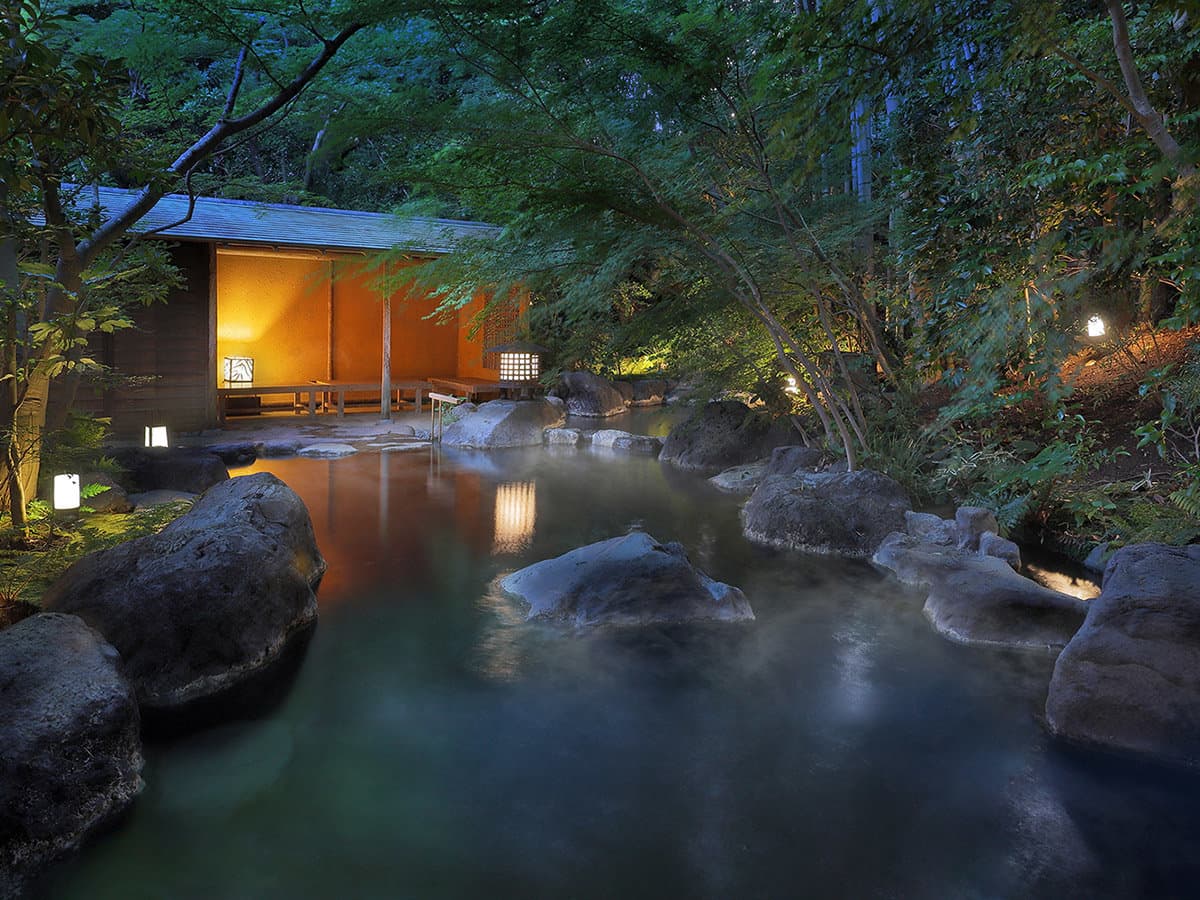 | à partir de ≈377 € | 10.0 44 avis | Anglais OKOnsen privé | Réserver sur Agoda |
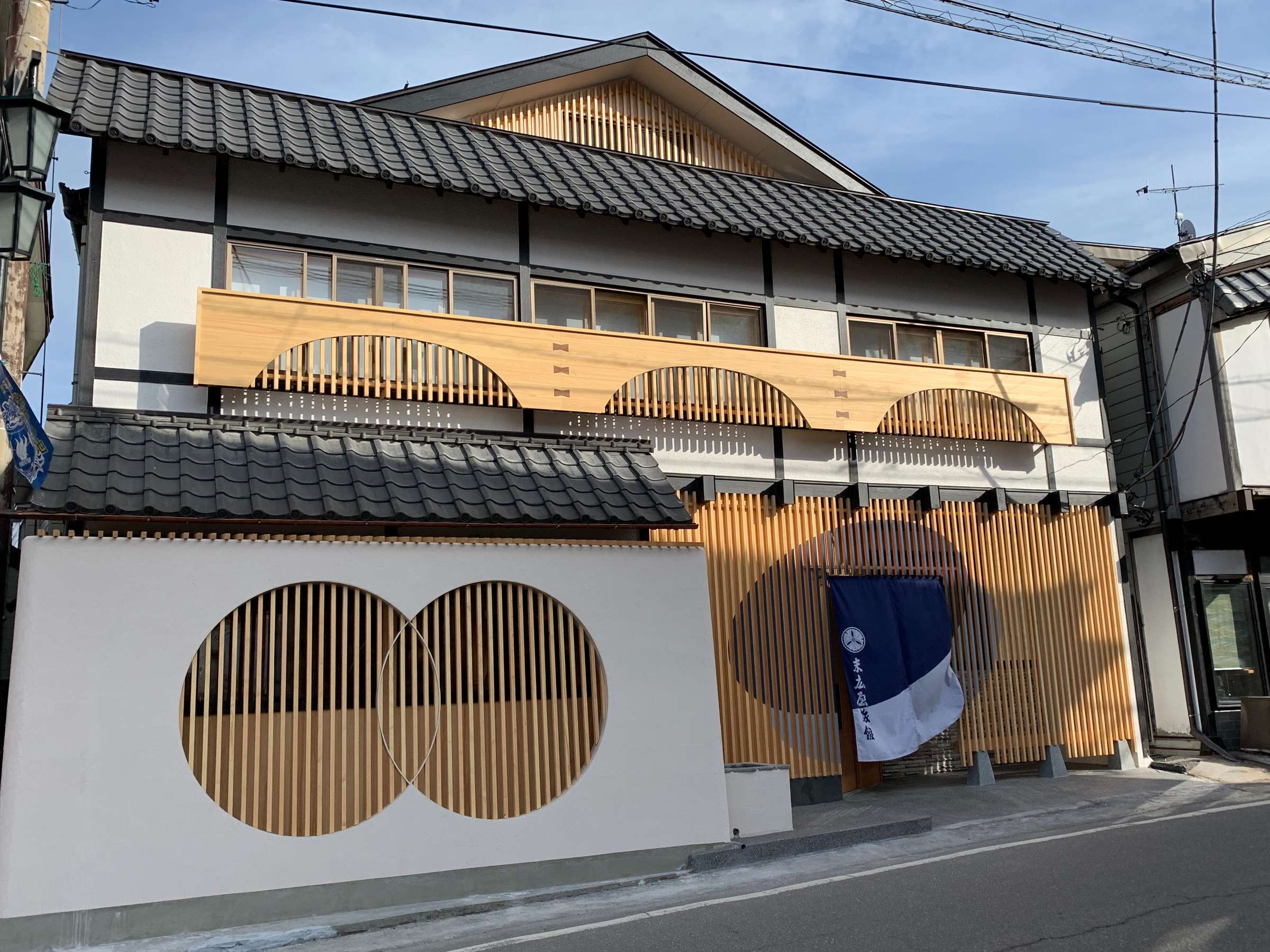 Suehiroya Ryokan Kusatsu | à partir de ≈139 € | 9.8 61 avis | Onsen privé | Réserver sur Agoda |
| à partir de ≈154 € | 9.7 71 avis | Anglais OKOnsen privé | Réserver sur Booking.com | |
| à partir de ≈431 € | 9.6 2 132 avis | Anglais OKOnsen privé | Réserver sur Booking.com | |
 Hotel Hana-An Nikko | à partir de ≈217 € | 9.6 1 653 avis | Anglais OKOnsen privé | Réserver sur Booking.com |
| à partir de ≈85 € | 9.6 924 avis | Anglais OKOnsen privé | Réserver sur Booking.com | |
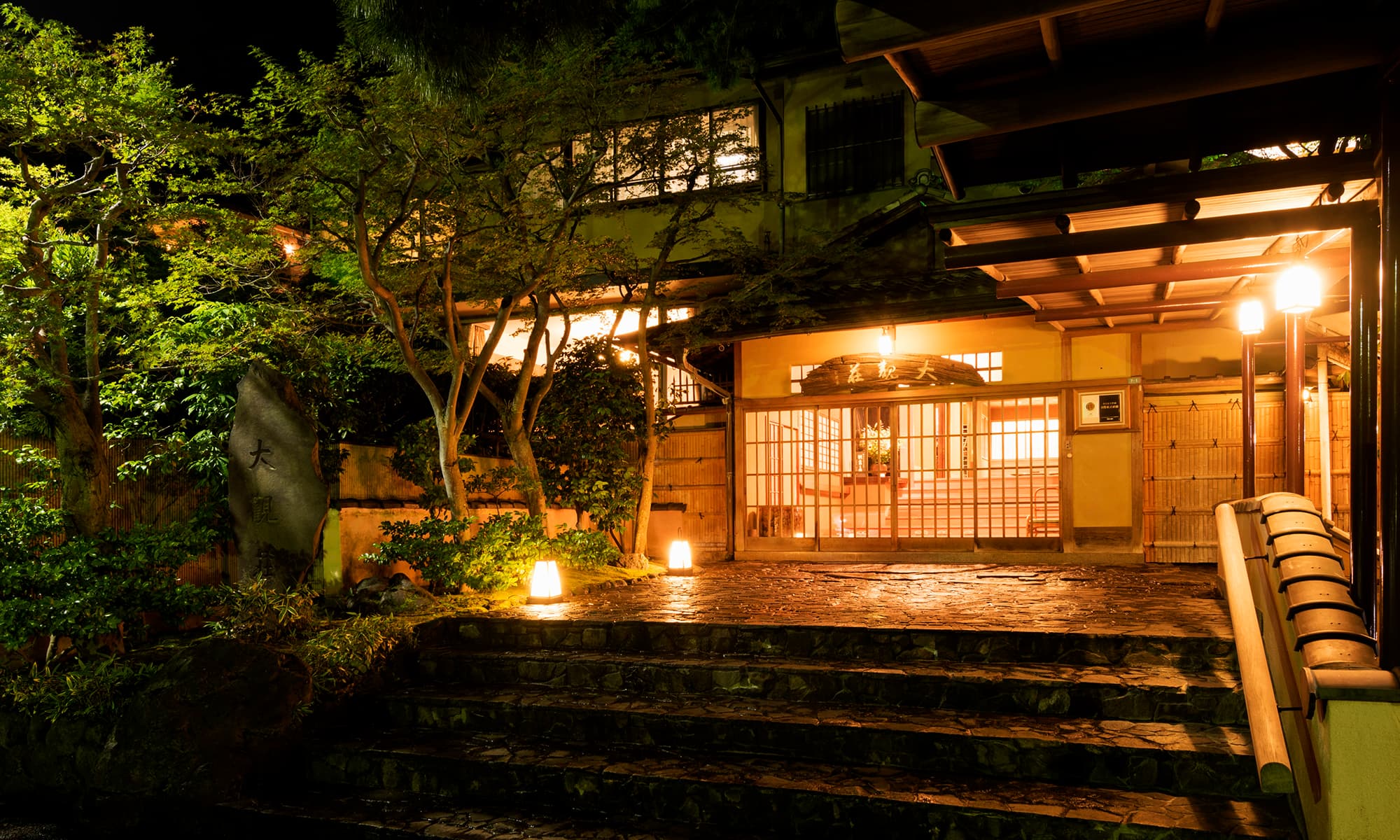 Atami Taikanso Atami | à partir de ≈406 € | 9.6 593 avis | Anglais OKOnsen privé | Réserver sur Agoda |
| à partir de ≈338 € | 9.6 413 avis | Onsen privé | Réserver sur Agoda | |
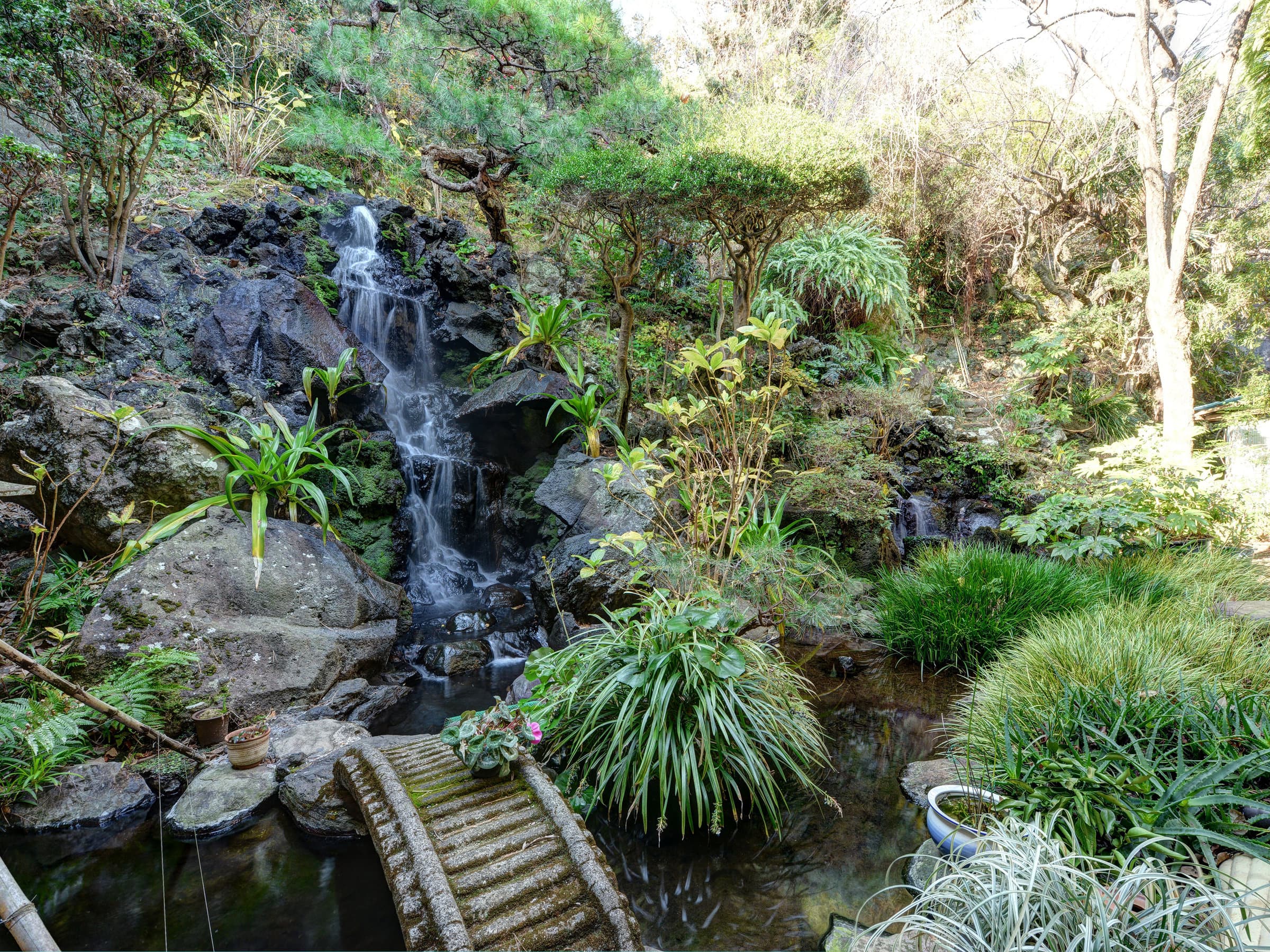 Yokikan Izu | à partir de ≈193 € | 9.6 351 avis | Anglais OKOnsen privé | Réserver sur Booking.com |
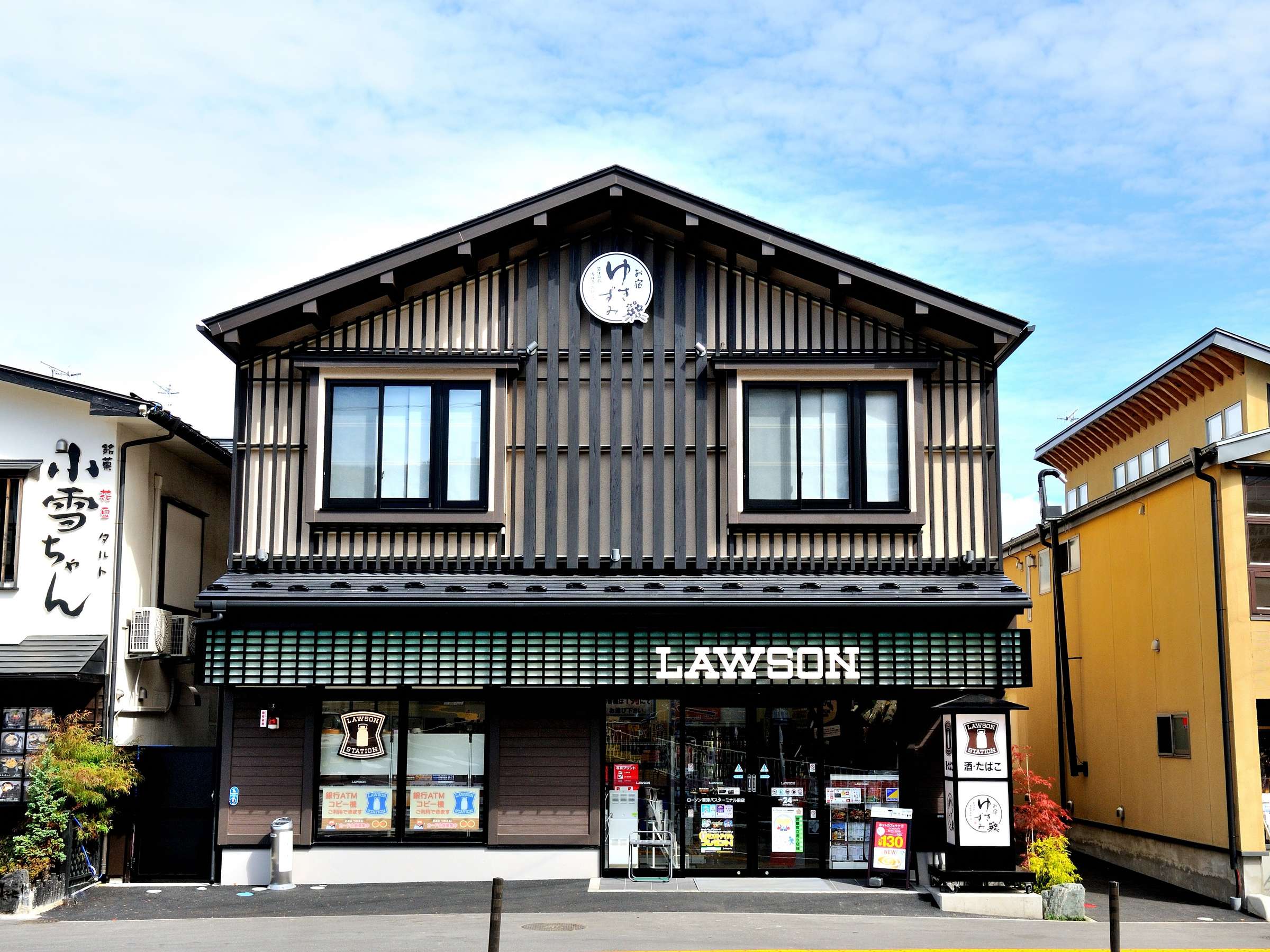 Oyado Yukizumi Kusatsu | à partir de ≈61 € | 9.6 348 avis | Onsen | Réserver sur Booking.com |
| à partir de ≈472 € | 9.6 334 avis | Onsen privé | Réserver sur Agoda | |
 Washintei Hogetsu Hakone | à partir de ≈222 € | 9.6 293 avis | Anglais OKOnsen | Réserver sur Agoda |
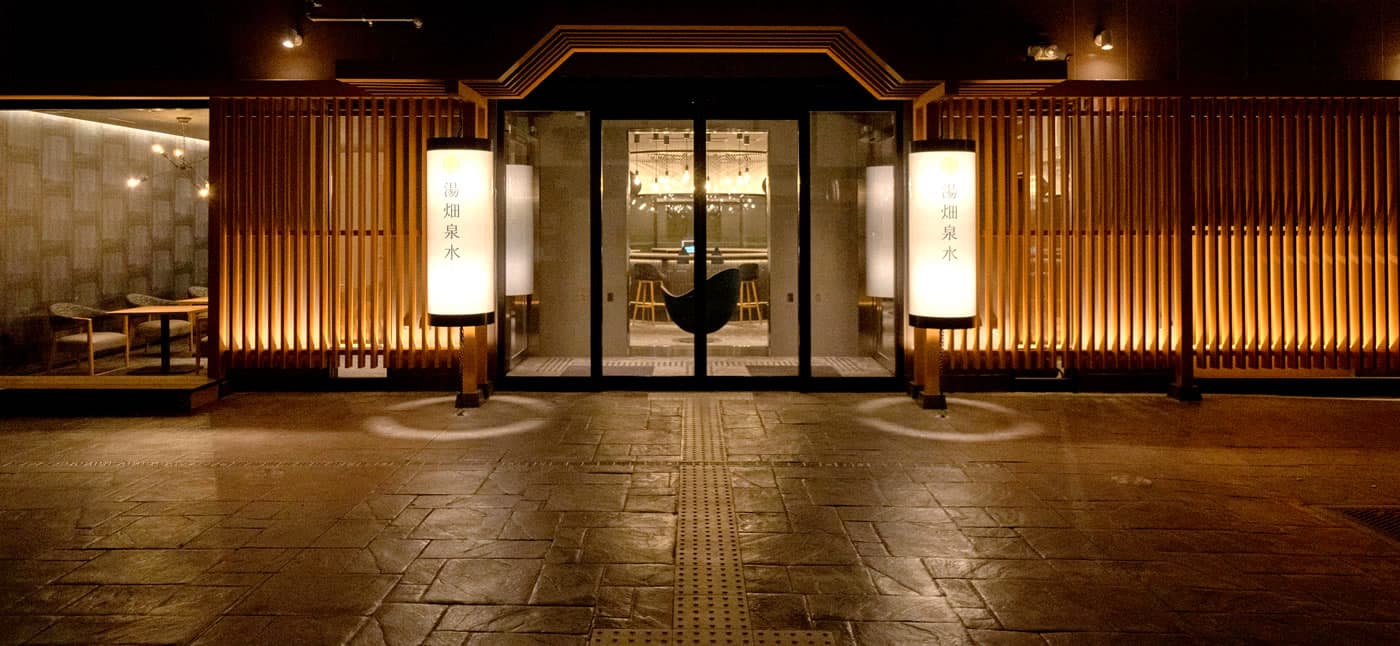 | à partir de ≈189 € | 9.6 213 avis | Onsen privé | Réserver sur Booking.com |
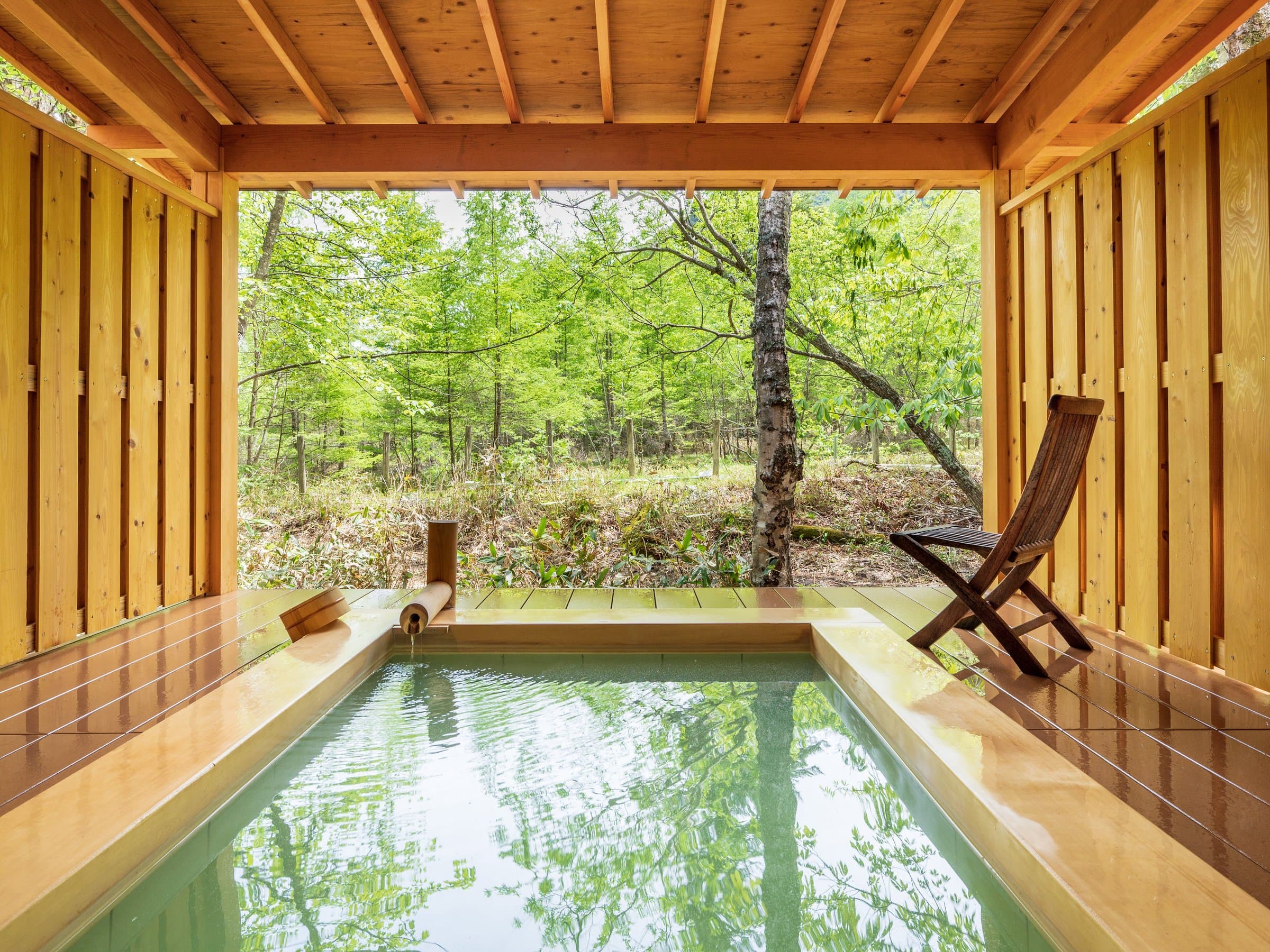 Okunikko Yuno-mori Nikko | à partir de ≈232 € | 9.6 106 avis | Anglais OKOnsen privé | Réserver sur Booking.com |
| à partir de ≈312 € | 9.6 65 avis | Anglais OKOnsen privé | Réserver sur Booking.com | |
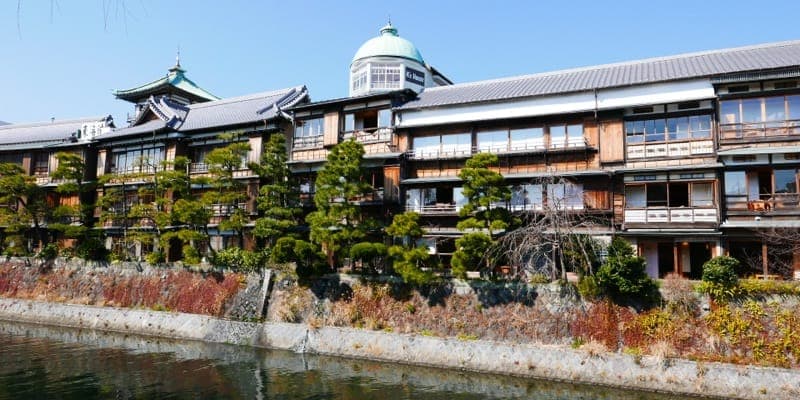 | à partir de ≈31 € | 9.6 45 avis | Anglais OKOnsen | Réserver sur Booking.com |
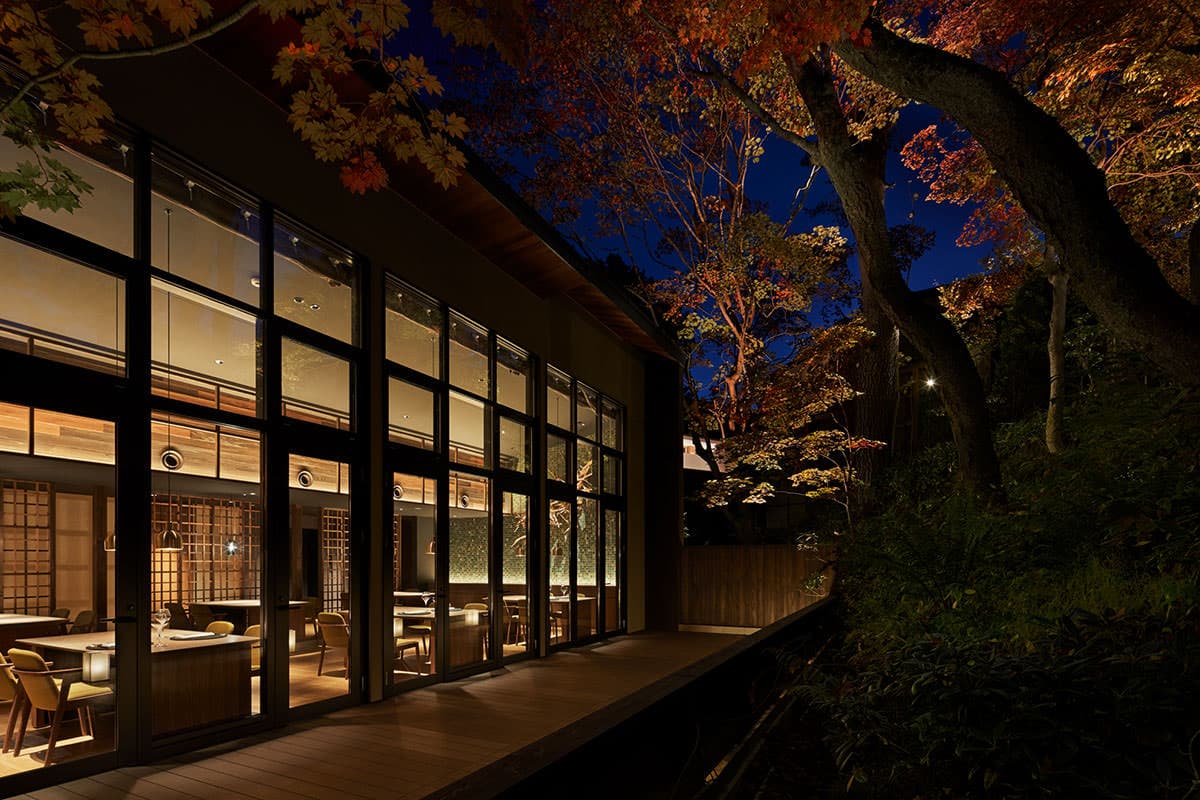 Kei Kusatsu | à partir de ≈404 € | 9.5 77 avis | Onsen privé | Réserver sur Agoda |
| à partir de ≈162 € | 9.5 43 avis | Anglais OKOnsen | Réserver sur Booking.com | |
| à partir de ≈215 € | 9.4 1 634 avis | Anglais OKOnsen privé | Réserver sur Booking.com | |
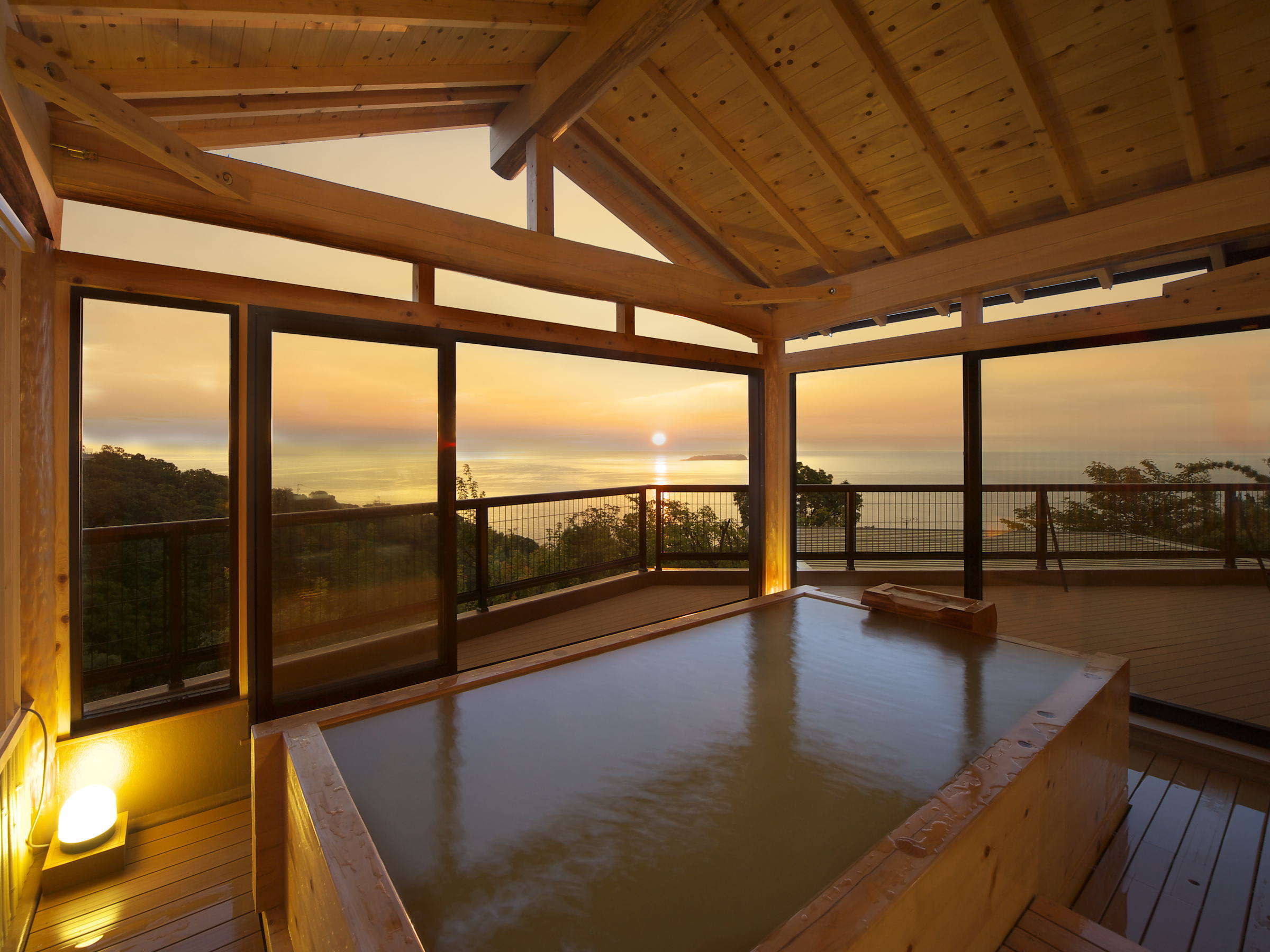 | à partir de ≈513 € | 9.4 714 avis | Anglais OKOnsen privé | Réserver sur Booking.com |
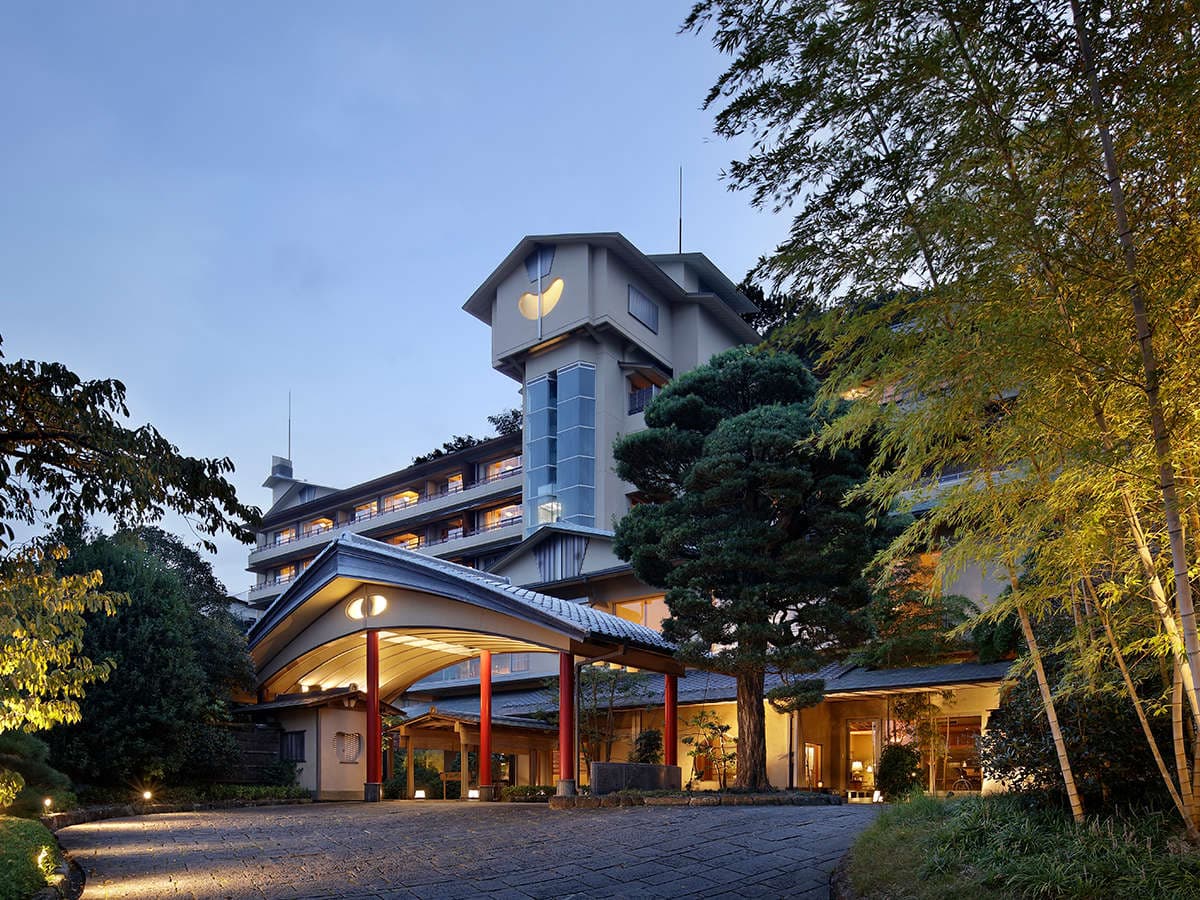
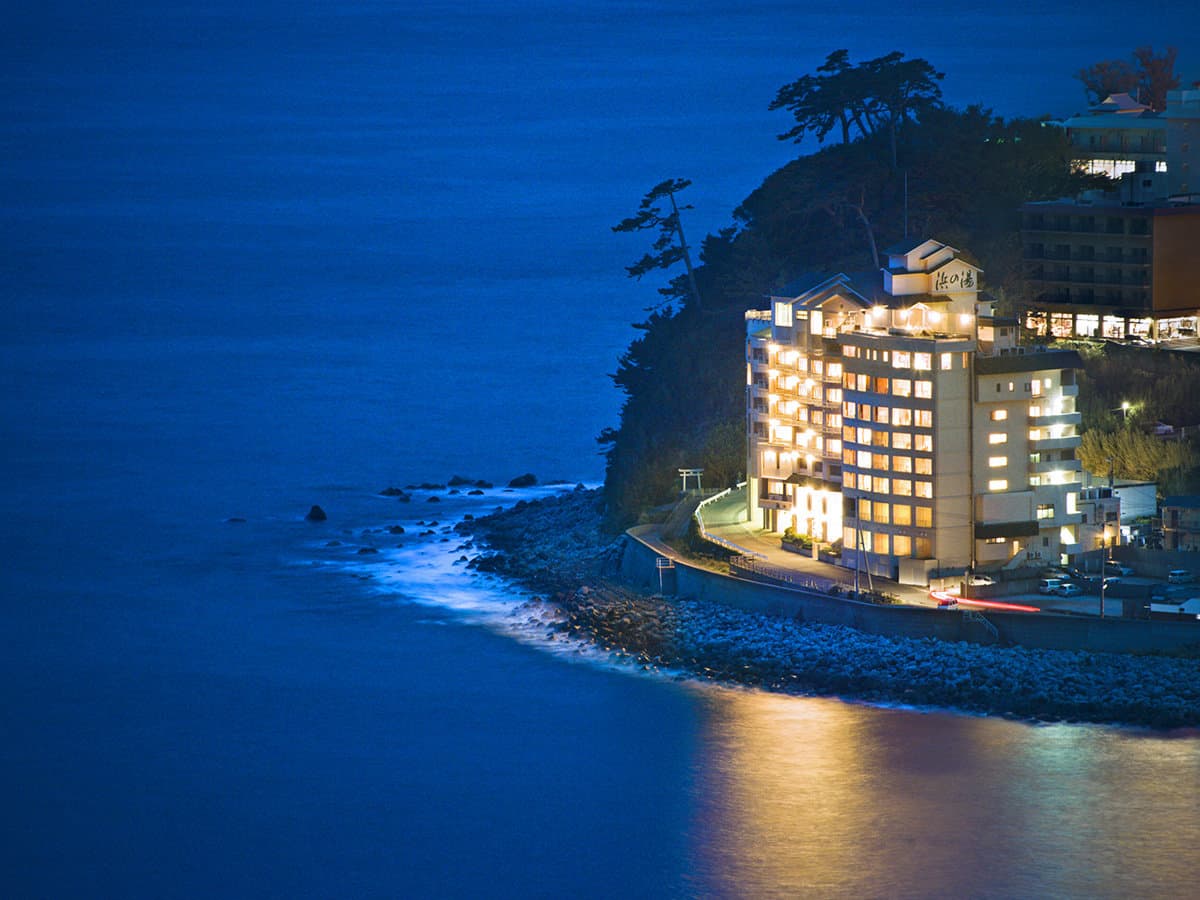
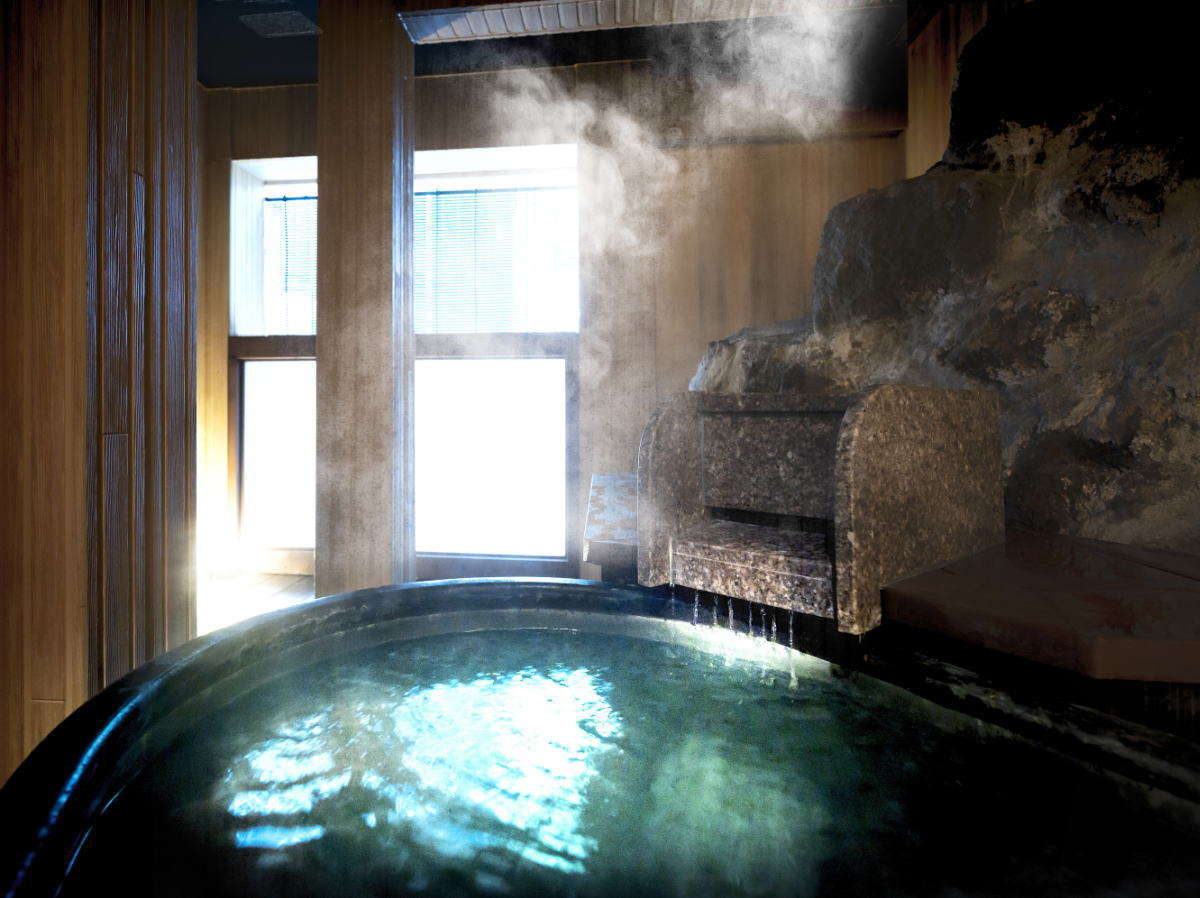
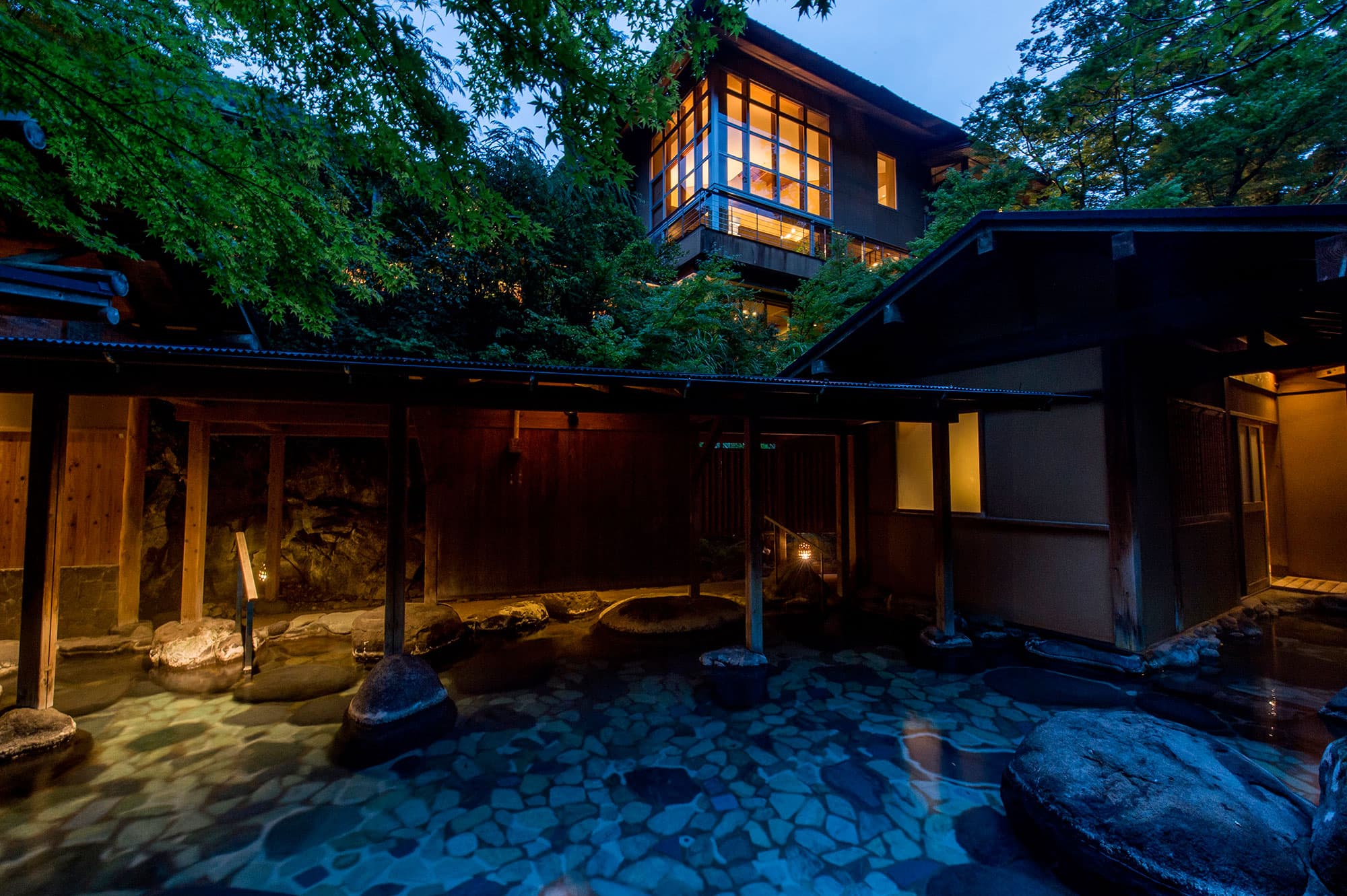
Suehiroya Ryokan
Kusatsu
Hotel Hana-An
Nikko
Atami Taikanso
Atami
Yokikan
Izu
Oyado Yukizumi
Kusatsu
Washintei Hogetsu
Hakone
Okunikko Yuno-mori
Nikko
Kei
Kusatsu
Les prix indiqués sont des tarifs de départ approximatifs par personne et par nuit. Nous pouvons percevoir une commission sur les réservations.
Prêt à réserver ?
Réservez l'un de ces ryokans favoris
Comparez les disponibilités et les tarifs sur les trois plateformes.
Les liens de réservation peuvent générer une commission sans coût supplémentaire.
FAQ
Questions fréquentes
Quel est le ryokan onsen authentique le plus rapide depuis la gare de Tokyo ?+
Fufu Atami à 40 minutes porte-à-porte en Shinkansen Tokaido Kodama (3 740 ¥ non réservé aller simple). HOSHINOYA Tokyo, à 3 minutes à pied de la gare de Tokyo, est plus rapide mais c'est une tour urbaine plutôt qu'un ryokan traditionnel autonome. Pour le format ryokan classique avec le transit le plus rapide, Fufu Atami est la réponse.
Ai-je besoin d'un Japan Rail Pass pour ces ryokans ?+
Non, sauf si vous voyagez aussi vers Kyoto, Osaka ou au-delà. Les tarifs aller-retour cash depuis la gare de Tokyo sont bien en dessous du Japan Rail Pass 7 jours — Atami 7 480 ¥, Hakone-Yumoto 6 820 ¥, Karuizawa 10 980 ¥, Nikko 6 360 ¥, Kinugawa 6 800 ¥, Shuzenji 9 420 ¥, Kusatsu 15 580 ¥. L'économie du Japan Rail Pass ne fonctionne qu'à l'échelle multi-régions.
Hakone ou Atami, lequel est le moins cher ?+
Atami est sensiblement moins cher à chaque gamme. Plancher luxe : Fufu Atami 739 $ contre Gora Kadan 1 200 $+. Milieu de gamme : Atami Tensui 165 $ contre Mizunoto 150 $ (à peu près à égalité). Budget : Atami Shogetsu 60 $ contre Ichinoyu Honkan 70 $. Le plus grand écart est au niveau luxe, où la plage 700 à 1 500 $ tout-suite-rotenburo d'Atami se situe une gamme entière sous le plancher luxe 1 200 à 2 500 $ de Hakone-Gora.
Puis-je faire un ryokan d'une nuit depuis Tokyo avec une réunion lundi matin ?+
Oui, mais seulement le Niveau 1 fonctionne. Quittez la gare de Tokyo vendredi 18h30 en Kodama, arrivez à Atami à 19h10, dîner, sommeil. Trempage samedi matin, petit-déjeuner, retour au centre de Tokyo à 11h40 avec tout l'après-midi du samedi et le dimanche encore devant vous. Pour les destinations Niveau 2 ou 3, le trajet en train à lui seul mange la plupart du dimanche, ce qui est viable pour un séjour de deux nuits mais pas pour une seule nuit avec une réunion lundi matin.
Quel est le meilleur feuillage d'automne près de Tokyo ?+
Le lac Chuzenji de Nikko et les chutes de Kegon à mi-novembre est la réponse canonique. FUFU Nikko ou Nikko Kanaya Hotel comme base, excursion d'une journée au lac Chuzenji via la route à lacets Iroha-zaka. Second choix : Hakone-Gora et la caldeira supérieure de Hakone dans la même fenêtre environ. Troisième : la gorge de Kinugawa une semaine plus tard.
Ces ryokans sont-ils anglophones ?+
La plupart oui — 27 des 30 propriétés de ce guide sont signalées anglophones dans notre base. Les exceptions sont typiquement les établissements patrimoniaux plus anciens (Tsutsujitei, Bettei Sasane, Atami Yamaki Ryokan, Fukuzumiro) où la réception opère principalement en japonais. Pour ceux-là, réservez via Trip.com ou Booking.com plutôt que le site direct — la couche OTA gère la communication en anglais.
Quel niveau est le mieux pour les primo-visiteurs ?+
Niveau 1 — spécifiquement Atami. Les 40 minutes en Kodama signifient qu'une seule erreur (mauvais train, correspondance ratée) coûte des minutes plutôt que des heures. Le plancher luxe (Fufu, Sekaie) et le milieu de gamme (Sakuraya, Tensui) sont tous deux sincèrement forts sans exiger la navigation des rebroussements Hakone-Tozan ou la distinction Tobu vs JR. Pour un premier séjour en ryokan, Fufu Atami est la réponse la plus sûre.
Combien de temps à l'avance réserver Niveau 1 vs Niveau 3 ?+
Niveau 1 : 3 à 6 semaines pour les saisons intermédiaires, 3 mois pour les pics feuillage et pruniers. Les établissements de Niveau 1 ont les plus grands volumes de chambres et l'inventaire le plus flexible. Niveau 2 : 2 à 3 mois minimum, 4 mois pour les week-ends feuillage d'automne à Nikko et Hakone-Gora. Niveau 3 : 4 à 6 mois pour les sélections à plus petite échelle (Asaba 17 chambres, Tsutsujitei 17 chambres) — elles se réservent des mois à l'avance pour toute haute saison.
Visibilité du mont Fuji — quelle zone est la meilleure ?+
Pour des vues partielles sur le mont Fuji intégrées à votre séjour ryokan : chambres orientées ouest d'hiver d'Atami à Sekaie, Sekitei et Tensui. Pour l'angle carte postale symétrique (mont Fuji reflété à travers une eau calme), la zone canonique est les Cinq Lacs du Fuji — Kawaguchiko et Yamanakako — qui se trouvent hors de ce guide. Voir les meilleurs ryokans avec vue sur le mont Fuji pour la couverture dédiée de cette zone.
Qu'est-ce qui est inclus dans le prix typique d'un ryokan ?+
Les tarifs de ryokan au Japon sont indiqués par personne (et non par chambre) et incluent traditionnellement le dîner et le petit-déjeuner. Le luxe Niveau 1 (400 $+) signifie kaiseki au dîner, petit-déjeuner, accès à tous les bains communs et yukata ; rotenburo en chambre si la catégorie le précise. Le milieu de gamme (150 à 300 $) inclut typiquement dîner + petit-déjeuner + accès onsen. Le budget (60 à 150 $) varie — certains incluent uniquement le petit-déjeuner, d'autres incluent un kaiseki complet en bas de gamme. Confirmez toujours l'inclusion des repas à la réservation.


