Quick Comparison
10 picks| Ryokan | From | Rating | Book |
|---|---|---|---|
 | from US$500/person/night≈ US$1,000 for 2 | 9.5 89 reviews | Book on Booking.com |
 | from US$400/person/night≈ US$800 for 2 | 9.3 124 reviews | Book on Booking.com |
 | from US$200/person/night≈ US$400 for 2 | 8.8 1,712 reviews | Book on Booking.com |
 | from US$150/person/night≈ US$300 for 2 | 8.8 67 reviews | Book on Booking.com |
 | from US$180/person/night≈ US$360 for 2 | 9.2 156 reviews | Book on Trip.com |
 | from US$70/person/night≈ US$140 for 2 | 9.1 187 reviews | Book on Booking.com |
 | from US$250/person/night≈ US$500 for 2 | 8.4 15 reviews | Book on Agoda |
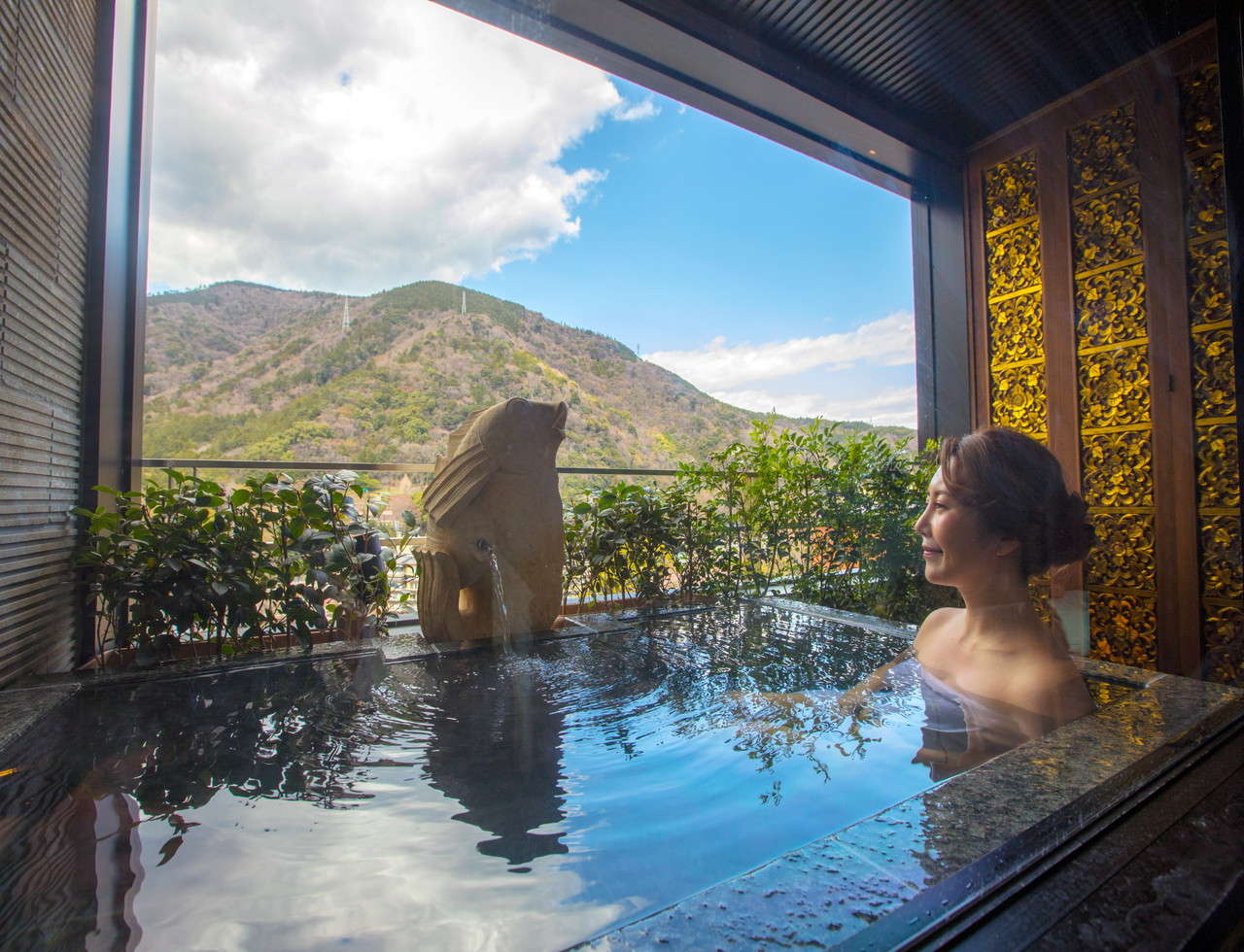 | from US$300/person/night≈ US$600 for 2 | 8.6 178 reviews | Book on Trip.com |
 | from US$150/person/night≈ US$300 for 2 | 8.9 672 reviews | Book on Agoda |
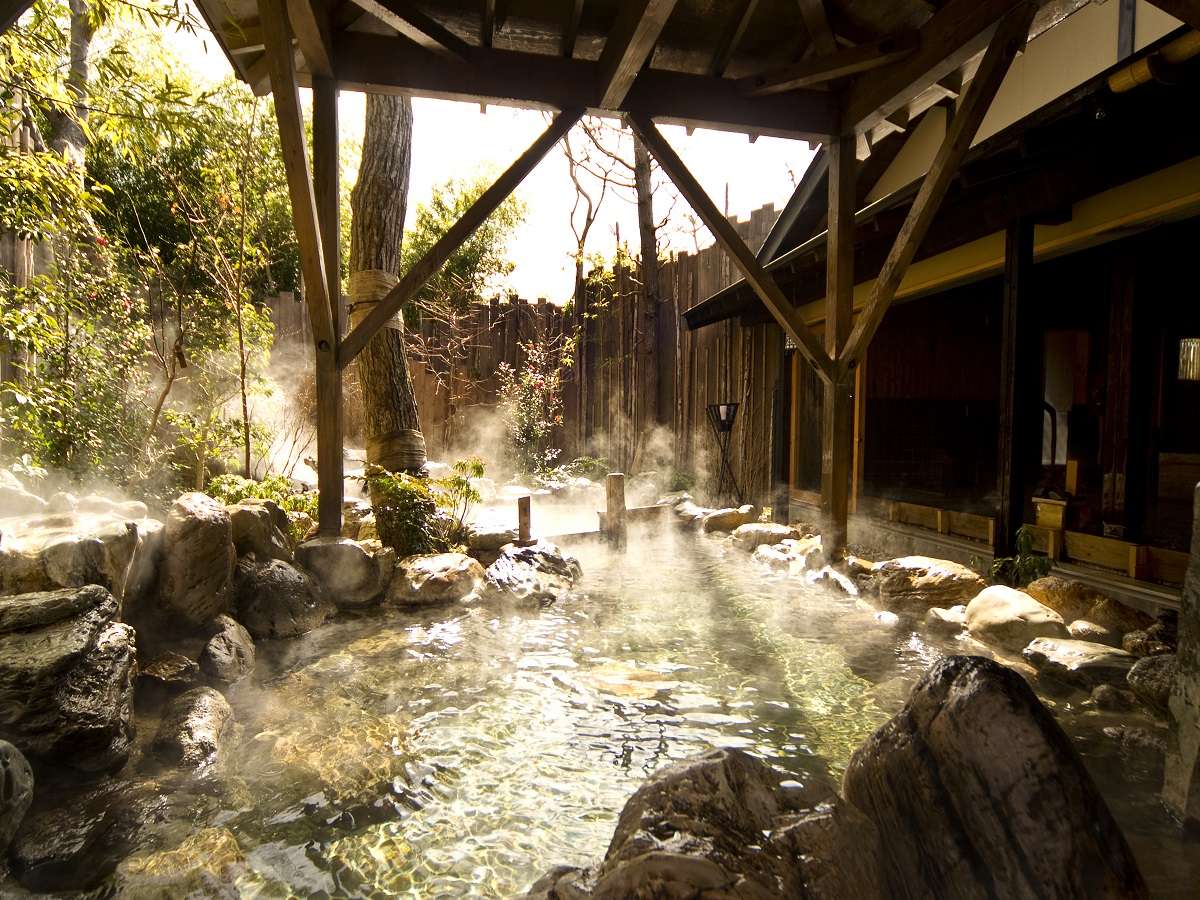 | from US$170/person/night≈ US$340 for 2 | 8.3 322 reviews | Book on Booking.com |
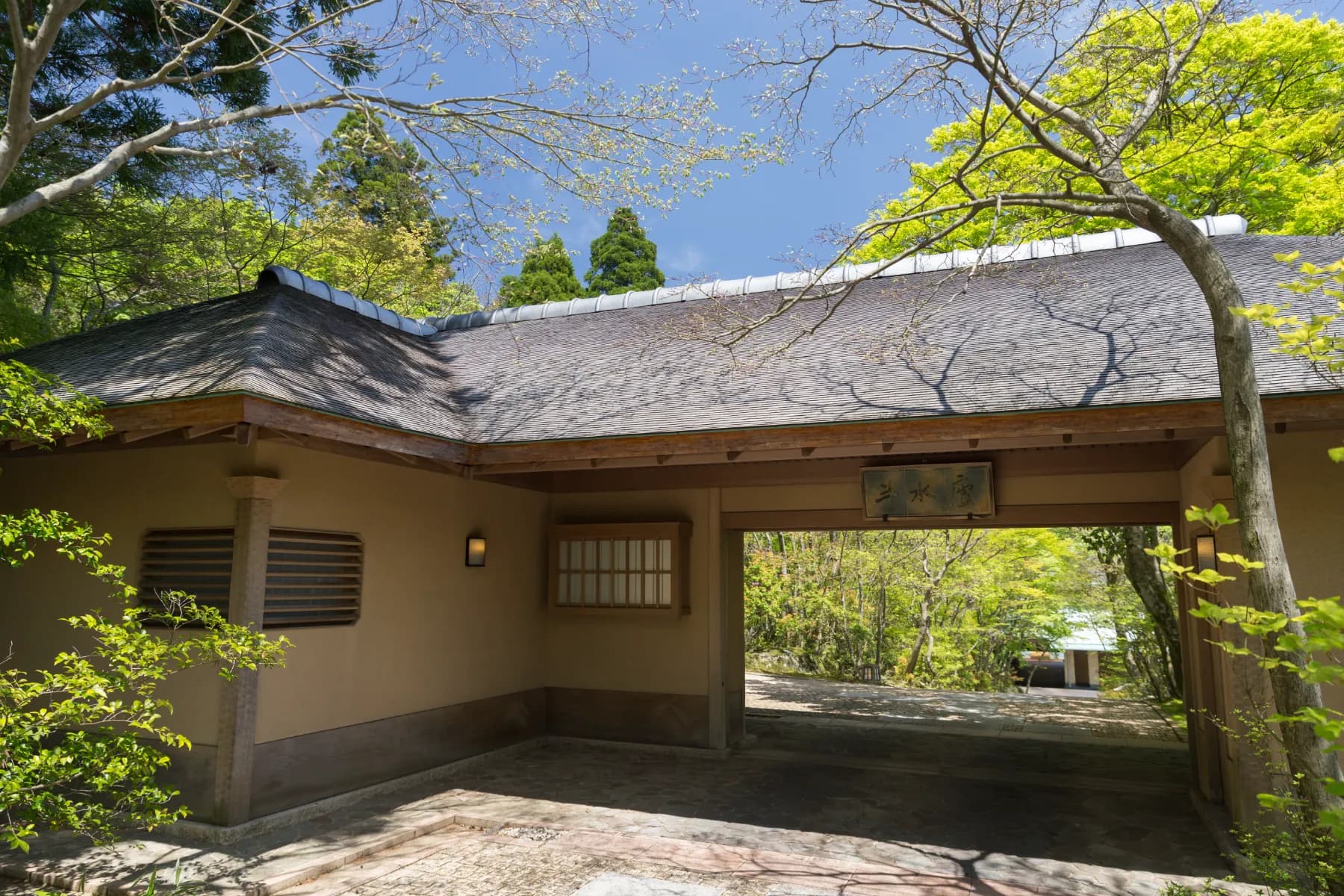
Hakone Ginyu
Hakone
Yoshiike Ryokan
Hakone
Hotel Kajikaso
Hakone
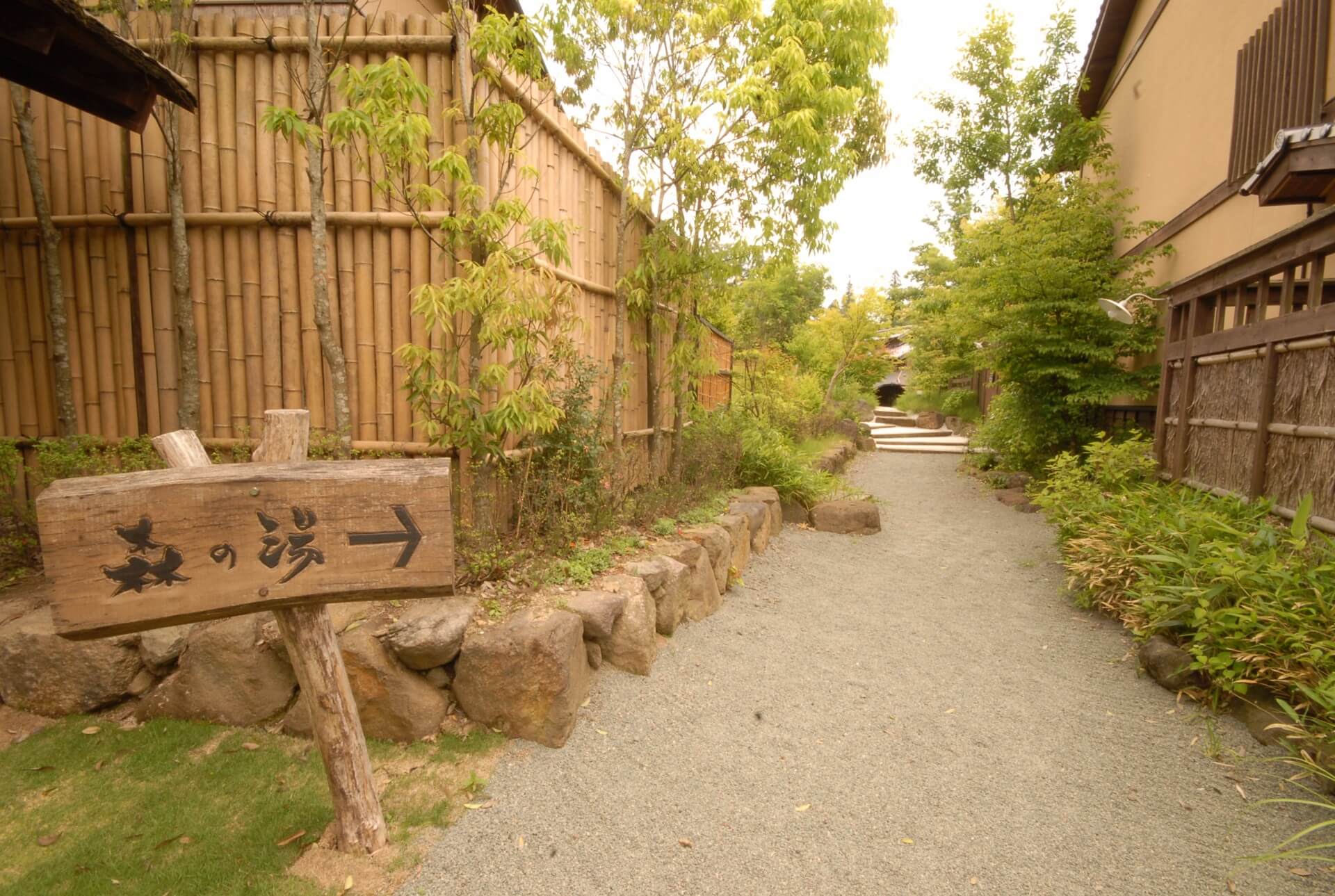
Motoyu Kansuiro
Hakone
Hakone Airu
Hakone
Hakone Gora Setsugetsuka
Hakone
Prices shown are approximate starting rates per person per night. We may earn a commission on bookings.
The best ryokan in Hakone is Gora Kadan — a former imperial retreat in Gora with the region's finest kaiseki — for travelers wanting outright luxury. For couples, Hakone Ginyu places a private open-air onsen in every room; on a budget, Ichinoyu Honkan offers a genuine 1630-founded inn under ¥25,000 per person.
If you have one night to spend in a Japanese ryokan on a Tokyo-based itinerary, Hakone is the right answer. This volcanic valley sits just 85 minutes from Shinjuku by Romancecar — close enough for a Wednesday night escape, yet remote enough that you genuinely feel you've left the city behind.
Hakone has been Japan's premier mountain-onsen resort for over 1,300 years — the first Hakone-Yumoto hot spring was reputedly opened in 738 during the Nara period . The combination of mineral-rich geothermal spring water, cedar-forested valleys, and the occasional glimpse of Mt. Fuji across Lake Ashi has no real equivalent within Romancecar distance of Tokyo.
What first-timers often miss: Hakone is a chain of four distinct onsen sub-regions that climb from the valley floor up to the caldera rim, each with different water chemistry, different scenery, and a very different atmosphere. The right ryokan depends on which sub-region fits your trip — and this guide maps all 20 picks to their sub-region so you can choose both simultaneously.
We compared prices and checked private-onsen availability across all 20 properties, the thirteen carried over in May 2026 and the seven new entries in August. Every price range is a stored per-person-per-night rate for two guests, dinner and breakfast included, taken from booking-platform listings — not a live quote — so check the current price for your dates on the booking site. For how the main booking sites compare, see our ryokan booking site comparison.
Considering a private-onsen ryokan? Hakone is Japan's strongest private-onsen region — for the full national comparison across 15 picks, see our best ryokans with private onsen guide.
How We Selected These 20 Ryokans (Verified August 2026)How we picked
We started with every published Hakone ryokan in our database and checked each entry against the property's own site. That audit removed five picks: one that does not exist under the name we printed, one with neither onsen nor meals, two we had filed in the wrong onsen town, and one that is a resort hotel rather than a ryokan. It moved two more — Yaeikan and Hakone Airu, both listed here for years as Sengokuhara when their own addresses put them in Hakone-Yumoto, a few hundred metres from the station. And it added seven verified replacements, including the first genuine Sengokuhara properties this guide has ever carried. Selection required: (1) genuine onsen access (not just a bath), (2) minimum 8.0 guest rating, (3) verifiable price data as of May 2026. All JPY ranges are per person per night, two guests, dinner + breakfast included. USD equivalents at ¥150/$1 (May 2026 rate).
Quick Pick: Best Hakone Ryokan by Need
Best overall luxury: Gora Kadan — former imperial villa, obsessive staff-to-guest ratio, best kaiseki in Hakone. Best for couples (private onsen guaranteed): Hakone Ginyu — private open-air bath in every single room, cliffside forest views. Best budget with real onsen: Ichinoyu Honkan — 1630-founded, indoor baths over the Hayakawa gorge plus a free private family bath, under ¥25,000/person. Best for first-timers: Yoshiike Ryokan — English staff, station shuttle, 6 hot spring sources, accessible kaiseki. Best Mt. Fuji sightline: Lakeside properties on Ashinoko — Ryuguden, where all 24 rooms face the water, and Washintei Hogetsu above Hakone Shrine.
| Ryokan | Best for | Zone | Price tier | Listed rate (May 2026) | Private onsen |
|---|---|---|---|---|---|
| Gora Kadan | Overall luxury | Gora | ¥¥¥¥ | ¥75,000–¥180,000 | Select rooms |
| Hakone Ginyu | Couples | Miyanoshita | ¥¥¥¥ | ¥60,000–¥135,000 | Every room |
| Yoshiike Ryokan | First-timers | Yumoto | ¥¥¥ | ¥30,000–¥68,000 | Yes |
| Ichinoyu Honkan | Budget + real onsen | Tonosawa | ¥¥ | ¥11,000–¥24,000 | Yes (family bath + select rooms) |
| Ryuguden | Mt. Fuji views | Ashinoko | ¥¥¥ | ¥30,000–¥85,000 (Aug 2026) | 3 of 24 rooms (indoor) |
Hakone's 4 Onsen Sub-Regions: Where to Stay
Sub-region 1: Hakone-Yumoto & Tonosawa (Valley Floor, 96m) The largest area, where the Romancecar terminates. Most transit-accessible; most affordable. Water: alkaline simple springs and sodium-chloride springs. Best for first-timers and budget travelers.
Sub-region 2: Gora & Miyanoshita (Mid-Mountain, 360–541m) Reachable by Hakone Tozan Railway (20-30 min from Yumoto). The luxury-ryokan concentration is highest here — Gora Kadan, Gora Kansuirou, and Setsugetsuka anchor the zone. Miyanoshita's sodium bicarbonate water is called bijin-no-yu (beauty water). Best for luxury stays and travelers adding the Open-Air Museum or Pola Museum.
Sub-region 3: Sengokuhara (Northern Plateau, 700m) The quietest major area, accessible by bus from Gora or Yumoto. Wide volcanic plateau, famous silver grass (susuki) fields in autumn. Water: sulfate and simple alkaline springs. Best for returning visitors, autumn foliage season, and travelers prioritizing quiet over convenience.
Sub-region 4: Owakudani & Ashinoko (Caldera Zone, 1,000m+) The volcanic heart: Owakudani's steam vents and Lake Ashi's Mt. Fuji reflections. Accommodation here is larger resort-style. Water: sulfuric acid springs (Owakudani zone). Best for Mt. Fuji photography and the full caldera loop.
For how these sub-regions connect to the broader Tokyo-radius cluster, see our ryokans near Tokyo guide and Mt. Fuji view ryokan guide.
The 20 Best Ryokans in Hakone
Hakone-Yumoto & Tonosawa (7 Picks)
 Pin to Pinterest
1. Motoyu Kansuiro — 400-Year-Old Cultural Property, Riverside Rotenburo
Price tier: ¥¥¥ | Listed rate (May 2026): ¥38,000–¥75,000/person incl. meals Zone: Tonosawa | Private onsen: Select rooms | English staff: Yes | Tattoo policy: Private open-air bath allowed; shared baths not stated
- Registered Cultural Property; Taisho-era timber construction (1920s)
- Outdoor rotenburo cantilevered directly above the Hayakawa River
- Natural sodium-chloride hot spring source on-site; excellent for skin hydration
- Firefly season along the river in summer; snow-draped cedars in winter
- Kaiseki with same-day Sagami Bay seafood and Ashigara mountain vegetables
- Free shuttle from Hakone-Yumoto Station (10 min)
One of the most atmospheric Tonosawa properties: Taisho-period timber corridors, centuries of absorbed steam, and a riverside rotenburo that changes character entirely with the seasons. The staff speaks English fluently and explains the water chemistry and building history without prompting — an unusual grace note among historic inns. Generous kaiseki with genuinely good sourcing. For a broader look at historic-inn options across Japan, see our first-time ryokan guide.
At a glance
2. Yoshiike Ryokan — Six Hot Spring Sources, Grand Koi Garden
Price tier: ¥¥¥ | Listed rate (May 2026): ¥30,000–¥68,000/person incl. meals Zone: Hakone-Yumoto | Private onsen: Yes | English staff: Yes | Tattoo policy: Cover-up required
- 6 independent natural hot spring sources — unusual even for Hakone
- Vast Japanese garden with koi pond; illuminated at night
- Private open-air baths bookable by the hour for all room grades
- In-room kaiseki with monthly seasonal menu updates
- Free station shuttle (7 min from Hakone-Yumoto)
- English concierge for Free Pass and ropeway logistics
Yoshiike Ryokan operates at a scale that surprises first visitors: the koi garden alone spans what feels like a city block, and six independent spring sources feed a complex of communal and private baths. The English-speaking concierge helps international guests map out the full Hakone caldera loop without sales pressure. For first-time visitors who want a reliable entry point into Hakone ryokan culture — real onsen, real kaiseki, real English support — this is the most consistently recommended Yumoto pick.
At a glance
3. Hotel Kajikaso — 5-Min Walk from Station, Ravine-View Outdoor Bath
Price tier: ¥¥¥ | Listed rate (May 2026): ¥27,000–¥60,000/person incl. meals Zone: Hakone-Yumoto | Private onsen: Select rooms | English staff: Yes | Tattoo policy: Not stated on the official site — ask the inn
- Most walkable Yumoto pick: 5 minutes on foot from Hakone-Yumoto Station
- Outdoor bath faces a moss-covered cedar ravine — beautiful after rain
- 9.2 guest rating across OTAs; consistently high in guest satisfaction
- Transparent room grading: economy tatami to suite with open-air bath
- Sodium chloride spring water; skin-softening properties
- Hakone Free Pass transit info at front desk
Hotel Kajikaso earns its 9.2 rating with a ravine-view outdoor bath that feels more remote than its 5-minute station walk suggests. The ravine acts as a sound buffer; the nighttime bath is very quiet. Upgrading to a room with private open-air onsen adds ¥15,000–¥20,000/person, which many guests decide is worthwhile after seeing the communal bath. Best pick for travelers arriving without a luggage shuttle — you can walk directly from the platform.
At a glance
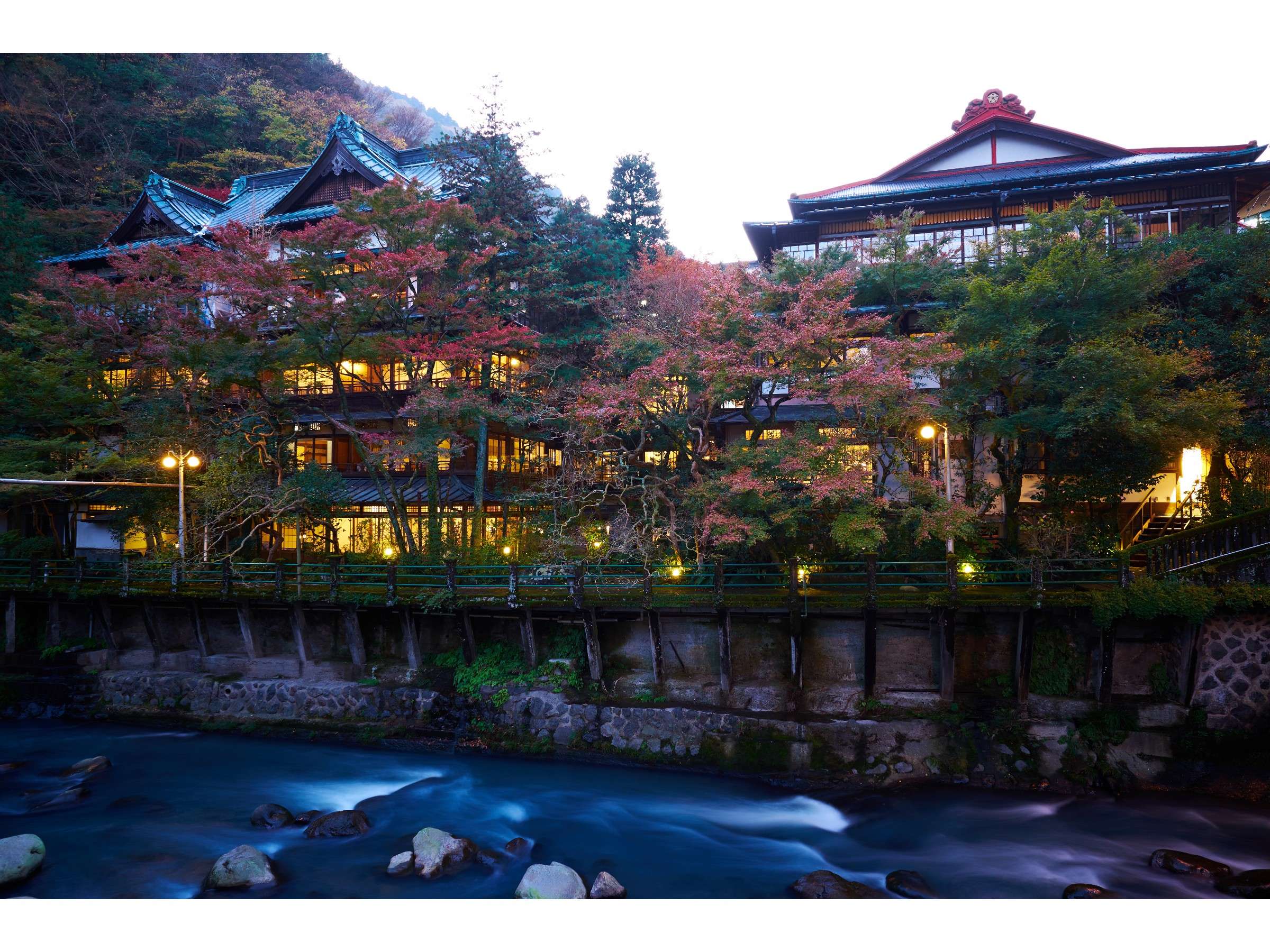
4. Fukuzumiro — Founded 1890, Rotenburo Above the Hayakawa River
Price tier: ¥¥ | Listed rate (May 2026): ¥23,000–¥53,000/person incl. meals Zone: Tonosawa | Private onsen: Select rooms | English staff: Limited | Tattoo policy: No restrictions (official FAQ)
- Founded 1890 (Meiji 23); registered in 2003 as a Registered Tangible Cultural Property, recognized for its three-story sukiya-style timber architecture and intricate bamboo detailing
- Bamboo-forest covered walkway descending to the riverside building
- Rotenburo perched above the Hayakawa River; hear the current below
- Mountain kaiseki: grilled river ayu, simmered vegetables, on-site tofu
- Alkaline simple spring water — gentle on sensitive skin
- Outstanding value-to-atmosphere ratio in Hakone
Fukuzumiro is one of those properties that defies photography — it has received guests since 1890, and the timber building itself is a registered cultural property. The riverside rotenburo is the defining feature: a stone-lined pool above the Hayakawa, with cedar branches creating a green tunnel in summer and going orange in autumn. The kaiseki is generous rather than precious: large portions, strong local ingredients, hearty mountain character. Limited English, but translation apps work well and most interaction is non-verbal anyway.
At a glance
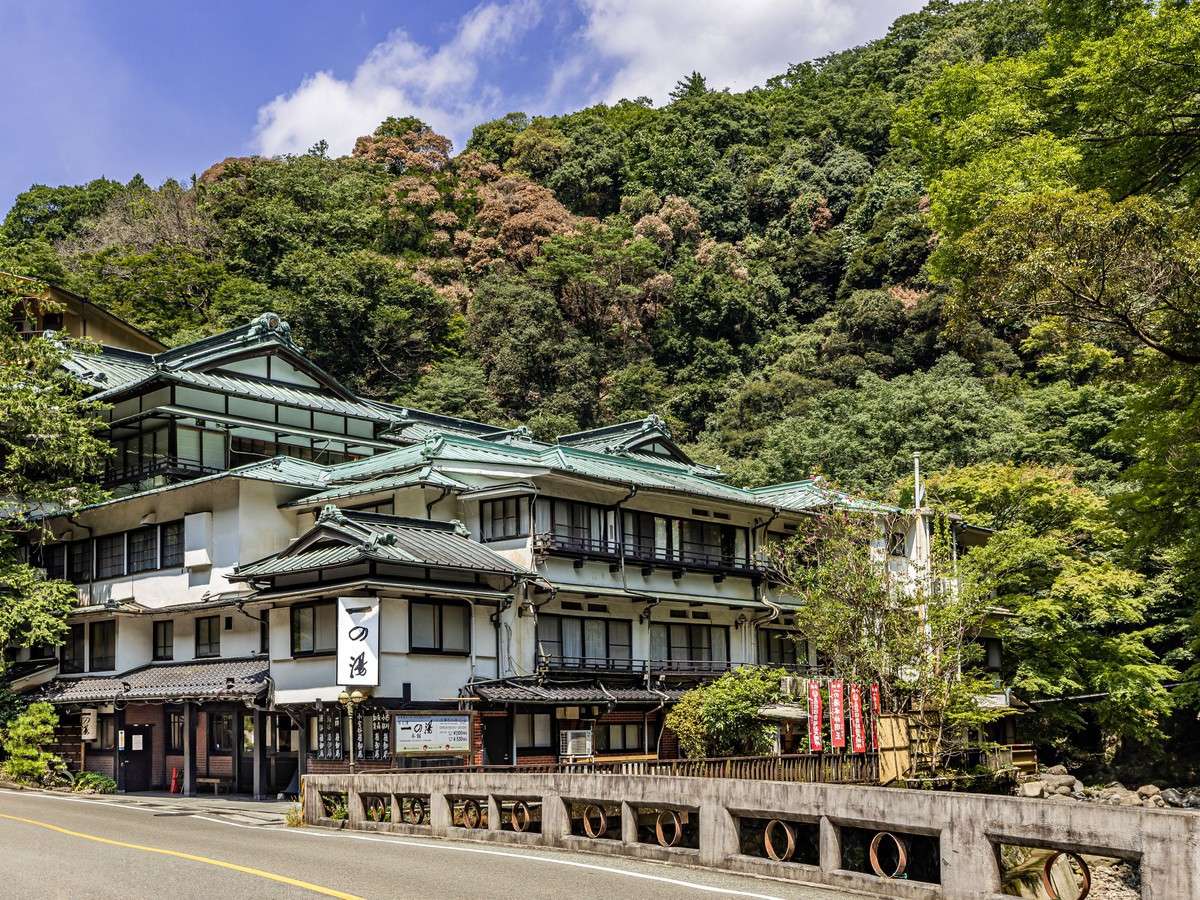
5. Ichinoyu Honkan — Authentic Ryokan Since 1630 Under ¥25,000
Price tier: ¥¥ | Listed rate (May 2026): ¥11,000–¥24,000/person incl. breakfast Zone: Tonosawa (5 min by bus from Hakone-Yumoto Station) | Private onsen: Yes (1 free indoor family bath; some rooms have their own onsen bath) | English staff: Yes | Tattoo policy: Cover-up in the large baths (Ichinoyu group policy; seals sold at the front desk); the same page's bath rules still turn away tattoos regardless of seals, so ask first
- Operating since 1630 under the Ogawa family (now 16th generation); registered as a National Tangible Cultural Property in 2009
- Genuine Edo-period atmosphere: creaking cypress floors, low doorways
- Two indoor baths over the Hayakawa gorge (no shared outdoor bath) and one free private family bath in marble imported from Italy in 1917; alkaline simple spring, pH 8.5
- Dinner and breakfast are served in the inn's 4th-floor restaurant; dinner starts at 5:45 or 6:45 PM
- From Hakone-Yumoto Station: 5 minutes by bus to the Kami-Tonosawa (上塔ノ沢) stop, then 1 minute on foot
- Best budget-authentic ryokan in the region
Ichinoyu Honkan proves that ¥12,000/night in Hakone is still possible without plastic tatami or thin walls. The building is genuinely Edo-era: creaking cypress floors, a slight duck through doorways, centuries-old smell of old wood. The baths are the experience: two indoor baths looking onto the Hayakawa gorge, with clear alkaline simple-spring water (pH 8.5), best used off-peak (6-7 AM or early afternoon), and a marble family bath you can book free at the front desk on the day. Dinner and breakfast are both served in the inn's 4th-floor restaurant, a converted Taisho-era banquet hall. For budget strategies across Japan, see our budget ryokan tips guide.
At a glance
 Pin to Pinterest
6. Yaeikan — Mountain-View Baths, Two Minutes from the Romancecar
Price tier: ¥¥ | Listed rate (May 2026): ¥23,000–¥53,000/person incl. meals Zone: Hakone-Yumoto | Private onsen: Yes | English staff: Yes | Tattoo policy: Not stated on the official site — ask the inn
- Mountain-view open-air baths with Fuji-Hakone ridgeline visible on clear mornings
- 150 m from Hakone-Yumoto Station, with a free shuttle if you would rather not walk
- Private open-air baths available to all room grades
- In-room kaiseki with seasonal menus (bamboo shoots in spring, mushrooms in autumn)
- Quiet location removed from the main tourist traffic
- Strong value: private onsen + mountain views at ¥¥ pricing
Yaeikan is 150 m from the Romancecar ticket gate, on the quiet side of the river from the Yumoto main drag. The mountain-view baths and the walk from the platform are the defining advantages. The kaiseki changes genuinely with the season; the spring bamboo-shoot menu and autumn mushroom menu reflect the surrounding forest. At the ¥¥ price point, with a private bath available in every room grade, Yaeikan is the strongest value in Yumoto.
At a glance
7. Hakone Airu — Balinese-Japanese Onsen Design, Four Minutes from the Romancecar
Price tier: ¥¥¥ | Listed rate (May 2026): ¥45,000–¥90,000/person incl. meals Zone: Hakone-Yumoto | Private onsen: Every room | English staff: Yes | Tattoo policy: Not stated on the official site — ask the inn
- Distinctive Balinese-Japanese fusion design: teak and bamboo alongside tatami
- Every room features a private open-air onsen; pavilion baths with forest views
- Sodium chloride spring water excellent for fatigue recovery
- 280 m from Hakone-Yumoto Station, set back from the main street
- No bus needed: it is a four-minute walk from the Romancecar terminus
- Unusual design that works — relaxing rather than gimmicky
Hakone Airu provokes the most surprised reactions of any inn in Yumoto. The Balinese-Japanese concept sounds like a bad idea until you're in it: teak pavilions housing private outdoor baths, with the surrounding cedar forest as backdrop, feel considered rather than confused. The sodium chloride spring water is particularly effective for guests arriving after long-haul flights — muscle fatigue dissolves faster than in lighter alkaline springs. The Sengokuhara silver-grass fields are a half-hour bus ride away — worth a morning, but not a walk.
At a glance
Gora, Miyanoshita & Kowakudani (7 Picks)
 Pin to Pinterest
8. Gora Kadan — Former Imperial Retreat, Best Kaiseki in Hakone
Price tier: ¥¥¥¥ | Listed rate (May 2026): ¥75,000–¥180,000/person incl. meals Zone: Gora | Private onsen: Select rooms | English staff: Yes | Tattoo policy: Small tattoos up to about A4 size allowed in the public baths; larger ones — private bath (official FAQ)
- Former summer villa of the Kan'in-no-miya imperial family; opened as a ryokan in 1952, joined Relais & Châteaux in 1991, and earned a Michelin Three Key rating in July 2024
- 16 rooms across approximately 16,500 m² of grounds; staff-to-guest ratio rivals any property in Japan
- Kaiseki: sake-matched by sommelier, Sagami Bay fish sourced same-day
- Main bath: soaring hinoki cypress and stone overlooking the cedar forest
- Private nature trail on estate grounds; private Hakone Shrine access arranged
- Gora Station 3 minutes on foot
Gora Kadan is the cluster anchor of Hakone's luxury tier and, by most accounts, the finest ryokan within 90 minutes of Tokyo. With only 16 rooms on 16,000 m² of imperial-era grounds, the ratio of space to guest is almost absurd. The kaiseki dinner is the finest in Hakone: sake-matched by a proper sommelier, with hyperlocal sourcing (Sagami Bay fish, mountain vegetables from farms within 30 km, wasabi grown in mountain streams). The nakai remembers your tea preference from the previous evening. The concierge arranges private Hakone Shrine access before crowds arrive. Autumn turns the soaring bath-window view into one of Japan's great natural performances. See our luxury ryokans Japan guide for Gora Kadan in national context.
At a glance
9. Hakone Ginyu — Private Open-Air Onsen in Every Single Room
Price tier: ¥¥¥¥ | Listed rate (May 2026): ¥60,000–¥135,000/person incl. meals Zone: Miyanoshita | Private onsen: Every room | English staff: Yes | Tattoo policy: Not stated on the official site — ask the inn
- Private open-air onsen in every one of the property's 20 rooms — all grades, not just suites
- Built into a cliff face above Hayakawa Ravine; floor-to-ceiling forest views
- Modern kaiseki: French technique, Japanese ingredients, precise execution
- Glass-walled breakfast room suspended over the ravine; fresh on-site tofu daily
- Cultural attractions within short drive: Open-Air Museum, Pola Museum, Okada Museum
- Best couples ryokan pick in this guide
Hakone Ginyu makes one structural promise and keeps it absolutely: every single room has its own private open-air onsen fed by natural spring water, regardless of booking grade. At night, the only sounds are the Hayakawa River far below and occasional bird calls — as close to complete isolation as you'll find within 2 hours of Tokyo. The modern kaiseki (French technique, Japanese ingredients) is either exciting or unnecessary depending on your preference, but the execution is precise. The glass-walled breakfast room is genuinely one of Hakone's great meal settings. For the full private-onsen comparison across Japan, see our best ryokans for couples guide.
At a glance
10. Gora Kansuirou — Former Mitsubishi Estate, 5,000-Tsubo Garden
Price tier: ¥¥¥ | Listed rate (May 2026): ¥38,000–¥83,000/person incl. meals Zone: Gora | Private onsen: Select rooms | English staff: Yes | Tattoo policy: Not stated on the official site — ask the inn
- Former recreational estate of the Mitsubishi industrial family; Taisho-era timber buildings
- 5,000-tsubo (16,500 m²) Japanese garden with autumn night illumination
- Private hot spring source on property; calcium sulfate water for circulation
- Night illumination events sell out weeks in advance in November
- Classical kaiseki with Kanagawa Prefecture ingredients
- 5 minutes on foot from Gora Station
Gora Kansuirou occupies a former Mitsubishi family estate — which explains both the extraordinary garden and the sense that no budget constraint was ever applied to construction. The 5,000-tsubo grounds connect to a rotenburo facing the central pond; in autumn, the illuminated lantern-and-maple-garden evenings here are famous enough to sell out in October. Compared to Gora Kadan, Kansuirou is more relaxed in formality and covers a wider price range — the practical choice for Gora location and estate-scale grounds without Kadan's imperial-service intensity.
At a glance
11. Hakone Gora Setsugetsuka — 158 Rooms, Every One with Private Hinoki Bath
Price tier: ¥¥¥ | Listed rate (May 2026): ¥26,000–¥60,000/person incl. meals Zone: Gora | Private onsen: Yes | English staff: Yes | Tattoo policy: Private baths only — not allowed in the large baths
- 1 minute on foot from Gora Station — most transit-convenient Gora option
- All 158 rooms have a private hinoki cypress open-air bath — heated water, not onsen, as the inn's own room page notes
- Communal bath complex also available (indoor + outdoor)
- Large resort-scale property; multiple dining venues
- Last-minute availability possible — 158 rooms means less sellout pressure
- Cheapest guaranteed in-room private bath among this guide's Gora picks
Hakone Gora Setsugetsuka solves the private-bath booking problem at scale: 158 rooms all containing private hinoki open-air baths means you don't need to upgrade or book early to secure one. The hinoki baths are properly sized — not token tubs — but they hold heated water, not onsen; the hot spring is in the large baths and the three private open-air baths. The Gora Station 1-minute walk makes day trips to the Open-Air Museum and ropeway effortless. For the national private-onsen comparison, see our best ryokans with private onsen guide.
At a glance
12. Hakone Kowakien Mikawaya — Meiji-Era Garden Ryokan Since 1884
Price tier: ¥¥¥ | Listed rate (May 2026): ¥38,000–¥83,000/person incl. meals Zone: Kowakudani | Private onsen: Yes | English staff: Yes | Tattoo policy: Private baths only
- Established 1884 by Kyozo Enomoto, who built Kowakudani's first natural hot-spring bathhouse; main building designated a Tangible Cultural Property of Japan
- Terraced Japanese garden descending through the Kowakudani valley
- Outdoor communal bath with valley views; select rooms with private rotenburo
- Kowakudani Station 5 minutes on foot; quieter than Gora or Yumoto
- Classical kaiseki with strong local ingredient focus
- Best historical pedigree-to-price ratio in the Kowakudani zone
Hakone Kowakien Mikawaya has operated in the Kowakudani valley since 1884, and the terraced Japanese garden — clearly the work of generations of gardeners — reflects that continuity. The outdoor communal bath overlooks the valley where the tree canopy drops away below. The Kowakudani location places it between Miyanoshita and Gora on the railway — quiet, with good valley views, and a short walk to the station. For travelers wanting historical pedigree and real garden quality in a less-trafficked location, Mikawaya is the most underrated pick in this guide.
At a glance
 Pin to Pinterest
13. Hakone Gora KARAKU — Seventy Rooms, Seventy Private Onsen
Price tier: ¥¥¥¥ | Listed rate (Aug 2026): ¥60,000–¥107,000/person incl. meals Zone: Gora | Private onsen: Every room | English staff: Yes | Tattoo policy: Refused at the public baths; private baths not addressed — ask
- All 70 rooms have an onsen open-air bath on the balcony; 和タイプ and 洋タイプ, 56–58 m²
- Gora's sodium-chloride spring, nicknamed 熱の湯 for how long it holds heat
- Two public view baths, 蒼海 and 明星, swapped between men and women daily
- Three reservable private baths — 檜の湯, 岩の湯, シルクの湯 (¥5,000/hour)
- Three minutes on foot above Gora Station
- Opened 2 October 2020
Hakone Gora KARAKU is the newest of Gora's large houses and the one that solves the walk. Three minutes above the station, seventy rooms all with their own onsen bath, and two view baths worth using even when you have one on your balcony. One caveat on the reservable baths: シルクの湯 is micro-bubble water, not onsen — the other two are.
At a glance
14. Hakone Kowakien Tenyu — 150 Rooms, Every One with a Private Onsen
Price tier: ¥¥¥¥ | Listed rate (Aug 2026): ¥42,000–¥89,000/person incl. meals Zone: Kowakudani | Private onsen: Every room | English staff: Yes | Tattoo policy: Refused at the public baths; private baths not addressed — ask
- All 150 rooms have a private open-air hot-spring bath, tubs thrown in Shigaraki ware
- The count is itemised, not rounded: 66 valley-side + 54 outer-crater + 24 top-floor + 6 special
- 6F 浮雲の湯 — infinity-edge open-air bath and dry sauna
- 5F 車沢の湯 — waterfall-view open-air bath and dry sauna
- Kowakidani spring; opened April 2017
- Special rooms take both dinner and breakfast in-room
Hakone Kowakien Tenyu is the largest every-room-has-a-bath property in Hakone, and the number survives checking — the official room page itemises all 150 and Jalan's facility record says the same. At that scale it runs as a resort rather than an intimate inn, which is the trade: you get an infinity bath over the caldera rim and a full sauna, and you share them with a few hundred people. Kaiseki is bookable (豪華特撰会席「悠然」, served in the registered cultural property 貴賓館) but the default plan is the buffet, so choose the plan deliberately.
At a glance
Sengokuhara (3 Picks)
15. KAI Sengokuhara — Sixteen Rooms, Sixteen Private Baths
Price tier: ¥¥¥¥ | Listed rate (Aug 2026): from ¥54,000/person incl. meals Zone: Sengokuhara | Private onsen: Every room | English staff: Yes | Tattoo policy: Not restricted (Hoshino Resorts group policy); large-bath use may be refused case by case
- All 16 Japanese-Western rooms have a private open-air bath on their own terrace
- Water is piped from the Owakudani source — milky, acidic, sulphate-chloride
- Communal bath house splits its outdoor pool into あつ湯 and ぬる湯, hot and lukewarm
- Calls itself an アトリエ温泉旅館: a working studio on site, stocked for guests
- Hoshino Resorts service standards with a 16-room footprint
- Check-in moved to 14:30 on 1 April 2026 — several aggregators still print 15:00
KAI Sengokuhara is the smallest of the plateau's serious houses and the one that most fully commits to the private-bath premise: sixteen rooms, sixteen terraces, sixteen baths, all drawing the same Owakudani water that gives Sengokuhara its reputation. The atelier is not a gimmick — it is a room you can work in, materials laid out, and it is what the house organises its evenings around. If you want the plateau without a resort's scale, this is the shortest route to it.
At a glance
16. Senkyoro — The Plateau's Oldest House, Since 1870
Price tier: ¥¥¥ | Listed rate (Aug 2026): ¥20,000–¥54,000/person incl. meals Zone: Sengokuhara | Private onsen: 13 of 39 rooms | English staff: Yes | Tattoo policy: Private and in-room baths only — not allowed in the shared baths (official FAQ)
- Opened 1870 as 石村旅館, after the family piped Owakudani water down by bamboo conduit
- 39 rooms: 30 Japanese, 9 Japanese-Western; 13 have their own hot-spring bath
- Detached wing 別邸「奥の樹々」 — every suite bath-equipped
- Milky Owakudani water through a garden bath
- The widest price band on the plateau — entry rooms to the detached 奥の樹々 suites
Senkyoro is the senior house up here, and the reason Sengokuhara has hot water at all — the Ishimura family ran bamboo conduits down from Owakudani in 1870 and the inn has traded on that source ever since. It is also the plateau's most forgiving entry point. Thirteen of the thirty-nine rooms have a private bath, so it is worth naming one when you book rather than assuming; the detached 奥の樹々 suites all have one.
At a glance
17. Kinnotake Sengokuhara — Nine Rooms, One Bamboo Story
Price tier: ¥¥¥¥ | Listed rate (Aug 2026): ¥66,000–¥164,000/person incl. meals Zone: Sengokuhara | Private onsen: Every room | English staff: Yes | Tattoo policy: Every room has its own open-air bath; group rules also allow tattoos in private open-air baths (Kinnotake house rules)
- Nine rooms, each named for one character: 帝, 姫, 空, 光, 煌, 響, 風, 雫, 宵
- Every room has its own open-air hot-spring bath
- Rooftop open-air bath named 空
- Whole bamboo culms line the corridors, screens and bed alcoves, lit from behind
- Built on 竹取物語, the Tale of the Bamboo Cutter, and follows it literally
Kinnotake Sengokuhara is the smallest inn in this guide and the most committed to a single idea. Nine rooms, nine baths, and a bamboo conceit carried through the architecture rather than applied to it. The rooftop bath, 空, is the one to book an hour for after dark. This is the top of the plateau's price range and it does not pretend otherwise.
At a glance
Owakudani & Ashinoko — Caldera Zone (3 Picks)
 Pin to Pinterest
18. Hakone Kowakudani Mizunoto — Two Hot Spring Sources, Renovated 2023
Price tier: ¥¥¥ | Listed rate (May 2026): ¥23,000–¥57,000/person incl. meals Zone: Kowakudani | Private onsen: Yes | English staff: Yes | Tattoo policy: Private baths only — not allowed in the large baths
- Two distinct hot spring sources: sodium-rich and calcium sulfate; guests can compare
- Renovated private garden baths (2023); stone-lined with cedar surrounds
- Two accommodation wings: traditional tatami and contemporary platform-bed rooms
- Kowakudani ropeway station within walking distance
- Free shuttle from Hakone-Yumoto Station
- Best renovated-value property near the Owakudani volcanic zone
Hakone Kowakudani Mizunoto offers something rare: two independent hot spring sources in one property, allowing guests to notice the actual difference between sodium-rich and calcium sulfate water chemistry. The 2023 renovation of the private garden baths means stone and cedar are still sharp-edged and fresh. Two accommodation wings let couples or groups choose between traditional tatami setup and contemporary minimalist design while sharing the same bath complex. The proximity to the Kowakudani ropeway station is the practical advantage for travelers doing the full caldera loop.
At a glance
19. Ryuguden — Prince's Lakeside Ryokan, All Rooms Facing the Water
Price tier: ¥¥¥ | Listed rate (Aug 2026): ¥30,000–¥85,000/person incl. meals Zone: Ashinoko | Private onsen: 3 of 24 rooms (indoor) | English staff: Yes | Tattoo policy: May be restricted at both bathhouses — ask first
- All 24 rooms are Japanese-style and all face Lake Ashi
- Three 湖畔特別和室 in the 別館 add a private indoor hot-spring bath — not open-air
- Free access to the neighbouring 龍宮殿本館, the 1938 Byodo-in-modelled bathhouse
- Takogawa Onsen source; the lodging wing's own baths are indoor only
- Operated by Prince Hotels; kaiseki dinner
- Tattoos may be restricted at both bathhouses — Prince's pages for the lodging wing's own baths and for the Honkan bathhouse both say use by tattooed guests may be partly restricted, so confirm before booking
Ryuguden is the lakeside ryokan people are actually looking for when they search for a "Prince annex" in Hakone: its 1938 main building went day-use only in 2017, so overnight guests do sleep in the 別館, and Prince's own English listing calls it "Ryuguden Annex". Every room looks at the water. Only three have a private bath and it is indoors, so if a rotenburo of your own is the point, this is not the property — but the Honkan bathhouse next door, free to guests, is the finest room to bathe in on this lake.
At a glance
20. Washintei Hogetsu — Fifteen Rooms Above Hakone Shrine
Price tier: ¥¥¥ | Listed rate (Aug 2026): ¥38,000–¥44,000/person incl. meals Zone: Moto-Hakone | Private onsen: No — see below | English staff: Yes | Tattoo policy: Confirm at booking
- Fifteen rooms on the slope immediately east of Hakone Shrine, all facing Lake Ashi
- Every room named for a moon — 山影月, 居待月, 紅染月 — and the 月見棟 has its own terrace
- Communal 温泉大浴場 on the Moto-Hakone sulphur source, rebuilt in the July 2024 renovation
- Modern kaiseki served in private dining rooms
- Adults-oriented; 15 rooms across two buildings
Washintei Hogetsu is worth one piece of precision that its own website supplies and most listings drop. Five rooms have a 半露天風呂, and the two rental baths 磐境の湯「月」「星」 are lovely — but none of them is hot spring. The house uses its own well water, 磐境の水, on purpose, so that guests who should not bathe in onsen (including pregnant guests) still can. The hot spring is in the communal 大浴場 only. Book it for the lake, the moon rooms and the kaiseki; do not book it expecting a private onsen, because it does not claim to have one.
At a glance
Compare by your budget
Budget
Under US$200 · per person · per night
More coming soon
Mid-range
US$200 - US$500 · per person · per night
Hakone Ginyu
from US$400 · per person · per nightfrom ≈ US$800 total for 2 guests
9.3/10 · 124 reviewsPrivate bath (type unconfirmed)English FriendlyBookYoshiike Ryokan
from US$200 · per person · per nightfrom ≈ US$400 total for 2 guests
8.8/10 · 1712 reviewsPrivate bath (type unconfirmed)English FriendlyBook- More coming soon
Luxury
US$500+ · per person · per night
Gora Kadan
from US$500 · per person · per nightfrom ≈ US$1,000 total for 2 guests
9.5/10 · 89 reviewsPrivate bath (type unconfirmed)English FriendlyBook- More coming soon
Comparison: All 20 Ryokans in Hakone at a Glance
| Ryokan | Zone | Price Tier | Private Onsen | English | Tattoo |
|---|---|---|---|---|---|
| Motoyu Kansuiro | Tonosawa | ¥¥¥ | Select | Yes | Private bath OK; shared: ask |
| Yoshiike Ryokan | Yumoto | ¥¥¥ | Yes | Yes | Cover-up |
| Hotel Kajikaso | Yumoto | ¥¥¥ | Select | Yes | Ask |
| Fukuzumiro | Tonosawa | ¥¥ | Select | Limited | Allowed |
| Ichinoyu Honkan | Tonosawa | ¥¥ | Yes (family bath + select rooms) | Yes | Cover-up; ask |
| Yaeikan | Yumoto | ¥¥ | Yes | Yes | Ask |
| Hakone Airu | Yumoto | ¥¥¥ | Every room | Yes | Ask |
| Gora Kadan | Gora | ¥¥¥¥ | Select | Yes | Up to A4; larger: private |
| Hakone Ginyu | Miyanoshita | ¥¥¥¥ | Every room | Yes | Ask |
| Gora Kansuirou | Gora | ¥¥¥ | Select | Yes | Ask |
| Setsugetsuka | Gora | ¥¥¥ | Yes | Yes | Private only |
| Hakone Kowakien Mikawaya | Kowakudani | ¥¥¥ | Yes | Yes | Private only |
| Hakone Gora KARAKU | Gora | ¥¥¥¥ | Every room | Yes | Public baths: no |
| Hakone Kowakien Tenyu | Kowakudani | ¥¥¥¥ | Every room | Yes | Public baths: no |
| KAI Sengokuhara | Sengokuhara | ¥¥¥¥ | Every room | Yes | Allowed (case by case) |
| Senkyoro | Sengokuhara | ¥¥¥ | 13 of 39 | Yes | Private only |
| Kinnotake Sengokuhara | Sengokuhara | ¥¥¥¥ | Every room | Yes | Private bath OK |
| Mizunoto | Kowakudani | ¥¥¥ | Yes | Yes | Private only |
| Ryuguden | Ashinoko | ¥¥¥ | 3 of 24 (indoor) | Yes | May be restricted |
| Washintei Hogetsu | Ashinoko | ¥¥¥ | No (well water) | Yes | Ask |
How to Choose: Match Your Trip to a Sub-Region
First-time ryokan night from Tokyo: Start in Hakone-Yumoto. The station is the Romancecar terminus — no bus connections or cable cars with luggage. Yoshiike and Kajikaso offer authentic onsen without navigational complexity, and Ichinoyu Honkan is a five-minute bus ride up the valley. Save Gora or Sengokuhara for a return trip.
Premium experience, have done basic onsen before: Book Gora. Gora Kadan and Gora Kansuirou anchor the luxury tier; the Tozan Railway switchback ride up from Yumoto is itself worthwhile. Add the Hakone Open-Air Museum if staying two nights.
Mt. Fuji views are your primary goal: Stay in Ashinoko. Ryuguden or Washintei Hogetsu for the most reliable Fuji-over-lake sightline. Visit November–February for highest visibility (50-60% of days). Set a 5:30 AM alarm for the still-water reflection before wind picks up. For comparison with Kawaguchiko (where Fuji is closer and more visible), see our Mt. Fuji view ryokan guide.
Honeymoon or anniversary: Hakone Ginyu (Miyanoshita) — private onsen in every room, cliff-face seclusion. Washintei Hogetsu (Moto-Hakone) for couples who want the lake and a quieter house — 15 rooms, all facing the water. For the full couples comparison including Kyushu options, see our best ryokans for couples guide.
Traveling with family: Sengokuhara for space and accessible hiking terrain, or Hakone Kowakien Tenyu for resort-scale facilities — 150 rooms, two public baths and a buffet plan that suits children better than in-room kaiseki. See our family-friendly ryokans Japan guide.
Comparing Hakone to nearby alternatives: Atami and Izu (same JR Tokaido line) offer similar onsen scenery, sometimes 15-25% cheaper, without the Mt. Fuji premium. See our best ryokans near Tokyo guide and best ryokans in Izu guide.
Browse all Hakone ryokans and filter by zone, price, and private onsen →
Which Hakone Ryokan for Which Traveler
Hakone's 20 properties span a wider range than any other onsen resort within two hours of Tokyo. The right pick depends less on budget alone and more on what you actually want from a ryokan night. Use this as your shortcut.
First-time ryokan guest
Start in Hakone-Yumoto. The Romancecar from Shinjuku drops you directly at the onsen town — no bus transfers, no navigation anxiety. Yoshiike Ryokan is the clearest entry point: English-speaking staff, a station shuttle, and private open-air baths bookable by the hour across all room grades so you can ease into onsen culture at your own pace. Ichinoyu Honkan, a five-minute bus ride up the valley, is the budget alternative; at over 390 years old, it delivers a genuinely historic experience without the learning curve of a remote mountain property.
Couples and honeymoons
Hakone Ginyu in Miyanoshita is the strongest single answer: every room — not just suites — has its own private open-air onsen, and the property sits on a forested cliffside above the valley. If you want a lake backdrop instead of forest seclusion, Ryuguden puts all 24 of its rooms on the water and gives guests the run of the 1938 Honkan bathhouse next door — though a private bath there is indoor and limited to three rooms, so the trade is view for rotenburo. For couples who prioritize kaiseki quality over the bath setup, Gora Kadan's imperial-villa setting and tasting-grade kaiseki make it the most formally romantic option in Gora.
Families with children
Sengokuhara is the right sub-area: the northern plateau gives you space, accessible trailheads for the Sengokuhara silver-grass fields, and a lower density than valley properties. Senkyoro has run on Owakudani water since 1870 and carries the plateau's widest price band, with 13 of its 39 rooms bath-equipped. KAI Sengokuhara and Kinnotake put a private open-air bath in every room at 16 and 9 rooms respectively — the two smallest houses up here, and the two most expensive.
Luxury splurge
Gora Kadan is the benchmark: a former imperial family detached villa converted into Hakone's most celebrated ryokan, with a staff-to-guest ratio that shows in every interaction and a kaiseki program that rivals Kyoto. If you want that same level of exclusivity but prefer a contemporary aesthetic over historic gravitas, Hakone Ginyu and Hakone Gora KARAKU both run at similar price points with a private onsen in every room. Hakone Gora Setsugetsuka operates at serious scale — all 158 rooms with private hinoki cypress open-air baths — which suits guests who want ryokan atmosphere without feeling like they're in a boutique inn.
Budget-conscious travelers
Ichinoyu Honkan is the clearest value case: founded in 1630, sitting above the Hayakawa River, with indoor onsen baths, a free private family bath, and dinner and breakfast in its own 4th-floor restaurant — under ¥25,000 per person with both meals included. On the lake shore, Ryuguden is the cheapest way into a genuine ryokan with a kaiseki dinner and a lake-facing room, opening around ¥30,000 per person — well under the Sengokuhara and Gora luxury houses.
Private Onsen in Hakone: Your At-a-Glance Guide
Hakone has an unusually high concentration of ryokan offering private onsen — either in-room rotenburo or bookable kashikiri baths. This matters practically: many first-time visitors assume they'll need to share communal baths, but in Hakone you can almost always secure a private outdoor soak even in mid-range rooms if you choose the right property.
Private onsen in every room (guaranteed, no upgrade required)
Seven properties in this guide guarantee a private open-air bath for every room grade, not just suites. Hakone Ginyu (Miyanoshita) and Hakone Airu (Yumoto) each provide cliffside and forest-view rotenburo from their standard rooms. Hakone Kowakien Tenyu goes furthest by volume: all 150 rooms have one, itemised on the property's own room page as 66 valley-side, 54 outer-crater, 24 top-floor and 6 special. Hakone Gora Setsugetsuka operates at larger scale — all 158 rooms come with a private hinoki cypress open-air bath (heated water rather than onsen) — making it the cheapest way in if you want guaranteed privacy without boutique pricing. Hakone Gora KARAKU does the same across 70 rooms three minutes above Gora Station. The remaining two are the smallest houses on the Sengokuhara plateau: KAI Sengokuhara puts a bath on each of its sixteen terraces, and Kinnotake gives all nine rooms one, plus a rooftop bath named 空.
For nightly starting rates and room-by-room bath details on all seven, see our dedicated guide to Hakone ryokans with private onsen.
Private onsen in select rooms or bookable by the hour
Several properties offer private onsen as an upgrade or hourly booking rather than a standard feature. Yoshiike Ryokan (Yumoto) lets all guests book private open-air baths by the hour regardless of room type — useful if you want to try private onsen without paying the room premium. Motoyu Kansuiro and Fukuzumiro, both in Tonosawa, include private rotenburo cantilevered above the Hayakawa River in select rooms; these are worth specifically requesting at booking. In Gora, both Gora Kadan and Gora Kansuirou offer private baths in higher-category rooms. Yaeikan in Yumoto makes private open-air baths available across all room grades, which puts it in a similar position to the 'every room' tier at a lower price point.
Our 8 verified Hakone private-onsen picks guide breaks down the in-room rotenburo vs hourly kashikiri trade-off, with per-person starting prices for each property.
When communal baths are the stronger choice
Not every Hakone ryokan needs a private bath to justify its place. Ichinoyu Honkan has no shared outdoor bath, but its two indoor baths looking onto the Hayakawa gorge, inside a four-storey timber inn founded in 1630, are part of the character. Senkyoro's garden bath on the Sengokuhara plateau runs the milky Owakudani water the area is known for, and is the reason to book one of its 26 rooms without a private tub. On the lake, Ryuguden's guests get the 1938 Honkan bathhouse next door — an open-air bath facing Fuji inside a building modelled on the Byodo-in, and the finest room to bathe in on Ashinoko.
Hakone Free Pass & Transit Guide
Getting there: Odakyu Romancecar from Shinjuku to Hakone-Yumoto — approximately 80–85 minutes, base fare ¥1,220 plus ¥1,200 limited-express seat surcharge . Reserved seating, refreshment cart, panoramic observation front cars (book separately; sell out on weekends). Budget alternative: Odakyu Express to Odawara (90 min, ¥900) + Hakone Tozan Railway (15 min, ¥320) = ¥1,220 with a transfer and hard seats.
The Hakone Free Pass (¥6,100 from Shinjuku / ¥4,600 from Odawara) covers unlimited rides on:
- Hakone Tozan Railway (Odawara ↔ Gora)
- Hakone Tozan Cable Car (Gora ↔ Sounzan)
- Hakone Ropeway (Sounzan ↔ Togendai, over Owakudani)
- Lake Ashi Sightseeing Cruise (pirate ships)
- Hakone Tozan Bus (most routes)
- Odakyu express round trip Shinjuku–Odawara (Romancecar = ¥1,110 upgrade each way, not included)
Full caldera loop cost without pass: ~¥5,200. Pass is worth it if staying two+ days and doing the full loop. Skip it for a simple one-night Yumoto stay without sightseeing — Romancecar round trip + taxi to ryokan is comparable cost and simpler.
Key transit notes: Sengokuhara requires bus from Gora or Yumoto (Free Pass covered). Ashinoko requires bus from Yumoto or pirate ship from Togendai (both covered). The Tozan Railway does not reach Sengokuhara or Ashinoko directly. For the full transit-to-ryokan logistics, see our how to get to ryokan from Tokyo Station guide.
Tip
The Hakone Ropeway between Owakudani and Togendai passes directly over the volcanic steam vents of the caldera, formed by Mount Hakone's last eruption roughly 3,000 years ago . The black eggs (kuro-tamago) are hard-boiled in the sulfur-rich springs — the iron in the water reacts with hydrogen sulfide to coat the shells black. Don't skip the Owakudani stop if you're doing the full loop.
Mt. Fuji Visibility from Hakone: Honest Data
Mt. Fuji is visible from Hakone roughly 30–40% of days annually . Many visitors arrive expecting a guaranteed postcard view and leave disappointed. Here's the honest visibility breakdown:
- November–February: 50-60% of days clear; winter (Nov–Feb) crisp dry air gives a 70%+ chance of clear Fuji views on the coast and lakes . Best overall for Fuji views and winter snow on the summit.
- March–April: Cherry blossom season but rising humidity; 30-40% visibility. Fuji-over-sakura requires luck.
- May–June: Rainy season building; 20-30%. June is particularly poor.
- July–August: Humid, summer cloud cap; 15-25%.
- September–October: Autumn clarity returns, 35-45%. Pairs well with Sengokuhara susuki season.
Best Fuji viewpoints in Hakone: 1. Lake Ashi shoreline / Moto-Hakone — the classic reflection shot at dawn, before wind disturbs the water 2. Hakone Ropeway (Owakudani to Togendai) — elevated perspective over the caldera rim; first departure 9:00 AM 3. Sengokuhara northern edge — ground-level plateau views on clear mornings before haze builds 4. Ashinoko south shore — slightly different angle from Moto-Hakone; best before tour boats arrive
Strategy: Book an Ashinoko lakeside property, set a 5:30 AM alarm, walk to the Hakone Shrine torii gate before sunrise. On a clear winter morning, the gate and mountain are yours. If clouds are present at dawn, check again at 8 AM — early-morning cloud patterns often cycle.
For ryokan ranking specifically by Fuji sightline quality — including Kawaguchiko and Yamanakako where the mountain is closer — see our Mt. Fuji view ryokan guide. For a cross-link comparison of the best winter onsen towns, see our best winter onsen guide. And if summer is the only window you can travel — when Fuji visibility drops but coastal and alpine alternatives shine — our Japan summer ryokan guide breaks down the seasonal trade-offs region by region.
What to Expect: Kaiseki, Yukata, and Onsen Etiquette
New to ryokans? Before diving into Hakone's specifics, see a first-timer's complete ryokan experience breakdown for the check-in choreography, onsen protocol, and kaiseki format that applies at every property on this list.
Check-in (3–4 PM): Your nakai shows you to the room, serves matcha tea, and explains dinner times (typically 6 or 7 PM). Yukata and tabi socks are laid out. Wear the yukata to dinner and to the communal baths.
Onsen protocol: Wash thoroughly at the shower station before entering the bath. No soap in the onsen water. Hair tied back or pinned so it doesn't touch the water. Towel stays on the edge or on your head — not in the water. Private in-room baths have English guide cards at most international-friendly properties. Full protocol: onsen etiquette for foreigners guide.
Kaiseki dinner (90 min, 8–12 courses): Arrives course by course; no rushing. Nakai explains each dish — translation cards in English at most properties in this guide. Dietary restrictions require advance notice (at booking, not same-day). Full course explanation: kaiseki guide.
Breakfast (7:30–8:30 AM): Grilled fish, rice, miso soup, pickles, tamagoyaki, tofu. Some properties offer Western option — the Japanese breakfast is the authentic experience.
Checkout (10–11 AM): Futon folded before breakfast. Credit cards accepted at most properties now. Full booking and payment logistics: ryokan booking tips guide.
Tattoo policy summary: Policies differ inn by inn, and six of the twenty publish none. Fukuzumiro states no restrictions, and KAI Sengokuhara follows Hoshino Resorts' group policy of not restricting tattoos (with discretion over the large baths). Yoshiike allows tattoos covered by up to two 10 × 14 cm seals, and Ichinoyu Honkan's group asks guests to cover tattoos in the large baths, though its bath rules also say tattoos may be refused regardless of seals, so ask first. Gora Kadan allows small tattoos up to about A4 size in its public baths and asks guests with larger ones to use the private bath. Setsugetsuka, Mizunoto and Senkyoro keep tattoos out of their large baths but offer private baths; Mikawaya, Motoyu Kansuiro and Kinnotake Sengokuhara also offer their private baths to tattooed guests; KARAKU and Tenyu refuse tattoos at their public baths; Ryuguden says they may be restricted at both bathhouses. See the comparison table above for per-property policy. Tattoo-friendly ryokan guide lists more inns whose tattoo policies we checked on their own sites.
Traveling meat-free? Several Hakone kitchens adapt kaiseki on request — our list of vegetarian-friendly Hakone ryokans has the details.
Related Guides
Cluster and area guides:
- Best Ryokans Near Tokyo — Hakone vs Atami vs Izu vs Nikko, all under 3 hours
- Best Ryokans with Mt. Fuji Views — sightline data from Hakone, Kawaguchiko, Yamanakako, Gotemba
- Best Ryokans for Couples — private onsen comparisons from Hakone to Kyushu
- Best Ryokans with Private Onsen — Hakone picks in national context
- Japan Private Onsen Matrix (283-property dataset) — full in-room bath data nationwide, where Hakone scores 100% private onsen coverage
- Best Ryokans in Izu — same train line, quieter, often cheaper
- Best Ryokans with Mt. Hakone View — caldera sightlines from outdoor baths
- If you're weighing Hakone against Kyoto for your one ryokan splurge — head-to-head on onsen, scenery, access, and which suits your trip
Supporting topic guides:
- Onsen Etiquette for Foreigners — communal bath rules, step by step
- First-Time Ryokan Guide — packing, check-in, what to expect
- Kaiseki Guide — 12-course dinner explained course by course
- Day-Use Ryokan Japan — same-day bath-and-lunch options in Hakone
- Tattoo-Friendly Ryokans — inns across Japan whose tattoo policies we checked
- How Much Does a Ryokan Cost — 2026 verified pricing data
- Japan Onsen by Region — pillar guide to all major onsen areas
- How to Get to Ryokan from Tokyo Station — Hakone and other Tokyo-radius logistics
- Budget Ryokan Tips — strategies for the ¥¥ and below tier
- When to Book Ryokan Japan — lead-time data across all onsen areas
- Dog-friendly ryokan options near Tokyo — Hakone area included; verified pet-welcoming properties nationally
- Hakone vs Nikko: which onsen town to book — travel time, water quality, price and tattoo policy compared.
Hakone is one of three destinations Kanto keeps at this level. Our sister site puts it beside the others in a Kanto guide spanning Tokyo, Hakone and Nikko.
Last verified: May 2026. Prices are stored starting rates from booking-platform listings, not live quotes, so confirm the current rate for your dates on the booking site. Every Hakone ryokan we list is at /en/area/hakone.
Ready to book?
Book one of these top picks
Compare live availability and prices across booking sites.
from US$500 · per person · per nightfrom ≈ US$1,000 total for 2 guests



from US$400 · per person · per nightfrom ≈ US$800 total for 2 guests
Yoshiike Ryokan
吉池旅館
Hakone·Mid-Range
from US$200 · per person · per nightfrom ≈ US$400 total for 2 guests
Booking links may earn us a commission at no extra cost to you.
FAQ
Frequently asked questions
What is the best ryokan in Hakone?+
Gora Kadan is the best ryokan in Hakone overall — a former summer villa of the Kan'in-no-miya imperial family in Gora, with the finest kaiseki in Hakone and only 16 rooms across roughly 16,500 m² of grounds (¥75,000–¥180,000 per person, meals included). For couples, Hakone Ginyu gives every one of its 20 rooms a private open-air onsen on a cliff above the Hayakawa Ravine. On a budget, Ichinoyu Honkan is a genuine 1630-founded inn on the Hayakawa gorge, with indoor onsen baths and a free private family bath, from ¥11,000 per person.
What is the best Hakone ryokan for first-timers?+
Yoshiike Ryokan in Hakone-Yumoto is the most consistently recommended first-timers pick: English-speaking staff, free station shuttle, 6 independent hot spring sources, and accessible kaiseki. Hotel Kajikaso is a close second (9.2 rating, 5-min station walk, ravine-view outdoor bath). For budget-first-timers, Ichinoyu Honkan (from ¥11,000/person) offers a genuine 400-year-old ryokan with communal onsen.
What is the cheapest Hakone ryokan with private onsen?+
Hakone Gora Setsugetsuka (from ¥26,000/person) gives every one of its 158 rooms a private hinoki cypress open-air bath, regardless of room grade — though the in-room baths are heated water, not onsen; its hot spring is in the large baths and three private open-air baths. Yaeikan in Yumoto also offers private onsen from around ¥23,000/person.
Hakone vs Atami vs Izu: which is better for a ryokan night from Tokyo?+
Hakone is the best all-around first choice: widest ryokan selection, Romancecar access from Shinjuku in 85 minutes, Mt. Fuji view potential. Atami (55 min Shinkansen) offers seaside onsen at 15-25% lower prices for comparable quality. Izu (Shuzenji, 90-110 min) is quieter and less touristed — better for a second or third ryokan trip. See our ryokans near Tokyo and best ryokans in Izu guides for verified price comparisons.
Day trip vs overnight in Hakone — which makes sense?+
Day trip is worthwhile if you primarily want the ropeway-Lake Ashi caldera loop and aren't prioritizing onsen. Overnight makes more sense for ryokan culture — the kaiseki dinner and early-morning rotenburo can't be replicated on a day visit. The morning onsen at dawn is the defining Hakone experience. For day-use onsen options (bath and lunch, no overnight), see our day-use ryokan Japan guide for Hakone-specific properties.
Which Hakone ryokan has the best Mt. Fuji view?+
Lake Ashi lakeside properties have the best sightlines: Ryuguden puts all 24 of its rooms on the water, and Washintei Hogetsu looks down the lake from the slope east of Hakone Shrine; on clear mornings Fuji appears above the far shore from both. Visibility is highest November–February (50-60% of days). For ryokans ranked specifically by Fuji sightline quality — including Kawaguchiko properties where the mountain is closer — see our Mt. Fuji view ryokan guide.
Are Hakone ryokans tattoo-friendly?+
It depends on the inn, and some do not say. Checked against the inns' own websites on 29 September 2026 and re-checked on 17 October 2026: Fukuzumiro has no tattoo restrictions; KAI Sengokuhara follows Hoshino Resorts' group policy of not restricting tattoos, though the group may refuse large-bath use case by case; Yoshiike Ryokan admits tattoos covered by up to two of its 10 × 14 cm cover seals, and the Ichinoyu group, which runs Ichinoyu Honkan, asks guests to cover tattoos in its large baths (cover seals are sold at the front desk), though its bath rules also say tattoos may be refused regardless of seals, so ask first. Hakone Gora Setsugetsuka, Hakone Kowakudani Mizunoto and Senkyoro keep tattooed guests out of their large baths and point them to private baths, and Mikawaya, Motoyu Kansuiro and Kinnotake Sengokuhara also offer their private baths to tattooed guests. Hakone Gora KARAKU and Hakone Kowakien Tenyu refuse tattoos at their public baths, and Ryuguden says they may be restricted at both its bathhouses. Gora Kadan's FAQ, updated in October 2026, says small tattoos up to about A4 size are allowed in its public baths and asks guests with larger ones to use the private bath. The other six inns publish no tattoo policy, so ask before you book. Our tattoo-friendly ryokan guide lists more inns whose tattoo policies we checked on their own sites.
What is the best onsen water type for sensitive skin in Hakone?+
Miyanoshita-area properties fed by sodium bicarbonate springs are the gentlest — locals call it bijin no yu (beauty water). Hakone Ginyu uses this water. Yumoto and Tonosawa's alkaline simple and sodium chloride springs are also gentle. Avoid Owakudani sulfuric acid springs if your skin is highly reactive — the acidic pH can cause irritation on sensitive skin types.
How far in advance should I book a Hakone ryokan?+
Gora Kadan: 90-120 days for peak periods (cherry blossom, Golden Week, autumn foliage, New Year). Other luxury properties: 60-90 days for peak, 30-45 days off-peak. Mid-range (Yoshiike, Kajikaso): 30-60 days peak, 14-30 days off-peak. Setsugetsuka (158 rooms) has more last-minute availability than most Gora properties. Budget inns: 14-21 days is usually sufficient except during Golden Week and cherry blossom season. See our when to book ryokan Japan guide for full lead-time data.
Still deciding?
Browse ryokans across JapanBooking.com