30분 분량2026년 6월 업데이트
The best ryokans in Tokyo are HOSHINOYA Tokyo and Onsen Ryokan YUEN Shinjuku for a real onsen bath in the city, Ryokan Asakusa Shigetsu and Ryumeikan Honten for traditional tatami near the sights, and Sawanoya for a budget tatami night. Tokyo is not an onsen town, so a "Tokyo ryokan" usually means a townhouse or hotel-format inn rather than a hot-spring resort — pick by the experience you want, not by expecting a mountain rotenburo.
I've slept on futons all over this city, from a 9-room Michelin-listed inn three minutes from Tokyo Station to a $50 family guesthouse in the Yanaka backstreets. This guide covers nine ryokans inside the 23 wards — places you stay to be in Tokyo, not escapes from it. If you want a genuine hot-spring valley, that's a different trip; I cover those in the best onsen ryokans near Tokyo and the best ryokans near Tokyo. This page is for the night you want tatami underfoot and the subway downstairs.
Ryokan rates are quoted per person, per night, and traditionally include breakfast and dinner — that's the ryokan norm, and it's why a number can look high next to a hotel "per room" rate. Several Tokyo properties break that mold and sell room-only or room-with-breakfast, which I flag below. All prices are 2026 starting rates; I convert yen at roughly ¥154 to the dollar, so a $200 night is about ¥30,800.
Is a Tokyo ryokan even a real ryokan?
Mostly, yes — but set expectations. Two things define a classic ryokan: tatami rooms with futon bedding, and a communal *onsen* (natural hot-spring) bath. Tokyo delivers the first easily. The second is rare, because central Tokyo sits on city water, not a hot-spring field. Of the nine here, only two pipe in onsen-licensed mineral water: HOSHINOYA Tokyo trucks and draws hot-spring water to a bath on its 17th floor, and YUEN Shinjuku and YUEN Bettei Daita run transported hot-spring water too. The rest have ordinary (often lovely) cypress *hinoki* baths — a great soak, just not technically onsen.
The other reality: most Tokyo "ryokans" are hotel-format or machiya (townhouse) format. You check in at a front desk, there's usually one shared bath rather than dozens of in-room cedar tubs, and meals may be optional. That's not a knock — it's how the city works — but if your mental image is a kaiseki banquet served in your room by a kimono-clad *nakai*, only the luxury tier here really delivers that. For the full primer on how ryokans operate, see the first-time ryokan guide; for the honest head-to-head, ryokan vs hotel.
Tokyo ryokans compared at a glance
| Ryokan | Area / Station | Tier | From (USD) | Real onsen? | Tattoos | Best for |
|---|---|---|---|---|---|---|
| HOSHINOYA Tokyo | Otemachi (2 min) | Luxury | $600 | Yes — 17F bath | Cover-up | Onsen + true luxury in central Tokyo |
| YUEN Bettei Daita | Setagaya-Daita (1 min) | Luxury | $200 | Yes — private | Private bath only | Quiet design retreat with private onsen |
| Ryumeikan Honten | Ochanomizu (3 min) | Mid | $130 | No | Not allowed | Closest real inn to Tokyo Station |
| YUEN Shinjuku | Shinjuku-Gyoenmae (5 min) | Mid | $120 | Yes — rooftop | Cover-up | Real onsen in central Tokyo on a mid budget |
| Hotel 1899 Tokyo | Onarimon (3 min) | Mid | $100 | No | Cover-up | Tea-themed design, ryokan-hotel hybrid |
| Asakusa Shigetsu | Asakusa (5 min) | Mid | $85 | No (hinoki bath) | Cover-up | Old-Tokyo atmosphere by Sensoji |
| Sawanoya Ryokan | Nezu (7 min) | Budget | $50 | No | Cover-up | Foreigner-friendly Yanaka classic |
| Katsutaro Ryokan | Nezu (8 min) | Budget | $45 | No | Cover-up | Simple, cheap, Yanaka backstreets |
| Andon Ryokan | Minowa (3 min) | Budget | $40 | No (cypress tub) | Cover-up | Design-minded budget with a rentable bath |
Two patterns jump out. First, only HOSHINOYA, YUEN Shinjuku, and YUEN Bettei Daita give you actual onsen water — everything else is a (perfectly nice) regular bath. Second, tattoos are workable almost everywhere except Ryumeikan Honten, which is strictly no-tattoo. More on that below.
Luxury: the two that justify the splurge
HOSHINOYA Tokyo
This is the one true luxury onsen ryokan in central Tokyo, and nothing else here competes with it. HOSHINOYA stacks a traditional inn into a 17-storey tower two minutes from Otemachi Station: you leave your shoes at the door, every floor has its own *ochanoma* lounge with tea and snacks, and rooms are tatami with futon and deep-soaking tubs. The headline is the top-floor bath that draws genuine hot-spring water up through the building, open to the sky — a real onsen soak in the middle of the Marunouchi business district, which shouldn't be possible but is.
Rated 9.2 from 312 reviews across 84 rooms, it's the most polished service experience on this list — closest to the in-room-kaiseki, kimono-service ideal. The trade-off is the price: from about $600 and climbing past $1,500 per person on peak dates and top suites. You're paying for a flawless, genuinely Japanese luxury format, not a marble Western five-star — go in wanting tatami, not a chandelier. Tattoos are handled cover-up style (patches at the desk for the communal bath).
Onsen Ryokan YUEN Bettei Daita
If HOSHINOYA is luxury-as-spectacle, YUEN Bettei Daita is luxury-as-calm. It's a boutique, design-forward retreat of just 35 rooms one minute from Setagaya-Daita — a leafy residential pocket far from the neon, which is the entire point. The property runs transported hot-spring water, and crucially it has private onsen, so you can soak in real mineral water without the public-bath etiquette. Rated 9.0 from 856 reviews, it reads as the grown-up, switch-off-your-phone choice.
Pricing runs from roughly $200 up to $600 per person, so it undercuts HOSHINOYA while still feeling genuinely upscale. The catch is location: Setagaya is a 15–25 minute train ride from the central sights, so this suits a slower, second-half-of-the-trip stay rather than a first-night base when you want to sprint to Shibuya. On tattoos, YUEN Bettei Daita is the private-bath-only answer — ink is fine in your private onsen, but the shared facilities follow standard rules.
Tip
Want a real hot-spring valley, not a city bath? Even the best Tokyo onsen is transported water in a tower. If a proper rotenburo with a mountain view is the dream, spend the night outside the city — Hakone, Nikko, and Kusatsu are 1–2.5 hours out. Start with the best onsen ryokans near Tokyo, then sort the trains with the Japan Rail Pass guide.
Mid-range: the sweet spot for most travelers
This is where I'd point 80% of visitors. You get a real ryokan feel — tatami, a shared bath, often a traditional breakfast — for the price of a decent business hotel, and these four sit close to the sights.
Onsen Ryokan YUEN Shinjuku
This is my single best "real onsen in central Tokyo without the luxury price" pick. YUEN Shinjuku puts a genuine rooftop open-air onsen over Shinjuku — you soak in transported hot-spring water with the city skyline around you — for a mid-range rate. At 193 rooms it's the biggest property here and runs hotel-format, so don't expect intimate; expect a smart, modern building five minutes from Shinjuku-Gyoenmae with an onsen most Tokyo hotels can't touch.
The numbers back it up: 8.9 from a huge 3,323 reviews, which is the most battle-tested score on this list. Rates start around $120 and reach about $300 per person depending on season and room. The trade-off is exactly what you'd guess — at this size it feels more boutique-hotel than family inn, and the central location means it's busy. For onsen-in-the-city value, I don't think anything beats it. Tattoos are cover-up (patches for the rooftop bath).
Ryumeikan Honten
If you want the most traditional inn closest to Tokyo Station, this is it. Ryumeikan Honten is a tiny 9-room, Michelin-listed ryokan with an 1899 lineage, three minutes from Ochanomizu and a short hop from the Yaesu/Kanda side of Tokyo Station. With only nine rooms it's properly intimate — the kind of place where the service is personal and the kaiseki is taken seriously. Rated 8.9 from 487 reviews, it punches well above its size.
Expect from about $130 to $300 per person. Two honest caveats. One: it's small and books out fast, so reserve early. Two — and this is the important one — Ryumeikan Honten does not allow tattoos at all. It's the one strict no-tattoo property on this list, so if you have visible ink, choose elsewhere. If you're arriving by Shinkansen and want to walk to your inn, see how to get to a ryokan from Tokyo Station.
Ryokan Asakusa Shigetsu
For old-Tokyo *shitamachi* atmosphere, Asakusa Shigetsu is the pick. It sits five minutes from Asakusa Station on a lantern-lined lane right by Sensoji temple — step out the door and you're in the most historic-feeling quarter of the city. The 20-room inn leans fully traditional: tatami rooms, yukata, and a top-floor hinoki (cypress) public bath with views toward Sensoji. It's not onsen water, but a cedar-scented soak overlooking a thousand-year-old temple is its own kind of special.
Rated 8.3 from 1,328 reviews, with rates from about $85 to $250 per person, it's the most affordable way to feel like you're staying in old Edo. The trade-off is that Asakusa is a 20–30 minute ride from Shibuya/Shinjuku nightlife, and the rooms are traditional-snug rather than spacious. Tattoos are cover-up. This is the atmosphere choice, full stop.
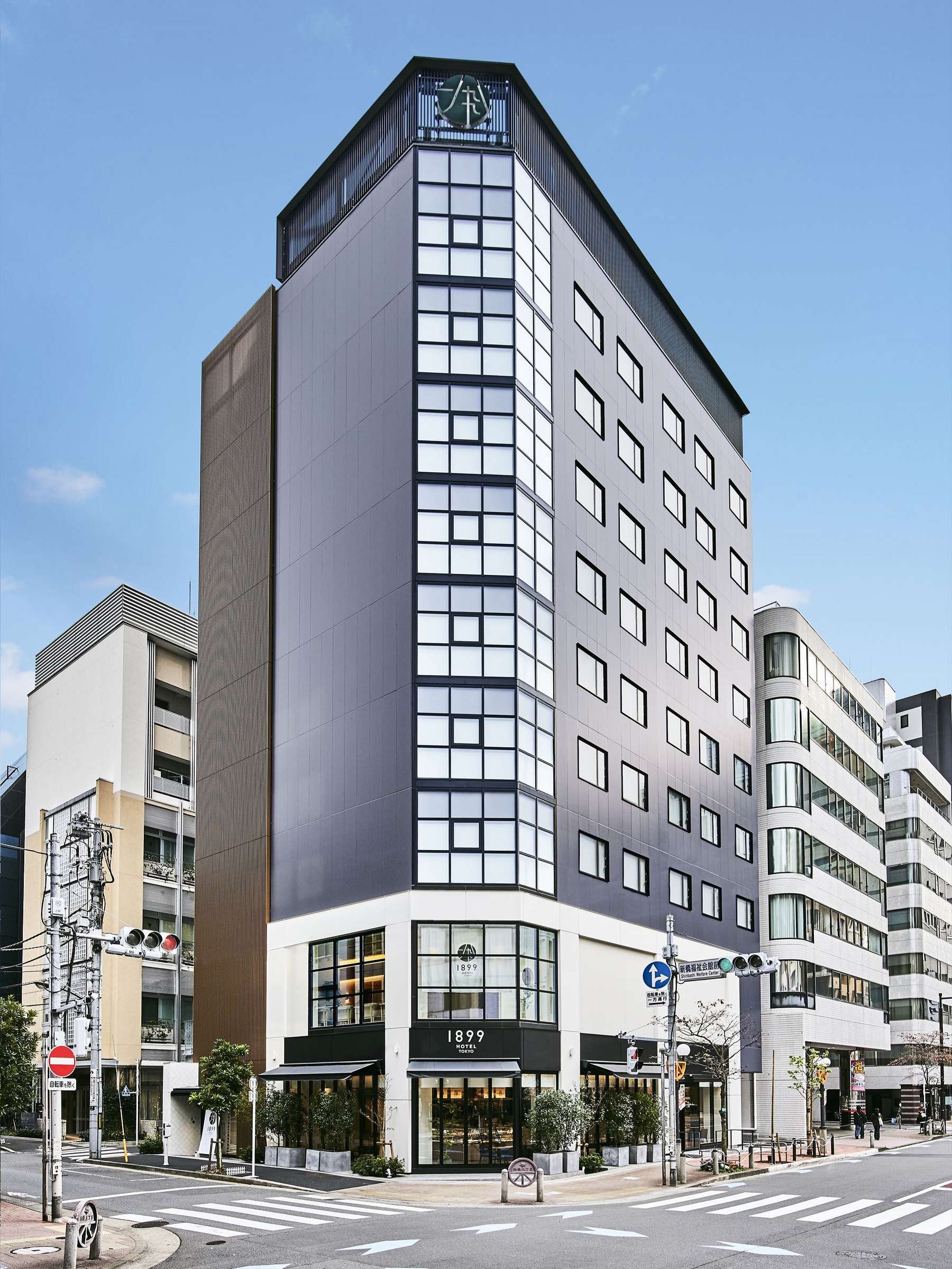
Hotel 1899 Tokyo
Hotel 1899 is the design hybrid — more polished boutique hotel than classic inn, built around a Japanese-tea theme, three minutes from Onarimon and walkable to Tokyo Tower. The 63 rooms blend tatami-inspired touches with full hotel comfort (proper beds available, an in-house tea stand), so it suits travelers who want a Japanese aesthetic without committing to a futon-on-the-floor night. Rated 8.7 from 2,134 reviews.
Rates run from roughly $100 to $250, typically room-only or with breakfast rather than the two-meal ryokan model. There's no onsen or communal bath to speak of — it's a hotel-ryokan crossover, so don't book it for the soak. Book it for a stylish, central, low-friction base with a tea-culture spin. Tattoos are cover-up, which here mostly just means no in-house bath to worry about.
Budget: tatami nights under ¥17,000
Tokyo's budget ryokans cluster in Yanaka and Nezu — the low-rise, old-neighborhood northeast that survived the wars and reads like the Tokyo of 60 years ago. These are small, family-run, futon-on-tatami guesthouses. None has onsen; bathrooms are often shared. What you get is authenticity and a price that's hard to believe for this city.
Sawanoya Ryokan
Sawanoya is the budget pick I recommend first. It's a 12-room, family-run Yanaka institution that has been famously foreigner-friendly since the 1980s — they pioneered welcoming overseas guests when most Tokyo inns wouldn't, and it shows in the easy, helpful English and the binders of local tips. Seven minutes from Nezu Station, surrounded by temples, sento, and old shops, it's an immersion in a Tokyo most visitors never see. Rated 8.4 from 1,456 reviews.
Rates are from about $50 to $110 per person — extraordinary for Tokyo. It's simple (small rooms, shared facilities, no onsen) and that's the deal: you trade square footage and a private bath for genuine neighborhood character and a price a fraction of central hotels. Tattoos are cover-up. For first-timers nervous about ryokan etiquette, Sawanoya is the gentlest possible landing.
Katsutaro Ryokan
A few backstreets from Sawanoya, Katsutaro is even smaller — just 7 rooms, eight minutes from Nezu — and aims for the same thing: a simple, honest, cheap tatami night in old Yanaka. Rated 8.1 from 342 reviews, it's the lower-profile sibling, and the smaller review count just reflects its size, not a problem. Rates run from roughly $45 to $120.
Book Katsutaro when Sawanoya is full or you want something even quieter and more under-the-radar. Same caveats apply across the budget tier: compact rooms, shared bathing, no onsen. If your priority is a real Tokyo neighborhood and a low bill, it delivers exactly that.
Andon Ryokan
Andon is the design-minded budget choice. Three minutes from Minowa on the northeast edge, this 20-room ryokan dresses up the cheap-stay format with a modern, gallery-like interior and — the nice surprise — a tiny rentable cypress bath you can book for a private soak, rare at this price. Rated 7.8 from 623 reviews, the lowest score here, which tends to reflect very compact rooms and a less central location rather than anything broken.
Rates run from about $40 to $120, making it one of the cheapest tatami nights in the city, with more style than the price suggests. The trade-offs are real: small rooms, a slightly out-of-the-way location, and that the cypress tub is a small rentable bath, not an onsen. For a design-forward budget base, it's a smart pick. Tattoos are cover-up.
Tattoos in Tokyo ryokans
Tokyo is more relaxed about tattoos than rural onsen towns, but you still need a plan. Because most of these properties have one shared bath (or none), the operational answer at scale is simple: cover-up patches, usually available at the front desk, let you use the communal bath discreetly. That covers HOSHINOYA Tokyo, YUEN Shinjuku, Asakusa Shigetsu, Hotel 1899, Sawanoya, Katsutaro, and Andon — all cover-up policy.
Two exceptions matter. YUEN Bettei Daita is private-bath-only for tattoos: ink is welcome in your private onsen, but standard rules apply to shared facilities — perfectly workable if you book a private soak. And Ryumeikan Honten does not allow tattoos at all, full stop, so skip it if you have visible ink. For the citywide picture and which inns are easiest with larger tattoos, see tattoo-friendly ryokans in Japan.
Tip
Patch logistics: cover-up patches handle small or medium tattoos well, but large or full-sleeve work can exceed what a patch hides. If your tattoos are extensive, a property with a private/rentable bath — YUEN Bettei Daita's private onsen or Andon's rentable cypress tub — sidesteps the issue entirely.
Getting there and using a Tokyo ryokan as a base
The best argument for staying in a Tokyo ryokan is access — every property here is 1 to 8 minutes from a train station. For central sightseeing, the mid-range and luxury picks win: HOSHINOYA (Otemachi) and Ryumeikan Honten (Ochanomizu) are minutes from Tokyo Station; YUEN Shinjuku and Hotel 1899 sit on central subway lines; Asakusa Shigetsu is in the historic northeast. The Yanaka budget inns (Sawanoya, Katsutaro) and Andon are a little further out but still a short hop on the Chiyoda or Hibiya lines.
Arriving by bullet train? Ryumeikan Honten and HOSHINOYA are the easy walk-or-one-stop choices from Tokyo Station — the Tokyo Station to ryokan guide maps the exits, which are a maze. To compare neighborhoods and what's near each, the Tokyo area hub lays out the wards.
Most travelers use a Tokyo ryokan as a city base and pair it with a hot-spring day-trip or overnight to get the real onsen experience the city can't fully provide. Hakone, Nikko, Kusatsu, and the Izu coast are all reachable; if you'll be hopping between them by rail, price out the Japan Rail Pass guide before you buy individual tickets, and use the best onsen ryokans near Tokyo to choose the escape.
예약 준비되셨나요?
인기 료칸 중에서 예약하기
세 가지 예약 플랫폼의 실시간 객실 상황과 가격을 비교해보세요.
예약 링크를 통해 수수료가 발생할 수 있으나 추가 비용은 없습니다.
도쿄 베스트 료칸은, 도심에서 진짜 온천욕을 원한다면 호시노야 도쿄(HOSHINOYA Tokyo)와 온센 료칸 유엔 신주쿠(Onsen Ryokan YUEN Shinjuku), 명소 근처 전통 다타미를 원한다면 료칸 아사쿠사 시게쓰(Ryokan Asakusa Shigetsu)와 류메이칸 혼텐(Ryumeikan Honten), 저렴한 다타미 한 박이라면 사와노야(Sawanoya)입니다. 도쿄는 온천 마을이 아니라서 "도쿄 료칸"은 보통 온천 리조트가 아닌 타운하우스나 호텔식 료칸을 뜻합니다 — 산속 노천탕을 기대하기보다는 원하는 경험을 기준으로 고르세요.
저는 이 도시 곳곳에서 후톤(이불)을 깔고 자봤습니다. 도쿄역에서 3분 거리의 미슐랭 등재 9실 료칸부터 야나카 뒷골목의 50달러짜리 가족 운영 게스트하우스까지요. 이 가이드는 23구 안에 있는 료칸 9곳을 다룹니다 — 도쿄에서 벗어나기 위한 곳이 아니라, 도쿄에 머물기 위해 묵는 곳들이죠. 진짜 온천 계곡을 원한다면 그건 다른 여행입니다. 그런 곳은 도쿄 근교 베스트 온천 료칸과 도쿄 근교 베스트 료칸에서 다룹니다. 이 페이지는 발밑에 다타미가 있고 바로 아래에 지하철이 있는 그런 밤을 위한 것입니다.
료칸 요금은 1인 1박 기준으로 표시되며, 전통적으로 조식과 석식이 포함됩니다 — 이것이 료칸의 표준이고, 호텔의 "객실당" 요금 옆에 두면 숫자가 높아 보이는 이유입니다. 도쿄의 몇몇 료칸은 이 틀을 깨고 객실만 또는 객실+조식으로 판매하는데, 이는 아래에서 따로 표시해 두었습니다. 모든 요금은 2026년 시작가이며, 엔화는 대략 1달러당 154엔으로 환산했으니 200달러짜리 한 박은 약 30,800엔입니다.
도쿄 료칸도 진짜 료칸이라고 할 수 있을까?
대체로는 그렇습니다 — 다만 기대치는 맞춰 두세요. 정통 료칸을 정의하는 두 가지는 후톤 침구를 깐 다타미 방, 그리고 공용 *온천*(천연 온천) 탕입니다. 도쿄는 첫 번째는 쉽게 충족합니다. 두 번째는 드뭅니다. 도심 도쿄는 온천 지대가 아닌 상수도 위에 자리 잡고 있기 때문이죠. 여기 9곳 중 온천 인증 미네랄 워터를 끌어오는 곳은 단 두 곳뿐입니다. 호시노야 도쿄는 온천수를 트럭으로 운반해 17층 탕으로 끌어올리고, 유엔 신주쿠와 유엔 벳테이 다이타(YUEN Bettei Daita)도 운반된 온천수를 사용합니다. 나머지는 평범한(대개 훌륭한) 편백나무 *히노키* 탕입니다 — 멋진 입욕이긴 하지만 엄밀히 말해 온천은 아닙니다.
또 하나의 현실: 도쿄의 대부분 "료칸"은 호텔식이거나 마치야(타운하우스)식입니다. 프런트에서 체크인하고, 객실마다 편백나무 탕이 수십 개 있기보다는 보통 공용 탕이 하나 있으며, 식사는 선택일 수 있습니다. 이건 흠이 아니라 — 이 도시가 돌아가는 방식입니다 — 하지만 머릿속 이미지가 기모노 차림의 *나카이*가 객실로 가져다주는 가이세키(懐石) 만찬이라면, 여기서 그걸 제대로 제공하는 건 럭셔리 등급뿐입니다. 료칸이 어떻게 운영되는지에 대한 전체 입문은 첫 료칸 가이드를, 솔직한 정면 비교는 료칸 vs 호텔을 참고하세요.
도쿄 료칸 한눈에 비교
| 료칸 | 지역 / 역 | 등급 | 시작가 (USD) | 진짜 온천? | 타투 | 추천 대상 |
|---|---|---|---|---|---|---|
| 호시노야 도쿄 | 오테마치 (2분) | 럭셔리 | $600 | 예 — 17층 탕 | 가림 패치 | 도심 도쿄의 온천 + 진정한 럭셔리 |
| 유엔 벳테이 다이타 | 세타가야-다이타 (1분) | 럭셔리 | $200 | 예 — 전세탕 | 전세탕만 가능 | 전세 온천이 있는 조용한 디자인 리트리트 |
| 류메이칸 혼텐 | 오차노미즈 (3분) | 중급 | $130 | 아니오 | 불가 | 도쿄역에서 가장 가까운 진짜 료칸 |
| 유엔 신주쿠 | 신주쿠-교엔마에 (5분) | 중급 | $120 | 예 — 옥상 | 가림 패치 | 중급 예산으로 도심 도쿄의 진짜 온천 |
| 호텔 1899 도쿄 | 오나리몬 (3분) | 중급 | $100 | 아니오 | 가림 패치 | 차(茶) 테마 디자인, 료칸-호텔 하이브리드 |
| 아사쿠사 시게쓰 | 아사쿠사 (5분) | 중급 | $85 | 아니오 (히노키 탕) | 가림 패치 | 센소지 옆 옛 도쿄 분위기 |
| 사와노야 료칸 | 네즈 (7분) | 저예산 | $50 | 아니오 | 가림 패치 | 외국인 친화적인 야나카 클래식 |
| 가쓰타로 료칸 | 네즈 (8분) | 저예산 | $45 | 아니오 | 가림 패치 | 심플하고 저렴한 야나카 뒷골목 |
| 안돈 료칸 | 미노와 (3분) | 저예산 | $40 | 아니오 (편백 탕) | 가림 패치 | 대여 욕실이 있는 디자인 지향 저예산 |
두 가지 패턴이 눈에 띕니다. 첫째, 호시노야, 유엔 신주쿠, 유엔 벳테이 다이타만이 실제 온천수를 제공합니다 — 나머지는 모두 (충분히 좋은) 일반 탕입니다. 둘째, 류메이칸 혼텐을 제외하면 거의 어디서나 타투 대응이 가능합니다. 류메이칸 혼텐은 타투 엄금이죠. 이에 대해서는 아래에서 더 자세히 다룹니다.
럭셔리: 큰 지출을 정당화하는 두 곳
호시노야 도쿄 (HOSHINOYA Tokyo)
도심 도쿄에서 유일한 진정한 럭셔리 온천 료칸이며, 여기 다른 어떤 곳도 이곳에 견줄 수 없습니다. 호시노야는 오테마치역에서 2분 거리에 17층 타워로 전통 료칸을 쌓아 올렸습니다. 문 앞에서 신발을 벗고, 층마다 차와 다과가 있는 *오차노마* 라운지가 있으며, 객실은 후톤과 깊은 욕조를 갖춘 다타미입니다. 핵심은 건물을 통해 진짜 온천수를 끌어올려 하늘을 향해 열린 최상층 탕입니다 — 마루노우치 비즈니스 지구 한복판에서 즐기는 진짜 온천욕인데, 불가능할 것 같지만 실제로 됩니다.
84개 객실에 걸쳐 312개 리뷰에서 9.2점을 받아, 이 목록에서 가장 세련된 서비스 경험입니다 — 객실 내 가이세키, 기모노 서비스라는 이상에 가장 가깝죠. 단점은 가격입니다: 약 600달러부터 시작해 성수기와 최고급 스위트에서는 1인 1,500달러를 넘습니다. 대리석으로 꾸민 서양식 5성급이 아니라 흠 없고 진정으로 일본적인 럭셔리 형식에 비용을 지불하는 것입니다 — 샹들리에가 아니라 다타미를 원하는 마음으로 가세요. 타투는 가림 패치 방식(공용 탕용 패치를 프런트에서 제공)으로 대응합니다.
온센 료칸 유엔 벳테이 다이타 (Onsen Ryokan YUEN Bettei Daita)
호시노야가 볼거리로서의 럭셔리라면, 유엔 벳테이 다이타는 고요함으로서의 럭셔리입니다. 세타가야-다이타역에서 1분 거리에 자리한 단 35실의 부티크 디자인 리트리트로 — 네온에서 멀리 떨어진 녹음 우거진 주택가에 있다는 점이 바로 핵심입니다. 이 료칸은 운반된 온천수를 사용하며, 결정적으로 전세 온천을 갖추고 있어 공용 탕 예절을 신경 쓰지 않고 진짜 미네랄 워터에 몸을 담글 수 있습니다. 856개 리뷰에서 9.0점을 받아, 성숙하고 휴대폰을 끄는 듯한 선택지로 읽힙니다.
요금은 약 200달러부터 600달러까지 1인 기준이라, 여전히 진정으로 고급스러우면서도 호시노야보다는 저렴합니다. 함정은 위치입니다: 세타가야는 도심 명소에서 전철로 15~25분 거리라, 시부야로 달려가고 싶은 첫날 베이스보다는 여행 후반부의 느긋한 숙박에 어울립니다. 타투의 경우 유엔 벳테이 다이타는 전세탕만 가능한 곳입니다 — 전세 온천에서는 잉크가 괜찮지만 공용 시설은 표준 규정을 따릅니다.
Tip
도심 탕이 아니라 진짜 온천 계곡을 원하시나요? 아무리 좋은 도쿄 온천이라도 결국 타워 안의 운반수입니다. 산 전망의 제대로 된 노천탕이 꿈이라면, 도시 밖에서 하룻밤을 보내세요 — 하코네, 닛코, 쿠사쓰가 1~2.5시간 거리입니다. 도쿄 근교 베스트 온천 료칸에서 시작한 뒤, 재팬 레일 패스 가이드로 열차를 정리하세요.
중급: 대부분의 여행자에게 최적의 지점
이곳이 제가 방문객의 80%에게 권하고 싶은 구간입니다. 괜찮은 비즈니스 호텔 가격으로 진짜 료칸의 느낌 — 다타미, 공용 탕, 종종 전통 조식 — 을 얻을 수 있고, 이 네 곳은 명소 가까이에 있습니다.
온센 료칸 유엔 신주쿠 (Onsen Ryokan YUEN Shinjuku)
"럭셔리 가격 없이 도심 도쿄에서 진짜 온천"이라는 점에서 제 단연 최고의 선택입니다. 유엔 신주쿠는 중급 요금으로 신주쿠 위에 진짜 옥상 노천 온천을 올려놓았습니다 — 도시 스카이라인에 둘러싸여 운반된 온천수에 몸을 담그는 것이죠. 193개 객실로 여기서 가장 큰 료칸이며 호텔식으로 운영되니, 아늑함을 기대하지 마세요. 대신 신주쿠-교엔마에역에서 5분 거리에, 도쿄의 웬만한 호텔은 따라올 수 없는 온천을 갖춘 세련되고 현대적인 건물을 기대하세요.
숫자가 이를 뒷받침합니다: 무려 3,323개 리뷰에서 8.9점으로, 이 목록에서 가장 검증된 점수입니다. 요금은 시즌과 객실에 따라 1인 약 120달러부터 300달러 정도까지입니다. 단점은 짐작하시는 그대로입니다 — 이 규모에서는 가족 운영 료칸보다 부티크 호텔에 더 가깝게 느껴지고, 중심 위치라 붐빕니다. 도심 속 온천 가성비로는 이곳을 능가하는 곳은 없다고 봅니다. 타투는 가림 패치(옥상 탕용 패치)입니다.
류메이칸 혼텐 (Ryumeikan Honten)
도쿄역에서 가장 가까운 가장 전통적인 료칸을 원한다면 바로 이곳입니다. 류메이칸 혼텐은 1899년의 혈통을 지닌 미슐랭 등재 9실의 작은 료칸으로, 오차노미즈에서 3분, 도쿄역의 야에스/간다 쪽에서 가까운 거리에 있습니다. 객실이 단 아홉 개뿐이라 제대로 아늑합니다 — 서비스가 개인적이고 가이세키를 진지하게 다루는 그런 곳이죠. 487개 리뷰에서 8.9점을 받아, 규모를 훨씬 뛰어넘는 실력을 보여줍니다.
1인 약 130달러부터 300달러를 예상하세요. 솔직한 주의사항 두 가지. 하나: 작고 금방 예약이 차니 일찍 예약하세요. 둘 — 그리고 이게 중요한데 — 류메이칸 혼텐은 타투를 일절 허용하지 않습니다. 이 목록에서 유일하게 타투 엄금인 곳이라, 보이는 잉크가 있다면 다른 곳을 고르세요. 신칸센으로 도착해 료칸까지 걸어가고 싶다면 도쿄역에서 료칸 가는 법을 참고하세요.
료칸 아사쿠사 시게쓰 (Ryokan Asakusa Shigetsu)
옛 도쿄 *시타마치* 분위기를 원한다면 아사쿠사 시게쓰가 정답입니다. 아사쿠사역에서 5분, 센소지 사찰 바로 옆 등불 늘어선 골목에 자리합니다 — 문을 나서면 이 도시에서 가장 역사적인 분위기의 구역에 와 있죠. 20실 료칸은 완전히 전통으로 기울어 있습니다: 다타미 방, 유카타(浴衣), 그리고 센소지가 내다보이는 최상층 히노키(편백) 공용 탕까지. 온천수는 아니지만, 천 년 된 사찰을 내려다보며 편백 향에 몸을 담그는 것은 그 나름의 특별함이 있습니다.
1,328개 리뷰에서 8.3점, 1인 약 85달러부터 250달러의 요금으로, 옛 에도에 머무는 듯한 기분을 가장 저렴하게 느끼는 방법입니다. 단점은 아사쿠사가 시부야/신주쿠 밤 문화에서 전철로 20~30분 거리이고, 객실이 넓다기보다는 전통적으로 아담하다는 점입니다. 타투는 가림 패치입니다. 이곳은 두말할 것 없이 분위기를 위한 선택입니다.
호텔 1899 도쿄 (Hotel 1899 Tokyo)
호텔 1899는 디자인 하이브리드입니다 — 클래식 료칸이라기보다 세련된 부티크 호텔에 가깝고, 일본 차(茶)를 테마로 지어졌으며, 오나리몬에서 3분, 도쿄 타워까지 걸어갈 수 있습니다. 63개 객실은 다타미에서 영감을 받은 요소와 완전한 호텔의 편안함(제대로 된 침대 이용 가능, 자체 차 스탠드)을 결합해, 바닥에 후톤을 까는 밤까지는 원치 않으면서 일본적 미학을 원하는 여행자에게 어울립니다. 2,134개 리뷰에서 8.7점.
요금은 약 100달러부터 250달러까지로, 보통 두 끼 식사를 포함하는 료칸 모델이 아니라 객실만 또는 조식 포함입니다. 이렇다 할 온천이나 공용 탕은 없습니다 — 료칸과 호텔의 교차점이니 입욕을 위해 예약하지는 마세요. 차 문화의 색을 입힌 세련되고 중심적이며 번거로움 없는 베이스로 예약하세요. 타투는 가림 패치인데, 여기서는 사실상 신경 쓸 자체 탕이 없다는 뜻일 뿐입니다.
저예산: 17,000엔 이하의 다타미 한 박
도쿄의 저예산 료칸은 야나카와 네즈에 모여 있습니다 — 전쟁을 견뎌내고 60년 전의 도쿄처럼 읽히는, 저층의 오래된 북동부 동네입니다. 작고 가족이 운영하는 다타미-후톤 게스트하우스들이죠. 온천이 있는 곳은 없고, 욕실은 종종 공용입니다. 대신 얻는 것은 진정성과, 이 도시에서 믿기 힘든 가격입니다.
사와노야 료칸 (Sawanoya Ryokan)
사와노야는 제가 가장 먼저 추천하는 저예산 선택입니다. 12실의 가족 운영 야나카 명소로, 1980년대부터 외국인 친화적인 곳으로 유명합니다 — 대부분의 도쿄 료칸이 그러지 않던 시절에 해외 손님 맞이를 선구적으로 시작했고, 그것이 편안하고 도움이 되는 영어와 현지 팁을 모은 바인더에서 드러납니다. 네즈역에서 7분, 사찰과 센토, 오래된 가게들에 둘러싸여 있어 대부분의 방문객이 보지 못하는 도쿄에 몰입하게 됩니다. 1,456개 리뷰에서 8.4점.
요금은 1인 약 50달러부터 110달러로 — 도쿄에서는 놀라운 수준입니다. 단순하고(작은 객실, 공용 시설, 온천 없음) 그게 바로 거래 조건입니다: 면적과 전용 욕실을 내주는 대신 진짜 동네의 정취와 중심부 호텔의 몇 분의 일 가격을 얻습니다. 타투는 가림 패치입니다. 료칸 예절이 걱정되는 초보자에게 사와노야는 가능한 한 가장 부드러운 착륙지입니다.
가쓰타로 료칸 (Katsutaro Ryokan)
사와노야에서 골목 몇 개 떨어진 가쓰타로는 더 작습니다 — 단 7실, 네즈에서 8분 — 그리고 같은 것을 지향합니다: 옛 야나카에서의 단순하고 정직하고 저렴한 다타미 한 박. 342개 리뷰에서 8.1점으로, 더 눈에 덜 띄는 형제 격이며, 리뷰 수가 적은 건 규모를 반영할 뿐 문제가 아닙니다. 요금은 약 45달러부터 120달러까지입니다.
사와노야가 만실이거나 더 조용하고 더 잘 알려지지 않은 곳을 원할 때 가쓰타로를 예약하세요. 저예산 등급 전반에 같은 주의사항이 적용됩니다: 아담한 객실, 공용 입욕, 온천 없음. 우선순위가 진짜 도쿄 동네와 낮은 비용이라면, 정확히 그것을 제공합니다.
안돈 료칸 (Andon Ryokan)
안돈은 디자인 지향적인 저예산 선택입니다. 북동쪽 끝 미노와에서 3분 거리의 이 20실 료칸은 저렴한 숙박 형식에 현대적이고 갤러리 같은 인테리어를 입혔고 — 반가운 깜짝 요소로 — 전세 입욕을 예약할 수 있는 작은 대여 편백 탕까지 갖췄는데, 이 가격대에서는 드문 일입니다. 623개 리뷰에서 7.8점으로 여기서 가장 낮은 점수인데, 이는 무언가 잘못되었다기보다 매우 아담한 객실과 덜 중심적인 위치를 반영하는 경향이 있습니다.
요금은 약 40달러부터 120달러까지로, 가격이 시사하는 것보다 더 멋스러우면서 도시에서 가장 저렴한 다타미 한 박 중 하나입니다. 단점은 분명합니다: 작은 객실, 다소 외진 위치, 그리고 편백 탕이 온천이 아니라 작은 대여 욕실이라는 점. 디자인 지향의 저예산 베이스로는 영리한 선택입니다. 타투는 가림 패치입니다.
도쿄 료칸에서의 타투
도쿄는 시골 온천 마을보다 타투에 더 관대하지만, 그래도 계획이 필요합니다. 이 료칸들 대부분이 공용 탕 하나(또는 아예 없음)를 갖췄기 때문에, 규모에 맞는 실질적 해법은 단순합니다: 보통 프런트에서 제공하는 가림 패치로 공용 탕을 눈에 띄지 않게 이용할 수 있습니다. 여기에는 호시노야 도쿄, 유엔 신주쿠, 아사쿠사 시게쓰, 호텔 1899, 사와노야, 가쓰타로, 안돈이 해당됩니다 — 모두 가림 패치 정책입니다.
중요한 예외가 두 곳 있습니다. 유엔 벳테이 다이타는 타투에 대해 전세탕만 가능합니다: 전세 온천에서는 잉크가 환영받지만 공용 시설에는 표준 규정이 적용됩니다 — 전세 입욕을 예약하면 충분히 해결됩니다. 그리고 류메이칸 혼텐은 타투를 일절 허용하지 않으니, 보이는 잉크가 있다면 건너뛰세요. 도시 전체 그림과 큰 타투에 가장 수월한 료칸은 일본의 타투 친화 료칸을 참고하세요.
Tip
패치 관련 팁: 가림 패치는 작거나 중간 크기 타투는 잘 가리지만, 크거나 풀 슬리브 작업은 패치가 가릴 수 있는 범위를 넘을 수 있습니다. 타투가 광범위하다면, 전세/대여 욕실이 있는 료칸 — 유엔 벳테이 다이타의 전세 온천이나 안돈의 대여 편백 탕 — 이 문제를 통째로 비껴갑니다.
가는 법과 도쿄 료칸을 베이스로 활용하기
도쿄 료칸에 머무는 가장 큰 이유는 접근성입니다 — 여기 모든 료칸이 역에서 1분에서 8분 거리입니다. 도심 관광에는 중급과 럭셔리 선택이 유리합니다: 호시노야(오테마치)와 류메이칸 혼텐(오차노미즈)은 도쿄역에서 몇 분 거리이고, 유엔 신주쿠와 호텔 1899는 도심 지하철 노선에 있으며, 아사쿠사 시게쓰는 역사적인 북동부에 있습니다. 야나카의 저예산 료칸(사와노야, 가쓰타로)과 안돈은 조금 더 멀지만, 그래도 지요다선이나 히비야선으로 금방 갈 수 있습니다.
신칸센으로 도착하시나요? 류메이칸 혼텐과 호시노야는 도쿄역에서 걸어가거나 한 정거장이면 되는 손쉬운 선택입니다 — 도쿄역에서 료칸 가는 법 가이드가 미로 같은 출구를 짚어줍니다. 동네를 비교하고 각 동네 주변에 무엇이 있는지 보려면 도쿄 지역 허브가 각 구를 정리해 줍니다.
대부분의 여행자는 도쿄 료칸을 도시 베이스로 삼고 온천 당일치기나 1박과 짝지어 도시가 온전히 줄 수 없는 진짜 온천 경험을 채웁니다. 하코네, 닛코, 쿠사쓰, 이즈 해안 모두 갈 수 있습니다. 열차로 이곳저곳 옮겨 다닐 예정이라면, 개별 티켓을 사기 전에 재팬 레일 패스 가이드로 가격을 따져보고, 떠날 곳을 고를 때는 도쿄 근교 베스트 온천 료칸을 활용하세요.
예약 준비되셨나요?
인기 료칸 중에서 예약하기
세 가지 예약 플랫폼의 실시간 객실 상황과 가격을 비교해보세요.
예약 링크를 통해 수수료가 발생할 수 있으나 추가 비용은 없습니다.
FAQ
자주 묻는 질문
What is the best ryokan in Tokyo?+
It depends on what you want. For luxury with a real onsen, HOSHINOYA Tokyo (9.2 from 312 reviews) is the clear top pick. For a real onsen on a mid budget, YUEN Shinjuku (8.9 from 3,323 reviews). For traditional atmosphere near the sights, Asakusa Shigetsu by Sensoji, and for a budget tatami night, the family-run Sawanoya in Yanaka.
Do any Tokyo ryokans have a real onsen?+
Only three pipe in genuine hot-spring water: HOSHINOYA Tokyo (a 17th-floor bath drawing onsen water), YUEN Shinjuku (a rooftop open-air onsen over the city), and YUEN Bettei Daita (transported hot-spring water with private onsen). Tokyo sits on city water, so every other inn here has a regular cypress or shared bath — pleasant, but not technically onsen.
Are Tokyo ryokans tattoo-friendly?+
Mostly, yes — seven of these nine follow a cover-up policy, with patches usually available at the front desk for the shared bath. Two exceptions: YUEN Bettei Daita allows tattoos only in its private bath, and Ryumeikan Honten does not allow tattoos at all. If you have large or full-sleeve ink, book a property with a private or rentable bath.
What is the cheapest ryokan in Tokyo?+
Andon Ryokan near Minowa starts around $40 per person, with Katsutaro (about $45) and Sawanoya (about $50) just behind — all in the old Yanaka/northeast area. These are small, family-run, futon-on-tatami guesthouses with shared bathrooms and no onsen, but the price and neighborhood character are hard to beat anywhere in central Tokyo.
Which ryokan is closest to Tokyo Station?+
Ryumeikan Honten is the most traditional inn near Tokyo Station — three minutes from Ochanomizu and a short hop from the Yaesu/Kanda side. HOSHINOYA Tokyo is two minutes from Otemachi, one stop away. Note Ryumeikan does not allow tattoos. If you're arriving by Shinkansen, our Tokyo Station to ryokan guide maps the (confusing) exits.
Ryokan or hotel in Tokyo — which should I book?+
Book a ryokan for at least a night or two if you want the Japanese experience: tatami, futon, yukata, and often a traditional breakfast. Many Tokyo ryokans are hotel-format, so you get that feel with modern convenience. Choose a regular hotel if you prioritize big rooms, late check-in flexibility, or Western beds. Our ryokan vs hotel guide breaks down the trade-offs in detail.
How much does a Tokyo ryokan cost per night?+
Budget Yanaka inns start around $40–50 per person, mid-range properties run roughly $85–300, and luxury HOSHINOYA Tokyo starts near $600 and climbs past $1,500. Ryokan rates are quoted per person and traditionally include two meals, though several Tokyo properties sell room-only or room-with-breakfast — always check what's included before comparing to a hotel rate.
Which Tokyo ryokan is best for first-timers?+
Sawanoya in Yanaka — it's been welcoming foreign guests since the 1980s, the staff are used to explaining ryokan etiquette in English, and the price is gentle if you're unsure whether you'll love the format. For a more upscale but still easy first ryokan, YUEN Shinjuku is central, modern, and forgiving. Read our first-time ryokan guide before you go.
Should I leave Tokyo for a real onsen?+
If a mountain-view rotenburo is the dream, yes. Even the best Tokyo onsen is transported water in a tower. Hakone, Nikko, Kusatsu, and Izu are 1–2.5 hours out and deliver proper hot-spring valleys. Use a Tokyo ryokan as your city base and pair it with an onsen overnight — see our best onsen ryokans near Tokyo guide for the escapes.
도쿄 최고의 료칸은 어디인가요?+
무엇을 원하느냐에 달려 있습니다. 진짜 온천을 갖춘 럭셔리라면 호시노야 도쿄(312개 리뷰 9.2점)가 명백한 최고의 선택입니다. 중급 예산으로 진짜 온천을 원한다면 유엔 신주쿠(3,323개 리뷰 8.9점)입니다. 명소 근처의 전통적인 분위기라면 센소지 옆 아사쿠사 시게쓰, 저렴한 다타미 한 박이라면 야나카의 가족 운영 사와노야입니다.
도쿄 료칸 중에 진짜 온천이 있는 곳이 있나요?+
진짜 온천수를 끌어오는 곳은 세 곳뿐입니다: 호시노야 도쿄(온천수를 끌어올리는 17층 탕), 유엔 신주쿠(도시 위 옥상 노천 온천), 유엔 벳테이 다이타(전세 온천이 있는 운반 온천수). 도쿄는 상수도 위에 있어서 여기 다른 모든 료칸은 일반 편백 탕이나 공용 탕입니다 — 쾌적하지만 엄밀히 말해 온천은 아닙니다.
도쿄 료칸은 타투 친화적인가요?+
대체로 그렇습니다 — 이 아홉 곳 중 일곱 곳이 가림 패치 정책을 따르며, 공용 탕용 패치는 보통 프런트에서 제공합니다. 예외는 두 곳: 유엔 벳테이 다이타는 전세탕에서만 타투를 허용하고, 류메이칸 혼텐은 타투를 일절 허용하지 않습니다. 크거나 풀 슬리브 잉크가 있다면 전세 또는 대여 욕실이 있는 료칸을 예약하세요.
도쿄에서 가장 저렴한 료칸은 어디인가요?+
미노와 인근 안돈 료칸이 1인 약 40달러부터 시작하고, 가쓰타로(약 45달러)와 사와노야(약 50달러)가 바로 뒤를 잇습니다 — 모두 옛 야나카/북동부 지역에 있습니다. 작고 가족이 운영하는 다타미-후톤 게스트하우스로, 공용 욕실에 온천은 없지만, 도심 도쿄 어디에서도 따라잡기 힘든 가격과 동네 정취를 갖췄습니다.
도쿄역에서 가장 가까운 료칸은 어디인가요?+
류메이칸 혼텐이 도쿄역 근처에서 가장 전통적인 료칸입니다 — 오차노미즈에서 3분, 야에스/간다 쪽에서 가깝습니다. 호시노야 도쿄는 오테마치에서 2분, 한 정거장 거리입니다. 류메이칸은 타투를 허용하지 않는 점에 유의하세요. 신칸센으로 도착하신다면, 저희 도쿄역에서 료칸 가는 법 가이드가 (헷갈리는) 출구를 짚어줍니다.
도쿄에서 료칸 vs 호텔 — 어느 쪽을 예약해야 할까요?+
일본적인 경험을 원한다면 최소 하루나 이틀은 료칸을 예약하세요: 다타미, 후톤, 유카타, 그리고 종종 전통 조식까지. 많은 도쿄 료칸이 호텔식이라 현대적 편의와 함께 그 느낌을 누릴 수 있습니다. 넓은 객실, 늦은 체크인의 유연성, 서양식 침대를 우선시한다면 일반 호텔을 고르세요. 저희 료칸 vs 호텔 가이드가 장단점을 자세히 정리해 둡니다.
도쿄 료칸은 1박에 얼마인가요?+
저예산 야나카 료칸은 1인 약 40~50달러부터 시작하고, 중급 료칸은 대략 85~300달러, 럭셔리 호시노야 도쿄는 600달러 가까이에서 시작해 1,500달러를 넘습니다. 료칸 요금은 1인 기준으로 표시되며 전통적으로 두 끼 식사를 포함하지만, 도쿄의 몇몇 료칸은 객실만 또는 객실+조식으로 판매하니 — 호텔 요금과 비교하기 전에 무엇이 포함되는지 항상 확인하세요.
초보자에게 가장 좋은 도쿄 료칸은 어디인가요?+
야나카의 사와노야입니다 — 1980년대부터 외국인 손님을 맞아왔고, 직원들이 영어로 료칸 예절을 설명하는 데 익숙하며, 이 형식을 좋아하게 될지 확신이 서지 않을 때 부담 없는 가격입니다. 더 고급스러우면서도 여전히 수월한 첫 료칸이라면, 유엔 신주쿠가 중심적이고 현대적이며 너그럽습니다. 떠나기 전에 저희 첫 료칸 가이드를 읽어보세요.
진짜 온천을 위해 도쿄를 떠나야 할까요?+
산 전망 노천탕이 꿈이라면, 그렇습니다. 아무리 좋은 도쿄 온천이라도 결국 타워 안의 운반수입니다. 하코네, 닛코, 쿠사쓰, 이즈가 1~2.5시간 거리이고 제대로 된 온천 계곡을 선사합니다. 도쿄 료칸을 도시 베이스로 삼고 온천 1박과 짝지으세요 — 떠날 곳은 저희 도쿄 근교 베스트 온천 료칸 가이드를 참고하세요.