28分鐘閱讀更新於 2026年6月
The best ryokans in Tokyo are HOSHINOYA Tokyo and Onsen Ryokan YUEN Shinjuku for a real onsen bath in the city, Ryokan Asakusa Shigetsu and Ryumeikan Honten for traditional tatami near the sights, and Sawanoya for a budget tatami night. Tokyo is not an onsen town, so a "Tokyo ryokan" usually means a townhouse or hotel-format inn rather than a hot-spring resort — pick by the experience you want, not by expecting a mountain rotenburo.
I've slept on futons all over this city, from a 9-room Michelin-listed inn three minutes from Tokyo Station to a $50 family guesthouse in the Yanaka backstreets. This guide covers nine ryokans inside the 23 wards — places you stay to be in Tokyo, not escapes from it. If you want a genuine hot-spring valley, that's a different trip; I cover those in the best onsen ryokans near Tokyo and the best ryokans near Tokyo. This page is for the night you want tatami underfoot and the subway downstairs.
Ryokan rates are quoted per person, per night, and traditionally include breakfast and dinner — that's the ryokan norm, and it's why a number can look high next to a hotel "per room" rate. Several Tokyo properties break that mold and sell room-only or room-with-breakfast, which I flag below. All prices are 2026 starting rates; I convert yen at roughly ¥154 to the dollar, so a $200 night is about ¥30,800.
Is a Tokyo ryokan even a real ryokan?
Mostly, yes — but set expectations. Two things define a classic ryokan: tatami rooms with futon bedding, and a communal *onsen* (natural hot-spring) bath. Tokyo delivers the first easily. The second is rare, because central Tokyo sits on city water, not a hot-spring field. Of the nine here, only two pipe in onsen-licensed mineral water: HOSHINOYA Tokyo trucks and draws hot-spring water to a bath on its 17th floor, and YUEN Shinjuku and YUEN Bettei Daita run transported hot-spring water too. The rest have ordinary (often lovely) cypress *hinoki* baths — a great soak, just not technically onsen.
The other reality: most Tokyo "ryokans" are hotel-format or machiya (townhouse) format. You check in at a front desk, there's usually one shared bath rather than dozens of in-room cedar tubs, and meals may be optional. That's not a knock — it's how the city works — but if your mental image is a kaiseki banquet served in your room by a kimono-clad *nakai*, only the luxury tier here really delivers that. For the full primer on how ryokans operate, see the first-time ryokan guide; for the honest head-to-head, ryokan vs hotel.
Tokyo ryokans compared at a glance
| Ryokan | Area / Station | Tier | From (USD) | Real onsen? | Tattoos | Best for |
|---|---|---|---|---|---|---|
| HOSHINOYA Tokyo | Otemachi (2 min) | Luxury | $600 | Yes — 17F bath | Cover-up | Onsen + true luxury in central Tokyo |
| YUEN Bettei Daita | Setagaya-Daita (1 min) | Luxury | $200 | Yes — private | Private bath only | Quiet design retreat with private onsen |
| Ryumeikan Honten | Ochanomizu (3 min) | Mid | $130 | No | Not allowed | Closest real inn to Tokyo Station |
| YUEN Shinjuku | Shinjuku-Gyoenmae (5 min) | Mid | $120 | Yes — rooftop | Cover-up | Real onsen in central Tokyo on a mid budget |
| Hotel 1899 Tokyo | Onarimon (3 min) | Mid | $100 | No | Cover-up | Tea-themed design, ryokan-hotel hybrid |
| Asakusa Shigetsu | Asakusa (5 min) | Mid | $85 | No (hinoki bath) | Cover-up | Old-Tokyo atmosphere by Sensoji |
| Sawanoya Ryokan | Nezu (7 min) | Budget | $50 | No | Cover-up | Foreigner-friendly Yanaka classic |
| Katsutaro Ryokan | Nezu (8 min) | Budget | $45 | No | Cover-up | Simple, cheap, Yanaka backstreets |
| Andon Ryokan | Minowa (3 min) | Budget | $40 | No (cypress tub) | Cover-up | Design-minded budget with a rentable bath |
Two patterns jump out. First, only HOSHINOYA, YUEN Shinjuku, and YUEN Bettei Daita give you actual onsen water — everything else is a (perfectly nice) regular bath. Second, tattoos are workable almost everywhere except Ryumeikan Honten, which is strictly no-tattoo. More on that below.
Luxury: the two that justify the splurge
HOSHINOYA Tokyo
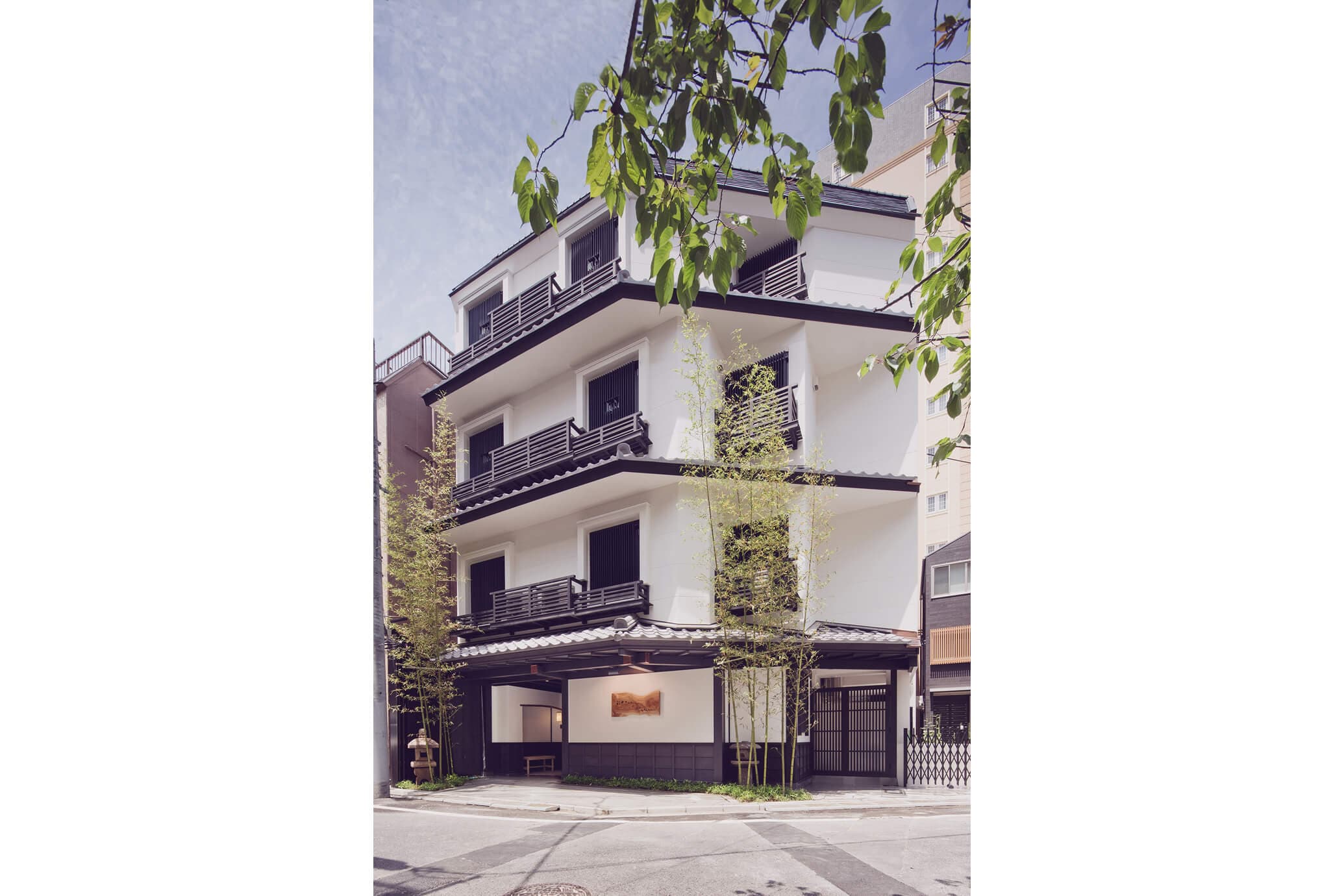
This is the one true luxury onsen ryokan in central Tokyo, and nothing else here competes with it. HOSHINOYA stacks a traditional inn into a 17-storey tower two minutes from Otemachi Station: you leave your shoes at the door, every floor has its own *ochanoma* lounge with tea and snacks, and rooms are tatami with futon and deep-soaking tubs. The headline is the top-floor bath that draws genuine hot-spring water up through the building, open to the sky — a real onsen soak in the middle of the Marunouchi business district, which shouldn't be possible but is.
Rated 9.2 from 312 reviews across 84 rooms, it's the most polished service experience on this list — closest to the in-room-kaiseki, kimono-service ideal. The trade-off is the price: from about $600 and climbing past $1,500 per person on peak dates and top suites. You're paying for a flawless, genuinely Japanese luxury format, not a marble Western five-star — go in wanting tatami, not a chandelier. Tattoos are handled cover-up style (patches at the desk for the communal bath).
Onsen Ryokan YUEN Bettei Daita
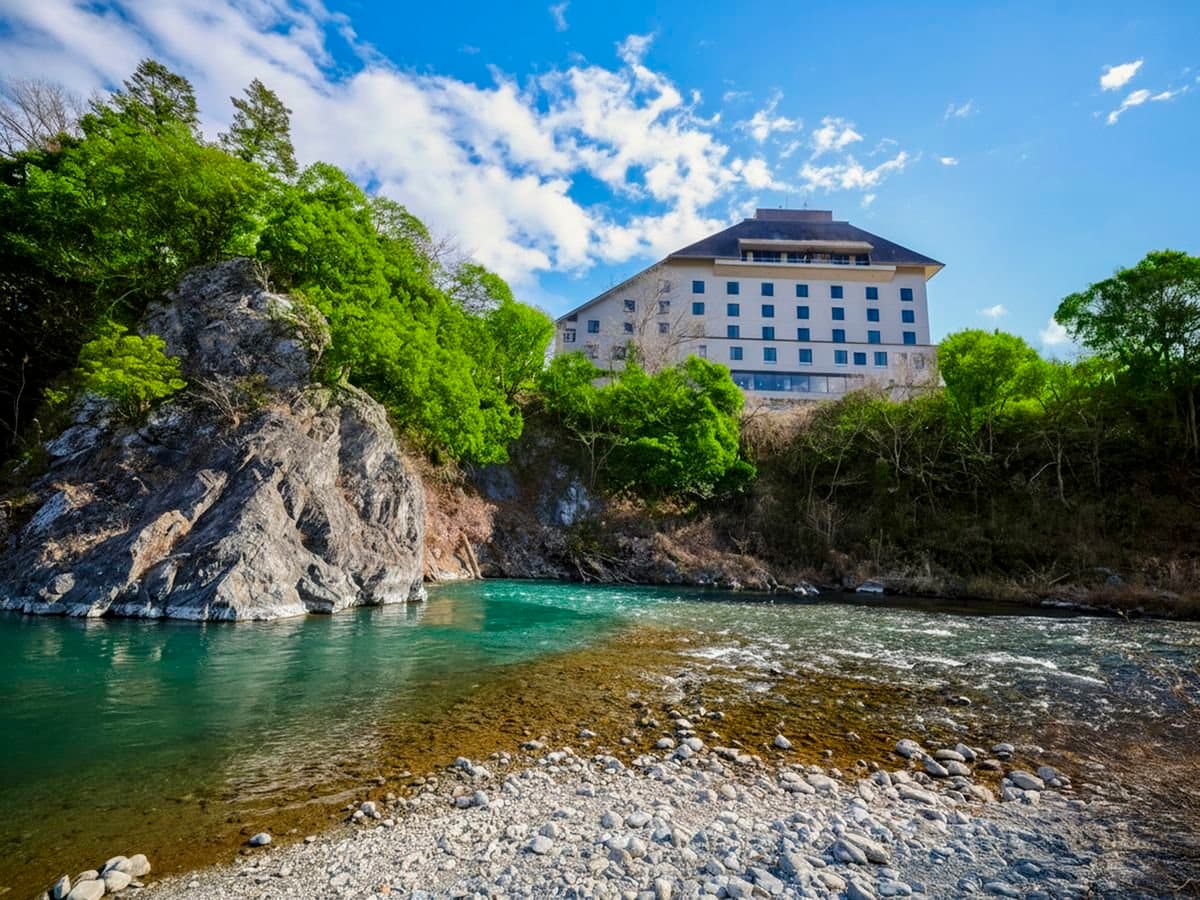
If HOSHINOYA is luxury-as-spectacle, YUEN Bettei Daita is luxury-as-calm. It's a boutique, design-forward retreat of just 35 rooms one minute from Setagaya-Daita — a leafy residential pocket far from the neon, which is the entire point. The property runs transported hot-spring water, and crucially it has private onsen, so you can soak in real mineral water without the public-bath etiquette. Rated 9.0 from 856 reviews, it reads as the grown-up, switch-off-your-phone choice.
Pricing runs from roughly $200 up to $600 per person, so it undercuts HOSHINOYA while still feeling genuinely upscale. The catch is location: Setagaya is a 15–25 minute train ride from the central sights, so this suits a slower, second-half-of-the-trip stay rather than a first-night base when you want to sprint to Shibuya. On tattoos, YUEN Bettei Daita is the private-bath-only answer — ink is fine in your private onsen, but the shared facilities follow standard rules.
Tip
Want a real hot-spring valley, not a city bath? Even the best Tokyo onsen is transported water in a tower. If a proper rotenburo with a mountain view is the dream, spend the night outside the city — Hakone, Nikko, and Kusatsu are 1–2.5 hours out. Start with the best onsen ryokans near Tokyo, then sort the trains with the Japan Rail Pass guide.
Mid-range: the sweet spot for most travelers
This is where I'd point 80% of visitors. You get a real ryokan feel — tatami, a shared bath, often a traditional breakfast — for the price of a decent business hotel, and these four sit close to the sights.
Onsen Ryokan YUEN Shinjuku
This is my single best "real onsen in central Tokyo without the luxury price" pick. YUEN Shinjuku puts a genuine rooftop open-air onsen over Shinjuku — you soak in transported hot-spring water with the city skyline around you — for a mid-range rate. At 193 rooms it's the biggest property here and runs hotel-format, so don't expect intimate; expect a smart, modern building five minutes from Shinjuku-Gyoenmae with an onsen most Tokyo hotels can't touch.
The numbers back it up: 8.9 from a huge 3,323 reviews, which is the most battle-tested score on this list. Rates start around $120 and reach about $300 per person depending on season and room. The trade-off is exactly what you'd guess — at this size it feels more boutique-hotel than family inn, and the central location means it's busy. For onsen-in-the-city value, I don't think anything beats it. Tattoos are cover-up (patches for the rooftop bath).
Ryumeikan Honten
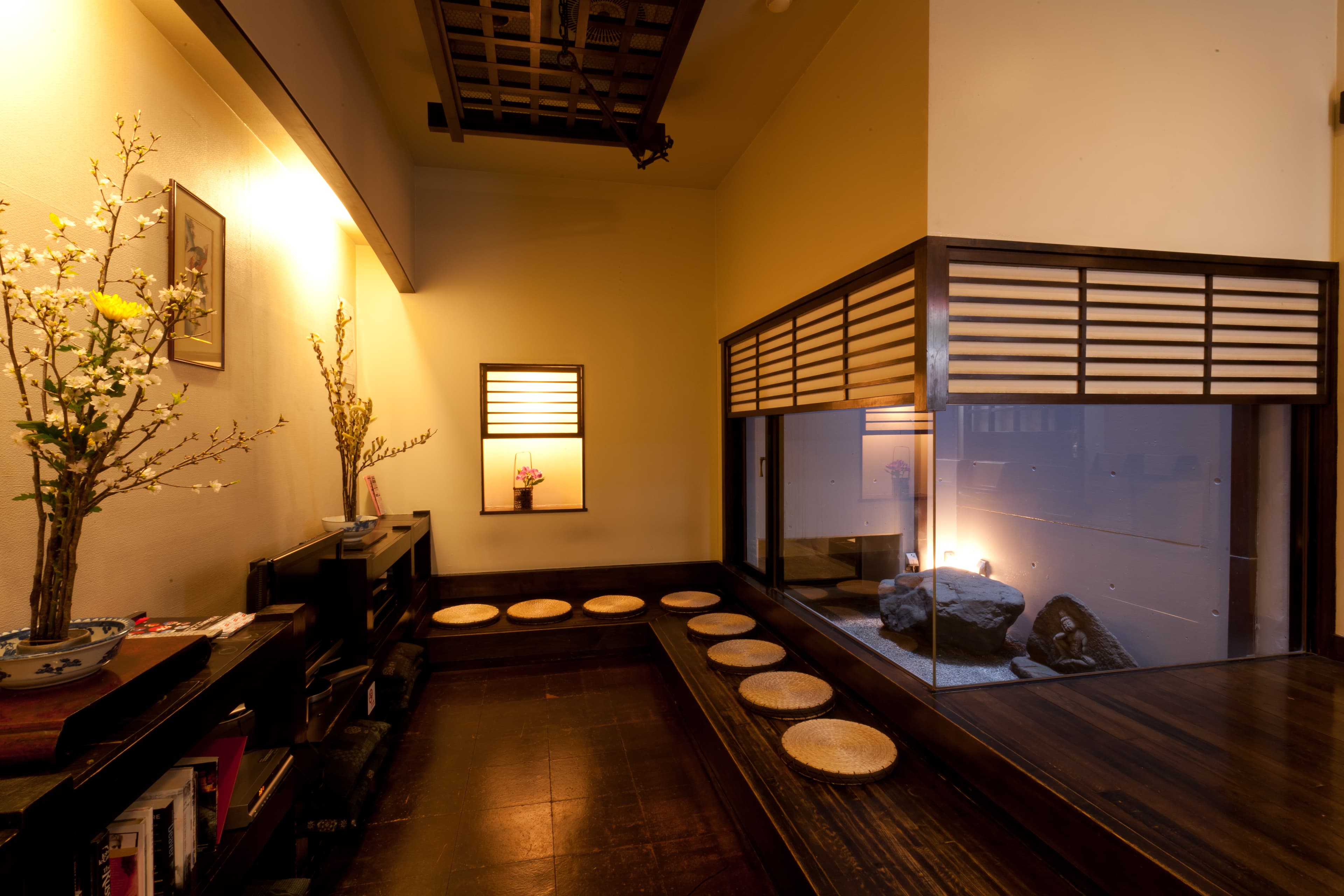
If you want the most traditional inn closest to Tokyo Station, this is it. Ryumeikan Honten is a tiny 9-room, Michelin-listed ryokan with an 1899 lineage, three minutes from Ochanomizu and a short hop from the Yaesu/Kanda side of Tokyo Station. With only nine rooms it's properly intimate — the kind of place where the service is personal and the kaiseki is taken seriously. Rated 8.9 from 487 reviews, it punches well above its size.
Expect from about $130 to $300 per person. Two honest caveats. One: it's small and books out fast, so reserve early. Two — and this is the important one — Ryumeikan Honten does not allow tattoos at all. It's the one strict no-tattoo property on this list, so if you have visible ink, choose elsewhere. If you're arriving by Shinkansen and want to walk to your inn, see how to get to a ryokan from Tokyo Station.
Ryokan Asakusa Shigetsu
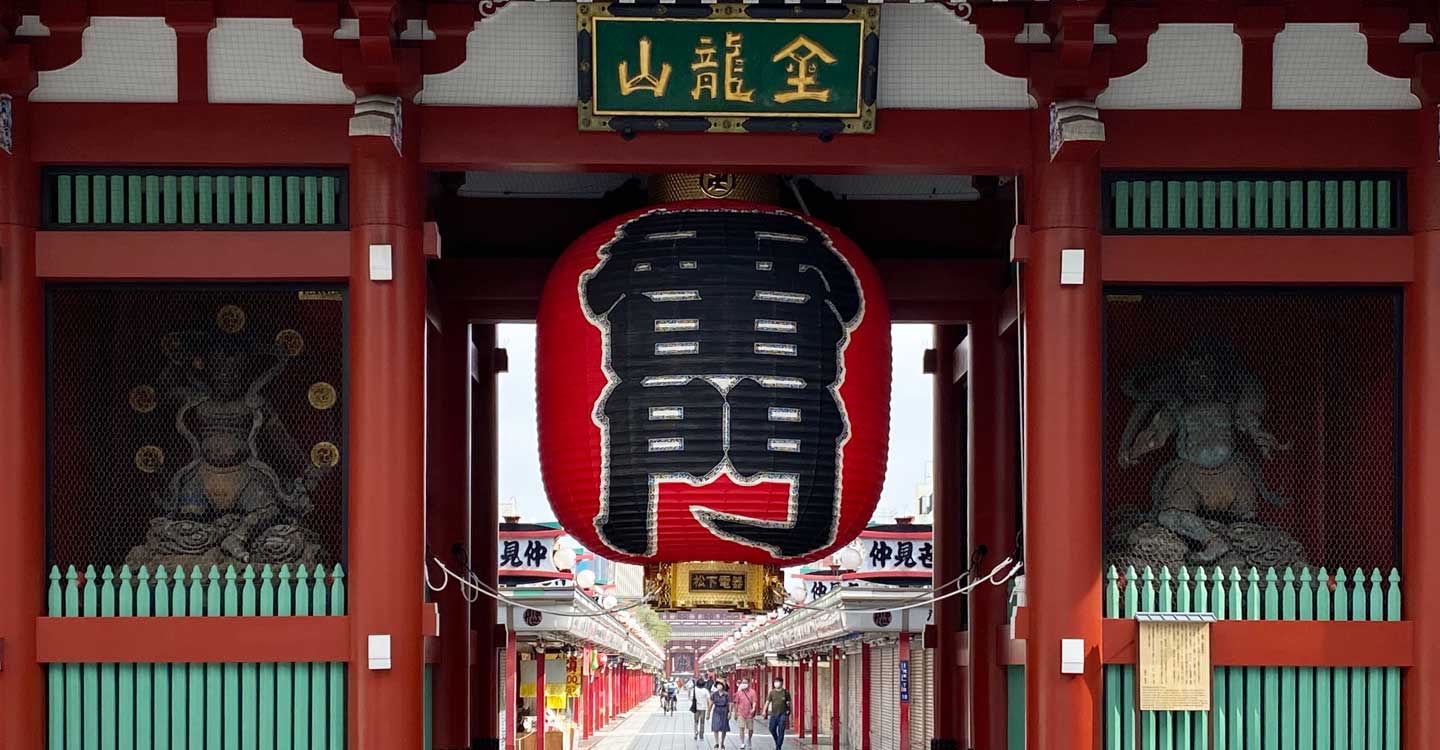
For old-Tokyo *shitamachi* atmosphere, Asakusa Shigetsu is the pick. It sits five minutes from Asakusa Station on a lantern-lined lane right by Sensoji temple — step out the door and you're in the most historic-feeling quarter of the city. The 20-room inn leans fully traditional: tatami rooms, yukata, and a top-floor hinoki (cypress) public bath with views toward Sensoji. It's not onsen water, but a cedar-scented soak overlooking a thousand-year-old temple is its own kind of special.
Rated 8.3 from 1,328 reviews, with rates from about $85 to $250 per person, it's the most affordable way to feel like you're staying in old Edo. The trade-off is that Asakusa is a 20–30 minute ride from Shibuya/Shinjuku nightlife, and the rooms are traditional-snug rather than spacious. Tattoos are cover-up. This is the atmosphere choice, full stop.
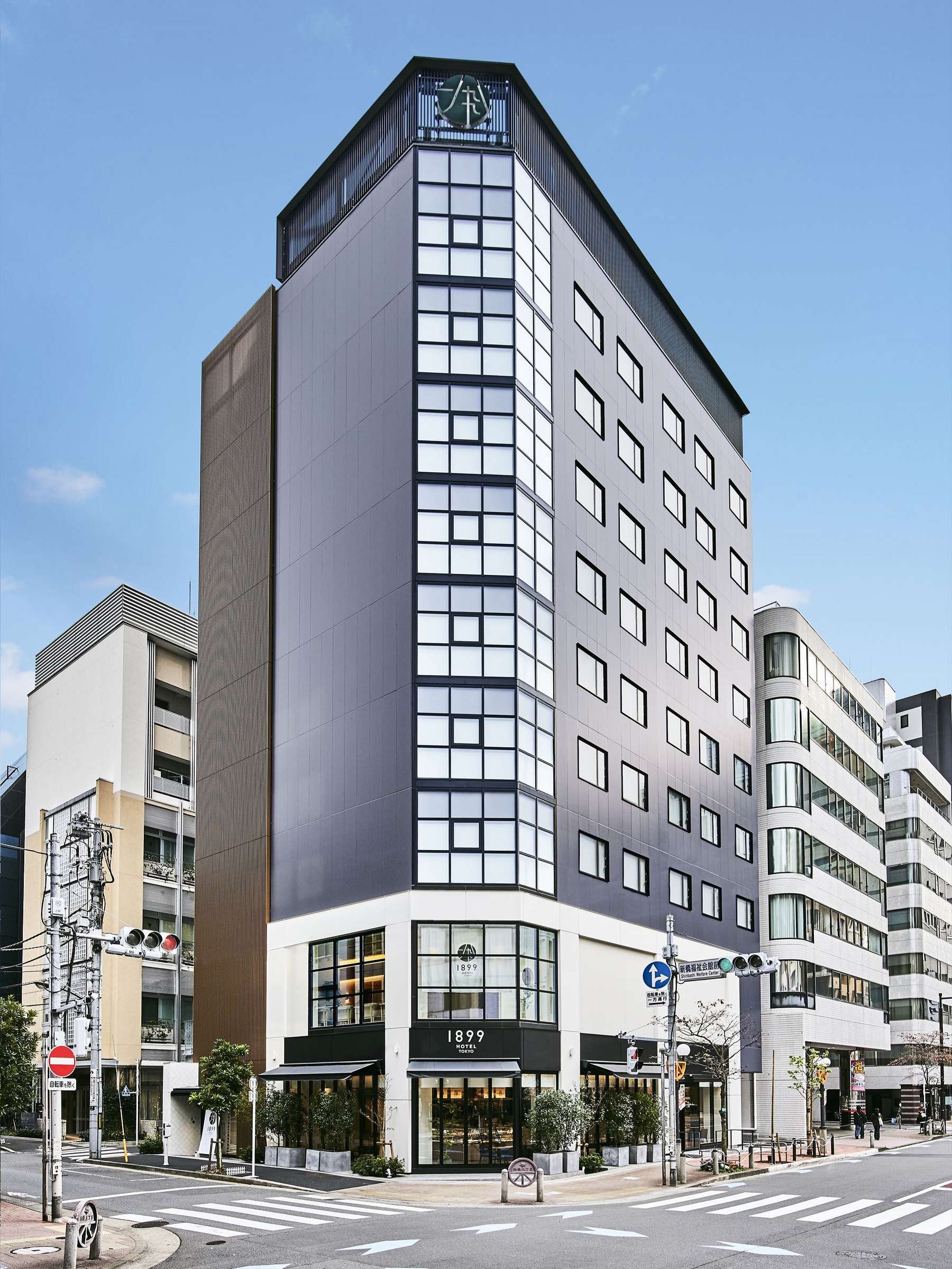
Hotel 1899 Tokyo
Hotel 1899 is the design hybrid — more polished boutique hotel than classic inn, built around a Japanese-tea theme, three minutes from Onarimon and walkable to Tokyo Tower. The 63 rooms blend tatami-inspired touches with full hotel comfort (proper beds available, an in-house tea stand), so it suits travelers who want a Japanese aesthetic without committing to a futon-on-the-floor night. Rated 8.7 from 2,134 reviews.
Rates run from roughly $100 to $250, typically room-only or with breakfast rather than the two-meal ryokan model. There's no onsen or communal bath to speak of — it's a hotel-ryokan crossover, so don't book it for the soak. Book it for a stylish, central, low-friction base with a tea-culture spin. Tattoos are cover-up, which here mostly just means no in-house bath to worry about.
Budget: tatami nights under ¥17,000
Tokyo's budget ryokans cluster in Yanaka and Nezu — the low-rise, old-neighborhood northeast that survived the wars and reads like the Tokyo of 60 years ago. These are small, family-run, futon-on-tatami guesthouses. None has onsen; bathrooms are often shared. What you get is authenticity and a price that's hard to believe for this city.
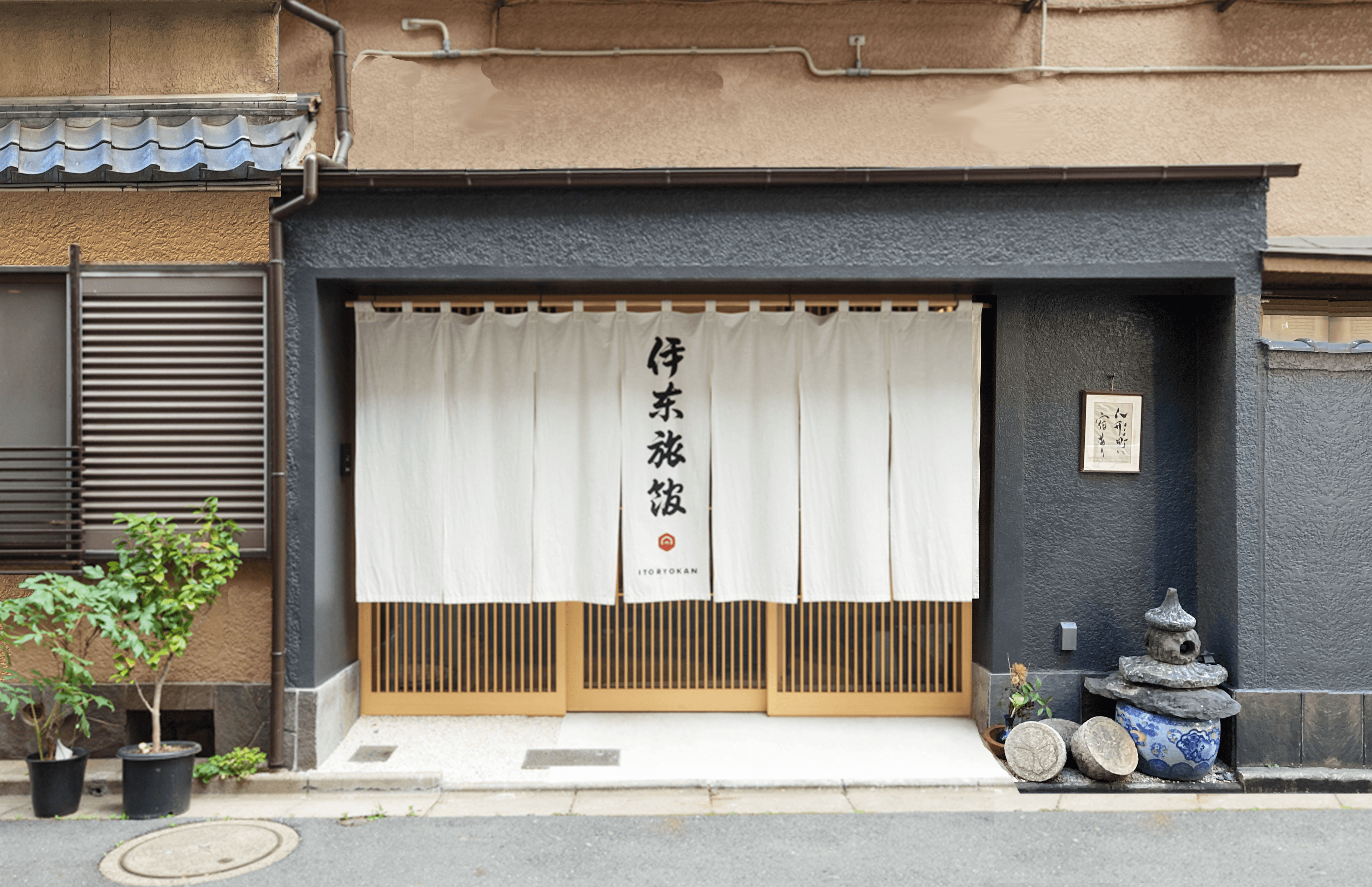
Sawanoya Ryokan
Sawanoya is the budget pick I recommend first. It's a 12-room, family-run Yanaka institution that has been famously foreigner-friendly since the 1980s — they pioneered welcoming overseas guests when most Tokyo inns wouldn't, and it shows in the easy, helpful English and the binders of local tips. Seven minutes from Nezu Station, surrounded by temples, sento, and old shops, it's an immersion in a Tokyo most visitors never see. Rated 8.4 from 1,456 reviews.
Rates are from about $50 to $110 per person — extraordinary for Tokyo. It's simple (small rooms, shared facilities, no onsen) and that's the deal: you trade square footage and a private bath for genuine neighborhood character and a price a fraction of central hotels. Tattoos are cover-up. For first-timers nervous about ryokan etiquette, Sawanoya is the gentlest possible landing.
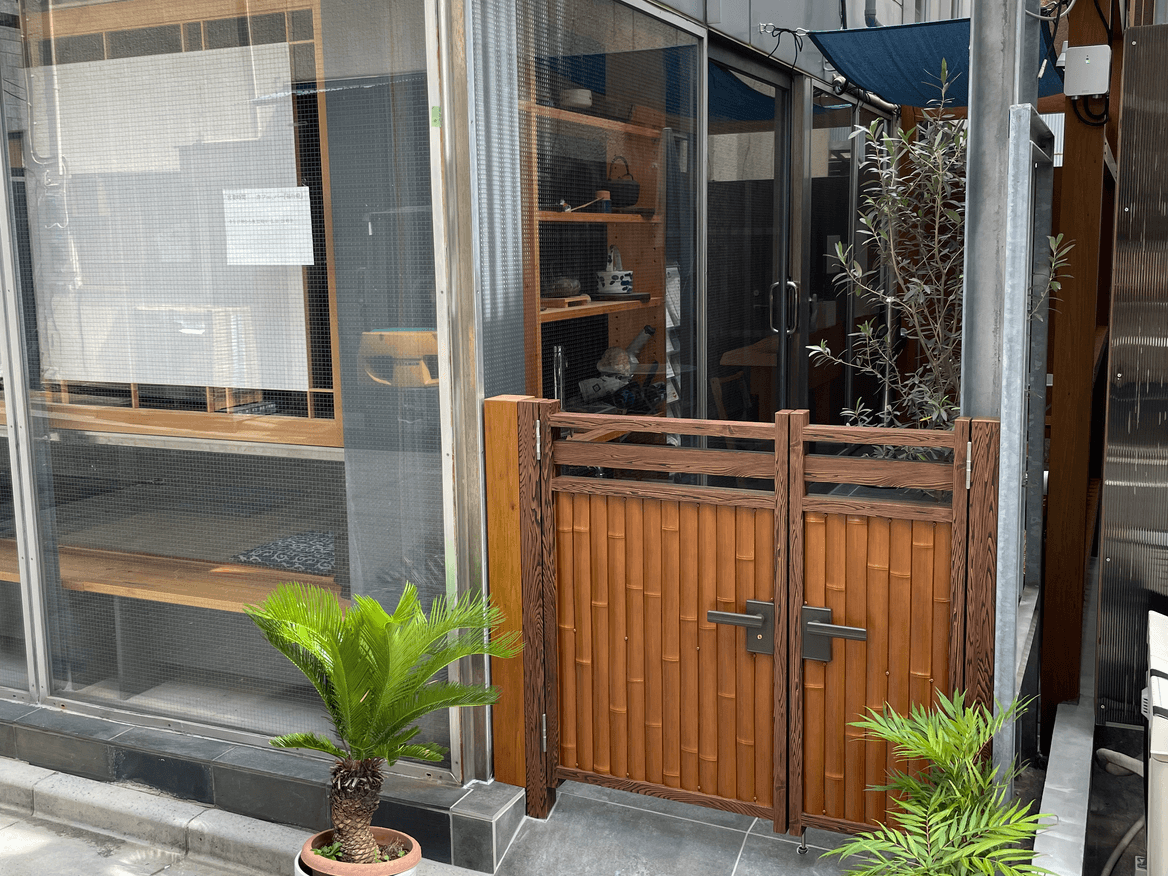
Katsutaro Ryokan
A few backstreets from Sawanoya, Katsutaro is even smaller — just 7 rooms, eight minutes from Nezu — and aims for the same thing: a simple, honest, cheap tatami night in old Yanaka. Rated 8.1 from 342 reviews, it's the lower-profile sibling, and the smaller review count just reflects its size, not a problem. Rates run from roughly $45 to $120.
Book Katsutaro when Sawanoya is full or you want something even quieter and more under-the-radar. Same caveats apply across the budget tier: compact rooms, shared bathing, no onsen. If your priority is a real Tokyo neighborhood and a low bill, it delivers exactly that.
Andon Ryokan
Andon is the design-minded budget choice. Three minutes from Minowa on the northeast edge, this 20-room ryokan dresses up the cheap-stay format with a modern, gallery-like interior and — the nice surprise — a tiny rentable cypress bath you can book for a private soak, rare at this price. Rated 7.8 from 623 reviews, the lowest score here, which tends to reflect very compact rooms and a less central location rather than anything broken.
Rates run from about $40 to $120, making it one of the cheapest tatami nights in the city, with more style than the price suggests. The trade-offs are real: small rooms, a slightly out-of-the-way location, and that the cypress tub is a small rentable bath, not an onsen. For a design-forward budget base, it's a smart pick. Tattoos are cover-up.
Tattoos in Tokyo ryokans
Tokyo is more relaxed about tattoos than rural onsen towns, but you still need a plan. Because most of these properties have one shared bath (or none), the operational answer at scale is simple: cover-up patches, usually available at the front desk, let you use the communal bath discreetly. That covers HOSHINOYA Tokyo, YUEN Shinjuku, Asakusa Shigetsu, Hotel 1899, Sawanoya, Katsutaro, and Andon — all cover-up policy.
Two exceptions matter. YUEN Bettei Daita is private-bath-only for tattoos: ink is welcome in your private onsen, but standard rules apply to shared facilities — perfectly workable if you book a private soak. And Ryumeikan Honten does not allow tattoos at all, full stop, so skip it if you have visible ink. For the citywide picture and which inns are easiest with larger tattoos, see tattoo-friendly ryokans in Japan.
Tip
Patch logistics: cover-up patches handle small or medium tattoos well, but large or full-sleeve work can exceed what a patch hides. If your tattoos are extensive, a property with a private/rentable bath — YUEN Bettei Daita's private onsen or Andon's rentable cypress tub — sidesteps the issue entirely.
Getting there and using a Tokyo ryokan as a base
The best argument for staying in a Tokyo ryokan is access — every property here is 1 to 8 minutes from a train station. For central sightseeing, the mid-range and luxury picks win: HOSHINOYA (Otemachi) and Ryumeikan Honten (Ochanomizu) are minutes from Tokyo Station; YUEN Shinjuku and Hotel 1899 sit on central subway lines; Asakusa Shigetsu is in the historic northeast. The Yanaka budget inns (Sawanoya, Katsutaro) and Andon are a little further out but still a short hop on the Chiyoda or Hibiya lines.
Arriving by bullet train? Ryumeikan Honten and HOSHINOYA are the easy walk-or-one-stop choices from Tokyo Station — the Tokyo Station to ryokan guide maps the exits, which are a maze. To compare neighborhoods and what's near each, the Tokyo area hub lays out the wards.
Most travelers use a Tokyo ryokan as a city base and pair it with a hot-spring day-trip or overnight to get the real onsen experience the city can't fully provide. Hakone, Nikko, Kusatsu, and the Izu coast are all reachable; if you'll be hopping between them by rail, price out the Japan Rail Pass guide before you buy individual tickets, and use the best onsen ryokans near Tokyo to choose the escape.
準備好預訂了嗎?
從這些精選旅館中預訂
比較三個預訂平臺的即時可用性和價格。
透過預訂連結可能產生佣金,但不會增加您的費用。
東京最佳旅館是:想在城裡泡真溫泉,選 HOSHINOYA 虹夕諾雅 東京 與 溫泉旅館 由緣 新宿;想在景點旁住傳統榻榻米房,選 淺草指月旅館 與 龍名館本店;想要平價的榻榻米一晚,選 澤之屋。 東京並不是溫泉鄉,所以「東京旅館」通常指的是町屋或飯店形式的旅館,而非溫泉度假村——請依你想要的體驗來挑,別期待山中的露天風呂。
我在這座城市的各個角落都睡過被褥,從距離東京車站只要三分鐘、登上米其林名單的 9 房小旅館,到谷中巷弄裡一晚 $50 的家庭式民宿都有。這篇指南涵蓋 23 區內 的九間旅館——是你為了「待在東京」而住的地方,不是逃離東京的去處。如果你想要的是貨真價實的溫泉山谷,那就是另一趟旅程了;那些我寫在 東京近郊最佳溫泉旅館 與 東京近郊最佳旅館 裡。這一頁,是給你那種腳下踩榻榻米、樓下就是地鐵的夜晚。
旅館的房價是以 每人每晚 計算,傳統上含早餐與晚餐——這是旅館的常態,也是為什麼價格放在飯店「每間房」房價旁邊會顯得偏高。東京有幾間打破了這個慣例,賣的是純住宿或含早餐的方案,我會在下面標出來。所有價格都是 2026 年起跳價;我用大約 1 美元換 ¥154 來換算日圓,所以 $200 一晚大約是 ¥30,800。
東京旅館算得上是真正的旅館嗎?
大致上算——但請先調整一下期待。定義經典旅館的有兩件事:鋪被褥的榻榻米房,以及共用的 *溫泉*(天然溫泉)浴池。第一項東京輕鬆就能給你。第二項則很罕見,因為東京市中心用的是自來水,而不是溫泉源。這裡的九間裡,只有 兩間引入了領有溫泉執照的礦泉水:HOSHINOYA 虹夕諾雅 東京 用車運與抽取的方式把溫泉水送上 17 樓的浴池,由緣 新宿 與 由緣別邸 代田 也都使用運送來的溫泉水。其餘的都是普通(通常也很棒)的檜木浴池——泡起來很享受,只是嚴格說來不算溫泉。
另一個現實是:大多數東京「旅館」是 飯店形式 或 町屋(traditional townhouse)形式。你在櫃台辦入住,通常只有一個共用浴池,而不是幾十間附檜木浴缸的客房,餐食也可能是選配。這不是在挑毛病——這座城市本來就是這樣運作的——但如果你心裡的畫面是穿著和服的 *仲居* 在房裡端上懷石宴席,那麼這裡只有奢華等級才真正能給你。想完整了解旅館如何運作,請看 第一次住旅館完全指南;想看誠實的正面對決,請看 旅館 vs 飯店。
東京旅館一覽比較
| 旅館 | 地區 / 車站 | 等級 | 起跳價(USD) | 真溫泉? | 刺青 | 適合對象 |
|---|---|---|---|---|---|---|
| HOSHINOYA 虹夕諾雅 東京 | 大手町(2 分鐘) | 奢華 | $600 | 有——17 樓浴池 | 需遮蓋 | 東京市中心的溫泉與真正的奢華 |
| 由緣別邸 代田 | 世田谷代田(1 分鐘) | 奢華 | $200 | 有——私人湯 | 僅限私人浴池 | 附私人溫泉的寧靜設計型隱居 |
| 龍名館本店 | 御茶之水(3 分鐘) | 中等 | $130 | 無 | 不允許 | 離東京車站最近的真正旅館 |
| 由緣 新宿 | 新宿御苑前(5 分鐘) | 中等 | $120 | 有——頂樓 | 需遮蓋 | 中等預算就能在東京市中心泡真溫泉 |
| Hotel 1899 Tokyo | 御成門(3 分鐘) | 中等 | $100 | 無 | 需遮蓋 | 茶主題設計,旅館與飯店的混血 |
| 淺草指月旅館 | 淺草(5 分鐘) | 中等 | $85 | 無(檜木浴池) | 需遮蓋 | 淺草寺旁的老東京氛圍 |
| 澤之屋旅館 | 根津(7 分鐘) | 平價 | $50 | 無 | 需遮蓋 | 對外國人友善的谷中經典 |
| 勝太郎旅館 | 根津(8 分鐘) | 平價 | $45 | 無 | 需遮蓋 | 簡單、便宜、谷中巷弄 |
| 行燈旅館 | 三之輪(3 分鐘) | 平價 | $40 | 無(檜木浴缸) | 需遮蓋 | 有可預約浴池的設計感平價選擇 |
有兩個重點一眼就能看出來。第一,只有 HOSHINOYA、由緣 新宿 與 由緣別邸 代田 提供真正的溫泉水——其餘全都是(也很不錯的)普通浴池。第二,除了龍名館本店之外,幾乎每間都能搞定刺青,龍名館本店則是嚴格禁止刺青。下面會再詳談。
奢華等級:值得砸錢的兩間
HOSHINOYA 虹夕諾雅 東京
這是東京市中心唯一一間真正的奢華溫泉旅館,這份名單上沒有任何一間能與它相比。HOSHINOYA 把一間傳統旅館疊進了距離大手町車站兩分鐘的 17 層高樓裡:你在門口脫鞋,每層樓都有自己附茶與點心的 *御茶之間* 休息廳,客房是鋪被褥的榻榻米房,還有可深泡的浴缸。最大的賣點是頂樓那座把真正溫泉水沿著建築抽上來、向天空敞開的浴池——在丸之內商業區正中央泡一場真溫泉,照理說不可能,但它就是做到了。
共 84 間客房,評分 9.2,來自 312 則評論,是這份名單上服務最精緻的住宿體驗——最接近房內懷石、和服服務的理想。代價就是價格:每人從約 $600 起跳,在旺季與頂級套房可飆破 $1,500。你付的是一套無懈可擊、貨真價實的日式奢華格局,而不是大理石的西式五星級——進去時心裡要想著榻榻米,而不是水晶吊燈。刺青採需遮蓋方式處理(共用浴池要用的遮貼可在櫃台拿)。
溫泉旅館 由緣別邸 代田
如果說 HOSHINOYA 是奢華即奇觀,那由緣別邸 代田就是奢華即寧靜。它是一間僅有 35 間客房、注重設計的精品隱居,距離世田谷代田只要一分鐘——一處遠離霓虹、綠意盎然的住宅角落,而這正是它的全部意義。這間住宿使用運送來的溫泉水,更關鍵的是它 有私人溫泉,所以你可以泡在真正的礦泉水裡,又不必顧慮公共浴池的禮節。評分 9.0,來自 856 則評論,讀起來就是那種成熟、把手機關掉的選擇。
價格 每人從約 $200 到 $600,所以它比 HOSHINOYA 便宜,卻依然有貨真價實的高檔感。問題在於地點:世田谷距離市中心景點要搭 15–25 分鐘的電車,所以這比較適合放慢步調、安排在旅程後半段的住宿,而不是你想衝去澀谷時的第一晚據點。刺青方面,由緣別邸 代田 的答案是 僅限私人浴池——刺青在你的私人溫泉裡沒問題,但共用設施仍依標準規定辦理。
Tip
想要的是真正的溫泉山谷,而不是城裡的浴池? 即使是東京最好的溫泉,也是高樓裡的運送溫泉水。如果你夢想的是一座能眺望山景的正統露天風呂,那就到城外過一晚吧——箱根、日光、草津都在 1–2.5 小時車程內。先從 東京近郊最佳溫泉旅館 開始,再用 日本鐵路通票指南 把鐵路行程安排好。
中等價位:多數旅客的甜蜜點
這是我會把 80% 旅客指向的地方。你能享受到真正的旅館感受——榻榻米、共用浴池,通常還有傳統早餐——而價格只要一間不錯的商務飯店,而這四間都離景點很近。
溫泉旅館 由緣 新宿
這是我心中「在東京市中心泡真溫泉,又不必付奢華價」的最佳單一選擇。由緣 新宿 把一座貨真價實的 頂樓露天溫泉 架在新宿之上——你泡在運送來的溫泉水裡,城市天際線就在你四周——而且是中等價位。它有 193 間客房,是這裡規模最大的住宿,採飯店形式經營,所以別期待親密感;該期待的是一棟離新宿御苑前五分鐘、聰明而現代的建築,配上一座多數東京飯店都比不上的溫泉。
數字也撐得住場面:8.9,來自多達 3,323 則評論,是這份名單上經過最多實戰檢驗的分數。價格 每人從約 $120 起,視季節與房型上看約 $300。取捨正如你所猜想的——這個規模下,它感覺更像精品飯店而非家庭旅館,而市中心的地點也意味著人潮多。論在城裡泡溫泉的 CP 值,我不認為有任何一間贏得了它。刺青採需遮蓋(頂樓浴池要用遮貼)。
龍名館本店
如果你想要 離東京車站最近、最傳統的旅館,就是這間了。龍名館本店是一間僅 9 房、登上米其林名單的小旅館,承襲 1899 年的血脈,距離御茶之水三分鐘,離東京車站八重洲/神田那一側也只要一小段路。只有九間房,所以它真正稱得上親密——是那種服務貼身、懷石料理認真對待的地方。評分 8.9,來自 487 則評論,遠遠打贏了它的規模。
預計 每人從約 $130 到 $300。有兩點誠實的提醒。第一:它很小,很快就會被訂滿,所以請早點預訂。第二——而且這點很重要——龍名館本店完全不允許刺青。 它是這份名單上唯一嚴格禁止刺青的住宿,所以如果你有明顯刺青,請選別間。如果你搭新幹線抵達、想走路到旅館,請看 如何從東京車站前往旅館。
淺草指月旅館
想要老東京 *下町* 氛圍,淺草指月旅館就是首選。它距離淺草車站五分鐘,坐落在淺草寺旁一條掛滿燈籠的小巷上——一出門,你就置身在這座城市最有歷史感的街區。這間 20 房的旅館徹底走傳統路線:榻榻米房、浴衣,以及一座能眺望淺草寺的頂樓 檜木公共浴池。它不是溫泉水,但在能俯瞰千年古剎的地方泡一場帶著檜木香的湯,自有它獨特的美好。
評分 8.3,來自 1,328 則評論,價格 每人從約 $85 到 $250,是最平價的「彷彿住在老江戶」的方式。取捨在於:淺草離澀谷/新宿的夜生活要搭 20–30 分鐘車程,而且房間是傳統的小巧而非寬敞。刺青採需遮蓋。這就是為了氛圍而選的那一間,沒別的好說。
Hotel 1899 Tokyo
Hotel 1899 是 設計混血款——比起經典旅館,更像一間精緻的精品飯店,以日本茶為主題打造,距離御成門三分鐘,步行可達東京鐵塔。這 63 間客房把榻榻米風的元素與完整的飯店舒適度(備有正規床鋪、館內有茶吧)融合在一起,所以它適合想要日式美學、又不想承諾一晚睡地板被褥的旅客。評分 8.7,來自 2,134 則評論。
價格 從約 $100 到 $250,通常是純住宿或含早餐,而非旅館的兩餐模式。這裡 沒有溫泉,也沒有像樣的共用浴池——它是旅館與飯店的跨界,所以別為了泡湯而訂它。訂它,是為了一個有型、位於市中心、低摩擦力、帶著茶文化氣息的據點。刺青採需遮蓋,在這裡多半只意味著沒有館內浴池需要顧慮。
平價:¥17,000 以下的榻榻米一晚
東京的平價旅館集中在 谷中與根津——東北邊那片低樓層、熬過了戰火、讀起來像 60 年前東京的老街區。這些是小巧、家庭經營、榻榻米鋪被褥的民宿。沒有一間有溫泉;浴室往往是共用的。你換來的是道地感,以及一個在這座城市裡令人難以置信的價格。
澤之屋旅館
澤之屋是我會第一個推薦的平價選擇。它是一間 12 房、家庭經營的谷中老字號,自 1980 年代起就以對外國人友善聞名——當多數東京旅館還不願接待海外旅客時,它就率先敞開大門,而這份用心也展現在輕鬆好溝通的英語,以及一本本在地小撇步的資料夾上。距離根津車站七分鐘,周圍環繞著寺廟、錢湯與老店鋪,是一場多數旅客從沒見過的東京沉浸體驗。評分 8.4,來自 1,456 則評論。
價格 每人從約 $50 到 $110——以東京來說堪稱破天荒。它很簡樸(房間小、設施共用、沒有溫泉),而這正是這筆交易的本質:你用坪數與私人浴池,換來貨真價實的街區風情,以及只要市中心飯店一小部分的價格。刺青採需遮蓋。對於緊張於旅館禮節的新手來說,澤之屋是最溫柔不過的著陸點。
勝太郎旅館
從澤之屋拐過幾條巷子,勝太郎更小——只有 7 間房,距根津八分鐘——目標也一樣:在老谷中度過簡單、誠實、便宜的榻榻米一晚。評分 8.1,來自 342 則評論,是低調的兄弟款,而較少的評論數只是反映它的規模,並不是問題。價格 從約 $45 到 $120。
當澤之屋客滿,或你想要更安靜、更不為人知的去處時,就訂勝太郎。整個平價等級都適用同樣的提醒:房間精巧、共用浴室、沒有溫泉。如果你最在意的是一個真正的東京街區與一筆低帳單,它正好就給你這個。
行燈旅館
行燈是 注重設計 的平價選擇。位於東北邊緣、距三之輪三分鐘,這間 20 房的旅館用現代、畫廊般的室內把平價住宿的格局打扮了一番,而且——這是個驚喜——它有一座 可預約的迷你檜木浴池,讓你能訂下來私人泡湯,這在這個價位很罕見。評分 7.8,來自 623 則評論,是這裡最低的分數,而這往往反映的是房間非常精巧、地點較不在市中心,而非有什麼地方壞掉了。
價格 從約 $40 到 $120,讓它成為城裡最便宜的榻榻米一晚之一,而風格卻比價格暗示的更有看頭。取捨是真實存在的:房間小、地點稍微偏遠,而那座檜木浴缸是一座小小的可預約浴池,並不是溫泉。作為一個注重設計的平價據點,它是個聰明的選擇。刺青採需遮蓋。
東京旅館的刺青問題
比起鄉間的溫泉鄉,東京對刺青寬鬆得多,但你還是得有個計畫。因為這些住宿大多只有 一座共用浴池(或根本沒有),大規模操作下的解法很簡單:遮蓋貼,通常櫃台就能拿到,讓你低調地使用共用浴池。這涵蓋了 HOSHINOYA 虹夕諾雅 東京、由緣 新宿、淺草指月旅館、Hotel 1899、澤之屋、勝太郎與行燈——全都是 需遮蓋 政策。
有兩個例外很重要。由緣別邸 代田 的刺青政策是僅限私人浴池:刺青在你的私人溫泉裡很歡迎,但共用設施適用標準規定——只要你訂了私人湯,就完全可行。還有 龍名館本店完全不允許刺青,沒得商量,所以如果你有明顯刺青就跳過它。想了解全市的概況,以及哪些旅館對較大面積的刺青最好應付,請看 日本對刺青友善的旅館。
Tip
遮蓋貼的實務: 遮蓋貼對小至中型刺青應付得很好,但大面積或整條手臂的刺青可能超出一張貼紙能遮住的範圍。如果你的刺青面積很大,選一間有私人/可預約浴池的住宿——由緣別邸 代田 的私人溫泉,或行燈的可預約檜木浴缸——就能完全繞過這個問題。
如何抵達,以及把東京旅館當作據點
住東京旅館最有力的理由就是交通——這裡每一間住宿距離車站都只要 1 到 8 分鐘。 想在市中心觀光,中等與奢華等級勝出:HOSHINOYA(大手町)與龍名館本店(御茶之水)距離東京車站只要幾分鐘;由緣 新宿 與 Hotel 1899 坐落在市中心的地鐵線上;淺草指月旅館位於充滿歷史的東北一帶。谷中的平價旅館(澤之屋、勝太郎)與行燈稍微遠一些,但搭千代田線或日比谷線也只要一小段。
搭新幹線抵達?龍名館本店與 HOSHINOYA 是從東京車站走路可達或一站就到的輕鬆選擇——東京車站前往旅館指南 幫你把那些像迷宮一樣的出口都標清楚了。想比較各個街區與周邊有什麼,東京地區專頁 把各區都整理好了。
多數旅客會把東京旅館當作城市據點,並 搭配一趟溫泉一日遊或過夜,來補足這座城市無法完整提供的真溫泉體驗。箱根、日光、草津與伊豆海岸都到得了;如果你打算靠鐵路在它們之間移動,在你買單程票之前,先用 日本鐵路通票指南 算一算划不划算,再用 東京近郊最佳溫泉旅館 選一處出逃的去處。
準備好預訂了嗎?
從這些精選旅館中預訂
比較三個預訂平臺的即時可用性和價格。
透過預訂連結可能產生佣金,但不會增加您的費用。
FAQ
常見問題
What is the best ryokan in Tokyo?+
It depends on what you want. For luxury with a real onsen, HOSHINOYA Tokyo (9.2 from 312 reviews) is the clear top pick. For a real onsen on a mid budget, YUEN Shinjuku (8.9 from 3,323 reviews). For traditional atmosphere near the sights, Asakusa Shigetsu by Sensoji, and for a budget tatami night, the family-run Sawanoya in Yanaka.
Do any Tokyo ryokans have a real onsen?+
Only three pipe in genuine hot-spring water: HOSHINOYA Tokyo (a 17th-floor bath drawing onsen water), YUEN Shinjuku (a rooftop open-air onsen over the city), and YUEN Bettei Daita (transported hot-spring water with private onsen). Tokyo sits on city water, so every other inn here has a regular cypress or shared bath — pleasant, but not technically onsen.
Are Tokyo ryokans tattoo-friendly?+
Mostly, yes — seven of these nine follow a cover-up policy, with patches usually available at the front desk for the shared bath. Two exceptions: YUEN Bettei Daita allows tattoos only in its private bath, and Ryumeikan Honten does not allow tattoos at all. If you have large or full-sleeve ink, book a property with a private or rentable bath.
What is the cheapest ryokan in Tokyo?+
Andon Ryokan near Minowa starts around $40 per person, with Katsutaro (about $45) and Sawanoya (about $50) just behind — all in the old Yanaka/northeast area. These are small, family-run, futon-on-tatami guesthouses with shared bathrooms and no onsen, but the price and neighborhood character are hard to beat anywhere in central Tokyo.
Which ryokan is closest to Tokyo Station?+
Ryumeikan Honten is the most traditional inn near Tokyo Station — three minutes from Ochanomizu and a short hop from the Yaesu/Kanda side. HOSHINOYA Tokyo is two minutes from Otemachi, one stop away. Note Ryumeikan does not allow tattoos. If you're arriving by Shinkansen, our Tokyo Station to ryokan guide maps the (confusing) exits.
Ryokan or hotel in Tokyo — which should I book?+
Book a ryokan for at least a night or two if you want the Japanese experience: tatami, futon, yukata, and often a traditional breakfast. Many Tokyo ryokans are hotel-format, so you get that feel with modern convenience. Choose a regular hotel if you prioritize big rooms, late check-in flexibility, or Western beds. Our ryokan vs hotel guide breaks down the trade-offs in detail.
How much does a Tokyo ryokan cost per night?+
Budget Yanaka inns start around $40–50 per person, mid-range properties run roughly $85–300, and luxury HOSHINOYA Tokyo starts near $600 and climbs past $1,500. Ryokan rates are quoted per person and traditionally include two meals, though several Tokyo properties sell room-only or room-with-breakfast — always check what's included before comparing to a hotel rate.
Which Tokyo ryokan is best for first-timers?+
Sawanoya in Yanaka — it's been welcoming foreign guests since the 1980s, the staff are used to explaining ryokan etiquette in English, and the price is gentle if you're unsure whether you'll love the format. For a more upscale but still easy first ryokan, YUEN Shinjuku is central, modern, and forgiving. Read our first-time ryokan guide before you go.
Should I leave Tokyo for a real onsen?+
If a mountain-view rotenburo is the dream, yes. Even the best Tokyo onsen is transported water in a tower. Hakone, Nikko, Kusatsu, and Izu are 1–2.5 hours out and deliver proper hot-spring valleys. Use a Tokyo ryokan as your city base and pair it with an onsen overnight — see our best onsen ryokans near Tokyo guide for the escapes.
東京最好的旅館是哪一間?+
這取決於你想要什麼。想要附真溫泉的奢華,HOSHINOYA 虹夕諾雅 東京(9.2,來自 312 則評論)是毫無懸念的首選。想用中等預算泡真溫泉,選由緣 新宿(8.9,來自 3,323 則評論)。想要景點旁的傳統氛圍,選淺草寺旁的淺草指月旅館;想要平價的榻榻米一晚,選谷中那間家庭經營的澤之屋。
東京有任何旅館有真溫泉嗎?+
只有三間引入了貨真價實的溫泉水:HOSHINOYA 虹夕諾雅 東京(17 樓抽取溫泉水的浴池)、由緣 新宿(俯瞰城市的頂樓露天溫泉)與由緣別邸 代田(運送來的溫泉水加私人溫泉)。東京用的是自來水,所以這裡其餘每一間都是普通的檜木浴池或共用浴池——很舒服,但嚴格說來不算溫泉。
東京的旅館對刺青友善嗎?+
大致上算——這九間裡有七間採需遮蓋政策,共用浴池要用的遮貼通常在櫃台就能拿到。兩個例外:由緣別邸 代田 只允許在私人浴池裡有刺青,而龍名館本店完全不允許刺青。如果你有大面積或整條手臂的刺青,請訂一間有私人或可預約浴池的住宿。
東京最便宜的旅館是哪一間?+
三之輪附近的行燈旅館每人從約 $40 起跳,勝太郎(約 $45)與澤之屋(約 $50)緊追在後——全都在老谷中/東北一帶。這些是小巧、家庭經營、榻榻米鋪被褥的民宿,浴室共用且沒有溫泉,但論價格與街區風情,在東京市中心任何地方都難以匹敵。
哪一間旅館離東京車站最近?+
龍名館本店是離東京車站最近的傳統旅館——距御茶之水三分鐘,離八重洲/神田那一側也只要一小段。HOSHINOYA 虹夕諾雅 東京 距大手町兩分鐘,只隔一站。請注意龍名館不允許刺青。如果你搭新幹線抵達,我們的東京車站前往旅館指南幫你標清楚那些(令人困惑的)出口。
在東京要訂旅館還是飯店?+
如果你想要日式體驗,至少訂一兩晚旅館:榻榻米、被褥、浴衣,通常還有傳統早餐。許多東京旅館是飯店形式,所以你能享受那種感受又兼具現代便利。如果你最在意大房間、深夜入住的彈性或西式床鋪,就選普通飯店。我們的旅館 vs 飯店指南詳細拆解了各種取捨。
東京旅館一晚多少錢?+
谷中的平價旅館每人從約 $40–50 起,中等價位的住宿大約 $85–300,而奢華的 HOSHINOYA 虹夕諾雅 東京 從近 $600 起跳,並飆破 $1,500。旅館房價以每人計算,傳統上含兩餐,不過東京有幾間賣的是純住宿或含早餐——在拿來跟飯店房價比較之前,務必先確認方案內含什麼。
哪一間東京旅館最適合新手?+
谷中的澤之屋——它自 1980 年代起就在接待外國旅客,員工很習慣用英語解釋旅館禮節,而如果你還不確定自己會不會愛上這種形式,它的價格也很親切。想要更高檔但同樣輕鬆的第一間旅館,由緣 新宿 位於市中心、現代又包容。出發前,讀一讀我們的第一次住旅館完全指南。
我應該離開東京去泡真溫泉嗎?+
如果能眺望山景的露天風呂是你的夢想,那就該去。即使是東京最好的溫泉,也是高樓裡的運送溫泉水。箱根、日光、草津與伊豆都在 1–2.5 小時車程內,能給你正統的溫泉山谷。把東京旅館當作你的城市據點,再搭配一晚溫泉過夜——出逃的去處請看我們的東京近郊最佳溫泉旅館指南。