29分钟阅读更新于 2026年6月
The best ryokans in Tokyo are HOSHINOYA Tokyo and Onsen Ryokan YUEN Shinjuku for a real onsen bath in the city, Ryokan Asakusa Shigetsu and Ryumeikan Honten for traditional tatami near the sights, and Sawanoya for a budget tatami night. Tokyo is not an onsen town, so a "Tokyo ryokan" usually means a townhouse or hotel-format inn rather than a hot-spring resort — pick by the experience you want, not by expecting a mountain rotenburo.
I've slept on futons all over this city, from a 9-room Michelin-listed inn three minutes from Tokyo Station to a $50 family guesthouse in the Yanaka backstreets. This guide covers nine ryokans inside the 23 wards — places you stay to be in Tokyo, not escapes from it. If you want a genuine hot-spring valley, that's a different trip; I cover those in the best onsen ryokans near Tokyo and the best ryokans near Tokyo. This page is for the night you want tatami underfoot and the subway downstairs.
Ryokan rates are quoted per person, per night, and traditionally include breakfast and dinner — that's the ryokan norm, and it's why a number can look high next to a hotel "per room" rate. Several Tokyo properties break that mold and sell room-only or room-with-breakfast, which I flag below. All prices are 2026 starting rates; I convert yen at roughly ¥154 to the dollar, so a $200 night is about ¥30,800.
Is a Tokyo ryokan even a real ryokan?
Mostly, yes — but set expectations. Two things define a classic ryokan: tatami rooms with futon bedding, and a communal *onsen* (natural hot-spring) bath. Tokyo delivers the first easily. The second is rare, because central Tokyo sits on city water, not a hot-spring field. Of the nine here, only two pipe in onsen-licensed mineral water: HOSHINOYA Tokyo trucks and draws hot-spring water to a bath on its 17th floor, and YUEN Shinjuku and YUEN Bettei Daita run transported hot-spring water too. The rest have ordinary (often lovely) cypress *hinoki* baths — a great soak, just not technically onsen.
The other reality: most Tokyo "ryokans" are hotel-format or machiya (townhouse) format. You check in at a front desk, there's usually one shared bath rather than dozens of in-room cedar tubs, and meals may be optional. That's not a knock — it's how the city works — but if your mental image is a kaiseki banquet served in your room by a kimono-clad *nakai*, only the luxury tier here really delivers that. For the full primer on how ryokans operate, see the first-time ryokan guide; for the honest head-to-head, ryokan vs hotel.
Tokyo ryokans compared at a glance
| Ryokan | Area / Station | Tier | From (USD) | Real onsen? | Tattoos | Best for |
|---|---|---|---|---|---|---|
| HOSHINOYA Tokyo | Otemachi (2 min) | Luxury | $600 | Yes — 17F bath | Cover-up | Onsen + true luxury in central Tokyo |
| YUEN Bettei Daita | Setagaya-Daita (1 min) | Luxury | $200 | Yes — private | Private bath only | Quiet design retreat with private onsen |
| Ryumeikan Honten | Ochanomizu (3 min) | Mid | $130 | No | Not allowed | Closest real inn to Tokyo Station |
| YUEN Shinjuku | Shinjuku-Gyoenmae (5 min) | Mid | $120 | Yes — rooftop | Cover-up | Real onsen in central Tokyo on a mid budget |
| Hotel 1899 Tokyo | Onarimon (3 min) | Mid | $100 | No | Cover-up | Tea-themed design, ryokan-hotel hybrid |
| Asakusa Shigetsu | Asakusa (5 min) | Mid | $85 | No (hinoki bath) | Cover-up | Old-Tokyo atmosphere by Sensoji |
| Sawanoya Ryokan | Nezu (7 min) | Budget | $50 | No | Cover-up | Foreigner-friendly Yanaka classic |
| Katsutaro Ryokan | Nezu (8 min) | Budget | $45 | No | Cover-up | Simple, cheap, Yanaka backstreets |
| Andon Ryokan | Minowa (3 min) | Budget | $40 | No (cypress tub) | Cover-up | Design-minded budget with a rentable bath |
Two patterns jump out. First, only HOSHINOYA, YUEN Shinjuku, and YUEN Bettei Daita give you actual onsen water — everything else is a (perfectly nice) regular bath. Second, tattoos are workable almost everywhere except Ryumeikan Honten, which is strictly no-tattoo. More on that below.
Luxury: the two that justify the splurge
HOSHINOYA Tokyo
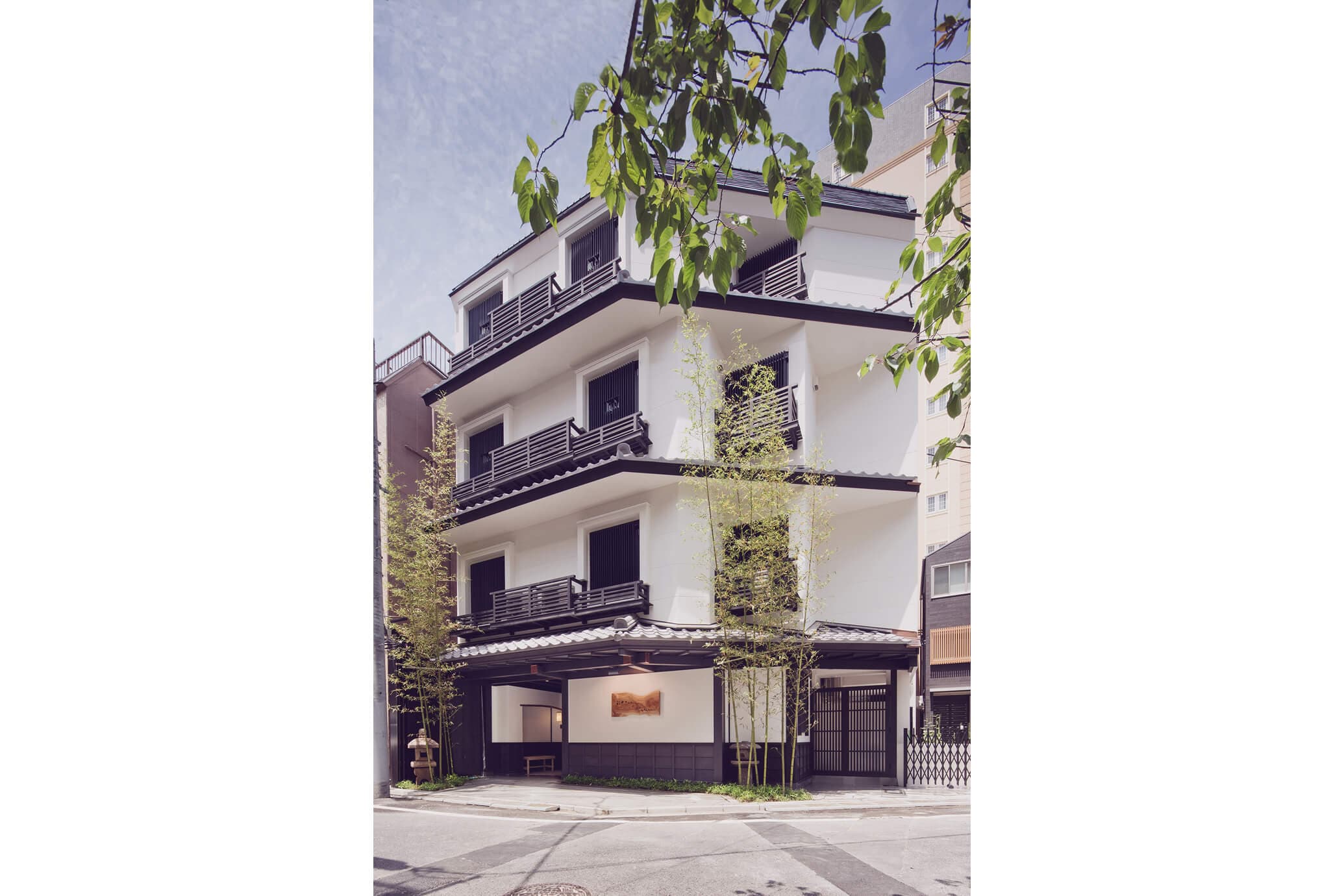
This is the one true luxury onsen ryokan in central Tokyo, and nothing else here competes with it. HOSHINOYA stacks a traditional inn into a 17-storey tower two minutes from Otemachi Station: you leave your shoes at the door, every floor has its own *ochanoma* lounge with tea and snacks, and rooms are tatami with futon and deep-soaking tubs. The headline is the top-floor bath that draws genuine hot-spring water up through the building, open to the sky — a real onsen soak in the middle of the Marunouchi business district, which shouldn't be possible but is.
Rated 9.2 from 312 reviews across 84 rooms, it's the most polished service experience on this list — closest to the in-room-kaiseki, kimono-service ideal. The trade-off is the price: from about $600 and climbing past $1,500 per person on peak dates and top suites. You're paying for a flawless, genuinely Japanese luxury format, not a marble Western five-star — go in wanting tatami, not a chandelier. Tattoos are handled cover-up style (patches at the desk for the communal bath).
Onsen Ryokan YUEN Bettei Daita
If HOSHINOYA is luxury-as-spectacle, YUEN Bettei Daita is luxury-as-calm. It's a boutique, design-forward retreat of just 35 rooms one minute from Setagaya-Daita — a leafy residential pocket far from the neon, which is the entire point. The property runs transported hot-spring water, and crucially it has private onsen, so you can soak in real mineral water without the public-bath etiquette. Rated 9.0 from 856 reviews, it reads as the grown-up, switch-off-your-phone choice.
Pricing runs from roughly $200 up to $600 per person, so it undercuts HOSHINOYA while still feeling genuinely upscale. The catch is location: Setagaya is a 15–25 minute train ride from the central sights, so this suits a slower, second-half-of-the-trip stay rather than a first-night base when you want to sprint to Shibuya. On tattoos, YUEN Bettei Daita is the private-bath-only answer — ink is fine in your private onsen, but the shared facilities follow standard rules.
Tip
Want a real hot-spring valley, not a city bath? Even the best Tokyo onsen is transported water in a tower. If a proper rotenburo with a mountain view is the dream, spend the night outside the city — Hakone, Nikko, and Kusatsu are 1–2.5 hours out. Start with the best onsen ryokans near Tokyo, then sort the trains with the Japan Rail Pass guide.
Mid-range: the sweet spot for most travelers
This is where I'd point 80% of visitors. You get a real ryokan feel — tatami, a shared bath, often a traditional breakfast — for the price of a decent business hotel, and these four sit close to the sights.
Onsen Ryokan YUEN Shinjuku
This is my single best "real onsen in central Tokyo without the luxury price" pick. YUEN Shinjuku puts a genuine rooftop open-air onsen over Shinjuku — you soak in transported hot-spring water with the city skyline around you — for a mid-range rate. At 193 rooms it's the biggest property here and runs hotel-format, so don't expect intimate; expect a smart, modern building five minutes from Shinjuku-Gyoenmae with an onsen most Tokyo hotels can't touch.
The numbers back it up: 8.9 from a huge 3,323 reviews, which is the most battle-tested score on this list. Rates start around $120 and reach about $300 per person depending on season and room. The trade-off is exactly what you'd guess — at this size it feels more boutique-hotel than family inn, and the central location means it's busy. For onsen-in-the-city value, I don't think anything beats it. Tattoos are cover-up (patches for the rooftop bath).
Ryumeikan Honten
If you want the most traditional inn closest to Tokyo Station, this is it. Ryumeikan Honten is a tiny 9-room, Michelin-listed ryokan with an 1899 lineage, three minutes from Ochanomizu and a short hop from the Yaesu/Kanda side of Tokyo Station. With only nine rooms it's properly intimate — the kind of place where the service is personal and the kaiseki is taken seriously. Rated 8.9 from 487 reviews, it punches well above its size.
Expect from about $130 to $300 per person. Two honest caveats. One: it's small and books out fast, so reserve early. Two — and this is the important one — Ryumeikan Honten does not allow tattoos at all. It's the one strict no-tattoo property on this list, so if you have visible ink, choose elsewhere. If you're arriving by Shinkansen and want to walk to your inn, see how to get to a ryokan from Tokyo Station.
Ryokan Asakusa Shigetsu
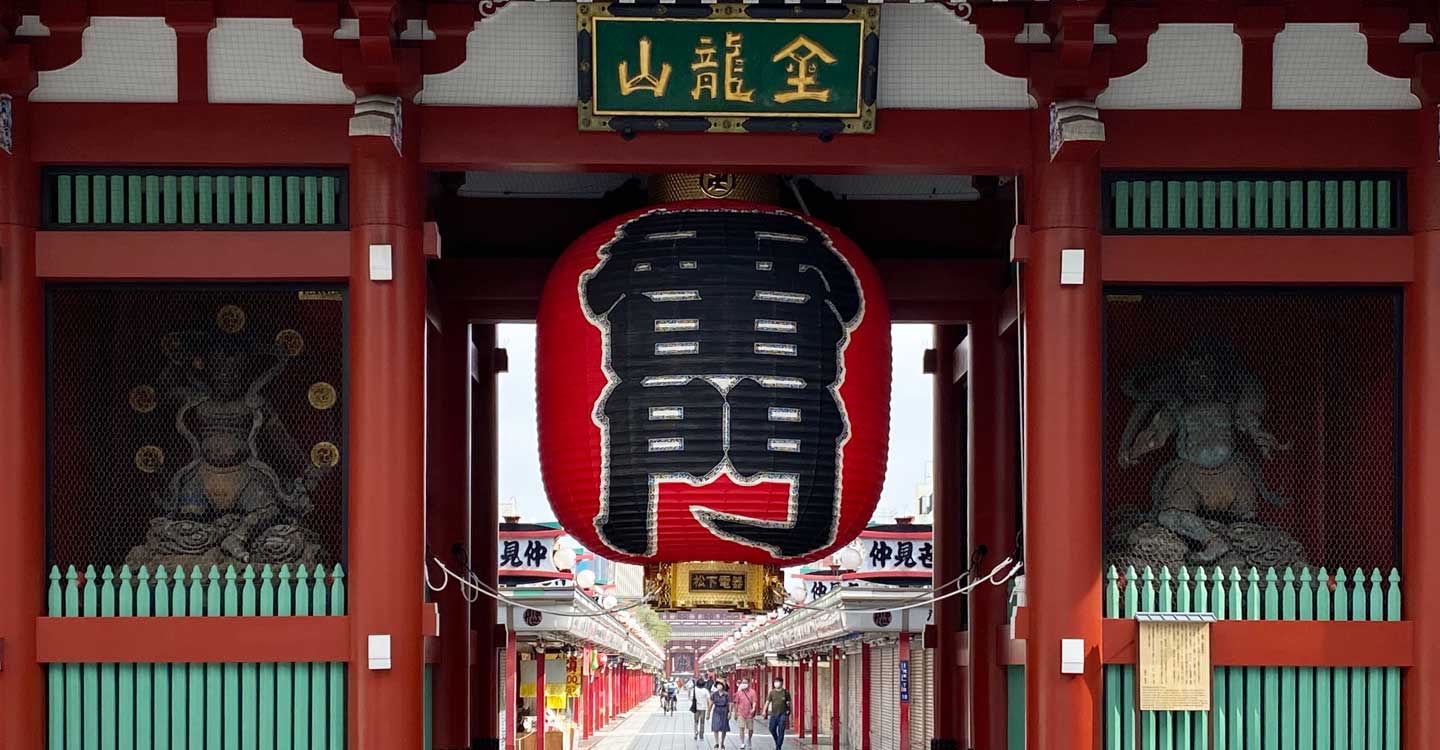
For old-Tokyo *shitamachi* atmosphere, Asakusa Shigetsu is the pick. It sits five minutes from Asakusa Station on a lantern-lined lane right by Sensoji temple — step out the door and you're in the most historic-feeling quarter of the city. The 20-room inn leans fully traditional: tatami rooms, yukata, and a top-floor hinoki (cypress) public bath with views toward Sensoji. It's not onsen water, but a cedar-scented soak overlooking a thousand-year-old temple is its own kind of special.
Rated 8.3 from 1,328 reviews, with rates from about $85 to $250 per person, it's the most affordable way to feel like you're staying in old Edo. The trade-off is that Asakusa is a 20–30 minute ride from Shibuya/Shinjuku nightlife, and the rooms are traditional-snug rather than spacious. Tattoos are cover-up. This is the atmosphere choice, full stop.
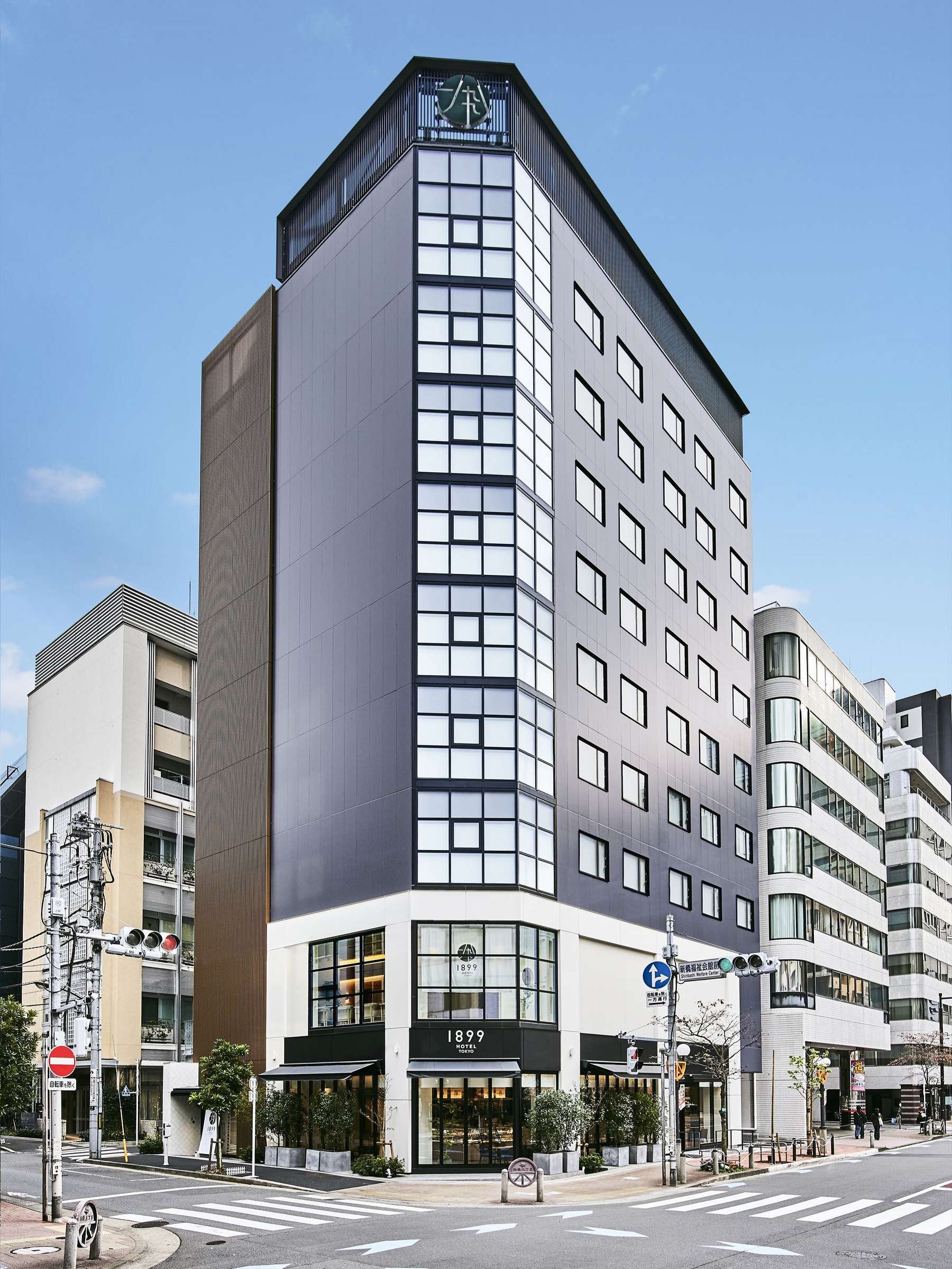
Hotel 1899 Tokyo
Hotel 1899 is the design hybrid — more polished boutique hotel than classic inn, built around a Japanese-tea theme, three minutes from Onarimon and walkable to Tokyo Tower. The 63 rooms blend tatami-inspired touches with full hotel comfort (proper beds available, an in-house tea stand), so it suits travelers who want a Japanese aesthetic without committing to a futon-on-the-floor night. Rated 8.7 from 2,134 reviews.
Rates run from roughly $100 to $250, typically room-only or with breakfast rather than the two-meal ryokan model. There's no onsen or communal bath to speak of — it's a hotel-ryokan crossover, so don't book it for the soak. Book it for a stylish, central, low-friction base with a tea-culture spin. Tattoos are cover-up, which here mostly just means no in-house bath to worry about.
Budget: tatami nights under ¥17,000
Tokyo's budget ryokans cluster in Yanaka and Nezu — the low-rise, old-neighborhood northeast that survived the wars and reads like the Tokyo of 60 years ago. These are small, family-run, futon-on-tatami guesthouses. None has onsen; bathrooms are often shared. What you get is authenticity and a price that's hard to believe for this city.
Sawanoya Ryokan
Sawanoya is the budget pick I recommend first. It's a 12-room, family-run Yanaka institution that has been famously foreigner-friendly since the 1980s — they pioneered welcoming overseas guests when most Tokyo inns wouldn't, and it shows in the easy, helpful English and the binders of local tips. Seven minutes from Nezu Station, surrounded by temples, sento, and old shops, it's an immersion in a Tokyo most visitors never see. Rated 8.4 from 1,456 reviews.
Rates are from about $50 to $110 per person — extraordinary for Tokyo. It's simple (small rooms, shared facilities, no onsen) and that's the deal: you trade square footage and a private bath for genuine neighborhood character and a price a fraction of central hotels. Tattoos are cover-up. For first-timers nervous about ryokan etiquette, Sawanoya is the gentlest possible landing.
Katsutaro Ryokan
A few backstreets from Sawanoya, Katsutaro is even smaller — just 7 rooms, eight minutes from Nezu — and aims for the same thing: a simple, honest, cheap tatami night in old Yanaka. Rated 8.1 from 342 reviews, it's the lower-profile sibling, and the smaller review count just reflects its size, not a problem. Rates run from roughly $45 to $120.
Book Katsutaro when Sawanoya is full or you want something even quieter and more under-the-radar. Same caveats apply across the budget tier: compact rooms, shared bathing, no onsen. If your priority is a real Tokyo neighborhood and a low bill, it delivers exactly that.
Andon Ryokan
Andon is the design-minded budget choice. Three minutes from Minowa on the northeast edge, this 20-room ryokan dresses up the cheap-stay format with a modern, gallery-like interior and — the nice surprise — a tiny rentable cypress bath you can book for a private soak, rare at this price. Rated 7.8 from 623 reviews, the lowest score here, which tends to reflect very compact rooms and a less central location rather than anything broken.
Rates run from about $40 to $120, making it one of the cheapest tatami nights in the city, with more style than the price suggests. The trade-offs are real: small rooms, a slightly out-of-the-way location, and that the cypress tub is a small rentable bath, not an onsen. For a design-forward budget base, it's a smart pick. Tattoos are cover-up.
Tattoos in Tokyo ryokans
Tokyo is more relaxed about tattoos than rural onsen towns, but you still need a plan. Because most of these properties have one shared bath (or none), the operational answer at scale is simple: cover-up patches, usually available at the front desk, let you use the communal bath discreetly. That covers HOSHINOYA Tokyo, YUEN Shinjuku, Asakusa Shigetsu, Hotel 1899, Sawanoya, Katsutaro, and Andon — all cover-up policy.
Two exceptions matter. YUEN Bettei Daita is private-bath-only for tattoos: ink is welcome in your private onsen, but standard rules apply to shared facilities — perfectly workable if you book a private soak. And Ryumeikan Honten does not allow tattoos at all, full stop, so skip it if you have visible ink. For the citywide picture and which inns are easiest with larger tattoos, see tattoo-friendly ryokans in Japan.
Tip
Patch logistics: cover-up patches handle small or medium tattoos well, but large or full-sleeve work can exceed what a patch hides. If your tattoos are extensive, a property with a private/rentable bath — YUEN Bettei Daita's private onsen or Andon's rentable cypress tub — sidesteps the issue entirely.
Getting there and using a Tokyo ryokan as a base
The best argument for staying in a Tokyo ryokan is access — every property here is 1 to 8 minutes from a train station. For central sightseeing, the mid-range and luxury picks win: HOSHINOYA (Otemachi) and Ryumeikan Honten (Ochanomizu) are minutes from Tokyo Station; YUEN Shinjuku and Hotel 1899 sit on central subway lines; Asakusa Shigetsu is in the historic northeast. The Yanaka budget inns (Sawanoya, Katsutaro) and Andon are a little further out but still a short hop on the Chiyoda or Hibiya lines.
Arriving by bullet train? Ryumeikan Honten and HOSHINOYA are the easy walk-or-one-stop choices from Tokyo Station — the Tokyo Station to ryokan guide maps the exits, which are a maze. To compare neighborhoods and what's near each, the Tokyo area hub lays out the wards.
Most travelers use a Tokyo ryokan as a city base and pair it with a hot-spring day-trip or overnight to get the real onsen experience the city can't fully provide. Hakone, Nikko, Kusatsu, and the Izu coast are all reachable; if you'll be hopping between them by rail, price out the Japan Rail Pass guide before you buy individual tickets, and use the best onsen ryokans near Tokyo to choose the escape.
准备好预订了吗?
从这些精选旅馆中预订
比较三个预订平台的实时可用性和价格。
通过预订链接可能产生佣金,但不会增加您的费用。
东京最佳旅馆当属:想在城里泡真温泉选虹夕诺雅东京(HOSHINOYA Tokyo)和温泉旅馆 YUEN 新宿(YUEN Shinjuku);想在景点旁住传统榻榻米选浅草指月旅馆(Asakusa Shigetsu)和龙名馆本店(Ryumeikan Honten);想便宜睡榻榻米一晚选泽之屋(Sawanoya)。 东京并不是个温泉城,所以"东京旅馆"通常指的是町屋式或酒店式的旅馆,而非温泉度假村——按你想要的体验来挑,别指望能有山间的露天风吕。
这座城市里我几乎到处都睡过被褥,从距东京站三分钟、米其林收录的 9 间客房旅馆,到谷中小巷里一晚 $50 的家庭式民宿。本指南涵盖 23 区以内 的九家旅馆——是那种你为了身处东京而住的地方,而非逃离东京的去处。如果你想要的是货真价实的温泉山谷,那是另一趟行程;那些我在 东京附近最佳温泉旅馆 和 东京附近最佳旅馆 里写过。这一页是为了那种你想脚踩榻榻米、楼下就是地铁的夜晚。
旅馆房价是按 每人每晚 报价的,传统上含早餐和晚餐——这是旅馆的惯例,也是为什么它的数字跟酒店"每间房"的房价比起来会显得高。东京有好几家打破了这个模式,卖纯住宿或住宿含早餐,我会在下面标注出来。所有价格都是 2026 年的起价;日元我按大约 154 日元兑 1 美元 换算,所以 $200 一晚约合 30,800 日元。
东京旅馆算得上是真正的旅馆吗?
大体上算——但要把期待值放对。经典旅馆有两个定义要素:铺被褥的榻榻米房间,以及公共 *温泉*(天然热泉)浴池。第一点东京轻松满足;第二点很罕见,因为东京市中心用的是城市自来水,底下没有温泉田。这里的九家中,只有 两家引入了温泉认证的矿泉水:虹夕诺雅东京用车把温泉水运来、抽到 17 楼的浴池里,而 YUEN 新宿和 YUEN 别邸代田(YUEN Bettei Daita)同样使用运送来的温泉水。其余几家是普通的(往往很美的)丝柏 *桧木* 浴——泡起来很棒,只是严格说来不算温泉。
另一个现实是:东京大多数"旅馆"是 酒店式 或 町屋(machiya,传统民居)式 的。你在前台办入住,通常是一个公共浴池而非几十个房内的雪松浴缸,餐食也可能是可选的。这并不是贬低——城市就是这么运作的——但如果你脑海里的画面是身着和服的 *仲居*(nakai,客房服务员)在你房间里端上怀石料理大餐,那么这里只有奢华档次的几家才真正能做到。想全面了解旅馆是怎么运作的,看 初次入住旅馆指南;想看诚实的正面对比,看 旅馆 vs 酒店。
东京旅馆一览对比
| 旅馆 | 区域 / 车站 | 档次 | 起价(美元) | 真温泉? | 纹身 | 适合 |
|---|---|---|---|---|---|---|
| 虹夕诺雅东京 | 大手町(2 分钟) | 奢华 | $600 | 是——17 楼浴池 | 需遮盖 | 东京市中心的温泉 + 真奢华 |
| YUEN 别邸代田 | 世田谷代田(1 分钟) | 奢华 | $200 | 是——私汤 | 仅限私汤 | 带私人温泉的静谧设计系隐居 |
| 龙名馆本店 | 御茶水(3 分钟) | 中档 | $130 | 否 | 不允许 | 离东京站最近的真旅馆 |
| YUEN 新宿 | 新宿御苑前(5 分钟) | 中档 | $120 | 是——屋顶 | 需遮盖 | 中等预算就能在东京市中心泡真温泉 |
| Hotel 1899 东京 | 御成门(3 分钟) | 中档 | $100 | 否 | 需遮盖 | 茶主题设计,旅馆与酒店的混合体 |
| 浅草指月 | 浅草(5 分钟) | 中档 | $85 | 否(桧木浴) | 需遮盖 | 浅草寺旁的老东京氛围 |
| 泽之屋旅馆 | 根津(7 分钟) | 经济 | $50 | 否 | 需遮盖 | 对外国人友好的谷中经典 |
| 胜太郎旅馆 | 根津(8 分钟) | 经济 | $45 | 否 | 需遮盖 | 朴素、便宜、谷中小巷 |
| 行灯旅馆 | 三之轮(3 分钟) | 经济 | $40 | 否(丝柏浴缸) | 需遮盖 | 有可包租浴池、讲究设计的经济之选 |
有两个规律一眼就能看出来。第一,只有虹夕诺雅、YUEN 新宿和 YUEN 别邸代田给你的是真正的温泉水——其余都是(相当不错的)普通浴池。第二,除了龙名馆本店,几乎到处纹身都行得通,而龙名馆是严格禁止纹身的。这点下面会细说。
奢华档:值得为之挥霍的两家
虹夕诺雅东京(HOSHINOYA Tokyo)
这是东京市中心唯一一家真正的奢华温泉旅馆,这里别的任何一家都无法与之相比。虹夕诺雅把一家传统旅馆叠进了距大手町站两分钟的 17 层高塔里:进门要脱鞋,每一层都有自己的 *御茶之间*(ochanoma)休息室,备有茶水点心,客房是带被褥和深泡浴缸的榻榻米。最大的卖点是顶楼那座浴池,把货真价实的温泉水沿楼体抽上来,向天空敞开——在丸之内商务区正中央泡上一场真温泉,听上去不可能,可它就是做到了。
它在 84 间客房里拿下 312 条评价 9.2 分,是这份名单上服务最精致的体验——最接近房内怀石、和服服务的理想。代价就是价格:每人 从约 $600 起,旺季日期和顶级套房会涨过 $1,500。你买的是一套无可挑剔、真正日式的奢华形式,而不是大理石堆砌的西式五星——抱着想要榻榻米的心去,别奔着水晶吊灯。纹身按遮盖式处理(前台备有贴片,供公共浴池使用)。
温泉旅馆 YUEN 别邸代田(YUEN Bettei Daita)
如果说虹夕诺雅是"奢华即奇观",那 YUEN 别邸代田就是"奢华即静谧"。它是一家精品、设计导向的隐居之所,仅有 35 间客房,距世田谷代田一分钟——一处远离霓虹的绿意盎然的住宅街区,而这正是它的全部意义所在。这家用的是运送来的温泉水,关键是它 配有私汤,所以你能泡到真正的矿泉水,又不必顾及公共浴池的礼仪。它拿下 856 条评价 9.0 分,读起来就是那种成熟、关掉手机的选择。
价格 从约 $200 起、至 $600 每人,所以它比虹夕诺雅便宜,却依旧透着真正的高级感。难处在于位置:世田谷距市中心景点有 15–25 分钟车程,所以它更适合行程后半段那种慢节奏的住宿,而不是头一晚那种你想冲去涩谷的落脚点。在纹身上,YUEN 别邸代田给的是 仅限私汤 的答案——纹身在你的私人温泉里没问题,但公共设施仍遵循标准规定。
Tip
想要的是真正的温泉山谷,而不是城里的浴池? 就连东京最好的温泉也不过是高塔里运来的水。如果你梦想的是一座能望见山景的正经露天风吕,那就到城外过夜——箱根、日光和草津都在 1–2.5 小时车程外。先从 东京附近最佳温泉旅馆 看起,再用 日本铁路通票指南 把车次安排好。
中档:适合大多数旅行者的甜蜜点
这是我会把 80% 的游客指向的地方。你能获得真正的旅馆感受——榻榻米、公共浴池,往往还有一顿传统早餐——价格却只相当于一家像样的商务酒店,而这四家都紧挨着景点。
温泉旅馆 YUEN 新宿(YUEN Shinjuku)
这是我心目中"不花奢华价就能在东京市中心泡真温泉"的头号之选。YUEN 新宿在新宿之上架了一座货真价实的 屋顶露天温泉——你泡在运送来的温泉水里,城市天际线就在四周——而价格只是中档。它有 193 间客房,是这里最大的一家,走酒店式路线,所以别指望私密;要指望的是一栋距新宿御苑前五分钟、时尚现代的建筑,配着大多数东京酒店都比不了的温泉。
数字也撑得住:3,323 条庞大评价拿下 8.9 分,是这份名单上经受过最多实战检验的分数。房价每人 从约 $120 起、至约 $300,视季节和房型而定。取舍正如你所料——这个体量下它更像精品酒店而非家庭式旅馆,市中心的位置也意味着热闹。论"城里泡温泉"的性价比,我觉得没什么比得过它。纹身需遮盖(屋顶浴池备有贴片)。
龙名馆本店(Ryumeikan Honten)
如果你想要 离东京站最近的最传统旅馆,就是它了。龙名馆本店是一家小巧的 9 间客房、米其林收录旅馆,承袭 1899 年的血脉,距御茶水三分钟,离东京站的八重洲/神田一侧也就一小段路。仅九间客房,它私密得恰到好处——是那种服务很贴身、怀石被认真对待的地方。它拿下 487 条评价 8.9 分,分量远超它的体量。
预计每人 从约 $130 至 $300。两点诚实的提醒。一:它很小、很快就订满,所以要早早预订。二——而这是要紧的一条——龙名馆本店完全不允许纹身。 它是这份名单上唯一严格禁止纹身的一家,所以如果你有外露的纹身,请另选别处。如果你坐新干线抵达、想步行走到旅馆,看 如何从东京站前往旅馆。
浅草指月旅馆(Asakusa Shigetsu)
想要老东京的 *下町*(shitamachi,老城区)氛围,浅草指月就是那个选择。它距浅草站五分钟,坐落在浅草寺旁一条挂满灯笼的小巷上——一出门,你就身处全城最有历史气息的街区。这家 20 间客房的旅馆彻底走传统路线:榻榻米房间、浴衣,还有一座顶楼的 桧木公共浴池,能望向浅草寺。虽不是温泉水,但闻着雪松香、俯瞰一座千年古寺泡澡,自有它独特的妙处。
它拿下 1,328 条评价 8.3 分,房价每人 从约 $85 至 $250,是最实惠的、能让你感觉住在古江户的方式。取舍在于浅草距涩谷/新宿的夜生活有 20–30 分钟车程,而且房间是传统的紧凑型而非宽敞型。纹身需遮盖。这就是冲着氛围去的选择,没别的。
Hotel 1899 东京
Hotel 1899 是 设计混合体——比起经典旅馆更像精致的精品酒店,围绕日本茶主题打造,距御成门三分钟,步行可至东京塔。这 63 间客房把榻榻米风的细节与十足的酒店舒适感融在一起(备有正经的床,馆内还有一处茶吧),所以它适合想要日式美学、又不愿迁就睡地板被褥的旅行者。它拿下 2,134 条评价 8.7 分。
房价 从约 $100 至 $250,通常是纯住宿或含早餐,而非旅馆那套两餐模式。这里基本上 没有温泉或公共浴池可言——它是旅馆与酒店的跨界产物,所以别为了泡澡去订它。订它,是为了一个时尚、居中、省心的落脚点,再带点茶文化的转译。纹身需遮盖,不过在这里多半就意味着没有馆内浴池要操心。
经济档:17,000 日元以下的榻榻米过夜
东京的经济型旅馆扎堆在 谷中和根津——东北面那片低矮、老旧的街区,它熬过了战火,读起来就像 60 年前的东京。这些是小小的、家族经营的榻榻米被褥民宿。没有一家有温泉;卫浴往往是共用的。你得到的是正宗,以及一个在这座城市里难以置信的价格。
泽之屋旅馆(Sawanoya)
泽之屋是我第一个推荐的经济之选。它是一家 12 间客房、家族经营的谷中老字号,从 1980 年代起就以对外国人友好而闻名——在大多数东京旅馆还不愿接待海外客人的时候,他们就率先张开了怀抱,这一点从他们轻松、热心的英语和那一本本本地贴士手册里看得出来。距根津站七分钟,四周环绕着寺庙、钱汤和老店铺,它是一场深入大多数游客从未见过的东京的沉浸体验。它拿下 1,456 条评价 8.4 分。
房价每人 从约 $50 至 $110——这在东京简直不可思议。它很朴素(房间小、设施共用、没有温泉),而这就是这笔交易:你用面积和私人浴池,换来地道的街区韵味,以及只相当于市中心酒店一小部分的价格。纹身需遮盖。对那些紧张于旅馆礼仪的初次旅客来说,泽之屋是再温和不过的着陆点。
胜太郎旅馆(Katsutaro)
离泽之屋几条小巷之隔,胜太郎更小——只有 7 间客房,距根津八分钟——追求的是同一件事:在老谷中过一个朴素、实在、便宜的榻榻米夜晚。它拿下 342 条评价 8.1 分,是那个名气较低的弟弟,评价数较少只是反映了它的体量,不是什么问题。房价 从约 $45 至 $120。
当泽之屋订满,或你想要更安静、更不为人知的去处时,就订胜太郎。整个经济档都适用同样的提醒:房间紧凑、共用浴池、没有温泉。如果你的首要诉求是一个真实的东京街区和一张低廉的账单,它给你的正是这个。
行灯旅馆(Andon)
行灯是 讲究设计 的经济之选。它在东北边缘距三之轮三分钟,这家 20 间客房的旅馆给廉价住宿这套形式穿上了现代、画廊般的内饰,还有个惊喜——一座 可包租的迷你丝柏浴池,你能订下来私泡一场,这个价位上很少见。它拿下 623 条评价 7.8 分,是这里最低的分数,这往往反映的是房间非常紧凑、位置不那么居中,而非有什么毛病。
房价 从约 $40 至 $120,使它成为全城最便宜的榻榻米过夜之一,风格却比价格透露出的更多。取舍是实打实的:房间小、位置稍偏,而那座丝柏浴缸是个可包租的小浴池,不是温泉。作为一个设计导向的经济落脚点,它是个聪明的选择。纹身需遮盖。
东京旅馆里的纹身
东京对纹身比乡下温泉城要宽松,但你仍需要个对策。因为这些旅馆大多只有 一个公共浴池(或一个都没有),规模化下的可行答案很简单:遮盖贴片,通常前台就有,让你能不动声色地使用公共浴池。这覆盖了虹夕诺雅东京、YUEN 新宿、浅草指月、Hotel 1899、泽之屋、胜太郎和行灯——全都是 遮盖 政策。
有两个例外要紧。YUEN 别邸代田对纹身是仅限私汤 的:纹身在你的私人温泉里受欢迎,但公共设施适用标准规定——只要你订了私泡,完全行得通。而 龙名馆本店完全不允许纹身,没得商量,所以如果你有外露纹身就跳过它。想了解全城的整体情况、以及哪些旅馆对较大纹身最友好,看 日本对纹身友好的旅馆。
Tip
贴片的实战要点: 遮盖贴片对小到中等的纹身处理得不错,但大面积或满袖的纹身可能超出贴片能盖住的范围。如果你的纹身很广,选一家有私汤/可包租浴池的旅馆——YUEN 别邸代田的私人温泉或行灯可包租的丝柏浴缸——就能彻底绕开这个问题。
如何前往,以及把东京旅馆当作据点来用
住东京旅馆最有力的理由是交通——这里每一家都距车站 1 到 8 分钟。 论市中心观光,中档和奢华之选胜出:虹夕诺雅(大手町)和龙名馆本店(御茶水)距东京站几分钟;YUEN 新宿和 Hotel 1899 坐落在市中心地铁线上;浅草指月则在有历史的东北面。谷中那几家经济旅馆(泽之屋、胜太郎)和行灯稍远一些,但坐千代田线或日比谷线也就一小段路。
坐新干线抵达?龙名馆本店和虹夕诺雅是从东京站走过去或坐一站就到的轻松之选——东京站到旅馆指南 把那些出口都标好了,它们简直是个迷宫。想比较各个街区、以及每家附近有什么,东京区域中心页 把各区都梳理清楚了。
大多数旅行者把东京旅馆当作城市据点,再 搭配一趟温泉一日游或过夜 去获取这座城市无法完全提供的真温泉体验。箱根、日光、草津和伊豆海岸都可达;如果你打算坐火车在它们之间穿梭,买单程票之前先用 日本铁路通票指南 算算账,再用 东京附近最佳温泉旅馆 来挑这趟出逃。
准备好预订了吗?
从这些精选旅馆中预订
比较三个预订平台的实时可用性和价格。
通过预订链接可能产生佣金,但不会增加您的费用。
FAQ
常见问题
What is the best ryokan in Tokyo?+
It depends on what you want. For luxury with a real onsen, HOSHINOYA Tokyo (9.2 from 312 reviews) is the clear top pick. For a real onsen on a mid budget, YUEN Shinjuku (8.9 from 3,323 reviews). For traditional atmosphere near the sights, Asakusa Shigetsu by Sensoji, and for a budget tatami night, the family-run Sawanoya in Yanaka.
Do any Tokyo ryokans have a real onsen?+
Only three pipe in genuine hot-spring water: HOSHINOYA Tokyo (a 17th-floor bath drawing onsen water), YUEN Shinjuku (a rooftop open-air onsen over the city), and YUEN Bettei Daita (transported hot-spring water with private onsen). Tokyo sits on city water, so every other inn here has a regular cypress or shared bath — pleasant, but not technically onsen.
Are Tokyo ryokans tattoo-friendly?+
Mostly, yes — seven of these nine follow a cover-up policy, with patches usually available at the front desk for the shared bath. Two exceptions: YUEN Bettei Daita allows tattoos only in its private bath, and Ryumeikan Honten does not allow tattoos at all. If you have large or full-sleeve ink, book a property with a private or rentable bath.
What is the cheapest ryokan in Tokyo?+
Andon Ryokan near Minowa starts around $40 per person, with Katsutaro (about $45) and Sawanoya (about $50) just behind — all in the old Yanaka/northeast area. These are small, family-run, futon-on-tatami guesthouses with shared bathrooms and no onsen, but the price and neighborhood character are hard to beat anywhere in central Tokyo.
Which ryokan is closest to Tokyo Station?+
Ryumeikan Honten is the most traditional inn near Tokyo Station — three minutes from Ochanomizu and a short hop from the Yaesu/Kanda side. HOSHINOYA Tokyo is two minutes from Otemachi, one stop away. Note Ryumeikan does not allow tattoos. If you're arriving by Shinkansen, our Tokyo Station to ryokan guide maps the (confusing) exits.
Ryokan or hotel in Tokyo — which should I book?+
Book a ryokan for at least a night or two if you want the Japanese experience: tatami, futon, yukata, and often a traditional breakfast. Many Tokyo ryokans are hotel-format, so you get that feel with modern convenience. Choose a regular hotel if you prioritize big rooms, late check-in flexibility, or Western beds. Our ryokan vs hotel guide breaks down the trade-offs in detail.
How much does a Tokyo ryokan cost per night?+
Budget Yanaka inns start around $40–50 per person, mid-range properties run roughly $85–300, and luxury HOSHINOYA Tokyo starts near $600 and climbs past $1,500. Ryokan rates are quoted per person and traditionally include two meals, though several Tokyo properties sell room-only or room-with-breakfast — always check what's included before comparing to a hotel rate.
Which Tokyo ryokan is best for first-timers?+
Sawanoya in Yanaka — it's been welcoming foreign guests since the 1980s, the staff are used to explaining ryokan etiquette in English, and the price is gentle if you're unsure whether you'll love the format. For a more upscale but still easy first ryokan, YUEN Shinjuku is central, modern, and forgiving. Read our first-time ryokan guide before you go.
Should I leave Tokyo for a real onsen?+
If a mountain-view rotenburo is the dream, yes. Even the best Tokyo onsen is transported water in a tower. Hakone, Nikko, Kusatsu, and Izu are 1–2.5 hours out and deliver proper hot-spring valleys. Use a Tokyo ryokan as your city base and pair it with an onsen overnight — see our best onsen ryokans near Tokyo guide for the escapes.
东京最好的旅馆是哪家?+
取决于你想要什么。论带真温泉的奢华,虹夕诺雅东京(312 条评价 9.2 分)是毫无悬念的头号之选。论中等预算上的真温泉,选 YUEN 新宿(3,323 条评价 8.9 分)。论景点旁的传统氛围,选浅草寺旁的浅草指月;论便宜的榻榻米过夜,选谷中那家家族经营的泽之屋。
东京有任何旅馆配有真正的温泉吗?+
只有三家引入了货真价实的温泉水:虹夕诺雅东京(一座抽取温泉水的 17 楼浴池)、YUEN 新宿(一座俯瞰城市的屋顶露天温泉),以及 YUEN 别邸代田(运送来的温泉水,配私汤)。东京用的是城市自来水,所以这里其余每一家都是普通的桧木浴或公共浴池——舒服,但严格说来不算温泉。
东京的旅馆对纹身友好吗?+
大体上友好——这九家里有七家走遮盖政策,前台通常备有供公共浴池使用的贴片。两个例外:YUEN 别邸代田只允许在私汤里露出纹身,而龙名馆本店完全不允许纹身。如果你有大面积或满袖纹身,订一家有私汤或可包租浴池的旅馆。
东京最便宜的旅馆是哪家?+
三之轮附近的行灯旅馆每人起价约 $40,紧随其后的是胜太郎(约 $45)和泽之屋(约 $50)——全都在谷中/东北那片老城区。这些是小小的、家族经营的榻榻米被褥民宿,卫浴共用、没有温泉,但这个价格和街区韵味在东京市中心任何地方都很难比得过。
哪家旅馆离东京站最近?+
龙名馆本店是东京站附近最传统的旅馆——距御茶水三分钟,离八重洲/神田一侧也就一小段路。虹夕诺雅东京距大手町两分钟,坐一站就到。请注意龙名馆不允许纹身。如果你坐新干线抵达,我们的东京站到旅馆指南把那些(令人晕头转向的)出口都标好了。
在东京,旅馆还是酒店——我该订哪个?+
如果你想要日式体验:榻榻米、被褥、浴衣,往往还有一顿传统早餐,那就至少订上一两晚旅馆。东京许多旅馆是酒店式的,所以你能在享受这份感受的同时兼得现代便利。如果你更看重大房间、灵活的深夜入住或西式床,那就选普通酒店。我们的旅馆 vs 酒店指南详细拆解了这些取舍。
东京一家旅馆一晚要多少钱?+
谷中的经济型旅馆每人起价约 $40–50,中档旅馆大致 $85–300,而奢华的虹夕诺雅东京从近 $600 起、会涨过 $1,500。旅馆房价按每人报价,传统上含两餐,不过东京有好几家卖纯住宿或住宿含早餐——在跟酒店房价比较之前,务必查清含些什么。
哪家东京旅馆最适合初次旅客?+
谷中的泽之屋——它自 1980 年代起就在接待外国客人,员工习惯用英语讲解旅馆礼仪,而且如果你拿不准自己会不会喜欢这种形式,它的价格也很温和。想要更高级、但同样省心的初次旅馆,YUEN 新宿居中、现代、又包容。出发前读读我们的初次入住旅馆指南。
我该离开东京去泡个真温泉吗?+
如果你梦想的是一座能望见山景的露天风吕,那就该去。就连东京最好的温泉也不过是高塔里运来的水。箱根、日光、草津和伊豆都在 1–2.5 小时车程外,能给你正经的温泉山谷。把东京旅馆当作你的城市据点,再搭配一晚温泉过夜——这些出逃去处看我们的东京附近最佳温泉旅馆指南。