

历史快照——已被取代。 本文报告的是 2026-07-12(2026 年第三季度)的快照,采用我们较早、较宽松的方法分类,其中也计入了无法追溯到旅馆本身或其运营方的信息。它已被 2026-09-29 的官方来源审核取代:新审核只有在旅馆或其运营方的官方网站明确说明、且原文引文在调查时已与当时的网页核对时,才计入该政策。下文数字(612 家、已分类 325 家、85.8% 以某种形式接待纹身客人)仅作历史记录保留,请勿作为现行数据引用。最新数字请见纹身政策实时审核。
更正(2026-09-29官方信息核查): 本快照中作为遮盖类旅馆介绍的杉乃井酒店(别府)与水明馆(下吕),其官方网站均明确表示有纹身的客人不能使用公共浴场;水明馆还表示不提供私人浴池等替代方案。
这是 Japan Ryokan Guide 日本旅馆纹身政策名录的2026年Q3版 — 首个覆盖全日本、免费、基于一手来源的数据库,记录日本旅馆实际如何对待有纹身的客人,现已涵盖612家已发布旅馆,其中325家的政策经过编辑核实。
2026年7月12日再核实(Q3):在名录的612家旅馆中,325家拥有确认的纹身政策。这325家中:27家公开欢迎纹身,126家接受遮盖贴纸,126家将纹身客人限制在私汤或客房内浴池 — 279家已核实旅馆(85.8%)以某种形式可行。仅46家完全禁止纹身。其余287家为较新收录、尚待核实:我们2026年上半年的地区扩张使名录从293家翻倍至612家,新收录条目在通过编辑审核前均以未知(unknown)录入。(2026年5月的原始分析保留于下文,以保证方法论透明。)
| 政策 | 旅馆数 | 对你意味着什么 |
|---|---|---|
| 公开允许纹身 | 27 | 任何浴池均可使用 — 无需遮盖 |
| 接受遮盖贴纸 | 126 | 遮盖纹身后即可使用公共浴池 |
| 仅限私汤 / 客房内浴池 | 126 | 预约包场汤时段,或预订带独立浴池的客房 |
十年来,英文旅游写作一直对日本温泉纹身问题分类错误。多数博客和论坛将其框定为二元问题 — “这家旅馆对纹身友好吗,是还是否?” — 然后要么宣称日本对任何有纹身的人都不可行,要么把一小撮面向入境游客的友好旅馆(往往就是城崎那五家老面孔)当作例外列出。这两种框架都不符合实际发生的情况。
实际情况是一个五档光谱。有些旅馆无条件允许纹身。有些在你用贴片遮盖后允许。有些将你引导至客房内私汤或可预约的包场汤(kashikiri)家庭浴池,让这个问题根本触及不到公共露天风吕。有些则一律拒绝,无论纹身大小、位置,也不管你是否愿意遮盖。还有一些 — 对行业中相当大一部分而言这是诚实的答案 — 从未公布过政策,需要直接询问。在此之前,没有任何公开名录在全国层面覆盖全部五个类别。
2026年Q3快照的核心发现。在325家拥有已核实政策的旅馆中,85.8%(279家)以某种形式对纹身友好(允许+遮盖+仅限私汤),14.2%(46家)严格不允许。名录612家中其余287家被归类为未知 — 既包括2026年上半年扩张新收录、尚待核实的旅馆,也包括没有英文发布渠道的小型家族旅馆,对后者唯一能得到确定答案的途径是用日语打电话 [Japan Ryokan Guide 612-property editorial classification, 2026-07-12]。Q2基线中最令人意外的发现依然成立:仅27家旅馆(占已核实政策的8.3%)公布了无限制、无条件的“公共浴池允许纹身”政策。行业的事实共识是有条件准入,而非全面接纳。
下载完整名录。完整的CSV — 包含slug、名称、地区、都道府县、区域、5级纹身政策、私汤标记、英文咨询渠道可用性、综合评分、评论数、核实日期 — 可在/data/tattoo-policy-registry.csv获取。CC-BY 4.0署名许可下免费使用。引用格式:Japan Ryokan Guide. (2026). Japan Ryokan Tattoo Policy Registry [Dataset]. https://www.japanryokanguide.com/data/tattoo-policy-registry.csv。注意:当前 CSV 已反映 2026-09-29 官方来源审核,无法复现本 2026-07-12 快照;该快照没有公开的固定副本。
这份名录为何存在
2024至2026年间,三股力量汇聚,使这样一份名录的出现势在必行。
入境需求处于多年高位。2024年日本接待了创纪录的3690万国际游客 — 比疫情前2019年的纪录高出约五百万 — 2026年的增速仍在其上 (Nippon.com / JNTO)。我们主要入境客源市场的纹身普及率在结构上处于高位:据Pew Research Center,41%的30岁以下美国成年人和46%的30至49岁美国成年人至少有一处纹身 (Pew Research Center),澳大利亚、英国和欧洲大陆的比例相近或更高。相当比例的入境游客在预订前就需要温泉问题的答案,而且需要英文答案。
现有英文资料单薄且过时。被引用最多的资源tattoofriendlyonsen.com全国仅收录约80家旅馆,且严重偏向城崎温泉。TripAdvisor、Reddit的r/JapanTravel和Lonely Planet论坛帖子提供的是个人住宿的轶事 — 有用但未聚合、未核实,而且几乎总是一年前的旧信息。没有任何商业数据库以机器可读形式公布100+家旅馆的结构化纹身政策。日本观光厅2015年对温泉纹身政策的行业调查 — 56%的设施拒绝纹身客人,31%无条件允许,13%在纹身遮盖后允许入浴 (Kashiwaya / Japan Tourism Agency 2015 survey) — 是纹身友好旅游写作中被引用最多的统计数据,而它已经过去十多年了。
我们的数据库已经拥有结构化数据。我们612家旅馆的目录使用五值tattoo_policy枚举 — allowed、cover_up、private_only、not_allowed、unknown — 由四人编辑团队于2026年5月逐家分类,并于7月为2026年Q3再核实,方式是阅读官方政策声明、Trip.com和Booking.com房源备注,以及在可行时与旅馆直接通信。我们构建这套结构是为了网站的分面筛选器,而非新闻报道。将其作为可引用的公开名录发布是自然的下一步。
Tip
引用政策。本名录可在CC-BY 4.0许可下自由使用。规定引用格式为:Japan Ryokan Guide. (2026). Japan Ryokan Tattoo Policy Registry [Dataset]. https://www.japanryokanguide.com/data/tattoo-policy-registry.csv。记者、研究人员和旅游出版方可引用本简报中的任何单项统计数据,署名为"Japan Ryokan Guide 612-property editorial classification, 2026"。媒体咨询:press@japanryokanguide.com(模板见/press)。
五类框架详解
多数英文报道对日本温泉纹身政策使用二元分类 — 允许或不允许。日语行业框架比这更细,而本名录采用细分版本,因为二元分类丢失的信息会实质性影响旅行者的行程规划。
类别1:allowed(占已核实政策的8.3%)。此类旅馆公布的政策声明:任何大小的纹身均可无条件进入公共露天风吕。我们数据库325家已核实政策旅馆中有27家公布此类政策。这是真实的发现,不是测量的假象。日本温泉行业的监管与文化框架并不会规模化地产生全面接纳型旅馆;面向入境游客的连锁品牌 — 星野集团界(KAI)、虹夕诺雅(Hoshinoya)旗舰、由缘别邸都市温泉 — 绝大多数采用下文的某个有条件类别而非类别1(界云仙是显著的例外)。你能找到的最接近的,是在入住时免费发放遮盖贴、不问任何问题的旅馆;我们将其归为类别2。
类别2:cover_up(占已核实政策的38.8%,126家)。两大最大类别之一(与仅限私汤并列,同为126家)。旅馆允许在可见纹身用防水粘性贴片(通常为5cm × 7cm或10cm × 15cm)遮盖后进入公共浴池。遮盖贴通常在前台出售或免费提供。实际限制在于纹身大小 — 多数遮盖类旅馆将可遮盖面积上限定在约一张标准A6纸的大小(约10.5cm × 14.8cm)。整臂或整背规模的纹身超出任何合理遮盖范围,实际上会把客人引向类别3或4。部分遮盖类旅馆还限制时段 — 数据集中最大的例子、别府Suginoi(杉乃井)张贴的政策要求纹身客人仅在清晨旅馆最不繁忙的时段使用室内浴池。Cover_up是主力类别,是实际的行业默认。
类别3:private_only(占已核实政策的38.8%,126家)。旅馆在任何条件下都无法接受纹身客人进入公共浴池,但提供替代方案:客房内露天风吕(作为房费的一部分,通常是较高房型),或可预约的包场汤(kashikiri)家庭浴池(按45-60分钟时段预订,通常每时段¥3,000-¥6,000,部分符合条件房型的客人可免费使用)。对纹身旅行者来说,private_only旅馆的实际体验非常好 — 你在私密环境中泡汤,眺望与公共浴池相同的庭园或山景,往往还有更好的水压控制和零拥挤。缺点是成本:带私汤的房型通常比同一旅馆的基础房型贵25-60%。逐家分析参见我们的私汤旅馆精选。
类别4:not_allowed(占已核实政策的14.2%,46家)。旅馆在整体层面拒绝纹身客人 — 不仅是公共浴池,连入住本身也拒绝。它已不再是最小的已核实类别(公开允许的27家现在占据这一位置),并几乎完全集中在两个细分:正式传统的老铺旅馆(京都米其林层级 — Hiiragiya(柊家)的公共浴池、Sawaya Honten、Mugen;日光大酒店层级 — 金谷(Kanaya),1873年开业、被认为是日本最古老的西式度假酒店 (Nikko Kanaya Hotel History House)、Chuzenji Kanaya(中禅寺金谷);高山隐世层级 — Wanosato(倭乃里)),以及少数明确面向日本国内家庭市场、把纹身限制当作品牌信号的大型家庭度假旅馆。如果一家旅馆属于类别4,无论多少遮盖贴、礼貌解释或愿意加钱订私汤房都不会改变答案。提前打电话是浪费时间;换一家旅馆吧。
类别5:unknown(占名录的46.9%,287家)。旅馆未在任何英文可及渠道公布纹身政策,且我们的编辑团队尚未通过Trip.com或Booking.com房源备注或直接通信予以确认。在2026年Q3名录中,这是数量最大的一类,原因是结构性的:我们2026年上半年的地区扩张使目录翻倍有余(293 → 612家),新收录的旅馆在通过编辑核实前以unknown录入。该类别长期的核心仍是规模小(不到20间客房)、位于乡村的家族旅馆 — 主要在下吕纹身可容忍旅馆、白骨、和仓、银山 — 店主几乎不讲英语,网站也只有日文。对这些旅馆,诚实的答案是:预订前自己打电话,或请会日语的朋友打电话。我们不会从间接信号推断政策(比如“高档正式怀石 = 大概not_allowed”)— 这些行保持unknown分类。把unknown当作真实类别对待,保住了数据集的完整性。
全国分布:2026年Q3快照
以下是截至2026年7月(Q3)核实快照、覆盖612家旅馆总体的完整分布。百分比为占全部612家已发布旅馆的份额;已核实政策基数为325。
| 类别 | 数量 | 占612家比例 | 实际含义 |
|---|---|---|---|
| allowed | 27 | 4.4% | 公共浴池无限制进入 — 27家 |
| cover_up | 126 | 20.6% | 可见纹身用贴片遮盖后可进入公共浴池 |
| private_only | 126 | 20.6% | 公共浴池不可用;提供客房内浴池或包场汤 |
| not_allowed | 46 | 7.5% | 旅馆层面拒绝;无变通方案 |
| unknown | 287 | 46.9% | 政策未公布或尚未核实;需提前电话确认 |
[Japan Ryokan Guide 612-property editorial classification, 2026-07-12。总计n=612家已发布旅馆,覆盖35个温泉地区;325家拥有已核实政策。]
汇总为“某种形式纹身友好”类别。如果旅行者的问题是“我这个有可见纹身的人,能否找到在这家旅馆泡汤的方式”,那么在325家已核实政策旅馆中,279家(85.8%)的答案是肯定的 — 类别1、2、3合计。这就是本名录旨在呈现的核心比率。此前最好的公开估计、日本观光厅2015年对约3,800家设施的调查,将总体层面的直接拒绝率定在56%(31%无条件允许,13%要求遮盖)(Kashiwaya / Japan Tourism Agency 2015 survey)。十一年间到我们85.8%的差值并非测量假象 — 它反映了2015年以来入境游客可及库存中真实发生的政策自由化,加上我们的样本相对全国普查偏向入境友好的选择偏差。
想看更大的统计图景 — 612家旅馆的价格中位数、纹身政策与浴池准入 — 参见我们的2026日本旅馆指数。
最纹身友好的温泉地区
数据集中有十二个温泉地区(只计已核实政策不少于九项的地区)达到或超过全国85.8%的已核实友好率 — 其中七个达到100%。在这些地区,有纹身的旅行者可以规划行程而不必让政策问题左右安排。下表列出前八名;份额按各地区已核实政策基数计算。
| 排名 | 温泉地区 | 区域 | 已核实n | 某种形式友好 | 遮盖占比 | 仅限私汤占比 | 代表旅馆 |
|---|---|---|---|---|---|---|---|
| 1 | 别府 | 九州 | 15 | 100% | 33% | 47% | Suginoi张贴遮盖政策;GAHAMA、Kannawa Bettei、Sennari公开允许 |
| 2 | 箱根 | 关东 | 13 | 100% | 54% | 46% | Gora Kadan、Hakone Ginyu — 每间客房配私人露天风吕 |
| 3 | 鸣子 | 东北 | 11 | 100% | 0% | 45% | 名录中最高的公开允许比例 — 11家已核实中有6家 |
| 4 | 玉造 | 中国地方 | 10 | 100% | 30% | 70% | 界玉造(KAI Tamatsukuri)— 私汤引导为标准做法 |
| 5 | 由布院 | 九州 | 12 | 100% | 42% | 58% | Sanso Murata、Kamenoi Besso — 别墅式私汤 |
| 6 | 黑川 | 九州 | 12 | 100% | 42% | 50% | Fumoto、Sanga — 每间客房带私人浴池 |
| 7 | 下吕 | 中部 | 9 | 100% | 33% | 67% | Suimeikan — 遮盖与私汤混合,零拒绝 |
| 8 | 城崎 | 关西 | 16 | 94% | 31% | 44% | Tenbouen、Saigetsu、Yamamotoya公开允许;全镇外汤文化 |
[Japan Ryokan Guide 612-property editorial classification, 2026-07-12。n = 各地区拥有已核实政策的旅馆数;份额按已核实基数计算。]
黑川(熊本)。每家已核实旅馆均为某种形式友好(12/12),其中一半引导至私汤;Q3的注意点是我们的九州扩张新增了许多尚待核实的小旅馆(该地区28行中有16行为unknown)。黑川的村落保护公约 — 统一的美学、共享的视觉标准,以及联合温泉通票(入汤手形,一块1,500日元的木牌,可进入二十多家参与旅馆浴池中的三家)(Japan-Guide.com) — 造就了一个紧密的小型(10-25间客房)旅馆集群,几乎每间客房都自带私人露天风吕。对纹身旅行者来说,黑川仍是全日本最省心的目标之一:在村里任选一家已核实旅馆都能泡汤。参见黑川旅馆精选。
由布院(大分)。十二家已核实旅馆,100%某种形式友好 — 七家通过私汤引导、五家通过遮盖 — 另有13行较新条目尚未核实。由布院的艺术旅馆圈高度集中于建筑师设计的精品旅馆(Sanso Murata(山庄无量塔)、Kamenoi Besso(龟之井别庄)、Souan Kosumosu、Gettouan),每间客房本质上都是带独立浴池的私人套房。由此形成的市场结构,让“纹身客人能否入住”这个问题从设计上就被消解了。参见由布院旅馆精选。
别府与登别。日本规模最大、历史最久、浴池最多的两大度假地。别府是Q3核实的亮点:其全部15家旅馆都拥有确认政策 — 零unknown — 且15家全部某种形式友好,分布为私汤引导(7)、遮盖(5)和三家公开允许(Amane Resort GAHAMA、Kannawa Bettei、Sennari)。登别的已核实友好率为90%(10家中9家,1家拒绝),以遮盖为主。别府Suginoi(数据集中规模最大)以英文和中文张贴正式遮盖政策;登别Dai-ichi Takimotokan(第一泷本馆)运营着横跨五种泉质(硫磺、盐、绿矾、钠、酸性明矾)的35池浴场,占地约1,500坪 (Dai-ichi Takimotokan official),并张贴同样的遮盖政策。在这些地区,有纹身的家庭团可以用遮盖贴围绕传统公共温泉体验规划住宿,而不必围着一个私汤安排整趟旅程。
箱根与伊豆。距东京最近的两条温泉带。箱根与别府并列,是仅有的另一个全核实地区:全部13家旅馆都有确认政策且全部某种形式友好,分布为遮盖(7)和私汤引导(6)。Gora Kadan(强罗花坛)、Hakone Ginyu(箱根吟游)、Mikawaya、Kansuiro、Gora Kansuirou — 这些旅馆的设计前提就是每位客人(无论有无纹身)都有私人浴池。伊豆更大也更未定:14家已核实旅馆中12家(86%)友好,两家拒绝,其28行中有一半仍待核实。参见箱根旅馆精选。
东京。二十家都市旅馆(11家已核实),是数据集中地理上的异类,且仍是明确的遮盖贴地盘:11家已核实中7家(64%)走贴片路线,对比仅2家仅限私汤。驱动因素是物业形态:东京的都市旅馆(Hoshinoya Tokyo(虹夕诺雅东京)、Yuen Bettei Daita、Asakusa Shigetsu、Sawanoya)本质上是只有一个公共浴池的酒店式物业,规模化应对纹身的运营答案是前台发贴片,而不是引导到根本不存在的私汤房。参见东京旅馆精选。
最严格的温泉地区
有八个已核实政策不少于九项的温泉地区低于全国85.8%的已核实友好率(其中伊豆仅以85.7%的四舍五入之差错过)。新的垫底五名由高山领衔:四家已核实旅馆(Wanosato、Honjin Hiranoya Kofukan、Hida Hotel Plaza、Hotel Ryu Resort)完全拒绝纹身 — 占其已核实基数的33% — 其后是日光和热海(各29%)以及草津和秋保(26%和25%)。没有一个地区低于三分之二友好,这本身就是一个发现:即使是样本中最严格的目的地,也有明显多数的已核实旅馆以某种方式接纳纹身客人。
| 排名 | 温泉地区 | 区域 | 已核实n | 某种形式友好 | 不允许占比 | 未知占比 | 严格原因 |
|---|---|---|---|---|---|---|---|
| 35 | 高山 | 中部 | 12 | 67% | 33% | 45% | 正式隐世层级 — Wanosato外加3家大型度假旅馆拒绝 |
| 34 | 日光 | 关东 | 17 | 71% | 29% | 45% | 历史大酒店层级 — 金谷1873、中禅寺金谷 |
| 33 | 热海 | 中部 | 17 | 71% | 29% | 35% | 昭和时代的大型度假旅馆;5家已核实拒绝 |
| 32 | 草津 | 关东 | 19 | 74% | 26% | 58% | 名录中最大的地区(45家);5家拒绝,26家尚未核实 |
| 31 | 秋保 | 东北 | 12 | 75% | 25% | 8% | 两极分化:3家拒绝,同时有3家公开允许 |
[Japan Ryokan Guide 612-property editorial classification, 2026-07-12。排名从名录35个地区中最严格者数起;友好与不允许份额按各地区已核实政策基数计算,未知份额按其全部收录旅馆计算。]
京都。十五家旅馆,全部核实 — 与别府、箱根同为名录中仅有的三个全核实地区。三家严格not_allowed(Seikoro(晴鸭楼)、Sawaya Honten、Mugen),三家private_only(Togetsutei、Yachiyo、Hiiragiya),九家允许遮盖。以80%的某种形式友好率,京都已不在名录垫底五名之列,但not_allowed集群有共同画像:正式传统的老铺旅馆、常为米其林在册怀石,把纹身限制视为品牌信号的一部分。京都仍是纹身问题最实质影响行程的地区:如果你想要柊家的公共浴池体验,答案是否(改订私汤时段);如果你想住东山传统町屋并有温泉可泡,现实目标是某家遮盖类旅馆(Watazen、Motonago、Gion Sano、Nishiyama、Izuyasu、Hirashin、Ryokan Sanga、Fujiya)。参见京都旅馆精选。
日光。三十一家旅馆,17家已核实,5家not_allowed:历史层级(金谷1873 — 日本最古老的西式酒店、登录文化财;中禅寺金谷 — 原木屋度假村,走正式路线)之外,现又加入大型度假旅馆中的三家已核实拒绝(Hotel Mikazuki、TAOYA Nikko Kirifuri、Tokanso)。日光市场由历史文化旅馆锚定,其政策在昭和初期定型,至今未实质放宽。十二家已核实友好旅馆 — 遮盖、仅限私汤和一家公开允许 — 加上现已单列为独立地区的邻近鬼怒川温泉,才是纹身旅行者的目标。参见日光旅馆精选。
下吕与白骨。两个乡村温泉地区,其严格性一直部分是数据不完整的假象 — Q3核实证实了这一点。下吕的九家已核实旅馆现在100%某种形式友好,还剩三家unknown(Mutsumikan、Kisoyaji、Suimeikan Bekkan)。白骨的四家已核实旅馆同样全部友好,但其九行中有五行 — 包括Tsuruya和Maruei Ryokan — 仍为unknown:没有公布英文政策的小型家族旅馆。对这些旅馆,诚实的答案是提前打电话。
纹身旅行者实用指南
读懂名录是一回事;用它规划行程是另一回事。三个具体流程覆盖了有纹身的日本初访者的绝大部分需求。
流程1:我想要传统的公共温泉体验。在入境友好地区选一家遮盖类旅馆(类别2):登别Dai-ichi Takimotokan、Hoshinoya Tokyo、Yufuin Sansuikan(由布院山水馆)、Asakusa Shigetsu。自带或在入住时购买10cm × 15cm防水遮盖贴(多数旅馆售价¥800-¥1,500,也可行前在日本亚马逊购买)。实际限制在于总遮盖面积 — 如果纹身超过约一张标准A6纸的面积,遮盖流程就走不通了,应改用流程2。
流程2:我的纹身太大遮不住。在黑川、由布院、箱根或伊豆选一家仅限私汤旅馆(类别3),那里每间客房自带客房内露天风吕:Fumoto、Sanga、Sanso Murata、Souan Kosumosu、Gettouan、Gora Kadan、Hakone Ginyu、Mikawaya、Asaba、ABBA Resorts Izu Zagyosoh。预算按该旅馆基础房价上浮25-60%预订带内汤的房型。你得到的是私密的庭园景温泉体验,在私密性和水压控制上都超过公共浴池。为首次以私汤为主线规划行程的旅行者,我们的私汤旅馆精选榜单覆盖了数据集中最强的20家。
流程3:我想在预订前向旅馆确认。用英文发送咨询邮件(模板见下)。使用Trip.com或Booking.com的“联系住宿”功能;如有直接邮箱则跳过表单直接发。等待24-72小时回复 — 日本旅馆通常在日本工作日的一个工作日内回复。如果回复确认可遮盖或可用私汤,保存这封邮件 — 需要时在入住时出示。
Tip
英文咨询模板。
Subject: Inquiry regarding tattoo policy
Dear [Property name],
I am planning to stay at your ryokan from [arrival date] to [departure date]. I have a [size: small / medium / large] tattoo on my [location: arm / back / leg]. Could you please advise whether I may use the communal bath with a cover patch, or whether I should reserve a private bath (kashikiri or in-room rotenburo) for my visit?
Thank you for your time. I look forward to your response.
[Your full name]
语气保持正式,问题具体,纹身的大小和位置如实说明。回复接受遮盖的旅馆在入住时是可信的;礼貌拒绝的旅馆其实是在帮你 — 那家旅馆你本来也不会想住。
Tip
日文咨询模板(如果你有会日语的帮手)。
件名: 入れ墨について
[宿名] 御中
[到着日]から[出発日]まで、御宿への宿泊を予定しております。[腕/背中/脚]に[小さい/中程度/大きい]入れ墨がございます。シール等で隠した場合に大浴場をご利用いただけるか、または貸切風呂や客室露天風呂のご予約をお勧めいただけるか、ご教示いただけますと幸いです。
ご検討のほど、よろしくお願い申し上げます。
[氏名]
这是日本旅馆习惯的格式。日文咨询的回复通常比英文更快(24小时以内),也更具体。
为什么一些旅馆在2020-2026年间改变了政策
我们在2026年于已核实政策中观察到的85.8%某种形式友好率,显著高于日本观光厅2015年调查隐含的44%(31%无条件允许,加13%遮盖后允许)。这一变化是真实的、可在逐家数据中观察到的,并集中于三个可识别的转变。
转变1:星野集团全连锁政策统一(2017-2022)。当星野集团在虹夕诺雅、界、OMO、Risonare和BEB各品牌间统一其入境游客策略时 (Hoshino Resorts official),统一立场是接受遮盖并在入住时提供贴片。我们数据集中有八家星野系旅馆(Hoshinoya Tokyo、KAI Beppu(界别府)、KAI Kinugawa、KAI Tamatsukuri、KAI Akiu、KAI Unzen及相邻物业);每一家有已核实政策的都是遮盖、仅限私汤,或 — 界云仙 — 公开允许。仅这一连锁的合计效应就把全国友好率拉高了1-2个百分点。
转变2:入境需求驱动下大型度假旅馆采用遮盖政策(2018-2024)。别府Suginoi(647间客房)、登别Dai-ichi Takimotokan(388间)、Kagaya(加贺屋,236间)、日光Asaya Hotel(227间)和下吕Suimeikan(水明馆)(260间)都在这一窗口期正式确立了遮盖政策。驱动因素是简单的运营算术:在200+间客房、入境预订占30%以上的规模下,成批拒绝纹身客人正在产生可见的服务事故和Booking.com差评损伤。用英文(最大的旅馆还有中文、韩文)张贴清晰的遮盖政策消除了这一摩擦。
转变3:私汤即产品(2019-2026)。最大的结构性变化。黑川和由布院模式 — 每间客房自带私人露天风吕 — 已在全国高端市场被复制。Sanso Murata、Asaba、ABBA Resorts Izu Zagyosoh、Gora Kadan、Hakone Ginyu、Kachoan、Iiyama、Bourou Noguchi Noboribetsu、Notoraku、FUFU Nikko、Tsutsujitei、Showoen、Kannawaen — 这些都是单位经济依赖每间客房带私汤的奢华层级旅馆。副作用是整个奢华private_only细分在结构上对纹身友好,却从未公布过任何纹身政策。
没有变的:正式传统的京都层级。京都米其林怀石集群(Hiiragiya、Sawaya Honten、Mugen、Seikoro、Tawaraya — 最后这家不在本名录中,但画像完全相同)没有放宽,也没有任何放宽的迹象。在这一层级,纹身限制被视为品牌的一部分。想要京都老铺体验的纹身旅行者,现实路径是在Togetsutei、Hiiragiya或Yachiyo走私汤引导 — 或改住东山町屋的遮盖类旅馆。
方法论说明与局限
引用本名录的任何单项数据时,请注意以下几点。
分类是编辑性的,并非认证。五值tattoo_policy枚举由编辑团队根据已公布的政策声明、Trip.com和Booking.com房源备注以及旅馆官网的纹身页面(如有)来判定。我们不在旅馆层面认证政策执行,也无法为任何单次住宿的结果作担保。如发现分类有误,请将旅馆slug和更正依据发送至press@japanryokanguide.com。
“unknown”分类是诚实的。截至2026年Q3核实,612家中有287家(46.9%)被标记为unknown — 高于2026年5月基线的224家中16家(7.1%),因为2026年上半年的地区扩张使目录翻倍有余,新收录条目在核实前以unknown录入。我们不会从间接信号推断政策(例如“高档正式怀石 → 大概not_allowed”)。把unknown当作真实类别,保住了其余四类的完整性。随着核实工作消化扩张期新增,unknown比例将回落到历史上的个位数基线。
数据集是精选样本,不是普查。我们的612家旅馆是两年间挑选出的、代表入境游客可及旅馆市场的样本。没有面向外国游客可核实预订渠道的旅馆被排除在外,这使样本偏向英语友好以及规模更大或更面向入境的旅馆。若对全日本约40,000家旅馆做真正的全国普查,得到的友好率很可能更接近日本观光厅2015年基线(含遮盖在内44%允许),而非我们的85.8%。同样的精选而非普查的选择方式也是我们的私汤矩阵姊妹篇的基础,因此其客房内浴池与包场汤统计也应带着同样的入境偏差注意事项来解读。
再核实节奏。每季度一次。2026年Q2基线:2026-05-30。2026年Q3更新:为吸收上半年地区扩张而提前发布,日期为2026-07-12。2026年Q4发布:2026-12-30。任何在两次发布之间政策发生变化的旅馆,都会在名录的变更日志中触发人工编辑备注。媒体名单成员可在公开发布前48小时提前获取。
旅馆身份是规范化的。名录中的每一行都绑定japanryokanguide.com目录中的一个slug;如果旅馆歇业、易主或更名,该行会在下一季度发布中加注。这是编辑成本,但它保护了数据集在长期引用中的完整性。
下载完整名录
支撑本简报的完整名录可从/data/tattoo-policy-registry.csv以CSV格式下载。注意:当前 CSV 已反映 2026-09-29 官方来源审核,无法复现本 2026-07-12 快照;该快照没有公开的固定副本。
| 列 | 类型 | 说明 |
|---|---|---|
| slug | string | japanryokanguide.com目录中的稳定标识符 |
| name_en | string | 在Trip.com主房源登记的英文旅馆名称 |
| name_ja | string | 原始汉字或假名的日文旅馆名称 |
| area_slug | string | 温泉地区slug — 35个取值之一 |
| area_en | string | 英文地区名称 |
| prefecture | string | 日本都道府县(47个之一) |
| region | string | 地理区域 — 8个取值之一 |
| tattoo_policy | string | 5级分类:allowed / cover_up / private_only / not_allowed / unknown |
| is_tattoo_friendly_any_form | boolean | 便捷汇总字段:allowed + cover_up + private_only 为TRUE |
| has_private_onsen | boolean | 确认有客房内露天风吕或可预约的包场汤 |
| price_tier | string | 编辑分级:budget / mid / luxury |
| english_friendly | boolean | 至少有一个支持英语的预订或入住渠道 |
| english_inquiry_channel | boolean | 便捷标记:旅行者可发送英文邮件咨询 |
| aggregate_rating | number | 客人评分,归一化到0.0-10.0分制 |
| review_count | number | 核实日期时的Trip.com评论数 |
| last_verified_date | date | 编辑核实的ISO日期(2026-07-12) |
使用条款。CC-BY 4.0,须署名Japan Ryokan Guide。规定引用格式:Japan Ryokan Guide. (2026). Japan Ryokan Tattoo Policy Registry [Dataset]. https://www.japanryokanguide.com/data/tattoo-policy-registry.csv。允许在署名前提下进行商业转载和构建衍生数据集。不允许未署名的批量再分发。
更新计划。2026年Q3更新已于2026-07-12发布。2026年Q4发布:2026-12-30。订阅Japan Ryokan Guide媒体名单(press@japanryokanguide.com),可在公开发布前48小时提前获取。
如何引用本名录
准备好预订了吗?
其他可预订的旅馆
一次比较各订房平台的实时空房与房价。
35,112日元起 · 每人每晚2人合计约70,224日元起



通过预订链接可能产生佣金,但不会增加您的费用。
无论你是引用某种形式友好率的旅游记者、构建温泉行业自由化纵向序列的学术研究者,还是将日本与同类市场对比的旅游分析师,以下引用格式均适用:
| 引用样式 | 格式 |
|---|---|
| APA | Japan Ryokan Guide. (2026). Japan Ryokan Tattoo Policy Registry [Dataset]. Japan Ryokan Guide. https://www.japanryokanguide.com/blog/tattoo-friendly-ryokans-japan-2026 |
| MLA | Japan Ryokan Guide. "Japan Ryokan Tattoo Policy Registry." Japan Ryokan Guide, 30 May 2026, www.japanryokanguide.com/blog/tattoo-friendly-ryokans-japan-2026 |
| Chicago | Japan Ryokan Guide. "Japan Ryokan Tattoo Policy Registry." Japan Ryokan Guide. May 30, 2026. https://www.japanryokanguide.com/blog/tattoo-friendly-ryokans-japan-2026 |
| 记者简式 | Japan Ryokan Guide 612-property editorial classification, 2026 |
| 数据集DOI等价格式 | Japan Ryokan Guide / tattoo-policy-registry / 2026-07-12 |
媒体咨询:press@japanryokanguide.com。媒体资料包 — 包括可下载的简报PDF、SVG格式的来源图表和底层CSV — 见/press。
本站收录的更多纹身友好旅馆
6家| 旅馆 | 起价 | 评分 | 预订 |
|---|---|---|---|
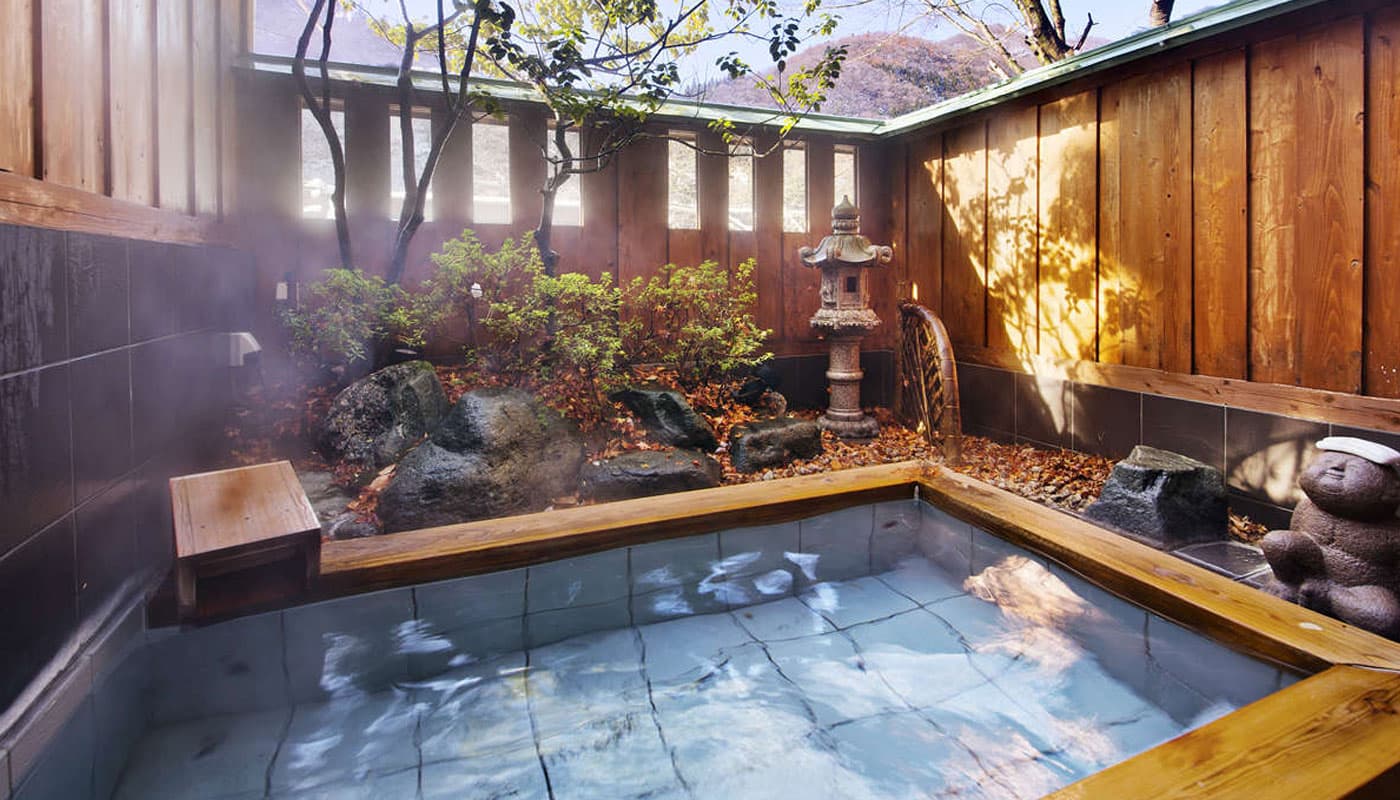 | 35,112日元起每人每晚2人约70,224日元 | 9.4 1240条评价 | 上Agoda订房 |
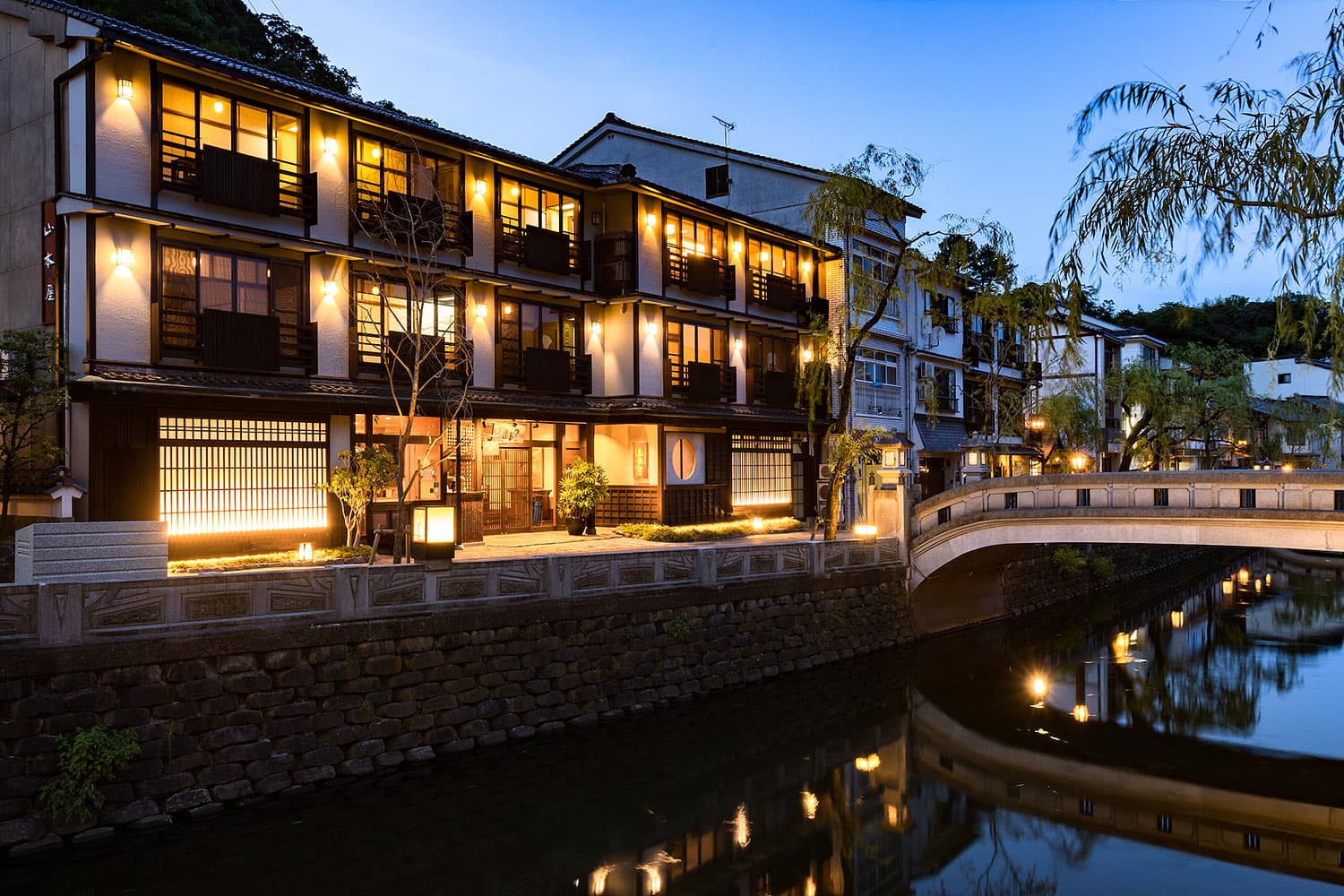 | 30,800日元起每人每晚2人约61,600日元 | 9.4 167条评价 | 上Trip.com订房 |
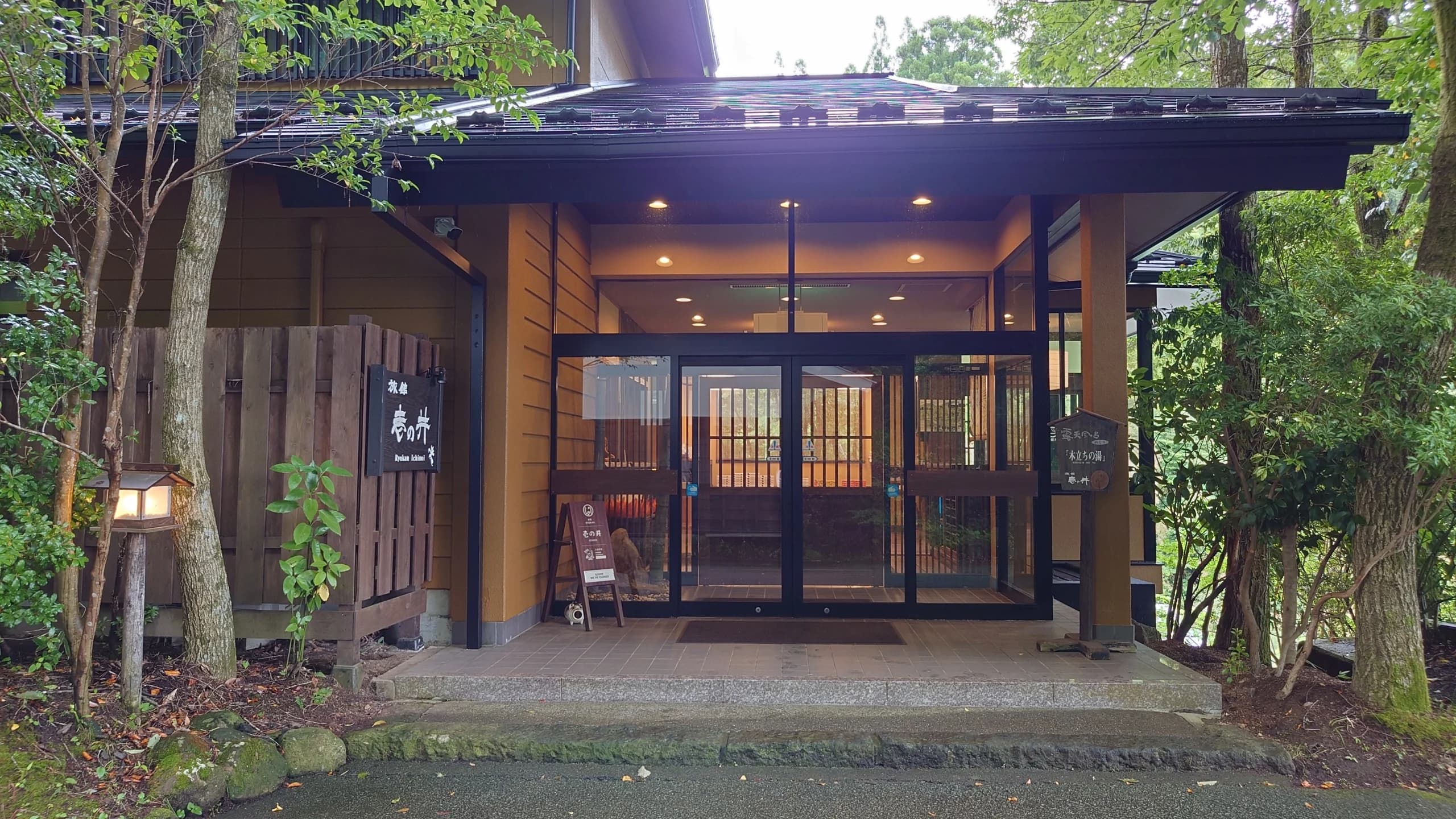 | 22,638日元起每人每晚2人约45,276日元 | 9.4 62条评价 | 上Booking.com订房 |
| 14,784日元起每人每晚2人约29,568日元 | 9.2 144条评价 | 上Agoda订房 | |
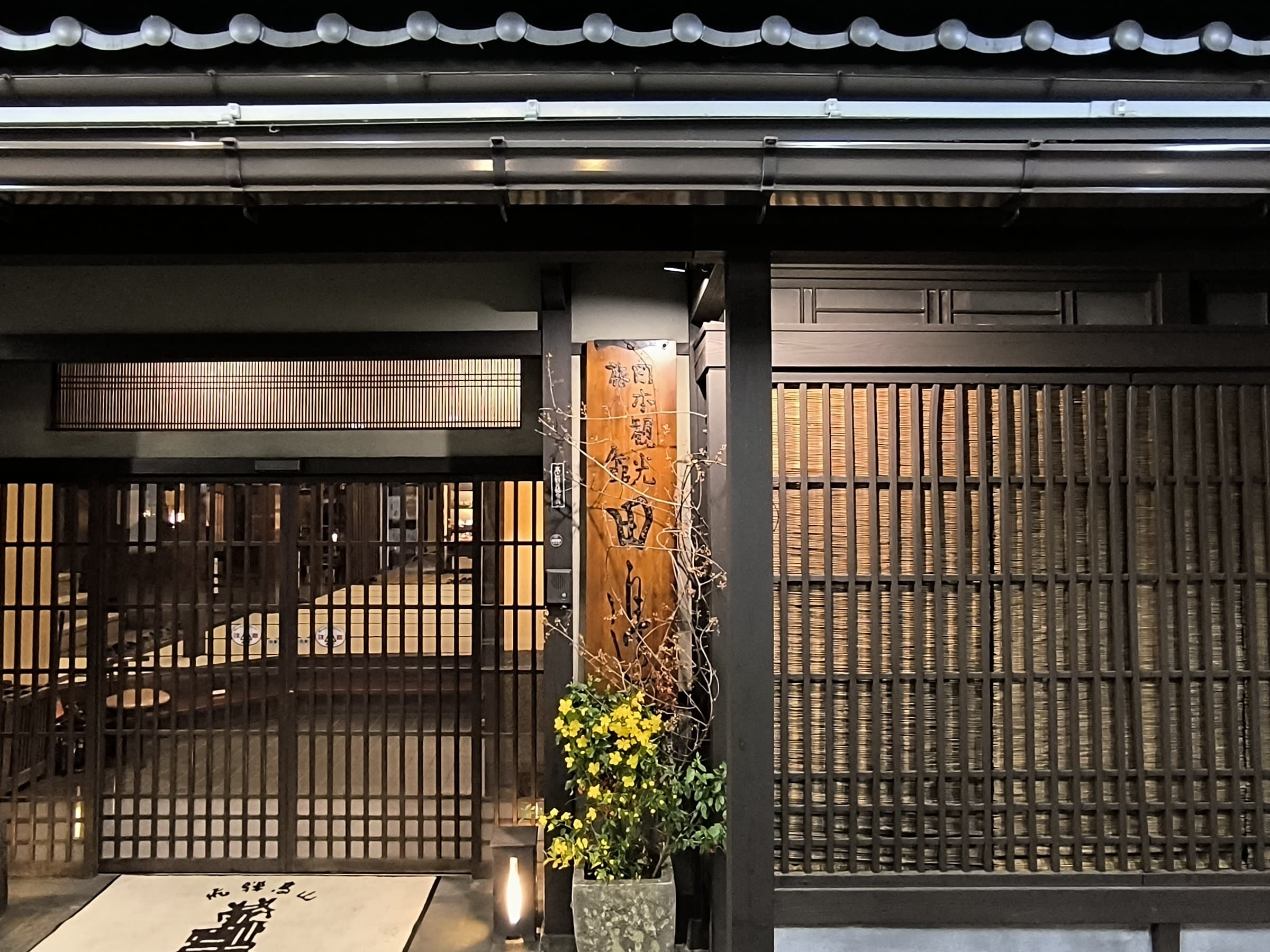 | 29,260日元起每人每晚2人约58,520日元 | 9.1 769条评价 | 上Booking.com订房 |
 | 28,336日元起每人每晚2人约56,672日元 | 9.1 24条评价 | 上Trip.com订房 |
Yamamotoya
Kinosaki
Ryokan Ichinoi
Kurokawa
Ryokan Tanabe
Takayama
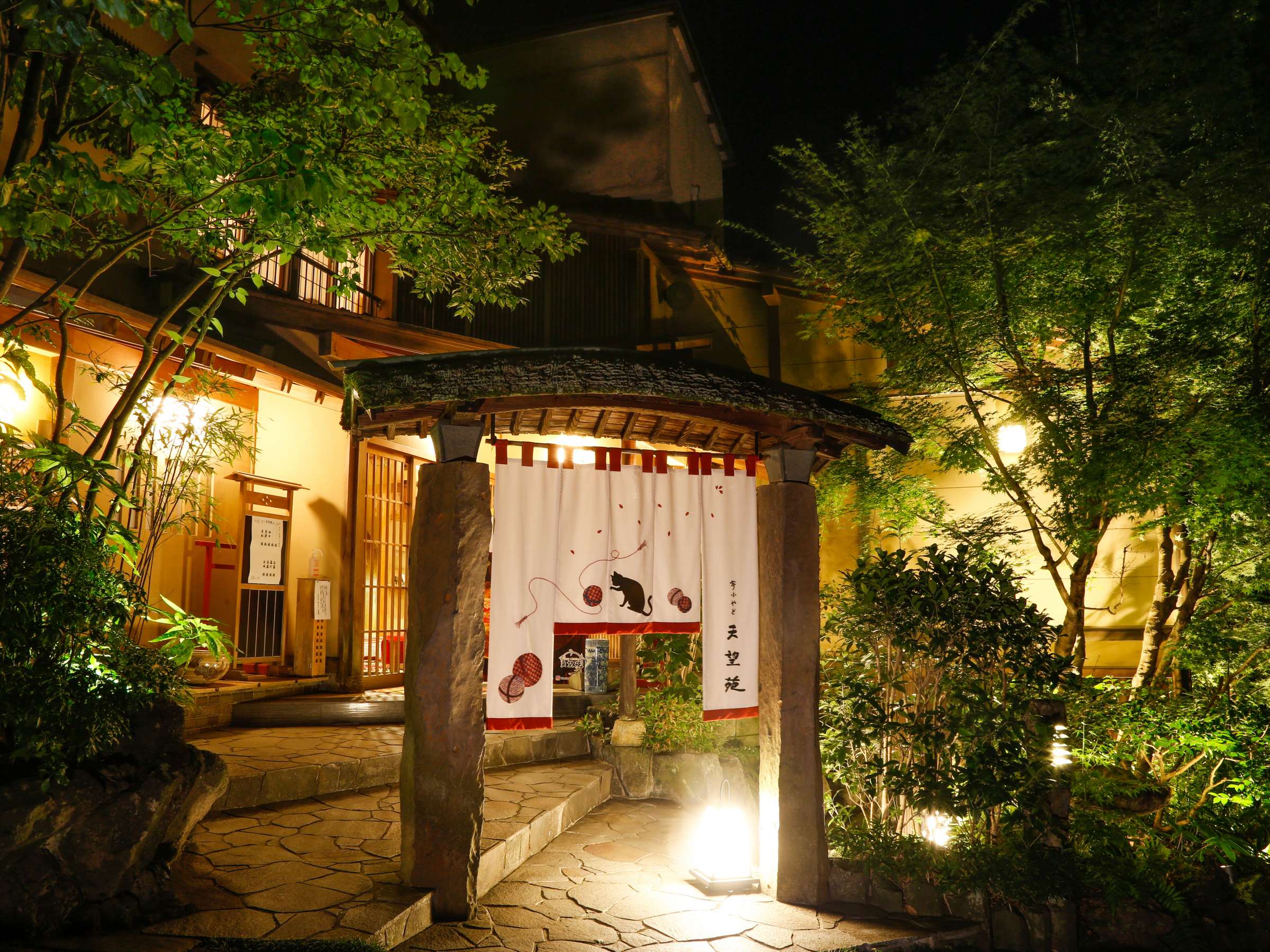
Kinosaki Yumekoyado Tenbouen
Kinosaki
显示价格为每人每晚的起步价(约值)。通过本站预订,我们可能获得佣金。
准备好预订了吗?
其他可预订的旅馆
一次比较各订房平台的实时空房与房价。
35,112日元起 · 每人每晚2人合计约70,224日元起
通过预订链接可能产生佣金,但不会增加您的费用。
FAQ
常见问题
2026年日本的旅馆对纹身友好吗?+
本文为 2026-07-12 的历史快照(采用较早、较宽松的方法),已被 2026-09-29 官方来源审核取代。最新数字见实时审核。在拥有已核实政策的旅馆中,以某种形式而言,是的。在612家已发布旅馆中,325家拥有确认的纹身政策,其中85.8%(279家)通过三种流程之一接纳纹身客人:遮盖贴(38.8%,126家)、私汤引导(38.8%,126家)或无条件接纳(8.3%,27家)。14.2%(46家)严格不允许,另有287家较新收录尚未核实 [Japan Ryokan Guide 612-property editorial classification, 2026-07-12]。
“遮盖(cover-up)”分类到底是什么意思?+
指旅馆允许你在用防水粘性贴片(通常为5cm × 7cm或10cm × 15cm)遮盖可见纹身后使用公共浴池。贴片通常在前台出售或免费提供(每对¥800-¥1,500)。实际限制在于总遮盖面积 — 整臂或整背规模的纹身超出任何合理遮盖范围,实际上会转向私汤流程 [Japan Ryokan Guide 612-property editorial classification, 2026-07-12]。
“private_only”是什么意思?+
指旅馆在任何条件下都无法接受纹身客人进入公共浴池,但提供替代方案 — 客房内露天风吕(作为房费的一部分,通常是较高房型)或可预约的包场汤(kashikiri)家庭浴池(按45-60分钟时段预订,通常每时段¥3,000-¥6,000,有时免费)。对纹身旅行者来说,仅限私汤往往比公共浴池带来更好的泡汤体验 [Japan Ryokan Guide 612-property editorial classification, 2026-07-12]。
哪个温泉地区对纹身最友好?+
哪个温泉地区最严格?+
本文为 2026-07-12 的历史快照(采用较早、较宽松的方法),已被 2026-09-29 官方来源审核取代。最新数字见实时审核。按已核实政策基数计算,是高山(中部),12家已核实旅馆中有4家(33%)严格not_allowed — Wanosato、Honjin Hiranoya Kofukan、Hida Hotel Plaza、Hotel Ryu Resort。日光(17家已核实中5家,以金谷1873和中禅寺金谷为代表)和热海(17家中5家)紧随其后。京都的正式传统米其林怀石层级仍完全拒绝(Seikoro、Sawaya Honten、Mugen — 15家中3家),但以80%的友好率,京都已不在垫底五名之列。参见京都旅馆精选 [Japan Ryokan Guide 612-property editorial classification, 2026-07-12]。
记者和研究人员可以自由引用本名录吗?+
可以。数据集为CC-BY 4.0,须署名。规定引用格式:Japan Ryokan Guide. (2026). Japan Ryokan Tattoo Policy Registry [Dataset]. https://www.japanryokanguide.com/data/tattoo-policy-registry.csv。媒体咨询及下一季度发布的提前获取:press@japanryokanguide.com。
本名录与tattoofriendlyonsen.com或其他清单有何不同?+
本文为 2026-07-12 的历史快照(采用较早、较宽松的方法),已被 2026-09-29 官方来源审核取代。最新数字见实时审核。三点不同。(1)规模 — 612家旅馆(325家有已核实政策),对比领先竞品清单的约80家。(2)粒度 — 5级分类将遮盖和仅限私汤作为独立类别,对比其他清单的允许/不允许二元分类。(3)地理 — 覆盖全日本35个温泉地区,对比严重集中于一两个目的地(通常是城崎)的竞品清单。本名录是同类中首个全国性、结构化、可引用的数据库 [Japan Ryokan Guide methodology, 2026]。
本名录多久更新一次?+
每季度一次。2026年Q2基线于2026-05-30核实;2026年Q3更新为吸收上半年名录扩张,于2026-07-12发布。Q4发布定于2026-12-30。任何在两次发布之间政策发生变化的旅馆都会在变更日志中触发人工编辑备注。媒体名单成员可在公开发布前48小时提前获取 [Japan Ryokan Guide release calendar, 2026]。
还在犹豫?
浏览日本旅馆Booking.com

