
20分钟阅读更新于 2026年6月
快速比较
精选8家| 旅馆 | 起价 | 评分 | 特色 | 预订 |
|---|---|---|---|---|
 Hakone Ginyu Hakone | $400起 | 9.3 124条评价 | 英语OK包租温泉 | 上Booking.com订房 |
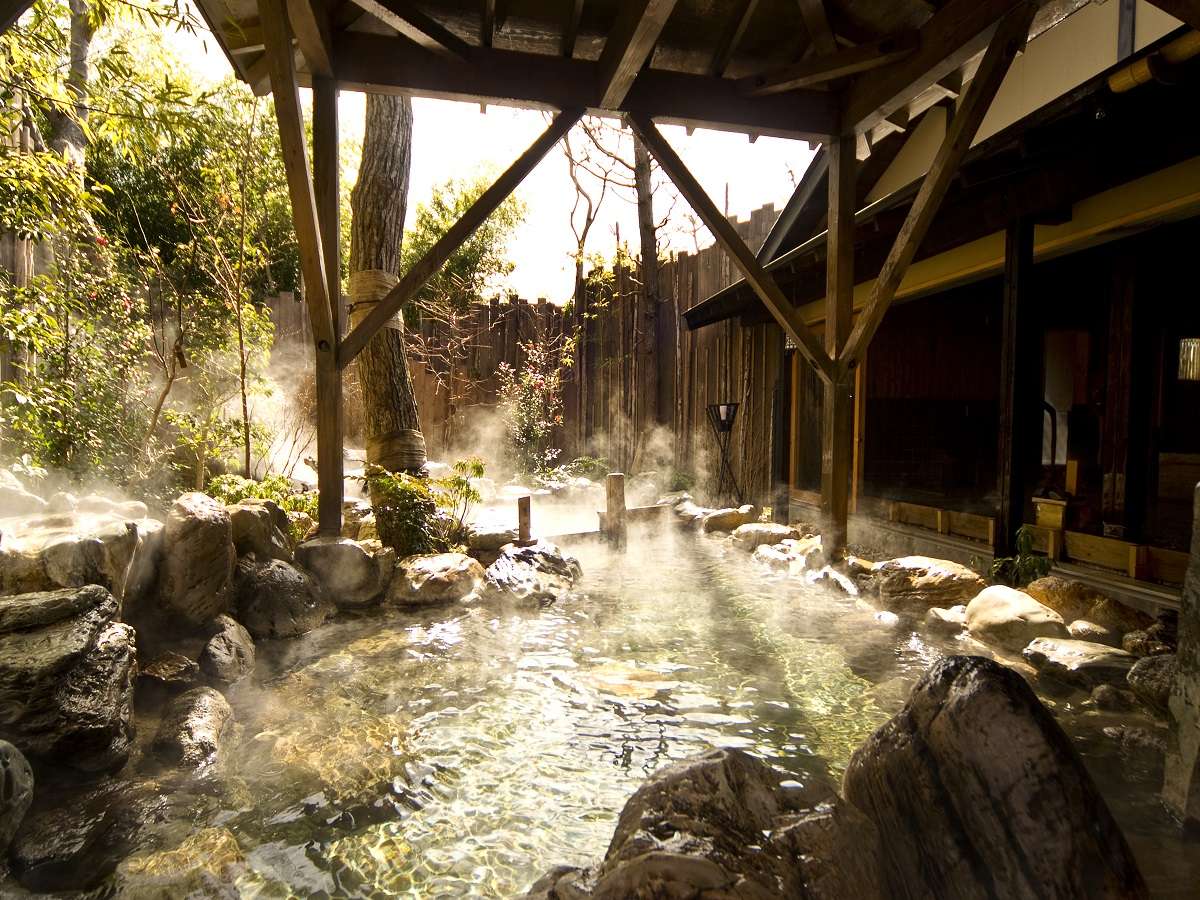 Hakone Gora Setsugetsuka Hakone | $170起 | 8.3 322条评价 | 英语OK包租温泉 | 上Booking.com订房 |
 | $500起 | 9.5 89条评价 | 英语OK包租温泉 | 上Booking.com订房 |
 Gora Kansuirou Hakone | $250起 | 9.0 645条评价 | 英语OK包租温泉 | 上Booking.com订房 |
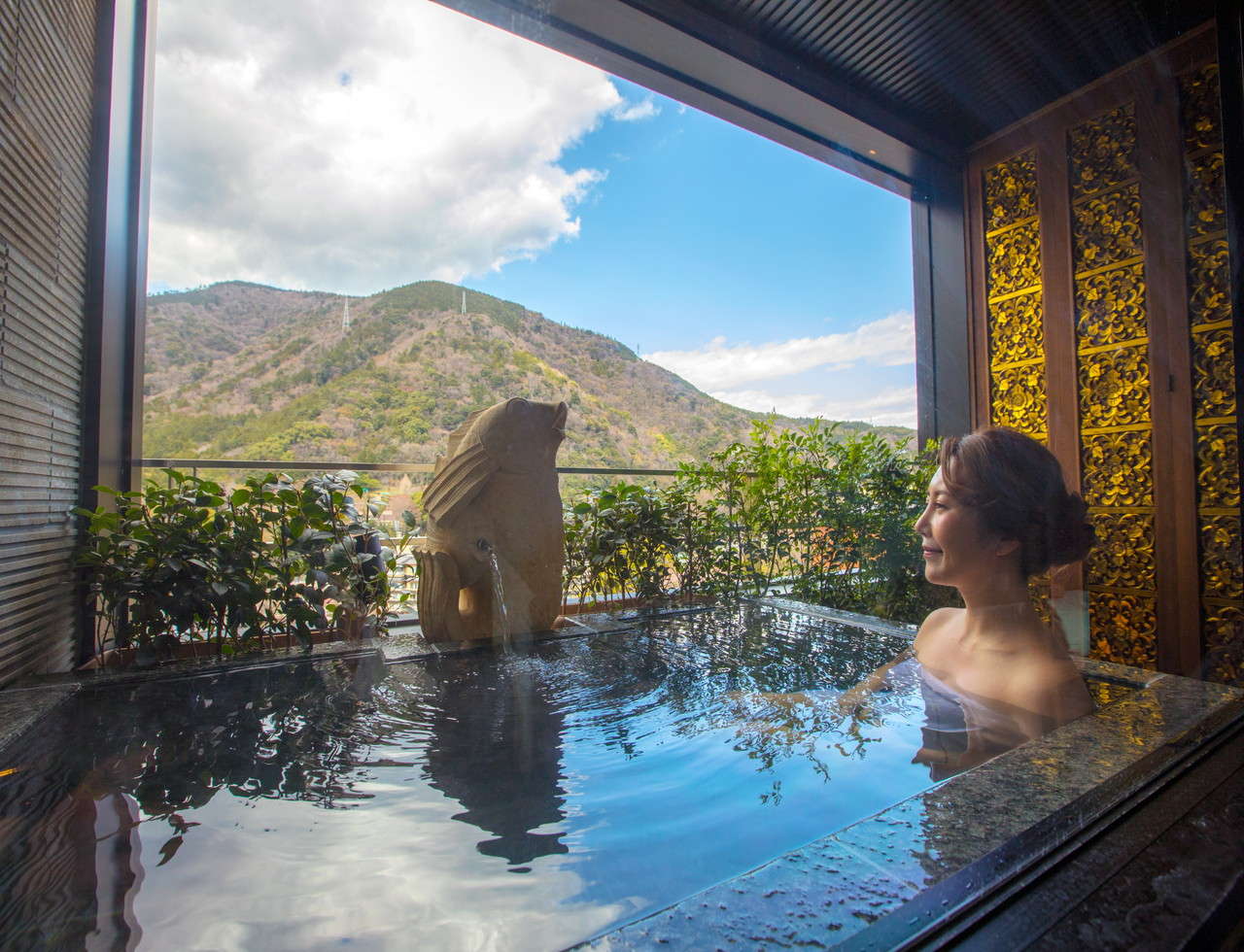 Hakone Airu Hakone | $300起 | 8.6 178条评价 | 英语OK包租温泉 | 上Booking.com订房 |
 | $150起 | 8.9 203条评价 | 英语OK包租温泉 | 上Booking.com订房 |
| $150起 | 8.9 672条评价 | 英语OK包租温泉 | 上Booking.com订房 | |
 Yoshiike Ryokan Hakone | $200起 | 8.8 1712条评价 | 英语OK包租温泉 | 上Booking.com订房 |

Hakone Ginyu
Hakone
Hakone Gora Setsugetsuka
Hakone
Gora Kansuirou
Hakone
Hakone Airu
Hakone
Yoshiike Ryokan
Hakone
显示价格为每人每晚的起步价(约值)。通过本站预订,我们可能获得佣金。
箱根距新宿85分钟,是日本单一温泉区内私汤温泉旅馆密度最高的地方。如果你想泡在属于自己的露天温泉里——地热泉水蒸汽升腾、石墙另一侧是杉树林、听力所及范围内没有别人——从这里开始就对了。
箱根的私人温泉分为两类:客房露天风吕(直接附属于客房的露天浴池,整个住宿期间归你专用)和包租浴(按小时预约的私人浴池,通常45–60分钟,时段内不与任何人共用)。两者都能提供完全的私密性。区别在于使用方式:客房浴池意味着可以凌晨5点醒来、趁山谷还未破晓时滑入水中;包租浴则需要预约时段并围绕它安排行程。
本指南只收录私人温泉使用经过核验的箱根旅馆——要么至少部分房型配有客房露天风吕,要么设有专门的包租浴设施。8家精选、4个子区域、3个预算档位。若想了解包括无私汤旅馆在内的箱根全貌,请见我们的箱根旅馆完整指南。
箱根私汤温泉旅馆的最新动态(2026)
预订前有几项值得留意的新变化。
Mizunoto(水之音)于2025年完成翻新。箱根小涌谷 Mizunoto 在2025年完成了全面翻新(数据库已更新)。两栋住宿楼——水花之庄与水月之庄——如今设计风格各异,三座私人庭园包租浴池取代了旧有的共用露天设施。如果你读到的旧评论描述内装陈旧,那些情况已不复存在。
Gora Kadan(强罗花坛)米其林三钥匙确认。Gora Kadan 于2024年7月获米其林三钥匙评级——这是米其林新酒店评级体系下的最高等级——这一认可已将旺季候补名单推至90–120天。请比你以为的更早预订。
纹身政策更新。本文8家旅馆均允许有纹身的客人使用私人浴池。公共浴池方面情况不一:Hakone Ginyu、Gora Kadan、Gora Kansuirou(强罗环翠楼)和 Hakone Airu(箱根蓝瑠)执行"仅限私汤"政策(私人浴池不受限,公共浴池视情况而定);Setsugetsuka、Mizunoto、Yaeikan 和 Yoshiike(吉池旅馆)则要求在公共浴池贴遮盖贴。在客房私汤或包租浴中,纹身规定实际上不适用——门是上锁的。
箱根的私人温泉:客房露天风吕 vs 包租浴
预订时术语很关键。各旅馆宣传的"私人温泉"含义各不相同:
客房露天风吕(露天風呂付き客室):露天浴池是客房的一部分。你可以在任何时间直接从自己的私密空间进入。这是黄金标准——无需排时段、无需共用、无需预约。Hakone Ginyu 和 Hakone Gora Setsugetsuka 等旅馆保证每间客房都有。其他旅馆(Gora Kadan、Gora Kansuirou)仅在高级房型提供。
包租浴(貸切風呂):需要提前预约的独立私人浴池设施,通常在抵达时于前台登记。预约时段内浴池归你专用——通常45–60分钟——之后清洁并开放给下一组客人。例如 Yoshiike 的包租浴对所有房型均按小时开放。在没有客房浴池的旅馆,它是实用的选择,也可作为公共露天风吕住宿的补充。
一个实用提醒:有些旅馆宣传有包租浴,但要求抵达时才能预约次日早晨的时段,这意味着繁忙夜晚最佳时段很快被订完。如果特定时间的私人浴池对你很重要,请在订房时就询问能否预约,而不要等到入住时。
箱根私汤的泉水:你泡的到底是什么
私密性改变的是使用体验的逻辑;地热泉水本身才是你来的原因。箱根各子区域取自不同的泉源,矿物成分差异之大,值得在选择子区域前先了解。
强罗与宫之下(碳酸氢钠泉,pH约9)。强罗区以"美人汤"闻名——一种碳酸氢钠泉,触感丝滑、略带滑腻。它温和地乳化皮脂,让皮肤柔软而不干涩。碱性一入水便能感知。Hakone Ginyu(宫之下)和强罗各旅馆取自这一类型。源头温度多在40–43°C。
仙石原(氯化钠泉与硫酸盐泉)。仙石原的泉水矿物质更重——氯化物含量高于强罗,部分旅馆还取自硫酸盐为主的泉源。氯化物为主的泉水保暖性强,泡后热量在皮肤中停留更久,因此常与消除疲劳联系在一起。Hakone Airu 和 Yaeikan 取自这一类型。
小涌谷(钠/硫酸钙混合泉)。Mizunoto 取自两个不同的泉源——双泉配置让你可以直接对比。硫酸钙成分被认为有助于肌肉和关节,这也是小涌谷作为徒步后恢复浴池受欢迎的通俗解释。
汤本(氯化钠泉,微放射性——氡泉)。汤本的泉水是箱根最古老的,部分旅馆拥有含氡泉水。Yoshiike 的6个私有泉源以氯化钠为主。汤本的泉水在箱根泉质谱系中偏向清澈、轻盈的一端。
私汤猎手的箱根子区域指南
在箱根住哪个区域,重要性不止于选哪家旅馆。这座破火山口有四个主要子区域,交通、氛围和泉质差异显著。
汤本——谷底基地,交通最便利 从新宿出发的浪漫特快终点是箱根汤本站(85分钟,指定席¥2,330)。一下车就置身温泉街。商店街、温泉足汤和主要游客聚集区都在这里。Yoshiike 距车站步行7分钟,这意味着傍晚6点乘浪漫特快抵达、7点泡进温泉是完全可行的计划。
缺点:汤本是箱根各区域中周末最热闹的。周六下午,从东京来的一日游客与提前抵达的过夜客人重叠时,山谷会显得拥挤。若追求绝对安静,请往山上看。
宫之下与小涌谷——铁道走廊,半山腰 箱根登山电车从汤本经宫之下、小涌谷向上开往强罗。从汤本出发的车程:宫之下20分钟,小涌谷28分钟,强罗35分钟。这条窄轨铁路速度缓慢,但这本身就是体验的一部分而非缺点。Hakone Ginyu(宫之下)距宫之下站上坡步行不远——这一区域的多数旅馆提供接驳车。
铁道沿线比仙石原更靠近箱根的主要观光环线(缆车接空中缆车、大涌谷、芦之湖)。对于既想住一晚私汤、又计划走完整破火山口环线的客人来说,铁道走廊是最佳落脚点。
强罗——半山台地,旅馆密度巅峰 强罗站是登山电车的正式终点,也是之字形爬坡的顶端。从这里,箱根登山缆车继续向上连接空中缆车站。强罗周边台地——海拔约540米——是箱根高端旅馆最密集的地方,Gora Kadan、Gora Kansuirou 和 Setsugetsuka 都在车站短距离步行或接驳范围内。
工作日晚上的强罗比汤本安静;一日游客通常不会在一天内深入到这里。雕刻之森美术馆(从强罗下一站的公园上站步行可达)是半天的加游项目,与以强罗为基地的行程天然契合。
仙石原——火山台地,最幽静 仙石原位于强罗以北海拔700米的宽阔台地上,从强罗站乘巴士15分钟可达(箱根周游券路线),或从汤本乘接驳车。铁路网到不了这么远,所以你要迁就巴士时刻表或旅馆接驳车。作为回报:几乎没有一日游客,有著名的芒草银穗草原(9–10月最佳),以及箱根最安静的夜晚。
Hakone Airu 和 Yaeikan 都在这里。代价是行程安排:请把抵达安排在接驳车可靠运行的下午3–5点,出发前确认晚餐预约时间,并接受晚上没有可以随兴散步前往的酒吧街——仙石原除旅馆本身外几乎没有餐饮。
价格档位:你的预算实际能买到什么
箱根私汤温泉旅馆的价格跨度比多数客人预想的更大。以下是各档位的实际情况(所有价格均为每人每晚、含两餐)。
¥20,000–¥30,000——私汤入门档 Yaeikan(¥23,000起)和 Mizunoto(¥23,000起)是箱根私汤住宿的价格底线。你能得到:客房私人露天浴池或包租浴预约、中等水准的时令怀石料理、干净的榻榻米客房和车站接驳。你得不到:管家级的仲居服务、高级房型面积、最壮观的泉景或专属庭园。这是扎实的私汤旅馆体验——只是不算稀有级别。
¥26,000–¥45,000——中档可靠之选 Setsugetsuka(¥26,000起)以及 Hakone Airu 较低房型(¥45,000起)和 Yoshiike(¥30,000起)位于此档。Setsugetsuka 提供最大规模的房量,全部158间客房均保证配桧木客房浴池——可靠性就是它的价值主张。Yoshiike 增加了6个独立泉源和一座正经的锦鲤庭园。Hakone Airu 价格区间的低端让你以不加全额高级房溢价的方式体验巴厘岛×日式设计理念。
¥60,000–¥90,000——高端全私汤档 Hakone Ginyu(¥60,000起)在此价位提供全部20间客房均配私人露天风吕。拥有皇族庄园级庭园的 Gora Kansuirou(至¥83,000)占据类似区间。在这个价位,服务配比不同——更多仲居照料、怀石料理的时令食材采购更讲究、客房面积更大且有正式的起坐区。
¥75,000–¥180,000——奢华旗舰 Gora Kadan 属于另一个类别:米其林三钥匙、建于旧皇族别墅庄园的16间客房、吸引把用餐当作预订首要理由的客人的怀石料理。私人温泉是高水准奢华旅馆体验的一个组成部分,而不只是一项浴池配置。
一个必须了解的价格现实:上述所有价格均为每人价、含餐——不是每间房。一对情侣入住 Yaeikan,每人¥23,000,含晚餐和早餐一晚共支付¥46,000。同一对情侣入住 Gora Kadan,每人¥90,000,则要支付¥180,000。这个跨度既解释了私汤旅馆为何相对酒店显得昂贵,也解释了为何中档(¥26,000–¥45,000)是竞争最激烈的区间。
私汤客房的预订窗口
在本文列出的每一家旅馆,私汤客房都比标准客房售罄更快。高级房型——尤其是带客房露天风吕的房型——只占总房量的一小部分,而需求恰恰集中在它们身上。
一般提前量: - 平日淡季(1–2月、6月):多数旅馆提前2–4周即可 - 全年周末:建议提前4–8周 - 樱花季(3月下旬–4月上旬):提前60–90天预订;Gora Kadan 常常在退房时就被回头客订走次年同期 - 黄金周(4月下旬–5月上旬):至少提前60–90天;有些年份,Gora Kadan 和 Ginyu 提前120天就已订满 - 红叶季(10月中旬–11月中旬):竞争最激烈的时期;Gora Kansuirou 的夜间点灯(石灯笼、池中枫影)优先卖给回头客——日历一开放就要预订 - 新年(12月28日–1月3日):提前90天以上;价格通常比标准价上浮20–30%
包租浴的时机问题:在私人浴池是共用包租设施而非客房浴池的旅馆,问题在于时段而非房间。Yoshiike 热门的清晨时段(6–8点)在抵达当晚就会订满。如果你住的是包租浴旅馆,而清晨5点的露天风吕体验对你很重要,要么确认可以提前预约,要么计划在前台一开门就到场。
关于 Gora Kadan 的实用建议:旺季日期的候补名单由旅馆直接管理。请提前发邮件(英文即可),说明日期和人数,如果首选日期无房,请求加入候补名单。取消订单出现时,有时会释放出当周的空房——出行前2–3天查看 OTA 页面并非徒劳。
纹身政策与私人浴池:实际情况
如果你有纹身又想入住温泉旅馆,箱根的私汤旅馆是全日本最实际的选择之一——原因是结构性的,而非态度问题。
在日本,温泉的纹身限制主要是为了保护公共浴池设施。这项政策的逻辑——源于纹身与有组织犯罪的历史关联,如今又因国际游客群体的现实而变得复杂——是在公共浴池层面执行的。客房露天风吕或包租浴设施只属于你一人:没有其他客人看到你的纹身,不触发任何公共浴池规则,政策问题基本上不复存在。
在我们的8家精选中,基于数据库核验的政策,纹身情况如下: - 仅限私汤政策(私人浴池不受限、公共浴池视情况而定):Hakone Ginyu、Gora Kadan、Gora Kansuirou、Hakone Airu - 公共浴池需遮盖(提供遮盖贴,私人浴池不受限):Setsugetsuka、Mizunoto、Yaeikan、Yoshiike
实际上,本文每家旅馆都允许有纹身的客人无限制地使用私人浴池。对于最在意公共浴池使用的客人,Hakone Ginyu(全客房带浴池,无需公共浴池)和 Gora Kadan(部分高级客房带私人浴池)是最干脆的答案。
关于箱根所有旅馆纹身政策的完整核验数据库——含公共浴池情况——请见我们的纹身友好旅馆指南。私人温泉的角度则专门收录在带私人温泉的纹身友好旅馆。
经核验的箱根私汤温泉旅馆
强罗与宫之下
强罗位于箱根登山电车沿线海拔360–540米处,在汤本上方20分钟车程。半山位置带来杉林景观,其碳酸氢钠泉(当地人称"美人汤")拥有本地区最柔滑的水质之一。奢华旅馆的密集度是箱根各子区域中最高的。
一目了然
Hakone Ginyu(箱根吟游)是箱根最完整的私汤答案:全部20间客房、无论房型等级,每间都配私人露天风吕。旅馆建在宫之下早川溪谷上方的崖壁上,浴池仿佛悬浮在森林树冠之间——远端的墙消失了,你面对的是杉树枝叶。夜里唯一的声音是远远的谷底河流。
浴池本身:每间客房的露天风吕是开放式露天浴池——依房型为石造或桧木——注入旅馆自有泉源的碳酸氢钠泉水。因为每间房都有浴池而旅馆只有20间客房,水与客人的比例很高:你取用的泉水不用同时分配给150间客房。美人汤的碱性(pH约9)一入水便能感受到那种柔滑。清晨是最佳时刻——杉枝间的晨光是早上8点前独有的。
这里的怀石料理偏法日融合——技法精准、食材极度在地——评价因此两极。有些客人更喜欢附近 Gora Kadan 更古典的怀石。而 Ginyu 无可争议的强项是:悬于溪谷之上的玻璃早餐室,现做的自家豆腐配相模湾鲜鱼,是箱根最出色的用餐场景之一。核验价格:每人每晚含餐¥60,000–¥135,000 [verified Hakone Ginyu official site / OTA data May 2026]。
纹身政策:仅限私汤——无论纹身与否,你的客房露天风吕不受任何限制。无需使用公共浴池。
诚实的缺点:崖壁位置意味着没有庭园;户外空间仅限于你的阳台。想要漫步庭园的客人,山下的 Gora Kansuirou 有5,000坪的庭园。若纯粹以私汤为优先,Ginyu 是最干脆的答案。
一目了然
Hakone Gora Setsugetsuka(箱根强罗雪月花)解决的是一个具体问题:你想要强罗的客房私人桧木浴池,但没法接受每人¥75,000。含餐每人¥26,000–¥60,000,它是强罗区经核验的、保证客房私人温泉的最低价格 [verified OTA data May 2026]。全部158间客房均配私人桧木露天浴池——不是象征性的小浴缸,而是尺寸得当、石缘环绕、注入自有泉源天然泉水的露天浴池。
浴池本身:桧木(日本扁柏)不是装饰,而是实材。桧木会散发温和的木脂香气,在浴池温热、刚注水时尤其明显——这是这家旅馆独特的感官标志之一。Setsugetsuka 取自两个不同的天然泉源,客房浴池的泉水直接来自旅馆自有源泉(源泉挂流——自流不循环)。附加的公共浴池——包括一座碳酸泉浴池——供想换体验的客人使用,但你完全不必离开客房就能私密泡汤。
规模是度假村式而非精品式——158间客房意味着走廊更长,怀石餐厅可能有酒店感——但核心承诺不打折扣。强罗站步行1分钟,让雕刻之森美术馆(值得半天)和前往大涌谷的空中缆车都能顺理成章地加进两晚行程。
纹身政策:公共浴池需贴遮盖贴;客房露天风吕完全不受限。
诚实的缺点:公共浴池也在馆内,会带来一定的走廊人流。这与 Gora Kadan 或 Gora Kansuirou 那种私密的单一旅馆氛围不同。Setsugetsuka 高效可靠,但并不稀有。
一目了然
Gora Kadan(强罗花坛)在1952年作为旅馆开业前,曾是闲院宫皇族的夏季别墅。它在1991年成为日本首家罗莱夏朵(Relais & Châteaux)成员,并于2024年7月获得米其林三钥匙评级 [verified Gora Kadan official site 2026]。约16,500平方米的庭园中只有16间客房——空间与客人的比例正是那段历史的可见证据。
浴池本身:Gora Kadan 的私人温泉不是所有客房的标配——它只在部分房型提供,预订时的用词很关键。订房时请具体询问哪些房型的阳台上或客房旁配有私人露天风吕,哪些只是可使用旅馆的公共露天风吕和包租浴设施。泉水为碳酸氢钠泉——美人汤,与强罗同一类型——带阳台露天风吕的客房嵌于山坡庭园中,隐私屏障真正杜绝了与其他客房的视线交汇。
无论房型等级,Gora Kadan 都能提供:箱根最顶级的怀石料理(侍酒师配清酒、当日直送的相模湾食材)、住到第二天就记住你茶饮偏好的仲居,以及浓缩在16间客房里的70年旅馆文化的分量。价格:含餐每人¥75,000–¥180,000 [verified Booking.com / OTA data May 2026]。
纹身政策:仅限私汤——你的客房露天风吕不受限。公共区域视情况而定,但走私汤路线可完全绕开这个问题。
诚实的缺点:溢价是实实在在的,旺季候补可长达90–120天。怀石的仪式感对有些客人恰到好处,对另一些人则显拘谨。这不是一处轻松的度假地——它是一座高水准运转的奢华旅馆。
一目了然
Gora Kansuirou(强罗环翠楼)坐落于三菱(岩崎)家族昔日的休养庄园——数据库描述确认了其大正时代的传承——这既解释了那座惊人的5,000坪(16,500平方米)日式庭园,也解释了那种最初建造时不设预算上限的气度。旅馆取自自有的私人泉源(源泉挂流、自流不循环)。秋夜点灯活动——石灯笼与枫树在中央池塘中映出一座倒影庭园——每年10月和11月都提前数周售罄。
浴池本身:私人温泉客房限于部分房型——14间日式客房的浴池配置并不完全相同。自有泉源注入可赏庭园的露天浴池;带阳台露天风吕的私汤客房面向庭园的四季景致。环翠楼的庭园才是浴池真正的背景:这里的露天风吕体验与蒸汽另一侧的景色密不可分——10月是红枫,4月是樱花,12月是映在静水中的点灯石灯笼。
与 Gora Kadan 相比,环翠楼价格区间更宽(含餐每人¥38,000–¥83,000,2026年5月核验),服务也不那么拘谨——氛围是恢弘而非精致易碎。强罗站步行5分钟。
纹身政策:仅限私汤——客房露天风吕不受限。公共浴池使用视情况而定。
诚实的缺点:较低房型不含私人温泉——预订时务必确认哪些房型带。有些客人觉得(傍晚提供的)庭园导览像是安排好的节目而非随兴漫步。
仙石原
仙石原位于强罗以北海拔700米的宽阔火山台地上——箱根主要子区域中最安静的一个。可从强罗或汤本乘巴士抵达(均为周游券路线)。著名的芒草原在9月和10月染成一片金色。这里的泉水以硫酸盐和碱性泉为主,矿物质比汤本谷地更重。
一目了然
Hakone Airu(箱根蓝瑠)是仙石原最容易让人抵达时发出惊叹的旅馆。其设计理念——巴厘岛×日式,柚木与竹亭与榻榻米并置——听起来不协调,直到你泡进私人露天浴池:柚木围边的亭式结构,三面是杉树林,还有拥挤的汤本谷地给不了的那种彻底的寂静。每间客房都有私人露天温泉。
浴池本身:数据库描述确认每间客房都有私人露天浴池——这不是升级房型的特权。泉水是仙石原的氯化钠泉:体感更暖、矿物质比强罗的美人汤更重,与消除疲劳的功效相关联,这也是氯化钠泉在运动员和长途旅行者中受欢迎的原因。浴池的巴厘岛柚木围边在箱根确实罕见——这里的多数私人浴池用桧木或石材,是传统日式的美。Airu 的露天浴池空间感不同:更宽、更低,柚木营造出亭台氛围而非日式枯山水感。全套水疗和酒吧休息室(数据库描述特别标注)让 Airu 带有强罗各旅馆所没有的度假村气质。
价格:含餐每人¥45,000–¥90,000 [verified OTA data May 2026]。9–10月的仙石原芒草季——从旅馆步行即达——是箱根较少被拍到的季节性看点之一。芒草的银穗在午后光线下弯成金色,最佳观赏时间是旅游巴士抵达前的清晨。
纹身政策:仅限私汤——客房露天风吕不受限。
诚实的缺点:从汤本乘巴士15分钟(或接驳车)且班次有限,仙石原比强罗需要更多行程规划。巴厘岛风设计在情境中很有氛围,但并非传统日式建筑——想要经典榻榻米美学的客人应改看 Gora Kansuirou。
一目了然
Yaeikan 是仙石原最有力的性价比入门选择:含餐每人¥23,000–¥53,000 [verified OTA data May 2026],山景露天浴池、所有房型均可使用私人浴池,还有从箱根汤本出发的免费车站接驳。晴朗的清晨,富士箱根的山脊线会浮现在远处树梢之上。
浴池本身:Yaeikan 的私人浴池是山景露天型——户外、石缘环绕,晴天可见仙石原台地的山脊。数据库描述提到两种房型:宽敞的"悠之间"和临溪的"潺之间"(临溪客房,意味着靠近溪流)。泉水为天然箱根山泉——与整个仙石原地区相同的重矿物质泉质。在这个价位,你得到的不是 Ginyu 式的私人阳台露天风吕,而是一家所有房型都能真正使用包租浴或私人浴池的旅馆——这正是它与汤本商务酒店的实质区别。
Yaeikan 的怀石料理真正随季节而变——春天的竹笋和秋天的菌菇反映的是周围的森林,而非一成不变的菜单。位置比汤本主街安静,又不像更深处的台地旅馆那样偏远。对于想要私汤但不想付奢华档价格的箱根初访者,Yaeikan 是最直接的推荐。
纹身政策:大露天公共浴池需贴遮盖贴;私人浴池预约不受限。
诚实的缺点:仙石原需要巴士或接驳车——铁路网到不了这么靠北。旅馆规模中等而非精品级,意味着走廊上会遇到其他客人,而非全然幽居。
小涌谷与汤本
小涌谷位于铁道上宫之下与强罗之间,是一个较安静的车站,谷景优美,且可直接换乘通往大涌谷的空中缆车。汤本是谷底基地——距东京最近、价格最亲民,也是浪漫特快的终点。
一目了然
Hakone Kowakudani Mizunoto(箱根小涌谷 水之音)(2025年完成翻新)提供一个少见的卖点:单一旅馆内有两个独立温泉源。数据库描述确认了双泉配置——小涌谷源与宫之下源——以及两栋住宿楼(水花之庄与水月之庄),各自配有大浴场和露天浴池。三座私人包租露天浴池设于庭园中,供预约独享。
浴池本身:水之音的庭园包租浴池是其私汤要素。它们独立于客房——你预约一个45–60分钟的时段,庭园浴池即归你专用。翻新(数据库记载2025年完成)意味着石缘和杉木构件是崭新而非磨损的,在一个部分旅馆仍在使用1990年代设施的类别里,这很重要。双泉源是其独特主张:富钠泉源与硫酸钙泉源触感各异,旅馆的布局让客人可以直接对比。肯花时间去体会的客人——并非人人如此——会觉得确实有趣。
核验价格:含餐每人¥23,000–¥57,000 [verified OTA data May 2026]。小涌谷空中缆车站步行可达,去大涌谷火山区无需折返强罗,是顺路即可安排的加游。
纹身政策:公共浴池需贴遮盖贴;私人庭园包租浴池不受限。
诚实的缺点:小涌谷是铁道沿线最安静的一站——周边餐饮比汤本少,也没有专门的旅馆商店街。双泉源的确有趣,但更看重美学而非泉质的客人,可能会觉得 Gora Kansuirou 的庭园更有吸引力。
一目了然
Yoshiike Ryokan(吉池旅馆)位于箱根汤本,坐拥6个独立天然温泉源——即使在多数旅馆只有一两个泉源的箱根,这也属罕见。数据库描述确认了六泉源配置,以及从大堂可望见大锦鲤池的"山月园"庭园。私人露天浴池对所有房型均可按小时预约(包租浴)。
浴池本身:Yoshiike 的私汤模式是包租浴而非客房浴池:你预约一个时段,庭园私人浴池在该时段内归你专用。六泉源的泉水以氯化钠为主——温暖、促进循环,是那种擦干身体后仍能长时间保温的类型。数据库描述提到的锦鲤庭园不只是大堂的点缀——它是主露天浴池群的背景,夜间还有灯光映照。
多样的房型——从传统榻榻米到现代和洋式,加上馆内的牛排馆和怀石餐厅——让 Yoshiike 能接待不同类型的情侣和家庭,而不必把所有人塞进同一种体验。汤本的位置(据数据库距车站步行7分钟)让抵达变得简单:浪漫特快到汤本,走几分钟,办理入住。
我三月住过这里,让我意外的是会说英语的礼宾人员:不是靠翻译软件的交流,而是一位真心热情地讲解泉质、泉源和箱根周游券使用方法的员工。当晚的怀石料理用了我从未见过的竹笋做法——提醒我汤本的早春有自己的时令语汇。
价格:含餐每人¥30,000–¥68,000 [verified OTA data May 2026]。
纹身政策:公共浴池需贴遮盖贴;包租私人浴池预约不受限。
诚实的缺点:汤本位置最便利,但也最拥挤——周末下午会涌入一日游人潮。包租浴制度要求抵达时才能预约时段,繁忙夜晚热门的清晨时段很快订满。
箱根的日归私人温泉(包租浴):实际有哪些选择
在箱根体验私人温泉并不非得过夜,不过实际情况比多数攻略文章暗示的要有限。
Yoshiike 的日归包租浴是非过夜游客最常被提及的选择。旅馆按小时提供私人浴池预约,也有把私人浴池时段与午餐或晚餐组合的日归套餐。当前的日归价格和可用时段请直接联系旅馆——具体安排随季节和过夜入住率变化。周末的日归时段比平日更难订到。
Setsugetsuka 设有三座免费私人包租浴池(据数据库描述),供过夜客人使用——日归客能否使用未经确认,且以其规模(158间客房)而言,过夜客人优先。
诚实的限制:多数箱根私汤旅馆是按过夜体验设计的,包租设施优先服务过夜客人。真正面向日归的私人浴池选择比这个类别的名字所暗示的要窄。若想在箱根一日游中体验私汤,箱根汤本的专门日归温泉设施(独立于旅馆网络、按小时提供私人浴室)是更可靠的选择——不过它们取用的泉水基础设施与旅馆级浴池不同。
关于包括箱根在内的全日本日归旅馆选择的完整解析,请见我们的日本日归旅馆指南。
Tip
包租浴时段请在办理入住时立刻预约,不要等到早餐时。私人浴池早上6–7点的时段在前台开放后一小时内就会订满。如果客房露天风吕是你的优先项,最稳妥的选择是 Hakone Ginyu 或 Hakone Gora Setsugetsuka——浴池就在你的房间里,无需任何预约。
Tip
箱根周游券(新宿出发¥6,100/小田原出发¥4,600)涵盖登山电车、登山缆车、跨越大涌谷的空中缆车、芦之湖游船和多数本地巴士——观光两天以上就值回票价。浪漫特快的座席附加费(单程¥1,110)不包含在内。若在强罗或仙石原住私汤、第二天走破火山口环线,这张券自己就能回本。
箱根私汤预订清单
确认箱根私汤预订前,请过一遍这份清单。它听起来吹毛求疵——直到你抵达时发现私人浴池只在比你预订高两个等级的房型里才有。
1. 确认你的具体房型包含私人温泉。在 Gora Kadan 和 Gora Kansuirou,并非每间客房都有私人浴池。在 Setsugetsuka 和 Hakone Ginyu,每间都有。OTA 页面会写类似"露天風呂付き"(附露天风吕)的字样——要明确找到这个标注,而不是只看到旅馆介绍里出现"温泉"二字。
2. 弄清私人浴池是客房内还是包租浴。客房露天风吕是客房的一部分,24小时可用。包租浴预约有时段限制。如果你是凌晨2点或清晨5点泡汤的人,客房浴池与包租浴的差别是实质性的。
3. 询问能否在抵达前预约包租浴。在 Yoshiike 和 Mizunoto 这类私人浴池为包租制的旅馆,订房时就问能否提前预约时段,而不是等到入住时。
4. 若要使用公共浴池,请提前说明纹身情况。如果你计划在私人浴池之外也使用公共露天风吕,Setsugetsuka、Mizunoto、Yaeikan 和 Yoshiike 执行遮盖贴政策。客房私人浴池则无需申报。纹身友好旅馆指南有逐家旅馆的政策详情。
5. 饮食限制在订房时确认,别等到抵达。怀石是品尝套餐形式,提前告知即可调整菜品。当天才提出不吃生鱼、素食替代或过敏应对,执行起来要困难得多。
6. 订对交通。小田急浪漫特快从新宿到箱根汤本(85分钟,指定席¥2,330)是标准路线。若直接前往强罗,登山电车从汤本另需约35分钟。仙石原的旅馆需要转乘巴士或旅馆接驳车。请把抵达时间安排在下午3–4点,以配合入住和接驳车时刻。
常见问题
问:哪家箱根旅馆每间客房都有私人温泉? Hakone Ginyu(宫之下)和 Hakone Gora Setsugetsuka(强罗)都保证无论预订等级、每间客房均配私人露天浴池。Hakone Airu(仙石原)和 Yaeikan(仙石原)也为所有房型提供客房私人浴池。Gora Kadan 和 Gora Kansuirou 仅部分客房带私人浴池——预订时请确认哪些房型含露天风吕。
问:箱根最便宜的带私人温泉旅馆是哪家? Yaeikan(仙石原)和 Mizunoto(小涌谷)含餐每人每晚约¥23,000起,均含私汤使用。Hakone Gora Setsugetsuka 每人¥26,000起,每间客房保证配私人桧木浴池。
问:有纹身的客人能在箱根使用私人温泉吗? 可以——本指南的8家旅馆都允许有纹身的客人不受限制地使用客房私汤或包租浴。遮盖贴政策(Setsugetsuka、Mizunoto、Yaeikan、Yoshiike 要求)仅适用于公共浴池。在上锁的私人浴池里,这项政策根本不适用。完整情况请见带私人温泉的纹身友好旅馆。
问:箱根的客房露天风吕和包租浴有什么区别? 客房露天风吕(露天風呂付き客室)是专属于你客房的露天浴池——24小时可用,无需预约。包租浴(貸切風呂)是按固定时段(通常45–60分钟)预约的独立私人浴池。客房浴池更灵活;包租浴池有时更大或选址更壮观。
问:住私汤旅馆买箱根周游券划算吗? 如果在强罗或仙石原住两天并计划走完整的破火山口环线(登山电车、登山缆车、大涌谷空中缆车、芦之湖),周游券(新宿出发¥6,100)比单独购票约省¥1,400。若只是专心泡一晚私汤、几乎不观光,浪漫特快往返加出租车可能更简单也更便宜。
问:不过夜能在箱根体验日归私人温泉吗? 箱根汤本的 Yoshiike Ryokan 提供日归形式的私人浴池预约——当前价格和可用时段请直接联系旅馆。本指南中的多数其他旅馆将私人浴池优先留给过夜客人。作为替代,箱根汤本地区有专门的日归温泉设施,按小时提供私人浴室。
本地区收录的更多包租温泉旅馆
12家| 旅馆 | 起价 | 评分 | 特色 | 预订 |
|---|---|---|---|---|
 | $402起 | 9.3 749条评价 | 英语OK包租温泉 | 上Booking.com订房 |
 Senkyoro Hakone | $132起 | 9.2 1288条评价 | 英语OK包租温泉 | 上Booking.com订房 |
 Hotel Kajikaso Hakone | $180起 | 9.2 156条评价 | 英语OK包租温泉 | 上Booking.com订房 |
 | $440起 | 9.2 41条评价 | 英语OK包租温泉 | 上Booking.com订房 |
 Hakone Kowakien Tenyu Hakone | $279起 | 9.1 2340条评价 | 英语OK包租温泉 | 上Booking.com订房 |
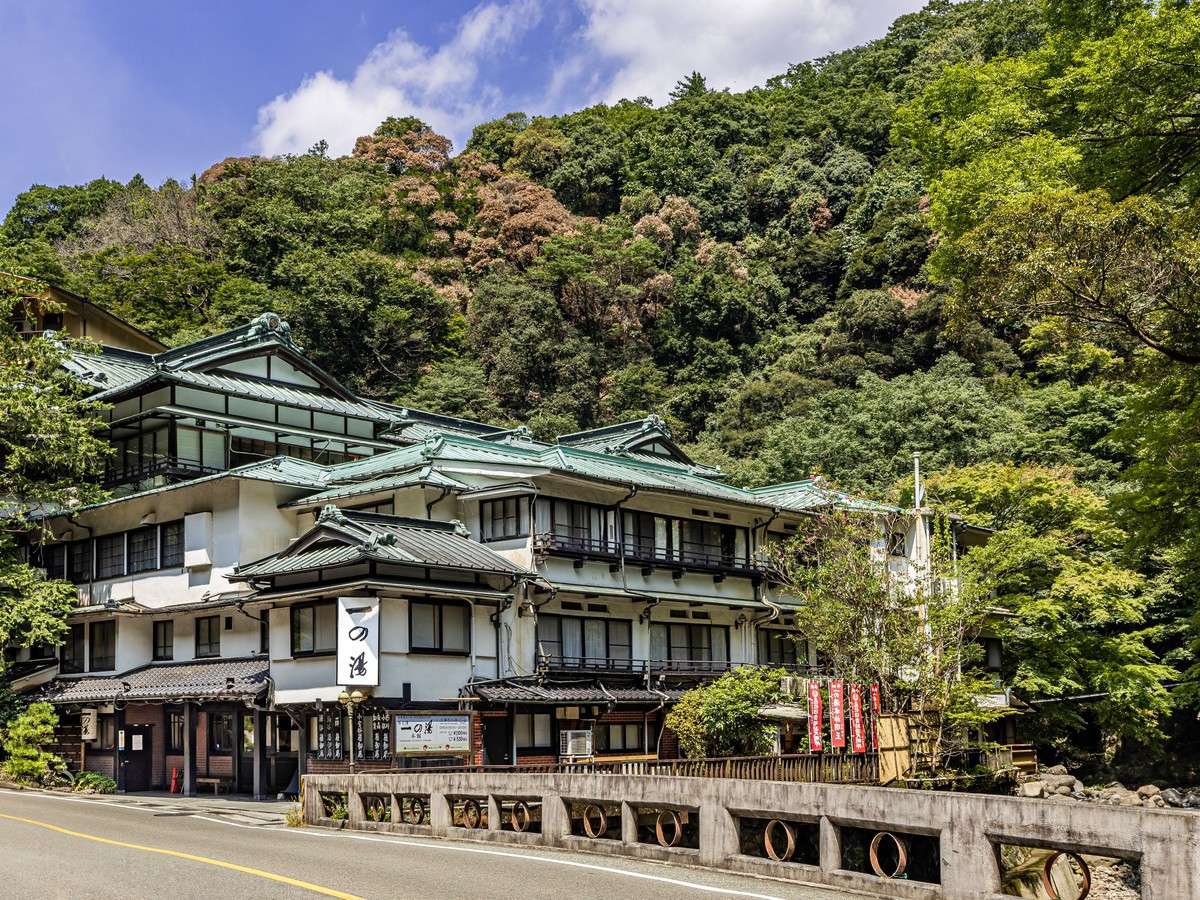 | $70起 | 9.1 187条评价 | 英语OK包租温泉 | 上Booking.com订房 |
 Hakone Kowakien Mikawaya Hakone | $250起 | 9.0 142条评价 | 英语OK包租温泉 | 上Booking.com订房 |
 Fukuzumiro Hakone | $150起 | 8.8 67条评价 | 包租温泉 | 上Booking.com订房 |
 Hotel Green Plaza Hakone Hakone | $101起 | 8.4 3442条评价 | 英语OK包租温泉 | 上Booking.com订房 |
 Ryuguden Hakone | $199起 | 8.4 385条评价 | 英语OK包租温泉 | 上Booking.com订房 |
 KAI Sengokuhara Hakone | $359起 | 8.4 165条评价 | 英语OK包租温泉 | 上Agoda订房 |
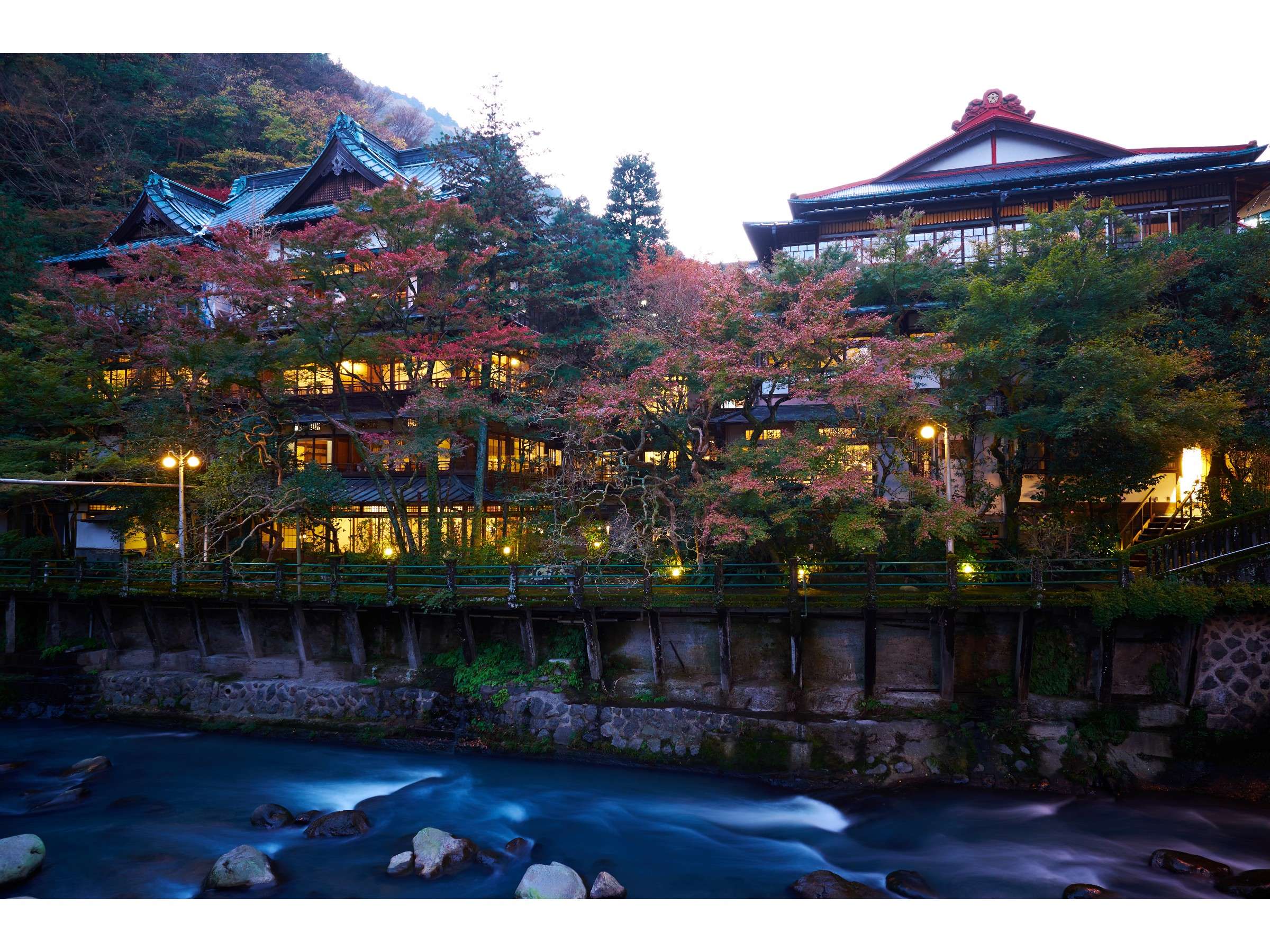 元汤 环翠楼 Hakone | $250起 | 8.4 15条评价 | 英语OK包租温泉 | 上Booking.com订房 |
Senkyoro
Hakone
Hotel Kajikaso
Hakone
Hakone Kowakien Tenyu
Hakone
Hakone Kowakien Mikawaya
Hakone
Fukuzumiro
Hakone
Hotel Green Plaza Hakone
Hakone
Ryuguden
Hakone
KAI Sengokuhara
Hakone
元汤 环翠楼
Hakone
显示价格为每人每晚的起步价(约值)。通过本站预订,我们可能获得佣金。
准备好预订了吗?
从这些精选旅馆中预订
三大订房平台的实时空房与房价,一次比较。
通过预订链接可能产生佣金,但不会增加您的费用。
FAQ
常见问题
哪家箱根旅馆客房内带私人温泉?+
Hakone Ginyu(宫之下)和 Hakone Gora Setsugetsuka(强罗)都保证无论预订等级、每间客房均配私人露天温泉。Hakone Airu(仙石原)和 Yaeikan(仙石原)也为所有房型提供客房私人浴池。Gora Kadan 和 Gora Kansuirou 仅部分客房带私人浴池——预订时请确认哪些房型包含私人温泉。
不过夜能在箱根体验日归私人温泉吗?+
可以。多家箱根旅馆提供无需过夜、按日归或小时计的包租浴(可预约私人浴池)。箱根汤本的 Yoshiike Ryokan(吉池旅馆)提供按小时的私人浴池预约。价格和可用时段因日期和季节而异——请直接联系旅馆或查看其官网了解当前的包租浴日归价格。
在箱根,露天风吕和包租浴有什么区别?+
露天风吕是露天温泉浴池——可以是公共的,也可以是私人的。客房露天风吕(露天風呂付き客室)指露天浴池专属于你的客房,24小时可用。包租浴(貸切風呂)是按小时预约的独立私人浴池设施——通常30–60分钟——时段内不与任何人共用。所有客人共用的公共露天浴池才是标准意义上的露天风吕。
箱根最便宜的带私人温泉旅馆是哪家?+
Yaeikan(仙石原)和 Mizunoto(小涌谷)含餐每人每晚约¥23,000起,均含私人温泉。Hakone Gora Setsugetsuka 每人¥26,000起,每间客房保证配私人桧木浴池。Fukuzumiro(福住楼,塔之泽)部分客房带私人浴池,每人¥23,000起 [verified May 2026]。
住私汤旅馆的话,箱根周游券值得买吗?+
如果你计划走完整的破火山口环线——登山电车、登山缆车、跨越大涌谷的空中缆车、芦之湖游船——箱根周游券(新宿出发¥6,100,小田原出发¥4,600)比单独购票约省¥1,400。对于住在强罗或仙石原、计划观光两天的客人来说值得。若只专注一晚私汤、几乎不搭乘交通,浪漫特快往返加出租车前往旅馆可能更简单也更便宜。


