Quick Comparison
5 picks| Ryokan | From | Rating | Book |
|---|---|---|---|
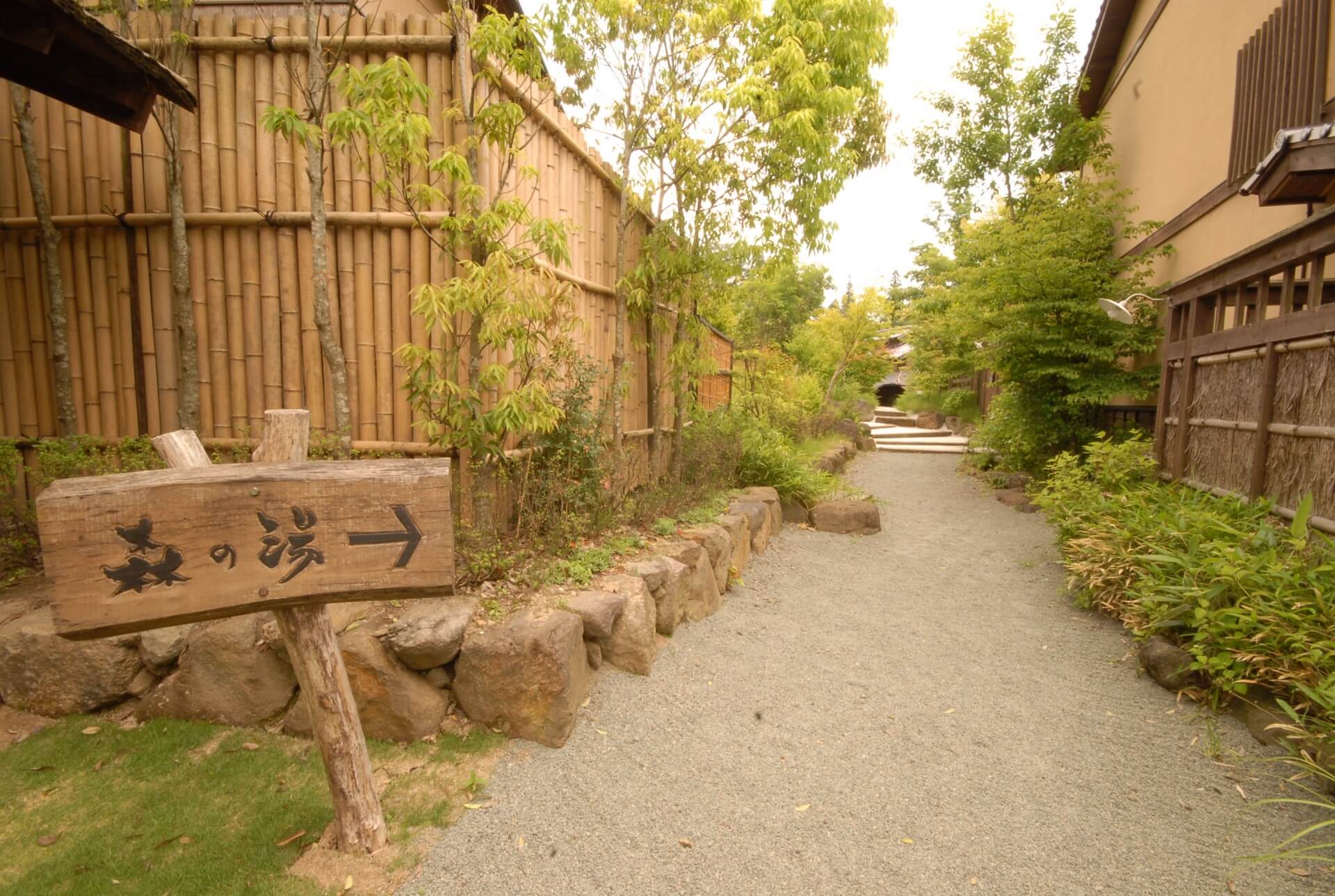
 | from US$400/person/night≈ US$800 for 2 | 9.2 32 reviews | Book on Trip.com |
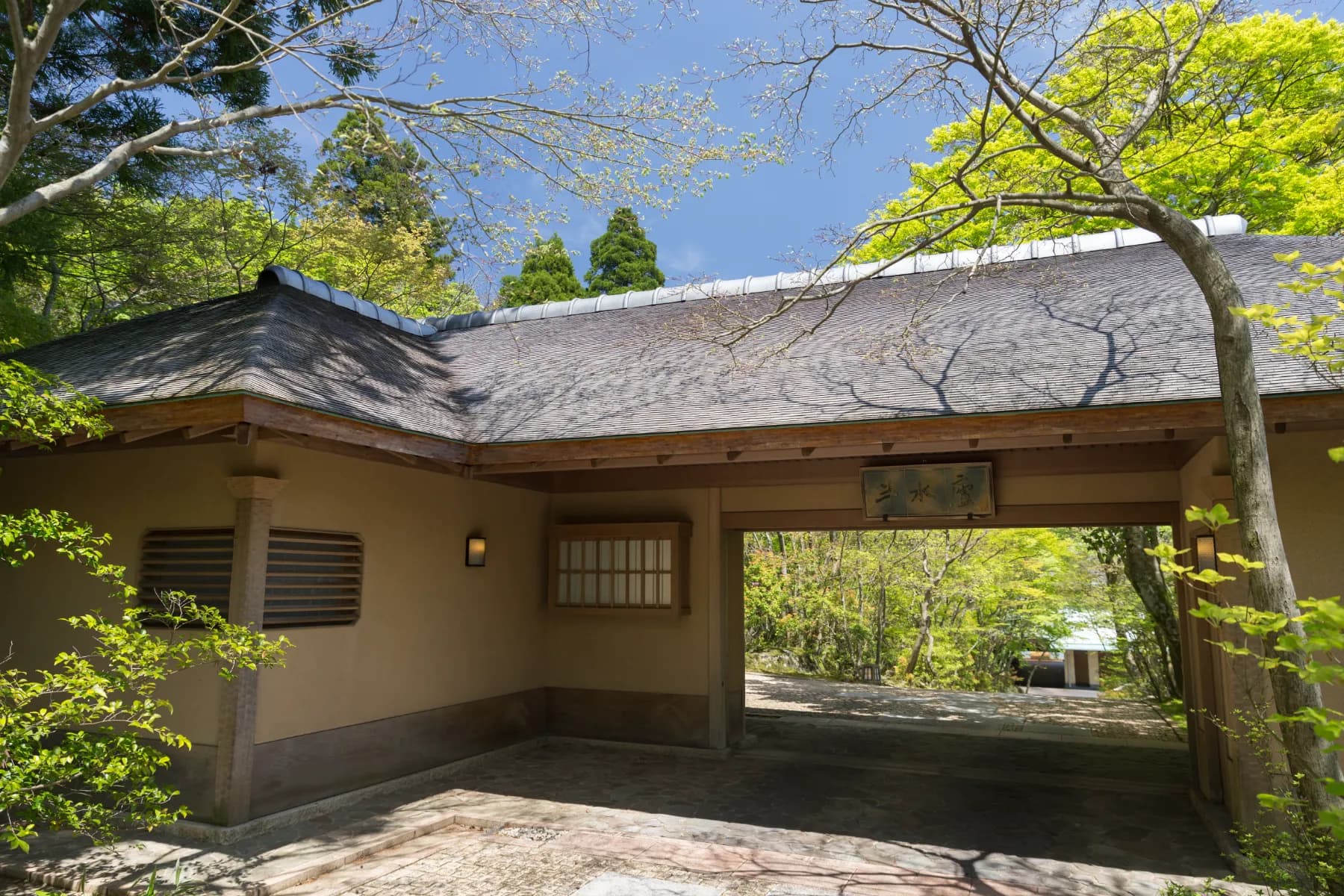
 | from US$150/person/night≈ US$300 for 2 | 9.6 146 reviews | Book on Booking.com |
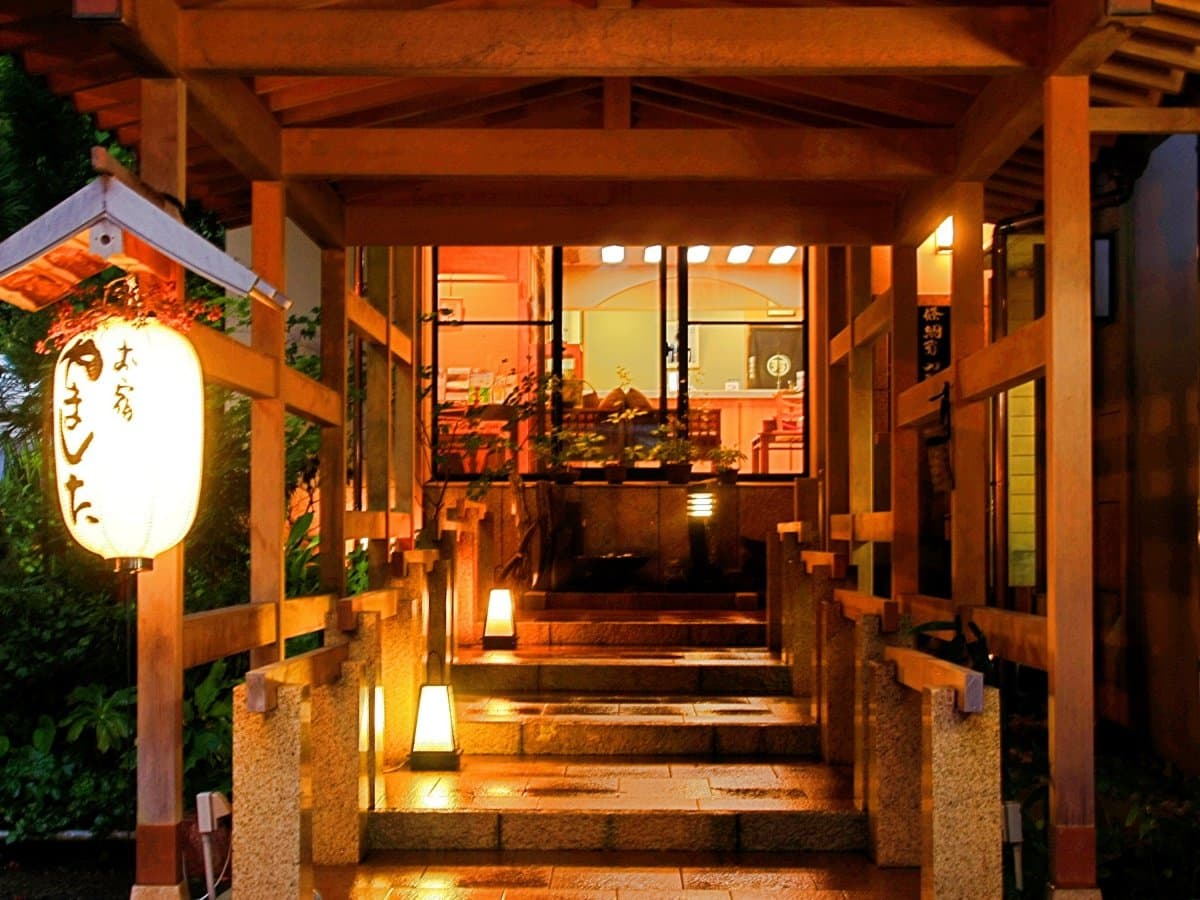
 | from US$180/person/night≈ US$360 for 2 | 9.1 159 reviews | Book on Trip.com |
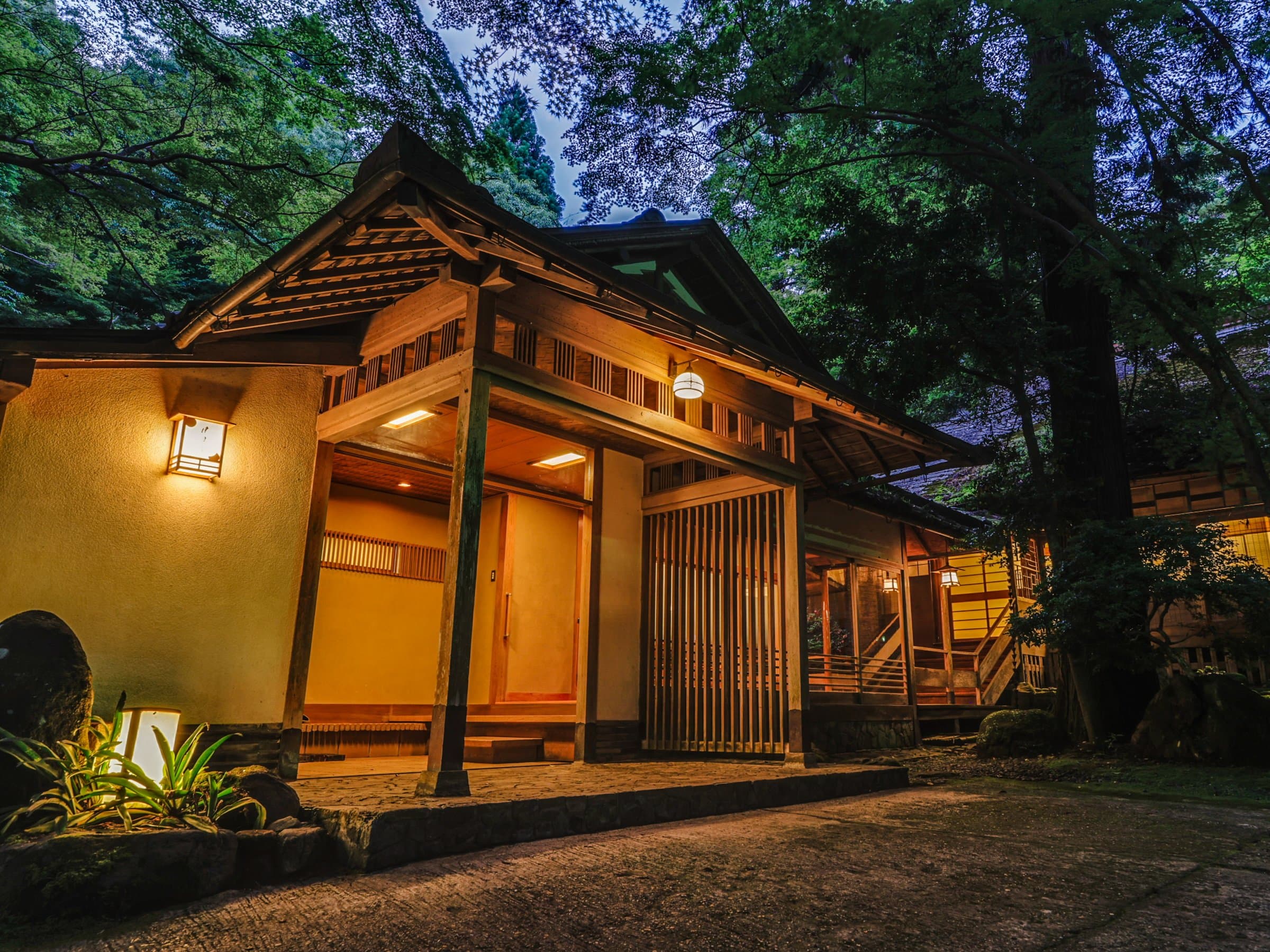
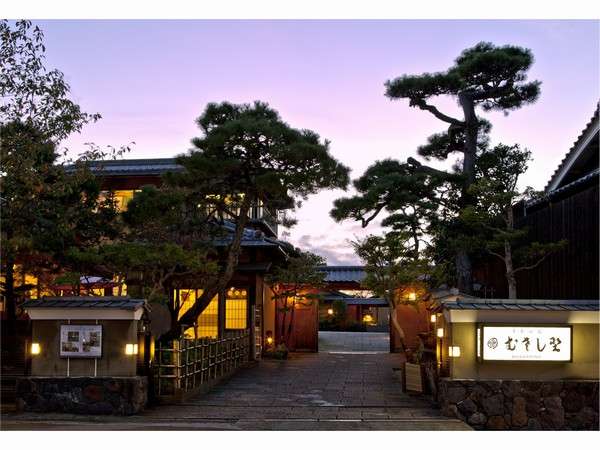 | from US$100/person/night≈ US$200 for 2 | 9.6 30 reviews | Book on Booking.com |
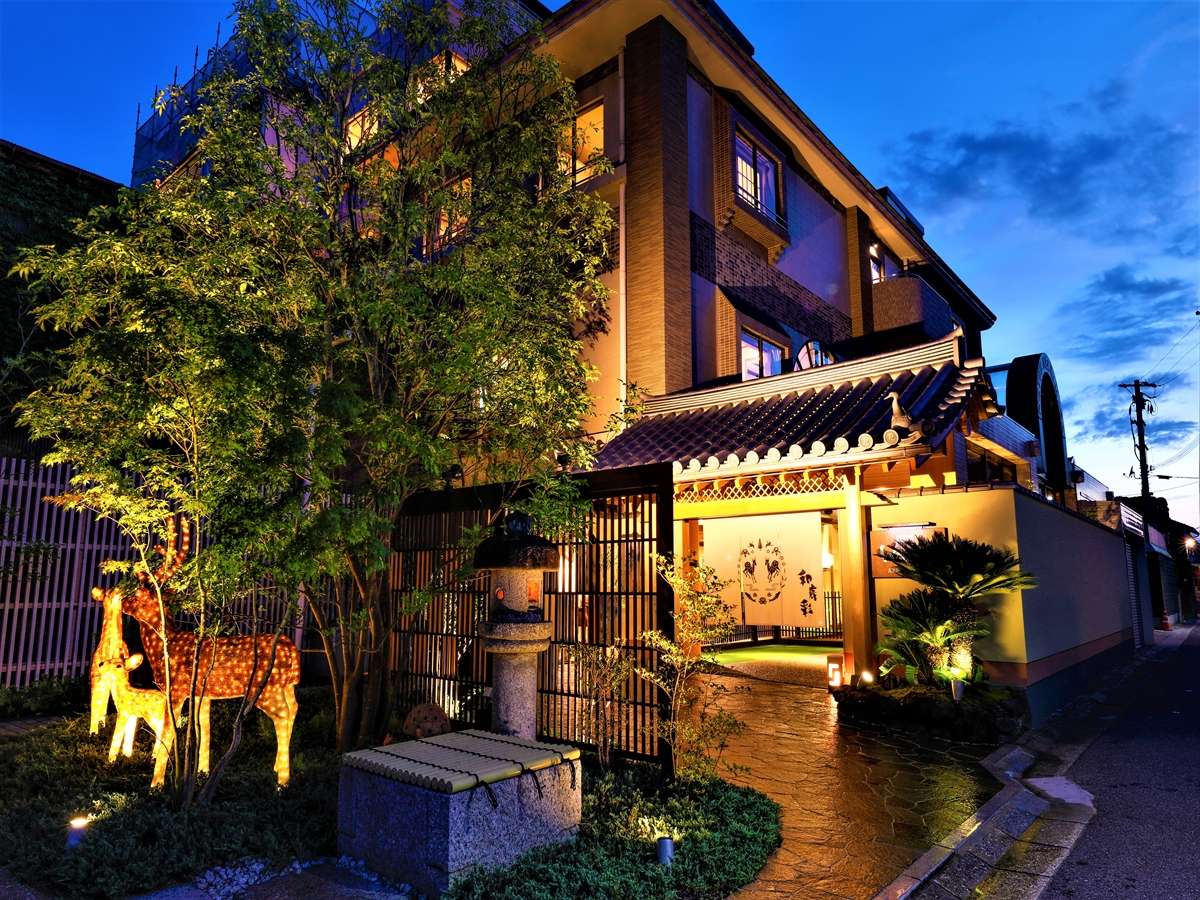 | from US$120/person/night≈ US$240 for 2 | 9.4 67 reviews | Book on Agoda |
Wakasa Besso
Nara
Hotel New Wakasa
Nara
Prices shown are approximate starting rates per person per night. We may earn a commission on bookings.
Here's a structural oddity in the numbers: Nara ranks 7th nationally for inbound foreign visitors — about 8.8% of Japan's total tourist traffic flows through here — yet it sits 44th out of 47 prefectures for overnight stays [News on Japan, 2024]. In practice, that means Nara is one of Japan's most-visited places where almost nobody sleeps.
The reason is well-documented and a little depressing. Nara Prefecture tourism officials have called it "cheap, shallow, and narrow" — a structural over-dependence on the Great Buddha, which they call "Daibutsu business." Visitors roll in from Kyoto on the 35-minute Kintetsu Limited Express, buy deer crackers, photograph the deer, walk to Todai-ji, and leave before the souvenir shops close at 2pm. Average spend: around 200 yen. Compare that to neighboring Kyoto, which recorded over 30 million overnight stays in 2024, or Osaka at 16.7% of all foreign overnight bookings versus Nara's 0.3%.
The early morning argument is the simplest case we can make for staying the night. Before the day-tripper buses arrive around 9am, Nara Park is a different place. The deer are most active and approachable at dawn — the deer crackers (shika sembei) don't go on sale until around 8am, which means the herd is calm rather than performing for food. The approach path to Kasuga Taisha through the cedar forest is nearly empty. You can walk down the center of the stone lantern corridor without dodging selfie sticks.
Beyond the morning deer argument: Yoshino Mountain and Dorogawa Onsen — two of Nara Prefecture's most extraordinary overnight destinations — are simply impossible as day trips. Getting to Dorogawa from Nara City takes over two and a half hours by train and bus; treating it as a round-trip excursion makes no sense. Yoshino during cherry blossom season is only worth the journey if you're there for the illuminated blossoms after the shuttle bus crowds leave at night and the pink dawn before they return.
This guide covers all three overnight zones in Nara Prefecture systematically. The choice between Nara City, Yoshino Mountain, and Dorogawa Onsen isn't a matter of preference — it depends on your travel dates and what you're after. We map that out for each zone.
What's here: 14 verified properties with 2026 prices, tattoo policies, and honest notes on what each one gets right and wrong. If you're new to ryokan stays, read our first-time ryokan guide before the property breakdowns.
How we chose these ryokans
 Pin to Pinterest
Every property in this list met four conditions. First: verified open and operating in 2026. Second: at least one bath facility on-site, whether natural onsen or heated. Third: bookable by English-speaking visitors, either through a major OTA or via English email. Fourth: prices verified via Trip.com, Booking.com, KAYAK, or the property's official site within the past 60 days.
One property that doesn't appear in the ranked list is Nara Hotel, the grande dame founded in 1909 and designed by Tatsuno Kingo (the same architect who built Tokyo Station). It matters historically and will matter again — but as of this writing, it is closed for full renovation, with limited Main Building operations only from early June through August 2026 [JR-West Hotels official announcement]. We've included it as a brief warning block in Zone 1. Do not book through third-party OTAs until you've confirmed its current operating status.
Zone 1: Nara City — ryokans inside and around Nara Park
Nara City ryokans cluster in two micro-areas. A small handful sit inside or directly adjacent to Nara Park itself — and these are genuinely rare, since most of the park zone is protected land. The rest line the Noborioji and Kasugano corridors, roughly 5 to 15 minutes on foot from the park gate. For first-time visitors and JR Pass holders, this zone is the natural default: you're 35 minutes from Kyoto by Kintetsu Limited Express (1,280 JPY) and about 39 minutes from Osaka Namba by Rapid Express (680 JPY).
HOSHINOYA Nara — opening June 25, 2026 (former Nara Prison)
Tip
What's new in 2026: HOSHINOYA Nara opens June 25, 2026, at 18 Hannyajicho, Nara. Reservations opened January 20, 2026. Rates from JPY 147,000 (~$980) per room per night, meals additional. Book direct via hoshinoya.com/nara.
The Nara Prison was built in 1908 as one of five major Meiji-era penitentiaries — and, according to the Nara Prison Museum, it is the only one of the five that survives fully intact. It carries a National Important Cultural Property designation, which is part of why nobody demolished it and why Hoshino Resorts spent years converting it. The building's defining feature is its radial cell-block layout: corridors fan out like spokes from a central hub, which means wardens could watch all wings simultaneously. Hoshino has kept that architecture intact and carved 48 guestrooms from the original solitary confinement cells — high ceilings, original red brick walls, narrow proportions that are either claustrophobic or cathedral-like depending on your disposition.
The Adjacent Nara Prison Museum opened April 27, 2026, offering day-trip access to the site's history even for non-guests. As for the luxury stay itself: the irony is fully intentional. You are sleeping in a cell. The original iron doors and brick walls are part of the room's design language. What were once the most austere spaces in the prefecture are now, at ~$980+ per room, among the most coveted.
Onsen facilities are not specified in the official announcement — confirm at booking. Tattoo policy is unknown; HOSHINOYA properties that offer private baths tend toward private-only arrangements, which sidesteps communal bath restrictions, but verify directly.
- Price: From JPY 147,000/room/night (~$980+), meals extra - Onsen: Unconfirmed — check directly - Tattoo policy: Confirm at booking - English: Excellent (HOSHINOYA group standard) - Best for: Architecture travelers, bucket-list splurge, anyone who wants a story nobody else has
Edosan — the only ryokan actually inside Nara Park
Edosan was founded in 1907 and has five rooms. That's the whole pitch, really. You step through the entrance and you are, literally, in Nara Park — the UNESCO World Heritage deer zone begins at the property boundary. The approach path at dawn, before anyone else is up, crosses the same ground the deer sleep on. There is no equivalent for this in Nara City, and there may not be an equivalent anywhere else in Japan.
The five rooms are all Japanese-style tatami, with dinner served in-room (kaiseki or, from October through March, Wakakusa-nabe hot pot). One room has a private family bath — the bath facility is in an outbuilding and uses heated water, not a natural spring. Confirm the communal bath situation at booking given the intimate scale.
Five rooms and a maximum of 17 guests means this books out quickly; spring and autumn seasons fill months ahead. Single-occupancy plans run from JPY 39,600 per person per night .
Pros: Unmatched location — deer territory starts at the front door. In-room kaiseki. Intimate scale that larger properties can't offer.
Cons: Very limited English on-site. No natural spring water. Books out months ahead for peak seasons.
- Price: JPY 25,300–48,400/person/night including dinner + breakfast - Onsen: Heated (not natural spring) - Tattoo policy: Confirm at booking - English: Moderate (Agoda/Trip.com booking works; limited on-site English) - Best for: Dawn deer seekers, travelers who want authentic ryokan scale, history purists
Tsukihitei — inside a UNESCO primeval forest, 5 detached rooms
Built in 1903 as the official guesthouse for the Governor of Nara Prefecture, Tsukihitei sits within Kasugayama Primeval Forest — not near the forest, inside it. The forest has been a UNESCO World Heritage Site since 1998. The five detached rooms range from 66 to 90 square meters and include in-room private wooden baths. Kasuga Taisha is 400 meters away; Todai-ji is a 10-minute walk.
What distinguishes Tsukihitei from other high-end Nara properties is the sensory texture of the stay: at night, the only sounds are the forest. The property has two shared reservation-only baths — the Wakakusa Bath uses leaf-motif tiles and a Kouyamaki wood tub; the Okuyama Bath has hinoki cypress and stained glass. Neither uses natural spring water, but the quality of the materials matters here. Kaiseki is served in-room. Rates start from JPY 49,177 per room per night .
Pros: Full privacy between five detached rooms. Best forest immersion in Zone 1. Materials quality in the baths is exceptional.
Cons: No natural spring water. Requires taxi or 25-minute walk from Kintetsu-Nara Station — heavy luggage is a real problem here.
- Price: From JPY 49,177/room/night (~$330+) - Onsen: Private in-room baths (not natural spring) - Tattoo policy: Private baths only — de facto not an issue - English: Moderate (bookable via Booking.com/Expedia) - Best for: Couples wanting total seclusion, forest bathing, UNESCO heritage immersion
Ryokan Asukasou — top-floor baths, 41 rooms, best availability
 Pin to Pinterest
Asukasou sits at the entrance to Nara Park, making it the largest property with a genuine park-proximity address. The 41 rooms mean availability is consistently good — something that cannot be said for Edosan or Tsukihitei. Rooms have been recently renovated, and the property runs indoor and outdoor communal baths on the top floor. Whether those baths use natural spring water has not been confirmed by any authoritative source we could find — the listing mentions "onsen baths," but ask directly before booking if natural spring water matters to you.
What Asukasou does well: breakfast. Reviews consistently highlight the local Nara specialties served in the morning — this is where you first encounter miwa somen noodles and Yamato vegetables as part of a formal morning spread. The location, roughly 15 minutes on foot from Kintetsu-Nara Station, positions you right where the deer appear from the park in the early hours.
Pros: Best availability in Zone 1. Top-floor baths with park-adjacent views. Reliable breakfast quality.
Cons: Natural spring water status unverified. Less intimate than Edosan or Tsukihitei.
- Price: ~$120–230/room/night - Onsen: Communal (natural spring unverified — confirm at booking) - Tattoo policy: Confirm at booking - English: Good (major OTA presence, English emails handled) - Best for: First-time ryokan guests wanting reliability, park-adjacent mornings, larger groups
Onyado Nono Nara — natural hot spring, cover-up stickers provided
To be direct: Onyado Nono is a modern hotel, not a traditional ryokan. It's part of the Dormy Inn brand's all-tatami Onyado Nono sub-brand. The rooms have tatami floors, you wear yukata, the rhythm of the stay feels ryokan-adjacent. But the building is an urban multi-floor hotel, 5 minutes on foot from JR Nara Station.
The reason it belongs in this guide: it offers the only confirmed natural hot spring in central Nara City, and it is the most accessible property for tattooed travelers. The "Yoshino Sakura no Yu" baths on the first floor use a genuine natural spring, with cypress indoor baths and outdoor baths lit by lanterns in the evening. Guests with tattoos can use the baths with waterproof cover-up stickers (8x10cm, provided on request) — this is explicitly permitted . That combination — natural onsen plus tattoo-accessible policy — is essentially unique in Nara City.
The Dormy Inn's signature free midnight ramen service is available here. It's a small thing that becomes a genuine pleasure after a full day of walking Nara Park.
Pros: Only confirmed natural onsen in central Nara City. Tattoo cover-up stickers provided. Budget-friendly entry point. Free midnight ramen.
Cons: Modern hotel format — not a traditional ryokan. Closer to JR Nara than to Kintetsu-Nara Station.
- Price: ~$65–200/room/night, breakfast JPY 2,500 extra - Onsen: Natural spring (confirmed), cypress indoor + outdoor baths - Tattoo policy: Cover-up stickers provided (8x10cm waterproof) - English: Excellent (24-hour front desk, major OTA presence) - Best for: Tattooed travelers, solo travelers, anyone prioritizing natural onsen access on a budget
Kasuga Hotel — best location in zone, heated bath only
Kasuga Hotel deserves a clear statement up front: the outdoor bath is heated tap water, not a natural hot spring. That's confirmed . The rock-surrounded rotenburo in the garden, shaded by maple trees with a waterfall feature, is pleasant — but if natural mineral water matters to you, this is not your property.
What Kasuga Hotel does better than any other traditional-style property in Nara City is train access. Two minutes on foot from Kintetsu-Nara Station. Three minutes from Nara Park. Five minutes from Kofuku-ji. For travelers arriving late, departing early, or with limited mobility, that location advantage is real. The tatami rooms with yukata, green tea, and LCD TVs provide a ryokan-adjacent experience without committing to the isolation of properties deeper in the park zone.
Pros: Unbeatable train access — 2 minutes from Kintetsu-Nara. Three minutes from Nara Park. Good for late arrivals.
Cons: Heated water only — not a natural onsen. More hotel than ryokan in character.
- Price: ~$145–300+/room/night - Onsen: Heated water only (NOT natural hot spring) - Tattoo policy: Unknown — confirm at booking - English: Good - Best for: Travelers prioritizing train access, late arrivals, early departures
Nara Hotel — closed for renovation (do not book)
Tip
Warning: Nara Hotel is currently closed for renovation. The full renovation ran January 4 – late May 2026; limited Main Building operations resumed from early June 2026 through August 2026 only. Verify the current operating status directly before booking: narahotel.co.jp [Source: JR-West Hotels announcement].
Nara Hotel matters enough to mention even in its closed state. Founded October 17, 1909, it was designed by Tatsuno Kingo — the architect behind Tokyo Station — in Momoyama Goten style using hinoki cypress. It has hosted Albert Einstein, Charlie Chaplin, Helen Keller, and Edward VIII, among others. It is a Registered Tangible Cultural Property. When it fully reopens, it will be worth re-evaluating as a high-end option for travelers who want the grande dame Western-hybrid experience. Until then: do not place a booking.
Zone 2: Yoshino Mountain ryokans — cherry blossom season and beyond
Yoshino Mountain (Yoshinoyama) holds approximately 30,000 cherry trees of over 200 varieties spread across four ascending elevation zones: shimo-senbon (lower), naka-senbon (middle), kami-senbon (upper), and oku-senbon (innermost) [JNTO]. The blooming is staggered — in 2026, lower slopes hit full bloom on April 2, middle slopes (naka-senbon) on April 3, upper slopes on April 6, and the innermost reaches around April 10 [Japan Guide cherry blossom blog, April 3, 2026]. The mountain's season stretches over roughly three weeks rather than a single peak weekend.
Staying overnight in Yoshino during blossom season is the only way to experience the illuminated trees — nightly illuminations ran March 20 through April 19, 2026 from 16:30 to 22:30. After the shuttle buses stop running, you have the mountain to yourself.
The best ryokans in Nara's Yoshino zone book out months in advance for cherry season — this is not an exaggeration. If you're planning an April visit, begin researching in October or November.
Off cherry season, Yoshino is the site of Kinpusenji, a 7th-century Shugendo temple complex, and a UNESCO World Heritage pilgrimage mountain. Transport: Kintetsu Yoshino Line from Osaka Abenobashi, about 75 minutes on the Limited Express (1,690 JPY) or 90 minutes on the regular express (1,170 JPY).
Tip
Booking warning: Yoshino accommodations during cherry blossom season — late March through mid-April — book out months in advance. Chikurin-in Gunpoen specifically notes this on its own site. If you're planning an April trip, begin researching in October or November.
Chikurin-in Gunpoen — 1,300-year-old inn with Sen-no-Rikyu garden
Chikurin-in Gunpoen has been hosting pilgrims, monks, and mountain ascetics on Yoshino for over 1,300 years. The property originally served practitioners of Shugendo — the same mountain worship tradition that defines the entire Yoshino-Dorogawa area. Today it's the most accessible luxury option on the mountain, with 35 rooms (all with private bathrooms, which is genuinely unusual for a ryokan of this age and character).
The garden, Gunpoen, is said to have been designed by tea master Sen-no-Rikyu and is designated a national scenic beauty. The 220-year-old weeping cherry trees (tennin-no-sakura) — the oldest in Yoshino — sit in this garden. During blossom season, breakfast in the garden with a direct view of these trees is what the stay is built around. The Rikyu Nabe hot pot and seasonal kaiseki draw on Yoshino-region ingredients.
Three communal gender-separated onsen baths are on-site (Kamoshika no Yu, Tennin no Yu, Musasabi no Yu), plus private onsen in deluxe rooms. The communal baths explicitly welcome tattooed guests — a confirmed policy [japanese-onsen.com 2026-06-05] that is rare for a property with this much traditional heritage. For onsen etiquette for foreigners, the guide has you covered.
The property is a 25-minute walk from Yoshinoyama Ropeway Station — plan accordingly if you're arriving with large bags or tight timing.
Pros: 1,300 years of history. Sen-no-Rikyu garden with the oldest cherry trees in Yoshino. Tattooed travelers welcome in communal baths — rare for a heritage inn.
Cons: 25-minute walk from the ropeway station. Books out many months ahead for cherry season.
- Price: ~$133–290/room/night - Onsen: Natural spring, communal + private in deluxe rooms - Tattoo policy: Allowed in communal baths (confirmed) - English: Good (Booking.com, Expedia, English-speaking staff available) - Best for: Cherry blossom season splurge, tattooed travelers, tea ceremony and garden enthusiasts
Hounkan — outdoor onsen, private sauna, TripAdvisor #2 in Yoshino
Hounkan sits about 20 minutes uphill from Yoshino Ropeway — the walk is part of the experience, passing through the middle blossom tier during cherry season. TripAdvisor ranks it #2 accommodation in the Yoshino region [TripAdvisor 2026-06-05], and consistent praise in reviews centers on two things: the outdoor onsen with mountain forest views, and the attentiveness of the family-owned service.
The private sauna is an unusual offering for a traditional mountain inn, and it adds a genuine wellness dimension that the bigger, more famous properties in the area don't offer. The outdoor rotenburo comes into its own in autumn, when the maple foliage surrounds the bath in red and orange. Whether the water is a true natural spring has not been independently confirmed from authoritative sources — confirm directly.
One practical note that matters: Hounkan has facilities for guests with disabilities, which is rare at mountain ryokan in this region. If accessibility is a factor, this may be the only viable Yoshino option.
Pros: Outdoor onsen with mountain views. Private sauna. Accessible facilities (rare for Yoshino). Attentive family service.
Cons: Natural spring water status unverified. 20-minute uphill walk from the ropeway station.
- Price: ~$100–280/room/night - Onsen: Outdoor bath available (natural spring unverified — confirm at booking) - Tattoo policy: Confirm at booking - English: Moderate - Best for: Outdoor onsen seekers, autumn foliage season, travelers needing accessible facilities
Miyoshino Sakuraan — closest ryokan to Yoshino Station, run by husband and wife
Four minutes on foot from Kintetsu Yoshino Station — that's the practical pitch for Miyoshino Sakuraan, and it's a genuine differentiator. Every other property on the mountain requires a ropeway ride or a 20-plus-minute uphill walk. During cherry season, when the ropeway queues stretch long and the mountain paths are thick with day-trippers, being four minutes from the train platform is worth real money.
The rooms are Japanese-modern with large windows designed to frame the Nanamagarizaka slope, which is lined with cherry trees during blossom season. Some rooms have direct ropeway views. The husband-and-wife owners run the place with the kind of personal hospitality that a chain property physically cannot replicate — early checkouts accommodated, local food tips offered unprompted. The property accepts solo travelers and has "rider rooms" for motorcyclists, which signals a demographic openness unusual for a sakura-season mountain inn.
Private baths are available but there is no confirmed onsen — worth noting if natural spring bathing is your priority.
Pros: Closest accommodation to Yoshino Station. Cherry blossom views from room. Personal family service. Rider rooms for solo and motorcycle travelers.
Cons: No confirmed onsen. Small-scale guesthouse format — limited facilities compared to larger properties.
 Pin to Pinterest
- Price: From ~$118/room/night - Onsen: None confirmed (private baths available) - Tattoo policy: Unknown — confirm at booking - English: Good (Booking.com listing) - Best for: First-time Yoshino visitors, budget travelers, cherry blossom season priority, solo travelers
Zone 3: Dorogawa Onsen ryokans — Kansai's most intact onsen village outside Kinosaki
Most travel guides about Nara mention Dorogawa Onsen briefly if at all. That gap is your advantage.
Dorogawa sits at the base of Mt. Omine — the sacred center of Shugendo, the syncretic mountain worship tradition that blends Buddhism, Shinto, and ascetic practice. The mountain and its pilgrimage routes form part of the "Sacred Sites and Pilgrimage Routes in the Kii Mountain Range" UNESCO World Heritage Site. The onsen town has been a rest stop for Shugendo mountain ascetics for over 1,000 years. That history shapes the texture of the place in ways you can't manufacture: wooden ryokan buildings line a narrow mountain river valley, guests in yukata walk the lantern-lit streets in the evening, and the Gorogoro Mizu — a natural spring designated as one of Japan's 100 Special Water Sources in 1985 [JNTO] — flows openly on the main street. On the main street there is also, incongruously, a craft beer standing bar — one of those small details that signals a town that's lived-in rather than performed for tourists.
The Dorogawa onsen water itself (weakly alkaline simple spring, pH ~8.5, 26°C) has a quality the industry calls "bijin no yu" — skin-smoothing — because the alkaline mineral content emulsifies skin oils. It's colorless and odorless, which surprises people who expect sulfur.
One cultural note that deserves honest mention: Mt. Omine's summit trail has remained closed to women since the establishment of Shugendo as a formal practice. This is a traditional religious prohibition, not a legal restriction. The Dorogawa Onsen town itself is fully open to everyone; the restriction applies specifically to the summit pilgrimage route.
Getting here: From Kintetsu-Nara Station, take the Kintetsu line to Yamato-Saidaiji, then transfer toward Kashiharajingu-mae (26 minutes), then to Shimoichiguchi Station (24 minutes), then the Nara Kotsu bus to Dorogawa Onsen terminal — approximately one hour on the bus. Total journey: roughly 2 hours 37 minutes. The bus is scenic but infrequent; check the Nara Kotsu timetable before you book your ryokan. Most Dorogawa properties will arrange a bus transfer from the terminal if you notify them in advance.
For comparison with Kansai's other great onsen-town staying experience, see our Kinosaki Onsen ryokan guide.
Hanaya Tokubei — 500 years old, 17th generation
Hanaya Tokubei is the oldest inn in Dorogawa Onsen, founded approximately 500 years ago during the Muromachi period and now operated by the 17th generation of the same family . That kind of continuity is rare even by Japanese ryokan standards.
The property has 8 rooms, built using Yoshino timber in the traditional style. The semi-open-air bath "Goki no Yu" looks out on a garden, and the onsen uses the natural Dorogawa weakly alkaline spring water. In summer, wide wooden verandas (engawa) are decorated with lanterns; in winter, open fire areas warm the public spaces. The kaiseki dinner and breakfast are included in the rate — with limited restaurant options in the village, this is standard practice and good value.
To state it directly: tattoos are not allowed in the communal baths. This is not arbitrary policy; Hanaya Tokubei has served Shugendo mountain ascetics (yamabushi) for centuries. The pilgrimage culture that defines the property's identity carries traditional prohibitions. If you have tattoos, this is not your property — Kadojin (below) is the Dorogawa alternative.
Booking note: Hanaya Tokubei is available on Expedia and Klook, but direct contact or Japanese-language platforms (Jalan, Rakuten Travel) may offer better availability. Phone booking is sometimes the only option for specific dates.
Pros: Oldest inn in Dorogawa Onsen (~500 years, 17th generation). Yoshino timber architecture. Natural spring water. Kaiseki and breakfast included.
Cons: Tattoos not allowed. Limited English. Phone booking often required for specific dates.
- Price: ~JPY 27,700/person/night (~$185), dinner + breakfast included - Onsen: Natural spring (Dorogawa alkaline spring), communal - Tattoo policy: Not allowed - English: Limited (book via Expedia, Klook, or Japanican) - Best for: Serious Japan travelers, cultural immersion, pilgrimage history, travelers without tattoos
Kadojin — est. 1688, private open-air bath in every room, small tattoos allowed
Founded in 1688 during the first year of the Genroku era, Kadojin is second only to Hanaya Tokubei in age among Dorogawa's inns. It has six rooms. Every one of them has a private open-air rotemburo (outdoor bath) using the natural Dorogawa spring water — and as of the research date, Kadojin is the only ryokan in Dorogawa Onsen that can make that claim .
The named rooms include "Jinshiro no Ma" and "Momo no Ma," both with private rotenburo access. The property has been recently renovated while keeping the tatami-and-antiques aesthetic intact. In summer, the sliding doors open to a veranda for fireworks viewing during the Dorogawa Gyoja Festival in August.
The tattoo policy: small tattoos are explicitly permitted . This matters enormously in a town where most properties run communal baths and apply traditional prohibitions. In this context, Kadojin's private bath-per-room structure is what makes the tattoo flexibility possible. Exact 2026 pricing is not publicly listed — use Booking.com or Rakuten Travel, or contact directly.
Pros: Only Dorogawa ryokan with private open-air bath in every room. Small tattoos allowed. Recently renovated. Six-room intimacy.
Cons: Pricing not publicly listed — requires direct inquiry or OTA search. Limited English.
- Price: Unverified (mid-range tier, per visitnara.jp) — confirm via Booking.com or Rakuten Travel - Onsen: Natural spring, private open-air bath in every room - Tattoo policy: Allowed (small tattoos permitted, confirmed) - English: Limited (Booking.com listing exists; Agoda also available) - Best for: Tattooed travelers in Dorogawa, couples wanting absolute privacy, private rotenburo experience
Koryokuen Nishisei — grand inn, wild boar hot pot, garden with red lacquer bridge
Koryokuen Nishisei is described across multiple sources as among the most prestigious ryokans in Dorogawa Onsen [visitnara.jp, TripAdvisor]. The eight rooms feature original artwork and antiques; most rooms have enclosed balconies looking over private gardens. The indoor and outdoor natural spring baths include the open-air "Ryokufu-no-Yu," and the garden has a red lacquered bridge over a waterfall feature.
The food is the strongest differentiator here. The kaiseki incorporates river fish and seasonal mountain vegetables at a level that stands apart from the other Dorogawa properties — but the signature is botan nabe, wild boar hot pot, available seasonally. Botan nabe is a regional mountain specialty; you will not find it on the menu at any Nara City ryokan. If food-forward travel is your organizing principle, this is the Dorogawa property to book.
Pricing is not publicly listed; rates are classified as luxury tier. Book via Rakuten Travel or contact the property directly: 0747-64-0306.
Pros: Grandest setting in Dorogawa. Best kaiseki in the zone. Wild boar hot pot (botan nabe) specialty. Garden with red lacquer bridge.
Cons: Pricing opaque — requires direct inquiry. Very limited English. Rakuten Travel is the main OTA channel.
- Price: Unverified (luxury tier) — book via Rakuten Travel or direct phone - Onsen: Natural spring (indoor + outdoor, including Ryokufu-no-Yu) - Tattoo policy: Unknown — confirm at booking - English: Limited (Rakuten Travel; direct booking in Japanese) - Best for: Food-focused travelers, groups, anyone who wants the grandest Dorogawa experience
Atarashiya Ryokan — natural hot spring, best value in Dorogawa
Seven rooms, a lobby fireplace, natural Dorogawa mineral spring baths, and rates starting around $124 per night . Among the best ryokans in Nara, Japan's Dorogawa zone for pure accessibility, Atarashiya has the widest OTA coverage of any property here — available on Trip.com, Expedia, Klook, and Booking.com.
The property is a 10-minute walk from the Dorogawa Onsen bus terminal, near the pilgrimage route sites. In winter, the lobby fireplace creates an atmosphere the mountain setting deserves. The baths are indoor mineral spring (natural Dorogawa water), and the restaurant serves Dorogawa-region fare. This is not a grand luxury experience — it's a solid, honest mountain inn that gets you into the real Dorogawa village atmosphere without the phone-booking complications of the older properties.
Tattoo policy is unknown — confirm at booking. Given the communal bath format, assume standard restrictions apply and ask directly.
Pros: Widest English OTA coverage in Dorogawa. Natural spring water. Lobby fireplace for winter atmosphere. Honest value.
Cons: Tattoo policy unknown. Simpler facilities than Koryokuen Nishisei or Hanaya Tokubei.
- Price: ~$124–160/room/night - Onsen: Natural spring (indoor mineral bath) - Tattoo policy: Confirm at booking - English: Moderate (major OTA presence) - Best for: Budget-conscious Dorogawa visitors, winter fireplace atmosphere, first-time onsen village stays
Nara ryokan comparison table
Use this table to shortlist before reading full reviews. Prices are low-season estimates; cherry blossom and Golden Week rates can run 2–3x higher. For the full national picture on tattoo access, see our guide to tattoo-friendly ryokans in Japan.
| Ryokan | Zone | Price/Room/Night (USD) | Onsen | Tattoo | English booking | Best for |
|---|---|---|---|---|---|---|
| HOSHINOYA Nara | City | $980+ | Unconfirmed | Confirm | OTA / Direct | Bucket-list splurge |
| Edosan | City | $170–320/person | Heated | Confirm | Trip.com/Agoda | Dawn deer, intimacy |
| Tsukihitei | City | $330–600+ | Heated (private) | Private bath | OTA | Forest seclusion, couples |
| Ryokan Asukasou | City | $120–230 | Unverified | Confirm | OTA | First-timers, availability |
| Onyado Nono Nara | City | $65–200 | Natural spring | Cover-up stickers | OTA | Tattooed travelers, budget |
| Kasuga Hotel | City | $145–300+ | Heated (NOT onsen) | Confirm | OTA | Train access |
| Nara Hotel | City | — | None | Unknown | CLOSED — do not book | — |
| Chikurin-in Gunpoen | Yoshino | $133–290 | Natural spring | Allowed | OTA | Cherry blossoms, tattoo-OK |
| Hounkan | Yoshino | $100–280 | Outdoor (unverified) | Confirm | OTA | Outdoor onsen, autumn |
| Miyoshino Sakuraan | Yoshino | $118+ | None confirmed | Confirm | OTA | Budget, station access |
| Hanaya Tokubei | Dorogawa | $185+/person | Natural spring | Not allowed | Expedia/Klook | Cultural immersion |
| Kadojin | Dorogawa | Mid-range (unverified) | Natural spring (private) | Allowed (small) | Booking.com | Private rotenburo, tattoos |
| Koryokuen Nishisei | Dorogawa | Luxury (unverified) | Natural spring | Confirm | Rakuten/Direct | Food, grandeur |
| Atarashiya Ryokan | Dorogawa | $124–160 | Natural spring | Confirm | OTA | Budget Dorogawa |
When to visit: Nara ryokan season guide
Late March to mid-April — cherry blossom season
Go to Yoshino. This is non-negotiable if you have any flexibility in your dates. The 30,000 trees across four elevation zones create a staggered bloom that ran from April 2 through approximately April 10 in 2026: lower slopes (shimo-senbon) reached full bloom April 2, middle slopes (naka-senbon) on April 3, upper slopes (kami-senbon) on April 6, and the innermost zone (oku-senbon) around April 10 [Japan Guide sakura blog 2026-06-03]. Book Chikurin-in Gunpoen or Miyoshino Sakuraan — 3 to 6 months ahead is not excessive for April dates. The nightly illuminations (16:30–22:30 during cherry season) and the dawn before shuttle buses start running at 8am are the two moments that make the overnight stay irreplaceable.
Tip
Follow the Japan Meteorological Corporation sakura forecast from late January — the specific peak week varies by 2–3 weeks year to year.
May to September — green season
Nara City is the play here. Cherry blossoms are gone, crowds thin out, and full ryokan availability opens up. HOSHINOYA Nara opens June 25, 2026 — summer 2026 is the window to experience it before the crowds build. Dorogawa is also excellent in summer: mountain temperatures run 5–8°C cooler than Osaka, and the August Gyoja Festival brings lantern processions and traditional masked performances honoring Shugendo founder En no Gyoja.
October to November — autumn foliage
Dorogawa Onsen peaks in this season. The maple leaves in the mountain gorge turn in late October; the combination of rotenburo outdoor bathing and autumn color is what travel writers in Japan call koyo-ryokan culture. Hounkan's outdoor bath is the right place for this. Nara City's Kasugayama Primeval Forest around Tsukihitei also turns in late October.
December to February — winter
Nara City operates year-round without the same seasonal pressures. Dorogawa under snow is its most atmospheric self — the wooden streetscape looks like a Showa-era woodblock print, the onsen value peaks (there is nothing like alkaline hot spring water at 26°C when the air temperature is near freezing), and Atarashiya's lobby fireplace earns its keep. Book any season with the same discipline: ryokans fill, especially at the upper end.
How to book a Nara ryokan: platform guide
The right platform depends on the zone.
Nara City: Trip.com has the widest inventory with a verified English interface — use it as your first stop for Edosan, Asukasou, and Kasuga Hotel. Booking.com has strong coverage for Asukasou and Onyado Nono. For HOSHINOYA Nara, book direct via hoshinoresorts.com — third-party OTA coverage for a June 2026 opening may be incomplete.
Yoshino: Both Trip.com and Booking.com handle the main properties well. For cherry season, the platform matters less than the timing — book 3 months ahead minimum. Chikurin-in Gunpoen can also be reached directly at 0746-32-8081.
Dorogawa Onsen: OTA coverage is thinner here. Atarashiya is on Booking.com, Trip.com, Expedia, and Klook — the most bookable property in the zone. Kadojin is on Booking.com and Agoda. Hanaya Tokubei is accessible via Expedia and Klook. For Koryokuen Nishisei, Rakuten Travel or direct phone (0747-64-0306) is the reliable route.
Tip
If a Dorogawa property isn't appearing on English OTAs, try Japanican.com — the English-language JTB platform occasionally carries inventory that doesn't surface elsewhere.
One pricing note that affects comparisons across all three zones: many ryokans quote rates per person per night including two meals (dinner and breakfast). This is a different calculation from the per-room room-only pricing used by Nara City hotels. When comparing prices across properties, check whether the rate includes kaiseki dinner — a proper Nara kaiseki dinner can run JPY 5,000–15,000 per person separately.
For first-time ryokan guests, read our onsen etiquette for foreigners guide before arriving. The basics aren't complicated, but knowing them changes the experience.
Frequently asked questions
Is it worth staying overnight in Nara instead of day tripping from Kyoto?
For most travelers: yes, and the math is cleaner than it looks. The cheapest overnight option (Onyado Nono Nara at ~$65–109/room) costs less per night than many Kyoto hotels, and it puts you in Nara Park at 6am when the deer are active and the temple approach paths are empty. The day-tripper experience — the one you get off the 35-minute Kintetsu train with everyone else — is fine. But it is a fundamentally different Nara than the one you see at dawn before the buses arrive. If budget is genuinely tight and Nara City is all you need, a day trip is defensible. But Yoshino Mountain and Dorogawa Onsen cannot be done as day trips without misery; those destinations require an overnight stay.
What is the best area to stay in Nara?
It depends on your visit dates and priorities. First-time visitors: Nara City. You're close to Todai-ji, Kasuga Taisha, and the deer park, and the 35-minute Kintetsu connection to Kyoto makes logistics simple. Cherry blossom season (late March–mid April): Yoshino Mountain, no contest. Experienced Japan travelers wanting authentic onsen village culture: Dorogawa Onsen. The honest answer is that the three zones serve different travelers on different trips — many visitors do Nara City on a first Japan visit and come back for Dorogawa later.
Are there natural hot spring (onsen) ryokans in Nara?
Yes, but with important nuance by zone. In Nara City, genuine natural spring water is limited: Onyado Nono Nara is the confirmed exception. Asukasou's bath status is unverified. Kasuga Hotel's outdoor bath is confirmed to use heated tap water, not spring water. In Dorogawa Onsen: all four properties in this guide use natural Dorogawa spring water (weakly alkaline simple spring, pH ~8.5). This is Nara Prefecture's strongest onsen region by water quality. In Yoshino: Chikurin-in Gunpoen has confirmed natural onsen; Hounkan's outdoor bath status is unconfirmed.
What is Dorogawa Onsen and how do I get there from Nara?
Dorogawa Onsen is an onsen village at the base of Mt. Omine (Sacred Sites UNESCO World Heritage) in Tenkawa village, Nara Prefecture. It has operated as a rest stop for Shugendo mountain ascetics for over 1,000 years. From Kintetsu-Nara Station: take Kintetsu to Yamato-Saidaiji, transfer toward Kashiharajingu-mae (26 min), then to Shimoichiguchi Station (24 min), then the Nara Kotsu bus to Dorogawa Onsen terminal (approximately 1 hour). Total journey: roughly 2 hours 37 minutes. The bus is scenic and infrequent — check the Nara Kotsu schedule before your travel date. An overnight stay is essential; the journey is too long for a day trip.
How do I book a ryokan in Dorogawa Onsen in English?
Start with Atarashiya Ryokan — it has the widest English OTA coverage of any Dorogawa property (Booking.com, Trip.com, Expedia, Klook). Kadojin is on Booking.com and Agoda. Hanaya Tokubei is bookable via Expedia and Klook. If a property isn't surfacing on English platforms, try Japanican.com (English-language JTB platform) or search on Rakuten Travel. For Koryokuen Nishisei, the reliable route is direct phone: 0747-64-0306. Some Dorogawa properties communicate well in writing via email even with limited spoken English — it's worth trying a direct inquiry for your preferred dates.
Can I stay near Nara Park to see the deer in the morning?
Yes. Edosan (5 rooms, founded 1907) is located within the Nara Park boundary — the deer territory begins at the front door. HOSHINOYA Nara (opening June 25, 2026) is approximately 15 minutes on foot. Asukasou and Tsukihitei are within 10–15 minutes' walk of the park. Dawn tip: deer concentrate near the Tobihino no Niwa area and the southern entrance to the Kasuga Taisha forest path from around 6am — before the deer cracker vendors set up at 8am and the dynamic shifts toward feeding performance.
What is the average cost of a ryokan in Nara per night?
The range is wide. Budget tier (Onyado Nono Nara): ~$65–109/room/night [KAYAK 2026-06-05]. Mid-range (Asukasou, Miyoshino Sakuraan): ~$118–230/room/night. Premium (Tsukihitei, Chikurin-in Gunpoen): ~$133–400+/room/night. Ultra-luxury (HOSHINOYA Nara): from JPY 147,000/room (~$980+) [Hoshino Resorts official]. For Dorogawa properties, the price usually includes kaiseki dinner and Japanese breakfast — this matters for value comparison. Hanaya Tokubei's two-meal plan runs JPY 27,700 per person ; that kind of all-in pricing is often better value than paying separately for dinner at a Kyoto hotel.
Are ryokans in Nara tattoo-friendly?
Mixed, and this is worth checking before you book. Explicitly tattoo-friendly: Chikurin-in Gunpoen in Yoshino (communal baths, confirmed); Kadojin in Dorogawa (small tattoos permitted, private open-air bath in every room). Cover-up stickers provided: Onyado Nono Nara (8x10cm waterproof stickers, confirmed). Private bath only — de facto accessible: Tsukihitei; HOSHINOYA Nara (confirm). Explicitly not allowed: Hanaya Tokubei (communal baths, traditional pilgrimage inn). Unknown — confirm before booking: Asukasou, Kasuga Hotel, Hounkan, Miyoshino Sakuraan, Koryokuen Nishisei, Atarashiya. See our full national guide to tattoo-friendly ryokans in Japan for broader coverage.
When is the best time to visit Yoshino for cherry blossoms?
Late March to mid-April, but the specific week varies by 2–3 weeks depending on winter temperatures. In 2026, lower slopes (shimo-senbon) reached full bloom April 2; middle slopes (naka-senbon) on April 3; upper slopes (kami-senbon) on April 6; innermost (oku-senbon) around April 10 [Japan Guide, April 3, 2026]. The staggered bloom means the total season runs roughly 3 weeks — if you pick the right elevation tier, you can catch full bloom across a wider window than a single destination. Book any Yoshino accommodation 3–6 months in advance for April. For current-year forecasts, the Japan Meteorological Corporation publishes its sakura prediction from late January.
How far is Nara from Kyoto and Osaka by train?
Closer than most first-time visitors expect. From Kyoto: the Kintetsu Limited Express takes 35 minutes and costs 1,280 JPY — this is the fastest option. From Osaka Namba: the Kintetsu Rapid Express takes 39 minutes (680 JPY); the Limited Express is 34 minutes (1,200 JPY). JR also runs a Miyakoji Rapid from Kyoto Station (45 min) and from Osaka/Tennoji (50 min), both useful if you hold a JR Pass. Note that the JR Pass covers the Shinkansen to Kyoto and JR Nara, but not the Kintetsu line. For most travelers, Kintetsu is faster and more frequent for the Kyoto–Nara leg.
What is included in a ryokan stay in Nara?
At traditional ryokans (Edosan, Tsukihitei, Hanaya Tokubei, Kadojin, Koryokuen Nishisei), the standard plan typically includes: the room, a multi-course kaiseki dinner served in-room or in a private dining room, a Japanese breakfast, yukata (cotton robe) and amenities, and access to communal or private bath facilities. Some properties include sake or tea service on arrival. What's not included: travel to the property, alcohol at dinner (usually extra), and tips (no tipping culture in Japan). For the Nara City urban-style properties (Onyado Nono, Kasuga Hotel), dinner and breakfast are usually add-ons priced separately — read the booking description carefully. At properties like Hanaya Tokubei, a full two-meal plan runs JPY 27,700 per person — that all-in pricing is often better value than paying separately for dinner at a Kyoto hotel.
Do Nara ryokans have English-speaking staff?
Varies significantly by property and zone. Excellent English: HOSHINOYA Nara (group standard), Onyado Nono Nara (24-hour desk). Good English: Ryokan Asukasou, Kasuga Hotel, Chikurin-in Gunpoen (English-speaking staff confirmed, Booking.com/Expedia presence). Moderate: Edosan (OTA booking in English works; limited on-site), Tsukihitei, Miyoshino Sakuraan. Limited: Hanaya Tokubei, Kadojin, Koryokuen Nishisei (Dorogawa properties generally — book via Japanican or Expedia, and use written English rather than phone for direct contact). The practical workaround for limited-English properties: communicate by email or via the OTA messaging system, where translation tools close the gap. First-time ryokan visitors will find properties on major OTAs easier to manage; see our first-time ryokan guide for what to expect.
Plan your Nara ryokan stay
The three-zone framework is the organizing principle: pick Nara City for first-time visits and temple proximity, Yoshino for cherry blossom season, Dorogawa for genuine onsen village culture and mountain atmosphere. None of these zones is interchangeable, and the best ryokans in Nara, Japan span all three.
Nara is genuinely under-touristed for overnight stays — 0.3% of Japan's foreign overnight volume despite being the 7th most-visited prefecture. The implication for travelers is real: lower prices than Kyoto, shorter queues, and ryokans that haven't been optimized for mass tourism. That changes as HOSHINOYA Nara opens and the prefecture builds toward its 2030 target of 5 million overnight guests. The window where the best ryokans in Nara are accessible without Kyoto-level friction is now.
If you're combining Nara with Kyoto, our Kyoto ryokan guide covers the full spectrum there. For side-by-side Kansai onsen comparison, see our Kinosaki Onsen guide.
Every other ryokan we list here
5 listed| Ryokan | From | Rating | Book |
|---|---|---|---|
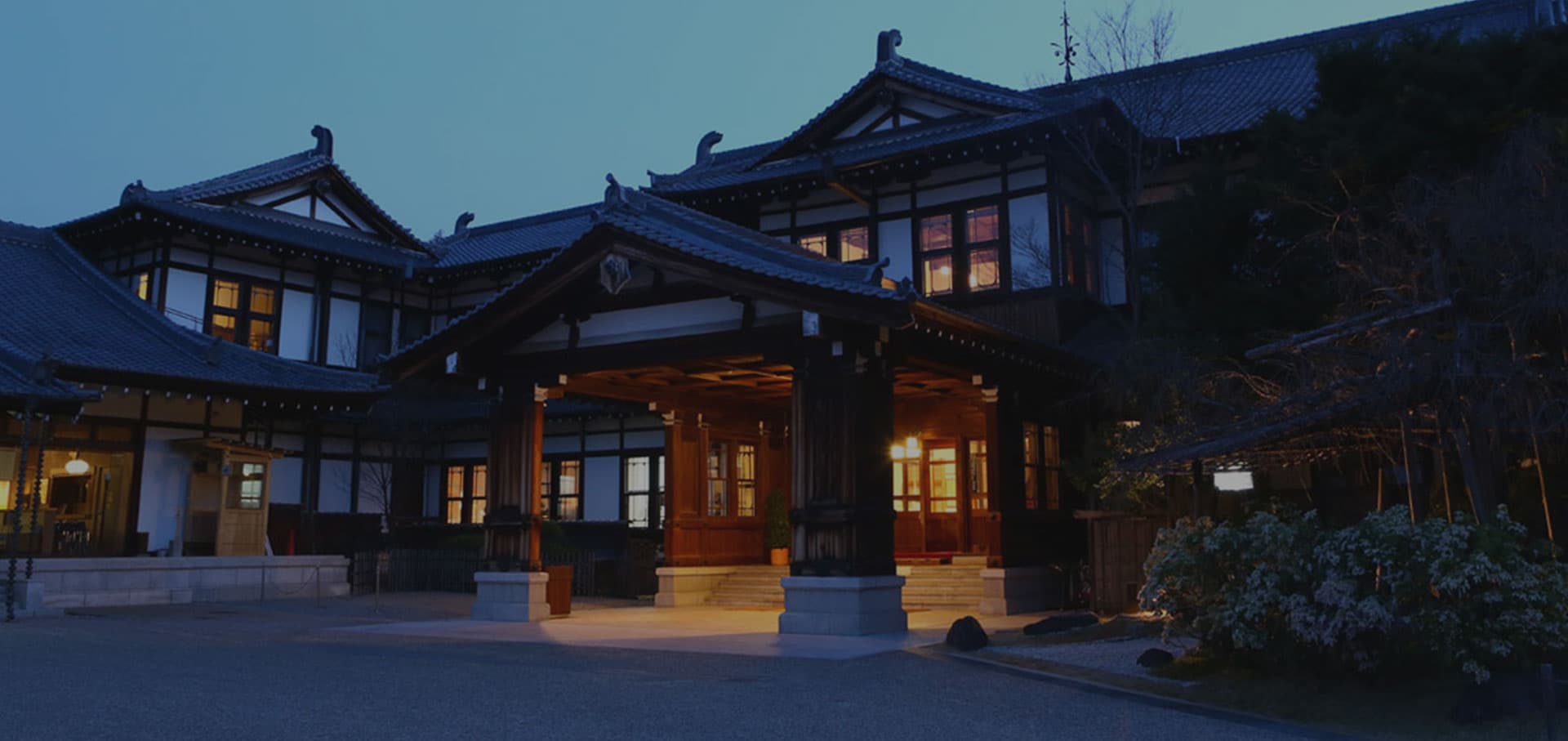 | from US$165/person/night≈ US$330 for 2 | 9.6 1,275 reviews | Book on Trip.com |
| from US$120/person/night≈ US$240 for 2 | 9.4 67 reviews | Book on Agoda |
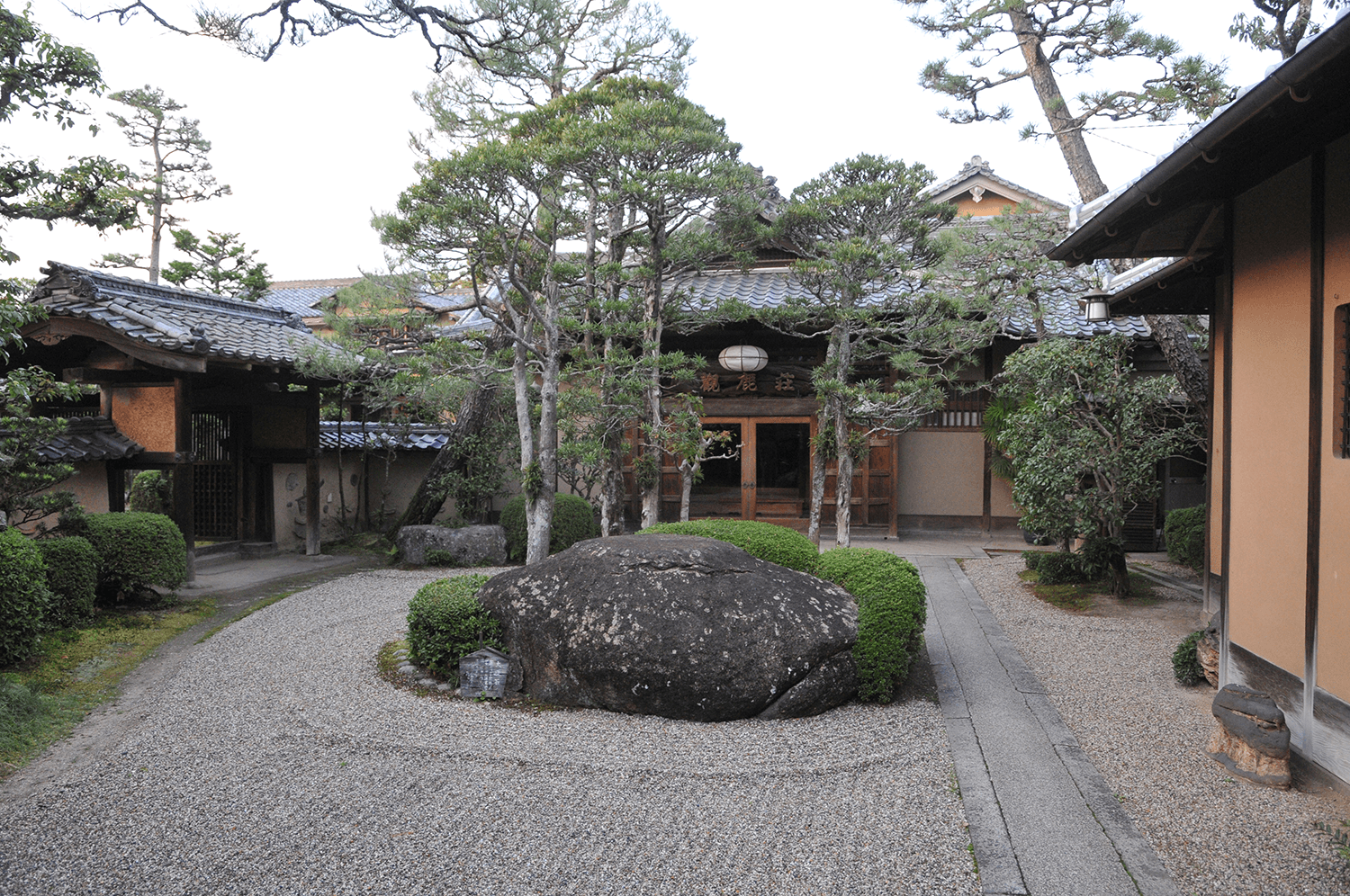 | from US$130/person/night≈ US$260 for 2 | 9.4 67 reviews | Book on Agoda |
 | from US$242/person/night≈ US$484 for 2 | 9.0 80 reviews | Book on Trip.com |
 | from US$55/person/night≈ US$110 for 2 | 8.8 1,125 reviews | Book on Agoda |
Hotel New Wakasa
Nara
Kankaso
Nara
Prices shown are approximate starting rates per person per night. We may earn a commission on bookings.
Ready to book?
More ryokan you can book
Compare live availability and prices across booking sites.
Nara Kasugano Resort Tsukihitei
奈良春日奥山 月日亭
Nara·Luxury
from US$400 · per person · per nightfrom ≈ US$800 total for 2 guests



Ryokan Asukasou
飛鳥荘
Nara·Mid-Range
from US$150 · per person · per nightfrom ≈ US$300 total for 2 guests
Wakasa Besso
わかさ別荘
Nara·Mid-Range
from US$180 · per person · per nightfrom ≈ US$360 total for 2 guests
Booking links may earn us a commission at no extra cost to you.
FAQ
Frequently asked questions
How far is Nara from Kyoto and Osaka by train?+
Nara is closer than most first-time visitors expect. From Kyoto, the Kintetsu Limited Express takes 35 minutes for 1,280 JPY, the fastest option. From Osaka Namba, the Kintetsu Rapid Express is 39 minutes (680 JPY) and the Limited Express is 34 minutes (1,200 JPY). JR also runs a Miyakoji Rapid from Kyoto (45 min) and Osaka/Tennoji (50 min), useful for JR Pass holders — but note the JR Pass does not cover the Kintetsu line.
Which ryokan is closest to Nara Park for seeing the deer at dawn?+
Edosan is the only ryokan actually inside Nara Park — founded in 1907 with just five rooms, the UNESCO deer zone begins at its front door. HOSHINOYA Nara (opening June 25, 2026) is about 15 minutes on foot, and both Asukasou and Tsukihitei are within 10 to 15 minutes' walk of the park. Deer concentrate near the Kasuga Taisha forest path from around 6am, before the deer-cracker vendors set up at 8am and the herd shifts toward feeding.
How do I get to Dorogawa Onsen from Nara City?+
It is roughly a 2 hour 37 minute journey and cannot be done as a day trip. From Kintetsu-Nara Station, take the Kintetsu line to Yamato-Saidaiji, transfer toward Kashiharajingu-mae (26 min), then to Shimoichiguchi Station (24 min), then the Nara Kotsu bus to the Dorogawa Onsen terminal (about 1 hour). The bus is scenic but infrequent, so check the Nara Kotsu timetable before booking; most Dorogawa ryokans will arrange a transfer from the terminal if you notify them ahead.
Are there natural hot spring ryokans in Nara City?+
Genuine natural spring water is limited in Nara City. Onyado Nono Nara is the confirmed exception — its 'Yoshino Sakura no Yu' baths use a real natural spring with cypress indoor and lantern-lit outdoor baths. Kasuga Hotel's outdoor bath is confirmed to be heated tap water rather than a natural spring, and Asukasou's bath status is unverified. For the prefecture's strongest onsen water, head to Dorogawa Onsen, where all the listed properties use natural weakly-alkaline Dorogawa spring water (pH ~8.5).
Which Nara ryokans are tattoo-friendly?+
A few are explicitly welcoming. Chikurin-in Gunpoen in Yoshino allows tattoos in its communal baths, and Kadojin in Dorogawa permits small tattoos with a private open-air bath in every room. Onyado Nono Nara provides 8x10cm waterproof cover-up stickers on request. Tsukihitei's private in-room baths make it a de-facto non-issue. Hanaya Tokubei, a traditional pilgrimage inn, does not allow tattoos in its communal baths.
How much does a ryokan in Nara cost per night?+
The range is wide. Budget picks like Onyado Nono Nara run roughly $65 to $200 per room, mid-range properties such as Asukasou and Miyoshino Sakuraan sit around $118 to $230, and premium options like Tsukihitei and Chikurin-in Gunpoen reach $133 to $400+. HOSHINOYA Nara starts from JPY 147,000 per room (~$980+). At Dorogawa properties, rates typically include kaiseki dinner and breakfast — Hanaya Tokubei's two-meal plan is about JPY 27,700 per person — so factor meals in when comparing against room-only Nara City rates.
Still deciding?
Browse ryokans across JapanBooking.com