91分钟阅读更新于 2026年6月
快速比较
精选5家| 旅馆 | 起价 | 评分 | 特色 | 预订 |
|---|---|---|---|---|
| $400起 | 9.2 32条评价 | 英语OK | 在Trip.com预订 | |
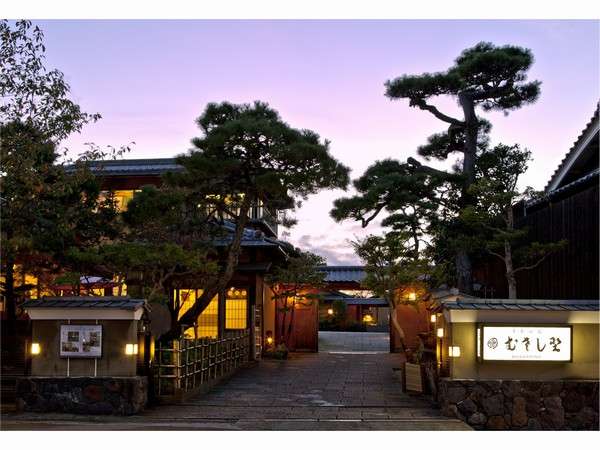
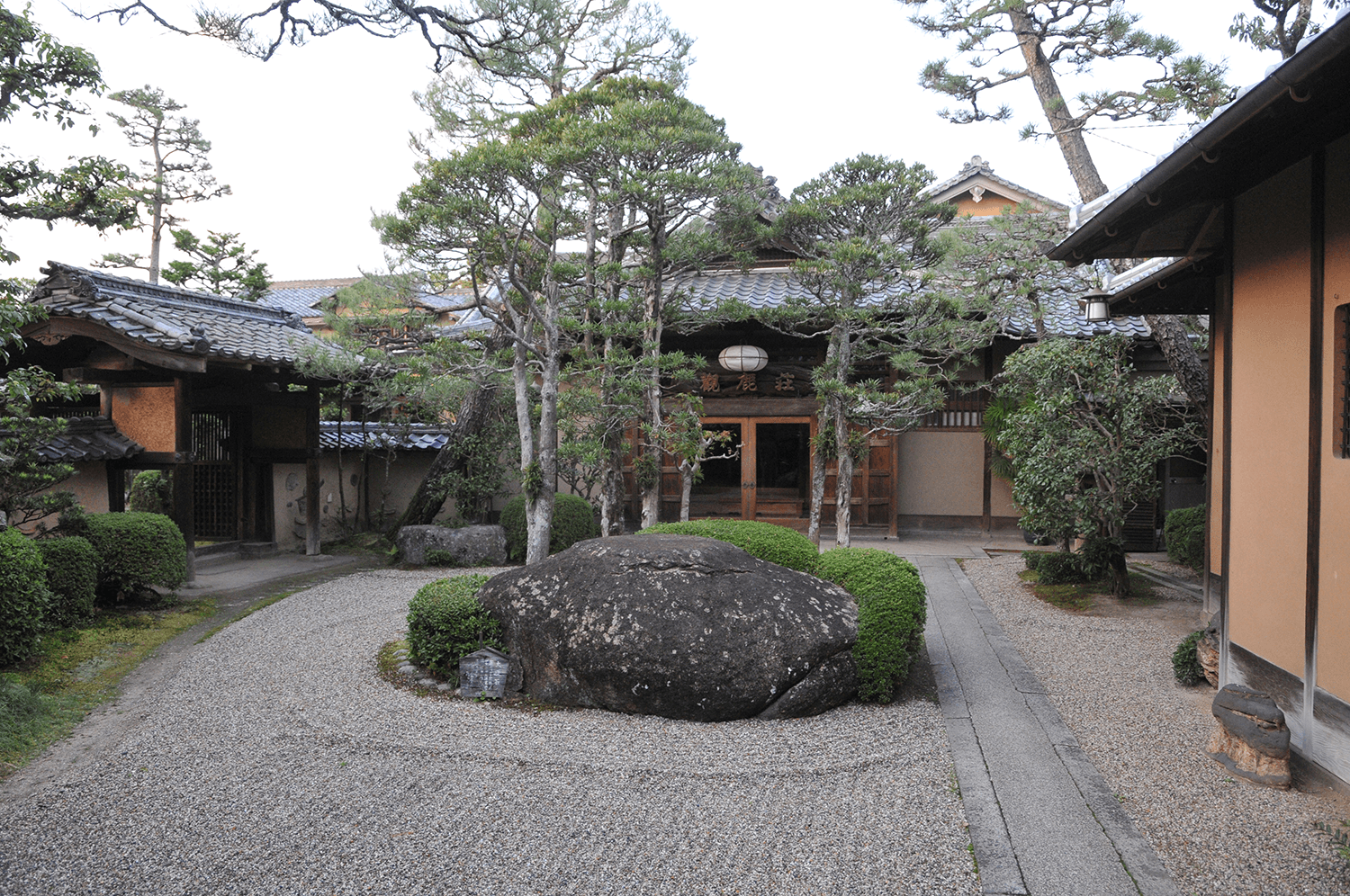
![]() Ryokan Asukasou Nara | $150起 | 9.6 146条评价 | 英语OK | 在Trip.com预订 |
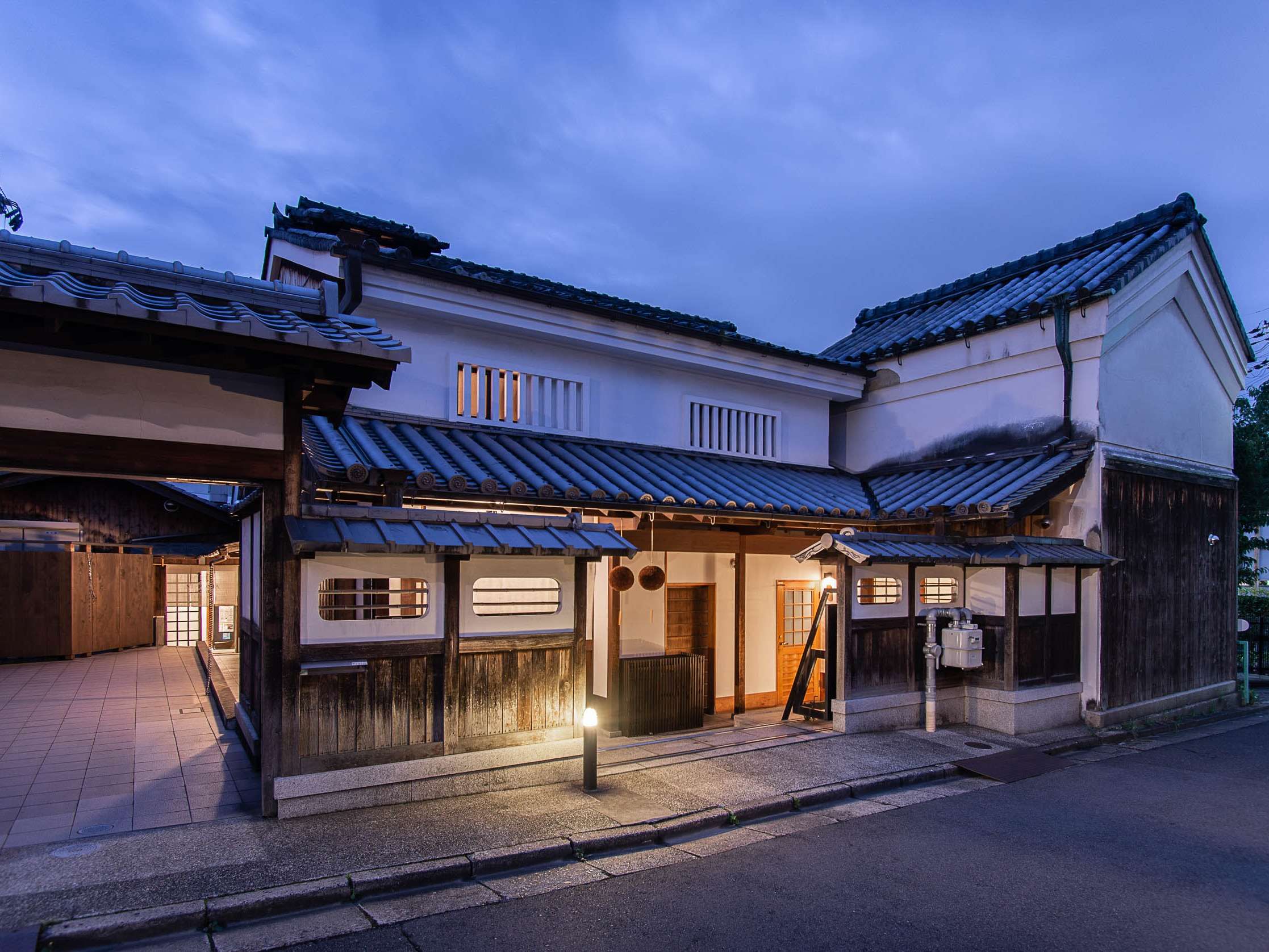
![]() Wakasa Besso Nara | $180起 | — | 英语OK | 在Trip.com预订 |
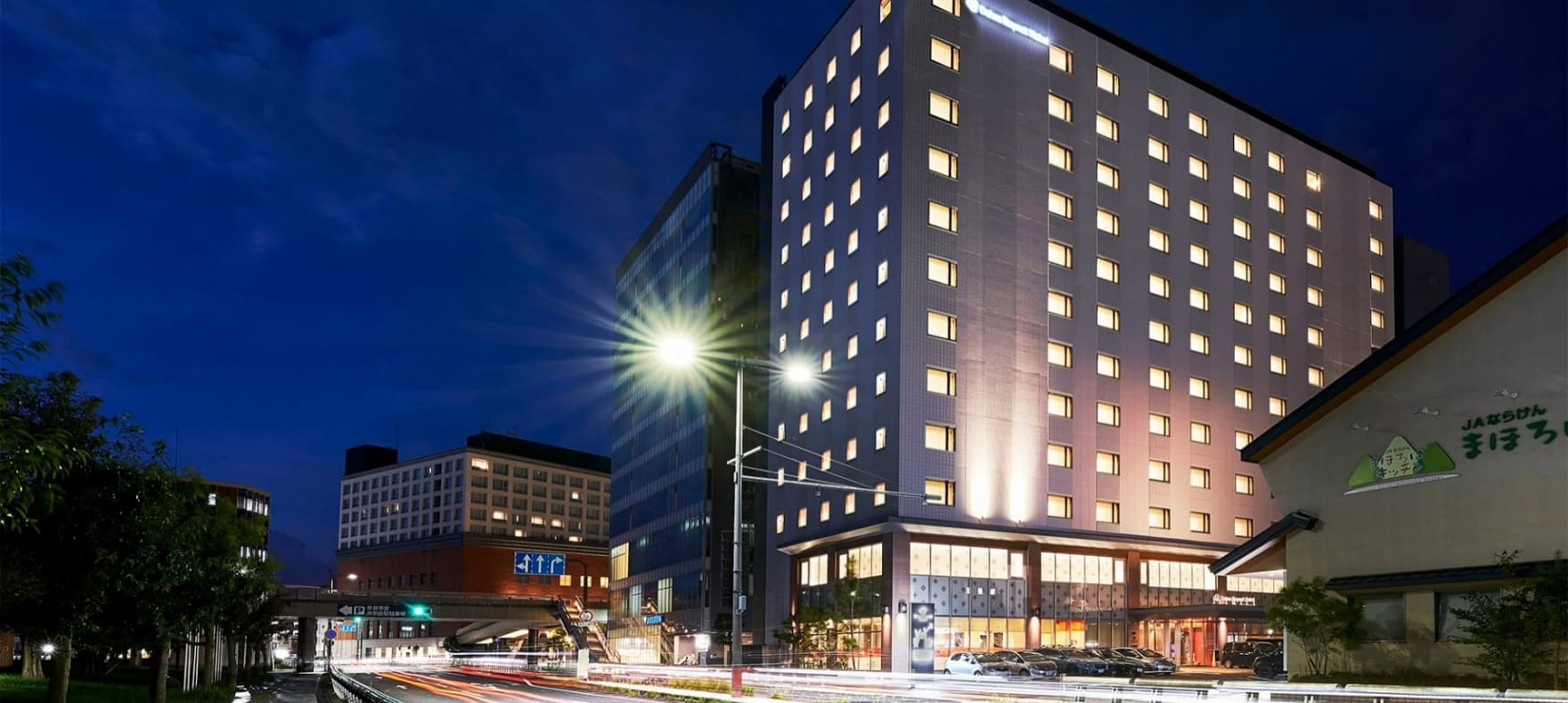
| $100起 | 9.6 30条评价 | 英语OK | 在Trip.com预订 | |
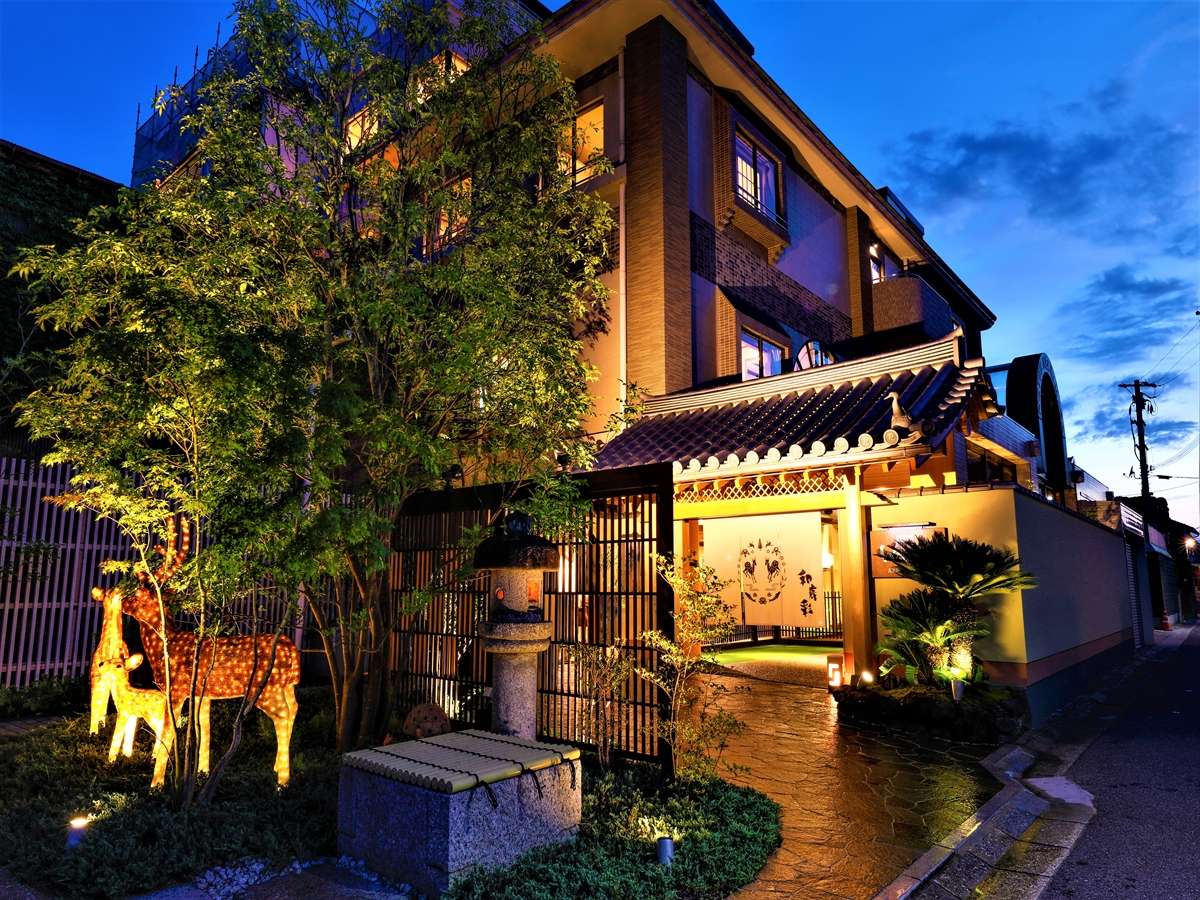
![]() Hotel New Wakasa Nara | $120起 | 9.4 67条评价 | 英语OK | 在Trip.com预订 |

Ryokan Asukasou
Nara

Wakasa Besso
Nara

Hotel New Wakasa
Nara
显示价格为每人每晚的起步价(约值)。通过本站预订,我们可能获得佣金。
Here's a structural oddity that still surprises me every time I look at the numbers: Nara ranks 7th nationally for inbound foreign visitors — about 8.8% of Japan's total tourist traffic flows through here — yet it sits 44th out of 47 prefectures for overnight stays [News on Japan, 2024]. In practice, that means Nara is one of Japan's most-visited places where almost nobody sleeps.
The reason is well-documented and a little depressing. Nara Prefecture tourism officials have called it "cheap, shallow, and narrow" — a structural over-dependence on the Great Buddha, which they call "Daibutsu business." Visitors roll in from Kyoto on the 35-minute Kintetsu Limited Express, buy deer crackers, photograph the deer, walk to Todai-ji, and leave before the souvenir shops close at 2pm. Average spend: around 200 yen. Compare that to neighboring Kyoto, which recorded over 30 million overnight stays in 2024, or Osaka at 16.7% of all foreign overnight bookings versus Nara's 0.3%.
The early morning argument is the simplest case I can make for staying the night. Before the day-tripper buses arrive around 9am, Nara Park is a different place. The deer are most active and approachable at dawn — the deer crackers (shika sembei) don't go on sale until around 8am, which means the herd is calm rather than performing for food. The approach path to Kasuga Taisha through the cedar forest, which smells of damp moss and old timber in the morning air, is nearly empty. You can walk down the center of the stone lantern corridor without dodging selfie sticks.
Beyond the morning deer argument: Yoshino Mountain and Dorogawa Onsen — two of Nara Prefecture's most extraordinary overnight destinations — are simply impossible as day trips. Getting to Dorogawa from Nara City takes over two and a half hours by train and bus; treating it as a round-trip excursion makes no sense. Yoshino during cherry blossom season is only worth the journey if you're there for the illuminated blossoms after the shuttle bus crowds leave at night and the pink dawn before they return.
This guide is the first English-language article I'm aware of that covers all three overnight zones in Nara Prefecture systematically. The choice between Nara City, Yoshino Mountain, and Dorogawa Onsen isn't a matter of preference — it depends on your travel dates and what you're after. I'll map that out for each zone.
What's here: 14 verified properties with 2026 prices, tattoo policies, and honest notes on what each one gets right and wrong. If you're new to ryokan stays, read our first-time ryokan guide before the property breakdowns.
---
How we chose these ryokans

Every property in this list met four conditions. First: verified open and operating in 2026. Second: at least one bath facility on-site, whether natural onsen or heated. Third: bookable by English-speaking visitors, either through a major OTA or via English email. Fourth: prices verified via Trip.com, Booking.com, KAYAK, or the property's official site within the past 60 days [verified 2026-06-05].
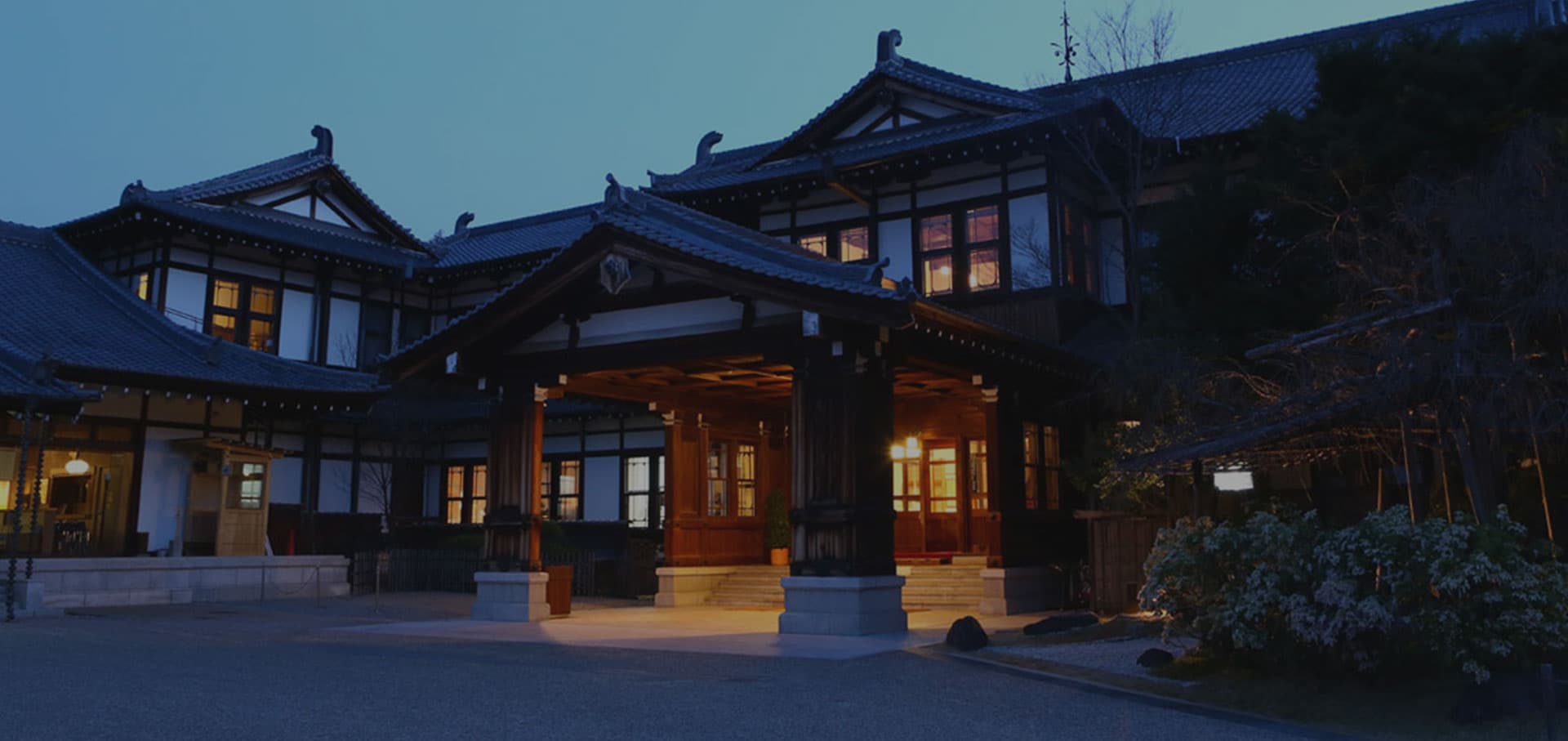
One property that doesn't appear in the ranked list is Nara Hotel, the grande dame founded in 1909 and designed by Tatsuno Kingo (the same architect who built Tokyo Station). It matters historically and will matter again — but as of this writing, it is closed for full renovation, with limited Main Building operations only from early June through August 2026 [JR-West Hotels official announcement]. I've included it as a brief warning block in Zone 1. Do not book through third-party OTAs until you've confirmed its current operating status.
---
Zone 1: Nara City — ryokans inside and around Nara Park
Nara City ryokans cluster in two micro-areas. A small handful sit inside or directly adjacent to Nara Park itself — and these are genuinely rare, since most of the park zone is protected land. The rest line the Noborioji and Kasugano corridors, roughly 5 to 15 minutes on foot from the park gate. For first-time visitors and JR Pass holders, this zone is the natural default: you're 35 minutes from Kyoto by Kintetsu Limited Express (1,280 JPY) and about 39 minutes from Osaka Namba by Rapid Express (680 JPY).
HOSHINOYA Nara — opening June 25, 2026 (former Nara Prison)
Tip
What's new in 2026: HOSHINOYA Nara opens June 25, 2026, at 18 Hannyajicho, Nara. Reservations opened January 20, 2026. Rates from JPY 147,000 (~$980) per room per night, meals additional. Book direct via hoshinoya.com/nara.
The Nara Prison was built in 1908 as one of five major Meiji-era penitentiaries — and it is the only one of those five still standing. It carries a National Important Cultural Property designation, which is part of why nobody demolished it and why Hoshino Resorts spent years converting it. The building's defining feature is its radial cell-block layout: corridors fan out like spokes from a central hub, which means wardens could watch all wings simultaneously. Hoshino has kept that architecture intact and carved 48 guestrooms from the original solitary confinement cells — high ceilings, original red brick walls, narrow proportions that are either claustrophobic or cathedral-like depending on your disposition.
The Adjacent Nara Prison Museum opened April 27, 2026, offering day-trip access to the site's history even for non-guests. As for the luxury stay itself: the irony is fully intentional. You are sleeping in a cell. The original iron doors and brick walls are part of the room's design language. What were once the most austere spaces in the prefecture are now, at ~$980+ per room, among the most coveted.
Onsen facilities are not specified in the official announcement — confirm at booking. Tattoo policy is unknown; HOSHINOYA properties that offer private baths tend toward private-only arrangements, which sidesteps communal bath restrictions, but verify directly.
- Price: From JPY 147,000/room/night (~$980+), meals extra - Onsen: Unconfirmed — check directly - Tattoo policy: Confirm at booking - English: Excellent (HOSHINOYA group standard) - Best for: Architecture travelers, bucket-list splurge, anyone who wants a story nobody else has
---
Edosan — the only ryokan actually inside Nara Park
Edosan was founded in 1907 and has five rooms. That's the whole pitch, really. You step through the entrance and you are, literally, in Nara Park — the UNESCO World Heritage deer zone begins at the property boundary. The approach path at dawn, before anyone else is up, crosses the same ground the deer sleep on. There is no equivalent for this in Nara City, and there may not be an equivalent anywhere else in Japan.
The five rooms are all Japanese-style tatami, with dinner served in-room (kaiseki or, from October through March, Wakakusa-nabe hot pot). One room has a private family bath — the bath facility is in an outbuilding and uses heated water, not a natural spring. Confirm the communal bath situation at booking given the intimate scale.
Five rooms and a maximum of 17 guests means this books out quickly; spring and autumn seasons fill months ahead. Single-occupancy plans run from JPY 39,600 per person per night .
Pros: Unmatched location — deer territory starts at the front door. In-room kaiseki. Intimate scale that larger properties can't offer.
Cons: Very limited English on-site. No natural spring water. Books out months ahead for peak seasons.
- Price: JPY 25,300–48,400/person/night including dinner + breakfast - Onsen: Heated (not natural spring) - Tattoo policy: Confirm at booking - English: Moderate (Agoda/Trip.com booking works; limited on-site English) - Best for: Dawn deer seekers, travelers who want authentic ryokan scale, history purists
[Check on Trip.com](#) | [Check on Booking.com](#)
---
Tsukihitei — inside a UNESCO primeval forest, 5 detached rooms
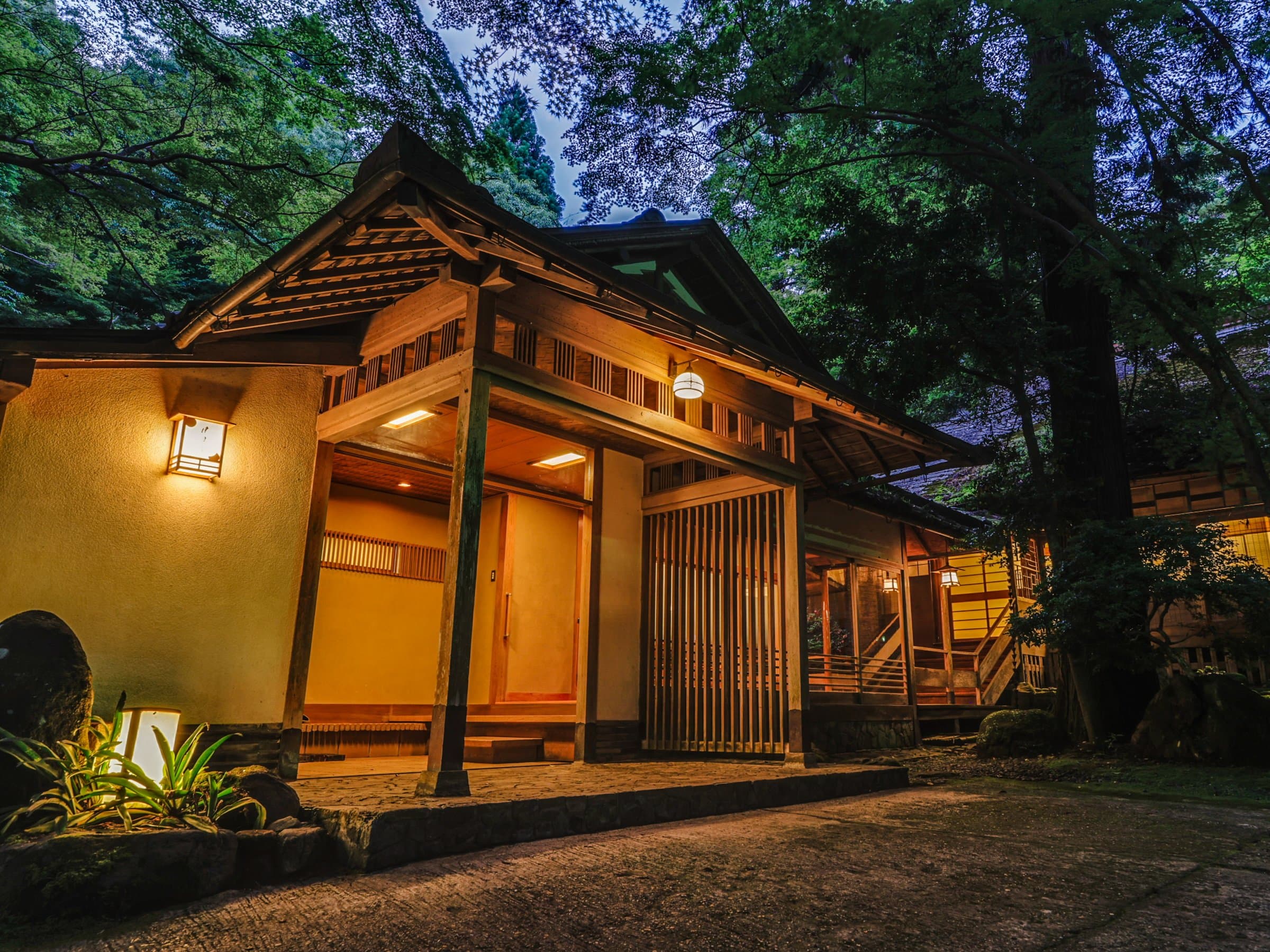
Built in 1903 as the official guesthouse for the Governor of Nara Prefecture, Tsukihitei sits within Kasugayama Primeval Forest — not near the forest, inside it. The forest has been a UNESCO World Heritage Site since 1998. The five detached rooms range from 66 to 90 square meters and include in-room private wooden baths. Kasuga Taisha is 400 meters away; Todai-ji is a 10-minute walk.
What distinguishes Tsukihitei from other high-end Nara properties is the sensory texture of the stay: at night, the only sounds are the forest. The property has two shared reservation-only baths — the Wakakusa Bath uses leaf-motif tiles and a Kouyamaki wood tub; the Okuyama Bath has hinoki cypress and stained glass. Neither uses natural spring water, but the quality of the materials matters here. Kaiseki is served in-room. Rates start from JPY 49,177 per room per night .
Pros: Full privacy between five detached rooms. Best forest immersion in Zone 1. Materials quality in the baths is exceptional.
Cons: No natural spring water. Requires taxi or 25-minute walk from Kintetsu-Nara Station — heavy luggage is a real problem here.
- Price: From JPY 49,177/room/night (~$330+) - Onsen: Private in-room baths (not natural spring) - Tattoo policy: Private baths only — de facto not an issue - English: Moderate (bookable via Booking.com/Expedia) - Best for: Couples wanting total seclusion, forest bathing, UNESCO heritage immersion
[Check on Trip.com](#) | [Check on Booking.com](#)
---
Ryokan Asukasou — top-floor baths, 41 rooms, best availability

Asukasou sits at the entrance to Nara Park, making it the largest property with a genuine park-proximity address. The 41 rooms mean availability is consistently good — something that cannot be said for Edosan or Tsukihitei. Rooms have been recently renovated, and the property runs indoor and outdoor communal baths on the top floor. Whether those baths use natural spring water has not been confirmed by any authoritative source I could find — the listing mentions "onsen baths," but ask directly before booking if natural spring water matters to you.
What Asukasou does well: breakfast. Reviews consistently highlight the local Nara specialties served in the morning — this is where you first encounter miwa somen noodles and Yamato vegetables as part of a formal morning spread. The location, roughly 15 minutes on foot from Kintetsu-Nara Station, positions you right where the deer appear from the park in the early hours.
Pros: Best availability in Zone 1. Top-floor baths with park-adjacent views. Reliable breakfast quality.
Cons: Natural spring water status unverified. Less intimate than Edosan or Tsukihitei.
- Price: ~$120–230/room/night - Onsen: Communal (natural spring unverified — confirm at booking) - Tattoo policy: Confirm at booking - English: Good (major OTA presence, English emails handled) - Best for: First-time ryokan guests wanting reliability, park-adjacent mornings, larger groups
[Check on Trip.com](#) | [Check on Booking.com](#)
---
Onyado Nono Nara — natural hot spring, cover-up stickers provided
I'll be direct: Onyado Nono is a modern hotel, not a traditional ryokan. It's part of the Dormy Inn brand's all-tatami Onyado Nono sub-brand. The rooms have tatami floors, you wear yukata, the rhythm of the stay feels ryokan-adjacent. But the building is an urban multi-floor hotel, 5 minutes on foot from JR Nara Station.
The reason it belongs in this guide: it offers the only confirmed natural hot spring in central Nara City, and it is the most accessible property for tattooed travelers. The "Yoshino Sakura no Yu" baths on the first floor use a genuine natural spring, with cypress indoor baths and outdoor baths lit by lanterns in the evening. Guests with tattoos can use the baths with waterproof cover-up stickers (8x10cm, provided on request) — this is explicitly permitted . That combination — natural onsen plus tattoo-accessible policy — is essentially unique in Nara City.
The Dormy Inn's signature free midnight ramen service is available here. It's a small thing that becomes a genuine pleasure after a full day of walking Nara Park.
Pros: Only confirmed natural onsen in central Nara City. Tattoo cover-up stickers provided. Budget-friendly entry point. Free midnight ramen.
Cons: Modern hotel format — not a traditional ryokan. Closer to JR Nara than to Kintetsu-Nara Station.
- Price: ~$65–200/room/night, breakfast JPY 2,500 extra - Onsen: Natural spring (confirmed), cypress indoor + outdoor baths - Tattoo policy: Cover-up stickers provided (8x10cm waterproof) - English: Excellent (24-hour front desk, major OTA presence) - Best for: Tattooed travelers, solo travelers, anyone prioritizing natural onsen access on a budget
[Check on Trip.com](#) | [Check on Booking.com](#)
---
Kasuga Hotel — best location in zone, heated bath only
Kasuga Hotel deserves a clear statement up front: the outdoor bath is heated tap water, not a natural hot spring. That's confirmed . The rock-surrounded rotenburo in the garden, shaded by maple trees with a waterfall feature, is pleasant — but if natural mineral water matters to you, this is not your property.
What Kasuga Hotel does better than any other traditional-style property in Nara City is train access. Two minutes on foot from Kintetsu-Nara Station. Three minutes from Nara Park. Five minutes from Kofuku-ji. For travelers arriving late, departing early, or with limited mobility, that location advantage is real. The tatami rooms with yukata, green tea, and LCD TVs provide a ryokan-adjacent experience without committing to the isolation of properties deeper in the park zone.
Pros: Unbeatable train access — 2 minutes from Kintetsu-Nara. Three minutes from Nara Park. Good for late arrivals.
Cons: Heated water only — not a natural onsen. More hotel than ryokan in character.
- Price: ~$145–300+/room/night - Onsen: Heated water only (NOT natural hot spring) - Tattoo policy: Unknown — confirm at booking - English: Good - Best for: Travelers prioritizing train access, late arrivals, early departures
[Check on Booking.com](#)
---
Nara Hotel — closed for renovation (do not book)
Tip
Warning: Nara Hotel is currently closed for renovation. The full renovation ran January 4 – late May 2026; limited Main Building operations resumed from early June 2026 through August 2026 only. Verify the current operating status directly before booking: narahotel.co.jp [Source: JR-West Hotels announcement].
Nara Hotel matters enough to mention even in its closed state. Founded October 17, 1909, it was designed by Tatsuno Kingo — the architect behind Tokyo Station — in Momoyama Goten style using hinoki cypress. It has hosted Albert Einstein, Charlie Chaplin, Helen Keller, and Edward VIII, among others. It is a Registered Tangible Cultural Property. When it fully reopens, it will be worth re-evaluating as a high-end option for travelers who want the grande dame Western-hybrid experience. Until then: do not place a booking.
---
Zone 2: Yoshino Mountain ryokans — cherry blossom season and beyond
Yoshino Mountain (Yoshinoyama) holds approximately 30,000 cherry trees of over 200 varieties spread across four ascending elevation zones: shimo-senbon (lower), naka-senbon (middle), kami-senbon (upper), and oku-senbon (innermost) [JNTO]. The blooming is staggered — in 2026, lower slopes hit full bloom on April 2, middle slopes (naka-senbon) on April 3, upper slopes on April 6, and the innermost reaches around April 10 [Japan Guide cherry blossom blog, April 3, 2026]. The mountain's season stretches over roughly three weeks rather than a single peak weekend.
Staying overnight in Yoshino during blossom season is the only way to experience the illuminated trees — nightly illuminations ran March 20 through April 19, 2026 from 16:30 to 22:30. After the shuttle buses stop running, you have the mountain to yourself. What I remember most clearly from an April dawn on Yoshinoyama is the light: pale pink filtering through the canopy before the ropeway opens, the kind of quiet that makes you aware of your own footsteps on the stone path below Kinpusenji. No data summary captures that particular hour.
The best ryokans in Nara's Yoshino zone book out months in advance for cherry season — this is not an exaggeration. If you're planning an April visit, begin researching in October or November.
Off cherry season, Yoshino is the site of Kinpusenji, a 7th-century Shugendo temple complex, and a UNESCO World Heritage pilgrimage mountain. Transport: Kintetsu Yoshino Line from Osaka Abenobashi, about 75 minutes on the Limited Express (1,690 JPY) or 90 minutes on the regular express (1,170 JPY).
Tip
Booking warning: Yoshino accommodations during cherry blossom season — late March through mid-April — book out months in advance. Chikurin-in Gunpoen specifically notes this on its own site. If you're planning an April trip, begin researching in October or November.
---
Chikurin-in Gunpoen — 1,300-year-old inn with Sen-no-Rikyu garden
Chikurin-in Gunpoen has been hosting pilgrims, monks, and mountain ascetics on Yoshino for over 1,300 years. The property originally served practitioners of Shugendo — the same mountain worship tradition that defines the entire Yoshino-Dorogawa area. Today it's the most accessible luxury option on the mountain, with 35 rooms (all with private bathrooms, which is genuinely unusual for a ryokan of this age and character).
The garden, Gunpoen, is said to have been designed by tea master Sen-no-Rikyu and is designated a national scenic beauty. The 220-year-old weeping cherry trees (tennin-no-sakura) — the oldest in Yoshino — sit in this garden. During blossom season, breakfast in the garden with a direct view of these trees is what the stay is built around. The Rikyu Nabe hot pot and seasonal kaiseki draw on Yoshino-region ingredients.
Three communal gender-separated onsen baths are on-site (Kamoshika no Yu, Tennin no Yu, Musasabi no Yu), plus private onsen in deluxe rooms. The communal baths explicitly welcome tattooed guests — a confirmed policy [japanese-onsen.com 2026-06-05] that is rare for a property with this much traditional heritage. For onsen etiquette for foreigners, the guide has you covered.
The property is a 25-minute walk from Yoshinoyama Ropeway Station — plan accordingly if you're arriving with large bags or tight timing.
Pros: 1,300 years of history. Sen-no-Rikyu garden with the oldest cherry trees in Yoshino. Tattooed travelers welcome in communal baths — rare for a heritage inn.
Cons: 25-minute walk from the ropeway station. Books out many months ahead for cherry season.
- Price: ~$133–290/room/night - Onsen: Natural spring, communal + private in deluxe rooms - Tattoo policy: Allowed in communal baths (confirmed) - English: Good (Booking.com, Expedia, English-speaking staff available) - Best for: Cherry blossom season splurge, tattooed travelers, tea ceremony and garden enthusiasts
[Check on Trip.com](#) | [Check on Booking.com](#)
---
Hounkan — outdoor onsen, private sauna, TripAdvisor #2 in Yoshino
Hounkan sits about 20 minutes uphill from Yoshino Ropeway — the walk is part of the experience, passing through the middle blossom tier during cherry season. TripAdvisor ranks it #2 accommodation in the Yoshino region [TripAdvisor 2026-06-05], and consistent praise in reviews centers on two things: the outdoor onsen with mountain forest views, and the attentiveness of the family-owned service.
The private sauna is an unusual offering for a traditional mountain inn, and it adds a genuine wellness dimension that the bigger, more famous properties in the area don't offer. The outdoor rotenburo comes into its own in autumn, when the maple foliage surrounds the bath in red and orange. Whether the water is a true natural spring has not been independently confirmed from authoritative sources — confirm directly.
One practical note that matters: Hounkan has facilities for guests with disabilities, which is rare at mountain ryokan in this region. If accessibility is a factor, this may be the only viable Yoshino option.
Pros: Outdoor onsen with mountain views. Private sauna. Accessible facilities (rare for Yoshino). Attentive family service.
Cons: Natural spring water status unverified. 20-minute uphill walk from the ropeway station.
- Price: ~$100–280/room/night - Onsen: Outdoor bath available (natural spring unverified — confirm at booking) - Tattoo policy: Confirm at booking - English: Moderate - Best for: Outdoor onsen seekers, autumn foliage season, travelers needing accessible facilities
[Check on Trip.com](#) | [Check on Booking.com](#)
---
Miyoshino Sakuraan — closest ryokan to Yoshino Station, run by husband and wife
Four minutes on foot from Kintetsu Yoshino Station — that's the practical pitch for Miyoshino Sakuraan, and it's a genuine differentiator. Every other property on the mountain requires a ropeway ride or a 20-plus-minute uphill walk. During cherry season, when the ropeway queues stretch long and the mountain paths are thick with day-trippers, being four minutes from the train platform is worth real money.
The rooms are Japanese-modern with large windows designed to frame the Nanamagarizaka slope, which is lined with cherry trees during blossom season. Some rooms have direct ropeway views. The husband-and-wife owners run the place with the kind of personal hospitality that a chain property physically cannot replicate — early checkouts accommodated, local food tips offered unprompted. The property accepts solo travelers and has "rider rooms" for motorcyclists, which signals a demographic openness unusual for a sakura-season mountain inn.
Private baths are available but there is no confirmed onsen — worth noting if natural spring bathing is your priority.
Pros: Closest accommodation to Yoshino Station. Cherry blossom views from room. Personal family service. Rider rooms for solo and motorcycle travelers.
Cons: No confirmed onsen. Small-scale guesthouse format — limited facilities compared to larger properties.

- Price: From ~$118/room/night - Onsen: None confirmed (private baths available) - Tattoo policy: Unknown — confirm at booking - English: Good (Booking.com listing) - Best for: First-time Yoshino visitors, budget travelers, cherry blossom season priority, solo travelers
[Check on Trip.com](#) | [Check on Booking.com](#)
---
Zone 3: Dorogawa Onsen ryokans — Kansai's most intact onsen village outside Kinosaki
Most travel guides about Nara mention Dorogawa Onsen briefly if at all. That gap is your advantage.
Dorogawa sits at the base of Mt. Omine — the sacred center of Shugendo, the syncretic mountain worship tradition that blends Buddhism, Shinto, and ascetic practice. The mountain and its pilgrimage routes form part of the "Sacred Sites and Pilgrimage Routes in the Kii Mountain Range" UNESCO World Heritage Site. The onsen town has been a rest stop for Shugendo mountain ascetics for over 1,000 years. That history shapes the texture of the place in ways you can't manufacture: wooden ryokan buildings line a narrow mountain river valley, guests in yukata walk the lantern-lit streets in the evening, and the Gorogoro Mizu — a natural spring designated as one of Japan's 100 Special Water Sources in 1985 [JNTO] — flows openly on the main street. On the main street there is also, incongruously, a craft beer standing bar — one of those small details that signals a town that's lived-in rather than performed for tourists.
The Dorogawa onsen water itself (weakly alkaline simple spring, pH ~8.5, 26°C) has a quality the industry calls "bijin no yu" — skin-smoothing — because the alkaline mineral content emulsifies skin oils [JNTO verified]. It's colorless and odorless, which surprises people who expect sulfur.
One cultural note that deserves honest mention: Mt. Omine's summit trail has remained closed to women since the establishment of Shugendo as a formal practice. This is a traditional religious prohibition, not a legal restriction. The Dorogawa Onsen town itself is fully open to everyone; the restriction applies specifically to the summit pilgrimage route.
Getting here: From Kintetsu-Nara Station, take the Kintetsu line to Yamato-Saidaiji, then transfer toward Kashiharajingu-mae (26 minutes), then to Shimoichiguchi Station (24 minutes), then the Nara Kotsu bus to Dorogawa Onsen terminal — approximately one hour on the bus. Total journey: roughly 2 hours 37 minutes. The bus is scenic but infrequent; check the Nara Kotsu timetable before you book your ryokan. Most Dorogawa properties will arrange a bus transfer from the terminal if you notify them in advance.
For comparison with Kansai's other great onsen-town staying experience, see our Kinosaki Onsen ryokan guide.
---
Hanaya Tokubei — 500 years old, 17th generation
Hanaya Tokubei is the oldest inn in Dorogawa Onsen, founded approximately 500 years ago during the Muromachi period and now operated by the 17th generation of the same family . That kind of continuity is rare even by Japanese ryokan standards.
The property has 8 rooms, built using Yoshino timber in the traditional style. The semi-open-air bath "Goki no Yu" looks out on a garden, and the onsen uses the natural Dorogawa weakly alkaline spring water. In summer, wide wooden verandas (engawa) are decorated with lanterns; in winter, open fire areas warm the public spaces. The kaiseki dinner and breakfast are included in the rate — with limited restaurant options in the village, this is standard practice and good value.
What I must state directly: tattoos are not allowed in the communal baths. This is not arbitrary policy; Hanaya Tokubei has served Shugendo mountain ascetics (yamabushi) for centuries. The pilgrimage culture that defines the property's identity carries traditional prohibitions. If you have tattoos, this is not your property — Kadojin (below) is the Dorogawa alternative.
Booking note: Hanaya Tokubei is available on Expedia and Klook, but direct contact or Japanese-language platforms (Jalan, Rakuten Travel) may offer better availability. Phone booking is sometimes the only option for specific dates.
Pros: Oldest inn in Dorogawa Onsen (~500 years, 17th generation). Yoshino timber architecture. Natural spring water. Kaiseki and breakfast included.
Cons: Tattoos not allowed. Limited English. Phone booking often required for specific dates.
- Price: ~JPY 27,700/person/night (~$185), dinner + breakfast included - Onsen: Natural spring (Dorogawa alkaline spring), communal - Tattoo policy: Not allowed - English: Limited (book via Expedia, Klook, or Japanican) - Best for: Serious Japan travelers, cultural immersion, pilgrimage history, travelers without tattoos
[Check on Expedia / Klook](#)
---
Kadojin — est. 1688, private open-air bath in every room, small tattoos allowed
Founded in 1688 during the first year of the Genroku era, Kadojin is second only to Hanaya Tokubei in age among Dorogawa's inns. It has six rooms. Every one of them has a private open-air rotemburo (outdoor bath) using the natural Dorogawa spring water — and as of the research date, Kadojin is the only ryokan in Dorogawa Onsen that can make that claim .
The named rooms include "Jinshiro no Ma" and "Momo no Ma," both with private rotenburo access. The property has been recently renovated while keeping the tatami-and-antiques aesthetic intact. In summer, the sliding doors open to a veranda for fireworks viewing during the Dorogawa Gyoja Festival in August.
The tattoo policy: small tattoos are explicitly permitted . This matters enormously in a town where most properties run communal baths and apply traditional prohibitions. In this context, Kadojin's private bath-per-room structure is what makes the tattoo flexibility possible. Exact 2026 pricing is not publicly listed — use Booking.com or Rakuten Travel, or contact directly.
Pros: Only Dorogawa ryokan with private open-air bath in every room. Small tattoos allowed. Recently renovated. Six-room intimacy.
Cons: Pricing not publicly listed — requires direct inquiry or OTA search. Limited English.
- Price: Unverified (mid-range tier, per visitnara.jp) — confirm via Booking.com or Rakuten Travel - Onsen: Natural spring, private open-air bath in every room - Tattoo policy: Allowed (small tattoos permitted, confirmed) - English: Limited (Booking.com listing exists; Agoda also available) - Best for: Tattooed travelers in Dorogawa, couples wanting absolute privacy, private rotenburo experience
[Check on Booking.com](#) | [Check on Trip.com](#)
---
Koryokuen Nishisei — grand inn, wild boar hot pot, garden with red lacquer bridge
Koryokuen Nishisei is described across multiple sources as among the most prestigious ryokans in Dorogawa Onsen [visitnara.jp, TripAdvisor]. The eight rooms feature original artwork and antiques; most rooms have enclosed balconies looking over private gardens. The indoor and outdoor natural spring baths include the open-air "Ryokufu-no-Yu," and the garden has a red lacquered bridge over a waterfall feature.
The food is the strongest differentiator here. The kaiseki incorporates river fish and seasonal mountain vegetables at a level that stands apart from the other Dorogawa properties — but the signature is botan nabe, wild boar hot pot, available seasonally. Botan nabe is a regional mountain specialty; you will not find it on the menu at any Nara City ryokan. If food-forward travel is your organizing principle, this is the Dorogawa property to book.
Pricing is not publicly listed; rates are classified as luxury tier. Book via Rakuten Travel or contact the property directly: 0747-64-0306.
Pros: Grandest setting in Dorogawa. Best kaiseki in the zone. Wild boar hot pot (botan nabe) specialty. Garden with red lacquer bridge.
Cons: Pricing opaque — requires direct inquiry. Very limited English. Rakuten Travel is the main OTA channel.
- Price: Unverified (luxury tier) — book via Rakuten Travel or direct phone - Onsen: Natural spring (indoor + outdoor, including Ryokufu-no-Yu) - Tattoo policy: Unknown — confirm at booking - English: Limited (Rakuten Travel; direct booking in Japanese) - Best for: Food-focused travelers, groups, anyone who wants the grandest Dorogawa experience
[Check on Trip.com](#)
---
Atarashiya Ryokan — natural hot spring, best value in Dorogawa
Seven rooms, a lobby fireplace, natural Dorogawa mineral spring baths, and rates starting around $124 per night . Among the best ryokans in Nara, Japan's Dorogawa zone for pure accessibility, Atarashiya has the widest OTA coverage of any property here — available on Trip.com, Expedia, Klook, and Booking.com.
The property is a 10-minute walk from the Dorogawa Onsen bus terminal, near the pilgrimage route sites. In winter, the lobby fireplace creates an atmosphere the mountain setting deserves. The baths are indoor mineral spring (natural Dorogawa water), and the restaurant serves Dorogawa-region fare. This is not a grand luxury experience — it's a solid, honest mountain inn that gets you into the real Dorogawa village atmosphere without the phone-booking complications of the older properties.
Tattoo policy is unknown — confirm at booking. Given the communal bath format, assume standard restrictions apply and ask directly.
Pros: Widest English OTA coverage in Dorogawa. Natural spring water. Lobby fireplace for winter atmosphere. Honest value.
Cons: Tattoo policy unknown. Simpler facilities than Koryokuen Nishisei or Hanaya Tokubei.
- Price: ~$124–160/room/night - Onsen: Natural spring (indoor mineral bath) - Tattoo policy: Confirm at booking - English: Moderate (major OTA presence) - Best for: Budget-conscious Dorogawa visitors, winter fireplace atmosphere, first-time onsen village stays
[Check on Booking.com](#) | [Check on Trip.com](#)
---
Nara ryokan comparison table
Use this table to shortlist before reading full reviews. Prices are low-season estimates; cherry blossom and Golden Week rates can run 2–3x higher. For the full national picture on tattoo access, see our guide to tattoo-friendly ryokans in Japan.
| Ryokan | Zone | Price/Room/Night (USD) | Onsen | Tattoo | English booking | Best for |
|---|---|---|---|---|---|---|
| HOSHINOYA Nara | City | $980+ | Unconfirmed | Confirm | OTA / Direct | Bucket-list splurge |
| Edosan | City | $170–320/person | Heated | Confirm | Trip.com/Agoda | Dawn deer, intimacy |
| Tsukihitei | City | $330–600+ | Heated (private) | Private bath | OTA | Forest seclusion, couples |
| Ryokan Asukasou | City | $120–230 | Unverified | Confirm | OTA | First-timers, availability |
| Onyado Nono Nara | City | $65–200 | Natural spring | Cover-up stickers | OTA | Tattooed travelers, budget |
| Kasuga Hotel | City | $145–300+ | Heated (NOT onsen) | Confirm | OTA | Train access |
| Nara Hotel | City | — | None | Unknown | CLOSED — do not book | — |
| Chikurin-in Gunpoen | Yoshino | $133–290 | Natural spring | Allowed | OTA | Cherry blossoms, tattoo-OK |
| Hounkan | Yoshino | $100–280 | Outdoor (unverified) | Confirm | OTA | Outdoor onsen, autumn |
| Miyoshino Sakuraan | Yoshino | $118+ | None confirmed | Confirm | OTA | Budget, station access |
| Hanaya Tokubei | Dorogawa | $185+/person | Natural spring | Not allowed | Expedia/Klook | Cultural immersion |
| Kadojin | Dorogawa | Mid-range (unverified) | Natural spring (private) | Allowed (small) | Booking.com | Private rotenburo, tattoos |
| Koryokuen Nishisei | Dorogawa | Luxury (unverified) | Natural spring | Confirm | Rakuten/Direct | Food, grandeur |
| Atarashiya Ryokan | Dorogawa | $124–160 | Natural spring | Confirm | OTA | Budget Dorogawa |
---
When to visit: Nara ryokan season guide
Late March to mid-April — cherry blossom season
Go to Yoshino. This is non-negotiable if you have any flexibility in your dates. The 30,000 trees across four elevation zones create a staggered bloom that ran from April 2 through approximately April 10 in 2026: lower slopes (shimo-senbon) reached full bloom April 2, middle slopes (naka-senbon) on April 3, upper slopes (kami-senbon) on April 6, and the innermost zone (oku-senbon) around April 10 [Japan Guide sakura blog 2026-06-03]. Book Chikurin-in Gunpoen or Miyoshino Sakuraan — 3 to 6 months ahead is not excessive for April dates. The nightly illuminations (16:30–22:30 during cherry season) and the dawn before shuttle buses start running at 8am are the two moments that make the overnight stay irreplaceable.
Tip
Follow the Japan Meteorological Corporation sakura forecast from late January — the specific peak week varies by 2–3 weeks year to year.
May to September — green season
Nara City is the play here. Cherry blossoms are gone, crowds thin out, and full ryokan availability opens up. HOSHINOYA Nara opens June 25, 2026 — summer 2026 is the window to experience it before the crowds build. Dorogawa is also excellent in summer: mountain temperatures run 5–8°C cooler than Osaka, and the August Gyoja Festival brings lantern processions and traditional masked performances honoring Shugendo founder En no Gyoja.
October to November — autumn foliage
Dorogawa Onsen peaks in this season. The maple leaves in the mountain gorge turn in late October; the combination of rotenburo outdoor bathing and autumn color is what travel writers in Japan call koyo-ryokan culture. Hounkan's outdoor bath is the right place for this. Nara City's Kasugayama Primeval Forest around Tsukihitei also turns in late October.
December to February — winter
Nara City operates year-round without the same seasonal pressures. Dorogawa under snow is its most atmospheric self — the wooden streetscape looks like a Showa-era woodblock print, the onsen value peaks (there is nothing like alkaline hot spring water at 26°C when the air temperature is near freezing), and Atarashiya's lobby fireplace earns its keep. Book any season with the same discipline: ryokans fill, especially at the upper end.
---
How to book a Nara ryokan: platform guide
The right platform depends on the zone.
Nara City: Trip.com has the widest inventory with a verified English interface — use it as your first stop for Edosan, Asukasou, and Kasuga Hotel. Booking.com has strong coverage for Asukasou and Onyado Nono. For HOSHINOYA Nara, book direct via hoshinoresorts.com — third-party OTA coverage for a June 2026 opening may be incomplete.
Yoshino: Both Trip.com and Booking.com handle the main properties well. For cherry season, the platform matters less than the timing — book 3 months ahead minimum. Chikurin-in Gunpoen can also be reached directly at 0746-32-8081.
Dorogawa Onsen: OTA coverage is thinner here. Atarashiya is on Booking.com, Trip.com, Expedia, and Klook — the most bookable property in the zone. Kadojin is on Booking.com and Agoda. Hanaya Tokubei is accessible via Expedia and Klook. For Koryokuen Nishisei, Rakuten Travel or direct phone (0747-64-0306) is the reliable route.
Tip
If a Dorogawa property isn't appearing on English OTAs, try Japanican.com — the English-language JTB platform occasionally carries inventory that doesn't surface elsewhere.
One pricing note that affects comparisons across all three zones: many ryokans quote rates per person per night including two meals (dinner and breakfast). This is a different calculation from the per-room room-only pricing used by Nara City hotels. When comparing prices across properties, check whether the rate includes kaiseki dinner — a proper Nara kaiseki dinner can run JPY 5,000–15,000 per person separately.
For first-time ryokan guests, read our onsen etiquette for foreigners guide before arriving. The basics aren't complicated, but knowing them changes the experience.
---
Frequently asked questions
Is it worth staying overnight in Nara instead of day tripping from Kyoto?
For most travelers: yes, and the math is cleaner than it looks. The cheapest overnight option (Onyado Nono Nara at ~$65–109/room) costs less per night than many Kyoto hotels, and it puts you in Nara Park at 6am when the deer are active and the temple approach paths are empty. The day-tripper experience — the one you get off the 35-minute Kintetsu train with everyone else — is fine. But it is a fundamentally different Nara than the one you see at dawn before the buses arrive. If budget is genuinely tight and Nara City is all you need, a day trip is defensible. But Yoshino Mountain and Dorogawa Onsen cannot be done as day trips without misery; those destinations require an overnight stay.
What is the best area to stay in Nara?
It depends on your visit dates and priorities. First-time visitors: Nara City. You're close to Todai-ji, Kasuga Taisha, and the deer park, and the 35-minute Kintetsu connection to Kyoto makes logistics simple. Cherry blossom season (late March–mid April): Yoshino Mountain, no contest. Experienced Japan travelers wanting authentic onsen village culture: Dorogawa Onsen. The honest answer is that the three zones serve different travelers on different trips — many visitors do Nara City on a first Japan visit and come back for Dorogawa later.
Are there natural hot spring (onsen) ryokans in Nara?
Yes, but with important nuance by zone. In Nara City, genuine natural spring water is limited: Onyado Nono Nara is the confirmed exception. Asukasou's bath status is unverified. Kasuga Hotel's outdoor bath is confirmed to use heated tap water, not spring water. In Dorogawa Onsen: all four properties in this guide use natural Dorogawa spring water (weakly alkaline simple spring, pH ~8.5) [JNTO verified]. This is Nara Prefecture's strongest onsen region by water quality. In Yoshino: Chikurin-in Gunpoen has confirmed natural onsen; Hounkan's outdoor bath status is unconfirmed.
What is Dorogawa Onsen and how do I get there from Nara?
Dorogawa Onsen is an onsen village at the base of Mt. Omine (Sacred Sites UNESCO World Heritage) in Tenkawa village, Nara Prefecture. It has operated as a rest stop for Shugendo mountain ascetics for over 1,000 years. From Kintetsu-Nara Station: take Kintetsu to Yamato-Saidaiji, transfer toward Kashiharajingu-mae (26 min), then to Shimoichiguchi Station (24 min), then the Nara Kotsu bus to Dorogawa Onsen terminal (approximately 1 hour). Total journey: roughly 2 hours 37 minutes. The bus is scenic and infrequent — check the Nara Kotsu schedule before your travel date. An overnight stay is essential; the journey is too long for a day trip.
How do I book a ryokan in Dorogawa Onsen in English?
Start with Atarashiya Ryokan — it has the widest English OTA coverage of any Dorogawa property (Booking.com, Trip.com, Expedia, Klook). Kadojin is on Booking.com and Agoda. Hanaya Tokubei is bookable via Expedia and Klook. If a property isn't surfacing on English platforms, try Japanican.com (English-language JTB platform) or search on Rakuten Travel. For Koryokuen Nishisei, the reliable route is direct phone: 0747-64-0306. Some Dorogawa properties communicate well in writing via email even with limited spoken English — it's worth trying a direct inquiry for your preferred dates.
Can I stay near Nara Park to see the deer in the morning?
Yes. Edosan (5 rooms, founded 1907) is located within the Nara Park boundary — the deer territory begins at the front door. HOSHINOYA Nara (opening June 25, 2026) is approximately 15 minutes on foot. Asukasou and Tsukihitei are within 10–15 minutes' walk of the park. Dawn tip: deer concentrate near the Tobihino no Niwa area and the southern entrance to the Kasuga Taisha forest path from around 6am — before the deer cracker vendors set up at 8am and the dynamic shifts toward feeding performance.
What is the average cost of a ryokan in Nara per night?
The range is wide. Budget tier (Onyado Nono Nara): ~$65–109/room/night [KAYAK 2026-06-05]. Mid-range (Asukasou, Miyoshino Sakuraan): ~$118–230/room/night. Premium (Tsukihitei, Chikurin-in Gunpoen): ~$133–400+/room/night. Ultra-luxury (HOSHINOYA Nara): from JPY 147,000/room (~$980+) [Hoshino Resorts official]. For Dorogawa properties, the price usually includes kaiseki dinner and Japanese breakfast — this matters for value comparison. Hanaya Tokubei's two-meal plan runs JPY 27,700 per person ; that kind of all-in pricing is often better value than paying separately for dinner at a Kyoto hotel.
Are ryokans in Nara tattoo-friendly?
Mixed, and this is worth checking before you book. Explicitly tattoo-friendly: Chikurin-in Gunpoen in Yoshino (communal baths, confirmed); Kadojin in Dorogawa (small tattoos permitted, private open-air bath in every room). Cover-up stickers provided: Onyado Nono Nara (8x10cm waterproof stickers, confirmed). Private bath only — de facto accessible: Tsukihitei; HOSHINOYA Nara (confirm). Explicitly not allowed: Hanaya Tokubei (communal baths, traditional pilgrimage inn). Unknown — confirm before booking: Asukasou, Kasuga Hotel, Hounkan, Miyoshino Sakuraan, Koryokuen Nishisei, Atarashiya. See our full national guide to tattoo-friendly ryokans in Japan for broader coverage.
When is the best time to visit Yoshino for cherry blossoms?
Late March to mid-April, but the specific week varies by 2–3 weeks depending on winter temperatures. In 2026, lower slopes (shimo-senbon) reached full bloom April 2; middle slopes (naka-senbon) on April 3; upper slopes (kami-senbon) on April 6; innermost (oku-senbon) around April 10 [Japan Guide, April 3, 2026]. The staggered bloom means the total season runs roughly 3 weeks — if you pick the right elevation tier, you can catch full bloom across a wider window than a single destination. Book any Yoshino accommodation 3–6 months in advance for April. For current-year forecasts, the Japan Meteorological Corporation publishes its sakura prediction from late January.
How far is Nara from Kyoto and Osaka by train?
Closer than most first-time visitors expect. From Kyoto: the Kintetsu Limited Express takes 35 minutes and costs 1,280 JPY — this is the fastest option. From Osaka Namba: the Kintetsu Rapid Express takes 39 minutes (680 JPY); the Limited Express is 34 minutes (1,200 JPY). JR also runs a Miyakoji Rapid from Kyoto Station (45 min) and from Osaka/Tennoji (50 min), both useful if you hold a JR Pass. Note that the JR Pass covers the Shinkansen to Kyoto and JR Nara, but not the Kintetsu line. For most travelers, Kintetsu is faster and more frequent for the Kyoto–Nara leg.
What is included in a ryokan stay in Nara?
At traditional ryokans (Edosan, Tsukihitei, Hanaya Tokubei, Kadojin, Koryokuen Nishisei), the standard plan typically includes: the room, a multi-course kaiseki dinner served in-room or in a private dining room, a Japanese breakfast, yukata (cotton robe) and amenities, and access to communal or private bath facilities. Some properties include sake or tea service on arrival. What's not included: travel to the property, alcohol at dinner (usually extra), and tips (no tipping culture in Japan). For the Nara City urban-style properties (Onyado Nono, Kasuga Hotel), dinner and breakfast are usually add-ons priced separately — read the booking description carefully. At properties like Hanaya Tokubei, a full two-meal plan runs JPY 27,700 per person — that all-in pricing is often better value than paying separately for dinner at a Kyoto hotel.
Do Nara ryokans have English-speaking staff?
Varies significantly by property and zone. Excellent English: HOSHINOYA Nara (group standard), Onyado Nono Nara (24-hour desk). Good English: Ryokan Asukasou, Kasuga Hotel, Chikurin-in Gunpoen (English-speaking staff confirmed, Booking.com/Expedia presence). Moderate: Edosan (OTA booking in English works; limited on-site), Tsukihitei, Miyoshino Sakuraan. Limited: Hanaya Tokubei, Kadojin, Koryokuen Nishisei (Dorogawa properties generally — book via Japanican or Expedia, and use written English rather than phone for direct contact). The practical workaround for limited-English properties: communicate by email or via the OTA messaging system, where translation tools close the gap. First-time ryokan visitors will find properties on major OTAs easier to manage; see our first-time ryokan guide for what to expect.
---
Plan your Nara ryokan stay
The three-zone framework is the organizing principle: pick Nara City for first-time visits and temple proximity, Yoshino for cherry blossom season, Dorogawa for genuine onsen village culture and mountain atmosphere. None of these zones is interchangeable, and the best ryokans in Nara, Japan span all three.
Nara is genuinely under-touristed for overnight stays — 0.3% of Japan's foreign overnight volume despite being the 7th most-visited prefecture. The implication for travelers is real: lower prices than Kyoto, shorter queues, and ryokans that haven't been optimized for mass tourism. That changes as HOSHINOYA Nara opens and the prefecture builds toward its 2030 target of 5 million overnight guests. The window where the best ryokans in Nara are accessible without Kyoto-level friction is now.
If you're combining Nara with Kyoto, our Kyoto ryokan guide covers the full spectrum there. For side-by-side Kansai onsen comparison, see our Kinosaki Onsen guide.
准备好预订了吗?
从这些精选旅馆中预订
比较三个预订平台的实时可用性和价格。
通过预订链接可能产生佣金,但不会增加您的费用。
每次看到这组数字,我都会感到一丝奇异:奈良在外国入境游客数量上位列全国第七——日本约8.8%的入境旅游人次流经此地——然而在过夜住宿方面,却在47个都道府县中排名第44位 [News on Japan, 2024年]。这意味着奈良是日本游客最多、却几乎没有人留宿的地方之一。
原因早有记录,也令人有些叹息。奈良县观光部门曾以"廉价、肤浅、片面"来形容这一困境——对大佛的过度依赖,他们称之为"大佛经济"。游客从京都乘近铁特急35分钟抵达,买几片鹿仙贝,拍几张鹿的照片,走到东大寺,在纪念品商店下午两点打烊前离开。人均消费约200日元(约合人民币9元)。相比之下,邻近的京都2024年录得超过3000万间夜,大阪则占全国外国人过夜数量的16.7%,而奈良仅占0.3%。
留宿奈良最简单的理由,就是"清晨"。在日间游览大巴约9点抵达之前,奈良公园是另一个世界。鹿在黎明最为活跃、最易接近——鹿仙贝大约从早上8点才开始出售,所以鹿群是平静的,而不是为了食物而"表演"。通往春日大社的杉树参道,在清晨空气中飘着潮湿苔藓和古木的气息,几乎空无一人。你可以走在石灯笼长廊的正中央,无需避让自拍杆。
除了清晨看鹿,吉野山和洞川温泉——奈良县最特别的两处过夜目的地——根本无法作为一日游来完成。从奈良市到洞川需要两个半小时以上的车程;往返作为日游根本没有意义。吉野的樱花季,只有当你留宿,在夜晚班车离去后漫步于灯光映照的花海,在粉色黎明到来前醒来,才算不虚此行。
本指南是我所知道的第一篇系统介绍奈良县三大过夜区域的英文文章。奈良市、吉野山还是洞川温泉——选哪里不是偏好问题,而是取决于你的旅行日期和目的。我会逐一说明每个区域的特点。
本文内容:14家已核实的住宿,附2026年价格、纹身政策及诚实的利弊分析。如果你是第一次体验旅馆,建议在阅读各宿介绍前先看我们的旅馆初次体验指南。
---
我们如何筛选这些旅馆

本列表中每家住宿都满足四个条件:一、已确认2026年正常营业;二、设施内有至少一处浴室(天然温泉或加热浴室均可);三、英语人士可通过主流OTA或英文邮件预约;四、在过去60天内通过Trip.com、Booking.com、KAYAK或官方网站核实价格 [核实日期:2026年6月5日]。
有一家未入选排名但值得单独提及的是奈良酒店(Nara Hotel)——这家创建于1909年、由辰野金吾(同一位设计了东京站的建筑师)设计的名门老字号,历史价值无可置疑——但写作本文时,该酒店正在进行全面改建,仅本馆部分在2026年6月初至8月间有限度重开 [JR西日本酒店官方公告]。我在第1区域中以提示框形式附上说明。在确认当前营业状态之前,请勿通过第三方OTA预订。
---
区域一:奈良市区——奈良公园内及周边旅馆
奈良市的旅馆主要集中在两个微区域。少数几家位于奈良公园内部或紧邻公园——由于公园大部分属于受保护区域,这类地段的住宿极为稀缺。其余则沿登大路和春日野通分布,距公园入口步行大约5至15分钟。对初次造访奈良的旅客和JR Pass持有者来说,这个区域是首选:乘近铁特急从京都出发35分钟(1,280日元),从大阪难波乘急行39分钟(680日元)便可抵达。
星のや奈良(HOSHINOYA Nara)——2026年6月25日开业(旧奈良监狱)
Tip
2026年最新动态: 星のや奈良于2026年6月25日在奈良市般若寺町18番地正式开业。预约从2026年1月20日起开放。房价从每晚147,000日元(约合人民币6,900元,约$980)起,餐食另计。可直接通过 hoshinoya.com/nara 预订。
奈良监狱建于1908年,是明治时代五大监狱之一,也是唯一留存至今的一座。它被列为国家重要文化财,这既是它免遭拆除的原因,也是星野度假村历经数年完成改造的缘由。建筑最大的特色是放射状的牢房布局——走廊从中央枢纽向外辐射,使狱警得以同时监视所有翼楼。星野保留了这一建筑格局,将48间原独居囚室改建为客房——高挑的天花板、原始的红砖墙、狭长的比例,给人的感觉因人而异:或许令人局促,或许有如大教堂。
毗邻的奈良监狱博物馆于2026年4月27日开放,非住宿客也可以日游方式参观这段历史。至于豪华入住体验本身:反差感是完全有意为之的。你睡在牢房里。原来的铁门和砖墙构成了房间的设计语言。曾是奈良最朴素的空间,如今每晚收费约$980以上,成为最炙手可热的房间之一。
温泉设施在官方公告中未予说明——预订时请直接确认。纹身政策未知;HOSHINOYA系列提供私人浴室的物业倾向于私浴安排,实际上规避了公共浴室限制,但仍需直接核实。
- 价格: 每房每晚起价147,000日元(约合人民币6,900元,约$980以上),餐食另计 [星野度假村官网核实,2026年6月5日] - 温泉: 未确认——请直接咨询 - 纹身政策: 预订时确认 - 英语服务: 优秀(HOSHINOYA集团标准) - 适合: 建筑爱好者、一生一次的奢华体验、想拥有独一无二故事的旅行者
---
江戸三(Edosan)——唯一坐落于奈良公园内的旅馆
江戸三创建于1907年,共有5间客房。这便是全部的卖点——进了大门,你实际上就在奈良公园里了。这片联合国教科文组织世界遗产指定的神鹿栖息地,就从这家旅馆的边界开始。黎明时分,在任何人起床之前,通往公园的小径穿过鹿群夜息的土地。在奈良市没有与之相当的体验,也许在日本其他地方也找不到。
5间客房均为日式榻榻米房,晚餐在房间内享用(怀石料理,或10月至3月供应若草锅)。有1间房设有家庭浴室,但浴室位于别栋,使用加热自来水,并非天然温泉。考虑到规模较小,公共浴室情况请在预订时确认。
5间客房、最多17位客人的规模意味着,春秋旺季常常提前数月订满。单人入住方案每人每晚从39,600日元起 [江戸三官网核实,2026年6月5日]。
优点: 无与伦比的地理位置——神鹿领地就在门前。房间内享用怀石料理。大型旅馆无法提供的亲密氛围。
缺点: 现场英语服务有限。非天然温泉。旺季提前数月即告满房。
- 价格: 每人每晚25,300〜48,400日元(约合人民币1,200〜2,300元),含晚餐和早餐 [江戸三官网核实,2026年6月5日] - 温泉: 加热式(非天然温泉) - 纹身政策: 预订时确认 - 英语服务: 一般(可通过Agoda/Trip.com预订;现场英语有限) - 适合: 追求黎明看鹿体验的旅客、渴望正宗旅馆规模的旅行者、历史爱好者
[在Trip.com查看](#) | [在Booking.com查看](#)
---
月日亭(Tsukihitei)——坐落于联合国教科文组织原生林内,5间独立客房
月日亭建于1903年,原为奈良县知事官方迎宾馆,坐落于春日山原始林之中——不是靠近森林,而是在森林里。这片森林自1998年起被列为联合国教科文组织世界遗产。5间独立客房面积66至90平方米,均设有客房内专用木浴桶。春日大社距此400米,东大寺步行10分钟。
月日亭区别于其他高端奈良住宿的,是入住体验的感官质感:夜晚,唯一能听到的声音是森林。旅馆有两处需预约的共用浴室——若草浴使用叶形图案的瓷砖和高野槙木浴桶,奥山浴则以桧木和彩色玻璃装饰。两处均非天然温泉,但用料质地非凡。怀石料理在房间内享用。每晚房价从49,177日元起 [都酒店集团预订平台核实,2026年6月5日]。
优点: 5间独栋客房彼此完全隔绝。区域一中最佳的森林沉浸体验。浴室用材质量卓越。
缺点: 非天然温泉。需要打车或从近铁奈良站步行25分钟——重行李确实是个麻烦。
- 价格: 每房每晚起价49,177日元(约合人民币2,300元,约$330以上) [都酒店集团核实,2026年6月5日] - 温泉: 客房内私人浴室(非天然温泉) - 纹身政策: 仅限私人浴室——实际上不成问题 - 英语服务: 一般(可通过Booking.com/Expedia预订) - 适合: 追求完全私密的情侣、森林浴、世界遗产沉浸体验
[在Trip.com查看](#) | [在Booking.com查看](#)
---
飞鸟荘旅馆(Ryokan Asukasou)——顶层浴场、41间客房、预订最方便

飞鸟荘位于奈良公园入口,是有真正公园毗邻地址的最大型住宿。41间客房意味着空房率稳定——这是江戸三和月日亭无法相比的优势。客房已完成翻新,旅馆在顶层设有室内和室外公共浴场。这些浴场是否使用天然温泉水,我未能从任何权威来源找到确认——清单上写有"温泉浴",但若你在意是否为天然泉水,预订前请直接询问。
飞鸟荘做得最好的是早餐。评论一致好评早餐中供应的奈良当地特色——三轮素面和大和蔬菜,通常是旅行者第一次接触这些食材的地方。旅馆距近铁奈良站约步行15分钟,清晨鹿群从公园出来时,住在这里正好能近距离相遇。
优点: 区域一预订最方便。顶层浴场可眺望公园周边景色。早餐质量稳定可靠。
缺点: 天然温泉状态未经核实。亲密感不及江戸三或月日亭。
- 价格: 每房每晚约$120〜230(约合人民币860〜1,650元) [KAYAK/Booking.com核实,2026年6月5日] - 温泉: 公共浴场(天然温泉未确认——预订时请确认) - 纹身政策: 预订时确认 - 英语服务: 良好(主流OTA均有上架,可处理英文邮件) - 适合: 初次入住旅馆、追求安心感的旅客、公园晨游、多人出行
[在Trip.com查看](#) | [在Booking.com查看](#)
---
御宿野乃奈良(Onyado Nono Nara)——天然温泉、附防水纹身遮盖贴
坦白说:御宿野乃是一家现代酒店,而非传统旅馆。它属于Dormy Inn品牌旗下的全榻榻米子品牌"御宿野乃"。房间有榻榻米地板,提供浴衣,入住节奏近似旅馆,但建筑本身是一栋城市多层酒店,距JR奈良站步行5分钟。
将它纳入本指南的理由:它是奈良市中心区唯一已确认的天然温泉住宿,也是对有纹身的旅行者最友好的物业。一楼的"吉野樱之汤"使用真正的天然温泉水,配有桧木室内浴池和夜晚以提灯照亮的室外浴池。有纹身的客人可使用防水遮盖贴(8×10厘米,按需提供)入浴——此政策已明确许可 [tattoofriendlyonsen.com核实,2026年6月5日]。天然温泉加上纹身友好政策的组合,在奈良市几乎独一无二。
Dormy Inn招牌的免费午夜拉面服务在此也有提供。这是个小细节,但在走了整整一天奈良公园之后,竟然是真正的享受。
优点: 奈良市中心唯一已确认的天然温泉。提供纹身遮盖贴。入门价格亲切。免费午夜拉面。
缺点: 现代酒店形式——非传统旅馆。更靠近JR奈良站而非近铁奈良站。
- 价格: 每房每晚约$65〜200(约合人民币470〜1,440元),早餐另加2,500日元 [KAYAK/HotelsCombined核实,2026年6月5日] - 温泉: 天然温泉(已确认),桧木室内浴池及室外浴池 - 纹身政策: 提供遮盖贴(8×10cm防水) - 英语服务: 优秀(24小时前台,主流OTA均有上架) - 适合: 有纹身的旅行者、独行客、希望以亲民价格享受天然温泉的旅客
[在Trip.com查看](#) | [在Booking.com查看](#)
---
春日酒店(Kasuga Hotel)——区域最佳交通位置、仅加热浴室
关于春日酒店,有一点必须在开头说清楚:室外浴池使用的是加热自来水,而非天然温泉。这已经过核实 [japanese-onsen.com核实,2026年6月5日]。庭院里由岩石环绕、枫树掩映的露天浴池有瀑布造景,风景颇为宜人——但如果你在意天然矿泉水,这不是你的选择。
春日酒店胜过奈良市所有传统风格住宿的,是它的交通便利性。距近铁奈良站步行仅2分钟。距奈良公园3分钟。距兴福寺5分钟。对晚到、早出或行动不便的旅行者来说,这一地理优势是实实在在的。榻榻米客房、浴衣、绿茶和液晶电视提供了旅馆式体验,又没有公园深处那些住宿的隔绝感。
优点: 无可比拟的交通便利——近铁奈良站步行2分钟。距奈良公园仅3分钟。适合晚到旅客。
缺点: 仅加热自来水——非天然温泉。气质更偏酒店而非旅馆。
- 价格: 每房每晚约$145〜300以上(约合人民币1,050〜2,160元) [KAYAK核实,2026年6月5日] - 温泉: 仅加热自来水(非天然温泉) - 纹身政策: 未知——预订时确认 - 英语服务: 良好 - 适合: 以交通便利为优先的旅客、深夜抵达、清早出发
[在Booking.com查看](#)
---
奈良酒店——改建中,请勿预订
Tip
提示: 奈良酒店目前正在进行改建工程。全馆改建从2026年1月4日至5月底;本馆部分从2026年6月初至8月底有限度恢复运营。预订前请直接确认当前营业状态:narahotel.co.jp [来源:JR西日本酒店公告]。
即使在休馆期间,奈良酒店也值得一提。建于1909年10月17日,由辰野金吾——东京站的设计师——以桃山御殿风格用桧木设计建造。曾接待过阿尔伯特·爱因斯坦、查理·卓别林、海伦·凯勒和爱德华八世等名人。已列为日本登录有形文化财产。全面重开后,将作为追求西式混搭大饭店体验旅行者的高端选项重新评估。在此之前:请勿下单预订。
---
区域二:吉野山旅馆——樱花季及其他季节
吉野山(Yoshinoyama)有超过200种、约30,000棵樱花树,分布于下千本、中千本、上千本和奥千本四个海拔带 [JNTO]。开花呈阶梯式——2026年,低海拔的下千本于4月2日盛开,中千本4月3日,上千本4月6日,最深处的奥千本约4月10日 [Japan Guide樱花博客,2026年4月3日]。整座山的花季延续约三周,而非单一的高峰周末。
在樱花季留宿吉野,是体验夜间灯光下樱花的唯一途径——2026年的夜间灯光活动从3月20日至4月19日,每天16:30至22:30举行。班车停运之后,整座山属于你一个人。我对吉野山四月黎明最清晰的记忆是那道光——在缆车开动之前,淡粉色穿透林冠,走在金峯山寺下方石板路上,能听到自己脚步声的那种寂静。任何数据都无法还原那一个小时的感觉。
吉野最好的旅馆在樱花季通常提前数月就已订满——这并非夸大其词。如果计划四月前往,请从十月或十一月就开始留意。
樱花季之外,吉野是七世纪创建的修验道寺庙群金峯山寺所在地,也是联合国教科文组织世界遗产"纪伊山地的灵场与参诣道"的一部分。交通:从大阪阿部野桥乘近铁吉野线,特急约75分钟(1,690日元),普通急行约90分钟(1,170日元)。
Tip
预订警示: 樱花季(3月下旬至4月中旬)的吉野住宿,数月前即告满房。竹林院群芳园在其官网上明确说明了这一点。如果计划四月前往,请从十月或十一月就开始关注。
---
竹林院群芳园(Chikurin-in Gunpoen)——千年古宿,千利休名园
竹林院群芳园在吉野山接待朝圣者、僧侣和山岳修行者已逾1,300年。这家旅馆最初专为修验道的实践者而设——这种山岳信仰传统正是吉野乃至洞川整个区域的文化定义所在。如今它是山上最易预订的高端选择,共有35间客房(全部设有独立浴室——对于这个年代和性格的旅馆而言实属罕见)。
庭园"群芳园"据说由茶道宗师千利休设计,已被列为国家名胜。院内有树龄逾220年的垂枝樱(天人之樱)——吉野最古老的樱花树。樱花季时,在庭园内就着这些树木的直接景致享用早餐,是整个住宿体验的核心。利休锅和时令怀石料理取材于吉野地区食材。
旅馆设有3处男女分开的公共温泉浴场(鹿之汤、天人之汤、鼯鼠之汤),豪华客房另有私人露天温泉。公共浴场明确欢迎有纹身的客人——这一经过确认的政策在拥有这般传统底蕴的旅馆中实属罕见 [japanese-onsen.com核实,2026年6月5日]。关于外国人温泉礼仪,我们另有专题指南。
旅馆距吉野山缆车站步行25分钟——携带大件行李或时间紧张时请提前规划。
优点: 1,300年历史。千利休名园与吉野最古老的樱花树。公共浴场允许纹身——对于传统名宿而言极为少见。
缺点: 距缆车站步行25分钟。樱花季数月前即告满房。
- 价格: 每房每晚约$133〜290(约合人民币960〜2,100元) [KAYAK/HotelsCombined核实,2026年6月5日] - 温泉: 天然温泉,公共浴场及豪华客房专用浴室 - 纹身政策: 公共浴场允许(已确认) - 英语服务: 良好(Booking.com、Expedia均有上架,确认有英语接待人员) - 适合: 樱花季深度游、有纹身的旅行者、茶道和庭园爱好者
[在Trip.com查看](#) | [在Booking.com查看](#)
---
宝云阁(Hounkan)——室外温泉、私人桑拿、TripAdvisor吉野第2名
宝云阁位于吉野缆车往上步行约20分钟处——这段步行本身就是体验的一部分,樱花季时穿行于中千本的花海之间。TripAdvisor将其评为吉野地区第2位住宿 [TripAdvisor,2026年6月5日],评论中一致称赞两点:可眺望山林的室外温泉,以及家族经营带来的细致周到。
私人桑拿是传统山间旅馆中少见的设施,提供了大型知名旅馆所没有的健康维度。室外露天浴池在秋天枫叶将浴池四周染成红橙之时最为迷人。温泉水是否为真正天然温泉,尚未从权威来源独立确认——请直接询问旅馆。
有一个实用信息值得特别提及:宝云阁设有无障碍设施,在这一地区的山间旅馆中实属罕见。如果无障碍出行是考量因素,这可能是吉野唯一合适的选择。
优点: 可眺望山景的室外温泉。私人桑拿。无障碍设施(吉野少有)。体贴的家族式服务。
缺点: 天然温泉状态未经核实。从缆车站步行上坡20分钟。
- 价格: 每房每晚约$100〜280(约合人民币720〜2,020元) [Booking.com/TripAdvisor核实,2026年6月5日] - 温泉: 室外浴池(天然温泉未确认——预订时请确认) - 纹身政策: 预订时确认 - 英语服务: 一般 - 适合: 热衷室外温泉、秋季红叶季、有无障碍需求的旅行者
[在Trip.com查看](#) | [在Booking.com查看](#)
---
三芳野樱庵(Miyoshino Sakuraan)——距吉野站最近的旅馆,夫妻经营
距近铁吉野站步行仅4分钟——这是三芳野樱庵实实在在的差异化优势。山上其他每一家住宿都需要乘缆车或步行上坡20分钟以上。樱花季时,缆车排长队、山路上日游客熙熙攘攘,距离车站4分钟路程的住宿价值不言而喻。
客房为和风现代设计,大窗面向樱花季时花满枝头的七曲坂坡道。部分客房可直视缆车运行。夫妻二人亲自打理旅馆,提供连锁酒店无法复制的温情待客——灵活配合早退要求,主动提供当地美食建议。旅馆接待单独旅行者,还设有"骑行者房间",接待摩托车客人——这在樱花季山间旅馆中是少见的包容姿态。
设有私人浴室,但无法确认是否有温泉——如果天然泡汤是首要考量,值得注意。
优点: 距吉野站最近的住宿。客房可观赏樱花。温馨家族式服务。欢迎单独旅行者和摩托车旅客。
缺点: 无法确认是否有温泉。小型民宿形式——设施较大型旅馆有限。
- 价格: 每房每晚约$118起(约合人民币850元起) [KAYAK核实,2026年6月5日] - 温泉: 无法确认(设有私人浴室) - 纹身政策: 未知——预订时确认 - 英语服务: 良好(Booking.com上架) - 适合: 初次造访吉野、预算旅行者、优先考虑樱花季观赏、独行客

[在Trip.com查看](#) | [在Booking.com查看](#)
---
区域三:洞川温泉旅馆——关西保存最完好的温泉乡(城崎之外)
大多数介绍奈良的旅游指南对洞川温泉只是寥寥数语甚至只字不提。这个空白,是你的优势。
洞川位于大峯山山麓——修验道的神圣中心,这种融合了佛教、神道和苦行修炼的山岳信仰传统的发祥地。大峯山及其参拜道是联合国教科文组织世界遗产"纪伊山地的灵场与参诣道"的组成部分。这处温泉小镇作为修验道修行者的休憩之所已有逾千年历史。这段历史渗透在这个地方的每一个纹理中,非人工可以制造:木构旅馆沿着狭窄的山谷溪流排列,穿着浴衣的客人傍晚在提灯街道上散步,1985年被评为"名水百选"之一的五爷平泉(ごろごろ水)在大街上公开流淌 [JNTO]。大街上还有一家手工啤酒站立饮酒吧——这个不协调的细节,恰恰说明这是一座真实生活的小镇,而非表演给游客看的布景。
洞川的温泉水(弱碱性单纯泉,pH约8.5,26°C)在业界被称为"美人汤"——因为碱性矿物质成分会乳化皮肤油脂 [JNTO已核实]。无色无味,这对期待硫黄气味的人来说往往是意外。
有一个文化背景值得如实说明:自修验道作为正式宗教实践确立以来,大峯山山顶的登拜道一直对女性关闭。这是传统宗教习俗,而非法律限制。洞川温泉镇本身完全对所有人开放;限制仅适用于山顶朝圣路线。
前往方式:从近铁奈良站,乘近铁至大和西大寺,转乘开往橿原神宫前方向(26分钟),再到下市口站(24分钟),然后乘奈良交通巴士至洞川温泉终点站,约1小时。全程约2小时37分钟。巴士风景优美但班次稀少——预订旅馆前请查阅奈良交通时刻表。洞川多数旅馆若提前告知,可安排从巴士站接送。
如需对比关西另一处温泉乡体验,请参阅城崎温泉旅馆指南。
---
花屋德兵卫(Hanaya Tokubei)——创业500年、第17代传承
花屋德兵卫是洞川温泉最古老的旅馆,创建于室町时代约500年前,现由同一家族第17代经营 [visitnara.jp核实,2026年6月5日]。这种传承延续,即便以日本旅馆的标准来看也属罕见。
旅馆共8间客房,采用吉野木材以传统样式建造。半露天浴"五木之汤"望向庭园,使用洞川天然弱碱性温泉水。夏天,宽阔的木质走廊(缘侧)以提灯装饰;冬天,炉火温暖公共空间。怀石晚餐和早餐已包含在房价内——村内餐厅选择有限,这是标准做法,也是物有所值的体现。
有一点我必须直接说明:公共浴场禁止纹身客入浴。这并非任意政策;花屋德兵卫数百年来一直接待修验道修行者(山伏)。定义这家旅馆身份的朝圣文化有其传统禁忌。如果你有纹身,这不是你的旅馆——洞川的替代选择是角甚(见下文)。
预订说明:花屋德兵卫可通过Expedia和Klook预订,但直接联系或日语平台(Jalan、乐天旅游)的空房可能更多。特定日期有时只能电话预订。
优点: 洞川温泉最古老的旅馆(约500年历史,第17代传承)。吉野木材建筑。天然温泉。含怀石晚餐和早餐。
缺点: 不允许纹身。英语服务有限。特定日期常需电话预订。
- 价格: 每人每晚约27,700日元(约合人民币1,300元,约$185),含晚餐和早餐 [KAYAK/visitnara.jp核实,2026年6月5日] - 温泉: 天然温泉(洞川碱性温泉),公共浴场 - 纹身政策: 不允许 - 英语服务: 有限(可通过Expedia、Klook或Japanican预订) - 适合: 深度日本旅行者、文化沉浸、朝圣历史、无纹身旅客
[在Expedia / Klook查看](#)
---
角甚(Kadojin)——创于1688年,每间客房含露天私汤,小纹身可入浴
角甚创建于元禄元年(1688年),在洞川各旅馆中历史仅次于花屋德兵卫,共6间客房。每一间均设有使用洞川天然温泉水的私人露天温泉浴池(贯通私汤)——截至本文核实之日,角甚是洞川温泉唯一能做此声明的旅馆 [visitnara.jp、gltjp.com核实,2026年6月5日]。
命名客房包括"甚四郎之间"和"桃之间",均可使用私人露天浴池。旅馆在保留榻榻米与古董美学的同时,近期已完成翻新。夏日,可在8月洞川行者祭期间拉开拉门,在走廊上观看烟花。
纹身政策:小纹身已明确获准入浴 [tripadvisor.com核实,2026年6月5日]。在洞川这个大多数旅馆都设有公共浴室并执行传统禁令的地方,这点至关重要。正是因为角甚每间客房配有私汤的结构,才使得对纹身的弹性政策成为可能。2026年具体定价未公开列出——使用Booking.com或乐天旅游,或直接联系旅馆。
优点: 洞川唯一每间客房均配私人露天浴池的旅馆。小纹身可入浴。近期翻新完毕。6间客房的私密感。
缺点: 价格未公开——需直接咨询或在OTA搜索。英语服务有限。
- 价格: 未经核实(中端价位,参考visitnara.jp)——通过Booking.com或乐天旅游确认 - 温泉: 天然温泉,每间客房独立露天私汤 - 纹身政策: 允许(小纹身,已确认) - 英语服务: 有限(Booking.com上有挂牌;Agoda也可) - 适合: 有纹身的洞川旅客、追求绝对私密的情侣、私汤露天风吕体验
[在Booking.com查看](#) | [在Trip.com查看](#)
---
香落溪庄西清(Koryokuen Nishisei)——大型旅馆、野猪锅、红漆桥庭园
香落溪庄西清在多处资料中被列为洞川温泉最负盛名的旅馆之一 [visitnara.jp、TripAdvisor]。8间客房陈设有原创艺术品和古董,多数客房设有望向私家庭园的封闭阳台。室内外天然温泉浴场包括室外"绿风之汤",庭园中还有一座红漆桥横跨瀑布景观。
食物是这里最突出的差异化优势。怀石料理选用溪鱼和时令山野菜,水准高于洞川其他旅馆——但镇馆之宝是牡丹锅(野猪肉火锅,季节限定)。牡丹锅是山地特色乡土料理,在奈良市的任何旅馆都找不到。如果美食是你旅行的主线,洞川就该预订这里。
价格未公开列出;定位为高端价位。通过乐天旅游预订,或直接致电旅馆:0747-64-0306。
优点: 洞川最气派的环境。区域最佳怀石料理。牡丹锅(野猪肉火锅)特色菜。红漆桥庭园。
缺点: 价格不透明——需直接询问。英语服务极为有限。乐天旅游是主要OTA渠道。
- 价格: 未经核实(高端价位)——通过乐天旅游或直接电话预订 - 温泉: 天然温泉(室内及室外,含绿风之汤) - 纹身政策: 未知——预订时确认 - 英语服务: 有限(乐天旅游;直接预订需用日语) - 适合: 美食旅行者、多人出行、想要最豪华洞川体验的旅客
[在Trip.com查看](#)
---
新屋旅馆(Atarashiya Ryokan)——天然温泉、洞川最高性价比
7间客房,大堂壁炉,天然洞川矿泉浴场,每晚房价约$124起 [KAYAK核实,2026年6月5日]。在奈良最佳旅馆中,洞川区域的新屋旅馆在英语OTA覆盖面上首屈一指——可通过Trip.com、Expedia、Klook和Booking.com预订。
旅馆距洞川温泉巴士终点站步行10分钟,靠近参拜道的名胜。冬天,大堂壁炉营造出这座山间环境应有的氛围。浴场为天然洞川温泉水的室内矿泉浴,餐厅供应洞川地方风味料理。这里并非豪华享受——而是一家扎实、真诚的山间旅馆,让你无需应对古老旅馆的电话预订麻烦,就能融入洞川村的真实氛围。
纹身政策未知——预订时请确认。考虑到公共浴场形式,请假设通常的限制适用,直接询问清楚。
优点: 洞川英语OTA覆盖最广。天然温泉。冬季大堂壁炉氛围。实在的性价比。
缺点: 纹身政策未知。设施较香落溪庄西清或花屋德兵卫简单。
- 价格: 每房每晚约$124〜160(约合人民币900〜1,160元) [KAYAK/Klook核实,2026年6月5日] - 温泉: 天然温泉(室内矿泉浴) - 纹身政策: 预订时确认 - 英语服务: 一般(主流OTA均有上架) - 适合: 注重预算的洞川旅客、冬季壁炉氛围、首次体验温泉乡
[在Booking.com查看](#) | [在Trip.com查看](#)
---
奈良旅馆对比表
用此表在阅读详细评价前进行初步筛选。价格为淡季估算;樱花季和黄金周期间可能上涨2至3倍。关于全国范围内的纹身政策详情,请参阅我们的日本纹身友好型旅馆指南。
| 旅馆 | 区域 | 每房每晚(美元估算) | 温泉 | 纹身 | 英语预订 | 适合 |
|---|---|---|---|---|---|---|
| 星のや奈良 | 市区 | $980以上 | 未确认 | 待确认 | OTA/直接 | 一生一次的奢华 |
| 江戸三 | 市区 | $170〜320/人 | 加热式 | 待确认 | Trip.com/Agoda | 黎明看鹿、亲密氛围 |
| 月日亭 | 市区 | $330〜600以上 | 加热式(私人) | 仅私人浴室 | OTA | 森林隐居、情侣 |
| 飞鸟荘旅馆 | 市区 | $120〜230 | 未确认 | 待确认 | OTA | 初次入住旅馆、预订方便 |
| 御宿野乃奈良 | 市区 | $65〜200 | 天然温泉 | 提供遮盖贴 | OTA | 有纹身的旅客、预算旅行 |
| 春日酒店 | 市区 | $145〜300以上 | 加热式(非温泉) | 待确认 | OTA | 交通便利优先 |
| 奈良酒店 | 市区 | — | 无 | 未知 | 关闭中,请勿预订 | — |
| 竹林院群芳园 | 吉野 | $133〜290 | 天然温泉 | 允许 | OTA | 樱花季、纹身可入浴 |
| 宝云阁 | 吉野 | $100〜280 | 室外浴(未确认) | 待确认 | OTA | 室外温泉、红叶季 |
| 三芳野樱庵 | 吉野 | $118以上 | 无法确认 | 待确认 | OTA | 预算、站前便利、赏花 |
| 花屋德兵卫 | 洞川 | $185以上/人 | 天然温泉 | 不允许 | Expedia/Klook | 文化沉浸 |
| 角甚 | 洞川 | 中端(未确认) | 天然温泉(私人露天) | 允许(小纹身) | Booking.com | 私汤露天、纹身可 |
| 香落溪庄西清 | 洞川 | 高端(未确认) | 天然温泉 | 待确认 | 乐天/直接 | 美食、豪华体验 |
| 新屋旅馆 | 洞川 | $124〜160 | 天然温泉 | 待确认 | OTA | 洞川性价比 |
---
旅游时节指南
3月下旬至4月中旬——樱花季
去吉野。如果你的行程有任何弹性,这是不可妥协的选择。四个海拔带的30,000棵樱花树依次开放,2026年从4月2日的下千本,到4月3日中千本,4月6日上千本,约4月10日奥千本 [Japan Guide樱花博客,2026年6月3日]。预订竹林院群芳园或三芳野樱庵——对于4月的日期,提前3至6个月并不算早。每晚的灯光活动(16:30〜22:30)和班车8时左右开始运行前的黎明,是使过夜住宿无可替代的两个时刻。
Tip
从1月下旬开始关注日本气象株式会社的樱花预测——每年的花期高峰因年份不同可早晚相差2至3周。
5月至9月——绿色季节
奈良市是这个季节的主场。樱花已谢,人流散去,旅馆空房充足。星のや奈良于2026年6月25日开业——2026年夏天是在人潮涌入前体验它的窗口期。洞川夏季同样出色:气温比大阪低5至8°C,8月的行者祭有提灯游行和传统面具表演,纪念修验道开山鼻祖役行者。
10月至11月——秋季红叶
洞川温泉在这个季节迎来高峰。10月下旬山峡枫叶转红,在露天浴池中泡汤与红叶美景相伴,正是日本旅游作家所称道的"红叶旅馆文化"。宝云阁的室外浴池最适合这一季节。月日亭周围的春日山原始林也在10月下旬染上色彩。
12月至2月——冬季
奈良市全年运营,季节压力不比其他时期大。雪覆之下的洞川是其最具风情的模样——木构街道宛如昭和时代的版画,气温接近零度时弱碱性温泉水的价值达到顶峰,新屋旅馆的大堂壁炉此时最为暖心。每个季节都要有同样的纪律:旅馆会订满,尤其是高端房间。
---
奈良旅馆预订指南:平台选择
最合适的平台因区域而异。
奈良市: Trip.com的库存最广,英文界面已核实——作为江戸三、飞鸟荘和春日酒店预订的第一选择。Booking.com在飞鸟荘和御宿野乃的覆盖较强。星のや奈良请直接通过 hoshinoresorts.com 预订——2026年6月开业的新旅馆,第三方OTA覆盖可能尚不完整。
吉野: Trip.com和Booking.com对主要住宿均有良好覆盖。樱花季订房,平台选择不如时机关键——至少提前3个月预订。竹林院群芳园也可直接致电:0746-32-8081。
洞川温泉: OTA覆盖较薄。新屋旅馆在Booking.com、Trip.com、Expedia和Klook均有上架——是区域内预订最便捷的旅馆。角甚在Booking.com和Agoda。花屋德兵卫可通过Expedia和Klook预订。香落溪庄西清请通过乐天旅游或直接致电(0747-64-0306)。
Tip
如果洞川温泉的旅馆未出现在英文OTA上,可以尝试 Japanican.com——JTB旗下英文预订平台,有时能找到在其他地方搜索不到的库存。
有一个影响跨区域比较的定价说明:许多旅馆的报价是每人每晚含两餐(晚餐和早餐)的价格。这与奈良市酒店常用的每房不含餐定价方式不同。比较各住宿价格时,请确认价格是否含怀石晚餐——一顿正式的奈良怀石可能单独收费5,000至15,000日元。
初次入住旅馆的旅客,建议抵达前先阅读外国人温泉礼仪指南。基本规则并不复杂,但事先了解会改变整个体验。
---
常见问题解答
住在奈良比从京都日游值得吗?
对大多数旅行者来说:值得,而且账算起来比想象的清楚。最便宜的过夜选择(御宿野乃奈良,每房每晚约$65〜109)比许多京都酒店便宜,而且能让你在早上6点时置身奈良公园——鹿群活跃、寺庙参道空旷的时刻。近铁35分钟的日游体验也不错,但那是与所有人同行所见到的奈良,从根本上与黎明前大巴到来前的奈良不同。如果预算真的很紧,而你只需要奈良市区,日游是可以接受的。但吉野山和洞川温泉若作日游来回实在太折腾——这两个目的地必须留宿。
在奈良住哪个区域最好?
取决于你的旅行日期和优先事项。初次到访: 奈良市区。靠近东大寺、春日大社和鹿苑,近铁到京都交通简便。樱花季(3月下旬至4月中旬): 吉野山,毫无悬念。有经验的日本旅行者,想体验原汁原味的温泉乡文化: 洞川温泉。说实话,三个区域服务不同旅行者的不同旅程——很多人第一次去奈良市区,之后再来洞川。
奈良有天然温泉旅馆吗?
有,但各区域差异显著。奈良市区内真正的天然泉水较为稀缺:御宿野乃奈良是唯一已确认的例外。飞鸟荘的浴场状态未经核实。春日酒店的室外浴池已确认使用加热自来水。洞川温泉:本指南内4家旅馆全部使用洞川天然弱碱性单纯泉水(pH约8.5)[JNTO核实]——这是奈良县温泉水质最佳的区域。吉野:竹林院群芳园已确认天然温泉;宝云阁室外浴池状态未确认。
洞川温泉是什么?从奈良如何抵达?
洞川温泉是奈良县天川村大峯山山麓的温泉村(纪伊山地圣迹·联合国教科文组织世界遗产),作为修验道修行者的休憩之所已有逾千年历史。从近铁奈良站:乘近铁至大和西大寺,转乘橿原神宫前方向(26分钟),再到下市口站(24分钟),然后乘奈良交通巴士至洞川温泉终点站(约1小时)。全程约2小时37分钟。巴士班次稀少——出发前请查确认奈良交通时刻表。一日往返不现实——住宿是必要的。
如何用英语预订洞川温泉旅馆?
从新屋旅馆开始——它在洞川的英语OTA覆盖面最广(Booking.com、Trip.com、Expedia、Klook)。角甚在Booking.com和Agoda上架。花屋德兵卫可通过Expedia和Klook预订。如果旅馆在英文平台上找不到,可试试 Japanican.com(JTB英文预订平台)或乐天旅游搜索。香落溪庄西清的可靠预订方式是直接致电:0747-64-0306。部分洞川旅馆口语英语有限,但书面邮件沟通效果尚好——可以为理想日期直接发邮件询问。
能在奈良公园附近住宿,清晨看鹿吗?
可以。江戸三(5间客房,1907年创建)就在奈良公园的范围之内——神鹿领地从门前开始。星のや奈良(2026年6月25日开业)步行约15分钟。飞鸟荘和月日亭距公园步行10至15分钟。清晨提示:鹿大约从早上6点起聚集在飞火野花园区域和春日大社林间参道南入口——趁早上8点鹿仙贝摊开张、氛围变成喂食表演之前。
奈良旅馆一晚平均价格是多少?
区间较大。经济型(御宿野乃奈良):每房每晚约$65〜109(约合人民币470〜790元)[KAYAK,2026年6月5日]。中端(飞鸟荘、三芳野樱庵):约$118〜230。高端(月日亭、竹林院群芳园):约$133〜400以上。超豪华(星のや奈良):每房每晚起价147,000日元(约$980以上)[星野度假村官网]。洞川温泉的旅馆价格通常含怀石晚餐和日式早餐——这对于与单间不含餐的酒店价格相比很重要。花屋德兵卫两餐套餐每人27,700日元 [KAYAK/visitnara.jp核实,2026年6月5日]——这种含餐价格往往比在京都酒店单独付晚餐更合算。
奈良旅馆纹身友好吗?
情况不一,建议预订前核实。明确纹身友好: 吉野竹林院群芳园(公共浴场,已确认);洞川角甚(小纹身允许,每间客房独立露天私汤)。提供遮盖贴: 御宿野乃奈良(8×10cm防水贴,已确认)。仅限私人浴室——实际上无障碍: 月日亭;星のや奈良(请确认)。明确不允许: 花屋德兵卫(公共浴场,传统朝圣旅馆)。未知——预订前确认: 飞鸟荘、春日酒店、宝云阁、三芳野樱庵、香落溪庄西清、新屋旅馆。全国完整指南请参阅日本纹身友好型旅馆指南。
去吉野赏樱最佳时间是什么时候?
3月下旬至4月中旬,但具体哪一周因冬季气温不同可提前或推迟2至3周。2026年,下千本于4月2日盛开,中千本4月3日,上千本4月6日,奥千本约4月10日 [Japan Guide,2026年4月3日]。阶梯式开花意味着整个花季延续约3周——选对海拔带,可在较宽的时间窗内欣赏到盛开的樱花。吉野4月住宿请提前3至6个月预订。当年预测请关注日本气象株式会社从1月下旬发布的樱花预报。
奈良距京都和大阪乘火车有多远?
比大多数初次到访的旅行者想象的要近。从京都:近铁特急35分钟,1,280日元——最快选择。从大阪难波:近铁急行39分钟(680日元),特急34分钟(1,200日元)。JR也有从京都站发出的大和路快速(45分钟)和从大阪/天王寺发出的列车(50分钟),持JR Pass者可利用。注意JR Pass覆盖JR奈良,但不覆盖近铁线路。对大多数旅行者来说,京都至奈良段近铁更快且班次更密。
奈良旅馆住宿包含哪些内容?
传统旅馆(江戸三、月日亭、花屋德兵卫、角甚、香落溪庄西清)的标准方案通常包括:客房、多道怀石晚餐(房间内或私人餐厅用餐)、日式早餐、浴衣(棉质睡袍)及洗漱用品,以及公共或私人浴场使用权。部分旅馆在入住时提供清酒或抹茶服务。不含内容:前往旅馆的交通费、晚餐时的酒水(通常另计)和小费(日本无小费文化)。奈良市城市型住宿(御宿野乃、春日酒店),晚餐和早餐通常为单独定价的附加项——预订时仔细阅读说明。花屋德兵卫全套两餐方案每人27,700日元 [KAYAK/visitnara.jp核实,2026年6月5日]——这种含餐定价往往比在京都酒店单独付晚餐更实惠。
奈良旅馆有英语服务吗?
各旅馆和区域差异较大。英语服务优秀:星のや奈良(集团标准)、御宿野乃奈良(24小时前台)。良好:飞鸟荘旅馆、春日酒店、竹林院群芳园(确认有英语接待人员,Booking.com/Expedia均有上架)。一般:江戸三(OTA英文预订可;现场有限)、月日亭、三芳野樱庵。有限:花屋德兵卫、角甚、香落溪庄西清(洞川温泉旅馆整体如此——建议通过Japanican或Expedia预订,直接联系用书面英语而非电话)。应对英语服务有限旅馆的实用做法:通过OTA消息功能或邮件沟通,翻译工具可以弥补语言差距。初次住旅馆的旅客请参阅旅馆初次体验指南了解入住须知。
---
规划你的奈良旅馆之旅
三区域框架是核心思路:奈良市适合初次到访和寺庙参拜,吉野适合樱花季,洞川温泉适合体验真正的温泉乡文化和山间氛围。三个区域各不相同,奈良最好的旅馆横跨这三处。
从过夜旅游来看,奈良的外国游客确实稀少——在日本外国人过夜总量中仅占0.3%,尽管它是第七大热门都道府县。这对旅行者意味着实实在在的好处:比京都更低的价格、更短的队伍、没有被大众旅游优化过的旅馆。随着星のや奈良开业和奈良县提出2030年500万过夜客的目标,情况将会改变。奈良最好的旅馆还能以京都之外的便利度预订到,这个窗口就是现在。
准备好预订了吗?
从这些精选旅馆中预订
比较三个预订平台的实时可用性和价格。
通过预订链接可能产生佣金,但不会增加您的费用。