Quick Comparison
10 picks| Ryokan | From | Rating | Book |
|---|---|---|---|
 | from US$230/person/night≈ US$460 for 2 | 8.8 47 reviews | Book on Agoda |
 | from US$260/person/night≈ US$520 for 2 | 8.5 2,150 reviews | Book on Agoda |
 | from US$228/person/night≈ US$456 for 2 | 9.4 1,240 reviews | Book on Agoda |
 | from US$203/person/night≈ US$406 for 2 | 8.8 4,925 reviews | Book on Trip.com |
 | from US$97/person/night≈ US$194 for 2 | 9.6 924 reviews | Book on Trip.com |
 | from US$132/person/night≈ US$264 for 2 | 9.2 1,288 reviews | Book on Agoda |
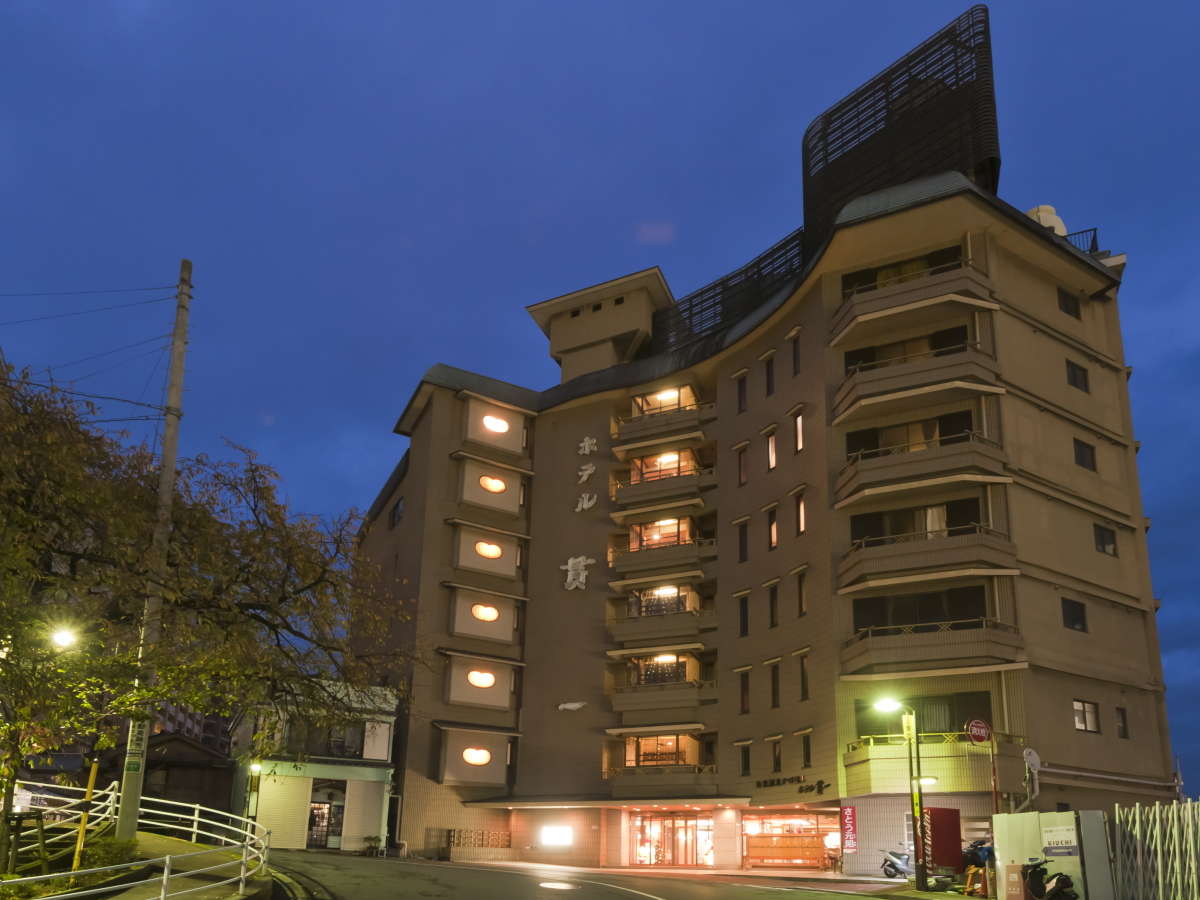 | from US$86/person/night≈ US$172 for 2 | 8.6 358 reviews | Book on Agoda |
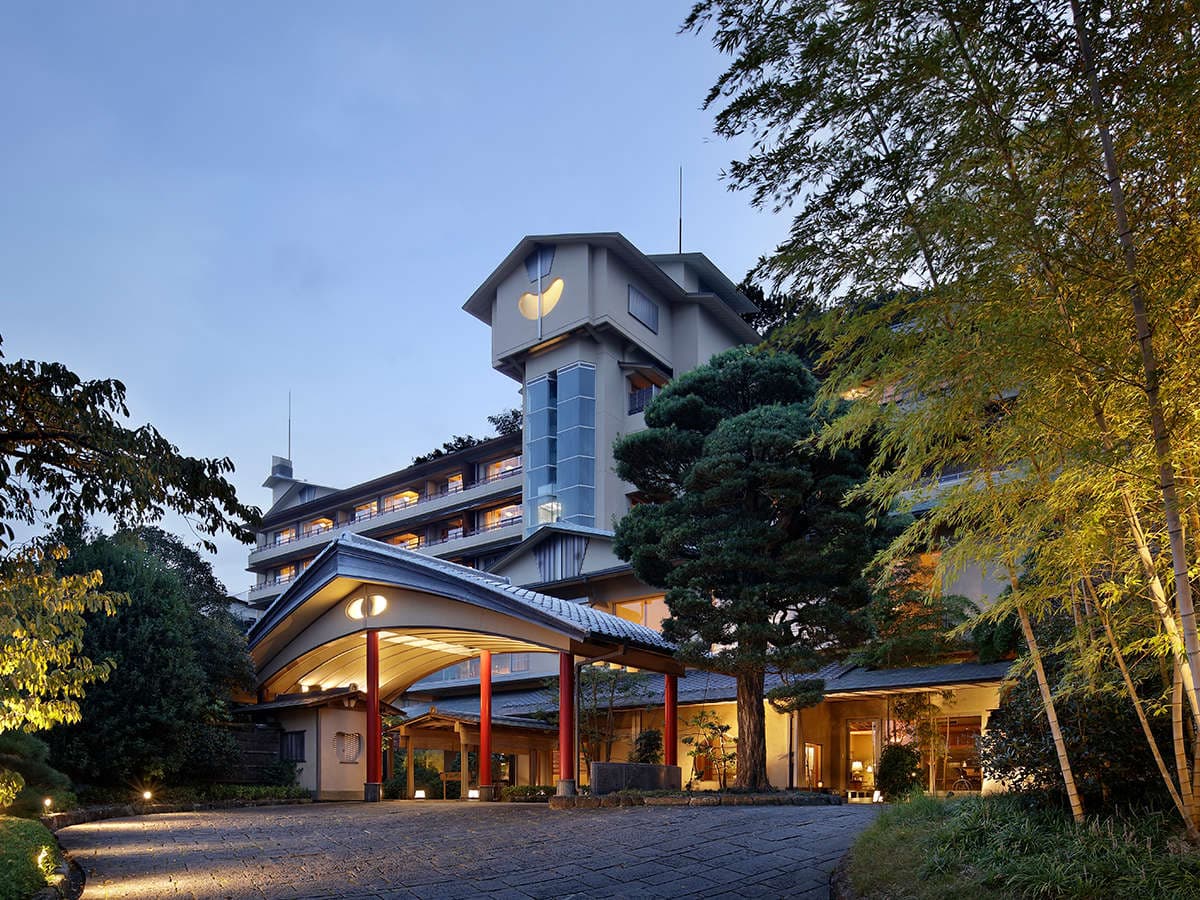 | from US$176/person/night≈ US$352 for 2 | 9.7 71 reviews | Book on Booking.com |
 | from US$250/person/night≈ US$500 for 2 | 9.2 9 reviews | Book on Agoda |
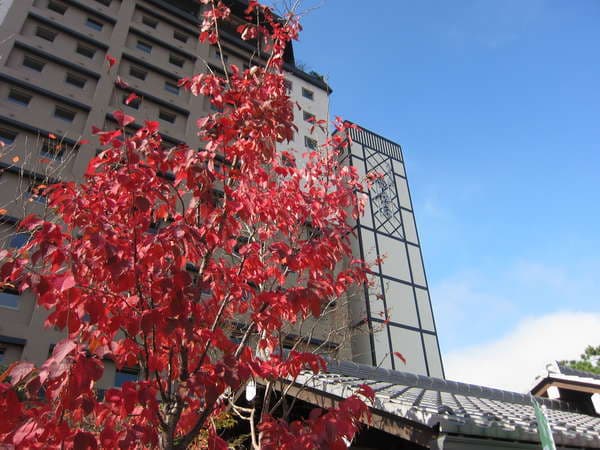 | from US$120/person/night≈ US$240 for 2 | 8.6 1,850 reviews | Book on Trip.com |
Yumoto Kissho
Naruko
Moriaki Ryokan
Ikaho
Senkyoro
Hakone
Yumoto Saito Ryokan
Shirahone
Takayama Ouan
Takayama
Prices shown are approximate starting rates per person per night. We may earn a commission on bookings.
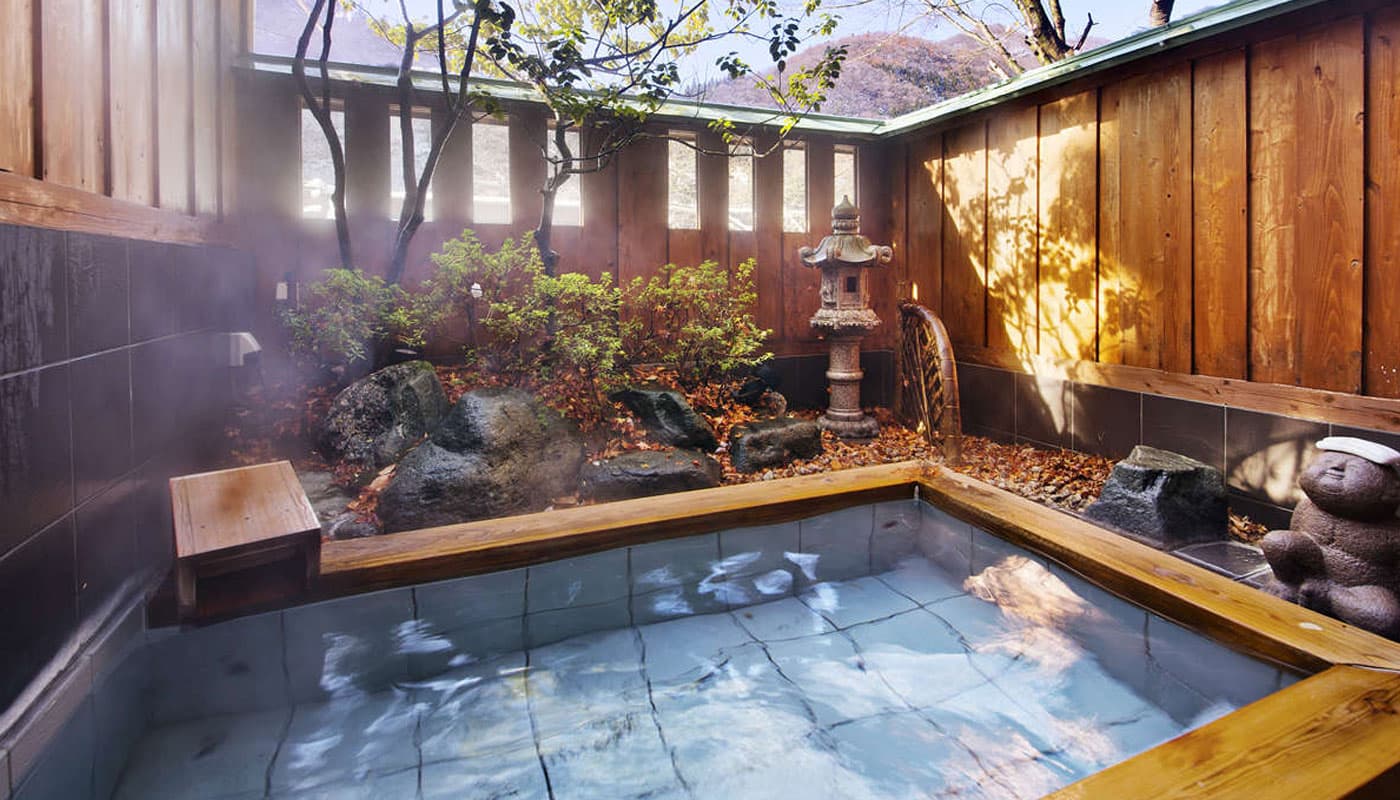
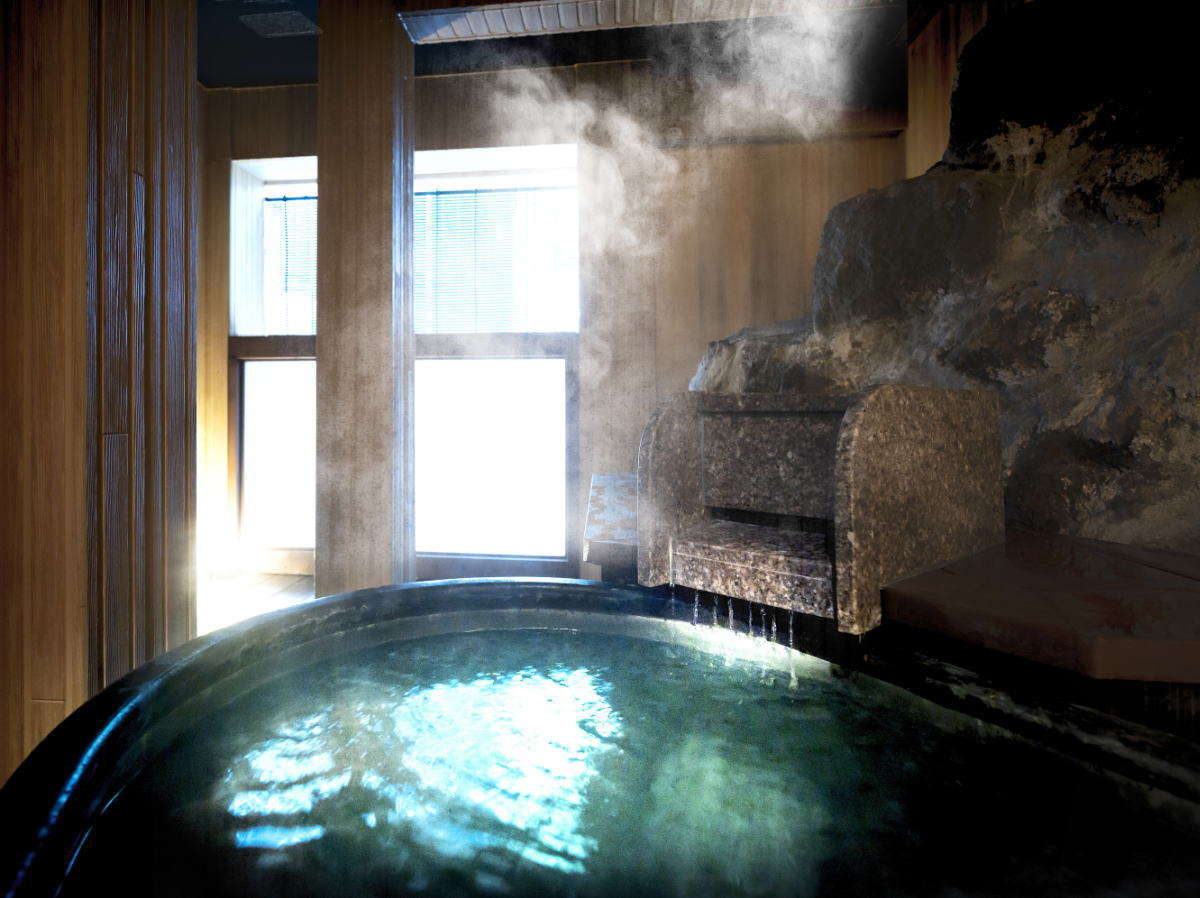
Being turned away from a communal bath over a modest tattoo is a specific, solvable problem. At many ryokan the communal bath is restricted, but an in-room rotenburo is yours alone. That solution is a private onsen.
This guide covers sixteen ryokans where that solution is in place. Each one says on its own website (for two of them, on their operator's group-wide FAQ) how guests with tattoos can bathe: in a private or in-room bath, in the shared baths if a small tattoo is covered, or in the shared baths as they are. We checked every statement on 29 September 2026, and each entry below paraphrases it and links to the page. None is a sponsored pick. On 9 October 2026 we replaced the previous list, because those inns' official websites did not confirm a tattoo-friendly policy.
Why a Private Onsen Is the Real Tattoo-Friendly Answer
Japan's communal onsen tattoo restriction is not arbitrary — it traces to the association between visible tattoos and yakuza membership, a stigma the Japanese government and onsen industry are slowly dismantling. As of 2026, more ryokans are explicitly opening communal baths to tattooed guests, but the majority still enforce some restriction. A private onsen is the usual way around this: where the inn documents a tattoo-compatible private or in-room bath, you bathe behind your own door, with no shared water and no other bathers, subject to room selection, availability, fees and reservation requirements.
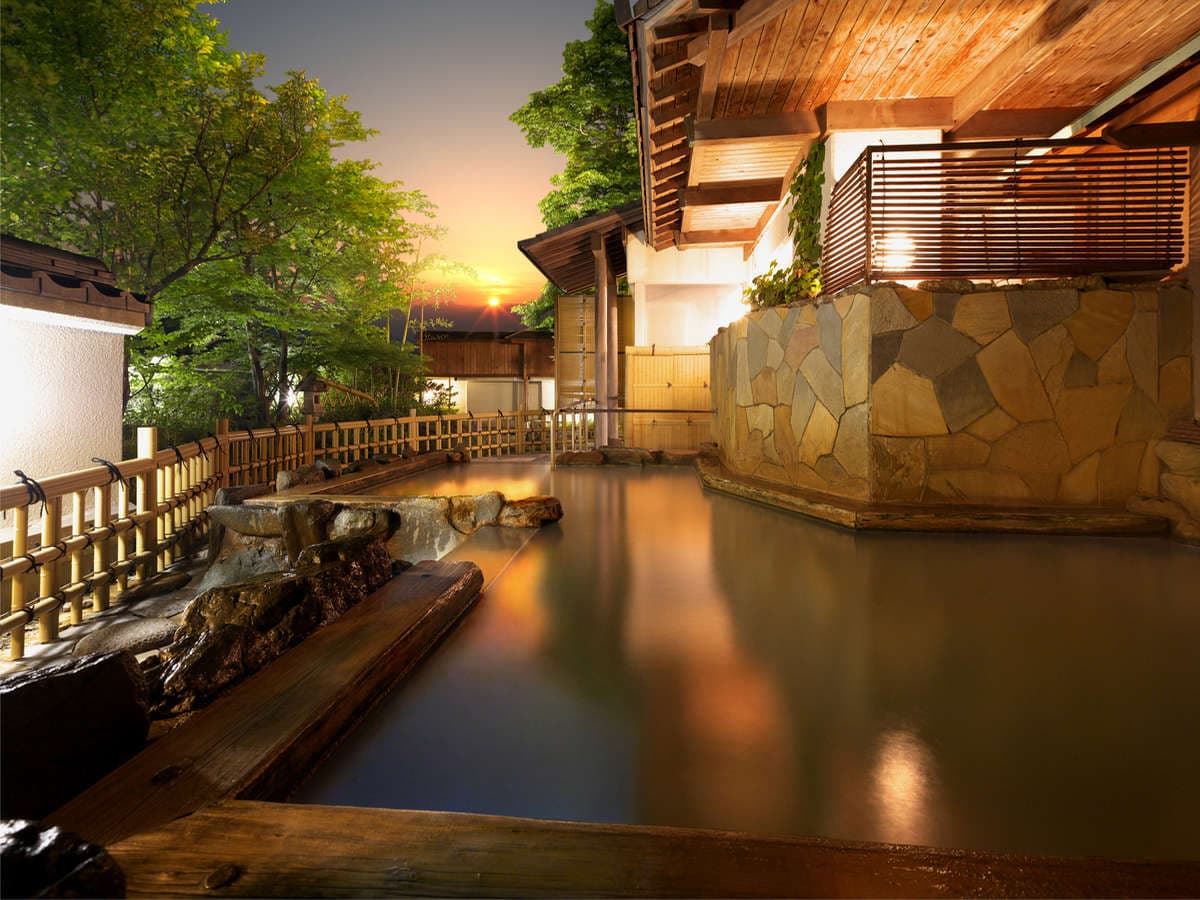
Each property card shows the tattoo policy we have on file from the inn's own website. 'Allowed' means the inn says guests with tattoos may use the shared baths — the most welcoming designation, with no private-bath workaround needed. 'Cover-up' means a small tattoo may go into the shared bath if it is fully covered, for example with a sticker; at the two cover-up inns on this list, other tattoos go to the private bath. 'Private only' means the shared baths are closed to tattooed guests, but the inn offers an in-room bath or a private bath instead. All three give guests with tattoos a documented way to bathe; the private routes are subject to room selection, availability, fees and reservation requirements. The practical difference is whether you can also use the large shared baths, which at some properties are the architectural centerpiece.
Tip
A kashikiri (貸切) bath is a private-rental bath booked for an exclusive time slot — usually 45–60 minutes with your own party only. If a ryokan offers kashikiri as the mechanism for tattoo-friendly access, ask how slots are allocated: some inns take bookings at check-in or in advance, others run first-come. Some charge extra and some include it in the room rate; the fee varies by inn.
Quick Comparison
16 picks| Ryokan | From | Rating | Book |
|---|---|---|---|
| from US$230/person/night≈ US$460 for 2 | 8.8 47 reviews | Book on Agoda |
| from US$260/person/night≈ US$520 for 2 | 8.5 2,150 reviews | Book on Agoda |
| from US$228/person/night≈ US$456 for 2 | 9.4 1,240 reviews | Book on Agoda |
| from US$203/person/night≈ US$406 for 2 | 8.8 4,925 reviews | Book on Trip.com |
| from US$97/person/night≈ US$194 for 2 | 9.6 924 reviews | Book on Trip.com |
| from US$132/person/night≈ US$264 for 2 | 9.2 1,288 reviews | Book on Agoda |
| from US$86/person/night≈ US$172 for 2 | 8.6 358 reviews | Book on Agoda |
| from US$176/person/night≈ US$352 for 2 | 9.7 71 reviews | Book on Booking.com |
| from US$250/person/night≈ US$500 for 2 | 9.2 9 reviews | Book on Agoda |
| from US$120/person/night≈ US$240 for 2 | 8.6 1,850 reviews | Book on Trip.com |
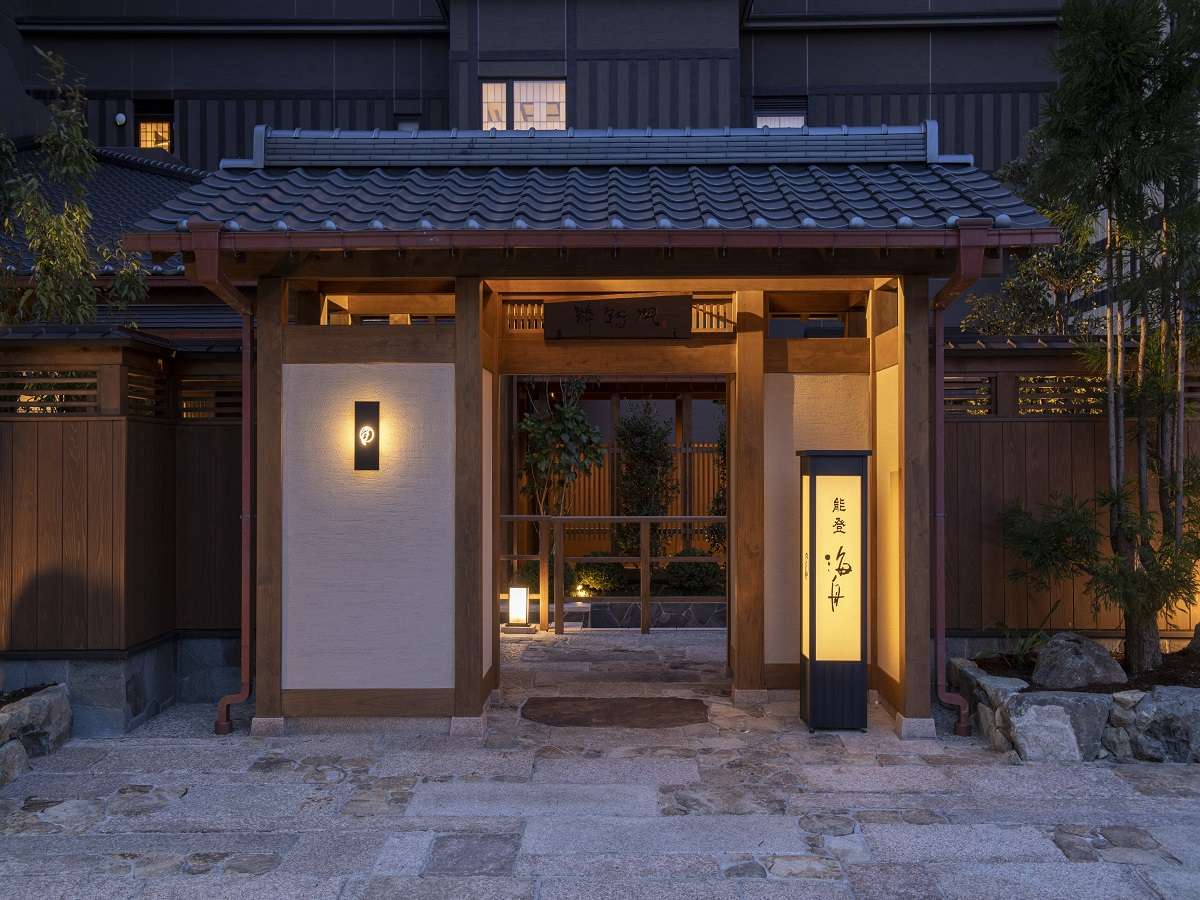 | from US$411/person/night≈ US$822 for 2 | 9.0 185 reviews | Book on Trip.com |
 | from US$280/person/night≈ US$560 for 2 | 8.9 89 reviews | Book on Booking.com |
 | from US$184/person/night≈ US$368 for 2 | 9.1 24 reviews | Book on Trip.com |
 | from US$230/person/night≈ US$460 for 2 | 9.4 186 reviews | Book on Booking.com |
 | from US$169/person/night≈ US$338 for 2 | 9.4 10 reviews | Book on Trip.com |
 | from US$137/person/night≈ US$274 for 2 | 9.2 543 reviews | Book on Booking.com |
Yumoto Kissho
Naruko
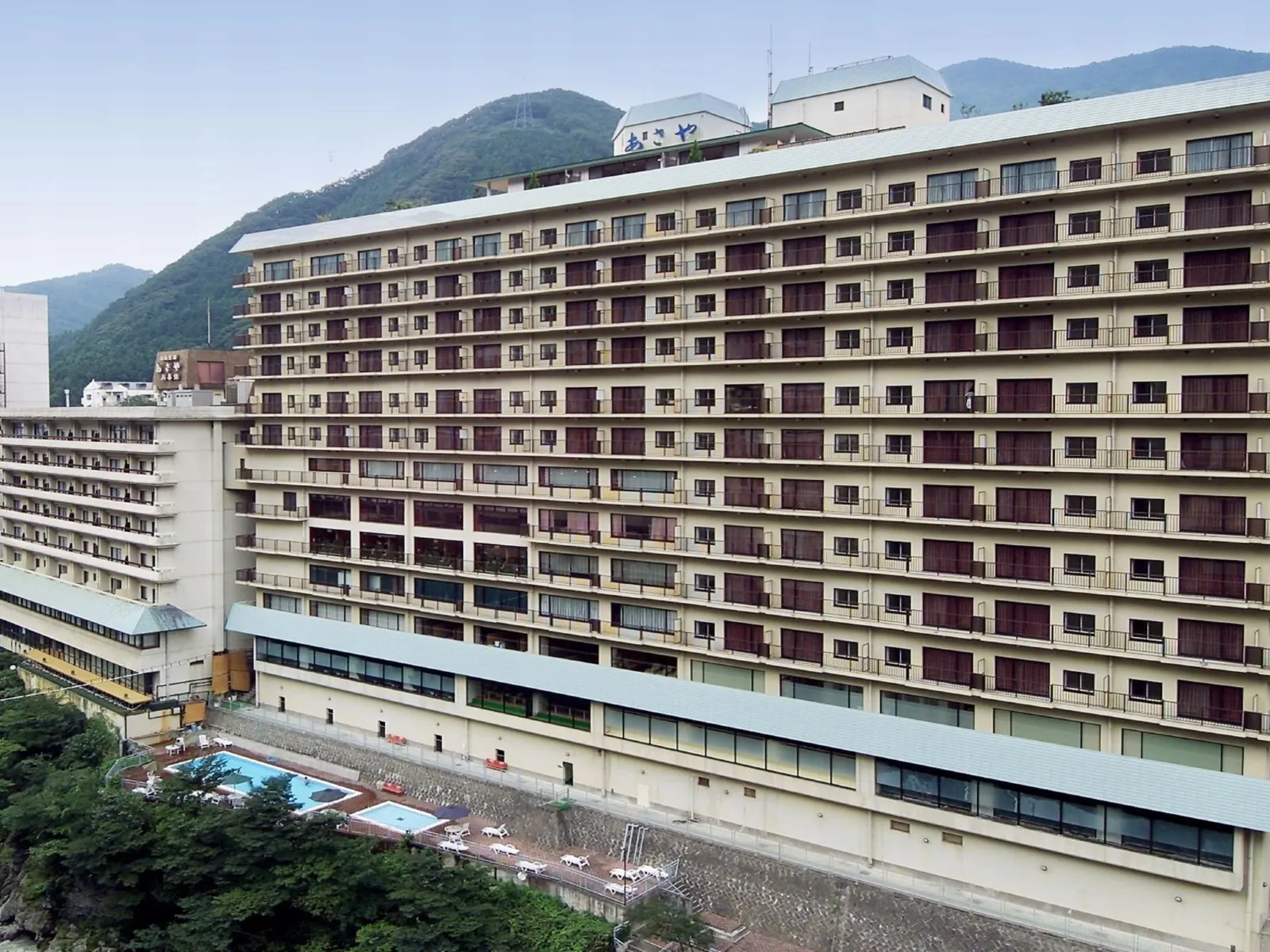
Asaya Hotel
Kinugawa Onsen
Moriaki Ryokan
Ikaho
Senkyoro
Hakone
Yumoto Saito Ryokan
Shirahone
Takayama Ouan
Takayama
Togetsutei
Kyoto
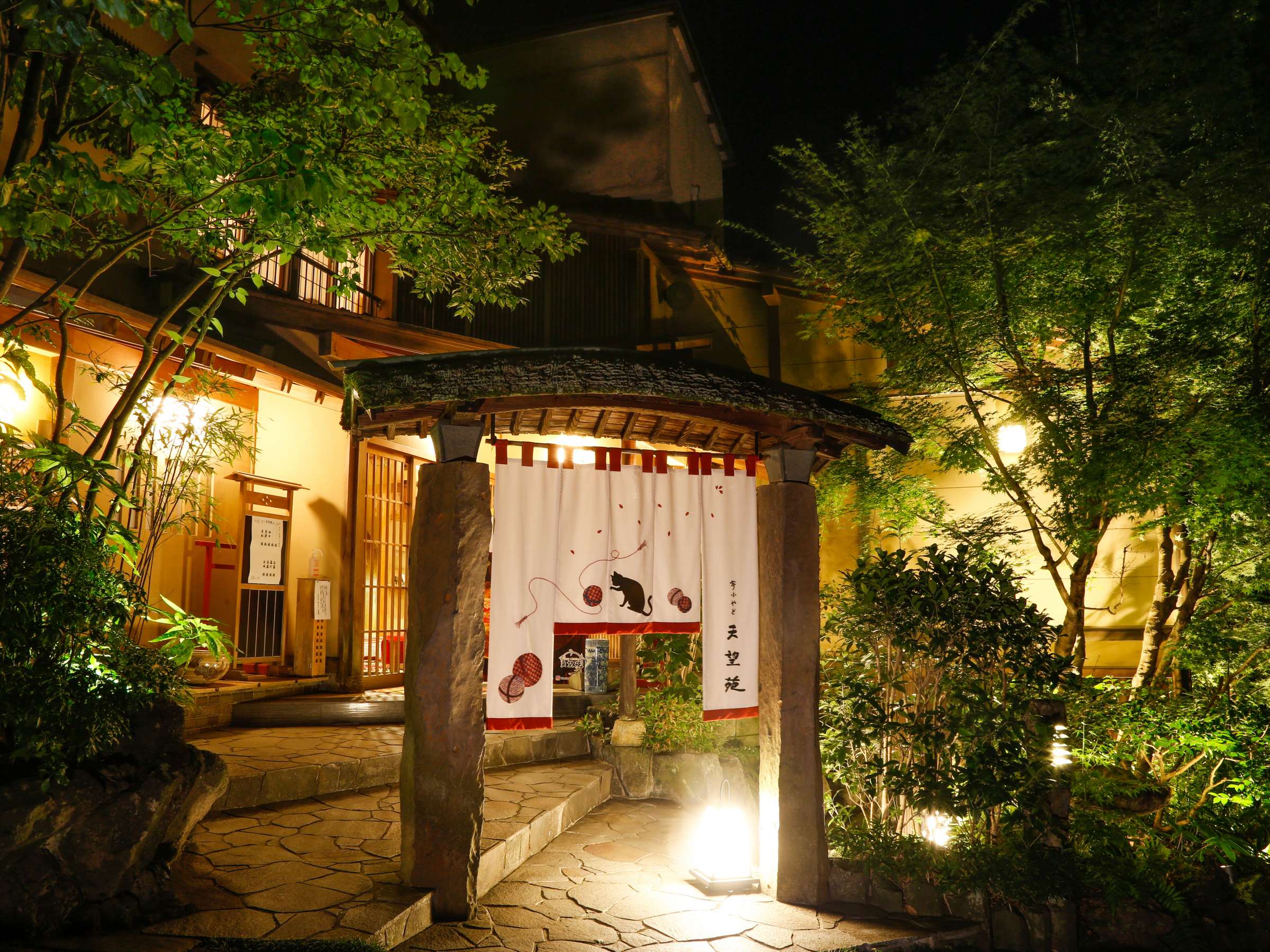
Kinosaki Yumekoyado Tenbouen
Kinosaki
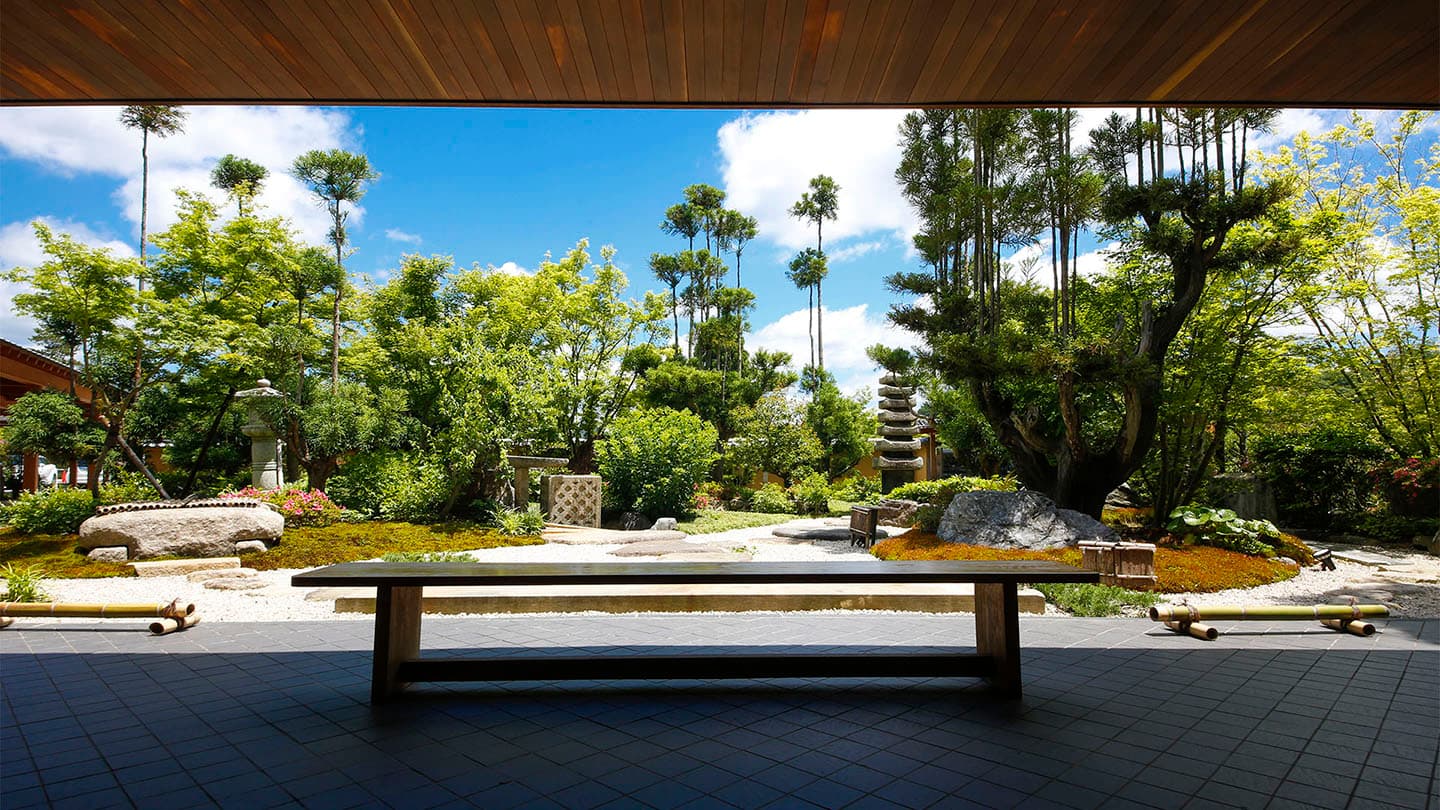
Ginsuiso Choraku
Arima
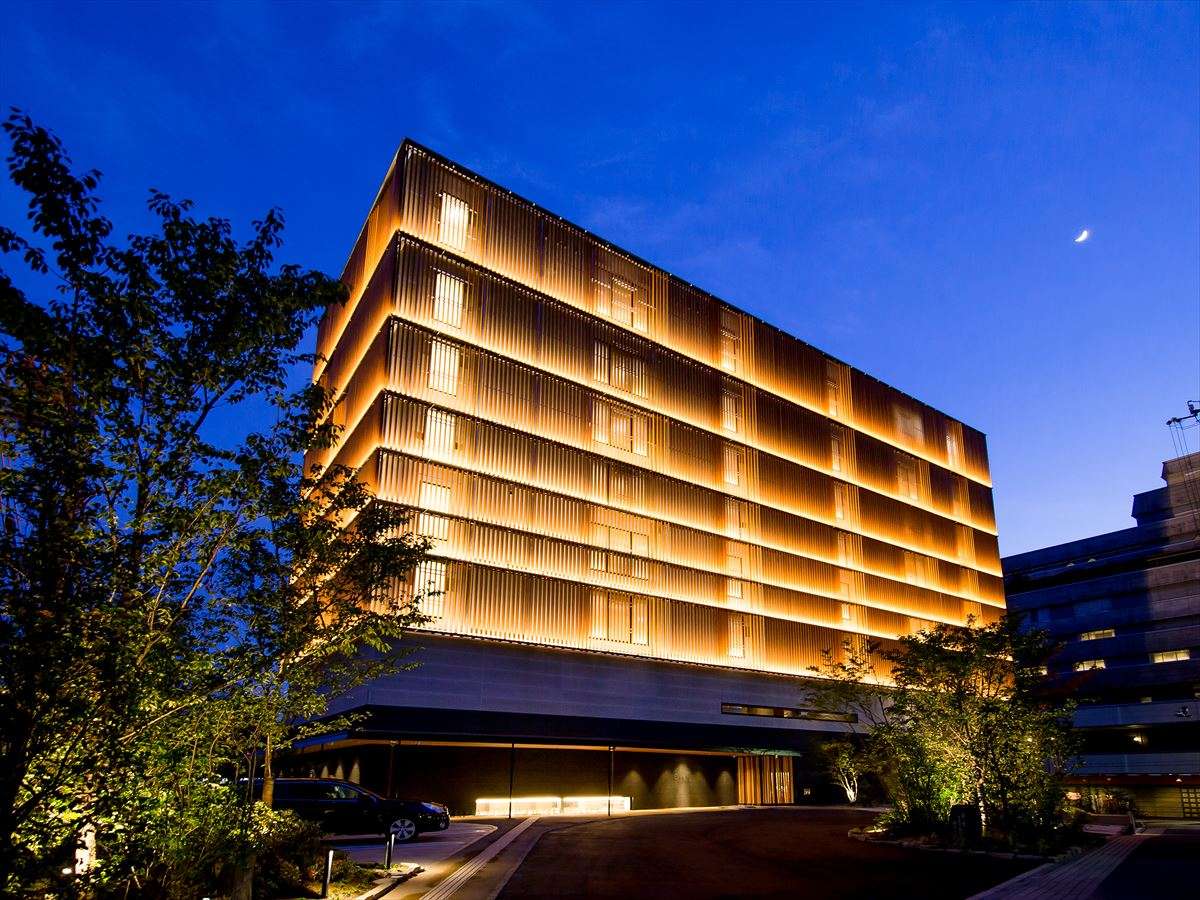
Dogo Miyu
Dogo
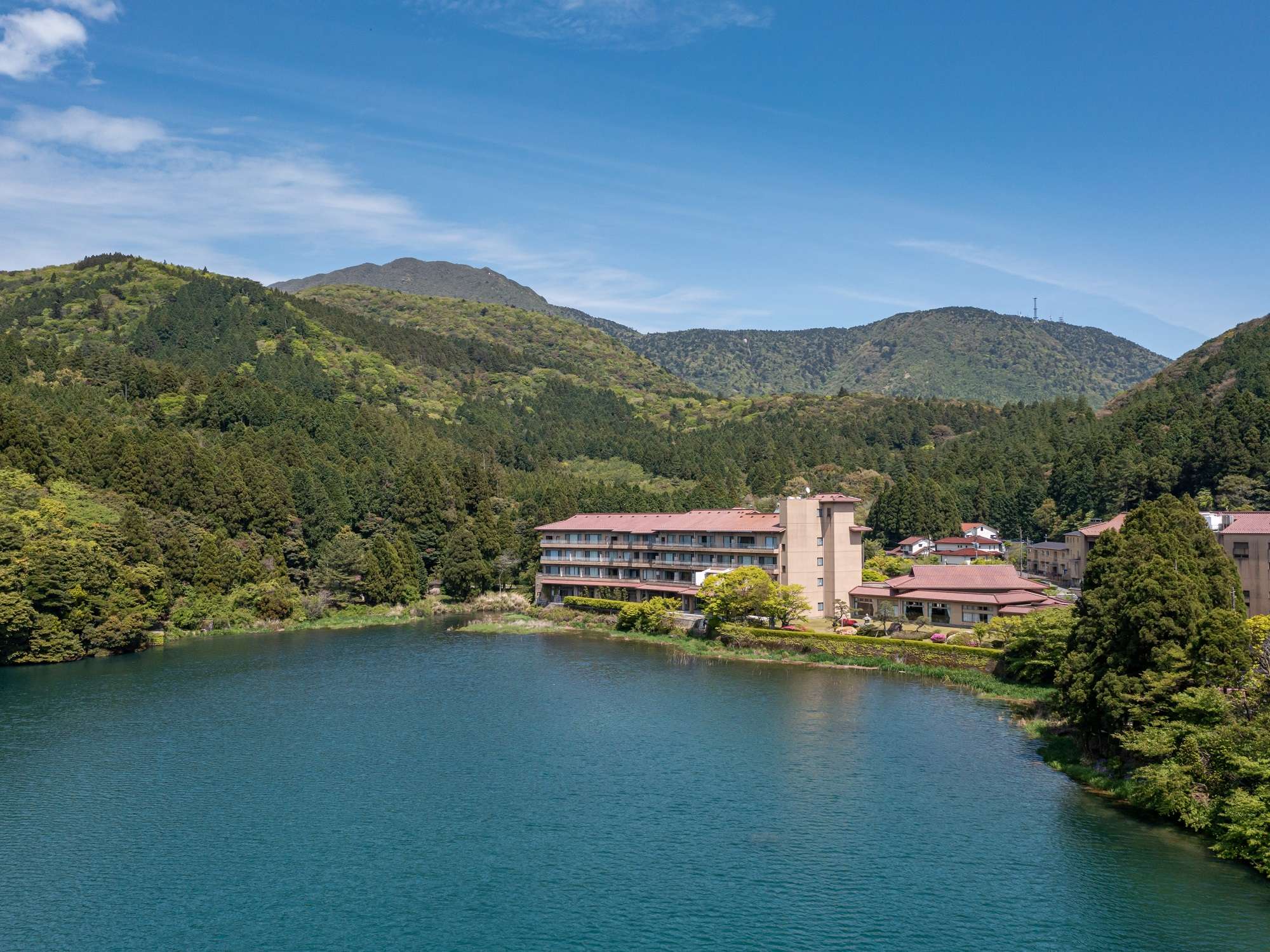
Azumaen
Unzen
Prices shown are approximate starting rates per person per night. We may earn a commission on bookings.
The Verified Picks
Sixteen properties in sixteen onsen areas, listed roughly from east to west. Each entry says what the inn's own website states, and when we checked it. For inns beyond these sixteen, our sister project Tattoo Onsen Japan keeps a list of inns where a published source confirms a private bath for guests with tattoos, drawn from its register of 631 inns.
1. Yumoto Kissho (Naruko Onsen)
At a glance
Tattoo policy: Private or in-room bath only; shared baths not allowed Checked on the inn's website: 29 September 2026
Yumoto Kissho's FAQ asks guests with tattoos not to use the large bath, and points them instead to its free private baths or the bath in their room (the inn's FAQ).
2. Asaya Hotel (Kinugawa Onsen)
At a glance
Tattoo policy: Small tattoos allowed in the shared bath if covered; otherwise the private bath Checked on the inn's website: 29 September 2026
Asaya Hotel's FAQ allows a small one-point tattoo in the large bath only if it can be covered, for example with a cover sticker, and asks guests with tattoos to use a private bath or the bath in their room (the hotel's FAQ).
3. Shima Onsen Kashiwaya Ryokan (Shima Onsen)
At a glance
Tattoo policy: Allowed in the shared baths, no cover-up required Checked on the inn's website: 29 September 2026
Kashiwaya's English-language site calls it a tattoo-friendly onsen ryokan and says guests with tattoos can bathe in all of its onsen baths without restriction (the inn's tattoo page). The same site lists three free private baths.
4. Moriaki Ryokan (Ikaho Onsen)
At a glance
Tattoo policy: Private or in-room bath only; shared baths not allowed Checked on the inn's website: 29 September 2026
Moriaki Ryokan's FAQ asks guests with tattoos, fashion tattoos and tattoo stickers included, not to use the shared baths (the large bath and the open-air bath), and suggests a private bath or a room plan with its own onsen bath instead (the inn's FAQ).
5. Gensen Ichinoyu (Kusatsu Onsen)
At a glance
Tattoo policy: Small tattoos allowed in the shared bath if covered; otherwise the private bath Checked on the inn's website: 29 September 2026
Gensen Ichinoyu's FAQ allows a small one-point tattoo in the large bath only if it can be fully covered, for example with a sticker. Guests with tattoos can use the private bath, which costs extra (the inn's FAQ).
6. Senkyoro (Hakone)
At a glance
Tattoo policy: Private or in-room bath only; shared baths not allowed Checked on the inn's website: 29 September 2026
Senkyoro's Q&A page asks guests with tattoos not to use the large bath or the open-air bath, and to use a private bath or the bath in a room with its own open-air bath instead (the inn's Q&A).
7. Hotel Kanichi (Atami)
At a glance
Tattoo policy: Private or in-room bath only; shared baths not allowed Checked on the inn's website: 29 September 2026
Hotel Kanichi's FAQ asks guests with tattoos not to use the large bath, and points them to its free private open-air baths with a view (the hotel's FAQ).
8. Seizan Yamato (Ito, Izu)
At a glance
Tattoo policy: Private or in-room bath only; shared baths not allowed Checked on the inn's website: 29 September 2026
Seizan Yamato's hot-spring page does not allow guests with tattoos, fashion tattoos included, in the large bath or the open-air bath, but says they can use the bath in their room and the private baths (the inn's hot-spring page).
9. Yumoto Saito Ryokan (Shirahone Onsen)
At a glance
Tattoo policy: Private or in-room bath only; shared baths not allowed Checked on the inn's website: 29 September 2026
Yumoto Saito Ryokan's English page does not permit guests with tattoos in its public bathhouses, but says they may use the private bathhouse Sennin-no-yu for a fee, with a reservation (the inn's English page).
10. Takayama Ouan (Takayama)
At a glance
Tattoo policy: Private or in-room bath only; shared baths not allowed Checked on the inn's website: 29 September 2026
Takayama Ouan is run by Kyoritsu Resort, whose group-wide FAQ asks guests with tattoos of any size not to use the large baths, and to use the bath in their room or a private bath instead (the operator's FAQ).
11. Noto Kaishu (Wakura Onsen)
At a glance
Tattoo policy: Private or in-room bath only; shared baths not allowed Checked on the inn's website: 29 September 2026
Shirasagi no Yu Noto Kaishu is also a Kyoritsu Resort property, so the same group-wide FAQ applies: guests with tattoos of any size are asked not to use the large baths, and to use the bath in their room or a private bath instead (the operator's FAQ).
12. Togetsutei (Arashiyama, Kyoto)
At a glance
Tattoo policy: Private or in-room bath only; shared baths not allowed Checked on the inn's website: 29 September 2026
Togetsutei's English site says guests with tattoos cannot use the public bath, and directs them to its private bath, which costs extra and must be reserved (the inn's English page).
13. Tenbouen (Kinosaki Onsen)
At a glance
Tattoo policy: Allowed in the shared baths, no cover-up required Checked on the inn's website: 29 September 2026
Tenbouen's onsen page says that guests with tattoos can bathe at the inn (the inn's onsen page). The inn also has a private bath.
14. Ginsuiso Choraku (Arima Onsen)
At a glance
Tattoo policy: Private or in-room bath only; shared baths not allowed Checked on the inn's website: 29 September 2026
Choraku's FAQ says guests with tattoos cannot use the large bath or the open-air bath, and asks them to use the private open-air bath, which costs extra (the inn's FAQ).
15. Dogo Miyu (Dogo Onsen)
At a glance
Tattoo policy: Private or in-room bath only; shared baths not allowed Checked on the inn's website: 29 September 2026
Dogo Miyu's FAQ does not allow guests with tattoos in its view bath, and asks them to use the open-air bath in their room (the inn's FAQ).
16. Azumaen (Unzen Onsen)
At a glance
Tattoo policy: Private or in-room bath only; shared baths not allowed Checked on the inn's website: 29 September 2026
Azumaen's FAQ asks guests with tattoos not to use the large bath, and points them to its rooms with a bath drawn from the inn's own hot spring: three rooms with an open-air bath and five with a semi-open-air bath (the inn's FAQ).
Tip
How to confirm tattoo access before booking: send a message to the property before completing your reservation. A reliable approach is to paste this into the booking platform's message field: 「タトゥーがありますが、貸切風呂または部屋付き露天風呂のご利用は可能ですか?」 (I have a tattoo. Is the kashikiri bath or in-room rotenburo available to me?) Ask for written confirmation. If a property cannot confirm in writing, book one with a clear 'private_only' or 'allowed' designation in our database instead.
More tattoo-friendly ryokans with a private onsen
15 listed| Ryokan | From | Rating | Book |
|---|---|---|---|
| from US$96/person/night≈ US$192 for 2 | 9.2 144 reviews | Book on Agoda | |
 | from US$150/person/night≈ US$300 for 2 | 8.8 67 reviews | Book on Booking.com |
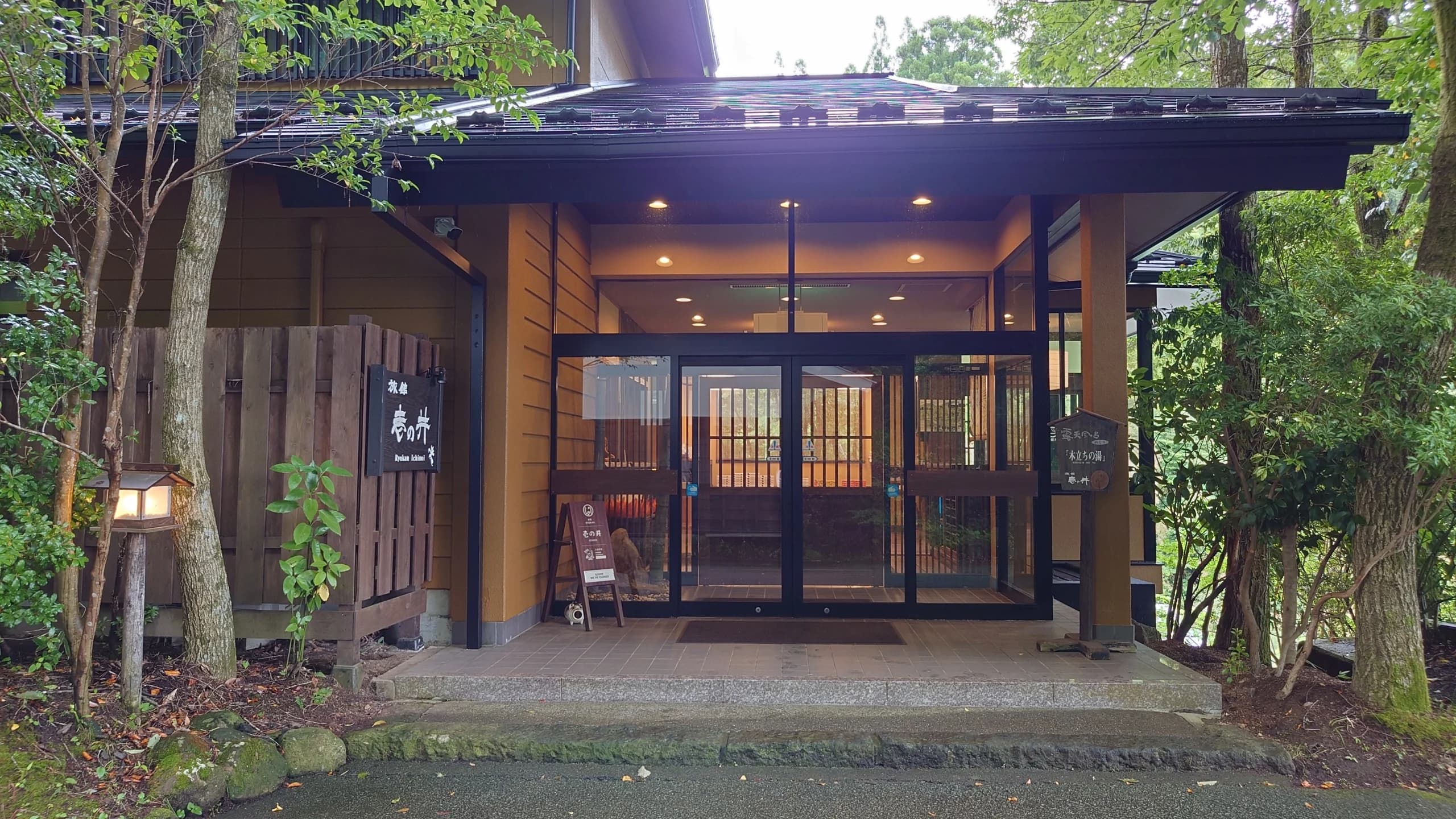 | from US$147/person/night≈ US$294 for 2 | 9.4 62 reviews | Book on Booking.com |
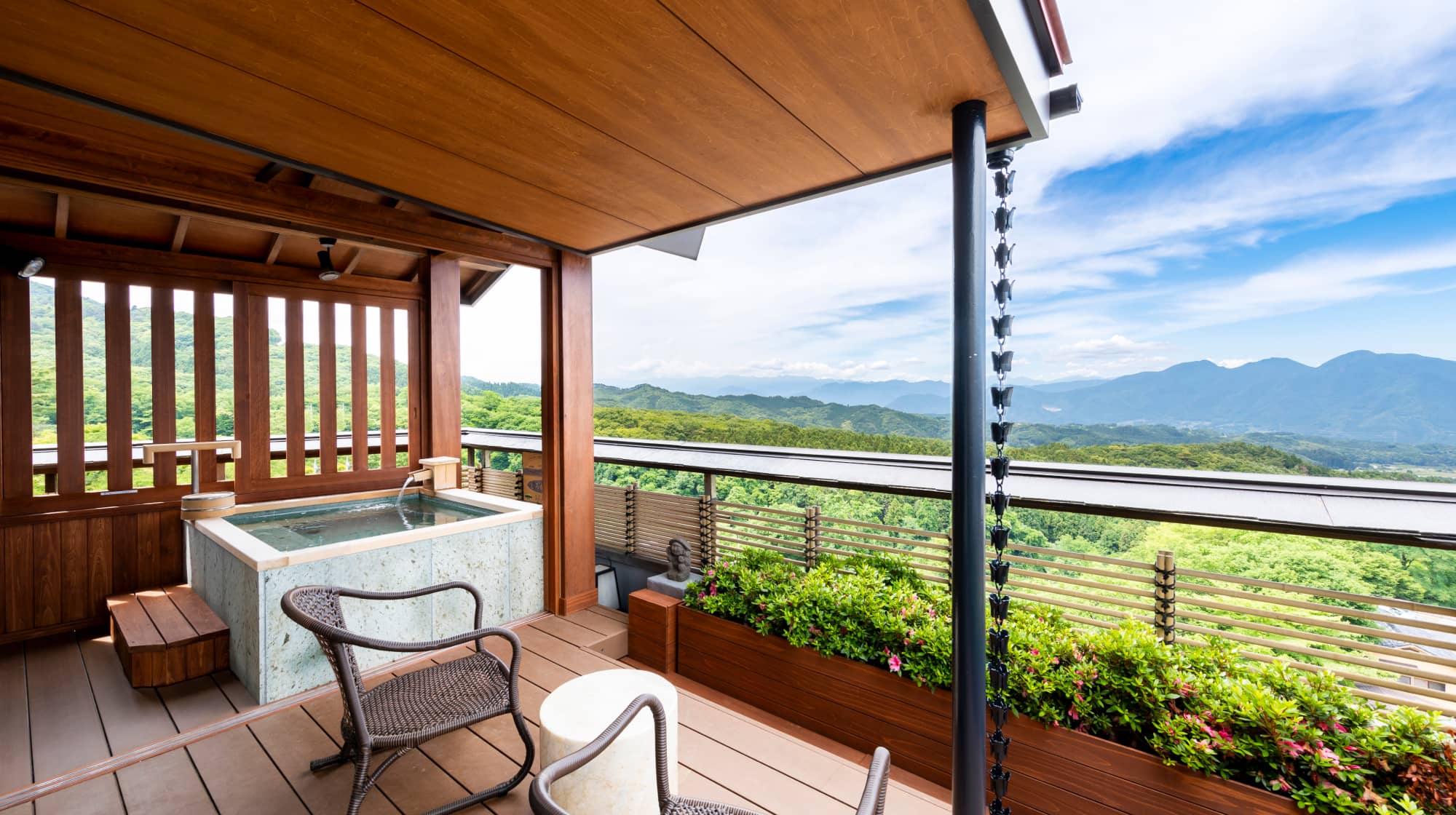 | from US$293/person/night≈ US$586 for 2 | 8.9 121 reviews | Book on Trip.com |
 | from US$350/person/night≈ US$700 for 2 | 9.0 310 reviews | Book on Agoda |
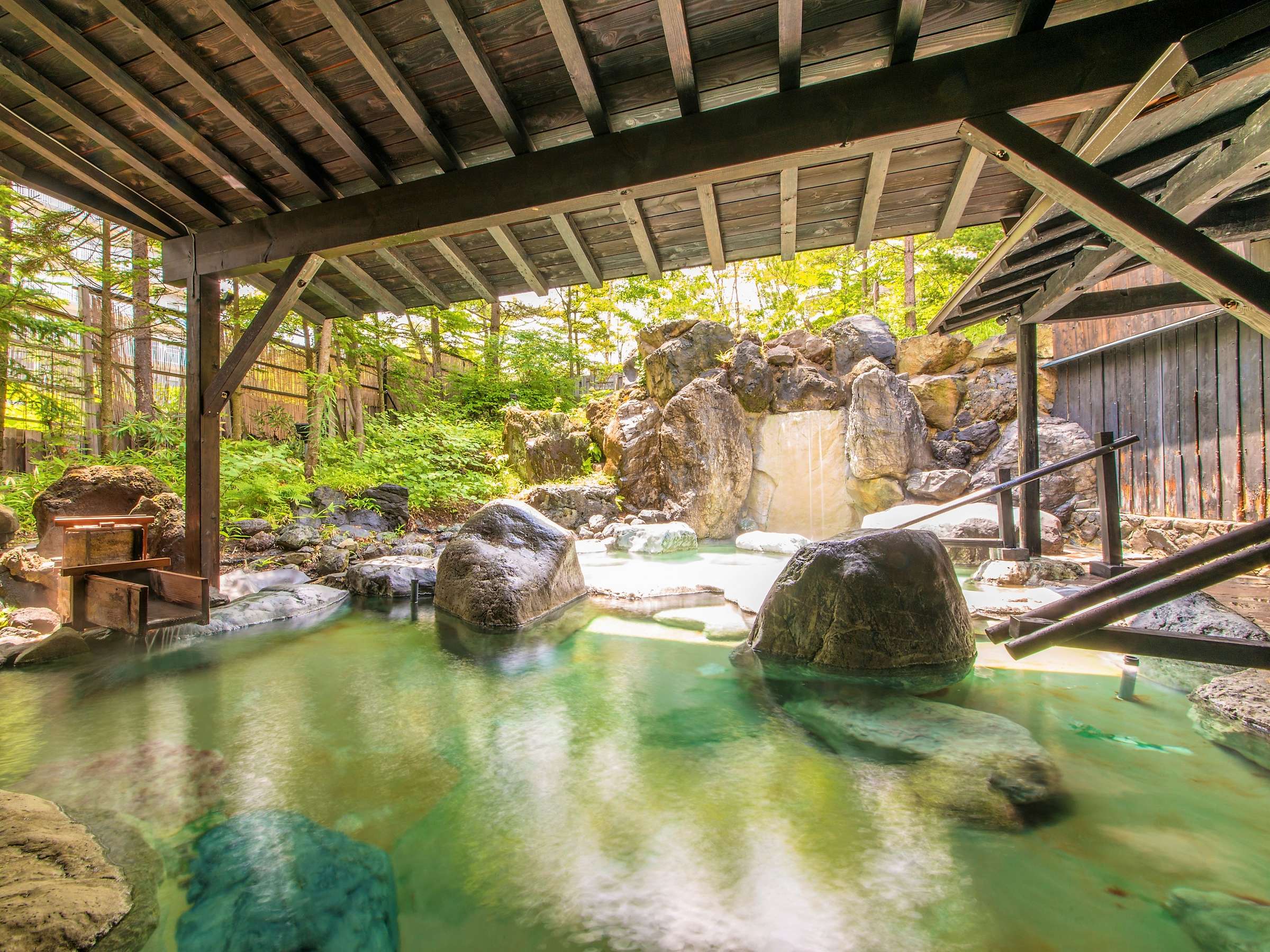 | from US$100/person/night≈ US$200 for 2 | 9.2 2,668 reviews | Book on Agoda |
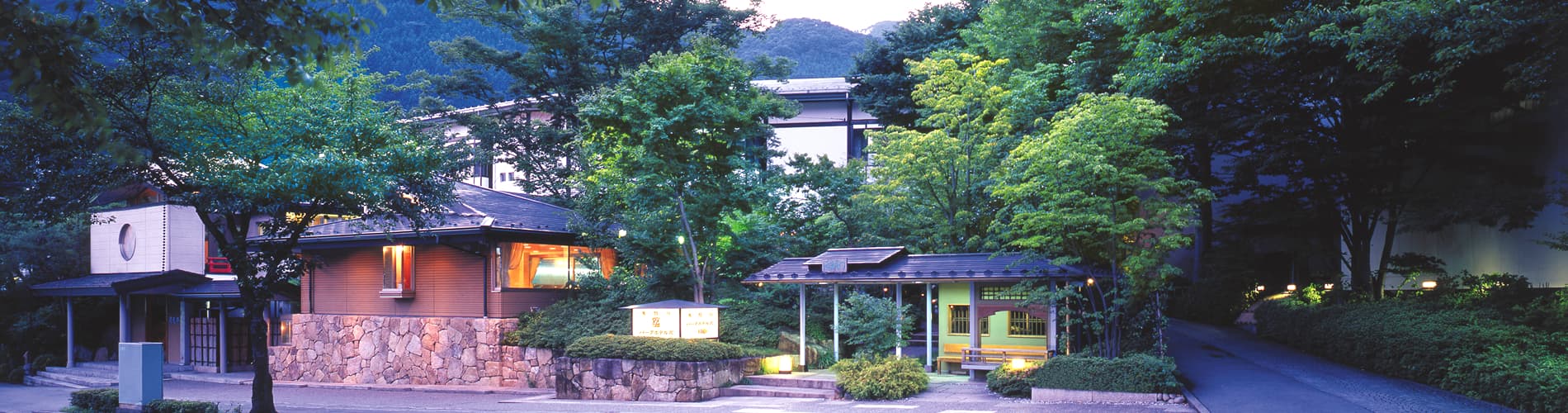 | from US$140/person/night≈ US$280 for 2 | 8.2 200 reviews | Book on Trip.com |
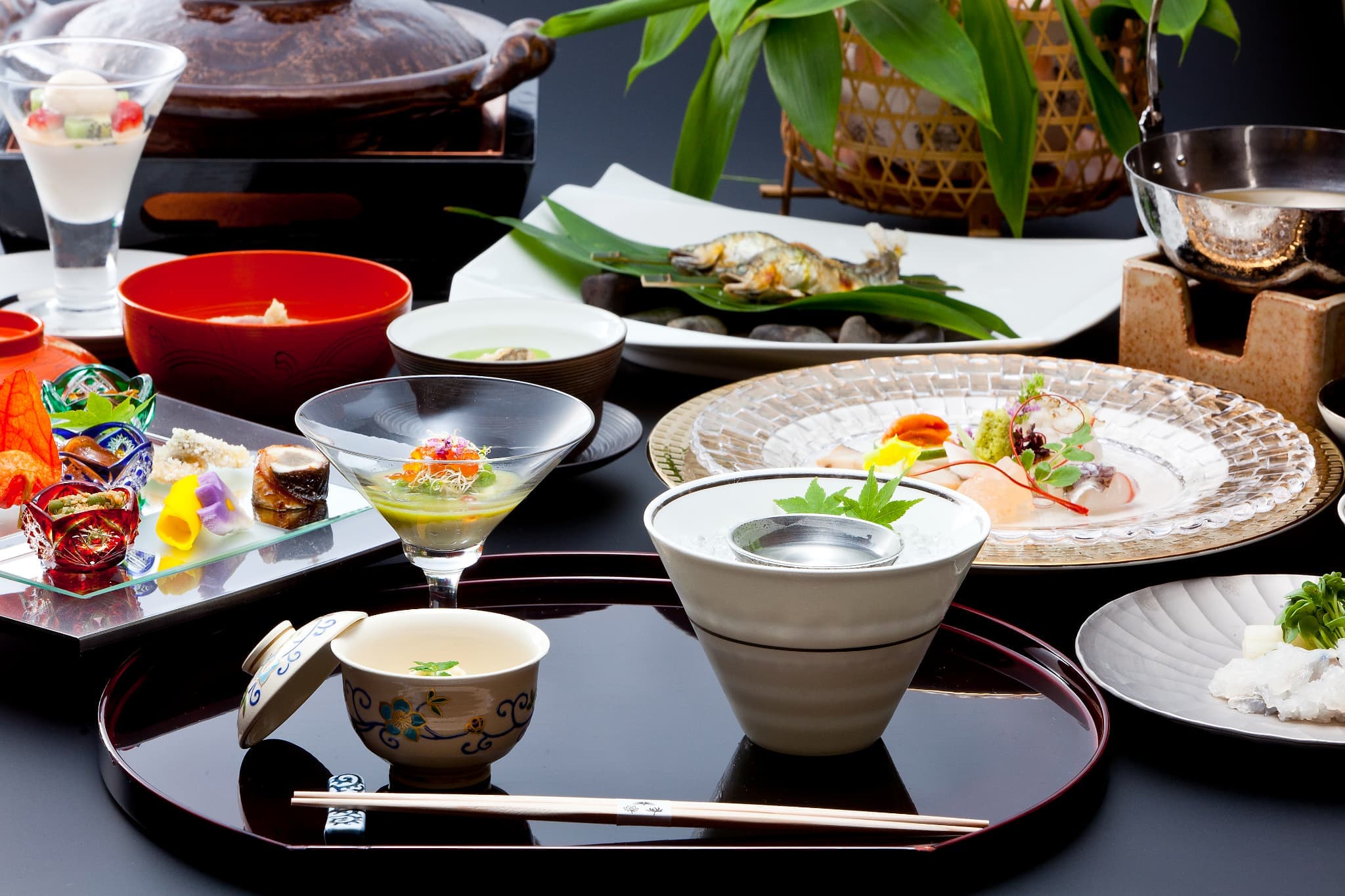 | from US$518/person/night≈ US$1,036 for 2 | 9.4 18 reviews | Book on Trip.com |
 | from US$302/person/night≈ US$604 for 2 | 9.2 23 reviews | Book on Trip.com |
 | from US$150/person/night≈ US$300 for 2 | 8.9 672 reviews | Book on Agoda |
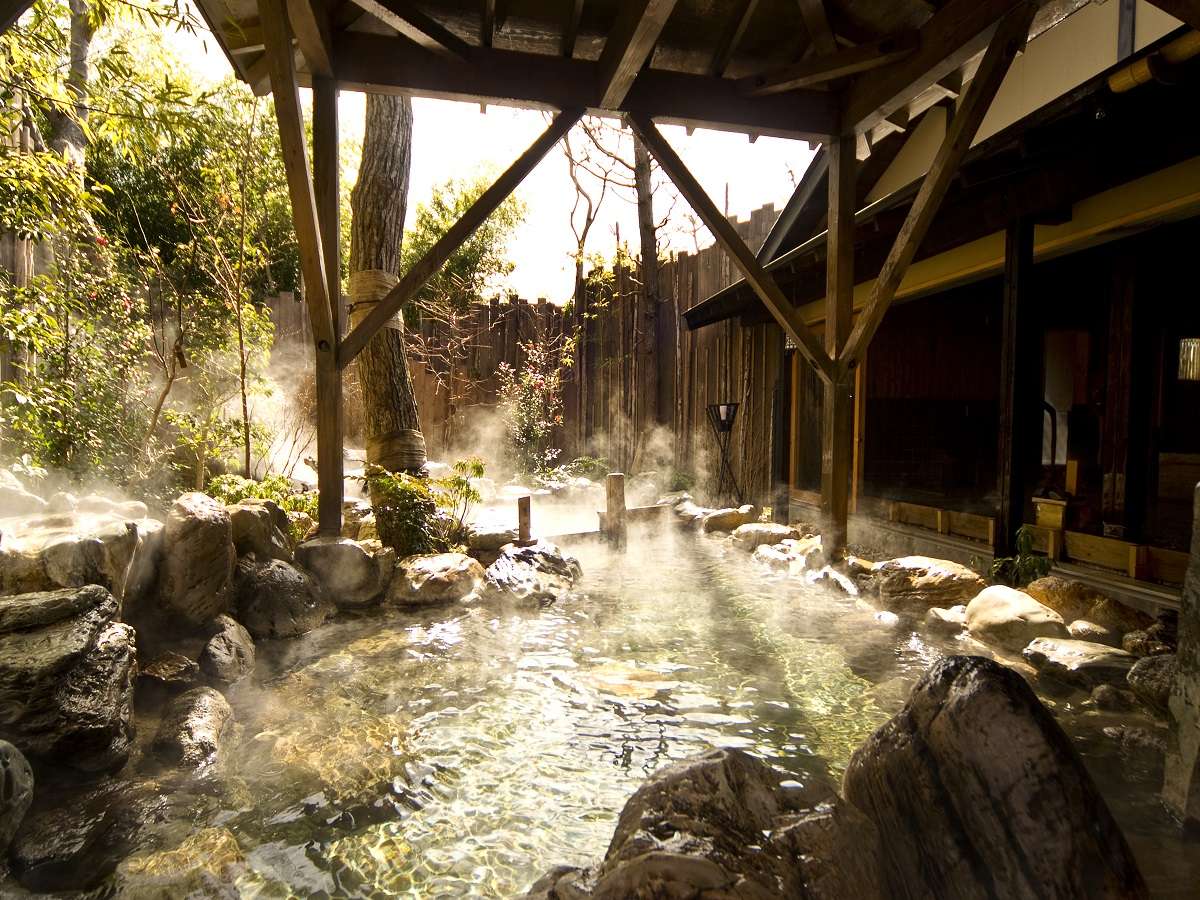 | from US$170/person/night≈ US$340 for 2 | 8.3 322 reviews | Book on Booking.com |
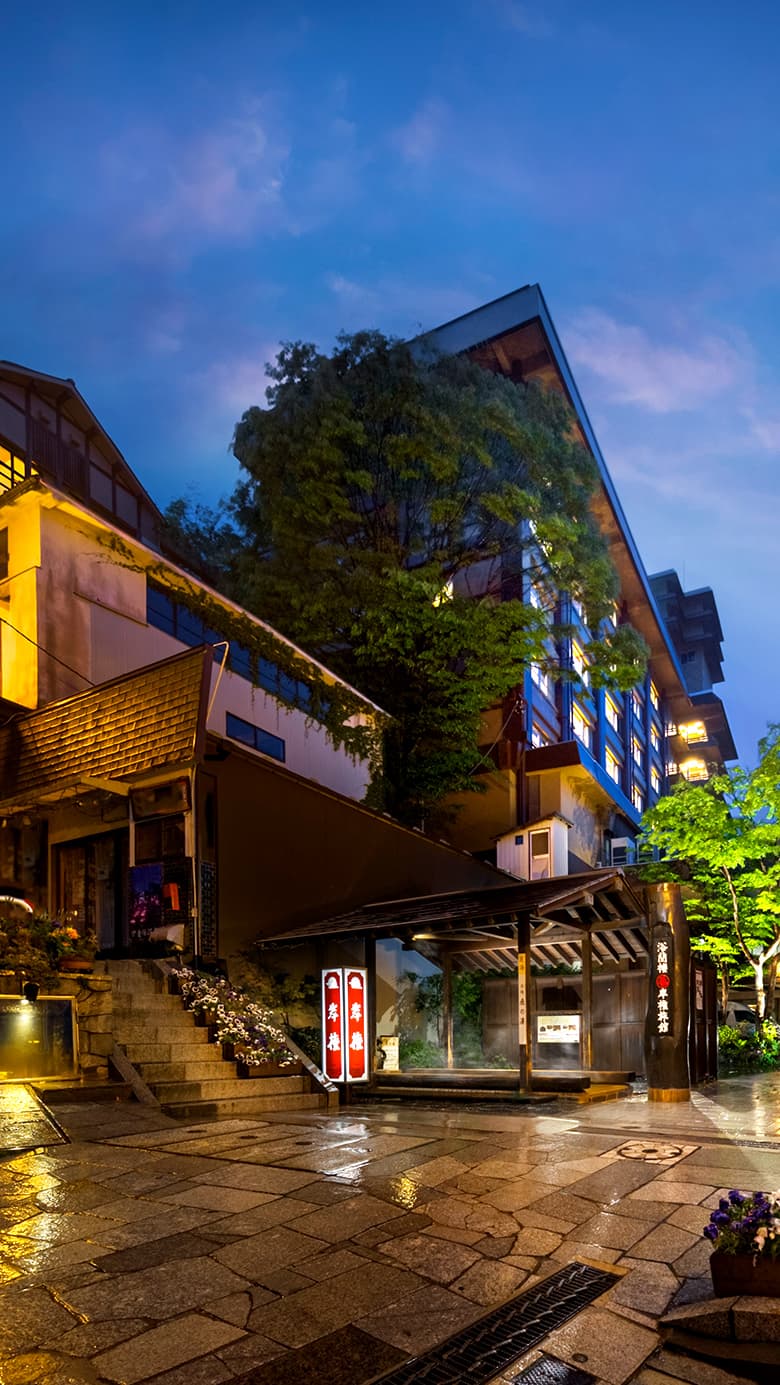 | from US$200/person/night≈ US$400 for 2 | 8.6 318 reviews | Book on Trip.com |
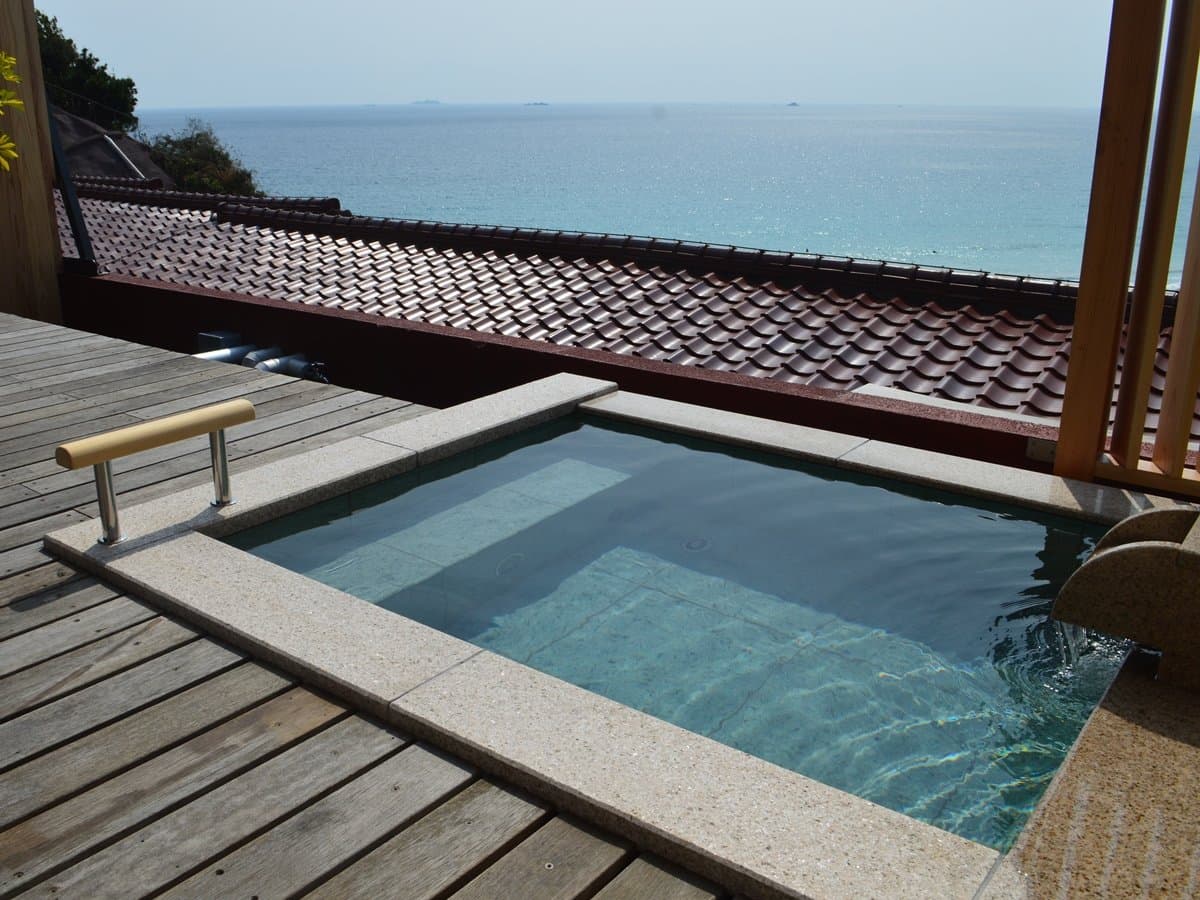 | from US$295/person/night≈ US$590 for 2 | 8.7 42 reviews | Book on Agoda |
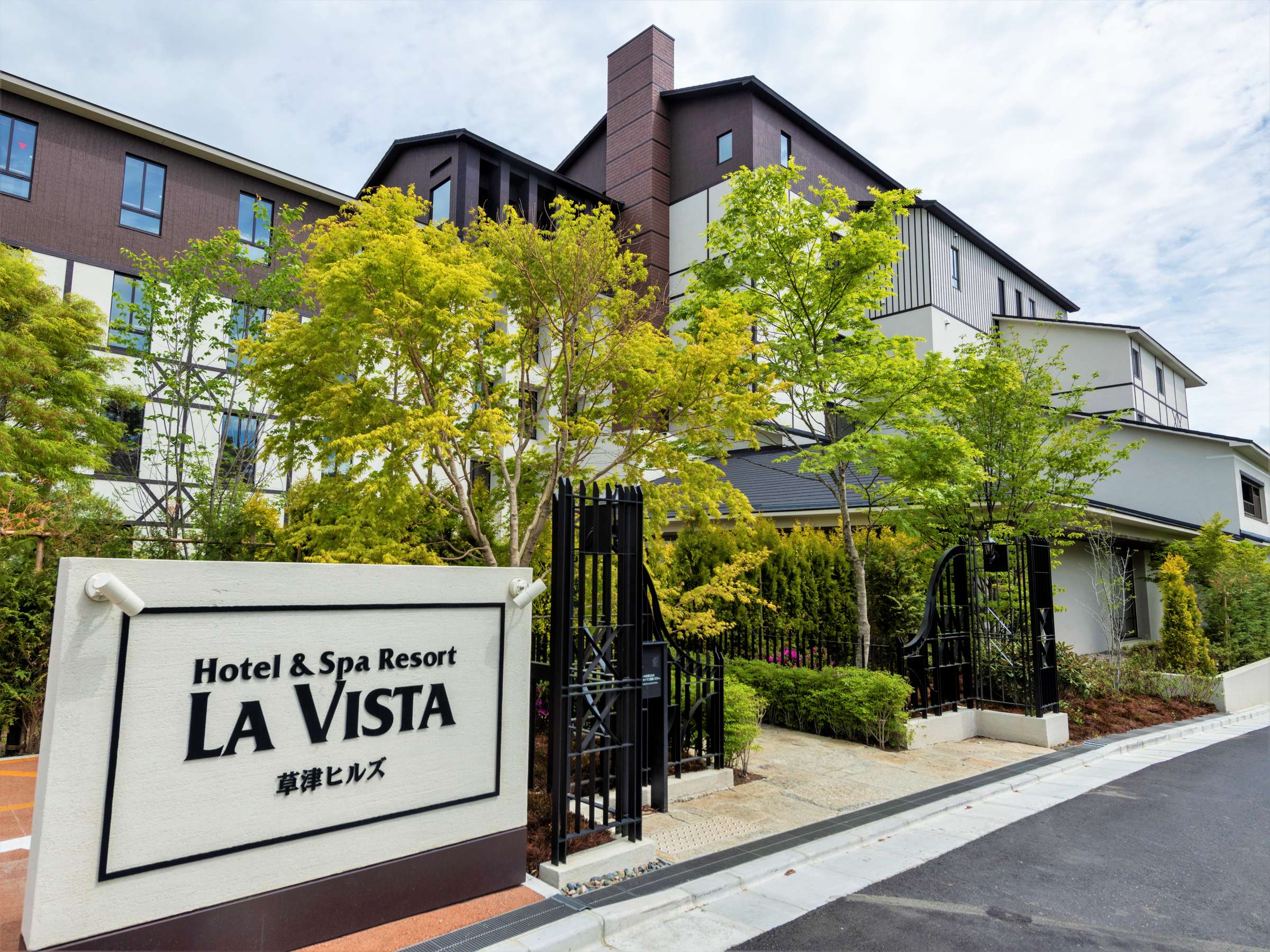 | from US$148/person/night≈ US$296 for 2 | 9.2 225 reviews | Book on Booking.com |
 | from US$300/person/night≈ US$600 for 2 | 8.9 377 reviews | Book on Trip.com |
Fukuzumiro
Hakone
Oyado Tamaki
Ikaho
Naraya
Kusatsu
Kusatsu Now Resort Hotel
Kusatsu
Kinugawa Park Hotels
Nikko
Nakanobo Zuien
Arima
Hakone Gora Setsugetsuka
Hakone
Kishigon Ryokan
Ikaho
La Vista Kusatsu Hills
Kusatsu
Yuyado Tokinoniwa
Kusatsu
Prices shown are approximate starting rates per person per night. We may earn a commission on bookings.
Ready to book?
Book one of these top picks
Compare live availability and prices across booking sites.
Moriaki Ryokan
森秋旅館
Ikaho·Mid-Range
from US$203 · per person · per nightfrom ≈ US$406 total for 2 guests


Senkyoro
仙郷楼
Hakone·Mid-Range
from US$132 · per person · per nightfrom ≈ US$264 total for 2 guests

Shima Onsen Kashiwaya Ryokan
四万温泉 柏屋旅館
Shima·Mid-Range
from US$228 · per person · per nightfrom ≈ US$456 total for 2 guests
Asaya Hotel
あさや
Kinugawa Onsen·Luxury
from US$260 · per person · per nightfrom ≈ US$520 total for 2 guests
Azumaen
東園
Unzen·Mid-Range
from US$137 · per person · per nightfrom ≈ US$274 total for 2 guests
Booking links may earn us a commission at no extra cost to you.
FAQ
Frequently asked questions
Can you go to an onsen with tattoos in Japan?+
Yes, with the right property. Most communal baths still prohibit visible tattoos, but some inns document a tattoo-compatible route through a private in-room bath (rotenburo-tsuki rooms) or a reservable kashikiri bath, subject to room selection, availability, fees and reservation requirements. A minority of ryokans now mark communal baths as 'tattoo allowed' explicitly. Each of the sixteen properties in this guide states on its own website (or its operator's) how guests with tattoos can bathe there.
What does 'private_only' tattoo policy mean at a ryokan?+
A 'private_only' tattoo policy means guests with tattoos are welcome to use the in-room private bath or a reservable kashikiri (private rental) bath, but the communal baths (daikyoku-buro or rotenburo shared with other guests) remain restricted. Using that route is subject to room selection, availability, fees and reservation requirements, so check them with the inn before you book.
What is a kashikiri onsen?+
Kashikiri (貸切) means 'reserved exclusively.' A kashikiri onsen is a private bath you book for a set time slot — typically 45 to 60 minutes — and bathe with only your own party. Where the inn allows it, it is the usual tattoo workaround at ryokans that restrict communal baths, because no other guests are present. Some ryokans offer kashikiri free; others charge extra, and the fee varies by inn.
Which areas of Japan have the most tattoo-friendly private-onsen ryokans?+
Among the inns we list whose own websites offer tattooed guests a way to bathe (in the shared bath, in the shared bath if covered, or in a private bath), Kusatsu (7 inns) and Hakone (6) have the most, as checked on 29 September 2026. This guide picks one inn per onsen area, from Naruko in Miyagi to Unzen in Nagasaki.
How do I confirm tattoo access before booking a Japanese ryokan?+
Send a direct message to the property — via the OTA booking platform's message function or email — stating your situation in plain language. A useful Japanese phrase to paste: 「タトゥーがありますが、貸切風呂または部屋付き露天風呂のご利用は可能ですか?」 ('I have a tattoo. Is it possible for me to use the kashikiri bath or in-room rotenburo?'). Request a written confirmation before completing the booking.
Still deciding?
Browse ryokans across JapanBooking.com