
12分鐘閱讀更新於 2026年6月
快速比較
精選10家| 旅館 | 起價 | 評分 | 特色 | 預訂 |
|---|---|---|---|---|
| $466起 | 8.8 854則評價 | 英語OK包租溫泉 | 上 Booking.com 訂房 | |
 | $130起 | 9.0 56則評價 | 英語OK包租溫泉 | 上 Booking.com 訂房 |
 Amane Resort GAHAMA Beppu | $260起 | 9.5 75則評價 | 英語OK包租溫泉 | 上 Booking.com 訂房 |
| $150起 | 9.2 55則評價 | 包租溫泉 | 上 Booking.com 訂房 | |
 | $739起 | 8.6 8則評價 | 英語OK包租溫泉 | 上 Booking.com 訂房 |
 Fujiya Inn Ginzan | $500起 | 8.4 306則評價 | 包租溫泉 | 上 Agoda 訂房 |
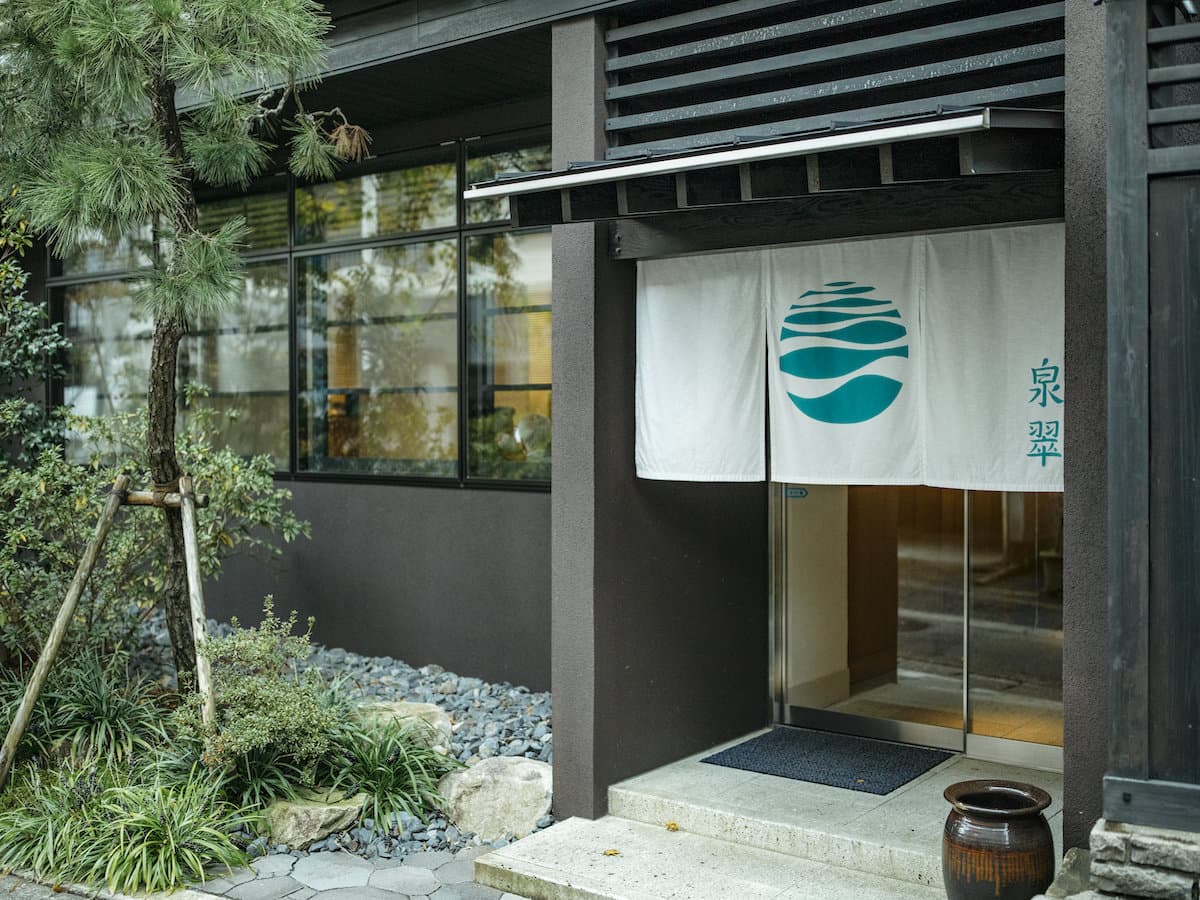 Sensui Kinosaki | $150起 | 9.1 212則評價 | 英語OK包租溫泉 | 上 Booking.com 訂房 |
Sakura Rikyu Akiu | $340起 | 9.4 4則評價 | 英語OK包租溫泉 | 上 Agoda 訂房 |
 Hakone Ginyu Hakone | $400起 | 9.3 124則評價 | 英語OK包租溫泉 | 上 Booking.com 訂房 |
 | $500起 | 9.6 67則評價 | 英語OK包租溫泉 | 上 Booking.com 訂房 |
Amane Resort GAHAMA
Beppu
Fujiya Inn
Ginzan
Sensui
Kinosaki
Sakura Rikyu
Akiu
Hakone Ginyu
Hakone
顯示價格為每人每晚的起價(約值)。透過本站預訂,我們可能獲得佣金。
我這輩子只被公共浴池婉拒過一次。那是山形的一間小旅館,我手腕上一個不大的刺青,女將語帶歉意但態度堅定。我印象最深的不是尷尬——而是這個問題「具體、且可解決」的本質。公共浴池有限制,但我房裡的客房內露天風呂沒有。我回到樓上,拉開通往私人露台的紙門,在黑暗中泡了四十分鐘,雪正落在杉木欄杆上。原來這問題一直都有解。那個解,就是私人溫泉。
本指南收錄十六間早已備好這個解法的旅館——我們的資料庫確認,這些旅館同時具備私人溫泉使用權,刺青政策也是『allowed(允許)』或『private_only(僅限私人)』其中之一。八間全部可訂。八間全是誠實精選,不是收了贊助的名單。而且,因為我希望你真正搞懂自己訂的是什麼,在進入清單之前,我會先解釋這兩個政策標籤的差別。
為什麼私人溫泉才是真正的刺青友善解答
日本公共溫泉的刺青限制並非無的放矢——它源自露出刺青與黑道(yakuza)身份的連結,這是日本政府與溫泉業界正慢慢拆解的污名。到了 2026 年,越來越多旅館明確向有刺青的客人開放公共浴池,但多數仍維持某種限制。私人溫泉則完全繞開這一切。當你在自己的房門後泡湯,沒有共用的湯水、沒有其他泡湯者,也沒有任何規定需要援引。
我們的資料庫使用兩種截然不同的刺青政策標籤,你會在每間旅館的資訊卡上看到。『Allowed(允許)』代表旅館已明確確認有刺青的客人可使用公共浴池——這是最歡迎的標示,完全不需要靠私人浴池來變通。『Private_only(僅限私人)』代表私人浴池(客房內露天風呂或貸切預約湯池)接受刺青,但公共區域仍有限制。兩種標示都能保證你泡得到湯。實務上的差別,在於你是否也能使用大型公共露天風呂——在某些旅館,那正是整棟建築的核心亮點。
Tip
貸切(かしきり)湯池是預約專屬時段、包場租用的私人浴池——通常 45–60 分鐘,且只有你的同行者。如果某間旅館是以貸切作為刺青友善的入浴方式,請在 check-in 時或事先預約那個時段。多數另收 ¥1,000–¥3,000,但也有些已含在房價裡。
快速比較
精選16家| 旅館 | 起價 | 評分 | 特色 | 預訂 |
|---|---|---|---|---|
| $466起 | 8.8 854則評價 | 英語OK包租溫泉 | 上 Booking.com 訂房 | |
| $130起 | 9.0 56則評價 | 英語OK包租溫泉 | 上 Booking.com 訂房 |
Amane Resort GAHAMA Beppu | $260起 | 9.5 75則評價 | 英語OK包租溫泉 | 上 Booking.com 訂房 |
| $150起 | 9.2 55則評價 | 包租溫泉 | 上 Booking.com 訂房 | |
| $739起 | 8.6 8則評價 | 英語OK包租溫泉 | 上 Booking.com 訂房 |
Fujiya Inn Ginzan | $500起 | 8.4 306則評價 | 包租溫泉 | 上 Agoda 訂房 |
Sensui Kinosaki | $150起 | 9.1 212則評價 | 英語OK包租溫泉 | 上 Booking.com 訂房 |
Sakura Rikyu Akiu | $340起 | 9.4 4則評價 | 英語OK包租溫泉 | 上 Agoda 訂房 |
Hakone Ginyu Hakone | $400起 | 9.3 124則評價 | 英語OK包租溫泉 | 上 Booking.com 訂房 |
| $500起 | 9.6 67則評價 | 英語OK包租溫泉 | 上 Booking.com 訂房 |
 Takinoya Noboribetsu | $350起 | 9.6 276則評價 | 英語OK包租溫泉 | 上 Booking.com 訂房 |
 Yokikan Izu | $220起 | 9.6 351則評價 | 英語OK包租溫泉 | 上 Booking.com 訂房 |
 Taketoritei Maruyama Arima | $250起 | 9.5 381則評價 | 英語OK包租溫泉 | 上 Booking.com 訂房 |
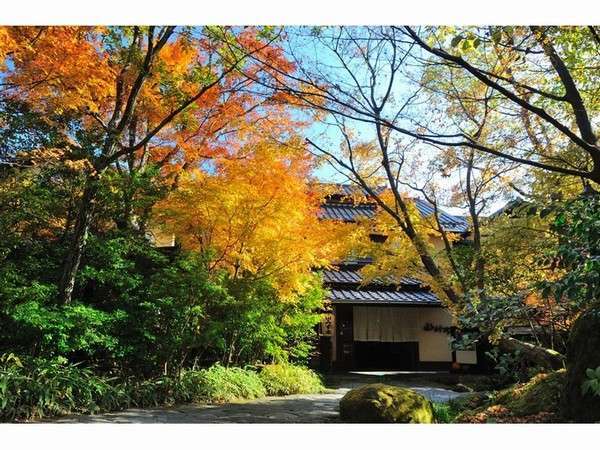 山みずき (Yamamizuki) Kurokawa | $250起 | 9.6 93則評價 | 英語OK包租溫泉 | 上 Booking.com 訂房 |
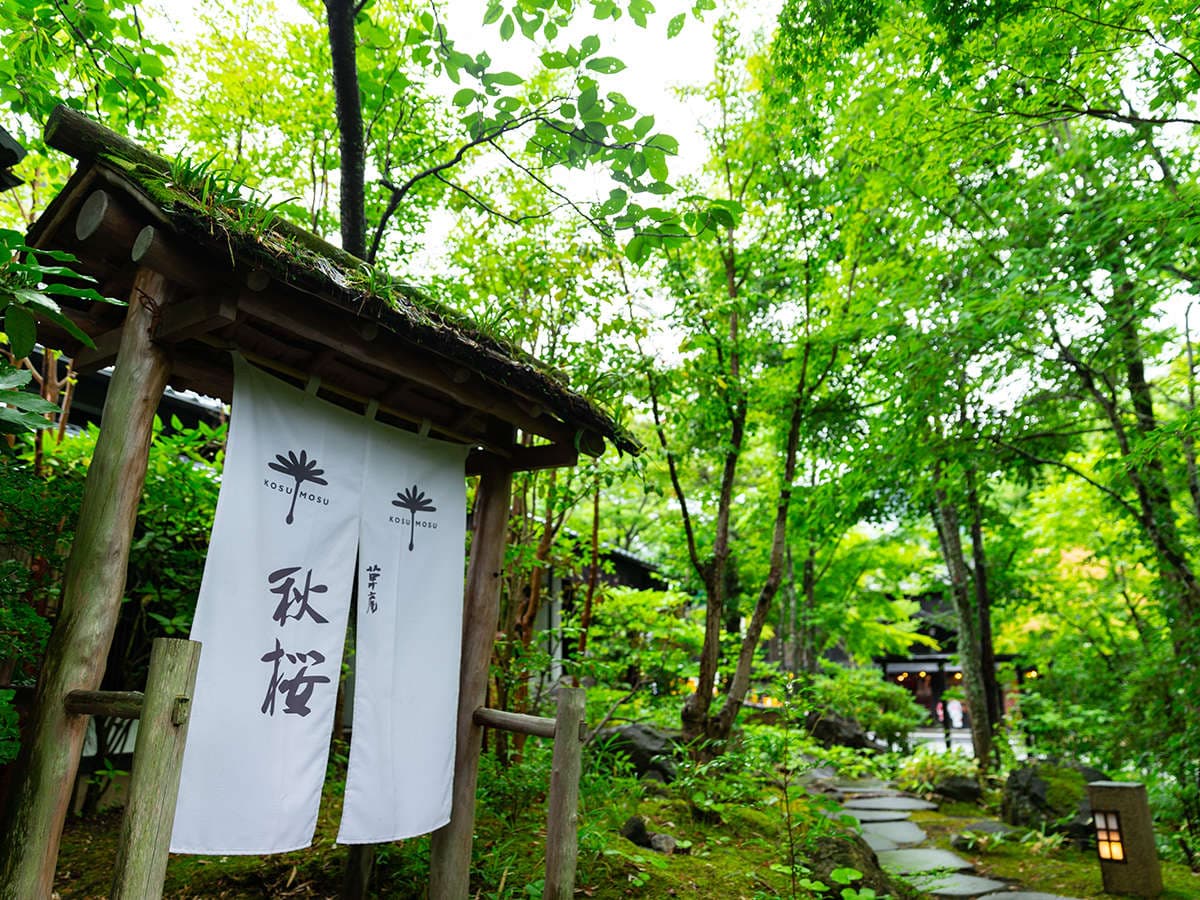 Yufuin Souan Kosumosu Yufuin | $300起 | 9.6 120則評價 | 英語OK包租溫泉 | 上 Booking.com 訂房 |
| $350起 | 9.6 14則評價 | 英語OK包租溫泉 | 上 Agoda 訂房 |

Amane Resort GAHAMA
Beppu
Fujiya Inn
Ginzan
Sensui
Kinosaki
Sakura Rikyu
Akiu
Hakone Ginyu
Hakone
Takinoya
Noboribetsu
Yokikan
Izu
Taketoritei Maruyama
Arima
山みずき (Yamamizuki)
Kurokawa
Yufuin Souan Kosumosu
Yufuin
顯示價格為每人每晚的起價(約值)。透過本站預訂,我們可能獲得佣金。
實地核實精選
十六間旅館、十三個地區、兩種刺青政策層級。我大致依地區整理,方便你把某間精選搭進行程裡,而不只是當成一個功能篩選條件。
別府:橫跨四個溫泉區的五間精選
別府是我個人最有切身體會的地方。我的家族來自西日本,從小我就常去別府的八大溫泉區——也就是著名的「別府八湯」。過去五年最大的變化是開放程度:別府已成為日本對刺青旅客最進步的溫泉城市之一,部分原因是市府觀光單位積極推動,以吸引國際旅客。別府的私人溫泉旅館並不是權宜之計——它本身就是這裡最頂尖旅館設計理念中的真正特色。
一目瞭然
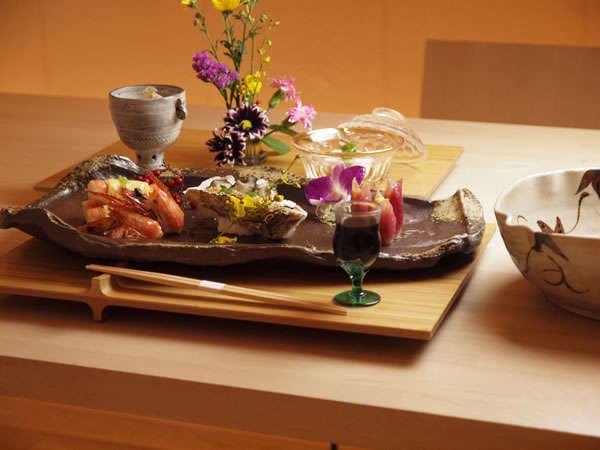
割烹旅館 鐵輪別邸 位於鐵輪(Kannawa)地區,這是別府八大溫泉區中歷史地位最重要的一帶——這裡蒸氣從家屋之間的地底竄出,硫磺味終年瀰漫。作為一間割烹風格的旅館,這裡的餐飲是吧台式精緻料理,而非一般的宴席懷石料理,意味著你與料理人有更直接的互動,也有更精準的當季套餐順序。私人溫泉設施正好呼應這份親密的用餐形式。
鐵輪地區的泉質以氯化物與硫磺型為主——是真正的高溫、真正的礦物濃郁。我覺得這間旅館誠實的一點,是它不貪心地想兼顧一切:它就是一間規模小、對料理認真的旅館,座落在一個由環境本身撐起氛圍的地區。值得點名的缺點是,鐵輪步行無法抵達別府車站主區——要進別府市中心的餐飲區得搭計程車或開車,不過如果你多數晚上都在館內享用割烹懷石,那也不算什麼大問題。
一目瞭然
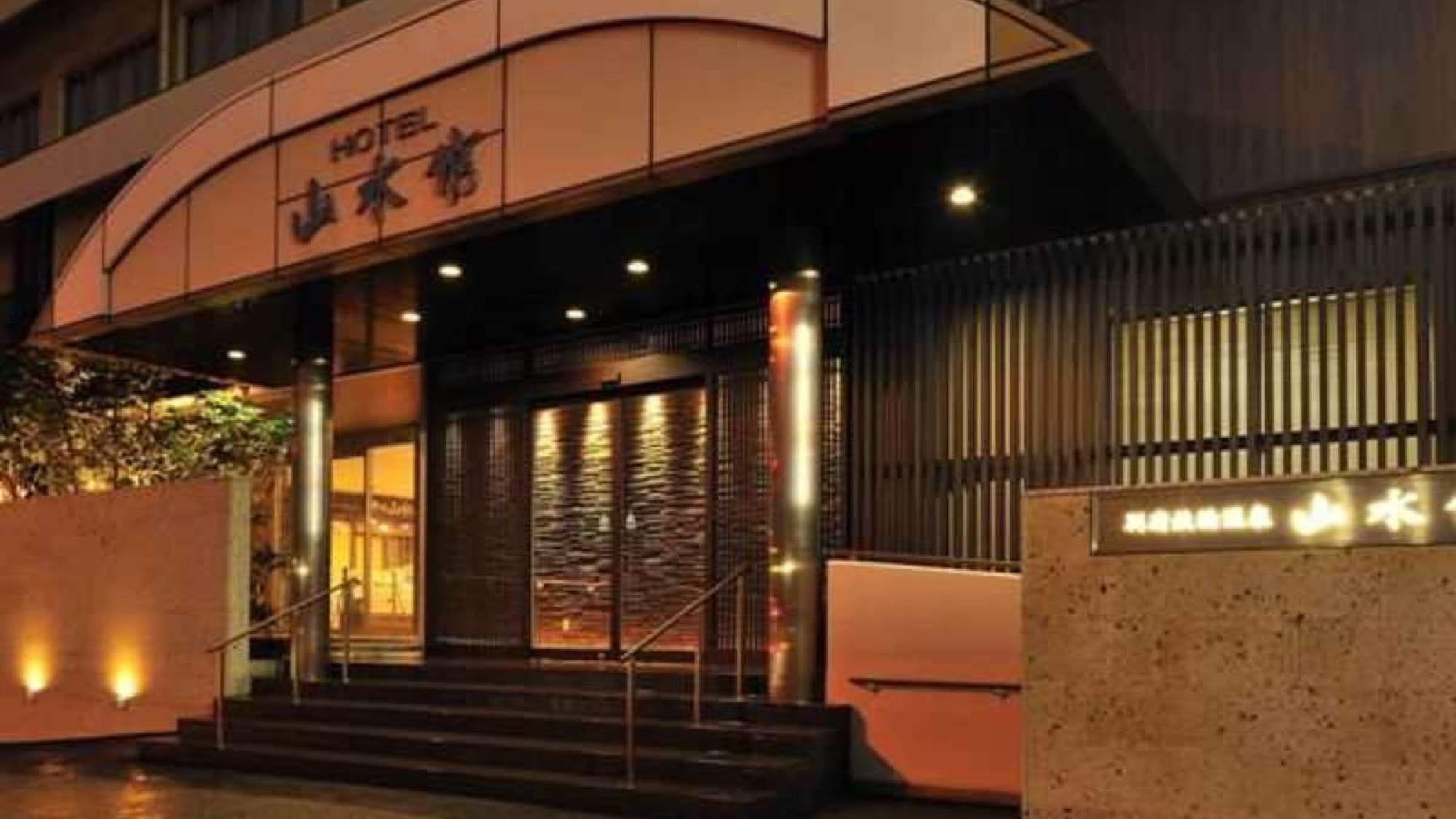
Hotel Sansuikan 位於堀田(Horita)地區,是別府較安靜的溫泉區之一,因此比起喧鬧的鐵輪或別府市中心,這裡的基地更為沉靜。它的規模比鐵輪別邸大,意味著房況更好、房型選擇更廣,訂房彈性通常也較大——若你習慣較短的提前期,這點很有用。Sansuikan 的私人溫泉使用權,讓它成為有刺青旅客想在別府落腳、又不想承受精品旅館訂房焦慮時的實際選擇。
堀田地區的泉質偏向氯化鈉型——暖身又滑膚——與鐵輪那種更戲劇化的硫磺特性截然不同。誠實的提醒:作為飯店規模的旅館,氛圍不及這份清單上較小型精選那般親密。如果你選別府是為了旅館體驗本身,鐵輪別邸或 GAHAMA 會更對味。如果你想要的是別府這座溫泉城與更廣的周邊,Sansuikan 的房況與選擇讓它成為可靠的據點。
一目瞭然
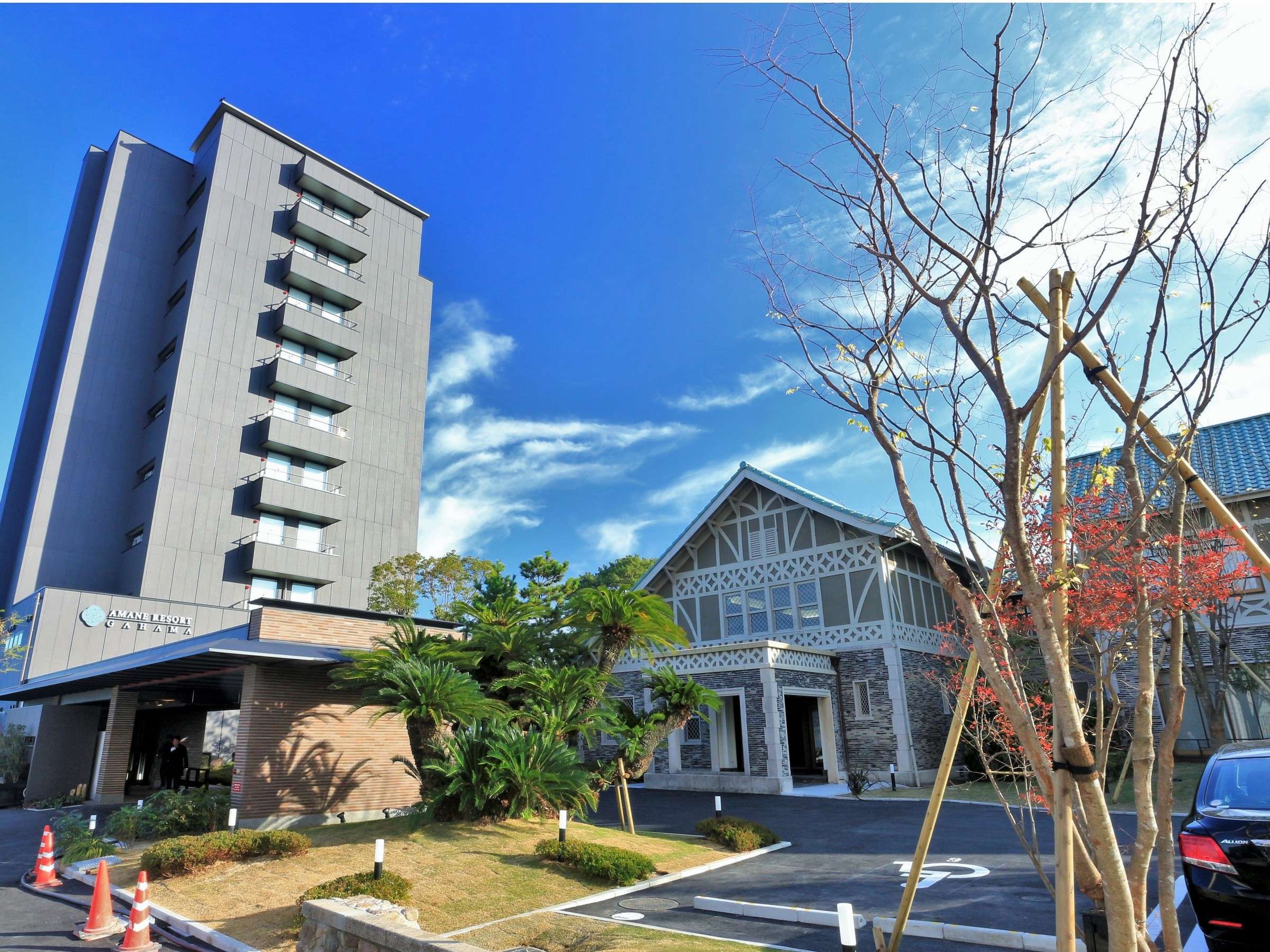
Amane Resort GAHAMA 位於別府灣附近的龜川(Kamegawa)地區——這個位置從根本上把它和上述內陸蒸氣溫泉區的旅館區隔開來。這裡的賣點是面海的私人浴池:你泡在來自別府泉源的礦物湯水中,遠眺瀨戶內海與遠方的四國。這種「溫泉鄉礦物泉質」加「開闊海景」的組合,在全日本任何地方都很罕見,而 GAHAMA 是刻意圍繞著它打造的。
我上次看到 GAHAMA 的消息,是在一次大規模擴建的脈絡裡——新增了強調海灣景觀的房型。這裡的刺青政策給私人浴池的客人完整使用權,實務上意味著你可以訂一間海灣景房,泡湯完全不被打擾。誠實的限制:龜川比某些旅客預想的,離別府八湯的歷史中心更遠。換來的是海景——如果你是為了鐵輪那種「地獄蒸氣」的美學而來,這裡是另一種調性。
一目瞭然
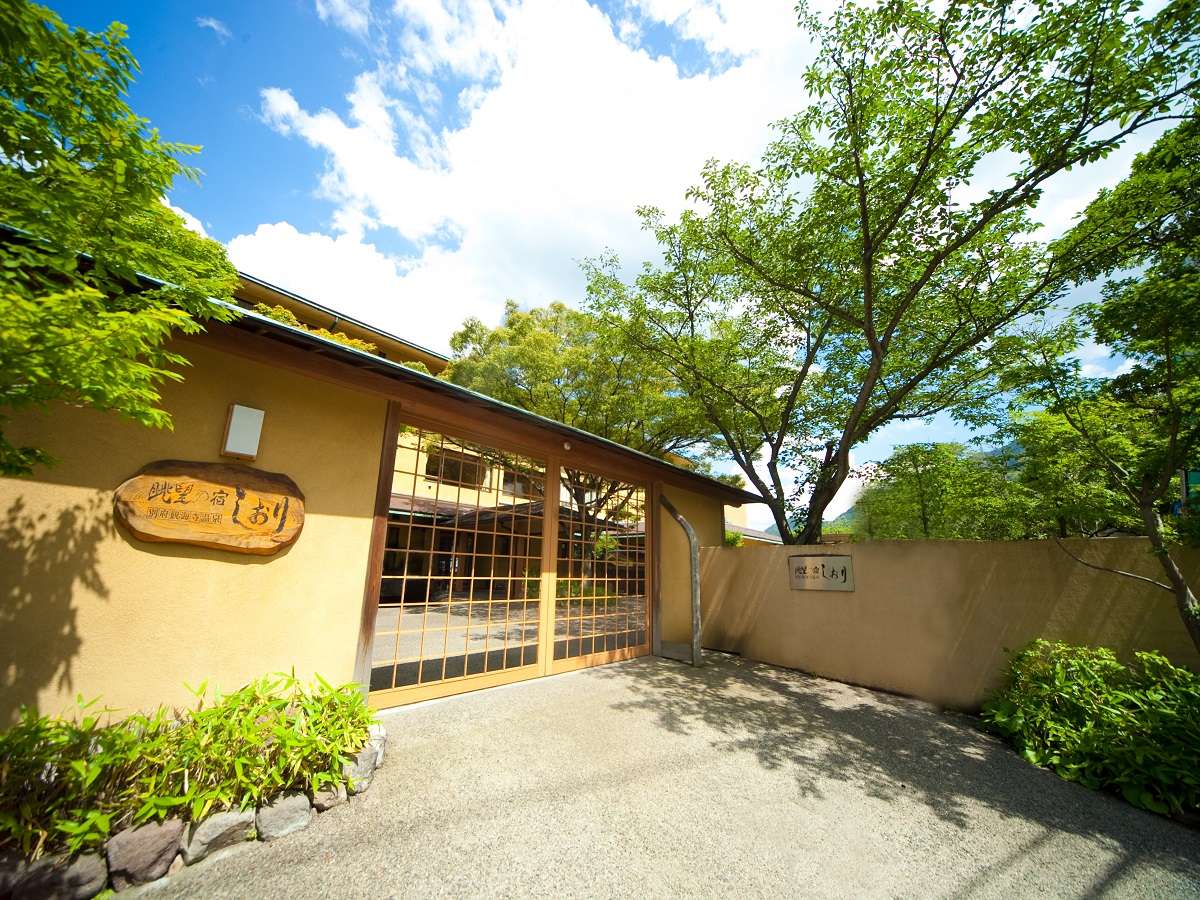
旅館 蝶々の宿 詩織(Chobonoyado Shiori)是一間海岸旅館——其網址名稱就點出它座落在主要溫泉區之外,更靠近別府海岸線。這通常意味著比起那些蒸氣噴湧的觀光區,這裡氛圍更安靜、更具住宅感。對於覺得鐵輪那種「舞台佈景感」略嫌過載的旅客,詩織提供了一個更低調的選擇——私人溫泉仍是主角,但周遭環境少了刻意雕琢。
這裡需要誠實的一點:因為詩織座落在別府最常被拍攝的區域之外,它無法產出鐵輪那種經典畫面。它能給的,比較可能是隱私、安靜,以及更貼近在地的氛圍。對有刺青的旅客來說,這種低強度的環境,能讓住宿真正放鬆自在,而不是時時意識到自己在「變通」。
熱海:伊豆熱力活躍海岸線上的兩間精選
熱海座落在靜岡的相模灣畔,搭新幹線距東京約一小時。它是日本最古老的度假溫泉鄉之一——那種在大正時代曾風靡一時、如今隨著國內外旅客重新發掘而迎來第二春的地方。熱海的泉質以氯化鈉為主,帶微弱放射性,源頭水溫極高。這裡的私人溫泉設計偏向現代化奢華路線——熱海許多當代旅館都圍繞著全景海景打造,客房內浴池將相模灣的水平線框入眼簾。
一目瞭然
FUFU 熱海 是 FUFU 品牌在熱海的據點,該品牌定位在私人溫泉旅館市場的高端。我熟悉的 FUFU 旅館,都建立在「客房內體驗即是產品」的前提上——每間房都有私人浴池、客房內提供懷石料理、公共區域極少——這讓刺青問題在結構上根本不存在。你不必去喬公共浴池的時段表;你訂的是一間自成一格的完整避世空間。
FUFU 熱海的誠實提醒:它是一間高端旅館,價格層級會讓某些旅客難以負擔。含餐的每晚房價落在中高奢華帶的上緣。換來的,是一趟一致、設計感極強的住宿,私人溫泉是預設配備而非加購升級——對有刺青的旅客來說,這份一致性有實實在在的價值。位於小鎮上方的地點帶來好景觀,但從熱海車站過去需要開車或搭計程車。
銀山溫泉:日本最常被拍攝的雪鄉
山形縣的銀山溫泉,是出現在每一張日本旅遊情境板上的那個旅館小鎮:大正時代的木造旅館建築由瓦斯燈點亮,一條窄河從中流過,雪從十月一路落到三月、覆蓋一切。它真的就和照片暗示的一樣戲劇化,而這份建築氛圍與私人溫泉使用權的結合,讓銀山成為這份清單上最具辨識度的條目之一。
一目瞭然
銀山溫泉的 Fujiya(藤屋)是鎮上最具代表性的旅館之一——這棟建築被拍過太多次,已成為人們想像銀山時的一部分。建築可追溯至大正時代,那道瓦斯燈點亮的立面,正是你搜尋這座小鎮時跳出的畫面。在這裡訂到一間附私人溫泉的房,然後泡在礦物湯水中、看雪落在窗外,是那種真正兌現承諾的、極為具體的日本旅行體驗。
誠實的限制:銀山溫泉是個非常小的鎮——從頭走到尾五分鐘——所以你不是為了夜生活或餐廳多樣性而選它。你選它,是因為小鎮本身就是看點。這裡的旅館文化也夠傳統,即使你已訂好附私人溫泉的房,事先就刺青入浴一事溝通仍然真的值得。銀山在冬季週末也很擁擠,尤其是新年期間,常常提前數月就訂滿。夏季與秋季淡旺交界的造訪則輕鬆許多。
城崎:以「外湯巡り」聞名的運河小鎮,亦有私人溫泉
兵庫縣的城崎溫泉,以一項多數溫泉鄉沒有的傳統聞名:外湯巡り(sotoyu)——也就是憑旅館發給你的共通湯券,巡遊鎮上全部七間公共浴場。這是城崎住宿最有樂趣的環節之一,卻也正是讓有刺青旅客碰壁的環節——七間浴場裡多數都有標準的刺青限制。解法在城崎和在別處一樣,就是客房內私人浴池或貸切湯池,讓你不必走外湯路線也能保證泡到湯。
一目瞭然
城崎的 Sensui(泉翠)是一間定位在城崎旅館市場高端的旅館,附私人溫泉設施,讓你跳過外湯巡迴,又不至於覺得錯過了這座小鎮獨特的文化。運河旁的街道、木造建築、冬季的松葉蟹懷石料理——無論你用不用公共浴場,這一切都依然觸手可及。
以僅限私人入浴的方式在城崎住宿,我覺得誠實的一點是:你會看到其他客人穿著浴衣出門去泡外湯,而那份你部分放棄的共浴儀式,確實有它真正的樂趣。小鎮以自身氛圍彌補了這點——無論你在哪裡泡湯,黃昏沿大谿川散步都是日本數一數二的傍晚漫步。冬季蟹季(十一月到三月)的城崎訂房極為激烈;請提前兩到三個月規劃。
秋保:仙台近郊的山谷溫泉
秋保溫泉座落在宮城縣一處深谷中,開車距仙台約 40 分鐘。它是日本最古老的溫泉度假地之一——提及它的文獻可追溯到七世紀——且至今主要仍是國內旅客的目的地,意味著國際旅客密度較低,日式度假氛圍更為純粹未經包裝。對有刺青的旅客來說,秋保密集的私人溫泉旅館,讓它比某些傳統上較嚴格的內陸小鎮更為包容。
一目瞭然
秋保的 Sakura Rikyu(櫻離宮)座落在賦予這座溫泉鄉特色的森林山谷中——陡峭的杉木坡、名取川的水聲,以及那種從仙台抵達後約莫要一小時才能沉澱進去的安靜。像這樣的旅館,私人溫泉在許多情況下都是真正的露天風呂式:在戶外,有杉木與河聲相伴。這和都會旅館那種瓷磚配杉木的室內私人浴池,是截然不同的調性。
關於秋保的誠實註記:它不是那種你為了建築戲劇感、或為了一座可逛的名鎮而選的目的地。秋保的魅力具體在於自然與氛圍——山谷、湯水、安靜。如果你選旅館是衝著小鎮體驗,城崎或銀山能更直接滿足這個需求。如果你想要的,是在仙台近郊享受一場沒有刺青摩擦的私人森林溫泉,那秋保就是正確答案。
箱根:離東京最近的正統溫泉
一目瞭然
箱根是離東京最近的正統溫泉目的地——從新宿搭浪漫號特快兩小時即達——而它在「想體驗人生第一次旅館」的刺青旅客市場中,吸引了不成比例的高人氣。Hakone Ginyu 在 124 則評論中拿下 9.3,在箱根擁擠的奢華市場裡,這讓它穩居一個可信的層級,又沒有頂級旅館那種高不可攀的價格。箱根一帶的泉質,依你參考的資料來源而定,是弱硫酸鹽泉或氯化鈉泉;富士山麓提供了箱根火山地質所造就的視覺背景。在這個若要使用公共浴池就得一通又一通電話查證的市場裡,Ginyu 的私人浴池正是有刺青客人的實際解法。9.3 反映出誠實的取捨:它不是箱根建築最獨特的旅館,但一致、可訂、且真正私密。
京都:一間有兩百年歷史的市區旅館
一目瞭然
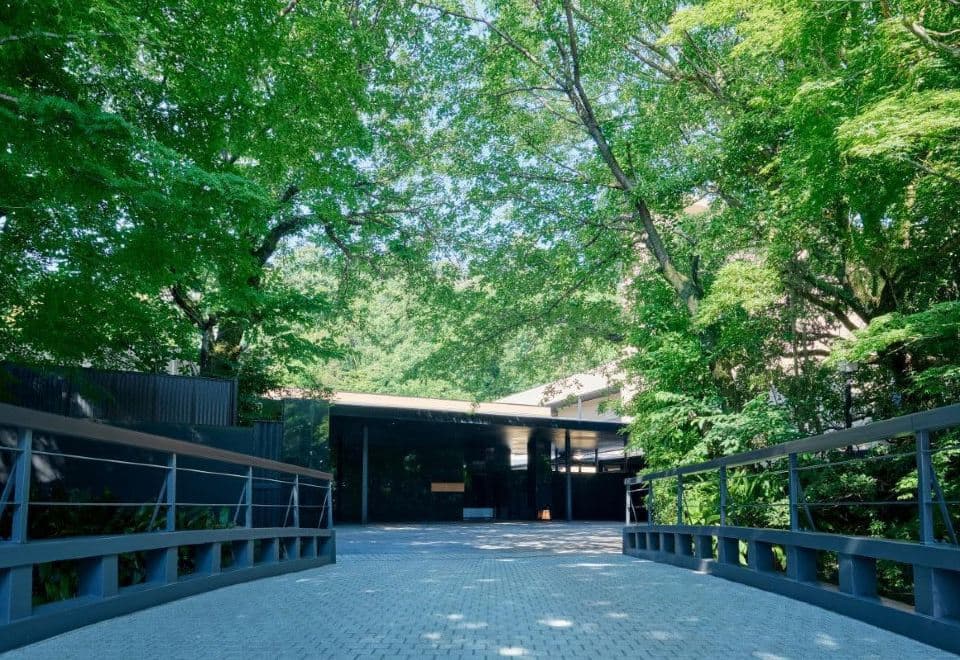
Hiiragiya(柊家) 於 1818 年在京都市中心開業,自明治時代起便接待外國訪客——是少數幾間「歷史」二字真正是寫實、而非裝飾的旅館之一。67 則評論的 9.6 評分,來自一間運作於京都名望頂層的旅館,這裡的客人常是外交官、作家,以及心裡有比較基準的回頭客。這裡的私人溫泉配置,不只是給有刺青客人的變通辦法;它本就是這個層級傳統旅館服務模式的一部分。京都的溫泉水取自市營溫泉源,而非源於戲劇化的地熱活動,但柊家的泡湯體驗,重點在於房間、陶瓷器、服務的節奏——湯水只是諸多元素之一。位於中京區,步行可達二条城與先斗町。對有刺青的旅客而言,這是清單上文化分量最重的一間精選。
登別:北海道的地獄谷溫泉
一目瞭然
Takinoya(滝乃家)於 1917 年開業,至今維持 30 間客房的規模——以登別的標準來說堪稱真正的精品,這裡多數同業早已擴張成度假村規模。其中十二間客房附設自己的私人露天風呂,由旅館汲取的四種泉質之一供應:氯化物、鐵泉、放射性礦物與硫磺。屋頂的「雲井之湯」露天浴池擁有森林與天空景致,在漫長旅途後格外有「值得」之感,不過有刺青的客人會想確認它是否與客房內浴池採同樣的私人使用模式。懷石料理在俯瞰日式庭園的私人用餐室供應,而非公共宴會廳——少一個需要顧慮的共用空間。房價含晚餐與早餐,每人 ¥36,300–59,400 [來源已核實 selected-ryokan.com, 2026-06-19]。刺青入浴:公共浴池有限制;客房內私人溫泉允許。
伊豆:距東京 90 分鐘的硫磺泉
一目瞭然
伊豆半島是那種溫泉基礎建設深深嵌入地景的地方——你還沒看到湯水,就已聞到硫磺味。Yokikan(陽暉館) 座落在這份傳統之中,於 351 則評論中拿下 9.6——評論數高到足以信賴這個分數。這間旅館的私人浴池配置,讓有刺青的客人不必配合公共浴池時段就能泡湯。伊豆的氯化鈉泉是那種泡一次就讓肌膚真正變得更柔軟的類型,不只是「熱水泡完本來就會滑」那種。半島搭踊子號特急距東京約 90 分鐘,讓這裡成為從東京出發、想好好體驗旅館又不必搭飛機的旅客,極佳的兩晚選擇。訂房時請確認你選的特定房型是否附私人浴池。
有馬:日本最古老的溫泉,神戶之上
一目瞭然
有馬溫泉藏身於神戶之上的丘陵間,是日本最古老的溫泉鄉之一——其泉水的記載出現在八世紀的編年史《日本書紀》中。Taketoritei Maruyama(竹取亭円山) 運作於這份歷史分量之中,同時提供現代有刺青旅客真正需要的私人浴池體驗。橫跨 381 則評論的 9.5 評分,是清單上較強的權威信號之一。有馬的兩種泉質——金湯(含鐵、鏽紅色)與銀湯(含鐳與碳酸)——差異大到讓你覺得在這裡泡湯,從科學上就和別處的溫泉不同。這份獨特性,值得你為它繞路一趟。從大阪或神戶出發,搭乘經寶塚的有馬特急,不到一小時即達有馬。刺青入浴:私人浴池允許有刺青的客人;公共區域適用標準限制——訂房時請確認細節。
黑川:茅葺屋頂的溫泉村
一目瞭然
黑川溫泉,正是人們想像日式溫泉村時腦中浮現的景象:茅葺屋頂的浴場、林間的溪谷小徑、田之原川穿過杉林的水聲。Yamamizuki(山みず木) 正是在這份脈絡中贏得它的 9.6 評分。93 則評論讓這個分數在統計上的分量不及水明館,但黑川旅館的常態,往往是房間數少、由主人親自打理、賓客體驗被細心經營的旅館。這裡的私人溫泉配置沿襲黑川的標準模式:客房內或可預約的私人浴池打理好有刺青的客人,完全不需與公共浴場交涉。黑川位於熊本的山中——從熊本市搭高速巴士約 80 分鐘,而熊本市本身可從福岡搭新幹線抵達(搭瑞穗號 20 分鐘)。這趟層層轉乘的旅程,值得。
由布院:大分縣由布岳之下
一目瞭然
Yufuin(由布院) 座落在大分縣由布岳腳下的一處山谷——這座溫泉鄉吸引福岡的一日遊客,卻在黃昏觀光巴士離去後,以更安靜的面貌回報過夜的旅客。Yufuin Souan Kosumosu(由布院 草庵秋櫻)在 120 則評論中保有 9.6,在由布院競爭激烈的旅館市場裡,這是個有意義的信號。此區泉質為碳酸氫鹽-硫酸鹽泉,那種滑膚感泡到第二次就會明顯察覺。這間旅館的私人浴池,讓有刺青的客人不必周旋於公共浴池規則,就能享受到讓由布院值得一訪的泉質。從福岡的博多車站出發,「由布院之森」景觀列車約 90 分鐘車程,本身就值得專程一搭。對於要走「福岡+別府+由布院」九州環線的旅客來說,這是一間強力精選。
道後:日本最古老的有文獻記載溫泉之一
一目瞭然
愛媛縣松山市的道後溫泉,是日本最古老、有文獻記載的溫泉之一——道後溫泉本館浴場可追溯至 1894 年,而對此泉的記載與有馬一同出現在《日本書紀》中。據說它正是啟發宮崎駿《神隱少女》中那座湯屋的溫泉,這個細節與其說是冷知識,不如說是一種速記,點出此地歷史層次有多深厚。Bettei Oborozukiyo(別邸 朧月夜) 是一間汲取同一古老泉源的高端別邸旅館,14 則評論評為 9.6。評論數偏低意味著這個分數在統計上單薄——我會更倚重這個地點的資歷與旅館類型(大型溫泉鄉的別邸式分館,往往服務水準極高)來評斷這間精選,而非單看分數。私人浴池的使用權,讓有刺青的客人不必面對公共浴池的問題,就能享受真正古老的湯水。松山可從大阪搭渡輪(夜航,常比搭飛機更便宜、更有情調)或搭飛機抵達。
Tip
訂房前如何確認能不能帶刺青入浴:在完成預訂之前,傳一則訊息給旅館。可靠的做法是把這句貼進訂房平台的訊息欄:「タトゥーがありますが、貸切風呂または部屋付き露天風呂のご利用は可能ですか?」(我有刺青,請問貸切風呂或客房附設的露天風呂能讓我使用嗎?)並請對方給你文字確認。如果某間旅館無法以文字確認,那就改訂一間在我們資料庫中標示明確為『private_only』或『allowed』的旅館吧。
更多刺青友善且有包租溫泉的旅館
13家| 旅館 | 起價 | 評分 | 特色 | 預訂 |
|---|---|---|---|---|
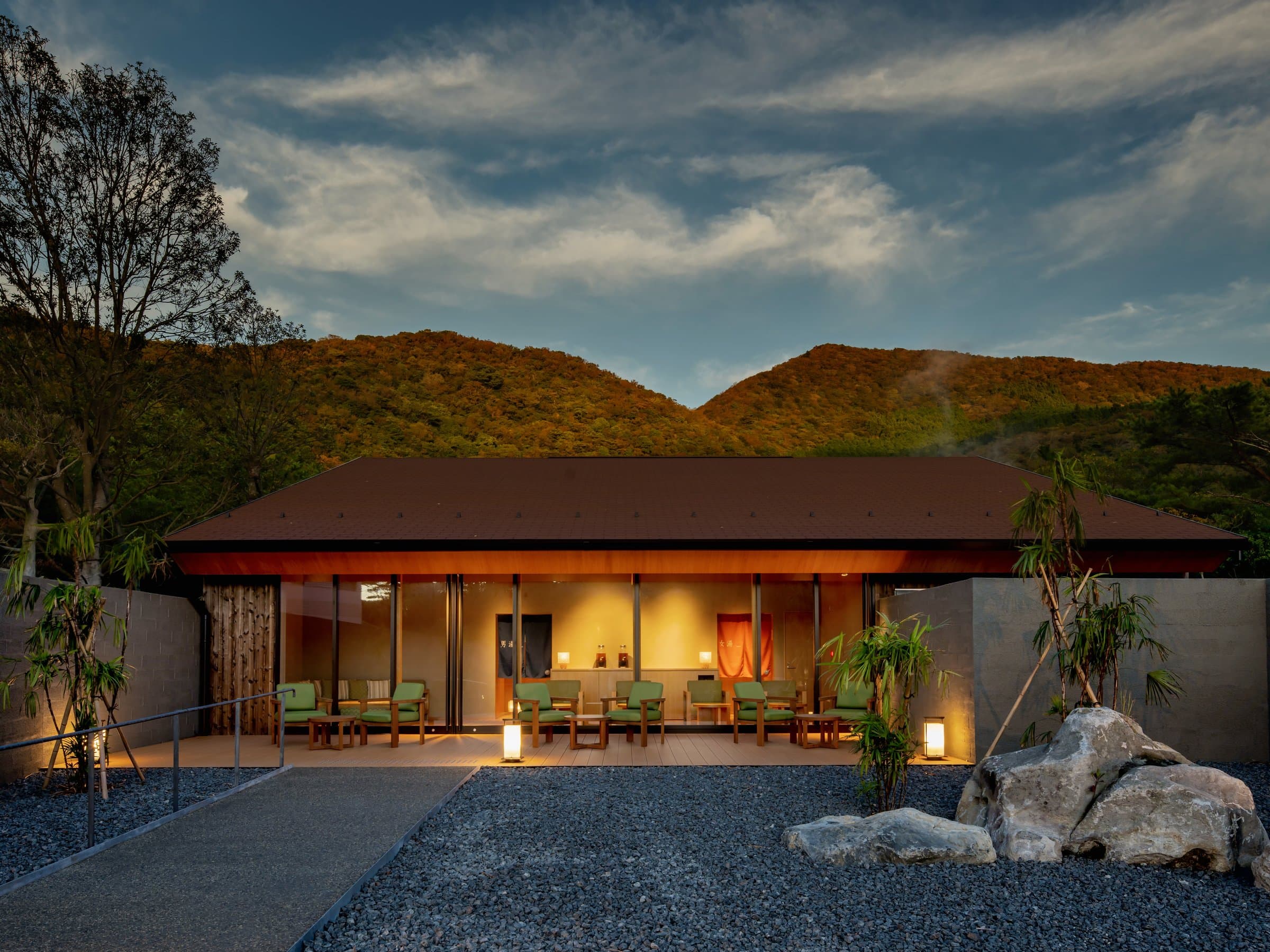 | $270起 | 9.6 359則評價 | 英語OK包租溫泉 | 上 Agoda 訂房 |
| $215起 | 9.6 213則評價 | 包租溫泉 | 上 Booking.com 訂房 | |
| $180起 | 9.6 52則評價 | 包租溫泉 | 上 Agoda 訂房 | |
| $228起 | 9.4 1240則評價 | 英語OK包租溫泉 | 上 Booking.com 訂房 | |
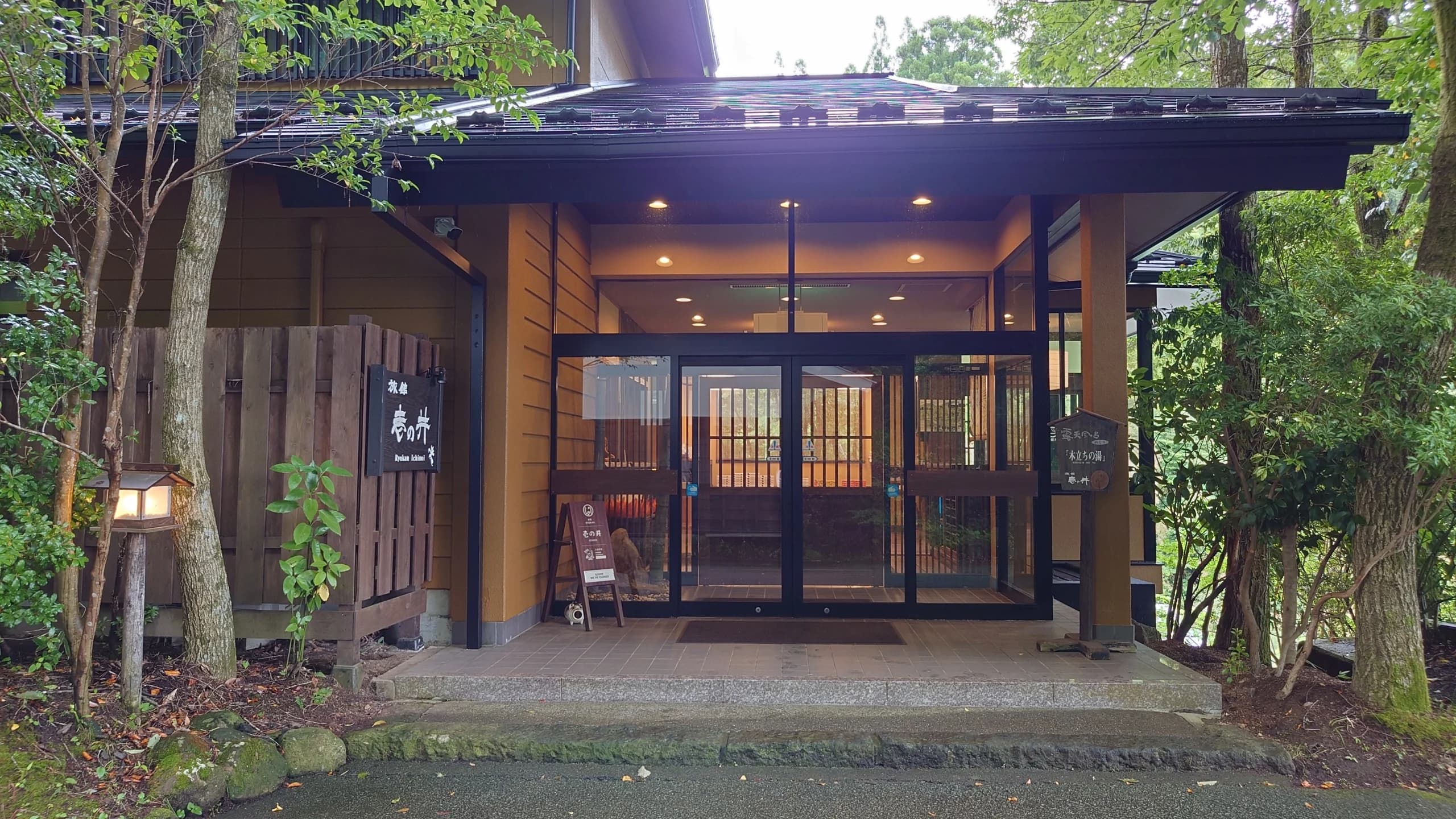 Ryokan Ichinoi Kurokawa | $147起 | 9.4 62則評價 | 包租溫泉 | 上 Booking.com 訂房 |
| $112起 | 9.4 20則評價 | 英語OK包租溫泉 | 上 Booking.com 訂房 | |
| $96起 | 9.2 144則評價 | 英語OK包租溫泉 | 上 Booking.com 訂房 | |
| $128起 | 9.1 63則評價 | 英語OK包租溫泉 | 上 Booking.com 訂房 | |
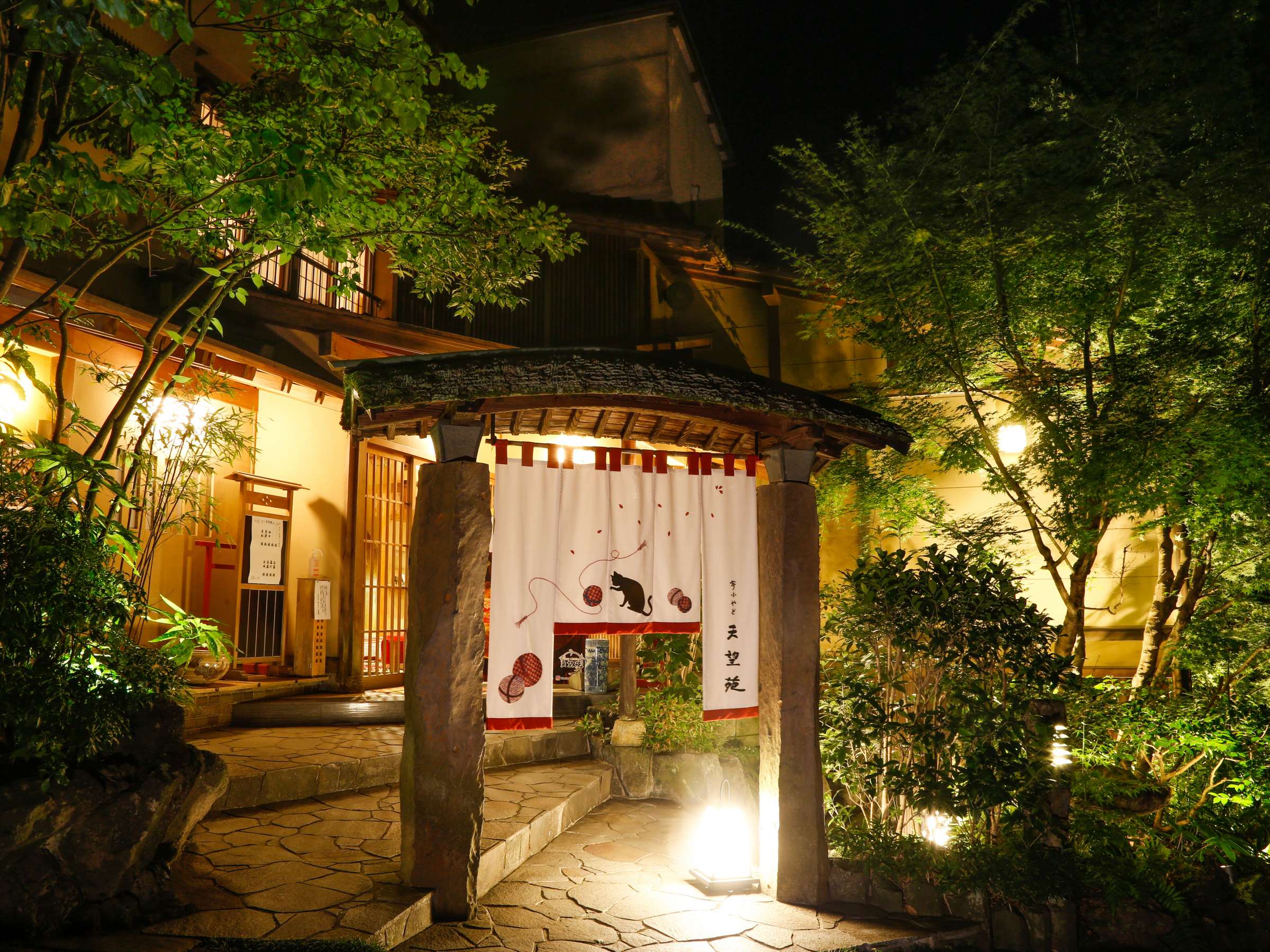 Kinosaki Yumekoyado Tenbouen Kinosaki | $184起 | 9.1 24則評價 | 英語OK包租溫泉 | 上 Booking.com 訂房 |
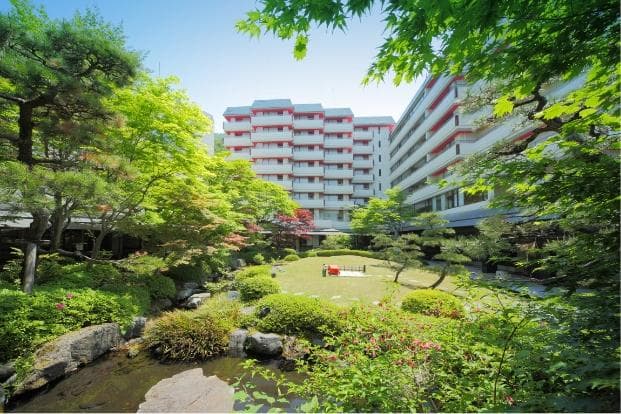 Kinugawa Grand Hotel Yume no Toki Kinugawa Onsen | $190起 | 9.0 2020則評價 | 英語OK包租溫泉 | 上 Booking.com 訂房 |
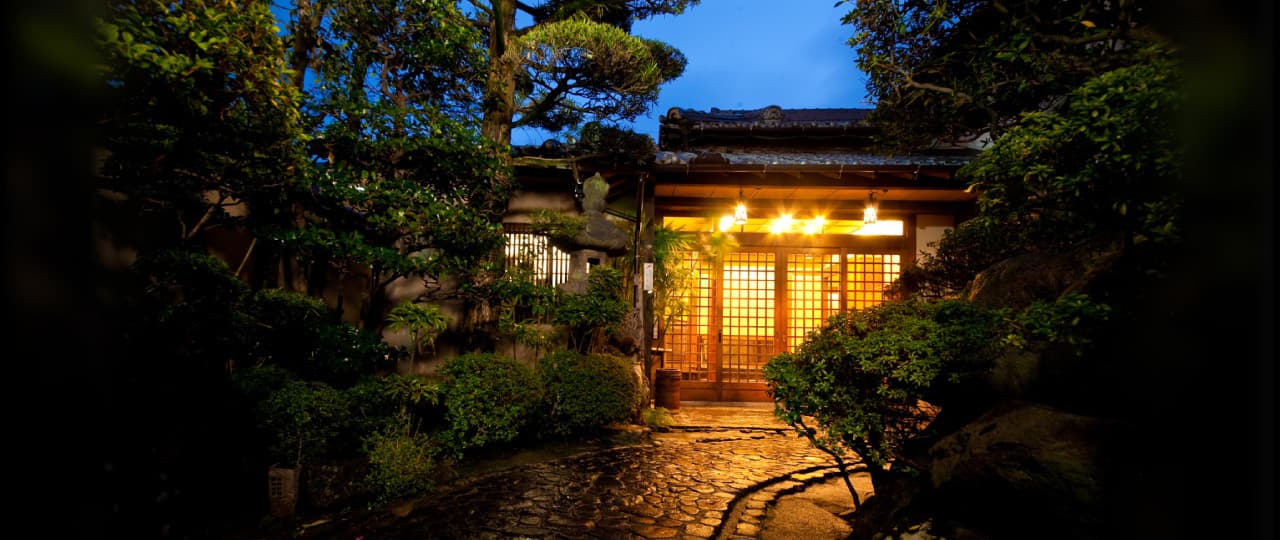 Ryokan Sennari Beppu | $100起 | 8.6 137則評價 | 包租溫泉 | 上 Booking.com 訂房 |
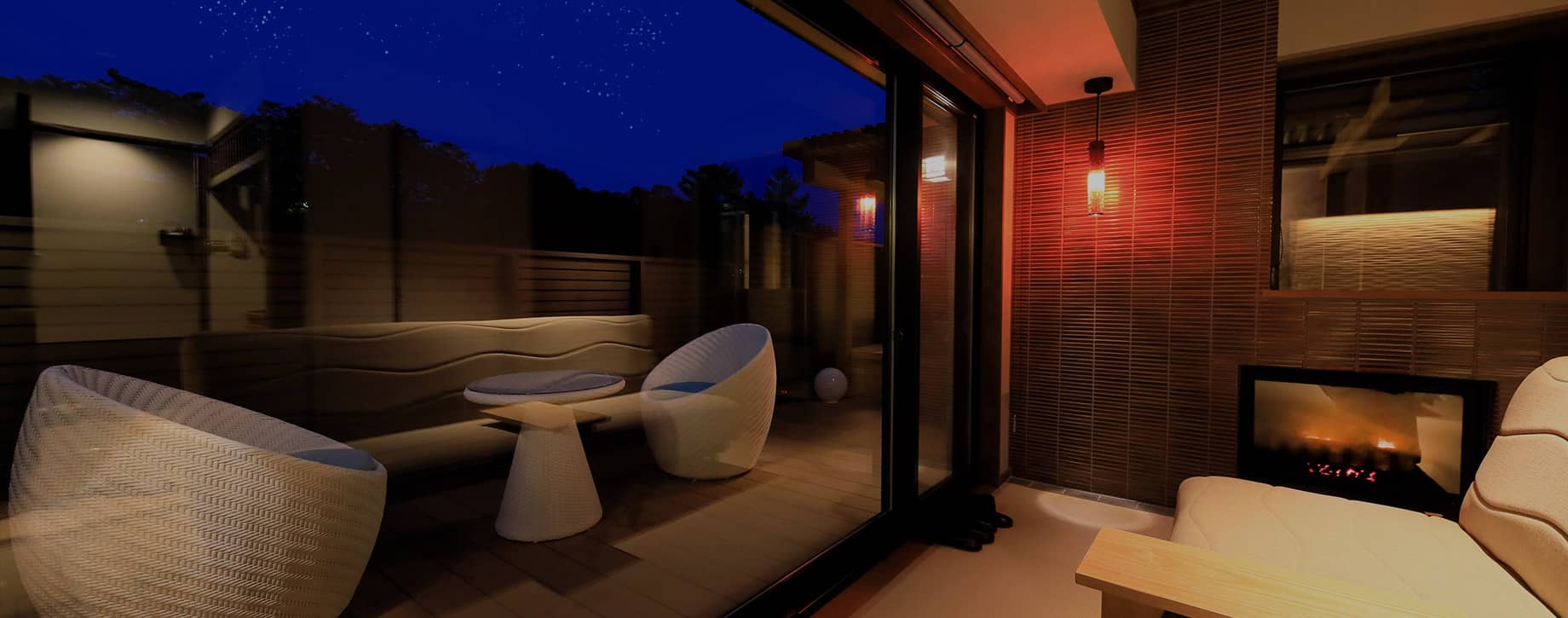 Aeru Yado Takamatsu Kusatsu | $112起 | 8.4 522則評價 | 英語OK包租溫泉 | 上 Booking.com 訂房 |
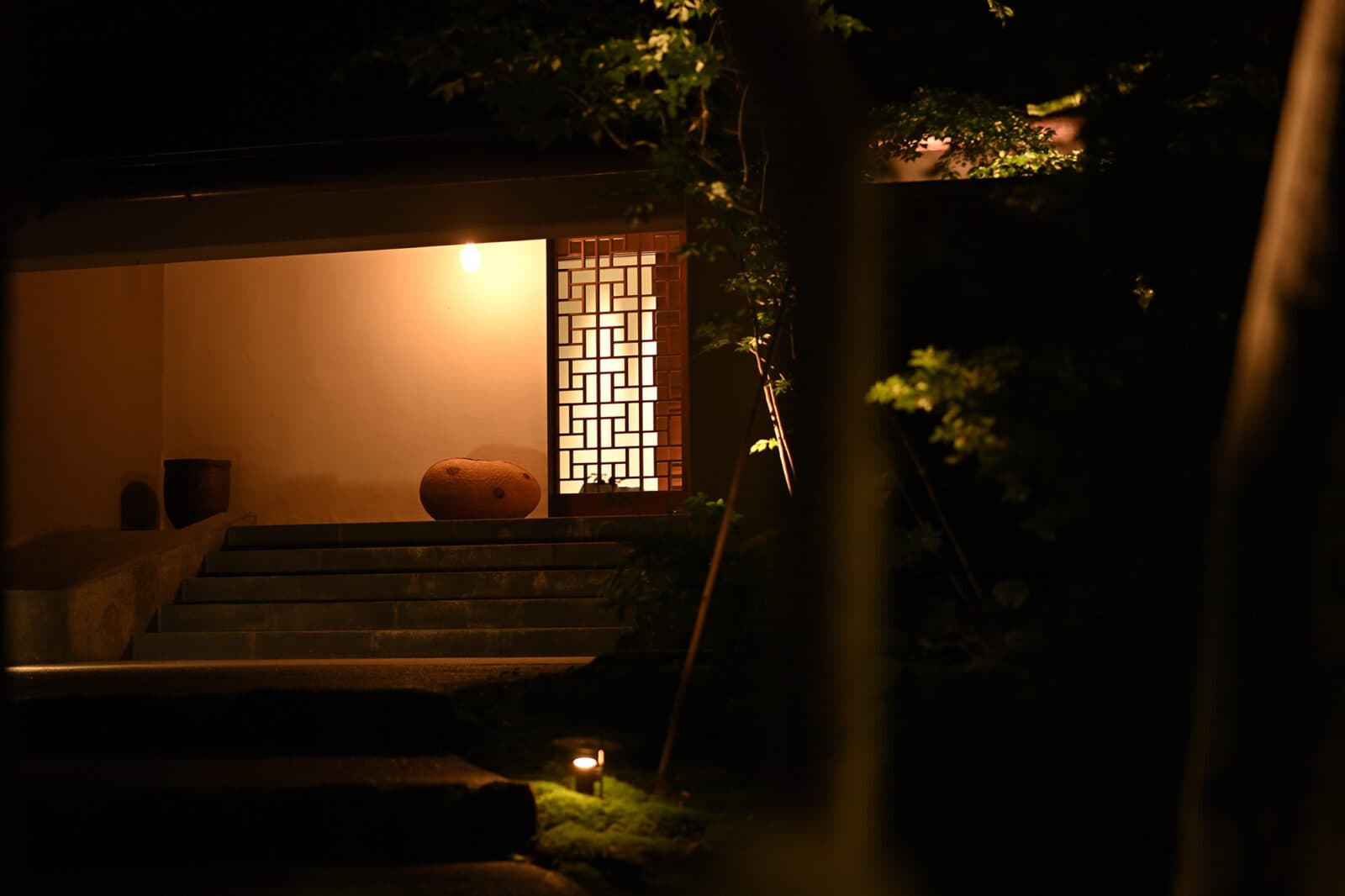 | $709起 | 9.2 65則評價 | 英語OK包租溫泉 | 上 Booking.com 訂房 |
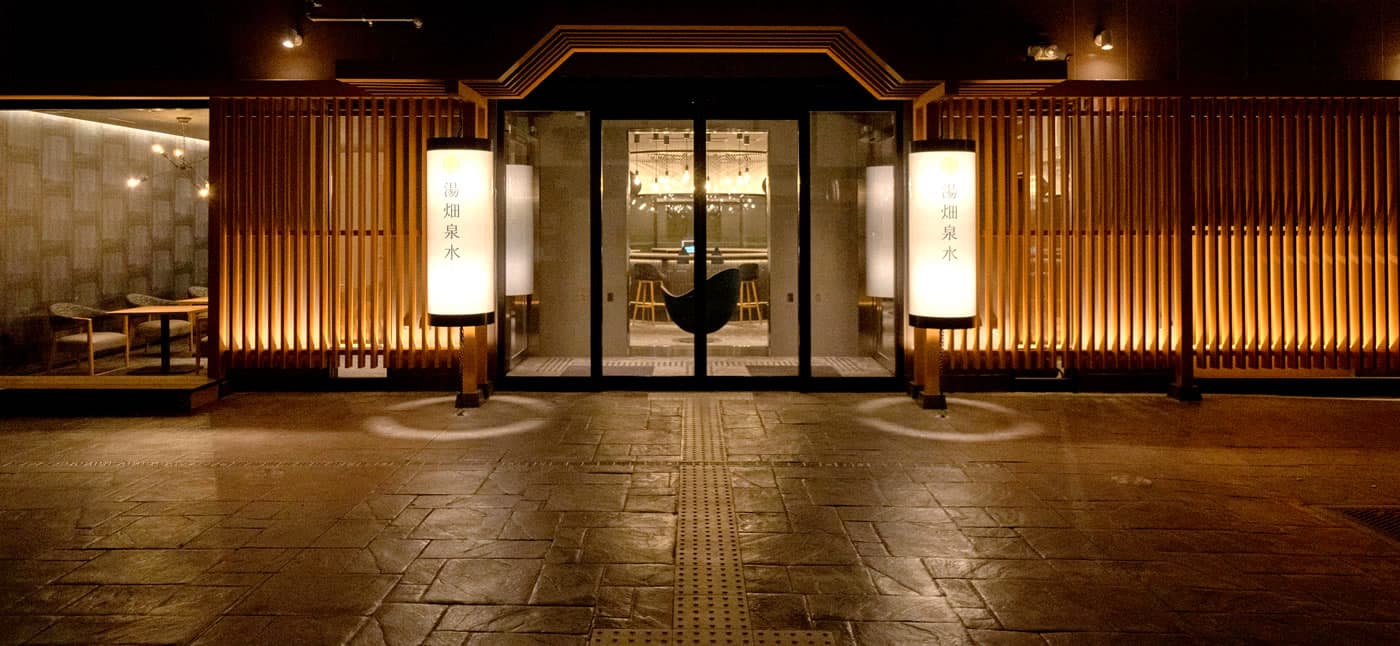
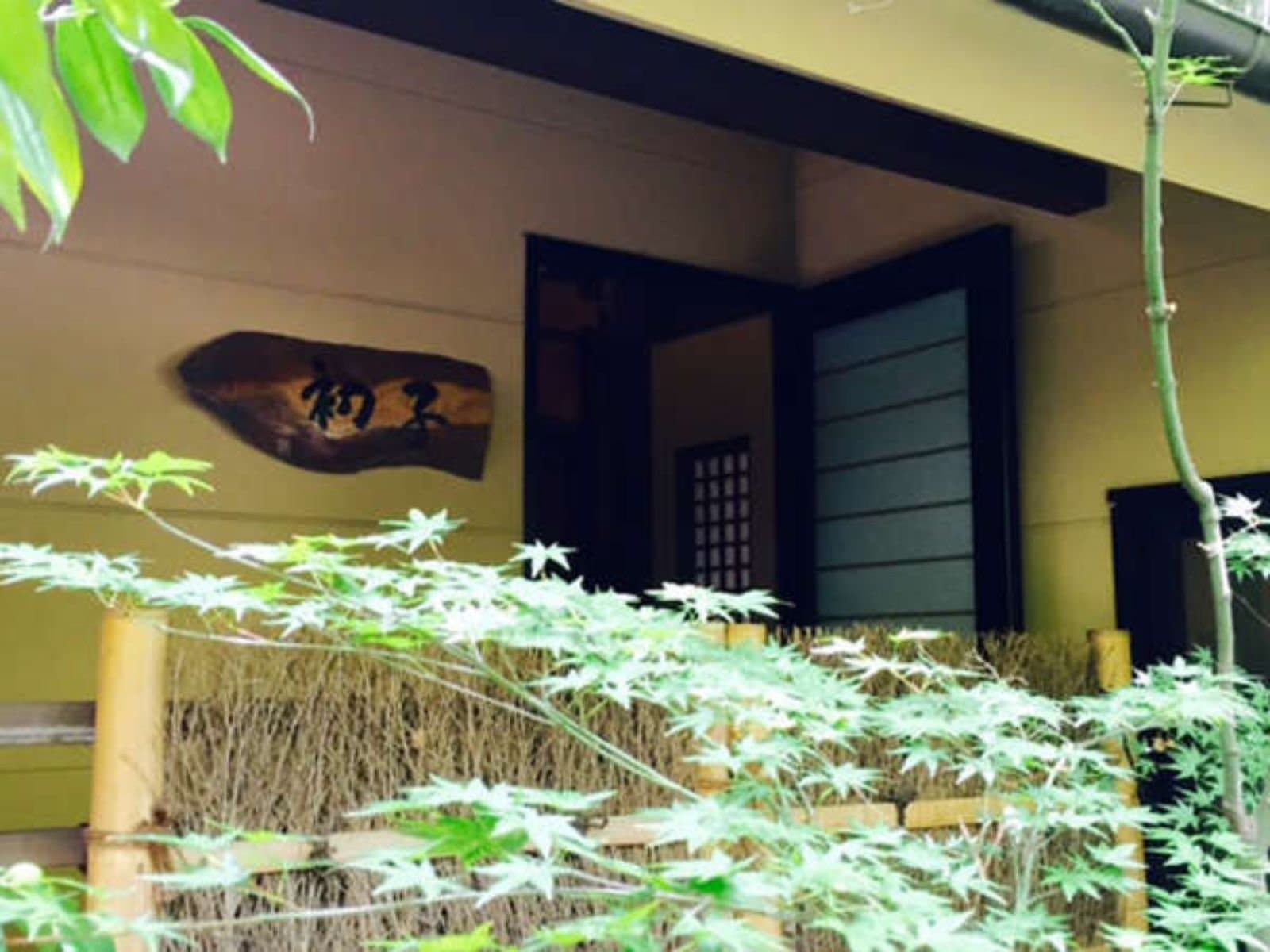
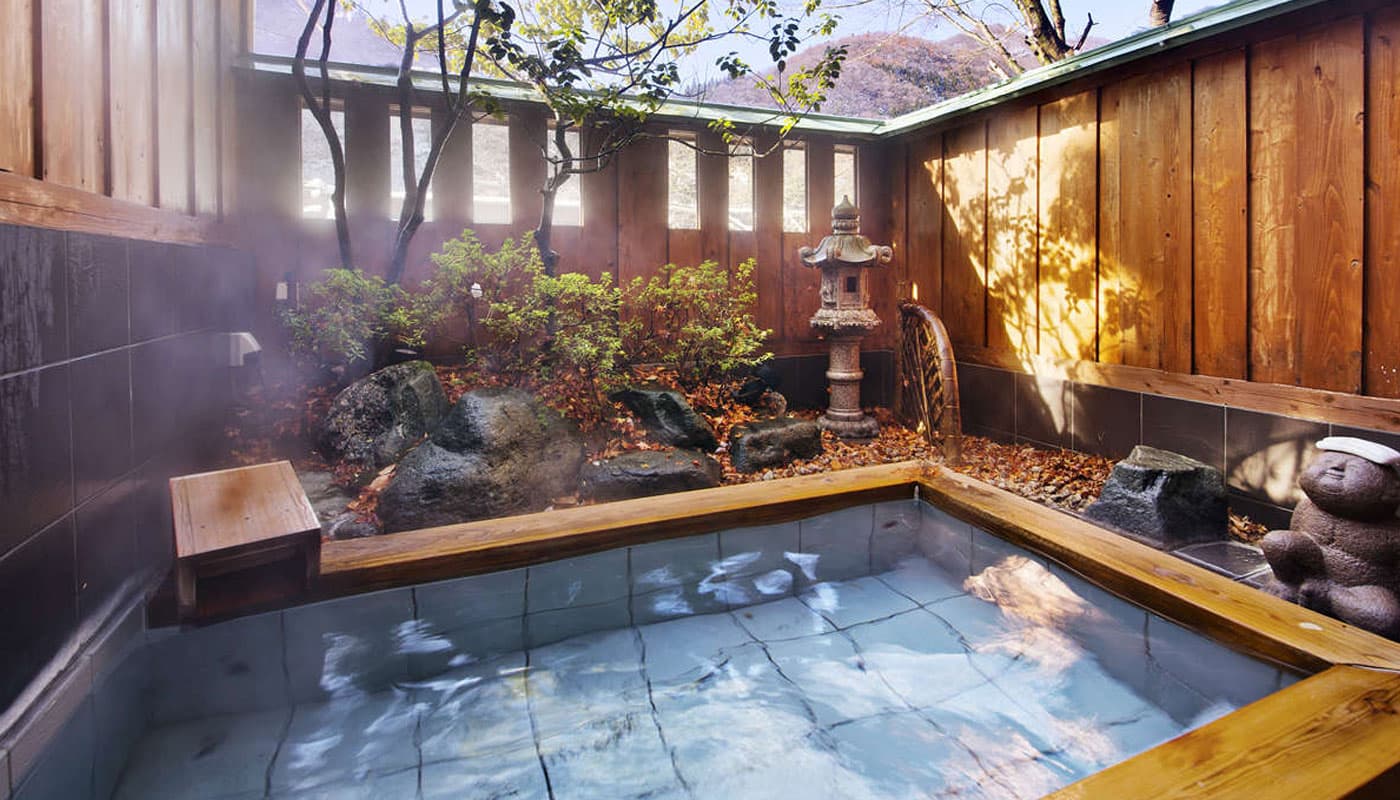

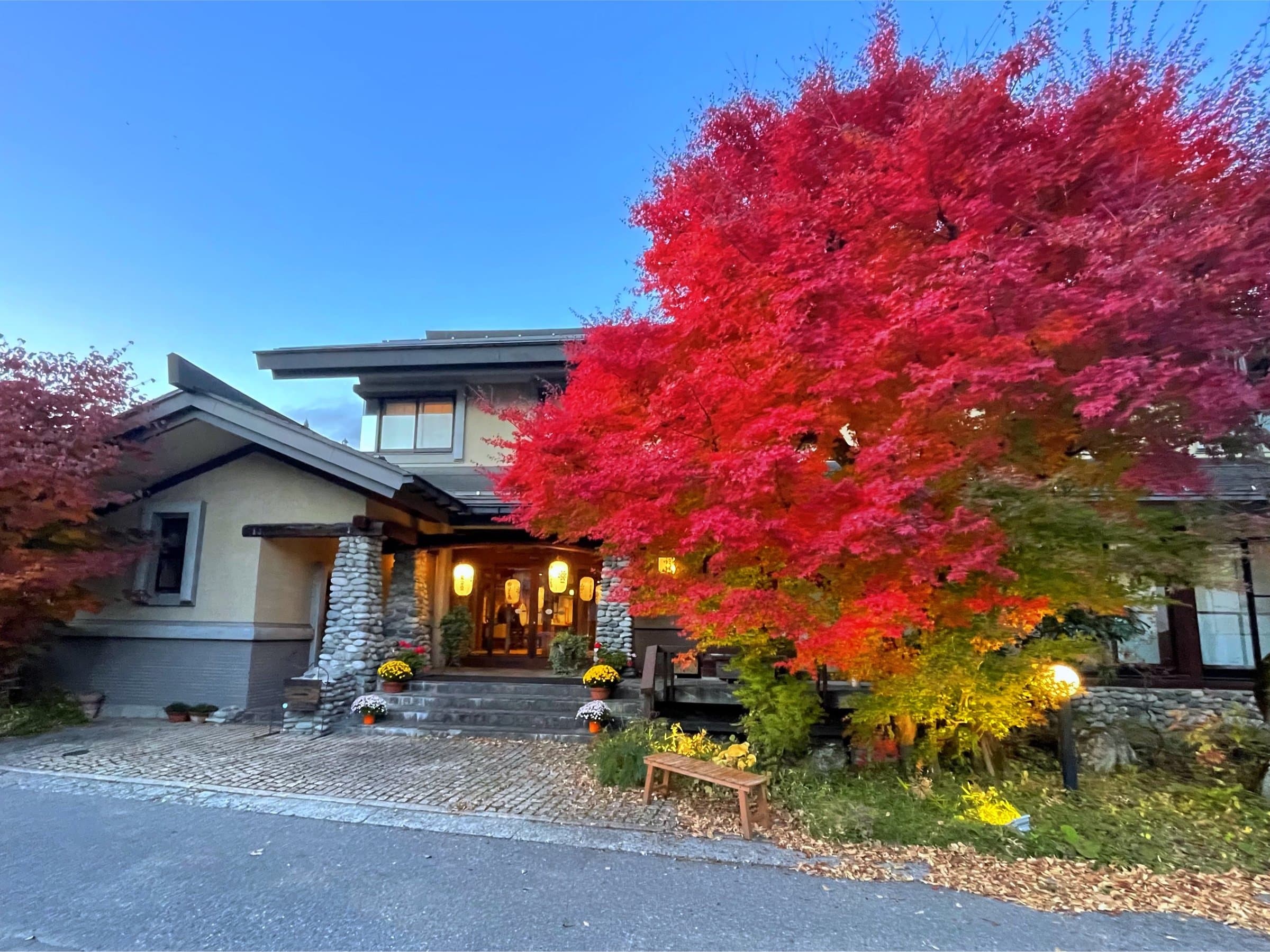
Ryokan Ichinoi
Kurokawa
Kinosaki Yumekoyado Tenbouen
Kinosaki
Kinugawa Grand Hotel Yume no Toki
Kinugawa Onsen
Ryokan Sennari
Beppu
Aeru Yado Takamatsu
Kusatsu
顯示價格為每人每晚的起價(約值)。透過本站預訂,我們可能獲得佣金。
準備好預訂了嗎?
從這些精選旅館中預訂
三大訂房網的即時空房與房價,一次比較。

透過預訂連結可能產生佣金,但不會增加您的費用。
FAQ
常見問題
在日本有刺青可以泡溫泉嗎?+
可以,只要選對地方。多數公共浴池仍禁止露出刺青,但客房內私人浴池(附露天風呂的房型)與可預約的貸切湯池都是在關起的門後使用——根本不會觸及任何規定。如今也有少數旅館明確標示公共浴池『允許刺青』。本指南中的八間旅館,私人溫泉的使用權都已在我們的資料庫中核實確認。
旅館的『private_only(僅限私人)』刺青政策是什麼意思?+
『private_only(僅限私人)』的刺青政策代表:有刺青的客人歡迎使用客房內私人浴池或可預約的貸切(包場租用)湯池,但公共浴池(大浴場或與其他客人共用的露天風呂)仍有限制。只要訂一間附私人溫泉的房型,你的泡湯就完全有保障。
貸切溫泉是什麼?+
貸切(かしきり)的意思是「專屬預約使用」。貸切溫泉就是你預約特定時段——通常 45 到 60 分鐘——只與自己同行者一起使用的私人浴池。在限制公共浴池的旅館裡,這是處理刺青問題的標準解法,因為現場沒有其他客人。許多旅館預約即免費提供貸切,也有些另收 ¥1,000–¥3,000。
日本哪些地區的刺青友善・私人溫泉旅館最多?+
論密度,別府(九州)全國居冠——這座城市進步的溫泉觀光政策,鼓勵了更多旅館明確接納有刺青的客人,尤其是在私人浴池方面。本指南中,熱海(靜岡)、城崎(兵庫)與銀山溫泉(山形)也都有經核實、確認可帶刺青使用私人溫泉的旅館。
訂日式旅館前,我該怎麼確認能不能帶刺青入浴?+
直接傳訊息給旅館——透過 OTA 訂房平台的訊息功能,或用電子郵件——用白話把你的狀況講清楚。一句好用、可直接貼上的日文:「タトゥーがありますが、貸切風呂または部屋付き露天風呂のご利用は可能ですか?」(我有刺青,請問我可以使用貸切風呂或客房附設的露天風呂嗎?)。在完成訂房前,請對方給你文字確認。


