
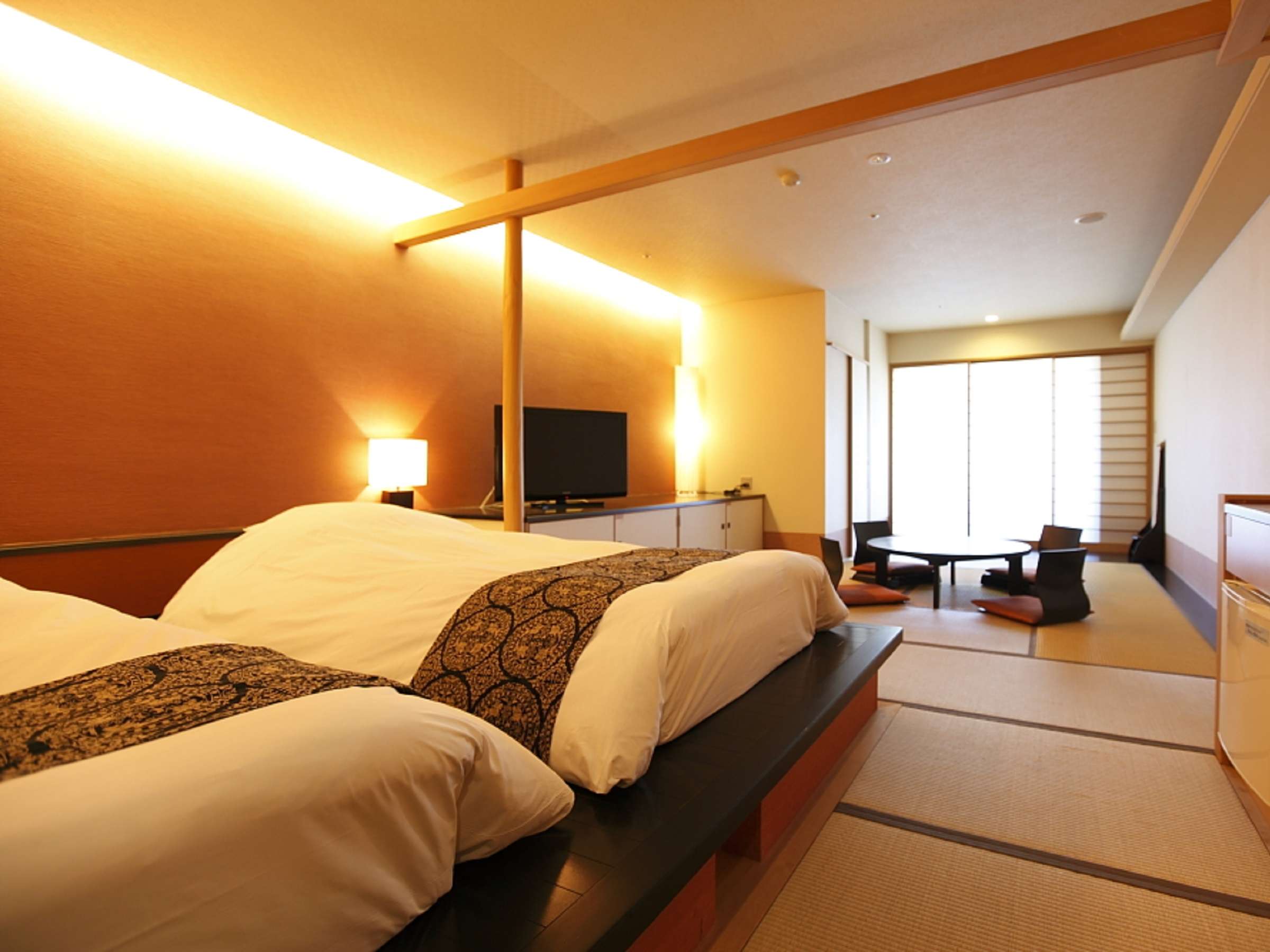
14 min readUpdated August 2026
Quick Comparison
10 picks| Ryokan | From | Rating | Features | Book |
|---|---|---|---|---|
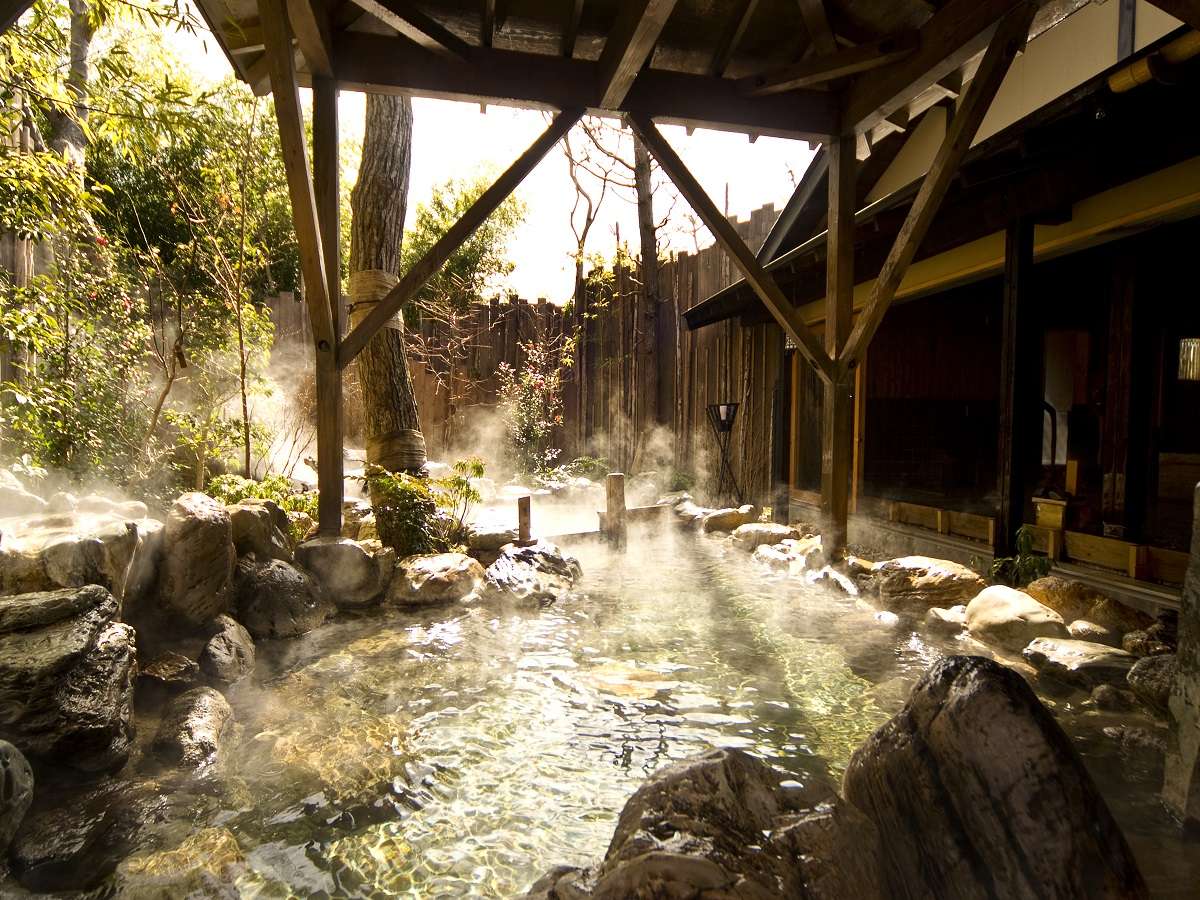 Hakone Gora Setsugetsuka Hakone | $170+ | 8.3 322 reviews | EN OKPrivate Onsen | Book on Booking.com |
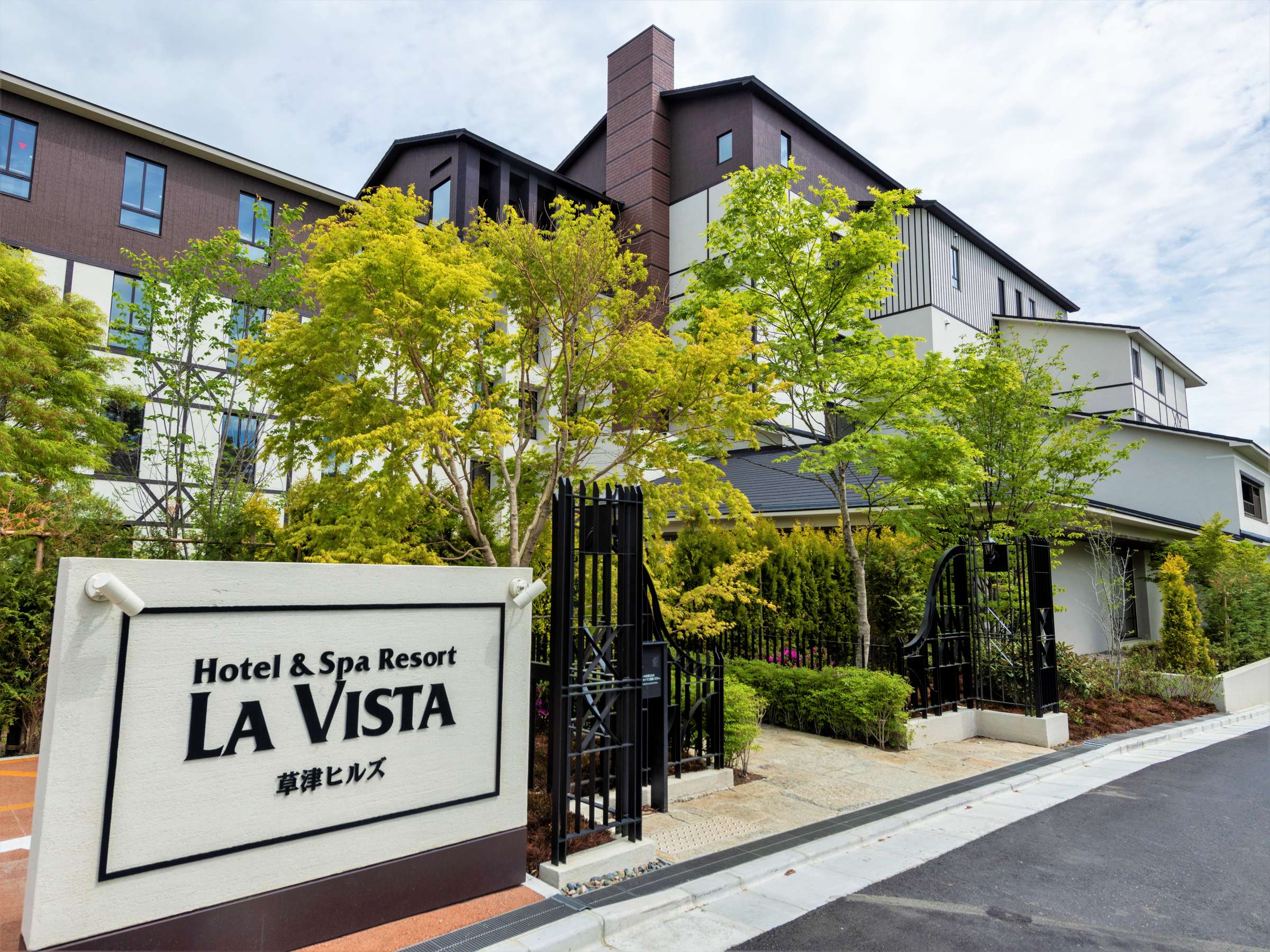 La Vista Kusatsu Hills Kusatsu | $148+ | 9.2 225 reviews | EN OKPrivate Onsen | Book on Booking.com |
| $137+ | 8.7 1,804 reviews | EN OK | Book on Booking.com | |
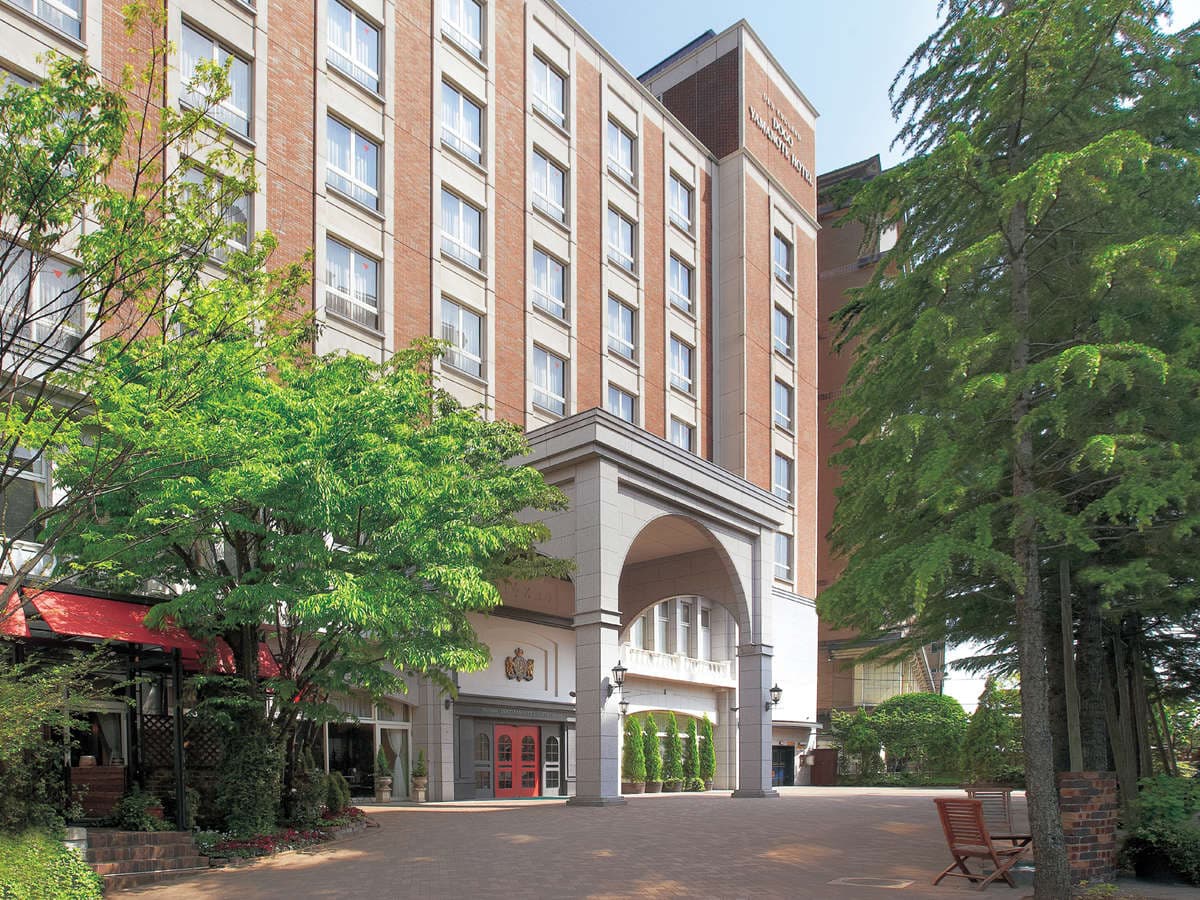 | $80+ | 9.0 39 reviews | EN OKOnsen | Book on Booking.com |
 Nishimuraya Hotel Shogetsutei Kinosaki | $250+ | 8.9 512 reviews | EN OKPrivate Onsen | Book on Booking.com |
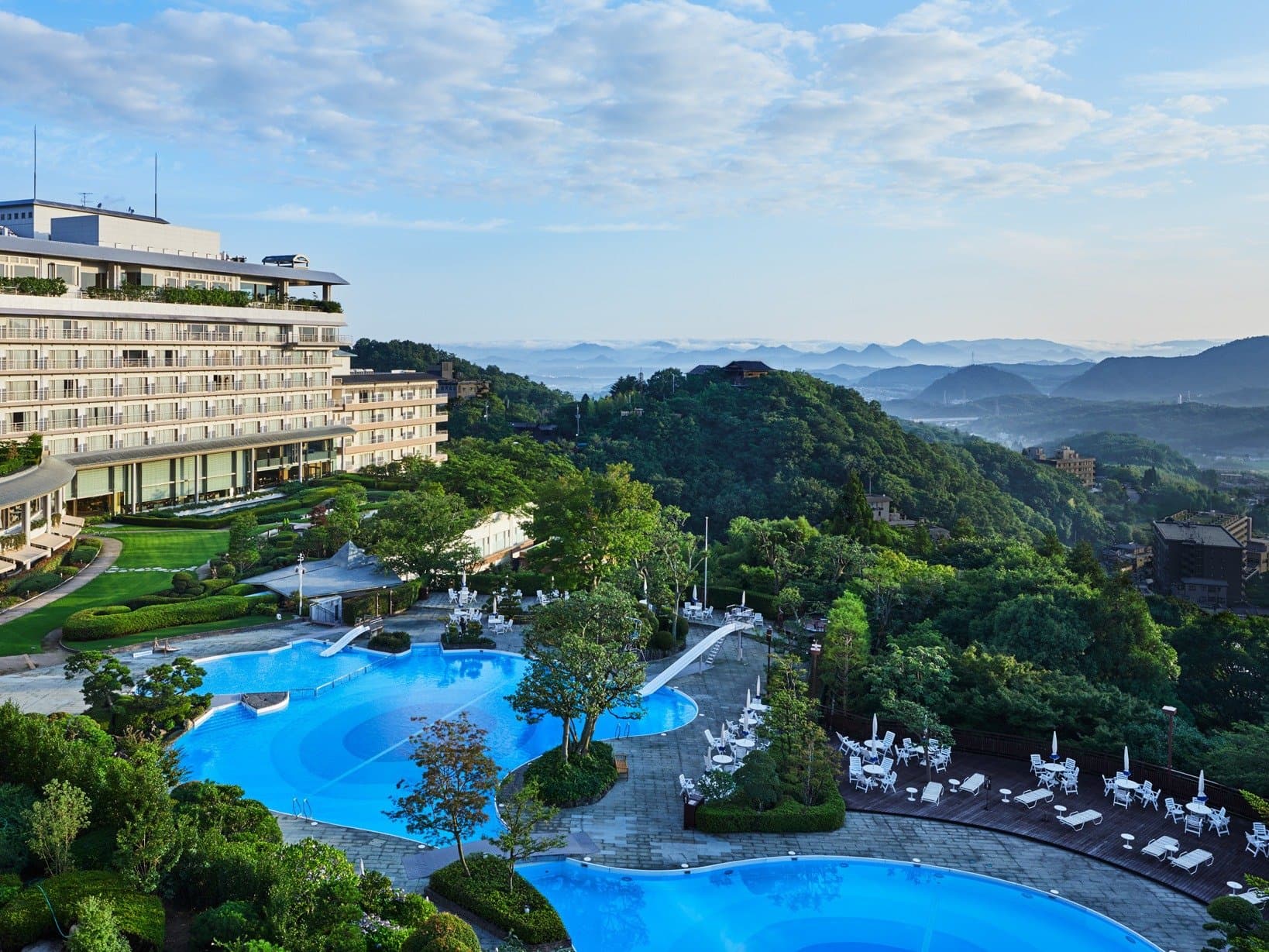 | $200+ | 9.6 199 reviews | EN OKPrivate Onsen | Book on Booking.com |
 Dai-ichi Takimotokan Noboribetsu | $120+ | 9.4 3,050 reviews | EN OKOnsen | Book on Booking.com |
 | $500+ | 9.2 5 reviews | EN OKPrivate Onsen | Book on Agoda |
 Miyajima Grand Hotel Arimoto Miyajima | $180+ | 9.2 49 reviews | EN OKOnsen | Book on Booking.com |
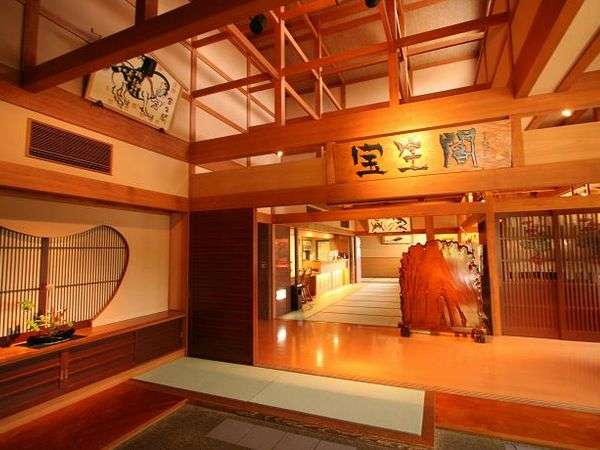 Hoshokaku Takayama | $150+ | 8.3 420 reviews | EN OKPrivate Onsen | Book on Booking.com |
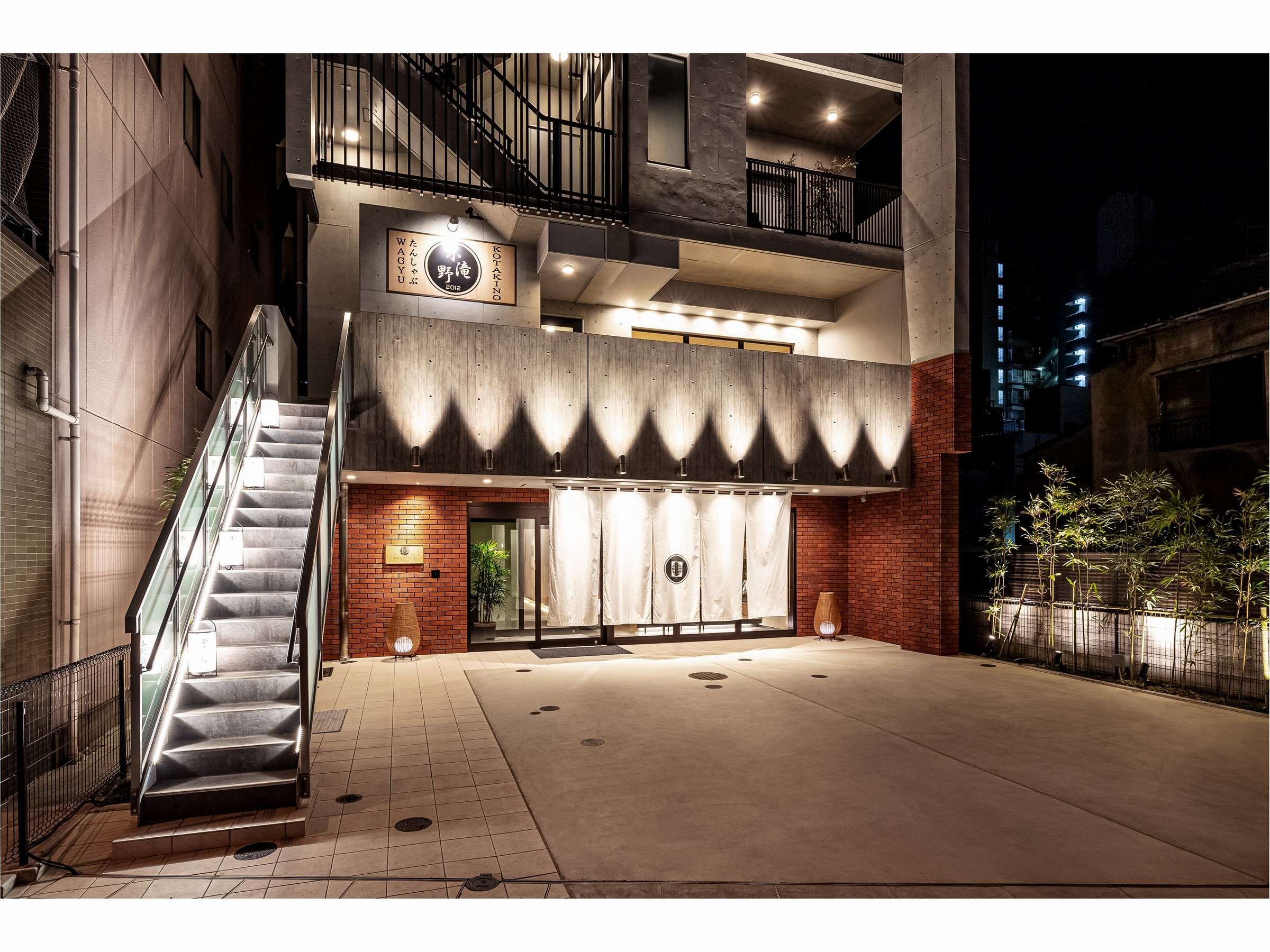
Hakone Gora Setsugetsuka
Hakone
La Vista Kusatsu Hills
Kusatsu
Nishimuraya Hotel Shogetsutei
Kinosaki
Dai-ichi Takimotokan
Noboribetsu
Miyajima Grand Hotel Arimoto
Miyajima
Hoshokaku
Takayama
Prices shown are approximate starting rates per person per night. We may earn a commission on bookings.
Updated August 2026. Let me start with the thing nobody selling you a ryokan will say first: at most ryokan, you sleep on a futon laid directly on the tatami floor. Not a mattress on a low frame — the floor. Staff roll it out while you are at dinner, and roll it away while you are at breakfast.
For most guests that is fine, and for some it is the best sleep of the trip. But if you cannot get down to floor level and back up again — bad knees, a fused spine, a recent hip replacement, or simply being 75 — it is not a quirk. It is the entire stay, twice a day, in the dark, on the way to the toilet.
This guide is for people who need a bed. Ten properties, every bed claim checked against the inn's own website or its own booking engine, sorted by the one thing that actually decides whether you get a bed: whether you have to book a specific room type to get one.
The three words that decide whether you get a bed
Japanese accommodation describes rooms with three terms. Learn them and you can read any ryokan booking page, in any language, and know what you are getting.
和室 (washitsu) — Japanese room. Tatami floor, low table, no bed. Futon goes on the floor. This is the default at almost every traditional ryokan, and it is what you get if you book "a room" without specifying.
和洋室 (wayōshitsu) — Japanese-Western room. A tatami living area *plus* a separate bedroom with real beds, usually twins. This is what most travellers actually want: you keep the tatami, the low table, the garden view — and you sleep in a bed.
洋室 (yōshitsu) — Western room. Beds, and usually a carpeted or wooden floor. No tatami. This is a hotel room that happens to sit inside an onsen property.
Tip
If you only remember one thing: 和洋室 is the word to search for. It is the compromise room — tatami and a bed in the same booking — and it exists at far more ryokan than English-language booking sites suggest, because the English translation is often flattened to "Japanese-style room" or "suite", which hides it.
The mistake that actually ruins the trip
Almost every article on this subject stops at "these ryokan have beds". That framing is what gets people into trouble, because at most of these properties only some rooms have beds.
A 400-room onsen hotel might have twenty Japanese-Western rooms and 380 traditional ones. If you book through an aggregator, take the cheapest rate, and arrive expecting a bed, you will be shown to a tatami room with a futon — and the property has done nothing wrong. You booked a room. You did not book *that* room.
So the ten properties below are split into two tiers, and the tier matters more than the ranking.
Tip
Tier A — every room has a bed. You cannot get this wrong. Book any room, any rate, any channel; there is no futon-on-the-floor option at the property. Tier B — specific room types have beds. The beds are real and verified, but you must book the named room type. Booking "the ryokan" is not enough.
Quick-compare: all ten, by tier
| # | Property | Area | Tier | From (USD) | What you book |
|---|---|---|---|---|---|
| 1 | Hakone Gora Setsugetsuka | Hakone | A — all 158 | $170 | Anything. 4 of them are universal-spec twins |
| 2 | La Vista Kusatsu Hills | Kusatsu | A — all rooms | $148 | Anything. 9 types, 29–62 m², all with beds |
| 3 | Prostyle Ryokan Tokyo Asakusa | Tokyo | A — all types | $137 | Anything. Low beds on tatami throughout |
| 4 | Old England Dogo Yamanote Hotel | Dogo | A — all 70 | $80 | Anything. No tatami anywhere |
| 5 | Nishimuraya Hotel Shogetsutei | Kinosaki | B — 10 of 98 | $250 | 洋室 (8, incl. 2 universal) or 和洋室 (2) |
| 6 | Arima Grand Hotel | Arima | B | $200 | North Building — all Western, 70 m²+ |
| 7 | Dai-ichi Takimotokan | Noboribetsu | B | $120 | 和洋室 38 / 53 / 78 m², or the 61 m² Universal Room |
| 8 | Kamenoi Besso | Yufuin | B — 6 of 21 | $500 | A Western-style room (45–60 m²), not a cottage |
| 9 | Miyajima Grand Hotel Arimoto | Miyajima | B | $180 | 和洋室 or モダン和洋室 — ring to confirm the spec |
| 10 | Hoshokaku | Takayama | B — 21 of 53 | $150 | 和洋室 only — this inn has no Western rooms |
Tip
Prices are per person per night with dinner and breakfast, the standard Japanese ryokan rate structure — except Prostyle Tokyo and Old England Dogo, which price per room like a hotel. Rates move with season; treat these as the floor, not the quote.
Tier A — every room has a bed
Four properties where the question does not arise. These are the ones to book if you are arranging a trip for someone else, or if the booking will pass through a third party who might not read the room-type field.
1. Hakone Gora Setsugetsuka — every room has a bed and a private hinoki bath
The strongest single answer in this guide. All 158 rooms have a bed, across four types, and every room has its own hinoki open-air bath — which matters more than it sounds, because the other half of the floor-level problem is the communal bath: low stools, wet stone, and nothing to hold.
The breakdown, from the inn's own room pages: 92 Japanese-Western rooms at 36 m² (sleeps 2–3) and 43 at 45 m² (sleeps 3–4), both with two low Japanese-style beds at 105 × 195 cm; 19 Western doubles at 19 m² with a 160 × 195 cm bed; and four Western twins built to universal (barrier-free) specification at 36 m², with two 120 × 195 cm beds. Those four are the ones to ask for if step-free matters.
One correction to how this property is usually described: the in-room baths are hinoki open-air baths, but the inn lists them as わかし湯 — heated water, not hot-spring water. The communal baths are the onsen. Gora Station is a minute away, which puts you on the Hakone Tozan Railway without a bus transfer.
2. La Vista Kusatsu Hills — all rooms with beds, all with a private onsen bath
Every room has a bed and — like Setsugetsuka — a natural hot-spring open-air bath in every room. Kusatsu's water is famously acidic and hot; having your own bath means you can control the exposure rather than committing to a communal tub at 42 °C.
The rooms are themed on three Grimm fairy tales, which sounds like a gimmick and is, but the inn publishes nine concrete room types under them, from a 29 m² standard twin or double up to a 62 m² split-level that sleeps six with two singles and two doubles. Beds are 100–110 cm singles or a 180 cm double. The 47 m² and 52 m² four- and five-person types make this one of the few genuinely multi-generational options here — grandparents in beds, everyone else in the same room.
Worth knowing before you book: tattoos are permitted in the private in-room bath only, not the communal baths.
3. Prostyle Ryokan Tokyo Asakusa — tatami floors, beds on top, in central Tokyo
The cleanest demonstration that tatami and a bed are not mutually exclusive: tatami flooring with low beds placed on top, in central Tokyo. The inn's English room page lists eight types — a 27 m² two-bed double, a 26 m² king, 32 m² corner twins including a Skytree-view one, 37 m² suites, an 18 m² double, and a 28 m² room with a private sauna.
Two honest corrections to how this property gets described elsewhere. Five room types have a private open-air bath, not twenty-two — the larger figure circulates widely and the inn's own page does not support it. And the in-room baths are open-air baths, not hot springs: Asakusa has no onsen source, and the inn publishes nothing claiming otherwise. (The page itself says "all six room types" while listing eight, so treat its own copy with the same caution.)
If the hot-spring water is the point of your trip, this is not the stay. If the point is a bed, tatami, and being fifteen minutes from Senso-ji, it is the most convenient entry here — and it prices per room rather than per person, which makes it markedly cheaper for two than the ryokan rate structure suggests.
4. Old England Dogo Yamanote Hotel — no tatami at all, and that is the point
Be clear about what this is: a Western hotel in an onsen town, not a ryokan. Wood floors throughout, antique European furnishing, seventy rooms in four types — an 18 m² semi-double with a 140 cm bed, a 22 m² double at 160 cm, a 33 m² twin with two 120 cm beds, and a 51 m² executive with two 140 cm beds. There is no tatami and no futon anywhere in the building.
It earns its place because some travellers do not want a compromise room — they want a normal bed, a normal bathroom, and to be in Dogo, the onsen town built around the 1894 Dogo Onsen Honkan bathhouse. At $80 it is also the cheapest entry by a wide margin.
If you want the ryokan experience with a bed in it, book one of the other nine. If you want Japan's oldest hot spring and a bed you recognise, book this one.
Tier B — beds exist, but you must book the right room
Six traditional ryokan with real Japanese-Western or Western rooms. The beds are verified. What is not automatic is getting one — at each of these, the majority of rooms are still tatami-and-futon, so the room type in your booking is the whole ballgame.
5. Nishimuraya Hotel Shogetsutei, Kinosaki — the clearest room documentation of any inn here
Nishimuraya publishes a separate official page for each room category, which makes this the easiest Tier B property to book correctly — and also the one where the tier warning bites hardest.
Of 98 rooms, ten have beds. The Western page lists four Comfort Twins, two Comfort Suites (twin bedroom plus a living room with sofa and dining set), and two Universal Twins built barrier-free, one each on the third and fourth floors. The Japanese-Western page lists exactly two rooms, one each on the sixth and seventh floors, a semi-suite sleeping 2–5 described by the inn as the choice "for guests who want a bed and both atmospheres".
Ten rooms out of ninety-eight means booking early and by name, not filtering by property. Kinosaki itself is the best onsen town in this guide for this audience for an unrelated reason: the seven public bathhouses are the attraction, you walk between them in a yukata, and the town is flat. Shogetsutei sits about five minutes from the station in a forest garden, slightly apart from the bathhouse strip.
6. Arima Grand Hotel — the largest Japanese-Western rooms in this guide
Arima is Japan's oldest recorded hot spring and an hour from Osaka, and the Grand Hotel is its biggest property. Its English site splits the building three ways, and the North Building is the answer here: every room in it is Western-style, all over 70 m², some with an open-air bath looking at the Tamba mountains. The Central Building mixes Japanese and Western rooms; the Bessho Yuraku annexe has rooms with natural hot-spring open-air baths on the second and seventh floors.
The inn's own booking system goes further than the brochure site, listing a Japanese-Western room at 87 m² (a 10-mat tatami room plus twin beds and a living area) with a garden view and Simmons beds, and in Bessho Yuraku a 119 m² Japanese-Western room with a kinsen (gold spring) open-air bath alongside a 91 m² one with a ginsen (silver spring) bath — the two water types Arima is known for, in your own room.
7. Dai-ichi Takimotokan, Noboribetsu — including a genuinely step-free room
Four wings and, by the inn's own English room page, more than twenty distinct room types — exactly the situation where booking the wrong one is easy. The Japanese-Western options it publishes are a 38 m² Superior Twin with a tatami area sleeping 4, a 53 m² Premium Suite with tatami sleeping 6, and a 78 m² Premium Suite with tatami sleeping 5, that last one with twin Simmons semi-double mattresses.
The room that matters most for this audience is listed separately: a 61 m² Standard Twin with Tatami Area, designated a Universal Room, sleeping seven — the inn says the building "is designed with few steps to facilitate wheelchair users and those with weak legs and hips". If you are travelling as a family with one member who cannot manage floor level, that single room solves a problem most ryokan force you to solve with two bookings.
The bath is why people come: seven spring types under one roof, at the top of Hell Valley.
8. Kamenoi Besso, Yufuin — villas with bedrooms, at the top of the market
The most expensive entry here, and the one where the bed is least likely to be the deciding factor — but Kamenoi Besso splits its accommodation cleanly, and the split is published: fifteen cottages and six Western-style rooms.
The Western rooms come in three sizes — 60 m², 45–50 m², and 45 m² — and there are two Japanese-Western types at 65–70 m² and 85–90 m². Those are the room categories with bed-type sleeping arrangements; the cottages are tatami. There is also a 120 m² special room, which the inn lists under its Japanese side.
Twenty minutes from Yufuin Station, beside Lake Kinrin, on roughly 3,300 m² of grounds.
9. Miyajima Grand Hotel Arimoto — the family room, on the island
Staying on Miyajima itself — rather than commuting from Hiroshima — is the whole point, because the island empties after the last ferry and you get the floating torii at dawn without a crowd.
Arimoto's official room page lists both a 和洋室 (Japanese-Western) and a モダン和洋室 (modern Japanese-Western) among its six categories, alongside a Royal Suite and Junior Suite it describes in Western terms. What it does not publish is sizes, bed configurations or how many of each exist — so unlike the other entries here, the specifics have to come from the reservations desk (0829-44-2411) rather than from a page you can check yourself. The room type is confirmed; the dimensions are not.
Getting there is a JR train to Miyajimaguchi plus the ferry, so budget the extra leg.
10. Hoshokaku, Takayama — a bed within walking distance of the old town
Takayama's preserved merchant district is the draw, and Hoshokaku sits close enough to walk it. The inn's room page puts the property at 53 rooms, of which 21 are Japanese-Western: 17 standard ones, plus four more among the eleven fifth-floor rooms that have their own open-air bath (the other seven of those eleven are pure tatami).
One correction worth stating plainly, since this guide is built on checking: there are no Western-only rooms here at all. Secondary listings claim four, and a 61-room total; the inn's own page says neither. Our database is also wrong — it records 40 rooms — and we are correcting it. Where we and an inn disagree, the inn is right.
What to actually write when you book
For Tier B properties, the room type is the booking. If you are reserving by email or through a Japanese booking form, this is the sentence to send:
Tip
ベッドのお部屋(和洋室または洋室)を希望します。空室があればそちらでお願いいたします。 *"I would like a room with beds (Japanese-Western or Western). If one is available, please book that."* Send it in Japanese, not English. Front-desk staff at traditional inns often read English far better than the reservations inbox handles it, and the two kanji terms remove every ambiguity that an English phrase leaves in.
If you are booking through an aggregator instead, do not filter on the property — filter on the room. Booking.com, Agoda and Trip.com all expose bed configuration at the room level; a property listed as having twin beds may still be selling you a tatami room on the rate you clicked. Read the room name, not the hotel description.
"Low bed" is not a downgrade — it is usually the right answer
Several properties here — Setsugetsuka, Prostyle Tokyo — use ローベッド (low beds): a mattress on a platform only 20–30 cm off the floor, placed directly on tatami. If you picture a hotel bed, this looks wrong.
It is, for this purpose, usually better. A low bed keeps the room's proportions and sight lines, which is most of why a tatami room feels the way it does, while still giving you something with a defined edge to sit on and push up from. The thing that makes floor futons hard is not the height of the sleeping surface — it is the absence of anything to push against. A low bed solves that at 25 cm just as well as a hotel bed solves it at 60.
When you do not need any of this
An honest counterweight, because "book a bed" is not the only answer and this guide narrows your options from 600-plus properties to ten.
Ryokan futons are not camping mats. A properly made one is a thick shikibuton over tatami, which many people — including plenty with mild back pain — find firmer and better than the mattress at home. If your concern is comfort rather than mobility, try one night on a futon before you restrict the whole trip.
And if the issue is getting up rather than lying down, most traditional ryokan will solve it without a bed if you ask in advance. Two requests that work almost everywhere: 布団を重ねて高くしてください (please stack the futons to raise the height) and 椅子とテーブルをお願いします (please provide a chair and table instead of floor seating). Neither costs anything, and both are standard accommodations at inns used to older Japanese guests — which is all of them.
How we verified this
Every bed claim above comes from the inn's own website or its own reservation system — not from an OTA listing, not from a review, and not from a search-result summary. That last exclusion was learned the hard way: the first draft of this guide used summaries for room counts, and when each inn's room page was fetched directly, every property checked contradicted them. Hoshokaku became 53 rooms rather than 61 and lost its four Western rooms entirely; Prostyle went from twenty-two rooms with open-air baths to five; Nishimuraya Shogetsutei turned out to have ten bed rooms out of ninety-eight, which is the difference between a recommendation and a warning.
Two things we left out on purpose. Hoshino Resorts' KAI properties are not in this guide, despite being the answer most people expect. KAI is widely reported to put its own "Fuwakumo Sleep" beds in every room, and the reports are consistent — but Hoshino's public pages, including the brand's own amenities page and the individual property pages, say nothing about beds at all; the specification sits behind the reservation flow. Consistent second-hand reporting is not the inn saying it.
We also dropped one property, Miyajima Seaside Hotel, that genuinely has Japanese-Western rooms — three of them, out of forty. That is real, and it is also functionally unbookable. Listing it would have padded the count and wasted your time.
Ready to book?
Book one of these top picks
Compare live availability and prices across all three platforms.
from $170 · per person
Booking links may earn us a commission at no extra cost to you.
Related reading
If the reason you need a bed is mobility rather than preference, two companion guides go further on the surrounding problems — steps, baths and transfers:
- Step-free wheelchair-accessible ryokans in Japan — twelve properties audited for thresholds, ramps and bath access - Best ryokans for elderly parents — corridor lengths, floor-sitting alternatives and what to request in advance
And if you are still deciding between a ryokan and a hotel at all, ryokan vs hotel sets out the seven differences that actually change the stay.
FAQ
Frequently asked questions
Do ryokans have Western beds?+
Some do, but they are the minority and it is never the default. Traditional ryokan rooms are 和室 (washitsu) — tatami floor, futon laid out on it at night. Rooms with beds are labelled 和洋室 (Japanese-Western: tatami living area plus a bedroom with beds) or 洋室 (Western). At most properties only a fraction of rooms are in those categories, so you must book that specific room type rather than simply booking the ryokan.
What is a 和洋室 (wayoshitsu) room?+
A Japanese-Western room: a tatami area with the low table and floor seating you expect from a ryokan, connected to a separate bedroom with real beds, usually twins. It is the compromise most travellers actually want, because you keep the tatami experience and the garden view but sleep in a bed. Sizes in this guide run from 38 m² to 120 m².
Can I ask a ryokan for a bed instead of a futon?+
Only if the property has bed-equipped rooms — a bed cannot be brought into a tatami room. What you can request at almost any ryokan is that the futons be stacked to raise the sleeping height (布団を重ねて高くしてください) and that floor seating be replaced with a chair and table (椅子とテーブルをお願いします). Both are standard accommodations for older Japanese guests and are usually free.
Which ryokan has beds in every room?+
Four in this guide. Hakone Gora Setsugetsuka (158 rooms, all Japanese-Western or Western, every room with a private hinoki open-air bath), La Vista Kusatsu Hills (nine room types from 29 to 62 m², all with beds and a natural hot-spring open-air bath), Prostyle Ryokan Tokyo Asakusa (tatami floors with low beds throughout) and Old England Dogo Yamanote Hotel (70 Western rooms, no tatami at all).
Is a low bed on tatami comfortable?+
Yes, and for mobility purposes it is close to equivalent to a full-height bed. Low beds (ローベッド) sit 20–30 cm above the tatami. The reason floor futons are hard to get out of is not the height of the sleeping surface — it is that there is nothing solid to push against. A low bed gives you a defined edge to sit on and push up from, which is the part that matters.
Are there accessible ryokan rooms with beds for wheelchair users?+
Yes, though they are scarce and must be booked by name. Dai-ichi Takimotokan in Noboribetsu publishes a 61 m² Standard Twin with Tatami Area designated a Universal Room, sleeping seven, in a building it says is "designed with few steps to facilitate wheelchair users and those with weak legs and hips". Setsugetsuka has four Western twins built to universal specification, and Nishimuraya Shogetsutei two Universal Twins. For thresholds, ramps and bath access more broadly, see our step-free wheelchair-accessible ryokan guide.
How much does a ryokan with beds cost?+
Roughly the same as any comparable ryokan — the bed is not a premium in itself. In this guide, rates start at $80 per night at Old England Dogo Yamanote Hotel and $137 at Prostyle Ryokan Tokyo Asakusa (both priced per room), with per-person half-board rates from $120 at Dai-ichi Takimotokan, $148 at La Vista Kusatsu Hills and $170 at Hakone Gora Setsugetsuka, rising to $500 at Kamenoi Besso.
How do I make sure I actually get the bed room when booking?+
Book the room type, not the property. On Booking.com, Agoda and Trip.com the bed configuration is shown at room level, so read the room name rather than the hotel description — a property listed as offering twin beds may still be selling you a tatami room on the rate you clicked. If reserving direct, write: ベッドのお部屋(和洋室または洋室)を希望します。
Do ryokan with beds still serve kaiseki and have onsen?+
Yes at nine of the ten here — the bed changes the room, not the stay, and you still get the multi-course dinner and the hot-spring baths. Two caveats the inns themselves make clear: Prostyle Ryokan Tokyo Asakusa's in-room baths are not fed by a hot spring, because Asakusa has no onsen source, and Setsugetsuka's in-room baths are heated water rather than spring water (its communal baths are the onsen). Old England Dogo Yamanote Hotel is a Western hotel rather than a ryokan, in the town built around Dogo Onsen Honkan.
Why are Hoshino Resorts KAI properties not on this list?+
Because we could not verify the claim to our own standard. KAI is widely reported to place its proprietary "Fuwakumo Sleep" beds in every room, and independent stay reports agree — but Hoshino publishes nothing about beds on the KAI brand amenities page or the individual property pages, keeping the specification behind the reservation flow. Consistent second-hand reporting is not the inn stating it, and every other entry here traces to the inn itself.


