



à partir de ≈217 € · par personne et par nuità partir de ≈ 434 € au total pour 2 personnes
9.61 653 avis
Anglais OKBain privatif (type non confirmé)
Réserver sur Trip.com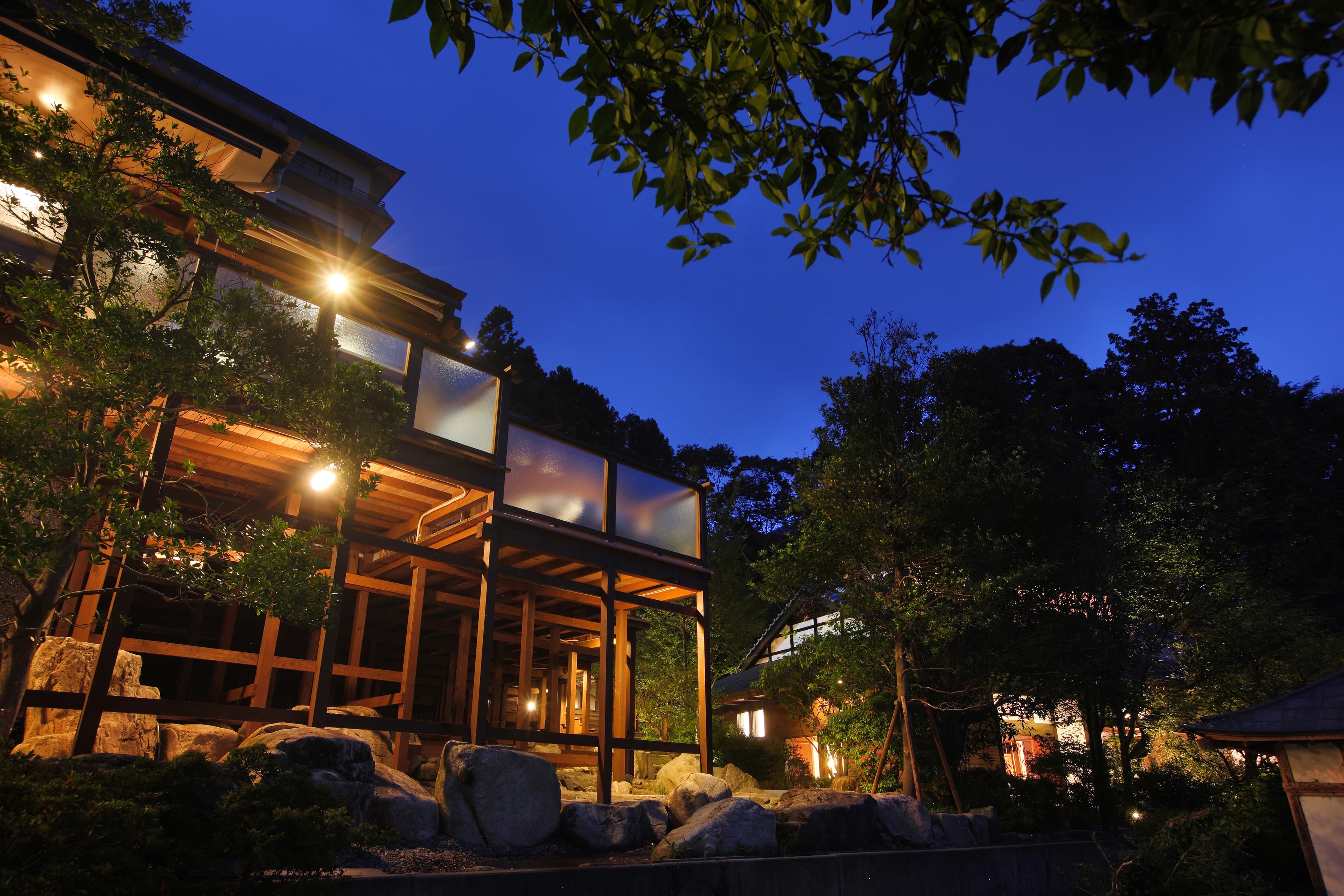
ホテル大滝
Vérifié par La rédaction de Japan Ryokan Guide·Publication indépendante·Notre méthodologie
Vérifié sur le site officiel · sept. 2026Une auberge sans repas, d'esprit resort, avec bains extérieurs privés et bain commun aménagé dans une maison de campagne traditionnelle, au cœur de jardins.
Réponses tirées du site officiel du ryokan ou de son exploitant, avec la formulation exacte. Nous n’affichons que ce que le site indique.
Pas clairement indiqué sur le site officiel — renseignez-vous auprès du ryokan avant de réserver.
Pas clairement indiqué sur le site officiel — renseignez-vous auprès du ryokan avant de réserver.
Pas clairement indiqué sur le site officiel — renseignez-vous auprès du ryokan avant de réserver.
お一人様でもお得な価格で利用可能なシングルユース対応のお部屋。Vérifiez les disponibilités et les prix sur Trip.com, Booking.com et Agoda.
Hotel Otaki
Voir les prix sur 3 sites — chaque site s’ouvre avec vos dates
Arrivée — Départ
Les liens de réservation peuvent nous rapporter une commission, sans frais supplémentaires pour vous.
Formule sudomari — explorez les restaurants de Kinugawa à votre rythme
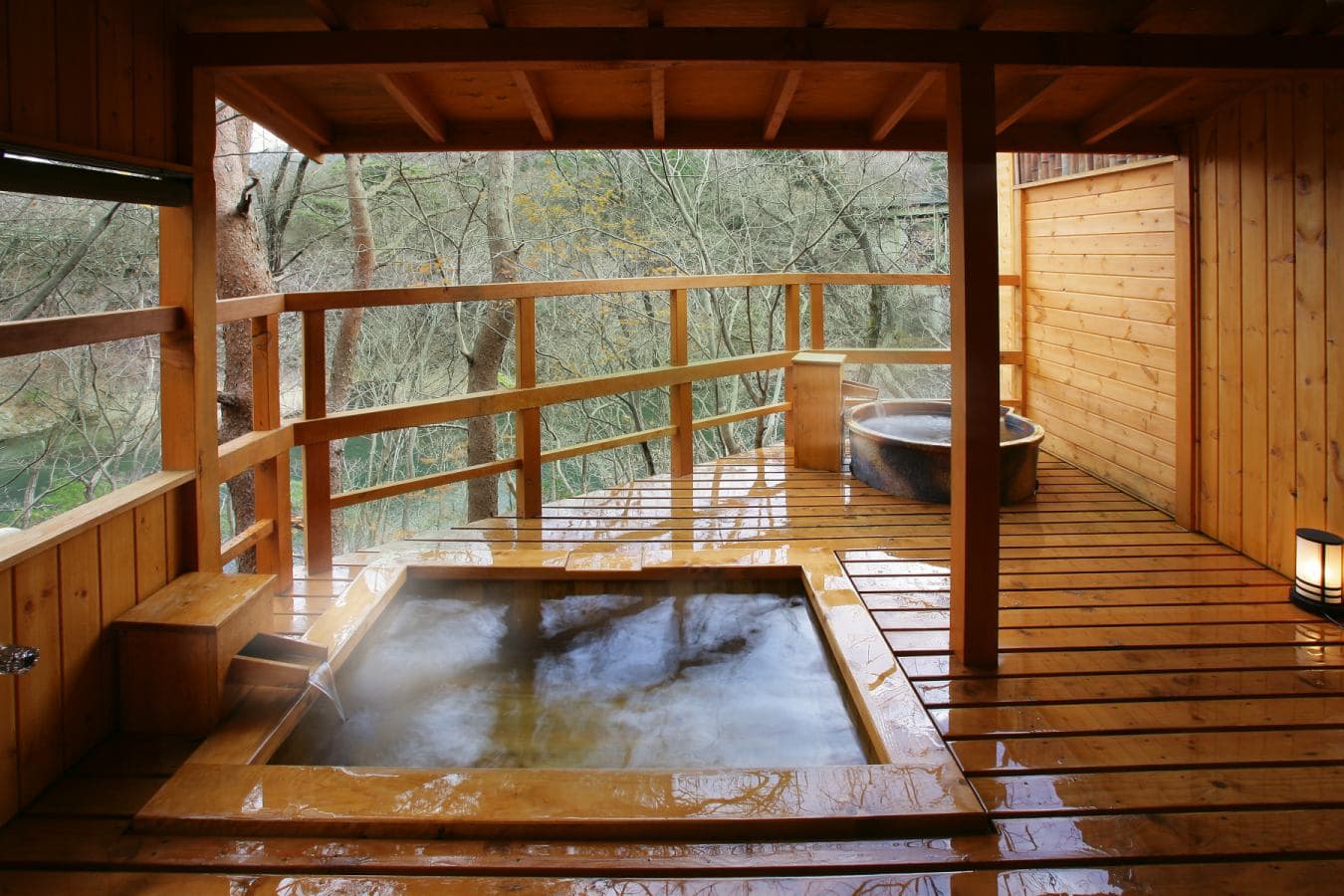
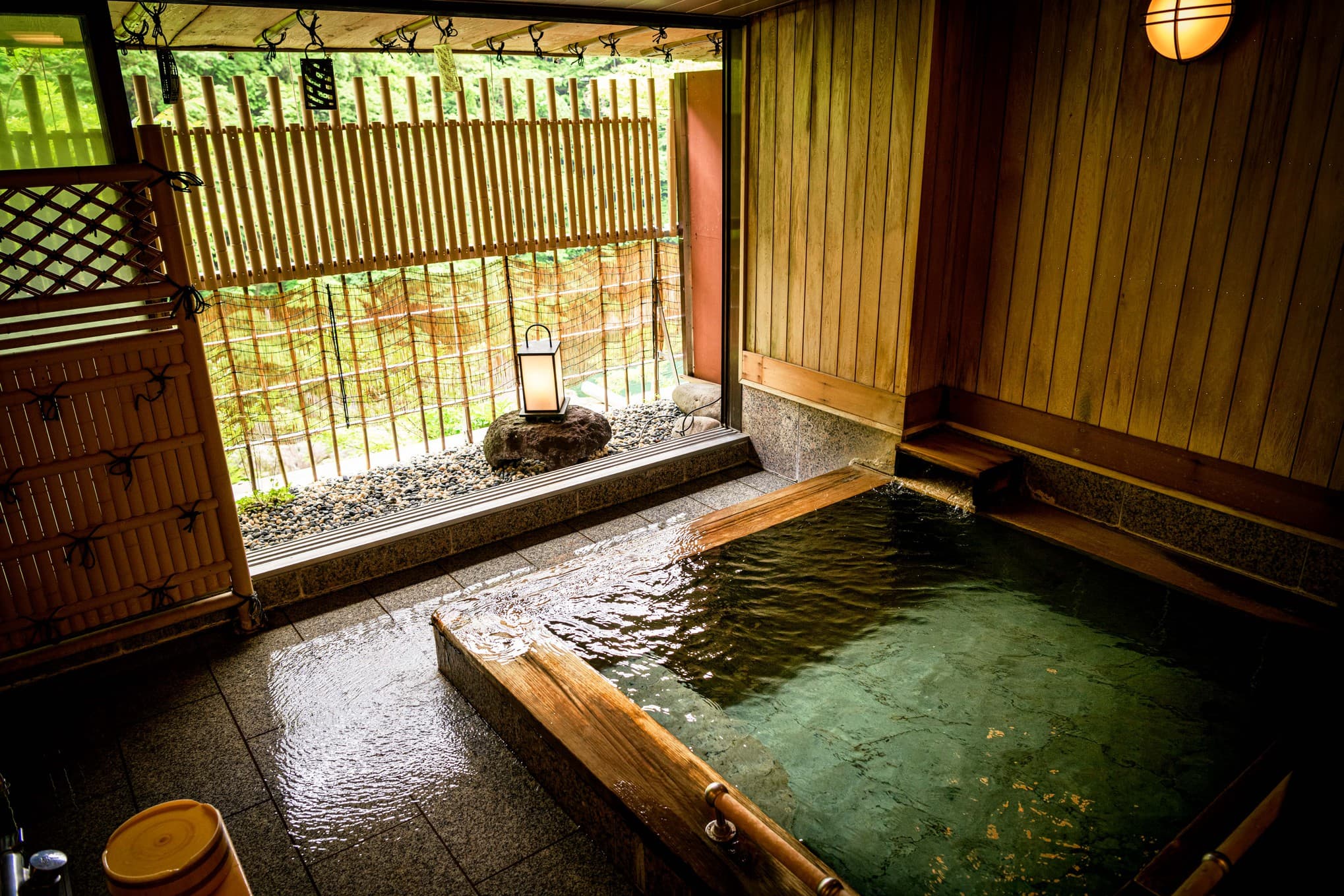
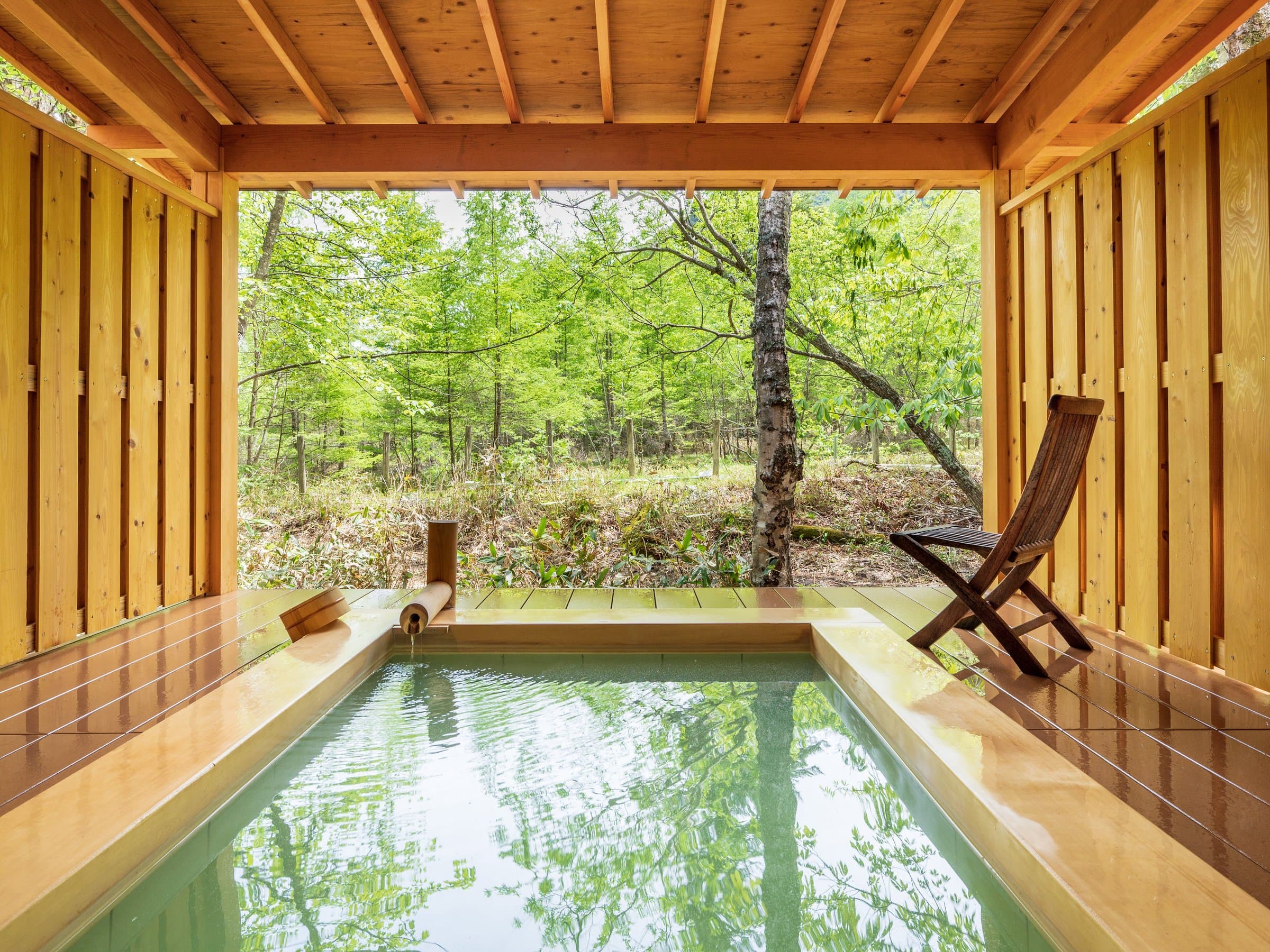
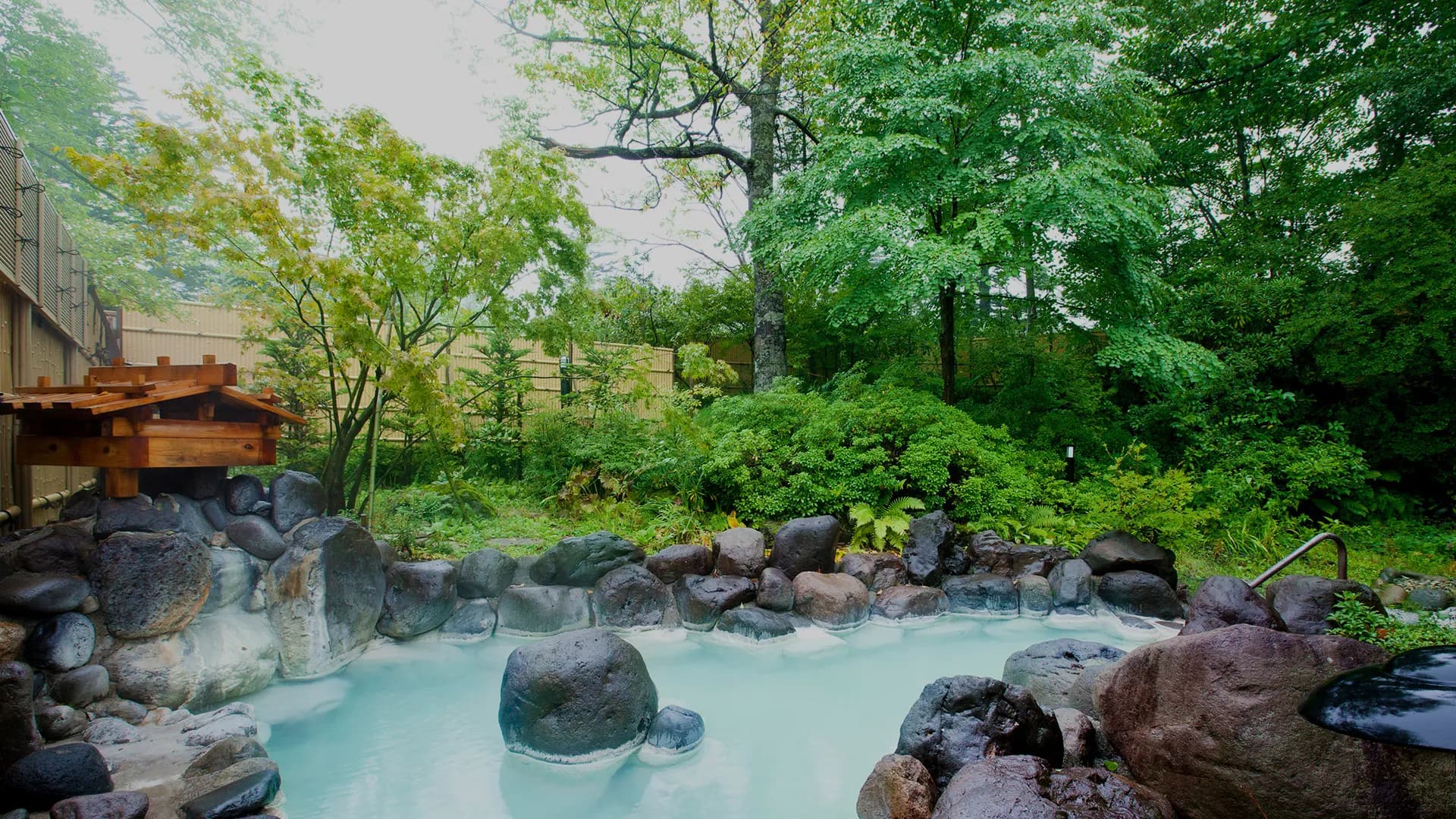
Plusieurs bains extérieurs privés dans une atmosphère de villégiature
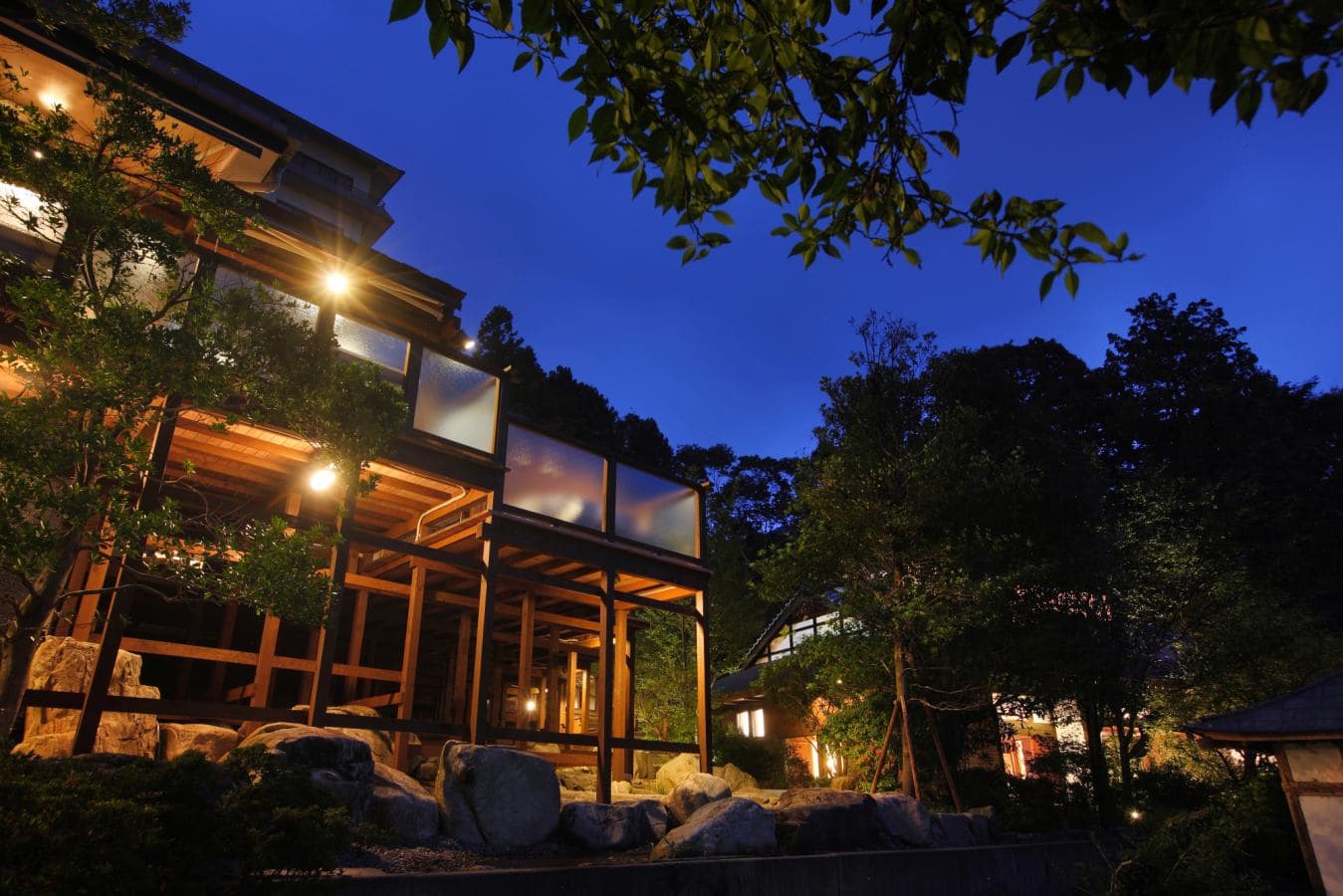
Bain commun aménagé dans un kominka reconstruit et entouré de jardins
L'inclusion des repas varie sur cette gamme économique — beaucoup de ryokans abordables proposent à la fois des forfaits repas inclus (ippaku-nishoku) et sudomari (chambre seule, sans repas). Vérifiez quel forfait est sélectionné avant de réserver. Si un tarif semble trop bas pour inclure un kaiseki, il s'agit probablement de sudomari.
Les demandes alimentaires (végétarien, halal, sans gluten, allergies) doivent être communiquées à la réservation, pas à l'arrivée — la cuisine commande les ingrédients plusieurs jours à l'avance.
11 questions sur Hotel Otaki
Préparez votre voyage au Japon
Ryokan réservé ? Sécurisez les bases pour un voyage fluide : connecté dès l'arrivée, Shinkansen illimité et transferts sans bagages encombrants.
Trajets illimités en Shinkansen et JR pendant 7/14/21 jours. Rentabilisé en 2-3 longs trajets.
Voir sur KlookConnecté dès l'atterrissage — activation instantanée, sans changer de SIM.
Voir sur Airalo4G illimitée. Idéal en groupe — récupération à l'aéroport, retour dans toute grande gare.
Voir sur KlookDivulgation d'affiliation : nous percevons une petite commission lorsque vous réservez via ces liens — sans frais supplémentaire pour vous. Cela permet de garder nos guides gratuits.
Les ryokans à petit et moyen budget de Nikko les plus commentés, à combiner sur le même itinéraire JR Pass.
一心舘
Un ryokan de gamme moyenne à Kinugawa Onsen, seul établissement de la station entièrement alimenté par sa propre source, avec bain extérieur privé réservable ; fondé en 1922.
à partir de ≈66 € · par personne et par nuità partir de ≈ 132 € au total pour 2 personnes
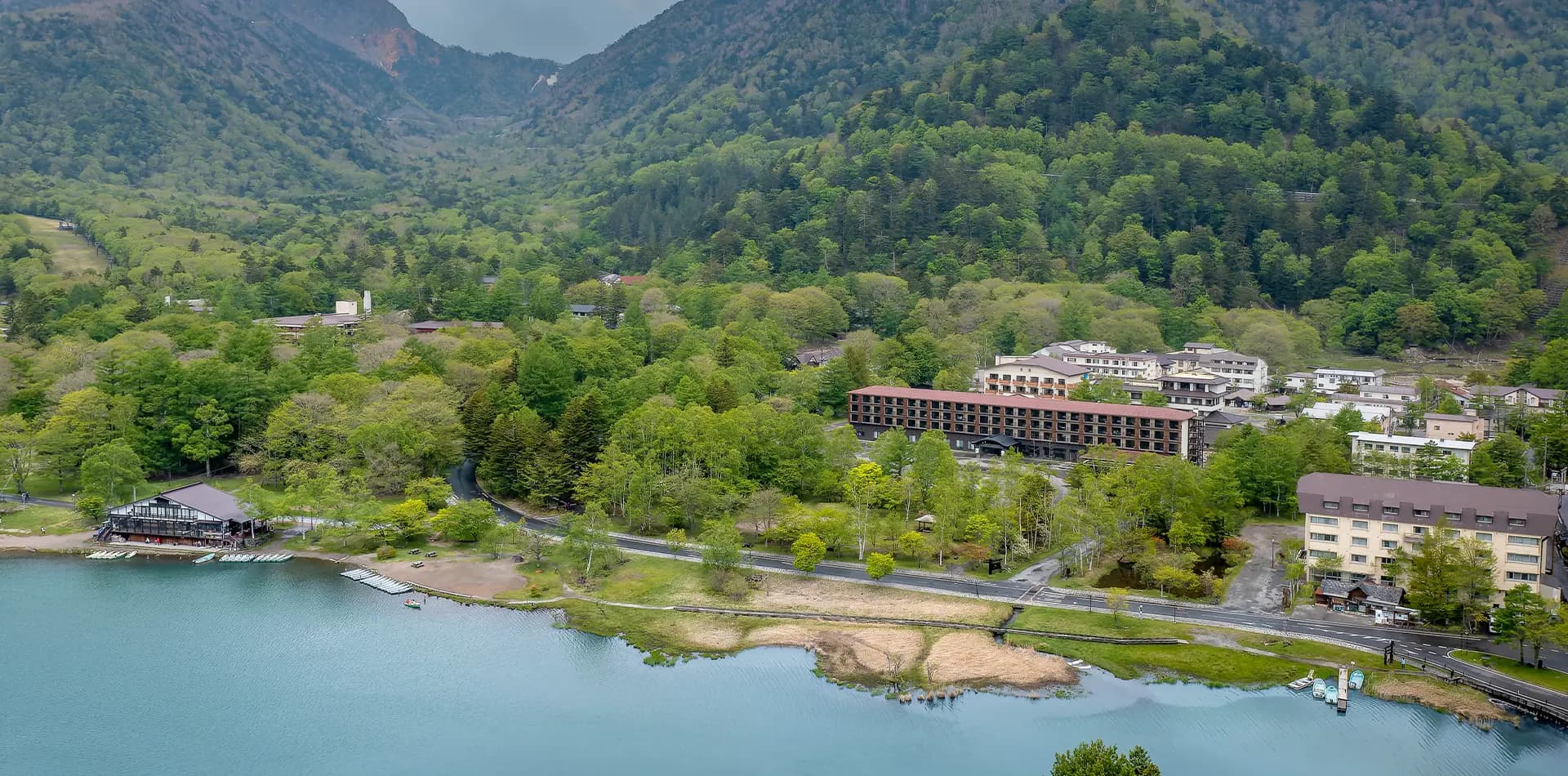
亀の井ホテル 奥日光湯元
Un grand hôtel onsen avec buffet, face au lac Yunoko à Okunikko Yumoto : bains de soufre laiteux, 78 chambres et personnel multilingue.
à partir de ≈57 € · par personne et par nuità partir de ≈ 114 € au total pour 2 personnes
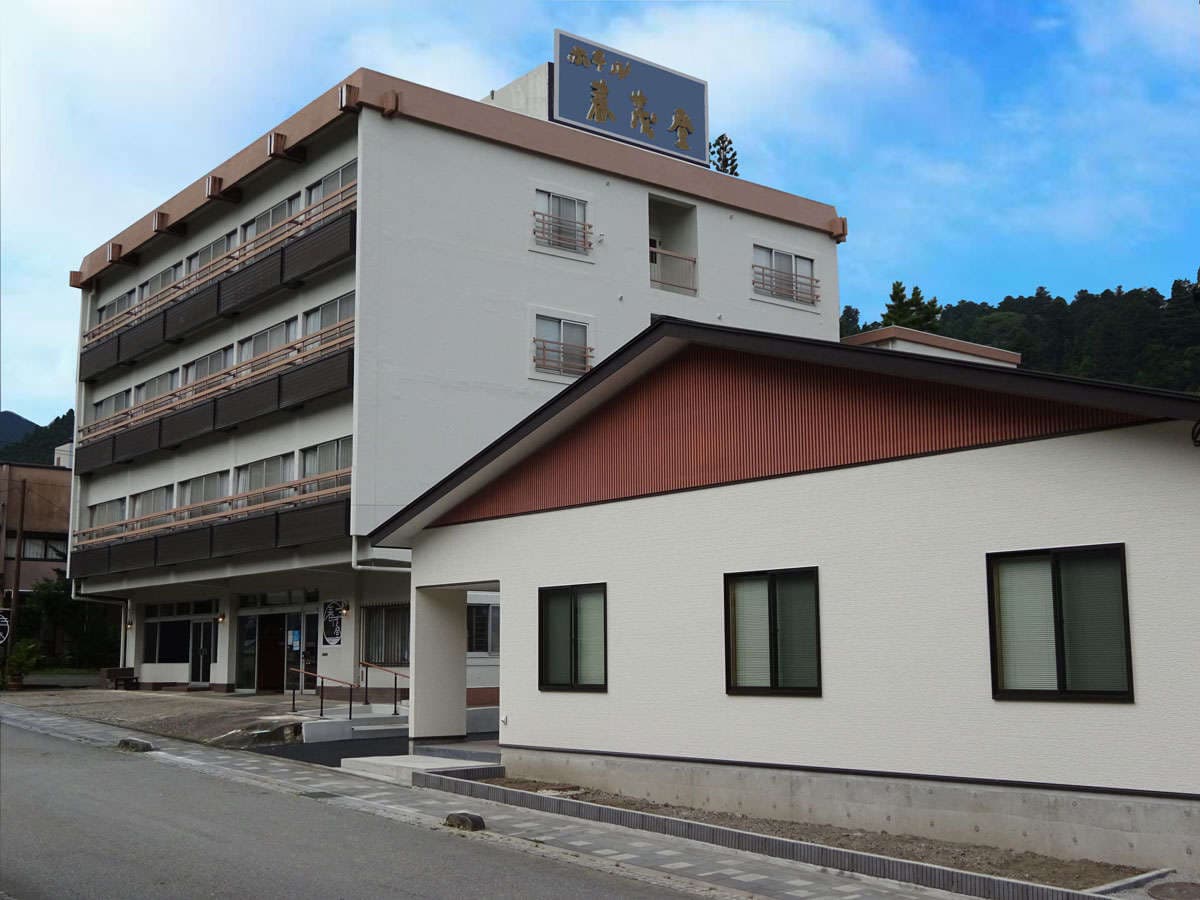
ホテル春茂登
Une auberge économique de Nikko Onsen fondée en 1905, à quelques pas du Toshogu et du Rinno-ji, qui sert une cuisine au yuba et offre un bain alcalin ouvert toute la nuit.
à partir de ≈65 € · par personne et par nuità partir de ≈ 130 € au total pour 2 personnes
Plus à Nikko

ふふ 日光
Une retraite de luxe tout en suites où chaque chambre dispose de son propre bain d'eau thermale — à deux pas de la villa impériale de Tamozawa.
à partir de ≈351 € · par personne et par nuità partir de ≈ 702 € au total pour 2 personnes

日光金谷ホテル
Le plus ancien hôtel de villégiature du Japon, fondé en 1873 — un monument vivant de l'élégance de l'ère Meiji, près du sanctuaire Toshogu.
à partir de ≈176 € · par personne et par nuità partir de ≈ 352 € au total pour 2 personnes

中禅寺金谷ホテル
Une retraite en chalet de rondins au bord du lac Chuzenji, où l'eau thermale provient de la source millénaire de Yumoto.
à partir de ≈176 € · par personne et par nuità partir de ≈ 352 € au total pour 2 personnes
| Ryokan | À partir de | Note | Réserver |
|---|---|---|---|
| à partir de ≈217 €/pers./nuit≈ 434 € pour 2 | 9.6 1 653 avis | Réserver sur Trip.com |
 | à partir de ≈232 €/pers./nuit≈ 464 € pour 2 | 9.6 106 avis | Réserver sur Trip.com |
 | à partir de ≈125 €/pers./nuit≈ 250 € pour 2 | 9.2 1 465 avis | Réserver sur Booking.com |
 | à partir de ≈145 €/pers./nuit≈ 290 € pour 2 | 9.2 788 avis | Réserver sur Trip.com |
 | à partir de ≈143 €/pers./nuit≈ 286 € pour 2 | 9.2 392 avis | Réserver sur Trip.com |
 | à partir de ≈307 €/pers./nuit≈ 614 € pour 2 | 9.2 85 avis | Réserver sur Booking.com |
| à partir de ≈351 €/pers./nuit≈ 702 € pour 2 | 9.1 310 avis | Réserver sur Trip.com |
 | à partir de ≈134 €/pers./nuit≈ 268 € pour 2 | 9.0 1 053 avis | Réserver sur Trip.com |
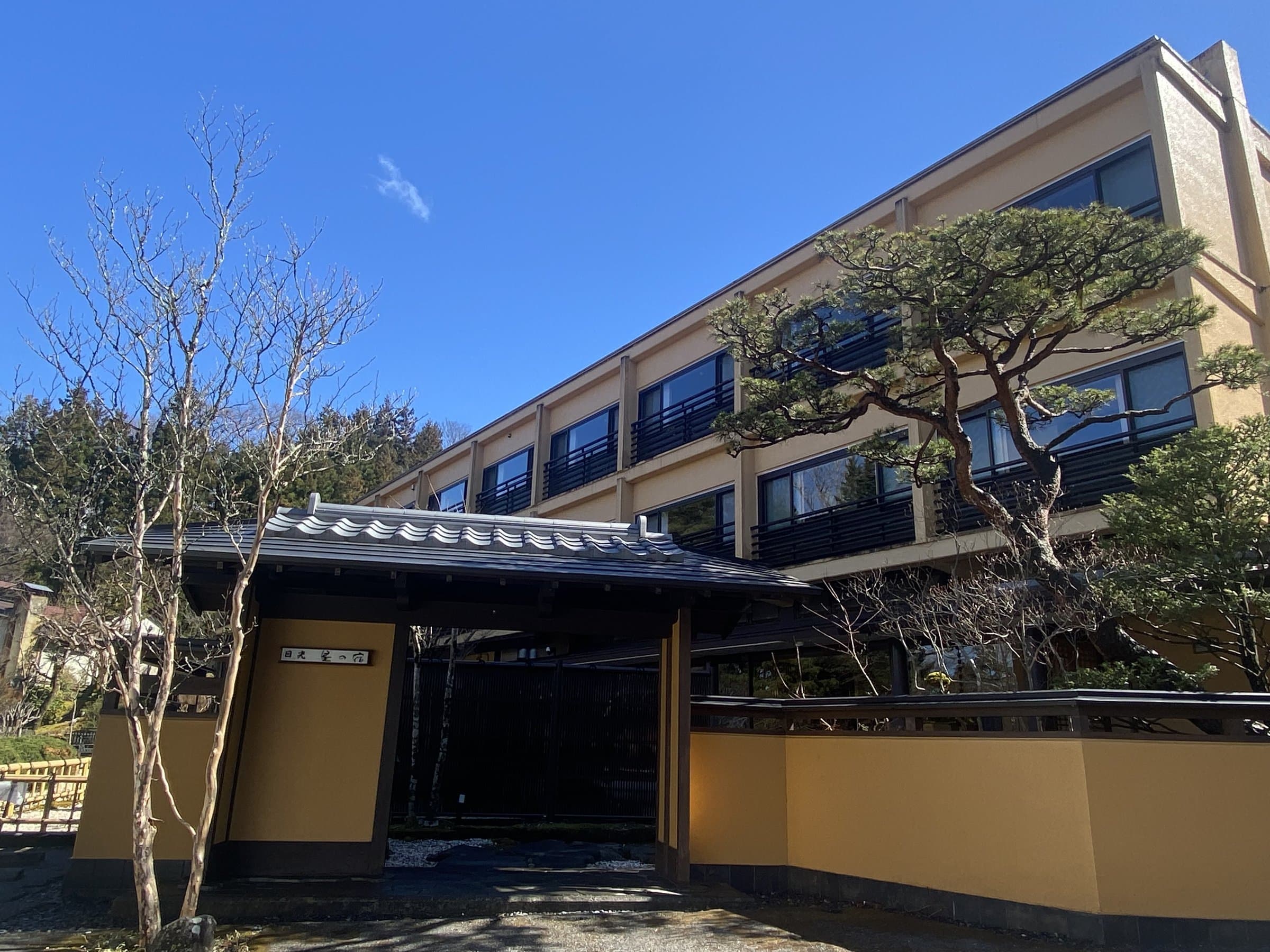 | à partir de ≈149 €/pers./nuit≈ 298 € pour 2 | 8.9 367 avis | Réserver sur Agoda |
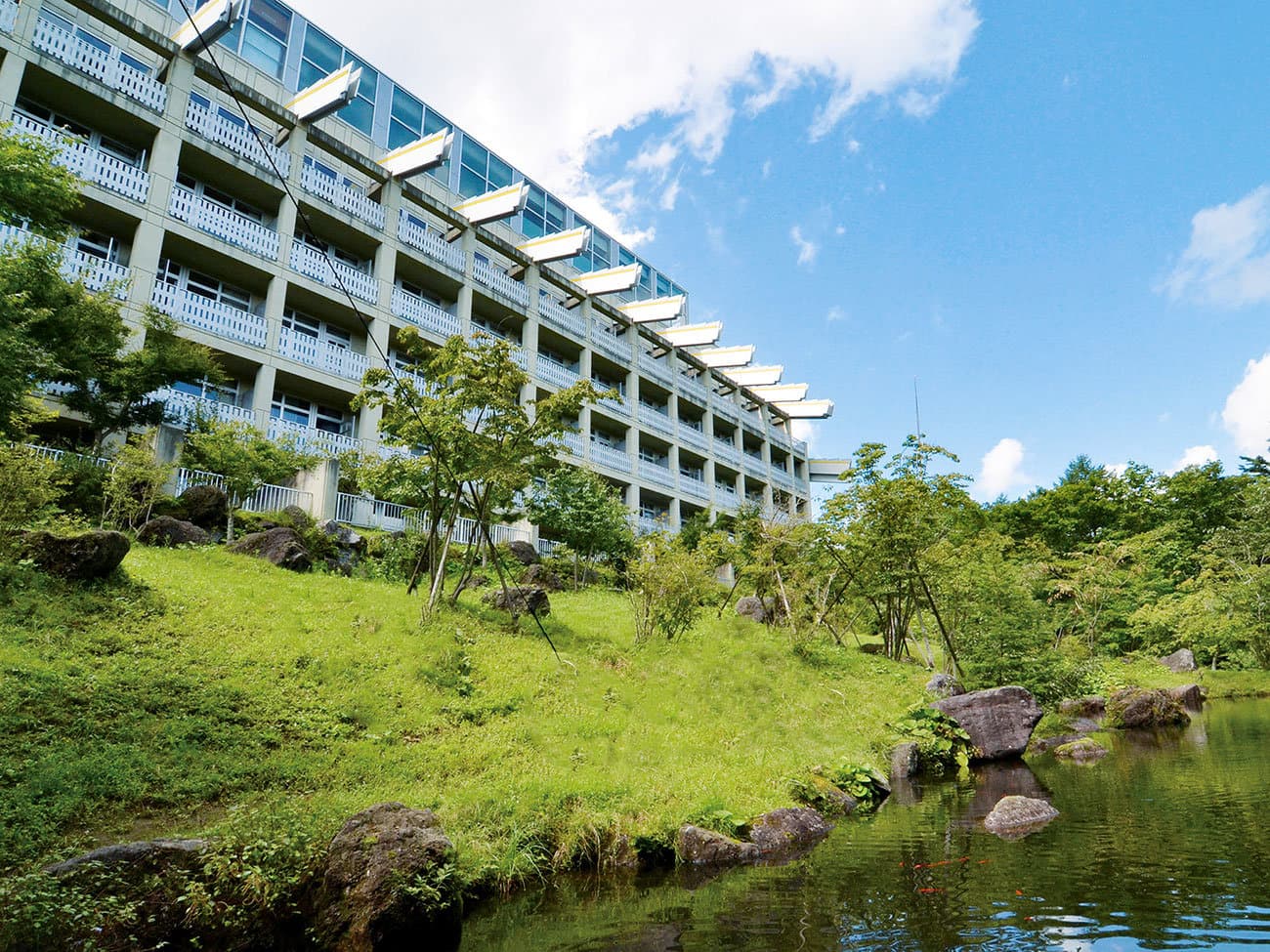 | à partir de ≈136 €/pers./nuit≈ 272 € pour 2 | 8.8 3 577 avis | Réserver sur Agoda |
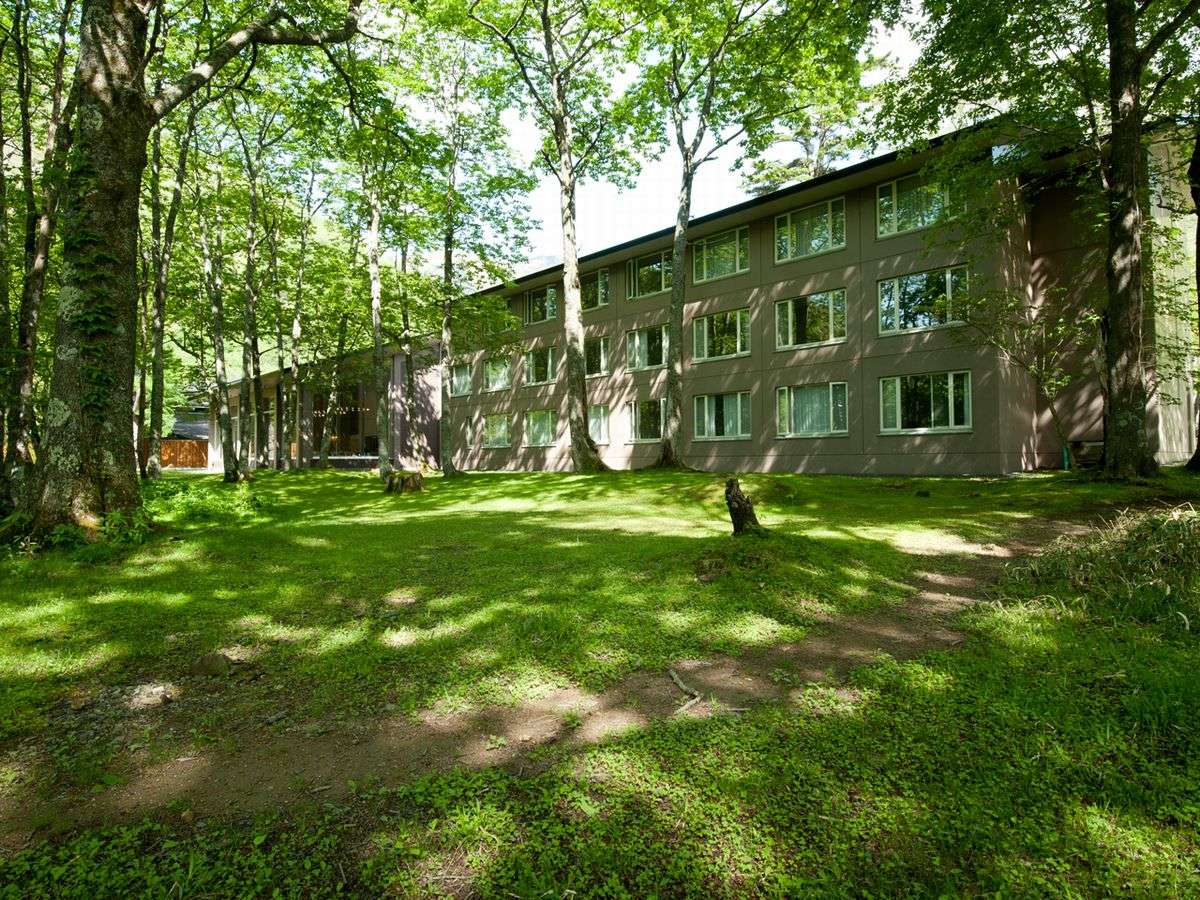 | à partir de ≈139 €/pers./nuit≈ 278 € pour 2 | 8.8 818 avis | Réserver sur Trip.com |
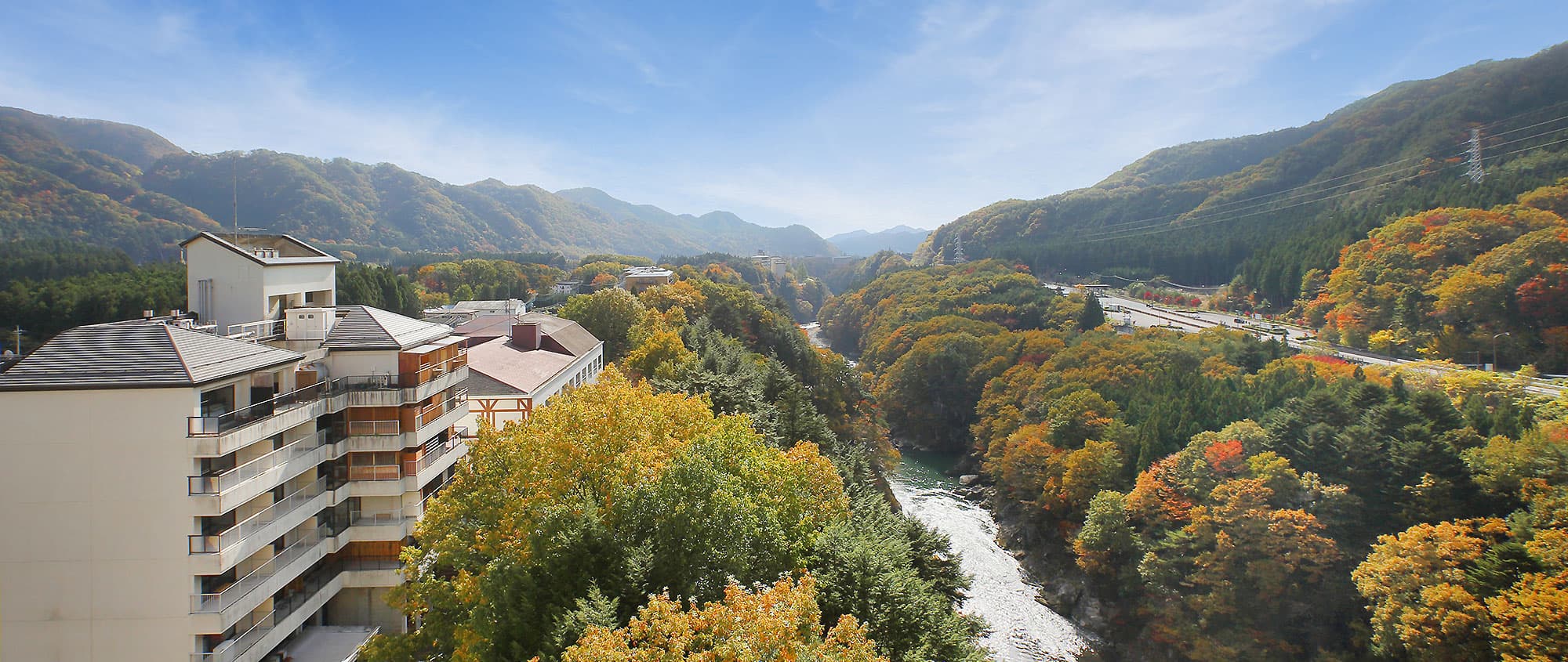 | à partir de ≈143 €/pers./nuit≈ 286 € pour 2 | 8.8 114 avis | Réserver sur Trip.com |
Nikko
Nikko
Nikko
Nikko
Nikko
Nikko
Les prix indiqués sont des tarifs de départ approximatifs par personne et par nuit. Nous pouvons percevoir une commission sur les réservations.
Expériences à proximité

Excursion

Les liens de réservation peuvent nous rapporter une commission, sans frais supplémentaires pour vous.
Articles connexes