約8分で読めます最終更新:2026年6月
On my first long trip through Japan I tried to do everything, and the casualty was the ryokan. I had booked one perfect inn in the mountains — and put it on night two, when I was still wrecked by jet lag, half-asleep in the world's most beautiful bath, unable to finish a fourteen-course kaiseki because my body thought it was four in the morning. The single most memorable night of the trip became the one I remember least. Since then I have planned a lot of Japan itineraries, for myself and for friends, and the question that matters most is not which ryokan — it is how many, and where in the trip they go.
This guide answers exactly that. How many ryokan nights to book for the length of trip you are taking, where to slot them into your route so you are rested enough to enjoy them, and which onsen towns line up naturally with the classic Japan itineraries. None of it is complicated — but getting the rhythm right is the difference between a ryokan being the highlight of your trip and being the night you slept through.
How Many Ryokan Nights Should You Book?
The honest answer for most travelers is fewer than you think. A ryokan is not a hotel you sleep in between sightseeing days; it is a destination in itself, built around a long kaiseki dinner, an unhurried bath, and a slow morning. Stack too many in a row and three things catch up with you: the cost (ryokan rates are per person and include two meals), the richness (a fourteen-course dinner every night becomes a slog), and the distance, since onsen towns sit away from the big-city sights you also came to see. My rule of thumb: one to two ryokan nights on a one-week trip, two to three on a two-week trip, three to four on three weeks — the rest in well-located city hotels.
Tip
Never make a ryokan your arrival night. Jet lag will rob you of the dinner, the bath, and the morning you paid a premium for. Give yourself a city night or two to adjust first. And avoid the night before an early departure flight — a ryokan morning is meant to be slow, and you cannot rush a Japanese breakfast and a final soak [verified 2026-06-28].
| Trip Length | Suggested Ryokan Nights | Where to Place Them | Example Towns to Pair |
|---|---|---|---|
| 1 week | 1–2 | One mid-trip, after you've adjusted; or as a finale a couple of days before flying | Hakone or Atami (off Tokyo); Kinosaki (off Kyoto) |
| 2 weeks | 2–3 | One near Tokyo, one on the Kyoto/Alps leg; spread them out | Hakone, Takayama or Gero, Kinosaki |
| 3 weeks | 3–4 | One per region as you move through the country | Hakone, Takayama, Kinosaki, plus a Kyushu or Tohoku stop |
Where to Place the Ryokan Night in Your Route
Think of a ryokan night as a deliberate change of pace, not just another bed. The two placements that work best are the mid-trip reset and the grand finale. The mid-trip reset drops an onsen night into the middle of a busy sightseeing run — typically between Tokyo and Kyoto on the classic Golden Route — so you arrive in the second half of your trip recharged rather than worn down. The grand finale puts the ryokan a few days before departure, as the soft, slow reward you have earned, with enough buffer afterwards that an early flight does not force you to rush the morning. What both avoid is the same trap: a ryokan on a night when you are too tired, too jet-lagged, or too time-pressured to be fully present for it.
Matching Onsen Towns to the Classic Routes
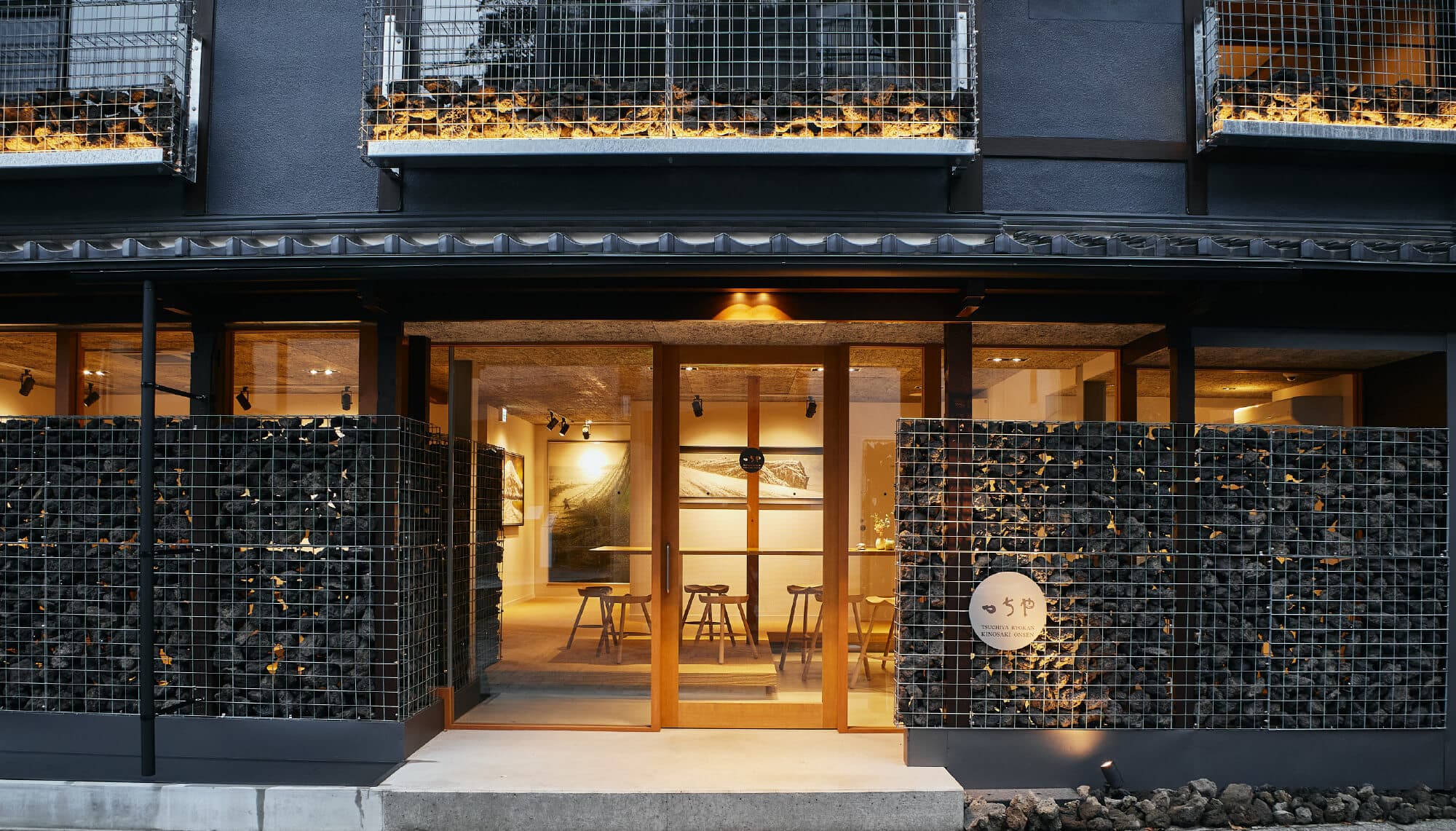
The easiest way to fit a ryokan in is to choose a town that is already near where your itinerary takes you. If you are based in Tokyo, Hakone and Atami are both about ninety minutes out and make a perfect one- or two-night detour. On a Kyoto or Osaka leg, Kinosaki Onsen is two and a half hours away on the Sea of Japan coast — bath-hopping between seven public bathhouses and, from November to March, the finest snow-crab kaiseki in the country. If your route runs through the Japan Alps via Takayama and Kanazawa, slot in Gero or Takayama itself. A Kyushu loop pairs naturally with Yufuin, Beppu, or the riverside village of Kurokawa, and a Tohoku or Hokkaido stretch gives you Ginzan's snow-covered wooden inns, Nyuto's remote baths, or Noboribetsu's volcanic Hell Valley. To compare the towns themselves, see our guide to the best onsen towns in Japan.
| Your Route / Base | Onsen Stop to Add | Access | Why It Fits |
|---|---|---|---|
| Tokyo | Hakone / Atami | ~85–90 min by train | Closest real onsen to the capital; easy 1–2 night detour |
| Kyoto / Osaka | Kinosaki Onsen | ~2.5 hours | Seven bathhouses to stroll between; snow-crab kaiseki Nov–Mar |
| Japan Alps (Takayama, Kanazawa) | Gero / Takayama | On the route | Top-three onsen waters; Hida-beef kaiseki without a detour |
| Kyushu loop | Yufuin / Beppu / Kurokawa | From Fukuoka 1.5–2.5 h | Dense onsen region; private-bath inns and steam-cooking cuisine |
| Tohoku / Hokkaido | Ginzan / Nyuto / Noboribetsu | Varies | Deep-winter snow onsen at their most cinematic |
One Night or Two?
If a ryokan is going to be one of the trip's big moments, two nights in a single onsen town will almost always beat one night each in two towns. One night is a taste: you arrive in the late afternoon, take a bath, eat a long dinner, sleep, have a morning soak and breakfast, and check out by ten or eleven — wonderful, but over before you have really settled. A second night unlocks the part most people miss: a full day to bath-hop the town in yukata, walk the river or the back streets, nap, and come back for a second, often quite different, kaiseki dinner. Set against that, two one-night stays mean two check-ins, two pack-ups, and two transfers — more of the churn you came to Japan to escape.
Tip
Use luggage forwarding (takkyubin). Rather than dragging a suitcase up to a mountain ryokan and back down, send your main bag ahead from your city hotel to your next city hotel for around ¥2,000–2,500, and travel to the onsen town with just an overnight bag. Most hotels and convenience stores handle it, and it usually arrives the next day. Our guide to planning your first ryokan stay covers what to actually bring for the night.
ご予約はこちら
人気の旅館から選んで予約
3つの予約サイトの空室・価格を見比べてください。
予約リンク経由で手数料が発生する場合がありますが、追加費用はかかりません。
The Practical Booking Sequence
Book the ryokan first, then build the trip around it. This feels backwards, but ryokan inventory is the least flexible part of a Japan itinerary: the best inns have only a handful of rooms, and the high-demand dates — snow-crab season, cherry blossom, the autumn foliage weeks, and any holiday period — sell out two to three months ahead. Flights and city hotels, by contrast, stay available and adjustable far longer. So lock the onsen night and the property you want, then arrange the cities, the rail, and the flights to fit. Understanding what a ryokan rate actually includes will help you budget the night accurately — see our guide to ryokan meal plans — and if a JR Pass is part of your plan, our Japan Rail Pass guide covers whether it pays off for onsen-town detours.
Find the Ryokan to Anchor Your Itinerary
Once you know how many nights and roughly where, the next step is choosing the inn. Filter our directory by region, access from the nearest city, private onsen, and price to find the ryokan worth building a Japan trip around.
FAQ
よくあるご質問
How many nights should I stay in a ryokan?+
For most travelers, one to two ryokan nights on a one-week Japan trip, two to three on two weeks, and three to four on three weeks — with the remaining nights in city hotels. A ryokan is a destination built around a long kaiseki dinner and an unhurried bath, not a place to sleep between sightseeing days, so a few well-placed nights beat a long run of them, which gets expensive and rich quickly.
Is one night in a ryokan enough?+
One night is enough for a memorable taste — you arrive in the afternoon, bathe, have a multi-course dinner, sleep, and enjoy a morning soak and breakfast before an 10–11am checkout. But if the ryokan is a highlight of your trip, two nights in one town is better: the second day lets you explore the onsen town, bath-hop, and have a second kaiseki dinner without the churn of packing up and moving.
Where should I put the ryokan night in my Japan itinerary?+
Place it mid-trip as a reset, or a few days before departure as a finale. Avoid your jet-lagged arrival night, when you'll be too tired to enjoy the dinner and bath, and avoid the night before an early flight, when you'd have to rush the slow morning. On the classic Tokyo–Kyoto Golden Route, an onsen night in the middle works beautifully.
Which onsen town fits my route?+
Match it to where you already are. From Tokyo: Hakone or Atami, about 90 minutes away. From Kyoto or Osaka: Kinosaki Onsen, 2.5 hours, with snow-crab kaiseki from November to March. On the Japan Alps route: Gero or Takayama. In Kyushu: Yufuin, Beppu, or Kurokawa. In Tohoku or Hokkaido: Ginzan, Nyuto, or Noboribetsu for deep-winter snow onsen.
Should I book the ryokan or the flights first?+
Book the ryokan first. Ryokan inventory is the least flexible part of a Japan trip — the best inns have few rooms, and peak dates (snow crab, cherry blossom, autumn foliage, holidays) sell out two to three months ahead. Flights and city hotels stay available and adjustable much longer, so lock the onsen night first and build the rest of the itinerary around it.
Do I need to bring my luggage to the ryokan?+
Usually not your big suitcase. Use takkyubin luggage forwarding to send your main bag from one city hotel to the next (around ¥2,000–2,500, typically next-day), and travel to the onsen town with just an overnight bag. Most hotels and convenience stores arrange it. It saves you hauling a suitcase up to a mountain inn and back.