빠른 비교
10곳 선정| 료칸 | 시작가 | 평점 | 예약 |
|---|---|---|---|
 | ≈¥18,480부터≈ ₩160,0001인 1박2인 약 ¥36,960 | 9.4 리뷰 3050건 | Agoda에서 예약하기 |
 | ≈¥40,964부터≈ ₩354,0001인 1박2인 약 ¥81,928 | 8.4 리뷰 306건 | Trip.com에서 예약하기 |
 | ≈¥38,500부터≈ ₩333,0001인 1박2인 약 ¥77,000 | 9.4 리뷰 43건 | Trip.com에서 예약하기 |
 | ≈¥46,200부터≈ ₩399,0001인 1박2인 약 ¥92,400 | 9.2 리뷰 767건 | Agoda에서 예약하기 |
 | ≈¥61,600부터≈ ₩532,0001인 1박2인 약 ¥123,200 | 9.1 리뷰 310건 | Trip.com에서 예약하기 |
 | ≈¥77,000부터≈ ₩665,0001인 1박2인 약 ¥154,000 | 9.5 리뷰 89건 | Booking.com에서 예약하기 |
 | ≈¥38,500부터≈ ₩333,0001인 1박2인 약 ¥77,000 | 8.7 리뷰 47건 | Agoda에서 예약하기 |
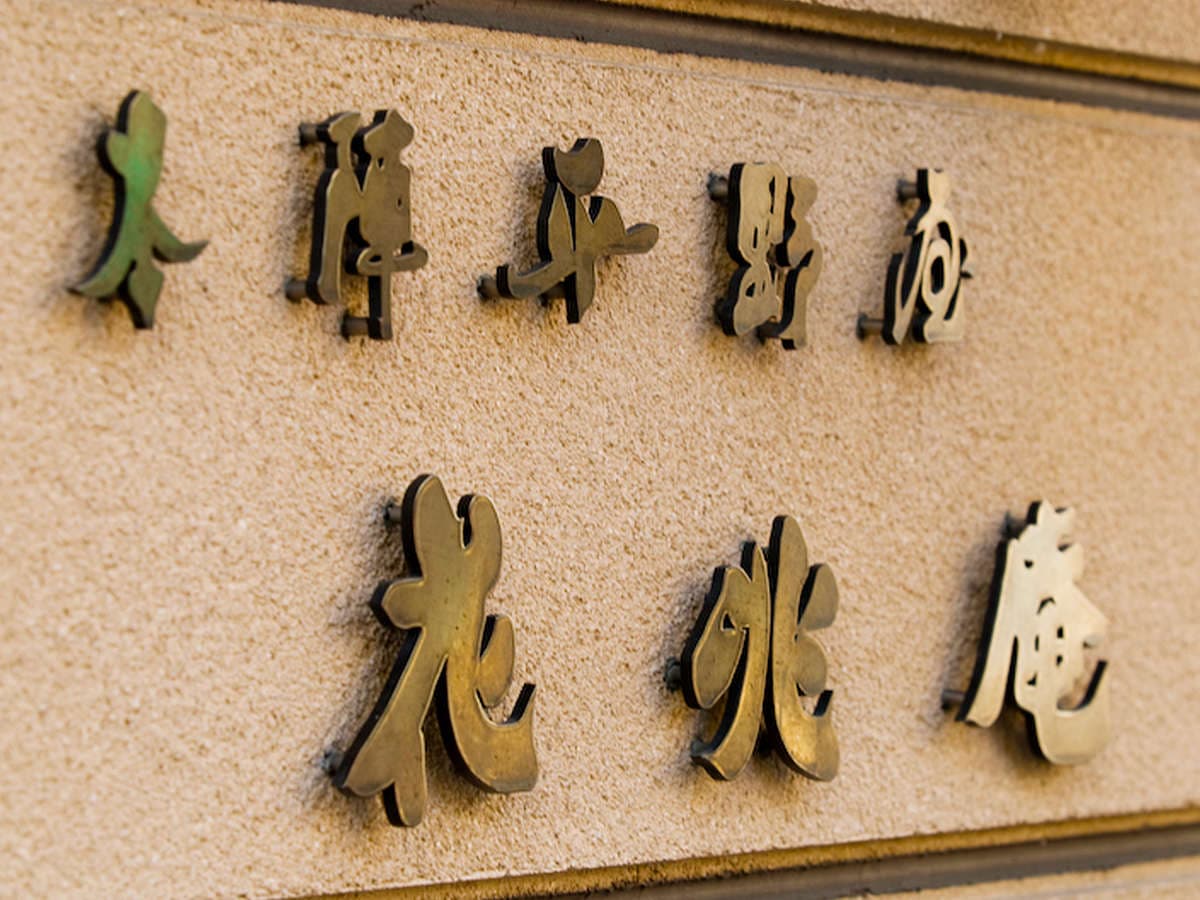 | ≈¥22,946부터≈ ₩198,0001인 1박2인 약 ¥45,892 | 9.1 리뷰 380건 | Trip.com에서 예약하기 |
 | ≈¥30,800부터≈ ₩266,0001인 1박2인 약 ¥61,600 | 9.4 리뷰 921건 | Booking.com에서 예약하기 |
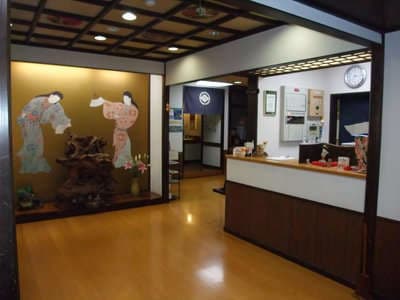 | ≈¥15,400부터≈ ₩133,0001인 1박2인 약 ¥30,800 | 9.6 리뷰 31건 | Booking.com에서 예약하기 |
Dai-ichi Takimotokan
Noboribetsu
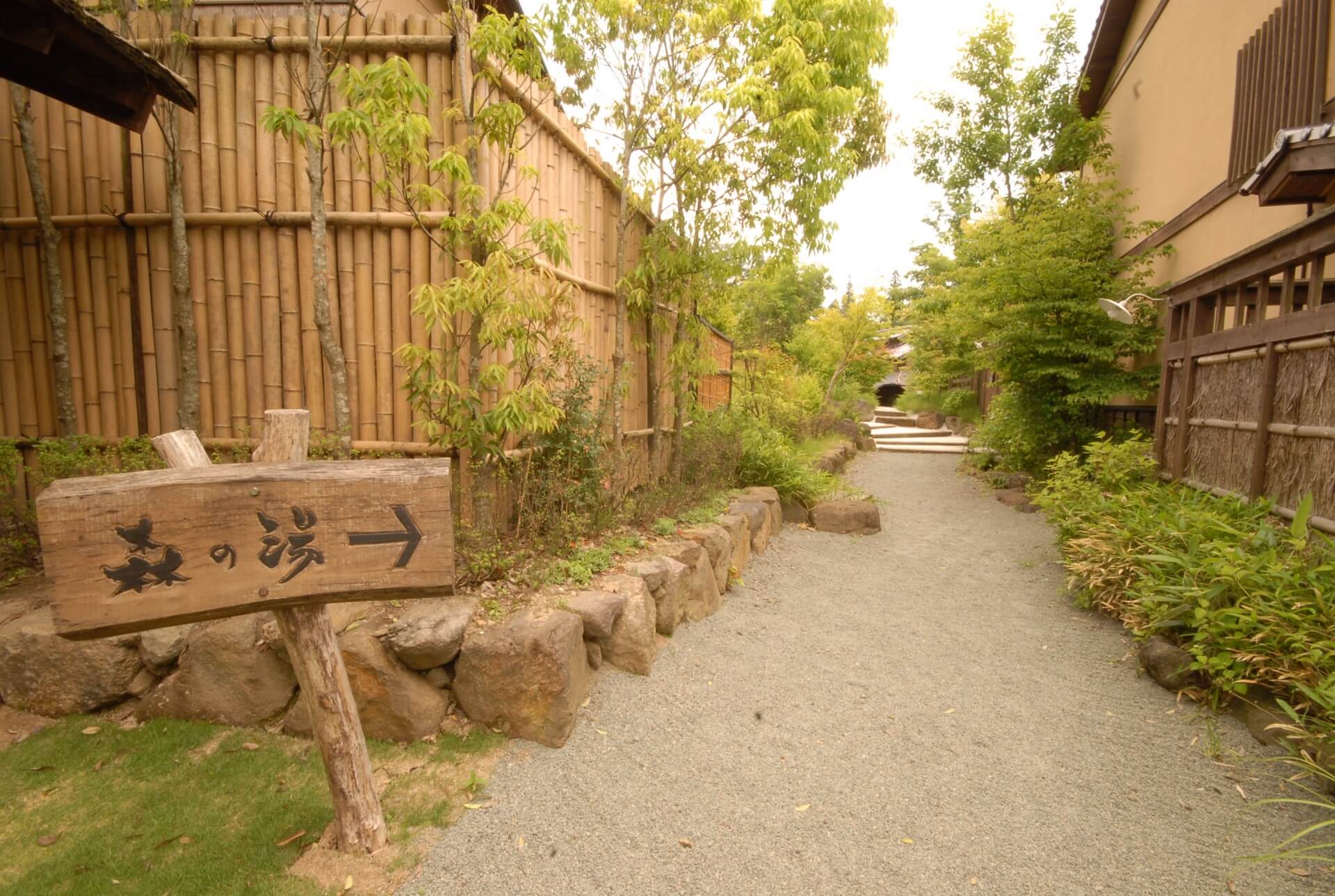
Fujiya Inn
Ginzan
Kozantei Ubuya
Fuji Kawaguchiko
FUFU Nikko
Nikko
Awanoyu Ryokan
Shirahone
Honjin Hiranoya Kachoan
Takayama
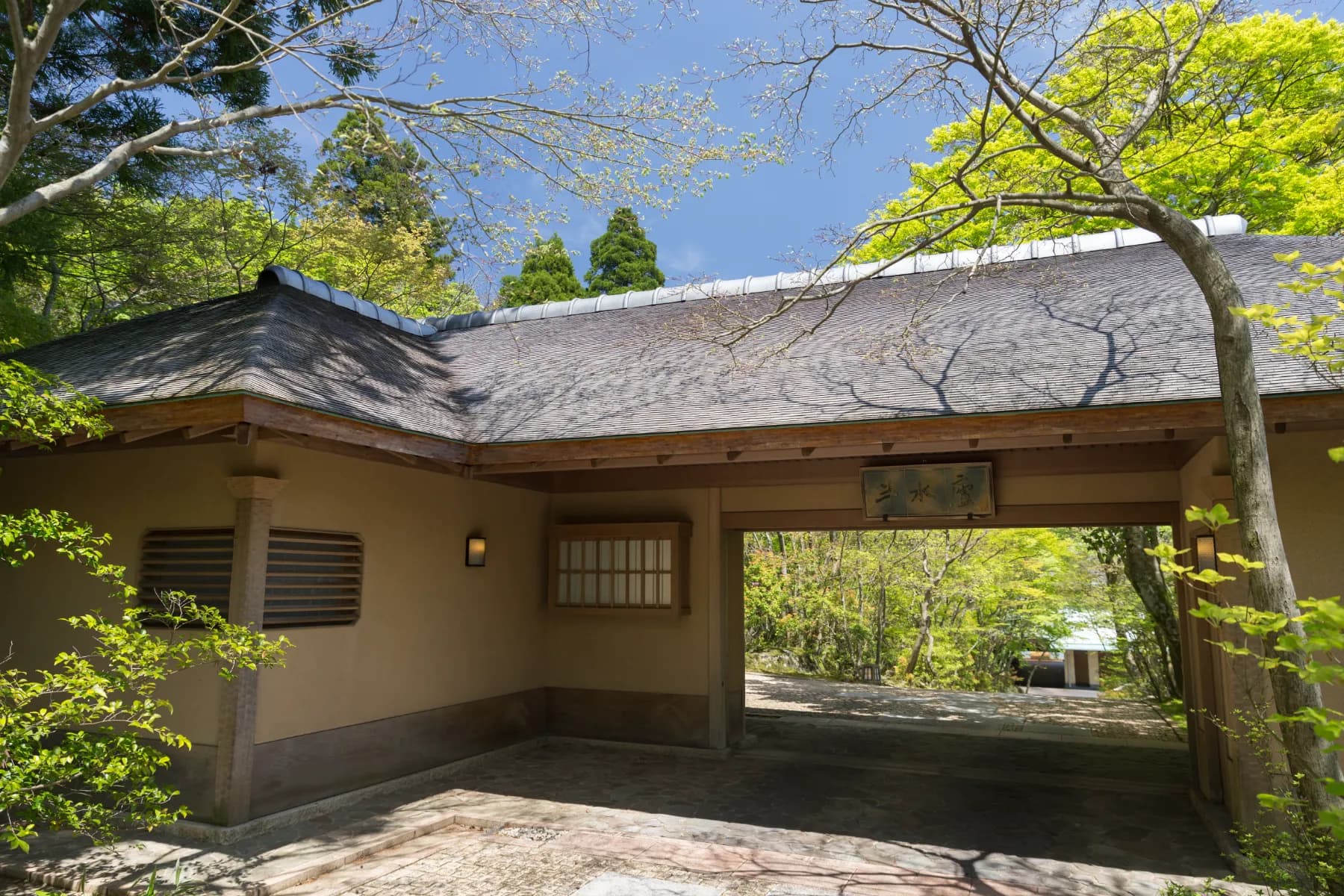
스이메이칸
Gero
표시된 가격은 1인 1박 기준 시작가의 근사치입니다. 예약 시 당사이트가 수수료를 받을 수 있습니다.
일본에는 4만 곳이 넘는 료칸이 있습니다. 이 숫자에 한 번쯤 멈춰서야 합니다. 우리도 이 가이드를 만들기 시작했을 때 멈췄습니다.
대부분의 전국 료칸 리스트는 이 문제를 회피하기 위해 누구나 아는 유명 10곳 — 고라 가단, 가가야, 니시무라야 혼칸 — 을 골라 마무리합니다. 본 리스트는 다르게 작동합니다. 우리 팀은 25개 온천 지역의 검증된 료칸 수백 곳을 교차 점검하고, 각 료칸을 실제 예약 플랫폼 데이터와 대조해 지역당 정확히 한 곳씩 선정했습니다 — 25개 지역 가운데 24개입니다. 와쿠라 온천은 대표 료칸이 휴업 중이라 현재 추천을 두지 않았습니다. 예산대별이 아닌, 계절별이 아닌, 지역당 한 곳 — 우리가 자신 있게 추천하는 료칸입니다.
그 결과 홋카이도의 화산 지옥 계곡에서 규슈의 가느다란 이부스키 온천 해안까지 일본 전역을 가로지르는 리스트가 만들어졌습니다. 가격대는 1인 1박 ¥15,000부터 ¥150,000까지. 완벽한 료칸은 없기 때문에, 모든 항목에 정직한 트레이드오프를 명기했습니다.
전용 노천탕 료칸을 최우선으로 고려 중이신가요? 본 전국 리스트의 여러 항목이 객실 내 로텐부로를 갖추고 있습니다. 전용탕 료칸만 추린 가이드는 전용 노천탕 베스트 료칸 가이드를 참고하세요.
이 24곳의 료칸을 선정한 방법How we picked
이번 판은 저희 데이터베이스의 25개 온천 지역을 다루며, 추천을 싣는 곳은 현재 예약 가능한 료칸이 있는 24개 지역입니다. 각 지역에서 모든 시설을 다섯 가지 기준 — 온천 수질(시 수돗물을 재가열한 것이 아닌 진정한 화산성 또는 광물 원천), 영어 예약 접근성, 가격 대비 경험 비율, 검증된 후기 수, 전용탕 유무 — 으로 평가했습니다. 선정은 각 시설의 공식 사이트, 예약 플랫폼 정보, 공개 자료를 바탕으로 했습니다. 어떤 료칸도 노출 대가로 비용을 지불하지 않았습니다. 요금은 2026년 5월 29일 기준 Trip.com, Booking.com, Expedia를 대조해 확인했습니다. 다음 예정 재검증: 2026년 11월.
2026년에 료칸이 중요한 이유
 핀하기
핀하기호텔 로열티 프로그램과 브랜드의 획일성이 지배하는 여행의 시대에, 료칸 숙박은 여전히 세계 어느 형태의 숙박과도 구조적으로 다릅니다. 가격에 저녁과 조식이 포함됩니다. 식사하는 동안 직원이 객실을 정돈합니다. 이 건물에서 수십 년, 수백 년간 손님이 입어 온 면 가운인 유카타를 입습니다. 욕탕의 물은 지하에서 나옵니다. 이 중 어느 것도 마케팅 문구가 아닙니다. 전통 일본 료칸의 경제와 건축이 실제로 작동하는 방식 그 자체입니다.
외국인 방문 수요는 2020년 이전 수준까지 완전히 회복되었으며, 하코네, 교토, 기노사키 등 인기 지역의 인기 시설은 성수기에 3〜6개월 전 매진되고 있습니다. 최상위 등급에서 즉흥 예약이 가능한 창은 성수기 날짜 기준 사실상 닫혔습니다. 본 리스트의 특정 경험이 중요하다면, 지금이 예약할 때입니다.
1. 다이이치 다키모토칸 — 노보리베쓰, 홋카이도
한눈에 보기
예약해야 하는 이유: 노보리베쓰는 일본에서 화학적으로 가장 활발한 화산 지대에 위치하며, 다이이치 다키모토칸은 그 지질학을 가장 철저하게 활용한 시설입니다. 호텔의 욕탕 단지 — 다이유노유 — 는 유황, 염, 철, 명반 등 9가지 별도 온천 종류를 별도 탕에서 끌어옵니다. 추운 홋카이도의 아침, 물의 종류를 옮겨 다니는 일은 스파 방문이라기보다 지질 실험에 가깝게 느껴집니다.
1858년에 창업한 이곳은 일본 북부 섬에서 가장 오래된 연속 운영 료칸 중 하나입니다. 규모가 크고 — 객실 400실 이상 — 그만큼 20실 규모의 료칸이 가진 친밀한 서비스는 부족하지만, 단기간에도 가용성이 진정으로 안정적입니다.
정직한 트레이드오프: 리조트 규모가 압도적으로 느껴질 수 있으며, 공용 욕장은 휴일 주말에 트래픽이 많습니다. 친밀함을 원하는 커플은 투숙객이 이용 가능한 전용 대여 욕탕(가시키리)을 추천합니다.
실용 정보: 삿포로에서 노보리베쓰 온천 리조트 버스로 약 1시간 20분. 영어 예약은 Trip.com을 통해 가능. 문신 정책: 공용 구역에서는 전용탕만. 요금: 1인 ¥20,000〜¥45,000, 2식 포함 . 노보리베쓰 료칸 둘러보기 →
2. 후지야 긴잔 — 긴잔 온천, 야마가타
예약해야 하는 이유: 긴잔 온천은 일본에서 가장 많이 촬영되는 온천 마을 중 하나입니다 — 좁은 강 협곡을 따라 늘어선 다이쇼 시대 목조 료칸들이 겨울이면 가스등에 비추어지고 지붕에는 눈이 쌓입니다. 이곳은 〈센과 치히로〉의 목욕탕과 닮았다는 말을 자주 듣습니다. 스튜디오 지브리는 특정 모델은 없다는 입장이지만, 시각적 유사성은 부인할 수 없습니다. 후지야 긴잔은 건축적으로 이질적입니다: 1397년에 창업했으나 2006년 구마 겐고가 대나무 루버와 재활용 유리 스크린으로 완전히 재설계했습니다. 황혼 무렵 내부에서 빛이 새어 나오는 모습은 이웃한 헤리티지 료칸이 따라할 수 없는 풍경입니다.
다섯 개의 전용 노천탕을 세션 단위로 예약할 수 있습니다 — 대나무, 돌, 나무 콘셉트. 미니멀한 인테리어는 인접 시설의 다이쇼식 장식과 의도적으로 대비를 이룹니다.
정직한 트레이드오프: 현대적 디자인은 호불호가 갈립니다. 짙은 목재와 조각된 란마를 찾는 전통 료칸 순수주의자라면 옆의 노토야 료칸이 더 만족스러울 것입니다. 건축적 호기심이 여행의 일부라면, 후지야는 일본 내 유일무이한 곳입니다.
실용 정보: 야마가타 신칸센으로 오이시다까지(도쿄에서 약 3시간) 이동 후, 긴잔 온천행 버스로 40분. 요금: 1인 ¥50,000〜¥90,000, 2식 포함 . 전용 노천탕: 있음(예약제 5실). 문신 정책: 전용탕만. 긴잔 온천 료칸 둘러보기 →
3. 미야마소 다카미야 — 자오 온천, 야마가타
예약해야 하는 이유: 자오 온천은 일본에서 가장 산성도가 높은 온천 중 하나입니다 — pH 1.8〜2.0 수준으로, 물에서 가벼운 피부 자극을 느낄 수 있을 정도입니다. 그 산성도가 이곳의 정체성이며, 벳푸의 유황 중심 온천이나 기노사키의 염화염 따스함과는 구별됩니다. 자오는 또한 일본의 대표적인 스키 행선지이자 수빙(주효, 樹氷) 감상지로, 1〜2월 산에 형성되는 스노 몬스터는 이 지역 밖에서는 볼 수 없는 장관입니다.
미야마소 다카미야는 전통 료칸 건축과 신뢰할 만한 영어 응대, 양질의 가이세키를 균형 있게 갖춘 곳입니다. 산성 온천수가 이곳을 찾을 이유이며, 시설은 그 경험을 방해하지 않으면서 잘 담아냅니다.
정직한 트레이드오프: 자오는 야마가타 시에서 버스로 15분 — 접근성은 좋지만 일부 여행자가 기대하는 만큼 극적으로 외진 곳은 아닙니다. 시설 내부 욕탕은 규모가 작아, 본격적인 입욕은 대부분 료칸에서 도보 거리에 있는 공용 다이로텐부로에서 이뤄집니다.
실용 정보: 도쿄에서 야마가타 신칸센으로 야마가타역까지 약 2시간 40분. 역에서 자오 온천행 버스. 요금: 1인 ¥25,000〜¥55,000, 2식 포함 . 문신 정책: 공용탕 불가; 전용 가시키리 가능. 자오 료칸 둘러보기 →
4. 고잔테이 우부야 — 가와구치코, 야마나시 (후지산 지역)
 핀하기
핀하기한눈에 보기
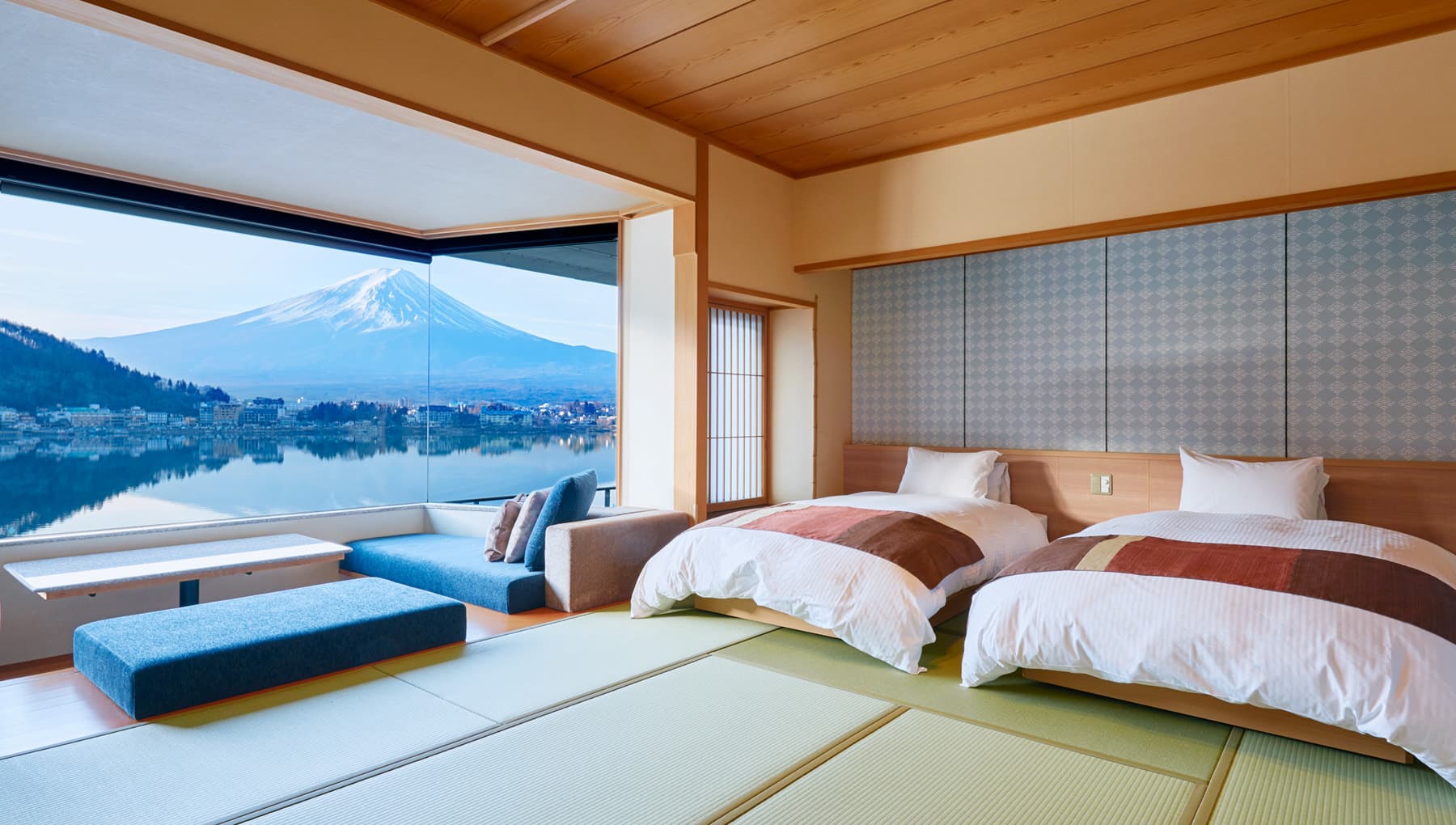
예약해야 하는 이유: 후지산을 노천탕에서 바라보기 위해 료칸을 예약하는 것이라면, 고잔테이 우부야가 정답입니다. 시설은 가와구치 호 북안에 자리잡고 있으며, 맑은 아침에는 호수에 비친 후지산의 대칭 반영이 노천탕에서 보입니다. 시야가 보장되는 것은 아닙니다 — 일본 최고봉의 운량은 예외가 아닌 일상입니다 — 하지만 시설의 기하학적 배치가 이를 위해 최적화되어 있다는 점에서 다른 후지산 뷰 주장과는 다릅니다.
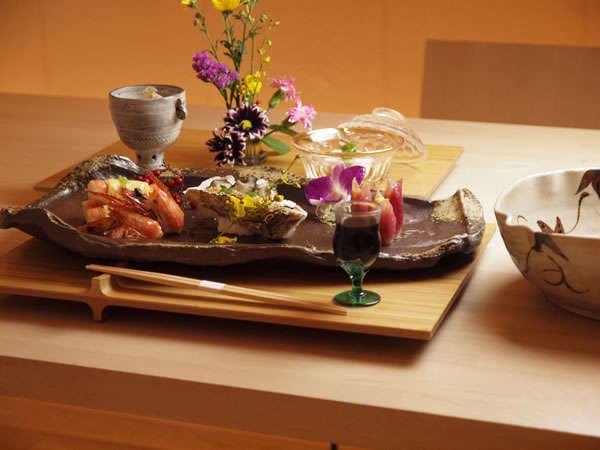
가이세키 요리는 야마나시 현지 식재료를 활용하며, 다양한 가격대의 객실 카테고리 덕분에 보기 드물게 중급 객실에서도 후지산 뷰를 누릴 수 있는 럭셔리 옵션입니다.
정직한 트레이드오프: 가와구치코는 행선지로서 관광지 느낌이 강할 수 있습니다 — 후지산 뷰가 안정적인 맑은 주말에는 국내외 관광객 트래픽이 호숫가에 집중됩니다. 료칸 자체는 그 소란으로부터의 안식처이지만, 호수 주변 운전과 주차 상황은 미리 대비해야 합니다.
실용 정보: 신주쿠에서 후지큐코 특급으로 가와구치코까지 약 1시간 50분. 영어 예약: 가능. 요금: 1인 ¥30,000〜¥65,000, 2식 포함 . 전용 노천탕: 일부 객실. 우부야 외 호반의 전체 후보는 가와구치코 베스트 료칸 지역 페이지를 참고하세요. 가와구치코 료칸 둘러보기 →
5. FUFU 닛코 — 기누가와 온천, 도치기
한눈에 보기
예약해야 하는 이유: FUFU 닛코는 기누가와 협곡 지역에 있으며, 닛코의 유네스코 사찰 지역에서 열차로 약 30분 거리입니다. 모던 빌드의 럭셔리 시설로 — 200년 된 료칸의 삐걱거림이나 좁은 복도가 없습니다 — 그 현대적 건축이 바로 첫 료칸 여행자에게 권장되는 이유입니다. 헤리티지 건물의 까다로움을 다루지 않으면서도 가이세키와 온천 경험을 누릴 수 있게 해 줍니다.
전 객실에 강 협곡을 마주한 전용 노천 로텐부로가 있습니다. 영어 응대는 저희 데이터베이스 중에서도 가장 강한 편에 속합니다. 호텔이 기누가와 온천역까지 셔틀을 운영합니다.
정직한 트레이드오프: FUFU는 헤리티지 시설의 건축적 깊이와 역사적 층위가 부족합니다. 강 협곡과 숲 사면의 무대 자체는 극적이지만, 건물은 한 세기가 아닌 10년 된 것입니다. 그 점을 중시하는 여행자에게는 닛코 주젠지 가나야 호텔이 보다 오래된 풍취를 더 낮은 고도에서 제공합니다.
실용 정보: 아사쿠사에서 도부 스페이샤 X 특급으로 기누가와 온천까지 약 1시간 50분. 요금: 1인 ¥40,000〜¥80,000, 2식 포함 . 전 객실 전용 노천탕. 문신 정책: 전용탕만. 닛코 료칸 둘러보기 →
6. 고라 가단 — 하코네, 가나가와
한눈에 보기
예약해야 하는 이유: 고라 가단은 1937년 황실 별장으로 지어졌습니다. 돌계단, 소나무, 정원이 숲의 칼데라 사면을 향해 단을 이루며 내려가는 방식 — 어느 것도 상업적 숙박을 위해 설계된 것이 아니며 그 흔적이 그대로 드러납니다. 객실은 18실이며 각기 다르고, 시설은 관광객이 밀집한 하코네 유모토 위쪽 고라 지역의 보다 조용한 일대에 자리합니다.
가이세키의 품질은 하코네 최고 수준으로 꾸준히 평가됩니다. 온천수는 유황천 — 오와쿠다니로 향하는 로프웨이를 가동시키는 같은 화산계에서 끌어오는, 옅은 광물향의 하코네 특유의 향 — 입니다.
정직한 트레이드오프: 고라 가단은 본 리스트 럭셔리 등급에서 가장 비싼 시설입니다. 1인 ¥70,000을 넘는 요금은 커플 1박이 ¥150,000을 훌쩍 넘게 되어 진지한 예산 결정을 요구합니다. 그 가격에 다다미 객실의 품질, 정원 뷰, 가이세키 완성도는 진정한 세계 수준입니다. 보다 유연한 예산을 가진 여행자라면 하코네 긴유가 비슷한 전용 노천탕 품질을 더 낮은 요금에 제공합니다.
실용 정보: 신주쿠에서 오다큐 로망스카로 하코네 유모토까지 85분; 거기서 하코네 등산 철도로 고라까지 40분. 요금: 1인 ¥70,000〜¥130,000, 2식 포함 . 전용 노천탕: 대부분 객실. 문신 정책: 전용탕만. 하코네 료칸 둘러보기 →
Tip
지역별 심층 가이드는 하코네 베스트 료칸 가이드에서 지역 세부 구역과 도쿄에서의 이동 시간을 함께 다룹니다. 교토 베스트 료칸 가이드는 도시를 구역별로 다룹니다. 전용 노천탕에 집중한 가이드는 전용 노천탕 전국 가이드를 참고하세요.
7. 쓰쓰지테이 — 구사쓰 온천, 군마
한눈에 보기
예약해야 하는 이유: 구사쓰 온천은 일본 국내 온천 조사에서 20년 연속 1위를 차지해 왔습니다. 6개 명명된 원천에서 분당 32,300리터 이상의 온천수가 솟아나며 pH 2.1을 기록 — 일본 주요 온천 중 가장 산성이 강하고, 항균 및 항염 작용이 문헌으로 확인된 수질입니다 . 쓰쓰지테이에서 도보 5분이면 유바타케 — 마을 곳곳으로 배수되기 전 뜨거운 물을 개방형 수로에서 식히는 중앙 목조 격자 — 에 도달합니다.
쓰쓰지테이는 구사쓰의 부티크 럭셔리 앵커입니다 — 17실 스위트 전체에 객실 내 전용 로텐부로를 갖췄으며, 유바타케에서 보다 조용한 거리로 도보 5분. 와인 리스트는 구사쓰 어느 시설보다 강합니다. 평점: 검증된 후기 45건 기준 9.3.
정직한 트레이드오프: 17실 규모는 인기 시기에 강한 예약 압박을 의미합니다. 프런트의 영어 응대는 제한적이므로 OTA 레이어가 커뮤니케이션을 처리하는 Trip.com을 통한 예약을 권장합니다. 당일 방문객용 단일 가시키리 욕탕은 없으며, 객실 내 이용은 투숙객만 가능합니다.
실용 정보: 도쿄에서 호쿠리쿠 신칸센으로 가루이자와 + JR 버스로 4시간. 요금: 1인 ¥40,000〜¥90,000, 2식 포함 . 전 스위트 전용 로텐부로. 문신 정책: 전용탕만. 구사쓰 료칸 둘러보기 →
8. 아와노유 — 시라호네 온천, 나가노
예약해야 하는 이유: 시라호네 온천은 공기와 접촉하면 하얗게 변하는 물 — 일본 어느 온천에서도 볼 수 없는 우유빛 흰색 욕조 — 을 만들어 냅니다. 물은 나트륨 탄산수소로 pH 약 6.5, 피부 부드러움을 만드는 광물 프로필 덕에 '미인의 탕(비진노유)'으로 분류됩니다. '3일 담그면 3년 감기에 걸리지 않는다'는 이 온천의 옛말은 민속 의학이지만, 물의 알칼리도와 온도는 실재하며 사방을 산림에 둘러싸인 채 우유빛 노천탕에 앉는 경험은 하코네나 교토 코스에서 결코 만날 수 없는 것입니다.
아와노유는 이를 가장 충실하게 구현한 시설입니다 — 일본 알프스 고속도로 분기점에서 굽이굽이 도로로 20분 거리에 있는, 실제로 가동되는 김에 뒤덮인 우유빛 노천 로텐부로.
정직한 트레이드오프: 접근에는 차량 또는 마쓰모토에서 출발하는 전용 버스 연결이 필요합니다. 인프라가 제한된 산악 도로 행선지이며, 이것이 동시에 매력의 원천입니다. 당일 예약 불가; 사전 예약 필수.
실용 정보: 마쓰모토역에서 알피코 버스로 시라호네 온천까지 약 70분. 요금: 1인 ¥25,000〜¥50,000, 2식 포함 . 우유빛 온천의 야외 로텐부로. 영어: 제한적, Trip.com을 통한 예약 권장. 시라호네 료칸 둘러보기 →
9. 혼진 히라노야 가초안 — 다카야마, 기후
한눈에 보기
예약해야 하는 이유: 다카야마는 일본에서 가장 온전하게 보존된 에도 시대 상업 마을입니다 — 산마치 스지 역사 거리는 가초안 입구에서 도보 2분 거리에 있으며, 17세기 이래 실질적으로 변하지 않은 건물에 사케 양조장과 옻칠 공방이 늘어서 있습니다. 가초안은 그 흐름의 건축적 연장입니다: 클래식한 일본 정원 주변으로 에도 시대 건물들이 연결된 헤리티지 시설.
이곳의 가이세키는 히다규(현지 와규) 와 계절마다 바뀌는 산채(산사이) 에 무게를 둡니다. 유네스코 후보로 거론되는 거리가 바로 바깥에 있고 본격적인 가이세키가 안에 있다는 조합은 본 리스트에서 다카야마를 문화적으로 가장 다층적인 항목으로 만듭니다.
정직한 트레이드오프: 가초안의 오래된 건물 구조 탓에 가격대 대비 일부 객실은 좁은 편입니다. 시설 내 온천은 객실형이 아닌 공용 — 전용탕 가용성이 제한적입니다. 객실 내 로텐부로를 우선시하는 여행자라면 아스나로 료칸을 대안으로 검토하세요.
실용 정보: 나고야 또는 오사카에서 히다 특급으로 다카야마까지 약 2.5시간. 도쿄에서는 고속버스가 현실적(약 5.5시간). 요금: 1인 ¥30,000〜¥60,000, 2식 포함 . 영어: 가능. 문신 정책: 전용탕만. 다카야마 료칸 둘러보기 →
10. 스이메이칸 — 게로 온천, 기후
한눈에 보기
예약해야 하는 이유: 게로 온천은 하야시 라잔의 1662년 학술 순위 이래 아리마, 구사쓰와 함께 일본 3대 온천에 속해 왔습니다. 물은 나트륨 탄산수소, pH 9.1〜9.3으로 '비진노유'로 분류 — 입욕 후 피부가 실제로 더 매끄러워지는 우유빛 알칼리 종류입니다. 1932년에 창업한 스이메이칸은 게로 최대 시설로, 마을에서 가장 완성도 높은 욕탕 단지를 운영합니다: 다수의 실내외 욕탕, 전용 가시키리 옵션, 그리고 2026년 1월 팬데믹 휴지 후 재개한 노 극장 프로그램 — 투숙객에게 전통 극을 제공하는 게로 유일의 료칸입니다.
가이세키는 명명된 현지 생산자의 히다규를 사용하며, 도자기 식기는 미노 야키 지역 가마의 것입니다.
정직한 트레이드오프: 규모(스이메이칸은 게로 최대 시설)는 15실 부티크 시설에서 느낄 수 있는 친밀한 료칸 분위기는 덜하다는 뜻입니다. 표준 객실은 넓고 전통적이지만 건축적으로 극적이지는 않습니다.
실용 정보: 나고야에서 JR 히다 특급으로 게로까지 약 1시간 20분. 다카야마에서 같은 노선으로 남쪽 45분. 요금: 1인 ¥35,000〜¥70,000, 2식 포함 . 영어: 가능. 게로 료칸 둘러보기 →
11. 스미요시야 — 가나자와, 이시카와
한눈에 보기
예약해야 하는 이유: 가나자와는 교토 외 일본에서 가장 잘 보존된 성하 도시입니다 — 히가시 차야 게이샤 거리, 17세기의 겐로쿠엔 정원, 나가마치의 사무라이·상인 구역이 모두 스미요시야에서 도보 거리에 있습니다. 료칸은 1876년 이래 이 도시에서 운영되어 왔으며, 현 건물은 히가시 차야 일대의 헤리티지 목조 구조에 자리하고, 사설 시추공 원천에서 끌어오는 노송나무 욕탕을 갖췄습니다.
가나자와 가이세키는 독자적인 전통입니다 — 가가 요리는 다케노코(가가 산지의 죽순), 지부니(가나자와식 오리 조림), 노토반도 해산물 같은 명확한 현지 식재료를 사용합니다. 스미요시야는 이 전통을 충실히 구현합니다.
정직한 트레이드오프: 시설 내 온천은 작습니다 — 공용탕 1곳, 전용 가시키리 없음. 전용 노천탕을 원한다면 야마나카 온천 인근(택시 30분)의 새로운 시설을 살펴보세요. 도시에서 순수한 문화 경험을 원한다면, 어느 시설도 가나자와의 살아있는 헤리티지에 스미요시야보다 가까이 다가가지는 못합니다.
실용 정보: 도쿄에서 호쿠리쿠 신칸센으로 가나자와까지 약 2시간 30분. 요금: 기록에 남은 1인 ¥25,000〜¥55,000은 2식 포함 요금으로 , 저녁 식사 중단 이전의 것입니다. 영어: 가능. 가나자와 료칸 둘러보기 →
12. 히이라기야 — 교토, 교토부
예약해야 하는 이유: 히이라기야는 1818년에 창업했습니다. 도시 한 블록에 역사가 층층이 쌓여 있는 게 눈에 보이고 의미 있는 교토에서, 그 창업 시기는 의미가 큽니다. 료칸은 가와라마치 일대에 위치하며, 니시키 시장에서 2분, 니조 성까지 도보 15분 거리입니다. 어두운 목재, 석정, 낮은 복도의 인테리어는 일본 미학 개념 '와비(소박한 불완전)' 를 럭셔리에 적용한 건축적 논증처럼 읽힙니다.
히이라기야의 가이세키는 교토 특유의 요리 전통을 끌어옵니다: 가볍고 계절감 있으며, 두부와 계절 채소를 중심으로 일본 대부분 지역 요리보다 간장은 적고 다시는 더 많은 교토식 조리를 사용합니다. 도자기는 교토의 명명된 도예가에게 의뢰합니다.
정직한 트레이드오프: 헤리티지 건물이라는 점은 일부 배관 인프라가 노후했음을 의미하며, 공용탕은 새 도시형 료칸보다 작습니다. 도심 입지 탓에 일부 객실은 시간대에 따라 거리 소음이 들립니다. 가동 중인 미개수 교토 마치야에 묵어 본 사람이라면 이해할 수 있는 트레이드오프입니다.
실용 정보: 교토역에서 가와라마치 일대까지 버스로 15분. 요금: 1인 ¥45,000〜¥100,000, 2식 포함 . 영어: 가능. 문신 정책: 전용탕만. 교토 료칸 둘러보기 →
13. 쓰키히테이 — 나라, 나라현
예약해야 하는 이유: 나라 료칸 추천은 하코네나 구사쓰의 온천 지질이 없는 도시를 다룹니다 — 전통적 의미의 화산성 온천은 없습니다. 대신 나라가 제공하는 것은 접근성입니다: 도다이지의 대불, 가스가 다이샤 신사, 자유로이 노니는 사슴이 있는 숲의 나라 공원 모두 도보 거리. 쓰키히테이는 이 무대를 가장 잘 활용하는 시설입니다 — 가스가 원시림을 향한 정원을 가진 도시형 료칸으로, 문화 몰입의 거점 역할을 합니다. 가이세키는 요시노 갈분, 야마토 돼지, 인근 산지의 산채를 부각합니다.
서비스 철학은 일본 환대의 기원과 나라가 연결된다는 점에 특별히 의지합니다 — 이 료칸 지역은 8세기부터 순례자를 맞이해 왔습니다.
정직한 트레이드오프: 천연 온천 없음. 시설 내 욕탕은 일본 주요 도시에서 흔한 방식의 인공 가열 온천수를 사용합니다. 화산성 온천의 화학적 경험이 핵심인 여행자라면 나라를 진정한 온천 료칸(아리마 1시간; 기노사키 2.5시간)과 결합하세요.
실용 정보: 교토 또는 오사카에서 긴테쓰 열차로 40분. 요금: 1인 ¥30,000〜¥65,000, 2식 포함 . 영어: 가능. 나라 료칸 둘러보기 →
14. 도센 고쇼보 — 아리마 온천, 효고
한눈에 보기
예약해야 하는 이유: 아리마 온천은 완전히 다른 두 가지 수질을 만들어 냅니다 — 긴센(철 함유 금천, 녹슨 갈색에 강한 광물성)과 긴센(이산화탄소 함유 은천, 맑고 발포성). 일본 어느 온천 마을도 이 자연 이중 수질 경험을 제공하지 않습니다. 도센 고쇼보는 12세기 후반부터 같은 아리마 부지에서 운영되어 왔으며, 일본에서 가장 오래된 연속 운영 료칸 중 하나입니다 — 같은 원천에서 800년 넘게. 평점: 검증된 후기 9.6, 저희 데이터베이스에서 아리마 최고 평점 럭셔리 시설.
다키 강변의 친밀한 부지에 단 20실, 문학적 헤리티지 — 일본 소설가와 지식인 여러 세대가 묵었음 — 와 서일본 최고 와규 산지를 끌어오는 고베규 가이세키 디너를 갖췄습니다.
정직한 트레이드오프: 긴센 수질은 밝은 색 수건과 수영복을 영구적으로 물들입니다; 시설은 긴센 욕탕용 짙은 톤 목욕 수건을 제공합니다. 임산부와 철 보조제를 복용하는 여행자는 경피 흡수에 관해 의사 상담을 권합니다.
실용 정보: 신코베역에서 버스로 30분. 요금: 1인 ¥50,000〜¥110,000, 2식 포함 . 영어: 가능. 아리마 료칸 둘러보기 →
15. 니시무라야 혼칸 — 기노사키 온천, 효고
한눈에 보기
예약해야 하는 이유: 기노사키는 일본에서 건축적으로 가장 일관된 온천 마을입니다 — 1km 운하 거리에 7개의 공용 외탕(소토유)이 늘어서 있고, 각기 건축적으로 구별되며, 저녁 식사 후 유카타 차림으로 걸어 다니며 이용할 수 있습니다. 일본의 어느 행선지도 이렇게 구성되어 있지 않습니다: 료칸은 거점이고, 마을이 욕탕 단지입니다. 모든 료칸은 체크인 시 모든 운영 중인 소토유를 커버하는 '유메파스(유메파)'를 발급하며, 현재 운영 중인 모든 공용탕이 가림 없이 문신을 허용합니다 .
니시무라야 혼칸은 1859년 이래 이 마을을 정의해 왔습니다. 를레 & 샤토 회원 확인됨. 시설 내 천연 온천 욕탕 2곳; 게 시즌에는 마쓰바가니(대게) 가이세키 제공(수컷 어획기 11월 6일〜3월 20일). 오카미가 주도하는 서비스는 기노사키의 다른 료칸들이 스스로를 가늠하는 기준입니다.
정직한 트레이드오프: 헤리티지 레이아웃의 기본 요금 객실은 전용 욕실이 없습니다 — 예약 시 확인됨. 11월 대게 시즌 개시 주말은 최소 8개월 사전 예약을 권장합니다.
실용 정보: 교토 또는 오사카에서 고노토리 특급으로 기노사키 온천까지 약 2시간 30분. 요금: 1인 약 $400〜$900 USD, 2식 포함 . 영어: 가능. 기노사키 료칸 둘러보기 →
16. 조라쿠엔 — 다마쓰쿠리 온천, 시마네
예약해야 하는 이유: 다마쓰쿠리 온천 추천은 일본에서 가장 오래된 문헌 기록의 미인탕을 다룹니다 — 8세기 〈풍토기〉에 그 효능이 기록된 알칼리성 나트륨 탄산수소수로, 피부를 눈에 띄게 부드럽게 만듭니다. 원천은 시마네현의 다마유 강 계곡을 따라 흐르며, 마쓰에에서 30분, 일본의 가장 중요한 신도 성지 중 하나인 이즈모 다이샤에서 접근 가능합니다.
조라쿠엔은 마을에서 가장 세련된 시설입니다 — 강을 마주한 객실, 다마쓰쿠리 원천에서 직접 공급되는 대형 실내 욕탕, 그리고 일본해 산인 지역 해산물을 활용한 가이세키를 갖춘 상중급 럭셔리 료칸. 1,000년 역사의 치유 온천에 머무르며 이즈모 다이샤가 가까이 있다는 맥락은, 일본 대부분의 온천 마을이 제공할 수 있는 것보다 깊습니다.
정직한 트레이드오프: 다마쓰쿠리는 해외에 잘 알려진 행선지가 아니어서 여행자에게 유리하게 작용하지만(가용성, 하코네나 교토급 대비 낮은 가격), 본 가이드 외에 영어 자료가 드뭅니다.
실용 정보: 마쓰에역에서 버스 또는 택시로 30분. 요금: 1인 ¥25,000〜¥55,000, 2식 포함 . 다마쓰쿠리 료칸 둘러보기 →
17. 이와소 — 미야지마, 히로시마
한눈에 보기
예약해야 하는 이유: 미야지마는 떠 있는 도리이가 있는 섬으로 — 일본 3대 절경 중 하나입니다. 오후 5시 이후, 히로시마에서 오는 마지막 페리가 떠나고 당일 관광객이 사라지면, 사슴이 숲길에서 돌 거리로 내려오고 이쓰쿠시마 신사 주변의 등불이 갯벌에 비춰 빛납니다. 그 버전의 미야지마를 경험할 유일한 방법은 1박 숙박이며, 이와소는 1854년에 창업한 섬에서 가장 오래된 료칸입니다.
시설은 붐비는 본 거리에 있지 않습니다; 이와소는 섬의 조용한 쪽 숲의 강 협곡에 자리하며, 그 자체로 시각적 랜드마크가 된 목조 다리를 통해 접근합니다. 노천탕은 산 용천수를 끌어옵니다 — 분류상 온천이며, 하코네식의 화산열이 아닌 섬 자체의 지질에서 비롯됩니다.
정직한 트레이드오프: 시설 내 원천은 광물 함량이 높은 화산 원천이 아니라 분류 의미의 산 용천입니다. 유황이나 철분이 풍부한 물을 특별히 원하는 여행자라면 미야지마를 구로카와 또는 벳푸의 1박과 결합하세요. 이와소는 영업 종료 후 섬 생활의 문화적, 건축적 경험을 위해 예약할 가치가 있습니다.
실용 정보: 히로시마역에서 JR 산요 본선 + 페리로 미야지마까지 약 40분. 요금: 1인 ¥30,000〜¥70,000, 2식 포함 . 미야지마 료칸 둘러보기 →
18. 후나야 — 도고 온천, 에히메 (시코쿠)
예약해야 하는 이유: 도고 온천 대표 추천은 1,000년 이상 연속 운영된 온천을 다룹니다. 1894년에 건립되어 중요 문화재로 지정된 혼칸 건물은 그 가시적 상징입니다 — 마치야 양식의 3층 목조 욕장으로, 미야자키 하야오 감독이 〈센과 치히로〉의 목욕탕에 "확실히 들어가 있다"며 직접 이름을 든 곳입니다. 혼칸의 보수는 2024년에 완료되었으며 랜드마크는 완전히 재가동 중입니다.
후나야는 도고의 디자인 지향 부티크 앵커입니다 — 마을의 전통적 성격을 동시대의 인테리어 정밀함과 균형 있게 갖춘 보다 작은 시설. 시설 내 욕탕은 일본 최고의 미인탕 원천 중 하나로 분류되는 도고의 유명한 나트륨 탄산수소 원천에 접근합니다. 마쓰야마 자체는 400년 된 원형 천수를 갖춘 성하 도시로 — 메이지 이전의 원형 천수 12개 중 하나입니다.
정직한 트레이드오프: 후나야의 부티크 규모는 가용성이 제한적임을 의미합니다; 충분히 사전 예약하세요. 도고 자체는 외진 산속 도피처라기보다 마쓰야마 시 온천 구역의 성격이 강합니다. 일부 여행자는 혼칸 욕장의 방문객 밀도를 불편해합니다.
실용 정보: 오사카에서 시오카제 특급으로 세토 대교를 거쳐 마쓰야마까지 약 2시간 45분. 도고 온천은 마쓰야마역에서 전차로 20분. 요금: 1인 ¥25,000〜¥60,000, 2식 포함 . 도고 료칸 둘러보기 →
19. 운젠 간코 호텔 — 운젠, 나가사키
한눈에 보기
예약해야 하는 이유: 운젠 간코 호텔 추천은 시마바라 반도의 식민지 시대 리조트 개발자들이 1935년 규슈 서양인 커뮤니티를 위한 산악 리조트로 지은 시설을 다룹니다. 그 결과 전통 일본 료칸과 전혀 닮지 않은 건물이 만들어졌습니다: 알파인 샬레 건축, 튜더 리바이벌 스타일링, 로비의 석조 벽난로. 등록 유형문화재로 지정되었습니다. 주변 운젠 지옥은 호텔과 마을 사이 산책로에서 보이는 다수의 분기공에서 김을 뿜어냅니다.
이곳의 유황 강한 온천수는 진정으로 강력합니다 — 온천 지구는 700m 고도에 있으며, 고도, 화산 활동, 건축적 성격의 조합은 본 리스트의 어느 곳과도 다릅니다.
정직한 트레이드오프: 헤리티지 서양 건축은 다다미와 쇼지의 전통주의에 대한 의도적 대조입니다. 통상적인 료칸 분위기를 원하는 여행자는 운젠 미야자키 료칸을 대신 살펴보세요. 일본의 메이지·다이쇼기 서양 수용에 매료된 분이라면 간코 호텔이 더 흥미로운 선택입니다.
실용 정보: 나가사키에서 시마바라 익스프레스 페리 + 버스로 운젠까지 약 2시간. 요금: 1인 ¥20,000〜¥50,000, 2식 포함 . 영어: 가능. 운젠 료칸 둘러보기 →
20. 산소 무라타 — 유후인, 오이타
 핀하기
핀하기한눈에 보기
예약해야 하는 이유: 유후인은 규슈의 부티크 온천판 하코네입니다 — 논과 유후다케 쌍봉으로 둘러싸인 개방형 분지 마을로, 접근성은 좋지만 산업적이지 않으며, 산 너머 시끌벅적한 이웃 벳푸와 구별되는 공예·예술 신을 갖췄습니다. 산소 무라타는 1970년대 이래 유후인 럭셔리를 정의해 온 시설로, 그 후 일본 전역에서 모방된 소규모·음식 중심 산촌 료칸 모델을 개척했습니다.
각자의 정원과 전용 노천 로텐부로를 갖춘 독립 코티지 5채. 가이세키는 오이타 와규, 계절 규슈 채소를 사용하며, 주방은 그 표현이 일본에 존재하기 전부터 농장에서 식탁까지(farm-to-table) 접근을 취해 왔다고 푸드 프레스가 평합니다.
정직한 트레이드오프: 코티지 5채는 극도의 희소성을 의미합니다 — 사전 예약은 성수기만이 아니라 연중 필수입니다. 요금은 그 희소성과 품질을 반영합니다. 가용성 측면에서 본 리스트에서 가장 배타적인 시설입니다.
실용 정보: 하카타(후쿠오카)에서 유후 특급으로 유후인까지 약 1시간 20분. 요금: 1인 ¥65,000〜¥130,000, 2식 포함 . 전 코티지 전용 노천탕. 유후인 료칸 둘러보기 →
21. 야마미즈키 — 구로카와 온천, 구마모토
한눈에 보기
예약해야 하는 이유: 구로카와 온천은 규슈에서 가장 의도적으로 보존된 전통 온천 마을입니다 — 모든 상업적 간판이 금지되고, 건물은 초가지붕 미학에 맞춰야 하며, 30개의 료칸이 다노하루 강 위 숲의 협곡에 자리합니다. 그 효과는 과거의 자비로운 버전에 그대로 멈춘 마을로 들어서는 느낌입니다. 료칸 패스(뉴토 테가타)는 ¥1,500에 마을 내 세 곳의 욕장을 이용할 수 있게 해, 저녁 욕탕 순회가 기노사키만큼이나 구로카와 경험의 중심에 자리합니다.
야마미즈키는 구로카와 료칸 중 가장 큰 곳이자 가장 완성도 높은 욕탕 단지를 갖춘 시설입니다 — 숲 뷰의 로텐부로를 포함한 다수의 실내외 욕탕. 가이세키는 구마모토의 독특한 농업을 끌어옵니다: 아소 지역 채소, 원하는 분을 위한 말고기 사시미(사쿠라니쿠), 아마쿠사 해산물.
정직한 트레이드오프: 야마미즈키의 크기는 가장 작은 시설들(후모토, 게쓰코주)의 가장 조용한 분위기는 부족하다는 뜻입니다. 구로카와에서 최대 친밀감을 원한다면 10실 료칸이 더 나은 선택입니다. 신뢰성과 욕탕 다양성을 원한다면 야마미즈키가 부응합니다.
실용 정보: 하카타(후쿠오카)에서 고속버스로 구로카와 온천까지 약 2시간 30분. 요금: 1인 ¥25,000〜¥60,000, 2식 포함 . 영어: 가능. 구로카와 료칸 둘러보기 →
22. KAI 벳푸 — 벳푸, 오이타
한눈에 보기
예약해야 하는 이유: 벳푸는 일본의 어느 도시보다 하루에 많은 온천수를 생산하며, 세계적으로는 옐로스톤 다음으로 두 번째입니다 — 2,300개 이상의 개별 원천에서 분당 80,000리터. 8개의 별도 입욕 지구(벳푸 핫토)는 각기 다른 원천 화학을 끌어옵니다: KAI 벳푸가 위치한 간나와 지구는 증기 분출 구역으로, 맨홀과 정원 담, 길가의 분기공에서 흰 증기가 솟아 도시보다는 지질학적인 풍경을 만듭니다.
KAI 벳푸는 호시노 리조트 브랜드 중 규슈에서 건축적으로 가장 두드러진 시설입니다 — 의도적으로 간나와의 증기 풍경을 프레임에 담은 동시대 건물로, 현지 증기열 전통을 통합한 욕탕 설계를 갖췄습니다. 영어 응대는 벳푸에서 가장 강한 편에 속합니다.
정직한 트레이드오프: KAI는 헤리티지 료칸이 아닌 체인 운영의 현대적 시설로, 오래된 건물의 역사적 층위 대신 안정적인 영어 응대, 일관된 서비스 기준, 현대적 객실 설비를 제공합니다. 벳푸에서 깊은 헤리티지 몰입을 원한다면 간나와엔 인근 독립 료칸이 더 분위기 있습니다.
실용 정보: 하카타(후쿠오카)에서 JR 소닉 특급으로 벳푸까지 약 2시간. 요금: 1인 ¥30,000〜¥70,000, 2식 포함 . 영어: 가능. 벳푸 료칸 둘러보기 →
23. 하쿠스이칸 — 이부스키, 가고시마
한눈에 보기
예약해야 하는 이유: 이부스키의 정체성은 스리가하마 해변의 지열로 가열된 검은 모래입니다. 모래 온도는 지하 온천 분출에서 섭씨 50〜55도; 입욕자는 10〜15분간 목까지 묻힙니다. 의학 연구는 90분 산책과 동등한 심혈관 혈류 효과를 문서화했습니다 . 일본의 다른 어느 입욕 전통도 이만큼 원초적이지 않습니다.
하쿠스이칸은 이부스키에서 자체 모래찜질용 전용 해변 구간을 운영하는 유일한 시설로, 공용 사라쿠 시설의 대기열을 피할 수 있습니다. 207실 리조트에는 진정으로 압도적인 규모의 실내 에도식 재현 욕장(겐로쿠부로) 도 있습니다. 가이세키는 가고시마의 독특한 흑돼지, 고구마 요리, 긴코만 해산물을 끌어옵니다.
정직한 트레이드오프: 207실 규모는 친밀한 료칸이라기보다 리조트입니다. 전통 온천 경험이 아닌 모래찜질이 이부스키를 찾는 이유입니다.
실용 정보: 가고시마 주오역에서 JR 이부스키 마쿠라자키선으로 이부스키까지 약 1시간. 요금: 1인 ¥50,000〜¥100,000, 2식 포함 . 영어: 가능. 이부스키 료칸 둘러보기 →
24. 아사바 — 슈젠지, 시즈오카 (이즈반도)
한눈에 보기
예약해야 하는 이유: 아사바는 1484년에 창업했습니다 — 슈젠지 숲의 계곡 같은 부지에서 540년간 연속 운영. 그 창업 시기는 일본의 통일보다 앞섭니다. 이 료칸의 결정적 건축 요소는 정원의 노 무대로, 반사 연못 너머로 밤에 조명을 밝힙니다. 를레 & 샤토 리뷰에 남긴 과거 손님들은 저녁 식사 후 한 시간 동안 말없이 등불이 물에 일렁이는 것을 지켜봤다고 전합니다. 정원이 그 용도로 지어진 것입니다.
입욕 사정은 후합니다: 17실 모두 슈젠지 나트륨 탄산수소 원천(역사적으로 이즈 최고의 원천 중 하나)에서 공급되는 실내 천연 온천 욕탕을 갖췄으며, 모든 투숙객에게 추가 비용 없이 가시키리 야외 욕탕 2곳이 제공됩니다. 기본 객실 투숙객도 스위트 프리미엄 없이 전용 야외 노천탕에 접근할 수 있습니다.
슈젠지 마을 — 고대 선종 사찰, 대나무 길, 가쓰라 강 위의 전통 적교 — 은 이즈에서 가장 조용히 낭만적인 무대 중 하나입니다.
정직한 트레이드오프: 아사바의 17실 규모는 가용성이 항상 빠듯함을 의미합니다. 1인 ¥90,000 이상의 요금은 진지한 결정을 요구합니다. 영어 예약은 를레 & 샤토 네트워크를 통해 가능합니다. 문신 정책: 전용 가시키리 욕탕은 허용; 공용 사용은 직접 확인 권장.
실용 정보: 도쿄역에서 JR 오도리코 특급으로 슈젠지까지 약 2시간 15분. 슈젠지역에서 무료 픽업. 요금: 1박 커플 약 ¥90,000〜¥180,000, 2식 포함 [partially verified via Relais & Chateaux 2026-05-29]. 전용 노천탕: 전 객실 + 가시키리 2곳. 이즈 료칸 둘러보기 →
이번 판이 더는 다룰 수 없는 온천지
와쿠라 온천 자리는 2026년 9월까지 가가야였습니다. 2024년 1월 이후 지진 복구를 위해 휴업 중이며 2028 회계연도 말(2029년 3월경) 재개장할 예정이라, 이번 판이 다루는 곳은 25곳이 아니라 24곳입니다. 소개는 과거 기록으로 남기지만 순위와 구조화 데이터에는 넣지 않습니다.
가가야 — 와쿠라 온천, 이시카와 (노토반도)
현황(2026년 7월 확인): 가가야는 지진 이후 재건을 위해 휴업 중이며, 2028 회계연도 말(2029년 3월경) 재개장할 계획입니다. 이 소개는 참고용으로 남겨 두지만, 재개장이 확정되기 전까지는 숙박 계획을 세우지 마세요.
이 목록에 올랐던 이유: 와쿠라 온천 료칸 가이드의 가가야는 국내 인지도 기준 일본에서 가장 유명한 단일 료칸입니다 — 자란 트래블 평점의 일본 톱 료칸 조사에서 수십 년간 1위를 차지해 왔습니다. 시설은 노토반도 — 동해로 뻗은 해안선의 손가락 같은 반도 — 에 자리하며, 가나자와 성하 도시의 세련됨과는 다른 결을 띱니다: 더 춥고, 더 원초적이며, 겨울 메뉴를 일본해 대게가 완전히 정의하는 그런 장소입니다.
규모는 거대합니다 — 가가야는 다수의 건물에 걸쳐 수백 개의 객실을 보유한 일본 최대급 료칸 중 하나 — 이며, 서비스 모델도 그에 맞춰 극적인 디너 서비스와 유명한 요리 행렬을 갖췄습니다. 이곳은 친밀한 료칸이 아닙니다. 스펙터클입니다.
정직한 트레이드오프: 가가야의 규모와 명성은 휴양처보다는 기관처럼 느껴질 수 있습니다. 경험은 분명 압도적이지만, 10실 산촌 료칸의 조용한 친밀감을 기대하기는 어렵습니다. 일본 료칸 환대의 무대 같은 버전이었습니다.
실용 정보: 가나자와에서 노토 철도로 와쿠라 온천까지 약 1시간. 가가야는 휴업 중이라 요금을 공개하지 않습니다. 현재 영업 중인 와쿠라 료칸 →
예약 방법 — 실용 조언
예약 플랫폼. Trip.com은 일본 료칸 재고에 가장 강한 플랫폼입니다 — 저희 데이터베이스 숙소의 대다수가 Trip.com을 통해 예약 가능하며, 예약 후 앱이 시설과의 영어 커뮤니케이션을 처리합니다. Booking.com과 Expedia도 대부분을 다루며, Booking.com은 대부분 객실에서 무료 취소가 가능합니다. 본 24곳 리스트는 모두 세 플랫폼 중 하나 이상에서 예약 가능합니다.
예약 리드타임. 럭셔리 교토(히이라기야)와 하코네(고라 가단): 벚꽃과 단풍 시즌은 3〜6개월 사전 예약. 기노사키 대게 시즌(11월): 8개월 사전 예약. 아사바와 산소 무라타(둘 다 소규모, 고수요): 연중 3〜6개월 사전 예약. 예산대와 비수기: 3〜6주면 보통 충분합니다.
커뮤니케이션. 식이 요구사항, 문신 응대, 도착 시간 — 모두 예약 후 플랫폼의 메시지 시스템으로 전달해야 합니다. 프런트 영어가 제한적인 시설(각 항목에 명기)에서는 OTA 메시지 레이어가 영어를 안정적으로 처리합니다. 핵심 사항을 예약 시 특별 요청 칸에 적어 두는 데 의존하지 마세요.
전용 욕탕 협상 방법, 비건 또는 할랄 가이세키 변형 요청 방법 등 전체 예약 방법론은 료칸 예약 방법을 참고하세요.
예약 준비되셨나요?
에디터 추천 료칸, 바로 예약하세요
예약 사이트별 실시간 빈방·요금을 한 번에 비교하세요.
≈¥77,000부터≈ ₩665,000 · 1인·1박 기준2인 합계 약 ¥154,000부터




Hiiragiya Ryokan
柊家旅館
Kyoto·럭셔리
≈¥77,000부터≈ ₩665,000 · 1인·1박 기준2인 합계 약 ¥154,000부터
≈¥46,200부터≈ ₩399,000 · 1인·1박 기준2인 합계 약 ¥92,400부터
예약 링크를 통해 수수료가 발생할 수 있으나 추가 비용은 없습니다.
영어 지원, 취소 규정, 검증된 보유 물량까지 포함한 전체 플랫폼 분석은 료칸 예약 플랫폼 6곳 나란히 비교에서 확인하세요.
25개 온천 지역 모두 둘러보기
아래 각 지역에는 전체 료칸 리스트, 실시간 가격, 교통 안내, 지역별 FAQ를 담은 전용 페이지가 있습니다. 지역은 권역별로 묶었습니다.
간토 + 도쿄 권역 (90분 ~ 3시간):
- 하코네 — 로망스카 90분, 네 개의 세부 권역, 도쿄에서 가장 쉬운 첫 온천 1박
- 아타미 — 신칸센 50분, 오션 뷰 로텐부로와 해산물 가이세키
- 이즈 — 동해안 반도, 숨겨진 강변 료칸과 아사바급 럭셔리
- 닛코 — 유네스코 사찰 + 기누가와 온천 + 주젠지 호
- 후지 가와구치코 — 모든 창에서 후지산이 보이는 북안 호반
- 구사쓰 — 일본 톱 3 온천, 유황 산성 유바타케, 해발 1,200m
- 도쿄 — 야나카 헤리티지 료칸 + 아사쿠사 전통 료칸
도호쿠 (혼슈 북부):
- 긴잔 — 가스등 강변 마을, 〈센과 치히로〉 미학
- 나루코 — 9가지 원천 화학, 칠기 공예 마을, 야마데라 인접
- 아키우 — 센다이의 뒷마당, 문신 친화 클러스터
- 자오 — 유황 온천 + 스키 리조트, 수빙 겨울
호쿠리쿠 + 간사이 (혼슈 중·서부):
- 와쿠라 — 노토반도 해안 염수 원천, 가가야의 본거지
- 가나자와 — 성하 도시, 겐로쿠엔, 노가쿠 일대의 마치야 료칸
- 다카야마 — 히다 에도 옛 마을, 히다규 가이세키, 아침 시장
- 시라호네 — 우유빛 황산 원천, 알프스 무대
- 교토 — 헤리티지 마치야 료칸, 기온 + 히가시야마 + 아라시야마
- 나라 — 원 황도, 사슴 공원 인접 숙소
- 아리마 — 고베의 온천 교외, 긴센 + 긴센 이중 원천
- 기노사키 — 7개의 공용 욕장 + 마쓰바가니 시즌
- 다마쓰쿠리 — 이즈모 인근 시마네의 미인탕
주고쿠 + 시코쿠 + 규슈:
- 미야지마 — 떠 있는 도리이의 성스러운 섬
- 도고 — 일본에서 가장 오래된 온천, 스튜디오 지브리 영감
- 유후인 — 유후산 뷰, 부티크 디자인 료칸
- 구로카와 — 등불 켜진 구마모토 산촌, 로텐부로메구리
- 벳푸 — 규슈의 온천 수도, 8개의 별도 온천 지구
- 이부스키 — 사쓰마 반도의 화산 모래찜질
- 운젠 — 나가사키 고지대, 유황 '지옥' 풍경
- 후쿠오카 — 한국과의 관문 도시, 하카타역 료칸
알파인 스키 + 여름 피서:
- 하쿠바 — 11개의 리프트 연결 스키 리조트, 1998 올림픽 개최지
예약 준비되셨나요?
에디터 추천 료칸, 바로 예약하세요
예약 사이트별 실시간 빈방·요금을 한 번에 비교하세요.
≈¥77,000부터≈ ₩665,000 · 1인·1박 기준2인 합계 약 ¥154,000부터
Hiiragiya Ryokan
柊家旅館
Kyoto·럭셔리
≈¥77,000부터≈ ₩665,000 · 1인·1박 기준2인 합계 약 ¥154,000부터
≈¥46,200부터≈ ₩399,000 · 1인·1박 기준2인 합계 약 ¥92,400부터
예약 링크를 통해 수수료가 발생할 수 있으나 추가 비용은 없습니다.
정정 (2026년 9월). 와쿠라 온천의 가가야는 2024년 1월 지진 이후 재건을 위해 휴업 중이며, 2028 회계연도 말(2029년 3월경) 객실 232실이 아닌 33실 규모로 재개장할 예정입니다. 이번 판에서는 가가야의 한눈에 보기 카드와 요금, 예약 링크를 삭제하고 순위에서도 뺐습니다. 그래서 다루는 온천지는 25곳이 아니라 24곳이며 구조화 데이터와도 맞습니다. FAQ의 '25곳' 표기와 영어 응대가 강한 시설로 가가야를 꼽던 대목도 삭제했습니다. 첫머리에도 25개 지역을 조사해 현재 예약 가능한 료칸이 있는 24개 지역에만 추천을 싣고 와쿠라에는 현재 추천을 두지 않았다고 밝혔습니다. 소개는 과거 기록으로 남겨 두지만, 본문은 휴업 전에 쓰인 그대로 현재 시제입니다. 2026년 9월 20일 각 숙소 공식 사이트에서 확인했습니다.
FAQ
자주 묻는 질문
일본에서 종합적으로 가장 좋은 료칸은 어디인가요?+
단일한 최고는 없습니다. 아사바(슈젠지, 1484년 창업) 와 아리마의 도센 고쇼보(12세기 창업) 는 가장 오래된 연속 운영 료칸에 속합니다. 고라 가단(하코네) 과 니시무라야 혼칸(기노사키) 은 각 지역에서 가장 높은 검증된 투숙객 만족도를 대표합니다. 정답은 지역 선호, 예산, 온천 수질·가이세키·건축·문화적 맥락 중 무엇을 우선시하느냐에 따라 달라집니다.
일본 료칸 숙박 비용은 얼마인가요?+
저녁과 조식이 포함된 1인 요금은 예산형 시설의 약 ¥15,000(USD 95)부터 최상급 럭셔리의 ¥150,000+(USD 950+) 까지입니다. 본 전국 리스트의 24곳은 평균 1인 약 ¥35,000〜¥65,000입니다. 요금은 1인 단위로 표기되므로, 커플은 1인 요금의 약 2배를 예산으로 잡아야 합니다. 벚꽃 시즌, 단풍 시즌, 골든위크 기간에는 20〜50%의 성수기 추가 요금이 적용됩니다.
도쿄에서 가장 가까운 료칸 지역은 어디인가요?+
하코네 유모토는 신주쿠에서 오다큐 로망스카로 85분. 아타미(시즈오카) 는 도카이도 신칸센 고다마로 도쿄역에서 40분. 닛코/기누가와 온천은 아사쿠사에서 도부 스페이샤로 110〜140분. 시라호네는 마쓰모토에서 철도 + 버스 2.5시간. 전체 도쿄 권역 비교는 도쿄 근교 베스트 온천 료칸 가이드를 참고하세요.
일본 료칸은 문신을 허용하나요?+
정책은 시설마다 다릅니다. 기노사키의 운영 중인 모든 공용 소토유가 가림 없이 문신을 허용합니다. 객실 내 로텐부로를 갖춘 시설(고라 가단, FUFU 닛코, 쓰쓰지테이, 산소 무라타) 은 공용탕 제한 없이 문신 있는 손님이 전용으로 입욕할 수 있게 합니다. 본 리스트의 여러 시설은 '전용탕만' 정책을 사용합니다. 전국 데이터베이스 전체는 문신 친화 료칸 가이드를 참고하세요.
료칸 숙박에는 무엇이 포함되나요?+
표준 료칸 요금에는 객실, 가이세키 디너(보통 8〜14코스), 일본식 조식, 유카타와 액세서리, 온천 이용이 포함됩니다. 일부 시설은 무료 전용 욕탕 슬롯을 포함합니다. 일반적으로 포함되지 않는 것: 웰컴 드링크 외 객실 내 주류, 스파 트리트먼트, 역까지 셔틀(무료 시설도 있고 유료인 곳도 있음), 액티비티. 식사는 1인당, 객실료는 객실당입니다. 일부 예산형 시설과 도시형 료칸은 객실 단독 요금을 제시하므로 예약 시 식사 포함 여부를 확인하세요.
일본 료칸은 언제 예약해야 하나요?+
벚꽃 시즌(3월 말~4월 초) 과 단풍 시즌(10월 중순~11월 중순) 이 최상위 시설에 3〜6개월 사전 예약이 필요한 두 성수기입니다. 골든위크(4월 말~5월 초) 와 오봉(8월 중순) 은 국내 여행이 가장 활발한 시기로 — 30〜60%의 가격 프리미엄이 적용됩니다. 겨울(12월~2월) 은 많은 산악 온천 마을에서 더 나은 가용성과 더 낮은 요금을 제공하면서 최고의 유키미부로(설경 욕탕) 경험을 선사합니다. 지역별 세부 시기 안내는 료칸 베스트 시즌 가이드를 참고하세요.
이 리스트에서 전용 노천탕이 가장 좋은 료칸은 어디인가요?+
산소 무라타(유후인) 는 모든 독립 코티지에 전용 야외 로텐부로를 갖추고 있어 본 리스트에서 가장 완성된 전용 노천탕 셋업을 자랑합니다. 아사바(슈젠지) 는 객실 카테고리와 무관하게 모든 투숙객에게 무료 가시키리 야외 욕탕 2곳을 제공합니다. 쓰쓰지테이(구사쓰) 는 17실 스위트 전부에 pH 2.1 산성 온천수가 공급되는 객실 내 로텐부로를 갖췄습니다. 고라 가단(하코네) 은 대부분 객실에 전용 로텐부로가 있습니다. 전국 비교는 전용 노천탕 전국 가이드를 참고하세요.
Trip.com이나 Booking.com을 통한 료칸 예약은 안전한가요?+
네. 두 플랫폼 모두 검증된 결제 보안을 사용하며 대부분 객실에서 무료 취소를 제공합니다. Trip.com은 일본 료칸 재고에 특히 강합니다(저희 데이터베이스 숙소의 대다수가 등록되어 있음). Booking.com은 영어 손님 후기의 폭이 가장 넓습니다. 예약 후에는 플랫폼의 메시지 시스템으로 식이 요구사항, 문신 정책 질문, 도착 시간 등을 시설과 직접 소통하세요 — 이 채널은 특별 요청 칸보다 신뢰성 있게 읽힙니다.
이 료칸들은 일본 첫 방문객에게도 적합한가요?+
24곳 모두 적절한 준비를 갖춘 첫 방문객에게 접근 가능합니다. 영어 응대가 강한 시설(FUFU 닛코, KAI 벳푸, 니시무라야 혼칸) 은 일본어를 모르는 손님에게 가장 수월합니다. 체크인 시 무엇을 기대해야 하는지, 온천 입욕 방법, 유카타 예절 등 문화적 준비는 도착 전에 첫 료칸 가이드를 읽어 보세요. 대부분의 첫 방문객은 기본 예절이 명확해지면 경험이 수월하다고 느낍니다.
아직 고민 중이신가요?
일본 전역의 료칸 보기Booking.com