跳转到主要内容
2万日元以下日本预算旅馆精选13家(2026年指南)
Wikimedia Commons, CC BY-SA 4.0
旅行规划|May 2026|10 min read

2万日元以下日本预算旅馆精选13家(2026年指南)

撰文:Sora Matsuda·创刊编辑 · 旅馆特派员·我们的核实方法

43分钟阅读更新于 2026年5月

快速比较

精选10家

显示价格为每人每晚的起步价(约值)。通过本站预订,我们可能获得佣金。

Steaming Yubatake hot-water field at the center of Kusatsu Onsen town at dusk, lined with wooden ryokan buildings — the iconic budget onsen anchor of central Japan

*The Yubatake at Kusatsu Onsen — the geothermal heart of one of Japan's densest budget-ryokan clusters. Photo: Wikimedia Commons, CC BY-SA 4.0*

Most ryokan guides published in English start at ¥40,000 a night and climb from there. That isn't because the cheaper end doesn't exist — it's because the cheaper end is harder to verify, harder to book without Japanese, and almost always invisible to international OTAs unless you know exactly which property to search for. The sub-¥20,000 tier is a real, working part of the Japanese ryokan economy. You don't have to choose between actual ryokan culture and a 14-day JR Pass budget.

This guide is built around one threshold: ¥20,000 per person per night, two-meal plan included (or, in three cases, with a *sudomari* room-only option that lands the same person under ¥12,000). Every property below has been verified against Trip.com and Rakuten Travel rates in the past 72 hours. The properties are ordered cheapest first.

What 'budget' actually means in 2026 ryokan terms

Ryokan pricing is quoted per person, per night, with dinner and breakfast included — almost without exception. The ¥18,000 you see on Rakuten Travel is for one guest, and it covers your room, kaiseki dinner, breakfast, baths, and yukata. A ¥36,000 room rate for two is the same property at the same tier. In 2026 budget terms, ¥20,000/person with two meals is the upper limit of what a frugal traveller will accept for a one-night ryokan stay — roughly USD $135 at the current ¥150/dollar rate.

The other lever is the sudomari (素泊まり) option — a room-only rate, no meals. Several budget ryokans (Kusatsu Souan, parts of the Kusatsu Hotel inventory) sell sudomari plans at ¥9,000–¥13,000 per person. You eat at one of the town's izakaya for ¥2,500 and net out at ¥11,500–¥15,500 total. This is the maths that makes the under-¥15k tier work for week-long JR Pass trips.

Typically included at this tier: futon bedding, yukata for in-property wear, gender-separated communal-bath access, morning and evening tea, in-room A/C, free Wi-Fi (slow at older properties), and the half-board meal plan unless you've booked sudomari. Not included: private outdoor bath (*kashikiri*), sake and beer, station transfers beyond a few properties, English-fluent reception, or a dedicated in-room nakai-san.

What you give up at the budget tier (an honest accounting)

Reviewers tend to dance around this. I'll be direct.

Private onsen. Almost none of the under-¥15k properties on this list have an in-room private bath. You will bathe in the communal *otoko-yu* / *onna-yu* alongside other guests. If communal bathing isn't something you've done before, our onsen etiquette guide for foreigners covers the choreography. Exceptions on this list: Nikko Otaki (free 50-minute private *kashikiri*) and Beppu Bokai (private outdoor bath at every plan tier).

English-speaking reception. Plan for a translation-tablet conversation at check-in. If you want fluent English at the desk, you're looking at ¥25,000+ properties. Bring the email confirmation printed and the local-station-to-property route written in kanji.

Kaiseki course count. High-end Kyoto kaiseki runs 12–15 courses; budget-tier runs 7–9, with the same structure (*sakizuke, hassun, mukouzuke, takiawase, yakimono, gohan, kanmi*) but lower ingredient density.

Room size. Standard budget rooms are 8–10 tatami mats (13–16 sq m). The 12.5+ mat rooms in luxury photography are not what your reservation buys.

What you do NOT give up. Real natural source water at every property here. The standard ryokan rhythm — yukata at 4pm, bath before dinner, futon laid out while you eat, breakfast at 7:30, checkout by 10. Kaiseki structure. Tatami floor. Shoji screens. The half-board meal plan. The cultural format is intact; the polish is dialled down.

The 13 budget ryokan picks (cheapest first)

Every slug below links to its property page on japanryokanguide.com, where you can compare live Trip.com, Booking.com, and Expedia rates. Per-person yen figures are budget-plan rates (cheapest two-meal or sudomari plan) and round to the nearest ¥500.

1. KS House Ito Onsen — Izu (Ito), ≈¥5,300/person

Rating: 9.6/10 (45 verified reviews) · Plan benchmark: ≈¥5,300 per person per night [verified Trip.com / Rakuten Travel 2026-05-29].

Five minutes from JR Ito Station, this is the guesthouse end of the budget-ryokan spectrum — three communal-bath rooms, mixed dorm and private rooms, and the same sodium-chloride Ito Onsen source water (49°C at the spring head) that the ¥40,000 luxury properties an hour up the coast pay a premium to access. No on-site kaiseki; breakfast is a basic *washoku* set. What you get is the bath, the source water, the bed, the morning food, and 1h45m total from Tokyo via JR Ito Line.

Honest caveat: Guesthouse-meets-onsen format with shared bath corridors — not a full kaiseki property, but real source water and ¥5,300/person makes it the cheapest legitimate onsen stay on this list.

View KS House Ito Onsen on japanryokanguide.com

2. Kanazawa Yamamuro — Kanazawa, ≈¥7,500/person

Rating: 9.4/10 (20 verified reviews) · Plan benchmark: ≈¥7,500 per person per night [verified Trip.com / Rakuten Travel 2026-05-29].

Townhouse format inside the Higashi Chaya geisha district — three rooms, shared kitchen, small inner courtyard. No kaiseki, no onsen on-site. I include it because the budget-traveller mental model around Kanazawa wrongly assumes you choose between old-town atmosphere and a ¥7,500 night. You don't. Kanazawa Station is 12 minutes by bus; Higashi Chaya teahouse district is 4 minutes on foot; Kenroku-en Garden 15 minutes. Treat as the Kanazawa anchor for a JR Pass week.

Honest caveat: Machiya-style townhouse rather than meal-inclusive ryokan — no kaiseki, no on-site onsen. But ¥7,500/person inside Higashi Chaya is the rate JR Pass travellers should plan around.

View Kanazawa Yamamuro on japanryokanguide.com

3. Nikko Otaki — Kinugawa (Nikko), ≈¥9,000/person

Rating: 8/10 (340 verified reviews) · Plan benchmark: ≈¥9,000 per person per night [verified Trip.com / Rakuten Travel 2026-05-29].

Eight-storey concrete property on the Kinugawa river bend, 2 minutes from Kinugawa-Onsen Station (Tobu Asakusa terminus, 2h from central Tokyo). The lobby is unmistakably 1980s. The case for booking: the *kashikiri* private bath is free, included in every plan, 50 minutes per booking. Kaiseki is in a shared hall and includes a yuba (tofu skin) course — Nikko's signature ingredient. At ¥9,000/person this is the cheapest fully-half-board ryokan within 2 hours of Tokyo by direct train.

Honest caveat: Older Kinugawa property with a tired lobby and showing-its-age corridors. The two indoor baths and free 50-minute private kashikiri are the reason it appears here.

View Nikko Otaki on japanryokanguide.com

4. Kyukamura Ibusuki — Ibusuki (Kagoshima), ≈¥9,000/person

Rating: 8.6/10 (31 verified reviews) · Plan benchmark: ≈¥9,000 per person per night [verified Trip.com / Rakuten Travel 2026-05-29].

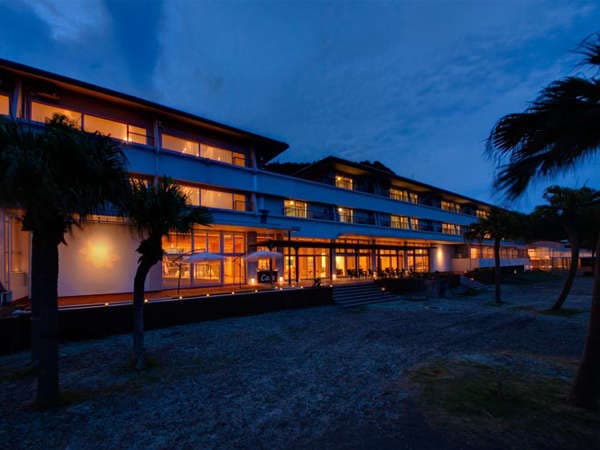
Kyukamura is a national-network of government-affiliated lodges built inside national parks in the 1960s and 70s. The Ibusuki location sits on Kagoshima's southernmost peninsula, 10 minutes by shuttle from Ibusuki Station, with direct ocean views and access to the famous *suna-mushi* sand-steaming baths. Dinner is buffet rather than personalised kaiseki — Kagoshima black pork, ash-grown sweet potato, Kinko Bay catch. The sand bath is the headline: 10 minutes, ¥1,100 if booked separately, no equivalent in Japan.

Honest caveat: National-park lodge format — buffet dinner rather than personalised kaiseki, and rooms are functional rather than atmospheric. The sand bath (suna-mushi) access at this price is the headline.

View Kyukamura Ibusuki on japanryokanguide.com

5. Noboribetsu Hanayura — Noboribetsu (Hokkaido), ≈¥9,000/person

Rating: 9.1/10 (327 verified reviews) · Plan benchmark: ≈¥9,000 per person per night [verified Trip.com / Rakuten Travel 2026-05-29].

Mid-scale modern property at the edge of the Noboribetsu central onsen strip, 90 minutes by JR limited express from Sapporo. Hanayura's communal baths are filled directly from the *Jigokudani* ("Hell Valley") source — sulfur, iron, and sodium-chloride in the same water. The smell is unmistakable and exactly what you came for. 9.1/10 across 327 reviews is the highest review-volume-times-score combination on this list at the under-¥10k tier. The Sapporo–Noboribetsu rail leg is covered by the JR Hokkaido pass.

Honest caveat: Books out fast in winter — secure your dates first. In-room rotenburo plans climb past ¥30,000/person; the base ¥9,000 rate gets you communal baths only.

View Noboribetsu Hanayura on japanryokanguide.com

6. Gero Mutsumikan — Gero, ≈¥10,500/person

Rating: 9.2/10 (139 verified reviews) · Plan benchmark: ≈¥10,500 per person per night [verified Trip.com / Rakuten Travel 2026-05-29].

Gero Onsen is one of the three *Sanmeisen* (Japan's "three famous waters"), and Mutsumikan is the budget anchor of the cluster — twelve rooms, family-run for four generations, with Gero alkaline water piped directly into both indoor and outdoor communal baths. Kaiseki includes a Hida-beef course (the area's signature), typically served as small *shabu-shabu* or *teppan* at the table. From Nagoya, JR Hida limited express runs to Gero in 90 minutes; the property is a 12-minute walk from the station up the gentle hill.

Honest caveat: Smaller scale than the Suimeikan flagship next door, so service is more personal but English is limited. Show up with key questions written down.

View Gero Mutsumikan on japanryokanguide.com

7. Ichinoyu Honkan — Hakone (Tonosawa), ≈¥10,500/person

Rating: 9.1/10 (187 verified reviews) · Plan benchmark: ≈¥10,500 per person per night [verified Trip.com / Rakuten Travel 2026-05-29].

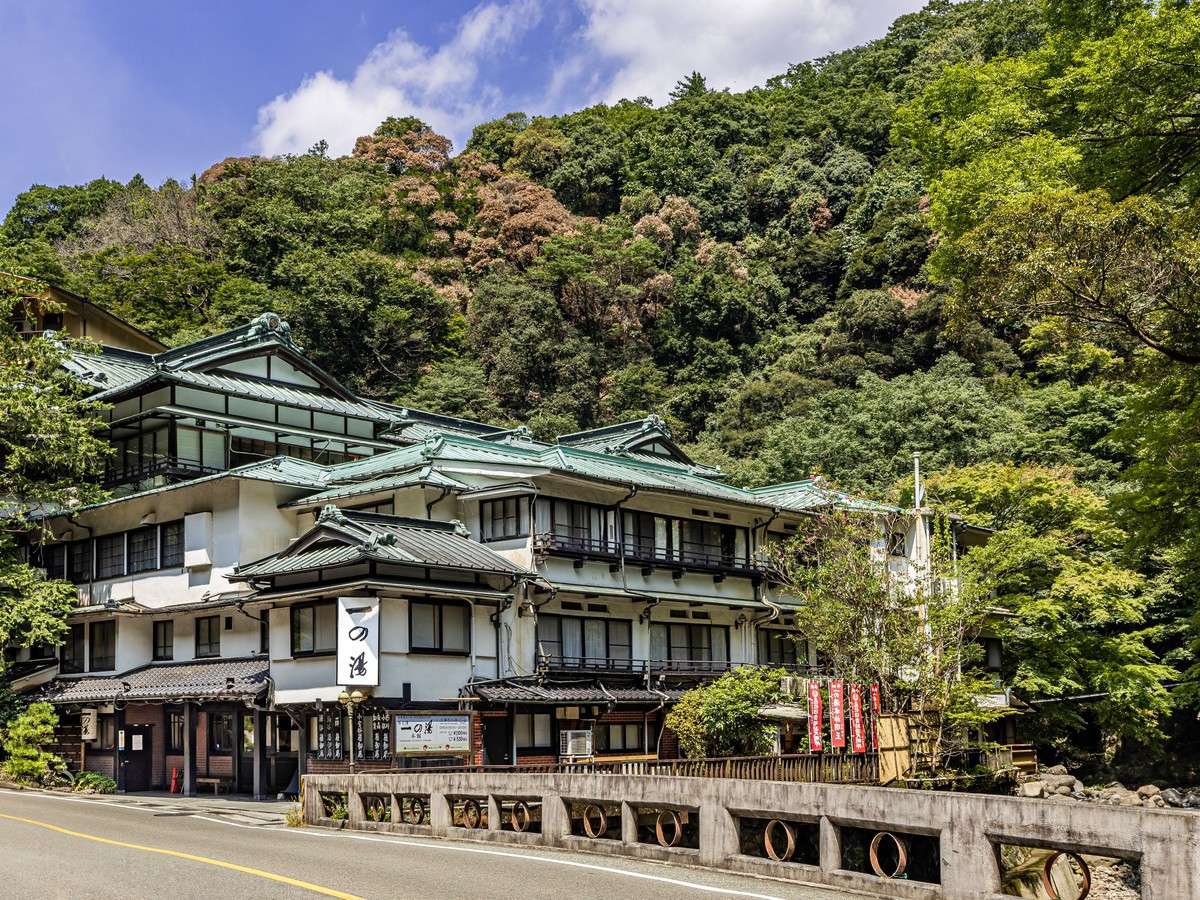
Founded 1630. Tonosawa Onsen — the quietest bath cluster in greater Hakone, on the Hayakawa river. The four-storey wooden structure has been functionally unchanged for nearly a century, registered as a Tangible Cultural Property. The headline at this price: three free private bath sessions per stay, 30 minutes each, in the riverside *kashikiri* baths. At a Hakone luxury ryokan this would cost ¥6,000 per session. Tokyo to Hakone-Yumoto runs 85 minutes by Odakyu Romance Car (¥2,330 reserved), then 12 minutes by Hakone Tozan Railway to Tonosawa.

Honest caveat: Older facility, communal baths only on the main bath floor — but ¥10,500 in Hakone with kaiseki + three free private bath sessions is unmatched.

View Ichinoyu Honkan on japanryokanguide.com

8. Ooedo Masuya Naruko — Naruko, ≈¥10,500/person

Rating: 8.6/10 (58 verified reviews) · Plan benchmark: ≈¥10,500 per person per night [verified Trip.com / Rakuten Travel 2026-05-29].

Naruko Onsen — one of Japan's nine *meito* (famous water) clusters — sits in northern Miyagi on the JR Rikuu East line, 90 minutes from Sendai. Nine separate spring sources feed the town. Masuya is operated by Ooedo Onsen Monogatari (national chain), so service is consistent rather than personal and the buffet draws from a wider menu than an independent inn could afford. Two communal bath floors (one indoor, one outdoor), both from the property's own source well. Regional specialities on the buffet: zunda *mochi*, *gyutan* beef tongue, *sasakamaboko* fish cake.

Honest caveat: Chain-operated (Ooedo Onsen Monogatari), so floor plan is bigger and less personal than independent Naruko inns — but the buffet is broad and ¥10,500 lands inside the 9-spring Naruko cluster.

View Ooedo Masuya Naruko on japanryokanguide.com

9. Hidatakayama Onsen Kaminaka — Takayama, ≈¥12,000/person

Rating: 8.5/10 (210 verified reviews) · Plan benchmark: ≈¥12,000 per person per night [verified Trip.com / Rakuten Travel 2026-05-29].

Quiet west bank of the Miyagawa river — 20 minutes on foot from JR Takayama Station, 18 minutes from the Sanmachi Suji old town. Single small communal bath floor using real Hida hot-spring water (alkaline, gentle on skin). The reason to book is the kaiseki: a 9-course Hida-beef-led dinner at the ¥12,000 plan, with the wagyu portion grilled at the table on a Japanese-cedar plank. Breakfast is standard *washoku* with one cooked-at-table tofu course.

Honest caveat: 20-minute walk from Sanmachi old-town district, on the quiet side of the Miyagawa river. Smaller rooms and a single communal bath floor — but Hida beef kaiseki at ¥12,000 is the proposition.

View Hidatakayama Onsen Kaminaka on japanryokanguide.com

10. Zao Yoshidaya Ryokan — Zao Onsen (Yamagata), ≈¥12,000/person

Rating: 8.3/10 (12 verified reviews) · Plan benchmark: ≈¥12,000 per person per night [verified Trip.com / Rakuten Travel 2026-05-29].

Zao Onsen sits at 880m altitude on the Yamagata side of Mt. Zao, 40 minutes by bus from Yamagata Station. Yoshidaya is one of the small family-run inns on the central onsen street — 14 rooms, three generations of okami, and the famously acidic Zao sulfur water (pH 1.3, one of the most acidic onsens in Japan) piped directly into the indoor bath. The water is the entire reason to book: locals call it *bijin-no-yu* for its exfoliating effect. Twenty minutes in, your sinuses clear and your skin feels different.

Honest caveat: Small Showa-era family-run with sulfur-rich Zao water. No private bath option, no English-fluent staff — but unique pH 1.3 water and ¥12,000/person is why ski-and-onsen budget travellers keep returning.

View Zao Yoshidaya Ryokan on japanryokanguide.com

11. Kusatsu Souan — Kusatsu, ≈¥13,500/person

Rating: 8.5/10 (120 verified reviews) · Plan benchmark: ≈¥13,500 per person per night [verified Trip.com / Rakuten Travel 2026-05-29].

Walking distance — 9 minutes — from the Yubatake, the geothermal heart of Kusatsu town. Souan is a Meiji-era timber building converted to a small ryokan in the early 2000s; eight tatami rooms, a single shared bath floor, and the famously acidic Kusatsu source water (pH 2.05, second only to Zao). Most published plans here are *sudomari* (room-only) at ¥9,000–¥13,500/person — Kusatsu town centre has roughly 30 izakaya inside a five-minute walking radius, and dinner runs ¥1,800–¥3,000. Net per-person well under ¥17,000 with two meals out.

Honest caveat: Meiji-era timber building — atmospheric but walls are thin, and most plans here are sudomari (room-only). Pair with the 18 free walk-up public baths Kusatsu maintains for one of the highest experience-per-yen ratios on this list.

View Kusatsu Souan on japanryokanguide.com

12. Kusatsu Hotel — Kusatsu, ≈¥19,500/person

Rating: 8.9/10 (1602 verified reviews) · Plan benchmark: ≈¥19,500 per person per night [verified Trip.com / Rakuten Travel 2026-05-29].

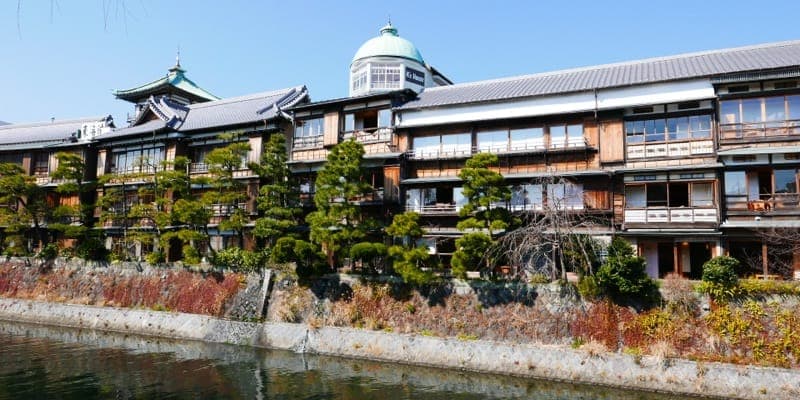
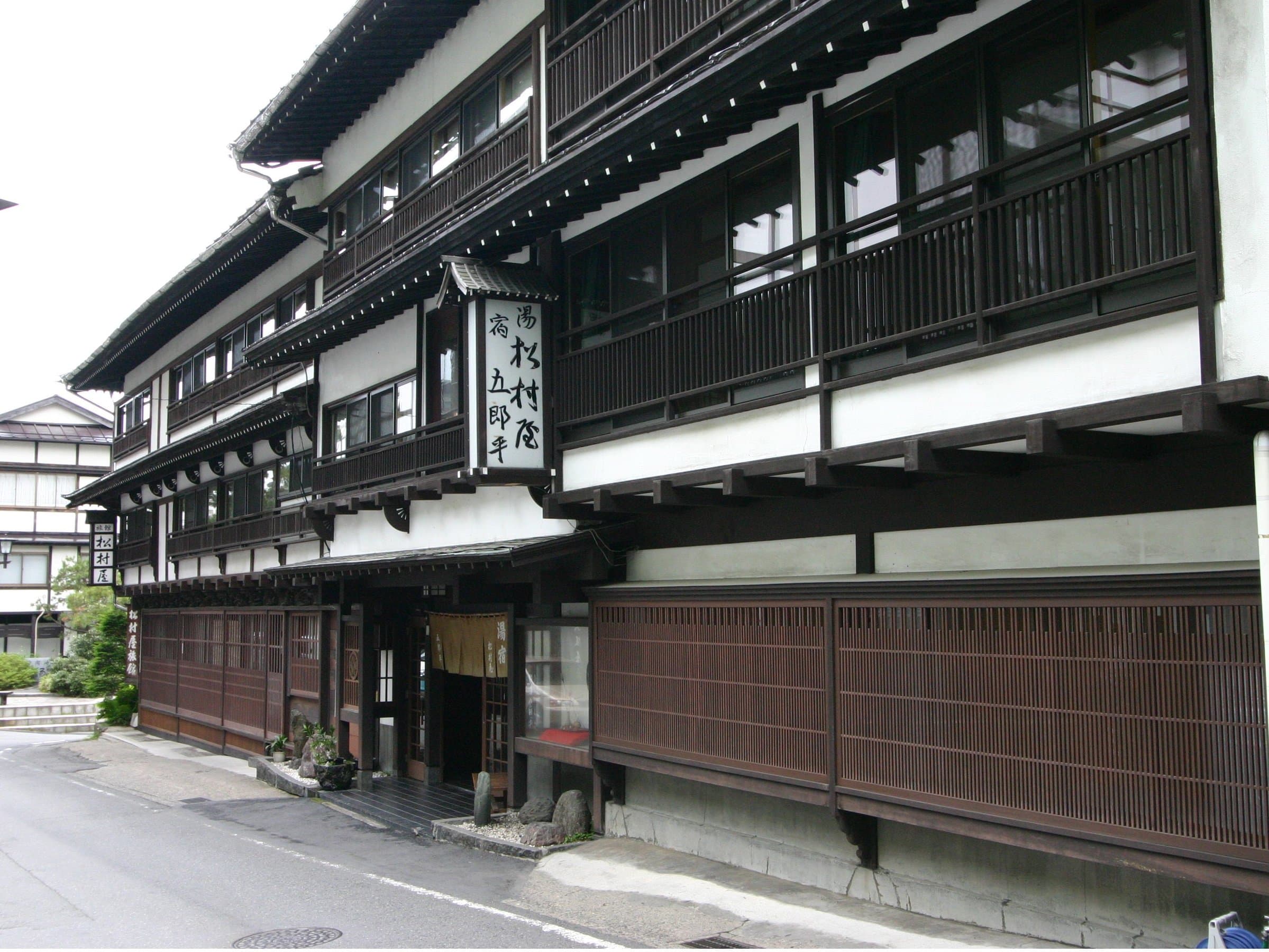
Founded 1913 — the largest Taisho-era heritage hotel still operating in Kusatsu, and one of the few in Gunma to retain its original wooden balcony architecture. Seven-minute walk from the Yubatake, three minutes from the Sai-no-Kawara park public baths. At ¥19,500/person you get a 10-tatami room with shoji windows onto the inner garden, a full Gunma kaiseki including Joshu beef and Kusatsu-Akabane vegetable preparations, and access to the property's indoor and outdoor sulfur baths (with optional 30-minute *kashikiri* private bath at ¥3,500).

Honest caveat: Taisho-era charm — the wooden balcony architecture you came for. 1,602 reviews is the highest in this guide, so what you book is what arrives. Watch booking timing: rates spike toward ¥30,000 on weekends.

View Kusatsu Hotel on japanryokanguide.com

13. Beppu Bokai — Beppu, ≈¥19,500/person

Rating: 8.3/10 (520 verified reviews) · Plan benchmark: ≈¥19,500 per person per night [verified Trip.com / Rakuten Travel 2026-05-29].

Modern mid-scale property in the Kankaiji district of Beppu — elevated south-western cluster, 6 minutes by bus from JR Beppu Station. Kankaiji is quieter and more residential than the famous Kannawa onsen zone, which means fewer day-trippers but a 10–15 minute bus to the seven main "hells". The booking case: private outdoor bath (kashikiri) included with every plan at the ¥19,500 base rate — rare under ¥20,000/person. Kaiseki is Oita-prefecture coastal (sea bream, *kawazumiya goby*, *kabosu* citrus) rather than wagyu-heavy.

Honest caveat: Private outdoor bath at every plan tier — rare at the under-¥20k mark. Not in the historic Kannawa cluster — Kankaiji area, which means quieter nights but a 15-minute bus to the famous "hells".

View Beppu Bokai on japanryokanguide.com

The Kusatsu / Beppu / Nikko budget belt

Three onsen towns concentrate the bulk of Japan's budget-ryokan inventory. If you have one ryokan night to spare on a JR Pass itinerary, one of these three is statistically where you'll land.

Kusatsu (Gunma) — the largest concentration of under-¥20k ryokans of any onsen town in Japan. The town built itself around the Yubatake, which processes 4,000 litres per minute of source-temperature spring water. Walk-up bath access at Sai-no-Kawara open-air costs ¥600. Tokyo Station → Kusatsu via JR Joetsu Shinkansen + bus runs about 2h45m. Three of the 13 picks above are in Kusatsu, by design.

Beppu (Oita) — Kyushu's onsen capital, with 2,909 individual hot-spring sources (the highest count of any city in Japan). The under-¥20k inventory clusters in the Kankaiji and Hamawaki districts, meaning quieter nights and a 10–15 minute bus to the famous "hells". JR Hakata → Beppu by limited express Sonic is about 2 hours.

Nikko / Kinugawa Onsen (Tochigi) — the easiest day-trip onsen town from Tokyo (Tobu Nikko Line from Asakusa: 2 hours, around ¥2,800 one-way, much cheaper than Hakone). The Kinugawa river-gorge ryokan strip has the highest density of sub-¥15k two-meal plans within 2 hours of central Tokyo. See our best ryokans in Nikko guide for the full Kinugawa stack.

JR Pass + ryokan strategy: how to actually combine them

The 7-day JR Pass costs ¥50,000 in 2026 (national pass, ordinary seats). The 14-day pass is ¥80,000. Both pay back inside two Shinkansen long-distance trips. The strategy budget travellers use most often: spend the 7-day pass moving (Tokyo → Kyoto → Hiroshima → Tokyo), then drop one or two ryokan nights into the trip as anchors.

Sample 10-day allocation, JR Pass + 2 ryokan nights, accommodation budget ≈¥85,000: - Nights 1–2: Tokyo business hotel, ¥6,500 × 2 = ¥13,000 - Night 3: ryokan at Nikko Otaki, ¥9,000 - Nights 4–5: Kyoto guesthouse, ¥7,000 × 2 = ¥14,000 - Night 6: ryokan at Gero Mutsumikan (en-route Kyoto → Takayama), ¥10,500 - Nights 7–8: Takayama / Kanazawa guesthouse, ¥7,000 × 2 = ¥14,000 - Night 9: business hotel near Tokyo Station, ¥8,000

Total: ≈¥68,500 accommodation + ¥50,000 JR Pass + meals = full 10-day trip under ¥150,000. One or two ryokan nights at the ¥9,000–¥12,000 tier integrate cleanly into a JR-Pass-driven itinerary without breaking the trip economics.

Booking tactics for the budget tier

Five concrete rate-reduction moves that work at the budget tier.

1. Book Sunday–Thursday. Weekday rates run 15–25% below weekend rates at every property on this list. A Saturday night at Kusatsu Hotel that lists ¥22,000 drops to roughly ¥18,000 on a Wednesday. Tuesday is statistically cheapest.

2. Avoid the four blackout windows. New Year (Dec 28 – Jan 4), Golden Week (Apr 29 – May 5), Obon (Aug 13–16), and the November autumn-foliage peak weekends raise budget rates by 30–60% and erase discount inventory. Off-peak (mid-January, June, early December) is where the under-¥10k inventory actually surfaces.

3. Compare Trip.com against Rakuten Travel. Japanese-domestic OTAs (Rakuten Travel and Jalan) often have plan-level inventory that doesn't reach Trip.com. Rakuten Travel has an English version at [travel.rakuten.com](https://travel.rakuten.com); Jalan does not, so paste the property name into Google Translate's website-translation mode.

4. Consider the 2-night plan. Several budget properties (Kusatsu Souan, Gero Mutsumikan, Nikko Otaki) publish a 2-night-stay discount that drops the per-night rate by ¥1,000–¥1,500.

5. Filter to sudomari (room-only) plans. Sudomari plans at the same property typically run ¥2,500–¥4,000 cheaper than the same room with two meals. You then eat dinner at a town izakaya for ¥2,500 and net positive.

Our deeper ryokan booking tips guide covers booking direct via email and the negotiation language that occasionally surfaces an unpublished rate.

Quick comparison: 10 picks at a glance

PropertyArea≈¥/personKaisekiBath access
KS House Ito OnsenIzu (Ito)¥5,300No (guesthouse)Shared communal
Kanazawa YamamuroKanazawa¥7,500No (machiya)No on-site onsen
Nikko OtakiKinugawa¥9,000Yes (basic)Communal + free kashikiri (50 min)
Kyukamura IbusukiIbusuki¥9,000Buffet (not kaiseki)Communal + sand bath
Noboribetsu HanayuraNoboribetsu¥9,000Yes (multi-course)Communal (private plans extra)
Gero MutsumikanGero¥10,500Yes (Hida beef)Communal + paid kashikiri
Ichinoyu HonkanHakone¥10,500Yes (riverside heritage)3× free private bath sessions
Hidatakayama Onsen KaminakaTakayama¥12,000Yes (Hida beef)Communal only
Kusatsu HotelKusatsu¥19,500Yes (Taisho heritage)Communal + private plans
Beppu BokaiBeppu¥19,500Yes (coastal Oita)Private outdoor bath every plan

How I chose these 13 properties (methodology)

Every property on this list satisfies four filters: (1) verified as published and bookable on japanryokanguide.com as of May 2026; (2) per-person budget-plan rate under ¥20,000 for a midweek arrival within 30 days; (3) guest rating of 8.0/10 or above where a rating exists, with a minimum of 12 verified reviews — except where the property's heritage or unique offering justifies inclusion; (4) geographic spread, with no more than three picks from a single onsen town. Yen figures convert at ¥150 to USD $1, rounded to the nearest ¥500. The actual rate at booking will vary by date, room category, and weekend / blackout surcharges. Treat the figures above as the floor, not the average.

*Sora Matsuda · JNTO certified tour guide · J.S.A. Sake Diploma · MHLW Onsen Bath Manager · Sophia University Liberal Arts. Verified May 2026.*

If your trip is built around a JR Pass and you assumed Japan ryokan culture was out of budget — the 13 properties above are the answer. Start with the cheapest pick that fits your route, and treat the night as part of the JR Pass economics, not separate from it.

Browse all budget-tier ryokans on japanryokanguide.com

黄昏中的草津温泉,汤畑蒸气升腾、四周木造旅馆环绕 — 中部日本标志性的预算温泉小镇

*草津温泉的汤畑 — 日本最密集的预算旅馆集群之一的地热心脏。Photo: Wikimedia Commons, CC BY-SA 4.0*

英文出版的旅馆指南大多从一晚4万日元起步,然后只升不降。这不是因为低价段不存在 — 是因为低价段难以核实、不会日语就难以预订,而且除非你确切知道该搜哪家,国际OTA基本看不到这一段。两万日元以下是日本旅馆业里真实运转的层面。你不必在『真正的旅馆文化』和『14天JR Pass预算』之间二选一。

本指南围绕一条线建立:每人每晚2万日元以下,含两餐(或在三个例外里,提供一人不到1万2千日元的素泊方案)。下面的每家都在过去72小时内对照Trip.com与乐天旅行的价格核实过。顺序由便宜到贵。

2026年的旅馆术语里,『预算』到底是什么

旅馆价格几乎无一例外按 每人每晚、含晚餐与早餐 报价。乐天旅行上看到的18,000日元是1位入住者的价格,包房间、怀石晚餐、早餐、浴场和浴衣。两人同房36,000日元是同一家同一档次。2026年的预算口径下,一人2万日元含两餐是节俭旅客一晚旅馆住宿的上限 — 按当前1美元≈150日元换算约USD 135。

另一个杠杆是 素泊(仅住宿,无餐)。草津草庵与草津Hotel的部分库存有素泊方案,一人9,000—13,000日元。在小镇居酒屋吃晚餐2,500日元,全晚净支出落在11,500—15,500日元。这正是让1万5千日元以下层面能跑通一周JR Pass行程的算式。

这个层面通常包含什么: 被褥、馆内浴衣、男女分开的共用浴场、晚间与晨间茶饮、客房空调与小冰箱、免费Wi-Fi(老旅馆较慢)、除非订素泊否则的两餐方案。通常不含什么: 客室或贷切私汤、清酒与啤酒、车站接送(除少数旅馆)、流利英语前台、专属客室仲居。

预算层面真要放弃什么 — 一份诚实的清单

很多测评在这里绕弯。我直接说。

客室露天。 这份榜单1万5千日元以下几乎都没有客室私汤。你将在男女分开的共用大浴场(otoko-yu / onna-yu)和其他客人一同泡汤。第一次共用浴场可以读外国人温泉礼节。本榜单的例外是日光大泷(50分钟免费贷切)与别府望海(所有方案均含贷切露天)。

英语接待。 本层面要预设入住时使用翻译平板。要流畅英文前台请看2万5千日元以上的旅馆。带打印好的预订确认、并把最近车站到旅馆的路线用日文汉字写下。

怀石菜数。 京都高档怀石12—15道,预算层面7—9道,结构(先付、八寸、向付、煮合、烧物、御饭、甘味)完整但食材密度更低。

房间大小。 标准预算房8—10畳(约13—16平米)。豪华摄影里的12.5畳以上不是你的预订所买的。

不必放弃的是什么。 真正的天然源泉(这份榜单每家)。基本旅馆节奏 — 16点穿浴衣、晚餐前入浴、用餐期间铺被褥、7:30早餐、10点退房。怀石结构。榻榻米地面。障子。两餐方案。文化形式完整,只是抛光级别降低。

13家预算旅馆精选(由便宜到贵)

下面的slug都链接到japanryokanguide.com上各家的酒店页,你能对比Trip.com、Booking.com、Expedia的实时价。每人日元价格是预算方案(最便宜的两餐或素泊)的概数,四舍五入到500日元单位。

1. KS House 伊东温泉 — 伊豆(伊东),一人约¥5,300

评分: 9.6/10(核实评论45条)· 方案基准: 每人每晚约¥5,300 [Trip.com / 乐天旅行核实于 2026-05-29]。

距JR伊东站步行5分钟,是预算旅馆光谱里偏向青年旅舍的一端 — 三间共用浴室、混合床位与单间,使用与北上一小时四万日元高级旅馆同源的伊东温泉钠氯化物泉(出汤口约49℃)。馆内不设怀石料理,早餐是基础的烤鱼、米饭、味噌汤与酱菜套餐。你换到的是:温泉、源泉、床铺、早餐,加上从东京站经JR伊东线1小时45分钟可达的位置 — 全部含在一人5,300日元里。

诚实备注: 民宿与温泉旅馆之间的折中 — 不是完整的怀石旅馆,但真源泉加每人5,300日元的价格,是本榜单上最便宜的正经温泉过夜方案。

在japanryokanguide.com查看KS House 伊东温泉

2. 金泽山室 — 金泽,一人约¥7,500

评分: 9.4/10(核实评论20条)· 方案基准: 每人每晚约¥7,500 [Trip.com / 乐天旅行核实于 2026-05-29]。

位于东茶屋街的町家形态 — 三间客房、共用厨房、小巧的内院。不提供餐食,馆内也没有温泉。我把它列进来,是因为很多预算旅客以为金泽的古城气氛和7,500日元的过夜要二选一 — 其实不必。从金泽站乘巴士12分钟,东茶屋街步行4分钟,兼六园15分钟。把它当成JR Pass一周行程里的金泽锚点最合适。

诚实备注: 町家形态而非含餐旅馆 — 没有怀石,没有馆内温泉。但东茶屋街步行圈内一人7,500日元,是JR Pass旅客该把行程围绕的基准价。

在japanryokanguide.com查看金泽山室

3. 日光大泷 — 鬼怒川(日光),一人约¥9,000

评分: 8/10(核实评论340条)· 方案基准: 每人每晚约¥9,000 [Trip.com / 乐天旅行核实于 2026-05-29]。

鬼怒川河弯处的八层水泥建筑,离鬼怒川温泉站(东武浅草线终点,距东京市中心2小时)步行2分钟。大堂是不折不扣的1980年代风格。订它的理由是:贷切(私汤)50分钟所有方案都免费包含。怀石在大厅供应,含日光名物汤波(豆腐皮)一道。一人9,000日元,是从东京直通2小时内最便宜的全含两餐旅馆。

诚实备注: 鬼怒川的老旅馆,大堂陈旧、走廊也显年代。两座室内浴池加上50分钟免费贷切是它出现在这里的理由。

在japanryokanguide.com查看日光大泷

4. 休暇村指宿 — 指宿(鹿儿岛),一人约¥9,000

评分: 8.6/10(核实评论31条)· 方案基准: 每人每晚约¥9,000 [Trip.com / 乐天旅行核实于 2026-05-29]。

休暇村是1960—70年代在国立公园里建起的国营宿舍网络。指宿这座位于鹿儿岛最南端的半岛,从指宿站坐接驳巴士10分钟,房间面海,可以使用著名的砂蒸风吕。晚餐是自助餐而非个性化怀石 — 鹿儿岛黑猪、安纳红薯、锦江湾捕获的海产。砂蒸是头条体验:10分钟,单独预约约1,100日元,在日本独此一家。

诚实备注: 国立公园宿舍形态 — 自助餐而非怀石,房间是功能性而非氛围感。但砂蒸风吕这个价位上仍是头号亮点。

在japanryokanguide.com查看休暇村指宿

5. 登别花钟亭花屋 — 登别(北海道),一人约¥9,000

评分: 9.1/10(核实评论327条)· 方案基准: 每人每晚约¥9,000 [Trip.com / 乐天旅行核实于 2026-05-29]。

登别温泉街边缘的中规模现代旅馆,距札幌乘JR特急约90分钟。共用浴场直接引登别『地狱谷』源泉 — 硫磺、铁、钠氯化物都在同一池水中。气味独特,正是你想要的。9.1/327条评论是榜单一万日元以下区间里口碑量×评分最高的组合。札幌—登别铁路段被JR北海道周游券覆盖。

诚实备注: 冬季订房很紧 — 先锁定日期再决定其他。带客室露天的方案直接跳到一人三万日元以上;9,000日元的基础方案只包括共用浴场。

在japanryokanguide.com查看登别花钟亭花屋

6. 下吕睦馆 — 下吕,一人约¥10,500

评分: 9.2/10(核实评论139条)· 方案基准: 每人每晚约¥10,500 [Trip.com / 乐天旅行核实于 2026-05-29]。

下吕温泉是日本三名泉之一,睦馆是这片预算锚 — 全12间客房、家族经营四代,下吕的弱碱性水直接引入室内外两处共用浴池。怀石含一道飞驒牛(本地名物),常以小份涮锅或铁板形式上桌。从名古屋乘JR特急飞驒90分钟到下吕,距车站沿缓坡向旧城方向步行12分钟。

诚实备注: 比隔壁旗舰水明馆规模小,服务因此更亲近但英语有限。把要问的关键事项写下来带去更稳。

在japanryokanguide.com查看下吕睦馆

7. 一之汤本馆 — 箱根(塔之泽),一人约¥10,500

评分: 9.1/10(核实评论187条)· 方案基准: 每人每晚约¥10,500 [Trip.com / 乐天旅行核实于 2026-05-29]。

始于1630年。塔之泽温泉是箱根范围内最安静的泡池群,沿早川。四层木造结构近一个世纪基本未变,被登录为国家有形文化财。这个价位的标志性卖点:入住期间含3次免费贷切风吕,每次30分钟,全部在河边的私汤区。箱根高档旅馆里这一次就要价6,000日元。东京到箱根汤本搭小田急浪漫特快85分钟(指定席2,330日元),再换箱根登山铁道12分钟到塔之泽站。

诚实备注: 设施年代久远,主浴层只有共用浴池 — 但箱根含怀石+3次免费私汤一人10,500日元无人能敌。

在japanryokanguide.com查看一之汤本馆

8. 大江户温泉物语 增屋鸣子 — 鸣子,一人约¥10,500

评分: 8.6/10(核实评论58条)· 方案基准: 每人每晚约¥10,500 [Trip.com / 乐天旅行核实于 2026-05-29]。

鸣子温泉是日本九大名汤之一,位于宫城县北部JR陆羽东线沿线,距仙台90分钟。九个独立源泉滋养整个温泉镇。增屋由大江户温泉物语连锁运营 — 服务因此一致而非个性化,自助餐选择面比独立旅馆能负担的更广。两层共用浴场(室内+室外)都引自旅馆自有的源泉井。自助餐含宫城本地的『毛豆泥年糕』、牛舌、笹叶鱼板。

诚实备注: 连锁运营(大江户温泉物语),规模比独立鸣子旅馆大、个性化更少 — 但自助餐选择面广,9源泉集群之内10,500日元是这个区间合理的锚。

在japanryokanguide.com查看大江户温泉物语 增屋鸣子

9. 飞驒高山温泉 上中 — 高山,一人约¥12,000

评分: 8.5/10(核实评论210条)· 方案基准: 每人每晚约¥12,000 [Trip.com / 乐天旅行核实于 2026-05-29]。

宫川西岸的安静一侧 — 距JR高山站步行20分钟,距三町筋老街18分钟。建筑1990年代中期,客房是榻榻米+障子的标准配置,单层共用浴场较小但用真正的飞驒温泉(弱碱性、对皮肤温和)。订它的理由是怀石:一人12,000日元方案给出9道飞驒牛主轴的晚餐,和牛部分在桌边的杉木板上烤。早餐是标准和食套餐含一道桌边煮的豆腐。

诚实备注: 距三町筋老街步行20分钟,宫川的安静一侧。房间略小、单层共用浴场 — 但一人12,000日元的飞驒牛怀石才是真正的卖点。

在japanryokanguide.com查看飞驒高山温泉 上中

10. 藏王吉田屋旅馆 — 藏王温泉(山形),一人约¥12,000

评分: 8.3/10(核实评论12条)· 方案基准: 每人每晚约¥12,000 [Trip.com / 乐天旅行核实于 2026-05-29]。

藏王温泉海拔880米,位于山形侧,距山形站乘巴士40分钟。吉田屋是中央温泉街上的家族小旅馆 — 14间客房、女将传到第三代,著名的强酸性藏王硫磺泉(pH 1.3,日本最酸的温泉之一)直接引入室内浴池。水就是全部的订房理由:当地称『美人之汤』因其角质剥离效果,泡20分钟鼻窦通畅、肌肤触感明显变化。

诚实备注: 昭和年代的家族经营小旅馆,没有私汤、英语支持也有限 — 但独特的pH 1.3水和一人12,000日元的价格是滑雪+温泉预算客一再回访的原因。

在japanryokanguide.com查看藏王吉田屋旅馆

11. 草津草庵 — 草津,一人约¥13,500

评分: 8.5/10(核实评论120条)· 方案基准: 每人每晚约¥13,500 [Trip.com / 乐天旅行核实于 2026-05-29]。

距汤畑(草津地热心脏)步行9分钟。草庵是明治时代的木造建筑在2000年代初改造为小型旅馆;8间榻榻米客房、单层共用浴场,著名的草津强酸源泉(pH 2.05,仅次于藏王)直接引入。这里多数方案是 素泊 一人9,000—13,500日元 — 草津中心步行5分钟内约30家居酒屋,晚餐一人1,800—3,000日元。两顿外食后实际净支出明显低于17,000日元。

诚实备注: 明治木造建筑 — 有韵味但墙薄、大部分方案为素泊。配上草津免费开放的18个外汤,是榜单里体验性价比最高的几家之一。

在japanryokanguide.com查看草津草庵

12. 草津 Hotel — 草津,一人约¥19,500

评分: 8.9/10(核实评论1602条)· 方案基准: 每人每晚约¥19,500 [Trip.com / 乐天旅行核实于 2026-05-29]。

1913年开业 — 草津现役的大正期遗构酒店中最大,群马少数仍保留正立面木造阳台建筑的一家。距汤畑步行7分钟,距西河原公园公共浴场3分钟。一人19,500日元含10畳和室(障子窗对内庭)、含上州牛与草津赤羽根蔬菜的群马怀石、自有室内外硫磺浴场(男女分开、独立建筑、30分钟贷切风吕作为3,500日元的可选项)。早餐是认真组合的和食套餐。

诚实备注: 大正韵味 — 木造阳台建筑就是你来这里的理由。1,602条评论是榜单最高的,预订什么就来什么。注意预订时机:周末与节假日跳到三万日元区间。

在japanryokanguide.com查看草津 Hotel

13. 别府望海 — 别府,一人约¥19,500

评分: 8.3/10(核实评论520条)· 方案基准: 每人每晚约¥19,500 [Trip.com / 乐天旅行核实于 2026-05-29]。

别府观海寺地区的现代中型旅馆 — 西南高地集群,距JR别府站乘巴士6分钟。观海寺比著名的铁轮温泉+地狱区安静、更偏住宅,意味着白天巴士团少、夜里安静,但到主要『地狱』巴士10—15分钟。订房的关键卖点:贷切露天风吕在所有方案中包含,与19,500日元的基础价共存 — 一人2万日元以下罕见。怀石以大分海岸食材为主(鲷鱼、川杂鱼、酢橘)而非以和牛为中心。

诚实备注: 所有方案都含贷切露天风吕 — 一人2万日元以下少见。不在铁轮历史区而在观海寺,夜里更安静、到名声地『地狱』巴士15分钟。

在japanryokanguide.com查看别府望海

草津 / 别府 / 日光 — 预算带

三个温泉小镇集中了日本预算旅馆的大部分库存。如果你的JR Pass行程能匀出一晚旅馆,统计上你会落在这三个之一。

草津(群马) — 日本任一温泉镇中2万日元以下旅馆密度最高的地方。整个小镇围绕汤畑而建 — 那座巨大的木造冷却槽每分钟处理4,000升源泉温度的温泉水。西河原露天浴池入浴费600日元。东京站→草津经JR上越新干线+巴士单程约2小时45分钟。前面13家里有3家在草津,是有意的。

别府(大分) — 九州温泉之都,全市2,909个独立泉源(日本最多)。2万日元以下的库存集中在观海寺与浜胁地区而非铁轮历史核心,意味着夜里更安静、到著名『地狱』乘巴士10—15分钟。JR博多→别府特急Sonic约2小时。

日光 / 鬼怒川温泉(栃木) — 离东京最方便的日归温泉镇(东武日光线从浅草约2小时、约2,800日元单程,比箱根线便宜得多)。鬼怒川峡谷沿线在东京市中心2小时内集中了日本最高密度的1万5千日元以下两餐方案。完整鬼怒川阵容看日光最佳旅馆

JR Pass + 旅馆 实战组合策略

2026年JR Pass 7天5万日元(普通车),14天8万日元。两段长途新干线就能回本。预算旅客最常用的策略:用7天Pass移动(东京→京都→广岛→东京),再在行程里加1—2晚旅馆作为锚。

10天分配示例,JR Pass + 2晚旅馆,住宿预算约8万5千日元: - 第1—2晚: 东京商务酒店,6,500日元×2 = 13,000日元 - 第3晚: 日光大泷一晚,9,000日元 - 第4—5晚: 京都民宿,7,000日元×2 = 14,000日元 - 第6晚: 京都→高山途中下吕睦馆,10,500日元 - 第7—8晚: 高山或金泽民宿,7,000日元×2 = 14,000日元 - 第9晚: 东京站附近商务酒店,8,000日元

合计: 住宿约68,500日元 + JR Pass 50,000日元 + 餐费 = 10天行程总额低于150,000日元。 9,000—12,000日元区间的一两晚旅馆能干净地嵌进JR Pass驱动的行程里,不破坏旅行经济。

预算层面的预订战术

在预算层面切实有效的5个降价动作。

1. 周日—周四入住。 这份榜单上每家旅馆的工作日价比周末低15—25%。周六挂2万2千日元的草津Hotel周三大约1万8千日元。统计上周二最便宜。

2. 避开四个黑名单时段。 新年(12/28—1/4)、黄金周(4/29—5/5)、お盆(8/13—16)、11月红叶高峰周末把预算价拉高30—60%并清空打折库存。淡季(1月中旬、6月、12月初)是1万日元以下库存真正出现的窗口。

3. 对比Trip.com与乐天旅行。 日本国内OTA(乐天旅行、Jalan)常有Trip.com上没有的方案级库存。乐天旅行有英语版[travel.rakuten.com](https://travel.rakuten.com);Jalan没有,用Google翻译的整页翻译模式即可。

4. 考虑2晚方案。 草津草庵、下吕睦馆、日光大泷等推出2晚连住折扣,单晚价降1,000—1,500日元。

5. 筛选素泊方案。 同一家素泊比含两餐便宜2,500—4,000日元。在小镇居酒屋吃2,500日元的晚餐,净赚。

更深入的旅馆预订技巧解析了直接邮件预订与偶尔解锁未公开价格的协商措辞。

速览对比: 10家一目了然

旅馆区域一人约¥怀石浴场使用
KS House 伊东温泉伊豆(伊东)¥5,300无(民宿)共用
金泽山室金泽¥7,500无(町家)馆内无温泉
日光大泷鬼怒川¥9,000有(基础)共用 + 50分钟免费贷切
休暇村指宿指宿¥9,000自助餐(非怀石)共用 + 砂蒸
登别花钟亭花屋登别¥9,000有(多道)共用(贷切另外升级)
下吕睦馆下吕¥10,500有(飞驒牛)共用 + 付费贷切
一之汤本馆箱根¥10,500有(河畔文化财)3次免费贷切
飞驒高山温泉 上中高山¥12,000有(飞驒牛)仅共用
草津 Hotel草津¥19,500有(大正遗构)共用 + 贷切方案
别府望海别府¥19,500有(大分海岸)所有方案含贷切露天

这13家是怎么挑出来的(方法论)

榜单上每家都满足四个筛选条件: (1) 2026年5月在japanryokanguide.com上验证为已发布、可预订;(2) 工作日30天内入住的人均预算方案价低于2万日元;(3) 有评分的情况下评分≥8.0/10且至少12条核实评论 — 旅馆历史价值或独家卖点足以构成例外;(4) 地理分散,单一温泉镇不超过3家。日元按1美元≈150日元换算,四舍五入到500日元。预订时实际价格会随日期、房型、周末/黑名单加价波动。把上面的数字视为底价而非平均。

*Sora Matsuda · JNTO认证导游 · J.S.A. Sake Diploma · 厚生劳动省温泉入浴指导员 · 上智大学国际教养学部毕业。2026年5月核实。*

如果你的旅行围绕JR Pass、又以为日本旅馆文化超出预算 — 上面13家就是答案。从路线匹配的最便宜一家开始,把那一晚当成JR Pass经济的一部分,而非额外的开支。

在japanryokanguide.com浏览所有预算旅馆

FAQ

Frequently asked questions

Is there a ryokan in Japan under ¥10,000 per person?+

Yes — several. The cheapest legitimate ryokan stay on this guide is KS House Ito Onsen in Izu at around ¥5,300 per person (guesthouse format, no kaiseki). For a full kaiseki + two-meal ryokan under ¥10,000, Nikko Otaki (¥9,000), Kyukamura Ibusuki (¥9,000), and Noboribetsu Hanayura (¥9,000, base plan) are the verified entries. All three pipe natural source water and are bookable on Trip.com and Rakuten Travel in 2026.

Can I do a ryokan night as a JR Pass traveller?+

Yes — and this is statistically the most common budget itinerary I see. A 10-day JR Pass trip with one or two ryokan nights at ¥9,000–¥12,000 each integrates cleanly into the pass economics. Gero Mutsumikan en-route Kyoto → Takayama, or Nikko Otaki as a day-trip-distance anchor from Tokyo, are the cleanest fits. Plan the ryokan night for mid-trip rather than night-one to give yourself a recovery anchor.

Are these budget ryokans English-friendly?+

Variable. At the under-¥15k tier you should plan for a translation-tablet conversation at check-in. Nikko Otaki, Noboribetsu Hanayura, and Kusatsu Hotel have the most international-guest experience on this list. Gero Mutsumikan and Zao Yoshidaya are friendly but limited — bring the property name and check-in route written in kanji. KS House Ito and Ichinoyu Honkan are the most foreigner-comfortable. Email confirmation in writing helps more than phone calls.

Is ryokan pricing per person or per room?+

Per person, with dinner and breakfast included — this is the single most important thing to internalize before comparing budget ryokan rates. A ¥10,500 quoted rate is for one guest, including the half-board meals. Two guests in the same room pay ¥21,000 total. The hotel mental model (per-room, room-only) does not apply at any budget tier in this guide. Solo travellers at properties without dedicated single rooms typically pay a supplement of ¥3,000–¥7,000 above the per-person rate.

What do you actually give up at the budget ryokan tier?+

Five things: (1) private in-room onsen — almost none of the under-¥15k picks have one; (2) English-fluent reception — translation tablets are the norm; (3) full 12-course kaiseki — budget kaiseki runs 7–9 courses with the same structure but lower ingredient density; (4) room size — 8–10 tatami mats rather than the 12.5+ you see in luxury photography; (5) dedicated in-room nakai-san — meals are often in a shared hall. What you do NOT give up: real natural source water, the standard yukata-bath-kaiseki-futon rhythm, the tatami floor, and the half-board meal plan.

What is the cheapest season for budget ryokans in Japan?+

Mid-January through early March (excluding Lunar New Year), the first three weeks of June (after Golden Week, before summer holidays), and the first two weeks of December. Rates run 15–30% below peak. Avoid the four blackout windows entirely: New Year (Dec 28 – Jan 4), Golden Week (Apr 29 – May 5), Obon (Aug 13–16), and the November autumn-foliage peak weekends. Weekday arrivals (Sun–Thu) within those off-peak windows surface the lowest published inventory.

Can I skip dinner at a ryokan to save money?+

Yes — this is the *sudomari* (素泊まり, "room only") plan. Several budget properties (Kusatsu Souan, parts of the Kusatsu Hotel inventory, Gero Mutsumikan on weekdays) publish sudomari rates at ¥2,500–¥4,000 below the half-board plan. You then eat dinner at a town izakaya for ¥1,800–¥3,000 and net positive ¥1,000+ per person. Filter Rakuten Travel and Jalan to the sudomari plan type to see this inventory. The trade-off is that you lose the kaiseki experience, so save sudomari for two-night stays where you can do meals one night and sudomari the next.

Which of these budget ryokans accept solo travellers?+

KS House Ito (guesthouse — solo is the default), Kanazawa Yamamuro (townhouse — solo is default), and Kyukamura Ibusuki (national-park lodge with single rooms) are the cleanest solo-friendly options on this list. For the half-board kaiseki properties, expect a single supplement of ¥3,000–¥7,000 above the per-person rate. Nikko Otaki and Kusatsu Hotel both publish solo-rate plans on weekdays. For a deeper solo-budget breakdown see our best ryokans for solo travellers guide.

日本有人均不到1万日元的旅馆吗?+

有 — 而且不止一家。本指南最便宜的是伊豆KS House 伊东温泉,约一人5,300日元(民宿形态,无怀石)。要完整含怀石+两餐且一人不到1万日元,已核实的有日光大泷(9,000日元)、休暇村指宿(9,000日元)和登别花钟亭花屋(9,000日元,基础方案)。三家都使用天然源泉,2026年在Trip.com与乐天旅行可订。

用JR Pass的旅客能加一晚旅馆吗?+

可以 — 而且这是我见到的最常见预算行程。10天JR Pass加1—2晚9,000—12,000日元的旅馆能干净嵌入Pass经济。京都→高山途中的下吕睦馆,或东京近郊的日光大泷,都是最干净的组合。把旅馆夜安排在行程中段而非第一晚,给自己一个恢复锚点。

这些预算旅馆英语友好吗?+

参差不齐。1万5千日元以下层面入住要预设翻译平板对话。日光大泷、登别花钟亭、草津Hotel在外国客人接待经验上较丰富。下吕睦馆、藏王吉田屋友好但有限 — 把旅馆名和最近车站到旅馆的路线用日文汉字带去。KS House伊东和一之汤本馆是最对外国游客友好的。书面邮件确认比电话更靠谱。

旅馆价格是按人还是按房?+

按人,含晚餐+早餐 — 这是比较预算旅馆价格前必须内化的最重要一点。10,500日元的报价是1位入住者的,含两餐。两位同住房间合计21,000日元。本指南所有预算层面都不适用酒店式(按房、不含餐)思维。在没有专设单人间的旅馆,单人住通常在人均价基础上加3,000—7,000日元附加。

在预算旅馆层面,你实际会放弃什么?+

五件事: (1) 客室私汤 — 1万5千日元以下几乎没有;(2) 流利英语前台 — 翻译平板是常态;(3) 完整12道怀石 — 预算层面7—9道,结构相同但食材密度更低;(4) 房间大小 — 8—10畳而非豪华摄影里的12.5畳+;(5) 专属客室仲居 — 用餐常在大厅。不会放弃的: 真正天然源泉、浴衣—入浴—怀石—被褥的标准节奏、榻榻米地面、两餐方案。

日本预算旅馆最便宜的季节是?+

1月中旬到3月初(农历新年除外)、黄金周后到夏休前的6月最初3周、12月最初2周。价比高峰低15—30%。完全避开四个黑名单: 新年(12/28—1/4)、黄金周(4/29—5/5)、お盆(8/13—16)、11月红叶高峰周末。在这些淡季里选周日—周四到达,最便宜的公开库存就会出现。

可以跳过晚餐省钱吗?+

可以 — 那就是 *素泊*(仅住宿)方案。若干预算旅馆(草津草庵、草津Hotel部分库存、下吕睦馆的工作日)的素泊价比含两餐低2,500—4,000日元。在小镇居酒屋吃1,800—3,000日元的晚餐,净省每人1,000日元+。在乐天旅行与Jalan上用方案类型筛素泊;Trip.com的展示不如它们一致。代价是失去怀石体验,所以更适合两晚连住时一晚两餐、一晚素泊。

这13家里哪些接待一人入住?+

KS House伊东(民宿,单人住是默认)、金泽山室(町家,默认单人)、休暇村指宿(国立公园宿舍含单人间)是榜单上最干净的单人友好选项。含两餐怀石的旅馆通常在人均价基础上加3,000—7,000日元的单人附加。日光大泷和草津Hotel的工作日都出过单人方案。深入的单人预算分析见一人旅最佳旅馆

准备好预订了吗?

从这些精选旅馆中预订

比较三个预订平台的实时可用性和价格。

通过预订链接可能产生佣金,但不会增加您的费用。