Quick Comparison
10 picks| Ryokan | From | Rating | Book |
|---|---|---|---|
 | from US$150/person/night≈ US$300 for 2 | 9.0 616 reviews | Book on Agoda |
 | from US$400/person/night≈ US$800 for 2 | 9.0 | Book on Trip.com |
 | from US$709/person/night≈ US$1,418 for 2 | 9.2 65 reviews | Book on Trip.com |
 | from US$250/person/night≈ US$500 for 2 | 9.6 1,911 reviews | Book on Trip.com |
 | from US$400/person/night≈ US$800 for 2 | 9.1 | Book on Agoda |
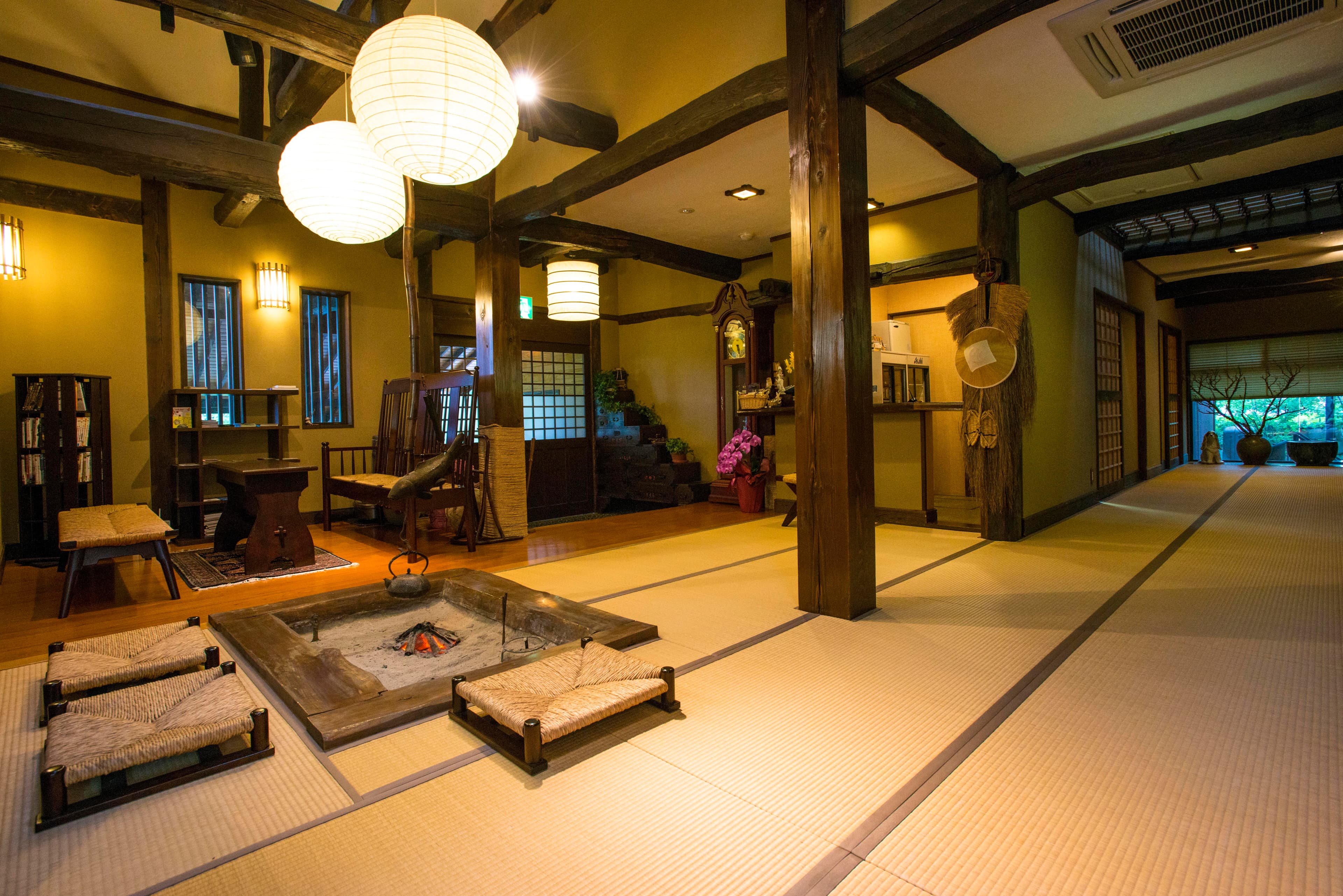 | from US$450/person/night≈ US$900 for 2 | 9.8 | Book on Agoda |
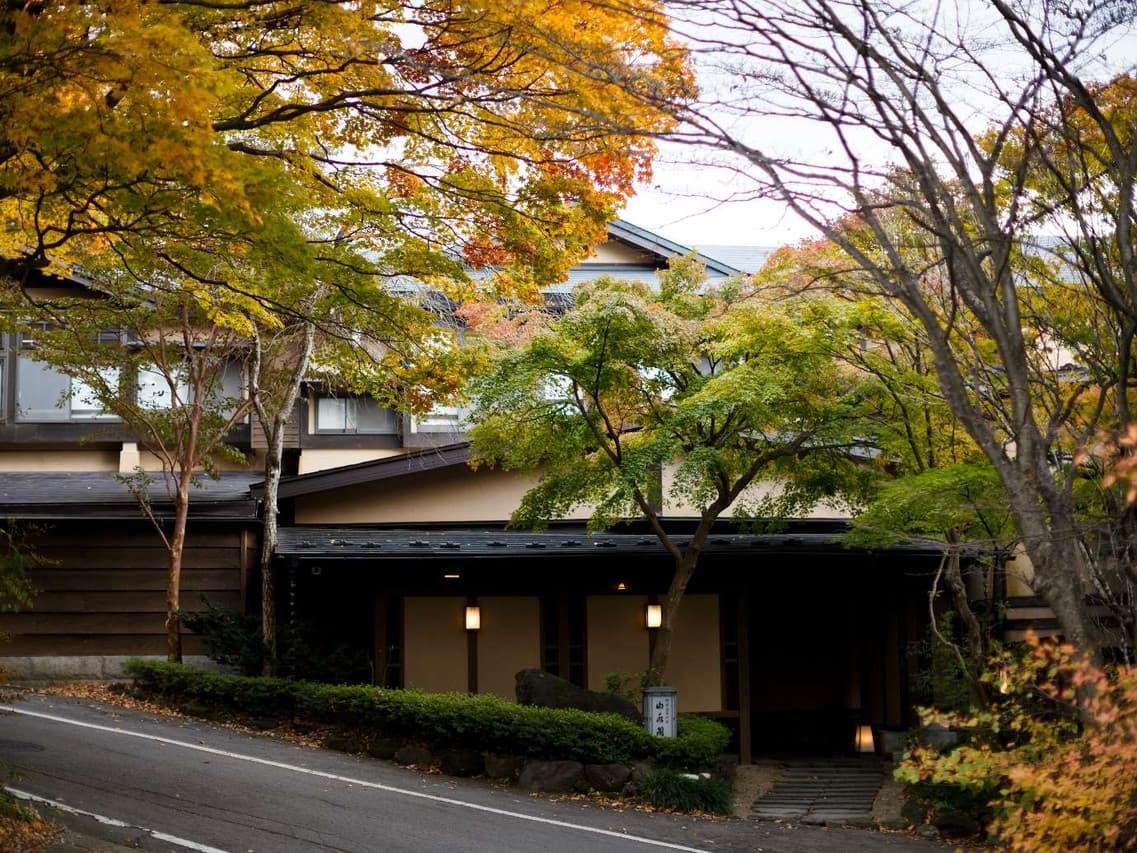 | from US$150/person/night≈ US$300 for 2 | 8.0 | Book on Agoda |
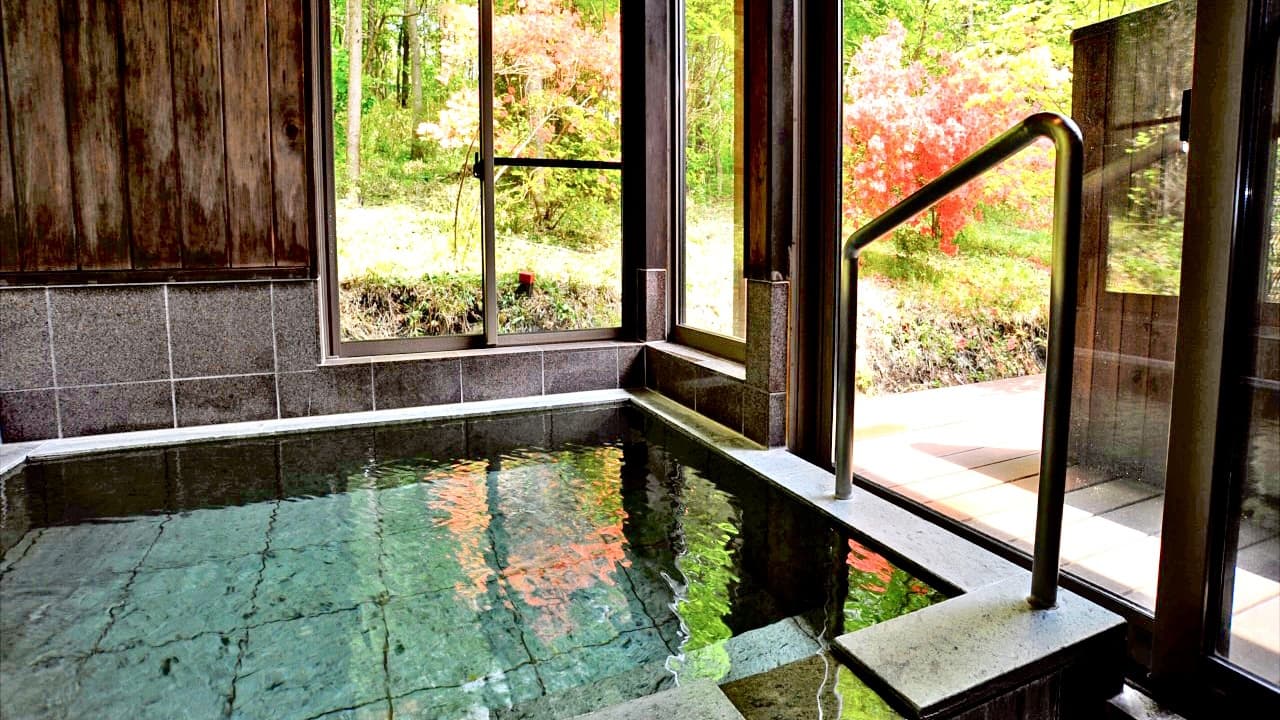 | from US$220/person/night≈ US$440 for 2 | 10.0 | Book on Trip.com |
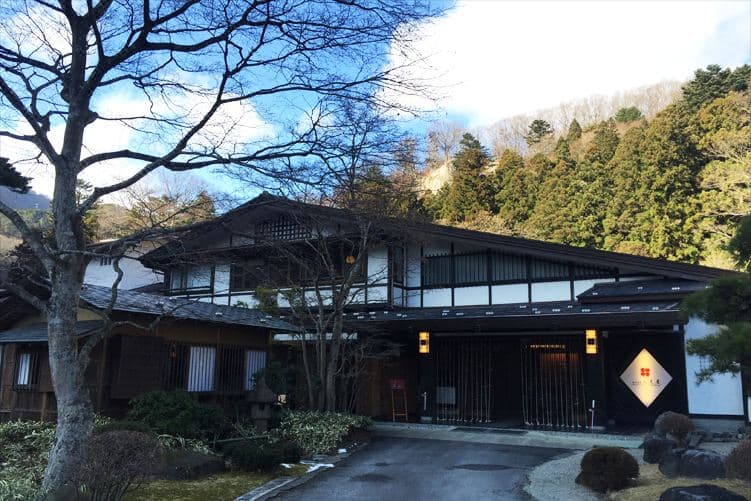 | from US$350/person/night≈ US$700 for 2 | 9.0 501 reviews | Book on Agoda |
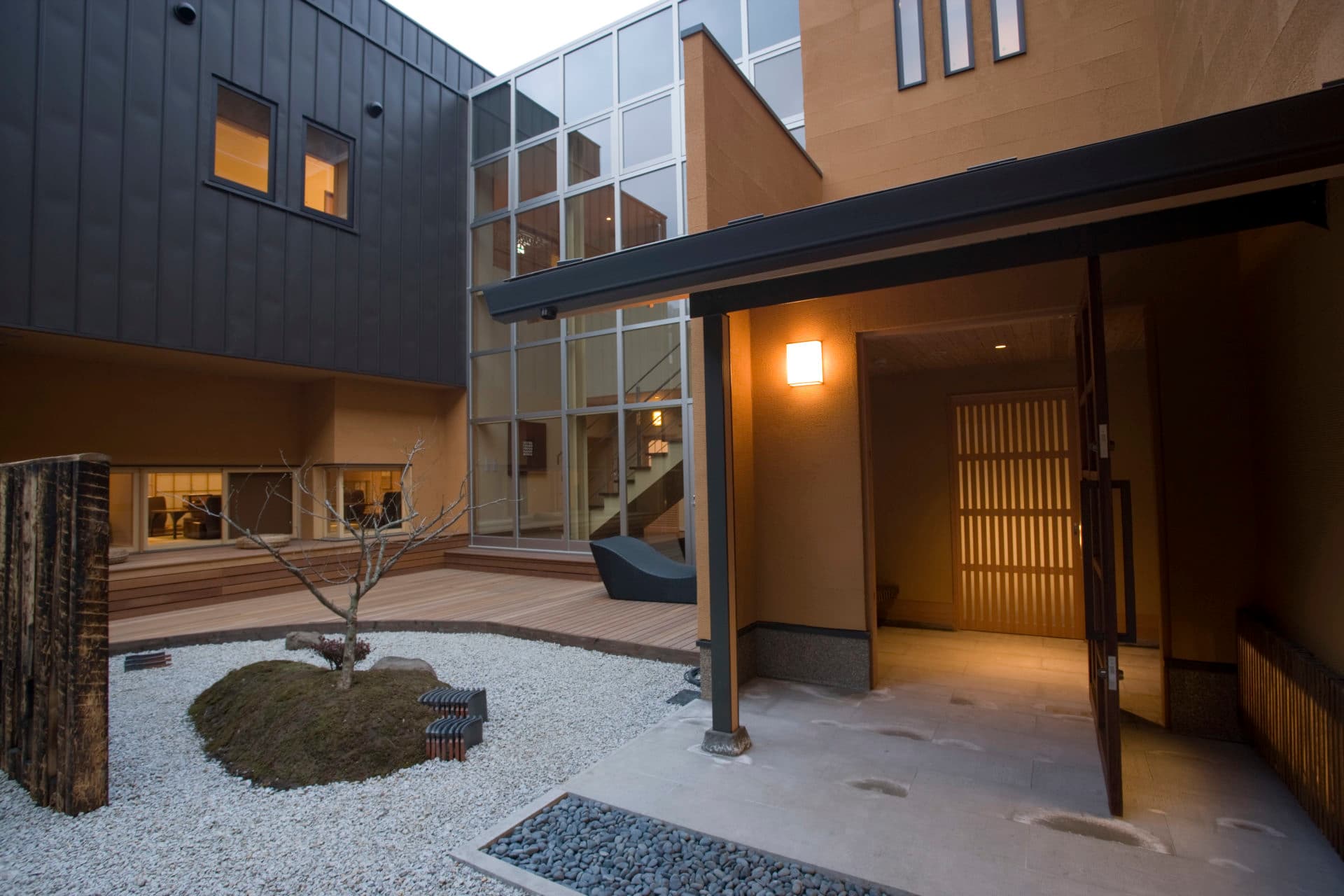 | from US$250/person/night≈ US$500 for 2 | 9.0 489 reviews | Book on Trip.com |
Onyado Nakada
Nasu
Prices shown are approximate starting rates per person per night. We may earn a commission on bookings.
 Pin to Pinterest
The best ryokans in Nasu, Japan are not all playing the same game. Seventy-five minutes from Tokyo on the Tohoku Shinkansen, Nasu sits in Tochigi Prefecture just north of Nikko — and the best ryokans in Nikko are genuinely different from what you'll find here. What Nasu offers is not one destination but four distinct onsen worlds crammed into a 30-kilometre spread: a milky sulphur spring that has been flowing for 1,300 years, a highland plateau of design-forward inns beside former Imperial Villa grounds, a wooded art-ryokan valley with alkaline water that Japanese visitors call beauty water, and a remote mountain ridge with Edo-era inns that feel genuinely off-grid.
This guide covers all 13 of our database-verified inns, grouped by zone, with honest notes on English-friendliness, tattoo policies, and which traveler each property actually suits. If you've stared at OTA listings and felt confused by the price gap between a $90 waterfall bath and a $709 all-suite forest retreat, that gap has an explanation — and it starts with understanding which Nasu you're booking into.
Four different Nasus: which zone matches you?
Most English guides treat Nasu as a single destination. That's why they're not very useful. The plateau at 700–900 metres elevation where the Kogen design inns sit feels nothing like the volcanic ridge road above Yumoto where the Okunasu inns crouch beside a river. The water chemistry is different, the atmosphere is different, and the price levels are different — sometimes by a factor of eight.
Nasu Yumoto (那須湯本) is the oldest zone and the most visceral. The spring called Shika-no-yu has been documented since 738 CE and likely flowed before that — a white deer, the legend says, healed its wounds in the water, and hunters followed. The water is acidic sulphur, milky and cloudy, smelling of eggs at the source, which sits at around 76°C. Good for muscle pain, joint stiffness, and anyone who wants their onsen experience to feel like an event rather than a luxury amenity. One inn in this guide is here.
Nasu Kogen (那須高原) is the highland plateau zone, home to seven of our thirteen inns and the widest price spread. At 700–900 metres, the air runs cooler even in August. The water here is generally a mildly alkaline simple hot spring — gentle, good for all skin types, not the drama of Yumoto but consistent. The zone's prestige comes from proximity to the Imperial Villa (closed to public) and the 560-hectare Nasu Heisei-no-Mori forest, former Imperial land open since 2011. This is where to start if you are new to ryokans and want English-speaking staff alongside good onsen access.
Itamuro Onsen (板室温泉) sits in a wooded valley about 35 minutes from Nasushiobara Station. Its spring has been flowing since 1059 and was designated a National Recreation Hot Spring Area by Japan's Ministry of the Environment in 1971 — one of only a handful of such designations in the country. The water is clear, colorless, and alkaline, at 38–45°C, and the term locals use for it is bihada-no-yu, beauty water, because of what it does to skin. Two very different inns draw this spring: a 1551-founded institution that doubles as a contemporary art museum, and a minimalist eight-room newcomer that explicitly welcomes tattooed guests.
Okunasu (奥那須) is the zone nobody puts in a listicle. Above Yumoto, the mountain road climbs toward the crater of Mt Chausu, and up here — at 1,300 metres — the Omaru Onsen Ryokan has been operating for over 200 years. The Kita Onsen Ryokan dates to 1854 and was built across three different historical periods, its Edo, Meiji, and Showa structures still standing. Car access is the only realistic option, especially in winter when the road can be restricted. Budget $90–$180 per night, but expect to earn the remoteness.
Water chemistry at a glance
| Zone | Spring Type | Visible Properties | Skin Effect |
|---|---|---|---|
| Nasu Yumoto | Acidic sulphur (simple acid sulphurous spring) | Milky white, cloudy, strong sulphur scent | Relieves muscle pain, joint stiffness, skin conditions |
| Nasu Kogen | Mildly alkaline simple spring | Clear, colorless | Gentle, suitable for all skin types |
| Itamuro | Alkaline simple spring (pH up to 9.7, per inn reports) | Clear, silky feel | Skin-softening bihada effect |
| Okunasu (Omaru) | Metasilicic-acid rich spring | Clear, light mineral character | Moisturising bijin-yu (beauty water) |
All prices in this guide are verified as of August 2026. Ryokan pricing is typically per-person including dinner and breakfast — the USD from-rates shown are per-room reference floors; actual per-person costs with meals typically run higher.
Getting to Nasu from Tokyo
There is no train into any of the Nasu onsen villages. Every route goes through Nasushiobara Station.
Step 1 — Shinkansen to Nasushiobara: Take the Tohoku Shinkansen from Tokyo Station. The Nasuno service is the most reliable option, stopping at every station including Nasushiobara in approximately 80 minutes (~¥6,000 one way). Some Yamabiko services are faster (~70 min) but Nasushiobara is a conditional stop marked ▲ — not all Yamabiko trains stop there. Always confirm your specific train before booking.
Step 2 — Bus from Nasushiobara Station: Kanto Bus departs from the west exit, stop #3, roughly hourly. To Nasu Yumoto or Itamuro: approximately 50 minutes, ¥1,170. To the Nasu Ropeway: approximately 75 minutes, ¥1,640 — but this service runs April through November only; buses to the ropeway do not operate December through March.
Step 3 — Taxi or inn shuttle: A taxi from Nasushiobara to the Kogen or Yumoto zones takes 25–30 minutes and costs around $50–65. Many inns across all zones offer shuttle pick-up from the station if reserved in advance. This is worth asking about when you book.
Okunasu note: For Omaru, Kita Onsen, and Sachinoyu, a car is strongly recommended. The mountain road above Yumoto has limited public transport, and can be restricted in winter.
Tip
The fastest option is not always the shinkansen. If you have 3–4 people and luggage, a taxi from Nasushiobara often costs less per-person than four bus tickets and involves none of the luggage juggling.
Nasu onsen ryokan comparison: all 13 inns at a glance
Use this table to narrow your shortlist, then jump to the zone section for the full profile. Tattoo policy is listed as Allowed or Unknown — 11 of 13 inns have not published a policy (only Yamaki and Nasu Bettei Kai confirm tattoos are allowed); contact the inn directly before arrival.
| Inn Name | Zone | Price/Night USD | Rating | Private Onsen | Tattoo Policy | English-Friendly | Best For |
|---|---|---|---|---|---|---|---|
| Nakafujiya Ryokan | Yumoto | $150–$300 | 9.0/10 | Yes | Unknown | No | Sulphur experience |
| Nasu Onsen Sanraku | Kogen | $400–$640 | 9.0/10 | Yes | Unknown | Yes | First-timers / luxury |
| Nasu Bettei Kai | Kogen | from $709 | No data | Yes | Allowed | Yes | Tattooed / honeymoon |
| Private Inn Aqua Suite | Kogen | $250–$450 | 9.6/10 | Yes | Unknown | No | Couples / privacy |
| THE KEY HIGHLAND NASU | Kogen | $400–$700 | 9.1/10 | Yes | Unknown | Yes | Groups / all-inclusive |
| Onyado Nakada | Kogen | $450–$700 | 9.8/10 | Yes | Unknown | No | Maximum privacy |
| Nasu Kogen no Yado Sansuikaku | Kogen | $150–$310 | 8.0/10 | Yes | Unknown | Yes | Budget Kogen / first-timers |
| Akane-an | Kogen vicinity | $220–$400 | 10.0/10 | Yes | Unknown | No | Couples / perfect rating |
| Itamuro Onsen Daikokuya | Itamuro | $350–$600 | 9.0/10 | No | Unknown | Yes | Art lovers / culture |
| Onsen Ryokan Yamaki | Itamuro | $250–$400 | 9.0/10 | No | Allowed | No | Tattooed / minimalist |
| Omaru Onsen Ryokan | Okunasu | from $120 | 8.6/10 | No | Unknown | No | Off-grid / hikers |
| Kita Onsen Ryokan | Okunasu | $110–$180 | 7.2/10 | No | Unknown | Yes | Budget / history |
| Sachinoyu Onsen | Okunasu | $90–$160 | No data | No | Unknown | No | Budget / waterfall |
Note: Ryokan rates are typically per-person including dinner and breakfast. Per-room USD figures above are reference floors; actual per-person costs with meals may differ. Confirm directly with each inn.
Zone 1 — Nasu Yumoto: Japan's 1,300-year sulphur springs
The spring called Shika-no-yu (鹿の湯) has been documented since 738 CE, likely flowing since around 630. Named after a white deer that healed its wounds here — hunters found the animal and followed the steam. Matsuo Basho composed a poem at Nasu, and it's not hard to see why: the smell of sulphur reaches you before the steam does. Even if you stay in another zone, making the trip to Shika-no-yu's public bathhouse for its six temperature-divided pools (41°C to 48°C) is worth the ¥500 entry fee. One of our thirteen inns draws this spring directly.
Nakafujiya Ryokan — historic Yumoto mid-range pick
Nakafujiya Ryokan (中藤屋旅館) is the mid-range anchor of Nasu Yumoto, sitting at a rating of 9.0 from 616 reviews. Prices run $150–$300 per night, making it the most accessible entry point for the sulphur experience without heading to Okunasu.
The inn draws the Shika-no-yu milky sulphur spring — the same acidic, cloudy water that has been flowing under this valley for over 1,300 years. OTA listings also note a 24-hour cypress bath as a featured amenity; treat this as the expected arrangement rather than a certified specification, and confirm at booking. Private onsen: yes, rooms with in-room baths are available.
Dining centres on Nasu wagyu, the local beef that Tochigi ranchers have been developing since the region's highland pasture conditions proved ideal for the breed. The beef is the reason many domestic visitors choose Nasu over other Kanto springs, and Nakafujiya makes it a signature.
The honest note: English-friendly rating is no. This is a Japanese-language inn; staff are unlikely to speak conversational English. A pre-arrival email in Japanese, or a booking through an OTA that passes on your requests, makes the stay go more smoothly. Booking: Agoda only, so your options are narrower than at the Kogen inns.
Tip
Tattoo policy: Unknown. Contact the inn before arrival. The private in-room onsen bath provides a practical alternative to shared facilities if policy is unclear.
Zone 2 — Nasu Kogen & Imperial Villa: highland design inns
 Pin to Pinterest
In August, the plateau air at 800 metres has already lost the heat Tokyo will not shed until October — and the beech canopy along the Imperial Villa road still holds the cool at noon. Seven of our thirteen inns cluster on this highland plateau at 700–900 metres, in the zone shaped by Imperial presence. The Nasu Imperial Villa itself remains closed to the public, but Nasu Heisei-no-Mori — 560 hectares of former Imperial land transferred to the Ministry of the Environment and opened in 2011 — is free to enter, with wheelchair-accessible forest paths and guided programmes (advance reservation required).
The Kogen zone has the widest price range of any zone here: from $150 at Sansuikaku to $709 and upward at Nasu Bettei Kai. It's also the most English-friendly cluster, with confirmed English-speaking staff at Sanraku, Sansuikaku, THE KEY HIGHLAND, and Nasu Bettei Kai. For first-time ryokan guests, this is where to start.
Note: Two inns in this zone — Akane-an and Onyado Nakada — have zone placements that are consistent with the Kogen character (altitude, station distance, price tier) but have not been independently confirmed to the same level as the others. Verify spring source with the inn or your OTA notes if the sub-zone matters to your decision.
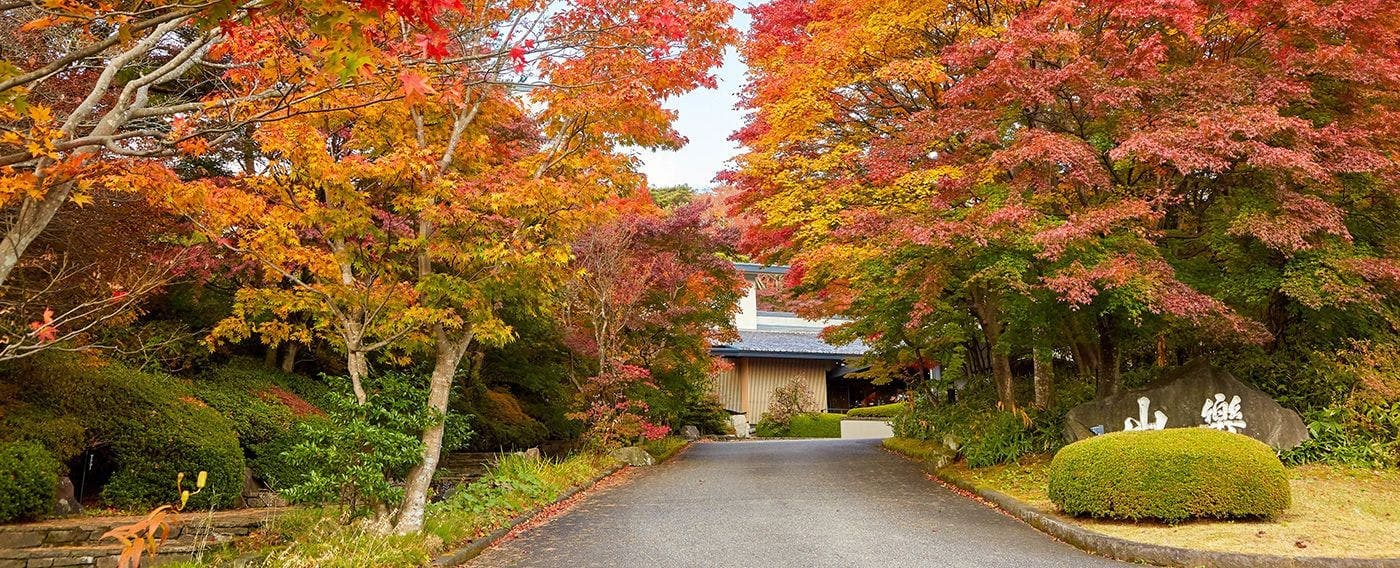
Nasu Onsen Sanraku — century-old Imperial-era luxury
Nasu Onsen Sanraku (那須温泉 山楽) was originally erected in 1923 for the Mitsui merchant family, which means it has over 100 years of continuous ryokan history behind it. Local lore holds that Emperor Showa, then Crown Prince, visited and was impressed by the view of the Nasu plain — reportedly influencing where the Imperial Villa was eventually sited. That's the kind of story that travels through three sources before reaching an English travel guide, and we'd hold it loosely as historical atmosphere rather than verified fact, but it sets the tone for a property that has always taken its context seriously.
At 39 rooms, Sanraku is the largest property in this zone — resort-scale compared to the four-room Onyado Nakada, but that size means availability. Source-flowing open-air baths plus private-bath rooms. Rating: 9.0. Price: $400–$640 per night.
The full OTA spread — Agoda, Trip.com, Booking.com, and Expedia — makes planning flexible. English-friendly: yes. Tattoo policy: unknown; confirm before arrival.
Despite being the most historically credentialed inn in the zone, Sanraku sits at a price point that newer design inns have matched — which makes it the coherent first choice if you want English staff, Kogen atmosphere, and 100 years of material culture under one roof.
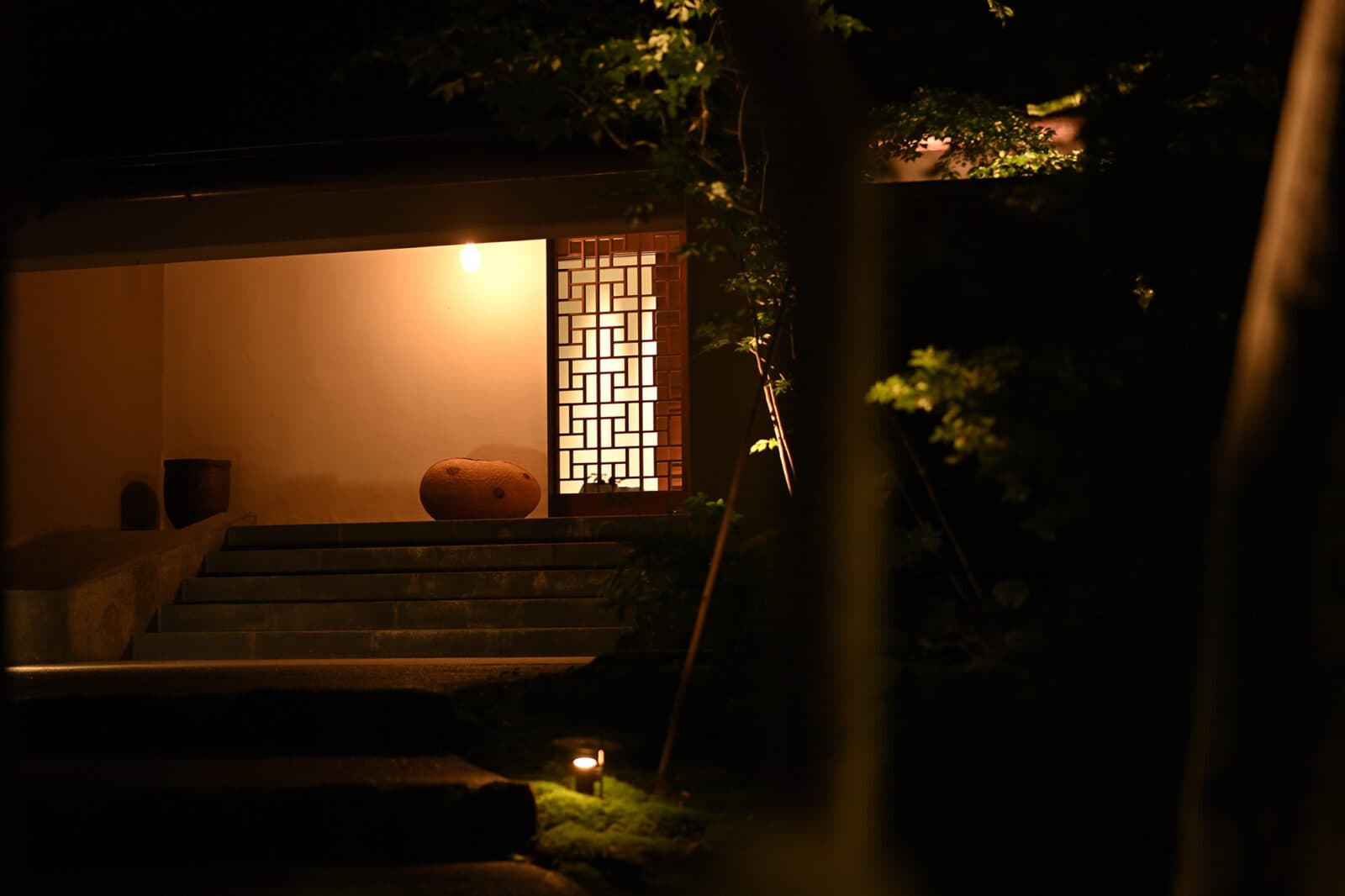
Nasu Bettei Kai — tattoo-friendly all-suite forest retreat (from $709)
Nasu Bettei Kai (那須別邸 回) is the most expensive inn in this guide and one of only two properties where tattoos are explicitly confirmed as allowed — the other being Yamaki in Itamuro.
Ten all-suite rooms, every one with a private in-room hot-spring bath. The setting is forest beside the Imperial Villa grounds. No current rating data in our database (insufficient review volume at the time of writing), but the property is available on Trip.com, Agoda, and Booking.com. Price from $709 per night — no ceiling listed in our data; contact the inn for suite-specific rates.
For tattooed travelers, the combination of explicit policy acceptance and private-bath rooms in every suite removes the usual two-step anxiety: you don't have to negotiate shared bath access because there are no shared baths. For everyone else, the all-suite private-onsen format makes this the choice for maximum seclusion at the top of the Nasu price range. Our private-onsen ryokan guide explains the private-bath format in depth if you want to understand what drives the premium.
English-friendly: yes. Tattoo policy: allowed. Best for: tattooed travelers, luxury honeymoon, couples prioritising privacy.
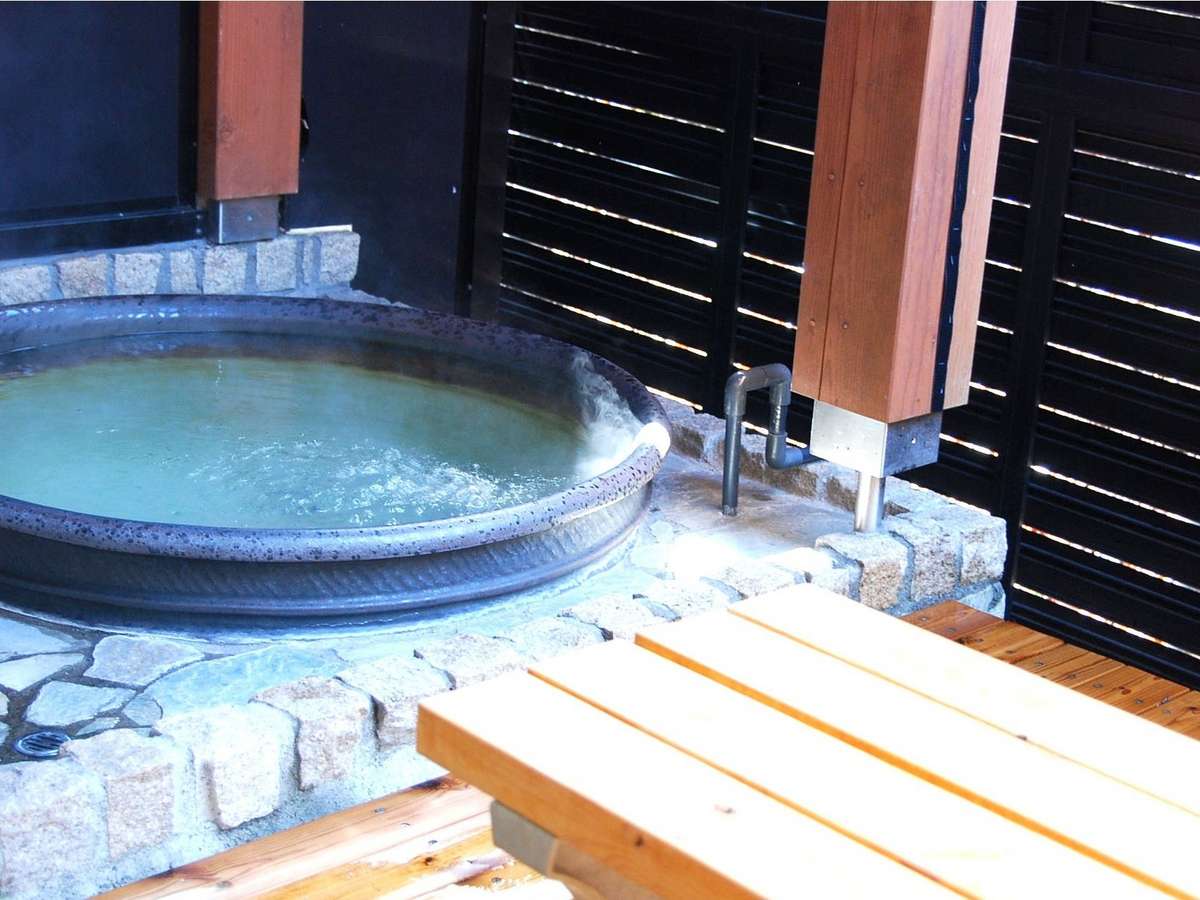
Private Inn Aqua Suite — adults-only, 9.6 rating, 1,911 reviews
With 1,911 reviews and a rating of 9.6/10, Private Inn Aqua Suite (プライベート・イン アクアスイート) is the most-reviewed inn in our Nasu database — and the highest verified rating in the Kogen zone with substantive review volume. For travelers who weight peer confidence heavily, this is the number to notice.
Twelve rooms, all adults-only, all with private open-air onsen baths. In-room full-course kaiseki dinner is included. Price: $250–$450 per night.
The significant caveat: English-friendly is no. Staff are unlikely to speak conversational English, and the booking channel is Agoda only, which narrows options. Approach this inn the way you'd approach any highly rated Japanese-language property — excellent for what it does, but plan the pre-arrival communication through your OTA notes or with translation tools. The 1,911 reviewers largely knew what they were walking into and still returned a 9.6.
Tattoo policy: unknown. The private in-room baths reduce the practical exposure of a shared-bath tattoo conflict, but confirm the inn's position before arrival.
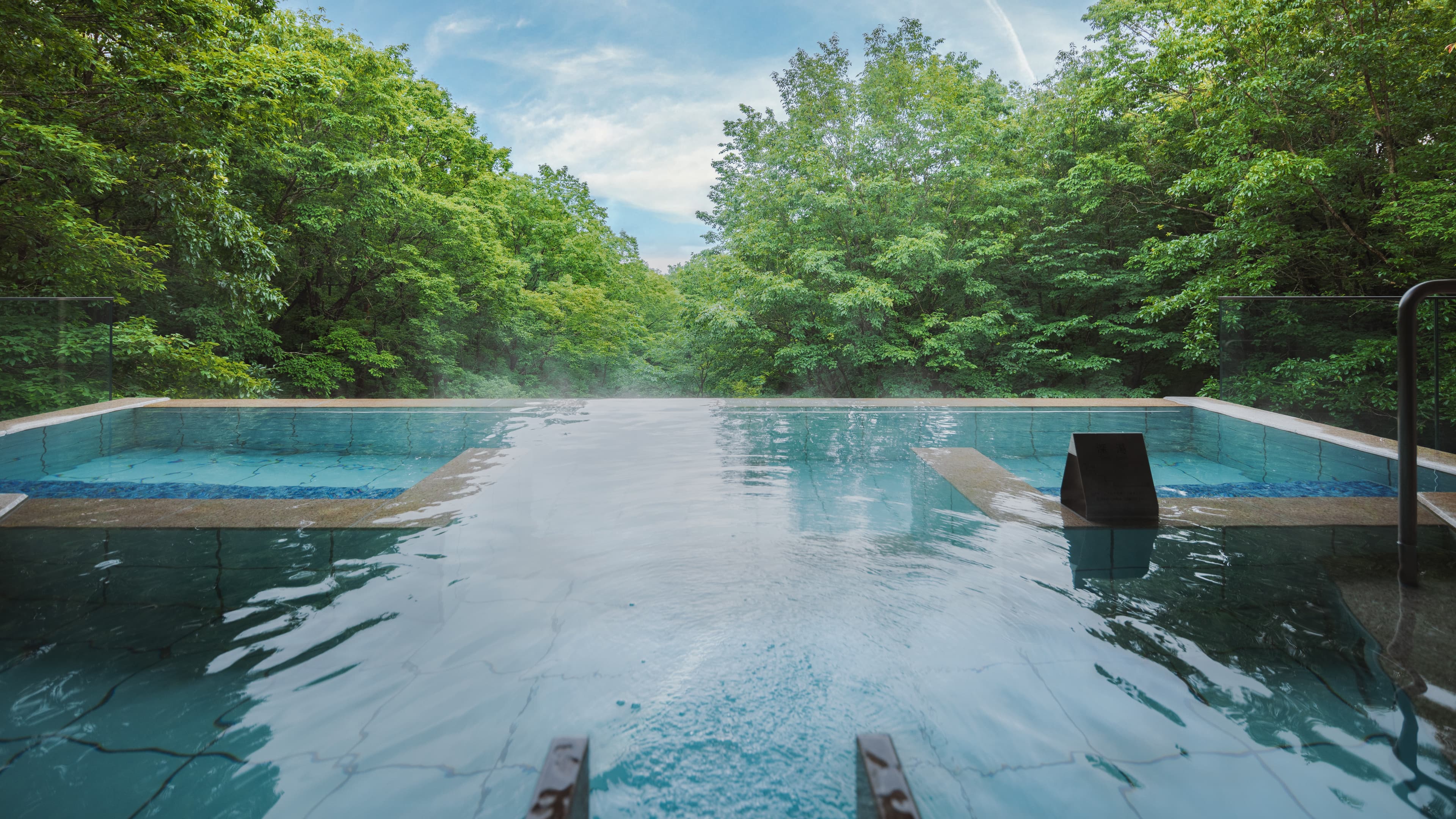
THE KEY HIGHLAND NASU — all-inclusive design resort
THE KEY HIGHLAND NASU (ザ キー ハイランド ナス) is the outlier in this guide's format: it operates on an all-inclusive model where meals, drinks, pool use, and karaoke are included in the room rate. Price: $400–$700 per night, which starts to look different once you subtract two kaiseki dinners, two breakfasts, and the drinks.
Thirty-six rooms — resort scale, not boutique. Private onsen: yes, in-room baths available. Rating: 9.1. English-friendly: yes. Booking on Trip.com, Agoda, and Booking.com.
This is the right choice for groups or for traveler types who find à-la-carte ryokan planning stressful. You arrive, and the questions are answered. What you lose is the intimacy of a four-room inn where the staff know your name before breakfast. What you gain is flexibility, English staff, and a pool.
Tattoo policy: unknown. Confirm before arrival, especially given shared pool facilities.
Onyado Nakada — ultra-exclusive four-room inn
Onyado Nakada (御宿 なか田) has four rooms. Every room has its own private open-air bath and private stone thermal room — a steam-heated stone chamber that functions as a private sauna or thermal resting space alongside the onsen bath. Rating: 9.8 with no review count listed in our database, which suggests that number comes from a small sample.
Price: $450–$700 per night. OTA availability: Trip.com only, which means your booking options are limited and direct contact with the inn is worth attempting for specific room preferences. English-friendly: no — this is a Japanese-language inn, and with four rooms the staff dynamic is genuinely intimate, which makes language the central practical variable.
Zone placement note: the Kogen assignment is based on price tier, station distance (40 minutes), and private-bath format, all consistent with the zone's character. Independent web sources confirming the specific sub-zone have not been found. Verify with the inn before booking.
If you are comfortable with Japanese communication or have a travel agent who can handle the pre-arrival detail, Onyado Nakada offers the kind of exclusivity that larger inns spend considerable money trying to simulate.
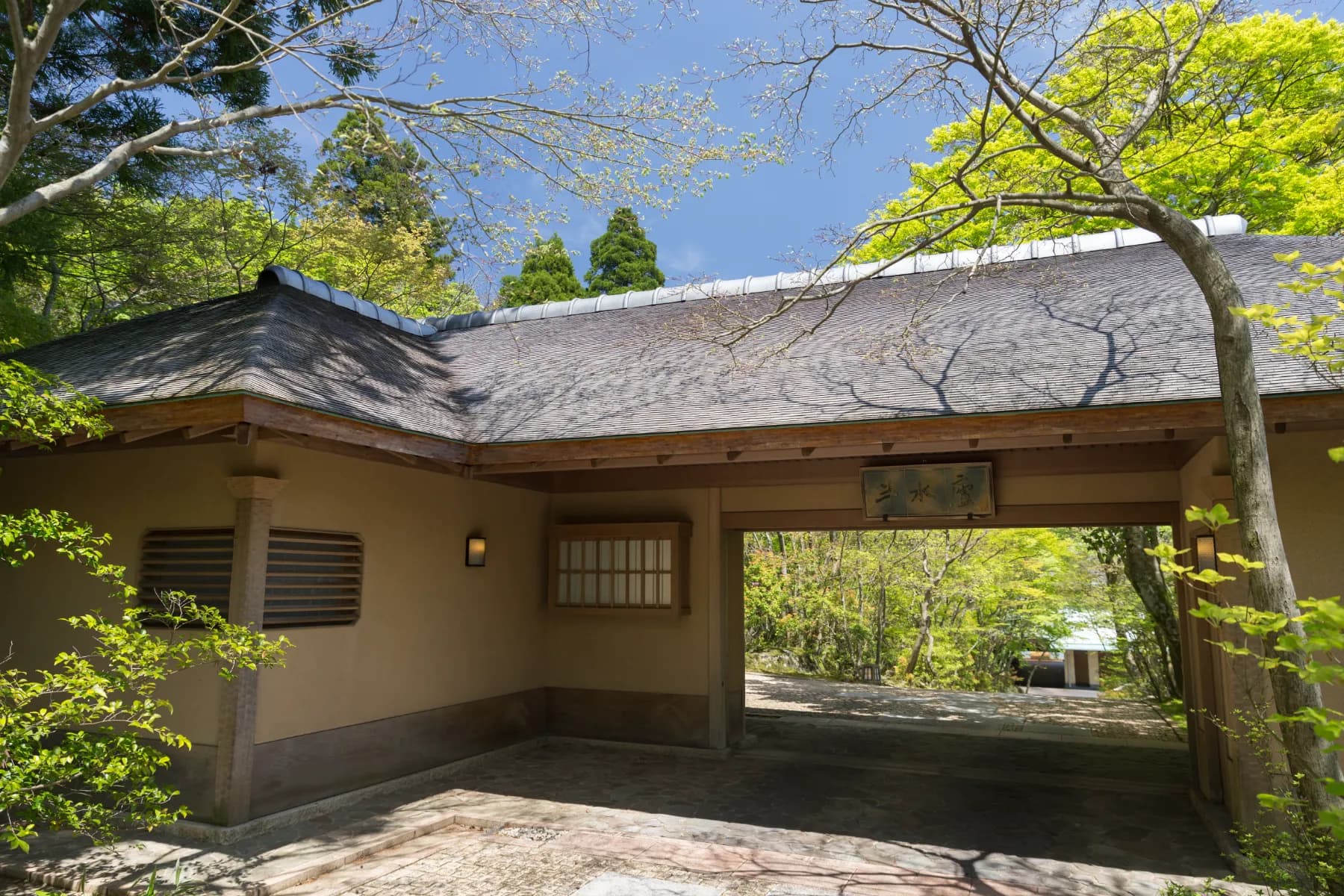
Nasu Kogen no Yado Sansuikaku — century-old wooden inn by the Imperial forest
Nasu Kogen no Yado Sansuikaku (那須高原の宿 山水閣) is the entry-point Kogen option for English-speaking first-timers who want atmosphere without the $400+ price floor. Prices run $150–$310 per night.
The building is century-old wood beside the Imperial Villa forest — the kind of structure where the floorboards have a memory and the corridors lead somewhere unexpected. Thirteen rooms. Open-air baths plus private-bath suites. Rating: 8.0, the lowest in the zone but still solid for a property of this age and price level. English-friendly: yes. Available on Trip.com, Agoda, and Booking.com.
At 8.0, Sansuikaku won't leave you breathless the way a 9.6 inn might, but it gives you Kogen cedar air, genuine wooden ryokan architecture, and English staff at a price that's more than fair for what it is. For a first-time ryokan stay where the goal is to understand the format before spending $600 a night, this is the right starting point.
Tattoo policy: unknown. Confirm before arrival.
Akane-an — three-cottage perfection, rating 10.0
Akane-an (那須温泉 美肌名湯と憩いの宿 茜庵) is the highest-rated inn in this entire guide at 10.0/10. It has three cottages — making it the most intimate property in Nasu by room count. Every detached cottage has its own source-flowing private open-air bath.
The name in Japanese includes the characters 美肌名湯, meaning "beauty-water spring," suggesting an alkaline spring character consistent with the Kogen zone's general spring type. Price: $220–$400 per night. Available on Trip.com and Agoda.
Zone placement note: Akane-an is placed in the Kogen vicinity based on spring character and price tier, but the specific spring source has not been independently confirmed. If you are choosing this inn specifically for the water chemistry, verify with the inn or OTA listing before booking. English-friendly: no — plan pre-arrival communication accordingly.
A perfect 10.0 across reviews is genuinely rare. Three cottages means every guest is effectively the only guest, and the source-flowing private outdoor bath in each unit removes the shared-onsen variable entirely. For couples wanting the maximum cocoon experience in the Nasu area at a price that doesn't require a $700 budget, Akane-an is the most compelling case in this guide.
Tip
Tattoo policy: Unknown. The private cottage-and-bath format means the shared-bath concern is largely moot in practice, but confirm policy directly before arrival.
Zone 3 — Itamuro Onsen: the art ryokan valley
Itamuro's spring has been flowing since 1059. The Ministry of the Environment designated this zone a National Recreation Hot Spring Area in 1971 — the ministry's own recognition that the alkaline water here has documented therapeutic value. The water itself is clear and colorless, 38–45°C, and silky against skin in the way that distinguishes an alkaline spring from a neutral one.
Two inns draw this spring, and they represent opposite philosophies. Daikokuya opened in 1551 and thinks of itself as a cultural institution as much as a ryokan. Yamaki has eight rooms, a minimalist design aesthetic, and explicitly welcomes tattooed guests — a policy combination rare enough in Japan that it functions as a genuine differentiator.
Itamuro Onsen Daikokuya — founded 1551, art ryokan and living museum
Itamuro Onsen Daikokuya (板室温泉 大黒屋) has been operating since 1551, making it one of the oldest continuously running ryokans in Tochigi Prefecture. That's not a marketing claim — it's in the Wikipedia record and consistent with Itamuro's documented 11th-century origins.
What makes Daikokuya unusual even among historic ryokans is the Soko Museum on-site: a collection of contemporary art including works by Kishio Suga, the pioneer of Japan's Mono-ha movement — the post-war school of sculpture concerned with the relationship between matter, perception, and space. The gardens themselves were co-designed with Suga, which means the distinction between the art space and the ryokan grounds is deliberately blurred. There's an additional charge to enter the museum.
The spring: clear, colorless alkaline simple hot spring at 38–45°C, 100% free-flowing. Three bath formats — open-air, stone, and wooden. No private onsen; the bath experience is shared. Thirty-one rooms. Rating: 9.0 from 501 reviews. Price: $350–$600 per night. Full four-OTA availability: Agoda, Trip.com, Booking.com, and Expedia — the best booking flexibility of any inn in the Itamuro zone.
English-friendly: yes. Tattoo policy: unknown — this is the one worth confirming given the shared baths.
If you're also considering Tochigi's gorge onsen towns, Kinugawa covers a very different temperament: riverside resort hotels where Daikokuya's art-institution concept doesn't exist but the setting has its own draw.
Onsen Ryokan Yamaki — minimalist 8-room cocoon, tattoos welcome
Onsen Ryokan Yamaki (那須板室温泉 ONSEN RYOKAN 山喜) is the other Itamuro inn, and its defining characteristic is explicit: tattoo policy is listed as allowed in our database — one of only two confirmed tattoo-friendly inns in this entire guide. The other is Nasu Bettei Kai, which costs more than twice as much. For tattooed travelers who want the Itamuro alkaline spring at a price between $250 and $400 per night, Yamaki is the specific answer.
Eight rooms. The concept is "cocoon-stay" — the inn markets itself around immersion and stillness rather than activity. The spring, according to the inn, runs at pH 9.7; this figure comes from the property's own documentation rather than a laboratory citation that can be independently verified, but it's consistent with Itamuro's established alkaline character. The skin-softening effect of the water is the zone's reputation, not Yamaki's invention.
No private onsen — the baths are shared. Rating: 9.0 from 489 reviews. English-friendly: no; plan with translation tools. Available on Agoda, Booking.com, and Expedia (not Trip.com).
For more on navigating tattoo policies across Japan's ryokans, tattoo-friendly ryokans lays out the full landscape, including how to read "unknown" policies and what to ask.
Zone 4 — Okunasu: secret springs at the edge of the volcano
Above Nasu Yumoto, the mountain road narrows to a single lane and climbs toward the Mt Chausu crater. At around 1,300 metres the sulphur smell that defined Yumoto returns — sharper now, mixed with cold river air from the Omaru river running alongside the road — and the buildings thin to a handful of Edo-era structures that have barely changed since the road was first cut. The Omaru Onsen Ryokan has been receiving guests for over 200 years. The Kita Onsen Ryokan dates to 1854, its oldest structure from the late Edo period. Both are in a zone that makes no concessions to convenience: car access is the only realistic option, especially outside the summer and early autumn window, when the mountain road can be restricted.
What you get in exchange for the inconvenience is the most dramatic spring setting in the Nasu area, the best-value price tier in this guide ($90–$180 per night), and a level of historical authenticity that cannot be replicated at lower altitudes.
Omaru Onsen Ryokan — 200 years old, riverbed bath at 1,300 m
Omaru Onsen Ryokan (奥那須温泉 大丸温泉旅館) at 1,300 metres is one of the highest-altitude ryokans in the Nasu area. The defining feature is the Kawa-no-yu: hot spring water that wells up through the actual riverbed, so guests bathing in the outdoor pool are surrounded by a flowing mountain stream. This is not a recreation of nature — it is nature, with hot water bubbling through it.
The spring is rich in metasilicic acid, which Japanese onsen culture calls bijin-yu — beauty water — for its moisturising effect. Twenty rooms. The lobby displays the personal clothing, diaries, and letters of General Nogi Maresuke, the Meiji-era military figure who convalesced here regularly. Rating: 8.6 from 6 reviews — very limited data, noted honestly.
Pricing note: our database shows from $120 per night. Independent sources suggest per-person rates with meals run around ¥22,000 (~$147). In ryokan terms these figures are not contradictory — the $120 floor may reflect room-only or off-peak rates, while the per-person with-meals figure is the typical booking unit. Expect actual costs to run at the higher end.
English-friendly: no. Tattoo policy: unknown. Available on Trip.com and Agoda. A car is essential.
Kita Onsen Ryokan — Edo era, mixed bathing, Thermae Romae filming location
Kita Onsen Ryokan (北温泉旅館) is worth separating into two distinct histories, because they are often conflated. The spring here has records going back to court nobles in 738 CE — over 1,200 years of documented use. The ryokan building itself was founded in 1854 during the Ansei era of the late Edo period. Three structures from distinct eras — late Edo, early Meiji, and early Showa — still stand on the property, alongside an Onsen Jinja shrine built in 1750, a full century before the current inn.
The Tengu-no-yu is the inn's centrepiece: a large mixed-bathing pool where legend holds that a mountain Tengu hurled a boulder that revealed the spring. The boulder remains visible near the pool. Kita Onsen served as a filming location for Thermae Romae (2012), a Japanese comedy about a Roman bath architect who time-travels to Japanese onsen, starring Hiroshi Abe. A swimsuit or yuami-gi is required for the mixed bath.
Forty-four rooms. Rating: 7.2 from 6 reviews — limited data, noted. Price: $110–$180 per night, the budget-end Okunasu option. English-friendly: yes — one of the very few inns in this remote zone with English-speaking capacity. Available on Trip.com and Agoda.
Tattoo policy: unknown. Confirm before arrival given the shared mixed-bathing pool.
Sachinoyu Onsen — cheapest in Nasu, waterfall bath included
Sachinoyu Onsen (幸乃湯温泉) starts at $90 per night, making it the least expensive inn in this guide. The headline feature is the Otaki-no-yu — a four-metre waterfall bath where hot spring water falls into the pool from height. This is a genuinely dramatic visual in a category where most properties compete on subtlety.
Forty-one rooms — the largest property in Okunasu. The inn carries a Taisho-era character throughout: the architecture and atmosphere reflect early 20th-century Japan's interpretation of spa culture, and that sensibility extends to the Otaki-no-yu itself, a bath format with a theatrical scale that feels very much of its era. It draws from the Okunasu springs in the same high-altitude belt as Omaru and Kita Onsen, making it the budget entry to this remote zone's water. No rating in our database; insufficient review data to make a claim.
Sachinoyu suits travelers who have budgeted conservatively, want the Okunasu mountain setting, and are comfortable with the trade-offs — no English staff, no Booking.com or Expedia, no OTA review depth, and car-only access. Available on Trip.com and Agoda. Tattoo policy: unknown.
Which Nasu ryokan is right for you?
First-timer wanting English staff and high confidence: Sanraku (Kogen, $400–$640) or Sansuikaku ($150–$310). Both are English-friendly, in the most accessible zone, with established review histories. Sansuikaku is the right choice if budget matters; Sanraku if you want more rooms, more history, and the full four-OTA booking flexibility.
Tattooed travelers: Two confirmed options. Yamaki in Itamuro ($250–$400) — shared baths, explicitly tattoo-allowed, alkaline beauty water, eight rooms. Nasu Bettei Kai in Kogen (from $709) — private in-room baths in every suite, explicitly tattoo-allowed, English-friendly. Yamaki if budget is a factor; Nasu Bettei Kai if privacy is the priority.
Budget: Sachinoyu ($90–$160, Okunasu waterfall bath) → Kita Onsen ($110–$180, Okunasu Edo history, English-friendly) → Nakafujiya ($150–$300, Yumoto sulphur). Note that all three budget-tier inns are Japanese-language properties except Kita Onsen.
Maximum privacy: The two most intimate options pull in different directions. Akane-an's three detached cottages each have their own source-flowing outdoor bath, and the property's 10.0 rating at $220–$400 makes it the strongest price-to-intimacy case in the guide. Onyado Nakada has four rooms rather than three, but adds a private stone thermal chamber alongside the private onsen bath — a format closer to a personal spa than a simple in-room tub. At $450–$700, the premium is real; what it buys is the thermal room.
Art and culture: Daikokuya in Itamuro ($350–$600, 1551-founded, Mono-ha art museum on-site, English-friendly). No other inn in this guide competes on this axis.
Off-grid adventure: Omaru Onsen Ryokan (1,300 m, riverbed Kawa-no-yu bath, General Nogi artefacts) or Kita Onsen (Thermae Romae filming location, Tengu legend, Edo-period buildings).
All-inclusive simplicity: THE KEY HIGHLAND NASU ($400–$700, meals, drinks, pool, karaoke included, English-friendly, Trip.com / Agoda / Booking.com).
Tip
Private onsen as tattoo workaround: If an inn's tattoo policy is listed as unknown, booking a room with a private in-room bath often provides a practical alternative — you bathe in your own space and never access the shared facilities. Eight of the 13 inns in this guide have private onsen rooms: Nakafujiya, Sanraku, Nasu Bettei Kai, Aqua Suite, THE KEY HIGHLAND, Onyado Nakada, Sansuikaku, and Akane-an. Always confirm directly with the inn before arrival.
Best time to visit Nasu + booking strategy
Autumn foliage (peak season) is the most compelling reason to time a Nasu trip precisely. Mt Chausu and the Ubagadaira plateau typically peak in early October — among the earliest lowland-accessible autumn colour in the Kanto region, owing to the highland altitude. The Nasu Heisei-no-Mori forest and the Tsutsuji Suspension Bridge peak mid-October. The lower Nasu Shiobara valley — Momiji Valley, the Daisen Approach Road — runs from early to late November. The full window is late September to late November, which is also when every Kogen inn is competing for the same weekend dates.
Book 3–6 months ahead for any October or November weekend in the Kogen zone. July booking for an October stay is not early; it's the minimum. For more on timing across Japan's onsen regions, autumn foliage ryokans covers the full national picture.
Tip
Autumn foliage booking urgency: October weekends at Sanraku and Sansuikaku sell out months in advance. Okunasu inns — Omaru and Kita Onsen — fill just as fast despite lower online profiles. If you find the Kogen zone fully booked, Itamuro (Daikokuya, Yamaki) is 35 minutes from the station and shares the same foliage window.
Summer (July–August) is the second-best season for Nasu: the highland plateau runs 25–28°C when Tokyo is 35°C, and this is an established domestic escape pattern. The Imperial Villa's summer use draws high-profile domestic visitors and adds a particular energy to the zone. Inns tend to be busier than their review profiles suggest.
Spring (late May) brings the azalea bloom to Mt Chausu's slopes, with significantly less competition for rooms. Easier to book, milder weather, and the ropeway is operating.
Winter is quieter and generally cheaper. But: the Nasu Ropeway closes December through March, the ropeway bus does not run, and the Okunasu mountain road (Omaru, Kita Onsen, Sachinoyu) may be restricted in heavy snow. Check road access before booking any Okunasu inn in November through April.
What to do in Nasu beyond the onsen
Nasu Ropeway & Mt Chausu (1,915 m active volcano)
Mt Chausu is an active volcano — white sulphurous smoke rises continuously from its crater. The Nasu Ropeway lifts visitors to the 9th station in approximately four minutes; a 50-minute trail from there reaches the 1,915-metre summit. One of Fukada's 100 Famous Mountains of Japan. Operates April through November; closed December through March. From the summit in early October, the foliage below looks like it has been lit from underneath.
Sessho-seki (Killing Stone) and Shika-no-yu public bath
The Sessho-seki — the Killing Stone — is a fumarole site in Nikko National Park that has emitted toxic hydrogen sulphide gases for centuries. The nine-tailed fox legend, one of Japan's most persistent folk tales, is centred here. Designated a National Scenic Beauty. In March 2022, the stone split naturally in two; the viewing area is maintained safely at a distance.
Shika-no-yu, a short walk away, is the 1,300-year-old source spring of Nasu Onsen with six temperature-divided pools from 41°C to 48°C. Day visitors are welcome for a fee around ¥500. The pools step up in temperature so you can progress through them at your own pace. Even guests staying at Kogen or Okunasu inns should make the trip for a morning soak.
Nasu Heisei-no-Mori Forest (free Imperial land)
The 560-hectare former Imperial land transferred to the Ministry of the Environment and opened in May 2011. The free Forest Recreation Zone has wheelchair-accessible paths through beech and cedar forest; a guided Forest Learning Zone requires advance reservation. Part of Nikko National Park, with a viewpoint toward the Komadome Waterfall. The main Imperial Villa remains closed to the public.
Nasu Animal Kingdom (family option)
Around 600 animals across an indoor "Town" (red pandas, jaguars, shoebill storks) and outdoor "Farm" (alpacas, capybaras, horses). Hawk and owl flight shows run through the day. The winter capybara onsen — animals soaking in warm water beside their human counterparts — is a genuine draw for domestic visitors and worth half a day if you are travelling with children or want to punctuate two days of onsen with something warmer in tone. An on-site hot spring (Nasu Gohou-no-Yu) is discounted for zoo visitors.
Nasu vs Nikko, Kinugawa, and Hakone: onsen ryokan compared
| Nasu | Nikko | Kinugawa | Hakone | |
|---|---|---|---|---|
| Distance from Tokyo | ~75–80 min (Shinkansen) | ~100 min (Tobu/JR) | ~110 min | ~85 min (Romancecar) |
| Spring character | Sulphur, alkaline, metasilicic — varies by zone | Sulphur / simple (Kinugawa adjacent) | Alkaline riverside | Various; multiple spring types |
| Onsen variety | Four distinct sub-zones | Limited — Yumoto Nikko is small | Resort-hotel format | Multiple inns but more standardised |
| Cultural hook | Imperial Villa, 1551 art ryokan, Thermae Romae | World Heritage temples (Tosho-gu) | Gorge scenery | Mt Fuji views |
| English infrastructure | Moderate — 5 English-friendly inns | Better than average | Decent | Best of the four |
| Off-grid options | Yes — Okunasu at 1,300 m | Limited | None | None |
| Best for | Onsen variety + highland wilderness + art | Temple culture + history | Riverside resort feel | Mt Fuji views + easiest access |
Choose Nikko if temple culture and World Heritage architecture are the priority. Choose Kinugawa if you want a river-gorge resort hotel setting with onsen. Choose Hakone for the Fuji views and the most English-friendly infrastructure. Choose Nasu if you want the widest spread of water chemistry and atmosphere within a single trip, a genuinely remote mountain option in Okunasu, or the specific combination of art culture (Daikokuya) and sulphur drama (Yumoto) that doesn't exist in the other three.
If your starting point is the Tohoku Shinkansen catchment and you haven't decided, Nasu is also slightly closer than the standard Hakone route from central Tokyo. Worth factoring in. For more on the Kanto mountain onsen cluster, Shima Onsen covers Shima Onsen in Gunma — a third temperament again.
Ready to book?
Whichever of Nasu's four onsen worlds calls to you — from a $90 waterfall bath in Okunasu to a $709 all-suite forest retreat in the Kogen — the links below take you directly to each inn. If this is your first ryokan stay anywhere, the first-time ryokan guide covers what to expect from the format before you arrive.
Exploring the wider Kanto highland onsen cluster? Ikaho (Gunma's stone-step spa town), Kusatsu (Japan's highest-traffic yubatake village), Shima Onsen (Gunma's deep-valley retreat), Kinugawa (Tochigi's gorge resort strip), and Nikko (temples, waterfalls, World Heritage) each cover a distinct temperament. Nasu has the most sub-zone variety of any single destination in the group — across four different spring chemistries, the best ryokans in Nasu reward more than one visit.
Ready to book?
Book one of these top picks
Compare live availability and prices across booking sites.
Akane-an
那須温泉 美肌名湯と憩いの宿 茜庵
Nasu·Luxury
from US$220 · per person · per nightfrom ≈ US$440 total for 2 guests


Private Inn Aqua Suite
プライベート・イン アクアスイート
Nasu·Luxury
from US$250 · per person · per nightfrom ≈ US$500 total for 2 guests
Nasu Onsen Sanraku
那須温泉 山楽
Nasu·Luxury
from US$400 · per person · per nightfrom ≈ US$800 total for 2 guests

Itamuro Onsen Daikokuya
板室温泉 大黒屋
Nasu·Luxury
from US$350 · per person · per nightfrom ≈ US$700 total for 2 guests
Nasu Bettei Kai
那須別邸 回
Nasu·Luxury
from US$709 · per person · per nightfrom ≈ US$1,418 total for 2 guests
Booking links may earn us a commission at no extra cost to you.
FAQ
Frequently asked questions
How do I get from Tokyo to Nasu for a ryokan stay?+
Take the Tohoku Shinkansen from Tokyo Station to Nasushiobara — approximately 80 minutes on the Nasuno service (which stops at every station) or around 70 minutes on faster Yamabiko services, though not all Yamabiko trains stop at Nasushiobara; confirm your specific service before booking. The one-way fare is approximately ¥6,000. From Nasushiobara Station west exit (stop #3), the Kanto Bus runs roughly hourly to Nasu Yumoto in about 50 minutes (¥1,170). A taxi takes 25–30 minutes and costs around $50–65. Many inns offer shuttle pick-up from the station if reserved in advance. There is no train service into any of the onsen villages.
Which Nasu ryokan allows tattoos?+
Two inns in this guide explicitly confirm tattoos are allowed: Onsen Ryokan Yamaki in Itamuro ($250–$400, minimalist 8 rooms, shared baths) and Nasu Bettei Kai in Kogen (from $709, all-suite with private in-room hot-spring baths). The remaining 11 inns list their policy as unknown — always contact the inn directly before booking. Inns with private in-room baths (Akane-an, Aqua Suite, Onyado Nakada, Sanraku, and others) often provide a practical workaround even when the shared-bath policy is unclear, since you bathe in your own room.
What is the cheapest ryokan in Nasu?+
Sachinoyu Onsen in Okunasu starts from $90 per night and is the most affordable inn in this guide — featuring a four-metre Otaki-no-yu waterfall bath, a Taisho-era atmosphere, and 41 rooms. Kita Onsen Ryokan follows at $110–$180, also in Okunasu and notably English-friendly for the price tier. Both are car-access only; public transport to this sub-zone is very limited. If you need a mid-range option with bus access, Nakafujiya Ryokan in Yumoto starts from $150.
What is the best time to visit Nasu onsen?+
Mid-October is the best overall window: the Nasu highland zone (Mt Chausu, Ubagadaira) peaks in early October, and Nasu Heisei-no-Mori peaks mid-October, while the lower Nasu Shiobara valley foliage extends to late November. Book Kogen inns 3–6 months ahead for any October weekend — July booking for October is the minimum, not the ideal. Summer (July–August) is excellent for a highland escape from Tokyo heat. Winter is quieter and cheaper but the Nasu Ropeway closes December through March, and Okunasu mountain road access may be restricted.
What is Itamuro Onsen?+
Itamuro Onsen (板室温泉) is a wooded valley onsen district about 35 minutes from Nasushiobara Station. Its clear, colorless alkaline spring — pH up to 9.7, according to the inns that draw it — is called bihada-no-yu, or beauty water, for its skin-softening properties. Documented since 1059, the zone was designated a National Recreation Hot Spring Area by Japan's Ministry of the Environment in 1971, one of only a handful of such designations nationally. The defining property is Itamuro Onsen Daikokuya, founded 1551, which combines the alkaline spring with a contemporary art museum on-site.
Do I need a car to visit Nasu?+
Not necessarily for Yumoto and Kogen zones — the Kanto Bus from Nasushiobara Station runs roughly hourly and reaches Nasu Yumoto in about 50 minutes. A taxi takes 25–30 minutes. For Okunasu (Omaru, Kita Onsen, Sachinoyu), a car is strongly recommended: public transport to the mountain-road inns is very limited, and the road can be restricted in winter. Many inns across all zones offer shuttle pick-up from Nasushiobara Station if reserved in advance — ask when you book.
How is Nasu different from Nikko or Kinugawa for a ryokan trip?+
Nikko is primarily a World Heritage temple and shrine destination, with gorge onsen (Kinugawa) adjacent. Kinugawa's inns are mainly resort-hotel format along a river. Nasu offers four distinct sub-onsen zones with different water chemistry, a 1,300-year sulphur spring, Ministry of Environment-designated beauty-water springs in Itamuro, and a genuinely remote mountain option in Okunasu at 1,300 metres. Choose Nasu if onsen variety and highland wilderness are the priorities over temple culture or a riverside resort format.
Still deciding?
Browse ryokans across JapanBooking.com