Quick Comparison
9 picks| Ryokan | From | Rating | Book |
|---|---|---|---|
 | from US$600/person/night≈ US$1,200 for 2 | 9.2 312 reviews | Book on Booking.com |
 | from US$200/person/night≈ US$400 for 2 | 9.0 856 reviews | Book on Trip.com |
 | from US$120/person/night≈ US$240 for 2 | 8.9 3,323 reviews | Book on Agoda |
 | from US$130/person/night≈ US$260 for 2 | 8.9 487 reviews | Book on Agoda |
 | from US$85/person/night≈ US$170 for 2 | 8.3 1,328 reviews | Book on Agoda |
 | from US$100/person/night≈ US$200 for 2 | 8.7 2,134 reviews | Book on Booking.com |
 | from US$50/person/night≈ US$100 for 2 | 8.4 1,456 reviews | Book on Booking.com |
 | from US$45/person/night≈ US$90 for 2 | 8.1 342 reviews | Book on Agoda |
 | from US$40/person/night≈ US$80 for 2 | 7.8 623 reviews | Book on Trip.com |
Ryumeikan Honten
Tokyo
Hotel 1899 Tokyo
Tokyo
Sawanoya Ryokan
Tokyo
Katsutaro Ryokan
Tokyo
Prices shown are approximate starting rates per person per night. We may earn a commission on bookings.
The best ryokans in Tokyo are HOSHINOYA Tokyo and Onsen Ryokan YUEN Shinjuku for a real onsen bath in the city, Ryokan Asakusa Shigetsu and Ryumeikan Honten for traditional tatami near the sights, and Sawanoya for a budget tatami night. Tokyo is not an onsen town, so a "Tokyo ryokan" usually means a townhouse or hotel-format inn rather than a hot-spring resort — pick by the experience you want, not by expecting a mountain rotenburo.
Tokyo's ryokans range from a 9-room Michelin-listed inn three minutes from Tokyo Station to a $50 family guesthouse in the Yanaka backstreets. This guide covers nine ryokans inside the 23 wards — places you stay to be in Tokyo, not escapes from it. If you want a genuine hot-spring valley, that's a different trip; we cover those in the best onsen ryokans near Tokyo and the best ryokans near Tokyo. This page is for the night you want tatami underfoot and the subway downstairs.
Ryokan rates are quoted per person, per night, and traditionally include breakfast and dinner — that's the ryokan norm, and it's why a number can look high next to a hotel "per room" rate. Several Tokyo properties break that mold and sell room-only or room-with-breakfast, which we flag below. All prices are 2026 starting rates; we convert yen at roughly ¥154 to the dollar, so a $200 night is about ¥30,800.
Is a Tokyo ryokan even a real ryokan?
Mostly, yes — but set expectations. Two things define a classic ryokan: tatami rooms with futon bedding, and a communal onsen (natural hot-spring) bath. Tokyo delivers the first easily. The second is rare, because central Tokyo sits on city water, not a hot-spring field. Of the nine here, only two pipe in onsen-licensed mineral water: HOSHINOYA Tokyo trucks and draws hot-spring water to a bath on its 17th floor, and YUEN Shinjuku and YUEN Bettei Daita run transported hot-spring water too. The rest have ordinary (often lovely) cypress hinoki baths — a great soak, just not technically onsen.
The other reality: most Tokyo "ryokans" are hotel-format or machiya (townhouse) format. You check in at a front desk, there's usually one shared bath rather than dozens of in-room cedar tubs, and meals may be optional. That's not a knock — it's how the city works — but if your mental image is a kaiseki banquet served in your room by a kimono-clad nakai, only the luxury tier here really delivers that. For the full primer on how ryokans operate, see the first-time ryokan guide; for the honest head-to-head, ryokan vs hotel.
Tokyo ryokans compared at a glance
| Ryokan | Area / Station | Tier | From (USD) | Real onsen? | Tattoos | Best for |
|---|---|---|---|---|---|---|
| HOSHINOYA Tokyo | Otemachi (2 min) | Luxury | $600 | Yes — 17F bath | Cover-up | Onsen + true luxury in central Tokyo |
| YUEN Bettei Daita | Setagaya-Daita (1 min) | Luxury | $200 | Yes — private | Private bath only | Quiet design retreat with private onsen |
| Ryumeikan Honten | Ochanomizu (3 min) | Mid | $130 | No | Not allowed | Closest real inn to Tokyo Station |
| YUEN Shinjuku | Shinjuku-Gyoenmae (5 min) | Mid | $120 | Yes — rooftop | Cover-up | Real onsen in central Tokyo on a mid budget |
| Hotel 1899 Tokyo | Onarimon (3 min) | Mid | $100 | No | Cover-up | Tea-themed design, ryokan-hotel hybrid |
| Asakusa Shigetsu | Asakusa (5 min) | Mid | $85 | No (hinoki bath) | Cover-up | Old-Tokyo atmosphere by Sensoji |
| Sawanoya Ryokan | Nezu (7 min) | Budget | $50 | No | Cover-up | Foreigner-friendly Yanaka classic |
| Katsutaro Ryokan | Nezu (8 min) | Budget | $45 | No | Cover-up | Simple, cheap, Yanaka backstreets |
| Andon Ryokan | Minowa (3 min) | Budget | $40 | No (cypress tub) | Cover-up | Design-minded budget with a rentable bath |
Two patterns jump out. First, only HOSHINOYA, YUEN Shinjuku, and YUEN Bettei Daita give you actual onsen water — everything else is a (perfectly nice) regular bath. Second, tattoos are workable almost everywhere except Ryumeikan Honten, which is strictly no-tattoo. More on that below.
Luxury: the two that justify the splurge
HOSHINOYA Tokyo
This is the one true luxury onsen ryokan in central Tokyo, and nothing else here competes with it. HOSHINOYA stacks a traditional inn into a 17-storey tower two minutes from Otemachi Station: you leave your shoes at the door, every floor has its own ochanoma lounge with tea and snacks, and rooms are tatami with futon and deep-soaking tubs. The headline is the top-floor bath that draws genuine hot-spring water up through the building, open to the sky — a real onsen soak in the middle of the Marunouchi business district, which shouldn't be possible but is.
Rated 9.2 from 312 reviews across 84 rooms, it's the most polished service experience on this list — closest to the in-room-kaiseki, kimono-service ideal. The trade-off is the price: from about $600 and climbing past $1,500 per person on peak dates and top suites. You're paying for a flawless, genuinely Japanese luxury format, not a marble Western five-star — go in wanting tatami, not a chandelier. Tattoos are handled cover-up style (patches at the desk for the communal bath).
Onsen Ryokan YUEN Bettei Daita
If HOSHINOYA is luxury-as-spectacle, YUEN Bettei Daita is luxury-as-calm. It's a boutique, design-forward retreat of just 35 rooms one minute from Setagaya-Daita — a leafy residential pocket far from the neon, which is the entire point. The property runs transported hot-spring water, and crucially it has private onsen, so you can soak in real mineral water without the public-bath etiquette. Rated 9.0 from 856 reviews, it reads as the grown-up, switch-off-your-phone choice.
Pricing runs from roughly $200 up to $600 per person, so it undercuts HOSHINOYA while still feeling genuinely upscale. The catch is location: Setagaya is a 15–25 minute train ride from the central sights, so this suits a slower, second-half-of-the-trip stay rather than a first-night base when you want to sprint to Shibuya. On tattoos, YUEN Bettei Daita is the private-bath-only answer — ink is fine in your private onsen, but the shared facilities follow standard rules.
Tip
Want a real hot-spring valley, not a city bath? Even the best Tokyo onsen is transported water in a tower. If a proper rotenburo with a mountain view is the dream, spend the night outside the city — Hakone, Nikko, and Kusatsu are 1–2.5 hours out. Start with the best onsen ryokans near Tokyo, then sort the trains with the Japan Rail Pass guide.
Mid-range: the sweet spot for most travelers
This is where we'd point most visitors. You get a real ryokan feel — tatami, a shared bath, often a traditional breakfast — for the price of a decent business hotel, and these four sit close to the sights.
Onsen Ryokan YUEN Shinjuku
This is our single best "real onsen in central Tokyo without the luxury price" pick. YUEN Shinjuku puts a genuine rooftop open-air onsen over Shinjuku — you soak in transported hot-spring water with the city skyline around you — for a mid-range rate. At 193 rooms it's the biggest property here and runs hotel-format, so don't expect intimate; expect a smart, modern building five minutes from Shinjuku-Gyoenmae with an onsen most Tokyo hotels can't touch.
The numbers back it up: 8.9 from a huge 3,323 reviews, which is the most battle-tested score on this list. Rates start around $120 and reach about $300 per person depending on season and room. The trade-off is exactly what you'd guess — at this size it feels more boutique-hotel than family inn, and the central location means it's busy. For onsen-in-the-city value, we don't think anything on this list beats it. Tattoos are cover-up (patches for the rooftop bath).
Ryumeikan Honten
If you want the most traditional inn closest to Tokyo Station, this is it. Ryumeikan Honten is a tiny 9-room, Michelin-listed ryokan with an 1899 lineage, three minutes from Ochanomizu and a short hop from the Yaesu/Kanda side of Tokyo Station. With only nine rooms it's properly intimate — the kind of place where the service is personal and the kaiseki is taken seriously. Rated 8.9 from 487 reviews, it punches well above its size.
Expect from about $130 to $300 per person. Two honest caveats. One: it's small and books out fast, so reserve early. Two — and this is the important one — Ryumeikan Honten does not allow tattoos at all. It's the one strict no-tattoo property on this list, so if you have visible ink, choose elsewhere. If you're arriving by Shinkansen and want to walk to your inn, see how to get to a ryokan from Tokyo Station.
Ryokan Asakusa Shigetsu
For old-Tokyo shitamachi atmosphere, Asakusa Shigetsu is the pick. It sits five minutes from Asakusa Station on a lantern-lined lane right by Sensoji temple — step out the door and you're in the most historic-feeling quarter of the city. The 20-room inn leans fully traditional: tatami rooms, yukata, and a top-floor hinoki (cypress) public bath with views toward Sensoji. It's not onsen water, but a cedar-scented soak overlooking a thousand-year-old temple is its own kind of special.
Rated 8.3 from 1,328 reviews, with rates from about $85 to $250 per person, it's the most affordable way to feel like you're staying in old Edo. The trade-off is that Asakusa is a 20–30 minute ride from Shibuya/Shinjuku nightlife, and the rooms are traditional-snug rather than spacious. Tattoos are cover-up. This is the atmosphere choice, full stop.
Hotel 1899 Tokyo
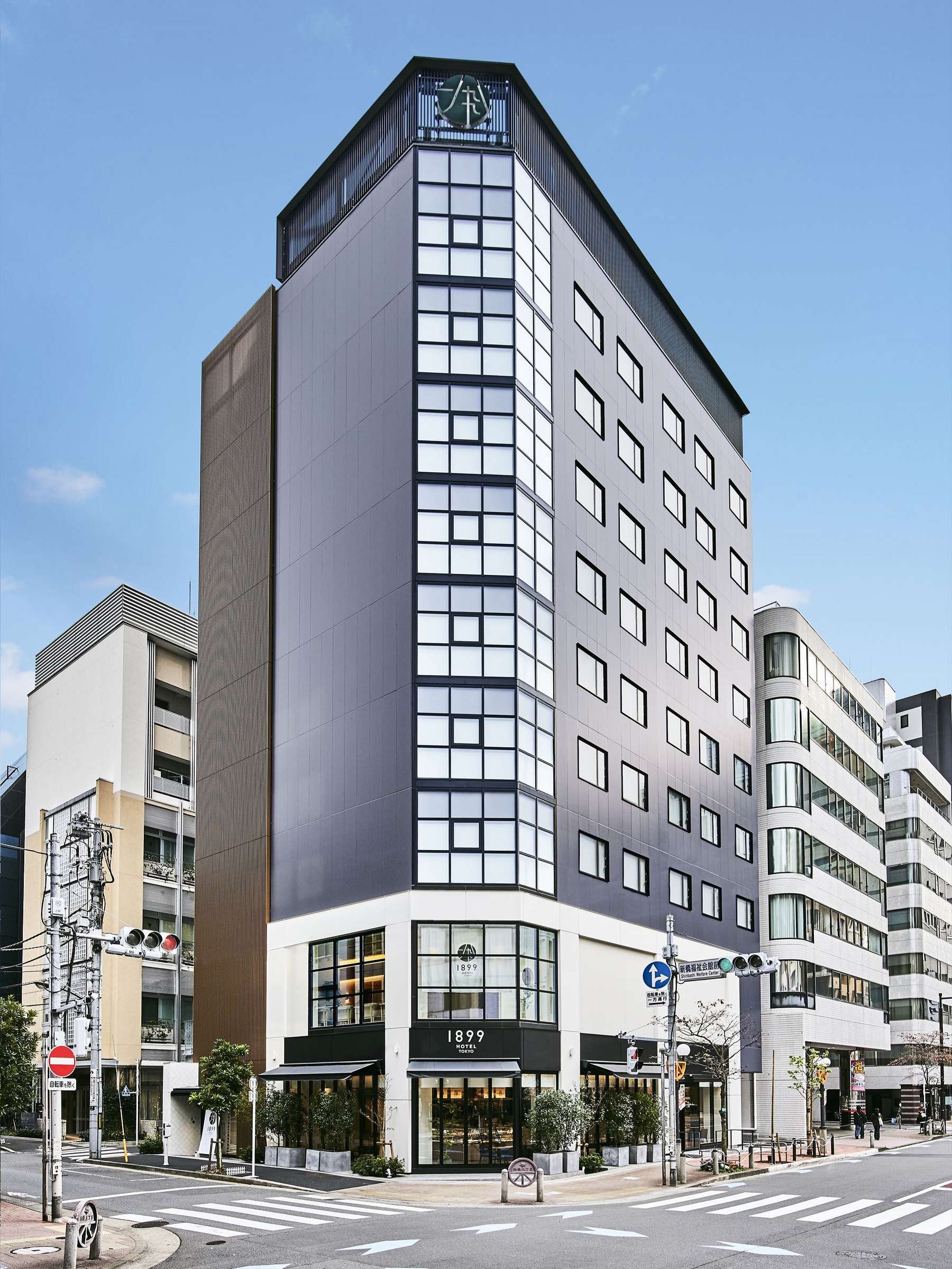
Hotel 1899 is the design hybrid — more polished boutique hotel than classic inn, built around a Japanese-tea theme, three minutes from Onarimon and walkable to Tokyo Tower. The 63 rooms blend tatami-inspired touches with full hotel comfort (proper beds available, an in-house tea stand), so it suits travelers who want a Japanese aesthetic without committing to a futon-on-the-floor night. Rated 8.7 from 2,134 reviews.
Rates run from roughly $100 to $250, typically room-only or with breakfast rather than the two-meal ryokan model. There's no onsen or communal bath to speak of — it's a hotel-ryokan crossover, so don't book it for the soak. Book it for a stylish, central, low-friction base with a tea-culture spin. Tattoos are cover-up, which here mostly just means no in-house bath to worry about.
Budget: tatami nights under ¥17,000
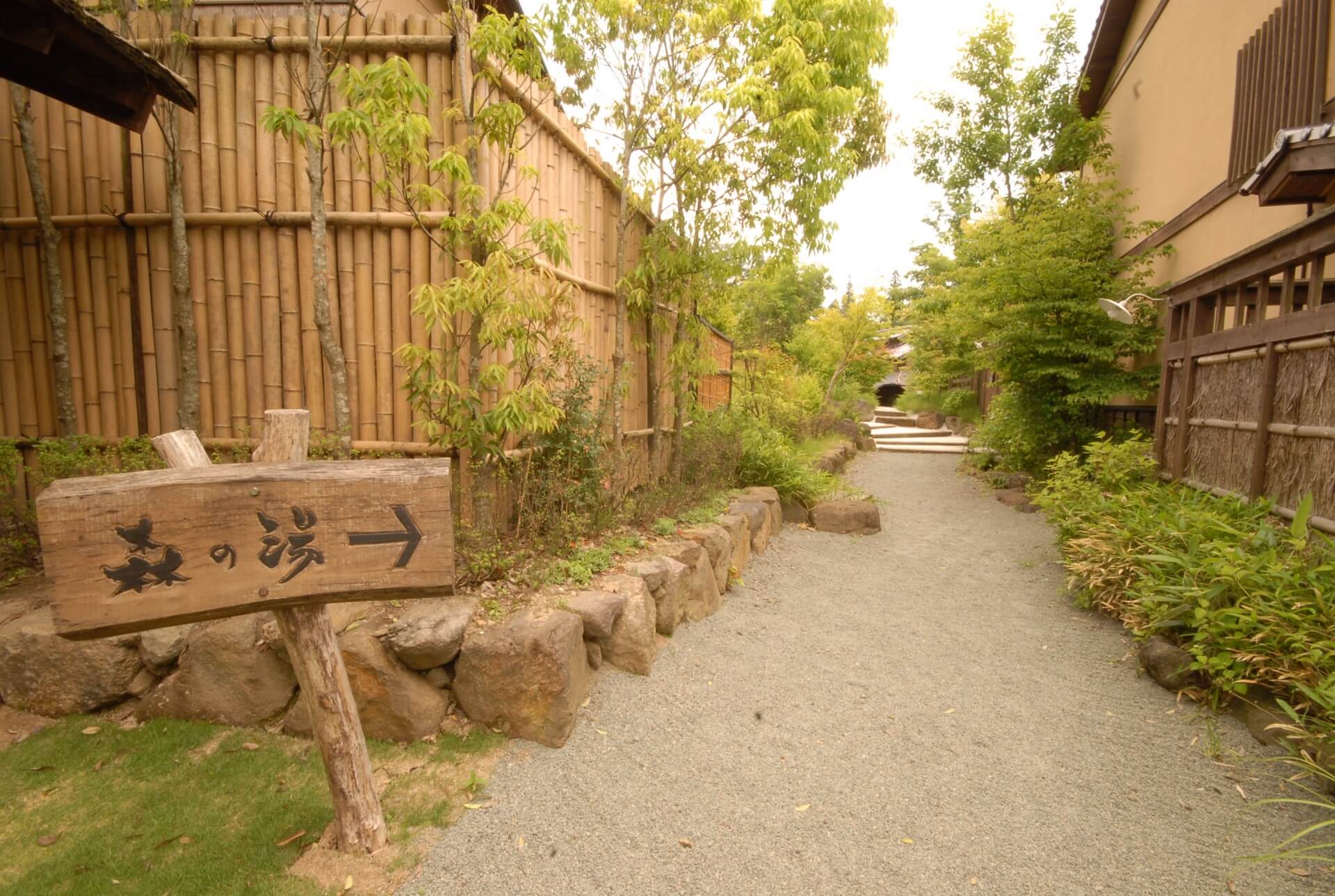
Tokyo's budget ryokans cluster in Yanaka and Nezu — the low-rise, old-neighborhood northeast that survived the wars and reads like the Tokyo of 60 years ago. These are small, family-run, futon-on-tatami guesthouses. None has onsen; bathrooms are often shared. What you get is authenticity and a price that's hard to believe for this city.
Sawanoya Ryokan
Sawanoya is the budget pick we recommend first. It's a 12-room, family-run Yanaka institution that has been famously foreigner-friendly since the 1980s — they pioneered welcoming overseas guests when most Tokyo inns wouldn't, and it shows in the easy, helpful English and the binders of local tips. Seven minutes from Nezu Station, surrounded by temples, sento, and old shops, it's an immersion in a Tokyo most visitors never see. Rated 8.4 from 1,456 reviews.
Rates are from about $50 to $110 per person — extraordinary for Tokyo. It's simple (small rooms, shared facilities, no onsen) and that's the deal: you trade square footage and a private bath for genuine neighborhood character and a price a fraction of central hotels. Tattoos are cover-up. For first-timers nervous about ryokan etiquette, Sawanoya is the gentlest possible landing.
Katsutaro Ryokan
A few backstreets from Sawanoya, Katsutaro is even smaller — just 7 rooms, eight minutes from Nezu — and aims for the same thing: a simple, honest, cheap tatami night in old Yanaka. Rated 8.1 from 342 reviews, it's the lower-profile sibling, and the smaller review count just reflects its size, not a problem. Rates run from roughly $45 to $120.
Book Katsutaro when Sawanoya is full or you want something even quieter and more under-the-radar. Same caveats apply across the budget tier: compact rooms, shared bathing, no onsen. If your priority is a real Tokyo neighborhood and a low bill, it delivers exactly that.
Andon Ryokan
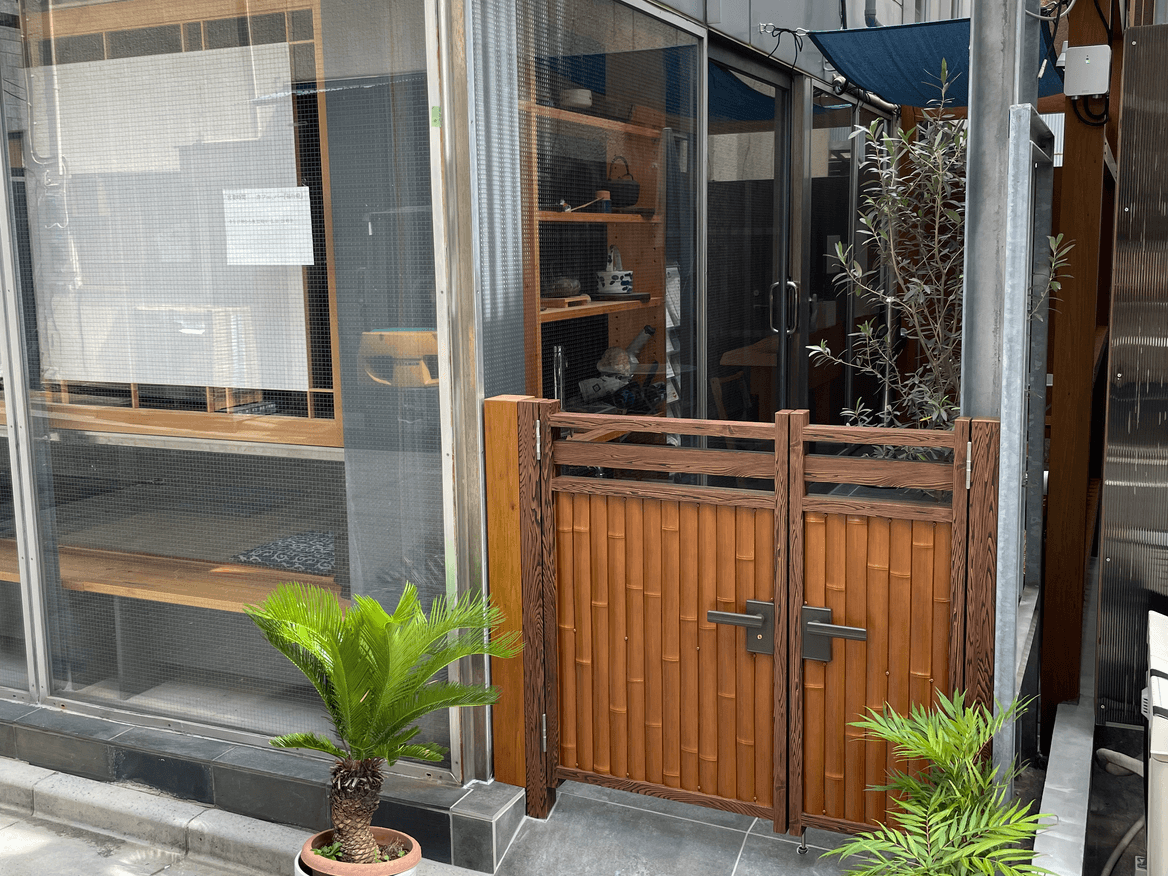
Andon is the design-minded budget choice. Three minutes from Minowa on the northeast edge, this 20-room ryokan dresses up the cheap-stay format with a modern, gallery-like interior and — the nice surprise — a tiny rentable cypress bath you can book for a private soak, rare at this price. Rated 7.8 from 623 reviews, the lowest score here, which tends to reflect very compact rooms and a less central location rather than anything broken.
Rates run from about $40 to $120, making it one of the cheapest tatami nights in the city, with more style than the price suggests. The trade-offs are real: small rooms, a slightly out-of-the-way location, and that the cypress tub is a small rentable bath, not an onsen. For a design-forward budget base, it's a smart pick. Tattoos are cover-up.
More tatami-for-less options live in our collection of budget ryokans in Tokyo.
Tattoos in Tokyo ryokans
Tokyo is more relaxed about tattoos than rural onsen towns, but you still need a plan. Because most of these properties have one shared bath (or none), the operational answer at scale is simple: cover-up patches, usually available at the front desk, let you use the communal bath discreetly. That covers HOSHINOYA Tokyo, YUEN Shinjuku, Asakusa Shigetsu, Hotel 1899, Sawanoya, Katsutaro, and Andon — all cover-up policy.
Two exceptions matter. YUEN Bettei Daita is private-bath-only for tattoos: ink is welcome in your private onsen, but standard rules apply to shared facilities — perfectly workable if you book a private soak. And Ryumeikan Honten does not allow tattoos at all, full stop, so skip it if you have visible ink. For the citywide picture and which inns are easiest with larger tattoos, see tattoo-friendly ryokans in Japan.
Tip
Patch logistics: cover-up patches handle small or medium tattoos well, but large or full-sleeve work can exceed what a patch hides. If your tattoos are extensive, a property with a private/rentable bath — YUEN Bettei Daita's private onsen or Andon's rentable cypress tub — sidesteps the issue entirely.
Getting there and using a Tokyo ryokan as a base
The best argument for staying in a Tokyo ryokan is access — every property here is 1 to 8 minutes from a train station. For central sightseeing, the mid-range and luxury picks win: HOSHINOYA (Otemachi) and Ryumeikan Honten (Ochanomizu) are minutes from Tokyo Station; YUEN Shinjuku and Hotel 1899 sit on central subway lines; Asakusa Shigetsu is in the historic northeast. The Yanaka budget inns (Sawanoya, Katsutaro) and Andon are a little further out but still a short hop on the Chiyoda or Hibiya lines.
Arriving by bullet train? Ryumeikan Honten and HOSHINOYA are the easy walk-or-one-stop choices from Tokyo Station — the Tokyo Station to ryokan guide maps the exits, which are a maze. To compare neighborhoods and what's near each, the Tokyo area hub lays out the wards.
Most travelers use a Tokyo ryokan as a city base and pair it with a hot-spring day-trip or overnight to get the real onsen experience the city can't fully provide. Hakone, Nikko, Kusatsu, and the Izu coast are all reachable; if you'll be hopping between them by rail, price out the Japan Rail Pass guide before you buy individual tickets, and use the best onsen ryokans near Tokyo to choose the escape.
Every other ryokan we list here
13 listed| Ryokan | From | Rating | Book |
|---|---|---|---|
.JPG%3Fw%3D1920%26fit%3Dinside%26ext%3Dwebp&w=3840&q=75) | — | 9.4 1,049 reviews | Book on Trip.com |
 | from US$83/person/night≈ US$166 for 2 | 9.2 910 reviews | Book on Booking.com |
 | from US$624/person/night≈ US$1,248 for 2 | 9.2 268 reviews | Book on Trip.com |
 | from US$145/person/night≈ US$290 for 2 | 9.2 207 reviews | Book on Booking.com |
 | — | 9.2 74 reviews | Book on Trip.com |
 | — | 9.1 2 reviews | Book on Booking.com |
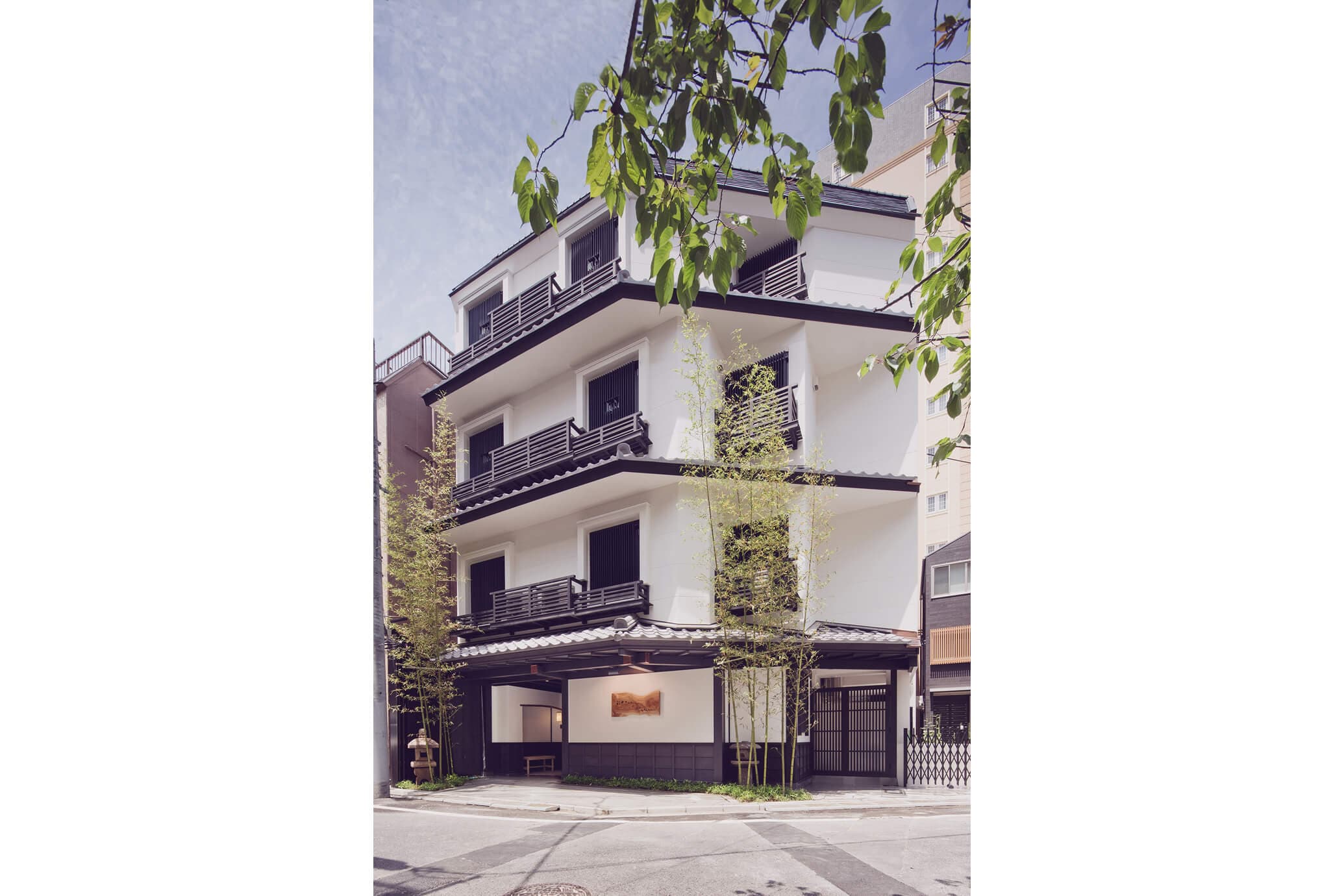 | from US$116/person/night≈ US$232 for 2 | 9.0 2,021 reviews | Book on Booking.com |
 | — | 9.0 736 reviews | Book on Trip.com |
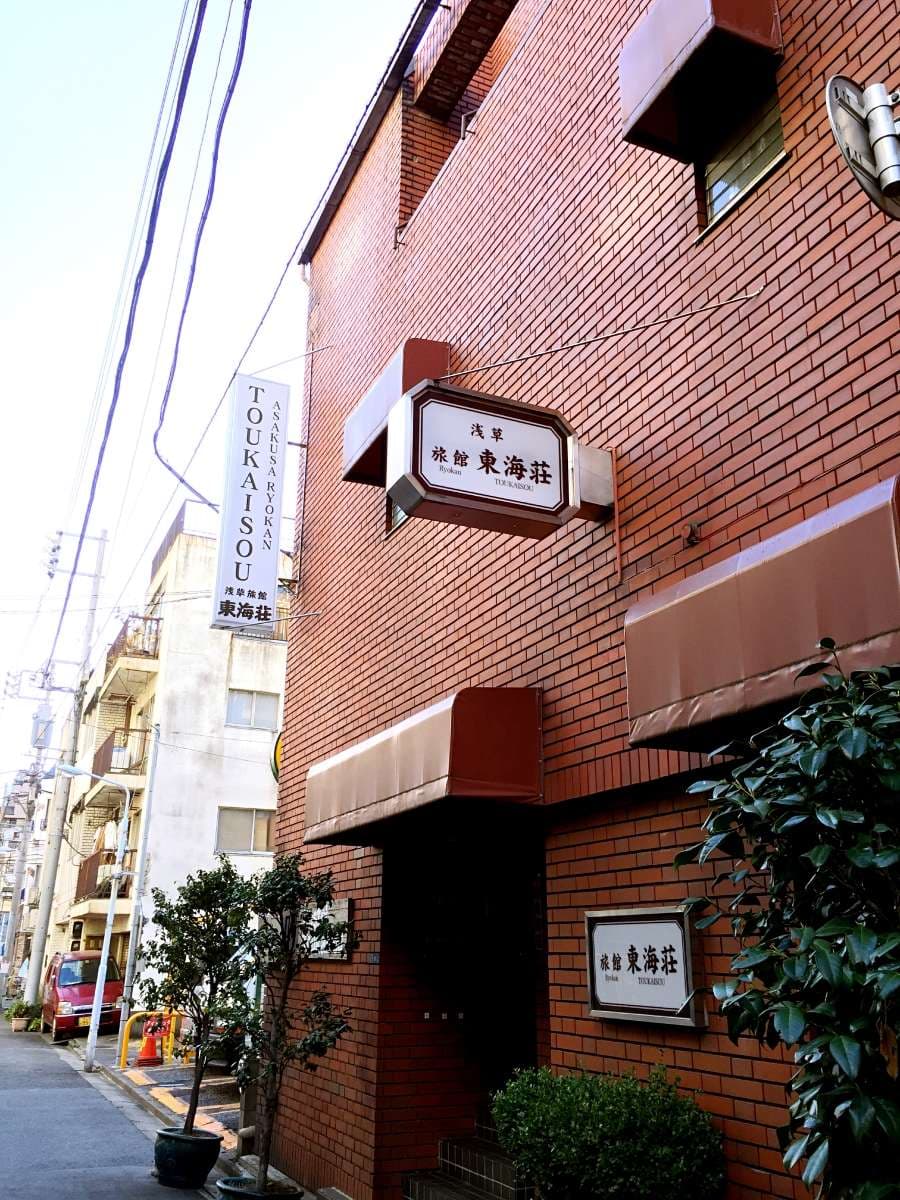 | from US$62/person/night≈ US$124 for 2 | 8.8 1,122 reviews | Book on Booking.com |
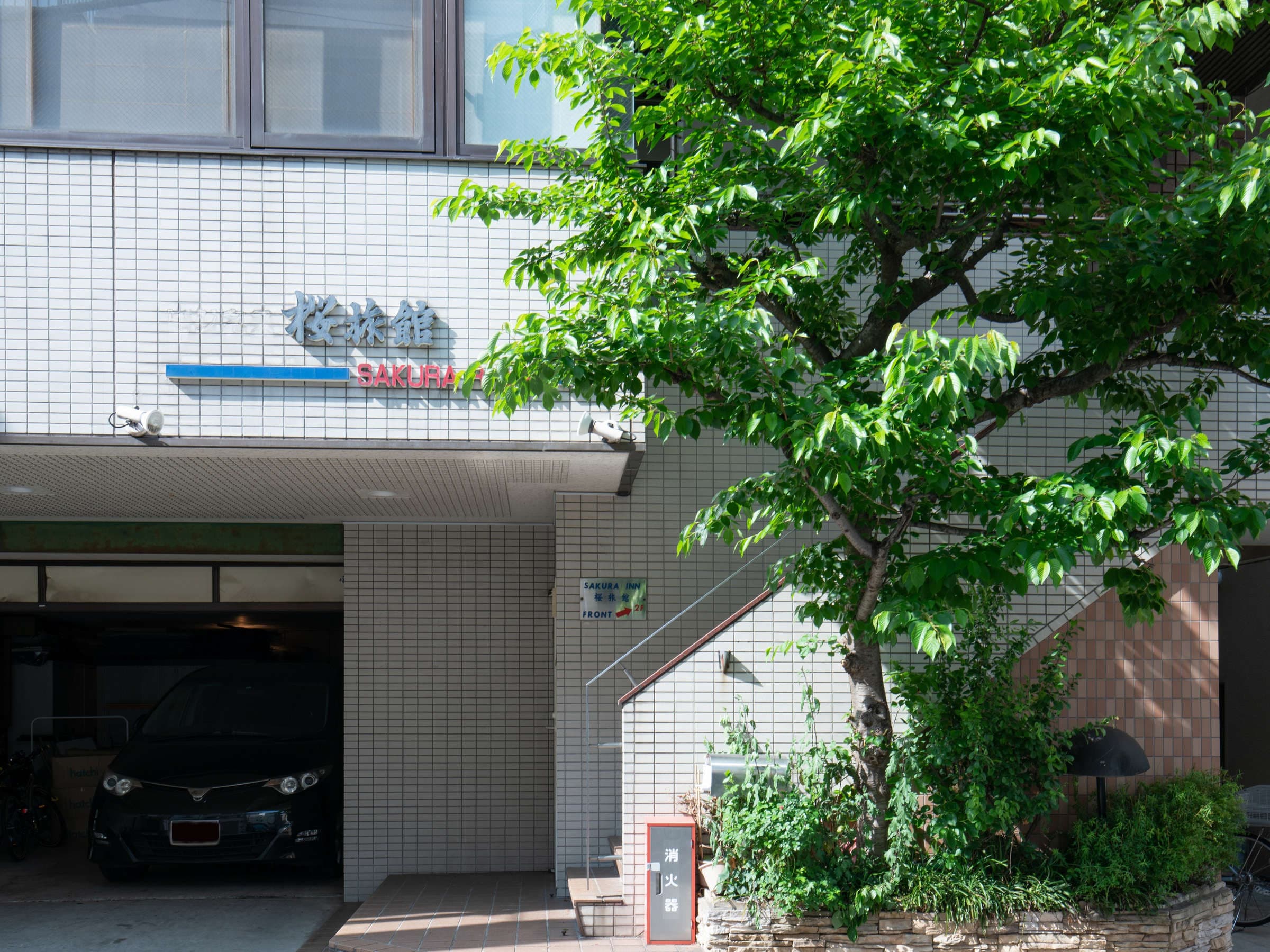 | from US$51/person/night≈ US$102 for 2 | 8.6 763 reviews | Book on Agoda |
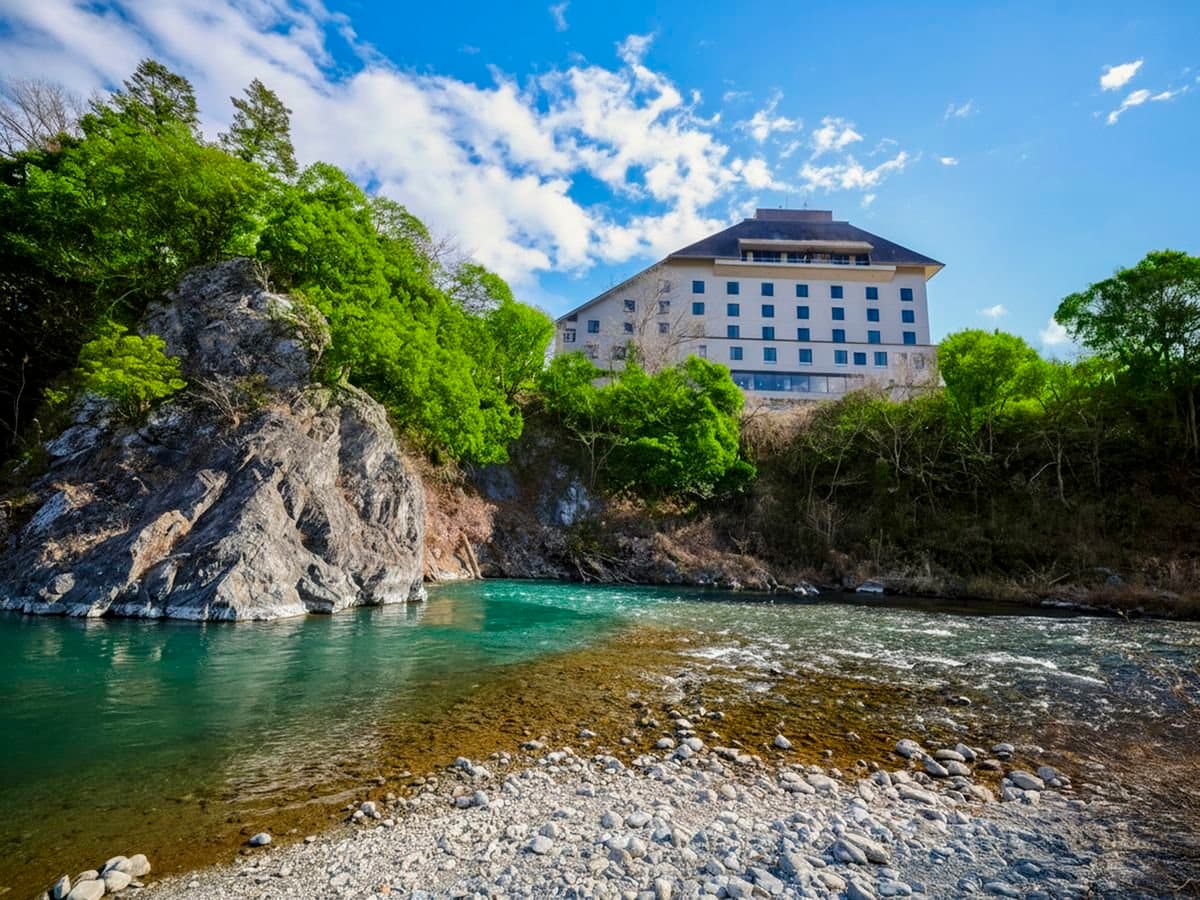 | from US$62/person/night≈ US$124 for 2 | 8.6 651 reviews | Book on Trip.com |
 | from US$39/person/night≈ US$78 for 2 | 8.3 438 reviews | Book on Trip.com |
 | — | — | Book on Trip.com |
Ito Ryokan
Tokyo
Takanawa Hanakohro
Tokyo
Kaminarimon Ryokan
Tokyo
The Edo Sakura
Tokyo
Kamenoi Hotel Ome
Tokyo
Prices shown are approximate starting rates per person per night. We may earn a commission on bookings.
Ready to book?
Book one of these top picks
Compare live availability and prices across booking sites.
HOSHINOYA Tokyo
星のや東京
Tokyo·Luxury
from US$600 · per person · per nightfrom ≈ US$1,200 total for 2 guests



Onsen Ryokan Yuen Shinjuku
温泉旅館 由縁 新宿
Tokyo·Mid-Range
from US$120 · per person · per nightfrom ≈ US$240 total for 2 guests
Ryokan Asakusa Shigetsu
浅草指月
Tokyo·Mid-Range
from US$85 · per person · per nightfrom ≈ US$170 total for 2 guests
Sawanoya Ryokan
澤の屋旅館
Tokyo·Budget
from US$50 · per person · per nightfrom ≈ US$100 total for 2 guests
Booking links may earn us a commission at no extra cost to you.
For a base you can reach without a single transfer, browse Tokyo ryokans near major stations.
FAQ
Frequently asked questions
What is the best ryokan in Tokyo?+
It depends on what you want. For luxury with a real onsen, HOSHINOYA Tokyo (9.2 from 312 reviews) is the clear top pick. For a real onsen on a mid budget, YUEN Shinjuku (8.9 from 3,323 reviews). For traditional atmosphere near the sights, Asakusa Shigetsu by Sensoji, and for a budget tatami night, the family-run Sawanoya in Yanaka.
Do any Tokyo ryokans have a real onsen?+
Only three pipe in genuine hot-spring water: HOSHINOYA Tokyo (a 17th-floor bath drawing onsen water), YUEN Shinjuku (a rooftop open-air onsen over the city), and YUEN Bettei Daita (transported hot-spring water with private onsen). Tokyo sits on city water, so every other inn here has a regular cypress or shared bath — pleasant, but not technically onsen.
Are Tokyo ryokans tattoo-friendly?+
Mostly, yes — seven of these nine follow a cover-up policy, with patches usually available at the front desk for the shared bath. Two exceptions: YUEN Bettei Daita allows tattoos only in its private bath, and Ryumeikan Honten does not allow tattoos at all. If you have large or full-sleeve ink, book a property with a private or rentable bath.
What is the cheapest ryokan in Tokyo?+
Andon Ryokan near Minowa starts around $40 per person, with Katsutaro (about $45) and Sawanoya (about $50) just behind — all in the old Yanaka/northeast area. These are small, family-run, futon-on-tatami guesthouses with shared bathrooms and no onsen, but the price and neighborhood character are hard to beat anywhere in central Tokyo.
Which ryokan is closest to Tokyo Station?+
Ryumeikan Honten is the most traditional inn near Tokyo Station — three minutes from Ochanomizu and a short hop from the Yaesu/Kanda side. HOSHINOYA Tokyo is two minutes from Otemachi, one stop away. Note Ryumeikan does not allow tattoos. If you're arriving by Shinkansen, our Tokyo Station to ryokan guide maps the (confusing) exits.
Ryokan or hotel in Tokyo — which should I book?+
Book a ryokan for at least a night or two if you want the Japanese experience: tatami, futon, yukata, and often a traditional breakfast. Many Tokyo ryokans are hotel-format, so you get that feel with modern convenience. Choose a regular hotel if you prioritize big rooms, late check-in flexibility, or Western beds. Our ryokan vs hotel guide breaks down the trade-offs in detail.
How much does a Tokyo ryokan cost per night?+
Budget Yanaka inns start around $40–50 per person, mid-range properties run roughly $85–300, and luxury HOSHINOYA Tokyo starts near $600 and climbs past $1,500. Ryokan rates are quoted per person and traditionally include two meals, though several Tokyo properties sell room-only or room-with-breakfast — always check what's included before comparing to a hotel rate.
Which Tokyo ryokan is best for first-timers?+
Sawanoya in Yanaka — it's been welcoming foreign guests since the 1980s, the staff are used to explaining ryokan etiquette in English, and the price is gentle if you're unsure whether you'll love the format. For a more upscale but still easy first ryokan, YUEN Shinjuku is central, modern, and forgiving. Read our first-time ryokan guide before you go.
Should I leave Tokyo for a real onsen?+
If a mountain-view rotenburo is the dream, yes. Even the best Tokyo onsen is transported water in a tower. Hakone, Nikko, Kusatsu, and Izu are 1–2.5 hours out and deliver proper hot-spring valleys. Use a Tokyo ryokan as your city base and pair it with an onsen overnight — see our best onsen ryokans near Tokyo guide for the escapes.
Still deciding?
Browse ryokans across JapanBooking.com