Quick Comparison
8 picks| Ryokan | From | Rating | Book |
|---|---|---|---|
 | from US$400/person/night≈ US$800 for 2 | 9.3 124 reviews | Book on Booking.com |
 | from US$170/person/night≈ US$340 for 2 | 8.3 322 reviews | Book on Booking.com |
 | from US$500/person/night≈ US$1,000 for 2 | 9.5 89 reviews | Book on Booking.com |
 | from US$250/person/night≈ US$500 for 2 | 9.0 645 reviews | Book on Agoda |
 | from US$300/person/night≈ US$600 for 2 | 8.6 178 reviews | Book on Trip.com |
 | from US$150/person/night≈ US$300 for 2 | 8.9 203 reviews | Book on Booking.com |
 | from US$150/person/night≈ US$300 for 2 | 8.9 672 reviews | Book on Agoda |
 | from US$200/person/night≈ US$400 for 2 | 8.8 1,712 reviews | Book on Booking.com |
Hakone Ginyu
Hakone
Hakone Gora Setsugetsuka
Hakone
Gora Kansuirou
Hakone
Hakone Airu
Hakone
Yoshiike Ryokan
Hakone
Prices shown are approximate starting rates per person per night. We may earn a commission on bookings.
Hakone sits 85 minutes from Shinjuku and contains Japan's densest concentration of private-onsen ryokans within a single onsen region. If you want to soak in your own outdoor hot spring — steam rising off geothermal water, a cedar forest on the other side of the stone wall, nobody else within earshot — this is where to start.
The private-onsen category in Hakone splits into two types: in-room rotenburo (an outdoor bath attached directly to your room, yours for the entire stay) and kashikiri (a reservable private bath booked by the hour, typically 45–60 minutes, shared with no one during your slot). Both deliver complete privacy. The difference is access: an in-room bath means waking at 5 AM and slipping into the water while the valley is still dark; kashikiri means booking a window and planning around it.
This guide covers only the Hakone ryokans where private onsen access is verified — either in-room rotenburo in at least some room categories, or a dedicated kashikiri facility. Eight picks, four sub-regions, three budget tiers. For a broader Hakone overview including properties without private onsen, see our full Hakone ryokan guide.
What's new in Hakone private-onsen ryokans (2026)
A few developments worth flagging before you book.
Mizunoto renovation completed 2025. Hakone Kowakudani Mizunoto finished a full renovation in 2025 (DB updated). The two accommodation wings — Suika-no-Sho and Suigetsu-no-Sho — are now distinct in design, and three private garden rental baths replace the older shared outdoor setup. If you read older reviews describing dated interiors, those conditions no longer apply.
Gora Kadan Michelin Three Keys confirmed. Gora Kadan was awarded a Michelin Three Key designation in July 2024 — the highest tier under the new Michelin hospitality rating system — and the recognition has pushed peak-season waitlists to 90–120 days. Book earlier than you think necessary.
Tattoo policy update. We checked all 8 properties against their official websites on 29 September 2026 and re-checked them on 17 October 2026. Setsugetsuka and Mizunoto do not allow tattoos in their large baths and ask tattooed guests to use the in-room bath or the private baths; Yoshiike allows tattoos in its shared baths if they are covered by up to two 10 × 14 cm cover seals. Gora Kadan's FAQ, updated in October 2026, says small tattoos up to about A4 size are allowed in its public baths and asks guests with larger ones to use the private bath. Hakone Ginyu, Gora Kansuirou, Hakone Airu and Yaeikan publish no tattoo policy, for shared or private baths — ask the inn before you book.
Private onsen in Hakone: in-room rotenburo vs kashikiri
The terminology matters when booking. Properties advertise "private onsen" to mean different things:
In-room rotenburo (露天風呂付き客室): The outdoor bath is part of your room. You access it directly from your private space at any hour. This is the gold standard — no scheduling, no sharing, no booking. Properties like Hakone Ginyu and Hakone Gora Setsugetsuka guarantee this for every room. Others (Gora Kadan, Gora Kansuirou) offer it only in premium room categories.
Kashikiri (貸切風呂): A separate private bath facility you reserve in advance, typically at the front desk on arrival. The bath is yours for the booked window — usually 45–60 minutes — then cleaned and released for the next guest. Yoshiike's kashikiri, for example, is available by the hour for all room grades. It is a useful option at properties where in-room baths are not available, or as a supplement to a communal rotenburo stay.
One practical note: some ryokans advertise kashikiri but require booking it on arrival for the following morning, which means the best slots go fast on busy nights. If a private bath at a specific time matters, ask whether you can reserve it when you book your room, not when you check in.
The Hakone private-onsen water: what you're actually soaking in
Private access changes the logistics; the geothermal water itself is why you came. Hakone's sub-regions draw from different spring sources, and the mineral composition varies enough that it's worth understanding before you choose a sub-zone.
Gora and Miyanoshita (sodium bicarbonate springs, pH ~9). The Gora zone is famous for bijin-no-yu — beauty water — a sodium bicarbonate spring that feels silky and slightly slippery on the skin. It emulsifies sebum gently and leaves skin soft without stripping it. The alkalinity is noticeable immediately. Hakone Ginyu (Miyanoshita) and the Gora properties draw from this type. Temperature at the source tends toward 40–43°C.
Sengokuhara (sodium chloride and sulfate springs). Sengokuhara's springs have a heavier mineral character — higher chloride content than Gora, with some properties drawing from sulfate-dominant sources too. Chloride-dominant water is warming and stays in the skin longer after soaking, which is why it's associated with fatigue recovery.
Kowakudani (mixed sodium / calcium sulfate). Mizunoto draws from two distinct sources — its dual-spring setup lets you compare directly. The calcium sulfate element is associated with muscle and joint support, which is the informal explanation for Kowakudani's popularity as a recovery bath after hiking.
Yumoto (sodium chloride, slightly radioactive — radon). Yumoto's springs are the oldest in Hakone and include radon-bearing water at some properties. The Yoshiike water from its 6 private sources is sodium-chloride dominant. Hakone Airu and Yaeikan, both Yumoto inns, list alkaline sodium-calcium chloride-based springs on their own sites. Yumoto water tends toward the clearer, lighter end of Hakone's spring spectrum.
Hakone sub-area guide for private-onsen hunters
Where you stay in Hakone matters beyond which property you pick. The caldera has four main sub-zones, and the transit, vibe, and spring character differ meaningfully.
Yumoto — valley base, most accessible The Romancecar from Shinjuku terminates at Hakone-Yumoto Station (85 min, ¥2,330 reserved). You're in the bath town immediately. The shopping streets, onsen foot baths, and the main tourist concentration are all here. Yoshiike is a 7-minute walk from the station, Yaeikan 5–6 minutes and Hakone Airu 10 minutes, which means arriving by Romancecar at 6 PM and soaking by 7 PM is a realistic plan.
Downside: Yumoto is the busiest of Hakone's zones at weekends. The valley can feel congested on Saturday afternoons when day-trippers from Tokyo coincide with early-arriving overnight guests. If absolute quiet is the goal, look higher up the mountain.
Miyanoshita and Kowakudani — railway corridor, mid-mountain Hakone Tozan Railway runs from Yumoto up through Miyanoshita and Kowakudani to Gora. Journey time from Yumoto: Miyanoshita 20 min, Kowakudani 28 min, Gora 35 min. The railway is narrow-gauge and slow, which is part of the experience rather than a problem. Hakone Ginyu (Miyanoshita) sits a short uphill walk from the Miyanoshita stop — most properties in this zone offer shuttle service.
The railway zone has better proximity to Hakone's main sightseeing circuit (cable car to ropeway, Owakudani, Lake Ashi) than Sengokuhara. For guests who want a private-onsen night but also plan a full caldera loop, the railway corridor is the base.
Gora — mid-mountain plateau, ryokan density peak Gora Station is the end of the Tozan Railway proper and the top of the switch-back climb. From here, the Hakone Tozan Cable Car connects upward to the ropeway terminus. The plateau around Gora — elevation ~540 m — is the highest concentration of high-end ryokans in Hakone, with Gora Kadan, Gora Kansuirou, and Setsugetsuka all within a short walk or shuttle of the station.
Gora is quieter than Yumoto on weekday evenings; the day-tripper crowd doesn't tend to penetrate this far on a single day out. The Open-Air Museum (walk from Koen-kami Station, one stop below Gora) is a half-day add-on that fits naturally with a Gora base.
Sengokuhara — volcanic plateau, most secluded Sengokuhara sits at 700 m on a broad plateau north of Gora, accessible by bus from Gora Station (15 min, Hakone Free Pass route) or by shuttle from Yumoto. The rail network doesn't reach this far, so you're committing to the bus schedule or the ryokan shuttle. In return: almost no day-trippers, the famous susuki silver-grass meadows (September–October best), and the quietest nights in Hakone.
The trade-off is logistical: plan arrivals for the 3–5 PM window when shuttles run reliably, confirm your dinner reservation time before you travel, and accept that spontaneous evening walks into a bar street aren't available — Sengokuhara has almost no dining outside the ryokans themselves.
Price tiers: what your budget actually buys
Hakone's private-onsen ryokans span a wider price range than most guests expect. Here's how the tiers break down in practical terms (all prices per person per night including two meals).
¥20,000–¥30,000 — Entry private-onsen tier Yaeikan (from ¥23,000) and Mizunoto (from ¥23,000) are the floor for a Hakone private-bath stay. What you get: a private open-air bath in your room or a kashikiri reservation, seasonal kaiseki at a mid-range standard, a clean tatami room, and a station shuttle. What you don't get: butler-grade nakai service, premium room sizes, the most dramatic spring views, or exclusive gardens. This is a solid private-onsen ryokan experience — just not a rarefied one.
¥26,000–¥45,000 — Mid-range reliable Setsugetsuka (from ¥26,000) and the lower room grades at Hakone Airu (from ¥45,000) and Yoshiike (from ¥30,000) sit here. Setsugetsuka delivers the broadest room inventory with guaranteed in-room hinoki baths across all 158 rooms — the reliability is the value proposition. Yoshiike adds six distinct spring sources and a proper koi garden. Hakone Airu at the low end of its range gives you the Balinese-Japanese design concept without the full premium-room surcharge.
¥60,000–¥90,000 — High-end with full private-onsen Hakone Ginyu (from ¥60,000) delivers all 20 rooms with private outdoor rotenburo in this range. Gora Kansuirou (to ¥83,000) with its imperial-estate garden occupies similar territory. At this price, the service ratio is different — more nakai attention, better seasonal ingredient sourcing for kaiseki, larger room footprints with proper sitting areas.
¥75,000–¥180,000 — Luxury flagship Gora Kadan is in a different category: Michelin Three Keys, 16 rooms on a former imperial villa estate, kaiseki that attracts guests who treat dining as the primary reason to book. The private onsen is a component of a high-performance luxury ryokan experience, not just a bath feature.
One pricing reality to know: all rates above are per person, including meals — not per room. A couple at Yaeikan for ¥23,000 per person pays ¥46,000 total for the night including dinner and breakfast. The same couple at Gora Kadan at ¥90,000 per person pays ¥180,000. That range explains both why private-onsen ryokans feel expensive relative to hotels and why the mid-range tier (¥26,000–¥45,000) is the most contested segment.
Booking windows for private-onsen rooms
Private-onsen rooms sell out faster than standard rooms at every property on this list. The premium room types — specifically those with in-room rotenburo — are a small fraction of total inventory, and demand concentrates on them.
General lead times:
- Standard weekdays, low season (January–February, June): 2–4 weeks sufficient for most properties
- Weekends year-round: 4–8 weeks recommended
- Cherry blossom (late March–early April): book 60–90 days out; Gora Kadan often sells to returning guests who book the following year on checkout
- Golden Week (late April–early May): 60–90 days minimum; some years, properties at Gora Kadan and Ginyu are full 120 days out
- Autumn foliage (mid-October–mid-November): the most competitive period; Gora Kansuirou's illumination nights (stone lanterns, maple reflection in the pond) sell to repeat guests first — book as soon as the calendar opens
- New Year (December 28–January 3): 90+ days in advance; prices typically spike 20–30% above standard rates
Kashikiri-specific timing: At properties where the private bath is a shared kashikiri facility rather than an in-room bath, the issue is slot availability, not room availability. Yoshiike's popular early-morning slots (6–8 AM) fill on the night of arrival. If you're at a kashikiri property and the 5 AM rotenburo experience is important to you, either confirm pre-booking is possible or plan to be at the front desk the moment it opens.
Practical advice for Gora Kadan: The waiting list for peak dates is managed by the property directly. Email in advance (English is fine), specify your dates and party size, and ask to be added to the waitlist if your first-choice dates are unavailable. Same-week availability sometimes appears when cancellations come in — checking the OTA listings 2–3 days before your travel date is not futile.
Tattoo policy and private baths: the practical picture
If you have tattoos and want to visit an onsen ryokan, Hakone's private-bath properties are among the most practical options in Japan — and the reason is structural, not attitudinal.
In Japan, onsen tattoo restrictions exist primarily to protect communal facilities. The policy reasoning — rooted in historical association between tattoos and organized crime, now complicated by the reality of an international traveler base — is applied at the communal bath level. A private in-room rotenburo or kashikiri facility is yours alone: no other guests see your tattoos and no communal-bath rule is triggered. Whether an inn actually lets tattooed guests use its private baths is still the inn's call, and only three of the eight below say so in writing.
Of our 8 picks, this is what each inn's official website said when we checked on 29 September 2026 and re-checked on 17 October 2026:
- Large baths off-limits, private baths offered (the operator's FAQ asks tattooed guests to use the in-room bath or the private baths): Setsugetsuka, Mizunoto
- Covered tattoos allowed in the shared baths (up to two 10 × 14 cm cover seals): Yoshiike
- Small tattoos allowed in the shared baths, larger ones to the private bath (up to about A4; official FAQ, updated October 2026): Gora Kadan
- No tattoo policy published: Hakone Ginyu, Gora Kansuirou, Hakone Airu, Yaeikan
In practice, ask the inn before you book unless it is one of the four above. If you would rather skip shared baths altogether, Hakone Ginyu (a private open-air bath in every room) and Gora Kadan (private baths in select rooms) let you do so — but Ginyu publishes no tattoo policy, so confirm first.
For tattoo policies we have checked against inns' own websites, see our tattoo-friendly ryokans guide. The private-onsen angle specifically is covered in tattoo-friendly ryokans with a private onsen.
The verified Hakone ryokans with private onsen
Gora and Miyanoshita
Gora sits at 360–540 m on the Hakone Tozan Railway, 20 minutes above Yumoto. The mid-mountain position gives it cedar-forest scenery and, in sodium bicarbonate springs (called bijin-no-yu — beauty water — by the locals), some of the softest water chemistry in the region. The luxury-ryokan concentration is the highest of any Hakone sub-zone.
At a glance
Hakone Ginyu is the most complete private-onsen answer in Hakone: every one of its 20 rooms has a private outdoor rotenburo, regardless of room grade. The property is built into the cliff face above the Hayakawa Ravine in Miyanoshita, and the baths feel like they're floating in the forest canopy — the far wall disappears and you're looking into cedar branches. At night the only sound is the river far below.
The bath itself: Each room's rotenburo is an open-air outdoor basin — stone or hinoki cypress depending on room type — fed with sodium bicarbonate spring water from the property's own source. Because every room has one and the property runs just 20 rooms, the water-to-guest ratio is high: you're drawing from a spring that isn't being distributed across 150 rooms simultaneously. The bijin-no-yu alkalinity (pH around 9) is immediately perceptible as softness on contact. Morning is the best time — the forest light through cedar branches is specific to the hour before 8 AM.
The kaiseki here leans French-Japanese — precise technique, hyperlocal ingredients — which divides opinion. Some guests prefer the more classical kaiseki at Gora Kadan nearby. What Ginyu does without debate: the glass-walled breakfast room suspended over the ravine, where fresh on-site tofu arrives with Sagami Bay fish, is one of Hakone's great meal settings. Listed rate: ¥60,000–¥135,000 per person per night including meals.
Tattoo policy: Not stated on the official site — ask the inn. Every room has its own open-air bath, so you never need the shared baths.
The honest con: the cliffside position means no garden; the outdoor space is limited to your balcony. For guests wanting strolling grounds, Gora Kansuirou below has a 5,000-tsubo garden. For pure private-onsen priority, Ginyu is the cleanest answer.
At a glance
Hakone Gora Setsugetsuka solves a specific problem: you want an in-room private hinoki cypress bath in Gora but can't justify ¥75,000/person. At ¥26,000–¥60,000 per person including meals, it's the lowest price in this guide for a guaranteed in-room private bath in the Gora zone. All 158 rooms contain a private hinoki open-air bath — not a token tub, but a properly sized outdoor bath — filled with heated water: the inn's own room page notes that the in-room baths are not onsen.
The bath itself: The hinoki (Japanese cypress) element is material, not decorative. Hinoki emits a gentle wood resin fragrance that is particularly noticeable when the bath is warm and recently drawn — it's one of the distinctive sensory signatures of this property. Setsugetsuka draws from two different natural spring sources, which feed its large baths and its three private open-air baths free-flowing (kake-nagashi); the in-room hinoki baths are not on the spring. The additional communal baths — including a carbonated spring bath — are available for guests who want to vary the experience, but you never have to leave your room for a private soak.
The scale is resort-style rather than boutique — 158 rooms means the corridors are longer and the kaiseki dining room can feel like a hotel — but the core promise holds. Gora Station is a one-minute walk, which makes the Open-Air Museum (worth a half day) and the ropeway for Owakudani genuinely convenient to add to a two-night stay.
Tattoo policy: Not allowed in the large baths, whatever their size (operator's official FAQ); tattooed guests are asked to use the in-room bath or the private baths.
The honest con: communal bath options are also on the property, which creates some corridor traffic. The intimate single-property atmosphere of Gora Kadan or Gora Kansuirou is different. Setsugetsuka is efficient and reliable, not rarefied.
At a glance
Gora Kadan occupied the former summer villa of the Kan'in-no-miya imperial family before opening as a ryokan in 1952. It became Japan's first Relais & Châteaux member in 1991, and earned a Michelin Three Key rating in July 2024. Sixteen rooms across roughly 16,500 m² of grounds — the ratio of space to guest is the visible evidence of that history.
The bath itself: The private onsen at Gora Kadan is not a universal room feature — it's offered in select room categories, and the booking language matters. When you book, ask specifically which room types include a private outdoor rotenburo on the balcony or adjacent to the room, versus which have access to the property's communal rotenburo and kashikiri facilities. The spring water is sodium bicarbonate — bijin-no-yu, the same Gora type — and the balcony rotenburo rooms are set into the hillside garden with privacy screening that genuinely eliminates sightlines to other rooms.
What Gora Kadan delivers regardless of room grade: the finest kaiseki in Hakone (sake-matched by sommelier, same-day Sagami Bay sourcing), a nakai who remembers your tea preference by day two, and the weight of 70 years of ryokan culture concentrated in 16 rooms. Price: ¥75,000–¥180,000 per person including meals.
Tattoo policy: Small tattoos up to about A4 size are allowed in the public baths and pool; for larger tattoos the inn asks you to use the private bath (official FAQ).
The honest con: the price premium is real and the wait time for peak availability can reach 90–120 days. The kaiseki formality is appropriate for some guests and stiff for others. This is not a relaxed retreat — it is a high-performance luxury ryokan.
At a glance
Gora Kansuirou occupies a former Mitsubishi (Iwasaki) family recreational estate — the DB description confirms the Taisho-era heritage — which explains both the extraordinary 5,000-tsubo (16,500 m²) Japanese garden and the sense that no budgetary constraint was applied to its original construction. The property draws from its own private spring source (jikagen-kake-nagashi, free-flowing and unrecycled). The autumn night illumination events, when stone lanterns and maple trees create a reflection garden in the central pond, sell out weeks in advance every October and November.
The bath itself: Private onsen rooms are in select categories — the 14 Japanese-style rooms are not all identical in bath configuration. The property's own spring feeds an open-air bath with garden views; the private rooms with balcony rotenburo look out onto the garden's seasonal foliage. Kansuirou's garden is the bath's real backdrop: the rotenburo experience here is inseparable from what's on the other side of the steam — which in October is red maple, in April is cherry blossom, and in December is illuminated stone lanterns reflected in still water.
Compared to Gora Kadan, Kansuirou is wider in price range (¥38,000–¥83,000 per person including meals, listed rate as of May 2026) and less formal in service — the atmosphere is grand rather than precious. Gora Station is a five-minute walk.
Tattoo policy: Not stated on the official site — ask the inn.
The honest con: the lower room categories do not include private onsen — confirm which room types do when booking. Some guests find the garden tours (offered in the evening) feel organized rather than spontaneous.
Hakone-Yumoto: Airu and Yaeikan
Both inns in this section are in Hakone-Yumoto, the valley-floor bath town where the Romancecar from Shinjuku terminates: their own sites give the addresses as 499-1 Yumoto (Hakone Airu) and 484 Yumoto (Yaeikan). Each is a walk from Hakone-Yumoto Station — about 10 minutes to Airu, 5–6 to Yaeikan — or about 3 minutes on the shared inn shuttle bus (¥100 per person). Both list an alkaline sodium-calcium chloride-based spring, clear and odourless.
At a glance
Hakone Airu is the Hakone-Yumoto property that provokes the most surprised reactions on arrival. The design concept — Balinese-Japanese, teak and bamboo pavilions alongside tatami — sounds mismatched until you're in the private outdoor bath: a pavilion structure with teak surround and, from the terrace and bath, a view across the Hakone mountains. Every room has a private open-air onsen.
The bath itself: The DB description confirms every room has a private open-air bath — this is not a category upgrade. The water is Hakone-Yumoto spring water, piped in straight from the source and free-flowing in every in-room bath and the large baths alike; the inn lists it as an alkaline sodium-calcium chloride-based spring, clear and odourless. The Balinese teak surround to the bath is genuinely uncommon in Hakone — most private baths here use hinoki or stone, which is beautiful in a conventional Japanese way. Airu's outdoor bath has a different spatial feeling: wider, lower, with the teak creating a pavilion ambience rather than a Japanese stone-garden one. The full spa and bar lounge (the DB description flags these) give Airu a resort character that the Gora properties don't have.
Price: ¥45,000–¥90,000 per person including meals.
Tattoo policy: Not stated on the official site — ask the inn.
The honest con: it is a 10-minute walk from Hakone-Yumoto Station, not on the doorstep (the shared inn shuttle bus takes about 3 minutes, ¥100 per person). The Balinese design is atmospheric in context but is not traditional Japanese architecture — guests wanting a classic tatami-aesthetic should look at Gora Kansuirou instead.
At a glance
Yaeikan is the strongest value entry point in Hakone-Yumoto: ¥23,000–¥53,000 per person including meals, an open-air bath under the open sky, private baths available to all room grades, and a 5–6-minute walk from Hakone-Yumoto Station (or about 3 minutes on the shared inn shuttle bus, ¥100 per person).
The bath itself: Yaeikan's private baths are a reservable open-air bath and an indoor family bath; the inn's own site describes the open-air one as a ceramic tub looking onto a small courtyard garden. The DB description notes two room styles: the spacious Yutori no Ma and the riverside Seseragi no Ma (riverside rooms, implying proximity to a stream element). The spring water comes from three sources and is listed on the inn's site as an alkaline sodium-calcium chloride-sulfate spring, clear and odourless. At this price point, you're not getting a private balcony rotenburo in the Ginyu style; you're getting a property with a genuine kashikiri or private-bath option for all room categories, which is the meaningful distinction over a Yumoto business hotel.
The kaiseki at Yaeikan changes genuinely with the season — spring bamboo shoots and autumn mushrooms reflect the surrounding forest rather than a static menu. The location is quieter than the main Yumoto strip, yet you walk to it from the Romancecar terminus. For first-time Hakone visitors who want private onsen without the luxury-tier price, Yaeikan is the most direct recommendation.
Tattoo policy: Not stated on the official site — ask the inn.
The honest con: the property is mid-sized rather than boutique, which means corridors with other guests rather than seclusion.
Kowakudani and Yumoto
Kowakudani sits between Miyanoshita and Gora on the railway, a quieter stop with good valley views and direct ropeway access toward Owakudani. Yumoto is the valley base — most accessible from Tokyo, most affordable, and where the Romancecar terminates.
At a glance
Hakone Kowakudani Mizunoto (renovation completed 2025) offers something unusual: two distinct hot spring sources on a single property. The DB description confirms the dual-spring setup — Kowakudani and Miyanoshita sources — and the two accommodation wings (Suika-no-Sho and Suigetsu-no-Sho), each with their own large bath and open-air bath. Three private open-air baths are set in the garden, free and first come, first served — the inn takes no reservations for them.
The bath itself: The kashikiri garden baths at Mizunoto are the private-access element. These are separate from the room — when one is free, the garden bath is yours for your soak. The renovation (completed 2025 per DB) means the stone surrounds and cedar elements are fresh rather than worn, which matters in a category where some properties still operate infrastructure from the 1990s. The dual-source aspect is the distinctive proposition: the sodium-rich source and the calcium sulfate source have different tactile qualities, and the property's layout allows guests to compare. Guests who take the time to notice — and not everyone does — find it genuinely interesting.
Listed rate: ¥23,000–¥57,000 per person including meals. The Kowakudani ropeway station is walking distance, which makes the Owakudani volcanic zone a straightforward add-on without needing to reverse to Gora.
Tattoo policy: Not allowed in the large baths, whatever their size (operator's official FAQ); tattooed guests are asked to use the in-room bath or the private garden baths.
The honest con: Kowakudani is the quietest of the railway stops — fewer dining options nearby than Yumoto, and no dedicated ryokan shopping street. The two-source setup is interesting, but guests prioritizing aesthetic over chemistry may find Gora Kansuirou's garden more compelling.
At a glance
Yoshiike Ryokan in Hakone-Yumoto draws six independent natural hot spring sources — unusual even for Hakone, where most properties draw from one or two. The DB description confirms the six-source setup and the Sangetsuen garden with its large koi pond visible from the lobby. Private open-air baths are bookable by the hour (kashikiri) for all room grades.
The bath itself: Yoshiike's private-onsen access model is kashikiri rather than in-room: you book a time slot for one of the private garden baths and it's yours for that window. The six-source water tends toward sodium chloride — warm, circulatory, the type that keeps body heat longer after you towel off. The koi garden that the DB description flags isn't just a lobby feature — it's the backdrop to the main outdoor bath complex, illuminated at night.
The range of room types — traditional tatami to modern Japanese-Western, with the on-site steakhouse and kaiseki restaurant — means Yoshiike can absorb different types of couples and families without forcing everyone into the same experience. The Yumoto location (7 minutes walk from the station per DB) makes arrival logistics simple: Romancecar to Yumoto, short walk, check in.
Price: ¥30,000–¥68,000 per person including meals.
Tattoo policy: Shared baths allowed if your tattoos are covered by up to two 10 × 14 cm cover seals (official site); the private baths are not addressed — ask.
The honest con: the Yumoto location is the most accessible but also the most congested — weekend afternoons bring day-tripper crowds. The kashikiri system requires reserving your slot on arrival, which means popular early-morning windows fill fast on busy nights.
Day-use private onsen (kashikiri) in Hakone: what's actually available
A private onsen experience in Hakone doesn't require an overnight stay, though the honest picture is more limited than most guide articles imply.
Yoshiike's kashikiri day-use is the most cited option for non-overnight visitors. The property offers private bath reservations on an hourly basis, and day-use packages exist that combine a private bath slot with lunch or dinner. Contact the property directly for current day-use pricing and availability windows — the configuration changes seasonally and based on overnight occupancy. Weekend day-use slots are harder to secure than weekday ones.
Setsugetsuka operates three free private rental baths (per DB description) available to overnight guests — day-use access to these is not confirmed, and the property's scale (158 rooms) means overnight guests take priority.
The honest constraint: Most Hakone private-onsen ryokans are designed as overnight experiences, and the kashikiri facilities are prioritized for overnight guests. Genuine day-use private-bath access is narrower than the category's name implies. For a day-trip Hakone private bath experience, the dedicated day-use onsen facilities in Hakone-Yumoto (which operate hourly private rooms separately from the ryokan network) are a more reliable option — though these draw from a different spring infrastructure than the ryokan-grade baths.
For a full breakdown of day-use ryokan options across Japan including Hakone, see our day-use ryokan Japan guide.
Tip
Book your kashikiri slot as soon as you check in, not at breakfast. The 6–7 AM window in the private bath fills within an hour of the front desk opening. If in-room rotenburo is your priority, the safest option is Hakone Ginyu or Hakone Gora Setsugetsuka — where the bath is in your room and no booking is required.
Tip
The Hakone Free Pass (¥6,100 from Shinjuku / ¥4,600 from Odawara) covers the Tozan Railway, cable car, ropeway over Owakudani, Lake Ashi cruise, and most local buses — worth it for two or more days of sightseeing. The Romancecar seat surcharge (¥1,110 each way) is not included. For a private-onsen stay in Gora or Sengokuhara with a caldera loop on day two, the pass pays for itself.
Private-onsen booking checklist for Hakone
Before confirming your Hakone private-onsen booking, run through this checklist. It sounds pedantic until the moment you arrive and discover the private bath is only available in rooms two categories above what you booked.
1. Confirm your specific room type includes private onsen. At Gora Kadan and Gora Kansuirou, not every room has a private bath. At Setsugetsuka and Hakone Ginyu, every room does. The OTA listing page will say something like "rotenburo-tsuki" (rotenburo attached) — look for this explicitly, not just "onsen" in the property description.
2. Check if the private bath is in-room or kashikiri. An in-room rotenburo is part of your room and available 24 hours. A kashikiri reservation is time-bound. If you're a 2 AM soaker or a 5 AM person, in-room is meaningfully different from kashikiri.
3. Ask about pre-arrival kashikiri reservation. At Yoshiike, where private baths are kashikiri, ask at booking whether you can pre-reserve a slot rather than waiting until check-in; Mizunoto's garden baths take no reservations at all.
4. Flag tattoo situation in advance if using communal baths. If you plan to use the communal baths alongside the private bath, check the inn's rule first: Yoshiike allows tattoos covered by up to two 10 × 14 cm seals, Setsugetsuka and Mizunoto do not allow tattoos in their large baths, Gora Kadan allows small tattoos up to about A4 size, and the other four publish no policy. Ask before you book. The tattoo-friendly ryokans guide has per-property policy details.
5. Confirm dietary restrictions at booking, not arrival. Kaiseki is a tasting menu format and substitutions are possible if notified in advance. Same-day requests for no raw fish, vegetarian alternatives, or allergy accommodations are much harder to execute.
6. Book the right transit. Odakyu Romancecar from Shinjuku to Hakone-Yumoto (85 min, ¥2,330 reserved seat) is the standard route. If you're going directly to Gora, the Tozan Railway adds ~35 minutes from Yumoto. Sengokuhara properties need a bus connection or ryokan shuttle. Plan arrival for 3–4 PM to coincide with check-in and shuttle schedules.
Frequently asked questions
Q: Which Hakone ryokan has a private onsen in every room? Hakone Ginyu (Miyanoshita) and Hakone Gora Setsugetsuka (Gora) both guarantee a private outdoor bath in every room regardless of booking grade. Hakone Airu (Hakone-Yumoto) and Yaeikan (Hakone-Yumoto) also offer in-room private baths for all room categories. Gora Kadan and Gora Kansuirou offer private baths in select rooms — confirm at booking which room types include the rotenburo.
Q: What is the cheapest Hakone ryokan with a private onsen? Yaeikan (Hakone-Yumoto) and Mizunoto (Kowakudani) both start from around ¥23,000 per person per night including meals, with private onsen access. Hakone Gora Setsugetsuka starts from ¥26,000 with a private hinoki cypress bath guaranteed in every room.
Q: Can tattooed guests use private onsen in Hakone? Sometimes, but few inns say so in writing. Setsugetsuka and Mizunoto do not allow tattoos in their large baths and ask tattooed guests to use the in-room bath or the private baths; Yoshiike allows tattoos in its shared baths if they are covered by up to two 10 × 14 cm seals. Gora Kadan allows small tattoos up to about A4 size in its public baths and points larger ones to the private bath; Hakone Ginyu, Gora Kansuirou, Hakone Airu and Yaeikan publish no tattoo policy, so ask before you book. See tattoo-friendly ryokans with a private onsen for the full picture.
Q: What is the difference between in-room rotenburo and kashikiri in Hakone? An in-room rotenburo (露天風呂付き客室) is an outdoor bath attached exclusively to your room — available 24 hours, no reservation needed. Kashikiri (貸切風呂) is a separate private bath reserved for a set window, typically 45–60 minutes. In-room gives more flexibility; kashikiri baths are sometimes larger or more dramatically sited.
Q: Is the Hakone Free Pass worth it for a private-onsen ryokan stay? For two-day stays in Gora or Sengokuhara where you plan the full caldera circuit (railway, cable car, Owakudani ropeway, Lake Ashi), the pass (¥6,100 from Shinjuku) saves roughly ¥1,400 over individual tickets. For a focused one-night private-onsen stay with minimal sightseeing, a Romancecar round trip plus taxi may be simpler and cheaper.
Q: Can you get a private onsen day-use in Hakone without staying overnight? Yoshiike Ryokan in Hakone-Yumoto offers private bath reservations on a day-use basis — contact the property directly for current pricing and availability. Most other ryokans in this guide prioritize private-bath access for overnight guests. The Hakone-Yumoto area has dedicated day-use onsen facilities that offer private rooms on an hourly basis as an alternative.
More private-onsen ryokans in this area
12 listed| Ryokan | From | Rating | Book |
|---|---|---|---|
 | from US$402/person/night≈ US$804 for 2 | 9.3 749 reviews | Book on Trip.com |
 | from US$132/person/night≈ US$264 for 2 | 9.2 1,288 reviews | Book on Agoda |
 | from US$180/person/night≈ US$360 for 2 | 9.2 156 reviews | Book on Trip.com |
 | from US$440/person/night≈ US$880 for 2 | 9.2 41 reviews | Book on Booking.com |
 | from US$279/person/night≈ US$558 for 2 | 9.1 2,340 reviews | Book on Trip.com |
 | from US$70/person/night≈ US$140 for 2 | 9.1 187 reviews | Book on Booking.com |
 | from US$250/person/night≈ US$500 for 2 | 9.0 142 reviews | Book on Agoda |
 | from US$150/person/night≈ US$300 for 2 | 8.8 67 reviews | Book on Booking.com |
 | from US$101/person/night≈ US$202 for 2 | 8.4 3,442 reviews | Book on Agoda |
 | from US$199/person/night≈ US$398 for 2 | 8.4 385 reviews | Book on Agoda |
 | from US$359/person/night≈ US$718 for 2 | 8.4 165 reviews | Book on Trip.com |
 | from US$250/person/night≈ US$500 for 2 | 8.4 15 reviews | Book on Agoda |
Senkyoro
Hakone
Hotel Kajikaso
Hakone
Hakone Kowakien Tenyu
Hakone
Hakone Kowakien Mikawaya
Hakone
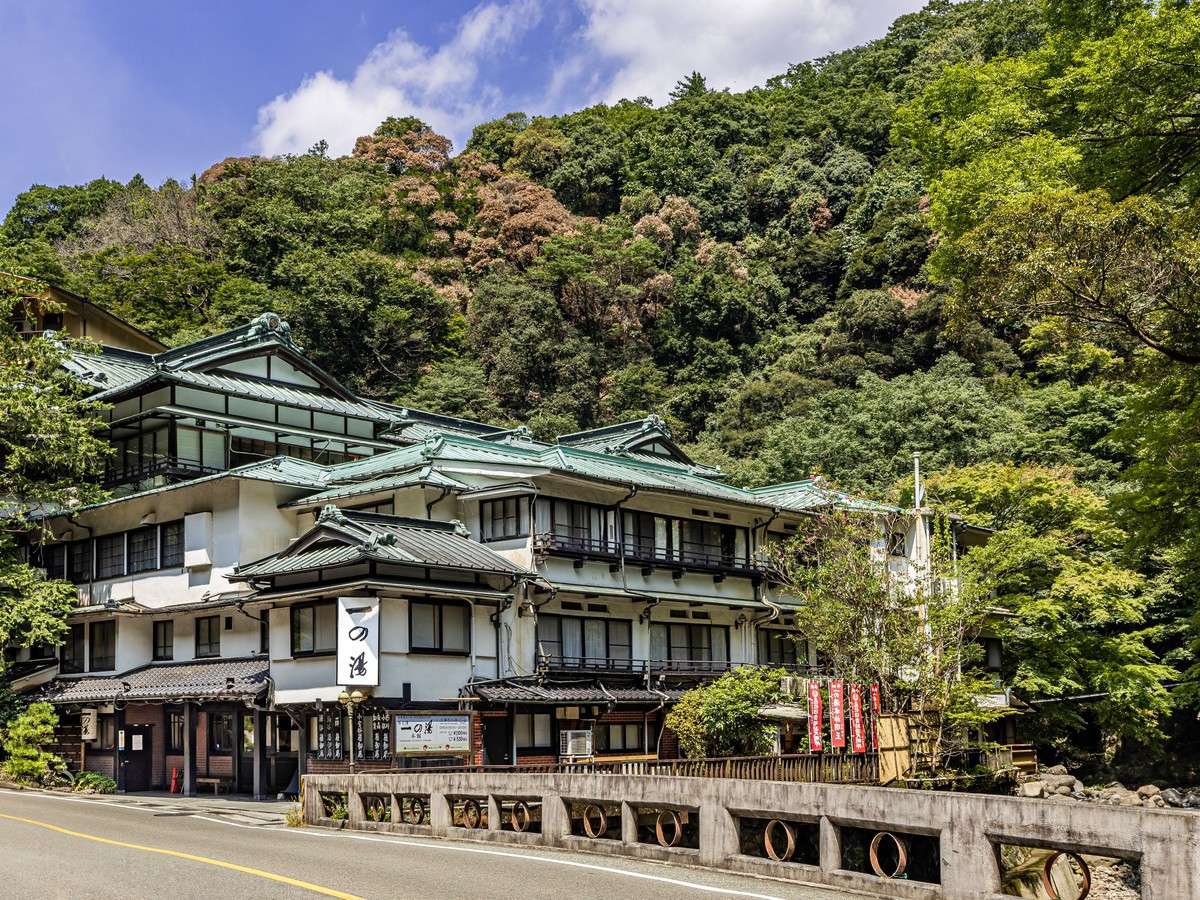
Fukuzumiro
Hakone
Hotel Green Plaza Hakone
Hakone
Ryuguden
Hakone
KAI Sengokuhara
Hakone
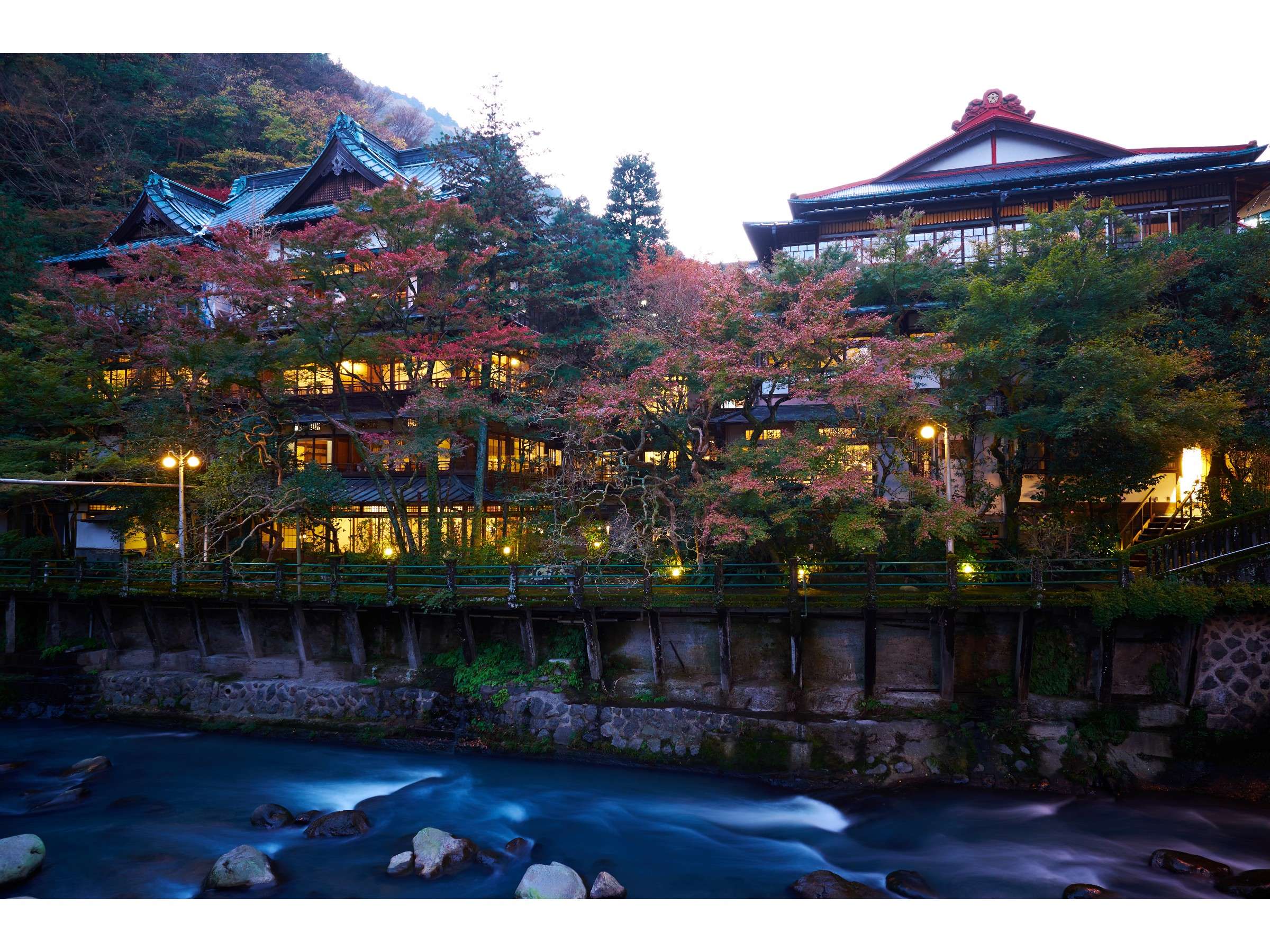
Motoyu Kansuiro
Hakone
Prices shown are approximate starting rates per person per night. We may earn a commission on bookings.
Ready to book?
Book one of these top picks
Compare live availability and prices across booking sites.
from US$400 · per person · per nightfrom ≈ US$800 total for 2 guests



Hakone Gora Setsugetsuka
箱根強羅温泉 季の湯 雪月花
Hakone·Mid-Range
from US$170 · per person · per nightfrom ≈ US$340 total for 2 guests
from US$500 · per person · per nightfrom ≈ US$1,000 total for 2 guests
Gora Kansuirou
強羅環翠楼
Hakone·Luxury
from US$250 · per person · per nightfrom ≈ US$500 total for 2 guests
Hakone Airu
箱根アイル
Hakone·Luxury
from US$300 · per person · per nightfrom ≈ US$600 total for 2 guests
Yaeikan
八栄館
Hakone·Mid-Range
from US$150 · per person · per nightfrom ≈ US$300 total for 2 guests
Hakone Kowakudani Mizunoto
箱根小涌谷温泉 水の音
Hakone·Mid-Range
from US$150 · per person · per nightfrom ≈ US$300 total for 2 guests
Yoshiike Ryokan
吉池旅館
Hakone·Mid-Range
from US$200 · per person · per nightfrom ≈ US$400 total for 2 guests
Booking links may earn us a commission at no extra cost to you.
FAQ
Frequently asked questions
Which Hakone ryokan has a private onsen in the room?+
Hakone Ginyu (Miyanoshita) and Hakone Gora Setsugetsuka (Gora) both guarantee a private open-air bath in every room regardless of booking grade. Hakone Airu (Hakone-Yumoto) and Yaeikan (Hakone-Yumoto) also offer in-room private baths for all room categories. Gora Kadan and Gora Kansuirou offer private baths in select rooms — confirm at booking which room types include the private onsen.
Can you get a private onsen day-use in Hakone?+
Yes. Several Hakone ryokans offer kashikiri (reservable private bath) on a day-use or hourly basis without an overnight stay. Yoshiike Ryokan in Hakone-Yumoto offers private bath reservations by the hour. Pricing and availability vary by day and season — contact the property directly or check their website for current kashikiri day-use rates.
What is the difference between rotenburo and kashikiri in Hakone?+
A rotenburo is an outdoor hot spring bath — it can be communal or private. An in-room rotenburo (rotenburo-tsuki kyakushitsu) means the outdoor bath is attached exclusively to your room and available 24 hours. Kashikiri (or kashikiri-buro) is a separate private bath facility you reserve by the hour — usually 30–60 minutes — and share with no one during your slot. The communal outdoor bath is the standard rotenburo accessed by all guests.
What is the cheapest Hakone ryokan with a private onsen?+
Yaeikan (Hakone-Yumoto) and Mizunoto (Kowakudani) both start from around ¥23,000 per person per night including meals, with private onsen included. Hakone Gora Setsugetsuka starts from ¥26,000 per person with a private hinoki cypress bath guaranteed in every room. Fukuzumiro (Tonosawa) offers private baths in select rooms from ¥23,000 per person.
Is the Hakone Free Pass worth it if I'm staying at a private-onsen ryokan?+
If you plan to do the full caldera loop — Tozan Railway, cable car, ropeway over Owakudani, Lake Ashi cruise — the Hakone Free Pass (¥6,100 from Shinjuku, ¥4,600 from Odawara) saves roughly ¥1,400 over individual tickets. For guests staying in Gora or Sengokuhara who plan to sightsee for two days, it's worth the cost. For a one-night private-onsen focus with minimal transit, a Romancecar round trip plus taxi to the ryokan may be simpler and cheaper.
Still deciding?
Browse ryokans across JapanBooking.com