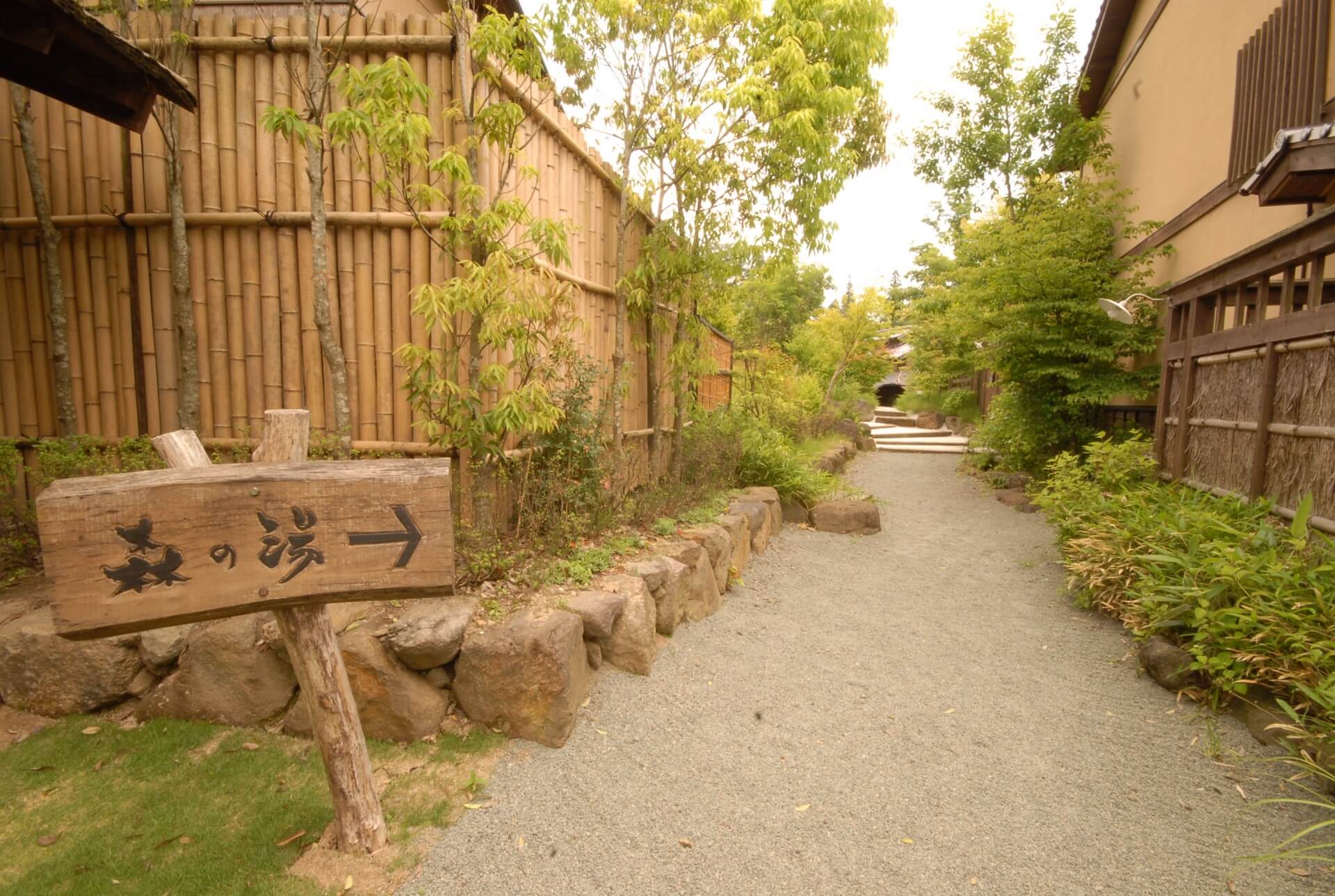
Quick Comparison
8 picks| Ryokan | From | Rating | Book |
|---|---|---|---|
 | from US$500/person/night≈ US$1,000 for 2 | 9.5 89 reviews | Book on Booking.com |
 | from US$250/person/night≈ US$500 for 2 | 9.0 645 reviews | Book on Agoda |
 | from US$180/person/night≈ US$360 for 2 | 9.2 156 reviews | Book on Trip.com |
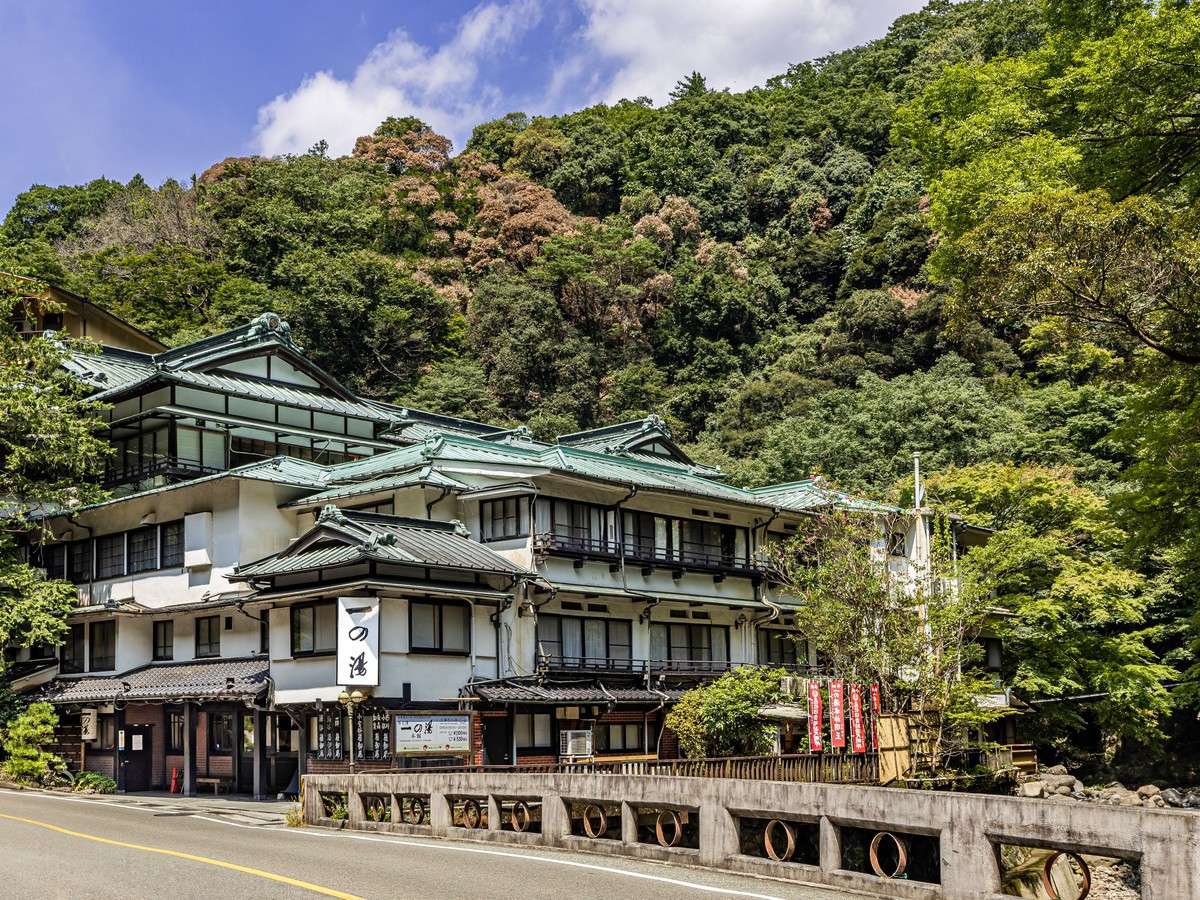 | from US$70/person/night≈ US$140 for 2 | 9.1 187 reviews | Book on Booking.com |
 | from US$400/person/night≈ US$800 for 2 | 9.1 310 reviews | Book on Trip.com |
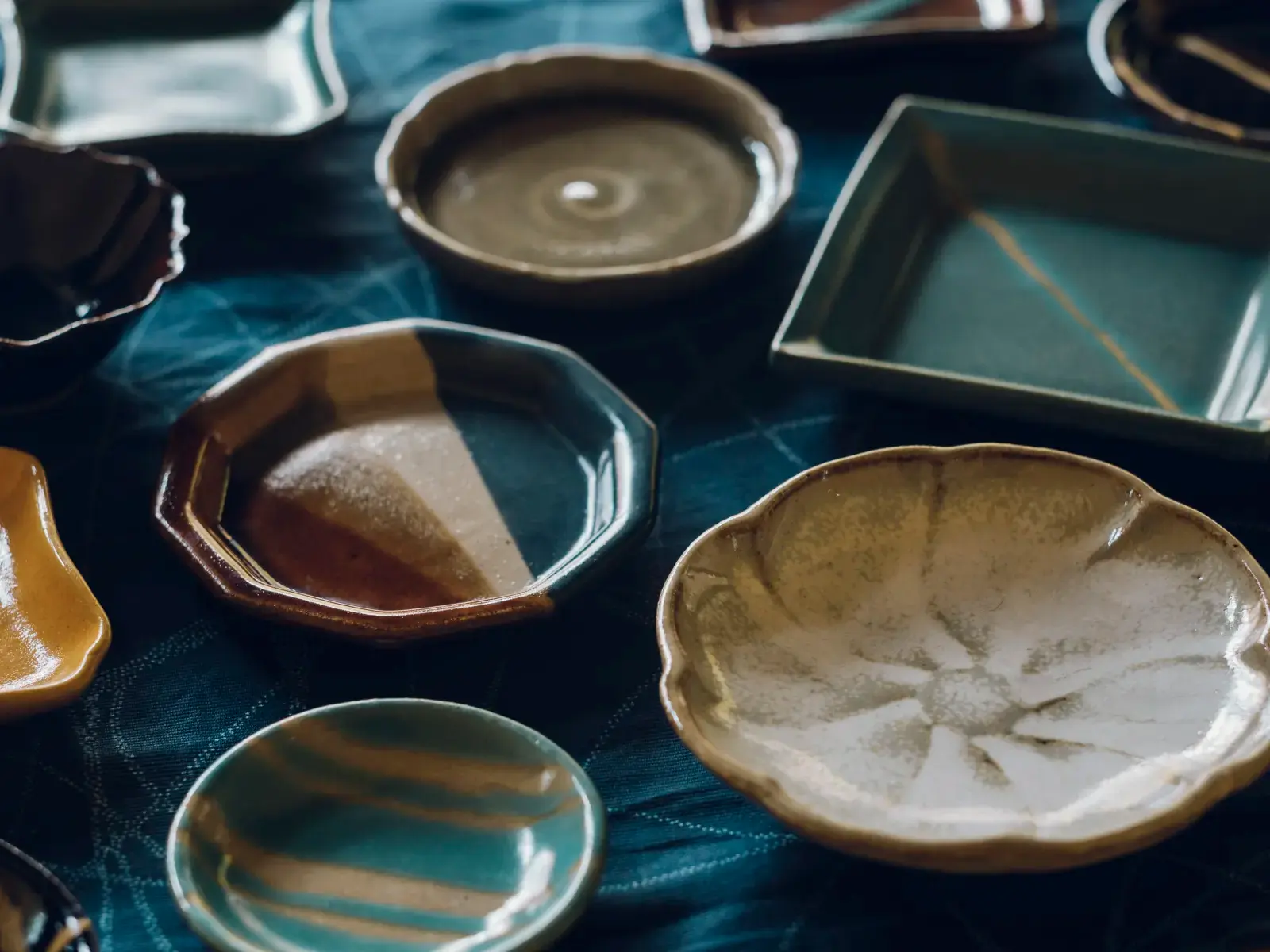 | from US$175/person/night≈ US$350 for 2 | 8.7 93 reviews | Book on Trip.com |
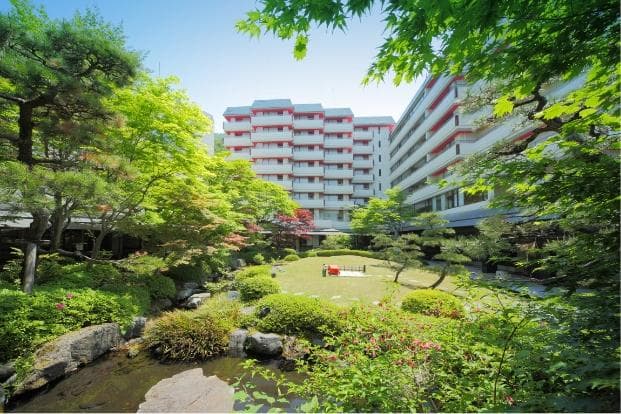 | from US$190/person/night≈ US$380 for 2 | 9.0 2,020 reviews | Book on Agoda |
 | from US$163/person/night≈ US$326 for 2 | 9.2 392 reviews | Book on Trip.com |
Gora Kansuirou
Hakone
Hotel Kajikaso
Hakone
FUFU Nikko
Nikko
Hoshino Resorts KAI Kinugawa
Kinugawa Onsen
Kinugawa Grand Hotel Yume no Toki
Kinugawa Onsen
Yumoto Itaya
Nikko
Prices shown are approximate starting rates per person per night. We may earn a commission on bookings.
Quick Verdict: Hakone for onsen, Nikko for shrines + onsen
Hakone wins if the bath is the point of the trip. It has 17 officially recognized spring areas, a depth of internationally bookable ryokans across every price tier, and an 80-minute express train from Shinjuku that drops you at the foot of the mountains with your evening still intact. If you want to soak in genuine variety — sulfuric, alkaline, sodium chloride, sulfate — within a single 24-hour window, nothing within two hours of Tokyo comes close.
Nikko is a different proposition. The onsen there are real, some of them excellent — but "Nikko onsen" is not one place. It splits into at least two distinct experiences separated by 40 minutes and roughly 1,140 meters of elevation: Kinugawa Onsen, the gorge resort strip that most people picture, and Yumoto Onsen, a highland sulfur village inside Nikko National Park at approximately 1,470 m that most people have never heard of. Getting this geography wrong before you book is the most common mistake travelers make.
Hakone vs Nikko: side-by-side comparison
Before diving in, here is how the two destinations stack up across the dimensions that matter most to ryokan travelers.
| Hakone | Nikko (Kinugawa / Yumoto) | |
|---|---|---|
| Access from Tokyo | Shinjuku → Hakone-Yumoto, Romancecar, ~80 min | Asakusa → Kinugawa-Onsen, Spacia, ~2 hrs |
| Onsen water type | Alkaline, sulfuric, sodium chloride, sulfate — 17 source areas | Kinugawa: alkaline clear; Yumoto: sulfurous milky-white |
| Water variety | High — multiple mineral profiles in one loop | Moderate (Kinugawa) / Distinctive singular (Yumoto) |
| Ryokan inventory depth | 20+ English-bookable ryokans across all tiers | 10–15 English-bookable ryokans |
| Price floor (per person, dinner incl.) | ~$70/pp (Ichinoyu Honkan) | ~$65/pp (Yumoto) |
| Price ceiling | $1,200+/pp | $900+/pp |
| Private onsen availability | Widespread — all price tiers | Good at mid and above |
| Tattoo-friendly options | Several private_only properties; book a private bath | One confirmed allowed property (Kinugawa Grand Hotel Yume no Toki) |
| Mt Fuji views | Yes — from Owakudani, ropeway, Lake Ashi | No |
| UNESCO cultural sights | None (strong art museums instead) | Toshogu, Rinno-ji, Futarasan (inscribed 1999) |
| Best season | Winter (Fuji clarity) / Autumn (foliage) | Autumn Oct–Nov (foliage drama) / Winter Yumoto (snow baths) |
| English-friendliness | High | Moderate |
Onsen water quality: 17 sources vs two distinct zones
Hakone — what that "17 sources" number actually means
Most onsen guides say "Hakone has great water" and leave it there. That misses the point.
Seventeen officially recognized hot spring areas (十七湯, ju-shichi-yu) within the Hakone onsen area each draw from different geological formations, which means you can soak in four distinct mineral profiles without leaving the mountain.
The four types worth knowing before you book:
Sulfuric / Owakudani area — the most dramatic. Milky yellow, a definite rotten-egg note in the steam, high free hydrogen sulfide content. Piped from the active volcanic zone and distributed across Gora and Sengokuhara. Visually striking; skin feels smooth afterward.
Alkaline / Hakone-Yumoto — clear to slightly milky, essentially odorless. This is the classic bijin-no-yu ("beauty bath") type — the alkaline chemistry breaks down surface oils and leaves skin noticeably silky after one session.
Sodium chloride / Miyanoshita-Gora — clear and heat-retaining. Step out of this bath, dry off, and your body holds the warmth noticeably longer than in a non-saline soak. A good argument for Miyanoshita-area properties on cold winter evenings.
Calcium sulfate / Kowakidani — clear, anti-inflammatory in traditional Japanese therapeutic framing. Gora itself has 30 spring sources ranging from 30°C to 93°C across these types — an unusual degree of variety compressed into one small area.
Hakone's total output: approximately 25,000 tons of hot spring water per day — fifth largest in Japan by volume.
 Pin to Pinterest
Nikko — Kinugawa and Yumoto are not the same bath
When travelers search "nikko vs hakone onsen," the comparison usually flattens Nikko into a single destination. It isn't. The two zones are 40 kilometers and nearly 1,200 meters of elevation apart.
Kinugawa Onsen draws from a mildly alkaline simple hot spring (pH 7.5+), colorless, smooth on the skin, with no sulfur smell whatsoever. It is a gentle, aesthetically pleasing bath — ideal after a long day at the shrine complex, nothing that will overwhelm a first-timer. The gorge scenery contributes most of the atmosphere: dramatic volcanic rock walls, autumn maple, the sound of the Kinugawa River audible from the water.
Yumoto Onsen is the other conversation entirely. The water is a simple hydrogen sulfide type — sulfurous, milky white to pale blue-white, with a spring temperature at source between 49°C and 79°C. Discovered over 1,200 years ago by the Buddhist monk Shodo, it sits at approximately 1,470 m inside Nikko National Park beside Lake Yunoko. The sulfur content is genuine: you smell the mineral before you reach the bath building, and the color in the tub is the kind of opaque white that serious onsen travelers specifically travel to find.
For water variety, Hakone wins by a margin no single destination can close. For one distinctive sulfur experience at serious elevation, Yumoto's highland baths rival anything outside Tohoku.
The Nikko onsen geography you need to understand before booking
 Pin to Pinterest
"Nikko onsen" covers a 40-kilometer corridor into the mountains. The different zones serve completely different traveler profiles, and the train network does not connect them the way you might expect.
Nikko town (shrine area)
A small cluster of inns within walking distance of Toshogu — these draw natural alkaline spring water piped or sourced locally. FUFU Nikko (all-suite, private baths, from $400/pp) and Nikko Senhime Monogatari (kaiseki, private semi-open-air baths, from $165/pp) are the standout properties. The advantage: you can walk to the shrine gates before the tourist coaches arrive. The limitation: this is not a hot spring resort town in the traditional sense — the onsen is secondary to the heritage context.
See all Nikko ryokans near the shrine complex.
Kinugawa Onsen
This is what most people picture when they search "Nikko hot springs." It is a gorge resort strip about 30 minutes north of Tobu-Nikko station on the Kinugawa Line — a different branch from the Nikko Line, so reaching both Toshogu and Kinugawa on the same trip requires backtracking through Shimo-Imaichi.
The strip has energy: large hotels line the riverside, steam rises visibly from outdoor baths on cold mornings, and the gorge walls make the setting dramatic. Two theme parks are minutes away — Edo Wonderland (living history) and Tobu World Square (miniature world monuments) — which make this the strongest family pick in the corridor. Pricing runs roughly 30–40% below equivalent Hakone properties.
Browse Kinugawa Onsen properties in our database.
Yumoto Onsen (Oku-Nikko)
At approximately 1,470 m, Yumoto sits inside Nikko National Park on the far side of the Irohazaka switchback road. There is no train: you take a bus from Tobu-Nikko Station, a journey of roughly 60–75 minutes. The bus fare is approximately ¥1,950 one-way .
The access complexity deters casual visitors, which is largely why Yumoto stays uncrowded compared to Kinugawa. The highland plateau setting — frozen lake, snowfields in winter, sulfur-scented mist regardless of season — is remote in feel despite being technically reachable on a day trip from Tokyo. For the serious onsen traveler, this is Nikko's real argument.
Kawaji and Yunishigawa
Quieter satellite zones within the Kinugawa district, a few kilometers upriver. Worth knowing for a return visit; not the right first-timer choice when you are also trying to see Toshogu.
Tip
Practical booking note: If Nikko's shrines are your primary reason for the trip, stay in central Nikko or Kinugawa. If you want the most distinctive onsen experience Nikko offers, plan for Yumoto — but budget an extra 60–75 minutes each way on the bus, and check the winter road conditions on Irohazaka if traveling December through February.
Getting there from Tokyo: Romancecar vs Tobu Spacia
Hakone from Tokyo
Odakyu Romancecar from Shinjuku to Hakone-Yumoto: approximately 80 minutes direct, no transfer required. The all-in fare (base + limited express surcharge) is ¥2,420 for adults purchasing a digital ticket [Odakyu Global official page, March 2026 timetable].
The Hakone Freepass (¥7,100 for 2 days, ¥7,500 for 3 days — effective October 2025) covers the round-trip Odakyu base fare from Shinjuku to Odawara, plus unlimited rides on the Hakone Tozan Railway, the Tozan Cable Car up to Sounzan, the Hakone Ropeway, the Lake Ashi Sightseeing Cruise, and designated bus routes within the loop. It also gives discounts at around 70 facilities. One important nuance: the Freepass covers the regular express seat, not the Romancecar's reserved seat — that limited express surcharge (~¥1,200) is paid separately.
The practical effect: you buy one pass and stop thinking about transport logistics for two full days. Everything inside the Hakone loop — ropeway, ferry, mountain train, local buses — is covered. For ryokans in the Gora area (Gora Kadan, Gora Kansuirou), you ride the Tozan Railway to Gora then the cable car up; both covered by the pass.
Nikko and Kinugawa from Tokyo
Tobu Spacia or Spacia X from Asakusa to Kinugawa-Onsen: approximately 2 hours, with fares ranging from ¥2,890 for the legacy Spacia Kinu to around ¥3,140 for the Spacia X standard reserved seat . To Tobu-Nikko station it is closer to ¥2,700–¥3,140 depending on train type.
The NIKKO PASS ALL AREA costs ¥8,000 adult (effective April 2025, flat year-round — up from the previous ¥4,160–¥4,780 seasonal pricing). It covers unlimited Tobu bus lines in the Nikko area including Yumoto Onsen buses, which makes it the right tool if you plan to combine the shrine complex, Kinugawa, and Yumoto in one multi-day trip. The limited express surcharge for the Spacia is not included — you purchase that separately. The pass is available to foreign tourists only (non-Japanese passport required).
Critical geography note: Kinugawa-Onsen station and Tobu-Nikko station are on different branch lines from Shimo-Imaichi. A ryokan in Kinugawa is not close to Toshogu — backtracking between them costs about 30 minutes by local train.
Which pass offers better value
If your ryokan is in Hakone, the Hakone Freepass is an obvious purchase — the transport savings on ropeway, cruise, and train alone exceed the pass cost for a two-day visit. If your ryokan is in Kinugawa, the NIKKO PASS ALL AREA earns its cost only if you are also taking buses to the shrine area and Yumoto. The Kinugawa town itself is walkable from the station.
Tip
Traveling from Kyoto or Osaka? Hakone is dramatically more convenient — it sits directly on the Tokaido Shinkansen corridor. Nikko requires a separate journey to Tokyo first, then a completely different train network in the opposite direction. For a western Japan itinerary, Hakone is the obvious add-on.
Best ryokans in Hakone vs Nikko: 8 verified picks across all budgets
The Hakone vs Nikko ryokan choice begins with inventory. Hakone has the largest concentration of internationally bookable ryokans within two hours of Tokyo. The four Hakone picks below cover the full price range — from $70/pp to $500+/pp — with private onsen available at every tier. That combination is unusual for a single destination. See the full list of Hakone ryokans with private onsen →.
Gora Kadan (強羅花壇)
Area: Gora | Price: from $500/pp (to $1,200/pp) | Rating: 9.5 | Tattoo policy: private_only | Private onsen: yes
The benchmark luxury stay in Hakone — and the claim holds up. Gora Kadan was built on the grounds of the imperial family's former summer retreat in Gora, and the property carries that heritage without leaning on it: stone garden paths, private balcony rotenburo overlooking the forested valley, 44 rooms that manage to feel unhurried despite the property's reputation.
The kaiseki is the second main event after the baths. Courses rotate with the season and draw on local Kanagawa produce and Sagami Bay seafood.
Honest caveat: The $500–$1,200 per-person range is real. Shoulder season midweek rates land closer to $500; peak autumn or New Year pushes toward the top. Eighty-nine reviews is modest for the property's reputation — this is a small inn that fills with return guests and word-of-mouth.
Tattoo note: Gora Kadan is private_only — tattoos are welcome in the private balcony baths, not in the shared facilities. Given that many rooms have their own open-air bath, this is not a practical barrier.
Gora Kansuirou (強羅環翠楼)
Area: Gora | Price: from $250/pp (to $550/pp) | Rating: 9.0 | Tattoo policy: private_only | Private onsen: yes
Built on the grounds of a former Iwasaki family (Mitsubishi zaibatsu) villa, Gora Kansuirou is a Taisho-era property with just 14 rooms surrounded by a 5,000-tsubo garden. The key difference from Gora Kadan: this inn has its own private spring source delivering jikagen-kake-nagashi water — meaning the water flows directly from the source without recirculation or heating blends. You can feel the difference in quality.
At $250–$550/pp it occupies a compelling middle ground: luxury in character (the garden alone justifies the rate) but priced below the imperial-adjacent competition. The 645 reviews give it significantly more data than Gora Kadan, and the score holds steady at 9.0.
Honest caveat: Fourteen rooms means it fills early. Book 2–3 months ahead for autumn.
Tattoo note: private_only — book a room with access to a private garden bath and the policy is a non-issue.
Hotel Kajikaso (かじかそう)
Area: Hakone-Yumoto | Price: from $180/pp (to $400/pp) | Rating: 9.2 | Tattoo policy: cover_up | Private onsen: yes
Five minutes on foot from Hakone-Yumoto Station — which matters for people arriving on the Romancecar without a rental car or taxi budget. Hotel Kajikaso sits at the entrance of Takidori Street, right where the alkaline bijin-no-yu water from Yumoto flows.
A 9.2 rating from 156 reviews at the mid-tier price is hard to argue with. The private open-air baths are available in select rooms; the communal baths use the same natural spring water. Kaiseki dinner highlights seasonal Hakone ingredients with a competence level that punches slightly above the price point.
Honest caveat: "Cover_up" tattoo policy — meaning visible tattoos need a waterproof patch for the communal baths. Private bath rooms resolve this entirely.
Ichinoyu Honkan (一の湯 本館)
Area: Tonosawa (Hakone-Yumoto area) | Price: from $70/pp (to $160/pp) | Rating: 9.1 | Tattoo policy: cover_up | Private onsen: yes
Three hundred and eighty years old. Registered as a Cultural Heritage site. Private onsen available. From $70 per person including dinner.
That combination is unusual enough to repeat: Ichinoyu Honkan is the best-value authentic ryokan stay in Hakone, and it is not close. The building in Tonosawa uses natural spring water and offers traditional tatami rooms with futon bedding — this is the ryokan experience without the luxury hotel price. The 9.1 rating across 187 reviews confirms it is not a nostalgia purchase; the service and water quality deliver.
Honest caveat: The rooms are small and the building is genuinely old — the floors creak and the corridors are narrow. That is the point, but it is not the Gora Kadan experience.
FUFU Nikko (ふふ 日光)
Area: Central Nikko (adjacent to Tamozawa Imperial Villa) | Price: from $400/pp (to $900/pp) | Rating: 9.1 | Tattoo policy: private_only | Private onsen: yes
Twenty-four suites, every one with a private hot spring bath sourced from Nikko's natural springs. FUFU Nikko sits adjacent to Tamozawa Imperial Villa Memorial Park and within walking distance of the UNESCO World Heritage Toshogu Shrine complex — making it the only luxury address that combines Nikko's cultural draw with in-room onsen quality.
The design is Taisho-era aesthetic: understated, dark timber, seasonal fresh materials. Restaurant Setchu runs both a kaiseki counter and a teppanyaki counter using premium seasonal ingredients — a more flexible dining format than the fixed kaiseki of most ryokans in this price tier.
Honest caveat: At $400–$900/pp, this is not a budget decision. The private_only tattoo policy means communal facilities are off-limits — but with a private spring-fed bath in every suite, that is largely moot. With 310 reviews at 9.1, the property has enough data to be confident in.
Hoshino Resorts KAI Kinugawa (星野リゾート 界 鬼怒川)
Area: Kinugawa Onsen gorge strip | Price: from $520/pp (to $900/pp) | Rating: 8.7 | Tattoo policy: unknown | Private onsen: yes
KAI Kinugawa is the most polished luxury property on the gorge strip — Hoshino Resorts' design-led onsen ryokan brand, executed with 48 rooms decorated in Tochigi Mingei folk craft: local Mashiko-ware pottery, indigo-dyed textiles, the kind of regional material culture that KAI consistently handles better than its competitors. Every room has a private open-air bath.
The landscaped courtyard and calm aesthetic make it feel more intimate than the gorge's large-hotel neighbors, though the price reflects that positioning.
Honest caveat: Tattoo policy is listed as unknown in our database — contact the property directly before booking if this is relevant. The private bath in every room is the practical workaround regardless.
Kinugawa Grand Hotel Yume no Toki (鬼怒川グランドホテル夢の季)
Area: Kinugawa Onsen | Price: from $190/pp (to $340/pp) | Rating: 9.0 | Tattoo policy: allowed | Private onsen: yes
This is the only DB-confirmed tattoo-allowed property in the Nikko area inventory. That distinction matters commercially: international travelers with tattoos who want communal bath access without restriction have essentially one choice in this corridor, and Kinugawa Grand Hotel Yume no Toki delivers it at a reasonable mid-tier price.
The bath circuit is the main draw: nine baths in total, including an open-air bath, a floating deep bath, a silk micro-bubble bath, a jacuzzi recliner, and a mist sauna. Five additional private open-air baths can be reserved individually — one with its own tatami rest area. The property opened in 1925 and sits on a quiet hilltop eight minutes on foot from the station, arranged around a Japanese garden rather than the riverside strip.
With 2,020 reviews and a 9.0 rating, this is a well-documented property, not a hope. Kaiseki dining runs across four restaurants; the hotel maintains a six-language website for international guests.
Honest caveat: This is a 100-room hotel on a hilltop — an eight-minute uphill walk from the station, and some rooms face the garden rather than the gorge. If you want an intimate, creaky-floored ryokan atmosphere, this is not that; it is a large, well-run onsen hotel with the corridor's most permissive tattoo policy.
Yumoto Itaya (湯元板屋)
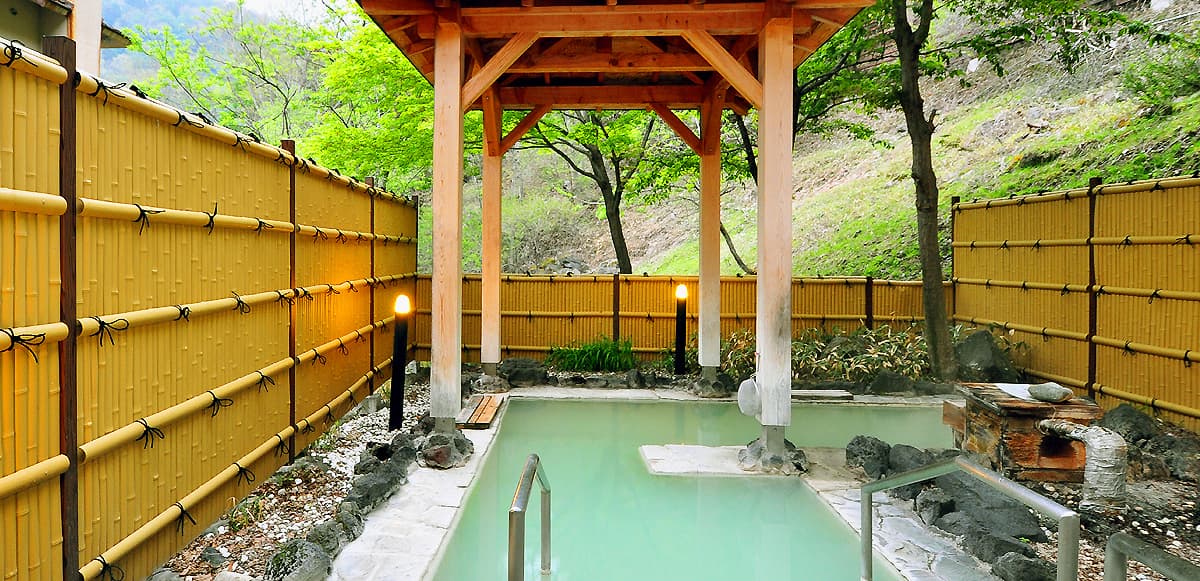
Area: Yumoto Onsen, Oku-Nikko (~1,470 m) | Price: from $163/pp | Rating: 9.2 | Tattoo policy: unknown | Private onsen: no
There is no private onsen here, and that is the point. Yumoto Itaya is a 24-room historic ryokan at approximately 1,470 m inside Nikko National Park where the draw is entirely the communal source-flow sulfur bath: milky-white, slightly acidic, with a temperature that comes off the source at 49–79°C. The water runs directly from the spring into the bath, unrecirculated — kake-nagashi in the proper sense.
A 9.2 rating from 392 reviews is exceptional for a property this far off the beaten path. Kaiseki dinner, English-speaking staff, and a location inside the national park all contribute. In winter, the combination of snowfields, steam, and sulfur-scented outdoor air makes it one of the most atmospheric onsen experiences within two hours of Tokyo.
Honest caveat: No private onsen, the tattoo policy is unconfirmed (email ahead), and the 60–75 minute bus from Tobu-Nikko (approximately ¥1,950 one-way) adds real journey time on top of the train. Yumoto is for travelers who want the bath itself, not convenience.
Private onsen and tattoo policy: what ryokan travelers actually need to know
Private onsen (kashikiri-buro)
Private baths — reservable single-group onsen, often called kashikiri-buro or kazoku-buro — are available across Hakone's full price spectrum in a way that is rare among Japanese spa destinations.
At the budget tier: Ichinoyu Honkan offers private onsen from $70/pp. At mid-range: Hotel Kajikaso from $180/pp. At luxury: Gora Kadan ($500+/pp) and Gora Kansuirou ($250+/pp) both have private baths on room balconies or in garden settings. The practical consequence: you do not need to spend $500 a night to have a private open-air bath in Hakone.
In the Nikko area: FUFU Nikko (every suite), Hoshino Resorts KAI Kinugawa (every room), and Kinugawa Grand Hotel Yume no Toki (five reservable private baths) all provide private bath access. Yumoto Itaya does not — the communal sulfur bath is deliberately the shared centerpiece.
Tattoo policy
The five values in our database translate into plain English as follows:
allowed — tattoos are welcome in all communal baths without restriction. The only confirmed allowed property in the Nikko inventory is Kinugawa Grand Hotel Yume no Toki.
cover_up — tattoos must be covered with a waterproof patch or bandage in communal baths. Hotel Kajikaso and Ichinoyu Honkan in Hakone use this policy. It is the most common permissive policy.
private_only — guests with tattoos must use private baths only; communal facilities are restricted. Applies to Gora Kadan, Gora Kansuirou, FUFU Nikko, and Bettei Sasane. Booking a room with a private bath resolves this entirely.
not_allowed — communal baths do not permit tattoos, and private baths may not be available or sufficient. Not applicable to any of the four picks above.
unknown — policy is unconfirmed in our data. This applies to several Kinugawa and Yumoto properties including Hoshino Resorts KAI Kinugawa and Yumoto Itaya. Email ahead.
The universal workaround: booking a room with a private onsen bath eliminates communal-bath tattoo policy as a concern at any property, regardless of its stated policy. In Hakone, private-bath rooms are available at every price tier. In Kinugawa, they are available at mid-range and above.
When to go: seasonal trade-offs at each destination
Hakone
Winter (December–February) is the strongest argument for Hakone: least crowded, cheapest rates, and the driest cold air of the year gives the clearest sightlines to Mt Fuji. A private open-air bath in snow — or even just cold air — with Fuji visible on the horizon is the experience the destination was made for.
Autumn (October–November) is the second-best time: foliage peaks in Gora slightly later than the lowlands, Fuji views remain reliable, and the color of the mountain valley from the ropeway is worth the queue. Book 2–3 months ahead for autumn weekends.
Spring (late March–April): cherry blossom draws crowds, but Hakone-Yumoto in bloom is attractive. Book early; ryokan availability tightens significantly.
Summer (July–August): the honest answer is to avoid August if possible. Hakone is one of Japan's most visited destinations — Fuji-Hakone-Izu National Park drew more international visitors than any other Japanese national park in 2024 — and summer heat and humidity compound the crowd problem. Midweek stays reduce the pressure meaningfully.
Hakone's overtourism on weekends is real year-round: the ropeway to Owakudani can involve significant waits at peak times. The fix is simple: visit midweek.
Nikko and Kinugawa
Autumn (October–November) is Nikko's absolute peak. Foliage at the Oku-Nikko level (1,400 m+) begins in early October; it descends through the Irohazaka switchback road in mid-October, reaches Lake Chuzenji around mid-to-late October, and hits the shrine town and Shinkyo Bridge in early November. The color drop across 500 meters of elevation over several weeks makes Nikko arguably the richest single autumn foliage destination in the Kanto region. Book Kinugawa 2–3 months ahead for October weekends.
Summer is Yumoto's underappreciated season: the highland plateau sits cool while the rest of Kanto sweats, and the national park trails around Senjogahara Marshland are at their greenest.
Winter at Yumoto specifically: the sulfur baths in snow are the single most atmospheric onsen experience in the corridor. Roads over Irohazaka require winter tyres or chains; check conditions before travel.
Verdict: For winter onsen in snow, Yumoto edges Hakone on atmosphere. For all other seasons, Hakone's transport reliability, infrastructure, and water variety give it the practical edge.
What you do before you soak: sightseeing at each destination
Think of this as what fills the hours between arrival and the evening bath — because at both destinations, the ryokan's check-in at 3pm, dinner at 7pm, breakfast at 8am structure means you have a meaningful afternoon and morning to fill.

Hakone
The Hakone loop is designed for exactly this slot. Start from Hakone-Yumoto, ride the Tozan Railway up to Gora, transfer to the cable car, then the ropeway over the Owakudani volcanic valley — the smell of sulfur hits before you see the steam vents — then down to Lake Ashi for the sightseeing cruise with the red torii gate and Mt Fuji in the same frame, then bus back. Total time: 4–6 hours. The Freepass covers every segment.
One honest note: the ropeway is the bottleneck. Allow a buffer for the Owakudani section on weekends and holidays. The Hakone Open Air Museum near Chokoku-no-Mori Station is also legitimately excellent — an internationally respected sculpture park that rewards an extra hour if you have it.

Nikko
The UNESCO complex — Toshogu Shrine (42 buildings), Rinno-ji Temple (38 buildings), and Futarasan Shrine (23 buildings), inscribed in 1999 — can be covered in a focused 3–4 hour walk. Add Kegon Falls (97 m drop, one of Japan's three most celebrated waterfalls) and Lake Chuzenji for a full day.
 Pin to Pinterest
If staying in Kinugawa: Edo Wonderland is five minutes from Kinugawa-Onsen Station — it reconstructs 1,500 Edo-period inhabitants and jobs with working craftspeople, and is considerably better than its tourist-attraction reputation suggests. Tobu World Square, three minutes from Kinugawa-Koen Station, shows 102 miniature world monuments at 1:25 scale. These two options make Kinugawa the strongest family choice in the corridor.
From Yumoto: the Senjogahara Marshland trail through the national park is the hiking highlight — broad wetland plateau, clear mountain air, and autumn color that peaks earlier than the valley below.
Nikko's sightseeing content per day is higher; Hakone's loop is more self-contained and efficient.
Kaiseki and local food: what you'll eat at each destination
Most ryokan rates include a multi-course dinner and breakfast, which means the food is part of what you are evaluating when you compare price tiers.
Hakone
The kaiseki ecosystem here is deep. Gora-area ryokans draw on Sagami Bay seafood — kinmedai (alfonsino), aji (horse mackerel), fresh abalone from Manazuru — plus Kanagawa mountain vegetables and seasonal mushrooms. The multi-course structure at Gora Kadan or Gora Kansuirou is as refined as anything outside Kyoto. Hakone-Yumoto's main street also has solid lunch options before check-in: the area is a food destination in its own right, not just a transit point.
Kinugawa and Nikko
Kinugawa's cuisine tilts toward the mountains: Tochigi wagyu beef, freshwater fish from the Kinugawa River, autumn matsutake and other highland mushrooms. Kaiseki quality at mid-range Kinugawa properties is solid and often better-value than equivalent Hakone properties at the same price point.
Nikko town has its own specialty that no other area replicates: yuba (tofu skin). Nearly every inn within five minutes of the Toshogu gate serves yuba kaiseki — delicate, labor-intensive, deeply local. It is the single most distinctive regional food experience available from a Nikko ryokan stay. See all central Nikko ryokans →
Choose Hakone or Nikko: decision framework for 8 traveler profiles
The Hakone vs Nikko question comes down to one prior: what does the trip center on? Run through these profiles and the answer usually surfaces fast.
First-time Japan visitors: Choose Hakone. Simpler navigation, one pass covers all transport, 20+ English-bookable ryokans, English menus are standard. The Hakone loop gives a complete experience — volcanic scenery, Fuji views, alkaline bath, kaiseki dinner — without requiring local knowledge to assemble.
Couples prioritising the onsen experience: Choose Hakone. Private open-air baths are available at every price tier including $70/pp. The valley settings at Gora are intimate. Hakone Ginyu (all 20 rooms have private open-air baths over the Hayakawa Valley, from $400/pp) is the strongest pure-couples pick in the region.
Travelers with tattoos: Kinugawa Grand Hotel Yume no Toki is the clearest answer — the only confirmed tattoo-allowed property in the Nikko inventory, with full communal bath access. At either destination, booking a room with a private onsen bath resolves the policy question entirely. At Hakone, cover_up properties like Ichinoyu Honkan and Hotel Kajikaso are accessible with a waterproof patch.
Budget travelers: Both are viable. Nikko/Kinugawa prices run roughly 30–40% below Hakone at equivalent tiers. But Ichinoyu Honkan (Hakone, $70/pp, private onsen, 9.1 rating, Cultural Heritage site) is an exceptional outlier — you will not find that combination at any price point in Kinugawa. Kamenoi Hotel Okunikko-Yumoto ($65/pp) is the Nikko budget floor, without private onsen. For the kinugawa vs hakone ryokan budget comparison specifically: Kinugawa wins on headline price, Hakone wins on value-at-the-floor.
One-night-only visitors: Choose Hakone. The 80-minute Romancecar versus the 2-hour Spacia is meaningful on a single overnight stay — you arrive with more of the day intact. The Hakone loop half-day before check-in fits cleanly into the schedule. Exception: if Kinugawa's gorge atmosphere or the tattoo-allowed policy is specifically what you want, that is a defensible trade-off.
Serious onsen devotees: Choose based on water preference. For variety — 17 source types in one loop — Hakone. For one singular water type (milky sulfur at 1,470 m, source-flow at 49–79°C, inside a national park) — Yumoto. The two are not directly comparable; they are different arguments entirely. In the hakone vs nikko ryokan debate, water type is the deciding variable for this profile.
Cultural sights first, onsen second: Choose Nikko. The UNESCO complex at Toshogu is one of the most architecturally dense heritage sites in Japan — 103 buildings and structures, 9 National Treasures, inscribed 1999. Hakone's cultural offerings (Open Air Museum, heritage ryokans) are worthwhile but not in the same category.
Families with children: Choose Kinugawa. Edo Wonderland and Tobu World Square are five minutes from Kinugawa-Onsen Station. Large-format hotels with pool areas (Nikko Kinugawa Hotel Mikazuki, with its swimwear onsen and pool zone) are built for family stays. The gorge walk is manageable with children of any age.
If you cannot decide and have two nights available, the Hakone + Nikko loop is a classic Tokyo-escape pairing: one night each, back through Tokyo between legs. But if you must choose one, the verdict at the top of this page still stands. For the definitive hakone vs nikko which is better answer, scroll back to the quick verdict — the short version has not changed.

Ready to book your ryokan night? Browse our full verified list for each destination.
Frequently Asked Questions
Ready to book?
Book one of these top picks
Compare live availability and prices across booking sites.
from US$500 · per person · per nightfrom ≈ US$1,000 total for 2 guests



Gora Kansuirou
強羅環翠楼
Hakone·Luxury
from US$250 · per person · per nightfrom ≈ US$500 total for 2 guests
Hotel Kajikaso
かじかそう
Hakone·Mid-Range
from US$180 · per person · per nightfrom ≈ US$360 total for 2 guests
Ichinoyu Honkan
一の湯 本館
Hakone·Budget
from US$70 · per person · per nightfrom ≈ US$140 total for 2 guests
FUFU Nikko
ふふ 日光
Nikko·Luxury
from US$400 · per person · per nightfrom ≈ US$800 total for 2 guests
Hoshino Resorts KAI Kinugawa
星野リゾート 界 鬼怒川
Kinugawa Onsen·Luxury
from US$175 · per person · per nightfrom ≈ US$350 total for 2 guests
Kinugawa Grand Hotel Yume no Toki
鬼怒川グランドホテル夢の季
Kinugawa Onsen·Mid-Range
from US$190 · per person · per nightfrom ≈ US$380 total for 2 guests
Yumoto Itaya
湯元板屋
Nikko·Mid-Range
from US$163 · per person · per nightfrom ≈ US$326 total for 2 guests
Booking links may earn us a commission at no extra cost to you.
FAQ
Frequently asked questions
Which is better for a ryokan stay, Hakone or Nikko?+
Hakone for onsen-first travelers. Deeper water variety (17 source areas vs two distinct Nikko zones), stronger ryokan density, 80 minutes from Tokyo vs 2 hours, and private baths available at every price tier including budget. Nikko for shrine-first travelers who also want onsen. If the bath is the primary reason for the trip, Hakone wins.
Is Nikko onsen actually worth it, or is it an afterthought?+
Kinugawa onsen is a legitimate destination: alkaline gorge baths, dramatic river scenery, good mid-range ryokans, and prices 30–40% below Hakone. Not an afterthought. Yumoto Onsen earns its place on specifics: source temperature 49–79°C, unrecirculated kake-nagashi delivery, milky-white hydrogen sulfide water at 1,470 m inside a national park. That is a compelling argument for the serious onsen traveler — but the access complexity (60–75 min bus from Tobu-Nikko) is real. The mistake is treating "Nikko onsen" as one thing; it is two very different experiences under the same label.
What is the difference between Kinugawa Onsen and Yumoto Onsen in Nikko?+
Kinugawa: gorge resort strip roughly 30 minutes north of Tobu-Nikko by local train on a separate branch line, at around 330 m elevation. Alkaline clear water, mix of large hotels and smaller ryokans, family-friendly, accessible. Yumoto: Oku-Nikko highland plateau at approximately 1,470 m inside Nikko National Park, 60–75 minutes by bus from Tobu-Nikko (no direct train), milky-white sulfur water, smaller and quieter. Same "Nikko" umbrella, very different experiences.
Which is closer and easier to reach from Tokyo?+
Hakone is significantly easier: 80 minutes Romancecar from Shinjuku, one pass covers all transport inside the loop. Kinugawa is around 2 hours from Asakusa by Spacia. Yumoto adds another 60–75 minutes by bus from the Nikko shrine area. For a 1-night stay, the Hakone time advantage is meaningful.
Can I visit both Hakone and Nikko on the same trip?+
Yes, but not on the same day. They are in opposite directions from Tokyo, served by different private rail networks (Odakyu from Shinjuku for Hakone; Tobu from Asakusa for Nikko). A popular 2-night Tokyo escape adds one Hakone night then one Kinugawa night, returning to Tokyo between legs. Budget 3–4 days total for a comfortable both-destinations visit.
Which is better for couples?+
Hakone, for couples where the onsen atmosphere is the priority — private open-air baths are available at every tier, valley settings at Gora are intimate. Hakone Ginyu (all 20 rooms with private open-air baths, from $400/pp) is the strongest couples-specific pick in the region. Kinugawa gorge views from a private bath at Wakatake-no-Sho Bettei Sasane are also excellent. Yumoto is particularly romantic in winter snow conditions.
Are there ryokans with private baths in Hakone and Nikko?+
Yes at both. In Hakone: Gora Kadan ($500+/pp), Gora Kansuirou ($250+/pp), Hotel Kajikaso ($180+/pp), and Ichinoyu Honkan ($70+/pp) all have private onsen (DB-confirmed). In the Nikko area: FUFU Nikko ($400+/pp), Hoshino Resorts KAI Kinugawa ($520+/pp), and Kinugawa Grand Hotel Yume no Toki ($190+/pp) all have private baths. Booking a private-onsen room at any property resolves tattoo policy concerns in communal baths.
What if I have tattoos — can I use the onsen at Hakone or Nikko?+
In Hakone: Gora Kadan and Gora Kansuirou are private_only — book a room with a private bath and you are fine. Hotel Kajikaso and Ichinoyu Honkan use cover_up policy (waterproof patch in communal baths). In the Nikko area: Kinugawa Grand Hotel Yume no Toki is the only DB-confirmed allowed property — tattoos welcome in all communal baths, no patch required. At any private-onsen property at either destination, booking a private bath eliminates the issue entirely.
How much does a ryokan night cost in Hakone vs Nikko?+
Hakone: from ~$70/pp (Ichinoyu Honkan, budget with private onsen), mid from ~$180/pp (Hotel Kajikaso), luxury from $250/pp (Gora Kansuirou) to $500+/pp (Gora Kadan). Kinugawa: mid from ~$190/pp (Kinugawa Grand Hotel Yume no Toki), luxury from $520/pp (KAI Kinugawa). Yumoto: from ~$65/pp (Kamenoi Hotel Okunikko-Yumoto) to $163/pp (Yumoto Itaya) to $264/pp (Okunikko Yuno-mori). All prices per person including dinner and breakfast. Nikko is generally 30–40% cheaper at equivalent tiers.
Is Hakone too crowded and touristy?+
Honestly, yes — on weekends and public holidays. Fuji-Hakone-Izu National Park drew more international visitors than any other Japanese national park in 2024. The ropeway to Owakudani can involve significant waits at peak times. Midweek stays in winter are a completely different experience: quieter, cheaper, and best Fuji clarity of the year. If overtourism is a concern and you have flexibility, Kinugawa is considerably quieter year-round.
Which should I pick if I only have 1 night?+
Hakone. The 80-minute Romancecar means you arrive with more energy and more of the day remaining. The Hakone loop half-day before check-in fits neatly. Kinugawa is rewarding but the 2-hour journey cuts meaningfully into a short stay. Exception: if you specifically want Kinugawa's gorge scenery, the tattoo-allowed policy at Kinugawa Grand Hotel Yume no Toki, or the price point, those are legitimate reasons to choose it.
What type of onsen water does Hakone have?+
Hakone has 17+ source areas with multiple mineral types: sulfuric (Owakudani area — milky yellow, egg-sulfur scent, skin-smoothing), alkaline (Yumoto — beauty bath, leaves skin silky), sodium chloride (Miyanoshita, Gora — clear, warming, heat-retaining), calcium sulfate (Kowakidani — clear, anti-inflammatory). This variety within a single day-trip destination is unusual in Japan.
Does the Hakone Free Pass cover the ryokan area I want to stay in?+
The Hakone Freepass (¥7,100 for 2 days) covers: round-trip Odakyu base fare Shinjuku↔Odawara, Hakone Tozan Railway (Odawara–Gora), Tozan Cable Car (Gora–Sounzan), Hakone Ropeway, Lake Ashi Sightseeing Cruise, and designated bus routes. It covers virtually all major ryokan zones. The Romancecar reserved seat surcharge (~¥1,200) is paid separately. Many ryokans offer a free shuttle from the nearest station — confirm when booking.
Is Kinugawa Onsen worth visiting for the hot springs?+
Yes, with realistic expectations. The alkaline gorge baths are good, the scenery is dramatic, and prices are 30–40% below Hakone. It lacks Hakone's water variety but the atmosphere — gorge walls, autumn maple, river sound — is its own argument. If choosing between Kinugawa and Hakone on a single trip, Hakone has the edge for onsen depth; Kinugawa wins on price and on being less crowded year-round.
Which is better in autumn or winter?+
Autumn: both are excellent. Nikko arguably has Japan's most dramatic autumn foliage sequence — color descends from 1,470 m to the shrine town over several weeks in October and early November. Hakone's foliage is strong with Fuji views as a bonus. For autumn foliage alone, Nikko/Kinugawa edges it for drama. Winter: Hakone for Fuji clarity and midweek quiet; Yumoto for snow-and-sulfur bath atmosphere. Both reward winter visits if you avoid peak New Year holidays. For the pure onsen night, Hakone remains the stronger call year-round; for autumn foliage drama and Yumoto's singular sulfur bath at 1,470 m, Nikko earns the detour. That is the Hakone vs Nikko verdict in every season.
Still deciding?
Browse ryokans across JapanBooking.com