Quick Comparison
10 picks| Ryokan | From | Rating | Book |
|---|---|---|---|
 | from US$715/person/night≈ US$1,430 for 2 | 9.7 22 reviews | Book on Agoda |
 | from US$460/person/night≈ US$920 for 2 | 9.7 51 reviews | Book on Agoda |
 | from US$235/person/night≈ US$470 for 2 | 9.6 206 reviews | Book on Trip.com |
 | from US$250/person/night≈ US$500 for 2 | 9.5 381 reviews | Book on Agoda |
 | from US$150/person/night≈ US$300 for 2 | 9.6 146 reviews | Book on Booking.com |
 | from US$49/person/night≈ US$98 for 2 | 9.5 3,759 reviews | Book on Agoda |
 | from US$400/person/night≈ US$800 for 2 | 9.2 32 reviews | Book on Trip.com |
 | from US$51/person/night≈ US$102 for 2 | 9.8 154 reviews | Book on Booking.com |
 | from US$86/person/night≈ US$172 for 2 | 9.6 18 reviews | Book on Agoda |
 | from US$200/person/night≈ US$400 for 2 | 9.4 167 reviews | Book on Trip.com |
Tocen Goshobo
Arima
Taketoritei Maruyama
Arima
Ryokan Asukasou
Nara
Morizuya
Kinosaki
Prices shown are approximate starting rates per person per night. We may earn a commission on bookings.
Kyoto's urban core — the basin where Kyoto Station, Gion, and Arashiyama sit — has no natural geothermal onsen. Properties marketed as "Kyoto onsen" in the city center draw from heated or piped water, not active springs. The nearest genuine onsen towns are Arima Onsen (~70 min by highway bus, ¥1,850 / ~$12 one-way) and Kinosaki Onsen (~2 hr 20 min by JR Limited Express, ~¥7,350 / ~$49 one-way) — neither of which gets a direct JR route from Kyoto in the way most articles imply. For a shorter cultural side-trip, Nara (35–55 min, from ¥720) has legitimate hot-spring hotel facilities, though its onsen supply is thin compared to dedicated onsen towns.
This article covers 11 verified picks across all three zones, sorted by travel time from Kyoto Station. If you want a ryokan inside Kyoto city itself, see our guide to the best ryokans in Kyoto.
Quick Comparison: Onsen Areas Near Kyoto (2026)
| Area | Travel Time | Transit Line | JR Pass Valid? | Price Band (pp/night, 2 meals) | Best For | Tattoo-Friendly? |
|---|---|---|---|---|---|---|
| Arima Onsen | ~70 min (bus) / ~90 min (rail) | Keihan + Hankyu Bus from Kyoto Station Hachijoguchi exit; or Hankyu Kyoto Line + Kobe Dentetsu | No — private bus and rail only | ¥20,000–70,000+ | Onsen depth, gold & silver springs | Yes (private-bath workaround at three of four picks) |
| Nara | ~35–55 min | Kintetsu limited express ¥1,280 (~35 min, fastest); Kintetsu ordinary express ¥760 (~45–55 min); or JR Nara Line ¥720 (~45 min) | JR only — Kintetsu not covered | ¥10,000–48,000+ | Culture-first day trip + hot-spring hotel bonus | Cover-up required at most picks |
| Kinosaki Onsen | ~2 hr 20 min | JR Limited Express Kinosaki from Kyoto Station | Yes — seat reservation required (free for pass holders) | ¥20,000–60,000+ | Full onsen-town circuit; 5 sotoyu open until Oct 30, 2026 (planned), then 6 | Yes — every operating public sotoyu is tattoo-friendly; Yamamotoya allows tattoos in all in-house baths |
All fares verified August 2026. Transit times can vary by departure — check Hyperdia or the JR West official site before you travel.
Day-trip or overnight? How to choose
This matters more than most "near Kyoto" guides admit.
Nara: yes for a day-trip. At 35–55 minutes each way, you can be at the deer park by 9 am and back in Kyoto for dinner. The onsen supply is thin — none of the published properties have a private in-room bath — so treat it as a cultural trip with a legitimate hot-spring hotel bonus, not a primary onsen destination.
Arima: marginal. The ~70-minute bus journey means roughly 2.5 hours of transit for a half-day soak. Doable, but you arrive mid-morning and must leave by early afternoon to beat peak traffic back. An overnight stay is strongly recommended to justify the round-trip — and frankly, Arima earns it. Some ryokans offer day-use bath packages (日帰り入浴, higaeri-nyuyoku) from around ¥2,250 — call ahead to confirm availability and whether English assistance is available.
Kinosaki: overnight only. At 2 hours 20 minutes each way, a day-trip is nearly 5 hours of train travel for a few hours on the ground. The entire point of Kinosaki — strolling between public bathhouses in yukata at dusk — requires an evening. Plan at least one night, ideally two.
Tip: If your primary goal is onsen depth within a half-day from Kyoto, book Arima for one night and do it properly. If you have two free nights, pair an Arima overnight with a Kinosaki overnight and cover both zones.
Why Kyoto's urban core has no natural hot springs
Kyoto sits in an inland basin — the remnant of an ancient lake bed — without the volcanic or active geothermal activity that produces natural hot springs beneath Japan's dedicated onsen towns. Under Japan's Hot Spring Law (温泉法, 1948), water must contain defined mineral concentrations or emerge from the ground at above 25°C to qualify as genuine onsen. Properties in central Kyoto that market themselves as "onsen hotels" draw from heated groundwater or imported water that does not meet this threshold.
That said, Kyoto City is not entirely without natural springs. Kurama Onsen — a genuine natural sulfur spring in Sakyo Ward's mountain village of Kurama, about 30 minutes north of Demachiyanagi by Eizan Railway — does qualify. Day-use baths start from ¥2,500. Worth knowing about, but it is not an onsen-town experience; it is a single mountain bathhouse at the end of a quiet valley road.
Ogoto Onsen (Shiga Prefecture, ~25 min by JR Biwako Line) is another genuine hot spring within easy reach — but with zero published inventory on this site, it earns only a mention here.
The nearest concentrated geothermal onsen towns are Arima (fed by the Rokko volcanic system near Kobe) and Kinosaki (Japan Sea coastal geothermal zone). That is where this guide goes.
Zone A: Under 90 minutes from Kyoto Station
If you are searching for the best onsen ryokan near Kyoto with a limited schedule, Zone A is where to start. It covers Arima Onsen and Nara — both reachable as a half-day commitment or easy overnight without sacrificing a full Kyoto sightseeing day. They are structurally very different: Arima is a dedicated onsen town with one of Japan's most distinctive spring water profiles; Nara is a culture destination with hot-spring hotel facilities as a bonus. Pick based on what you actually want from the trip.
Arima Onsen — 70–90 min from Kyoto Station
Getting there: Take the highway bus from Kyoto Station Hachijoguchi (八条口) south exit, operated jointly by Keihan Bus and Hankyu Bus, approximately 70 minutes to Arima Onsen Bus Terminal, ¥1,850 (~$12) one-way . Departures are limited — check the schedule before you go. The rail alternative (Hankyu Kyoto Line from Kawaramachi → Osaka Umeda, transfer to Kobe Dentetsu Arima Line) takes about 90 minutes and costs roughly ¥1,800–2,000, but involves two transfers. Neither route uses JR — JR Pass holders pay full fare.
JR Pass alert: This is the single most common surprise for Kyoto-based travelers. Arima Onsen has no JR access at all. Budget ¥3,700 (~$25) round-trip for the bus before you leave home.
What makes Arima's water different: Arima draws from the Rokko volcanic system and contains 7 of the 9 major mineral components designated by Japan's Ministry of the Environment for therapeutic hot springs — more mineral diversity than almost anywhere else in the country . The town produces two distinct spring types:
Kin-sen (金泉, gold spring): Iron-sodium chloride water that turns amber-rust the moment it contacts air. It stains towels and bath surfaces terra-cotta — a feature, not a bug. The water arrives at source at approximately 93°C (200°F) and cools into its characteristic warm soak. Rare to find outside Arima.
Gin-sen (銀泉, silver spring): Clear and colorless — actually two sub-types: a carbonated spring and a radon spring. Cooler and more delicate than kinsen. Only a handful of Arima properties pipe this alongside kinsen; Taketoritei Maruyama is one of them.
Skip Arima if you have tattoos and need communal baths. Most Arima communal baths ban tattoos outright. The workaround is booking a property with private-bath access — three of the four picks below use a `private_only` tattoo policy, meaning private baths are available to tattooed guests and communal facilities are not. For full tattoo access to communal baths, Kinosaki (Zone B) is the better choice. See our full guide to tattoo-friendly ryokans in Japan.
 Pin to Pinterest
1. Arima Onsen Shikinoirodori Hatago — Best overall
Rating: 9.7/10 (22 reviews) | Price: ~¥90,000–180,000 per room/night (2 guests, 2 meals) | Private onsen: Yes — every room | Tattoo policy: Unconfirmed — verify directly before booking
Hatago reopened in March 2023 after a full renovation, and its smallness is the point: six rooms, each between 60 and 90 square metres, every one with its own private open-air kinsen bath. There is no communal bath rotation to navigate, no sharing whatsoever. Owner-chef Tadamichi Ota runs a counter-style kaiseki format where you watch the courses build in front of you — not a dining room, not a lacquered tray delivered by a silent attendant, but something closer to a small omakase. The English-language site is active and English service is confirmed.
The price is high — roughly ¥45,000–90,000 per person for two guests sharing — and the review count is only 22, which means the 9.7 rating is real but not yet stress-tested at scale. Six rooms and a 2023 renovation with only 22 reviews two years later suggests it books fast through word of mouth.
Best for: Couples who want maximum privacy and an engaged dining experience. Skip if: Budget is a concern or you need a tattooed guest to use communal facilities (policy unconfirmed — call ahead).
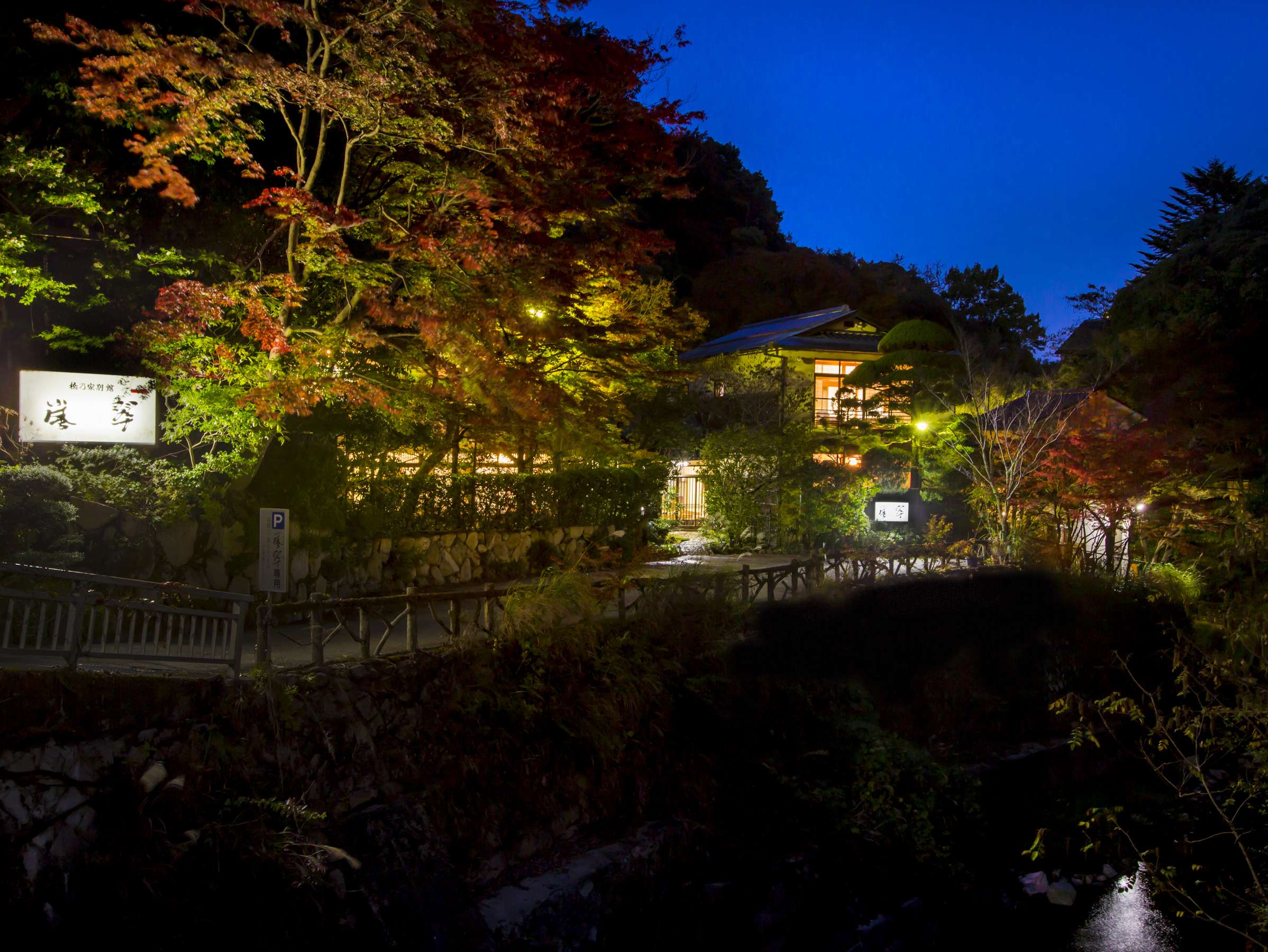
2. Hashinoya Bekkan Ransui — Best for couples with tattoos
Rating: 9.7/10 (51 reviews) | Price: From ~¥66,000–157,000 per room/night | Private onsen: Yes — private cypress garden bathhouse | Tattoo policy: `private_only` — tattooed guests welcome in private bath; communal restricted
Ransui operates out of a nine-room Meiji-era villa format on its own address in Arima-cho, physically separate from its parent inn. The anchor is a cypress-lined kinsen outdoor bathhouse bookable for exclusive private use — Arima's iron-salt water with no other guests in it. Kaiseki arrives in-room rather than a dining hall, which keeps the seclusion consistent. English-speaking staff is confirmed.
The `private_only` tattoo policy is worth understanding clearly: tattooed guests can access the private bath, communal facilities are not available to them. Given that Ransui has no communal bath (it is all private), this is effectively a full-access policy for guests willing to pay the nightly rate. For couples who want private onsen ryokans across Japan with confirmed tattoo accommodation, Ransui sits at the top of the Arima shortlist.
Best for: Tattooed couples; anyone who wants the kinsen experience in complete seclusion. Skip if: You prefer a communal bath culture or are traveling solo (the per-room rate is steep for one).
3. Tocen Goshobo — Best historic ryokan
Rating: 9.6/10 (206 reviews) | Price: ~¥20,000–60,000 pp/night with 2 meals | Private onsen: Yes | Tattoo policy: `private_only`
Tocen Goshobo has been a lodging site since the 12th century — over 800 years. Its historic guests include Toyotomi Hideyoshi and author Junichiro Tanizaki, and the literary connection is not just marketing; Tanizaki wrote about the inn by name. The kinsen source here runs at approximately 93°C from the ground and pools beside the Taki River in outdoor baths the color of weak tea.
With 20 rooms, it sits between the intimate smallness of Hatago and the scale of a hotel — enough variety in rooms without the impersonal feel that comes above 30. Dinner centres on Kobe beef kaiseki. Day-use baths are available at ¥2,250 if you want to experience the water without staying the night. The 206 reviews at 9.6 give the rating meaningful weight. One practical note: the website is Japanese-only — OTA booking with an English interface is the smoother path for international guests.
Best for: History enthusiasts; anyone who wants a genuinely ancient setting. Skip if: You need English-language staff communication beyond the OTA booking stage.
4. Taketoritei Maruyama — Best for both spring types
Rating: 9.5/10 (381 reviews) | Price: ~¥30,000–60,000 pp/night with 2 meals (estimated, OTA aggregators) [2026-08-16] | Private onsen: Yes — select rooms have private ginsen outdoor tubs | Tattoo policy: `private_only`
Named after the Tale of the Bamboo Cutter (Taketori Monogatari), Maruyama sits on a hillside above Arima's old-town streets with valley views through the trees. What distinguishes it from most Arima properties is access to both spring types: kinsen in the communal baths, and ginsen — the clear, carbonated silver spring — in private outdoor tubs for select rooms. If you want to compare both waters in one stay rather than hunting for two separate properties, this is where to do it.
At 381 reviews and 9.5 it has the strongest review volume of the four Arima picks — a useful signal that the experience holds up at scale, not just on fortunate nights. The `private_only` tattoo policy means tattooed guests can use the private ginsen baths specifically; communal kinsen baths are restricted.
Best for: First-time Arima visitors who want to experience both kin-sen and gin-sen in one stay; the highest review volume in the set. Skip if: You want the intimacy of a smaller property.
Arima has 23 published ryokans on our site — these four are the best starting points. See our full Arima Onsen guide for all picks, seasonal pricing, and a walking map of the onsen town.
Nara — 35–55 min from Kyoto Station
Getting there: The most convenient option is the Kintetsu Nara Line from Kintetsu Kyoto Station (connected directly to the JR Kyoto Station building) to Kintetsu Nara Station — about 45–55 minutes by ordinary express (may require a transfer at Yamato-Saidaiji), ¥760 (~$5) one-way. The limited express cuts it to ~34–40 minutes for ¥1,280 — a reserved seat and a 10–20-minute saving. If you have a JR Pass, use the JR Nara Line instead: Kyoto Station → JR Nara Station, ~45 minutes, ¥720, fully covered. Note that JR Nara Station is further from Nara Park than Kintetsu Nara Station — add a short walk or bus.
Honest framing: Nara's onsen supply is thin by Japanese standards. None of the published properties in our database have a private in-room onsen — no in-room rotenburo, no kashikiri-buro reserved for your room. What Nara offers instead is hot-spring hotels that pipe natural mineral water into their public bath facilities. If your primary goal is deep onsen immersion, Arima or Kinosaki will satisfy more completely. If you want Nara's deer parks and UNESCO temples with a legitimate natural hot-spring bath in the evening, the three picks below deliver exactly that.
 Pin to Pinterest
5. Ryokan Asukasou — Best classic ryokan in Nara
Rating: 9.6/10 (146 reviews) | Price: ~¥15,000–30,000 pp/night (estimated, OTA room rates) [2026-08-16] | Private onsen: No | Tattoo policy: `cover_up` — cover-up required to use communal baths
Asukasou sits at the entrance to Nara Park and has the feel of a traditional tatami ryokan rather than a hotel that happens to have a bath. The rooftop bath is the signature draw — it overlooks the Kofukuji temple complex with Nara Park spreading below — and a kaiseki dinner plan is available.
Critical caveat for 2026: The Kofukuji five-story pagoda — the famous view the rooftop bath is known for — is under restoration enclosure work that began July 2023 and runs to March 2034. The rooftop bath exists and functions; the pagoda view does not. If you book Asukasou hoping for that particular silhouette at sunset, you will be looking at scaffolding. The bath itself is still a pleasant rooftop soak above the park, just not the iconic image you have seen in travel photography.
Tattoo policy is `cover_up`: guests with tattoos must cover up to access the communal bath. Note that the geological origin of the hot-spring water could not be confirmed in research — the property markets itself as an onsen ryokan but the water source classification was not verifiable from available sources.
Best for: Classic ryokan feel; location within the Nara Park precinct; kaiseki dining. Skip if: The pagoda view was your primary motivation (it will be covered until 2034).
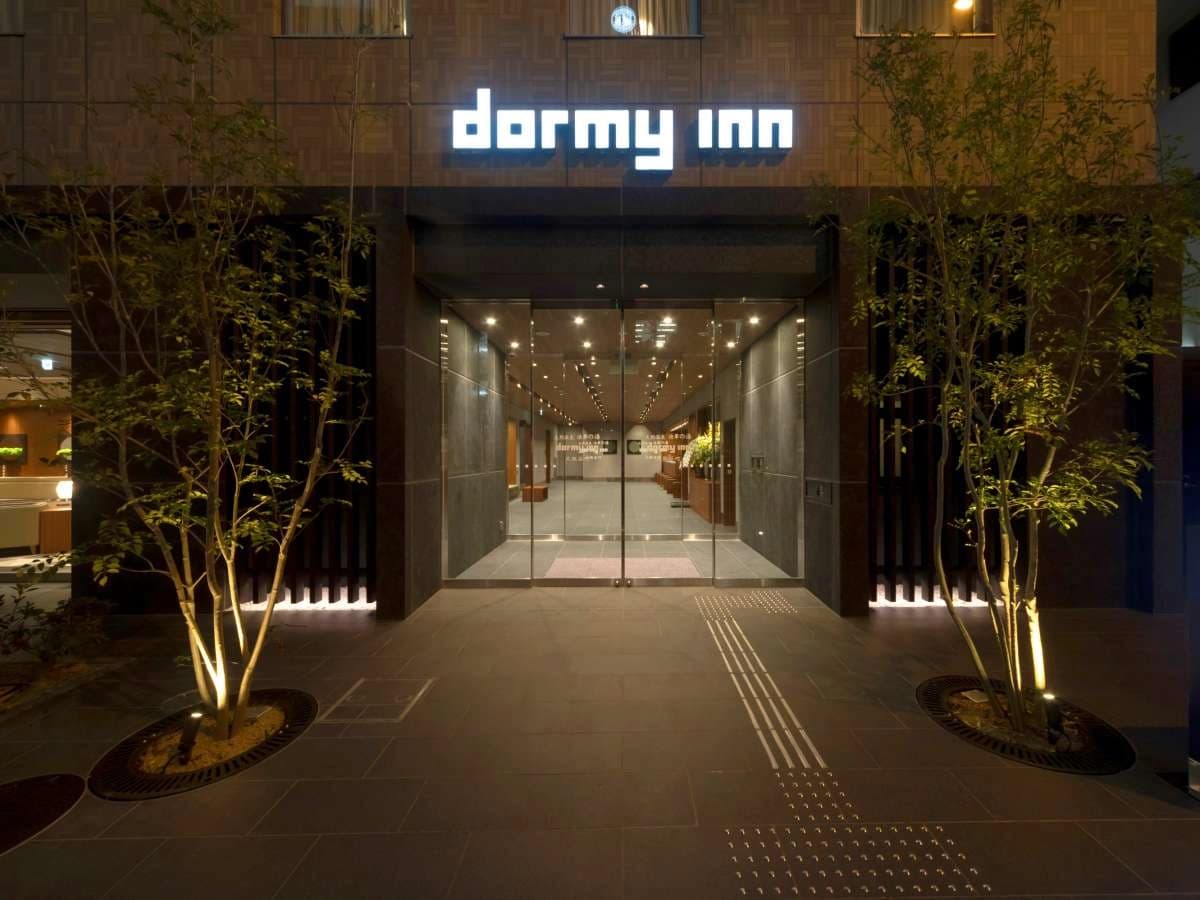
6. Onyado Nono Nara Natural Hot Spring — Best for easy access
Rating: 9.5/10 (3,759 reviews) | Price: ~¥7,800–16,000 per room/night, meals extra | Private onsen: No | Tattoo policy: Cover-up with provided waterproof stickers (consistent with Dormy Inn chain policy — verify for Nara location directly)
Be clear about what Onyado Nono is: a Dormy Inn premium sub-brand hotel chain property, not a classic ryokan. It happens to have a natural hot-spring bath (Yoshino Sakura no Yu, with large indoor cypress communal baths, an outdoor bath, and a dry sauna) and sits three minutes from JR Nara Station — the most accessible address of any pick in this article.
The 3,759-review count at 9.5 is the most statistically significant rating in the entire set. That volume makes the score meaningful in a way that a 22-review 9.7 is not. Amenities lean hotel-style: welcome drinks, free ice cream post-bath, late-night noodle service (yonakisoba), massage chairs. If you are arriving by bullet train and want natural hot-spring access without the ceremony of a traditional ryokan check-in, this is the practical choice.
The DB tattoo policy shows "unknown," but research from tattoofriendlyonsen.com and japanese-onsen.com confirms the Dormy Inn / Onyado Nono chain provides waterproof stickers for tattoo cover-up across its properties. Confirm specifically for the Nara location before booking if this matters to your trip.
Best for: Easy access from JR Nara Station; high review confidence; hotel-comfortable format with genuine hot-spring facilities. Skip if: You want classic tatami ryokan atmosphere or in-room meals.
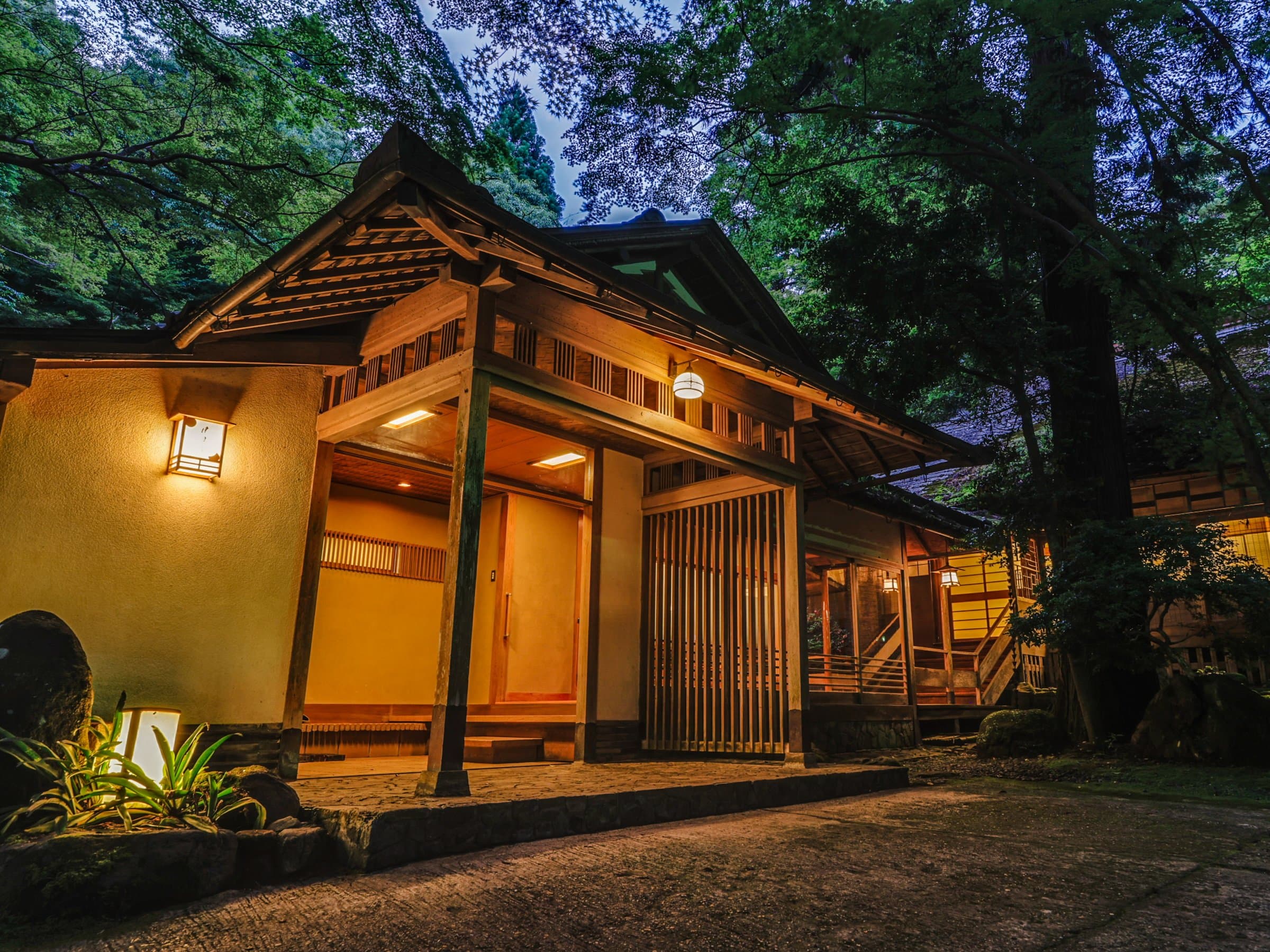
7. Nara Kasugano Resort Tsukihitei — Best for forest seclusion (skip if you need onsen)
Rating: 9.2/10 (32 reviews) | Price: ~¥25,300–48,400 pp/night with 2 meals | Private onsen: No | Tattoo policy: `not_allowed`
One thing to be clear about up front: Tsukihitei does not have natural hot-spring water. The private baths are wooden cypress tubs — beautiful, quiet, luxurious — but they are not onsen. Multiple booking sites list it as an "onsen ryokan" (including japanese-onsen.com), but the official Miyako Hotels site describes only private wooden baths with no mention of natural hot-spring water. This distinction matters.
What Tsukihitei actually is: a three-room forest retreat surrounded by Kasugayama Primeval Forest, a UNESCO World Heritage Site, where a stay is about kaiseki dining, silence, and profound seclusion. The Sakura room (opened April 2023) is 90 square metres with a Japanese umbrella pine bath. Maximum privacy at three rooms total. The Miyako Hotels brand provides English-interface booking.
Skip Tsukihitei if: an on-site natural hot spring or tattoo-friendly bathing is the point of your trip — neither is available here. Stay at Tsukihitei if: Kaiseki dining in a UNESCO forest with complete quiet is the trip.
Planning a full Nara overnight? See our Nara ryokan guide for all 11 published properties, including booking tips for the deer-park temple season.
Zone B: The overnight train — Kinosaki Onsen (2 hr 20 min)
Kinosaki requires a different mental framing than Zone A. It is not a ryokan with an onsen attached to it — it is an entire onsen town, and your ryokan is your base within it. Every overnight guest receives a yumepa pass giving free access to all the town's operating public bathhouses (sotoyu). The defining ritual is walking between these bathhouses in yukata and geta (wooden sandals) after dark, the Otani River canal reflecting the lanterns overhead.
That experience requires an evening. The 2-hour-20-minute journey from Kyoto Station is worth it — but only if you stay at least one night. A day-trip from Kyoto would be nearly five hours of trains for two hours on the ground.
Kinosaki Onsen — 2 hr 20 min from Kyoto Station
Getting there: Take the JR Limited Express Kinosaki (きのさき) from Kyoto Station direct to Kinosaki-Onsen Station, approximately 2 hours 24 minutes, starting from ¥7,350 (~$49) one-way . Important: all seats on the Limited Express Kinosaki are reserved — there are no unreserved cars. JR Pass holders must reserve a seat at a JR ticket window (midori-no-madoguchi) or via the JR app. The reservation is free for pass holders. Trains run approximately 5 times per day. No transfer required from Kyoto Station.
Note for travelers who have seen "Kounotori" or "Hashidate" mentioned for Kinosaki: the Kounotori limited express departs from Osaka (Shin-Osaka/Osaka), not Kyoto. Hashidate runs toward Amanohashidate, not Kinosaki. From Kyoto Station, the correct direct service is the Limited Express Kinosaki.
The sotoyu circuit: Kinosaki traditionally has 7 public bathhouses (sotoyu). Five are operating until Kouno-yu (forest-edge, most local) reopens, and six after that — Kouno-yu is closed for repairs until October 30, 2026 (planned), per the Kinosaki Onsen Tourism Association. Open now: Gosho-no-yu (waterfall view, most iconic), Mandara-yu (oldest, traditional character), Jizo-yu (small, family-friendly), Yanagi-yu (cypress interior, slightly hotter), and Ichi-no-yu (cave-style rotenburo, most architecturally dramatic). Sato-no-yu has been closed since April 2024 for full reconstruction — asbestos was found during demolition, causing major delays. No reopening date has been published. The yumepa pass covers every operating sotoyu for ryokan guests at no charge.
Tattoo policy at sotoyu: Every operating sotoyu welcomes tattooed guests — no cover-up required. Individual ryokan in-house communal baths apply their own policies.
Matsuba-gani season (snow crab): November–March. If you are visiting in this window, kaiseki plans featuring whole snow crab cost 20–50% more than off-season rates and book 2–3 months ahead at minimum. First weekends of crab season can require 6+ months lead time.
Skip Kinosaki if: You have only a day in Kyoto — the round-trip alone is nearly 5 hours. Plan for at least one night, ideally two.
 Pin to Pinterest
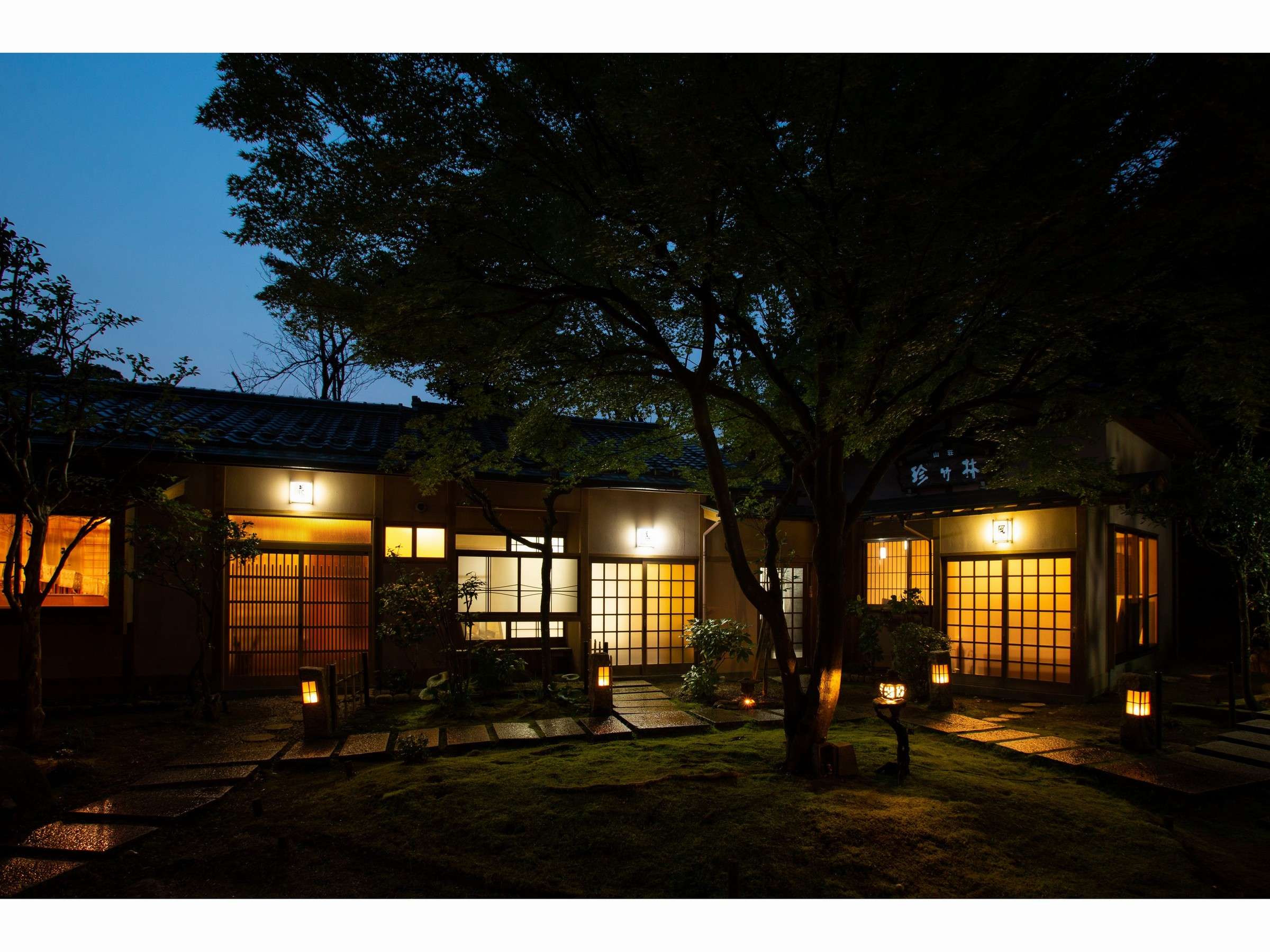
8. Fujimiya — Best value in Kinosaki (9.8 rated)
Rating: 9.8/10 (154 reviews) | Price: From ~¥7,700 pp on select plans [DB description / Jalan data — verify current rates on Agoda] | Private onsen: Yes — reservable kashikiri bath, ¥1,100/session (evenings) | Tattoo policy: Unconfirmed — check directly with property; sotoyu are tattoo-friendly regardless
Fujimiya has the highest rating in the entire 11-pick set. A 2023 renovation freshened the 12 rooms while keeping the feel of a small family-run inn — checkered accent walls, tatami flooring, a bamboo-screened open-air outdoor tub with a garden outlook. The kashikiri private bath is reservable in the evening for ¥1,100 on top of your room rate.
Two practical notes before you book. First: Fujimiya is cash only. This is unusual for modern accommodation in Japan and causes problems for international guests who arrive with only cards. Second: the official website is Japanese-only, and English assistance is limited. Booking via OTA (Agoda, Expedia) is strongly recommended — the interface is in English and you can confirm your sotoyu yumepa pass coverage at check-in.
On tattoo policy: the DB value is "unknown" and the property's limited online presence makes independent verification difficult. The town's sotoyu are tattoo-friendly regardless of the ryokan's in-house policy, so your bath access via the yumepa pass is guaranteed. For in-house policy, contact the property directly before booking.
Best for: Best value in Kinosaki; couples who want a small family-run feel after the 2023 renovation. Skip if: You need card payment (cash only) or need English-language in-person service.
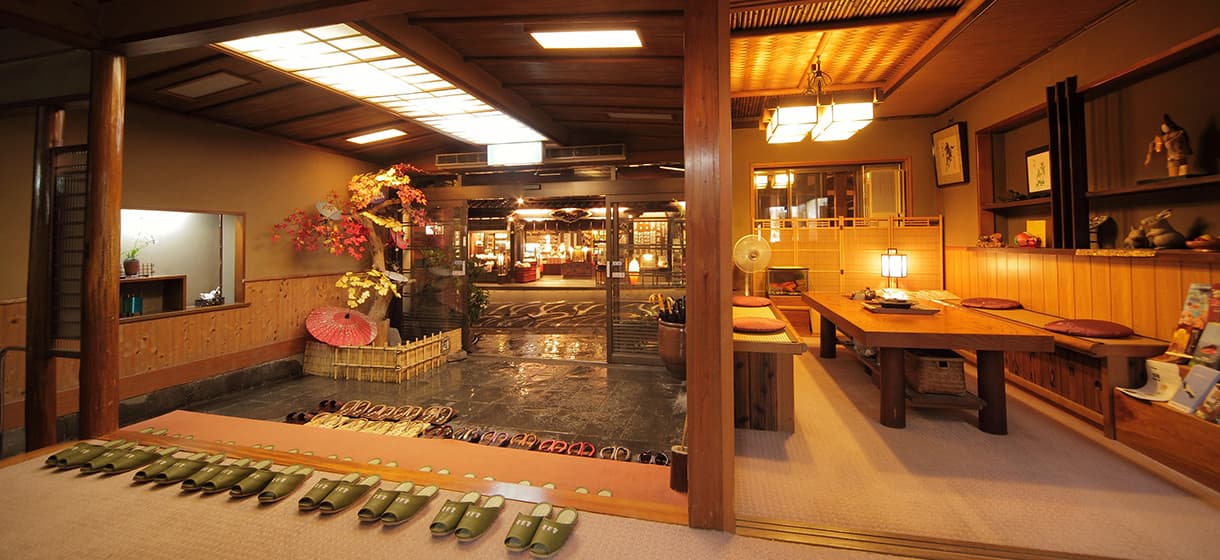
9. Morizuya — Best unique bath experience
Rating: 9.6/10 (18 reviews) | Price: Mid price band — verify current rates on Booking.com | Private onsen: Yes — cave bath + indoor bath, both available as kashikiri on weekday evenings | Tattoo policy: `private_only` — confirmed by tattoofriendlyonsen.com, March 2026
Morizuya is an 8-generation family inn with over 200 years of history, and its defining feature is a bath carved from the bedrock of the mountain slope — a cave bath with stone walls and natural rock ceiling. That is not a decorative feature; it is literally dug into the hillside behind the inn. Both the cave bath and the standard outdoor bath are available for private (kashikiri) use on weekday evenings until 6:30 pm, meaning tattooed guests can soak undisturbed.
The `private_only` tattoo policy is verified by TattooFriendlyOnsen.com as of March 2026 — tattooed guests are welcome in the private baths, communal access is restricted. The review count (18) is small but the 9.6 score is consistent with the cave-bath experience being genuinely distinctive rather than merely well-maintained.
Price could only be estimated from a guest review denominated in Australian dollars — no confirmed OTA yen figure was available in research. Check Booking.com or Agoda for current rates before committing.
Best for: Bath architecture enthusiasts; tattooed travelers who want private-bath access in a genuinely historic inn. Skip if: You need highly accessible English service or confirmed pricing before inquiry.
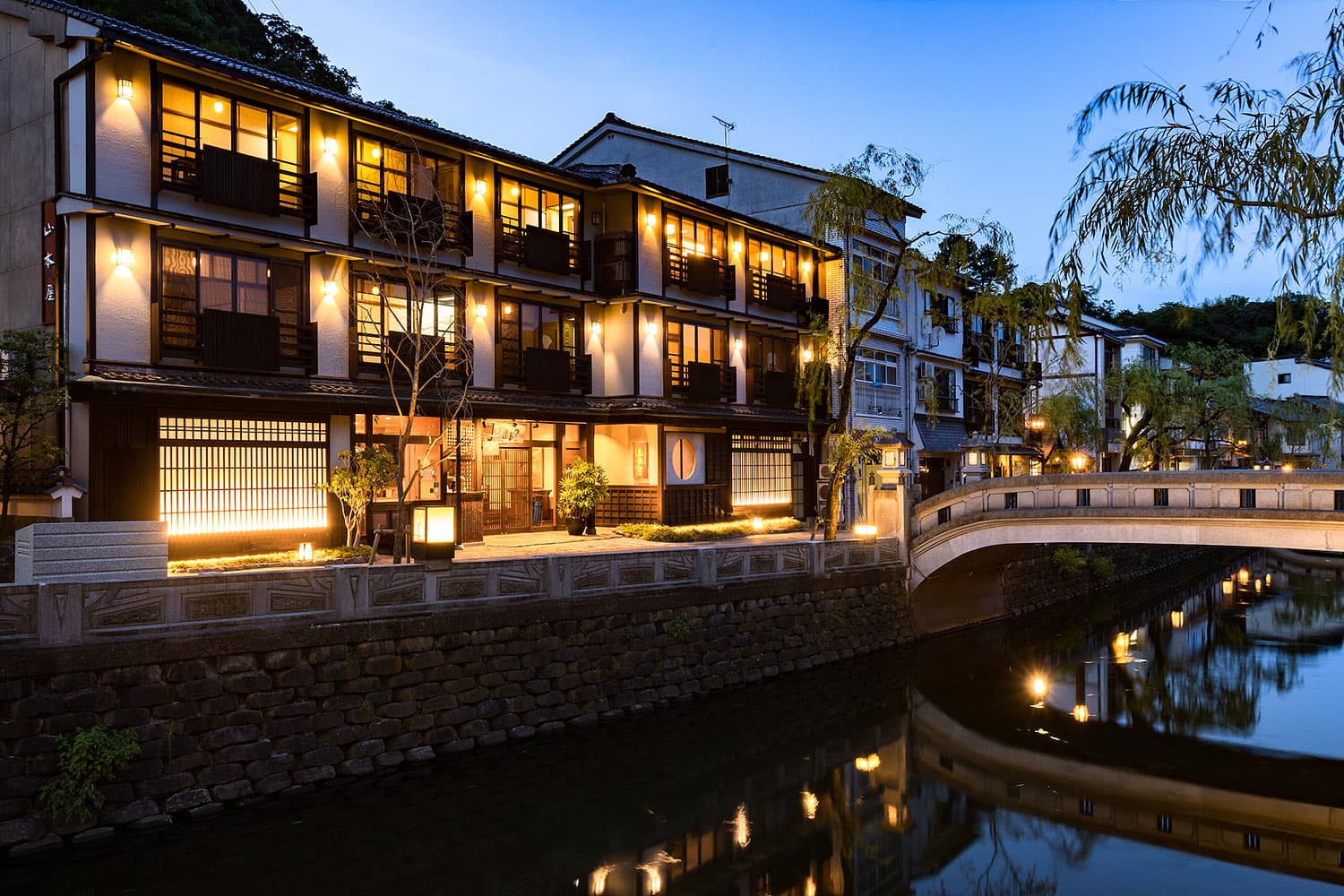
10. Yamamotoya — Best for tattoo-friendly guests
Rating: 9.4/10 (167 reviews) | Price: From ~¥20,900 pp/night with 2 meals (Rakuten Travel kaiseki plan floor) | Private onsen: No — sotoyu circuit is the primary onsen vehicle | Tattoo policy: `allowed` — all in-house baths including communal, confirmed by tattoofriendlyonsen.com, March 2026
Yamamotoya is the only pick in this entire 11-property set where tattooed guests can use communal in-house baths without restriction. Founded 350 years ago in the Edo period, it sits 7 minutes walk from JR Kinosaki-Onsen Station with canal views over the Otani River — and it has an on-site craft beer brewery, which is an unusual combination for a centuries-old ryokan.
The `allowed` policy is meaningful precisely because it covers the communal bath, not just a private reserved room. On top of that, every operating sotoyu is tattoo-friendly, so a guest staying at Yamamotoya with tattoos has full access to the entire Kinosaki bathing circuit — in-house communal baths and every open public bathhouse. No other pick in the set offers that combination.
Note that Yamamotoya has no private in-room onsen — `has_private_onsen = false`. If in-room privacy is the priority, pair the sotoyu circuit with the private kashikiri options at Fujimiya or Morizuya instead.
Best for: Tattooed travelers who want the full Kinosaki communal bath experience without restriction. Skip if: You want a private in-room bath (none available here).
11. Nishimuraya Honkan — Best luxury anchor
Rating: 9.2/10 (198 reviews) | Price: From ~¥50,000 pp/night with 2 meals | Private onsen: Yes — in select suite rooms | Tattoo policy: `private_only`
Closure notice (2026): Nishimuraya Honkan is closed for construction from June 24 to August 28, 2026, and fully reopens August 29, 2026. Do not attempt to book for stays within this window. If you are reading this in late August 2026 or later, confirm reopening on the official site before booking.
Nishimuraya Honkan was founded in 1860 during the Ansei era of the Edo period — 165 years of continuous operation. It is the only Relais & Châteaux member ryokan in Kinosaki, Michelin Guide 2025 recognized, and Virtuoso preferred. The property centres on an expansive Japanese garden; the communal baths (two large indoor and outdoor, plus an annex bath) are supplemented by private baths in select suite rooms. Tajima beef kaiseki is the signature dinner. The English-language website is active and English service is confirmed.
The `private_only` tattoo policy works as follows: tattooed guests who book the Honjin-no-Ma suite (which has its own private bath) can use that bath freely. Guests in standard rooms are restricted from communal baths. Given the price floor (¥50,000+ pp), the suite option is worth factoring into your room choice if tattoos are a consideration. The sotoyu yumepa pass to every operating bathhouse is included with the stay.
Best for: Luxury travelers for whom Kinosaki's finest historical property is the point of the trip. Skip if: Budget is a concern; the construction window (until August 28, 2026) catches your dates.
Kinosaki has 33 published ryokans on our site — far more than any other area near Kyoto. See our complete Kinosaki guide for the full list, sotoyu bath map, and crab-season booking strategy.
Tattoo policy across all three areas: what to know
The anxiety about tattoos at Japanese onsen is real but navigable if you know which property has which policy. Here is the complete breakdown for this article's 11 picks, using the DB values with plain-English translations:
`allowed` — no restrictions:
Yamamotoya (Kinosaki) — communal in-house baths and every operating sotoyu are accessible
`private_only` — private baths available; communal restricted:
Hashinoya Bekkan Ransui (Arima)
Tocen Goshobo (Arima)
Taketoritei Maruyama (Arima)
Morizuya (Kinosaki) — cave bath + indoor bath, both kashikiri-bookable on weekday evenings [tattoofriendlyonsen.com, March 2026]
Nishimuraya Honkan (Kinosaki) — Honjin-no-Ma suite has private bath
`cover_up` — tattoos must be covered to use facilities:
Ryokan Asukasou (Nara)
Onyado Nono Nara (chain policy: waterproof stickers provided — verify for Nara location)
`not_allowed` — tattooed guests cannot use bath facilities:
Nara Kasugano Resort Tsukihitei (Nara)
`unknown` — policy unconfirmed; verify directly before booking:
Arima Onsen Shikinoirodori Hatago (Arima)
Fujimiya (Kinosaki)
Practical summary: If you have tattoos and want communal bathing, Kinosaki is the clearest choice — the town's operating sotoyu are tattoo-friendly for all guests, and Yamamotoya allows tattoos at all in-house communal baths. In Arima, book `private_only` properties and confirm your room includes a kashikiri bath. In Nara, Asukasou requires cover-up; Tsukihitei does not permit tattoos at all.
How to ask: Email the ryokan directly (most have an English inquiry form). Ask: "Do you allow guests with tattoos to use the in-house onsen baths?" Most reply within 24 hours. For a full list of verified tattoo-friendly options across Japan, see our guide to tattoo-friendly ryokans in Japan.
How to book these ryokans from abroad
Most picks in this article are the best onsen ryokan near Kyoto options you will find on Agoda, Trip.com, and Expedia — and all are bookable across Kansai's major OTA platforms. Use the booking buttons on each property page; links route through our `/go/r` tracking path. A few notes on specific properties:
OTA coverage gaps: Fujimiya (Kinosaki) and Morizuya (Kinosaki) have more limited OTA footprints than the Arima picks. For Fujimiya, Agoda and Expedia are the safer bets; the official site is Japanese-only. For Morizuya, check Agoda. For direct links to all properties in each area, see Browse all Arima ryokans and Browse all Kinosaki ryokans.
English service: Confirmed at Hatago, Ransui (both English sites), Onyado Nono (chain hotel), Tsukihitei (Miyako Hotels), and Nishimuraya Honkan. For Goshobo, Taketoritei Maruyama, Asukasou, Fujimiya, Morizuya, and Yamamotoya — book through an OTA with an English interface.
Lead times:
Kinosaki matsuba-gani crab season (Nov–Mar): book 2–3 months ahead; peak dates 6+ months
Arima autumn foliage weekends (Oct–Nov): 6–8 weeks ahead
Nara: 2–4 weeks adequate most of the year
Cancellation policy: Most Japanese ryokans apply strict cancellation fees from 3–7 days before arrival. Check OTA terms carefully — a "free cancellation" rate typically has its own cut-off date.
First time booking a ryokan? Arrive by check-in time (usually 3–4 pm), remove shoes at the genkan entryway, and confirm your dinner seating time on arrival — most ryokans serve dinner at a fixed time (6 or 7 pm) and kitchen timing is set early. See our first-time ryokan guide for the full briefing.
Frequently Asked Questions
Which is the best onsen ryokan near Kyoto for your trip?
 Pin to Pinterest
The honest answer depends entirely on what you are optimizing for.
Half-day to spare + the deepest onsen experience nearest Kyoto: Arima. Take the highway bus from Hachijoguchi, book an overnight at Ransui or Goshobo, soak in kinsen that you will not find anywhere else in Japan. Budget ¥1,850 one-way and leave the JR Pass at the hotel.
Quick cultural side trip + legitimate hot-spring bath in the evening: Nara. Kintetsu limited express from Kyoto in ~35 minutes, Asukasou for the ryokan atmosphere or Onyado Nono for maximum accessibility, back on the train the next morning. Manage your expectations on onsen depth — Nara is temples and deer first, hot spring second.
One or two free nights + the full onsen-town ritual: Kinosaki. Use your JR Pass on the Limited Express Kinosaki (seat reservation required, free with pass), collect the yumepa sotoyu pass at check-in, put on your yukata, and walk between bathhouses after dark. It is a different category of onsen experience from anything in Zone A.
Every best onsen ryokan near Kyoto listed above has a live booking page — use the area links below to filter by budget, tattoo policy, or private bath availability.
More onsen ryokans we list in these areas
20 listed| Ryokan | From | Rating | Book |
|---|---|---|---|
 | from US$279/person/night≈ US$558 for 2 | 9.8 24 reviews | Book on Agoda |
 | from US$163/person/night≈ US$326 for 2 | 9.7 11 reviews | Book on Booking.com |
 | from US$200/person/night≈ US$400 for 2 | 9.6 199 reviews | Book on Booking.com |
 | from US$89/person/night≈ US$178 for 2 | 9.6 41 reviews | Book on Trip.com |
 | from US$318/person/night≈ US$636 for 2 | 9.5 93 reviews | Book on Agoda |
 | from US$576/person/night≈ US$1,152 for 2 | 9.5 49 reviews | Book on Booking.com |
 | from US$515/person/night≈ US$1,030 for 2 | 9.5 36 reviews | Book on Trip.com |
 | from US$302/person/night≈ US$604 for 2 | 9.4 294 reviews | Book on Trip.com |
 | from US$280/person/night≈ US$560 for 2 | 9.4 286 reviews | Book on Booking.com |
 | from US$230/person/night≈ US$460 for 2 | 9.4 186 reviews | Book on Booking.com |
 | from US$231/person/night≈ US$462 for 2 | 9.4 93 reviews | Book on Agoda |
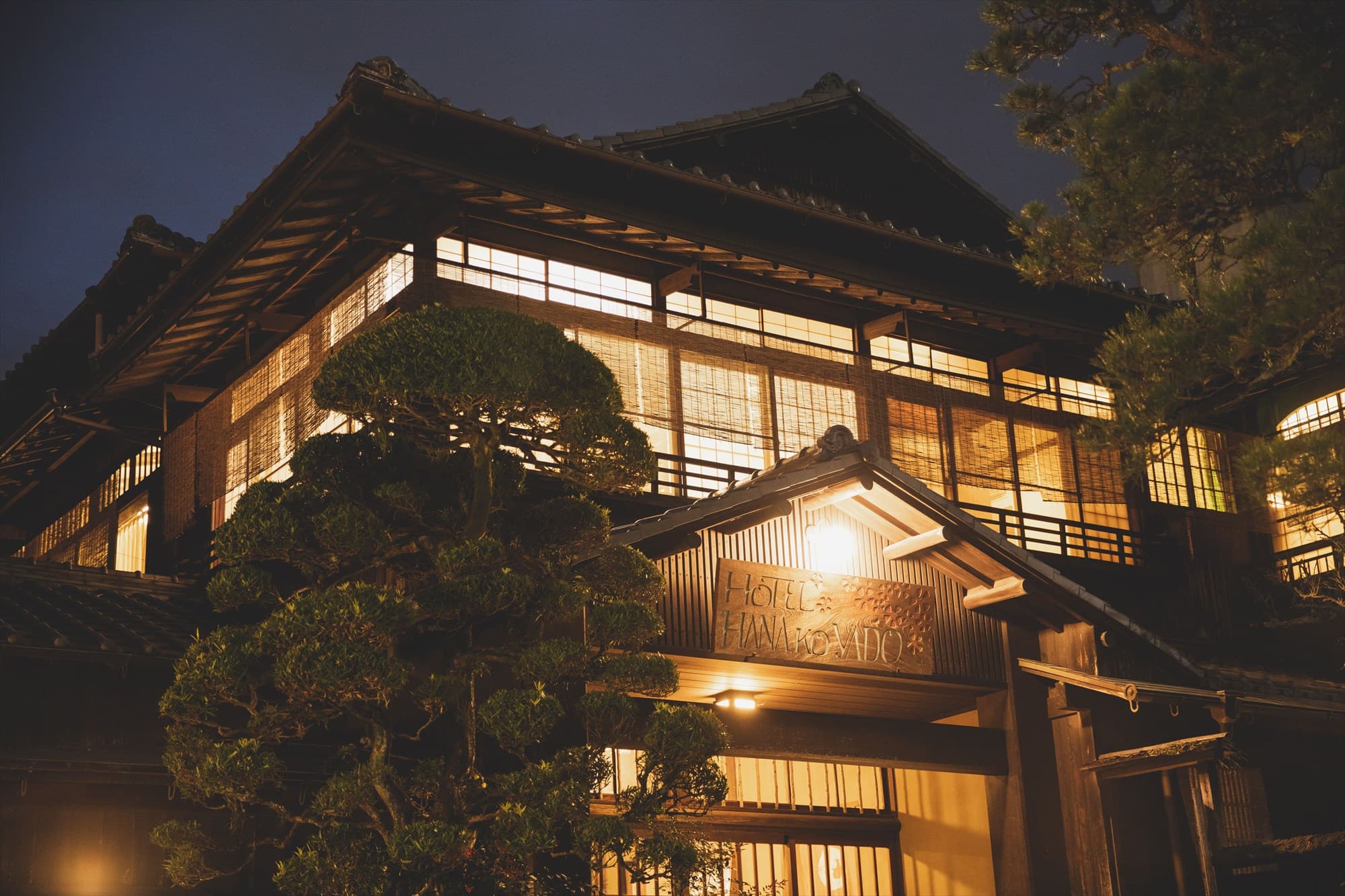 | from US$197/person/night≈ US$394 for 2 | 9.4 55 reviews | Book on Agoda |
 | from US$112/person/night≈ US$224 for 2 | 9.4 20 reviews | Book on Booking.com |
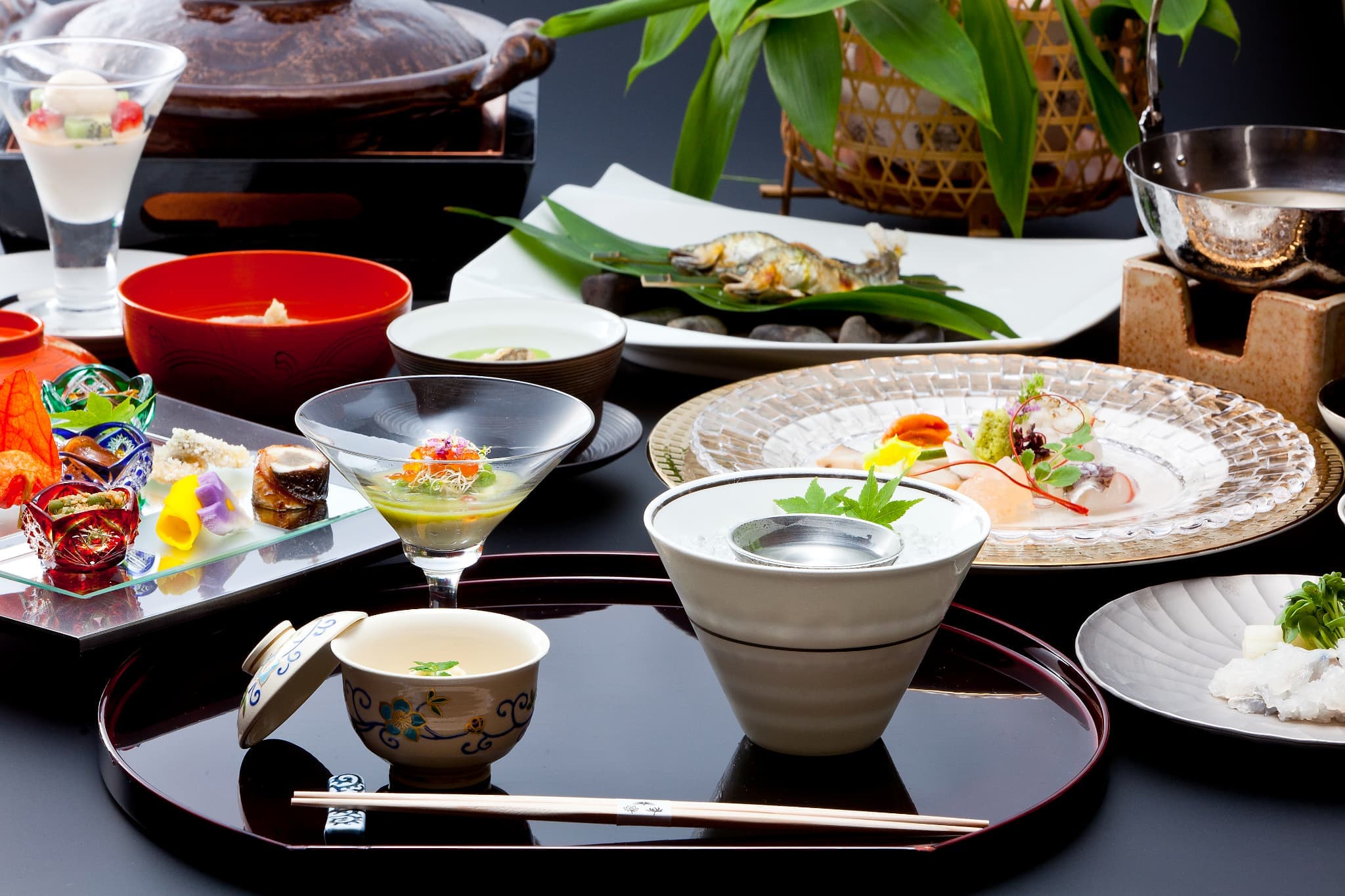 | from US$518/person/night≈ US$1,036 for 2 | 9.4 18 reviews | Book on Trip.com |
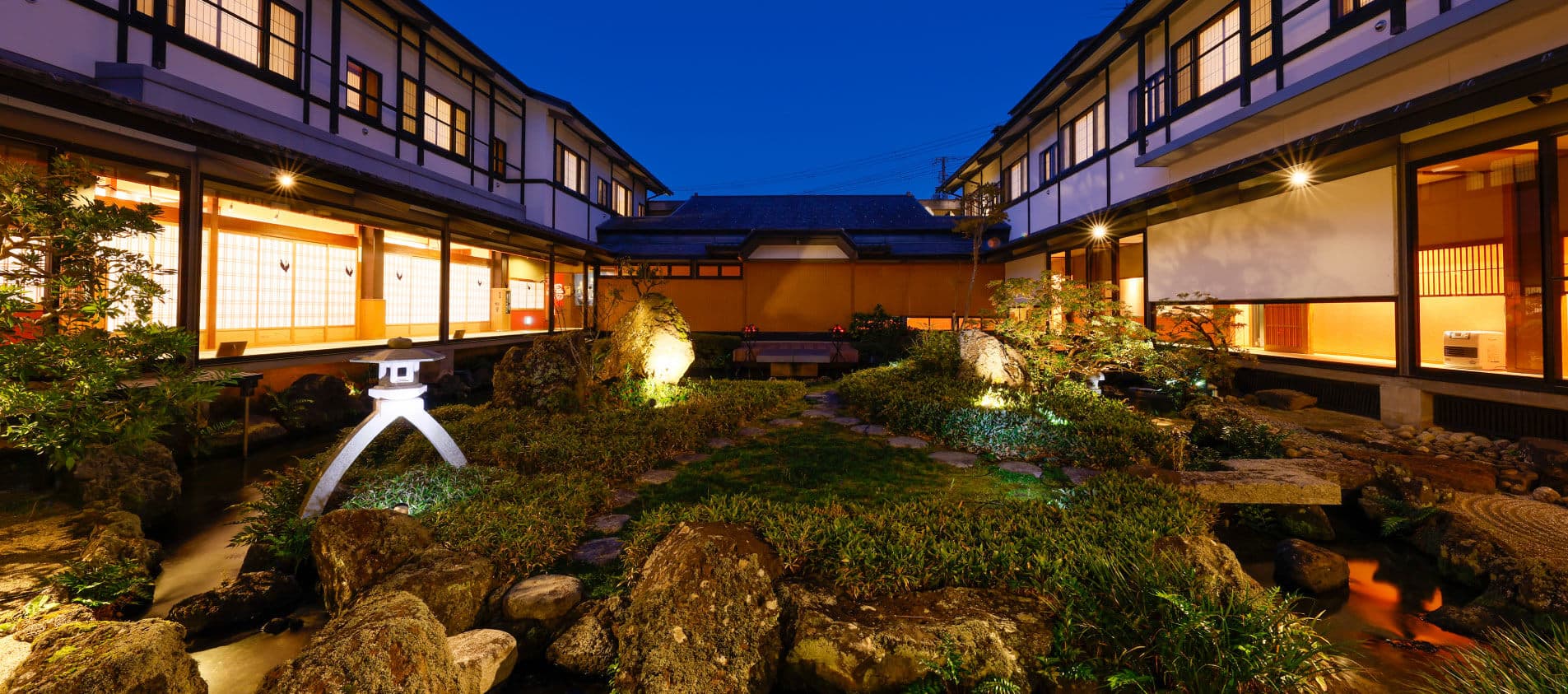 | from US$220/person/night≈ US$440 for 2 | 9.3 577 reviews | Book on Booking.com |
 | from US$90/person/night≈ US$180 for 2 | 9.3 272 reviews | Book on Booking.com |
 | from US$350/person/night≈ US$700 for 2 | 9.3 245 reviews | Book on Booking.com |
 | from US$150/person/night≈ US$300 for 2 | 9.3 239 reviews | Book on Booking.com |
 | from US$193/person/night≈ US$386 for 2 | 9.3 209 reviews | Book on Booking.com |
 | from US$200/person/night≈ US$400 for 2 | 9.3 61 reviews | Book on Agoda |
Kinosaki no Yado Ryokufukaku
Kinosaki
Arima Grand Hotel
Arima
Sumihei Bettei Tokitotoki
Kinosaki
Shinzan Kinosaki
Kinosaki
Kinosaki Onsen Matsuya
Kinosaki
Spa Terrace Shisui
Arima
Ginsuiso Choraku
Arima
Hotel Hanakoyado
Arima
Kinzan
Arima
Onishiya Suishoen
Kinosaki
Kawaguchiya Honkan
Kinosaki
Gekkoen Korokan
Arima
Negiya Ryofukaku
Arima
Hyoe Koyokaku
Arima
Prices shown are approximate starting rates per person per night. We may earn a commission on bookings.
Ready to book?
Book one of these top picks
Compare live availability and prices across booking sites.
Arima Onsen Shikinoirodori Hatago
四季の彩 旅篭
Arima·Luxury
from US$715 · per person · per nightfrom ≈ US$1,430 total for 2 guests



Hashinoya Bekkan Ransui
橋乃家別館 嵐翠
Arima·Luxury
from US$460 · per person · per nightfrom ≈ US$920 total for 2 guests
Tocen Goshobo
陶泉 御所坊
Arima·Luxury
from US$235 · per person · per nightfrom ≈ US$470 total for 2 guests
Taketoritei Maruyama
竹取亭円山
Arima·Mid-Range
from US$250 · per person · per nightfrom ≈ US$500 total for 2 guests
Ryokan Asukasou
飛鳥荘
Nara·Mid-Range
from US$150 · per person · per nightfrom ≈ US$300 total for 2 guests
Onyado Nono Nara Natural Hot Spring
天然温泉 吉野桜の湯 御宿 野乃 奈良
Nara·Mid-Range
from US$49 · per person · per nightfrom ≈ US$98 total for 2 guests
Nara Kasugano Resort Tsukihitei
奈良春日奥山 月日亭
Nara·Luxury
from US$400 · per person · per nightfrom ≈ US$800 total for 2 guests
Fujimiya
城崎温泉 富士見屋
Kinosaki·Budget
from US$51 · per person · per nightfrom ≈ US$102 total for 2 guests
Morizuya
森津屋
Kinosaki·Mid-Range
from US$86 · per person · per nightfrom ≈ US$172 total for 2 guests
Yamamotoya
山本屋
Kinosaki·Mid-Range
from US$200 · per person · per nightfrom ≈ US$400 total for 2 guests

Nishimuraya Honkan
西村屋本館
Kinosaki·Luxury
from US$400 · per person · per nightfrom ≈ US$800 total for 2 guests
Booking links may earn us a commission at no extra cost to you.
FAQ
Frequently asked questions
Does Kyoto have natural hot springs?+
Kyoto's urban core — covering Kyoto Station, Gion, and Arashiyama — has no natural geothermal onsen. Properties marketed as "Kyoto onsen" in the city center use heated or piped water. One genuine natural sulfur spring exists at Kurama, a mountain village 30 minutes north of Demachiyanagi by Eizan Railway (within Kyoto City administrative boundaries), but it is not an onsen-town experience. The nearest dedicated onsen towns are Arima (~70 min by highway bus) and Kinosaki (~2 hr 20 min by JR Limited Express).
How far is Arima Onsen from Kyoto?+
Approximately 70 minutes by direct highway bus from Kyoto Station Hachijoguchi (八条口) south exit, operated jointly by Keihan Bus and Hankyu Bus, ¥1,850 one-way. Limited daily departures — check the schedule before you travel. The rail alternative (Hankyu Kyoto Line + Kobe Dentetsu) takes ~90 minutes with two transfers, ~¥1,800–2,000. No direct JR route exists — JR Pass is not valid on any Arima route.
Can you do Arima Onsen as a day trip from Kyoto?+
Technically yes, but the ~70-minute each-way journey means approximately 2.5 hours of transit for a half-day of soaking. An overnight stay is strongly recommended to justify the round-trip. Some ryokans offer day-use bath plans (higaeri-nyuyoku) — Tocen Goshobo charges ¥2,250. Call ahead to confirm availability.
How long is the train to Kinosaki from Kyoto?+
Approximately 2 hours 20 minutes (typically 2 hours 24 minutes) on the JR Limited Express Kinosaki from Kyoto Station to Kinosaki-Onsen Station. No transfer required. All seats are reserved — there are no unreserved cars on this service. Approximately 5 round trips per day. Verify current schedules on the JR West official site before booking.
Is the JR Pass valid to Kinosaki from Kyoto?+
Yes. The JR Pass covers the Limited Express Kinosaki from Kyoto Station to Kinosaki-Onsen Station in full. Seat reservation is mandatory (all seats reserved); the reservation is free for JR Pass holders at a JR ticket window (midori-no-madoguchi) or via the JR app. The standard one-way fare without a pass starts from approximately ¥7,350 .
What is the difference between kin-sen and gin-sen in Arima?+
Kin-sen (金泉, gold spring) is iron-sodium chloride water that turns amber-rust on contact with air — Arima's defining water, found at almost no other location in Japan. It stains towels and bath surfaces and arrives from the source at approximately 93°C. Gin-sen (銀泉, silver spring) is actually two clear spring types: a carbonated spring and a radon spring. Taketoritei Maruyama offers both; Tocen Goshobo and Hatago offer kin-sen only .
Which onsen near Kyoto allows tattoos?+
Kinosaki is the most tattoo-accessible area. Every operating public sotoyu bathhouse is tattoo-friendly with no cover-up required [tattoofriendlyonsen.com, March 2026], and Yamamotoya allows tattoos at all in-house communal baths. In Arima, three picks (Ransui, Goshobo, Taketoritei Maruyama) have `private_only` policies — tattooed guests can use private baths, communal baths are restricted. In Nara, Asukasou requires cover-up; Tsukihitei prohibits tattoos. Full breakdown in our guide to tattoo-friendly ryokans in Japan.
What is the best onsen town to visit from Kyoto?+
Arima Onsen for the most concentrated onsen depth within 90 minutes — one of Japan's three ancient onsen towns with distinctive amber kinsen and silver ginsen water found almost nowhere else, documented in Japanese chronicles since the 8th century. Kinosaki for the full onsen-town circuit with every operating public bathhouse on a yumepa pass — requires an overnight (2 hr 20 min each way). Nara is better for UNESCO temples and deer park than onsen immersion; its hot-spring supply is thin by onsen-town standards.
Are there onsen ryokan near Kyoto under ¥20,000 per person?+
Yes. Fujimiya in Kinosaki starts from approximately ¥7,700 per person on select plans [DB description / Jalan data — verify current rates on Agoda, 2026-08-16]; note it is cash-only. Onyado Nono Nara has room rates from approximately ¥7,800–16,000 per room/night with meals extra — budget-mid total . Most Arima ryokans start above ¥20,000 per person including meals.
How do I get from Kyoto Station to Arima Onsen without a car?+
Option 1 (simplest): Highway bus from Kyoto Station Hachijoguchi (八条口) south exit, operated by Keihan Bus and Hankyu Bus jointly, ~70 minutes, ¥1,850 one-way. Limited daily departures — check the schedule in advance. Option 2 (more flexible): Hankyu Kyoto Line from Kyoto Kawaramachi → Osaka Umeda (~45 min), transfer to Hankyu Kobe Line, then Kobe Dentetsu Arima Line → Arima-Onsen Station (~90 min total, ~¥1,800–2,000). No JR services operate to Arima — JR Pass is not valid on either route .
Still deciding?
Browse ryokans across JapanBooking.com