Pin to Pinterest
Osaka is one of the best launch pads for onsen travel in Japan. Within 60 minutes you can be soaking in rust-colored iron-spring water at Arima Onsen. Within two hours and forty minutes, you can be padding between seven historic bathhouses in yukata at Kinosaki. The problem is that most English guides treat all of these destinations as equally convenient — and they are not. Choose wrong and you spend your one ryokan night mostly in transit.
This guide organizes 17 verified onsen ryokans near Osaka across four onsen areas by travel time from Osaka, so you can make that call clearly. The areas are Arima (~60 min), Kinosaki (~2h40m), Nanki-Shirahama (~2h30m), and Tamatsukuri and Dogo (~3h30–3h35m). Prices are verified 2026 figures in Japanese yen, with USD approximations at ¥150 = $1.
If you're planning from Tokyo instead, our near-Tokyo onsen guide covers a different set of destinations using the same tiered approach.
Pick Your Tier First: Day Trip vs Overnight vs Long Weekend
Before you book any onsen ryokan near Osaka, decide how much time you actually have. This single decision eliminates most of the wrong choices.
T1 — Arima Onsen (~60 min): Day-Trippable
Arima is the only onsen town near Osaka where a day trip makes practical sense. The highway bus from Hankyu Umeda takes about 60 minutes and costs ¥1,400 (~$9). You can be in the water by mid-morning and back in Osaka for dinner. Every other town in this guide requires an overnight stay to justify the journey.
Tip
The closest onsen to Osaka: Arima Onsen is approximately 60 minutes from Hankyu Umeda Station by direct highway bus (¥1,400 one-way, ~$9). It is the only onsen town near Osaka practical for a same-day return trip. By train, the journey takes 75–80 minutes with two transfers via Sannomiya and Tanigami on the private Kobe Electric Railway. Kinosaki Onsen, the next closest option for an overnight stay, is 2 hours 40 minutes by JR Kounotori limited express from Shin-Osaka.
T2 — Kinosaki Onsen and Nanki-Shirahama (~2h30–2h40m): Overnight Required
At 2h40m each way, a same-day return to Kinosaki leaves you roughly 3–4 hours on the ground — barely enough to eat, never mind soaking in the bathhouses. A full overnight stay is the minimum. The same applies to Shirahama. Missing the last train back from Kinosaki is a genuine risk; we cover the exact departure time below in the logistics section — it is earlier than most travelers expect.
T3 — Tamatsukuri and Dogo (~3h30–3h35m): Long-Weekend Only
With roughly 7 hours of round-trip transit, arriving on Day 1 in the afternoon and leaving after lunch on Day 3 gives you one full day on the ground. That is the minimum worthwhile duration. Both destinations justify the journey — Tamatsukuri's alkaline skin-softening water is distinct from anything in T1 or T2, and Dogo Onsen Honkan (the 1894 public bathhouse of Dogo, said to be one of Japan's oldest hot-spring towns, fully reopened December 2024 after a ¥3.2 billion restoration) is a once-in-a-trip landmark. But they should not be squeezed into a single overnight.
| Tier | Area | Travel Time from Osaka | Day-Trippable? | Kansai Wide Area Pass? | Best For |
|---|---|---|---|---|---|
| T1 | Arima Onsen | ~60 min (bus) | Yes | No (private railway) | Day-trippers, Osaka city-stayers |
| T2 | Kinosaki Onsen | ~2h40m (JR Kounotori) | No | Yes | First overnight, crab season, tattoo-friendly town |
| T2 | Nanki-Shirahama | ~2h30m (JR Kuroshio) | No | Yes | Summer beach + onsen combo |
| T3 | Tamatsukuri Onsen | ~3h35m (Shinkansen + Yakumo) | No | No | Alkaline "beauty spring," cultural add-ons |
| T3 | Dogo Onsen | ~3h30m (Shinkansen + Shiokaze) | No | No | Historic significance, Matsuyama pairing |
For context on how these destinations fit into Japan's wider onsen geography, see our guide to Japan's major onsen regions.
Tier 1 — Arima Onsen (~60 min from Osaka): The Only Day-Trip Option
How to Get There (Bus vs Train)
Take the bus. Hankyu Kanko Bus operates direct services from Hankyu Umeda Station to Arima Onsen roughly once or twice an hour. The journey takes about 60 minutes and costs ¥1,400 (~$9) one-way. JR Bus also runs on this route. No transfers, no pass complications, no private-rail surcharges.
The train is slower and more convoluted. From Hankyu Umeda you'd take the Hankyu Kobe line to Sannomiya, transfer to the Kobe Municipal Subway to Tanigami, then board the Kobe Electric Railway (Shintetsu) to Arima Onsen — roughly 75–80 minutes total with two transfers. The Shintetsu leg alone takes about 38 minutes and costs ¥680–¥720. Total fare across all three legs runs approximately ¥1,500–¥1,800. Crucially, the Kobe Electric Railway is a private line excluded from every major tourist pass — JR Pass, Kansai Wide Area Pass, and Kansai Thru Pass all exclude it. The bus is cheaper, faster, and simpler.
Tip
Day-trip warning on last bus: The last highway bus from Arima back to Hankyu Umeda typically leaves around 19:30–20:00 on weekdays, but schedules shift seasonally — check the live timetable at hankyu-kankobus.co.jp before your visit. If you miss it, the train runs later but adds 30 minutes and two transfers.
Arima Onsen at a Glance: Gold Spring and Silver Spring
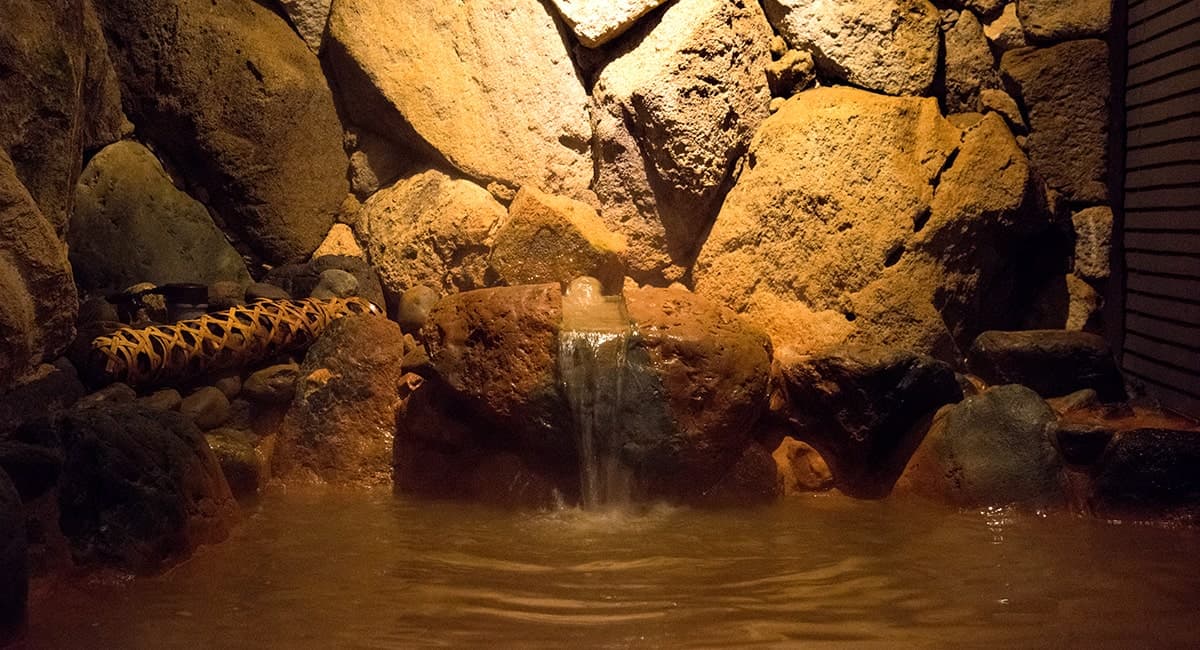
What makes Arima worth the trip — and what distinguishes it from every other destination in this guide — is the water. Arima has two chemically distinct springs piped to different baths.
Kinsen ("gold spring") is an iron-sodium chloride spring. When the water hits the air it oxidizes to a warm amber-rust color — towels stain permanently, which is a standard warning at every inn. The mineral concentration is among the highest in Japan and feels noticeably thick on skin.
Ginsen ("silver spring") is a clear, mildly radioactive radium-radon spring. It looks like tap water but has a different mineral profile entirely. Fewer properties tap both sources — so if soaking in both matters to you, check each inn's bath list before booking, because many tap only one.
Arima's history with onsen dates to at least the Nara period (8th century). For all the literary and imperial associations, what you actually notice standing in a kinsen bath for the first time is the smell — faint iron and salt, like warm sea air — and how quickly the water colors the bath walls.
Day-Use Options at Arima (No Overnight Needed)
Two public baths operate walk-in access without a ryokan booking. Kin-no-Yu charges ¥650 on weekdays and ¥800 on weekends (adults), and opens at 8:00. Gin-no-Yu charges ¥550 weekdays and ¥700 weekends, opening at 9:00. A combination ticket covering both is ¥1,200 — the most economical way to sample both spring types in one visit.
If you want a more extensive day plan, Arima Grand Hotel offers its Kannai-Riyouken day-entry ticket: ¥4,000 on weekdays (¥4,500 weekends), which includes a ¥2,000 facility voucher and access from 10:30. Lunch + bath packages start from ¥7,000 on weekdays.
Our 5 Picks for Arima Onsen
| Property | Rating | Price From (USD) | Has Private Onsen | Tattoo Policy | Best For |
|---|---|---|---|---|---|
| Tocen Goshobo (陶泉 御所坊) | 9.6/10 | ~$206+ | Yes | private_only | History, literary connections, Kobe beef kaiseki |
| Arima Grand Hotel (有馬グランドホテル) | 9.6/10 | Varies | Yes | cover_up | Day-use plans, largest property, communal baths with cover-up allowed |
| Taketoritei Maruyama (竹取亭円山) | 9.5/10 | Varies | Yes | private_only | Dual spring access, hillside views, highest review count |
| Hotel Hanakoyado (ホテル花小宿) | 9.4/10 | from $197 | Yes | private_only | Best value private kinsen baths, Taisho-era character |
| Arima Gyoen (有馬御苑) | 8.9/10 | Varies | Yes | not_allowed | Most reviewed, 2 min from station, English staff, first-timers |
Tocen Goshobo 陶泉 御所坊 (9.6/10 — 206 reviews) traces its history to the 12th century — over 800 years of continuous operation by the inn's own conservative account. Kaiseki here centers on Kobe beef served in lacquered boxes, with housemade black-bean tofu at breakfast. The kinsen water runs through in-room and private-reservation baths; tattooed guests are welcome in the reservable kashikiri baths but not the communal facilities.
Arima Grand Hotel 有馬グランドホテル (9.6/10 — 199 reviews) is the largest property in Arima at 246 rooms, which means availability when smaller inns are sold out. It also has the most accessible day-use program in town — ¥4,000 covers entry and a facility voucher without a ryokan stay. Tattoo policy is cover-up (不要なシール等で隠す) for communal baths rather than a full ban, which opens it to more guests than most Arima properties. Private onsen available.
Taketoritei Maruyama 竹取亭円山 (9.5/10 — 381 reviews) has the highest review count of any property in this Arima set, which means the score is based on statistically meaningful feedback rather than a handful of good trips. Named after the Tale of the Bamboo Cutter, it sits on a hillside above Arima's main streets. The draw is dual-spring access: both kinsen and ginsen are piped into communal and private baths, with select hillside rooms adding their own private open-air ginsen tubs. The hillside position gives Taketoritei a different atmosphere — quieter, with views over cedar rooftops rather than the canal-side crowds below.
Hotel Hanakoyado ホテル花小宿 (9.4/10 — 55 reviews, from $197) is the smallest inn in this set at nine rooms, inside a Taisho-era building that's part of the Goshobo family group. The defining feature is two named private kashikiri kinsen baths — Kaedero and Tsutabasu — bookable at no extra charge, 24 hours a day. Premium Twin rooms add an in-room private kinsen bath on top of that. For tattooed guests wanting private kinsen access at Arima without paying luxury-tier rates, this is the clearest answer.
Arima Gyoen 有馬御苑 (8.9/10 — 1,492 reviews) is the most reviewed property in Arima — by a significant margin — which tells you something about consistency. At 77 rooms it's large enough to maintain availability on short notice, unusual in a town that fills weeks ahead on autumn weekends. It's two minutes from Arima Onsen Station, which makes it the most accessible pick for day-trippers who arrive by train. English-speaking staff and an English-language official site reduce the friction for first-time ryokan guests. Note the tattoo policy: not_allowed in all baths, including private reservations. If tattoos are a consideration, Hanakoyado or Goshobo are better fits.
For deeper property coverage across all 23 Arima options, see our full Arima Onsen guide or browse all 23 Arima ryokans.
Tier 2 — Kinosaki Onsen (~2h40m from Shin-Osaka): The Overnight Classic
How to Get There (JR Kounotori, Kansai Wide Area Pass)
Any traveler planning an onsen ryokan near Osaka who picks Kinosaki will use the same train: the JR Kounotori limited express, running direct from Shin-Osaka (or Osaka Station) to Kinosaki-Onsen Station. Journey time is approximately 2 hours 40–45 minutes. The one-way fare is around ¥5,080 for an unreserved seat, rising to ¥5,500–¥6,140 for a reserved seat. Reserve your seat on a weekend — the train fills early in crab season.
There are roughly 6 round trips per day between Shin-Osaka and Kinosaki-Onsen.
The Kansai Wide Area Pass (¥12,000 for 5 days, adults —) covers the Kounotori fully, no surcharge. If you're also traveling to Kyoto, Nara, or Shirahama in the same 5-day window, the pass breaks even quickly. The Japan Rail Pass (national) also covers this route.
Tip
Critical: the last train back. Based on available timetable information, the last JR Kounotori departing Kinosaki-Onsen toward Shin-Osaka leaves around 18:00–18:30 — verify at JR West's timetable search before traveling. This is significantly earlier than most travelers expect, and missing it means spending an unplanned night. If you're doing a rushed overnight with a late second-day checkout, account for this carefully.
Kinosaki Onsen at a Glance: The Seven Bathhouses and Yumepa Pass
The experience at Kinosaki is structurally different from every other area in this guide. At Arima, the ryokan is the experience — you soak in the baths at your inn and occasionally wander outside. At Kinosaki, the ryokan is the base. The experience is the town itself.
Every ryokan stay includes the yumepa sotoyu pass — an all-day ticket to Kinosaki's public bathhouses, included complimentarily at check-in. If you're visiting as a day-tripper without a ryokan booking, you can buy the pass at ¥1,500 (~$10). Individual bathhouse entry is ¥800 per bath.
Kinosaki has seven historic sotoyu bathhouses, each with its own character — Ichi-no-yu is cut into a cliff face, Mandara-yu has a Heian-period origin story, Jizo-yu sits beside a shrine. The town's practice is to put on a yukata and wooden geta sandals after dinner and walk between them.
Important update for 2026 travelers: As of July 2026, only five of the seven bathhouses are currently accessible. Satono-yu has been closed for renovations since April 2024 with no reopening date announced. Kono-yu is additionally closed from May 11 through October 30, 2026. From November 2026 onward, six will be open (Kono-yu reopens, Satono-yu remains closed indefinitely). Check visitkinosaki.com for the current status before your trip.
Crab Season Callout: Matsuba-Gani (Nov 6 – Mar 20)
Matsuba-gani — the Snow Crab of the Sea of Japan — is Kinosaki's defining seasonal event. The fishing season for male crab runs November 6 to March 20 (Hamasaka fisheries cooperative); some ryokans' crab plans may continue into late March.
During crab season, a matsuba-gani plan adds roughly ¥5,000–¥15,000 per person to base room rates depending on the quantity and grade of crab in the kaiseki. The opening weekend of November is the peak: every inn sells out months in advance, and the town is at maximum atmosphere — frost on the willows, the smell of grilling crab wafting from restaurant windows.
Tip
Booking timing: If your trip overlaps November through March, book ryokan stays at least two months ahead for the opening weeks. Off-season (April–October) rates drop 20–30% and availability is readily available.
Our 6 Picks for Kinosaki Onsen
| Property | Rating | Reviews | Price Tier | Private Onsen | Tattoo Policy | Best For |
|---|---|---|---|---|---|---|
| Fujimiya (富士見屋) | 9.8 | 154 | Budget-value (from ~$51/person) | Yes | unknown | Best value per yen, highest-rated in Kinosaki |
| Nishimuraya Honkan (西村屋本館) | 9.2 | 198 | Luxury | Yes | private_only | Prestige, Relais & Châteaux, Michelin-recommended |
| Yamamotoya (山本屋) | 9.4 | 167 | Mid | No | allowed | Riverside canal rooms, craft brewery, fully tattoo-friendly |
| Hanakouji Saigetsu (花小路 彩月) | 9.4 | 20 | Mid-luxury | Yes | allowed | Adults-only, tattooed couples, byobu-screen rooms |
| Kinosaki Onsen Matsuya (城崎温泉 まつや) | 9.4 | 294 | Mid | Yes | unknown | Highest mid-tier review count, Edo facade, iron-tub bath |
| Kawaguchiya Honkan (川口屋 本館) | 9.3 | 272 | Budget-mid (from $90) | No | cover_up | Riverside value, free station pick-up, laundry on-site |
Fujimiya 城崎温泉 富士見屋 (9.8/10 — 154 reviews, from ~$51/person) is the highest-rated property in the entire guide. A family-run 12-room inn, now in its third generation, roughly 700 meters from Kinosaki-Onsen Station, renovated in 2023. The per-person floor price of around ¥7,700 — including dinner, breakfast, and the yumepa sotoyu pass — is simply the best deal in Kinosaki's mid-tier. The private kashikiri bath is reservable for around ¥1,100 in the evenings. One thing worth knowing before booking: guests who book via OTAs (Expedia, Trip.com) typically receive the yumepa sotoyu pass rather than in-house bath access — confirm which applies to your specific booking. Cash-only; Japanese-language website.
Nishimuraya Honkan 西村屋本館 (9.2/10 — 198 reviews) is Kinosaki's prestige address. Founded in 1860, the property is a confirmed Relais & Châteaux member and has been Michelin-recommended since the Guide's Japan editions began. The compound covers multiple traditional wooden buildings arranged around a formal Japanese garden; each of the 34 rooms has a unique layout, and the finest suite — Honjin-no-Ma — has its own private open-air bath. Kaiseki dinner runs through Tajima beef, matsuba-gani in winter, and seasonal mountain vegetables served in private dining rooms. For tattooed guests: private baths are accessible, communal facilities are not.
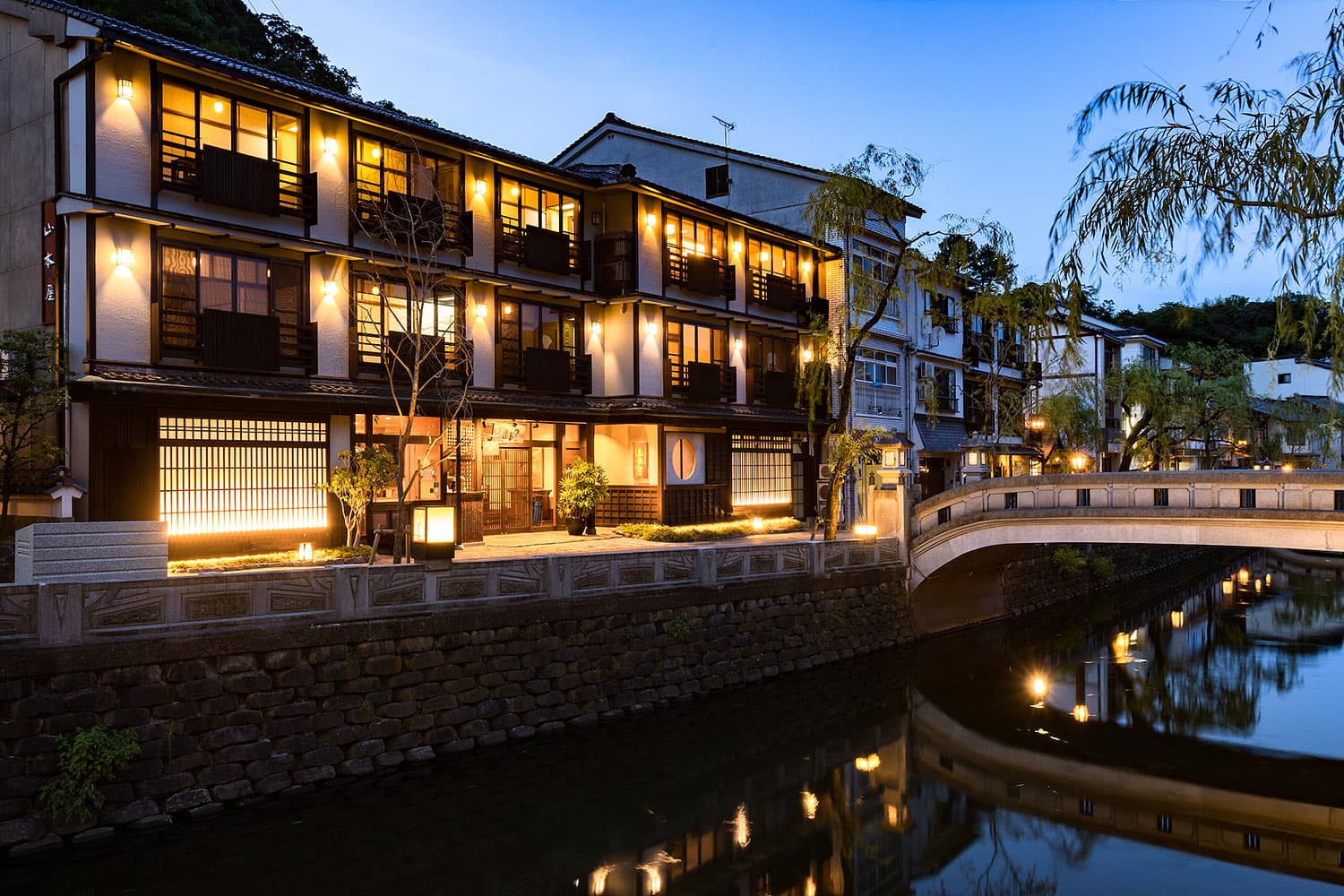
Yamamotoya 山本屋 (9.4/10 — 167 reviews) has occupied the banks of the Otani River for over 350 years, which makes it one of the oldest properties in town. The riverside canal-view rooms are the best-positioned sleeping spots in Kinosaki for the nighttime experience: illuminated willows reflected in dark water, the sound of the river beneath the window. What Yamamotoya does that no other mid-upper inn on this list does is operate its own craft-beer micro-brewery — four styles including a Red Ale formulated to pair with matsuba-gani — and, critically, maintain a fully tattoo-friendly policy in all in-house baths. If you have visible tattoos and want to soak without a kashikiri workaround, this is your pick.
Kinosaki Onsen Hanakouji Saigetsu 城崎温泉 花小路 彩月 (9.4/10 — 20 reviews) is a nine-room adults-only inn (under 15 not admitted) with painted byobu folding screens in each room — a crimson-walled suite, a green twin room, a plum-blossom suite. It explicitly states on its English-language official site that tattooed guests are welcome in the private onsen baths. All dining is served in private rooms — no shared dining hall. The matsuba-gani crab plan and whole Tajima wagyu courses are the seasonal menu anchors. Low review count means book early; this size of property fills completely.
Kinosaki Onsen Matsuya 城崎温泉 まつや (9.4/10 — 294 reviews) has the highest review volume in mid-tier Kinosaki, which is the most reliable kind of trust signal at that price point. The dark timber three-story facade sits directly across the canal from Ichi-no-yu bathhouse, arguably the most atmospheric address on the Otani River. The reservable semi-open-air private bath features a cast-iron soaking tub beside a stone wall — one of the more distinctive bath formats in town. Full English website. Tattoo policy is listed as unknown in our database; verify directly before booking if this matters.
Kawaguchiya Honkan 川口屋 本館 (9.3/10 — 272 reviews, from $90/person) is the best budget-mid option on the canal. Half-board kaiseki plans run approximately $140–$180 per person. Two practical details make it stand out at this price tier: free station pick-up (valuable on crab-season weekends when taxi availability gets tight) and on-site laundry facilities — one of the few Kinosaki ryokans structurally suited to multi-night stays. Tattoo policy is cover-up for in-house baths; the town's sotoyu public bathhouses are of course open to all. Note: Kawaguchiya Honkan does not have its own private onsen.
Tattoo Policy at Kinosaki: The Most Tattoo-Friendly Onsen Town in Kansai
For tattooed guests choosing an onsen ryokan near Osaka, Kinosaki is the clearest answer. The public sotoyu bathhouses operate under a coordinated town-level policy by the Kinosaki Onsen Tourism Association: tattoos of all sizes are fully permitted in all open sotoyu bathhouses. This is not the policy of any individual inn — it's a deliberate community decision that makes Kinosaki the most accessible onsen town for tattooed guests in the entire Kansai region.
In-house ryokan baths are a separate question and vary by property. In this set: Yamamotoya and Hanakouji Saigetsu are fully allowed in all in-house baths. Nishimuraya Honkan is private_only (kashikiri baths accessible, communal facilities are not). Kawaguchiya Honkan requires cover-up. Matsuya is unlisted — verify directly.
For more, see our full guide to tattoo-friendly onsen in Japan.
For deeper property coverage: our full Kinosaki Onsen guide or all 33 Kinosaki ryokans.
Also Consider: Nanki-Shirahama (~2h30m from Shin-Osaka)
Nanki-Shirahama is the only destination in this guide that combines a white-sand beach with oceanfront onsen baths — Arima and Kinosaki are both inland towns. The JR Kuroshio limited express connects Shin-Osaka to Shirahama in approximately 2h30m at around ¥5,000 one-way. Both the Kuroshio and the Haruka from KIX are covered by the Kansai Wide Area Pass, making Shirahama a logical add-on if you're already using the pass for Kinosaki.
The best time to visit for the beach-plus-onsen combination is June through August. For a purely onsen-focused trip without the beach element, Arima or Kinosaki serve you better year-round.
We don't have Shirahama properties in our ryokan database, so there are no individual property cards here. Search by date for available ryokans below.
Tier 3 — Tamatsukuri and Dogo (~3h30–3h35m): Long-Weekend Picks
 Pin to Pinterest
Tamatsukuri Onsen, Shimane: Japan's Oldest Beautifying Spring
The train journey from Shin-Osaka to Tamatsukuri-Onsen is the most complex in this guide: JR Sanyo Shinkansen (Sakura or Hikari — reserve Sakura to avoid Nozomi surcharges on the Japan Rail Pass) to Okayama, then the JR Yakumo limited express west toward Matsue, alighting at Tamatsukuri-Onsen Station. Total time is approximately 3h30m–4h30m depending on the connection at Okayama. Total fare is approximately ¥12,000–¥13,000. This route is not covered by the Kansai Wide Area Pass — you'll need the Japan Rail Pass (national) or pay the separate fare.
The spring itself is alkaline (pH 9.3–10), described in an 8th-century chronicle as "a spring that can make the old skin young and the ugly beautiful in one dip." Modern chemistry calls it a sodium bicarbonate spring with a silky texture on skin. Izumo Taisha Grand Shrine and Lake Shinji are both within easy day-trip distance from Tamatsukuri, which turns this into a multi-activity base rather than a pure onsen retreat.
Plan a 2-night minimum. With roughly 7 hours of round-trip transit, one night in Tamatsukuri is barely worth the journey. Arrive afternoon on Day 1, full day on Day 2, depart after breakfast on Day 3.
Our 3 Picks for Tamatsukuri
Yunosuke no Yado Chorakuen (9.3/10 — 83 reviews) is the flagship ryokan of Tamatsukuri, founded around 1868 and built directly on the town's source spring — the water whose skin-softening reputation goes back some 1,300 years, by the inn's own history. The showpiece is one of Japan's largest open-air baths, set within a 30,000 sqm garden: stone paths, pine trees, the Tamayu River audible from the soak. Choose Chorakuen for that bath — nothing else at T3 distance matches it — and accept the trade-off that a 63-room flagship runs closer to a fine hotel in feel than a family inn. Free station shuttle. For tattooed guests: private baths accessible, communal facilities require checking.
Shiraishiya (9.5/10 — 19 reviews) is over 300 years old, the oldest inn in this Tamatsukuri set, and currently ranked #1 of 34 Matsue-area hotels on TripAdvisor. It runs three distinct hot spring baths, and the riverside rooms — where the Tamayu River is visible from the in-room soaking tub — give this the most intimate outdoor-bath experience of the three picks. Choose it over Chorakuen if you want a river view over a grand garden and course-paced dinners over banquet scale. High rating from a small sample means you're betting on consistency rather than proven volume — book through a refundable channel if this is your primary concern.
Hoshino Resorts KAI Tamatsukuri (8.7/10 — 15 reviews) is the easiest entry point for international travelers unfamiliar with traditional ryokan protocol. Hoshino Resorts' KAI brand runs at a consistent mid-luxury level across Japan with English-language communication, curated cultural activity programs (sake tasting, tea ceremony), and predictable service standards. For a first ryokan stay at T3 distance, the chain reliability reduces risk.
In short: Chorakuen for the largest garden experience and broadest international facilities; Shiraishiya for river-view intimacy and the oldest pedigree; KAI Tamatsukuri for guests who want Hoshino Resorts' English programming and predictable service over historical depth.
For full area coverage: our full Tamatsukuri guide or all Tamatsukuri ryokans.
Dogo Onsen, Matsuyama: One of Japan's Oldest Hot-Spring Towns
Dogo Onsen Honkan completed a full conservation restoration on December 20, 2024, after approximately six years of work and a budget of around ¥3.2 billion. As of 2026, the Honkan is fully operational with all bath tiers available — from the basic Kami-no-yu (¥700 adults) up to private room soaks (¥2,500 adults). The adjacent Asuka-no-Yu annex is also open. The renovation-era warnings you may have read elsewhere are now outdated.
Getting here: JR Sanyo Shinkansen from Shin-Osaka to Okayama (~1 hour), then JR Shiokaze limited express to Matsuyama (~2h30–2h40m), then 15 minutes by Iyotetsu tram or taxi to Dogo Onsen district. Total time approximately 3h45m–4h15m door to district. Total fare approximately ¥12,500 to Matsuyama plus ¥170 tram. Not covered by Kansai Wide Area Pass; Japan Rail Pass covers the Shinkansen (Sakura/Hikari) and the Shiokaze.
The Honkan itself dates to 1894 in its current form — a tiered wooden building Hayao Miyazaki named as part of the mix behind Spirited Away's bathhouse (he said there was no single model, but that Dogo Onsen "is definitely in there"). What you actually experience is a multi-level communal bathing building where different ticket tiers get different floors and amenities. The cheapest entry at ¥700 puts you in a functional communal bath; the ¥2,000 tier adds a tatami viewing room and access to see the Yushinden Imperial bath.
As with Tamatsukuri: 2-night minimum makes this journey worthwhile. Pairing Dogo with Matsuyama Castle (a 15-minute tram from Dogo, one of Japan's twelve surviving original castles) turns the journey into a coherent long weekend.
Our 3 Picks for Dogo
Dogo Onsen Funaya 道後温泉 ふなや (9.6/10 — 116 reviews) was founded in 1627 — almost 400 years of continuous operation, making it the oldest ryokan in this guide by a wide margin. Haiku poet Masaoka Shiki and novelist Natsume Soseki both stayed here, a history documented in the inn's own archive. The Japanese garden with a stream and stone lanterns runs quietly behind the main building; the 58 rooms vary from standard Japanese style to larger garden-view suites. No private onsen; tattoo policy is not_allowed in all baths. This is a historical experience, not a private-bath one.
Hotel Kowakuen Haruka ホテル古湧園 遥 (9.6/10 — 361 reviews) is the most reviewed property in the Dogo set, rebuilt in 2019 with an eco-conscious design. The defining feature is a private guest elevator connecting directly to Dogo Onsen Honkan — no other property in Dogo offers this. With the Honkan now fully reopened, this connection has gone from a mixed asset to a genuine draw. Top-floor panoramic bath. Tattoo policy is cover-up for communal facilities; no private onsen, but the Honkan connection means a private-room upgrade at the Honkan itself is accessible. Highest-trust property in Dogo by review volume.
Atatakai Yado Taniya あたたかい宿 谷屋 (9.6/10 — 52 reviews) takes only six groups of guests per day — the smallest intake of any property in this guide. Three free-flowing private baths run continuously from the Dogo Onsen source; you can reserve them for exclusive use throughout your stay without a time limit or surcharge. Tattoo policy is fully allowed in all private baths, making this the only T3 pick where tattooed guests have unrestricted access. Kaiseki dinner draws from Seto Inland Sea ingredients — sea bream, octopus, winter oysters. Note: Taniya is not listed on Trip.com (confirmed null in our database). Booking is via Expedia, Booking.com, or Rakuten Travel.
Tip
Booking note for dogo-taniya: This property has no Trip.com listing. Book via Expedia or Booking.com only.
| Property | Area | Rating | Has Private Onsen | Tattoo Policy | Best For |
|---|---|---|---|---|---|
| Yunosuke no Yado Chorakuen | Tamatsukuri | 9.3/10 | Yes | private_only | Imperial-history setting, large garden bath, flagship property |
| Shiraishiya | Tamatsukuri | 9.5/10 | Yes | private_only | River-view rooms, oldest inn in the set, intimate scale |
| Hoshino Resorts KAI Tamatsukuri | Tamatsukuri | 8.7/10 | Yes | private_only | Best for first-time ryokan guests, English-friendly chain reliability |
| Dogo Onsen Funaya | Dogo | 9.6/10 | No | not_allowed | Oldest ryokan in the guide, literary history, Japanese garden |
| Hotel Kowakuen Haruka | Dogo | 9.6/10 | No | cover_up | Most reviewed Dogo property, direct elevator to Honkan |
| Atatakai Yado Taniya | Dogo | 9.6/10 | Yes | allowed | Tattooed guests, most exclusive intake, private free-flowing baths |
For full Dogo area coverage: our full Dogo Onsen guide or all Dogo ryokans.
Transit Cheat Sheet: Osaka to All 4 Onsen Areas
Every traveler planning an onsen ryokan near Osaka deserves a single-page transit reference — this is that reference. All fares are 2026 estimates; verify live prices at JR West's website or Hyperdia before booking.
| Destination | Departure Point | Service | Approx Time | Approx Cash Fare (¥, one-way) | Kansai Wide Area Pass? | Notes |
|---|---|---|---|---|---|---|
| Arima Onsen | Hankyu Umeda | Hankyu Kanko Bus / JR Bus | ~60 min | ¥1,400 (~$9) | No | Fastest & cheapest. Check last bus back (~19:30–20:00 est., VERIFY). |
| Arima Onsen | Hankyu Umeda | Train: Hankyu + Kobe Municipal Subway + Shintetsu | ~75–80 min | ~¥1,500–¥1,800 | No — Shintetsu excluded from all major passes | Two transfers; slower than bus. Private railway surcharge not covered by any pass. |
| Kinosaki Onsen | Shin-Osaka | JR Kounotori limited express (direct) | ~2h40m | ~¥5,080–¥6,140 | Yes — fully covered | ~6 round trips/day. Last departure from Kinosaki ~18:00–18:30 (VERIFY at JR West). Reserve seat recommended. |
| Nanki-Shirahama | Shin-Osaka (or Tennoji) | JR Kuroshio limited express | ~2h30m | ~¥5,000 | Yes — fully covered | 15 round trips/day. From Tennoji is ~5 min shorter. |
| Tamatsukuri Onsen | Shin-Osaka | JR Shinkansen (Sakura) to Okayama + JR Yakumo to Tamatsukuri-Onsen | ~3h30m–4h30m | ~¥12,000–¥13,000 | No — Japan Rail Pass only | Use Sakura not Nozomi on JR Pass. Total fare is an estimate. |
| Dogo Onsen | Shin-Osaka | JR Shinkansen (Sakura) to Okayama + JR Shiokaze to Matsuyama + Iyotetsu tram to Dogo | ~3h45m–4h15m + 15 min | ~¥12,500 + ¥170 tram | No — Japan Rail Pass only | All sources estimate. Add 15 min tram ride from Matsuyama Station to Dogo district. |
Kansai Wide Area Pass: Is It Worth It?
The Kansai Wide Area Pass costs ¥12,000 for 5 consecutive days (adults), available to foreign visitors on temporary visitor status. It covers:
- JR Kounotori to Kinosaki — fully covered, no surcharge
- JR Kuroshio to Shirahama — fully covered, no surcharge
- JR Haruka from KIX — fully covered (significant for airport travelers)
It does not cover:
- Arima Onsen (the Kobe Electric Railway private line portion)
- Tamatsukuri Onsen
- Dogo Onsen (Matsuyama)
Break-even example: If you're doing Kinosaki (~¥12,280 reserved round-trip) + Shirahama (~¥10,160 round-trip) in one trip, that alone is roughly ¥22,440 in individual fares — nearly double the ¥12,000 pass price. Add a Kyoto day trip on the Haruka from KIX (¥3,030+ one-way without pass) and the math is clear.
If you're only going to Kinosaki and nowhere else, the pass barely breaks even on a round trip at reserved-seat prices. But if you're routing through KIX and using it for the Haruka plus one destination, it almost certainly saves money.
For choosing between Japan's wider onsen regions beyond Osaka, see choosing between Japan's onsen regions.
Flying into KIX? Onsen Before or After Osaka
If you're flying into or out of Kansai International Airport, consider routing to an onsen area directly rather than first checking into Osaka. Here are the practical numbers for finding a ryokan near Osaka when arriving by air.
KIX → Arima Onsen (~90 min): Take the Nankai Rapi:t limited express to Namba (~34 minutes, ¥1,490 regular seat), then a highway bus from Namba to Arima (~50–60 min, ~¥1,400). Total: approximately 90 minutes and ¥2,890 (~$19). No passes cover this — both legs are private operators. This is viable for a ryokan-first arrival itinerary: land at KIX mid-morning, onsen by afternoon, Osaka the following day.
KIX → Kinosaki (~3h55m): JR Haruka from KIX to Shin-Osaka (~51 min, from ¥3,030 on the tourist one-way ticket) then JR Kounotori to Kinosaki-Onsen (~2h40m). Total: approximately 3h55m, around ¥8,500–¥9,000 in cash fares. If you hold the Kansai Wide Area Pass, both the Haruka and the Kounotori are covered — this is the most financially compelling case for the pass.
KIX → Shirahama (~3h15m): Haruka to Tennoji (~45 min) then JR Kuroshio to Shirahama (~2h30m). Total approximately 3h15m, around ¥7,500–¥8,000 in cash. Both legs covered by the Kansai Wide Area Pass.
KIX → Tamatsukuri or Dogo: Add approximately 51 min (Haruka to Shin-Osaka) to the Shin-Osaka departure times above — roughly 4h30m+ to either destination. Neither is covered by the Kansai Wide Area Pass.
| Destination | Route | Total Time | Total Fare (approx ¥) | Kansai Wide Area Pass? |
|---|---|---|---|---|
| Arima Onsen | Nankai Rapi:t → Namba, highway bus → Arima | ~90 min | ~¥2,890 (~$19) | No (both legs private) |
| Kinosaki Onsen | Haruka → Shin-Osaka, Kounotori → Kinosaki | ~3h55m | ~¥8,500–¥9,000 | Yes — both legs covered |
| Nanki-Shirahama | Haruka → Tennoji, Kuroshio → Shirahama | ~3h15m | ~¥7,500–¥8,000 | Yes — both legs covered |
| Tamatsukuri Onsen | Haruka → Shin-Osaka, Shinkansen → Okayama, Yakumo → Tamatsukuri | ~4h30m+ | ~¥15,000+ | No — Japan Rail Pass only |
| Dogo Onsen | Haruka → Shin-Osaka, Shinkansen → Okayama, Shiokaze → Matsuyama, tram → Dogo | ~4h45m+ | ~¥15,500+ | No — Japan Rail Pass only |
Tattoo Policies for Onsen Near Osaka: What to Know Before You Book
This is a key question — and the answer changes sharply depending on which onsen ryokan near Osaka you're choosing. The short answer: Kinosaki is your best option in this entire guide, full stop.
Kinosaki Onsen operates a coordinated town-level policy: all open public sotoyu bathhouses officially allow tattoos of all sizes. This is not individual ryokan discretion — it's a deliberate community decision. In-house ryokan baths vary: Yamamotoya and Hanakouji Saigetsu are fully allowed in all in-house baths; Nishimuraya Honkan permits private baths but not communal facilities.
Arima Onsen's public baths — Kin-no-Yu and Gin-no-Yu — typically prohibit visible tattoos for day visitors [consistent with arimaspa-kingin.jp policy, confirmed single-source 2026-07-17]. Most ryokan communal baths carry the same restriction. The workaround at Arima is a private kashikiri bath, which most of our picks provide: Goshobo, Hanakoyado, and Taketoritei all offer private bath access to tattooed guests.
Tamatsukuri: All three picks in this guide are private_only — private baths accessible to tattooed guests, communal facilities require verification.
Dogo: Taniya is the only fully allowed pick in T3 and the clearest option for tattooed guests in this tier. Funaya is not_allowed. Kowakuen Haruka is cover_up.
Tip
Practical tip: Book a room that includes a private onsen if your tattoo policy is uncertain at a given property — it eliminates the communal bath issue entirely. At Arima, almost every mid-to-luxury pick in this guide includes some form of private bath access.
| Area | Public/Communal Bath Policy | Private Bath Access | Picks with 'Allowed' Policy |
|---|---|---|---|
| Arima Onsen | Typically not_allowed in public baths (Kin-no-Yu, Gin-no-Yu) | Yes — most picks have private baths for tattooed guests | None (Arima Gyoen is not_allowed throughout) |
| Kinosaki Onsen | All open sotoyu fully allowed (town-level policy) | Yes | Yamamotoya, Hanakouji Saigetsu |
| Nanki-Shirahama | Mixed — verify per property | Varies | Not covered in DB |
| Tamatsukuri Onsen | Verify per property | Yes — DB picks are private_only | None in this guide |
| Dogo Onsen | Varies by property | Yes at Taniya | Atatakai Yado Taniya |
For a comprehensive breakdown of tattoo-friendly onsen across Japan: our full guide to tattoo-friendly ryokans in Japan.
Best Time to Visit: Seasonal Peaks and What to Avoid
Planning the right season is one of the most practical decisions for any onsen ryokan stay near Osaka — the price gap between peak and shoulder periods can exceed 40%.
| Month | Arima | Kinosaki | Tamatsukuri | Dogo | Notes |
|---|---|---|---|---|---|
| Jan–Mar | Off-peak; cold but quiet | Crab season (peak value) | Quiet shoulder; alkaline soaks without crowds | Mild winter; Honkan fully open | Best crab: Jan–Feb at Kinosaki |
| Apr–May | Cherry blossom late Mar–early Apr (crowded) | Off-season begins Apr 1; 20–30% cheaper | Best availability; Apr–May ideal | Good weather; avoid Golden Week | Golden Week (late Apr–early May): avoid ALL areas |
| Jun–Aug | Humid; avoid unless you love heat | Quiet, easy availability; 5 bathhouses open in July | Quiet shoulder; alkaline spring year-round | Shirahama (beach) is the summer winner | Summer is actually Kinosaki's quietest period |
| Sep–Oct | Pleasant; pre-koyo period | Good availability before crab season; Kono-yu reopens Nov | Sep–Oct ideal shoulder | Pleasant year-round climate in Matsuyama | Sep–Oct best weather across all areas |
| Nov | Koyo peak mid-Nov — maple foliage, prices spike 20–40% | Crab season opens Nov 6 — opens sell out months ahead; Kono-yu reopens | Autumn colors add to Tamayu River walks | Mild; uncrowded | If combining: Kinosaki crab + Arima koyo is feasible in same trip |
| Dec | Quiet after koyo; good availability | Full crab season; Christmas/New Year rates spike | Quiet | Mild winter | Dec 20 = 1st anniversary of Dogo Honkan full reopening |
What to avoid across all areas: Golden Week (late April to early May) and Obon (mid-August) bring 30–50% price increases and near-zero availability everywhere. Book these periods 3–4 months in advance or avoid them entirely.
Best overall window if you can choose freely: Mid-November for Kinosaki crab opening plus Arima koyo foliage. Late March to early April if you prioritize cherry blossoms over crab.
Frequently Asked Questions
What is the closest onsen to Osaka?
Arima Onsen is the closest — approximately 60 minutes from Hankyu Umeda Station by direct highway bus (¥1,400 one-way, ~$9). It is the only onsen town near Osaka practical for a same-day return trip. By train the journey takes 75–80 minutes with two transfers via Sannomiya and Tanigami on the private Kobe Electric Railway. Kinosaki Onsen, the next closest option, is 2 hours 40 minutes by JR Kounotori limited express and requires an overnight stay to be worthwhile.
Can you day-trip to Arima Onsen from Osaka?
Yes — Arima is the only onsen near Osaka where a same-day return makes practical sense. Take the highway bus from Hankyu Umeda (Hankyu Kanko Bus or JR Bus, ~60 min, ¥1,400). Allow 4–5 hours on the ground to soak at the public baths and walk the town. Check the last bus departure time directly at hankyu-kankobus.co.jp before going — typically estimated around 19:30–20:00, but this is unverified from official sources. Every other area in this guide requires an overnight stay.
Is Kinosaki Onsen worth it from Osaka?
Yes, if you stay overnight. At 2h40m each way, a same-day return leaves you roughly 3–4 hours on the ground — not enough time to do the yukata-and-bathhouse circuit that makes Kinosaki what it is. One night is the minimum; two nights is better during crab season (November 6–March 20). Kinosaki is the strongest first-overnight ryokan experience from Osaka for most travelers. See our full Kinosaki Onsen guide for deeper picks.
Arima Onsen vs Kinosaki Onsen — which is better from Osaka?
Depends on your time. Choose Arima if you only have one day — it's the only day-trippable option, the kinsen gold spring and ginsen silver spring are unique in Japan, and the town is more intimate. Choose Kinosaki if you can do one night or more — the experience of padding between historic bathhouses in yukata at dusk is unlike anything else in Kansai. Arima is quieter and the baths are more chemically distinctive; Kinosaki is more theatrical, atmospheric, and tattoo-friendly. Read our full Arima Onsen guide for comparison.
Do I need a JR Pass for onsen near Osaka?
Not for Arima — the bus from Umeda is cheaper, faster, and covered by no pass (it's private). For Kinosaki and Shirahama, the Kansai Wide Area Pass (¥12,000/5 days) covers both and breaks even quickly if you combine them with other JR travel. Tamatsukuri and Dogo require either the Japan Rail Pass (national, from ¥50,000) or separate cash fares of approximately ¥12,000–¥13,000 one-way. The Kansai Wide Area Pass does not cover those routes.
Are onsen near Osaka tattoo-friendly?
Kinosaki's open public sotoyu bathhouses officially allow tattoos under a town-level policy — the most tattoo-permissive setup in Kansai. In-house ryokan baths vary: Yamamotoya and Hanakouji Saigetsu are fully allowed. At Arima, the public baths (Kin-no-Yu, Gin-no-Yu) typically prohibit visible tattoos, but most ryokan picks in this guide offer private kashikiri baths where tattooed guests are welcome. At Dogo, Atatakai Yado Taniya (allowed in all private baths) is the strongest pick. Verify policy per property before booking. See our tattoo-friendly onsen in Japan guide.
Can I get to an onsen from Kansai International Airport (KIX)?
Yes. Arima is the most practical KIX arrival: Nankai Rapi:t to Namba (~34 min, ¥1,490) then highway bus to Arima (~50–60 min, ~¥1,400) = ~90 min total, ~¥2,890 (~$19). For Kinosaki, take the Haruka to Shin-Osaka (~51 min, from ¥3,030) then Kounotori (~2h40m) = ~3h55m total. If you hold the Kansai Wide Area Pass, both the Haruka and Kounotori are covered. Going directly from KIX to Arima before Osaka is a practical ryokan-first itinerary for short Kansai trips.
When is crab season at Kinosaki Onsen?
The fishing season for male matsuba-gani (snow crab) runs November 6 to March 20 (Hamasaka fisheries cooperative); some ryokans' crab plans may continue into late March. The opening weekend of November is peak demand — rates spike 20–40% and sell out months ahead. Book at least two months ahead for early November stays. Off-season (April–October) brings 20–30% lower rates and easy availability, with the same sotoyu bathhouse circuit and the same kaiseki format minus the crab.
What is included in the price of a ryokan near Osaka?
Most ryokans in this guide price on a half-board basis: room, multi-course kaiseki dinner, and Japanese breakfast. At Kinosaki, the yumepa all-day public bathhouse pass (normally ¥1,500 for day visitors) is included in overnight stays. Tax and service charge (typically 10–15%) is added on top of listed rates. Some properties add a separate onsen tax (bath tax) of ¥150–¥300 per person per night, charged at check-out. Day-use plans at places like Arima Grand Hotel do not include meals unless specified.
Which is better — Arima or Kinosaki for a first-time ryokan guest?
Kinosaki gives you the more complete first-time ryokan experience: yukata, wooden geta sandals, walking between bathhouses at dusk, then returning to a kaiseki dinner served in your tatami room. That sequence — the town as part of the experience — is what most people picture when they imagine a ryokan stay in Japan. Arima is more intimate and the springs are more chemically unusual, but the town itself is smaller and the experience is more inward-focused. For a first night, Kinosaki's atmosphere is harder to replicate anywhere else in Kansai.
How long does it take to get from Osaka to Kinosaki Onsen?
Approximately 2 hours 40–45 minutes by JR Kounotori limited express from Shin-Osaka Station (the service also stops at Osaka Station). There are roughly 6 round trips per day. One-way fare is approximately ¥5,080 (unreserved seat) to ¥6,140 (reserved seat). Reserve your seat on weekends and during crab season (November–March) — the train fills quickly. The Kansai Wide Area Pass (¥12,000 for 5 days) covers this route in full, no surcharge. Note: the last departure back from Kinosaki-Onsen toward Osaka runs approximately 18:00–18:30 — earlier than most travelers expect. Verify the current schedule at JR West's timetable before your trip.
Which Onsen Town Is Right for You?
 Pin to Pinterest
Here's the fast version:
- You have one day: Arima Onsen — bus from Umeda, public baths, back by evening.
- You have one night: Kinosaki Onsen — the yukata canal walk is the quintessential experience.
- You have tattoos: Kinosaki's public bathhouses allow them. In-house, pick Yamamotoya or Hanakouji Saigetsu. At Dogo, Atatakai Yado Taniya is the only fully allowed option in T3.
- You want historical prestige: Tocen Goshobo at Arima (12th century, Kobe beef kaiseki) or Nishimuraya Honkan at Kinosaki (Relais & Châteaux, Michelin-recommended).
- You're watching the budget: Fujimiya at Kinosaki (9.8/10, from ~$51/person) or Hotel Hanakoyado at Arima (9.4/10, from $197, free 24/7 private kinsen baths).
- You have a long weekend: Tamatsukuri Onsen for the alkaline "beauty spring" and Izumo Taisha pairing, or Dogo Onsen for the fully restored Honkan and Matsuyama Castle day trip.
Whatever draws you — a single day at the closest onsen to Osaka or a long weekend in one of Japan's oldest hot-spring towns — use this guide as the starting point. For the full view of each area: our Arima Onsen guide — our Kinosaki Onsen guide — our Tamatsukuri guide — our Dogo Onsen guide.
More onsen ryokans we list in these areas
20 listed| Ryokan | From | Rating | Book |
|---|---|---|---|
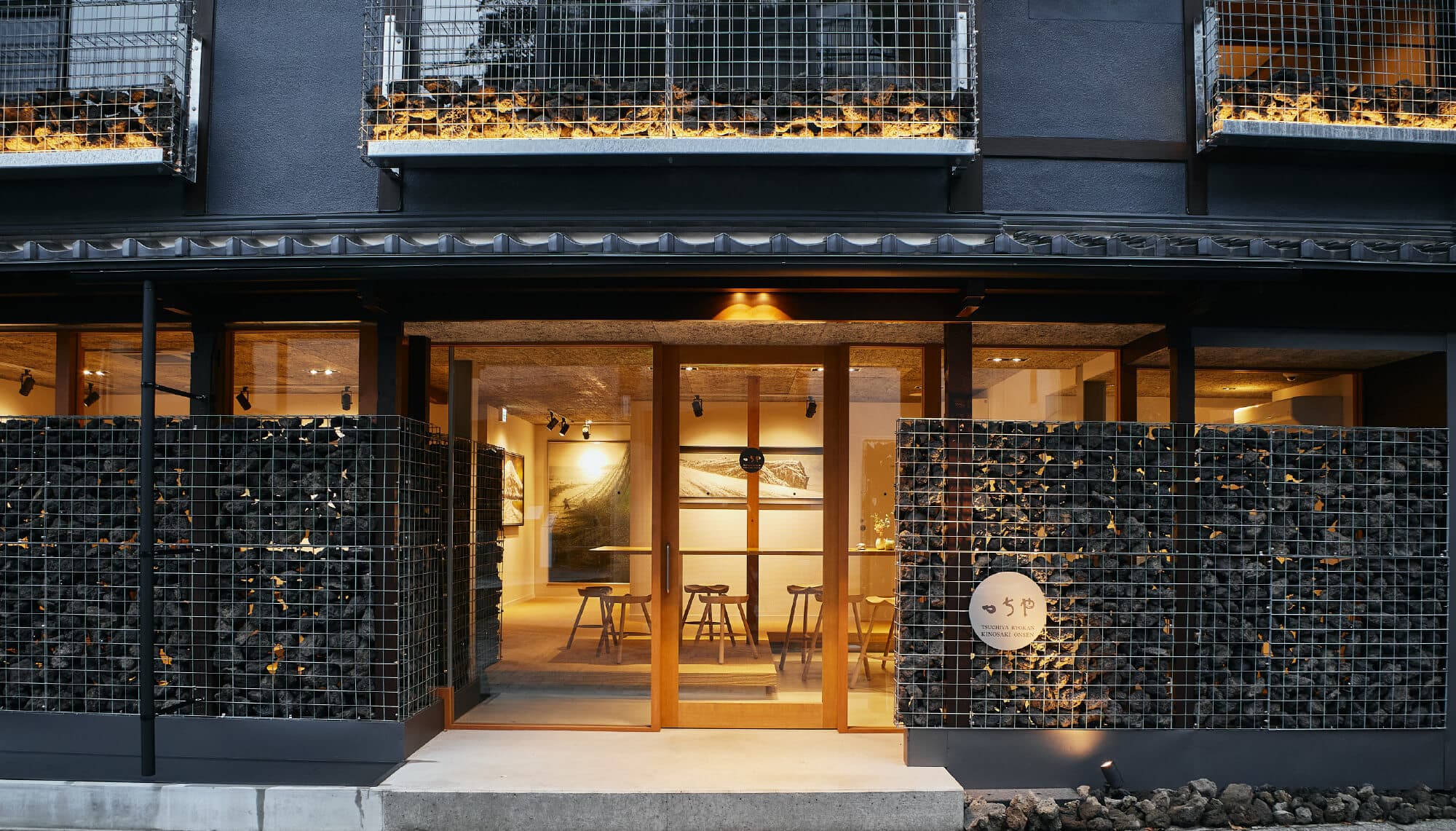 | from US$279/person/night≈ US$558 for 2 | 9.8 24 reviews | Book on Agoda |
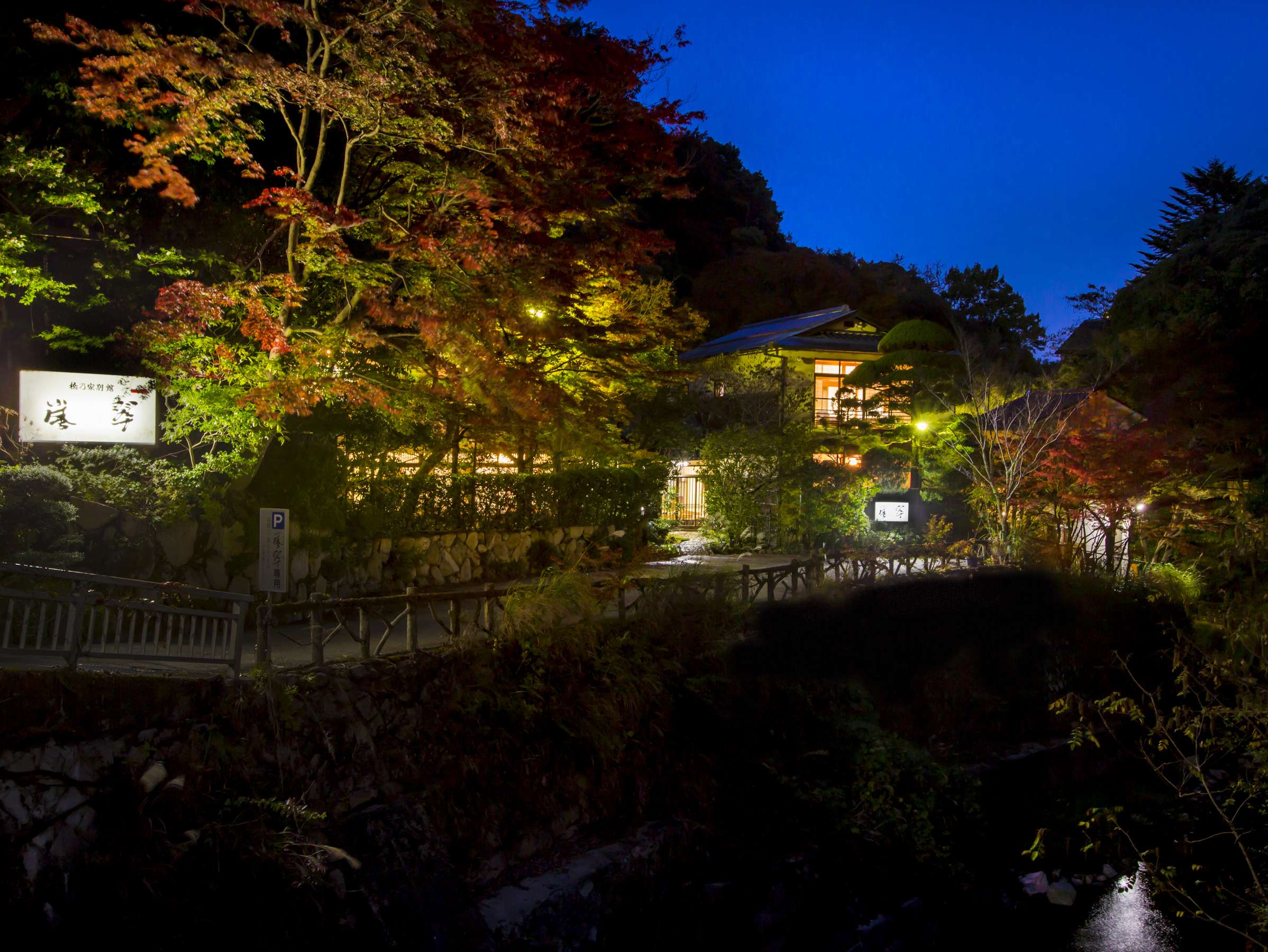 | from US$460/person/night≈ US$920 for 2 | 9.7 51 reviews | Book on Agoda |
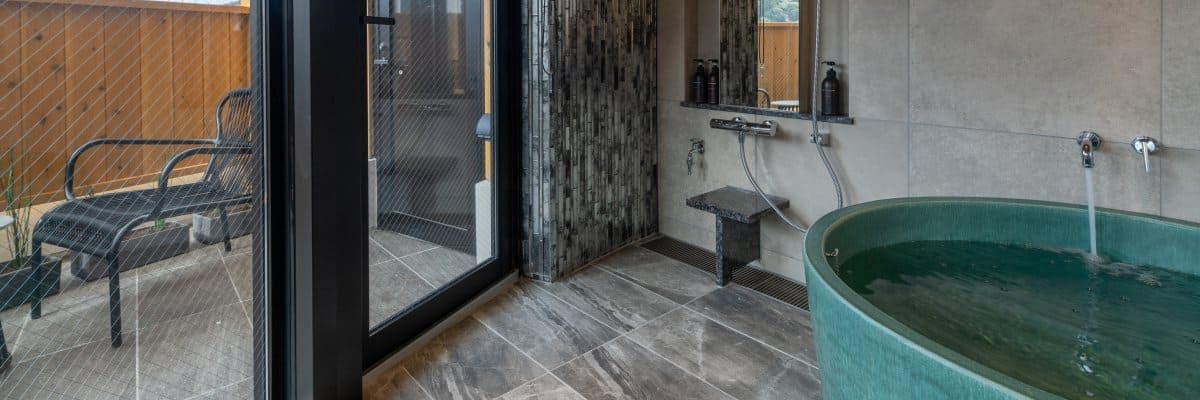 | from US$715/person/night≈ US$1,430 for 2 | 9.7 22 reviews | Book on Agoda |
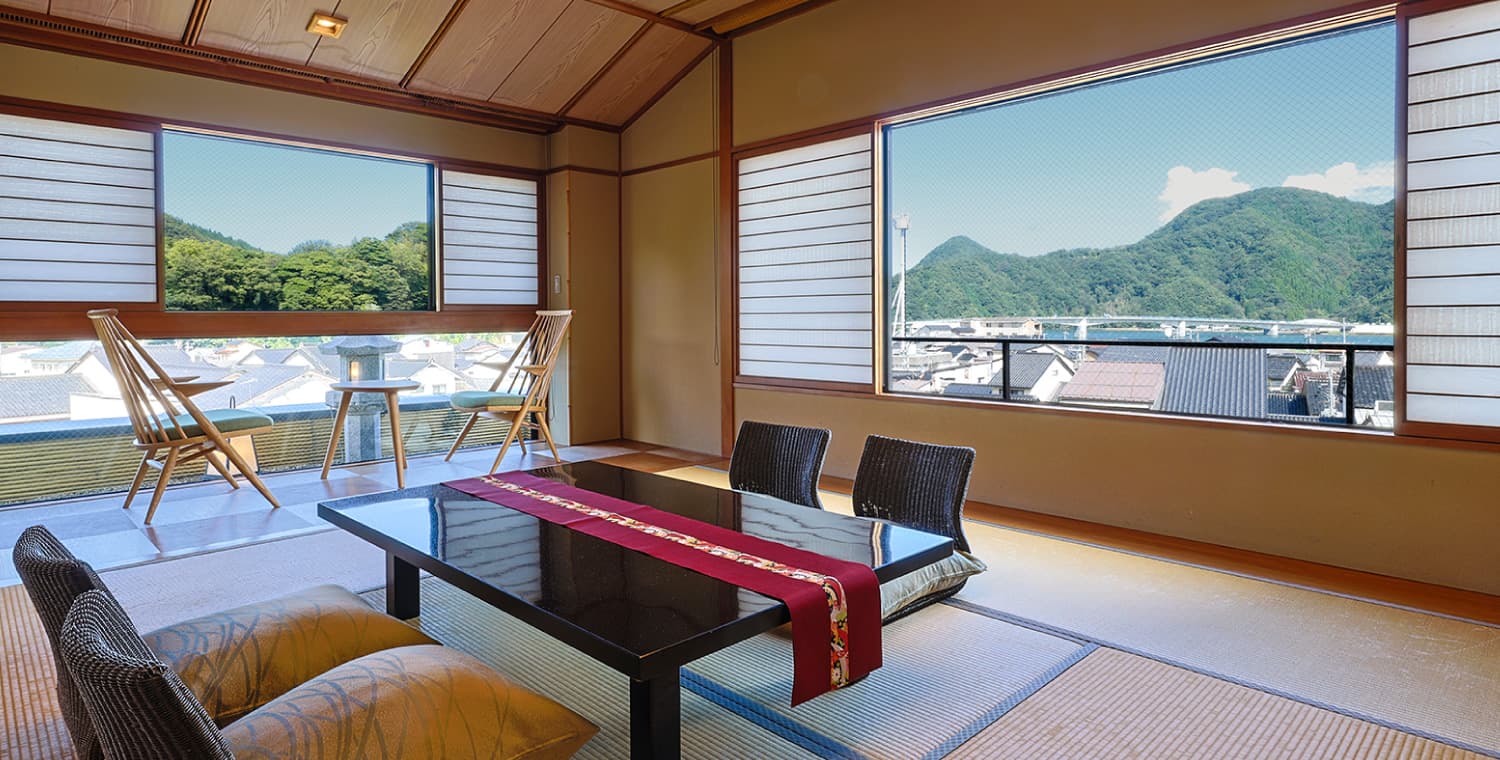 | from US$163/person/night≈ US$326 for 2 | 9.7 11 reviews | Book on Booking.com |
 | from US$400/person/night≈ US$800 for 2 | 9.6 116 reviews | Book on Trip.com |
 | from US$89/person/night≈ US$178 for 2 | 9.6 41 reviews | Book on Trip.com |
 | from US$86/person/night≈ US$172 for 2 | 9.6 18 reviews | Book on Agoda |
 | from US$350/person/night≈ US$700 for 2 | 9.6 14 reviews | Book on Trip.com |
 | from US$180/person/night≈ US$360 for 2 | 9.5 141 reviews | Book on Agoda |
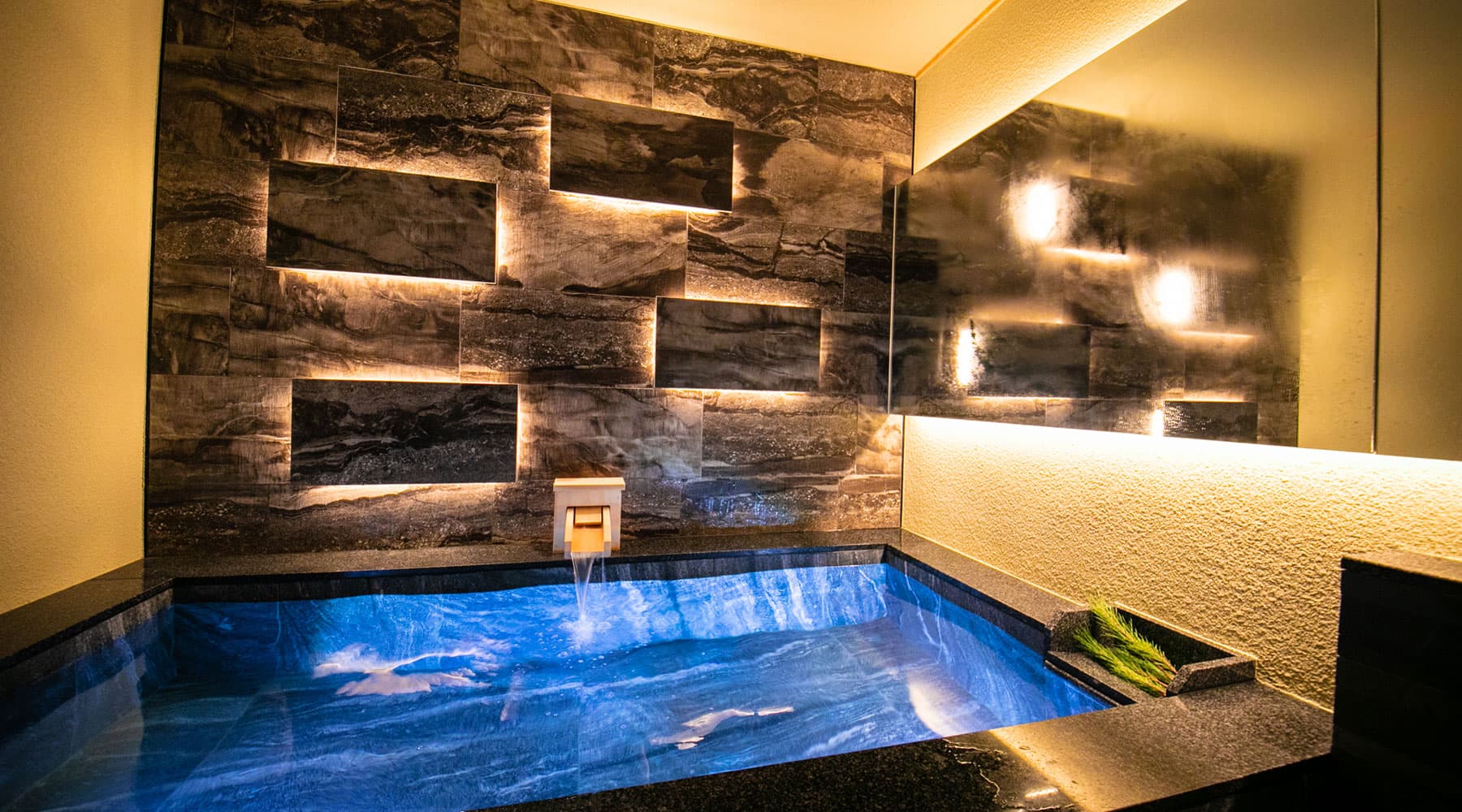 | from US$318/person/night≈ US$636 for 2 | 9.5 93 reviews | Book on Agoda |
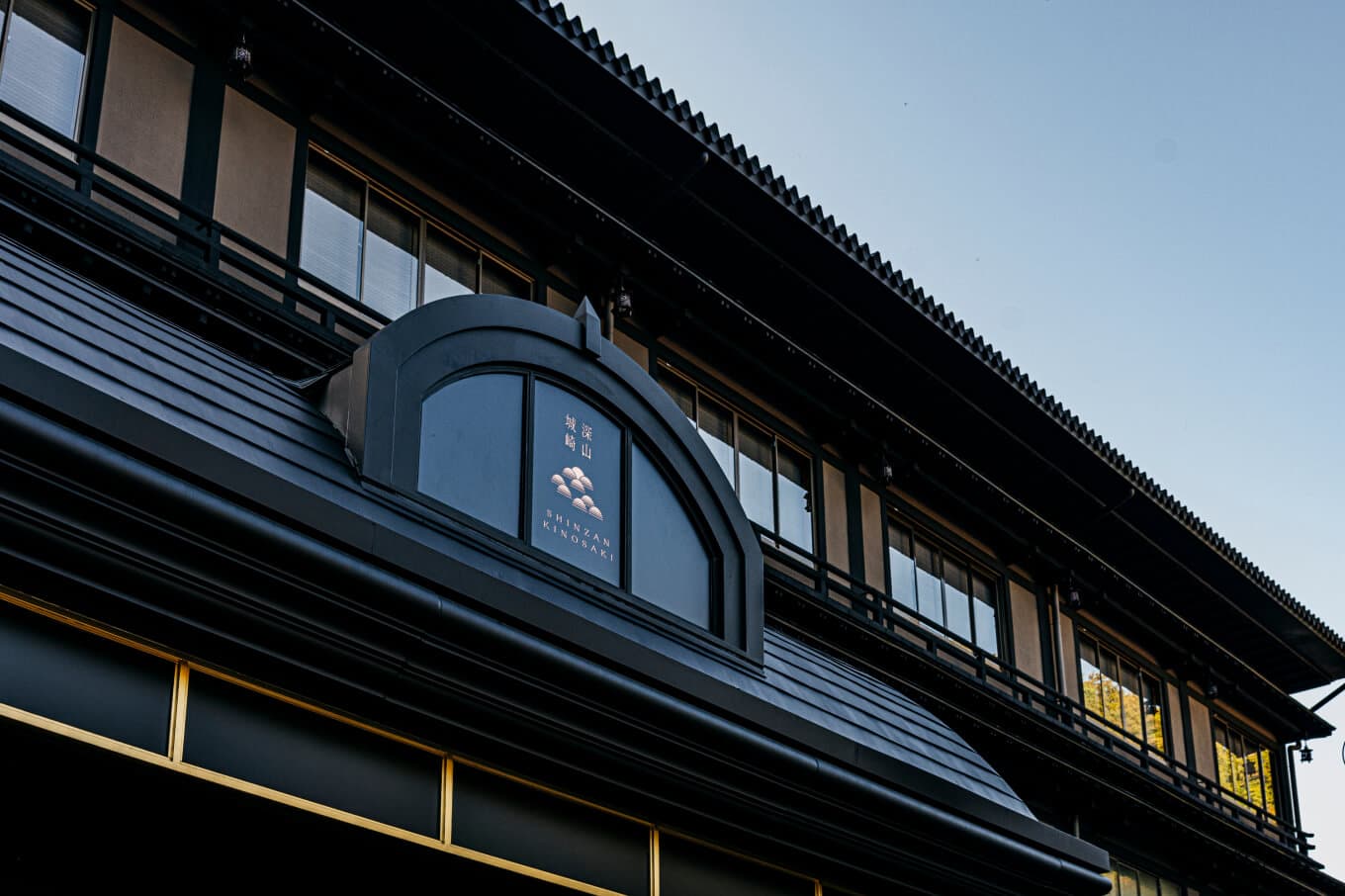 | from US$576/person/night≈ US$1,152 for 2 | 9.5 49 reviews | Book on Booking.com |
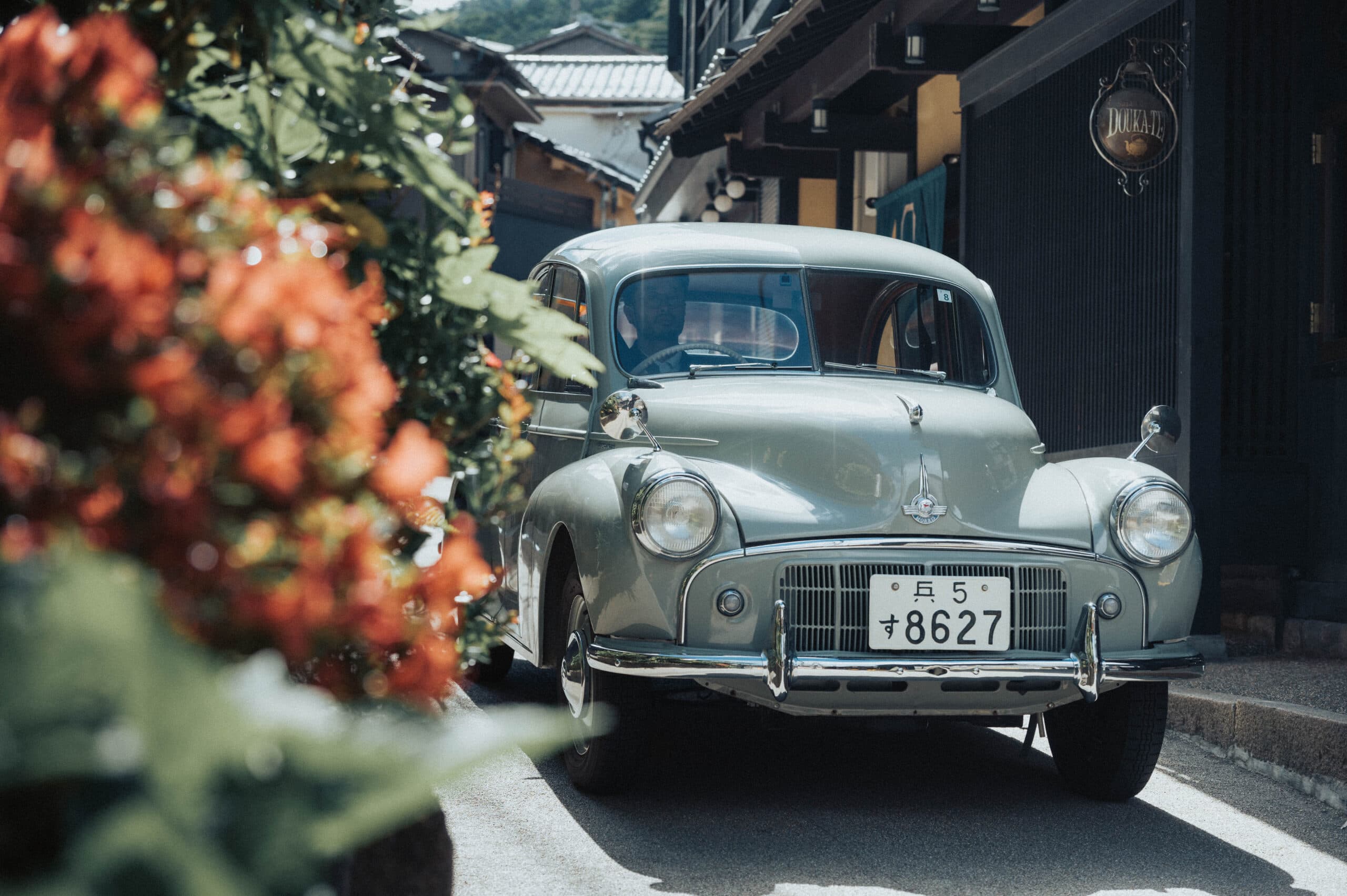 | from US$515/person/night≈ US$1,030 for 2 | 9.5 36 reviews | Book on Trip.com |
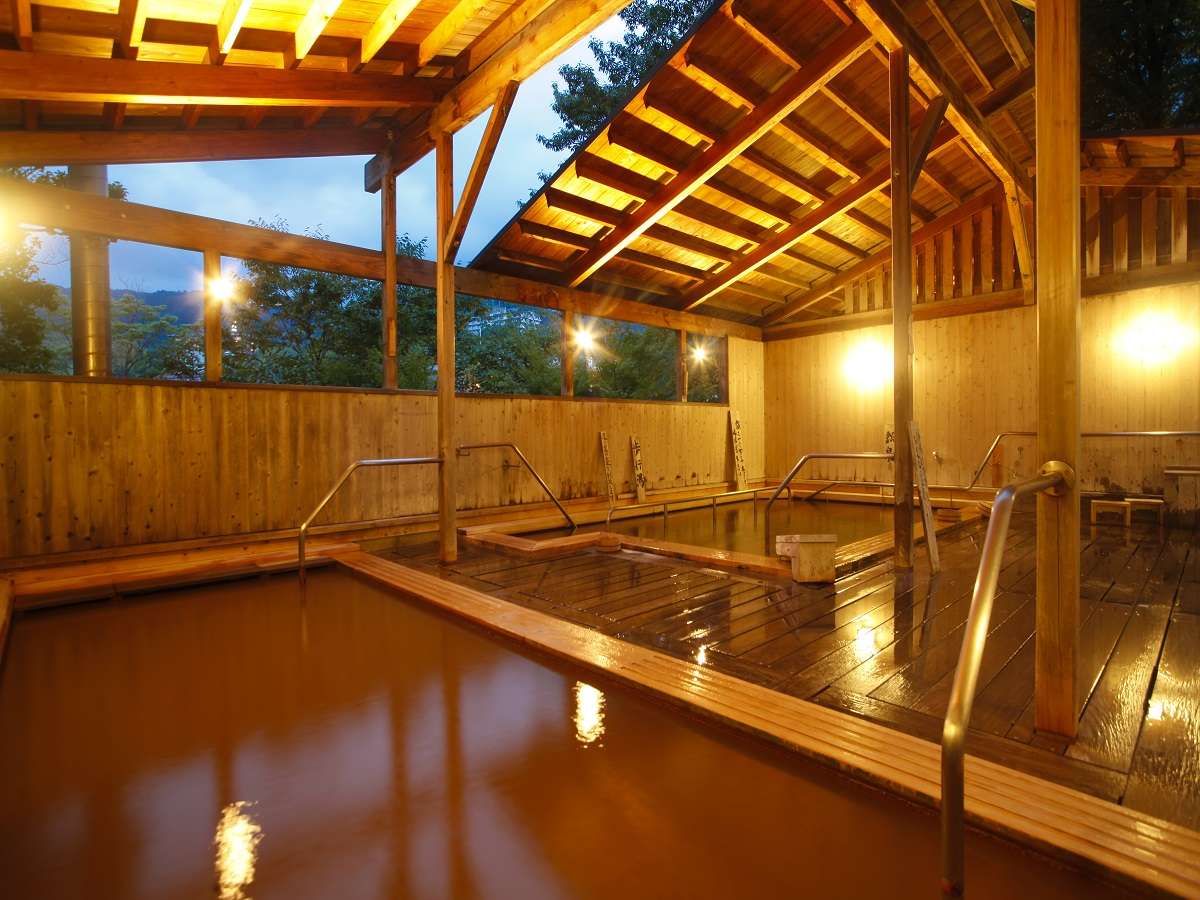 | from US$280/person/night≈ US$560 for 2 | 9.4 286 reviews | Book on Booking.com |
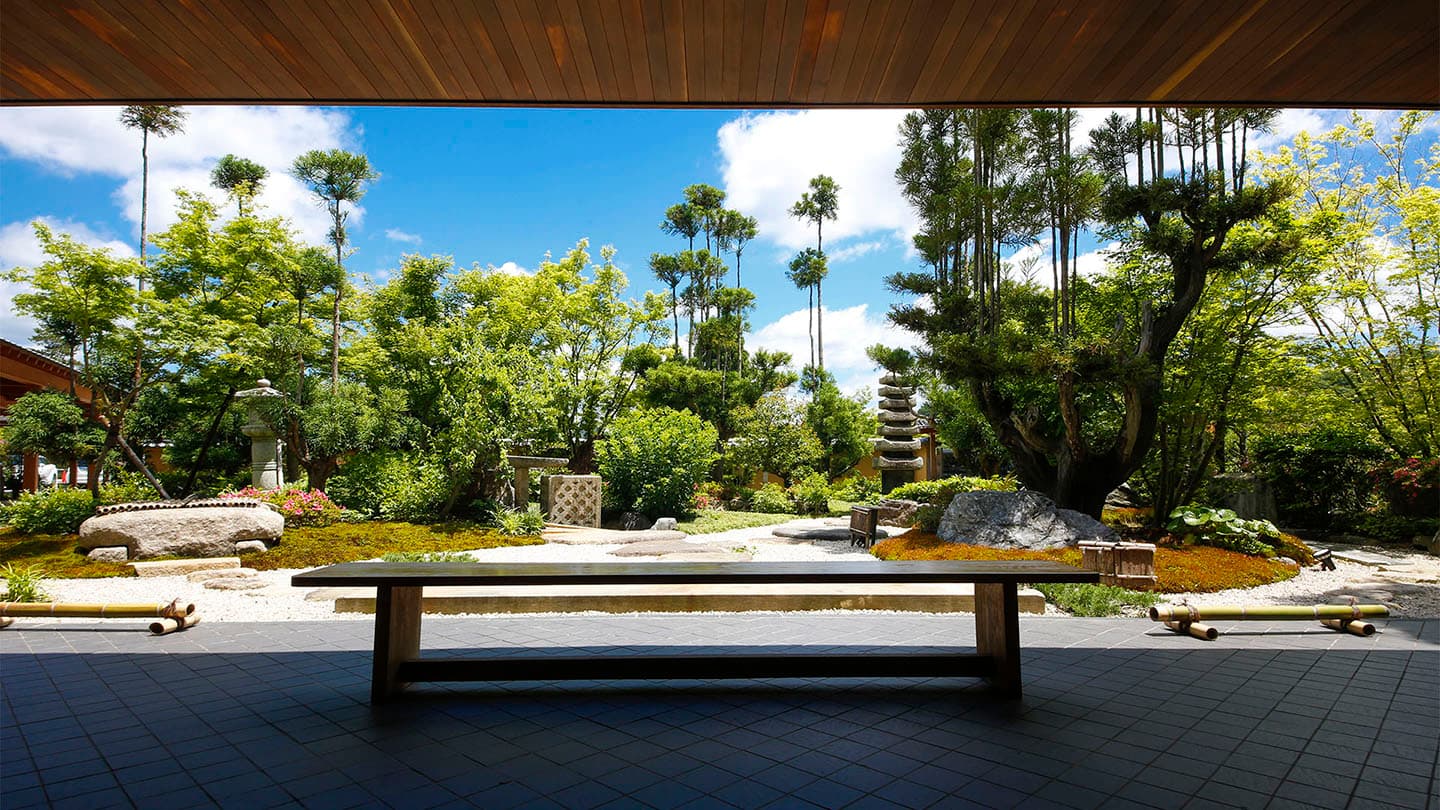 | from US$230/person/night≈ US$460 for 2 | 9.4 186 reviews | Book on Booking.com |
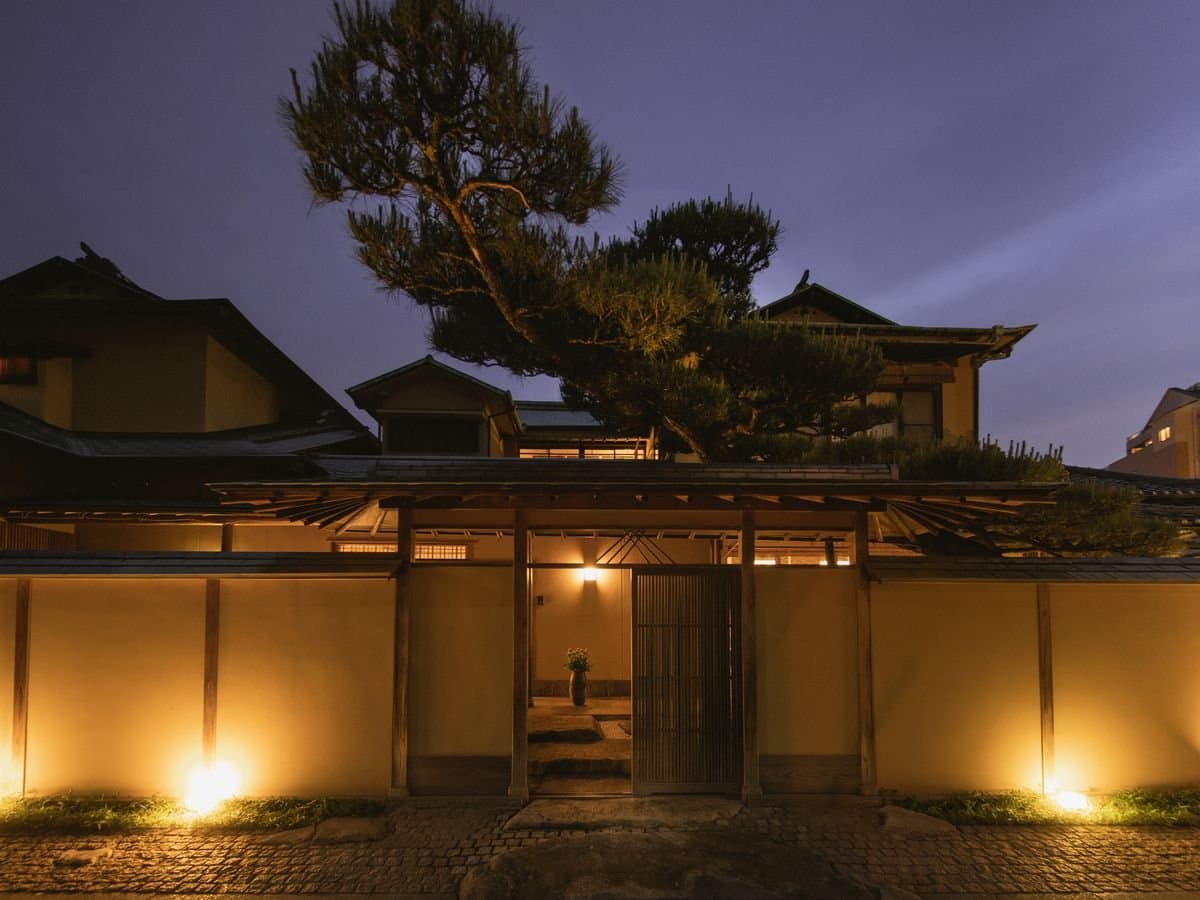 | from US$330/person/night≈ US$660 for 2 | 9.4 133 reviews | Book on Agoda |
 | from US$231/person/night≈ US$462 for 2 | 9.4 93 reviews | Book on Agoda |
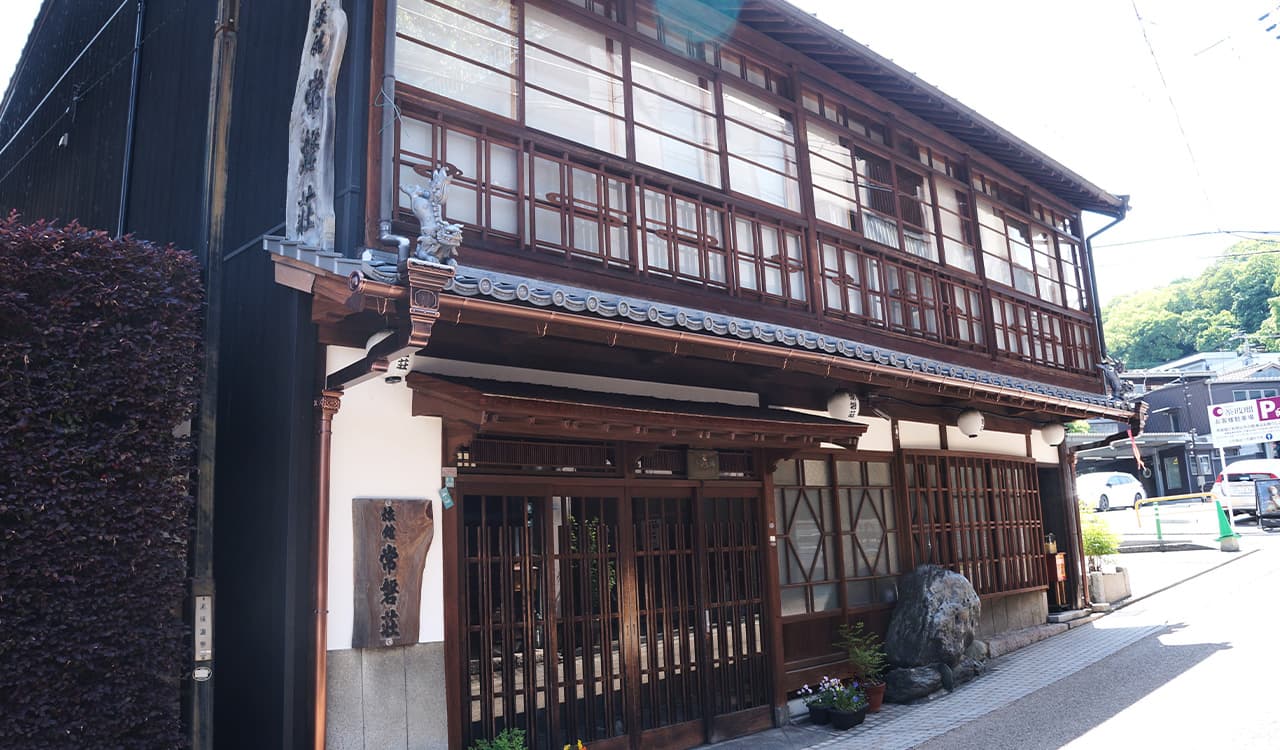 | from US$110/person/night≈ US$220 for 2 | 9.4 72 reviews | Book on Trip.com |
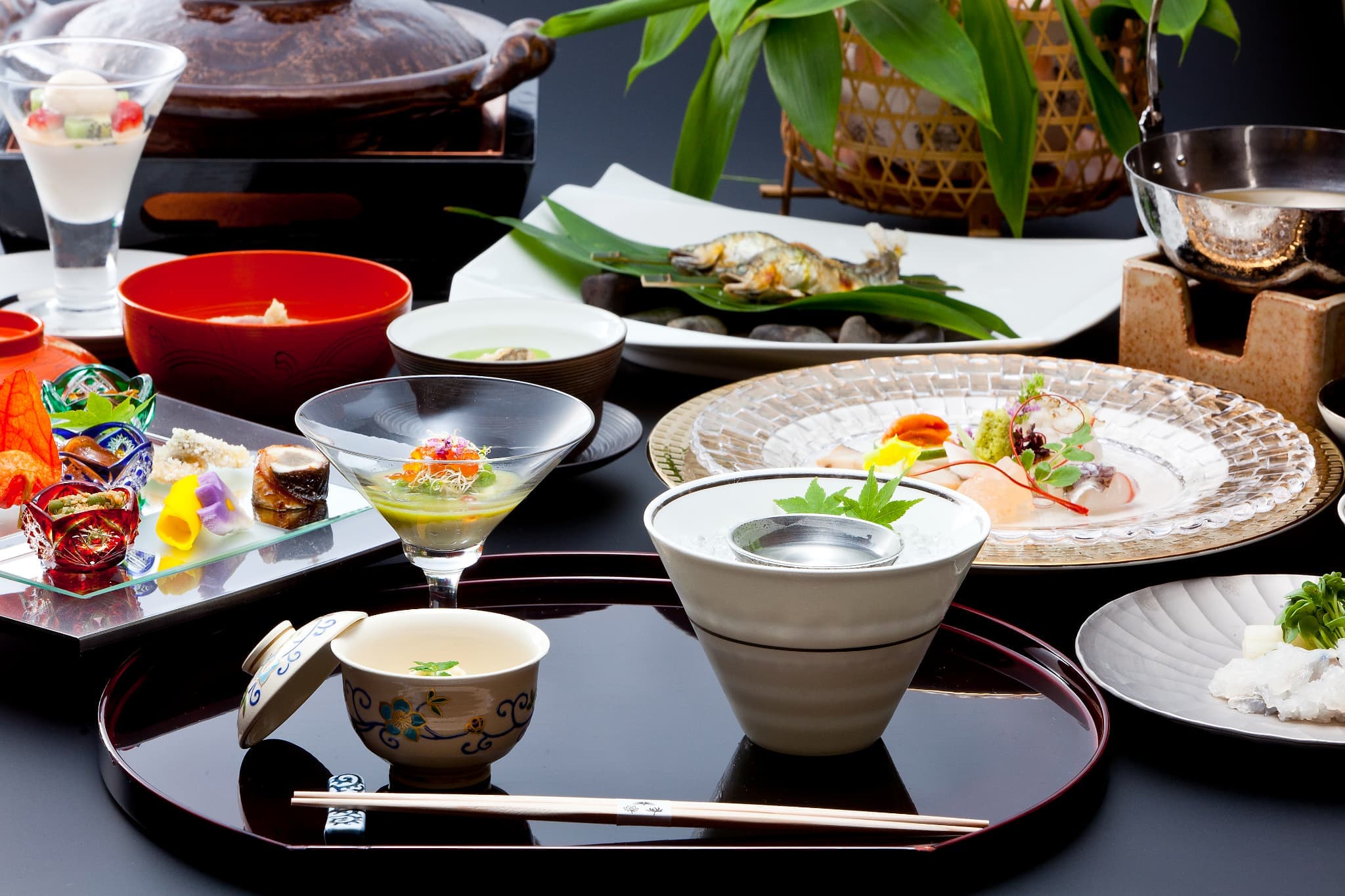 | from US$518/person/night≈ US$1,036 for 2 | 9.4 18 reviews | Book on Trip.com |
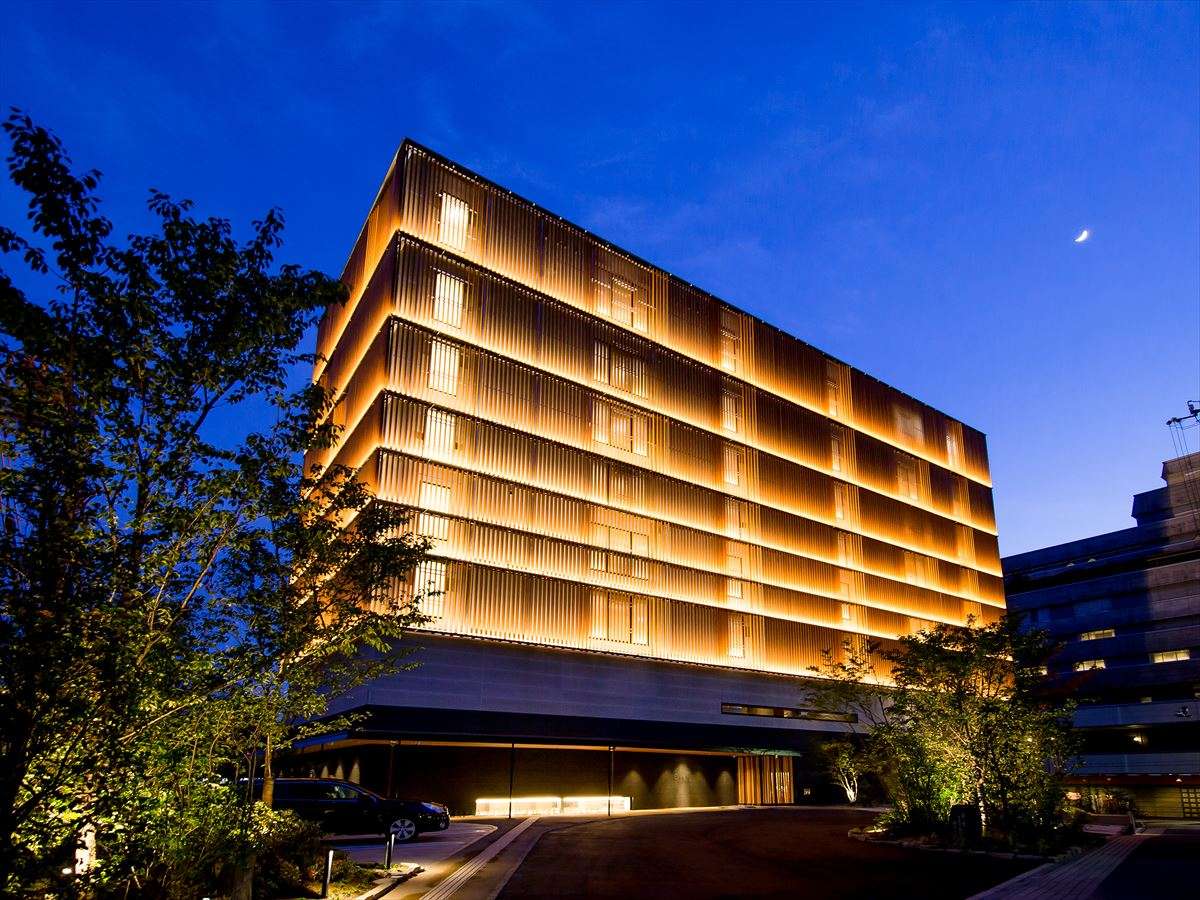 | from US$169/person/night≈ US$338 for 2 | 9.4 10 reviews | Book on Trip.com |
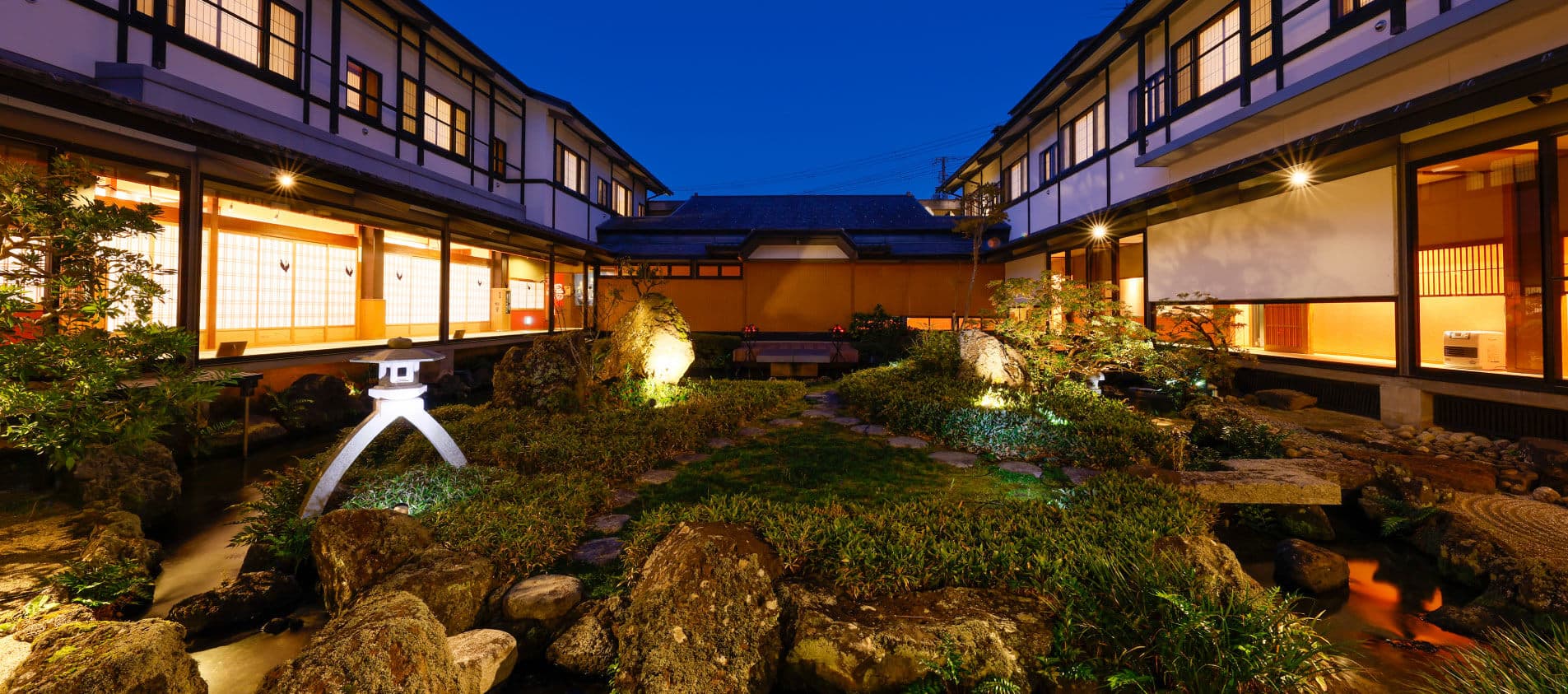 | from US$220/person/night≈ US$440 for 2 | 9.3 577 reviews | Book on Booking.com |
Kinosaki no Yado Ryokufukaku
Kinosaki
Yamatoya Honten
Dogo
Sumihei Bettei Tokitotoki
Kinosaki
Shinzan Kinosaki
Kinosaki
Spa Terrace Shisui
Arima
Ginsuiso Choraku
Arima
Tokiwaso
Dogo
Kinzan
Arima
Dogo Miyu
Dogo
Onishiya Suishoen
Kinosaki
Prices shown are approximate starting rates per person per night. We may earn a commission on bookings.
Ready to book?
Book one of these top picks
Compare live availability and prices across booking sites.
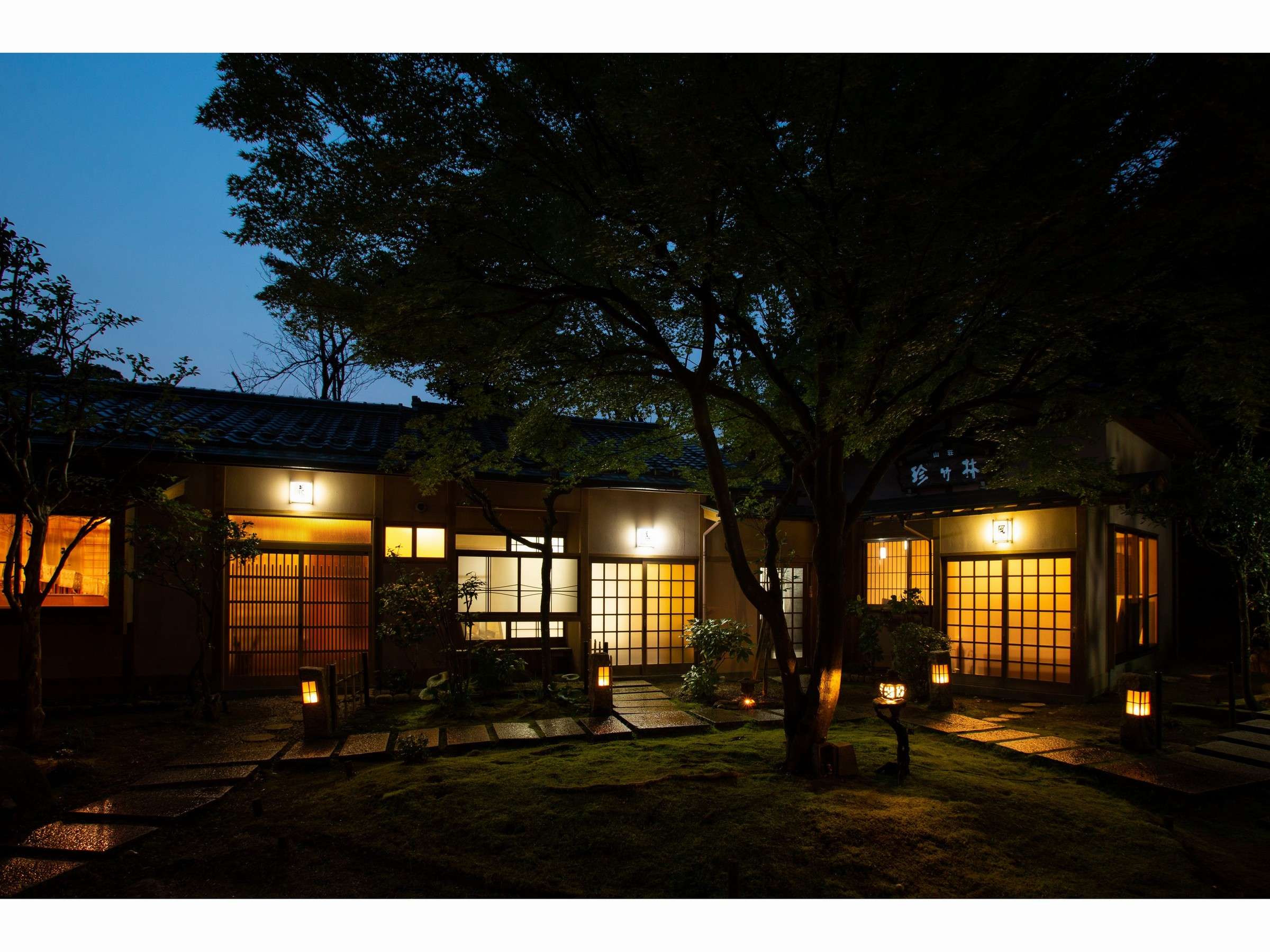
Fujimiya
城崎温泉 富士見屋
Kinosaki·Budget
from US$51 · per person · per nightfrom ≈ US$102 total for 2 guests




Tocen Goshobo
陶泉 御所坊
Arima·Luxury
from US$235 · per person · per nightfrom ≈ US$470 total for 2 guests
Dogo Onsen Funaya
道後温泉 ふなや
Dogo·Luxury
from US$160 · per person · per nightfrom ≈ US$320 total for 2 guests
Booking links may earn us a commission at no extra cost to you.
FAQ
Frequently asked questions
What is the closest onsen to Osaka?+
Arima Onsen is the closest — approximately 60 minutes from Hankyu Umeda Station by direct highway bus (1,400 yen one-way, approximately $9). It is the only onsen town near Osaka practical for a same-day return trip. By train the journey takes 75-80 minutes with two transfers via Sannomiya and Tanigami on the private Kobe Electric Railway. Kinosaki Onsen, the next closest option, is 2 hours 40 minutes by JR Kounotori limited express from Shin-Osaka.
Can you day-trip to Arima Onsen from Osaka?+
Yes — Arima is the only onsen near Osaka where a same-day return makes practical sense. Take the highway bus from Hankyu Umeda (Hankyu Kanko Bus or JR Bus, approximately 60 min, 1,400 yen). Allow 4-5 hours on the ground to soak at the public baths and walk the town. Check the last bus departure time at hankyu-kankobus.co.jp before going. Every other area in this guide requires an overnight stay.
Is Kinosaki Onsen worth it from Osaka?+
Yes, if you stay overnight. At 2h40m each way, a same-day return leaves you roughly 3-4 hours on the ground — not enough time to do the yukata-and-bathhouse circuit that makes Kinosaki what it is. One night is the minimum; two nights is better during crab season (November 6 through March 20). Kinosaki is the strongest first-overnight pick from Osaka for most travelers.
Arima Onsen vs Kinosaki Onsen — which is better from Osaka?+
Depends on your time. Choose Arima if you only have one day — it is the only day-trippable option, the kinsen gold spring and ginsen silver spring are unique in Japan, and the town is more intimate. Choose Kinosaki if you can stay one night or more — the experience of walking between historic bathhouses in yukata at dusk is unlike anything else in Kansai. Arima is quieter and more intimate; Kinosaki is more theatrical, atmospheric, and tattoo-friendly.
Do I need a JR Pass for onsen near Osaka?+
Not for Arima — the bus from Umeda is cheaper, faster, and no pass covers it. For Kinosaki and Shirahama, the Kansai Wide Area Pass (12,000 yen for 5 days) covers both routes and breaks even quickly if combined with other JR travel. Tamatsukuri and Dogo require the Japan Rail Pass (national) or separate cash fares of approximately 12,000-13,000 yen one-way.
Are onsen near Osaka tattoo-friendly?+
Kinosaki is the most tattoo-friendly option in this guide: all open public sotoyu bathhouses officially allow tattoos under a town-level policy. In-house ryokan baths vary — Yamamotoya and Hanakouji Saigetsu are fully allowed. At Arima, public baths typically prohibit visible tattoos, but most picks offer private kashikiri baths where tattooed guests are welcome. At Dogo, Atatakai Yado Taniya is the only fully allowed pick in Tier 3.
Can I get to an onsen from Kansai International Airport (KIX)?+
Yes. Arima is the most practical: Nankai Rapi:t to Namba (approximately 34 min, 1,490 yen) then highway bus to Arima (approximately 50-60 min, 1,400 yen) = approximately 90 min total, approximately 2,890 yen. For Kinosaki: JR Haruka to Shin-Osaka (approximately 51 min) then Kounotori (approximately 2h40m) = approximately 3h55m total. The Kansai Wide Area Pass covers both the Haruka and the Kounotori. Going KIX to Arima directly before checking into Osaka is a viable ryokan-first itinerary.
When is crab season at Kinosaki Onsen?+
The fishing season for male matsuba-gani (snow crab) runs November 6 to March 20; some ryokans' crab plans may continue into late March. The opening weekend of November is peak demand — rates spike 20-40 percent and sell out months ahead. Book at least two months ahead for early November stays. Off-season (April through October) brings 20-30 percent lower rates and easy availability.
What is included in the price of a ryokan near Osaka?+
Most ryokans in this guide price on a half-board basis: room, multi-course kaiseki dinner, and Japanese breakfast. At Kinosaki, the yumepa all-day public bathhouse pass (normally 1,500 yen for day visitors) is included in overnight stays. Tax and service charge (10-15 percent) is added on top of listed rates. Some properties add a separate onsen tax of 150-300 yen per person per night, charged at check-out.
Which is better — Arima or Kinosaki for a first-time ryokan guest?+
Kinosaki gives you the more complete first-time ryokan experience: yukata, wooden geta sandals, walking between bathhouses at dusk, then returning to a kaiseki dinner served in your tatami room. That sequence — the town as part of the experience — is what most people picture when they imagine a ryokan stay in Japan. Arima is more intimate and the springs are more chemically unusual, but for a first overnight Kinosaki's atmosphere is harder to replicate anywhere else in Kansai.
How long does it take to get from Osaka to Kinosaki Onsen?+
Approximately 2 hours 40-45 minutes by JR Kounotori limited express from Shin-Osaka Station (the service also stops at Osaka Station). There are roughly 6 round trips per day. One-way fare is approximately 5,080 yen (unreserved seat) to 6,140 yen (reserved seat). The Kansai Wide Area Pass (12,000 yen for 5 days) covers this route in full with no surcharge. Note: the last departure from Kinosaki-Onsen toward Osaka runs approximately 18:00-18:30 — earlier than most travelers expect.
Still deciding?
Browse ryokans across JapanBooking.com