Quick Comparison
8 picks| Ryokan | From | Rating | Book |
|---|---|---|---|
 | from US$120/person/night≈ US$240 for 2 | 8.8 724 reviews | Book on Agoda |
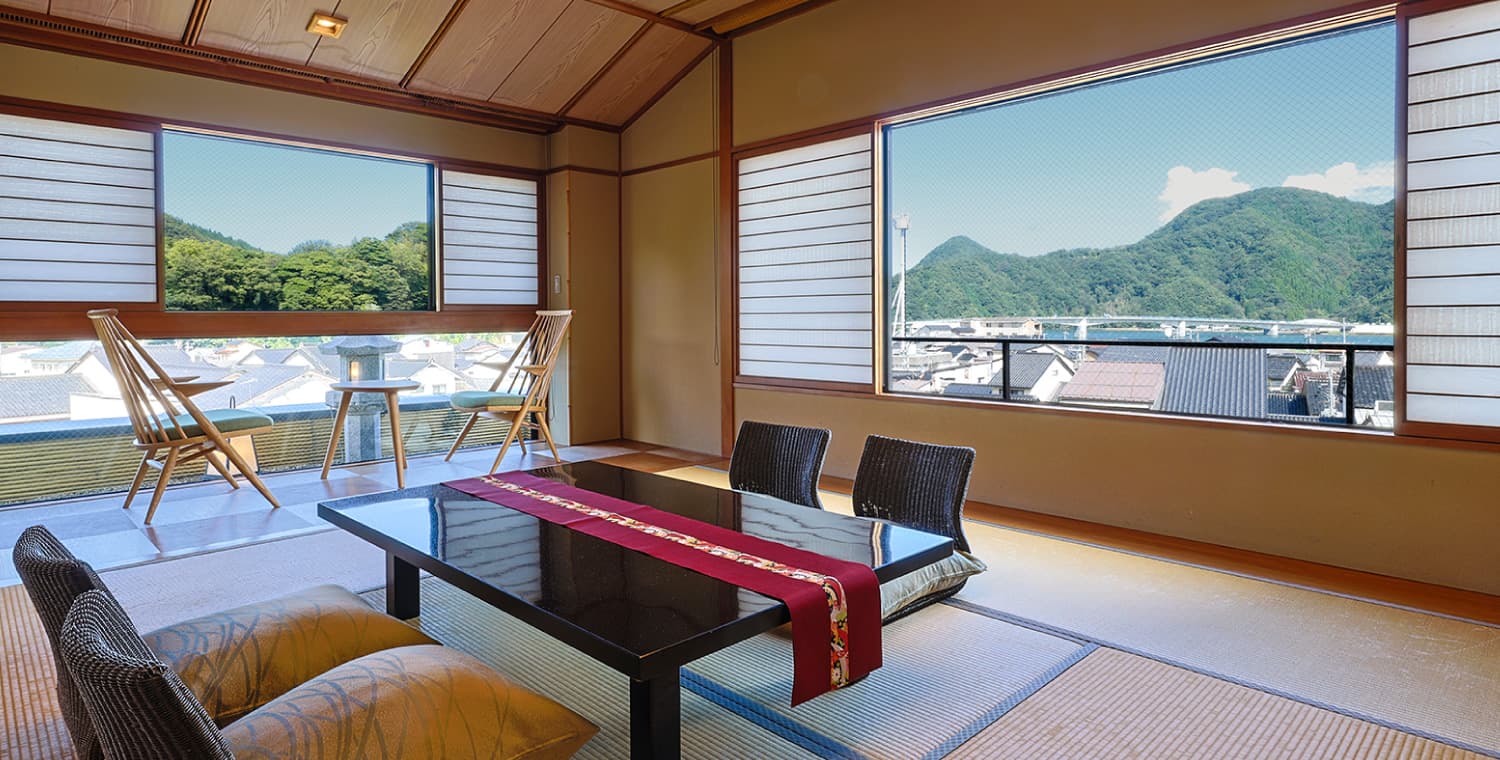 | from US$163/person/night≈ US$326 for 2 | 9.7 11 reviews | Book on Booking.com |
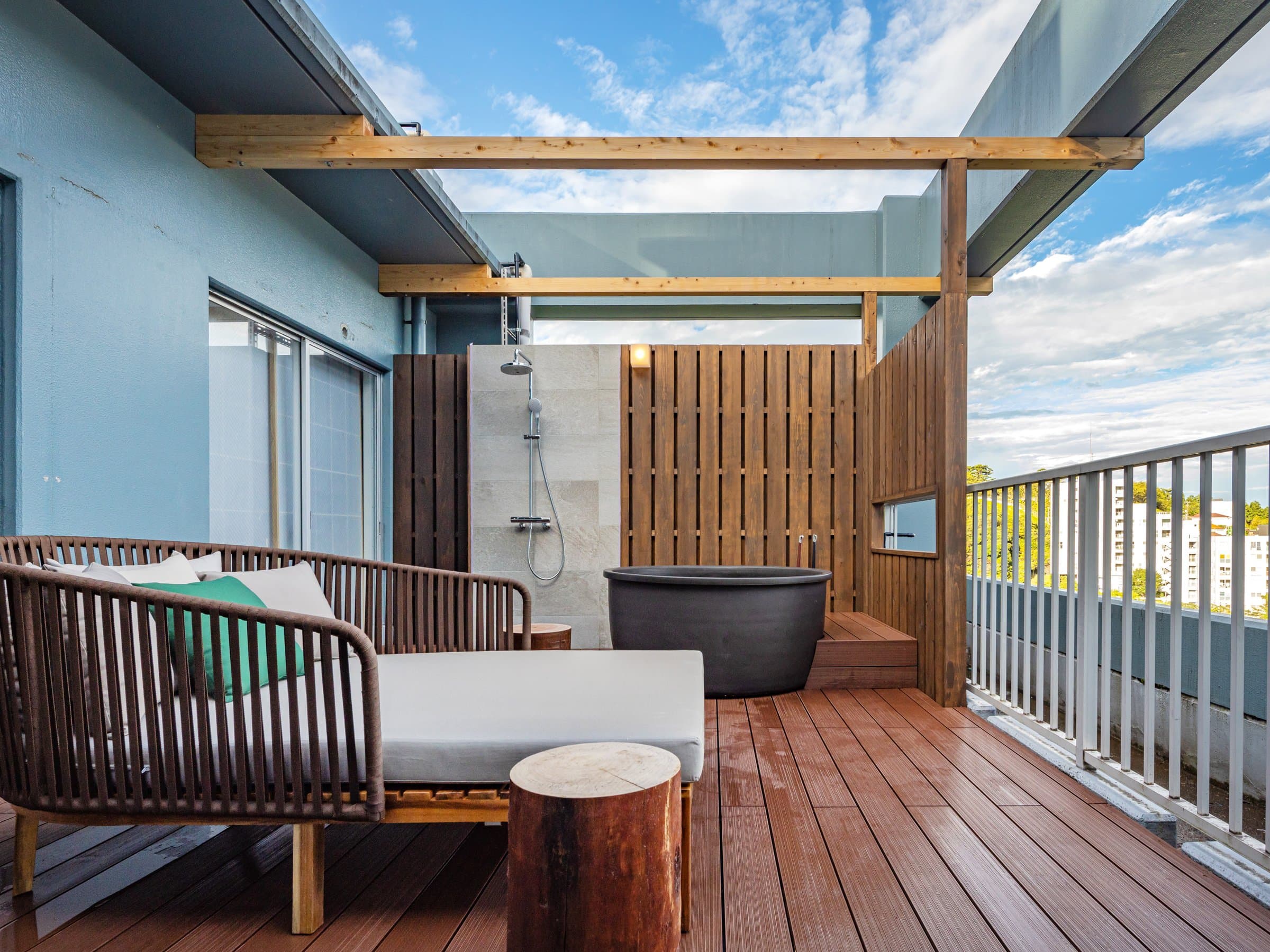 | from US$253/person/night≈ US$506 for 2 | 9.2 293 reviews | Book on Agoda |
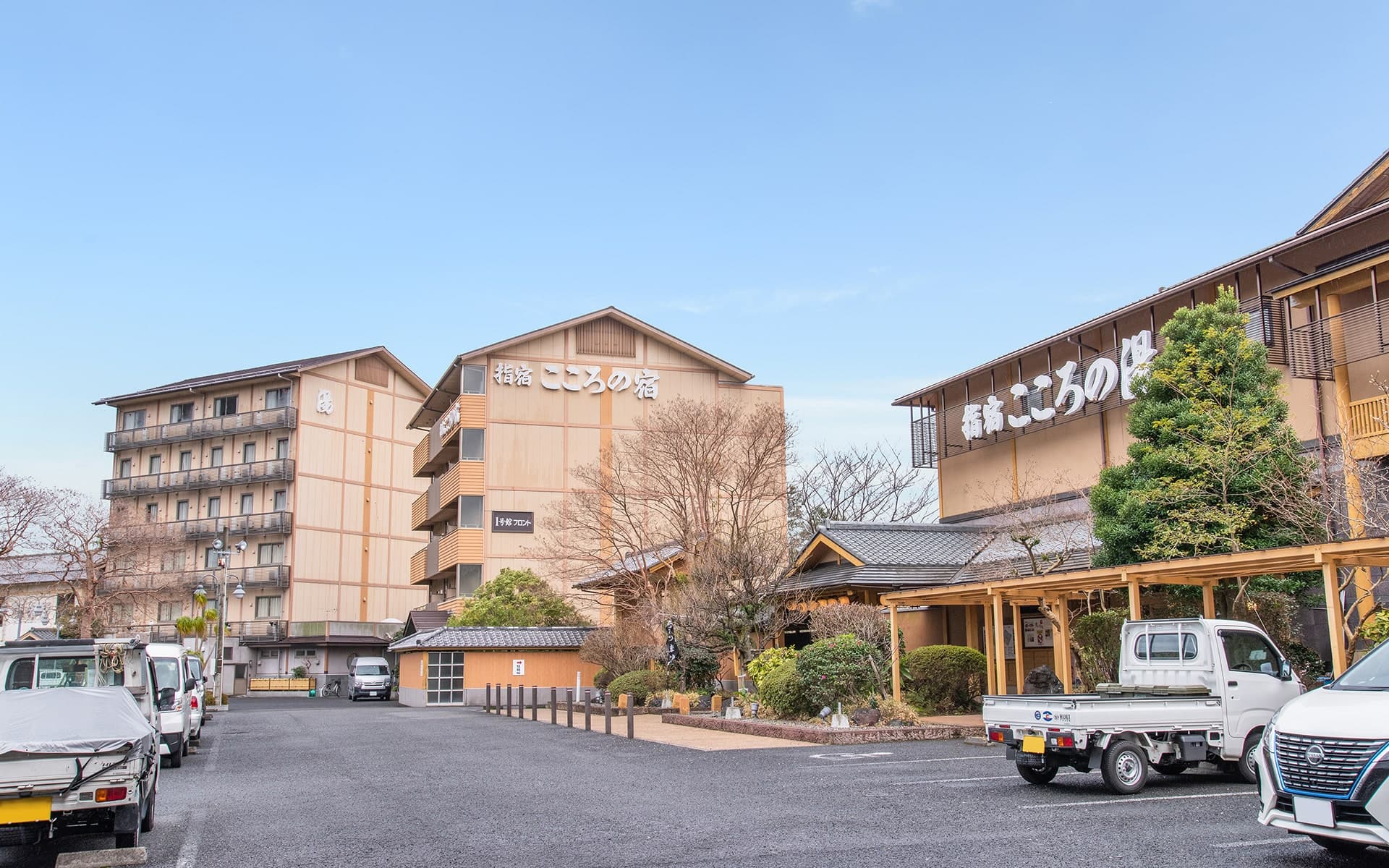 | from US$113/person/night≈ US$226 for 2 | 8.4 1,441 reviews | Book on Trip.com |
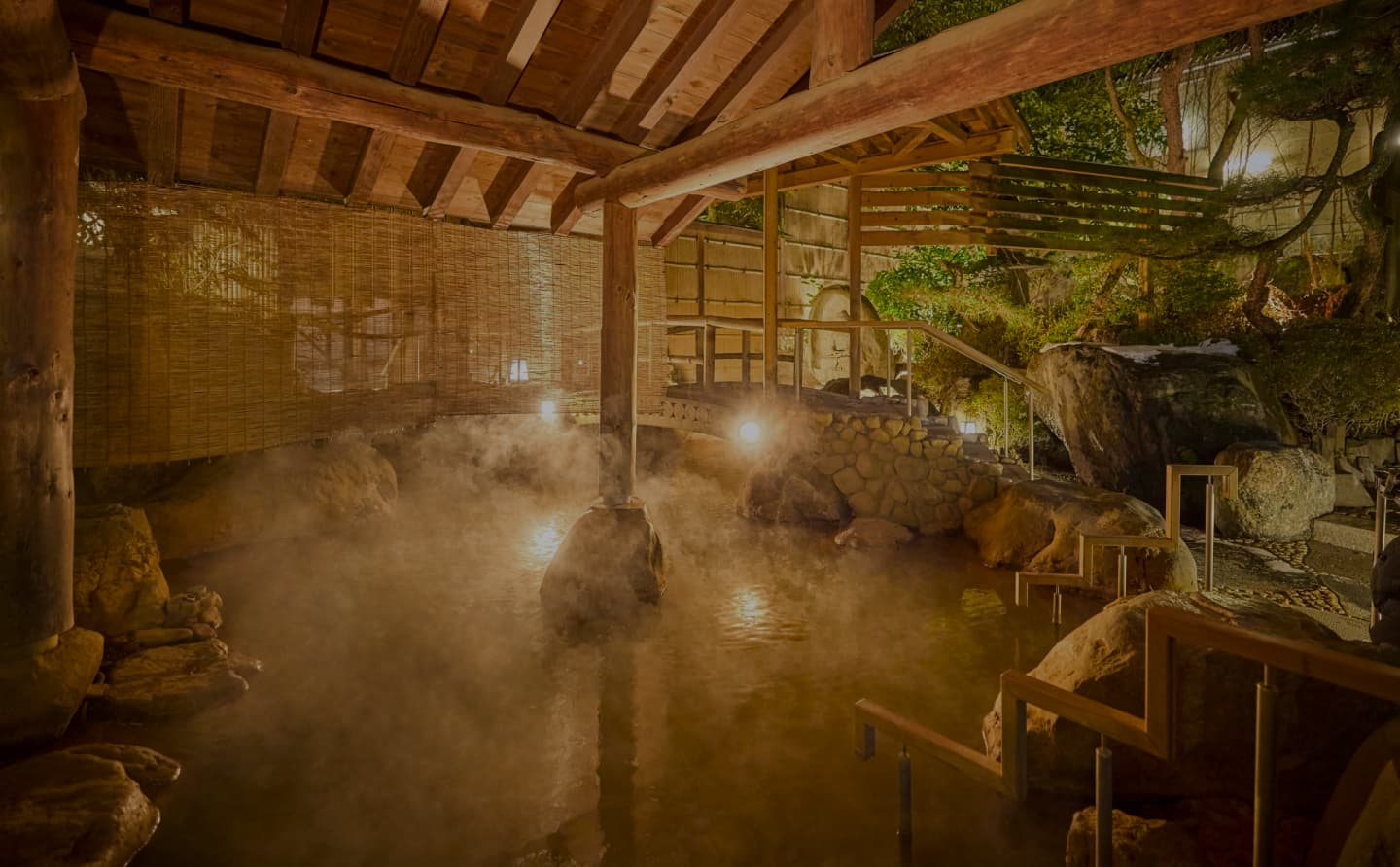 | from US$365/person/night≈ US$730 for 2 | 9.6 2,216 reviews | Book on Booking.com |
 | from US$100/person/night≈ US$200 for 2 | 9.2 2,668 reviews | Book on Agoda |
 | from US$60/person/night≈ US$120 for 2 | 8.4 1,583 reviews | Book on Booking.com |
 | from US$184/person/night≈ US$368 for 2 | 9.1 24 reviews | Book on Trip.com |
ISHINOYA Atami
Atami
Ibusuki Kokoro no Yado
Ibusuki
Hotel Kogure
Ikaho
Kusatsu Now Resort Hotel
Kusatsu
Prices shown are approximate starting rates per person per night. We may earn a commission on bookings.
Verified against booking platforms and official ryokan sources, July 2026.
You've done the onsen. You know the rhythm of it — the rinse, the slow slide into mineral water, the long silence afterward. Now imagine stepping out of a 90°C cedar-paneled sauna, dropping into a cold carbonated mineral spring at 19°C, then sitting in the open night air while the forest does absolutely nothing except exist around you. That state — the particular clarity that arrives about three minutes into the rest phase — is what Japanese sauna culture calls totonou.
Finding the best ryokan with sauna in Japan isn't hard if you only want a dry box in the changing room checked under "amenities." That's what most listings give you. This guide is for travelers who want the complete thing: sauna heat, genuine cold plunge, outdoor rest, and onsen water chemistry working in sequence.
According to the Japan Sauna Institute 2024 report, Japan now has approximately 17.8 million regular sauna enthusiasts — and the ryokan sector is finally building to meet them. We verified all 8 properties below against booking platforms and official sources, July 2026.
If private onsen without sauna is the priority for your stay, see our guide to best ryokans with private onsen instead.
Why sauna + onsen together? The case for both
A sauna alone and an onsen alone are both restorative. Together and in sequence, they do something physiologically distinct that neither achieves solo.
The dry heat of a Finnish-style sauna at 85–95°C drives your core temperature up and pushes circulation toward the skin's surface. Then the cold plunge hits: your peripheral blood vessels contract fast, forcing blood back to your core, before the rebound vasodilation floods your body with warmth again. Finally, stepping into open air, your autonomic nervous system shifts — parasympathetic tone rises, heart rate drops, and the cognitive stillness of totonou arrives. The onsen afterward isn't a repeat of the experience. It's a closer: it replenishes the skin moisture the sauna stripped away, and the mineral chemistry of the water — sulfate, sodium-chloride, or Kusatsu's extreme acidity — adds its own layer of physical effect.
An onsen-only stay is pleasant. It won't give you that response. A gym sauna session without a natural cold plunge and a 7-course kaiseki timed around it won't either. The ryokan format is specifically suited to this sequence — it structures your evening around it naturally: check-in → sauna → cold plunge → outdoor rest → dinner → night soak → sleep.
For onsen water chemistry by area, see Japan onsen by water type. For winter stays where snow on a cedar deck sharpens the totonou contrast, Tohoku (Zao) and Hokkaido are the seasonal picks — see our best winter onsen guide. Izu, including Atami, runs year-round without the crowd peaks of summer or ski season.
What is totonou? The 3-step ritual explained
Totonou (整う, "to come into alignment") is the flow state of deep mental and physical equilibrium reached by cycling through sauna heat, cold immersion, and outdoor rest. It manifests as calm clarity, mild euphoria, and a pronounced physical lightness — the sense that your body weighs less than usual and your thoughts have stopped competing with each other. It is not a clinical term. It originated as Japanese sauna-community slang, though the underlying mechanisms — rapid vasodilation after cold shock, endorphin and endocannabinoid release, parasympathetic nervous system activation during rest — are well-documented in sports medicine. Totonou explained (Samurai Sauna Magazine).
The protocol, step by step:
1. Sauna — 80–100°C (176–212°F), 6–12 minutes. Most Japanese ryokan saunas run 85–95°C. Exit when you are thoroughly sweating and warm through to your core — not by the clock. Beginners: 5–8 minutes is sufficient.
2. Cold plunge (mizuburo 水風呂) — 15–18°C, 30 seconds to 2 minutes. Premium facilities go as low as 9°C; Higuchiken Funagoya's carbonated mineral spring runs at 19°C. Immerse fully — torso submerged is the standard. Exit before the body starts to feel numb, not after. Beginners: 30–60 seconds.
3. Outdoor rest (gaikiyoku 外気浴) — 5–10 minutes. Sit or recline in open air. Let your body return to baseline temperature without assistance. Totonou typically arrives within the first 3–5 minutes of this phase — a particular quality of stillness, not drowsiness.
Repeat 2–3 complete sets. Three is the commonly cited optimum. Drink water between sets — sauna heat is dehydrating regardless of cold plunge afterward.
One detail worth knowing: the cold plunge's cultural roots aren't a Western wellness import. Japan's practice of thermal contrast bathing traces back to the Misogi (禊) Shinto purification ritual — standing in cold water to cleanse and reset. The mizuburo at a ryokan carries that lineage, even when the sauna beside it is Finnish-built.
Critically: you cannot totonou without a cold plunge. This is why cold plunge availability is the single most important filter in this guide. Two properties on this list lack one entirely — both are included for specific reasons stated honestly below.
Sauna types you'll find at Japanese ryokans
Not all saunas listed in ryokan amenities are equal. Knowing the difference saves disappointment at check-in.
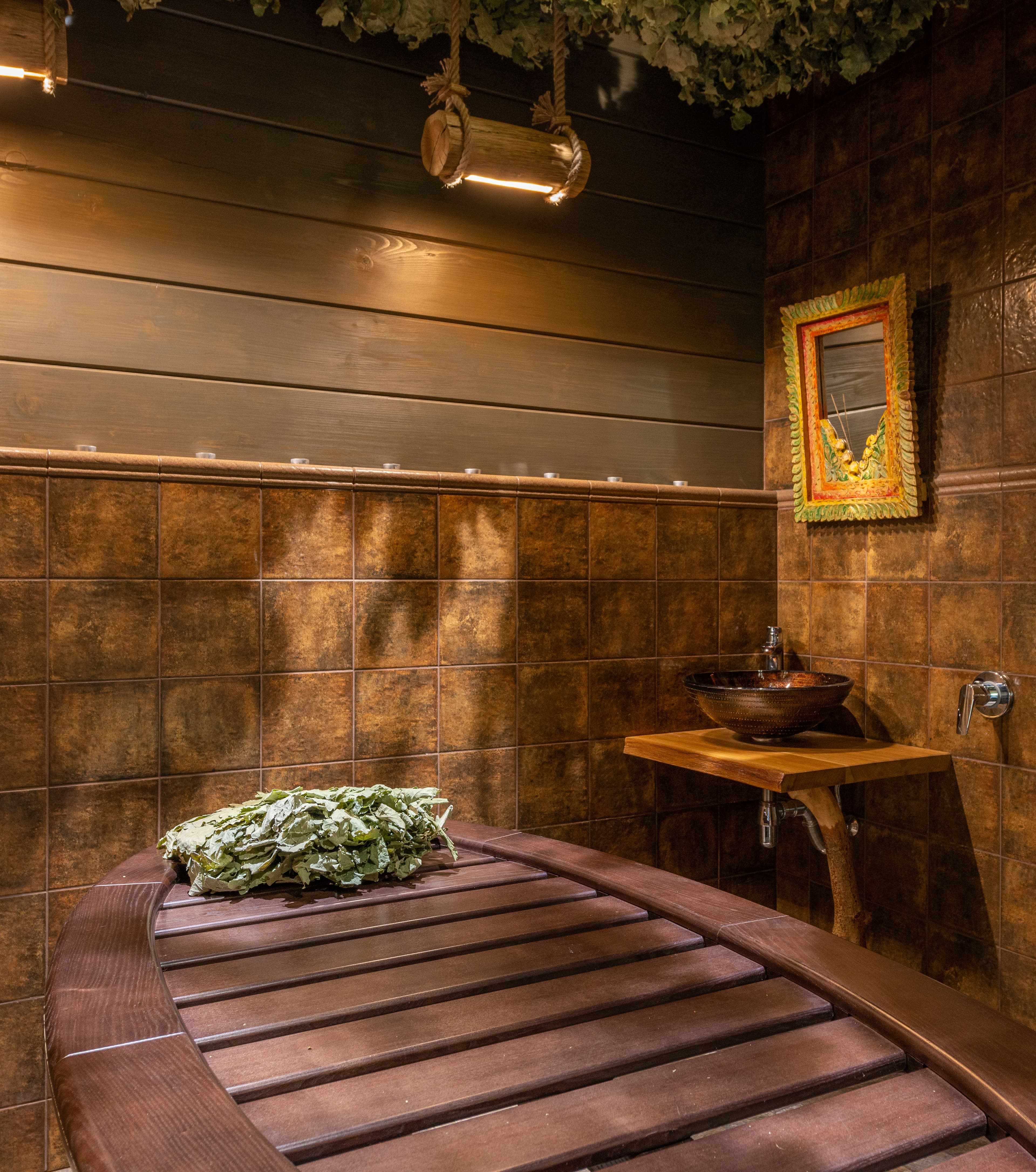
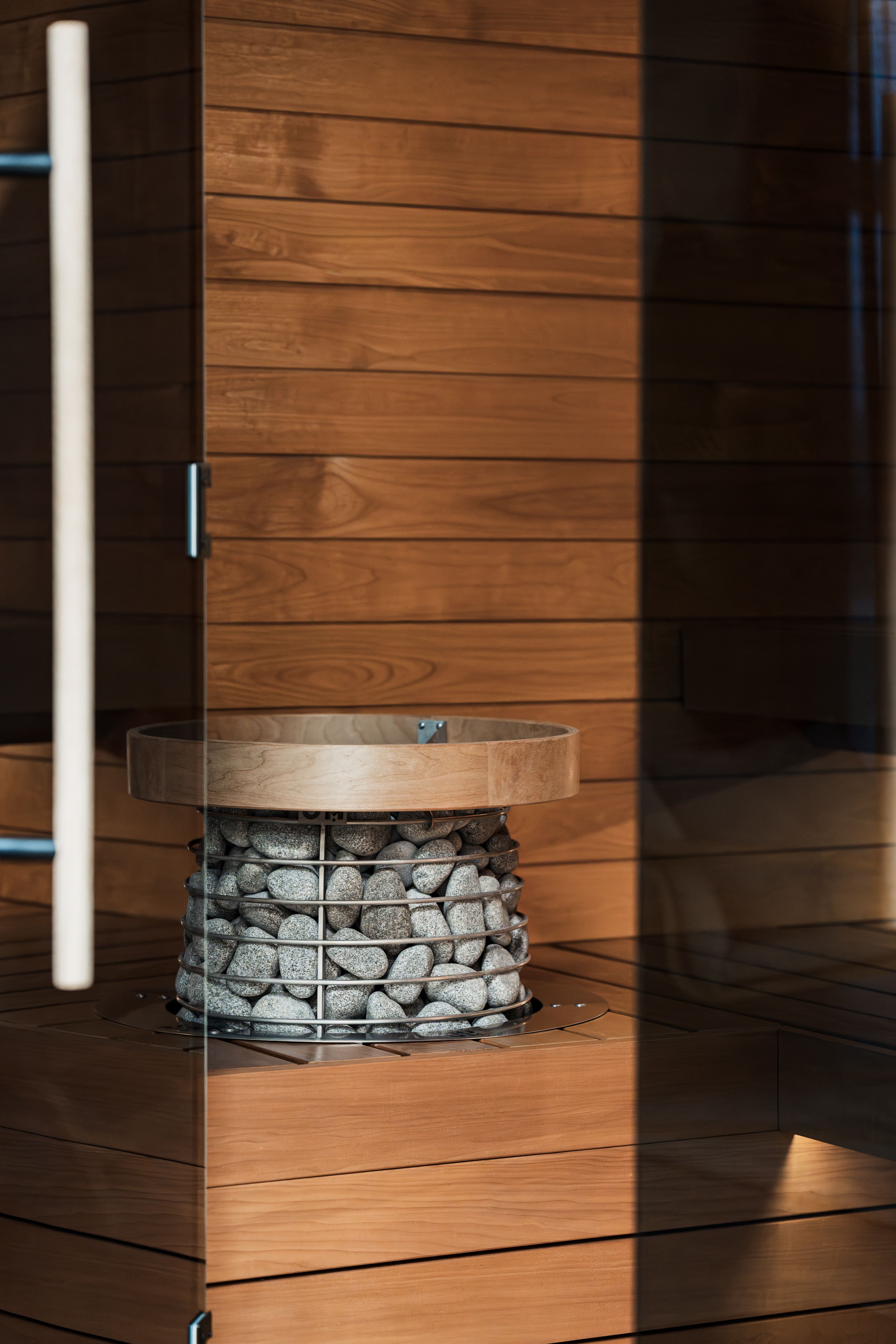
Dry Finnish-style sauna (ドライサウナ / フィンランドサウナ): 80–100°C, low humidity. This is the gold standard for totonou — the heat is intense enough to trigger the physiological stress response that makes the cold plunge effective. Found at all six core totonou properties in this list: Higuchiken, Ishinoya, Ryokufukaku, Kogure, Kusatsu Now Resort, and Hotel Edoya. Travelers hunting for the best ryokan with sauna in Japan should scan listings for "ドライサウナ" or "フィンランドサウナ" paired with "水風呂" (mizuburo) — those two terms together confirm a viable totonou setup.
Mist/steam sauna (ミストサウナ): 40–50°C, high humidity. Skin-friendly and gentle. Common as an in-room amenity at mid-range ryokans. The temperature is insufficient to trigger the heat-stress response needed for totonou — it is a comfort feature, not a performance one.
Ganbanyoku (岩盤浴): Guests lie clothed on heated mineral stone floors at approximately 45°C. Horizontal, slow, and closer in feel to a heated yoga class than a Finnish sauna. Temperature is far too low for totonou heat stress, and ganbanyoku protocol includes no cold plunge. It is a legitimate and distinctly Japanese wellness practice — just a different one. Featured prominently at Ibusuki Kokoro and Kinosaki Tenbouen.
Loyly sauna: A Finnish-style dry sauna where guests pour water on heated stones to create short bursts of steam on demand. Adds a layer of intensity to the dry heat experience. Increasingly found at premium Japanese facilities — confirmed at Ryokufukaku (guest-controlled) and Ibusuki Kokoro (aroma loyly sessions with staff performing the ritual).
The 8 best ryokans with sauna in Japan — ranked
These properties are ranked by completeness of totonou infrastructure — sauna plus cold plunge plus outdoor rest space — then by onsen quality, privacy options, and practical accessibility. Cold plunge status is the single most important filter. Properties without one are listed with explicit honest caveats, not buried limitations.
All prices are per person per night and include dinner and breakfast unless noted otherwise.
#1 Funagoya Onsen Hotel Higuchiken, Fukuoka — Best full totonou setup
Verdict: The only property in this list with a complete, documented, private totonou circuit bookable by any guest regardless of room category.
Higuchiken sits in rural Chikugo — about 15 minutes' walk from Chikugofunagoya Station, which is not the most convenient address — but it is the most rigorously documented totonou setup of any ryokan we verified. The private circuit on the first floor gives you: a dedicated dry sauna room, a cold mineral bath at 19°C, and an outdoor air-cooling area. You reserve the whole circuit privately for ¥2,000 per 50-minute session. At that price, it is one of the best-value private wellness setups in Japan.
The cold plunge water deserves its own sentence. It is a rare high-concentration carbonated spring (炭酸泉) — the kind Fukuoka refers to as a "heart bath" for its circulation effects. At 19°C it runs slightly warmer than the Japanese sauna standard of 15–18°C, which mildly softens the thermal contrast, but guests describe the carbonated cold water on flushed skin as unlike anything the standard mizuburo delivers. The communal bath also includes a far-infrared sauna for guests who want a second session after dinner.
- Sauna type: Private dry sauna + far-infrared in communal bath
- Cold plunge: 19°C naturally cold carbonated mineral spring
- Gaikiyoku: Outdoor air-cooling area confirmed, part of private circuit
- Private sauna: Yes — full private totonou circuit, ¥2,000 / 50 min, advance reservation required
- Price: From $120/night
- Tattoo policy: Unknown for communal bath; private circuit bypasses communal restrictions
- Limitation: Rural location; 19°C cold plunge is warmer than the 15–18°C standard; no Trip.com listing — must book via Booking.com
Book via Booking.com — this is the only booking route. Request the private totonou circuit reservation when you message the property at check-in or before arrival. See the Fukuoka area guide for the wider region.
#2 Kinosaki Inn Ryokufu, Kinosaki — Best traditional ryokan sauna
Verdict: Two architecturally themed saunas with guest-controlled loyly, drawing 100% natural hot spring water — the most curated communal sauna setup in Kinosaki.
Most ryokans in Kinosaki pipe hot spring water from a shared source. Ryokufukaku draws directly and exclusively from its own natural source — a distinction that matters both for water quality and for the legal standing to serve it in a specific way. The sauna side of the property is unusually considered: two rooms, two identities.
The Kounotori Sauna (in the Ryokufu bath) has tatami-style wooden seating and runs warm, unhurried. The Genbu Sauna (in the Suifu bath) is modeled architecturally on Genbudo Cave — the basalt cave formation nearby from which Kinosaki takes much of its geological identity — and seats four guests on four tiers of stone. Both allow guest-controlled loyly: you pour the water, you set the intensity. The Suifu bath also has a confirmed deep cold-water plunge with overhead shower, though the exact temperature isn't published officially.
The limitation to be honest about: the Genbu Sauna seats four people. At peak hours on a weekend, guests report "full" arrives quickly. There are no dedicated post-sauna gaikiyoku chairs documented — guests use the communal rotenburo for rest. A private totonou circuit at Ryokufukaku requires a suite booking: Rooms 503 or 505 on the top floor include a private dry sauna. That is a significant room-rate upgrade.
- Sauna type: Two dry saunas with guest-controlled loyly (communal) + private sauna in Rooms 503/505
- Cold plunge: Confirmed in Suifu bath area; temperature not officially published
- Gaikiyoku: No dedicated post-sauna outdoor rest chairs; communal rotenburo serves this function
- Private sauna: Suite rooms 503/505 only
- Price: From $163/night
- Tattoo policy: Unknown
- Limitation: Genbu Sauna crowded at peak; no dedicated gaikiyoku space; private sauna requires suite upgrade
See the Kinosaki area guide for context on Kinosaki's seven public baths and how they fit around a ryokan stay.
#3 Ryokan Ishinoya Atami — Best private in-room sauna
Verdict: The strongest private totonou setup accessible from Tokyo — in-room 90°C dry sauna, adjacent cold-water bath, and private outdoor terrace, available in Junior Suite and above.
Atami has been Tokyoites' quick-escape onsen town for over a century, and Ishinoya delivers the cleanest private sauna infrastructure of anything reachable from the capital without a full travel day. The Junior Suite setup is specific: a 1–2 person dry sauna at 90°C, a cold-water bath directly adjacent, and a private outdoor terrace or infinity chair for the gaikiyoku phase. You never share a wall, a bench, or a glance with another guest during the circuit. No reservation is required inside your room — it is simply there.
The onsen source is sodium-chloride spring water — rich and warming, the kind that makes your skin feel visibly better two hours after you've dried off. That contrast between the cold plunge and the sodium-chloride soak afterward is particularly sharp.
The room-tier requirement is real and non-negotiable. Base rooms at Ishinoya access the shared communal sauna in the Tenku bath, which some sources describe as lower temperature — less effective for totonou heat stress. Book the Junior Suite or above, confirm the in-room sauna at booking, and the experience is among the best in this list. Top-floor suite tier goes larger — 3–4 person sauna, bigger terrace — at a corresponding price step up.
- Sauna type: In-room private dry sauna (Junior Suite: 90°C, 1–2 person; top-floor suite: 3–4 person)
- Cold plunge: Confirmed adjacent to in-room saunas; temperature not officially published
- Gaikiyoku: Private outdoor terrace / daybed / infinity chair in suite rooms
- Private sauna: Junior Suite and above only; no reservation needed within room
- Price: From $253/night (Junior Suite minimum for private sauna)
- Tattoo policy: Unknown; suite private sauna bypasses communal restrictions
- Limitation: Base rooms get shared, reportedly lower-temperature communal sauna only; cold plunge temperature not published
See the Atami area guide for more on the town's onsen scene.
#4 Ibusuki Kokoronoyado, Ibusuki — Best sauna + sand bath combo
Verdict: No other ryokan in Japan lets you cycle from Finnish sauna to an ice cooling room to geothermal sand burial to open-air onsen in a single afternoon.
Ibusuki is the only place in the world where naturally heated geothermal sand reaches 50–55°C at the beach — no electricity, no heating elements — and attendants bury guests up to the neck in it. Ibusuki Kokoro packages that sunayu alongside a genuinely ambitious wellness facility called the Yuyukaiho zone, which runs at an extra charge of ¥1,500 per guest.
Inside the Yuyukaiho zone: a Finnish-style sauna with aroma loyly sessions (staff pour scented water on heated stones and fan the steam toward guests — a curated loyly, not guest-controlled), a far-infrared sauna in the communal bath, four types of ganbanyoku on heated stone surfaces, an ondol-style heated floor room, and — critically — an ice room (氷室) as the cooling step. The ice room substitutes for a traditional water cold plunge. It is effective as a cooling mechanism, but it is not the same physiological experience as full cold-water immersion: you are standing in cold air rather than submerged in cold water. That matters for totonou purists. For wellness-curious travelers who want breadth and novelty rather than protocol precision, the Ibusuki setup has no equal in Japan.
Post-sauna outdoor rest is available across the five public and four private outdoor rotenburo, giving genuine gaikiyoku options with open sky.
- Sauna type: Finnish sauna + aroma loyly + far-infrared + 4 types of ganbanyoku
- Cold plunge: Ice room (氷室) confirmed — effective cooling but not water immersion
- Gaikiyoku: 5 public + 4 private outdoor rotenburo
- Private sauna: Yuyukaiho zone requires ¥1,500 extra; private outdoor baths reservable; sauna attachment unconfirmed
- Price: From $113/night
- Tattoo policy: Unknown
- Limitation: Ice room is not a water cold plunge; Yuyukaiho requires extra payment; setup is broad, not focused totonou
See the Ibusuki area guide for sunayu booking logistics and the wider town.
#5 Hotel Kogure, Ikaho — Best Kanto-accessible sauna ryokan
Verdict: Among Kanto-reachable sauna ryokans, Kogure's 4,300 sq m bathhouse and 400-year-old Golden Onsen source set it apart — the best case for an overnight from Tokyo without leaving the Kanto region.
The numbers at Kogure are the story: a 1,300-tsubo (approximately 4,300 sq m) bathhouse complex fed by the legendary Golden Onsen — the largest source in Ikaho at 1,000+ liters per minute, flowing continuously for 400+ years. The sulfate spring water is warming and minerally distinct. The scale of the facility alone makes the communal bath experience generous rather than crowded. In practice, the sauna here reads as one amenity inside a grand onsen operation rather than the reason to book — a useful distinction when you compare it against the more sauna-led properties higher on this list.
The sauna is described as a dry unit with loyly-style performance — water is poured on heated stones, steam bursts are part of the session. The cold plunge is confirmed present. Neither the sauna temperature nor the cold plunge temperature is officially published. Sauna hours run 14:30–23:00 and 05:00–10:00, giving both pre-dinner and early morning access windows.
What is unverified here: the sauna type (confirmed as dry with loyly characteristics but no official temperature published), the cold plunge temperature, and the private sauna situation (private onsen baths exist but private sauna within them is unconfirmed). At $365/night, the premium is charged largely for the onsen scale and ryokan quality rather than documented sauna infrastructure. If the sauna experience is your primary criterion, the documentation is thinner than at the properties ranked above.
- Sauna type: Dry with loyly-style performance (temperature not officially published)
- Cold plunge: Confirmed present; temperature not documented
- Gaikiyoku: Open-air rotenburo serves as post-sauna rest space; no dedicated chairs documented
- Private sauna: Not confirmed (private onsen baths available, sauna in them unverified)
- Price: From $365/night
- Tattoo policy: Unknown
- Limitation: Sauna specifics under-documented for the price tier; private sauna unconfirmed; premium is justified by onsen scale and ryokan quality, not specifically by sauna infrastructure
See the Ikaho area guide for the stone-staircase town and wider area.
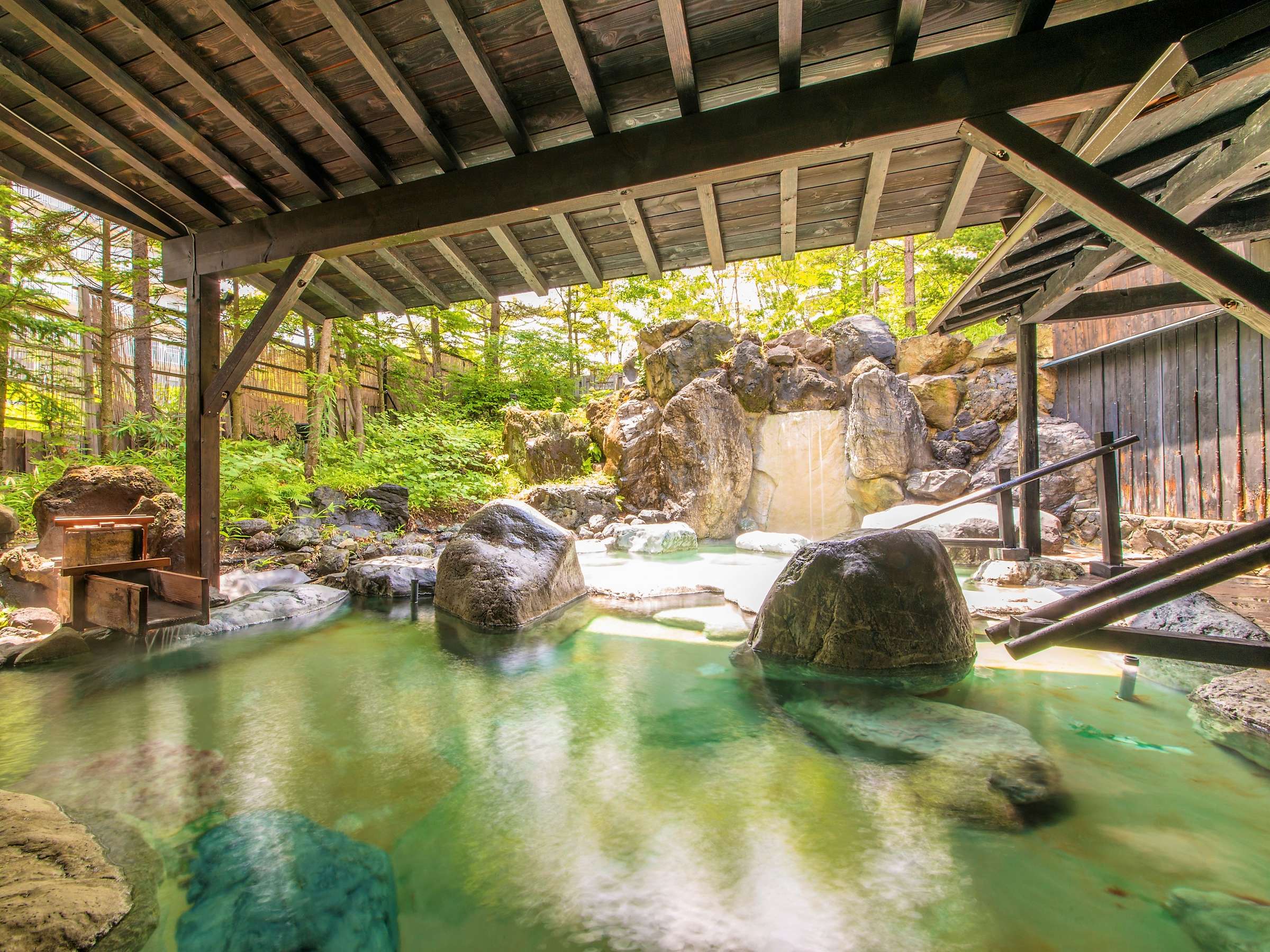
#6 Kusatsu Now Resort Hotel, Kusatsu — Best sauna + acidic onsen pairing
Verdict: The 100°C dry sauna + pH ~2 acidic onsen pairing at Kusatsu creates a physiological experience found nowhere else in Japan — but bring your own cold plunge workaround.
Kusatsu's onsen water runs at approximately pH 2.1 — one of the most acidic hot springs in Japan, acidic enough to rust an iron nail in nine days. It is antibacterial, treatment-grade for skin conditions, and completely unlike any mineral water you have soaked in elsewhere. The dry sauna at Kusatsu Now Resort runs at 100°C — the hottest in this list, and genuinely intense.
The problem, stated plainly: there is no documented cold plunge on-site. Kusatsu's onsen water cannot substitute — it runs hot, not cold. The property has an indoor post-bath lounge (湯上がりラウンジ) for rest but no outdoor rest area specifically for sauna users. Tattoo policy is cover-up required. The sauna is shared and gender-separated with no private option.
For travelers who want the totonou protocol complete, Kusatsu's public bath facilities — Otakinoyu and others — offer cold plunge options you can visit in town. Build that into your itinerary deliberately, because a 100°C sauna without a cold plunge is heat therapy, not totonou.
We include this property because the combination of Japan's most extreme acidic onsen chemistry and a genuinely fierce sauna is an experience worth describing honestly. It is the right choice for travelers who care specifically about sauna + Kusatsu onsen, understand the totonou limitation, and are willing to use a public facility for the cold plunge step.
- Sauna type: Shared dry sauna, 100°C; hours 14:00–22:00
- Cold plunge: Not documented on-site — significant totonou limitation
- Gaikiyoku: Indoor lounge only; no outdoor rest area for sauna documented
- Private sauna: No
- Price: From $100/night
- Tattoo policy: Cover-up required
- Limitation: No cold plunge; indoor rest only; cover-up tattoo policy; communal only — totonou cycle is incomplete without supplementing at a public Kusatsu facility
See the Kusatsu area guide for public bath options including Otakinoyu.
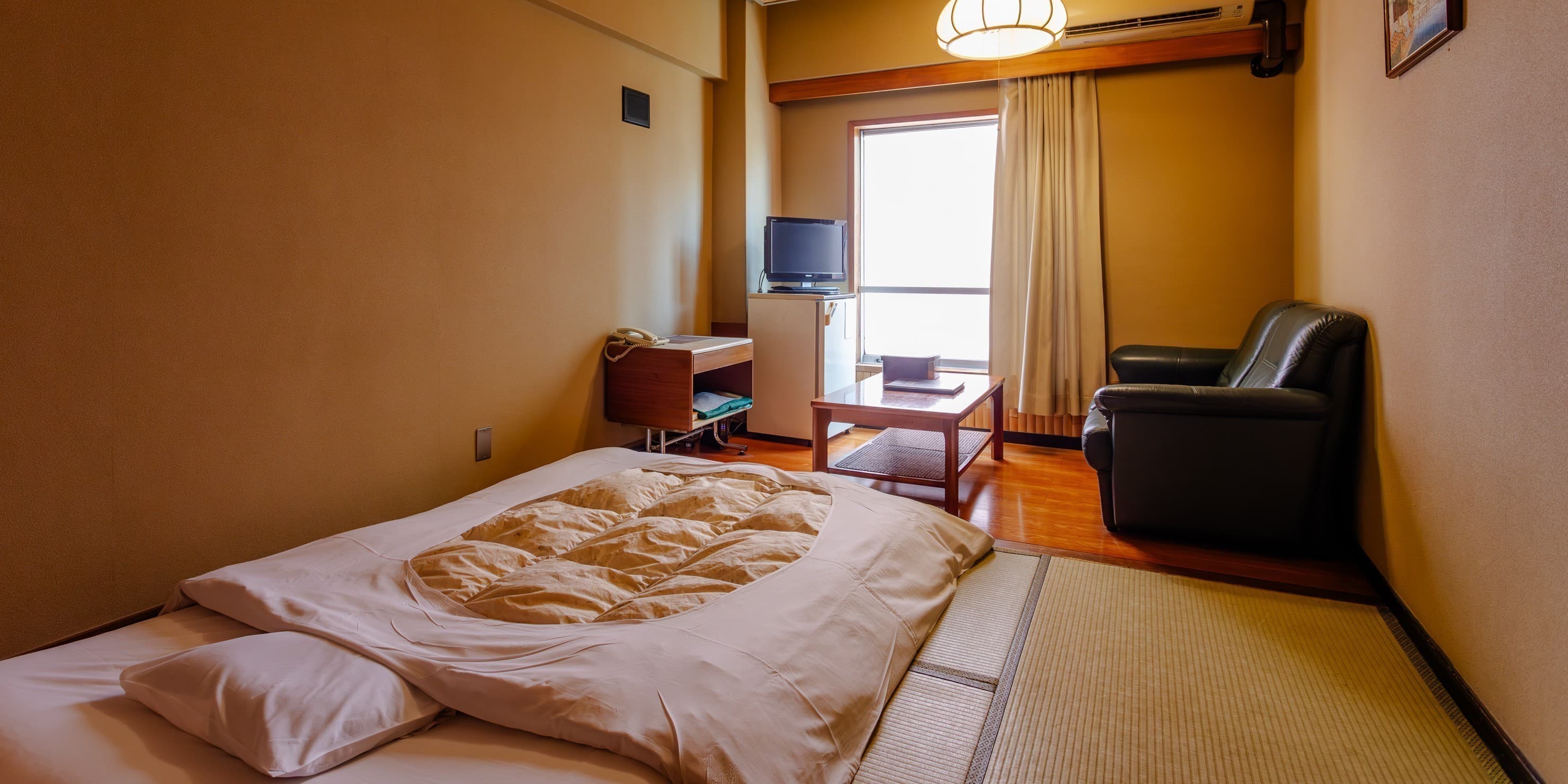
#7 Hotel Edoya, Tokyo — Best budget + fully tattoo-friendly
Verdict: One of the very few Tokyo ryokans where tattooed guests can use every sauna and bath facility — communal, rooftop, all of it — without restriction.
Edoya was established in 1967 in the Ueno/Bunkyo district and has stayed on the right side of both tradition and utility ever since: tatami rooms, futon bedding, a genuine communal hot spring, and a fully tattoo-allowed policy that applies without exception to the sauna, the baths, and the rooftop. At $60/night, it is the entry point of this list by a wide margin.
On the 6th floor: a small dry wooden sauna — guest reviews call it a "little wooden sauna," and that phrasing is accurate rather than dismissive. Both men's and women's sides have one. Alongside it, a cold plunge is confirmed (temperature not officially documented). Above that, a rooftop open-air rotenburo with genuine sky exposure serves as gaikiyoku. It is small — a few guests fill it — and can feel crowded on weekend evenings. Sauna hours run 17:00–01:00, which accommodates late-arriving travelers in a way most onsen facilities don't.
The infrastructure matches a $60 price point. The sauna is not a curated Finnish experience with four-tier seating and guest-controlled loyly. In Tokyo, fully tattooed, on a budget — Edoya does the job.
- Sauna type: Small dry wooden sauna, 6th floor; both men's and women's sides
- Cold plunge: Confirmed; temperature not officially documented
- Gaikiyoku: Rooftop open-air rotenburo — small but genuinely sky-open
- Private sauna: No; communal only, gender-separated; hours 17:00–01:00
- Price: From $60/night
- Tattoo policy: Fully allowed — all communal facilities
- Limitation: Small sauna and small rooftop; infrastructure proportional to price; cold plunge temperature unverified
See the Tokyo area guide. For more tattoo-friendly options across Japan, see our tattoo-friendly ryokan guide.
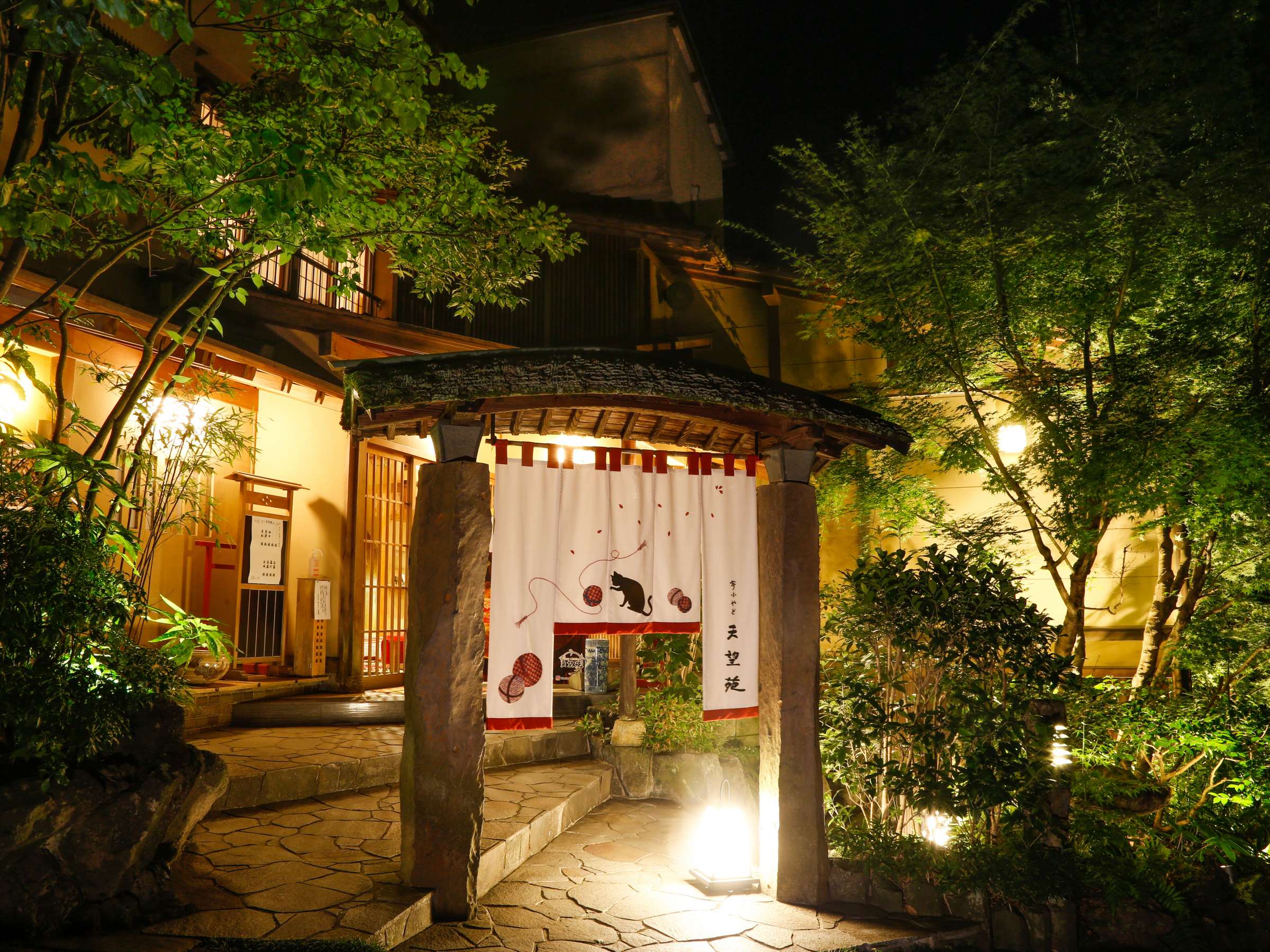
#8 Kinosaki Yumekoyado Tenbouen, Kinosaki — Best ganbanyoku + tattoo-friendly
Verdict: Not a core totonou setup — but the only fully tattoo-allowed adults-only ryokan in Kinosaki, and the gentlest entry point for guests who find intense heat overwhelming.
This entry is here for two specific readers: the tattooed traveler who wants Kinosaki but can't get into the communal baths at most ryokans, and the wellness-curious guest for whom a 90°C sauna and cold plunge represents too much intensity on a first visit to Japanese thermal culture.
The primary "sauna" at Tenbouen is ganbanyoku — heated bedrock flooring at approximately 45°C, clothed, horizontal. The women's communal ganbanyoku space is the main offering. Some guest reviews mention a sauna attached to the private rotenburo "Tensui" (reservable at ¥2,200 for 40 minutes), but sauna type and temperature are unconfirmed from official sources. There is no documented cold plunge anywhere at the property. Ganbanyoku at 45°C cannot generate the heat-stress response that totonou requires — the temperature ceiling is simply too low.
What it is: a 14-room adults-only ryokan in Kinosaki where you can use all communal facilities with visible tattoos. That is rarer than it should be in one of Japan's most visited onsen towns. The private rotenburo option and ganbanyoku serve guests who want warmth and relaxation without the full totonou infrastructure.
If proper Kinosaki sauna is what you need, see #2 Ryokufukaku above.
- Sauna type: Ganbanyoku (heated stone floor, ~45°C, clothed); possible sauna in private bath unconfirmed
- Cold plunge: Not documented
- Gaikiyoku: Not documented
- Private sauna: Private bath Tensui reservable (¥2,200 / 40 min); sauna attachment unconfirmed
- Price: From $184/night
- Tattoo policy: Fully allowed — rare in Kinosaki
- Limitation: Ganbanyoku is not a totonou-capable setup; no cold plunge; not recommended as a sauna destination — recommended for tattoo policy and ganbanyoku category
See the Kinosaki area guide and our tattoo-friendly ryokan guide for more options.
Comparison table: All 8 ryokans at a glance
| Ryokan | Area | Sauna Type | Cold Plunge | Private Sauna | Tattoo Policy | From (USD/night) |
|---|---|---|---|---|---|---|
| Higuchiken Funagoya | Fukuoka | Dry + far-infrared | Yes (19°C carbonated) | Yes (¥2,000 add-on) | Unknown (private bypasses) | $120 |
| Kinosaki Inn Ryokufu | Kinosaki | Dry Finnish (loyly) | Yes (temp unpublished) | Suite only (Rooms 503/505) | Unknown | $163 |
| Ryokan Ishinoya Atami | Atami | Dry (90°C) | Yes (temp unpublished) | Junior Suite + | Unknown (private bypasses) | $253 |
| Ibusuki Kokoronoyado | Ibusuki | Finnish + ganbanyoku + far-infrared | Ice room (not water plunge) | No (zone extra fee) | Unknown | $113 |
| Hotel Kogure | Ikaho | Dry with loyly | Yes (temp unpublished) | Not confirmed | Unknown | $365 |
| Kusatsu Now Resort | Kusatsu | Dry (100°C) | No (off-site nearby) | No | Cover-up | $100 |
| Hotel Edoya | Tokyo | Small dry wood | Yes (temp unpublished) | No | Fully allowed | $60 |
| Kinosaki Tenbouen | Kinosaki | Ganbanyoku (45°C) | No | Private bath only (unconfirmed sauna) | Fully allowed | $184 |
Tip
Note: Prices are per person per night and include dinner and breakfast at traditional ryokan-format properties. Hotel Edoya is per room (Western pricing format). Kusatsu Now Resort is also per room — verify room vs. per-person pricing at booking. Bold cells flag critical information: no cold plunge or fully allowed tattoo policy.
Ready to book? Check live availability and current rates for all eight sauna ryokans on Trip.com before peak weekends fill up.
Sauna etiquette at a ryokan: What to know before you go
Ryokan sauna etiquette shares ground with onsen etiquette and has a few specific departures.
Shower before entering. The same rule as the communal bath: enter clean. Rinse your body at the shower stations before going into the sauna.
Use your small towel on the bench. Sit on your tenugui (small hand towel) — not on bare wood. Do not wrap yourself in the large bath towel and carry it inside; the small towel on your lap or folded under you is standard. Some ryokans provide sauna-specific mats.
Silence is the default. Japanese saunas lean heavily toward quiet. Low conversation with a companion is accepted; loud voices, laughter, and phone calls are not. Leave your phone in the locker — no phones or cameras inside the sauna or communal bath areas, period.
Loyly is shared. If the ryokan offers guest-controlled loyly — where you pour water on the heated stones yourself — check whether other guests are comfortable before pouring. In a small 4-person sauna, a loyly burst affects everyone in the room. Wait, read the room, or ask. In communal saunas without self-loyly, do not pour water on stones unless staff or posted instructions explicitly allow it.
Timing relative to kaiseki. Wait at least 2 hours after kaiseki dinner before your sauna — see the sequencing section below for timing logistics.
Book private slots early. To secure a kashikiri (private reserved) sauna or totonou circuit, request it at check-in — or better, via the booking platform message before arrival. Assume walk-in availability does not exist for private slots at peak season.
Hydrate between sets. Most ryokan bath entrances have water stations. Use them. Sauna dehydration compounds across sets regardless of cold plunge.
Tip
The Ryokan Timing Formula: Check in → Sauna session (3–5pm) → Kaiseki dinner (6–7pm) → Night onsen soak (no sauna) → Sleep. Or: Early morning sauna (6–9am, if hours allow) → Breakfast → Checkout.
Sauna before or after onsen? And when to go relative to dinner
Sauna first, onsen after.
The recommended sequence: rinse → sauna cycles (2–3 sets of sauna, cold plunge, outdoor rest) → final onsen soak. The sauna strips skin moisture slightly; the onsen replenishes it. The onsen also adds a warm close to the session, finishing on mineral immersion rather than open-air cooling, which for most people is the more restful way to transition into dinner or sleep.
Some experienced sauna-goers ("sauna-ha" in Japanese community parlance) prefer a short preliminary onsen warm-up — five minutes to acclimate the body before the first sauna set. For beginners who find the initial heat disorienting, this is a sensible adjustment. It is not the purist sequence, but purist sequence isn't the goal of a ryokan stay.
Tip
Wait at least 2 hours after a full kaiseki dinner before sauna. A 7–14 course meal [Japan Guide] diverts blood to digestion — combining this with sauna's circulatory demand risks dizziness. For a light snack, 60–90 minutes is the minimum [Medical Saunas, citing general medical guidance].
In practical ryokan terms: if you check in at 3pm and dinner is at 6:30pm, you have a clean 90-minute window for 2–3 sauna sets, which is comfortably sufficient. Use the night soak for onsen without sauna — it is still excellent — and plan a morning sauna session if the facility opens early enough (several properties in this list open from 5:00 or 6:00am).
How to book a ryokan sauna (private circuits, reservation tips, platforms)
Once you've settled on the best ryokan with sauna in Japan for your trip, the booking mechanics are straightforward — but a few details reward getting right.
Platform by property: Trip.com carries seven of the eight properties in this list with an English booking flow. The exception is Higuchiken Funagoya (Fukuoka) — no Trip.com listing exists for this property as of July 2026. Book Higuchiken via Booking.com. For the remaining seven, Trip.com provides the clearest English interface and competitive pricing.
Advance booking window: Book 5–6 months ahead for peak periods — Golden Week (late April/early May), New Year, late December, and August weekends. Sauna ryokans have strong domestic Japanese demand. Private sauna slots fill earlier than room availability at properties that offer them.
How to request a private sauna slot: Contact the property via the booking platform message system or directly by email. Write in plain English — most resort-category ryokans in this list have English-capable front desk staff or use translated email templates. Request specifically:
Tip
"I would like to reserve the private sauna (kashikiri sauna) for [date] at [approximate time]. Please let me know the availability and any additional fee."
Private add-on fees to budget: Higuchiken ¥2,000 for 50-minute private totonou circuit. Tenbouen private bath (Tensui) ¥2,200 for 40 minutes (sauna attachment unconfirmed but included in the private bath fee if present).
Price reality across the list:
- $60/night (~¥9,000): communal sauna + cold plunge + rooftop rest, tattoo-allowed (Edoya)
- $100–120/night (~¥15,000–¥18,000): 100°C communal dry sauna without cold plunge (Kusatsu) or full private totonou circuit as ¥2,000 add-on (Higuchiken)
- $113–163/night (~¥17,000–¥24,000): Finnish + ganbanyoku multi-format (Ibusuki) or themed dual-sauna communal setup (Ryokufukaku)
- $253/night (~¥38,000): private 90°C in-room dry sauna + cold bath + terrace (Ishinoya Junior Suite)
- $365/night (~¥55,000): large-scale luxury bathhouse with confirmed dry sauna and cold plunge (Kogure)
For guests whose priority is private bathing rather than sauna, the best ryokans with private onsen guide covers properties where the bath itself — not the sauna — is the lead feature.
FAQ: Ryokan sauna in Japan
Japan's sauna scene has moved fast in the last five years — ryokans that were onsen-only a decade ago are now adding Finnish saunas and cold plunges to compete for a domestic wellness market that grew to 17.8 million regular enthusiasts. Some of what they've built is exceptional. Some is a dry box in the changing room with a checkbox next to "sauna" on the booking page.
The eight properties above represent what we could verify with enough specificity to trust. For totonou as the primary goal, start with Higuchiken for the private circuit, Ishinoya for the near-Tokyo private in-room setup, or Ryokufukaku for the best communal experience. If budget or tattoo access is the constraint, Edoya in Tokyo does the job honestly. Kusatsu is worth the trip for the acidic onsen + hot sauna combination even without the full totonou protocol — just plan for the public cold plunge. The best ryokans with sauna in Japan are a specific subset — and the eight above are our recommendations.
Browse all ryokans on Japan Ryokan Guide → /ryokans. For private baths without a sauna, see our best ryokans with private onsen guide. For tattoo-friendly stays, see our tattoo-friendly ryokan guide.
FAQ
Frequently asked questions
What is totonou and how do I experience it at a ryokan?+
Totonou (整う) is the state of deep physical and mental equilibrium reached after cycling through sauna heat, cold plunge, and outdoor rest. At a ryokan: (1) sit in the sauna 8–12 minutes at 85–95°C until thoroughly sweating; (2) immerse in the cold plunge (mizuburo) for 30–90 seconds at approximately 15–18°C; (3) sit outside in fresh air for 5–10 minutes. Repeat 2–3 times. The calm, clear-headed float arrives during the rest phase — typically within the first few minutes of sitting still outdoors. [Source: Samurai Sauna Magazine]
Do Japanese ryokans have saunas?+
Many do, but quality varies enormously. Large resort ryokans typically include a sauna in their communal bathhouse. Boutique or smaller traditional inns may not. Crucially, a "sauna" listed as an amenity could mean anything from a basic 4-person dry box with no cold plunge to a curated Finnish-style facility with cold mineral plunge and dedicated outdoor rest chairs. Always check specifically for cold plunge (mizuburo) and outdoor rest area (gaikiyoku) — without both, you cannot properly totonou. [Source: japan.travel]
What is ganbanyoku?+
Ganbanyoku (岩盤浴) is a heated stone-floor bathing practice where guests lie clothed on mineral-rich stones warmed to approximately 45°C. It is a form of gentle, prolonged body warming — closer in feel to a heated yoga studio than a sauna. Because the temperature is far below the 80°C+ needed for the heat-stress response that triggers totonou, ganbanyoku is a separate wellness experience and cannot substitute for a proper sauna in the totonou protocol. It suits guests who want relaxation without intensity and is particularly popular in women-only communal spaces. [Source: Samurai Sauna Magazine]
Should I use the sauna before or after the onsen?+
Sauna first, onsen after — the recommended sequence for totonou. Complete your 2–3 sauna-cold plunge-rest cycles, then finish with a warm soak in the onsen to replenish skin moisture. Timing relative to meals matters: wait at least 2 hours after a heavy kaiseki dinner before using the sauna. Digestion and sauna heat compete for blood circulation — doing both simultaneously risks dizziness. [Source: Samurai Sauna Magazine / Medical Saunas]
Can I use a ryokan sauna if I have tattoos?+
Communal saunas typically follow the same tattoo policy as the communal onsen baths. However, private kashikiri (reserved) sauna rooms have no restrictions. Fully tattoo-allowed exceptions in this list: Hotel Edoya (all communal facilities) and Kinosaki Tenbouen (all facilities). For other properties, book a room with private in-room sauna — Ishinoya Atami Junior Suite or above, Kinosaki Ryokufukaku Rooms 503/505 — or the private totonou circuit at Higuchiken, all of which bypass communal tattoo rules entirely. [Source: tattoofriendlyonsen.com]
What is mizuburo (cold plunge) and do all ryokan saunas have one?+
Mizuburo (水風呂) is the cold-water immersion pool — the essential second step of the totonou cycle, maintained at 15–18°C in most Japanese sauna facilities, with some premium facilities as low as 9°C. Not all ryokan saunas have one: Kusatsu Now Resort has no documented cold plunge; Kinosaki Tenbouen has none documented either. Without a mizuburo, you cannot complete the thermal contrast cycle needed for totonou. Always verify cold plunge availability before booking any sauna-focused stay. [Source: Samurai Sauna Magazine]
How much does a ryokan with private sauna cost in Japan?+
Budget communal sauna with cold plunge, tattoo-allowed, in Tokyo: from $60/night (Hotel Edoya). Mid-range with 100°C sauna without cold plunge, or full private totonou circuit as add-on: from $100–120/night (Kusatsu Now Resort; Higuchiken + ¥2,000 circuit fee). Multi-format Finnish + ganbanyoku or themed dual communal sauna: from $113–163/night (Ibusuki, Ryokufukaku). Private in-room 90°C sauna + cold bath + terrace in Junior Suite: from $253/night (Ishinoya Atami). Large-scale luxury bathhouse with dry sauna + cold plunge: from $365/night (Hotel Kogure, Ikaho). [Source: booking platform data, verified July 2026]
Do I need to reserve the sauna at a Japanese ryokan?+
Many properties offer open-access communal saunas with no reservation needed — you walk in during posted hours and use them freely. Private kashikiri (reserved) sauna circuits are a different matter. At Higuchiken, the full private totonou circuit costs ¥2,000 for 50 minutes and requires advance reservation, ideally before arrival. Tenbouen's private bath Tensui (¥2,200 / 40 min) also needs prior booking. Request via the booking platform message in English; assume peak weekends book out 2–4 weeks ahead. If you're arriving at a communal-only property, reservation is not required — but early evening slots (5–7pm, pre-dinner) fill fastest on weekends.
Ready to book?
Book one of these top picks
Compare live availability and prices across booking sites.
Funagoya Onsen Hotel Higuchiken
船小屋温泉 ホテル樋口軒
Fukuoka·Mid-Range
from US$120 · per person · per nightfrom ≈ US$240 total for 2 guests


Kinosaki no Yado Ryokufukaku
きのさきの宿 緑風閣
Kinosaki·Luxury
from US$163 · per person · per nightfrom ≈ US$326 total for 2 guests

ISHINOYA Atami
石のや熱海
Atami·Luxury
from US$253 · per person · per nightfrom ≈ US$506 total for 2 guests
Booking links may earn us a commission at no extra cost to you.
Still deciding?
Browse ryokans across JapanBooking.com