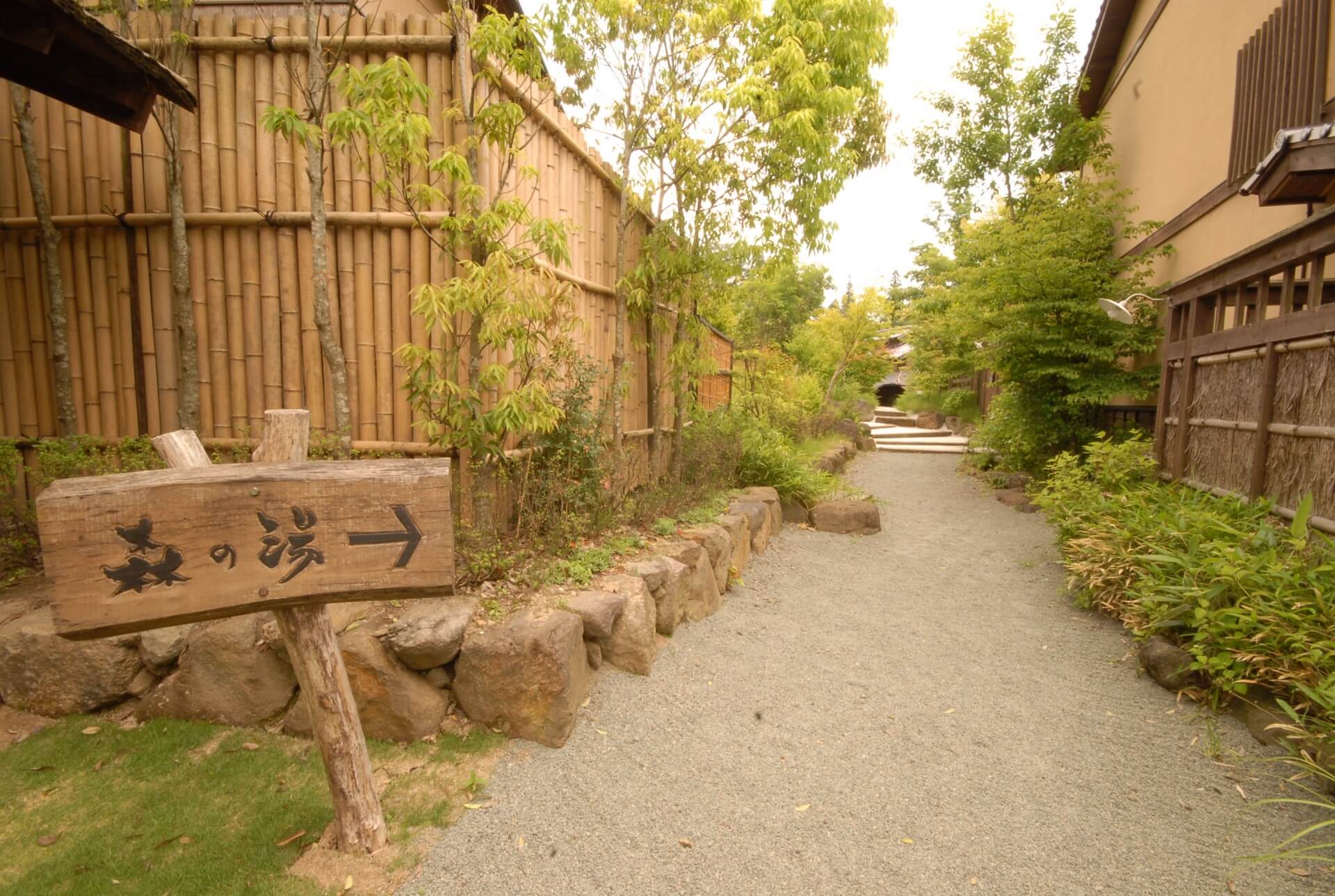
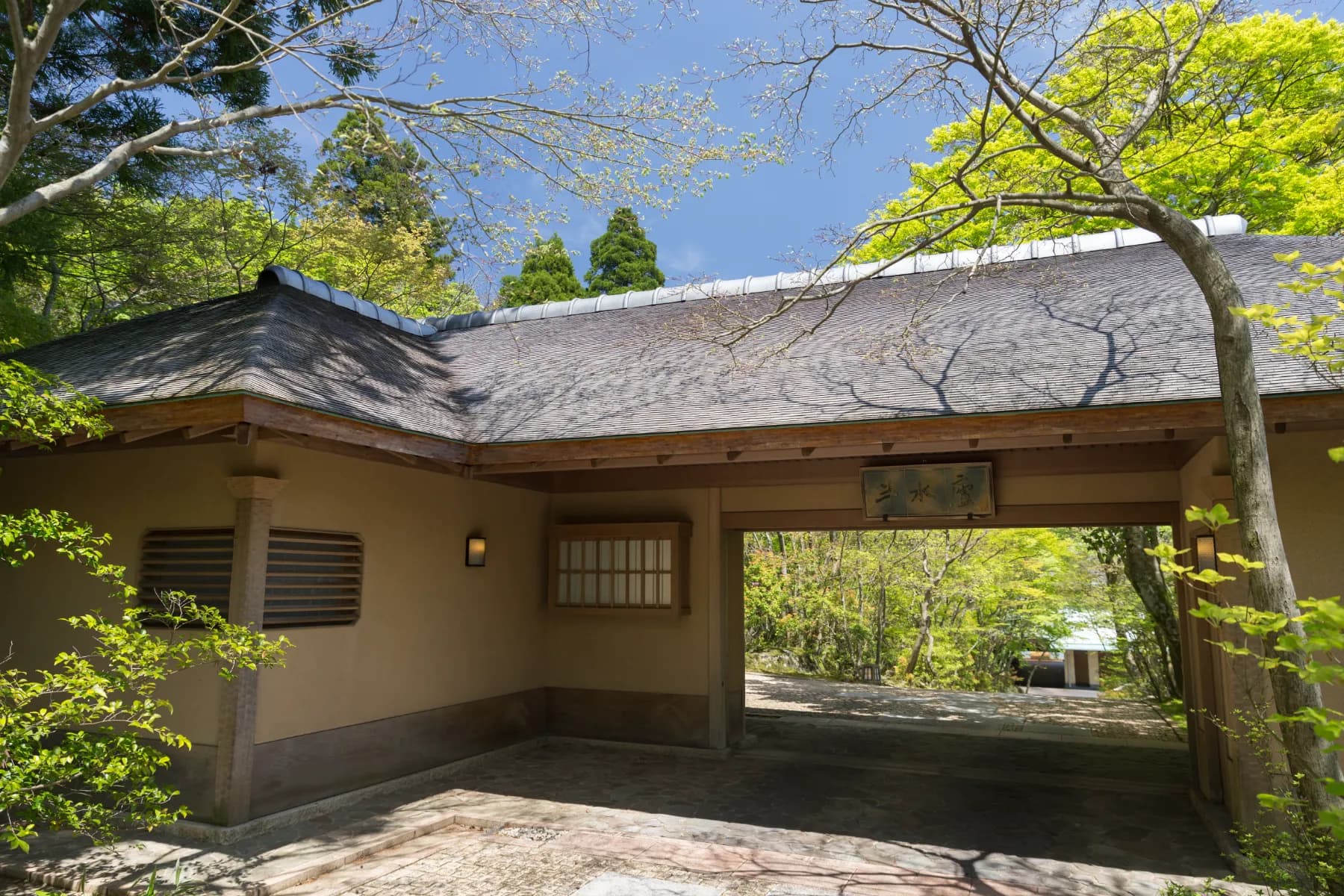
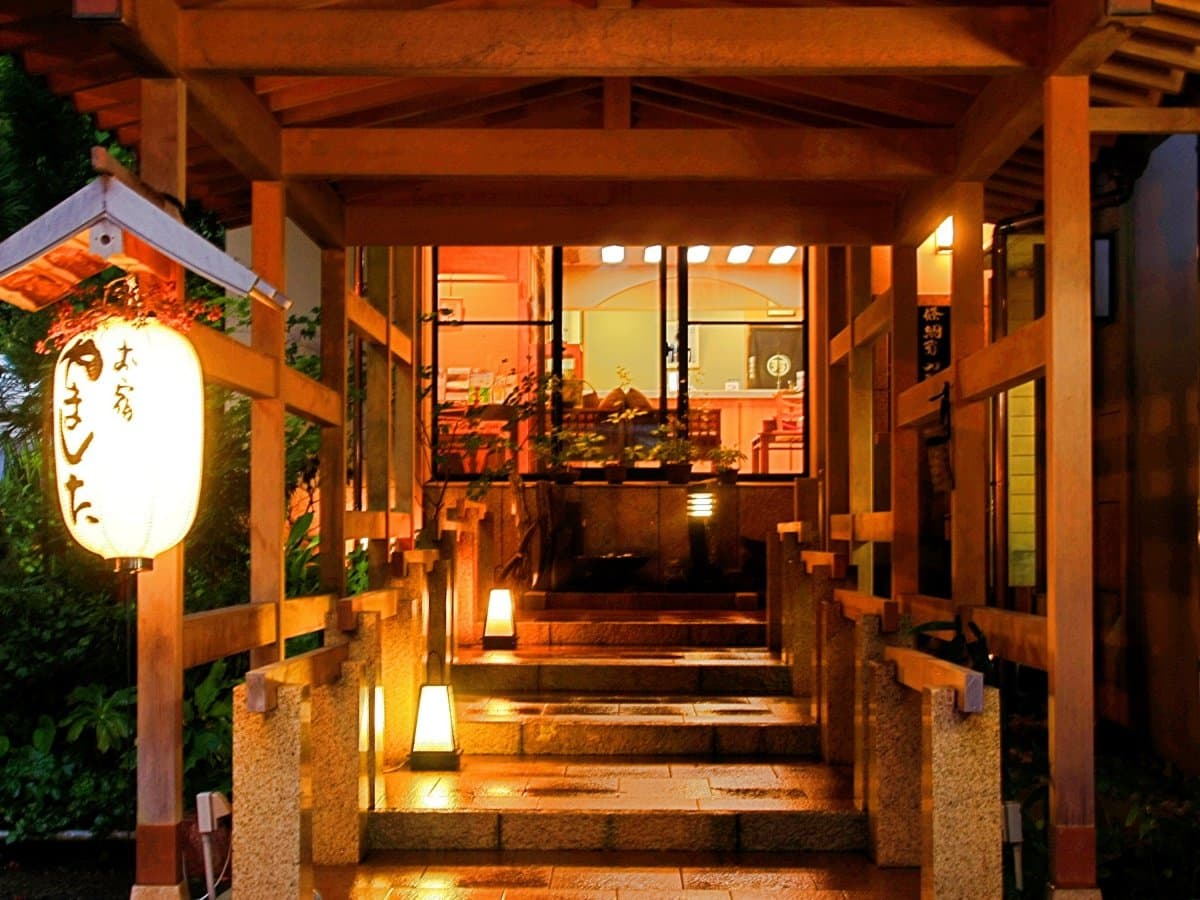
Tour buses from Nagano City arrive at Jigokudani Monkey Park between 10:00am and 11:00am. By then, sixty to a hundred visitors are already crowding the pool fence, phones aloft. The guests staying in the best ryokans near Snow Monkey Park — in Kanbayashi, Shibu, or Yudanaka Onsen — walk in at 9:00am when the park opens in winter. Near-empty boardwalk. Monkeys already deep in the steaming water. Cedar forest dead silent behind them. That first hour is the one in every viral photograph you have ever seen.
This guide to the best ryokans near Jigokudani Monkey Park covers the decision that actually matters: where to sleep. We compare all three onsen towns within reach of the park, profile eight verified properties across every price tier, give you an honest per-property tattoo policy, and flag the booking window you cannot afford to miss for January or February 2027. If you are new to ryokan stays and want to know what arriving in a yukata at a tatami room actually feels like, start with our first-time ryokan guide. For wider Nagano coverage beyond this cluster, see best ryokans in Nagano.
One note about timing: the park is introducing an online advance reservation system launching August 2026, with a possible daily cap of 2,000 visitors during winter peak season (December through March), per the Jigokudani Monkey Park official site. Details were still being finalised at time of writing — check the official site before you travel to confirm whether booking is required.
Overnight vs. Day Trip: Why the Math Favours Staying
The overnight-vs-daytour debate has one clear winner, and the argument takes about sixty seconds to make.
According to the park's official site, winter opening hours run 9:00am to 4:00pm. Most organised day trips and tour buses arrive from Nagano between 10:00 and 10:30am. That means day-trippers miss the first, quietest hour entirely — the hour when monkeys have the pool to themselves and the steam photography is at its best, per snowmonkeyresorts.com's crowd analysis. By 10:30am, the viewing platform holds sixty or more visitors on a typical winter morning.
Overnight guests also catch something day-trippers never see: the evening walk back from the park at dusk. As temperatures drop, the macaques shift to social grooming — huddles of monkeys picking through each other's fur in the fading light, a behaviour rarely photographed because most visitors have left by then. Then there is your ryokan's own onsen waiting when you return. (If it is your first time in a communal bath, read our onsen etiquette guide before you go.)
| Factor | Day Trip | Overnight Stay |
|---|---|---|
| Earliest park arrival | 10–11am (tour bus window) | 9:00am park open |
| Crowd level at entry | High (60–100+ visitors) | Low (20–30 guests) |
| Morning steam-pool scene | Missed or crowded | Near-private in early morning |
| Evening monkey behaviour | Missed (park closes 4pm winter) | Grooming and socialising on return walk |
| Onsen access after visit | None | Your ryokan's baths, open overnight |
| Estimated total spend (per person) | ¥6,000–¥9,000 (transport + ¥800 entry) | ¥18,000–¥45,000 (ryokan inc. 2 meals) — no extra transport day needed |
The cost gap narrows further when you factor in that a night in a Nagano City hotel for a day-tripper runs ¥8,000–¥15,000 (~$53–$100) before transport. The differential between overnight and day-trip is often smaller than it first appears — and the experience is in a different category entirely.
A practical note: most ryokans in all three towns can arrange luggage forwarding (takkyubin) from Nagano Station to the property. Your bags arrive before you do, and you hike to the park with just a day bag.
Which Town Should You Stay In? Kanbayashi vs. Yudanaka vs. Shibu Onsen
This is the question no other article in English answers cleanly. Here is the decision table that should exist on every travel site but does not:
| Factor | Kanbayashi Onsen | Yudanaka Onsen | Shibu Onsen |
|---|---|---|---|
| Distance to park trailhead | 5-min walk to trail start; 2km/30–40min forest trail to park entrance (Korakukan: AT the valley — accessible only on foot from trailhead) | ~20min (bus + walk) | ~30–35min walk or shuttle |
| Access from Nagano | Snow Monkey Express Bus (40–45min, ¥3,000 one-way) | Nagaden train to Yudanaka Stn (45min, ¥1,290 limited express) + local bus (10min, ~¥390) | Snow Monkey Express Bus + short walk OR Nagaden + taxi |
| Atmosphere | Tiny hamlet, ultra-quiet, forest edge | Small spa town, most amenities, easiest logistics | Most atmospheric: lantern-lit stone streets, 9 historic communal baths |
| Price tier | Mid–Premium (limited supply drives price) | Budget–Premium (widest supply and range) | Mid–Premium (fewer rooms, heritage properties) |
| Number of ryokans | ~4–6 | ~15–20 | ~8–12 |
| Public bath (sotoyu) access | None — ryokan baths only | 1–2 public baths | 9 communal bathhouses (free for overnight guests) |
| Best for | Park-obsessed guests, couples wanting seclusion | First-timers, late arrivals, budget-conscious | Onsen culture enthusiasts, atmosphere seekers, photographers |
Kanbayashi is the closest town to the park — a 5-minute walk to the Yumichi Trail trailhead, then the 2km/30–40min forest trail to the park entrance. The hamlet itself consists of a handful of properties and very little else. If your sole goal is standing at the pool fence at 9:00am with minimal competition, Kanbayashi is the answer. The trade-off: fewer property options, prices that reflect limited supply, and no town to explore after dinner.
Yudanaka is where we would send a first-timer arriving in Japan with logistics anxiety. The Nagano Dentetsu (Nagaden) Limited Express train pulls directly into Yudanaka Station — the terminus — so you cannot overshoot it. The station is a single-platform building at the end of the line, and the local bus to Kanbayashi departs from directly out front, so the connection is immediate. The town has the widest range of properties and price points, English-friendly staff at several key properties, and a free shuttle service from multiple ryokans to the park. For those who want to combine the monkey park with Shiga Kogen skiing (the resort sits 20–60 minutes away), Yudanaka is the natural base — see our best ryokans near ski resorts guide for that angle.
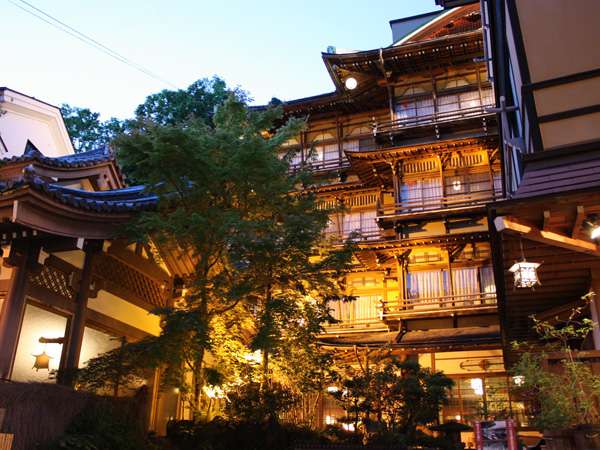
Shibu Onsen is the one that earns a second visit. The stone-paved alleys, the wooden facades lit by paper lanterns, the ritual of the nine-bath pilgrimage (kyu-to meguri) — overnight guests receive a master key at check-in that opens eight of the nine historic communal bathhouses lining the town's main lane. Each bath has a traditional purpose: one for skin conditions, one for eye disease, one supposedly curing neuralgia. Completing all nine is said to bring good luck, and you can collect ink stamps on a special towel to prove it. The park is a 5-minute bus ride or short shuttle, which is a reasonable trade for the best onsen town atmosphere in the region.
Decision heuristic: choose Kanbayashi if the park is everything; Yudanaka if logistics matter most; Shibu if the onsen town is the trip.
When to Go: Monthly Snow Monkey Behaviour Guide
The monkeys are present in Jigokudani year-round. What changes by month is whether they are actually in the pool — and this depends entirely on temperature. According to snowmonkeyresorts.com's seasonal data, the macaques use the hot spring for warmth when it is cold enough that they need it. When it is not, they forage on the forest floor and largely ignore the pool. This is thermoregulation, not habit.
| Month | Snow at Park | Monkeys in Pool | Crowd Level | Price Premium |
|---|---|---|---|---|
| January | Heavy | Very High — most reliable; monkeys arrive at 9am and stay until closing | High (peak) | +20–30% |
| February | Heavy | Very High — equal to January; heavy snowfall creates iconic steam imagery | High (peak) | +20–30% |
| March | Light–Moderate | Medium — reliable in early March; reduces sharply in late March as foliage emerges | Medium | +10–15% |
| April | None | Low — occasional bathing; monkeys begin foraging on forest floor | Low | Baseline |
| May | None | Very Low — natural food abundant; monkeys rarely approach pool | Low–Medium | Baseline |
| June | None | Very Low — young macaques may use pool like a swimming pool (cooling behaviour, not warmth) | Low | Baseline |
| July | None | Very Low — same as June | Medium (domestic peak) | Baseline–Medium |
| August | None | Very Low — highest summer crowds, lowest pool activity | High (O-bon) | Medium–High |
| September | None | Very Low — monkeys foraging heavily in mountains | Low–Medium | Baseline |
| October | Low (early snow possible at elevation) | Low — autumn forage season; appearances particularly sporadic | Medium (foliage tourists) | Medium |
| November | Medium | Low–Medium — bathing increases in second half as temperatures drop | Low | Baseline–Low |
| December | Moderate | Medium–High — reliable from mid-December; early December is variable | Medium–High | +15–20% |
Tip
Winter 2026-27 peak window: January 15 – February 28 is the most reliable period to see monkeys bathing in the onsen pool. This is when temperatures at 850m elevation reliably sit between -8°C and 2°C and food scarcity pushes the macaques to the pool at opening and keeps them there all day. Most Kanbayashi and Shibu properties charge 20–30% above their autumn rates for January and February dates. Kanbayashi and Shibu properties fill first, so book them as early as you can. Yudanaka has more supply but premium rooms still fill by November.
A word of honesty: even in January and February, the monkeys cannot be guaranteed. The park publishes a live camera feed and weekly monkey appearance forecasts at its official site — check these in the days before your visit. December and March deserve specific caution: an unexpected warm spell in early December or late March will see the monkeys skip the pool entirely. Early December and early March are better bets than the tail ends of those months.
The summer visit is a different experience worth naming. Young macaques in June and July use the hot spring the way children use a pool — diving, splashing, and playing. It is genuinely charming, but it is not the steam-and-snow image that brought you here in the first place.
The 8 Best Ryokans Near Jigokudani Monkey Park
These eight properties were selected based on verified operating status as of mid-2026, cross-checked listings on Trip.com, Booking.com, and official sites, and documented tattoo and private bath policies. They span all three towns and three price tiers — from a budget minshuku at roughly ¥8,000 per person to a premium Kanbayashi ryokan above ¥51,000. Every card below includes an honest verdict: what makes it worth booking and what the trade-off is. No property here is perfect, and the ones that come close have waiting lists to prove it.
For a guide to English communication at traditional properties, see our English-speaking ryokans in Japan guide.
Jigokudani Onsen Korakukan — The Only Accommodation Inside the Valley
If you want the closest possible sleep to the monkey pool, Korakukan (地獄谷温泉 後楽館) is the only option. Established in 1864, it sits inside Jigokudani valley itself — accessible only by the 2km forest trail from the Kanbayashi bus stop, with no road access at all. The monkey-bathing phenomenon that made this park famous began here: in the early days, young macaques crept into Korakukan's human bath to warm themselves. Researchers noticed, the park was established in 1964 around that behaviour, and the LIFE magazine front page in 1970 made it internationally famous. You are sleeping where it all started.
Six rooms, family-run, hot spring water flowing directly from Jigokudani. The outdoor mixed bath has a river view and, on lucky winter mornings, wild macaques occasionally join guests in the water. Two reservable private family baths are available for those who prefer seclusion. Tattoos are fully welcome in all baths — communal and private — confirmed by tattoofriendlyonsen.com in 2026. This is the highest-confidence tattoo-friendly property in the entire cluster.
| Field | Detail |
|---|---|
| Town | Kanbayashi (Jigokudani Valley — at trailhead) |
| Price per person per night (from; basis noted) | From ¥14,300 pp (room only) — winter peak (Jan–Feb) rates likely higher; check OTA for date-specific pricing |
| Tattoo policy | Fully allowed in all baths — highest confidence in the cluster (tattoofriendlyonsen.com 2026) |
| English friendliness | English website and English-speaking staff confirmed |
| Private onsen | Yes — 2 reservable private family baths |
| Distance to park | AT the park — the property is inside Jigokudani valley, accessible only via the 2km forest trail from Kanbayashi bus stop |
| Honest verdict | The only accommodation inside the valley and the most tattoo-friendly property in the area. Staying here means walking to the pool fence in under 5 minutes when the park opens — no one gets there faster. Trade-off: 6 rooms books out for January and February months in advance; no road access means you carry luggage 2km on the forest trail (arrange takkyubin from Nagano); cash only; amenities are basic. |
Tip
Luggage warning: Korakukan has no road access. Arrange takkyubin (luggage forwarding) from Nagano Station the day before arrival. Carry only what you need for the trail.
Kanbayashi Senjukaku — Largest Ryokan in the Hamlet, Premium Experience
Kanbayashi Hotel Senjukaku (上林ホテル仙壽閣), established in 1928, is the largest full-service ryokan in the Kanbayashi hamlet. It sits 3 minutes from the Yumichi Trail trailhead — then 30–40 minutes along the forest trail to the park gate. That distinction matters: Senjukaku is not at the park, but it is at the start of the walk that takes you there before anyone else arrives from Nagano.
The property has 32 rooms, indoor and outdoor gender-separated communal baths, and two reservable private kashikiri-buro (indoor plus outdoor per unit), bookable at check-in for ¥1,650 per 45-minute session. An indoor heated swimming pool is a rare amenity for this region. A shuttle service runs to and from Yudanaka Station, which is useful if you arrive by Nagaden train rather than the Snow Monkey Express Bus.
| Field | Detail |
|---|---|
| Town | Kanbayashi Onsen |
| Price pp with 2 meals | ¥25,300–¥62,700 (~$169–$418) |
| Tattoo policy | Private kashikiri-buro confirmed available (¥1,650/45min). Communal bath policy for tattooed guests not officially stated — call ahead before booking if tattoos are large or multiple |
| English friendliness | English-speaking staff confirmed; shuttle service assists non-rail travellers |
| Private onsen | Yes — 2 rental kashikiri-buro (2pm–10pm, book at check-in) plus 1 room with open-air bath |
| Distance to park | 3-min walk to trailhead + 30–40min forest trail to park entrance |
| Honest verdict | Best pick if seeing the monkeys at opening time is your primary goal and budget allows, but you want more amenities than Korakukan provides. The 32 rooms and swimming pool make it the most hotel-like property in Kanbayashi. Trade-off: limited room supply means it sells out early for January and February, and the communal bath tattoo policy is unverified — confirm directly. |
Jinpyokaku Honten — Six Rooms, Imperial Guests, Kanbayashi
Six rooms. Spring water sourced directly from Jigokudani's own vents. A guest list that has historically included Japan's Imperial Family and the writers Natsume Soseki and Kawabata Yasunari. The property maintains an exhibition hall displaying works by its literary guests — it is a functioning inn that also happens to be a small piece of Meiji-era literary history.
Five of the six rooms include private in-room hot spring baths: three with open-air baths, two with indoor hot spring baths. There are no separate rental kashikiri-buro outside the rooms — if you want guaranteed private bath access, book a room with one built in. Kaiseki dining takes place at the neighbouring Hotaruei farmhouse restaurant, a distinctive arrangement that separates it from the standard ryokan model.
At ¥36,300–¥51,700 per person with meals (~$242–$345), this is the premium price tier in the cluster — and at six rooms, the premium is earned by its literary-historical weight. This is where the Imperial Family and the writers who defined modern Japanese literature slept, in a property whose spring flows directly from Jigokudani's vents and whose five of six rooms come with private in-room baths. Snowmonkeyresorts.com describes it as the "closest traditional onsen ryokan to the park," though like Senjukaku, that refers to proximity to the trailhead rather than the park gate itself. For January or February 2027, book as early as you can.
| Field | Detail |
|---|---|
| Town | Kanbayashi Onsen |
| Price pp with 2 meals | ¥36,300–¥51,700 (~$242–$345) |
| Tattoo policy | Communal baths reportedly accessible for tattooed guests (medium confidence — aggregator note). Five of 6 rooms have private in-room onsen — the practical route for certainty. Confirm communal bath policy directly before booking |
| English friendliness | English website, international bookings handled |
| Private onsen | Yes — in-room for 5 of 6 rooms (3 open-air, 2 indoor hot spring). No separate rental baths |
| Distance to park | 3-min walk to trailhead; 30–40min trail to park entrance |
| Honest verdict | The most historically resonant small property in Kanbayashi — and the one with the deepest literary pedigree. Best for travellers who see a ryokan stay as part of the journey, not just a place to sleep before the park. Trade-off: six rooms is not a figure of speech — January and February inventory disappears within days of opening. |
Minshuku Miyama — Budget Pick, Tattoo-Friendly, Kanbayashi
This is the property tattooed travellers and budget-conscious guests should know about first. Minshuku Miyama (みんしゅく みやま) sits about a 10-minute walk from the park trailhead — second only to Korakukan for proximity — and runs as a small family operation with 7 rooms. It is one of only two facilities in the Kanbayashi cluster confirmed to allow tattoos in communal baths, verified by tattoofriendlyonsen.com in March 2026.
"Minshuku" is the key word here. This is not a ryokan with marble corridors and a kaiseki course of fifteen dishes. It is a family-run guesthouse with an outdoor rotenburo (mountain views), a traditional indoor bath, and home-cooked meals available on request. Dinner (¥2,200 per person) is an add-on, not automatic — factor that into your budget planning.
| Field | Detail |
|---|---|
| Town | Kanbayashi Onsen (Hirao area) |
| Price (basis as noted) | Confirmed budget tier; room rates from ~US$63/night on Trip.com (meals charged separately at ¥1,100 breakfast / ¥2,200 dinner per person). Verify current total when booking [as of 2026-07-27] |
| Tattoo policy | Fully allowed in communal baths — confirmed tattoofriendlyonsen.com March 2026. One of the only communal-bath tattoo-allowed facilities in the cluster |
| English friendliness | Run by elderly couple; basic communication possible; free shuttle from Yudanaka Station on request |
| Private onsen | No — communal baths only |
| Distance to park | 10-min walk to park trailhead; 5-min walk from Kanbayashi Onsen bus stop |
| Honest verdict | Best budget pick and the clearest choice for tattooed guests who want the closest-to-park location outside of Korakukan. Book via Trip.com or Booking.com to avoid language barriers at reservation stage. Trade-off: basic amenities, no private bath, meals are add-on, cash only. |
Rekishi no Yado Kanaguya — Spirited Away Lookalike, Shibu Onsen
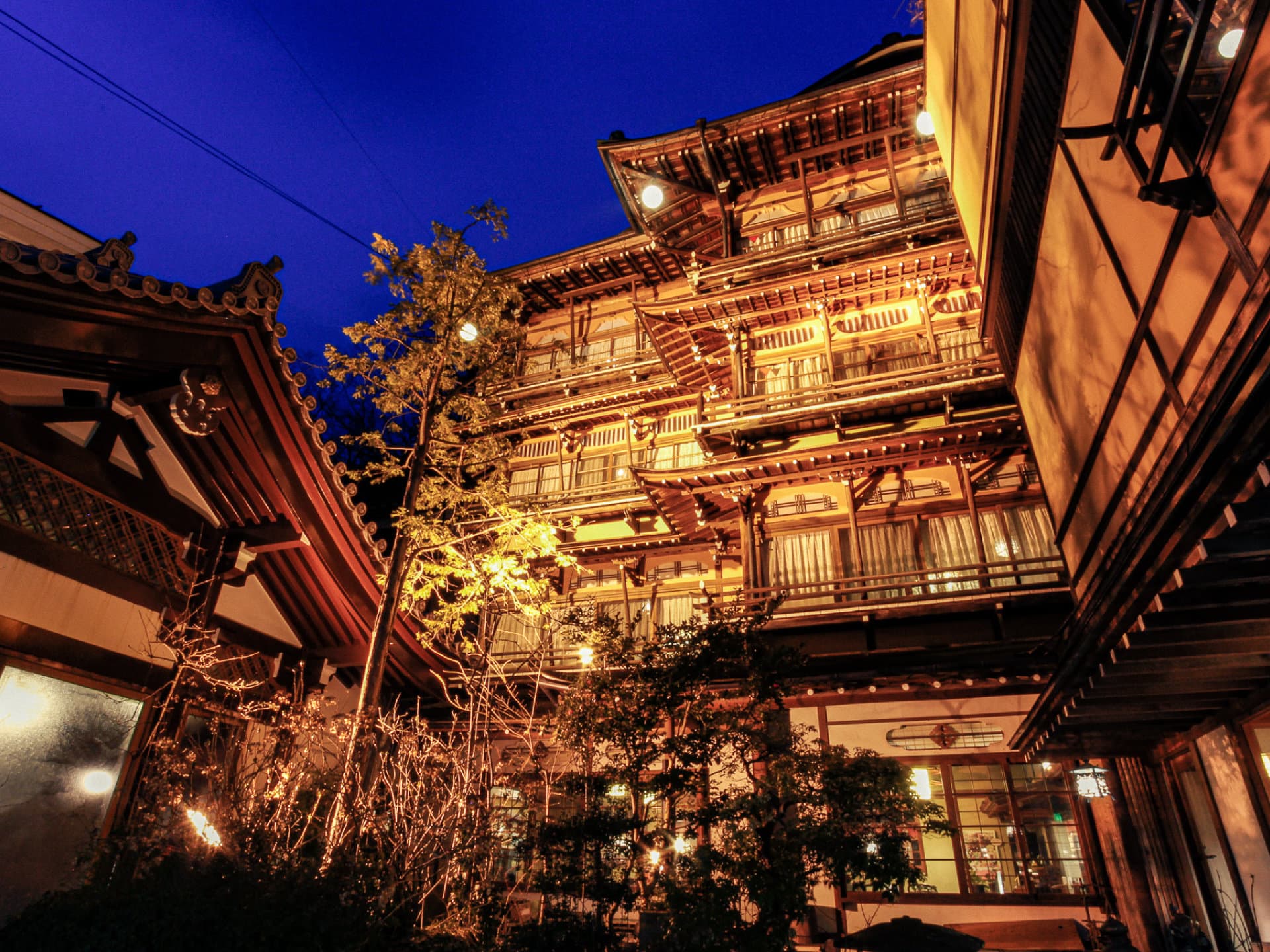
Rekishi no Yado Kanaguya (歴史の宿 金具屋) was established in 1758 — making it one of the oldest continuously operating ryokans in Japan — and its four-story wooden structure and a companion building are registered Tangible Cultural Properties of Nagano Prefecture. The building is widely said to resemble the Aburaya bathhouse in Studio Ghibli's Spirited Away (Ghibli says there was no single model), and standing in the lantern-lit courtyard at night, that resemblance is not difficult to see. The main hall, the wooden staircases, the rows of paper lanterns over the cobblestones: it photographs exactly the way you want it to.
Twenty-nine rooms spread across the heritage buildings. There are three distinct spring types — chloride, sulfate, and sulfur — across the property's baths. Most usefully: five complimentary private baths (3pm–10am, first-come basis, no reservation needed) are available to all guests. This is the most generous private bath offering in the entire area. Guests also receive the master key to Shibu Onsen's nine public communal bathhouses.
The park is a 5-minute bus ride (~¥250) or short shuttle from Shibu Onsen. The forest walk between Shibu and the park takes approximately 1.5–2 hours and is not recommended in winter — the path becomes seriously icy from December through March, and attempting it without trail experience and microspikes is a real risk. Take the bus.
| Field | Detail |
|---|---|
| Town | Shibu Onsen |
| Price pp with 2 meals | ¥23,100–¥39,600 (~$154–$264) |
| Tattoo policy | Communal bath policy not officially stated. Five complimentary private baths available to all guests — private bath workaround is strong and practical. Confirm communal bath policy directly if needed |
| English friendliness | English booking available online; staff English is functional; complex requests need advance planning |
| Private onsen | Yes — 5 complimentary private baths (first-come, 3pm–10am); 7 rooms with in-room hot spring baths |
| Distance to park | Approximately 5min by bus (~¥250) or free shuttle. Forest walk from Shibu to park takes 1.5–2 hours — not recommended in winter without microspikes and trail experience |
| Honest verdict | The most culturally and visually significant ryokan in the cluster. Best for travellers who want the full onsen-town immersion and are not optimising purely for park proximity. The Spirited Away resemblance gives it genuine shareability. Book 3–4 months ahead for January. Trade-off: limited English for complex requests; distance from park requires a bus or shuttle, not a walk. |
Ryokan Suminoyu — Mid-Range Shibu with Panoramic Baths
Suminoyu (住の湯) occupies a quieter position in Shibu Onsen's accommodation hierarchy — twelve rooms, a sixth-floor grand bath with panoramic mountain views, and the same master key access to the nine public communal bathhouses that all Shibu ryokans provide. A food blogger from whereandwander.com used this as their base for a Jigokudani visit, which independently confirms it operates exactly as described for the snow monkey crowd.
The sixth-floor grand bath — the highest point of any property in Shibu Onsen — looks directly onto the Shiga Kogen mountain range, a view you cannot get from Kanaguya's street-level courtyard. Reviews cite it consistently, and given the price differential, it is one of the better arguments for choosing Suminoyu over its more famous neighbour.
One caveat: per-person pricing with two meals could not be directly verified from the official site or OTA listing at time of research — OTA room rates suggest a mid-range position. Expect roughly ¥17,000–¥30,000 per person with meals (~$113–$200) and confirm current rates when booking.
| Field | Detail |
|---|---|
| Town | Shibu Onsen |
| Price (basis as noted) | Approximately ¥17,000–¥30,000 (~$113–$200) estimated — OTA room rate only; confirm current pricing directly [as of 2026-07-27] |
| Tattoo policy | Guest review reports communal baths as tattoo-friendly (medium confidence — guest account, not official statement). Confirm with property before booking |
| English friendliness | English website, listed on international platforms (Booking.com, Expedia, Agoda) |
| Private onsen | No confirmed private kashikiri-buro — 6th-floor grand bath confirmed; verify directly before booking if private bath is a requirement |
| Distance to park | Approximately 5min by bus (~¥250); free shuttle arrangement available |
| Honest verdict | Sweet spot of value and Shibu Onsen atmosphere. The sixth-floor bath views are cited consistently in reviews. Pick this over Kanaguya if budget is the deciding factor. Trade-off: no confirmed private kashikiri-buro — if that is a requirement, verify before booking. |
Issa no Komichi Biyunoyado — English-Friendly Mid-Range, Yudanaka
Issa no Komichi Biyunoyado (一さの小路 美湯の宿) makes a deliberate pitch to international travellers. The full English website, English-language email contact (biyunoyado@yudanakaview.co.jp), and documented English dietary accommodation are not the norm for smaller onsen properties in this region. For a first-time visitor arriving in Japan without a Japanese speaker in the group, this matters more than it sounds.
The property offers a complimentary morning and afternoon shuttle directly to Jigokudani — one of the few Yudanaka properties that includes this. A rooftop private onsen is available for advance booking at ¥2,000 per 40-minute session (slots from 7:00am and 4:00pm), providing a practical option for couples or tattooed guests who prefer not to manage communal bath logistics.
| Field | Detail |
|---|---|
| Town | Yudanaka Onsen |
| Price (basis as noted) | Not directly verified — approximately ¥15,000–¥25,000 estimated (~$100–$167); confirm current rates at yudanakaview.co.jp or Trip.com with your dates [as of 2026-07-27] |
| Tattoo policy | Communal bath policy not confirmed. Private rooftop onsen available (¥2,000/40min, advance booking) — confirmed workaround for tattooed guests |
| English friendliness | Full English website, English email contact, English dietary accommodation; standout for first-time Japan visitors |
| Private onsen | Yes — rooftop private onsen at ¥2,000/40min; some rooms with private onsen |
| Distance to park | Complimentary shuttle (morning + afternoon departures) to Kanbayashi; then 30–40min walk from Kanbayashi bus stop to park entrance |
| Honest verdict | Best all-rounder for first-timers and couples in Yudanaka. The English support genuinely reduces booking anxiety, and the complimentary shuttle removes the transit puzzle. Trade-off: pricing unverified — budget travellers should confirm before committing; private rooftop bath costs extra rather than being free. |
Yudanaka Seifuso — Meiji-Era History, Budget-Tier, Closest to Station
Two minutes from Yudanaka Station and barely changed since the Meiji era — that is what Yudanaka Seifuso (湯田中温泉 清風荘) offers. Fourteen rooms in a preserved historic building; three distinct bath types including a 400-year-old Kiso Hinoki cypress indoor bath that is genuinely remarkable in a region where everything is already old. The Matsunoma room is a nationally registered historic preservation room.
A free private bath is available on request (subject to availability, 24-hour access) — one of the better tattoo workarounds in the Yudanaka cluster, at no additional charge. Cash only — bring yen before you arrive.
For pricing: the property's current rates are not displayed on the official site, and the most recent confirmed figure is a 2020 historical reference of approximately ¥12,030 per person. This is a budget-tier property, but that 2020 floor should be treated as a starting point for planning only — current winter pricing will be higher. Check Booking.com directly for date-specific rates before budgeting.
| Field | Detail |
|---|---|
| Town | Yudanaka Onsen |
| Price (basis as noted) | Pricing not verified for 2026–27 — check Booking.com directly. 2020 floor reference: ~¥12,030/person; current winter rates will be higher. Budget tier |
| Tattoo policy | Communal bath policy unverified — call ahead. Free private bath available on request (24hr, subject to availability) — confirmed workaround |
| English friendliness | English website; phone 0269-33-3295 (9:00–20:00); CASH ONLY |
| Private onsen | Yes — free on request, 24-hour, subject to availability |
| Distance to park | 2-min walk from Yudanaka Station; bus from Yudanaka to Kanbayashi bus stop ~10min (~¥390), then 30–40min trail to park |
| Honest verdict | Best pick for budget-conscious travellers who want Meiji-era character and genuine ryokan atmosphere without the premium price. The 400-year-old cypress bath alone makes it worth considering. Trade-off: cash only, limited English beyond basics, and pricing must be confirmed directly — the 2020 reference is too old to budget from. |
Tattoo Policies at Ryokans and Public Baths Near Jigokudani
This is the section TripAdvisor forum threads keep trying to answer thread by thread. Here it is consolidated.
The short version: private baths (kashikiri-buro) are the universal workaround across almost every mid-range and premium property in this cluster. Only two facilities in the area allow tattoos in their communal baths without restriction.
| Property / Bath | Town | Shared Bath Tattoo Policy | Private Bath Available | Notes |
|---|---|---|---|---|
| Jigokudani Onsen Korakukan | Kanbayashi (at trailhead) | Fully allowed | Yes (2 private baths) | Highest-confidence tattoo-friendly communal bath in the cluster; tattoofriendlyonsen.com 2026 |
| Minshuku Miyama | Kanbayashi | Fully allowed | No | Only fully confirmed tattoo-friendly communal bath in Kanbayashi proper; tattoofriendlyonsen.com March 2026 |
| Ryokan Suminoyu | Shibu Onsen | Reported friendly (medium confidence — guest account) | No confirmed private bath — verify directly before booking | Confirm with property before booking |
| Jinpyokaku Honten | Kanbayashi | Reportedly accessible (medium confidence — aggregator note) | Yes (in-room, 5 of 6 rooms) | Confirm with property |
| Kanbayashi Senjukaku | Kanbayashi | Unverified — no official statement | Yes (¥1,650/45min, reservation required) | Private bath is the practical route |
| Rekishi no Yado Kanaguya | Shibu Onsen | Unverified | Yes (5 complimentary, no reservation) | Most generous private bath offer in area |
| Issa no Komichi Biyunoyado | Yudanaka | Unverified | Yes (rooftop, ¥2,000/40min) | Advance booking required |
| Yudanaka Seifuso | Yudanaka | Unverified | Yes (free, on request, 24hr) | Cash only |
| Shibu Onsen Sotoyu (9 public baths) | Shibu Onsen | Varies by bathhouse — reported generally friendly (2024 visitor account; no official town policy) | N/A — communal only | Ask your ryokan at check-in; individual baths may differ |
Korakukan deserves a note outside the table. It is the only accommodation inside Jigokudani valley itself, accessible only on foot via the 2km forest trail from Kanbayashi bus stop. The outdoor pool at Korakukan is where the monkey-bathing phenomenon originally began — young macaques crept into the ryokan's human bath in the early days of the park, before a separate monkey-only pool was constructed. Day-use bathing at Korakukan is ¥1,500 from 12:00–15:30 (no reservation required), and tattoos are fully welcome in all baths.
For Shibu Onsen's nine public sotoyu baths: a 2024 first-person account (agneoutofoffice.com) reports them as tattoo-accommodating, but no official town-wide policy exists. Individual baths may vary. Ask your ryokan's front desk when you collect your master key — they will know the current status of each bathhouse.
Tip
Tattoo policies change without notice. Confirm the policy directly with your chosen property before booking, especially for large or multiple tattoos. The information here reflects research as of mid-2026 and is provided as a planning guide, not a guarantee.
For a broader Japan-wide tattoo policy guide across all onsen regions, see tattoo-friendly ryokans Japan.
Getting to Snow Monkey Park: Transport from Tokyo and Nagano
The journey from Tokyo to any of the three towns runs 2.5 to 3 hours total, depending on which town you are heading to and which transport you take from Nagano.
Step one is the same for everyone: Tokyo Station → Nagano Station via the Hokuriku Shinkansen (Kagayaki or Hakutaka services). The Kagayaki fastest service covers this in around 80 minutes; most departures take closer to 90–95 minutes. The fare is approximately ¥8,500 (~$57) for ordinary class. JR Pass, JR East Pass, and Hokuriku Arch Pass are all valid for the Shinkansen leg (reserve seats at the ticket office — no extra charge for pass holders).
From Nagano, the route branches by town:
| Route | Duration | Cost (approx.) | JR Pass valid? |
|---|---|---|---|
| Tokyo Station → Nagano (Hokuriku Shinkansen Kagayaki/Hakutaka) | ~80–95 min | ¥8,500 (~$57) | Yes (reserved seat) |
| Nagano → Yudanaka Station (Nagaden Limited Express) | 45 min | ¥1,290 (~$9) | No (private rail) |
| Yudanaka Station → Kanbayashi/Shibu (local bus) | 10 min | ~¥390 | No |
| Nagano → Kanbayashi/Shibu direct (Snow Monkey Express Bus) | 40–45 min | ¥3,000 one-way (~$20) | No |
| Snow Monkey Pass — Option A (Train/Bus) | All-in | ¥4,800 adult (~$32) | No |
| Snow Monkey Pass — Option B (Express Bus) | All-in | ¥4,800 adult (~$32) | No |
Route A — Yudanaka (Nagaden train): Take the Nagaden Limited Express from Nagano Station to Yudanaka Station (45 minutes, ¥1,290 — the express surcharge of ¥100 is trivial and worth the saved journey time). Yudanaka is the Nagaden terminus so you cannot miss your stop. From Yudanaka Station, a local bus to Kanbayashi takes approximately 10 minutes (~¥390 per japan-guide.com; verify the 2026-27 winter timetable at nagaden-net.co.jp before travel, as the winter schedule is published seasonally). Most Yudanaka ryokans also offer a free shuttle from the station.
Route B — Kanbayashi/Shibu direct (Snow Monkey Express Bus): Departs from Bus Stop #23 at Nagano Station East Exit (look for the Aruyo ticket office). The bus runs 40–45 minutes directly to the Snow Monkey Park bus stop in Kanbayashi Onsen. One-way fare is ¥3,000 (~$20) for adults, child ¥1,500. Payment is cashless only on weekends and holidays — buy a paper ticket from the Aruyo office beforehand if you prefer cash. The bus operates year-round with increased frequency in winter.
The Snow Monkey Pass bundles transport and park entry into one ticket at ¥4,800 per adult (~$32). Option A covers unlimited Nagaden rail travel plus one round-trip local bus and park admission. Option B covers one round-trip Snow Monkey Express Bus and park admission. Full details at nagaden-net.co.jp/english/. Note: the Snow Monkey Pass is not available in October or November.
Practical tip: if you are carrying significant luggage, arrange takkyubin (luggage forwarding) from Nagano Station to your ryokan the day before check-in. Many convenience stores and hotel concierge desks at Nagano handle this. Your bags arrive ahead of you, and the forest trail to the park becomes a pleasure rather than a logistics problem.
Booking Window Warning: When to Reserve for Winter 2026-27
For January and February 2027, the small inns closest to the park fill first — check availability as early as you can.
Tip
Booking window for January–February 2027: Kanbayashi and Shibu Onsen properties — particularly Korakukan (6 rooms), Jinpyokaku Honten (6 rooms), Kanbayashi Senjukaku, and Kanaguya — typically fill first for the peak winter window. Korakukan reported fully booked for February 2025 well in advance. Yudanaka properties (Biyunoyado, Seifuso) have broader supply and shorter required lead times, but mid-range and premium rooms still fill by November. Trip.com shows real-time availability.
The math on this is simple: Korakukan has 6 rooms. Jinpyokaku Honten has 6 rooms. Minshuku Miyama has 7. All three are in Kanbayashi — the closest town to the park — and the combined inventory for the entire hamlet is under 50 rooms across all properties. When three or four tour groups decide independently to book the same January weekend, those rooms disappear within hours.
Yudanaka has more supply, but the most desirable rooms with private onsen fill quickly. If you are aiming for January 2027, check availability now.
Can't Stay Overnight? Your Day-Use Onsen Option

Not every itinerary accommodates an overnight stay. If you are day-tripping from Nagano, there is still a way to add an onsen experience — and it is one of the more unusual bathing opportunities in Japan.
Jigokudani Onsen Korakukan offers day-use access to its outdoor baths from 12:00 to 15:30 at ¥1,500 per person (~$10). No reservation is required. Tattoos are fully welcome. The property sits at the Jigokudani valley trailhead — which means you pass through it arriving at and leaving the park.
The outdoor bath at Korakukan is the original site of the whole snow monkey phenomenon. When the park was first established in 1964, young macaques crept into the ryokan's human bath to warm themselves. That is what the researchers observed, what the LIFE magazine photographers captured when the shots ran on the front page in 1970, and what launched international awareness of Jigokudani entirely. Bathing here, you are in the water where it all started.
What to bring: a small towel (Korakukan may sell them on-site), cash for admission, and microspikes or shoe traction devices if you are visiting December through March — the 2km trail from the Kanbayashi bus stop to the valley can be icy. Our ryokan packing list covers the trail and bath gear worth having.
For day-trip logistics: catch the earliest possible Snow Monkey Express Bus from Nagano Station (Bus Stop #23, East Exit). Aim to reach the park by 9:00–9:30am opening. You lose the overnight advantage but you still gain time on the day-trippers who do not leave Nagano until after breakfast.
FAQ
Frequently asked questions
Are the snow monkeys in the onsen year round?+
The monkeys live in Jigokudani Park year-round and are visible on the forest trails in every season. However, they only bathe in the hot spring pool when temperatures are cold enough that they need the warmth for thermoregulation. That window is reliably January and February — when temperatures at 850m elevation sit between -8°C and 2°C — and less consistently in December and March. From April through October, monkeys are present in the park but almost never enter the pool. In June and July, young macaques occasionally use the pool for cooling and play, which is charming but not the iconic steam-and-snow image. If seeing monkeys in the pool is your goal, plan for January or February.
What town is closest to Jigokudani Monkey Park?+
Kanbayashi Onsen is the closest town, approximately a 5-minute walk from the hamlet to the Yumichi Trail trailhead, and then a further 2km forest trail (30–40 minutes) to the park entrance. Korakukan ryokan sits at the trailhead inside Jigokudani valley itself — the only accommodation physically closer to the pool. Shibu Onsen is a 5-minute bus ride (~¥250) or short shuttle. Yudanaka requires a local bus from the station to Kanbayashi (~10 minutes, ~¥390) and then the forest trail on foot.
How far is Yudanaka from Jigokudani Monkey Park?+
Yudanaka Onsen is approximately 5km from Jigokudani Monkey Park. The practical journey is a local bus from Yudanaka Station to the Kanbayashi bus stop (approximately 10 minutes, ~¥390), then the 2km Yumichi Trail forest walk to the park entrance (30–40 minutes). Total travel time from a Yudanaka ryokan to the park gate is approximately 40–50 minutes.
Can you walk from Shibu Onsen to Jigokudani Monkey Park?+
Yes — the forest path from Shibu Onsen to the park takes around 30–35 minutes on foot. The trail is scenic in all seasons but can be seriously icy from December through March. Microspikes or shoe traction attachments are strongly recommended in winter, and the walk is not advised for most guests in icy conditions without prior trail experience. A seasonal shuttle bus connects Shibu Onsen to the park in approximately 5 minutes (~¥250), and most Shibu ryokans can arrange transport at check-in.
Do ryokans near Jigokudani allow tattoos?+
Most ryokans near Jigokudani do not allow tattoos in their shared communal baths, but the majority offer private baths (kashikiri-buro) as an alternative — this is the practical workaround that works at almost every mid-range and premium property in the cluster. The two facilities confirmed to allow tattoos in their communal baths are Minshuku Miyama (Kanbayashi — confirmed by tattoofriendlyonsen.com March 2026) and Jigokudani Onsen Korakukan (at the trailhead — confirmed by tattoofriendlyonsen.com 2026). Shibu Onsen's public sotoyu baths are reportedly accommodating (2024 visitor accounts) but individual baths vary. Always verify tattoo policy directly with your chosen property before booking, especially for large or multiple tattoos.
Is it worth staying overnight near the snow monkey park?+
Yes. Overnight guests can enter the park at opening (9:00am in winter) before tour-bus crowds arrive at 10–11am. That first hour — near-empty boardwalk, monkeys deep in steaming water, forest silence — is the experience in every photograph that drew you here. Overnight guests also see the evening behaviour shift (social grooming at dusk) that day-trippers miss, and have access to their ryokan's onsen and kaiseki breakfast as part of the package. The total cost differential versus a day trip plus a Nagano City hotel night is often smaller than it appears.
What is the best month to see snow monkeys in Japan?+
January and February are the most reliable months, and the gap between them and the rest of the year is significant. Temperatures are coldest, snow depth is greatest, and the macaques are consistently in the pool from opening to closing — natural food is scarce at this elevation in midwinter, so the warm pool is their logical gathering point. The visual payoff — heavy steam, snow on fur, cedar forest white behind them — is at its maximum in these two months. December is very good from mid-month onwards. March is solid in early March and weakens toward the end of the month as temperatures rise and vegetation emerges.
Is Jigokudani worth visiting in summer?+
Yes, with adjusted expectations. The monkeys are present in the park year-round and visible on the forest trails in all seasons. In June and July, young macaques use the hot spring like a swimming pool — diving and splashing to stay cool rather than for warmth. It is genuinely charming. But the iconic steam-and-snow image requires January or February temperatures; summer visits deliver wildlife and forest scenery, not that photograph.
How do I get from Tokyo to Jigokudani Monkey Park?+
Take the Hokuriku Shinkansen from Tokyo Station to Nagano (~80–95 minutes, ~¥8,500, JR Pass valid for reserved seats). From Nagano, choose your route by town: to Yudanaka, take the Nagaden Limited Express to Yudanaka Station (45 minutes, ¥1,290) then a local bus (10 minutes, ~¥390); to Kanbayashi or Shibu, take the Snow Monkey Express Bus directly from Nagano Station East Exit (40–45 minutes, ¥3,000 one-way). Total journey time from Tokyo is 2.5–3 hours. The Snow Monkey Pass (¥4,800) bundles Nagaden rail or Express Bus with park admission and is the best-value option if you plan to use one or both transport legs.
How far in advance should I book a ryokan near Jigokudani for January or February?+
3–4 months ahead is the working rule. The smallest Kanbayashi properties (Korakukan and Jinpyokaku Honten, both 6 rooms) and premium Shibu properties (Kanaguya) fill first for the peak January–February window. Korakukan was fully booked for February 2025 well in advance of the travel date. Yudanaka properties have more supply and shorter required lead times, but mid-range rooms with private onsen still fill early. The best ryokans near Snow Monkey Park Japan fill faster than any other winter destination in Nagano.
Ready to book?
Book one of these top picks
Compare live availability and prices across booking sites.

Jigokudani Onsen Korakukan
地獄谷温泉 後楽館
Yudanaka Shibu·Mid-Range
from US$85 · per person · per nightfrom ≈ US$170 total for 2 guests


Kanaguya
歴史の宿 金具屋
Yudanaka Shibu·Luxury
from US$230 · per person · per nightfrom ≈ US$460 total for 2 guests
Booking links may earn us a commission at no extra cost to you.
Still deciding?
Browse ryokans across JapanBooking.comTravelling this season?
See Booking.com's current deals on staysBooking.com