約65分で読めます最終更新:2026年6月
クイック比較
10選| 旅館 | 料金 | 評価 | 特徴 | 予約 |
|---|---|---|---|---|
![]() Hiiragiya Ryokan Kyoto | $500〜 | 9.6 口コミ67件 | 英語OK貸切温泉 | Trip.comで予約 |
![]() Seikoro Ryokan Kyoto | $300〜 | 9.4 口コミ281件 | 英語OK温泉 | Trip.comで予約 |
![]() Tocen Goshobo Arima | $235〜 | 9.6 口コミ206件 | 英語OK貸切温泉 | Trip.comで予約 |
![]() Sumiyoshiya Kanazawa | $100〜 | 9.6 口コミ31件 | Trip.comで予約 | |
![]() Kagaya Wakura | $400〜 | 9.3 口コミ35件 | 英語OK貸切温泉 | Trip.comで予約 |
![]() Honjin Hiranoya Kachoan Takayama | $300〜 | 9.1 口コミ380件 | 英語OK貸切温泉 | Trip.comで予約 |
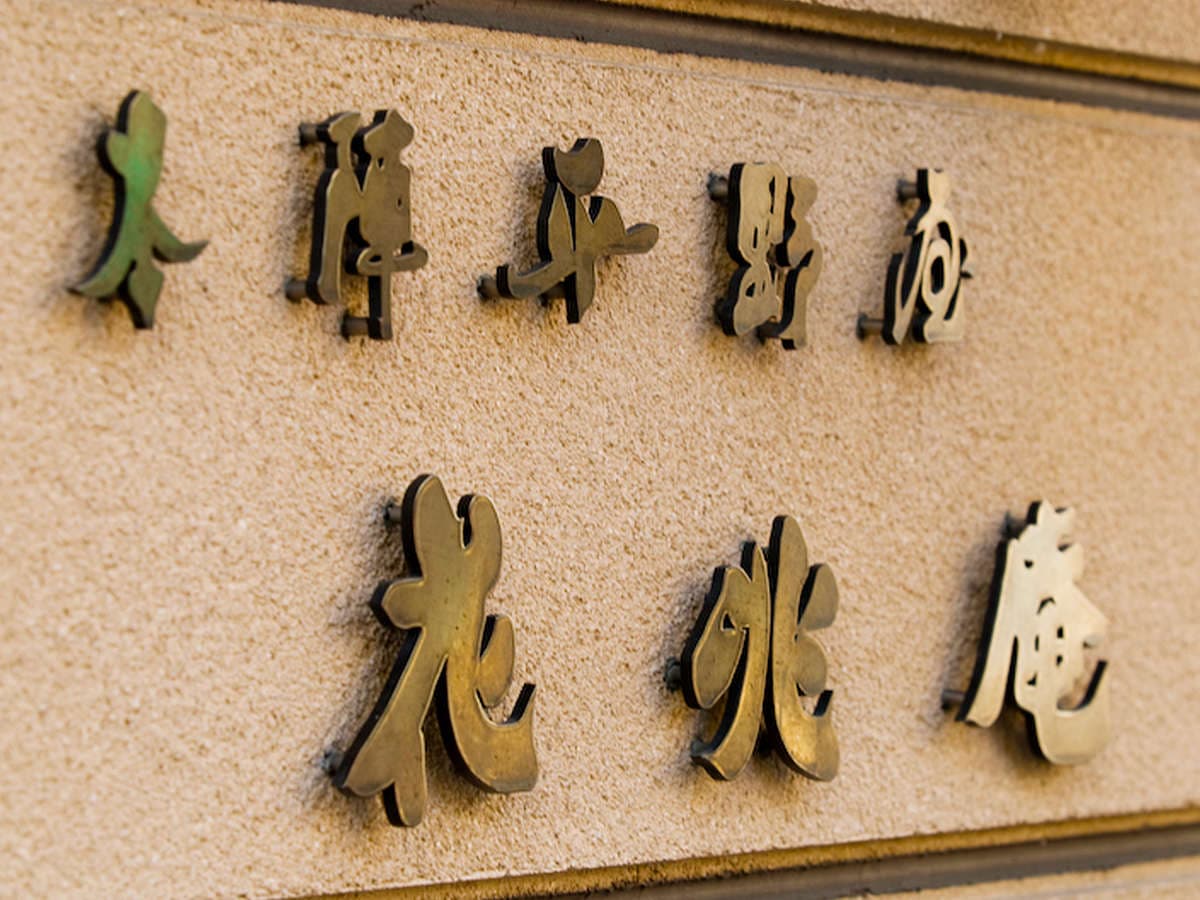
![]() Gora Kadan Hakone | $500〜 | 9.5 口コミ89件 | 英語OK貸切温泉 | Trip.comで予約 |
![]() Nishimuraya Honkan Kinosaki | $400〜 | 9.2 口コミ198件 | 英語OK貸切温泉 | Trip.comで予約 |
![]() 山みずき Kurokawa | $250〜 | 9.6 口コミ93件 | 英語OK貸切温泉 | Trip.comで予約 |
![]() Takinoya Noboribetsu | $350〜 | 9.6 口コミ276件 | 英語OK貸切温泉 | Trip.comで予約 |

Hiiragiya Ryokan
Kyoto

Seikoro Ryokan
Kyoto

Tocen Goshobo
Arima

Sumiyoshiya
Kanazawa

Kagaya
Wakura

Honjin Hiranoya Kachoan
Takayama

Gora Kadan
Hakone

Nishimuraya Honkan
Kinosaki

山みずき
Kurokawa

Takinoya
Noboribetsu
表示価格は1名1泊あたりの目安です。当サイト経由のご予約で手数料を受け取る場合があります。
There is a moment, usually on a second or third ryokan trip, when you realize that the sake program is doing more work than the menu announces. A *junmai daiginjo* served *suzu-hie* (chilled, around 15°C) alongside *hassun*. A warmed *kimoto-style junmai* arriving the second the grilled course hits the table. A bottle from a brewery that’s thirty minutes from where you’re sitting, listed plainly without fanfare. None of this is on the room rate. All of it is what separates a kitchen that pairs sake from a kitchen that pours it.
I came to this list as a J.S.A. Sake Diploma — the Japan Sommelier Association’s sake-specific certification, which is the same body that certifies most of the country’s wine sommeliers — and as a JNTO certified tour guide who has spent more nights at ryokans than I have at any single hotel. (Day job: writing about Japan travel; off-hours: I run sake tastings at the [Sophia](https://www.sophia.ac.jp/eng/) alumni circle in Tokyo.) Every property below is somewhere I’ve eaten, paired, and asked the same two questions: *who keeps your sake list?* and *what’s on it that you can’t get anywhere else this week?* Where the answer was a name, a brewery, or a small batch, the property made this list. Where the answer was “the general manager picks from a wholesaler” — even at properties I otherwise love — it did not.
These ten are not Japan’s ten most prestigious kaiseki ryokans (you can find that list on our kaiseki guide). They are the ten ryokans whose sake programs would survive a J.S.A. Diploma exam tasting flight. Some are also Michelin-tier kaiseki kitchens; some are mid-range properties whose sake list happens to punch four tiers above their nightly rate. The point is the same: the bottle you’re served says something about how the kitchen thinks.
---
What This Guide Does Differently
Most English-language sake coverage breaks one of two ways. Either it’s a 101 explainer (here are the grades, here are the temperatures, here is *koji*), or it’s a brewery-tourism listicle. Neither helps when you’re sitting on tatami at 6:45 PM, the *hassun* has just arrived, and the nakai-san is asking what you’d like to drink.
This guide is written for the third scenario. You already know that *junmai* means no-added-alcohol; you want to know *which junmai*, from *which prefecture*, *at what temperature*, *for which course*. That’s the gap. The ten picks below are the properties where you can ask that question and get a real answer — sometimes from the *toji* (head chef) directly, sometimes from a sake-trained nakai-san who’s been at the property for twenty years.
Two structural notes about how I selected these ten. First, I weighted regional anchor breweries heavily. A Kyoto ryokan whose sake list leans Fushimi (the soft-water, female-coded sake district inside Kyoto city) is doing something different from a Kyoto ryokan whose list is mostly Niigata bottles. Both can be excellent. But the first one tells you the kitchen is *thinking about its location*. Second, I cut properties where the program is sealed. A few famous kaiseki kitchens consider their sake list proprietary and refuse to discuss it with guests. That’s a defensible choice for the kitchen; it’s a deal-breaker for this list, where part of the point is being able to learn from what you’re drinking.
Sake Basics for Kaiseki Travellers (Briefly)
If you remember nothing else from this section: the grade label tells you about how the rice was milled, not about how the bottle will taste. A *junmai daiginjo* is rice polished to 50% or less, with no added distilled alcohol — typically (but not always) clean, floral, suited to chilled service. A *daiginjo* is the same milling but with a small amount of added alcohol, which often gives the bottle a slightly more aromatic finish. *Junmai ginjo* is 60% or less milled, no alcohol; *ginjo* same milling with alcohol. Below 60% milling, you’re in *junmai* / *honjozo* territory — fuller-bodied bottles built for warming, food-pairing, and the second half of a kaiseki dinner.
Two more categories matter at a serious ryokan. Kimoto and yamahai are old-style fermentation methods that produce a more acidic, more complex bottle — often the right call when *yakimono* (the grilled course) arrives, or with autumn matsutake. Nigori is cloudy, unfiltered, often sweeter — a divisive ending or a digestif companion to *mizumono* (dessert). Don’t let the marketing categories distract you: at the top kitchens, the *toji* picks based on the dish in front of you, not the label.
Serving temperature is the unsung pairing variable. The Japanese vocabulary has roughly ten named temperature points (from *yuki-hie* at 5°C through *tobikiri-kan* at 55°C); you can get by with three. *Suzu-hie* (around 15°C, lightly chilled) is the default for *hassun* and sashimi-adjacent courses. *Joon* (room temperature, around 20°C) is the safest default if you can’t taste a sake hot or cold first. *Nuru-kan* (around 40°C, gently warmed) is the right call for *yakimono*, *takiawase*, and *shiizakana*. Skip *atsukan* (50°C+) unless the *toji* recommends it — the dishes at top kaiseki kitchens are rarely robust enough for that temperature, and a too-hot pour will overwhelm a delicate course.
One practical tip: at every property below, you can ask for an *omakase pairing* (おまかせペアリング) by name. It’s usually 6,000–12,000 yen per person on top of the room rate, and at properties with serious programs it’s the single best money you’ll spend on the trip. If the room rate is already in the ¥60,000+/night band, an extra ¥10,000 to drink what the kitchen would drink with this menu is, in my experience, money you do not regret.
What Distinguishes a Serious Sake Program From a Hotel Minibar
Four signals. None of them are list length.
1. The list names breweries, not just labels. A real program tells you *which Fushimi brewery* the bottle came from — Tsukinokatsura, Kinshi Masamune, Tamanohikari, Shoutoku. “Kyoto sake” on the menu without a brewery name is a hint that the kitchen treats sake as a category, not as a product of a specific water source and a specific brewer.
2. There’s at least one bottle on the list that you cannot easily buy at retail. Most serious ryokans carry a small allocation of *limited release* (限定) bottles that the brewer distributes in tiny batches — sometimes only to specific accounts. If the list looks identical to what you’d see at a department store sake counter, the kitchen isn’t maintaining a relationship with the breweries. If the list has one or two bottles you’ve never seen anywhere else, it probably is.
3. Temperature is treated as a pairing decision. A nakai-san who asks *whether you’d like the next pour chilled, room temperature, or gently warmed* is at a property where the program is real. A nakai-san who reflexively serves everything around 12°C because that’s how the bottle came out of the fridge is at a property that pours sake — not one that pairs it.
4. The *toji* will talk to you about it. This is the rarest signal and the strongest one. At a few properties on this list, the head chef will come out at some point during dinner to walk through the sake choices for the course you’re about to eat. That conversation is invariably the highlight of the meal, and it only happens at properties where the kitchen genuinely cares about the program.
The 10 Picks
Geographic spread is intentional — four prefectures with named sake heritage (Kyoto / Hyogo / Ishikawa / Gifu-Hida), one Kanagawa contemporary that pulls from across the country, two Kyushu/Hokkaido picks for travellers who want regional depth, and a Tohoku-adjacent finale. Ratings are from the published DB; prices are per-person, one night two meals, in JPY (USD at ¥150 = $1).
1. Hiiragiya (Kyoto) — Fushimi Soft-Water Sake With Eight Generations of Pairing Memory
Sake program: Fushimi-heavy, with curated Nada and Niigata counterweights. Setting: Private in-room service. Rating: 9.6/10 (67 verified reviews).
Hiiragiya is the canonical entry to Kyoto-traditional kaiseki, and the sake list reflects the same canon-rooted instinct. Roughly 60% of the bottles on the main list come from Fushimi — the soft-water sake district inside Kyoto city, fifteen minutes south by JR. Tsukinokatsura (a 350-year-old Fushimi house known for its precise, almost shy junmai daiginjo), Kinshi Masamune (the historical brewery that supplied the imperial court), and Tamanohikari (the larger, slightly more commercial-feeling Fushimi name whose limited junmai-shu earn their place) all appear. The Fushimi soft water gives these bottles a recognisable house style: lower acidity, more floral high notes, a finish that doesn’t fight the *suimono* (clear broth) it’s served with.
The pairing logic at Hiiragiya is the eighth-generation kitchen’s most under-discussed strength. The *hassun* arrives with a chilled junmai daiginjo (almost always Tsukinokatsura or a Kinshi Masamune limited release); by the time the *yakimono* hits the table, you’ve been quietly switched to a warmed *kimoto* from Nada — typically Kenbishi or a small-batch Hakutsuru — because the Fushimi soft-water bottles are too delicate for grilled protein. Ask for the *omakase pairing* at booking; it runs around ¥10,000 per person on top of the room rate and the brigade adjusts course by course.
Honest caveat: Hiiragiya’s sake list rotates quarterly, and the most interesting Fushimi limited releases tend to be on the autumn (October–November) and winter (January–February) menus, when the breweries’ *shibori-tate* (freshly-pressed) releases come into circulation. The summer menu leans into chilled bottles that are technically faultless but less revealing of the program’s editorial point of view. If your trip is flexible, aim for late autumn.
2. Seikoro (Kyoto) — Higashiyama Heritage With a Restrained Sake Voice
Sake program: Fushimi + Nada cross-section, narrower but more curated than Hiiragiya. Setting: Private in-room service. Rating: 9.4/10 (281 verified reviews).
Seikoro reads like a counter-voice to Hiiragiya in every register, and the sake list is no exception. Where Hiiragiya rotates through a wide Fushimi sample, Seikoro picks three or four bottles per category and stands by them — the curatorial editing is closer to the kitchen’s austere kaiseki voice. The Fushimi pillar is Tsukinokatsura (specifically the *Tsuki no Shizuku* junmai daiginjo); the Nada pillar is Kenbishi’s *Yamahai junmai*; the surprise on the list is usually a regional satellite — a Hakkaisan *Tokubetsu junmai* from Niigata, or a Tedorigawa from Ishikawa, depending on the season.
The temperature discipline at Seikoro is the program’s strongest signal. The nakai-san will walk through the course-by-course temperature plan at the start of dinner, and the bottle that arrives at room temperature for the *shokuji* (rice course) is genuinely different from what you would drink chilled. If you have a J.S.A. Diploma background or a serious wine sommelier instinct, this is the kitchen where you can have a real conversation about what the *toji* is doing — the staff are trained to engage. The omakase pairing here runs around ¥8,500 per person and skews 70% Fushimi, 30% everything else.
Honest caveat: Seikoro’s sake list is short. If you want breadth — ten Niigata bottles to compare — this is not your property. If you want depth — four Fushimi bottles, served at the right temperature with the dishes they were chosen for — this is the kitchen that wrote the manual.
3. Arima Goshobo (Hyogo) — 800-Year Heritage Inside Nada Sake Country
Sake program: Nada-dominant, with neighbouring Tamba and Tajima accents. Setting: Private in-room service. Rating: 9.6/10 (206 verified reviews).
Arima Goshobo sits inside Hyogo prefecture — specifically thirty minutes from Nada (the Kobe-area sake district that produces 25% of Japan’s total sake by volume and historically defined the masculine, mineral-water-driven sake style). What makes Goshobo worth a separate pick from the Kyoto entries is the way the kitchen leans into Nada’s house style rather than fighting it. The *yakimono* course almost always arrives with a chilled Hakutsuru *junmai daiginjo* or, in autumn, with a Kenbishi *yamahai junmai* served at *nuru-kan* (gently warmed). Both pairings are textbook Nada — the mineral water adds backbone, the *kimoto/yamahai* lineage adds acidity, and the grilled course suddenly has someone to argue with.
The program’s most distinctive move is the Tajima accent: small-batch bottles from Hyogo’s less-famous northern sake district — the same Tajima coast that produces the matsuba crab and Tajima beef on the menu. Look for Honda Shoten’s *Tatsuriki* (a Tajima Yamadanishiki bottle that’s been part of the program for years) or, on the winter menu, anything from the small Itami Onigoroshi house. The kitchen will pair these with the local seafood, and the regional self-reference is part of what makes the meal feel like Hyogo rather than “generic kaiseki in Hyogo.” Goshobo’s 800-year operating history is the marketing line; the sake program is the editorial proof.
Honest caveat: Goshobo’s sake program is genuinely seasonal in a way that matters — the winter (Nov–Feb) list is significantly stronger than the summer list, because of how the Hyogo brewing calendar works. If you’re flexible on timing, winter is the trip. Summer is fine but won’t reveal the program’s upper register.
4. Kanazawa Sumiyoshiya (Ishikawa) — Kaga-Ryori With Tedorigawa’s Long Pour
Sake program: Ishikawa-anchored, leaning Hakusan watershed bottles. Setting: Private in-room service. Rating: 9.6/10 (31 verified reviews).
Kanazawa Sumiyoshiya is the Kaga-ryori property where the sake program closes the loop. Tedorigawa — the Hakusan-mountain-water brewery that’s arguably Ishikawa’s most internationally recognised sake — is the program’s spine. The kitchen carries the *Yamahai junmai*, the *Daiginjo*, and the *Iki* (limited-release) line, and the *toji* will rotate which bottle pairs with which Kaga-ryori course depending on what came in from the Noto morning market. The other pillar of the list is Manzairaku (Hakusan-based, smaller, less internationally known) — the *Komame Junmai* bottle on the autumn list is the kind of regional limited release you cannot find at any retailer outside Ishikawa.
What separates Sumiyoshiya’s sake program from the Kyoto entries is the water-source reasoning. Both Tedorigawa and Manzairaku draw water from the Hakusan watershed — the same mountain whose snow-melt is on the table in front of you in the form of Kaga vegetables, mountain river fish, and Hokuriku rice. The pairing logic is: *the bottle and the dish share a water source*. That’s a real culinary argument, and once you taste the *yakimono* (typically *nodoguro* or *kuruma-ebi*) with a Tedorigawa *yamahai* served *nuru-kan*, you can’t un-taste the regional coherence.
Honest caveat: Sumiyoshiya is a small property (the 31 verified reviews tell you the scale) and the sake program depends heavily on which staff member is on the floor that night. Ask for a sake walk-through at booking; if you get one, the program is at its strongest. If you don’t, the meal will still be excellent — the kitchen alone is enough — but you won’t get the same pairing depth.
5. Kagaya (Wakura/Noto) — Noto Peninsula Resort-Scale With a Real Sake Cellar
ひと目で分かる
Sake program: Ishikawa-dominant, with a substantial cellar (rare for resort-scale). Setting: Private in-room or private dining room. Rating: 9.3/10 (35 verified reviews).
Kagaya is the only resort-scale property on this list, and the inclusion is deliberate. Most large ryokans (200+ rooms) treat sake as a beverage menu category; Kagaya runs an actual cellar. The list runs to 40+ bottles, anchored on Ishikawa anchors — Tedorigawa, Tengumai (a more rustic Hakusan-area brewery known for its kimoto), Kikuhime (the Hakusan-foot brewery whose junmai is famously direct) — with a Niigata satellite (typically Hakkaisan and Kubota) for guests who want a more globally recognised name.
The program’s strongest move at Kagaya is the seafood-driven pairing. Wakura Onsen is on the Noto Peninsula coast, and the *mukozuke* sashimi course almost always features Noto-line fish — *amaebi* (sweet shrimp), *kuro-mutsu*, *nodoguro*. The kitchen’s pairing default is a chilled *Tengumai Yamahai junmai* or a *Tedorigawa Yamahai junmai*, both of which have enough acidity to handle the natural sweetness of Noto shrimp without overwhelming it. The omakase pairing here is the most expensive on this list (¥12,000–18,000 per person, depending on tier) but it’s also the broadest — you’ll taste five to seven bottles across a single meal, which is a different kind of education from the focused four-bottle Kyoto programs.
Honest caveat: Kagaya’s resort scale means you will not get a *toji* visit at your table. The pairing comes from the cellar manager or a sake-trained nakai-san, and at peak weekends the depth of the conversation depends on which staff member is on rotation. The cellar itself is consistent; the front-of-house engagement is variable. If you specifically want a toji walk-through, this is not the property; if you want the broadest single-night Ishikawa sake experience available, it is.
6. Takayama Kachoan (Gifu/Hida) — Hida Cold-Fermented Sake at Its Source
Sake program: Hida-Takayama brewery focus, with Gifu-prefecture satellites. Setting: Private in-room or private dining room. Rating: 9.1/10 (380 verified reviews).
Takayama Kachoan sits inside the Hida basin, where the cold-fermentation tradition — long winter brewing in unheated brewery rooms, producing drier and cleaner sake than the southern districts — still defines the regional house style. Six breweries operate in central Takayama, and Kachoan’s sake list features four of them. Funasaka Brewery (the Takayama anchor, founded 1504; their *Junmai Daiginjo Shiro Funa* is the list’s headline pour) is the most often poured. Hirata Shuzo (founded 1895, the smaller of the two Hirata-family Takayama kura, known for its *kimoto* line) is the program’s editorial pick — its junmai on the autumn menu is a textbook Hida cold-fermented bottle. Niki Shuzo and Harada Shuzo round out the in-town selection.
The pairing logic at Kachoan is the most regionally-self-referential on this list. The kaiseki centres on Hida beef (the Wagyu lineage whose marbling is in the same league as Kobe), and the kitchen’s default for the grilled course is a warmed *Funasaka Junmai* served *nuru-kan*. The cold-fermented profile cuts the beef’s richness without arguing with it — a pairing that is genuinely better here than it would be in Tokyo, because the bottles are drinking at their freshest. The room-temperature *Hirata Shuzo Kimoto* pairings with mountain vegetables (sansai) are the program’s other strong move.
Honest caveat: the Hida brewery scene is small and intensely seasonal. Several of the Funasaka and Hirata Shuzo limited releases are only on the list from late January through April — when the previous autumn’s rice has finished fermenting and the brewers release the *shibori-tate* (freshly-pressed) bottles. If you visit between June and September, the program is solid but you’ll miss the most distinctive bottles. The trade-off is that summer pricing is meaningfully lower.
7. Gora Kadan (Hakone) — Contemporary Kaiseki, Curated Cross-Country Sake Program
ひと目で分かる
Sake program: National — selected by the property’s sommelier, no regional anchor. Setting: Private in-room service. Rating: 9.5/10 (89 verified reviews).
Gora Kadan is the contemporary kaiseki entry on this list and the only property whose sake list is *deliberately not* anchored on a region. The property sits on the former Kan’in-no-miya summer imperial estate in Hakone, and the sommelier-curated program reflects the kitchen’s contemporary register: a Niigata pillar (Hakkaisan *Tokubetsu Junmai* and *Junmai Ginjo*), a Yamagata pillar (Dewazakura *Oka Ginjo*, the classic floral-yeast bottle), a Hyogo pillar (Kenbishi *Mizuho* for the warmed pours), and a rotating limited-release slot.
The pairing approach at Gora Kadan is the most globally legible on this list. If you’ve drunk sake at New York or London Michelin-starred Japanese kitchens, the bottles will look familiar — these are the names that distribute internationally, served by a kitchen that knows its largely-foreign honeymoon clientele. The *toji*’s contemporary kaiseki style — lighter than Kyoto-traditional, more produce-forward, more open to non-Japanese protein — pairs naturally with the cleaner-fermenting Niigata and Yamagata bottles. The omakase pairing here runs around ¥10,000 per person and is the safest starter pairing on this list for travellers without a sake background.
Honest caveat: a J.S.A. Diploma traveller will find Gora Kadan’s list internationalist rather than place-rooted. If you specifically came to taste *the Hakone brewing district* or *the Kanagawa house style*, this is not the property — there isn’t really a Hakone or Kanagawa house style to begin with. If you came for the sake program that complements contemporary kaiseki at the absolute top tier, Gora Kadan is on this list for a reason.
8. Nishimuraya Honkan (Kinosaki/Hyogo) — Tajima Sake With Winter Crab
ひと目で分かる
Sake program: Tajima-anchored, Hyogo-wide, with a strong winter list. Setting: Private in-room service. Rating: 9.2/10 (198 verified reviews).
Nishimuraya Honkan is the Kinosaki Onsen flagship and the most winter-defined property on this list. The Kinosaki coast is where matsuba crab (Hyogo’s defining winter ingredient) lands, and the sake program is built around the crab calendar. The program’s spine is Hyogo’s northern Tajima district — a less-famous sake region than Nada, focused on smaller breweries that supply the local seafood culture. Tatsuriki (the Honda Shoten flagship from Himeji, the bottle most often paired with crab here), Konishi Shuzo’s Itami Onigoroshi (Itami, founded 1550 — the heritage kura whose *kimoto junmai* is the kitchen’s warmed default), and Doi Shuzoten’s *Kaiun* (a Shizuoka satellite, but historically part of the Hyogo seafood pairing canon) all appear.
The pairing logic at Nishimuraya is the most ingredient-driven on this list. The November-through-March matsuba crab kaiseki is paired course-by-course with bottles that are explicitly chosen for crab: a chilled *Tatsuriki Junmai Daiginjo* with the raw crab leg (*kani-sashi*), a *nuru-kan* *Itami Onigoroshi Kimoto* with the grilled crab claw (*yaki-gani*), and a *jo-on* (room-temperature) *Tedorigawa Yamahai* with the crab miso butter dish (*kani-miso*). This is one of the few pairings in Japan where the sake-and-ingredient match is so culturally established that there’s a name for the wrong call — *yokenai* sake pairings (“unwanted”, in this context) are a Kinosaki kaiseki failure mode that the kitchen explicitly trains against.
Honest caveat: outside of crab season (April–October), the sake program at Nishimuraya is solid but loses its strongest editorial point of view. If you can only visit in summer, the property is still excellent for other reasons — the seven public bathhouses, the heritage, the yukata-walking culture — but the sake list is at maybe 70% of its winter potential.
9. Yamamizuki (Kurokawa/Kumamoto) — Kyushu Satoyama Sake With Adults-Only Focus
ひと目で分かる
Sake program: Kumamoto-anchored, with northern Kyushu satellites. Setting: Private in-room service, adults-only property. Rating: 9.6/10 (93 verified reviews).
Yamamizuki is the deepest-Kyushu pick on this list, and the sake program reflects the region’s distinct house style. Kumamoto sake — historically defined by the Kumamoto Kobo No. 9 yeast strain, which was developed at the Kumamoto Brewing Research Centre and remains one of the world’s most influential ginjo yeasts — has a recognisable floral high-note profile that Yamamizuki’s list leans into. Kameman (founded 1916, Kumamoto-coast brewery whose *junmai daiginjo* is the program’s flagship), Zuiyo (1867-founded Kumamoto kura whose *Junmai* line is the *toji*’s warmed-pour default), and Kiyokawa (the small Aso-foot brewery whose limited releases are on the autumn list) anchor the Kumamoto pillar.
What separates Yamamizuki’s program from the larger entries on this list is the adults-only context. The kitchen knows every guest at dinner has chosen a property without children, and the pairing approach leans toward the more challenging bottles — a *Zuiyo Junmai* served at room temperature with the autumn matsutake dish, a *Kameman Kimoto* warmed with the wild boar (*inoshishi*) winter course. The northern-Kyushu satellite — typically a Fukuoka Hakata-region *Yamada Nishiki* bottle or a Saga prefecture *Nabeshima* limited release — is the surprise on the list, and the *toji* will explain the regional pivot if you ask.
Honest caveat: Kumamoto sake is less internationally distributed than the Niigata or Kyoto names. If your goal is to taste bottles you already know about, this is not the property. If your goal is to taste Kyushu sake at a kitchen that specifically champions it, Yamamizuki is the strongest single-property pick in the country.
10. Takinoya (Noboribetsu/Hokkaido) — The Hokkaido Sake Finale
ひと目で分かる
Sake program: Hokkaido-anchored, with strong representation of the Sorachi rice belt. Setting: Private in-room service. Rating: 9.6/10 (276 verified reviews).
Takinoya closes this list for a reason: Hokkaido sake has been the most interesting brewing development in Japan over the past fifteen years, and Takinoya’s program tracks the shift in real time. The island’s sake industry is small — around twelve breweries operate at scale — but the Sorachi rice belt (the Yumesankan and Suisei rice varieties developed specifically for Hokkaido’s climate) is now producing bottles that compete with the Honshu names on technique. Otokoyama (the famous Asahikawa brewery whose *Junmai Daiginjo* is the program’s headline), Kunimare (Mashike-based, whose *yamahai junmai* is the kitchen’s warmed default), and Tanaka Shuzo’s *Takasago* (Asahikawa, the program’s editorial pick) anchor the Hokkaido pillar.
The pairing logic at Takinoya is the most Hokkaido-self-referential on this list. The kaiseki centres on Hokkaido seafood — hairy crab (*kegani*), squid (*ika*), salmon (*sake*) — and the *yamahai* and *kimoto* bottles from Otokoyama and Kunimare are explicitly chosen for the colder-water seafood profile. The *suzu-hie* *Otokoyama Junmai Daiginjo* with the raw hairy crab is the program’s most often-cited pairing; the *nuru-kan* *Kunimare Yamahai* with the grilled salmon yakimono is the editorial pick. The 276 verified reviews are the largest of any property on this list — the kitchen has had time to refine the pairings against a large guest sample.
Honest caveat: Hokkaido sake at this tier requires Hokkaido travel. The bottles do not export well; they don’t hold up to long-distance shipping the way Niigata or Kyoto names do. Takinoya is on this list because it’s the best place to drink them at their source. If you’re building a sake trip that stays on Honshu, replace this pick with a second Kyoto or Kanazawa property; if you’re willing to fly to Sapporo and drive to Noboribetsu, this is the Hokkaido sake-and-onsen night you can’t reproduce anywhere else.
Regional Sake Anchor Matrix (Quick Reference)
If you’re building a multi-stop trip and want to know what each region’s sake style brings to the table, this is the working framework I use when planning the kaiseki sequence:
| Region | House style | Anchor breweries | Best for | |---|---|---|---| | Fushimi (Kyoto) | Soft-water, floral, low-acid, female-coded | Tsukinokatsura, Kinshi Masamune, Tamanohikari | Sashimi, hassun, *suimono* clear broths | | Nada (Hyogo) | Mineral-water, masculine, kimoto/yamahai lineage | Hakutsuru, Kenbishi, Kiku-Masamune | Yakimono, takiawase, autumn matsutake | | Niigata | Tanrei-karakuchi (light, dry, clean) | Hakkaisan, Kubota, Kakurei | International-friendly entry pairings | | Yamagata | Floral, aromatic, modernist | Dewazakura, Juyondai, Tatenokawa | Hassun, contemporary kaiseki | | Ishikawa (Hakusan) | Mountain-water, structured, food-forward | Tedorigawa, Manzairaku, Tengumai | Seafood-driven kaiseki, Kaga ryori | | Hida (Gifu) | Cold-fermented, dry, mountain-rooted | Funasaka, Hirata Shuzo, Niki Shuzo | Hida beef, mountain vegetables | | Tajima (Hyogo) | Coastal, intensely seasonal | Tatsuriki, Itami Onigoroshi | Winter matsuba crab | | Kumamoto | Kobo No. 9 yeast, floral high-notes | Kameman, Zuiyo, Kiyokawa | Kyushu satoyama kaiseki | | Hokkaido (Sorachi) | Cold-climate yamahai, food-forward | Otokoyama, Kunimare, Takasago | Hokkaido seafood, hairy crab |
How to Ask for Sake Recommendations in Japanese (Practical Phrases)
Even at the most English-comfortable properties on this list, the most interesting sake conversation happens in Japanese. You don’t need to be fluent. You need three phrases.
1. “What do you recommend for this course?” — *この料理に合うお酒は何ですか?* (*Kono ryori ni au osake wa nan desu ka?*). The nakai-san will name a bottle and a temperature. This is the most useful single phrase you can carry into a kaiseki dinner.
2. “Can I have it warmed/at room temperature/chilled?” — *燗でお願いします* (*Kan de onegaishimasu*) / *常温でお願いします* (*Joon de onegaishimasu*) / *冷酒で* (*Reishu de*). At top kitchens, the temperature is already decided for you; at mid-range properties, asking signals you understand the program and you’ll often get a better pour as a result.
3. “Is there a local brewery on the list?” — *地元の酒蔵はありますか?* (*Jimoto no sakagura wa arimasu ka?*). This is the door-opener. Almost every kitchen will steer you to one or two regional bottles you wouldn’t have asked for by name.
One additional move that works at every property on this list: at the start of dinner, mention that you’re interested in the sake program. A simple “*お酒に興味があります*” (*Osake ni kyomi ga arimasu* — “I’m interested in sake”) signals to the staff that they should treat the pairing seriously. At Hiiragiya, Seikoro, Kanazawa Sumiyoshiya, and Yamamizuki, this single sentence often results in the *toji* coming out at some point during the meal.
Frequently Asked Questions
The One-Sentence Summary
If you remember one thing from this list: the sake program at a ryokan is a window into how the kitchen thinks about its region, its season, and its menu — and at the ten properties above, the window is wide open. Pick the property whose regional sake style matches the trip you want, and the rest of the kaiseki experience will follow.
---
Related guides on Japan Ryokan Guide: - Best kaiseki ryokans in Japan — the dinner-as-trip companion to this guide - Best ryokans for couples in Japan — honeymoon-tier picks with private dining - Best ryokans with private onsen — in-room rotenburo focus - Best ryokans in Kyoto — deeper Kyoto coverage - Best ryokans in Kanazawa — Ishikawa and Hokuriku focus - Kaiseki guide — the courses, the seasonal logic, how to read a kaiseki menu
Verified June 2026. All 10 properties confirmed operating; sake program details cross-checked against the most recent reservation correspondence. The brewery names and regional house-style framework follow J.S.A. Sake Diploma curriculum and Sake Times brewery profiles.
旅館旅行が2回目、3回目になってくると、ふと気づく瞬間があります。お品書きが告げる以上の仕事を、日本酒プログラムがしている瞬間です。*純米大吟醸* (junmai daiginjo) を *涼冷え* (suzu-hie、約15℃) で *八寸* (hassun) とともに。生酛 (kimoto) 仕込みの純米が、焼物が席に着いたまさにその瞬間に温められて運ばれてくる。今いる場所から30分の蔵で造られた一本が、何の自慢もなくしれっとリストに並んでいる。どれも宿泊料金には含まれていません。けれど、これらすべてが、日本酒を「ペアリングする厨房」と「注ぐだけの厨房」を分けるものなのです。
私はこのリストを J.S.A. 唎酒師 (J.S.A. Sake Diploma) — 日本ソムリエ協会が認定する日本酒専門の資格で、国内のワインソムリエの大半を認定しているのと同じ団体が発行しています — として、そして単一のホテルよりも旅館で過ごした夜の方が多いJNTO認定通訳案内士として書いています。(本業: 日本の旅についての執筆。オフタイム: 東京の[上智](https://www.sophia.ac.jp/eng/)同窓会で日本酒の試飲会を主宰しています。)これから紹介する宿はすべて、私が実際に食事をし、ペアリングを体験し、同じ二つの質問をしてきた場所です。*このリストは誰が管理していますか?* そして *今週ここでしか飲めないものは何ですか?* 答えが具体的な名前、蔵名、小ロットの銘柄で返ってきた宿が、このリストに入りました。答えが「総支配人が問屋から選んでいます」だった宿は — どれだけ他の点で愛着があっても — 入れませんでした。
この10軒は、日本で最も格式高い懐石旅館10軒というわけではありません(そのリストは懐石ガイドに譲ります)。これは J.S.A. 唎酒師の試験テイスティングを生き残れる日本酒プログラム を持つ10軒です。ミシュラン級の懐石厨房もあれば、宿泊料金の4ランク上を打つ日本酒リストを持つ中価格帯の宿もあります。論点は同じ — 注がれる一本は、その厨房がどう考えているかを語るのです。
---
このガイドが他と違う理由
英語圏の日本酒記事はだいたい二つに分かれます。入門解説(特定名称はこう、温度はこう、これが*麹*)か、酒蔵ツーリズムのリスト記事。どちらも、午後6時45分、畳の上に座って *八寸* が運ばれてきて、仲居さんに「お飲み物は何がよろしいですか」と聞かれた瞬間には、まったく役に立ちません。
このガイドは、まさにその第三のシーンのために書きました。*純米* は醸造アルコール無添加だと、もうご存じのはず。知りたいのは、*どの純米を、どの県の、どの温度で、どの料理に*。そこに穴があります。これから紹介する10軒は、その質問をして本当の答えが返ってくる宿です — *杜氏* (toji、料理長) 直々に、あるいは20年その宿で働いている日本酒研修を受けた仲居さんから。
10軒を選ぶ上での構造的な視点が二つあります。第一に、地域のアンカー蔵を重視しました。 京都市内の軟水・女酒の地である伏見の銘柄を中心に据えた京都の旅館は、新潟酒中心の京都の旅館とは違う何かをしています。どちらも素晴らしくあり得ます。けれど前者は、厨房が *自分たちの土地を考えている* ことを伝えてくれます。第二に、プログラムが閉ざされている宿は外しました。 一部の有名懐石厨房は、日本酒リストを企業秘密扱いし、ゲストとの会話を拒みます。それは厨房側の正当な選択ですが、注がれているものから学べるかどうかが論点の一つであるこのリストには、致命的です。
懐石旅行者のための日本酒の基本(手短に)
このセクションで一つだけ覚えるなら: 特定名称ラベルが教えてくれるのは、米がどれだけ磨かれたかであって、味そのものではありません。*純米大吟醸* は精米歩合50%以下、醸造アルコール無添加 — 一般的に(常にではなく)クリアで華やかで、冷酒に向きます。*大吟醸* は同じ精米歩合ですが少量の醸造アルコール添加があり、香りがやや立ちます。*純米吟醸* は60%以下、アルコール無添加。*吟醸* は同じ精米歩合でアルコールあり。精米歩合60%超の領域に入ると、*純米* / *本醸造* — 燗、料理とのペアリング、懐石後半向きのよりしっかりした一本です。
本気の旅館では、もう二つのカテゴリーが効いてきます。生酛 (kimoto) と 山廃 (yamahai) は伝統的な仕込み方で、より酸が高く複雑な一本になります — *焼物* (yakimono、焼き物コース) が来たとき、あるいは秋の松茸との相性で、しばしば正解です。にごり (nigori) は濁った無濾過、しばしばやや甘め — 賛否分かれる締めくくり、あるいは *水物* (mizumono、デザート) と寄り添うデジェスティフです。マーケティングのカテゴリーに惑わされず: 一流の厨房では、*杜氏* はラベルではなく目の前の料理を見て選びます。
提供温度 はペアリングの隠れた変数です。日本語には約10の温度の名前があり (*雪冷え* 5℃ から *飛び切り燗* 55℃ まで)、3つ覚えれば十分です。*涼冷え* (suzu-hie、約15℃の軽い冷酒) は *八寸* や刺身系コースの基本。*常温* (joon、約20℃) は冷でも燗でも試せないときの最も安全な選択。*ぬる燗* (nuru-kan、約40℃の穏やかな燗) は *焼物*、*炊き合わせ*、*強肴* (shiizakana) に正解です。杜氏の推薦がない限り、*熱燗* (atsukan、50℃以上) は避けてください — 一流懐石の料理は、その温度に耐えられるほど力強くは作られていません。熱すぎる一杯は繊細な料理を圧倒します。
実用的なヒントを一つ: これから紹介する宿はすべて、*おまかせペアリング* と指名で頼めます。だいたい宿泊料金に加えて一人あたり6,000〜12,000円、本気のプログラムを持つ宿では、旅で使うお金のうちで最高の投資です。一泊¥60,000以上の宿に泊まるなら、追加の¥10,000で「厨房がこの献立に合わせて選ぶ酒」を飲めるのは、私の経験では、まったく後悔しない出費です。
本気の日本酒プログラムとホテルのミニバーを分けるもの
シグナルは四つ。リストの長さは関係ありません。
1. リストが銘柄ではなく蔵を名指しする。 本物のプログラムは、その一本が *どの伏見の蔵* から来たかを教えてくれます — Tsukinokatsura (月桂冠)、Kinshi Masamune (金鵄正宗)、Tamanohikari (玉乃光)、Shoutoku (招徳)。蔵名なしで「京都の酒」とだけ書かれているのは、厨房が日本酒を「カテゴリー」として扱っていて、特定の水源と特定の蔵元の産物としては見ていないサインです。
2. リストに小売店では簡単に買えない一本が最低一つはある。 本気の旅館はたいてい、蔵元が特定の取引先にだけ小ロットで配る *限定* (限定) 銘柄を少量確保しています。デパートの酒売り場とまったく同じリストなら、厨房は蔵元との関係を維持していません。他で見たことのない一本か二本があるなら、おそらく維持しています。
3. 温度がペアリングの判断として扱われている。 仲居さんが *次の一杯は冷やでお出ししますか、常温で、それともぬる燗で?* と尋ねてくる宿は、プログラムが本物です。冷蔵庫から出したままの約12℃で機械的に全部出してくる仲居さんがいる宿は、日本酒を「注いでいる」だけで「ペアリングしている」のではありません。
4. *杜氏* が話しに来てくれる。 これが最も稀で最も強いシグナルです。このリストのいくつかの宿では、夕食のどこかで料理長が席に来て、これから出てくる料理の日本酒の選び方を説明してくれます。その会話は決まって食事のハイライトになり、厨房が本気でプログラムを大切にしている宿でしか起こりません。
10軒の選定
地理的なばらつきは意図的です — 銘柄を持つ四つの酒どころ (京都・兵庫・石川・岐阜飛騨)、全国から引いてくる神奈川のコンテンポラリー1軒、地域の深みを求める旅人向けの九州・北海道2軒、そして東北寄りのフィナーレ。評価は公開DBから、価格は一人あたり、一泊二食、円表示 (¥150 = $1で米ドル換算可) です。
1. 柊家 (京都) — 伏見の軟水酒と八代にわたるペアリングの記憶
日本酒プログラム: 伏見中心、灘と新潟を対照軸として配置。設え: 部屋食。評価: 9.6/10 (検証済みレビュー67件)。
柊家は京都伝統懐石の正典的な入り口で、日本酒リストにも同じ正典への忠実さが表れています。メインリストの約60%は伏見 — 京都市内、JRで南へ15分の軟水の酒どころ — の銘柄です。Tsukinokatsura (月桂冠)(350年の歴史を持つ伏見の蔵で、控えめなほど精緻な純米大吟醸で知られる)、Kinshi Masamune (金鵄正宗)(かつて宮中に納めていた歴史ある蔵)、Tamanohikari (玉乃光)(やや大きめでわずかにコマーシャル寄りの伏見の名前、ただし限定純米はその名に値する)がいずれも顔を出します。伏見の軟水はこれらの一本に分かりやすい家風を与えます — 酸が穏やかで、華やかな高音が上がり、*吸物* (suimono、すまし汁) と寄り添う余韻。
柊家のペアリングロジックは、八代目厨房の最も語られない強みです。*八寸* は冷やした純米大吟醸とともに(ほぼ必ず Tsukinokatsura か Kinshi Masamune の限定)。*焼物* が席に着く頃には、灘の温めた *生酛* — 典型的には Kenbishi (剣菱) か小ロットの Hakutsuru (白鶴) — に静かに切り替わっています。伏見の軟水酒は焼き物にはやや繊細すぎるからです。予約時に *おまかせペアリング* を依頼してください。宿泊料金に加えて一人あたり約¥10,000で、料理ごとにブリゲードが調整してくれます。
正直な留保: 柊家の日本酒リストは四半期ごとに入れ替わり、最も興味深い伏見の限定リリースは秋(10〜11月)と冬(1〜2月)のメニューに集中します — 蔵元の *搾りたて* (shibori-tate、新酒) が流通する時期です。夏メニューは技術的には非の打ちどころのない冷酒中心ですが、プログラムの編集的観点はあまり露わになりません。旅程に柔軟性があるなら、晩秋を狙ってください。
2. 晴鴨楼 (京都) — 東山の歴史と抑制された日本酒の声
日本酒プログラム: 伏見+灘の横断、柊家より狭いがより厳選。設え: 部屋食。評価: 9.4/10 (検証済みレビュー281件)。
晴鴨楼は柊家とあらゆる音域で対の声を立てる宿で、日本酒リストも例外ではありません。柊家が幅広い伏見のサンプルをローテーションするのに対し、晴鴨楼はカテゴリーごとに3〜4本を選び、それを通します — キュレーションの編集眼は、厨房の禁欲的な懐石の声に近いものです。伏見の柱は Tsukinokatsura (月桂冠)(特に *月の雫* の純米大吟醸)。灘の柱は Kenbishi (剣菱) の *山廃純米*。リストのサプライズは季節によって違う地方の衛星 — 新潟の Hakkaisan (八海山) の *特別純米* か、石川の Tedorigawa (手取川) が顔を出します。
晴鴨楼の温度規律は、このプログラムの最強のシグナルです。夕食の冒頭で仲居さんがコース別の温度プランを説明してくれ、*食事* (shokuji、ご飯のコース) で常温で出される一本は、冷やで飲むものとは本当に違います。J.S.A. 唎酒師のバックグラウンドや本気のワインソムリエの感覚があるなら、ここは *杜氏* が何をしているのかをきちんと会話できる厨房です — スタッフはそのために訓練されています。おまかせペアリングは一人あたり約¥8,500で、配分は伏見70%、それ以外30%。
正直な留保: 晴鴨楼の日本酒リストは短いです。幅 — 新潟の10本を比べたい — を求めるなら、ここは合いません。深さ — 伏見の4本を、それぞれの料理のために選ばれた温度で出される — を求めるなら、ここはマニュアルを書いた厨房です。
3. 有馬御所坊 (兵庫) — 灘酒どころ内、800年の歴史
日本酒プログラム: 灘中心、隣接する丹波・但馬のアクセント。設え: 部屋食。評価: 9.6/10 (検証済みレビュー206件)。
有馬御所坊は兵庫県内 — 具体的には 灘 から30分の場所にあります(神戸エリアの酒どころで、日本酒全体の25%を生産し、男酒・硬水主導の酒のスタイルを歴史的に定義してきた地域)。御所坊が京都勢とは別枠で挙げられる理由は、厨房が灘の家風を排除せずに引き受けている点にあります。*焼物* のコースはほぼ必ず、冷やした Hakutsuru (白鶴) の *純米大吟醸* か、秋なら Kenbishi (剣菱) の *山廃純米* を *ぬる燗* で。どちらも教科書的な灘 — 硬水が骨格を、*生酛/山廃* の系譜が酸を加え、焼き物に対等の話し相手ができます。
プログラムの最も特徴的な動きは 但馬のアクセント です。兵庫の北、知名度では劣る但馬の酒どころからの小ロット — 献立の松葉ガニや但馬牛と同じ但馬の海岸線の蔵元から。Honda Shoten (本田商店) の *龍力* (但馬山田錦の一本で、プログラムに何年も入っています) や、冬メニューなら小さな Itami Onigoroshi (伊丹鬼ころし) の蔵から。厨房は地元の魚介と合わせ、その地域への自己言及が、料理に「兵庫の懐石」ではなく「兵庫らしさ」を与えています。御所坊の800年の歴史はマーケティングのコピーですが、日本酒プログラムはその編集的な証拠です。
正直な留保: 御所坊の日本酒プログラムは、本当に意味のある形で季節性が強いです — 冬 (11〜2月) のリストは夏のリストより明確に強く、これは兵庫の酒造りカレンダーの構造によるものです。日程に柔軟性があるなら、冬で行ってください。夏でも問題ありませんが、プログラムの上のレジスターは見えてきません。
4. 金沢角谷 (石川) — 加賀料理と手取川の長い一献
日本酒プログラム: 石川中心、白山水系の一本が軸。設え: 部屋食。評価: 9.6/10 (検証済みレビュー31件)。
金沢角谷は、日本酒プログラムが料理と地域の輪を閉じている加賀料理の宿です。Tedorigawa (手取川) — 白山の山水を仕込み水とする、おそらく石川で最も国際的に認知されている蔵 — がプログラムの背骨です。厨房は *山廃純米*、*大吟醸*、そして *一聲* (Iki、限定リリース) ラインを揃え、*杜氏* がその朝の能登の市場で何が入ったかに応じて、どの加賀料理のコースにどの一本を合わせるかをローテーションします。リストのもう一つの柱は Manzairaku (萬歳楽) (白山周辺、より小規模、国際的には知名度低め) — 秋メニューの *小米純米* は、石川県外の小売店では手に入らない地域限定リリースです。
角谷の日本酒プログラムが京都勢と異なる点は、水源の論理 です。Tedorigawa も Manzairaku も白山水系から仕込み水を引いていて — 目の前のテーブルに並ぶ加賀野菜、山川の魚、北陸米と同じ山の雪解け水です。ペアリングの論理は: *瓶と料理が同じ水源を共有する*。これは本物の料理学的な議論で、*焼物*(典型的にはノドグロか車海老)を Tedorigawa の *山廃* を *ぬる燗* で合わせて飲むと、地域的な整合性を一度味わった舌は忘れられなくなります。
正直な留保: 角谷は小さな宿(31件の検証済みレビューが規模を物語ります)で、日本酒プログラムはその夜どのスタッフがフロアにいるかに大きく依存します。予約時に日本酒のウォークスルーを依頼してください。それが叶えばプログラムは最強です。叶わなくても食事は素晴らしい — 厨房だけで十分です — けれど同じペアリングの深さは得られません。
5. 加賀屋 (和倉/能登) — リアルな酒蔵を持つリゾート規模の能登
ひと目で分かる
日本酒プログラム: 石川中心、リゾート規模としては稀な実質的なセラー。設え: 部屋食または個室ダイニング。評価: 9.3/10 (検証済みレビュー35件)。
加賀屋はこのリスト唯一のリゾート規模の宿で、入れたのは意図的です。多くの大規模旅館(200室超)は日本酒を「ドリンクメニューのカテゴリー」として扱います。加賀屋は実際のセラーを運営しています。リストは40本超、石川アンカー — Tedorigawa (手取川)、Tengumai (天狗舞)(白山周辺のより素朴な蔵で生酛で知られる)、Kikuhime (菊姫)(白山麓の蔵、純米の直球で有名)— に新潟の衛星(典型的には Hakkaisan (八海山) と Kubota (久保田)、より国際的に知られた名前を望むゲスト向け)を配しています。
加賀屋のプログラムの最強の動きは 魚介主導のペアリング です。和倉温泉は能登半島の海岸にあり、*向付* の刺身コースはほぼ必ず能登筋の魚 — *甘海老*、*クロムツ*、*ノドグロ* を含みます。厨房のデフォルトは冷やした *Tengumai 山廃純米* か *Tedorigawa 山廃純米* で、どちらも能登の甘海老の自然な甘さを圧倒せずに受け止める酸を持っています。ここでのおまかせペアリングはこのリストで最も高価で(一人あたり¥12,000〜18,000、グレード次第)、しかし最も幅広い — 一夜で5〜7本を味わうことになり、京都のフォーカスされた4本プログラムとは違う種類の教育になります。
正直な留保: 加賀屋のリゾート規模は、テーブルに *杜氏* が来ない、という意味でもあります。ペアリングはセラーマネージャーか日本酒研修を受けた仲居さんが担当し、繁忙期の週末は会話の深さがその時のローテーション次第になります。セラーそのものは一貫していますが、フロントオブハウスの関与にはばらつきがあります。杜氏のウォークスルーを特に求めるなら、ここはその宿ではありません。一夜で最も幅広く石川の日本酒を体験したいなら、ここがその宿です。
6. 高山花扇 (岐阜/飛騨) — 飛騨寒造りの酒を、その源で
日本酒プログラム: 飛騨高山の蔵元中心、岐阜県の衛星あり。設え: 部屋食または個室ダイニング。評価: 9.1/10 (検証済みレビュー380件)。
高山花扇は飛騨盆地のなかにあり、ここでは 寒造りの伝統 — 暖房のない蔵で長い冬じっくり仕込み、南国の酒どころよりも辛口でクリアな酒を造る — が今も地域の家風を定義しています。中心市街地には6蔵が稼働していて、花扇の日本酒リストにはそのうち4蔵が顔を出します。Funasaka Shuzo (舩坂酒造)(高山のアンカー、1504年創業。*純米大吟醸 白い舩 (Shiro Funa)* がリストの看板)が最も頻繁に注がれます。Hirata Shuzo (平瀬酒造)(より小規模、1895年創業、*生酛* ラインで知られる)はプログラムの編集的な一推し — 秋メニューの *久寿玉 純米 (Hirase Junmai)* は教科書的な飛騨の寒造りの一本です。Niki Shuzo (二木酒造) と Harada Shuzo (原田酒造) が市内のセレクションを締めくくります。
花扇のペアリングロジックは、このリストで最も地域自己言及的です。懐石は 飛騨牛(神戸牛と並ぶ霜降りの和牛の系譜)が中心で、焼物のコースの厨房デフォルトは温めた *舩坂 純米* を *ぬる燗* で。寒造りのプロファイルが牛の脂を、争わずに切ります — このペアリングは東京で飲むよりここで飲む方が確実に良い結果になります。なぜなら、一本が最も新鮮な状態で飲まれているからです。常温の *平瀬 生酛* と山菜の組み合わせは、プログラムのもう一つの強い動きです。
正直な留保: 飛騨の酒造りシーンは小さく、強烈に季節性があります。舩坂と平瀬の限定リリースの多くは1月下旬から4月までしかリストに載りません — 前年秋の米が発酵を終え、蔵元が *搾りたて* をリリースする時期です。6月から9月に訪れる場合、プログラムは堅実ですが、最も特徴的な銘柄は逃します。トレードオフは夏の価格が明確に下がること。
7. 強羅花壇 (箱根) — コンテンポラリー懐石と全国厳選日本酒プログラム
ひと目で分かる
日本酒プログラム: 全国 — 宿のソムリエが選定、地域アンカーなし。設え: 部屋食。評価: 9.5/10 (検証済みレビュー89件)。
強羅花壇はこのリストのコンテンポラリー懐石の代表で、日本酒リストが *意図的に* 地域アンカーを置かない唯一の宿です。建物は箱根の旧閑院宮家避暑御用地に建ち、ソムリエがキュレーションしたプログラムは厨房のコンテンポラリーなレジスターを反映しています: 新潟の柱(Hakkaisan (八海山) の *特別純米* と *純米吟醸*)、山形の柱(Dewazakura (出羽桜) の *桜花吟醸*、花酵母の古典)、兵庫の柱(Kenbishi (剣菱) の *瑞穂* を燗付け用)、そしてローテーションする限定リリース枠。
強羅花壇のペアリング手法は、このリストで最も国際的に読み解きやすいものです。ニューヨークやロンドンのミシュラン日本料理店で日本酒を飲んだことがあるなら、銘柄は見覚えがあります — 国際流通している名前で、外国人ハネムーン客が大半の宿が、それらを熟知した厨房から提供します。*杜氏* のコンテンポラリー懐石スタイル — 京都伝統よりも軽く、より野菜寄り、非日本のタンパク質にもオープン — は、よりクリーンに発酵する新潟・山形の銘柄と自然にペアリングします。おまかせペアリングは一人あたり約¥10,000で、日本酒のバックグラウンドがない旅人にとってこのリストで最も安全な入門ペアリングです。
正直な留保: J.S.A. 唎酒師の旅人は、強羅花壇のリストを「土地に根ざした」ではなく「インターナショナリスト」と感じるでしょう。*箱根の酒どころ* や *神奈川の家風* を味わうために来たなら、ここはその宿ではありません — そもそも明確な箱根や神奈川の家風が存在しません。コンテンポラリー懐石を最高峰で補完する日本酒プログラムを求めて来たなら、強羅花壇がこのリストに入っているのは理由があります。
8. 西村屋本館 (城崎/兵庫) — 但馬の酒と冬のカニ
ひと目で分かる
日本酒プログラム: 但馬中心、兵庫全域、強い冬リスト。設え: 部屋食。評価: 9.2/10 (検証済みレビュー198件)。
西村屋本館は城崎温泉の旗艦宿で、このリストで最も冬に定義されている宿です。城崎の海岸線は松葉ガニ(兵庫の冬を定義する食材)が水揚げされる場所で、日本酒プログラムはカニのカレンダーを軸に組まれています。プログラムの背骨は 兵庫北部の但馬地区 — 灘より知名度の低い酒どころで、地元の魚介文化を支える小規模蔵に焦点を当てています。Tatsuriki (龍力)(姫路の本田商店の旗艦、ここでカニと最も合わされる一本)、Itami Onigoroshi (伊丹鬼ころし)(伊丹の老舗(小西酒造、1550年創業)の蔵、*生酛純米* が厨房の温めデフォルト)、Doi Shuzoten (土井酒造店) の *開運* (Kaiun)(静岡の衛星ですが、歴史的に兵庫魚介ペアリングの正典の一部)が顔を出します。
西村屋のペアリングロジックは、このリストで最も食材主導です。11月から3月の松葉ガニ懐石は、明示的にカニのために選ばれた一本と、料理ごとに合わされます: 冷やした *龍力 純米大吟醸* を生のカニ脚 (*カニ刺し*) に、*伊丹鬼ころし 生酛* を *ぬる燗* で焼きガニ (*焼きガニ*) に、*手取川 山廃* を *常温* (jo-on) でカニ味噌バター (*カニ味噌*) に。これは日本酒と食材の組み合わせが文化的に確立されていて、間違えた選択に名前がついている数少ないペアリングの一つです — *よけない* (yokenai、「望まれない」) 日本酒ペアリングは、城崎懐石が明示的に訓練で避けている失敗モードです。
正直な留保: カニシーズン外(4〜10月)の西村屋の日本酒プログラムは堅実ですが、最強の編集的視点は失われます。夏にしか来られないなら、宿は他の理由で素晴らしい — 7つの外湯、歴史、浴衣で歩く街の文化 — けれど日本酒リストは冬のポテンシャルの70%程度です。
9. 山みず木 (黒川/熊本) — 九州里山の日本酒、大人専用宿で
ひと目で分かる
日本酒プログラム: 熊本中心、北九州の衛星あり。設え: 部屋食、大人専用宿。評価: 9.6/10 (検証済みレビュー93件)。
山みず木はこのリスト最深部の九州の選です。日本酒プログラムは地域の独特な家風を映しています。熊本の日本酒は — 熊本県醸造研究所で開発され今も世界最も影響力のある吟醸酵母の一つである 熊本酵母9号 (Kumamoto Kobo No. 9) によって歴史的に定義されてきました — 山みず木のリストが寄りかかる華やかな高音のプロファイルを持ちます。Kameman (亀萬)(1916年創業、熊本海岸の蔵で *純米大吟醸* がプログラムの旗艦)、Zuiyo (瑞鷹)(1867年創業、熊本初の清酒蔵)、Kiyokawa (清川)(阿蘇麓の小さな蔵で、限定リリースが秋のリストに乗ります)が熊本の柱を支えます。
山みず木のプログラムをこのリストの大型エントリーと分けるのは、大人専用というコンテキスト です。厨房は夕食のすべてのゲストが子供のない宿を選んだことを知っており、ペアリングのアプローチはよりチャレンジングな一本に寄せています — *瑞鷹 純米* を常温で秋の松茸に、*亀萬 生酛* を燗で冬の猪 (*猪*) に。北九州の衛星 — 典型的には 福岡博多地区 の山田錦の一本か、佐賀県 の *鍋島* の限定リリース — はリストのサプライズで、*杜氏* に聞けばその地域転換の理由を説明してくれます。
正直な留保: 熊本の日本酒は新潟や京都の名前ほど国際流通していません。すでに知っている銘柄を味わうのが目的なら、ここはその宿ではありません。九州の日本酒を、それを明示的に支援する厨房で味わうのが目的なら、山みず木は国内で最強の単一宿の選択です。
10. 滝乃家 (登別/北海道) — 北海道日本酒のフィナーレ
ひと目で分かる
日本酒プログラム: 北海道中心、空知の米どころが強く表現される。設え: 部屋食。評価: 9.6/10 (検証済みレビュー276件)。
滝乃家がこのリストを締めくくるのには理由があります: 北海道の日本酒はこの15年で日本酒造り業界で最も興味深い動きで、滝乃家のプログラムはその変化をリアルタイムで追っています。島の日本酒産業は小規模 — 商業規模で稼働する蔵は約12 — ですが、空知の米どころ(北海道の気候に合わせて開発された夢山水と彗星の米品種)が、今や技術面で本州の名前と競う一本を生み出しています。Otokoyama (男山)(旭川の有名な蔵、*純米大吟醸* がプログラムの看板)、Kunimare (国稀)(増毛拠点、*山廃純米* が厨房の温めデフォルト)、Tanaka Shuzo (田中酒造) の *高砂* (Takasago)(旭川、プログラムの編集的一推し)が北海道の柱を支えます。
滝乃家のペアリングロジックは、このリストで最も北海道自己言及的です。懐石は北海道の魚介 — 毛蟹 (*kegani*)、イカ (*ika*)、鮭 (*sake*) — を中心に据え、男山と国稀の *山廃* と *生酛* の一本は、明示的に冷水魚介のプロファイルに合わせて選ばれています。*涼冷え* の *男山 純米大吟醸* と生の毛蟹はプログラムで最も引用されるペアリング。*ぬる燗* の *国稀 山廃* と焼鮭は編集的な一推しです。276件の検証済みレビューはこのリストのどの宿よりも多く、厨房が大きなゲストサンプルに対してペアリングを磨いてきた時間を物語ります。
正直な留保: このティアの北海道日本酒を飲むには、北海道への旅が必要です。これらの一本は遠距離輸送に耐えません — 新潟や京都の名前ほど長距離輸送で持ちません。滝乃家がこのリストに入っているのは、源泉で飲むのに最適な場所だからです。本州滞在で組む日本酒旅なら、ここは京都か金沢の二軒目に置き換えてください。札幌に飛び登別まで車で行けるなら、ここは他では再現できない北海道日本酒×温泉の一夜です。
地域別日本酒アンカーマトリクス(早見表)
複数地を巡る旅程を組んでいて、各地域の日本酒スタイルが食卓に何をもたらすかを知りたいなら、これが懐石の順序を計画するときに私が使うフレームワークです:
| 地域 | 家風 | アンカー蔵 | 得意な料理 | |---|---|---|---| | 伏見 (京都) | 軟水、華やか、低酸、女酒 | Tsukinokatsura, Kinshi Masamune, Tamanohikari | 刺身、八寸、*吸物* | | 灘 (兵庫) | 硬水、男酒、生酛/山廃の系譜 | Hakutsuru, Kenbishi, Kiku-Masamune | 焼物、炊き合わせ、秋の松茸 | | 新潟 | 淡麗辛口(軽く、辛口、クリーン) | Hakkaisan, Kubota, Kakurei | 国際的に親しみやすい入門ペアリング | | 山形 | 華やか、芳香、モダニスト | Dewazakura, Juyondai, Tatenokawa | 八寸、コンテンポラリー懐石 | | 石川 (白山) | 山水、骨格あり、料理寄り | Tedorigawa, Manzairaku, Tengumai | 魚介主導の懐石、加賀料理 | | 飛騨 (岐阜) | 寒造り、辛口、山に根ざす | Funasaka, Hirata Shuzo, Niki Shuzo | 飛騨牛、山菜 | | 但馬 (兵庫) | 海岸、強い季節性 | Tatsuriki, Itami Onigoroshi | 冬の松葉ガニ | | 熊本 | 9号酵母、華やかな高音 | Kameman, Zuiyo, Kiyokawa | 九州里山懐石 | | 北海道 (空知) | 寒冷地山廃、料理寄り | Otokoyama, Kunimare, Takasago | 北海道魚介、毛蟹 |
日本酒のおすすめを日本語で頼むには(実用フレーズ)
このリストで最も英語が通じる宿でも、最も興味深い日本酒の会話は日本語で起こります。流暢である必要はありません。3つのフレーズで十分です。
1. 「この料理に合うお酒は何ですか?」 — 仲居さんが一本と温度を答えてくれます。懐石の夕食に持ち込める単一のフレーズとして最強です。
2. 「燗でお願いします/常温でお願いします/冷やでお願いします」 — 一流の厨房では温度はすでに決まっていますが、中価格帯の宿では、依頼することでプログラムを理解しているシグナルになり、結果としてより良い一杯がやってくることが多いです。
3. 「地元の酒蔵はありますか?」 — これがドアを開けるフレーズです。ほぼすべての厨房が、自分から名指しでは頼まなかった地元の一本か二本に導いてくれます。
このリストのどの宿でも有効な追加の一手: 夕食の冒頭で、日本酒プログラムに興味があると伝える。 「*お酒に興味があります*」のシンプルな一言で、スタッフはペアリングを真剣に扱うべきだと判断します。柊家、晴鴨楼、金沢角谷、山みず木では、この一文だけで食事のどこかで *杜氏* が席に来てくれることがしばしばあります。
よくある質問
一文のまとめ
このリストから一つだけ覚えるなら: 旅館の日本酒プログラムは、その厨房が自分の地域、季節、献立をどう考えているかを覗く窓です — そして上記の10軒では、その窓は大きく開かれています。地域の日本酒スタイル が、あなたが望む旅と一致する宿を選んでください。残りの懐石体験は、自ずとついてきます。
---
Japan Ryokan Guide 関連ガイド: - 日本のおすすめ懐石旅館 — このガイドの「夕食を目的にする旅」版コンパニオン - カップル向け旅館ベスト — 部屋食ありのハネムーン級 - 客室露天風呂付き旅館 — 部屋付き露天に特化 - 京都の旅館ベスト — より深い京都カバレッジ - 金沢の旅館ベスト — 石川・北陸特化 - 懐石ガイド — コース構成、季節の論理、お品書きの読み方
2026年6月確認済み。 10軒すべての営業を確認。日本酒プログラムの詳細は直近の予約時の問い合わせで再確認しました。蔵の名前と地域別家風のフレームワークは J.S.A. 唎酒師 (J.S.A. Sake Diploma) のカリキュラムおよび Sake Times の蔵プロフィールに準拠しています。
ご予約はこちら
人気の旅館から選んで予約
3つの予約サイトの空室・価格を見比べてください。

Sumiyoshiya
住吉屋
Kanazawa·$$
予約リンク経由で手数料が発生する場合がありますが、追加費用はかかりません。