60分鐘閱讀更新於 2026年6月
快速比較
精選10家| 旅館 | 起價 | 評分 | 特色 | 預訂 |
|---|---|---|---|---|
![]() Hiiragiya Ryokan Kyoto | $500起 | 9.6 67則評價 | 英語OK包租溫泉 | 在Trip.com預訂 |
![]() Seikoro Ryokan Kyoto | $300起 | 9.4 281則評價 | 英語OK溫泉 | 在Trip.com預訂 |
![]() Tocen Goshobo Arima | $235起 | 9.6 206則評價 | 英語OK包租溫泉 | 在Trip.com預訂 |
![]() Sumiyoshiya Kanazawa | $100起 | 9.6 31則評價 | 在Trip.com預訂 | |
![]() Kagaya Wakura | $400起 | 9.3 35則評價 | 英語OK包租溫泉 | 在Trip.com預訂 |
![]() Honjin Hiranoya Kachoan Takayama | $300起 | 9.1 380則評價 | 英語OK包租溫泉 | 在Trip.com預訂 |
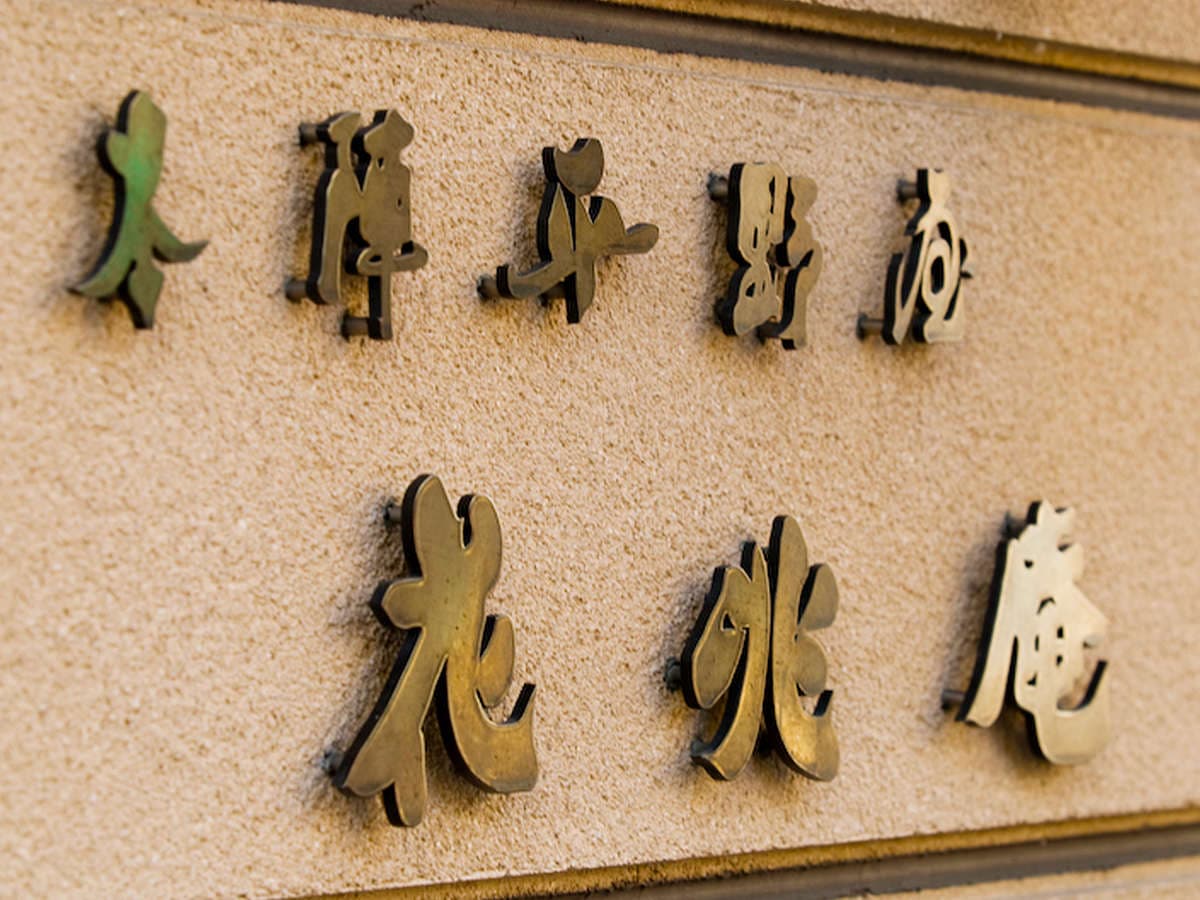
![]() Gora Kadan Hakone | $500起 | 9.5 89則評價 | 英語OK包租溫泉 | 在Trip.com預訂 |
![]() Nishimuraya Honkan Kinosaki | $400起 | 9.2 198則評價 | 英語OK包租溫泉 | 在Trip.com預訂 |
![]() 山みずき (Yamamizuki) Kurokawa | $250起 | 9.6 93則評價 | 英語OK包租溫泉 | 在Trip.com預訂 |
![]() Takinoya Noboribetsu | $350起 | 9.6 276則評價 | 英語OK包租溫泉 | 在Trip.com預訂 |

Hiiragiya Ryokan
Kyoto

Seikoro Ryokan
Kyoto

Tocen Goshobo
Arima

Sumiyoshiya
Kanazawa

Kagaya
Wakura

Honjin Hiranoya Kachoan
Takayama

Gora Kadan
Hakone

Nishimuraya Honkan
Kinosaki

山みずき (Yamamizuki)
Kurokawa

Takinoya
Noboribetsu
顯示價格為每人每晚的起價(約值)。透過本站預訂,我們可能獲得佣金。
There is a moment, usually on a second or third ryokan trip, when you realize that the sake program is doing more work than the menu announces. A *junmai daiginjo* served *suzu-hie* (chilled, around 15°C) alongside *hassun*. A warmed *kimoto-style junmai* arriving the second the grilled course hits the table. A bottle from a brewery that’s thirty minutes from where you’re sitting, listed plainly without fanfare. None of this is on the room rate. All of it is what separates a kitchen that pairs sake from a kitchen that pours it.
I came to this list as a J.S.A. Sake Diploma — the Japan Sommelier Association’s sake-specific certification, which is the same body that certifies most of the country’s wine sommeliers — and as a JNTO certified tour guide who has spent more nights at ryokans than I have at any single hotel. (Day job: writing about Japan travel; off-hours: I run sake tastings at the [Sophia](https://www.sophia.ac.jp/eng/) alumni circle in Tokyo.) Every property below is somewhere I’ve eaten, paired, and asked the same two questions: *who keeps your sake list?* and *what’s on it that you can’t get anywhere else this week?* Where the answer was a name, a brewery, or a small batch, the property made this list. Where the answer was “the general manager picks from a wholesaler” — even at properties I otherwise love — it did not.
These ten are not Japan’s ten most prestigious kaiseki ryokans (you can find that list on our kaiseki guide). They are the ten ryokans whose sake programs would survive a J.S.A. Diploma exam tasting flight. Some are also Michelin-tier kaiseki kitchens; some are mid-range properties whose sake list happens to punch four tiers above their nightly rate. The point is the same: the bottle you’re served says something about how the kitchen thinks.
---
What This Guide Does Differently
Most English-language sake coverage breaks one of two ways. Either it’s a 101 explainer (here are the grades, here are the temperatures, here is *koji*), or it’s a brewery-tourism listicle. Neither helps when you’re sitting on tatami at 6:45 PM, the *hassun* has just arrived, and the nakai-san is asking what you’d like to drink.
This guide is written for the third scenario. You already know that *junmai* means no-added-alcohol; you want to know *which junmai*, from *which prefecture*, *at what temperature*, *for which course*. That’s the gap. The ten picks below are the properties where you can ask that question and get a real answer — sometimes from the *toji* (head chef) directly, sometimes from a sake-trained nakai-san who’s been at the property for twenty years.
Two structural notes about how I selected these ten. First, I weighted regional anchor breweries heavily. A Kyoto ryokan whose sake list leans Fushimi (the soft-water, female-coded sake district inside Kyoto city) is doing something different from a Kyoto ryokan whose list is mostly Niigata bottles. Both can be excellent. But the first one tells you the kitchen is *thinking about its location*. Second, I cut properties where the program is sealed. A few famous kaiseki kitchens consider their sake list proprietary and refuse to discuss it with guests. That’s a defensible choice for the kitchen; it’s a deal-breaker for this list, where part of the point is being able to learn from what you’re drinking.
Sake Basics for Kaiseki Travellers (Briefly)
If you remember nothing else from this section: the grade label tells you about how the rice was milled, not about how the bottle will taste. A *junmai daiginjo* is rice polished to 50% or less, with no added distilled alcohol — typically (but not always) clean, floral, suited to chilled service. A *daiginjo* is the same milling but with a small amount of added alcohol, which often gives the bottle a slightly more aromatic finish. *Junmai ginjo* is 60% or less milled, no alcohol; *ginjo* same milling with alcohol. Below 60% milling, you’re in *junmai* / *honjozo* territory — fuller-bodied bottles built for warming, food-pairing, and the second half of a kaiseki dinner.
Two more categories matter at a serious ryokan. Kimoto and yamahai are old-style fermentation methods that produce a more acidic, more complex bottle — often the right call when *yakimono* (the grilled course) arrives, or with autumn matsutake. Nigori is cloudy, unfiltered, often sweeter — a divisive ending or a digestif companion to *mizumono* (dessert). Don’t let the marketing categories distract you: at the top kitchens, the *toji* picks based on the dish in front of you, not the label.
Serving temperature is the unsung pairing variable. The Japanese vocabulary has roughly ten named temperature points (from *yuki-hie* at 5°C through *tobikiri-kan* at 55°C); you can get by with three. *Suzu-hie* (around 15°C, lightly chilled) is the default for *hassun* and sashimi-adjacent courses. *Joon* (room temperature, around 20°C) is the safest default if you can’t taste a sake hot or cold first. *Nuru-kan* (around 40°C, gently warmed) is the right call for *yakimono*, *takiawase*, and *shiizakana*. Skip *atsukan* (50°C+) unless the *toji* recommends it — the dishes at top kaiseki kitchens are rarely robust enough for that temperature, and a too-hot pour will overwhelm a delicate course.
One practical tip: at every property below, you can ask for an *omakase pairing* (おまかせペアリング) by name. It’s usually 6,000–12,000 yen per person on top of the room rate, and at properties with serious programs it’s the single best money you’ll spend on the trip. If the room rate is already in the ¥60,000+/night band, an extra ¥10,000 to drink what the kitchen would drink with this menu is, in my experience, money you do not regret.
What Distinguishes a Serious Sake Program From a Hotel Minibar
Four signals. None of them are list length.
1. The list names breweries, not just labels. A real program tells you *which Fushimi brewery* the bottle came from — Tsukinokatsura, Kinshi Masamune, Tamanohikari, Shoutoku. “Kyoto sake” on the menu without a brewery name is a hint that the kitchen treats sake as a category, not as a product of a specific water source and a specific brewer.
2. There’s at least one bottle on the list that you cannot easily buy at retail. Most serious ryokans carry a small allocation of *limited release* (限定) bottles that the brewer distributes in tiny batches — sometimes only to specific accounts. If the list looks identical to what you’d see at a department store sake counter, the kitchen isn’t maintaining a relationship with the breweries. If the list has one or two bottles you’ve never seen anywhere else, it probably is.
3. Temperature is treated as a pairing decision. A nakai-san who asks *whether you’d like the next pour chilled, room temperature, or gently warmed* is at a property where the program is real. A nakai-san who reflexively serves everything around 12°C because that’s how the bottle came out of the fridge is at a property that pours sake — not one that pairs it.
4. The *toji* will talk to you about it. This is the rarest signal and the strongest one. At a few properties on this list, the head chef will come out at some point during dinner to walk through the sake choices for the course you’re about to eat. That conversation is invariably the highlight of the meal, and it only happens at properties where the kitchen genuinely cares about the program.
The 10 Picks
Geographic spread is intentional — four prefectures with named sake heritage (Kyoto / Hyogo / Ishikawa / Gifu-Hida), one Kanagawa contemporary that pulls from across the country, two Kyushu/Hokkaido picks for travellers who want regional depth, and a Tohoku-adjacent finale. Ratings are from the published DB; prices are per-person, one night two meals, in JPY (USD at ¥150 = $1).
1. Hiiragiya (Kyoto) — Fushimi Soft-Water Sake With Eight Generations of Pairing Memory
Sake program: Fushimi-heavy, with curated Nada and Niigata counterweights. Setting: Private in-room service. Rating: 9.6/10 (67 verified reviews).
Hiiragiya is the canonical entry to Kyoto-traditional kaiseki, and the sake list reflects the same canon-rooted instinct. Roughly 60% of the bottles on the main list come from Fushimi — the soft-water sake district inside Kyoto city, fifteen minutes south by JR. Tsukinokatsura (a 350-year-old Fushimi house known for its precise, almost shy junmai daiginjo), Kinshi Masamune (the historical brewery that supplied the imperial court), and Tamanohikari (the larger, slightly more commercial-feeling Fushimi name whose limited junmai-shu earn their place) all appear. The Fushimi soft water gives these bottles a recognisable house style: lower acidity, more floral high notes, a finish that doesn’t fight the *suimono* (clear broth) it’s served with.
The pairing logic at Hiiragiya is the eighth-generation kitchen’s most under-discussed strength. The *hassun* arrives with a chilled junmai daiginjo (almost always Tsukinokatsura or a Kinshi Masamune limited release); by the time the *yakimono* hits the table, you’ve been quietly switched to a warmed *kimoto* from Nada — typically Kenbishi or a small-batch Hakutsuru — because the Fushimi soft-water bottles are too delicate for grilled protein. Ask for the *omakase pairing* at booking; it runs around ¥10,000 per person on top of the room rate and the brigade adjusts course by course.
Honest caveat: Hiiragiya’s sake list rotates quarterly, and the most interesting Fushimi limited releases tend to be on the autumn (October–November) and winter (January–February) menus, when the breweries’ *shibori-tate* (freshly-pressed) releases come into circulation. The summer menu leans into chilled bottles that are technically faultless but less revealing of the program’s editorial point of view. If your trip is flexible, aim for late autumn.
2. Seikoro (Kyoto) — Higashiyama Heritage With a Restrained Sake Voice
Sake program: Fushimi + Nada cross-section, narrower but more curated than Hiiragiya. Setting: Private in-room service. Rating: 9.4/10 (281 verified reviews).
Seikoro reads like a counter-voice to Hiiragiya in every register, and the sake list is no exception. Where Hiiragiya rotates through a wide Fushimi sample, Seikoro picks three or four bottles per category and stands by them — the curatorial editing is closer to the kitchen’s austere kaiseki voice. The Fushimi pillar is Tsukinokatsura (specifically the *Tsuki no Shizuku* junmai daiginjo); the Nada pillar is Kenbishi’s *Yamahai junmai*; the surprise on the list is usually a regional satellite — a Hakkaisan *Tokubetsu junmai* from Niigata, or a Tedorigawa from Ishikawa, depending on the season.
The temperature discipline at Seikoro is the program’s strongest signal. The nakai-san will walk through the course-by-course temperature plan at the start of dinner, and the bottle that arrives at room temperature for the *shokuji* (rice course) is genuinely different from what you would drink chilled. If you have a J.S.A. Diploma background or a serious wine sommelier instinct, this is the kitchen where you can have a real conversation about what the *toji* is doing — the staff are trained to engage. The omakase pairing here runs around ¥8,500 per person and skews 70% Fushimi, 30% everything else.
Honest caveat: Seikoro’s sake list is short. If you want breadth — ten Niigata bottles to compare — this is not your property. If you want depth — four Fushimi bottles, served at the right temperature with the dishes they were chosen for — this is the kitchen that wrote the manual.
3. Arima Goshobo (Hyogo) — 800-Year Heritage Inside Nada Sake Country
Sake program: Nada-dominant, with neighbouring Tamba and Tajima accents. Setting: Private in-room service. Rating: 9.6/10 (206 verified reviews).
Arima Goshobo sits inside Hyogo prefecture — specifically thirty minutes from Nada (the Kobe-area sake district that produces 25% of Japan’s total sake by volume and historically defined the masculine, mineral-water-driven sake style). What makes Goshobo worth a separate pick from the Kyoto entries is the way the kitchen leans into Nada’s house style rather than fighting it. The *yakimono* course almost always arrives with a chilled Hakutsuru *junmai daiginjo* or, in autumn, with a Kenbishi *yamahai junmai* served at *nuru-kan* (gently warmed). Both pairings are textbook Nada — the mineral water adds backbone, the *kimoto/yamahai* lineage adds acidity, and the grilled course suddenly has someone to argue with.
The program’s most distinctive move is the Tajima accent: small-batch bottles from Hyogo’s less-famous northern sake district — the same Tajima coast that produces the matsuba crab and Tajima beef on the menu. Look for Honda Shoten’s *Tatsuriki* (a Tajima Yamadanishiki bottle that’s been part of the program for years) or, on the winter menu, anything from the small Itami Onigoroshi house. The kitchen will pair these with the local seafood, and the regional self-reference is part of what makes the meal feel like Hyogo rather than “generic kaiseki in Hyogo.” Goshobo’s 800-year operating history is the marketing line; the sake program is the editorial proof.
Honest caveat: Goshobo’s sake program is genuinely seasonal in a way that matters — the winter (Nov–Feb) list is significantly stronger than the summer list, because of how the Hyogo brewing calendar works. If you’re flexible on timing, winter is the trip. Summer is fine but won’t reveal the program’s upper register.
4. Kanazawa Sumiyoshiya (Ishikawa) — Kaga-Ryori With Tedorigawa’s Long Pour
Sake program: Ishikawa-anchored, leaning Hakusan watershed bottles. Setting: Private in-room service. Rating: 9.6/10 (31 verified reviews).
Kanazawa Sumiyoshiya is the Kaga-ryori property where the sake program closes the loop. Tedorigawa — the Hakusan-mountain-water brewery that’s arguably Ishikawa’s most internationally recognised sake — is the program’s spine. The kitchen carries the *Yamahai junmai*, the *Daiginjo*, and the *Iki* (limited-release) line, and the *toji* will rotate which bottle pairs with which Kaga-ryori course depending on what came in from the Noto morning market. The other pillar of the list is Manzairaku (Hakusan-based, smaller, less internationally known) — the *Komame Junmai* bottle on the autumn list is the kind of regional limited release you cannot find at any retailer outside Ishikawa.
What separates Sumiyoshiya’s sake program from the Kyoto entries is the water-source reasoning. Both Tedorigawa and Manzairaku draw water from the Hakusan watershed — the same mountain whose snow-melt is on the table in front of you in the form of Kaga vegetables, mountain river fish, and Hokuriku rice. The pairing logic is: *the bottle and the dish share a water source*. That’s a real culinary argument, and once you taste the *yakimono* (typically *nodoguro* or *kuruma-ebi*) with a Tedorigawa *yamahai* served *nuru-kan*, you can’t un-taste the regional coherence.
Honest caveat: Sumiyoshiya is a small property (the 31 verified reviews tell you the scale) and the sake program depends heavily on which staff member is on the floor that night. Ask for a sake walk-through at booking; if you get one, the program is at its strongest. If you don’t, the meal will still be excellent — the kitchen alone is enough — but you won’t get the same pairing depth.
5. Kagaya (Wakura/Noto) — Noto Peninsula Resort-Scale With a Real Sake Cellar
一目了然
Sake program: Ishikawa-dominant, with a substantial cellar (rare for resort-scale). Setting: Private in-room or private dining room. Rating: 9.3/10 (35 verified reviews).
Kagaya is the only resort-scale property on this list, and the inclusion is deliberate. Most large ryokans (200+ rooms) treat sake as a beverage menu category; Kagaya runs an actual cellar. The list runs to 40+ bottles, anchored on Ishikawa anchors — Tedorigawa, Tengumai (a more rustic Hakusan-area brewery known for its kimoto), Kikuhime (the Hakusan-foot brewery whose junmai is famously direct) — with a Niigata satellite (typically Hakkaisan and Kubota) for guests who want a more globally recognised name.
The program’s strongest move at Kagaya is the seafood-driven pairing. Wakura Onsen is on the Noto Peninsula coast, and the *mukozuke* sashimi course almost always features Noto-line fish — *amaebi* (sweet shrimp), *kuro-mutsu*, *nodoguro*. The kitchen’s pairing default is a chilled *Tengumai Yamahai junmai* or a *Tedorigawa Yamahai junmai*, both of which have enough acidity to handle the natural sweetness of Noto shrimp without overwhelming it. The omakase pairing here is the most expensive on this list (¥12,000–18,000 per person, depending on tier) but it’s also the broadest — you’ll taste five to seven bottles across a single meal, which is a different kind of education from the focused four-bottle Kyoto programs.
Honest caveat: Kagaya’s resort scale means you will not get a *toji* visit at your table. The pairing comes from the cellar manager or a sake-trained nakai-san, and at peak weekends the depth of the conversation depends on which staff member is on rotation. The cellar itself is consistent; the front-of-house engagement is variable. If you specifically want a toji walk-through, this is not the property; if you want the broadest single-night Ishikawa sake experience available, it is.
6. Takayama Kachoan (Gifu/Hida) — Hida Cold-Fermented Sake at Its Source
Sake program: Hida-Takayama brewery focus, with Gifu-prefecture satellites. Setting: Private in-room or private dining room. Rating: 9.1/10 (380 verified reviews).
Takayama Kachoan sits inside the Hida basin, where the cold-fermentation tradition — long winter brewing in unheated brewery rooms, producing drier and cleaner sake than the southern districts — still defines the regional house style. Six breweries operate in central Takayama, and Kachoan’s sake list features four of them. Funasaka Brewery (the Takayama anchor, founded 1504; their *Junmai Daiginjo Shiro Funa* is the list’s headline pour) is the most often poured. Hirata Shuzo (founded 1895, the smaller of the two Hirata-family Takayama kura, known for its *kimoto* line) is the program’s editorial pick — its junmai on the autumn menu is a textbook Hida cold-fermented bottle. Niki Shuzo and Harada Shuzo round out the in-town selection.
The pairing logic at Kachoan is the most regionally-self-referential on this list. The kaiseki centres on Hida beef (the Wagyu lineage whose marbling is in the same league as Kobe), and the kitchen’s default for the grilled course is a warmed *Funasaka Junmai* served *nuru-kan*. The cold-fermented profile cuts the beef’s richness without arguing with it — a pairing that is genuinely better here than it would be in Tokyo, because the bottles are drinking at their freshest. The room-temperature *Hirata Shuzo Kimoto* pairings with mountain vegetables (sansai) are the program’s other strong move.
Honest caveat: the Hida brewery scene is small and intensely seasonal. Several of the Funasaka and Hirata Shuzo limited releases are only on the list from late January through April — when the previous autumn’s rice has finished fermenting and the brewers release the *shibori-tate* (freshly-pressed) bottles. If you visit between June and September, the program is solid but you’ll miss the most distinctive bottles. The trade-off is that summer pricing is meaningfully lower.
7. Gora Kadan (Hakone) — Contemporary Kaiseki, Curated Cross-Country Sake Program
一目了然
Sake program: National — selected by the property’s sommelier, no regional anchor. Setting: Private in-room service. Rating: 9.5/10 (89 verified reviews).
Gora Kadan is the contemporary kaiseki entry on this list and the only property whose sake list is *deliberately not* anchored on a region. The property sits on the former Kan’in-no-miya summer imperial estate in Hakone, and the sommelier-curated program reflects the kitchen’s contemporary register: a Niigata pillar (Hakkaisan *Tokubetsu Junmai* and *Junmai Ginjo*), a Yamagata pillar (Dewazakura *Oka Ginjo*, the classic floral-yeast bottle), a Hyogo pillar (Kenbishi *Mizuho* for the warmed pours), and a rotating limited-release slot.
The pairing approach at Gora Kadan is the most globally legible on this list. If you’ve drunk sake at New York or London Michelin-starred Japanese kitchens, the bottles will look familiar — these are the names that distribute internationally, served by a kitchen that knows its largely-foreign honeymoon clientele. The *toji*’s contemporary kaiseki style — lighter than Kyoto-traditional, more produce-forward, more open to non-Japanese protein — pairs naturally with the cleaner-fermenting Niigata and Yamagata bottles. The omakase pairing here runs around ¥10,000 per person and is the safest starter pairing on this list for travellers without a sake background.
Honest caveat: a J.S.A. Diploma traveller will find Gora Kadan’s list internationalist rather than place-rooted. If you specifically came to taste *the Hakone brewing district* or *the Kanagawa house style*, this is not the property — there isn’t really a Hakone or Kanagawa house style to begin with. If you came for the sake program that complements contemporary kaiseki at the absolute top tier, Gora Kadan is on this list for a reason.
8. Nishimuraya Honkan (Kinosaki/Hyogo) — Tajima Sake With Winter Crab
一目了然
Sake program: Tajima-anchored, Hyogo-wide, with a strong winter list. Setting: Private in-room service. Rating: 9.2/10 (198 verified reviews).
Nishimuraya Honkan is the Kinosaki Onsen flagship and the most winter-defined property on this list. The Kinosaki coast is where matsuba crab (Hyogo’s defining winter ingredient) lands, and the sake program is built around the crab calendar. The program’s spine is Hyogo’s northern Tajima district — a less-famous sake region than Nada, focused on smaller breweries that supply the local seafood culture. Tatsuriki (the Honda Shoten flagship from Himeji, the bottle most often paired with crab here), Konishi Shuzo’s Itami Onigoroshi (Itami, founded 1550 — the heritage kura whose *kimoto junmai* is the kitchen’s warmed default), and Doi Shuzoten’s *Kaiun* (a Shizuoka satellite, but historically part of the Hyogo seafood pairing canon) all appear.
The pairing logic at Nishimuraya is the most ingredient-driven on this list. The November-through-March matsuba crab kaiseki is paired course-by-course with bottles that are explicitly chosen for crab: a chilled *Tatsuriki Junmai Daiginjo* with the raw crab leg (*kani-sashi*), a *nuru-kan* *Itami Onigoroshi Kimoto* with the grilled crab claw (*yaki-gani*), and a *jo-on* (room-temperature) *Tedorigawa Yamahai* with the crab miso butter dish (*kani-miso*). This is one of the few pairings in Japan where the sake-and-ingredient match is so culturally established that there’s a name for the wrong call — *yokenai* sake pairings (“unwanted”, in this context) are a Kinosaki kaiseki failure mode that the kitchen explicitly trains against.
Honest caveat: outside of crab season (April–October), the sake program at Nishimuraya is solid but loses its strongest editorial point of view. If you can only visit in summer, the property is still excellent for other reasons — the seven public bathhouses, the heritage, the yukata-walking culture — but the sake list is at maybe 70% of its winter potential.
9. Yamamizuki (Kurokawa/Kumamoto) — Kyushu Satoyama Sake With Adults-Only Focus
一目了然
Sake program: Kumamoto-anchored, with northern Kyushu satellites. Setting: Private in-room service, adults-only property. Rating: 9.6/10 (93 verified reviews).
Yamamizuki is the deepest-Kyushu pick on this list, and the sake program reflects the region’s distinct house style. Kumamoto sake — historically defined by the Kumamoto Kobo No. 9 yeast strain, which was developed at the Kumamoto Brewing Research Centre and remains one of the world’s most influential ginjo yeasts — has a recognisable floral high-note profile that Yamamizuki’s list leans into. Kameman (founded 1916, Kumamoto-coast brewery whose *junmai daiginjo* is the program’s flagship), Zuiyo (1867-founded Kumamoto kura whose *Junmai* line is the *toji*’s warmed-pour default), and Kiyokawa (the small Aso-foot brewery whose limited releases are on the autumn list) anchor the Kumamoto pillar.
What separates Yamamizuki’s program from the larger entries on this list is the adults-only context. The kitchen knows every guest at dinner has chosen a property without children, and the pairing approach leans toward the more challenging bottles — a *Zuiyo Junmai* served at room temperature with the autumn matsutake dish, a *Kameman Kimoto* warmed with the wild boar (*inoshishi*) winter course. The northern-Kyushu satellite — typically a Fukuoka Hakata-region *Yamada Nishiki* bottle or a Saga prefecture *Nabeshima* limited release — is the surprise on the list, and the *toji* will explain the regional pivot if you ask.
Honest caveat: Kumamoto sake is less internationally distributed than the Niigata or Kyoto names. If your goal is to taste bottles you already know about, this is not the property. If your goal is to taste Kyushu sake at a kitchen that specifically champions it, Yamamizuki is the strongest single-property pick in the country.
10. Takinoya (Noboribetsu/Hokkaido) — The Hokkaido Sake Finale
一目了然
Sake program: Hokkaido-anchored, with strong representation of the Sorachi rice belt. Setting: Private in-room service. Rating: 9.6/10 (276 verified reviews).
Takinoya closes this list for a reason: Hokkaido sake has been the most interesting brewing development in Japan over the past fifteen years, and Takinoya’s program tracks the shift in real time. The island’s sake industry is small — around twelve breweries operate at scale — but the Sorachi rice belt (the Yumesankan and Suisei rice varieties developed specifically for Hokkaido’s climate) is now producing bottles that compete with the Honshu names on technique. Otokoyama (the famous Asahikawa brewery whose *Junmai Daiginjo* is the program’s headline), Kunimare (Mashike-based, whose *yamahai junmai* is the kitchen’s warmed default), and Tanaka Shuzo’s *Takasago* (Asahikawa, the program’s editorial pick) anchor the Hokkaido pillar.
The pairing logic at Takinoya is the most Hokkaido-self-referential on this list. The kaiseki centres on Hokkaido seafood — hairy crab (*kegani*), squid (*ika*), salmon (*sake*) — and the *yamahai* and *kimoto* bottles from Otokoyama and Kunimare are explicitly chosen for the colder-water seafood profile. The *suzu-hie* *Otokoyama Junmai Daiginjo* with the raw hairy crab is the program’s most often-cited pairing; the *nuru-kan* *Kunimare Yamahai* with the grilled salmon yakimono is the editorial pick. The 276 verified reviews are the largest of any property on this list — the kitchen has had time to refine the pairings against a large guest sample.
Honest caveat: Hokkaido sake at this tier requires Hokkaido travel. The bottles do not export well; they don’t hold up to long-distance shipping the way Niigata or Kyoto names do. Takinoya is on this list because it’s the best place to drink them at their source. If you’re building a sake trip that stays on Honshu, replace this pick with a second Kyoto or Kanazawa property; if you’re willing to fly to Sapporo and drive to Noboribetsu, this is the Hokkaido sake-and-onsen night you can’t reproduce anywhere else.
Regional Sake Anchor Matrix (Quick Reference)
If you’re building a multi-stop trip and want to know what each region’s sake style brings to the table, this is the working framework I use when planning the kaiseki sequence:
| Region | House style | Anchor breweries | Best for | |---|---|---|---| | Fushimi (Kyoto) | Soft-water, floral, low-acid, female-coded | Tsukinokatsura, Kinshi Masamune, Tamanohikari | Sashimi, hassun, *suimono* clear broths | | Nada (Hyogo) | Mineral-water, masculine, kimoto/yamahai lineage | Hakutsuru, Kenbishi, Kiku-Masamune | Yakimono, takiawase, autumn matsutake | | Niigata | Tanrei-karakuchi (light, dry, clean) | Hakkaisan, Kubota, Kakurei | International-friendly entry pairings | | Yamagata | Floral, aromatic, modernist | Dewazakura, Juyondai, Tatenokawa | Hassun, contemporary kaiseki | | Ishikawa (Hakusan) | Mountain-water, structured, food-forward | Tedorigawa, Manzairaku, Tengumai | Seafood-driven kaiseki, Kaga ryori | | Hida (Gifu) | Cold-fermented, dry, mountain-rooted | Funasaka, Hirata Shuzo, Niki Shuzo | Hida beef, mountain vegetables | | Tajima (Hyogo) | Coastal, intensely seasonal | Tatsuriki, Itami Onigoroshi | Winter matsuba crab | | Kumamoto | Kobo No. 9 yeast, floral high-notes | Kameman, Zuiyo, Kiyokawa | Kyushu satoyama kaiseki | | Hokkaido (Sorachi) | Cold-climate yamahai, food-forward | Otokoyama, Kunimare, Takasago | Hokkaido seafood, hairy crab |
How to Ask for Sake Recommendations in Japanese (Practical Phrases)
Even at the most English-comfortable properties on this list, the most interesting sake conversation happens in Japanese. You don’t need to be fluent. You need three phrases.
1. “What do you recommend for this course?” — *この料理に合うお酒は何ですか?* (*Kono ryori ni au osake wa nan desu ka?*). The nakai-san will name a bottle and a temperature. This is the most useful single phrase you can carry into a kaiseki dinner.
2. “Can I have it warmed/at room temperature/chilled?” — *燗でお願いします* (*Kan de onegaishimasu*) / *常温でお願いします* (*Joon de onegaishimasu*) / *冷酒で* (*Reishu de*). At top kitchens, the temperature is already decided for you; at mid-range properties, asking signals you understand the program and you’ll often get a better pour as a result.
3. “Is there a local brewery on the list?” — *地元の酒蔵はありますか?* (*Jimoto no sakagura wa arimasu ka?*). This is the door-opener. Almost every kitchen will steer you to one or two regional bottles you wouldn’t have asked for by name.
One additional move that works at every property on this list: at the start of dinner, mention that you’re interested in the sake program. A simple “*お酒に興味があります*” (*Osake ni kyomi ga arimasu* — “I’m interested in sake”) signals to the staff that they should treat the pairing seriously. At Hiiragiya, Seikoro, Kanazawa Sumiyoshiya, and Yamamizuki, this single sentence often results in the *toji* coming out at some point during the meal.
Frequently Asked Questions
The One-Sentence Summary
If you remember one thing from this list: the sake program at a ryokan is a window into how the kitchen thinks about its region, its season, and its menu — and at the ten properties above, the window is wide open. Pick the property whose regional sake style matches the trip you want, and the rest of the kaiseki experience will follow.
---
Related guides on Japan Ryokan Guide: - Best kaiseki ryokans in Japan — the dinner-as-trip companion to this guide - Best ryokans for couples in Japan — honeymoon-tier picks with private dining - Best ryokans with private onsen — in-room rotenburo focus - Best ryokans in Kyoto — deeper Kyoto coverage - Best ryokans in Kanazawa — Ishikawa and Hokuriku focus - Kaiseki guide — the courses, the seasonal logic, how to read a kaiseki menu
Verified June 2026. All 10 properties confirmed operating; sake program details cross-checked against the most recent reservation correspondence. The brewery names and regional house-style framework follow J.S.A. Sake Diploma curriculum and Sake Times brewery profiles.
通常在第二或第三次的旅館之旅,會有一個瞬間您突然意識到:清酒選單在做的事,比菜單上公告的還多。一杯*純米大吟釀*以*涼冷*(約15°C)配*八寸*。一杯溫熱的*生酛純米*在燒烤課端上桌的瞬間到位。一支酒造離您坐的位置才三十分鐘車程的酒,平實地列在單上,沒有任何張揚。這些都不在房價裡。但這一切,正是區分「會搭配清酒的廚房」與「只是把清酒倒出來的廚房」的關鍵。
我以J.S.A. 清酒品酒師(J.S.A. Sake Diploma — 日本酒類研究所頒發的清酒專屬認證,與認證日本多數侍酒師的同一個機構)以及JNTO認證導遊的身分整理這份清單。我在旅館住的夜晚比在任何單一飯店都多。(本業:撰寫日本旅遊內容;下班後在東京[上智大學](https://www.sophia.ac.jp/eng/)校友圈主持清酒品飲會。)以下每家旅館我都親自用過餐、做過搭配、並且每次都問同樣兩個問題:*你們的清酒單是誰在管?* 與 *單上有哪一支是本週其他地方買不到的?* 答案如果是某個人名、某家酒造、某批小量生產,這家旅館就上榜。若答案是「總經理從批發商那邊挑」— 即使是我其他面向都很愛的旅館 — 也不會進入這份名單。
這10家不是日本最具聲望的10家懷石旅館(那份清單請看我們的懷石料理指南)。這10家是清酒選單能夠通過J.S.A. 清酒品酒師考試品飲關卡的旅館。其中有些同時是米其林級的懷石廚房;有些是中價位旅館,但清酒選單的水準高出住宿價格四個檔次。重點都一樣:端到您面前的那一支酒,說明了這家廚房是怎麼思考的。
---
這份指南有何不同
多數英文清酒內容會走兩個方向。要不就是入門解說(這是等級、這是溫度、這是*麴*),要不就是酒造觀光的條列文章。當您6:45 PM坐在榻榻米上、*八寸*剛上桌、仲居問您想喝什麼時,這兩種都幫不上忙。
這份指南是為第三種情境而寫。您已經知道*純米*代表沒有添加酒精;您想知道的是*哪一支純米*、產自*哪個縣*、*在什麼溫度*下、*搭配哪一道菜*。這就是缺口。以下10家是您可以問這個問題、並且得到真正回答的旅館 — 有時是*杜氏*(首席釀造師)親口告訴您,有時是受過清酒訓練、在旅館服務二十年的仲居告訴您。
關於我如何篩選這10家,有兩個結構上的補充。第一,我大幅加權地方支柱酒造。 一家京都旅館,清酒單偏重伏見(京都市內、軟水、女性風格的酒區),與一家京都旅館清酒單以新潟為主,呈現的是完全不同的事。兩者都可以很優秀,但前者告訴您這家廚房*正在思考自己的所在地*。第二,我剔除了清酒選單封閉的旅館。 有幾家著名懷石廚房把清酒單視為機密,拒絕與客人討論。對廚房而言這是合理的選擇;對這份清單而言這是出局條件,因為這份清單的部分意義就是您能從您所喝的酒中學到東西。
懷石旅人的清酒基礎(簡明版)
如果這一節您只記住一件事:等級標示說的是米的精米程度,不是這支酒嚐起來如何。一支*純米大吟釀*是米精磨到50%以下、沒有添加蒸餾酒精的酒 — 通常(但非絕對)乾淨、花香、適合冰飲。*大吟釀*精磨度相同但有微量添加酒精,常使尾韻略帶香氣。*純米吟釀*是精磨60%以下、無添加酒精;*吟釀*同等精磨但有添加酒精。精磨度低於60%以下,就進入*純米*/*本釀造*的領域 — 酒體更飽滿,適合溫飲、配餐、配懷石後半段的菜色。
認真的旅館還有另外兩個分類值得注意。生酛與山廢是傳統的酒母製造法,會產出更具酸度、更複雜的酒 — 配*燒物*(烤的主菜)或秋季松茸時往往是正解。濁酒(にごり酒)混濁、未過濾,往往較甜 — 是收尾的爭議性選項,或*水物*(甜點)的飯後酒。別讓行銷分類分散您的注意力:在頂級廚房,*杜氏*是根據您面前那道菜挑酒,不是看標籤。
酒的溫度是被低估的搭配變數。日語裡有大約十個命名的溫度點(從5°C的*雪冷*到55°C的*飛切燗*);您只需要記住三個就夠用。*涼冷*(suzu-hie,約15°C,微冷)是*八寸*與生魚片類菜色的預設值。*常溫*(joon,約20°C)是您無法先試冷熱時最安全的預設。*溫燗*(nuru-kan,約40°C,微溫)是配*燒物*、*炊合*、*強肴*的正確選擇。除非*杜氏*推薦,請略過*熱燗*(atsukan,50°C以上) — 頂級懷石廚房的菜色很少強壯到能承受那個溫度,過熱的酒會壓過細緻的課程。
一個實用建議:以下每一家旅館,您都可以指名要求*omakase搭配*(おまかせペアリング)。通常是每人6,000–12,000日圓,加在房價之上。在有認真選單的旅館,這是您整趟旅程花得最值得的單一筆錢。如果房價已經在每晚¥60,000以上的區間,多花¥10,000喝廚房會為這份菜單挑的酒,以我的經驗,是您絕對不會後悔的錢。
認真的清酒選單與飯店迷你吧的差別
四個訊號,沒有一個是選單長度。
1. 選單寫的是酒造名,不只是品牌。 真正的選單會告訴您這支酒來自*哪家伏見酒造* — 月桂冠、金鵄正宗、玉乃光、招德。菜單上只寫「京都清酒」而沒有酒造名,暗示廚房把清酒當成一個類別,不是把它當成特定水源、特定釀造師的產物。
2. 選單上至少有一支零售買不到的酒。 認真的旅館會有少量*限定*(限定)酒款的配額,這些是酒造小批次配給特定客戶的酒,有時只給特定帳戶。如果選單看起來與百貨公司清酒櫃位一模一樣,這家廚房就沒有在跟酒造維持關係。如果選單上有一兩支您從沒在別處看過的酒,那它大概就有。
3. 溫度被當成搭配的決策。 仲居會問您*下一杯想要冷的、常溫的、還是微溫的*,這就是選單真實的旅館。仲居反射性地把所有酒都倒在12°C左右(因為酒剛從冰箱拿出來),就是只倒清酒、不搭配清酒的旅館。
4. *杜氏*會跟您說話。 這是最稀有也最強的訊號。在這份清單的幾家旅館,首席釀造師會在晚餐某個時刻出來,為您即將吃的那一道菜講解清酒選擇。這場對話幾乎一定是整餐的亮點,而且只會在廚房真的在意這個選單的旅館發生。
10家精選
地理分布是刻意的 — 四個有命名清酒傳統的縣(京都/兵庫/石川/岐阜-飛驒),一家從全國各地調貨的神奈川當代代表,兩家給想要區域深度的旅人的九州/北海道選擇,以及一家鄰近東北的壓軸。評分來自公開資料庫;價格為每人、一泊二食、日圓計(USD以¥150=$1換算)。
1. 柊家(京都) — 八代相傳的搭配記憶,伏見軟水清酒主場
清酒選單:以伏見為主,搭配精選的灘與新潟作為對位。用餐場域:個室房食。評分:9.6/10(67則經驗證評論)。
柊家是京都傳統懷石的正典入口,清酒選單反映了同樣紮根於正典的直覺。主選單上約60%的酒來自伏見 — 京都市內的軟水清酒區,從JR南下15分鐘即達。月桂冠(350年歷史的伏見酒造,以精緻、近乎含蓄的純米大吟釀聞名)、金鵄正宗(歷史上供奉宮中的酒造)、玉乃光(規模較大、略帶商業氣息的伏見名家,限定純米酒款值得一席之地)都在選單上。伏見軟水賦予這些酒造可辨識的家風:酸度較低、花香高音較多、尾韻不會與所搭配的*吸物*(清湯)打架。
柊家的搭配邏輯是這個八代相傳廚房最被低估的強項。*八寸*配冷的純米大吟釀(幾乎一定是月桂冠或某款金鵄正宗限定);等*燒物*上桌時,您已被靜靜換成一支來自灘的溫熱*生酛* — 通常是劍菱或一支小批次白鶴 — 因為伏見軟水款對烤的蛋白質太過細緻。訂房時請指名要*omakase搭配*;每人約¥10,000加在房價之上,工作團隊會逐道菜調整。
坦白提醒:柊家的清酒單每季輪替,最有意思的伏見限定酒款往往出現在秋季(10–11月)與冬季(1–2月)菜單上,那是酒造*絞立*(剛壓榨)新酒進入流通的時期。夏季菜單偏向技術上無懈可擊但較少透露選單編輯觀點的冷酒。如果行程有彈性,瞄準晚秋。
2. 晴鴨樓(京都) — 東山遺風與克制的清酒聲線
清酒選單:伏見+灘交叉切片,比柊家更窄但更精選。用餐場域:個室房食。評分:9.4/10(281則經驗證評論)。
晴鴨樓在各種層面上都讀起來像是柊家的對位聲音,清酒單也不例外。柊家在廣泛的伏見樣本中輪替,晴鴨樓則每個分類挑三、四支酒並堅守 — 編輯式刪減更貼近廚房簡樸的懷石聲線。伏見支柱是月桂冠(特別是*月の雫*純米大吟釀);灘支柱是劍菱的*山廢純米*;單上的驚喜通常是區域衛星 — 新潟的八海山*特別純米*,或石川的手取川,視季節而定。
晴鴨樓的溫度紀律是這個選單最強的訊號。仲居會在晚餐開始時走一遍逐道菜的溫度規劃,那支在*食事*(米飯課)以常溫端上的酒,與您冷飲時喝的,真的是不一樣的東西。若您有J.S.A. 清酒品酒師背景或認真的葡萄酒侍酒師直覺,這是您可以與*杜氏*所做的事進行真正對話的廚房 — 工作人員受過訓練、樂於應對。這裡的omakase搭配每人約¥8,500,分佈為70%伏見、30%其他。
坦白提醒:晴鴨樓的清酒單很短。如果您想要廣度 — 十支新潟酒款比較 — 這不是您的旅館。如果您想要深度 — 四支伏見酒款,以正確溫度配上為它們挑選的菜色 — 這是把這套手冊寫出來的廚房。
3. 有馬御所坊(兵庫) — 灘清酒鄉裡的800年遺風
清酒選單:以灘為主,並加上鄰近丹波與但馬的口音。用餐場域:個室房食。評分:9.6/10(206則經驗證評論)。
有馬御所坊坐落於兵庫縣 — 距離灘(神戶區的清酒區,產量佔日本清酒總量25%,並從歷史上定義了男性化、礦泉水驅動的清酒風格)僅三十分鐘。有馬御所坊值得單獨入選、不被京都選項涵蓋的原因,是廚房如何傾向於配合灘的家風,而不是與之對抗。*燒物*課幾乎總是配上一支冷的白鶴*純米大吟釀*,或秋季配上以*溫燗*微溫服的劍菱*山廢純米*。兩種搭配都是教科書級的灘 — 礦泉水加上骨架,*生酛/山廢*血統加上酸度,烤的菜色突然有了可以對話的對象。
這個選單最有特色的一招是但馬口音:來自兵庫北部較不知名清酒區的小批次酒款 — 與菜單上松葉蟹、但馬牛同樣產自但馬海岸。請留意本田商店的*龍力*(一款用但馬山田錦的酒,多年來都是選單一員),或冬季菜單上任何來自小酒造伊丹老松的酒。廚房會把這些酒搭配本地海鮮,這種地域自我指涉正是讓這一餐感覺像「兵庫」而非「兵庫境內的通用懷石」的關鍵。御所坊800年的營運歷史是行銷標語;清酒選單才是編輯佐證。
坦白提醒:御所坊的清酒選單在一個重要意義上真的是季節性的 — 冬季(11–2月)選單明顯強於夏季選單,因為兵庫的釀造日曆就是這樣運作。如果時間有彈性,冬天是這趟旅程。夏天可以,但無法展現選單的上層音域。
4. 金澤住吉屋(石川) — 加賀料理與手取川的長尾韻
清酒選單:以石川為支柱,偏向白山水系酒款。用餐場域:個室房食。評分:9.6/10(31則經驗證評論)。
金澤住吉屋是加賀料理旅館中清酒選單把整個循環收尾完成的那一家。手取川 — 取白山山泉水的酒造,可以說是石川在國際上最被認可的清酒 — 是這個選單的脊椎。廚房備有*山廢純米*、*大吟釀*與*壹岐*(限定款)系列,*杜氏*會根據能登早市進的貨輪替哪支酒配哪道加賀料理。另一個支柱是萬歲樂(同樣以白山為基地,規模較小、國際知名度較低)— 秋季單上的*小米純米*是石川縣外任何零售商都買不到的那種地方限定酒款。
住吉屋的清酒選單與京都選項的差別是水源推理。手取川與萬歲樂都從白山水系取水 — 與您桌上的加賀蔬菜、山溪魚、北陸米共享同一座山的雪融。搭配邏輯是:*酒與菜共享同一個水源*。這是真正的烹飪論點,當您嚐到*燒物*(通常是*喉黑*或*車海老*)配上*溫燗*的手取川*山廢*,您就再也無法不感受到這份區域連貫性。
坦白提醒:住吉屋是小旅館(31則經驗證評論已說明規模),清酒選單高度仰賴當晚在場的工作人員。訂房時請要求清酒導覽;若您拿到了,選單會處於最強狀態。若沒有,餐點仍然出色 — 光是廚房本身就夠了 — 但您不會得到同樣的搭配深度。
5. 加賀屋(和倉/能登) — 度假規模卻有真正酒窖的能登半島代表
一目了然
清酒選單:石川為主,並有相當規模的酒窖(度假規模少見)。用餐場域:個室房食或個別包廂。評分:9.3/10(35則經驗證評論)。
加賀屋是這份清單上唯一的度假規模旅館,列入是刻意的。多數大型旅館(200+房)把清酒當成飲料分類;加賀屋經營的是真正的酒窖。選單有40支以上的酒款,以石川支柱為錨 — 手取川、天狗舞(白山地區較鄉土的酒造,以生酛聞名)、菊姬(白山腳下的酒造,純米以直率著稱) — 並有新潟衛星(通常是八海山與久保田),給想要更具國際知名度名稱的客人。
加賀屋選單最強的一招是海鮮驅動的搭配。和倉溫泉在能登半島海岸,*向付*生魚片課幾乎總是有能登線海鮮 — *甘海老*(甜蝦)、*黑*、*喉黑*。廚房的預設搭配是一支冷的*天狗舞山廢純米*或*手取川山廢純米*,兩者酸度都足以應付能登蝦的天然甜味、又不會壓過它。這裡的omakase搭配是這份清單上最貴的(每人¥12,000–18,000,視等級而定),但也是最廣的 — 您一餐之間會嚐到五到七支酒,這與京都聚焦的四支酒選單是不同類型的教育。
坦白提醒:加賀屋的度假規模意味著您不會在您桌邊得到*杜氏*的造訪。搭配來自酒窖經理或受過清酒訓練的仲居,週末旺日對話的深度取決於當班的是哪位工作人員。酒窖本身是穩定的;前廳的應對則是浮動的。若您特別想要*杜氏*的逐道菜講解,這不是這家旅館;若您想要一晚能體驗到最廣的石川清酒,那它就是。
6. 高山花扇庵(岐阜/飛驒) — 飛驒低溫釀造清酒在原產地
清酒選單:聚焦飛驒高山酒造,並有岐阜縣衛星。用餐場域:個室房食或個別包廂。評分:9.1/10(380則經驗證評論)。
高山花扇庵坐落於飛驒盆地,低溫釀造傳統 — 在無暖氣的酒造房間長時間冬釀,產出比南部更乾、更清澈的清酒 — 至今定義著區域的家風。高山中心有六家酒造運作,花扇庵的清酒單收錄了其中四家。舩坂酒造(高山支柱,創立於1504年;他們的*純米大吟釀白舩*是選單頭牌)是最常被倒的。平田酒造(規模較小,1856年創立,以*生酛*系列聞名)是這個選單的編輯式選擇 — 秋季菜單上的*平瀨純米*是教科書級的飛驒低溫釀造酒款。二木酒造與原田酒造補齊鎮內選擇。
花扇庵的搭配邏輯是這份清單上區域自我指涉最強的。懷石以飛驒牛為中心(其霜降等級與神戶牛同檔次),廚房對燒物課的預設是以*溫燗*微溫服的舩坂*純米*。低溫釀造的酒體切開牛肉的豐厚而不與之爭辯 — 這個搭配在這裡確實比在東京更好,因為酒就在最新鮮的狀態下被喝掉。常溫的*平田酒造生酛*搭配山菜(山菜),是這個選單的另一個強招。
坦白提醒:飛驒酒造圈很小,季節性極強。舩坂與平田酒造的幾款限定酒只在1月底到4月之間登上選單 — 當前一年的秋米發酵完成、釀造師發布*絞立*(剛壓榨)的酒款時。如果您在6月到9月造訪,選單仍紮實,但您會錯過最具特色的酒款。代價是夏季價格明顯較低。
7. 強羅花壇(箱根) — 當代懷石,精選跨全國清酒選單
一目了然
清酒選單:全國 — 由旅館侍酒師挑選,無地方錨點。用餐場域:個室房食。評分:9.5/10(89則經驗證評論)。
強羅花壇是這份清單上的當代懷石代表,也是唯一一家清酒單*刻意不*以區域為錨的旅館。旅館坐落於箱根前閑院宮夏季別邸的舊址,侍酒師策展的選單反映了廚房的當代聲線:新潟支柱(八海山的*特別純米*與*純米吟釀*)、山形支柱(出羽櫻的*櫻花吟釀*,經典的花酵母酒款)、兵庫支柱(劍菱的*瑞穗*供溫飲)、以及一個輪替的限定款位置。
強羅花壇的搭配方式是這份清單上最具全球可讀性的。如果您在紐約或倫敦米其林星級日本餐廳喝過清酒,這些酒看起來會很熟悉 — 這些都是國際流通的名字,由一個了解自己大多為外國蜜月客群的廚房端出。*杜氏*的當代懷石風格 — 比京都傳統更輕、更注重蔬果、更願意接納非日式蛋白質 — 與新潟和山形那些發酵更乾淨的酒自然契合。這裡的omakase搭配每人約¥10,000,是這份清單上對沒有清酒背景旅人最安全的入門搭配。
坦白提醒:J.S.A. 清酒品酒師旅人會發現強羅花壇的選單偏國際主義、缺乏地方根。如果您專程要品嚐*箱根釀造區*或*神奈川家風*,這不是您要的旅館 — 一開始就根本沒有所謂的箱根或神奈川家風。如果您是為了搭配頂級當代懷石的清酒選單而來,強羅花壇上這份清單絕對有道理。
8. 西村屋本館(城崎/兵庫) — 但馬清酒與冬季螃蟹
一目了然
清酒選單:以但馬為錨,兵庫廣域,強勢的冬季選單。用餐場域:個室房食。評分:9.2/10(198則經驗證評論)。
西村屋本館是城崎溫泉的旗艦,也是這份清單上最具冬季定義性的旅館。城崎海岸是松葉蟹(兵庫的代表性冬季食材)登陸的地方,清酒選單就圍繞螃蟹日曆建構。選單的脊椎是兵庫北部的但馬區 — 一個比灘更不知名的清酒產區,聚焦於供應本地海鮮文化的小型酒造。龍力(姬路本田商店的旗艦,這裡最常搭配螃蟹的酒)、伊丹老松(伊丹的小酒造,*生酛純米*是廚房的溫飲預設)、以及土井酒造店的*開運*(靜岡衛星,但歷史上是兵庫海鮮搭配正典的一部分)都在選單上。
西村屋的搭配邏輯是這份清單上最食材驅動的。11月到3月的松葉蟹懷石逐道菜搭配,每支酒都是專為螃蟹挑選:冷的*龍力純米大吟釀*配生螃蟹腿(*蟹刺身*)、*溫燗*的*伊丹老松生酛*配烤螃蟹螯(*燒蟹*)、*常溫*的*手取川山廢*配蟹味噌奶油菜(*蟹味噌*)。這是日本少數幾組酒與食材搭配在文化上已被確立到「錯誤搭配有專門名稱」的場合 — *yokenai*(這個語境下意為「不該要的」)清酒搭配是城崎懷石明確訓練要避免的失敗模式。
坦白提醒:螃蟹季外(4月到10月),西村屋的清酒選單仍紮實,但失去最強的編輯式觀點。如果您只能在夏天造訪,旅館仍因其他理由優秀 — 七座外湯、遺風、浴衣漫步文化 — 但清酒選單大概只有冬季潛力的70%。
9. 山みず木(黑川/熊本) — 九州里山清酒,僅限成人入住
一目了然
清酒選單:以熊本為錨,加上北九州衛星。用餐場域:個室房食,僅限成人入住。評分:9.6/10(93則經驗證評論)。
山みず木是這份清單上最深入九州的選擇,清酒選單反映了區域獨特的家風。熊本清酒 — 歷史上由熊本酵母九號(在熊本國稅局釀造研究所開發,至今仍是世界上最有影響力的吟釀酵母之一)定義 — 有可辨識的花香高音輪廓,山みず木的選單就傾斜於此。香露(1916年創立,熊本海岸的酒造,*純米大吟釀*是選單旗艦)、瑞鷹(1867年創立的熊本酒造,*純米*系列是*杜氏*的溫飲預設)、以及清川(阿蘇山腳的小酒造,限定酒款在秋季菜單上)構成熊本支柱。
山みず木的選單與清單上較大旅館的差別是僅限成人入住的脈絡。廚房知道晚餐每位客人都選了一家沒有兒童的旅館,搭配方式因此偏向更具挑戰性的酒 — 常溫的*瑞鷹純米*配秋季松茸菜、溫飲的*香露生酛*配冬季野豬(*豬肉*)課。北九州衛星 — 通常是福岡博多區的*山田錦*酒款,或佐賀縣*鍋島*的限定釋出 — 是選單上的驚喜,*杜氏*若您問起會解釋這個區域樞紐。
坦白提醒:熊本清酒在國際流通上比新潟或京都的名字少。若您的目標是品嚐您已經知道的酒款,這不是您要的旅館。若您的目標是在一家專門推廣九州清酒的廚房裡品嚐九州清酒,山みず木是全國最強的單一旅館選擇。
10. 瀧乃家(登別/北海道) — 北海道清酒壓軸
一目了然
清酒選單:以北海道為錨,強勢呈現空知米帶。用餐場域:個室房食。評分:9.6/10(276則經驗證評論)。
瀧乃家以這個原因壓軸這份清單:北海道清酒是過去十五年日本最有意思的釀造發展,而瀧乃家的選單即時追蹤這個轉變。這座島的清酒產業規模不大 — 約十二家酒造具規模化運作 — 但空知米帶(專為北海道氣候開發的「夢山水」與「彗星」米種)如今產出的酒款,在技術上能與本州名字一較高下。男山(旭川著名酒造,*純米大吟釀*是選單頭牌)、國稀(增毛為基地,*山廢純米*是廚房溫飲預設)、以及田中酒造的*高砂*(旭川,選單的編輯式選擇)構成北海道支柱。
瀧乃家的搭配邏輯是這份清單上最具北海道自我指涉性的。懷石以北海道海鮮為中心 — 毛蟹(*毛蟹*)、花枝(*烏賊*)、鮭魚(*鮭*) — 來自男山與國稀的*山廢*與*生酛*酒款,是為了較冷海域海鮮輪廓而明確挑選的。*涼冷*的*男山純米大吟釀*配生毛蟹是選單最常被引用的搭配;*溫燗*的*國稀山廢*配烤鮭魚燒物是編輯式選擇。276則經驗證評論是這份清單所有旅館中最多的 — 廚房已有時間在大量客樣本中精修搭配。
坦白提醒:這個檔次的北海道清酒需要北海道之旅。這些酒款外送性不佳;它們承受長距離運輸的能力不如新潟或京都的名字。瀧乃家上這份清單,因為它是在產地喝這些酒最好的地方。如果您建構一段留在本州的清酒之旅,請以京都或金澤的第二家旅館取代這個選擇;如果您願意飛札幌、開車到登別,這是您在其他任何地方都複製不了的北海道清酒與溫泉之夜。
區域清酒錨點對照表(快速參考)
如果您正在規劃多站行程、想知道每個區域的清酒風格能為餐桌帶來什麼,這是我規劃懷石順序時使用的工作架構:
| 區域 | 家風 | 錨點酒造 | 最適合搭配 | |---|---|---|---| | 伏見(京都) | 軟水、花香、低酸、女性化 | 月桂冠、金鵄正宗、玉乃光 | 生魚片、八寸、*吸物*清湯 | | 灘(兵庫) | 礦泉水、男性化、生酛/山廢血統 | 白鶴、劍菱、菊正宗 | 燒物、炊合、秋季松茸 | | 新潟 | 淡麗辛口(輕、乾、淨) | 八海山、久保田、鶴齡 | 對國際友善的入門搭配 | | 山形 | 花香、香氣、現代主義 | 出羽櫻、十四代、楯野川 | 八寸、當代懷石 | | 石川(白山) | 山泉水、有結構、配餐前向 | 手取川、萬歲樂、天狗舞 | 海鮮驅動懷石、加賀料理 | | 飛驒(岐阜) | 低溫釀造、乾、山林紮根 | 舩坂、平田酒造、二木酒造 | 飛驒牛、山菜 | | 但馬(兵庫) | 海岸、季節性強烈 | 龍力、伊丹老松 | 冬季松葉蟹 | | 熊本 | 九號酵母、花香高音 | 香露、瑞鷹、清川 | 九州里山懷石 | | 北海道(空知) | 寒地山廢、配餐前向 | 男山、國稀、高砂 | 北海道海鮮、毛蟹 |
如何用日語向廚房請教清酒(實用對話)
即使在這份清單上最英語友善的旅館,最有意思的清酒對話仍然發生在日語中。您不需要流利。您需要三句話。
1.「這道菜推薦搭配什麼酒?」 — *この料理に合うお酒は何ですか?*(*Kono ryori ni au osake wa nan desu ka?*)。仲居會說一支酒與一個溫度。這是您能帶進懷石晚餐最有用的單一句話。
2.「可以幫我溫熱/常溫/冷飲嗎?」 — *燗でお願いします*(*Kan de onegaishimasu*)/*常温でお願いします*(*Joon de onegaishimasu*)/*冷酒で*(*Reishu de*)。在頂級廚房,溫度已為您決定好了;在中價位旅館,提問顯示您理解選單,您往往因此得到更好的一杯。
3.「選單上有當地酒造嗎?」 — *地元の酒蔵はありますか?*(*Jimoto no sakagura wa arimasu ka?*)。這是開門句。幾乎每家廚房都會引導您到一兩支您不會點名要求的區域酒款。
另一個在這份清單上每家旅館都管用的動作:在晚餐開始時,提到您對清酒選單有興趣。 一句簡單的「*お酒に興味があります*」(*Osake ni kyomi ga arimasu* — 「我對清酒有興趣」)向工作人員傳達他們應該認真看待搭配。在柊家、晴鴨樓、金澤住吉屋與山みず木,這一句話常導致*杜氏*在用餐某個時刻出來。
常見問題
一句話總結
如果這份清單您只記住一件事:旅館的清酒選單是一扇窗,讓您看見廚房如何思考自己的區域、季節與菜單 — 以上10家旅館的這扇窗是大大敞開的。挑選區域清酒風格與您想要的旅程相符的旅館,其餘的懷石體驗自然會跟上。
---
Japan Ryokan Guide相關指南: - 日本最佳懷石料理旅館 — 與本指南互為呼應的「以晚餐為旅程目的」夥伴篇 - 日本最佳情侶旅館 — 含私人用餐的蜜月等級選擇 - 日本最佳私人溫泉旅館 — 客房內露天風呂聚焦 - 京都最佳旅館 — 更深入的京都涵蓋 - 金澤最佳旅館 — 石川與北陸聚焦 - 懷石料理指南 — 課程、季節邏輯、如何讀懷石菜單
2026年6月驗證。 全部10家旅館確認營運中;清酒選單細節已與最新訂房通訊交叉比對。酒造名稱與區域家風架構依循J.S.A. 清酒品酒師課程與Sake Times酒造概覽。