跳至主要內容
日本最佳懷石料理旅館10選 — 當晚餐成為旅程的目的(2026年指南)
Photo: Unsplash
文化|May 2026|12 min read

日本最佳懷石料理旅館10選 — 當晚餐成為旅程的目的(2026年指南)

撰文:Sora Matsuda·創刊編輯 · 旅館特派員·我們的查證方式

54分鐘閱讀更新於 2026年5月

快速比較

精選10家

顯示價格為每人每晚的起價(約值)。透過本站預訂,我們可能獲得佣金。

Kaiseki is the only meal you'll have at a ryokan that night, and at top kaiseki ryokans it's also the only meal of the trip you'll remember ten years later. The difference between a ¥40,000 dinner you'll still talk about in 2036 and a ¥40,000 dinner that blurs into a hundred other ryokan stays is almost never about price. It's about the kitchen's pedigree, the chef's editing instinct, the producer relationships, and the dining setting. This guide is the one I wish I'd had on my first three ryokan trips — when I assumed luxury price meant great kaiseki, and learned, painfully, that it doesn't.

## What This Guide Does Differently

Most "best ryokan in Japan" lists treat dinner as one feature among many — onsen, location, view, room. That's the right framework for picking a weekend escape. It's the wrong framework when the dinner is the trip. For a kaiseki traveler, the right question is not "is this a great ryokan?" but "is this kitchen one of the 10–15 in Japan I would travel three hours to eat at?"

The ten picks below were filtered against that exact question. I dropped properties I love for other reasons (great onsen, great view, great price) when their kaiseki was merely competent. I named *style* — Kyoto-traditional, contemporary, regional-satoyama — because conflating them is the single biggest source of culinary disappointment for first-time kaiseki travelers. And I noted the *seasonal rotation* per property, because the cherry-blossom April menu and the gingko November menu at the same kitchen are genuinely different journeys.

What Kaiseki Actually Is (Briefly)

*Kaiseki* (懐石) has two parents that get conflated in English coverage. Cha-kaiseki is the austere, tea-ceremony meal served before matcha — typically three dishes, intentionally restrained. Ryori-kaiseki (sometimes written 会席) is the multi-course banquet that evolved from Edo-period sake gatherings. What you'll eat at a ryokan is the second tradition, with cha-kaiseki's aesthetics layered on top: seasonality, restraint, the idea that what's on the plate must reflect what's in the market that morning.

The canonical structure is eight courses, in this order: *sakizuke* (an opener, often something pickled or vinegared), *hassun* (a seasonal mosaic plate, the kitchen's thesis statement), *mukozuke* (sashimi), *takiawase* (simmered vegetables with fish or meat), *yakimono* (grilled course, often the headline protein), *shiizakana* (a stronger-flavored intermediate, sometimes hot-pot), *shokuji* (rice course with pickles and miso soup), and *mizumono* (a clean, fruit-forward dessert). Some kitchens add a *suimono* (clear soup) between hassun and mukozuke. Many add a sashimi-adjacent course before mukozuke. None of this is rigid — but the spine is recognizable across every serious kaiseki kitchen in Japan.

Seasonality (shun) is the operating principle. Spring kaiseki is takenoko (bamboo shoot) and Kamo eggplant and sakura-leaf-wrapped sweets. Summer is hamo (pike conger) in clear broth, ayu (sweetfish) grilled whole over charcoal, hyo-bachi (chilled vessels). Autumn is matsutake mushroom, gingko nut, persimmon. Winter is matsuba crab in Hokuriku and San'in, fugu in Shimonoseki, hot-pot variations everywhere. The unwritten rule at the top kitchens is that the menu is dictated by what's at Kyoto Central Market or Nishiki Market that morning. If a chef tells you the May menu and the September menu are 70% overlap, they are not running a serious kaiseki program.

What Distinguishes Michelin-Tier Kaiseki From Typical Ryokan Kaiseki

Four factors. None of them are dish count.

Chef pedigree. Top kitchens almost always trace back through a recognizable lineage — a chef who trained at Kikunoi or Hyotei in Kyoto, or at one of the named kappo counters in Osaka, before taking over a ryokan kitchen. You can sometimes find this in Japanese gourmet press (*Tabelog* long-form reviews, *Hanako*, *Brutus* food issues) but rarely in English coverage. When you can't find it, that's information too — many fine ryokans run unnamed kitchen heads who execute the property's house style faithfully, and the meal is still excellent. Just don't expect signature-chef innovation.

Ingredient sourcing. Top kitchens name their producers. The Tamba mountain *matsutake* are from a specific Kameoka forager. The *kuruma-ebi* are from a named Maizuru boat. The *takenoko* in April is dug that morning at the Otokuni grove in Nagaokakyo, an hour west of Kyoto. The *ayu* in June is from the upper Hozu River. If your nakai-san can't tell you where the fish came from when you ask, it didn't come from anywhere remarkable.

Dish-by-dish editing. This is the counterintuitive one. The courses you cut signal more than the courses you add. A 14-course kaiseki at a mid-range ryokan is almost always weaker than an 8-course kaiseki at a top kitchen, because the long format pads with cheap protein and forces the kitchen to repeat techniques. Top chefs edit ruthlessly: one perfectly-timed *yakimono* beats three competing grilled courses.

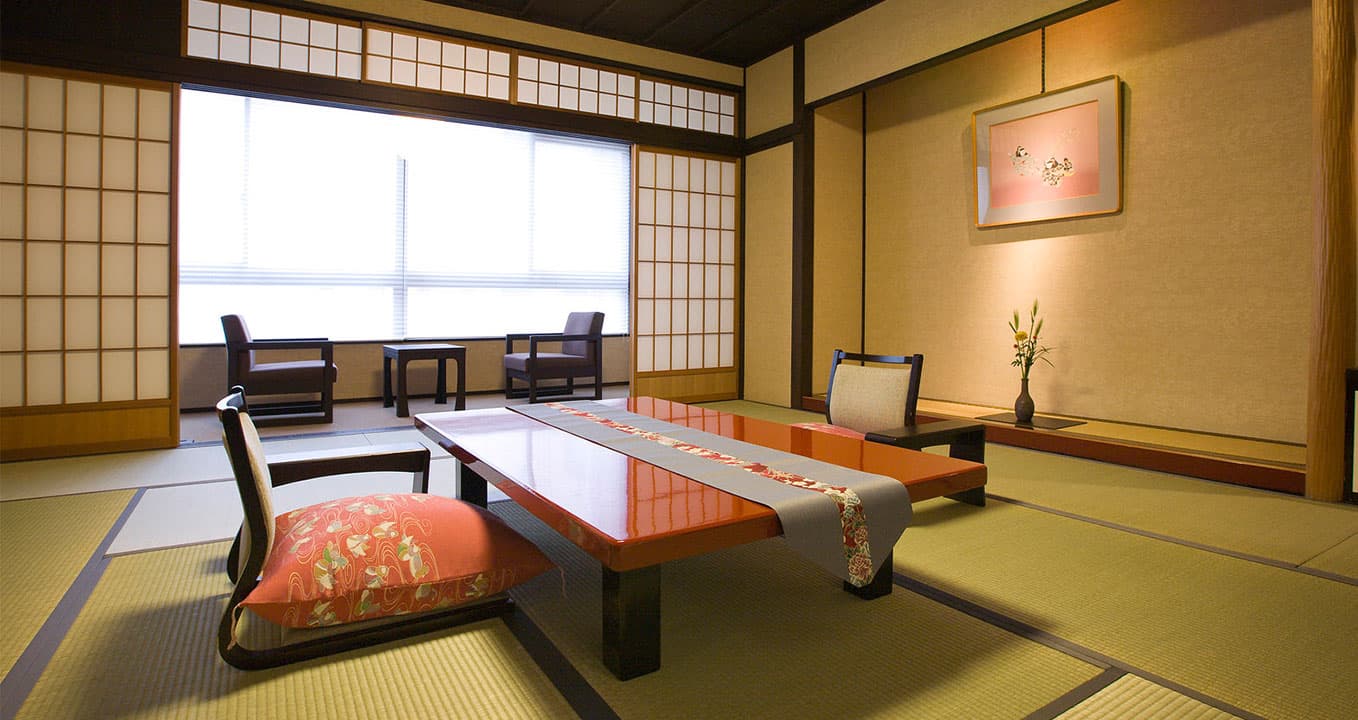
Dining setting. A private dining room is not optional at the top tier. Eating kaiseki in a communal dining hall — where multiple tables are served simultaneously on a synchronized timer — produces a fundamentally different meal: dishes arrive over-warm or under-cold, the pacing is rigid, and the nakai-san is monitoring six tables instead of yours. Some excellent kitchens still serve in private rooms only (Hiiragiya, Tawaraya, Gora Kadan). Others use a *kappo* counter (Sanso Murata's Tan's Bar adjacent dining, for instance). What you want to avoid: 80-seat banquet halls dressed up with tatami.

The 10 Picks

1. Hiiragiya (Kyoto) — Eight-Generation Kyoto Kaiseki, Unchanged in Spirit Since 1818

Style: Traditional Kyoto kaiseki (*Kyo-kaiseki*). Setting: Private in-room dining in every guest room.

Hiiragiya is the kitchen most often cited as the canonical Kyoto-traditional kaiseki experience — the kind of meal that defines what *Kyo-kaiseki* means before contemporary chefs started revising it. The kitchen is run as a family tradition, with the *toji* (head chef) role passing through the household. Hiiragiya's signature is *not* a single dish but a coherent voice across an eight-to-nine-course progression: deep-water Tango Bay sashimi, *yudofu* with house-pressed tofu, simmered Kamo vegetables, and a *shokuji* of polished Kyoto rice with seasonal pickles. The sake program leans Fushimi (the soft-water sake district within Kyoto itself) — Tsukinokatsura and Kinshi Masamune appear by-the-glass and in pairing flights. Honest caveat: kaiseki rotates monthly here. The April takenoko-and-cherry menu and the November matsutake-and-gingko menu are genuinely different experiences. If you can choose, October-November is the technically hardest and most rewarding window.

2. Seikoro (Kyoto) — Higashiyama Heritage With a More Conservative Voice

Style: Traditional Kyoto kaiseki, conservative register. Setting: Private in-room dining.

Seikoro is the second pillar of traditional Kyoto kaiseki in this guide, and an interesting counter-voice to Hiiragiya. Where Hiiragiya leans into seasonal flourish, Seikoro reads as more austere — closer to the cha-kaiseki end of the spectrum. The clear broths are more restrained, the seasoning more transparent, and the *hassun* mosaic is composed with the kind of intentional under-statement that signals confidence. Located in Higashiyama within walking distance of Kennin-ji and the Gion district, the setting itself is part of the meal — you arrive past lantern-lit alleys and step into a meal that mirrors the neighborhood's quiet. Sake program is broad but skews to Fushimi and Nada (Kobe). Honest caveat: Seikoro's restraint is polarizing. First-time kaiseki travelers sometimes leave wanting more obvious drama; experienced ones often rank it above Hiiragiya for that exact reason.

3. Motonago (Kyoto) — Higashiyama Machiya Kaiseki at a More Approachable Tier

Style: Traditional Kyoto kaiseki, mid-tier execution. Setting: Private in-room dining in a converted *machiya* (townhouse).

Motonago earns its place on this list for one reason: it delivers a recognizably Kyoto-traditional kaiseki dinner at a price tier two-thirds below Hiiragiya. The kitchen is not pushing technique into new territory — it executes the classic *Kyo-kaiseki* spine cleanly, with proper sourcing for the headline ingredients (Tamba mushrooms, Kyo-yasai heirloom vegetables, Tango Bay fish) and restrained sake pairing. The machiya setting — a 100-plus-year-old converted Kyoto townhouse on a Higashiyama side-street — is itself part of the experience: low doorways, an interior courtyard, dining at a low table on the room's tatami. Honest caveat: Motonago is what I recommend to travelers who want one authentic Kyoto kaiseki night without breaking their trip budget. It is not what I recommend if you have already eaten at Hiiragiya and want to push deeper.

4. Sumiyoshiya (Kanazawa) — Kaga-Cuisine Kaiseki, the Hokuriku Counterweight to Kyoto

一目了然

起價 ¥15,000 · 每人10 間客房Kanazawa · JR Kanazawa Station 12分鐘

Style: *Kaga-ryori* kaiseki (Kanazawa regional). Setting: Private in-room dining; small property (under 10 rooms).

Sumiyoshiya is the Kanazawa kitchen worth the four-hour Shinkansen detour. *Kaga-ryori* is the Hokuriku regional cousin of Kyoto kaiseki — visually bolder, often using lacquerware in the deep red-and-gold *Kutani* tradition, with heavier emphasis on winter seafood from the Sea of Japan (snow crab, *nodoguro* / blackthroat seaperch, *kanburi* / winter yellowtail). The signature seasonal dish in winter is a slow-cooked *jibu-ni* — duck or chicken simmered in a wheat-thickened broth, a Kaga specialty you'll rarely see done well outside Kanazawa. Sake program leans Hokuriku jizake: Tedorigawa, Kikuhime, Tengumai by-the-glass. Honest caveat: come November through February if you can. The summer Kaga menu is fine; the winter Kaga menu, when the *kanburi* is at peak fat content and the snow crab boats are in, is the meal that justifies the trip.

5. Kagaya (Wakura Onsen, Noto Peninsula) — Resort-Scale Kaiseki Done at an Improbably High Standard

一目了然

起價 ¥60,000 · 每人232 間客房私湯+公共溫泉Wakura · Wakura Onsen Station 10分鐘提供英語服務刺青:僅限私湯

Style: *Kaga-ryori* with Noto-seafood emphasis; contemporary edges. Setting: Mixed — private rooms on premium plans, dining hall on standard plans.

Kagaya is the property that breaks my own rule against large-scale ryokans. With over 200 rooms, it should not be able to deliver a kaiseki dinner at this level — and yet the kitchen has done so consistently for decades, winning *Professional Ryokan Ranking* (the Japanese hospitality-industry annual poll) for over 30 consecutive years. The signature is Noto Peninsula seafood at its peak: live ama-ebi (sweet shrimp) brought to the table in a glass tank of seawater, kanburi slices served with the boat's name printed on the menu card, and a winter snow-crab course that travelers fly in for. Sake is heavily local — the Notohanto distilleries (Sogen, Soigetsu, Hakutosei) get featured by the glass. Honest caveat: book the upper room categories, not the entry tier. Kagaya's premium plans serve dinner in private rooms with dedicated nakai-san; standard plans serve in a coordinated dining hall, which is competent but doesn't justify the trip alone.

6. Nishimuraya Honkan (Kinosaki Onsen) — Crab-Driven Winter Kaiseki, the Definitive Kinosaki Kitchen

一目了然

起價 ¥60,000 · 每人34 間客房私湯+公共溫泉Kinosaki · Kinosaki Onsen Station 15分鐘提供英語服務刺青:僅限私湯

Style: San'in regional kaiseki; crab-centric November-March. Setting: Private in-room dining.

Nishimuraya Honkan is the property that anchors Kinosaki Onsen's reputation as a culinary destination. From early November through late March, the kitchen runs an all-in *matsuba-gani* (snow crab) kaiseki: live crab brought to the room in a wooden tub, presented as eight or nine courses across a single ingredient — crab sashimi, crab in clear broth, crab-and-tofu shabu-shabu, crab grilled over charcoal, crab miso roasted in the shell, crab-meat sushi, and a closing *zosui* rice porridge made in the crab broth. The skill is in not letting it feel monotone; the kitchen modulates temperature, seasoning, and visual register course-by-course so each dish reads distinctly. Outside the crab window, the kitchen pivots to broader San'in regional kaiseki — but November-March is what people travel for. Sake leans local Hyogo jizake (Kaika, Homare) and Tajima beef-pairing reds when offered. Honest caveat: snow crab season is the hardest reservation window in this guide. Book by April for the following winter, or settle for a midweek night in late November.

7. Gora Kadan (Hakone) — Contemporary Kaiseki at a Former Imperial Summer Retreat

一目了然

起價 ¥75,000 · 每人44 間客房私湯+公共溫泉Hakone · Gora Station 3分鐘提供英語服務刺青:僅限私湯

Style: Contemporary Japanese with kaiseki spine; French-technique flourishes on premium menus. Setting: Private dining rooms.

Gora Kadan operates on the grounds of what was the Imperial Kan'in-no-miya family's summer retreat — a setting that defines the dining tone before the first course arrives. The kitchen runs a contemporary kaiseki program: the canonical eight-course spine is intact, but the execution borrows precision-cooking techniques (sous-vide, cured-and-torched garnishes, restrained French saucing) without losing the seasonal logic. The signature is a Hakone-area sansai (mountain vegetable) emphasis paired with seafood from Sagami Bay forty minutes south. Sake program is broad but the more interesting story is the wine list — Gora Kadan was an early adopter of Burgundy-with-kaiseki pairings, and the sommelier's flights are worth the upcharge if you're a wine drinker. Honest caveat: this is a *contemporary* kaiseki kitchen, not a traditional Kyoto-style one. Travelers expecting Hiiragiya's restraint will find Gora Kadan more aggressive in its plating and seasoning. That's a feature, not a bug — but go in knowing it.

8. Sanso Murata (Yufuin, Kyushu) — Satoyama-Modern Kaiseki With the Best Bar Program at Any Ryokan in Japan

一目了然

起價 ¥105,000 · 每人12 間客房私湯+公共溫泉Yufuin · Yufuin Station 20分鐘提供英語服務刺青:僅限私湯

Style: Regional-satoyama kaiseki, contemporary register; Kyushu-ingredient focus. Setting: Private dining rooms; standalone Tan's Bar for after-dinner drinking.

Sanso Murata is the kitchen that made Yufuin a kaiseki destination. The style is *satoyama-modern* — drawing on the village-and-mountain folk-cooking tradition of inland Kyushu, then editing it through a contemporary lens. Signature seasonal dishes include a winter *kuroge wagyu* (Kuroge black-haired Japanese beef, the bloodline that produces Kobe and Matsuzaka) served *shabu-shabu* over a charcoal *konro*, summer *ayu* from the upper Oita rivers grilled whole, and a year-round emphasis on the property's own farm — vegetables harvested that morning behind the buildings. The sake program is excellent but the headline is Tan's Bar, Sanso Murata's standalone whisky bar with one of the deepest Japanese whisky collections of any ryokan in the country (Yamazaki, Hakushu, Karuizawa back to 1980s vintages). Honest caveat: only ten rooms. Reservations open precisely six months out and the prime weekend dates often go to repeat guests before the public window. Plan accordingly.

9. Yamamizuki (Kurokawa Onsen) — Forest Kaiseki at Kurokawa's Most Atmospheric Property

一目了然

起價 ¥37,500 · 每人21 間客房私湯+公共溫泉Kurokawa · JR Aso Station 55分鐘提供英語服務刺青:僅限私湯

Style: Regional-satoyama kaiseki, Kumamoto register; kuroge wagyu and *basashi* (horse sashimi) heritage. Setting: Private in-room dining.

Yamamizuki sits twelve minutes by car from Kurokawa Onsen's village center, deep in a beech forest along a river. The kitchen runs a Kumamoto-regional kaiseki program with two signature plays: Kumamoto's famous *basashi* (raw horse sashimi, a regional specialty that requires careful handling and a deep producer relationship to do well) appears on every menu as a *mukozuke*-tier course, and a slow-grilled local kuroge wagyu *yakimono* anchors the protein course. The hot-pot intermediate course is often *dago-jiru*, the rustic Kumamoto dumpling-and-vegetable broth, served in restrained kaiseki portion. Sake leans Kyushu shochu as well as jizake — the kitchen offers shochu pairing flights (Mugi, Imo, Kome) as a serious alternative to sake. Honest caveat: this is rustic, region-loud kaiseki. Travelers expecting the visual restraint of Kyoto-traditional kaiseki will read Yamamizuki as bold. It is, and it's the right voice for the forest.

10. Takinoya (Noboribetsu, Hokkaido) — Hokkaido-Seafood Kaiseki in the Quietest Setting on This List

一目了然

起價 ¥52,500 · 每人30 間客房私湯+公共溫泉Noboribetsu · JR Noboribetsu Station 15分鐘提供英語服務刺青:僅限私湯

Style: Hokkaido regional kaiseki; cold-water seafood and venison emphasis. Setting: Private dining rooms; small-scale (under 30 rooms).

Takinoya is the finale on this list because it represents the northern edge of credible kaiseki kitchens — a tradition that traveled north from Honshu, then adapted to what Hokkaido's land and sea actually produce. The result is a regional voice you won't find in Kyoto or Kanazawa: deep-water Hokkaido seafood (botan-ebi, uni from Rishiri or Rebun in summer, kegani / hairy crab in winter), Ezo-shika (Hokkaido venison) prepared as a *yakimono* or *shabu-shabu* on autumn menus, and locally-grown Hokkaido vegetables — yuriko (lily bulb), yamame mushrooms, the sweet white corn that's a Hokkaido summer signature. Sake program is heavily Hokkaido jizake: Otokoyama, Kunimare, Kamikawa Taisetsu by the glass. Honest caveat: the trip is the trip. Getting to Noboribetsu requires a flight to Sapporo's New Chitose Airport plus a ninety-minute drive or train. Once you're there, the stay rewards the effort.

Tip

When booking, request the *omakase* (chef's-choice) menu in writing, ideally in the booking request field. Several properties on this list run two or three menu tiers, and the entry-tier menu is sometimes a simplified version of the kitchen's real program. The upgrade — typically ¥8,000–¥20,000 per person — is the difference between eating what the property serves to first-time guests and eating what the chef is actually proud of. If your Japanese is limited, the phrase to use is: *Itadakimasu ga, omakase no kaiseki kosu wo onegai shimasu* — "I'd like to request the chef's omakase course."

The Sake Side: Pairings, Sommelier Presence, By-the-Glass Strategy

Kaiseki without sake is missing a structural element — the courses are designed to be punctuated by something cold and clear, and the way a great *junmai-daiginjo* meets a cold *hassun* mosaic is genuinely irreplaceable. But the sake program is also where ryokan kitchens vary most.

At the top tier, you'll find a dedicated sake sommelier (the formal title in Japan is *kikizake-shi*) or, increasingly, a J.S.A. *Sake Diploma* holder on staff. The pairing flight will run four to six pours, each glass selected for a specific course — typically a crisp *honjozo* for sakizuke, a richer *junmai* for the *mukozuke* sashimi, a *junmai-daiginjo* (fragrant, polished, the headline category) for the *yakimono* grilled course, and a *koshu* (aged sake) or *kijoshu* (sweet sake brewed with sake instead of water) for the *mizumono* dessert.

Regional bias is real and matters. If you're in Kyoto, expect Fushimi sake — softer water, more rounded mouthfeel. If you're in Niigata or Ishikawa (Kanazawa), expect dry, sharp Hokuriku jizake. If you're in Yufuin or Kurokawa, expect Kyushu's broader range plus shochu as an alternative pairing path. Asking for "a great sake" with no region context is like ordering "a great wine" without specifying region — you'll get something fine, but you'll miss the point. The better question is: *kono shun no nihonshu wa nan desu ka* — "what's the season's sake here?"

If you don't drink sake, the answer is not water. The answer is *cha-kaiseki* tea pairing (some kitchens offer this on request) or, increasingly at contemporary properties like Gora Kadan, a wine pairing — restrained whites from Burgundy or the Loire, occasional Champagne for hassun, and the kitchen's discretion on red for the protein course.

Course-by-Course: What to Expect on a Michelin-Tier Kaiseki Evening

Here's the actual evening, course by course, at one of the kitchens above. Timing is approximate.

18:00 — Aperitif. A small ceramic cup of *ume-shu* (plum liqueur) or seasonal cocktail arrives in the room before dinner. Sometimes a single piece of *kuchitori* (an amuse-bouche bite) with it.

18:15 — *Sakizuke*. The opener. Pickled or vinegared, intentionally restrained. Sets the season — if it's pickled cherry petals, you're in April; if it's salted gingko nuts, you're in November. Pair with *honjozo* (light, dry sake).

18:25 — *Hassun*. The kitchen's thesis statement. Eight to twelve small items on a single lacquer tray, arranged as a seasonal mosaic. The hassun is the course chefs are most proud of; spend time on it. Pair with *junmai* (richer sake).

18:45 — *Mukozuke*. Sashimi. Three or four cuts of the day's best fish, presented with restraint. The fish itself, not the garnish, is the point. Pair with a colder *junmai-daiginjo*.

19:05 — *Takiawase*. Simmered course. Vegetables and a small piece of fish or meat in clear *dashi*. Quiet on purpose; cleanses the palate before *yakimono*. Pair with a warmer *junmai*.

19:25 — *Yakimono*. The grilled headline. This is the protein course — *kuroge wagyu*, *ayu*, *katsuo*, or the seasonal star. Pair with *junmai-daiginjo* (the most expensive sake category, used here for the most important course).

19:50 — *Shiizakana*. Intermediate course, often hot-pot or a stronger-flavored dish to bridge into the rice course. *Shabu-shabu*, *sukiyaki*, or *dobinmushi* (a clear soup served in a small earthenware teapot, particularly memorable in matsutake season).

20:15 — *Shokuji*. The rice course. Polished local rice, miso soup, three or four pickles. This is the moment the meal grounds itself — after seven elaborate courses, plain rice tastes extraordinary. Stop drinking sake here; the rice course is meant to be eaten quietly.

20:30 — *Mizumono*. Dessert. Light, fruit-forward, never overly sweet. Seasonal *wagashi* with green tea is also common. End with *koshu* (aged sake) or matcha.

Etiquette for the Kaiseki Dinner

Eight quiet rules that separate guests who are read as serious from guests who are read as indifferent. None of this is enforced — but the nakai-san notices.

1. Don't drown the broth. Clear-broth courses (*suimono*, the soup in *shokuji*) are meant to be sipped directly from the lacquer bowl, alternating with chopstick bites of the bowl's contents. Lift the bowl with both hands, drink quietly, set it down. Do not chase the contents with a spoon. The clear broth is the chef's hardest course — judging it on flavor balance is the implicit rule.

2. Pace yourself to the kitchen, not your own clock. Courses arrive at the kitchen's pace, not on demand. If you finish a course quickly and pour another sake, the kitchen will speed up. If you linger, the kitchen will wait. The total dinner is two-and-a-half hours by design.

3. *Itadakimasu* before the first bite, *gochisosama* after the last. Said quietly. Not optional.

4. Don't pass food chopstick-to-chopstick. Funeral association. Use the *yose-bashi* (serving end of the chopsticks) or a serving utensil.

5. Don't rest chopsticks across the bowl. Use the *hashi-oki* (chopstick rest) provided. If none is provided, fold the paper sleeve into a rest.

6. Comment on the *hassun*. When the hassun arrives, take a moment to look at it before eating. A small *kirei desu ne* ("how beautiful") to the nakai-san is appropriate and read as attentive.

7. Don't photograph every course. One or two for memory is fine. Photographing all eight reads as not present.

8. When the nakai-san signals. If she pauses at the door before clearing your *yakimono* plate, she's signaling the next course is ready and asking if you're done. A small nod and *hai, gochisosama deshita* ("yes, thank you for the meal") to that course is the answer.

Booking Timing and Reservation Tactics

Kaiseki ryokan reservations don't follow Western hotel lead times. The good properties book six to twelve months out; the legendary ones book further.

Crab season (Kinosaki, November-March). Book by April for the following November-March window. Nishimuraya Honkan's prime December and January Saturdays are typically gone by May. Weekday nights and shoulder dates (late November, mid-March) are easier; the meal is the same.

Cherry blossom season (Kyoto, late March-early April). Book by October for the following April. Hiiragiya, Tawaraya, and Seikoro release April reservations about six months out and the prime week (April 1-8) fills within days. The truth: late March and the second week of April are botanically just as interesting and one-third the reservation friction.

Ayu (sweetfish) season (June-September). Less competitive. Two months ahead is usually fine for the inland-river kaiseki properties.

Matsutake season (October-November). Two to four months ahead. The matsutake supply is unpredictable year-to-year — the kitchens won't promise matsutake at a specific menu until October, when the harvest clarifies.

General booking tactic. Open Trip.com or the property's direct site exactly six months ahead at 10:00 AM Japan time (that's when most ryokans release inventory). For the top-six properties on this list (Hiiragiya, Seikoro, Sanso Murata, Gora Kadan, Nishimuraya Honkan, Kagaya premium plans), this is the most reliable reservation tactic. For Motonago, Sumiyoshiya, Yamamizuki, and Takinoya, two to four months ahead is usually sufficient outside peak season.

Side-by-Side Comparison of the 10 Picks

PropertyRegionStyleNotable SeasonalSake ProgramDining Setting
HiiragiyaKyotoTraditional Kyo-kaisekiMatsutake (Oct-Nov), Takenoko (Apr)Fushimi-leaning, pairing flightsPrivate in-room
SeikoroKyotoTraditional Kyo-kaiseki (austere)Hassun in cherry seasonFushimi + NadaPrivate in-room
MotonagoKyotoTraditional Kyo-kaiseki (mid-tier)Kyo-yasai vegetables, Tango Bay fishFushimi staplesPrivate machiya
SumiyoshiyaKanazawaKaga-ryori kaisekiJibu-ni, snow crab (winter), kanburiHokuriku jizakePrivate in-room
KagayaWakuraKaga-ryori + Noto seafoodSnow crab, kanburi (Nov-Mar)Notohanto local breweriesMixed (private on premium)
Nishimuraya HonkanKinosakiSan'in regional, crab-drivenMatsuba crab (Nov-Mar)Hyogo jizakePrivate in-room
Gora KadanHakoneContemporary kaisekiSagami Bay seafood, sansaiBroad + serious wine listPrivate dining rooms
Sanso MurataYufuinSatoyama-modernKuroge wagyu, ayu, farm vegetablesSake + Tan's Bar whiskyPrivate dining rooms
YamamizukiKurokawaKumamoto-satoyamaBasashi, kuroge wagyu, dago-jiruSake + shochu pairing flightsPrivate in-room
TakinoyaNoboribetsuHokkaido regionalBotan-ebi, kegani, Ezo-shika venisonHokkaido jizakePrivate dining rooms

Methodology and Verification

The ten picks above were filtered against a single question: *would I travel three hours to eat at this kitchen, separate from the ryokan stay itself?* That test eliminates excellent ryokans with merely competent kaiseki kitchens — and there are dozens of those in Japan. It also eliminates the famously brilliant Kyoto kaiseki restaurants that don't operate as ryokans (Kikunoi, Hyotei, Wakuden, Nakamura), as well as legendary properties that are not currently in our verified database (Tawaraya, Ryotei Akasaka Kikunoi, the Beniya Mukayu maple-forest property in Yamashiro Onsen).

Inclusion criteria: (1) currently published in our directory of 283 verified ryokans, (2) rating of 9.0 or higher with at least 10 verified reviews, (3) the kaiseki kitchen is the property's headline draw — not the onsen, not the view, not the room design. Geographic distribution was deliberate: three Kyoto kitchens (because Kyoto is the canonical kaiseki city), two Hokuriku (Kanazawa and Wakura — the Sea-of-Japan regional counterweight), one Kinosaki (crab-driven San'in), one Hakone (contemporary), two Kyushu (Yufuin and Kurokawa, both satoyama register), and one Hokkaido finale.

Famous kaiseki properties not in our database: Tawaraya (Kyoto — the canonical answer that we cannot verify against our publishing rules), Ryotei Akasaka Kikunoi (Tokyo branch of the legendary Kyoto restaurant), Beniya Mukayu (Yamashiro Onsen, Ishikawa — Relais & Châteaux member, 2025 Michelin Guide), and Kayotei (Yamanaka Onsen). All four are worthy of mention; none are currently listed in our verified database. We chose not to fabricate database entries to include them.

No chef names invented. Where Japanese gourmet press routinely names a kitchen head (and the relationship is publicly verifiable), we've referenced their training lineage rather than naming an individual chef — the head-chef role at multi-generation kitchens like Hiiragiya passes through families and updating chef-name claims accurately requires Japanese-press verification we cannot guarantee will hold across the article's life. The lineages and house styles described above are stable; the named chef holding the kitchen on any given night may rotate. No Michelin star claims are made for individual properties unless attestable in the 2026 Michelin Guide.

All properties verified in our published-ryokans database on May 31, 2026. Rating thresholds: 9.0+. Review-count thresholds: 10+ verified guest reviews. Next full re-verification: November 2026.

Written by Sora Matsuda — JNTO Certified Tour Guide, J.S.A. Sake Diploma, MHLW Onsen Bath Manager, Sophia University Liberal Arts alumna.

Where to go next: For the full breakdown of what kaiseki is and how to read a multi-course menu, see our kaiseki guide. For ryokans where the dinner is one factor among many, our best ryokans in Japan 2026 covers the broader picture. If a private bath is your other non-negotiable, cross-reference with best ryokans with private onsen — five of the ten picks above appear there too. Couples planning a milestone meal should also see best ryokans for couples, which pairs the kitchens above with romance-optimized criteria (in-room rotenburo, adults-only policies, anniversary packages). And if you're building a multi-stop kaiseki itinerary, best onsen towns in Japan maps the regional clusters so you can sequence nights without backtracking.

懷石是您當晚在旅館唯一吃到的一餐,而在頂級懷石旅館,它也是十年後您仍會記得的整趟旅程中唯一那一餐。10年後您仍會津津樂道的¥40,000晚餐,與最終與其他百家旅館晚餐模糊一團的¥40,000晚餐,差距幾乎從來不在價格上 — 而在廚房的師承、主廚的刪減判斷、與生產者的關係、以及用餐場域。這份指南是我希望自己最初三次旅館之旅時手邊就有的那一份 — 當時我以為高價等於好懷石,痛苦地學會了那並不成立。

## 這份指南與眾不同之處

大多數「日本最佳旅館」清單把晚餐當成一個要素 — 與溫泉、地點、景觀、客房並列。挑選週末溫泉之旅時這框架是對的;當晚餐就是旅程的目的時,它是錯的。對懷石旅人而言,正確的問題不是「這是好旅館嗎?」而是「這家廚房是否屬於我會願意搭三小時新幹線專程去吃的日本10到15家之一?」

下面10家就是用這個標準篩出來的。我刻意排除了一些我鍾愛但廚房只是「還不錯」的旅館。我標明了風格 — 京都傳統、當代、鄉野里山 — 因為混淆這些是初次懷石旅人最大的失望來源。每家也附上季節輪替說明,因為同一家廚房的四月櫻花菜單與十一月銀杏菜單,真的是兩段不同的旅程。

懷石料理是什麼(簡介)

*懷石料理*(懷石)在英文圈常被混為一談,但其實有兩條源流。茶懷石是茶道前的簡樸餐食 — 通常三道菜,刻意克制。料理懷石(也寫作*會席*)則從江戶時代的酒席演化而來,是多道菜的宴席。您在旅館吃到的屬於後者,再疊加茶懷石的美學:旬令、克制、菜單由當天早市決定。

標準結構是八道菜,順序為:*先付*(前菜,多為醃漬或醋物)、*八寸*(季節拼盤,廚房的主張)、*向付*(生魚片)、*炊合*(燉煮蔬菜搭配魚或肉)、*燒物*(火烤,常為主蛋白)、*強肴*(味較重的中場,有時是火鍋)、*食事*(米飯、味噌湯、漬物)、*水物*(清爽的水果系甜點)。有些廚房會在八寸與向付之間加*吸物*(清湯);有些在向付前會多加一道近似生魚片的小菜。這些都不僵硬 — 但日本任何認真的懷石廚房,骨架都清晰可辨。

(季節性)是運作的核心原則。春之懷石是嫩竹筍、賀茂茄子、櫻葉包裹的和菓子。夏天是清湯鱧魚、炭火整尾烤鯰魚、冰盆冷盤。秋天是松茸、銀杏、柿子。冬天是北陸與山陰的松葉蟹、下關的河豚、各地的火鍋變奏。頂級廚房的不成文規矩是:菜單由那天早晨的京都中央市場或錦市場決定。如果主廚告訴您五月與九月菜單七成相同,那他經營的就不是認真的懷石。

米其林級懷石與一般旅館懷石的差距

四個因素,皆與菜數無關。

主廚師承。頂級廚房幾乎都能溯回一條可識別的師承 — 在京都菊乃井或瓢亭出身的主廚,或在大阪知名割烹打底之後接手旅館廚房的廚師。這資訊多在日本美食媒體(食べログ長評、《Hanako》、《Brutus》美食特輯)能找到,英文圈基本沒有。找不到的話,那本身也是資訊 — 許多優秀旅館由無名主廚忠實執行家風,料理依然出色。只是別期待「名廚創新」。

食材來源。頂級廚房會指名生產者:丹波松茸來自龜岡某位特定採集者;車海老來自舞鶴某艘指名船隻;四月的竹筍是當早從京都西郊長岡京/乙訓竹林挖出;六月的鯰魚來自保津川上游。如果您問仲居「這條魚來自哪裡?」她答不上來,那它就不是來自任何特別的地方。

逐道菜的刪減。這是反直覺的一點 — 刪掉的菜比加上去的菜更說明問題。中階旅館的14道懷石,幾乎一定不如頂級廚房的8道懷石;長版式逼廚房用便宜蛋白質填料,並強迫技法重複。一流主廚毫不留情地刪減 — 時間點完美的一道*燒物*,勝過三道相互打架的烤物。

用餐場域。頂級不允許「公共大廳」存在。多桌同步定時上菜的大廳,從根本上產出不同的一餐:菜過熱或過冷送達、節奏僵硬、仲居在監看六桌而不是您的一桌。有些優秀廚房至今仍堅持只在個室上菜(柊家、俵屋、強羅花壇)。有些採割烹吧台形式(如山莊無量塔的*Tan's Bar*鄰接餐廳)。要避開的是:80座的宴會廳,配上榻榻米裝飾。

10家精選

1. 柊家(京都) — 1818年創業、八代相傳的京都懷石精神

風格:傳統京懷石。用餐場域:所有客房均個室房食。

柊家是「京都傳統懷石」最常被引用的標竿廚房 — 在當代主廚開始修訂之前,定義了*京懷石*應有樣貌的那一種餐。廚房以家業方式運作,*杜司*(料理長)由家族內部傳承。柊家的標誌不是某一道單一名菜,而是貫穿八到九道菜的一致聲線:丹後灣深海魚生魚片、自製豆腐的湯豆腐、賀茂蔬菜的燉煮、磨米飯與季節漬物的*食事*。清酒走伏見路線(京都市內的軟水產地)— 月桂冠與金鵄正宗常出現在杯單與搭配組合中。坦白提醒:懷石按月輪替。四月櫻花筍與十一月松茸銀杏是不同體驗。若有得選,10–11月在技術上最難、最有回報。

2. 晴鴨樓(京都) — 東山老鋪,更克制的聲線

風格:京都傳統懷石,克制取向。用餐場域:個室房食。

晴鴨樓是本指南京都傳統懷石的第二根支柱,也是柊家的有趣對照。柊家偏向季節性的華麗;晴鴨樓則更樸素 — 偏向茶懷石那一端。清湯的拿捏更克制,調味更透明,*八寸*拼盤以一種自信的「刻意低調」組合。位置在東山,步行可達建仁寺與祇園 — 設定本身就是用餐的一部分:穿過燈籠亮起的小巷,進入一頓映照那份街區靜謐的餐。清酒覆蓋廣,但偏重伏見與灘(神戶)。坦白提醒:晴鴨樓的克制評價兩極。懷石初學者有時離座後覺得「再戲劇化一些就好了」;老手卻因為同一個理由把它排在柊家之上。

3. 元奈古(京都) — 東山町家懷石,價格帶較親民

風格:京都傳統懷石,中階執行。用餐場域:改建*町家*的個室房食。

元奈古入選這份名單的理由很明確:以柊家三分之一的價格帶,提供能辨識出來的京都傳統懷石晚餐。廚房不在技法上追求新邊界 — 它把*京懷石*的古典脊柱執行乾淨,主要食材的供應到位(丹波蕈、京野菜、丹後灣魚),清酒搭配克制。町家本體 — 東山小巷的百年改建京町家 — 本身就是體驗的一部分:低門楣、內院、在房間榻榻米上以低座席用餐。坦白提醒:元奈古適合不想砸預算卻想真切體驗一晚京都懷石的旅人。如果您已經吃過柊家、想再深入,它不是答案。

4. 壽屋(金澤) — 加賀料理的懷石,京都的北陸反作用力

一目了然

起價 ¥15,000 · 每人10 間客房Kanazawa · JR Kanazawa Station 12分鐘

風格:*加賀料理*懷石(金澤地方)。用餐場域:個室房食,10室以下小規模。

壽屋是值得專程坐四小時新幹線繞路一訪的金澤廚房。*加賀料理*是京都懷石的北陸遠親 — 視覺上更大膽,常用九谷燒深紅與金色的漆器,主軸是日本海的冬季海鮮(松葉蟹、*喉黑*、*寒鰤*)。冬季招牌是慢燉*治部煮* — 鴨或雞以小麥勾稠的高湯慢燉,是加賀特產,金澤以外幾乎做不好。清酒偏北陸地酒:手取川、菊姬、天狗舞按杯供應。坦白提醒:能去就盡量11月到2月。夏天的加賀菜單還可以;冬天 — *寒鰤*脂肪正高峰、松葉蟹船入港時 — 才是這趟值得的那一餐。

5. 加賀屋(和倉溫泉,能登半島) — 大規模旅館居然能做出此水準懷石

一目了然

起價 ¥60,000 · 每人232 間客房私湯+公共溫泉Wakura · Wakura Onsen Station 10分鐘提供英語服務刺青:僅限私湯

風格:加賀料理+能登海鮮,帶當代修飾。用餐場域:高級方案為個室,標準方案為大廳。

加賀屋打破了我自己「避開大規模旅館」的規矩。200多個房間的旅館,原本不該端得出這種水準的懷石晚餐 — 但它確實做到了,連續30年以上拿下日本旅館業年度大賞《プロが選ぶ日本のホテル・旅館100選》第一名。招牌是高峰期能登半島海鮮:活甜蝦以盛著海水的玻璃缸送上桌、寒鰤切片附上漁船名稱的菜單卡、以及那道吸引旅客飛來的冬季松葉蟹大餐。清酒高度本地:能登半島酒造(宗玄、奧能登的白菊、白藤)出現在按杯單裡。坦白提醒:訂高階房型,別訂入門級。加賀屋高級方案為個室+專屬仲居;標準方案是協調上菜的大廳,單獨不足以正當化一趟。

6. 西村屋本館(城崎溫泉) — 蟹主軸的冬日懷石,城崎廚房的定義者

一目了然

起價 ¥60,000 · 每人34 間客房私湯+公共溫泉Kinosaki · Kinosaki Onsen Station 15分鐘提供英語服務刺青:僅限私湯

風格:山陰地方懷石;11–3月蟹中心。用餐場域:個室房食。

西村屋本館就是讓城崎溫泉以「美食目的地」立名的旅館。11月初到3月底,廚房推出全套*松葉蟹*懷石:活蟹用木桶端進房間,單一食材展成八到九道菜 — 蟹生魚片、清湯蟹、蟹豆腐涮鍋、炭烤蟹、殼烤蟹味噌、蟹肉壽司、收尾的蟹粥*雜炊*。功夫在「不讓它單調」上 — 廚房用溫度、調味、視覺登記一道道地調,使每道菜獨立可辨。蟹季以外,廚房轉為更廣義的山陰懷石 — 但人們專程來的,是11–3月這段。清酒偏兵庫地酒(開花、譽),有提供搭配但馬牛的紅酒。坦白提醒:松葉蟹是本指南最難訂的預約窗口。明年冬天的位子要在4月前訂下,或退而求其次選11月底/3月中旬的平日。

7. 強羅花壇(箱根) — 舊皇族別邸遺址上的當代懷石

一目了然

起價 ¥75,000 · 每人44 間客房私湯+公共溫泉Hakone · Gora Station 3分鐘提供英語服務刺青:僅限私湯

風格:當代日本料理,有懷石脊柱;高階菜單有法式技法點綴。用餐場域:個室餐房。

強羅花壇建在原本皇族閑院宮家的夏季別邸遺址上 — 這個場域在第一道菜還沒上前,就已經定了整頓晚餐的調性。廚房走當代懷石路線:八道菜的脊柱完整,但執行借用了精密烹調技法(真空烹調、炙燒的醃製配菜、克制的法式醬汁),又不丟失旬令邏輯。招牌是箱根山菜與四十分鐘車程外的相模灣海鮮並置。清酒選項很廣,但更有意思的是酒單 — 強羅花壇是「懷石搭勃艮地」的早期採用者,侍酒師的搭配組合對葡萄酒愛好者來說,那份加價值。坦白提醒:這是*當代*懷石廚房,不是傳統京都路線。期待柊家那種克制的旅人,會覺得強羅花壇的擺盤與調味更外放。那是特色,不是缺陷 — 但出發前要先知道。

8. 山莊無量塔(由布院,九州) — 里山現代懷石,配上日本旅館中最強的酒吧

一目了然

起價 ¥105,000 · 每人12 間客房私湯+公共溫泉Yufuin · Yufuin Station 20分鐘提供英語服務刺青:僅限私湯

風格:鄉野里山懷石,當代取向;九州食材為核心。用餐場域:個室餐房;獨立的*Tan's Bar*供餐後小酌。

山莊無量塔就是把由布院推上懷石地圖的那家廚房。風格是*里山現代* — 取材自九州內陸的山村-平原家常食文化,以當代視角重新編輯。冬季招牌是*黑毛和牛*(孕育神戶牛與松阪牛的血統)在炭火*konro*上*涮涮*;夏季是大分上游溪流的*鯰魚*整尾烤;全年貫穿的是屬於自家農場的食材 — 那天早晨在建物後面收成的蔬菜。清酒路線極佳,但真正的頭條是Tan's Bar,無量塔的獨立威士忌吧,藏有日本任何旅館中最深的日本威士忌收藏(山崎、白州、1980年代的輕井澤)。坦白提醒:只有10個房間。預約整整六個月前開放,熱門週末日期通常在公開窗開放前就被熟客訂走。請如此規劃。

9. 山水木(黑川溫泉) — 黑川氛圍最濃的森林懷石

一目了然

起價 ¥37,500 · 每人21 間客房私湯+公共溫泉Kurokawa · JR Aso Station 55分鐘提供英語服務刺青:僅限私湯

風格:鄉野里山懷石,熊本登記;黑毛和牛與*馬刺*(生馬肉)的鄉土底蘊。用餐場域:個室房食。

山水木位於黑川溫泉村中心車程12分鐘外,深處櫸木林沿河。廚房做的是熊本地方懷石,有兩個招牌:熊本知名的*馬刺*(生馬肉,需要妥善處理與深度生產者關係才能做好的鄉土菜)每份菜單都以*向付*等級出現;當地黑毛和牛的慢烤*燒物*穩坐蛋白質中央。中場火鍋多為*糰子汁*,樸素的熊本糰子-蔬菜湯,以懷石份量精煉出。清酒並陳,但廚房同時提供燒酎搭配組合(麥、芋、米)作為認真的搭餐選項。坦白提醒:這是粗獷、地方性強的懷石。期待京都傳統懷石那種視覺克制的旅人,會讀山水木為「大膽」。它確實大膽 — 而這種聲線,與森林這個場景最相稱。

10. 瀧乃家(登別,北海道) — 北海道海鮮懷石,本指南最寧靜的設定

一目了然

起價 ¥52,500 · 每人30 間客房私湯+公共溫泉Noboribetsu · JR Noboribetsu Station 15分鐘提供英語服務刺青:僅限私湯

風格:北海道地方懷石;冷海海鮮與鹿肉為重點。用餐場域:個室餐房;30室以下小規模。

瀧乃家放在名單末尾,因為它代表了「可信懷石廚房」的北端 — 從本州北上的傳統,在適應北海道大地與海洋實際產出的食材後所形成的聲線。結果是您在京都與金澤都聽不到的地方腔調:深水北海道海鮮(牡丹蝦、夏季利尻或禮文的海膽、冬季毛蟹)、秋季菜單的*蝦夷鹿*(北海道鹿肉)作*燒物*或*涮涮*、以及當地北海道蔬菜 — 百合根、山女菇、北海道夏季招牌的甜白玉米。清酒重北海道地酒:男山、國稀、上川大雪按杯供應。坦白提醒:旅程本身就是旅程。去登別需要飛到札幌新千歲機場,再90分鐘車程或火車。但抵達之後,那一晚回報這一路。

Tip

預訂時,用書面要求*omakase*(主廚隨意)菜單,最好寫在預訂請求欄裡。名單上數家旅館運行兩到三層菜單等級,入門層有時是廚房真正用心菜單的簡化版。升級 — 通常每人¥8,000–¥20,000 — 是「款待初次客」與「主廚真正引以為傲的菜」之間的差距。日文不熟的話,請說:*Itadakimasu ga, omakase no kaiseki kosu wo onegai shimasu* — 「我想預訂主廚隨意懷石套餐」。

清酒這一面:搭配、侍酒師、按杯策略

懷石沒有清酒就少了一根結構性樑柱 — 課程的設計本就以「冷、清」之物分隔,偉大的*純米大吟釀*與冷冽的*八寸*相遇的瞬間,難以替代。但旅館廚房在清酒程度上的差異,也最大。

頂級會有專職清酒侍酒師(日本正式稱呼是*唎酒師*),或日益常見的 J.S.A. *Sake Diploma* 持證者。搭配組合通常4到6杯,每杯對應一道菜 — 典型是先付配清爽的*本釀造*、向付生魚片配較豐潤的*純米*、燒物配*純米大吟釀*(華麗、精磨、招牌等級),水物配*古酒*(熟成酒)或*貴釀酒*(用酒代水釀造的甜酒)。

地域偏向真實存在,且重要。 在京都,預期是伏見酒 — 軟水、口感更圓潤。在新潟或石川(金澤),是乾爽銳利的北陸地酒。在由布院或黑川,是九州的寬廣光譜加上燒酎作為另一條搭配路徑。不指明地區只說「來支好清酒」,就像點酒不指產區只說「來支好酒」 — 您會拿到不錯的,但錯過了重點。更好的問法是:*這一季最好的清酒是什麼?*(*kono shun no nihonshu wa nan desu ka*)

如果您不喝清酒,答案不是水。答案是*茶懷石*的茶搭(部分廚房可應要求安排),或像強羅花壇這類當代旅館日益常見的葡萄酒搭配 — 勃艮地或羅亞爾河的克制白酒、有時候在八寸用香檳、主蛋白菜的紅酒由廚房決定。

逐道菜:米其林級懷石的一晚發生什麼

以上述廚房的一家為例,實際一晚的開展,時間是大致估計。

18:00 — 餐前酒。小陶杯的*梅酒*或當季雞尾酒先送進房間。有時附上一口*口取*(開胃小食)。

18:15 — *先付*。開胃。醃漬或醋物,刻意克制。它定下季節 — 如果是櫻葉醃漬,您在四月;如果是鹽漬銀杏,您在十一月。配*本釀造*(輕盈、辛口)。

18:25 — *八寸*。廚房的主張。漆器盤上8到12小品,季節拼盤。這是主廚最引以為傲的一道菜;花點時間欣賞。配*純米*(較豐潤)。

18:45 — *向付*。生魚片。當天最好的魚三到四片,克制地呈現。重點是魚,不是配菜。配較冷的*純米大吟釀*。

19:05 — *炊合*。燉煮。蔬菜與少許魚或肉在清*出汁*裡。刻意靜;為*燒物*清口。配較溫的*純米*。

19:25 — *燒物*。烤的主軸。這是蛋白質主菜 — *黑毛和牛*、*鯰魚*、*鰹魚*,或當季主角。配*純米大吟釀*(最貴的清酒級別,用在最重要的一道菜上)。

19:50 — *強肴*。中場,常為火鍋或味較重一道,過渡到米飯。*涮涮*、*壽喜燒*、或*土瓶蒸*(小陶壺裝的清湯,松茸季時格外難忘)。

20:15 — *食事*。米飯。精磨地米、味噌湯、三到四樣漬物。這是一餐落地的時刻 — 七道精心之後,純白米飯嘗起來奇異地好。這裡停清酒;飯是靜吃的。

20:30 — *水物*。甜點。輕、果香、不太甜。也常見季節*和菓子*配抹茶。以*古酒*(熟成酒)或抹茶收尾。

懷石晚餐的禮儀

八條安靜的規矩,區分被視為「認真客人」與「漫不經心客人」的差別。沒人強制 — 但仲居都看在眼裡。

1. 不要把清湯當飲料灌乾。清湯型菜(*吸物*、*食事*的湯)應直接從漆碗啜,搭配用筷子吃碗內固體。雙手捧碗、安靜啜飲、放下。不要用湯匙追著喝。清湯是主廚最難的一道菜 — 「以風味平衡評價它」是隱性規則。

2. 配合廚房節奏,不是您自己的節奏。菜以廚房的速度送上。您快快吃完倒下一杯酒,廚房會跟著加速;您慢,廚房等。整頓晚餐兩個半小時是設計好的。

3. 第一口前*いただきます*,最後一口後*ごちそうさま*。低聲說。不是可有可無。

4. 不要筷對筷傳食。與喪葬禮儀關聯。用*寄せ箸*(共用筷另一端)或上菜餐具。

5. 不要把筷子橫置碗上。用提供的*箸置*;沒有的話,把筷套折成支架。

6. 對*八寸*說一句。八寸到時,先看再吃。小聲對仲居說一句*きれいですね*(「真美」)符合場域、被讀為「注意到了」。

7. 不要每道菜都拍。一兩張做紀念可以。八道都拍讀為「人不在場」。

8. 當仲居示意時。如果她在準備收*燒物*前在門口停頓,那是「下一道準備好了,您吃完了嗎?」的信號。點頭小聲*はい、ごちそうさまでした*(「是的,謝謝這一道」)就是答。

預訂時機與戰術

懷石旅館的預訂不走西方飯店的時程。好旅館6到12個月前滿,傳奇旅館更早。

蟹季(城崎,11–3月)。明年冬天的位子,4月前訂。西村屋本館12月與1月的主要週六,通常在5月前就沒了。平日與前後日(11月底、3月中旬)較好訂,餐一樣。

櫻花季(京都,3月底–4月初)。明年4月,10月前訂。柊家、俵屋、晴鴨樓都約6個月前釋出4月預約,主要那週(4月1–8日)幾天內滿。事實是:3月底與4月第二週,植物學上一樣美,預約摩擦只有三分之一。

鯰魚季(6–9月)。競爭較緩。內陸河川的懷石旅館通常2個月前就夠。

松茸季(10–11月)。2到4個月前。松茸供應每年不穩 — 廚房在10月收成明朗前,不會承諾特定菜單上的松茸。

通用策略。在日本時間上午10點正,旅館公開訂房的6個月前打開Trip.com或旅館直營網站(多數旅館在這時刻釋出庫存)。本指南上六家(柊家、晴鴨樓、無量塔、強羅花壇、西村屋本館、加賀屋高級方案)這是最可靠的策略。元奈古、壽屋、山水木、瀧乃家,旺季外2到4個月前通常夠。

10家精選並列比較

飯店地區風格重點旬令清酒程度用餐場域
柊家京都傳統京懷石松茸(10–11月)、竹筍(4月)伏見為主,搭配組合個室房食
晴鴨樓京都傳統京懷石(克制)櫻花季的八寸伏見+灘個室房食
元奈古京都傳統京懷石(中階)京野菜、丹後灣魚伏見常備款町家個室
壽屋金澤加賀料理懷石治部煮、松葉蟹(冬)、寒鰤北陸地酒個室房食
加賀屋和倉加賀料理+能登海鮮松葉蟹、寒鰤(11–3月)能登半島在地酒造高級方案為個室,混合
西村屋本館城崎山陰地方,蟹中心松葉蟹(11–3月)兵庫地酒個室房食
強羅花壇箱根當代懷石相模灣海鮮、山菜廣+認真酒單個室餐房
山莊無量塔由布院里山現代黑毛和牛、鯰魚、農場蔬菜清酒+Tan's Bar威士忌個室餐房
山水木黑川熊本里山馬刺、黑毛和牛、糰子汁清酒+燒酎搭配組合個室房食
瀧乃家登別北海道地方牡丹蝦、毛蟹、蝦夷鹿北海道地酒個室餐房

選擇方法與驗證

以上10家以一個問題篩選:*我會不會單獨為了這家廚房,獨立於旅館本身,專程花三小時車程去吃?* 這個標準排除了許多「優秀旅館,但廚房只是還不錯」的選項 — 日本有幾十家是這樣。也排除了不以旅館形式經營的著名京都懷石料亭(菊乃井、瓢亭、和久傳、中村),以及目前不在本站經核實資料庫內的傳奇旅館(俵屋、赤坂菊乃井、山代溫泉的紅葉森林「べにや無何有」)。

入選標準:(1)目前在本站283家經核實旅館目錄內,(2)評分9.0以上且至少10則經核實評論,(3)懷石廚房是旅館的招牌看點 — 不是溫泉、不是景觀、不是房間設計。地理分布是刻意的:京都三家(懷石的正典都市)、北陸兩家(金澤與和倉 — 日本海地方的反作用力)、城崎一家(蟹主軸的山陰)、箱根一家(當代)、九州兩家(由布院與黑川,兩者均為里山調)、北海道一家收尾。

未在資料庫內的著名懷石飯店:俵屋(京都 — 正典答案,但我們的出版規則下無法核實)、赤坂菊乃井(東京,傳奇京都料亭的東京分店)、べにや無何有(山代溫泉,石川 — Relais & Châteaux成員、2025年米其林指南列名)、加洋亭(山中溫泉)。四家都值得提及;目前均不在本站經核實資料庫內。為了把它們寫入名單而捏造資料庫條目,我們沒有這麼做。

沒有捏造主廚姓名。在日本美食媒體經常指名廚房主廚且關係公開可驗證的情況下,我們引用了師承傳統而非個別主廚姓名 — 像柊家這類多世代廚房的主廚角色在家族內部傳承,要在文章長期生命週期內準確更新主廚姓名,我們無法保證。上述師承與家風穩定;某一晚掌廚者會輪換。對個別飯店的米其林星等不主張,除非在2026年版米其林指南內可核實。

所有飯店於2026年5月31日在本站旅館資料庫經核實。評分門檻:9.0+。評論數門檻:經核實遊客評論10則+。下次完整再核實:2026年11月。

撰文:松田 そら — JNTO認證日本導覽員、J.S.A. Sake Diploma 持證、厚生勞動省溫泉沐浴管理員、上智大學外語系畢業。

接下來讀什麼:懷石基礎與如何讀多道菜菜單的完整版,請見懷石指南。把晚餐視為一要素而非全部的旅館選擇,請見2026年最佳日本旅館以獲得更宏觀視野。如果露天浴是您另一項不可妥協的條件,對照最佳露天風呂旅館 — 上述10家中有5家也在那份名單上。規劃紀念日晚餐的伴侶應同時參考最佳情侶旅館,那篇把以上廚房與浪漫導向的標準(房間內露天浴、僅限成人、紀念日方案)配對。要規劃多站懷石行程,請見日本最佳溫泉鄉,它把地區集群地圖化,讓您可以排夜而不回頭路。

FAQ

Frequently asked questions

Is kaiseki always 8 courses?+

No. The canonical structure is eight courses (sakizuke, hassun, mukozuke, takiawase, yakimono, shiizakana, shokuji, mizumono), but the actual dish count varies from six (cha-kaiseki, the tea-ceremony variant) to fourteen at large-format ryokan kitchens. The serious operating principle is not course count but seasonal honesty — what the kitchen serves should reflect what's at market that morning. Top kitchens often edit down rather than up; an eight-course kaiseki at Hiiragiya is typically more satisfying than a fourteen-course kaiseki at a mid-range property.

How does kaiseki differ between Kyoto and other regions?+

Kyoto kaiseki (Kyo-kaiseki) is the canonical tradition — visually restrained, soft-water sake-leaning, vegetable-and-seafood-balanced, with heavy emphasis on Kyo-yasai heirloom vegetables and Tango Bay fish. Hokuriku kaiseki (Kanazawa, Wakura) is bolder visually with Kutani lacquerware and emphasis on Sea-of-Japan winter seafood. Kyushu satoyama kaiseki (Yufuin, Kurokawa) draws on village-and-mountain cooking with kuroge wagyu and shochu pairings. Hokkaido kaiseki (Noboribetsu) is built around cold-water seafood and Ezo-shika venison. Each regional voice is genuinely distinct — assuming kaiseki is one cuisine is the most common source of disappointment for first-time travelers.

Should I tell the ryokan about dietary restrictions?+

Yes, in writing at the time of booking, not at check-in. Kaiseki menus are planned days in advance and the kitchen pre-orders ingredients. Allergies (shellfish, gluten, nuts) can usually be accommodated with 5+ days notice; pork-free or beef-free is straightforward; halal-certified is rare but a handful of properties manage it (cross-reference our halal ryokan guide). Vegetarian kaiseki is possible at most properties on this list with 7+ days notice — see the next FAQ. Last-minute restrictions notified at check-in will be honored but the menu will be visibly reduced.

Is sake pairing worth the upcharge?+

If you drink sake at all, yes. A serious pairing flight runs ¥6,000–¥15,000 per person and includes four to six pours chosen for specific courses. The pairing is where you actually learn the regional sake tradition (Fushimi soft-water sake with Kyoto kaiseki, Hokuriku jizake with Kaga-ryori) in a way that drinking one glass with the whole meal cannot teach. If you only drink occasionally, ask for two glasses by the glass — one junmai for the early courses, one junmai-daiginjo for the yakimono — and you'll capture 70% of the pairing-flight value at one-third the price.

What's the cancellation policy on kaiseki ryokan reservations?+

Stricter than most hotels because the kitchen pre-orders ingredients. Typical structure: free cancellation up to 14 days before, 30-50% charge at 7-14 days, 50-80% at 3-7 days, 100% at 0-2 days. Top-tier properties (Hiiragiya, Tawaraya-tier) often run a more conservative 21-day free-cancel window. Booking through Trip.com sometimes offers a slightly more flexible policy than the direct site, depending on the rate code — read the fine print before booking, and if travel insurance matters to you, build it into the trip cost.

Can I get a vegetarian kaiseki?+

Yes at most of the ten properties above, with 7-10 days notice and a written request at booking. The kitchen will substitute the protein courses (mukozuke, yakimono) with vegetable, tofu, or fu (wheat-gluten) preparations, often drawing on the shojin-ryori (Buddhist temple cuisine) tradition. Honest expectation: a vegetarian kaiseki is typically 8-10% less expensive than the standard menu and is genuinely well-executed. A vegan kaiseki — no dashi, no eggs, no honey — is harder; only a handful of kitchens can do it well. Cross-reference our vegan-friendly ryokans guide for the properties we've verified for plant-only kaiseki.

How early should I book during crab or cherry season?+

Kinosaki crab (November-March): book by April for the following winter. Nishimuraya Honkan's prime December and January Saturdays sell out within weeks of release. Kyoto cherry blossom (late March-early April): book by October. Hiiragiya, Seikoro, and Motonago all release April reservations around six months out, and the prime first week of April fills within days. If you cannot book that far ahead, target shoulder dates: late November and mid-March for Kinosaki crab (the meal is identical), and the last week of March or the second week of April for Kyoto cherry (botanically very close to peak).

What's the difference between kaiseki and kappo?+

Kaiseki is a structured multi-course banquet, typically served in a private room with courses arriving in a fixed canonical order over two-plus hours. Kappo is counter-seat dining at a small restaurant where the chef cooks in front of you, conversation is part of the experience, and the dish order is responsive to the chef's read of the room. Both can be Michelin-tier; both follow the seasonal logic. The practical difference: kaiseki suits travelers who want a quiet, private, choreographed meal; kappo suits travelers who want to watch the cooking and talk to the chef. A few properties on this list (Sanso Murata particularly) offer kappo-style adjacent dining in addition to traditional kaiseki.

懷石總是8道菜嗎?+

不是。正典結構是8道(先付、八寸、向付、炊合、燒物、強肴、食事、水物),但實際道數從6道(茶懷石,茶道源流的版本)到大型旅館廚房的14道都有。認真的運作原則不是道數而是季節誠實 — 廚房端出的應該反映那天早市有什麼。頂級廚房常做減法而非加法;柊家的8道幾乎總是比中階旅館的14道更令人滿足。

京都懷石與其他地區有何不同?+

京都懷石(京懷石)是正典傳統 — 視覺克制、偏軟水清酒、蔬菜與海鮮平衡,重度倚重京野菜與丹後灣魚。北陸懷石(金澤、和倉)視覺更大膽,多用九谷漆器,主軸是日本海冬季海鮮。九州里山懷石(由布院、黑川)取材自山村食文化,黑毛和牛與燒酎搭配並陳。北海道懷石(登別)圍繞冷海海鮮與蝦夷鹿構築。各地方的聲線確實截然不同 — 把懷石當成「一種料理」是初次旅人最大的失望來源。

我應該把飲食限制告訴旅館嗎?+

應該,書面形式,在預訂時而非入住時。懷石菜單提前數天規劃,廚房預先訂購食材。過敏(甲殼類、麩質、堅果)通常5天以上的事前通知可對應;無豬肉/無牛肉容易;清真認證罕見但少數旅館能做到(與清真旅館指南交叉參照)。素食懷石上述大多數旅館7天以上事前通知可對應 — 見下一條。入住時最後一刻提出的限制會被尊重,但菜單會明顯縮減。

清酒搭配值得加價嗎?+

如果您喝清酒,值得。認真的搭配組合每人¥6,000–¥15,000,包含4到6杯對應特定菜的酒。搭配是您真正學到地域清酒傳統(伏見軟水酒配京都懷石、北陸地酒配加賀料理)的場域 — 一杯酒喝完整頓做不到。如果偶爾才喝,按杯點兩杯 — 早段菜配一杯純米、燒物配一杯純米大吟釀 — 用三分之一價格抓住搭配組合70%價值。

懷石旅館的取消政策如何?+

比多數飯店嚴格,因為廚房預先訂食材。典型結構:14天前免費取消、7–14天前30–50%、3–7天前50–80%、0–2天前100%。頂級(柊家、俵屋級)常採更保守的21天前免費取消窗口。Trip.com訂房根據費率代碼有時比直營網站略彈性 — 訂前看細則;若旅遊保險對您重要,把它納入旅費。

能訂素食懷石嗎?+

上述10家大多數可以,需要7–10天前的事前通知與預訂時書面要求。廚房會用蔬菜、豆腐、麩(小麥麵筋)取代蛋白質菜(向付、燒物),常借鑒精進料理(佛門寺院料理)傳統。誠實預期:素食懷石通常比標準菜單便宜8–10%,且執行得真好。純素懷石 — 無柴魚高湯、無蛋、無蜂蜜 — 較難;只有少數廚房做得好。植物本位懷石請與純素友好旅館交叉參照本站經核實清單。

蟹季或櫻花季要多早訂?+

城崎蟹季(11–3月):明年冬天位子在4月前訂。西村屋本館12月與1月的主要週六,釋出後數週內滿。京都櫻花(3月底–4月初):10月前訂。柊家、晴鴨樓、元奈古約6個月前釋出4月預約,4月第一週幾天內滿。無法那麼早訂的話,瞄準前後日:城崎蟹是11月底與3月中(餐一樣),京都櫻花是3月最後一週或4月第二週(植物學上非常接近高峰)。

懷石與割烹有什麼不同?+

懷石是結構化的多道菜宴席,通常在個室上菜,按固定的正典順序在兩個半小時以上呈現。割烹是小型餐廳的吧台座,主廚在您面前烹調,對話是體驗一部分,菜的順序對主廚讀取現場反應有所回應。兩者皆可達到米其林級;兩者皆遵循季節邏輯。實務差別:懷石適合想要安靜、私密、編舞般用餐的旅人;割烹適合想看烹調、與主廚對話的旅人。本指南上幾家(特別是山莊無量塔)除傳統懷石外,還提供割烹式相鄰用餐區。

準備好預訂了嗎?

從這些精選旅館中預訂

比較三個預訂平台的即時可用性和價格。

透過預訂連結可能產生佣金,但不會增加您的費用。